The Dream Weavers Web

It had been a few years since we had taken the magical pill. When the daughter was younger, she was enamored with Disney movies, was obsessed with unicorns and mermaids (the mermaids still hold sway), but the general euphoria with Disney has come down somewhat, or so we thought. It turns out, magic may be dormant, but thankfully not absent. When those Mickey ears came on, so did the smiles, the magic, the ridiculous mixed with the plausible, the tales with long tails, the myths and legends, everything came bubbling up in one hot cauldron full of fun and adventure.

I must say I was thrilled too. The day to day living tends to routinely pound magic out of us unless we make a concerted effort to keep it. The schools manage to do so for the children. There are Dr Seuss weeks, there are Read-a-thons, crazy hair days and crazed sock days to keep it all intact. But as the business of earning a living and adult hood takes on, there is a brush working in the background to make us more even keel, more predictable and less whimsical.

Reading children’s books keeps it for us in some ways.

I had expected to have a good time at Disneyland. I manage to put my whimsies on with a delight, and get the children going too. So far so good. But there are serendipitous surprises lurking even in the most magical of places. The Disney World in Florida was even better than I had expected. There was Animal Kingdom, in which I expected plastic hippos and lions made to scale. Consider my surprise then when we went on the Kilimanjaro safari to be taken into the hinterlands with animals in relatively free reign. It is marvelous to see a bloat of hippos, a tower of giraffes, a something of warthogs, and a blush of pelicans roaming freely. When a white horned rhino waddled across our path, we simply waited for it to move quietly. Even the children, though looking awed, did not utter a sound. There is majesty in nature.

One of the best surprises for me was the onus on conservation of our beautiful planet for the years to come. There were green houses showing us the marvels and possibilities of vertical farming. It was apparent to those of us floating in the boats by the lazy river taking us through these green houses, that many of us had never seen plants of many vegetables and fruits before. One excited child pointed to an eggplant plant, and squealed – “Look the eggplants are hanging from them!” I could see it was a beautiful revelation for the child who had simply assumed you picked it up in the grocery aisles of the supermarket, while making a passionate case for a Hot Wheels toy car at the billing counter.

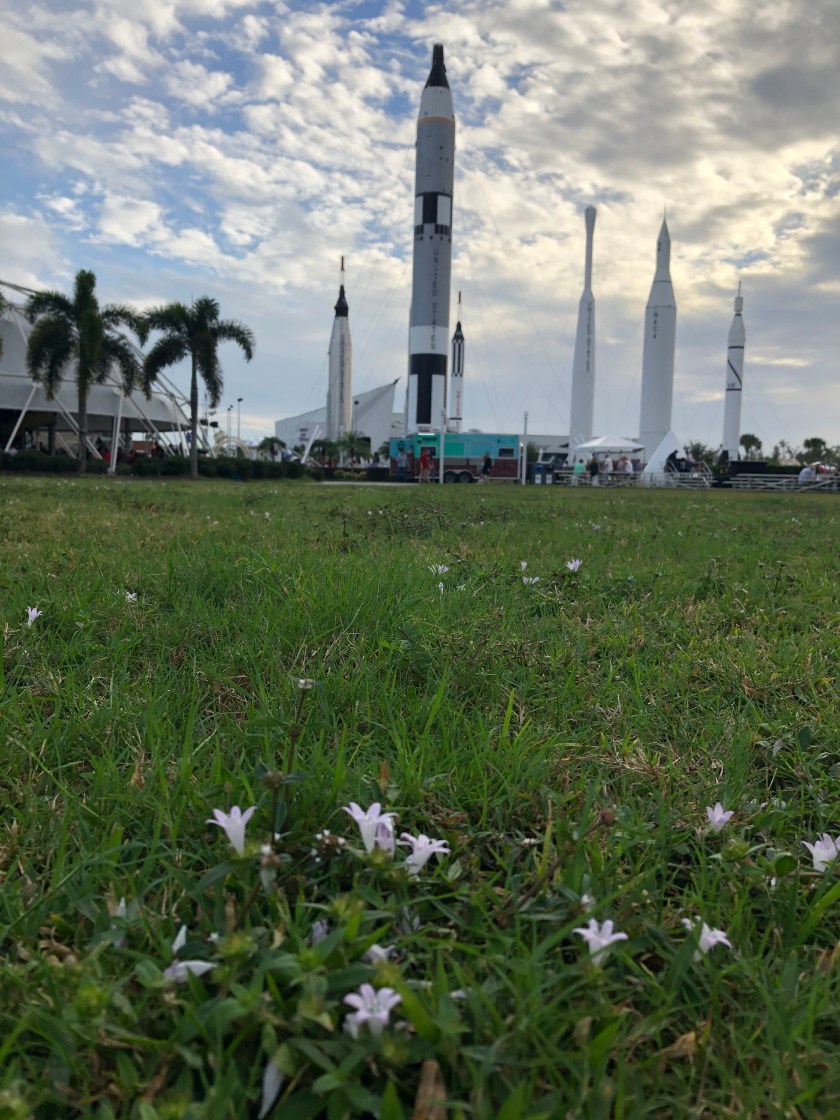
Saturated with the magic of life on this beautiful planet, we spent a day amidst the shots to space. Kennedy Space Center. The past merged with the magic of fairy-tales, the present beautifully thrumming with possibilities for conservation and conversation, and the future hits among the stars. Looking for possible planets for us to expand into.

It is marvelous to see we are on the cusp of a decade that holds so much promise. For among the young I saw in the parks, there will be quite a few starting their careers in the coming decade.

IMG-6125

The whole time, I was absorbing the atmosphere around me, little words were forming themselves into sentences. I was making my journey on the river of time and I was grateful for so many things. Some good sentences disappeared because I had not written them down, but I didn’t fret. It is often like this – playing with the words to relive my experiences.

Imagine how I felt then, when I read Ursula Le Guin’s essay on Writing. I felt the sage author’s words like balm, and nodded along. Writers are creators, but unlike potters and weavers, our products are less tangible. Our dreams are webs weaved in the magical recesses of the brain, and not all of it worth reading or sharing.

“Writing is a risky business. No guarantees. You have to take the chance. I’m happy to take it. I love taking it. So, my stuff gets misread, misunderstood, misinterpreted, – so what? If its the real stuff, it will survive almost any other abuse other than being ignored, disappeared, not read.”

When I read this piece in the essay though, I was grateful. I have written 800 posts over the past 14 years, and I would never have done that if not for the encouragement I have received from my dear friends and readers. It is magical. Encouragement like Love, is so fuzzy a thing to try to describe. For both the forces have the power to gently nurture, nudge, and poise for acceptance.

Thank you for all of that. Let the magical dreams weave on in the coming decade as well. Happy New Year and Happy New Decade – May the River of Time course on gently.

The Gingko Trees 🌳

“Did you know about the Gingko trees?” I said, knowing fully well the reaction it would elicit from the daughter.

“Oh Please! There is no need to tell everyone you meet about the Gingko trees you know?” she said.

“But there is! Maybe I will write about it.” I said. The gingko trees have given me no end of pleasure , and I must say, a certain amount of anticipation tinged with a spot of trepidation, during the past few months. The one interesting fact I know about them has been beaten to mythical status and back like the shedding and revival of the seasons.

“Are you seriously telling me that you haven’t written about the blasted Gingko trees yet?” the daughter’s voice was tinged with laughter and embarrassment. The conversation was happening in front of her friends after all.

If you really want to embarrass your teenage child, please take them for a walk explaining obscure horticultural facts along the way. Touch the leaves of the Gingko trees, tell them the scientific name is Gingko Biloba, take them back to the time when the dinosaurs roamed feeding off these very leaves and the time travel is bound to work wonders on them.

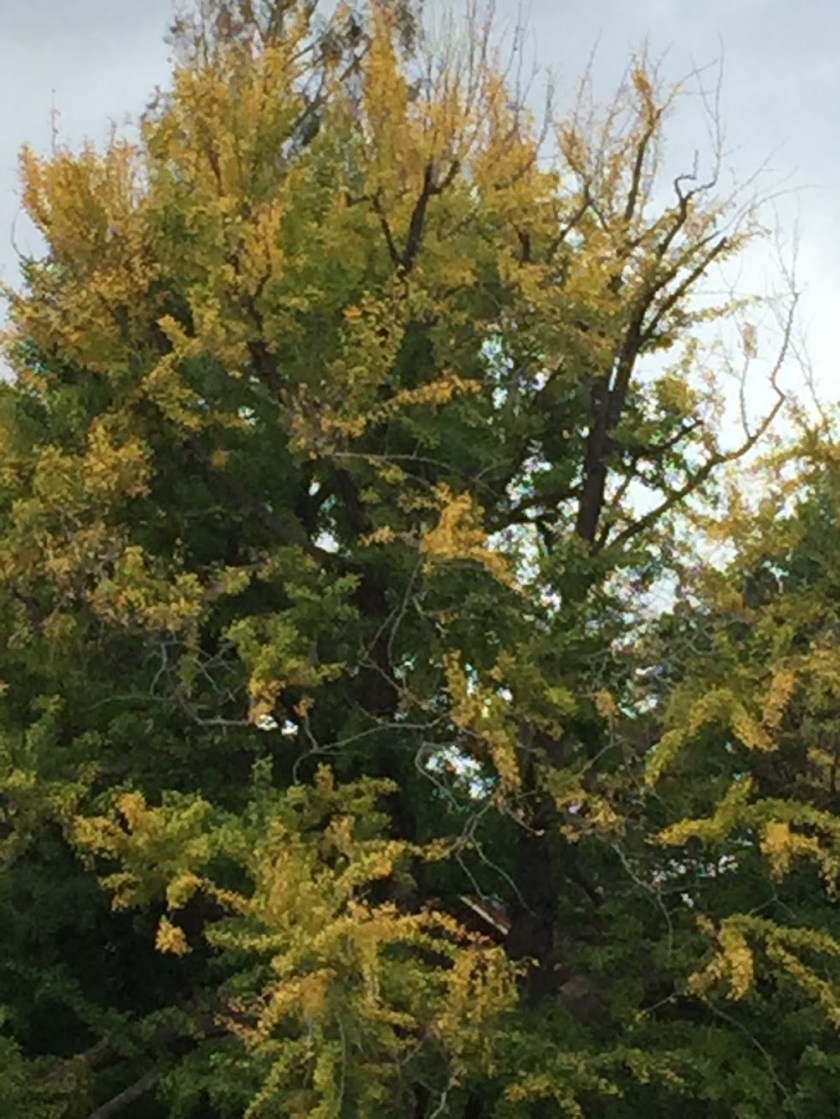
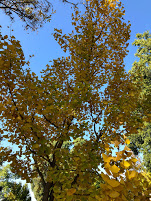
Only the teenager most proud of their parents is bound to glow like the dew drops glistening on a Gingko tree at the first rays of the sun. Mine looked like a cross between a beetroot and a maple 🍁 . I stood there poetically exclaiming that the beautiful Gingko trees had shed their golden tresses after all; happy that the interesting fact had been borne out truly by the sturdy trees.

gingko_2.jpg

Months before, as the colors of the leaves changed from olive green to golden yellow, I had told her about the fact that Gingko trees shed their leaves all at once.

“Don’t they all?!” she said being clever, but I had my answer ready.

“No they don’t as the crunch parties we have all of October and November show you. But the Gingko trees in the vicinity all shed together on one day in November apparently.” I said. “It is like the day of the party, and they somehow decide the day between themselves. Nature’s signals are truly quixotic!”

“Did you also know that Gingko trees have been around from the days of the dinosaurs?”
“And how do you know that?” the family asked looking at me curiously, as if my age was finally becoming clear to them. I did not like where this was going, and hastily assured them that paleontologists seemed to have found fossils and put their necks on the line with that fact.

Ever since, throughout November, we watched the Gingko trees with fascination, and self with a tinge of dread, for I had bored the family stiff with tales of the Gingko tree ever since I read the essay by Oliver Sacks in the book, Everything in its Place. He wrote of his learnings from the Horticultural Society of which he was a part, and he had said quite categorically that the Gingko trees party was one day in mid November.

gingko

Mid November came and went, and the yellow leaves swung their tresses proudly as the cold winds coursed through them. Rains lashed at them, and they swished them some more. Haughty Princesses they’d make, I thought to myself.

Thanksgiving came and went, and the family was now baring their fasts at me. “After all those months with the blasted gingko tree, if they don’t shed, you’ve had it Mother dear!” they said. I said that November in New York probably meant December in California, but I also prayed a little. You see, I had made a bit of a pest of myself over the past few months, and I knew it. Oh the horror if they didn’t!

December came, and I went out of the state for a couple of weeks. I cannot say that the Gingko trees were in my thoughts for very long during this time. Year end work-travels don’t give time to think of Gingko trees.

I came back, and I had come for the walk with the girls, when the Gingko trees swam into my thoughts again. Luckily for me, Oliver Sacks, was an astute man. Though, I don’t know whether they had all shed their leaves on the same day, when I saw them, all the Gingko trees in the vicinity, young and old, were bare. Their leaves lay in a heap around their trunks, and I looked vindicated. Thank you Oliver Sacks and Thank you Gingko Trees! I said privately heaving a sigh of relief.

I told the girls about the whole thing: the pest I’d made of myself, and how the solid trees had helped me after all, and they laughed heartily. “I told you my mom is a nature kook! ” said the daughter, but there was laughter there – I seemed to have redeemed myself in front of her friends.

I am not sure when I will be willingly invited next: I’d better get going on some Spring facts to dazzle the lot.

everything_place

Book: Everything in its Place

By: Oliver Sacks

Essay: The Night of the Gingko

The Chrysalis of Clouds

Long flights are a time for introspection and solitude. Maybe given how little I get of this precious time unconnected, and alone, I am doubly appreciative of these spots of solitude gifted to me.

It is strange to think I am surrounded by sentient beings on a flight amidst the clouds. It was cramped being surrounded by people, but yet, free enough to let my fancies roam the beautiful worlds outside. The stars that I stare at from down below seem closer, and more familiar without the forms of the lit urban landscape to obscure the view.

Squinting into the night, it is faintly possible to remember a world swirling below and worlds swirling all around us, and worlds in which our problems are just that – fleeting wisps of cloud.

It is also rarely that I get to indulge in the beautiful meditations afforded by looking out the window. The tinkling lights of spots of civilization below make me think of how our problems look from above. I can think benignly of mankind just as I can do so when I am atop a mountain looking down at our lives.

img_5571

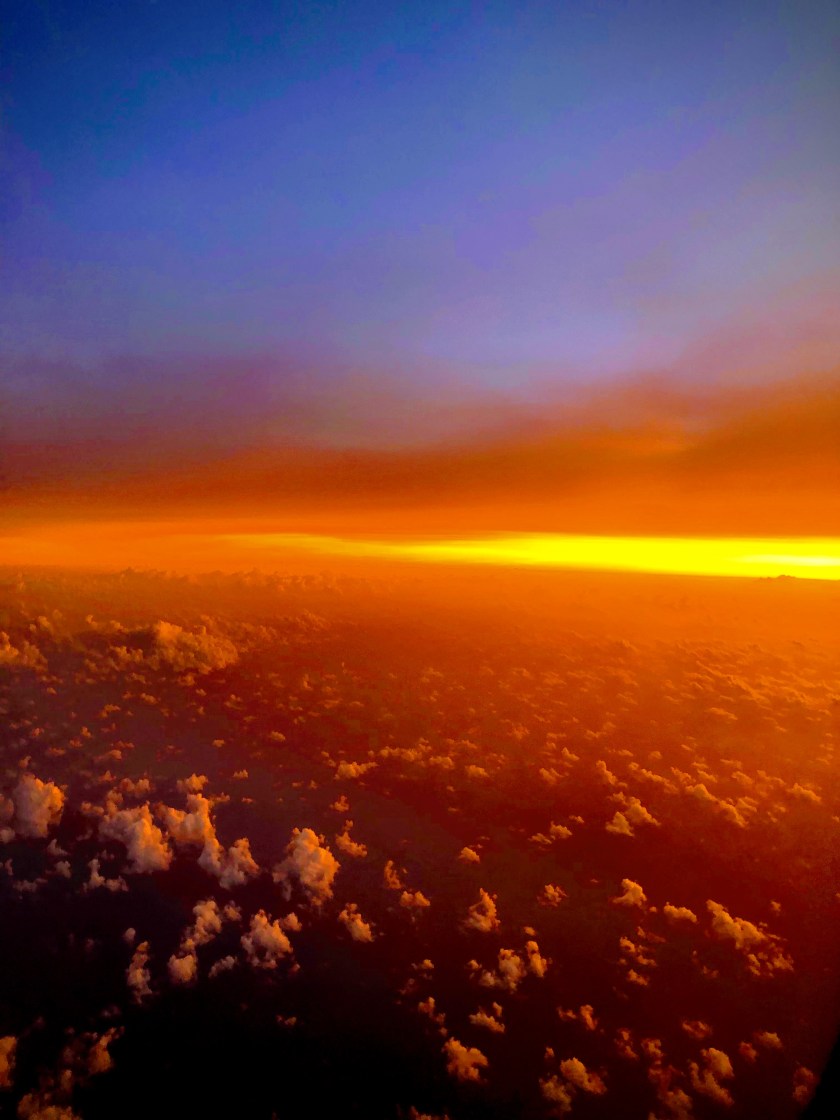
The rain bearing clouds were floating heavily as I surveyed them longingly from the airplane window. There is a strange uplifting feeling in being up among the clouds. When you are up there for hours together just quietly admiring the clouds, and the various lights that illumine them, there is cosmic beauty there. A calm beauty that words cannot do justice to. The idea of a soaring high atop a large thrumming bird watching the moonbeams light up the clouds is magical.

Watching the sun rise from above the clouds is even more magical. The transformation between dusk to night and from night to dawn is amazing. When on a long flight like that, it is doubly interesting to note that it is hard to imagine trees among the clouds. There is just a white/grey world tinged with silver, gold, yellow and orange against a black or blue sky. Where are the greens and purples that the eyes yearn for up there?

img_5532-effects

Flying among the clouds, there was a strange sense of being transient. Aren’t we all transient beings, here among the clouds for a while? This world. While it feels beautiful to experience this fleeting sensation, it is also bourne upon us about the fragility of our beings. We are in pressure controlled vessels , being looked after by flight attendants with food and drink that our peculiar palates can accept.

As the flight announcements came on about our landing, I felt an unease. A return from the lands of fancy above to one tinged with reality. Was this how adventurers felt? Maybe it was because of the chapter I was reading in The Snow Leopard by Peter Matthiessen as he wraps up his 6 month trek in the Tibetan Dolpo region on the lookout for snow leopards:
“To emerge gradually from such a chrysalis, drying new wings in the sun’s quiet, like a butterfly, to avoid a sudden tearing of the spirit. Certainly this has been a silent time, and a hallucinatory inner journey too, and now there is this sudden loss of altitude.”

The transcendental nature of flights,  watching the moonbeams, suns-rays and so on illumine the fluffy worlds below is a gift indeed. A time of mellifluous thought,  the landing to the earth is seldom smooth – do birds feel that way?

img_5549

A Poem From The Clouds:


The rain bearing clouds shimmer over the city lights below

Giving way to a darker journey where

The stars keep me company as they twinkle over the wing

Blinking and twinkling their friendly greeting as my eyes fathom their shapes.
The sun’s rays across the wing span creep in, slowly

Ushering in a new world

The same world blanketed by the stars

Or is it?
A billion diamonds replaced by one

One Star that outshines everything – The Supreme Star

Till Time takes charge at dusk again

A reminder that Time alone endures.

Charming Blooming Murmurations

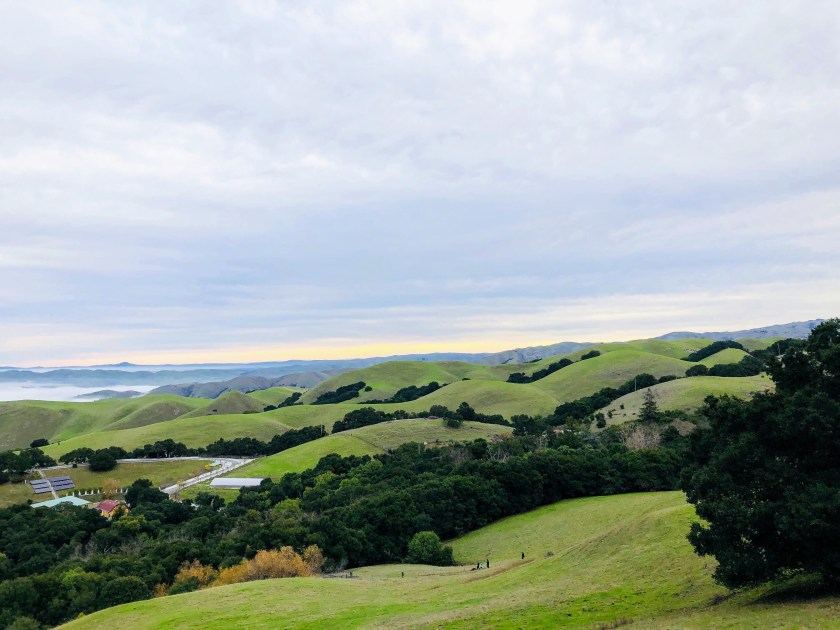
It was a lovely morning before the rains set in. The hillsides definitely looked like they could do with some rain. The parched Earth still looked beautiful in the early rays of the sun. We saw a hawk at such close quarters eyeing a trip of rabbits down below that I felt a surge of its power course through the hills.

We were out on a hike and the son was ebullient. The morning air had lifted his spirits, and he was happily talking of this and that and taking us up steep hillsides.

On we went, through troughs and peaks, listening for the sounds of animals, birds and inhaling the fresh air. On top of one of the peaks, we stopped to catch a breath. I mock held my hips and said “Oh have a heart and give your old mother a break!” He guffawed and pointed out the next steep hill with gusto. I smiled, and held a finger to my lips – it was as we were standing there atop a hill overlooking a bay that we heard the murmur above. A susurration of starlings flying this way and that, forming and reforming beautiful circles in the sky.

A group of starlings are aptly called a Murmuration of Starlings.

I don’t know how often we have stood close enough to hear a whole flock of birds wings flock together – if you haven’t, it is truly magical.

A few days later, we were heading to Monterey Bay Aquarium? After tucking into their mac-n-cheese, which is apparently the best, we meandered our way through the place. Marine biology, research, conversation of species and all the noble things follow a splendid Mac N Cheese. The clouds were out gamboling in the blue skies. They had reason to. They had been grey and full of themselves for the past few days, They had made terrible whooshing noises as the rains thundered through the Bay Area. Having taken their load off though, they looked lovely in the skies.

“Hey amma! Do you see that one? Just the top of it looks like a dog!”
“Whoops! Now it is changing shapes to become a shark!”

Watching a billow of clouds is always a magical experience.

Later that day in Monterey Bay Aquarium, Nature showed us beautiful species of fish that could collectively shoal and swarm forming beautiful shapes as they swam in large numbers together.

Clip from Wiki:
During the sardine run, as many as 18,000 dolphins, behaving like sheepdogs, herd the sardines into bait balls, or corral them in shallow water. Once rounded up, the dolphins and other predators take turns ploughing through the bait balls, gorging on the fish as they sweep through. Seabirds also attack them from above, flocks of gannets, cormorants, terns and gulls.

Sardines
By TANAKA Juuyoh (田中十洋) – sardines / 鰯(いわし), CC BY 2.0, https://commons.wikimedia.org/w/index.php?curid=7998525

A bloom of jellyfish is enough to fill one’s heart with joy for hours – floating seemingly aimlessly, their pulsing, electrifying bursts are nothing but therapeutic.

img_5165

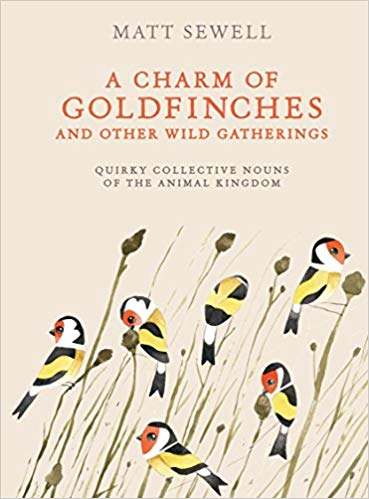
A Charm of Goldfinches by Matt Sewell is a marvelous book outlining why we have the collective nouns that we do. Why do a Trip of Rabbits thrill us? Why are Charms of Goldfinches so charming?

With beautiful illustrations, it is a charming book indeed.

charm_goldfinches

I remembered a game we played on a car trip some time ago. It had to do with the one big super power we could wish for. While there were things like Lightning Blasters, I think the one that took everyone’s fancy that day was Shape Shifters.

We are so corporeal in our bodies that we rarely of even think of things we can shift into. But this kind of species shifting shapes at will collectively and in a coordinated manner is not just fascinating, it is mesmerizing.

Watching clans of humans though, not so much!

Shiva & Buddha Together

After all the years in which several girlfriends and I sat around planning grand trips involving sky-diving, snorkeling and weeks in Bali – we decided just like that, to set off to Sedona, Arizona. It sounded like the most exciting place on Earth. Like the son said, there is such a matching ring to it, that it is fun to say it together.

Driving to Sedona from Phoenix, Arizona was surreal and giggly. The full moon shone down on the desert landscape with giant cacti illuminated in the glow of the moon. The constellations traveled with us. I gazed out the window, not really knowing how harsh the environment was. It was all muted and beautiful in the moonlight. The cacti stood out tall and distinct, and I was wondering how tall they must have been to stand out like that. I was to find out two days later that they could be as tall as 40 feet tall, and not for the first time I thought of how precious life must be to thrive in environments like these. Arizona is of course very proud of its cacti: The Arizona State Bird is the Cactus Wren and the State Flower of Arizona is the Saguaro Cactus Flower.

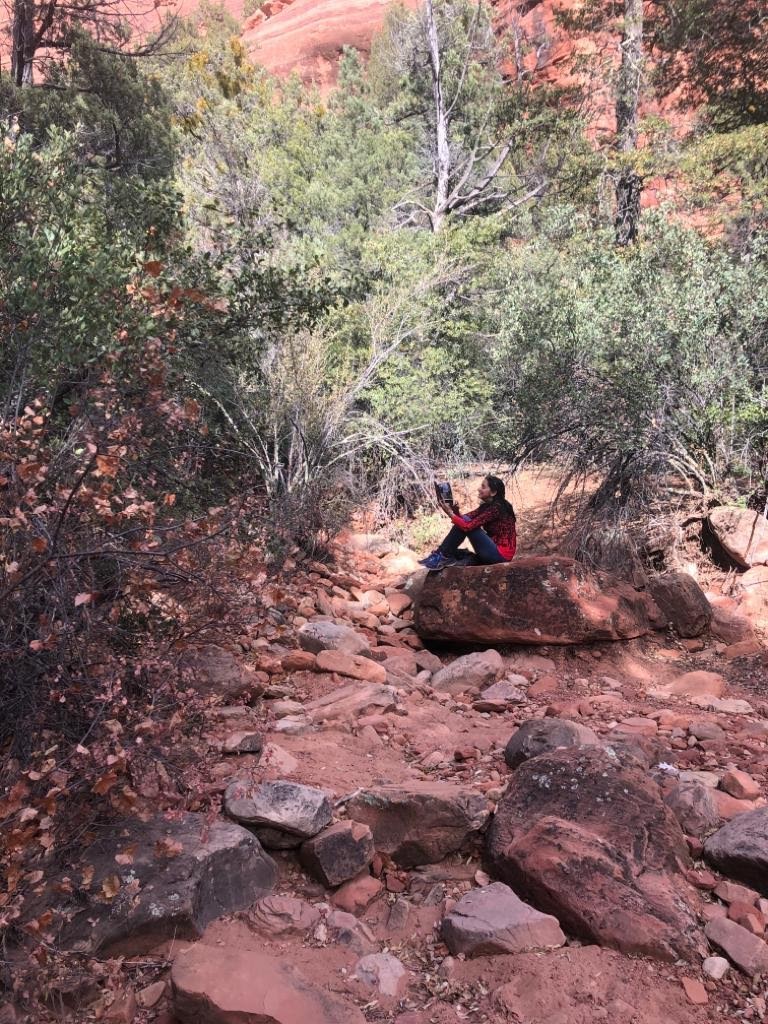
Hiking in Sedona is an experience unto itself. The vast expanse is humbling, the red rocks, layers upon layers of it, that were once the ocean bed is mesmerizing to look at. Hiking to a vista point, each of us I am sure had different things in mind. I had my backpack on for no real reason. When quizzed about its contents, I sheepishly acknowledged that I had in there a book and a kindle among other things so I could sit in the wilderness and read. The friends had an amused expression on their face, and teased me about it, but found me a good spot nevertheless in which to leave me to it.

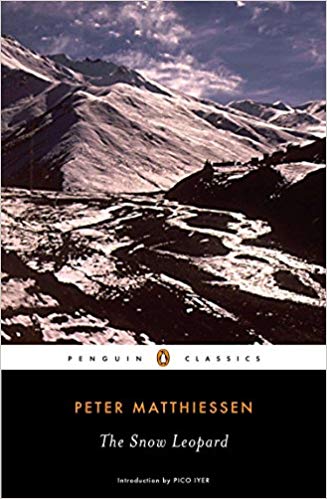
As I settled in to read, there was much head-shaking, but indulgent smiling. I tried to calm my senses to the levels reading requires. I had with me a travel book : The Snow Leopard by Peter Matthiessen. The book won the author the 1979 National Book Award in the category Contemporary Thought[6] and the 1980 National Book Award for Nonfiction (paperback)

snow_leopard.jpg

Traveling through the plains of the Ganges and eventually going up to the upper reaches of Tibet, it is a book that I have long wanted to read. The Buddhist teachings and Zen mode of life are especially attractive to me because of the restlessness that underlies our mode of life. If centuries ago, when technology was not as pervasive as it is now, philosophy saw the wisdom of building in pockets of stillness into our lives and forming affinities with nature, how come we are remiss in finding access to these fundamental things after all our progress?

ea670f7c-5d1a-43ab-ad4f-28944c7f3bd7

Do we need Science to point us towards these again? Science has already started acknowledging the importance of exercise, sleep, meditation. For Nature, there are now studies being instituted in various countries to see the effect of nature as we cluster round closer and closer to each other in urban surroundings. Forest bathing as a concept has long been practiced by the Finnish and Japanese. Known as Shinrin Yoku in Japanese effects on our well-being are now being studied from a scientific perspective. Would we embrace nature if Science pointed us to?

While I started out fake reading for a pose, pretty soon, I was transported to another world. Sitting in the hot lands of southern Arizona – the land of soaring eagles, vast expanses and red stone, I was joining the author on a journey to glimpse snow leopards in the Himalayas, passing stupas and taking in the Buddhist teachings on his journey. Shiva’s abode in the Himalayas is fierce and awe-inspiring as was the desert in which I sat.

img_4734

“Hey Girls! listen to this – Let me read out a passage out to you – see how Shiva comes alive here in Fay Canyon, Arizona?” I said, and started reading:

“Yet in Varanasi there is hope of life that has been abandoned in such cities as Calcutta, which seems resigned to the dead and dying in its gutters. Shiva dances in the spicy foods, in the exhilarated bells of the swarming bicycles, the angry bus horns, the chatter of the temple monkeys, the vermilion tikka dot on the women’s foreheads, even in the scent of charred human flesh that pervades the ghats. The people smile – that is the greatest miracle of all.”

By the time I looked up, there was much laughing and I looked to see that Shiva did not really need to dance in the spicy foods of the Ganges plain, A Shiva-ni was attempting a Shiva Tandavam right there. The poses were fierce, powerful, sloppy and funny all at the same time, and somehow totally at peace with the Garuda-esque surroundings of Sedona.

The giggling photographer looked slightly abashed and said “These girls lost you at Calcutta, and started dancing instead!”

I landed up giggling too, and like a bunch of tickled snow leopards fleeing the thudding of Shiva’s feet, we made our way out of the canyon lands towards our next stop.

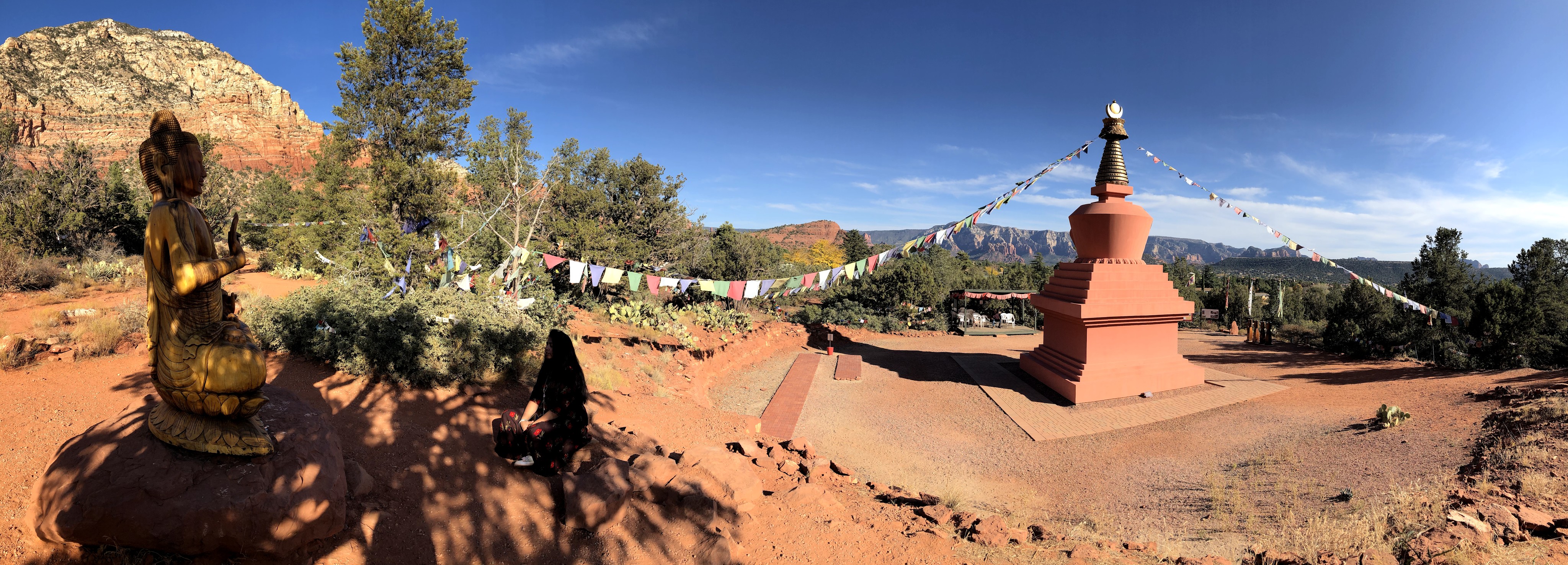
I don’t know how much one’s readings can alter one’s surroundings, but I was quite astounded at our next stop. We were in a stupa with a Buddha statue. Sedona Arizona is well known for its mystic yearnings in its rustic surroundings, but I was still pleasantly surprised to find a quaint Stupa nestling in the canyons surrounded by naturally formed stupas of red stone, and a Buddha statue carved of wood.

img_4765

There probably is a reason for our richest myths and stories to emanate from awe inspiring places in nature, for it is where we can lose ourselves in order to come back to ourselves better.

When Deserts Are Cool

I was calling the parents in India, flushed with excitement from the week-end trip. A Girls Trip to Sedona, Arizona! I twirled the words around in my mouth relishing the effect it would have on the mater in particular. She was bound to be critical for ‘leaving’ the children on this ‘unnecessary jaunting’, and I looked forward to telling her about the trip, for this very reason. (My teenage years have been long drawn out, I know)

I had seen the pictures of all-girls trips on Facebook with a tinge of yearning for so long.

I had read the slightly romanticized version of Kate Harris’ version of two girls traveling on the Silk Road in The Lands of Lost Borders.

lands_of_lost_borders

I had followed XPD 2470, the all- women’s group that set out on a road trip from Coimbatore, South India to London via the vast plains of India, through the mountainous regions of the Himalayas, the difficult (socially and physically ) terrains of Afghanistan through Iran, Iraq – emerging into Eurasia and traveling on towards the heartlands of Europe over 72 days and passing through 24 countries in all.

How marvelous it all sounded?

Our own modest trip was nowhere close on the adventure scale or on the hardship scale, but it was exciting nevertheless. I did not have to take care of everyone’s packing, hygiene, hydration, and food? Liberation comes in various doses and forms I tell you.

Anyway, the mater picked up the phone and launched into a Grade 2 complaining session about the pater almost soon after saying Hello. I listened amused – “He doesn’t allow me to go alone and he won’t accompany me either!” she said.

I don’t know whether Jhansi Rani got an opportunity like this when she came in to lay down her sword after a rigorous day of training. Imagine, Jhansi Rani’s mother or aunt complaining to her how that she is never allowed to yield the kitchen knife. I felt like that.

Rani_of_jhansi
Lakshmibai, Rani of Jhansi 

Image: By Lakshmibai, Rani of Jhansi – Gallery, which that says it is from the British Library’s ‘Images Online Collection’, but the provided link to the Collection is dead., Public Domain, https://commons.wikimedia.org/w/index.php?curid=5624069

I launched into my version of “Take up your own butter knife!” with gusto.

“Why do you care what he says? You go where you want. As though you don’t know how to get around. Its your own fault for listening to him.”

“As if! I cannot be like you people. Just go wherever I want whenever I want!” she said. I ignored the dig.

The pater sensed what was going through my head and quickly chimed in, “Nothing of the sort ma! I allow her to go anywhere, do anything!”

“First of all – who are you to allow her to do anything may I ask?” said I.

“True True – she allows me to allow her to go anywhere she wants!” said he.

“Secondly, what are you holding her back for? If she goes, you can have some quiet time of your own too, can’t you?”

He chuckled.

Then, in all grand glory, I told them all about the amazing trip we girls took to Sedona, Arizona. “Isn’t that a desert area?” said the pater who had touchingly moved to the map of the United States that hung on the walls of the home, and was now tracing his finger on the places I was telling him about.

“Yes it is! But when the girls go together, even deserts are cool!” I said and beamed. Lost on them of course, for they couldn’t see me, and by the sounds of it barely hear me as well.

img_4695

“What did the children do when you weren’t there?” the mother asked.

“Why?! Had fun of course -what do you think they did?” I said smartly and felt the glow of a battle won.


The Magic of Story-Telling

“Stop being a Jellyfish!” said the husband.
“I knew you were going to say that – you are such an open book yourself!” said I.

We both giggled like children at our own pathetic joke. T’was the time for hulking men with or without mustaches and serious women to quack like ducks, twirl like fairies, flex those non-existent abs, and find that little teeny bit of whimsy that adulthood so expertly hides away beneath the layers. Halloween was here.


1dc1cf17-3133-4989-93a7-08bcd65b2be5

T’is the time people astound you with their imagination. Who doesn’t like having 3 spidermen knocking on your door all at once? Or to see the twin toddlers dressed as Nemo & Dory? The super-heroes and ninjas cowering behind their larger siblings in Vampire clothing, or the witches cackling hard?

There is something so uniquely beautiful about Halloween – the one festival where we can display our idiosyncrasies with grace, be accepted for whatever we are. You want to be a skeleton? That should be fine. Here is some candy for you. Really, buddy? You want to go out in the world in that costume? Well, if this appeals to you, then I suppose you deserve some candy anyway!

How many times in our lives do we get that kind of universal approval?

The husband and I were very proud of our last minute Halloween costumes: an open book & a jellyfish.

The little fairy lights I had taped into place made the jellyfish glow, and I received many compliments – I must say I glowed all evening with the praise, though I did credit the Internet with it.

When people asked me where I got the inspiration from, I replied truthfully that I have always wondered what it must be like to live under the sea, and they invariably laughed at my answer.

But it’s true. Every trip to the aquarium rekindles the magic of another world – right here with us. Reading Gerald Durrell’s essay about scuba diving is enthralling.

I have often wondered how we would have adapted if we had evolved under the ocean. Would we have figured out the laws and physics of the Universe to the extent we have, or would the medium have made little difference in understanding. The Octopus’s evolution to have more neurons than us is truly astounding.

Quanta Magazine: What shape is the universe? Closed or Flat?

It is why I like reading about the intelligence of dolphins and whales: the fact that they have epics the sounds bits of which are roughly the equivalent of our Iliad is amazing. Quote from Carl Sagan’s essay on Whale song:

If the songs of the humpback whale are enunciated as a tonal language, the total information content, the number of bits of information in such songs, is some 10 to the power of 6 bits, about the same as the information content of the Iliad or the Odyssey.

What must their epics say? For all our anthropological worldview, I wonder whether humans figure in them at all. That will be a fine thing to hear – a Dr Dolittle who finally translates a Whale Epic, only to find their world far richer than our own.

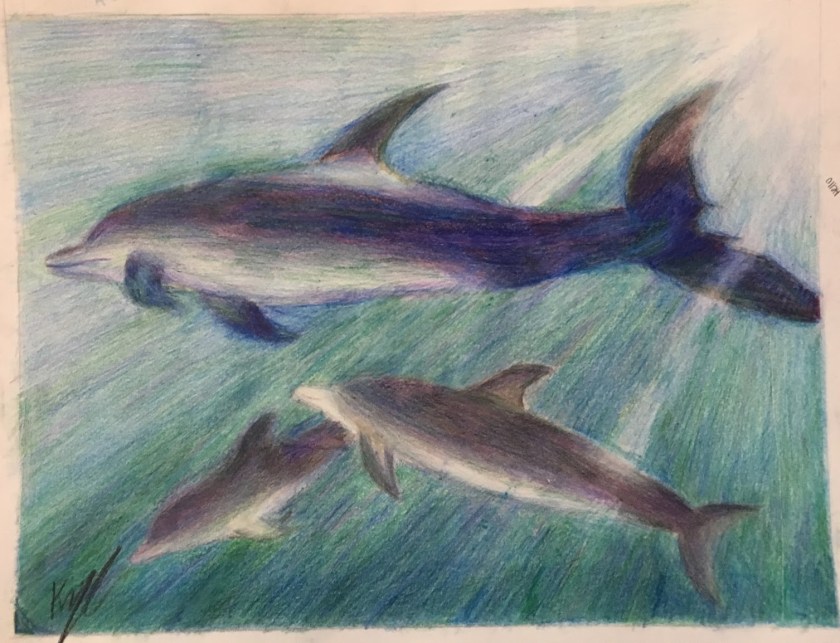
Keena_drawing
Art work by Daughter

I recently re-read the Voyages of Dr Dolittle by Hugh Lofting. I must say I thoroughly enjoyed visualizing myself sailing the seas with his motley group – either by skimming along like a porpoise, or better yet by getting a place inside the giant snail’s back as it sailed along smoothly churning the ocean as it went.

Swimming with Dolphins

We are all children of stories. We need epics and tales of fantasy. Our very own imaginations need an outlet, and Halloween gives us just that. I know my enthusiasm rubs off on the children as they go about planning their costumes. While I am out with a big smile on my face, a number of people give me an indulgent smile as if to say “Aren’t you a bit old for this?”

Mary Oliver gently reminds me to react with this nugget of wisdom:

“You must not ever stop being whimsical. And you must not, ever, give anyone else the responsibility for your life.” 

― Mary Oliver, Wild Geese

Privately, I am happy that our inner child never really leaves us.

Authors:

The Great Quivering of Autumn

“I just witnessed the Great Quivering of 🍂🍁🍃 Autumn!” I said as I stepped into the house flushed with the exercise and thrilled with the beauty of a blustery day. “Luckily, I checked the weather before heading out.” I said taking off my light jacket.

“What’s she saying?” said the daughter, raising her sleepy head from the couch, and pulling her teeth out of a bagel.

“Its windy outside!” said her little brother, already practicing that teenage eye roll, and the art of turning poetry into the prosaic.

I rolled him up and said, “You too buddy?! Come here – you would have loved it. you know that? I saw so many hawks – I have never seen so many of them soar up together in great big circles like this. All of nature quivered. Trees shook, branches swayed, waves lapped at the shores of the lake, and leaves, oh my goodness – so many leaves went quaking to the floor. I stood with my arms apart like this and just stood there!”

“In the middle of the road?! Appa, I told you not to let her out alone!” moaned the teenager, and we all laughed.

scrunch_party

No amount of pictures and videos will do the least bit of good when you catch glimpses of the rays filtering through the quivering leaves, or feel the light caress of falling leaves against your skin or catch the beautiful leaves of all colors against the blue skies. How does one capture the beauty of seeing a dozen hawks soar overhead, or the awe of seeing the pelicans do their little ballet dance of fishing, or the susurration of the leaves murmuring in the wind. There is a word for this: Psithurism.

As I gathered my little brood around me for a hot cup of tea after that invigorating walk, I shushed them to peek outside to see what I meant. The leaves were fluttering down in our garden, but there was another creature up and about at work regardless of the winds. 

“Bulby!” said the son excited.

“You named the squirrel? He can give you rabies you know that?”

“He can, but he won’t, and certainly not for naming him! You talk as though he is yearning for our company. I assure you, he isn’t. Just watch what he does. Bulby never fails to entertain.” I said, and the son nodded fervently. 

After sometime, we all burst out laughing at the squirrel’s antics. We have seen him hide great nuts in the soil every now and then, he nibbles and gnaws at the fruit on our trees, I have seen him scamper on seeing us sometimes, other times he watches us as though he doesn’t mind allowing us to enjoy a spot of nature with him. Today, he dug up my recently planted flower shoots, and dug something out, looked at us and furtively patched the garden up as though nothing had happened, and scurried. He had something on his mind, maybe a gut feeling of what was to come.

The morning out amidst nature, and finishing up with Bulby’s antics made me think of one of Mary Oliver’s poem:

From the Book of Time – By Mary Oliver

I rose this morning early as usual, and went to my desk.
But its spring,

and the thrush is in the the woods,
somewhere in the twirled branches, and he is singing.

And so, now, I am standing by the open door.
And now I am stepping down onto the grass,

I am touching a few leaves.
I am noticing the way the yellow butterflies
move together, in a twinkling cloud, over the field.

And I am thinking: maybe just looking and listening
is the real work.

Maybe the world, without us,
is the real poem.

The wind whipped and whooshed around all day. By evening, the winds had gathered speed alarmingly, trees that had swayed earlier in the day were lying broken, roads closed, emergency responders were keeping the populace further up North informed about the situation, power was down. It astounds me every time how forceful nature can be. But it also made me stop and think – the hawks had been more fitful than usual that morning, the squirrel was bustling more too. The animals knew we were in for a rough time, and responded, while we waited by our gadgets to give us the news.

img_4362

It is marvelous how Mary Oliver puts her finger on the pulse of the Earth :
Maybe just looking and listening is the real work,
Maybe the world without us is the real poem.

Biophilia

Oh! What a surprise amma?! The book, Nature’s Fix appeals to you.” said the daughter peals of laughter barely concealed in the sentence.

“I know right?! I always keep an open mind to see how else I can improve, my dear!” I said not to be undone in the sarcasm department. 

“You are cooped up in a dull office building in the bustling city – you need a change. I get it! But I am quite happy and young enough to not ‘stretch my limbs’ in nature walks! Nature kook is what you are! I suppose you will now use bits of the books to convince us to come on walks with you. I’ve got homework to do, bye! ” said she mock-straining at my tug to come on a walk with me. But she came. 

As we walked around our neighborhood, watching the leaves slowly turn colors, birds making their way home against the brilliant sunset, children playing and biking, I felt calm. How much of that was due to the fact that I could take the time for a walk at the end of the day, and how much of it was Nature’s work, I am unable to say, but I felt a wonderful shiver as I watched the evening breeze rustle through the large trees in the neighborhood. Slowly, as I watch the wave of leaves tremble in the wind, some of them shaking loose, and others just swaying to the orchestra of the evening, there is a definite sense of belonging to this wonderful planet.


As I move around the office or often when I am walking to and from work in the city, I feel a concrete shudder. We are so proud of concrete as a structural material, we pour it everywhere. I feel a lonely stab when I see our gleaming imperfections reflected back to us in the gleaming glass panes of the concrete structures. Even the trees on our city sidewalks seem to be lonely, surrounded by concrete footpaths, and millions of people jostling by them everyday. 

Screen Shot 2019-10-25 at 2.00.13 PM.png

The book, The Nature Fix by Florence Williams, details studies taken up in Japan and South Korea around the effects of nature. It studies blood pressure, release of  how long the effects of nature remain with us – does it only last as long as we are with nature, or does a weekly hike contribute to our wellness over a period of time? More interesting questions such as these are handled in the book. 

I was lured into the book reading about the concept of Shinrin Yoku & Salim Yok(Forest bathing in Japanese & Korean respectively) The Japanese are also probably the only people in the world who have a word for commute hell – Tsukin Jigoku.

nature_fix

Excerpt:

Study in the Nippon Medical School:

Qing Li is interested in nature’s effect on mood states and stress as manifested in the human immune system, Specifically, he studies natural killer immune cells called NK, which protect us from disease agents and can, like cortisol and hemoglobin, be reliably measured in a laboratory. 

Only in 2016 did we officially became an urban species – for the first time, population in cities outnumbered population in rural areas. As we cluster around in larger numbers, it is even more important to study the effects of nature on ourselves. After all, our biophilia has evolved over millennia and this abrupt change from it is bound to bring changes in the ways we can adapt.

Definition of biophilia. : a hypothetical human tendency to interact or be closely associated with other forms of life in nature.

Is Nature the next wave after Meditation, Exercise and Organic Foods? 

There have been days when I have wondered how the children found out whether I indulged in a spot of meditation. 🧘‍♀️ 🧘‍♀️ I might have, but did they find out because I had taken the time to meditate and therefore already in a better mood, or did the meditation itself help with specific stressors? Nature studies have similar questions, though I am truly grateful for its personal influence on our well-being. Whether it is because of my beliefs or something else, Nature soothes.

Read also: Music & Gardens by Oliver Sacks

img_4005

The joy and importance of walking – Solvitur Ambulando – It is Solved by Walking


Moonbeams in the Morning

The morning alarm trinkled: Dawn’s misty summons. I got up, wondering why the nights passed so quickly, hoping for a little more precious sleep in the mornings. I stepped out of my bed and gingerly peeked out the window. Dawn was doing the same thing – trying to sleep in a little more, while the moon shone high above the tree tops, bathing the surrounding clouds in a magical shroud of moonbeams. The dew drops on the trees glistened in the same benign light. I stood there shivering a little for the night temperatures had dipped, and there had been a mild drizzle.

IMG_3869

The moon is there every night, the sun rises every morning, and yet the moments of quietly standing there before the hustle and bustle of our days started made me appreciate everything a little more sharply. When the son woke up, I held a finger to my lips not ready to start talking just yet, and made him peek out at the fine moon too. His eyes widened a little at the beauty of the morning, dew drops, trees, clouds and the moon. He chattered in his bright tones that sent the waves of sleep flying from him, “Did you know? We may not be able to enjoy the view of the moon for very much longer?”

“Why?” I asked in spite of myself.

“Well… we are already working on building colonies on the moon. Soon, the moon will be full of houses just like ours, and then who knows how the moon will look from here?”

“Who told you that?”

“No one!”

“Okay….where did you read that?” So much for quiet mornings bathed in contemplation.

“In the Time for Kids magazine. It seems we are already planning on moving there.” he said a tinge worried that I hadn’t received his original memo in my sleep addled state.

“Well…for all the things we have built on Earth, from outer space, it still looks beautiful you know? Maybe it will be the same for the moon. Although, I am not sure I am happy with the idea of looking in on someone’s home like that. Wouldn’t it be creepy?!”

He laughed.

I was reminded of the essay by Oliver Sacks in the book, Everything in its Place: Who Else Is Out There?

everything_place

In it, he starts with his thoughts on the book, First Man on the Moon by H.G.Wells.
Anybody Out There?- Oliver Sacks essay
One of the first books I read as a boy was H.G.Wells First Man on the Moon. The two men, Cavon & Bedford lie in an apparently barren and lifeless crater just before the lunar dawn. Then as the sun rises, they realize there is an atmosphere – they spot small pools and eddies of water, and then little round objects scattered on the ground. One of these , as it is warmed by the sun, bursts open and reveals a sliver of green.’A seed! “says Cavor, and then, very softly, says ‘Life!”.They light a piece of paper and throw it into the surface of the moon. It glows and sends up a thread of smoke indicating that there is oxygen.
This was how Wells conceived the prerequisites of life: water, sunlight (a source of energy), and oxygen. “A Lunar Morning” was my first introduction to astrobiology.

While it is interesting for us to dream of conquering alien worlds and expanding our footprint with habitable planets, such as K2-18b circling a red star called M Dwarf; it is also highly interesting to see that even on Earth that is our original home, we require a very specific set of circumstances for our life to thrive. We need our oxygen levels to be exactly right, our carbon dioxide levels to not rise too much, we need our microbiomes to be in a particular state of harmony with the larger ecosystem.

Read: Good Food Mood

Take for instance, this excerpt from cosmonaut Alexei Leonov – the first man to walk in space for 12 minutes. Excerpt :
“I decided to drop the pressure inside the suit … knowing all the while that I would reach the threshold of nitrogen boiling in my blood, but I had no choice” Leonov said

I enjoyed Oliver Sacks’ footnote, for in one sentence, it reconciled both the resilience and delicate nature of our entire species.

“If Wells envisaged the beginning of life in the The First Man on the Moon, he envisaged its ending in The War of the Worlds. where the Martians, confronting increasing desiccation an loss of atmosphere on their own planet, make a desperate bid to take over the Earth (only to perish from infection by terrestrial bacteria). Wells, who had trained as a biologist, was very aware of the both the toughness and the vulnerability of life.”

How many species have left behind their fleeting impressions on the cosmic playground? Our own are laughably recent. Will the Quod-liop-tukutuk-sfaunusaurus call us by the same name when they dig up our remnants millennia from now?

Books:
The First Man on the Moon : H.G.Wells
War of the Worlds : H.G.Wells
Astronaut Alexei Leonov: First Man to Space Walk
Everything in its Place : Oliver Sacks