Understanding Art History through Dr. Seuss’s Horse Museum

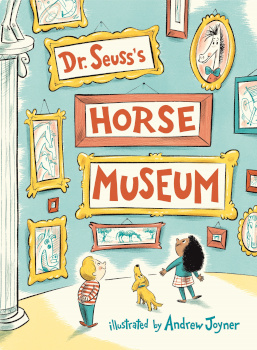
Dr Seuss’s Horse Museum – Illustrated By Andrew Joyner

This book was published posthumously and was completed by Andrew Joyner. It was based on the loose sketches and plan he already had for the book.

This cover image released by Random House Children’s Books shows “Dr. Seuss’s Horse Museum,” a new book by the late children’s author, coming Sept. 3. (Random House Children’s Books via AP)

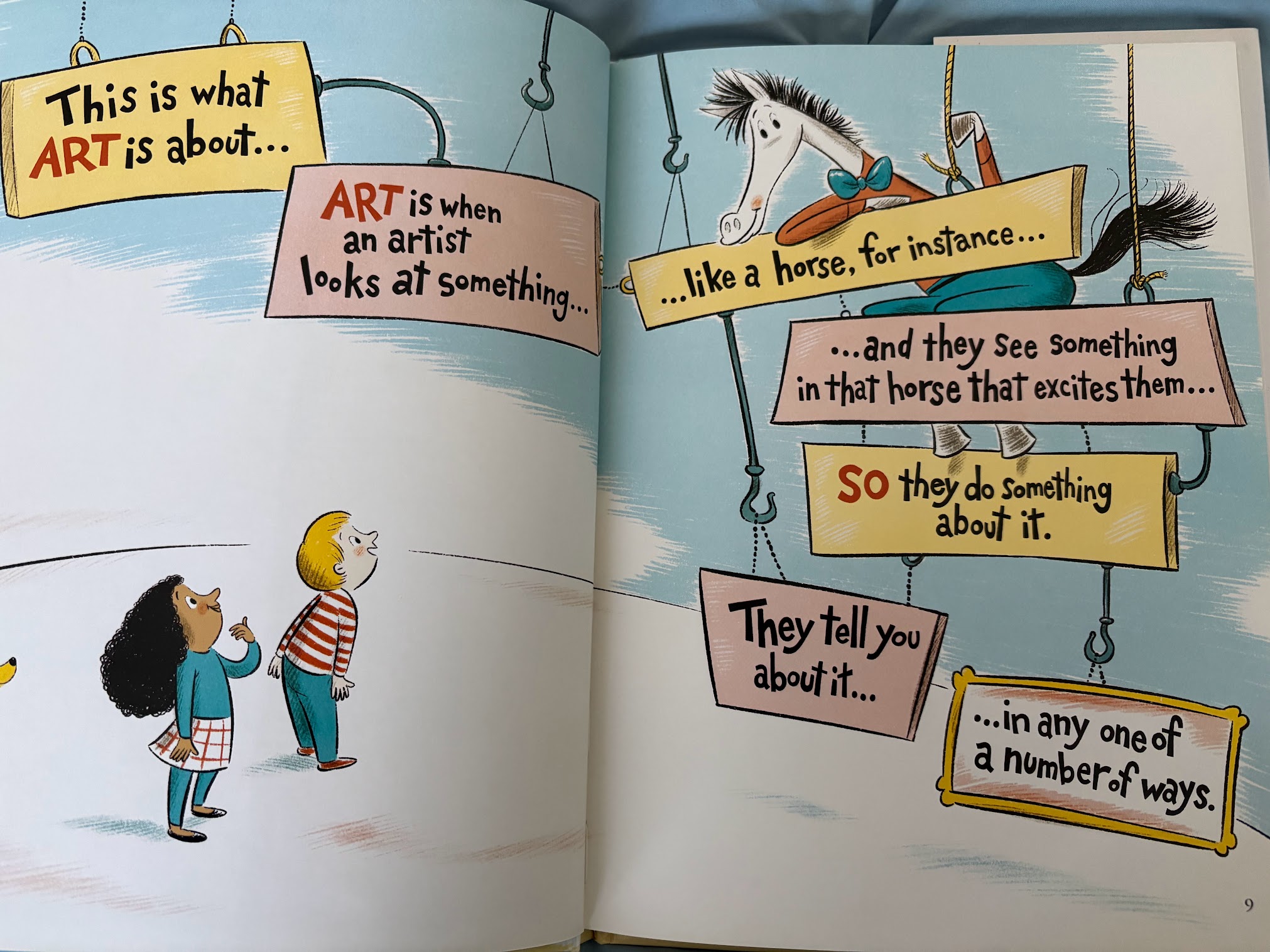
It is a gallop through Art History. For someone who is fascinated by art, and doesn’t necessarily have the knowledge to go with it, the book was particularly insightful. It isn’t Dr Seuss in its style – there are no hilarious horses challenging butterflies to a flying contest, or trying to grow a tree through their nose, while flowers sprout out of its ears. It is more a book by Andrew Joyner based on the preliminary notes made by Dr Seuss.

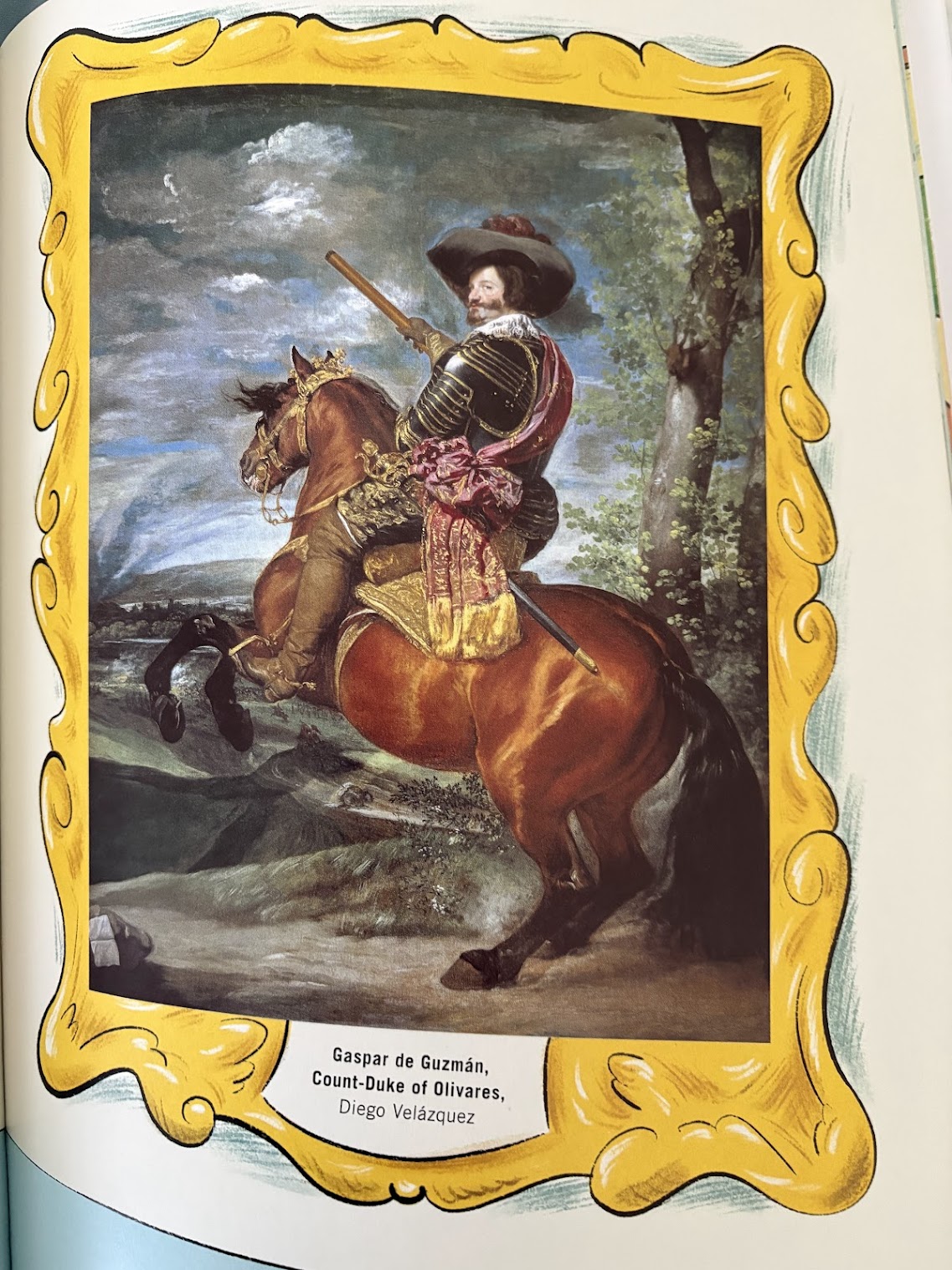
The book has references to many real pictures of horses by artists over the ages – impressionist, cubist, Japanese, Chinese, realism, surrealism etc.

This got me thinking about a post that has been rattling about in my head for a while now with no clear structure. I have written various versions of it – each more insufferable than the previous one, but I hope I can try to wrest some form of understanding using the horses structure that Andrew Joyner curated from Dr Seuss’s horse notes.

Art History & Cultural Significances

Art History has always been hand-in-hand with the cultural significances of the time. For instance, Renaissance artists were drawn towards accuracy in anatomy which coincided with an uptick in scientific thinking.

Surrealism rose after the horrors of the World Wars I & II – people needed to believe in something fantastical after the horrifying realities of the world around them. Example: Lord of the Rings was written post world war by J R R Tolkien who was himself devastated by the effects of the First World War in which he fought.

https://nourishncherish.org/2026/02/17/exploring-americas-artistic-evolution-through-history/

In the spirit of trying to see the evolution of art in the digital age, I tried to see how the horse would evolve:

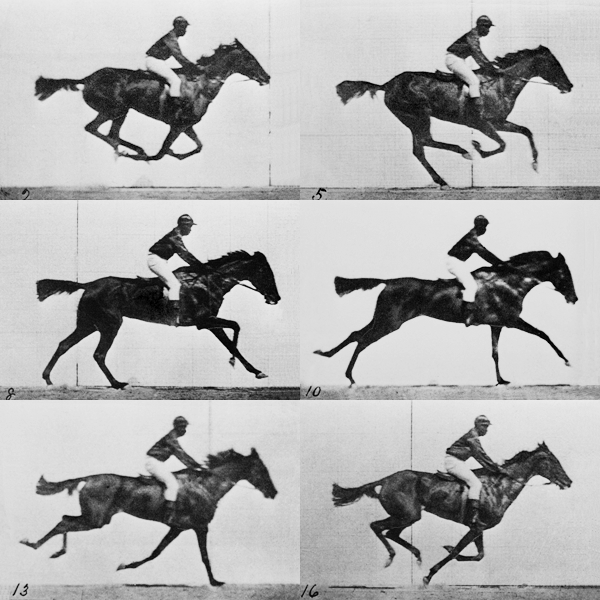
Horse picture – Industrial Photography Era:

Black & white using reels – Dr Oliver Sacks had written about this in his book, Everything in its place. Picture animated based on the pictures taken by Edward Muybridge. 

English: Animated sequence of a race horse galloping. Photos taken by Eadweard Muybridge (died 1904), first published in 1887 at Philadelphia (Animal Locomotion).

Muybridge used 24 cameras along a track where the shutter would be tripped by the horses themselves as they galloped past to capture the movements of the horse as they raced.

This era coincided with the Industrial Revolution – the efficiencies that changed the fundamental way in which things were done.

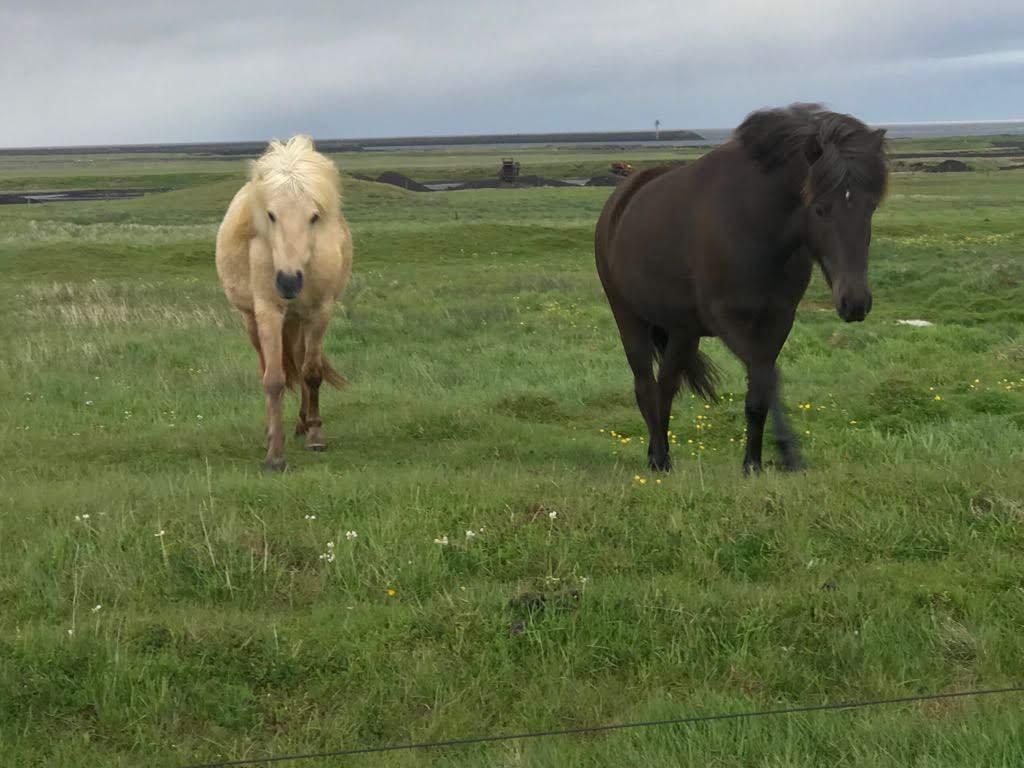
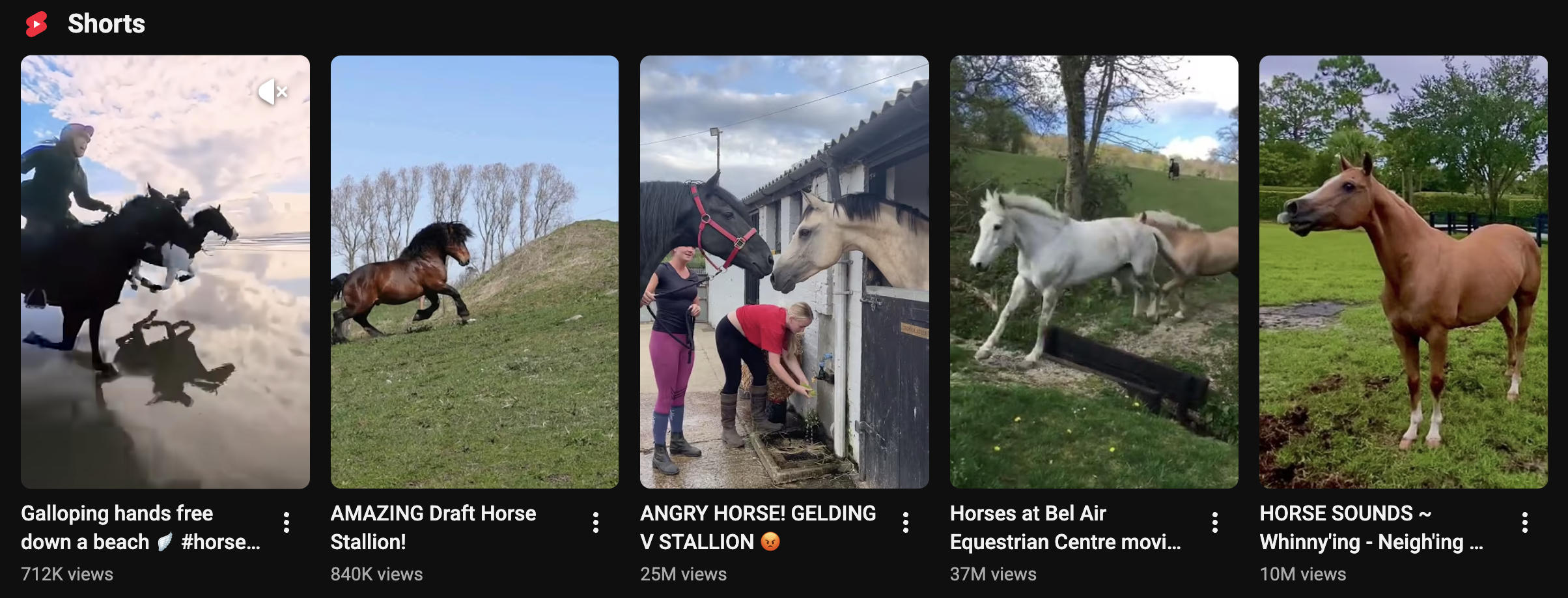
Horse picture using iPhone – Digital Media Era

Horse videos, Horse shorts, Horse animations

This era coincided with the Internet and the Social Media era. I am not sure they can be combined this way – I feel the internet gave rise to social media in such a forceful manner, that they probably deserve separate art eras. I marked them as digital era for the purposes of this post.

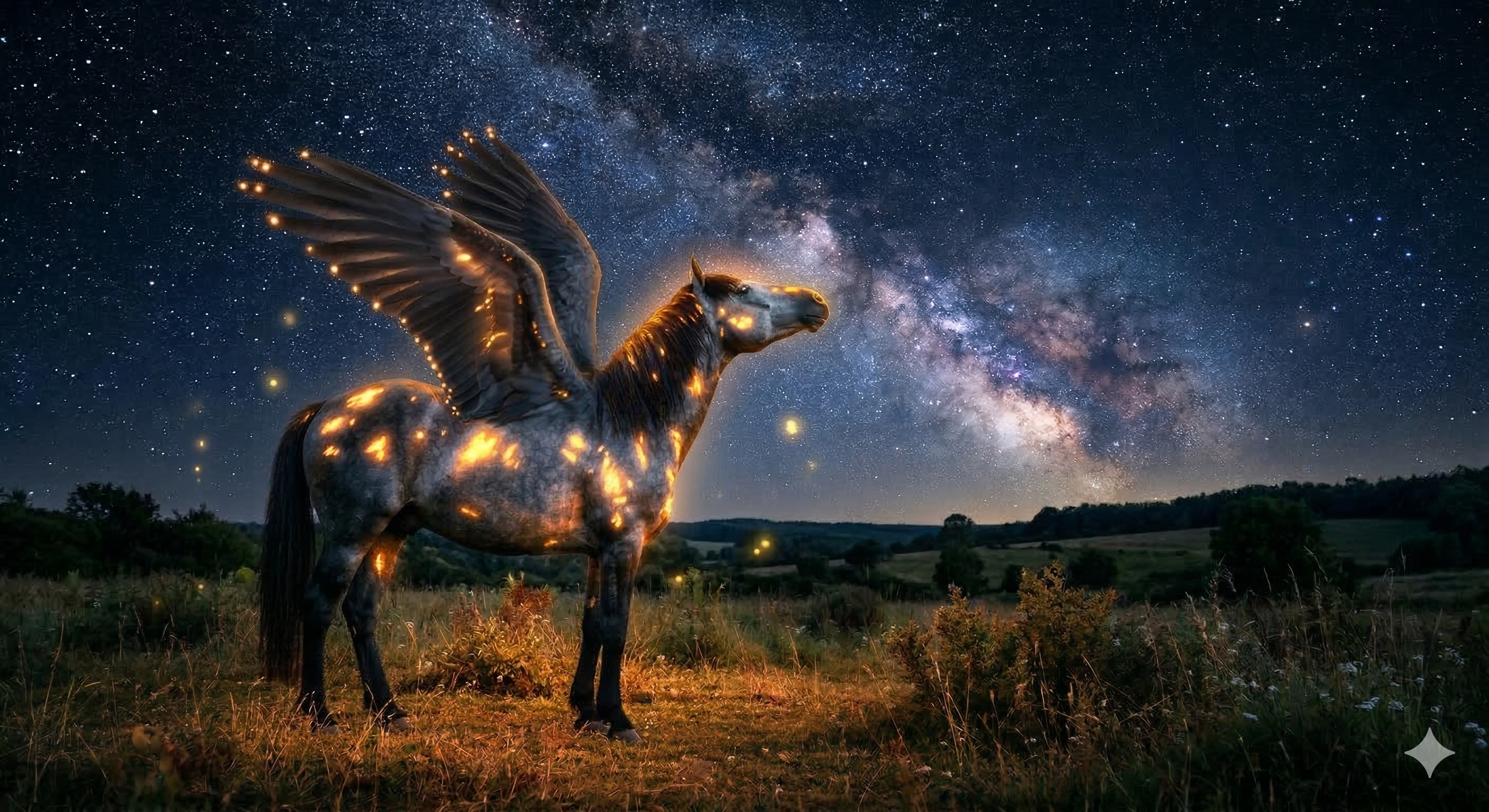
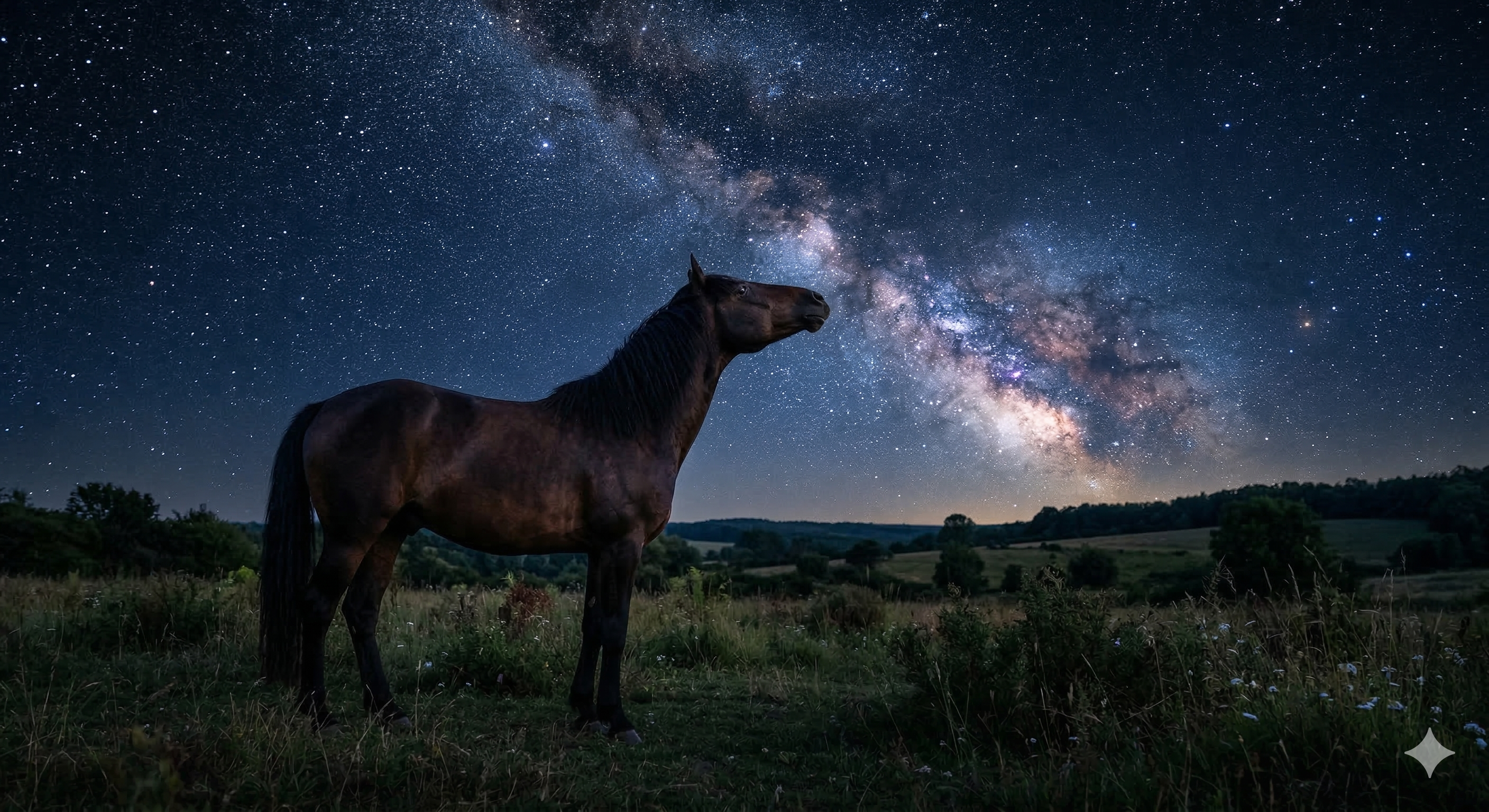
AI horse : Neo -Surrealism era

As the next stage in this evolution is AI generated images and videos.

Could this be the neo-surrealism era? The need for our fantasies mingled with the need for speed of creation.

What do you think?

I am not sure if each of these stages in art have a name yet. But I am sure future art historians will come up with names for each era and how it denotes an era in technology or world history.

What do you think the names of each era would be?

Read Across America: Honoring Dr. Seuss

“Oh no! I missed Dr Seuss’s birthday!” I wailed.

The husband said “Who?” In that befuddled manner he gets when it comes to reading. The son said, “Oh no! How did that happen?” He understood.

One of the many brilliant things about raising children in a country and culture other than the one you were raised in is this. You get to read new books, be baffled about why something was iconic, and discover the joys of it all anew (like Star Wars for us).

Dr Seuss, Thomas the Train, Curious George, Dora the Explorer, and so many fantastic characters enabled me to become a wide-eyed child reading along with them over the past two decades, and I am immensely grateful to that.

Somewhere along the way, the children told me that Read Across America week was the week it was Dr Seuss’s birthday. Oh! How I loved that? What a legacy to leave? To have a Read-Across-America week dedicated to the week of your birthday.

So, in my somewhat scatter-brained fashion, I had planned to read and write about several of his books in the lead up to the week. But I had forgotten in the chariots of time, and let’s face it, in the gloriousness of spring. I can see Theodore Geisel (Dr Seuss is his nickname) shaking his head in amusement at this, and probably pencilling it down a for a future hilarious Dr Seuss book somewhere.

The books I did read were just as charming and insightful as usual.

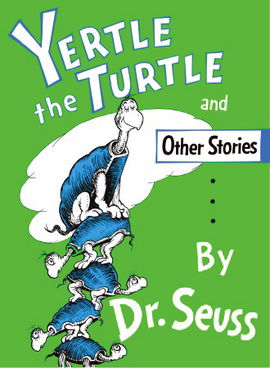
Yertle The Turtle & Other Stories – By Dr Seuss

The story is about Yertle the Turtle who is the king of turtles in his pond. He is liked enough to be left alone, and do turtlish things and go about the days of his life with peace and contentment. But does he do that?

No!

One day, he gets it into this head that what he wants is to extend his rule. So, he calls on the turtles nearby, and has them scramble on each other, and he scrambles right on top of them all. From that vantage point, he claims he is the king of all he can see.

In typical Dr Seuss form, Yertle is never happy, and goes on piling turtles on top of each other…till. Well – you’ll just have to read and find out, wouldn’t you?

This story is such an apt one to read in the current geopolitical climate. All our great leaders busy scrambling on turtle’s backs, and launching missiles. Sigh.

https://en.wikipedia.org/wiki/Yertle_the_Turtle_and_Other_Stories

Fair use, https://en.wikipedia.org/w/index.php?curid=17391831

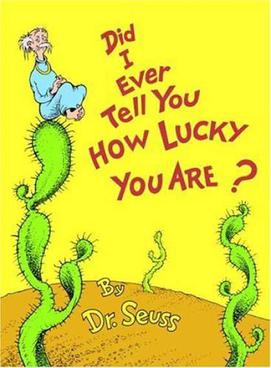
Did I Ever Tell You How Lucky You Are – By Dr Seuss

This book is priceless. I read it every now and then especially when I am really feeling low, and somewhat antsy about the state of the world. It is good to remind yourself that you didn’t get stuck in the traffic jam of Zayt Highway 8 in Ga-Zayt, or that you weren’t one of the builders of Bunglebung bridge.

By It is believed that the cover art can or could be obtained from Random House., Fair use, https://en.wikipedia.org/w/index.php?curid=44085819

But mostly, it is a simple tale that will have you wondering just a little bit about all the little ways in which you are lucky, even if it doesn’t seem like it. The next morning, the sound of bird-song as you make your way to your car sounds sweeter.

Horse Museum – By Dr Seuss

This book has been on my list of books to write about for a long time. I think I shall attempt a separate piece for this book for it is fascinating in a way that is different from all his other books in a specific way.

The book shows you all the different ways in which horses can be drawn in the Horse Museum. Of course, the horses are hilarious and his narrative sparkles.

This cover image released by Random House Children’s Books shows “Dr. Seuss’s Horse Museum,” a new book by the late children’s author, coming Sept. 3. (Random House Children’s Books via AP)

By dr-seuss-horse-museum.jpg at Time CDN, Fair use, https://en.wikipedia.org/w/index.php?curid=60107701

But more than any of this, he lists all the famous paintings of horses that inspired his tale. A journey through cubism, realism etc. From Picasso to Jackson Pollock.

So, even if I didn’t quite to get to write about Dr Seuss’s books in time for Read-Across-America week, I still got to read and relish them.

I don’t think he’d mind if we read them now, next week, or next month, do you? So, please feel free to pick them up, and share your own books you’d like to read for Read-Across-America month.

Nature’s Sense of Purpose

Cloudy Skies : Inspiration or Melancholy?

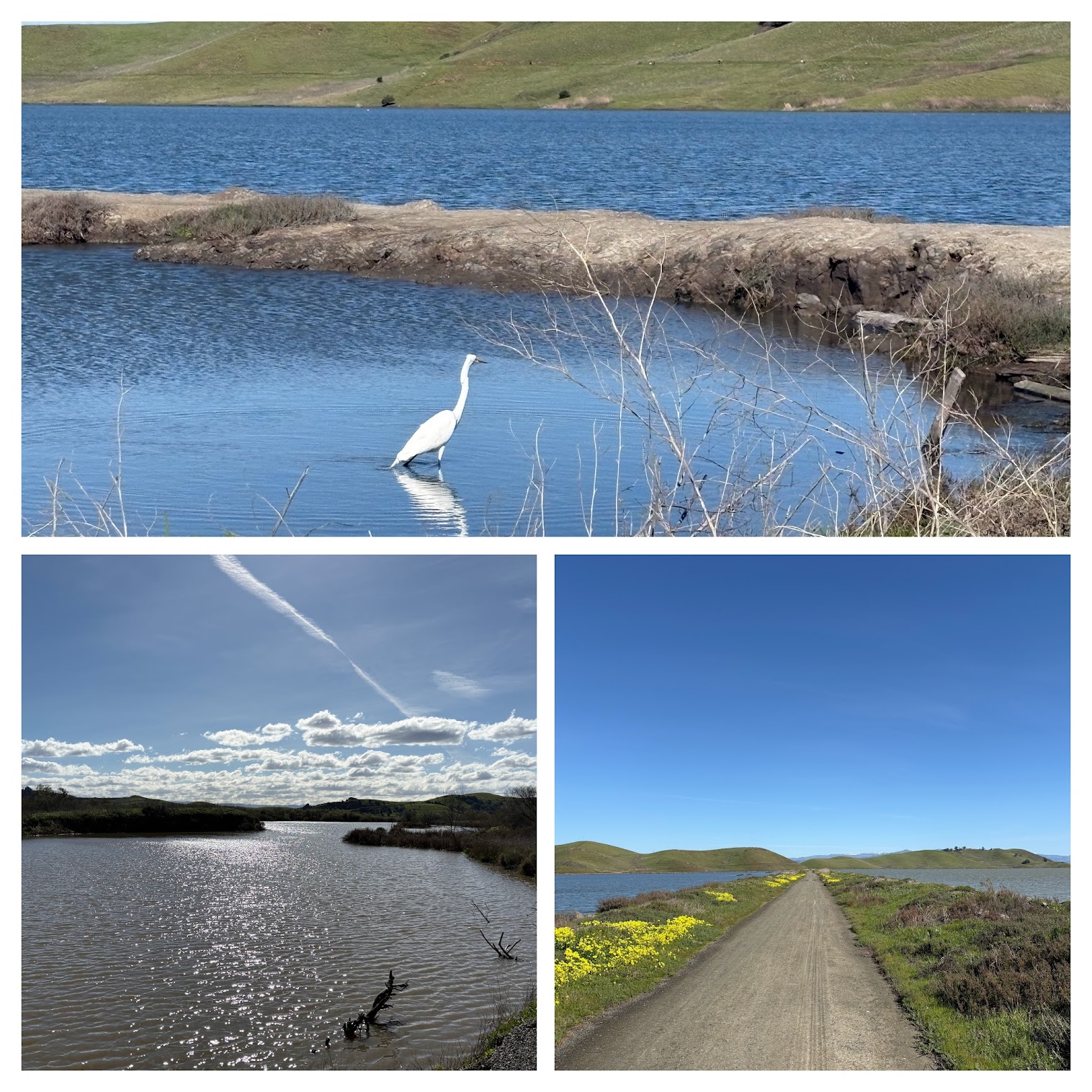
The week-end was fabulous in terms of weather in the Bay Area. The rain-washed Earth was beginning its early spring blooms. The trails were scented heavily with sage, eucalyptus, and the occasional squashed lemon or orange. The clouds made for a perfect backdrop – lighting wise. Cloudy skies do give the best pictures even if the blue skies lift one’s spirits up better. Feeling in the mood for a bit of rumination or deep thought? Cloudy skies are there for that. Or maybe it is the other way around- the melancholic strain inspired by the cloudy skies. Either way.

The son and I started off on a bike ride when the skies were cloudy, threatening rain. We pedaled, each lost in our own thoughts, when some fat droplets reminded us of the rainy day forecasts. The son, always the mature one, when it comes to things like this, insisted we turn back, and so we did. Though, I did try my whining first: “Let’s try for some more time – maybe it is just a drizzle, and we shall be ready for it to break into mild blue skies afterwards. “

The skies doubled down, and so we started back away from the lakes, and the bay, towards our home.

But the rains were taunting us. They came, and then didn’t. Then came again and didn’t again.

By the time we made it home, the clouds had said their good-byes and didn’t shed a single raindrop for another 2 hours.

Oh well.

The Next Day

The next day, I set off on my own. This time, the cumulonimbus clouds had given way to cumulus clouds, and the day felt bright, clean and inviting.

I biked on. By the river. To the bay. Through the bay, and finally emerging on some hills.

It was beautiful. I had the trail to myself. Probably because most folks had attempted and wrestled with the ‘will-it won’t-it’ the previous day, and decided to stay indoors. I felt my spirits rise, like the ebbing of the bay waters. I sang – my pitch nowhere  as shrill and clear as the blackbirds, and nowhere as cacophonous as the ubiquitous geese, but enough to make me happy.

I am a sap when it comes to nature. Every one knows it. Everyone indulges me with it when I get going. But even I felt all nature had a purpose that day: a purpose to make those outside to feel grateful, to feel fulfilled. The mustard flowers threw their stalks back and danced with that intent. The blackbirds sang with a kind of devotion that saints wish for. The deer grazed looking at you as if daring you to find fault with a day like this.

What would Mary Oliver have done?

Mary Oliver would’ve written a book by the time she came back. That’s the sort of day it was.

“Whoever you are, no matter how lonely, the world offers itself to your imagination, calls to you like the wild geese, harsh and exciting – over and over announcing your place in the family of things.” — Mary Oliver, Wild Geese

What was to be done with such a sense of purpose? I yielded and gave myself up to this – pedaling, humming, looking every which way. One time, I wobbled looking at the hawk overhead and straying off the trail. I swear the hawk smirked. I heard it’s laugh or cry.

Another time, the heart gave a few lurches and sputtered and stuttered, as I spotted a dead snake on the trail. “Would you have preferred a live one?” whispered Mary Oliver, and I genuinely had no answer to that. I shoved my hammering heart back to its spot behind the ribs and pedaled on. Eyes resolutely keened away from the dead snake. 

When finally I reached home, sighing with the contentment, I knew the aching muscles were a small price to pay.

What is your favorite post-rain activity?

Exploring America’s Artistic Evolution Through History

The History of the United States

I just finished listening to a Great Courses Lecture Series on American History. I loved the chapters where the American History audiobook lectures cross-referenced the historical narrative with developments in Art History. After all, art is a reflection of life, and life is an inspiration for art. 

I am sure there are books and reams of material dealing with all of which I am about to write about. If you know of any good books or podcasts along these lines, please drop me a comment.

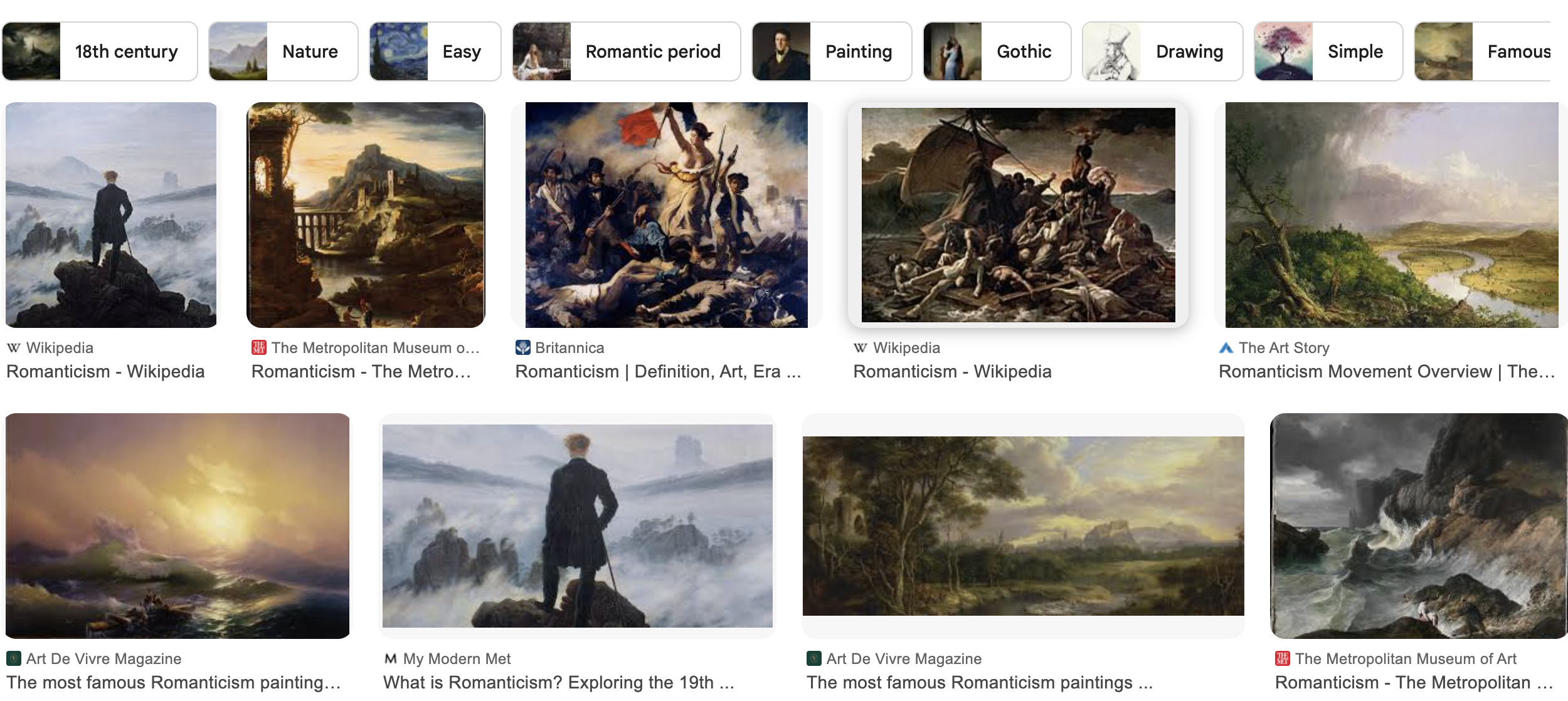
Romanticism (Early 1800’s) 

Romanticism in the early 1800’s from authors and poets like Walt Whitman and Ralph Waldo Emerson made their way into the American psyche with their hopeful and nature-oriented philosophy. The call for nature as a spiritual healer, a gentle reminder that life on Earth is bountiful even if sometimes hard. This was the time America was settling into itself as a fledgling nation – idealistic, ambitious, and prosperous.

The themes of art and literature spanned mystic nature, emotion, imagination, individuality, and inspiration.

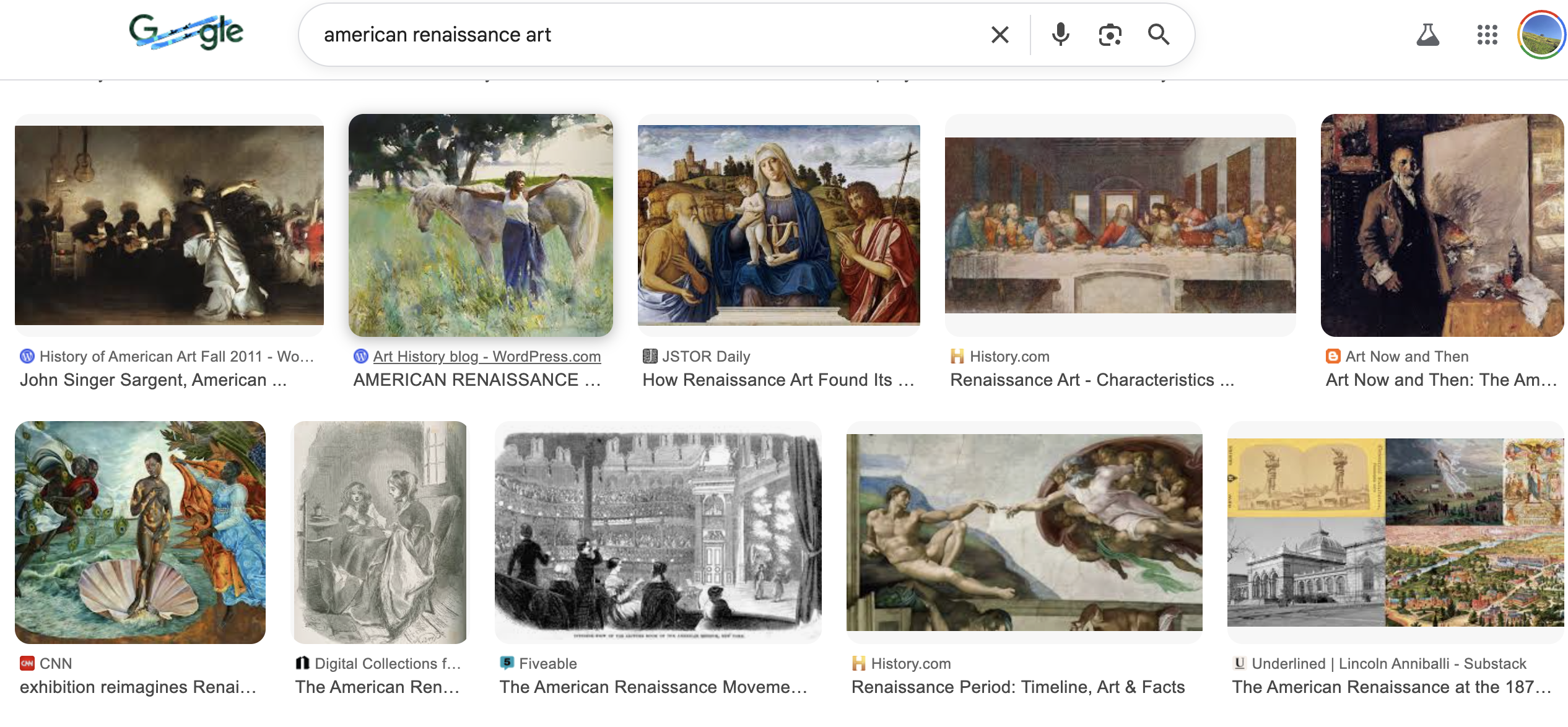
American Renaissance (Late 1800’s – Post Civil War) 

Then, in the mid-1800’s – after the Civil War and many losses on both sides, art and literature turned towards the American Renaissance. Nature was not the benign soother of souls anymore. It was the vast, terrifying force that could destroy. The darkness within. The ghost of reality underlying the dreams of the bright and hopeful. The likes of Edgar Allan Poe.

I thought to myself on a walk one day that maybe this was the growth that was necessary like the human teenage psyche needing to grow, deepen and mature. Knowing, becoming aware of the darkness, so we may shape our morality with knowledge. The post civil war was the Reconstruction Era. It was also a time of intense growth with populations migrating towards cities, industrialization replacing agricultural jobs etc.

Harlem Renaissance (~1920’s) 

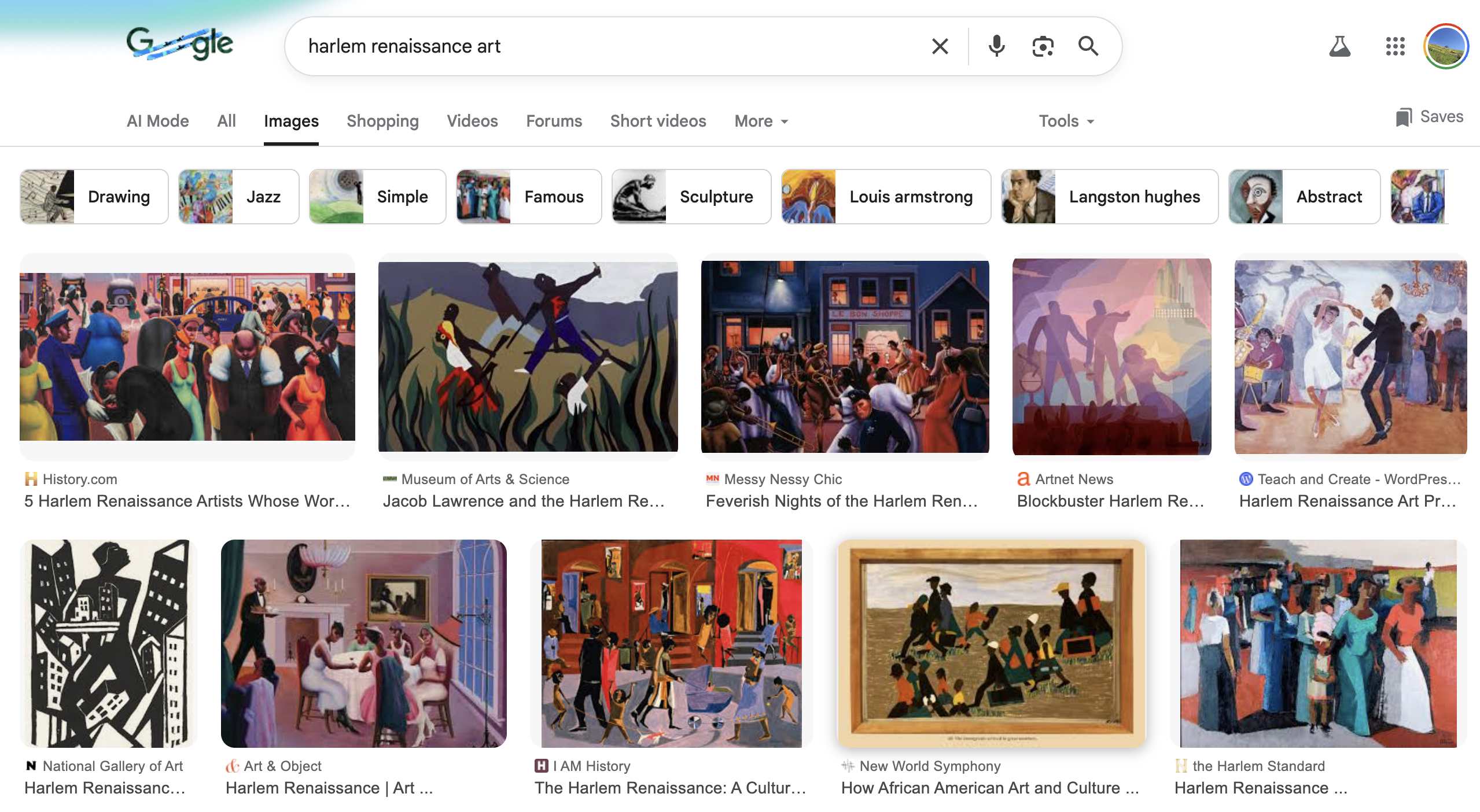
This period was followed by the Harlem Renaissance in Art where the reality shaped by experiences of people took hold. Art and literature tried to take what was life and reclaim our meaning and dignity through our shared and lived realities. Great Gatsby by Scott Fitzgerald served as a cornerstone for what greed could like, while Harlem authors like Zora Neal Hurston gave us glimpses into the lives of Black communities in the rural South.

The early 1920’s also gave rise to the Jazz Age and changes from the classical art forms from the past.

Surrealism (Post WW II – 1950’s) 

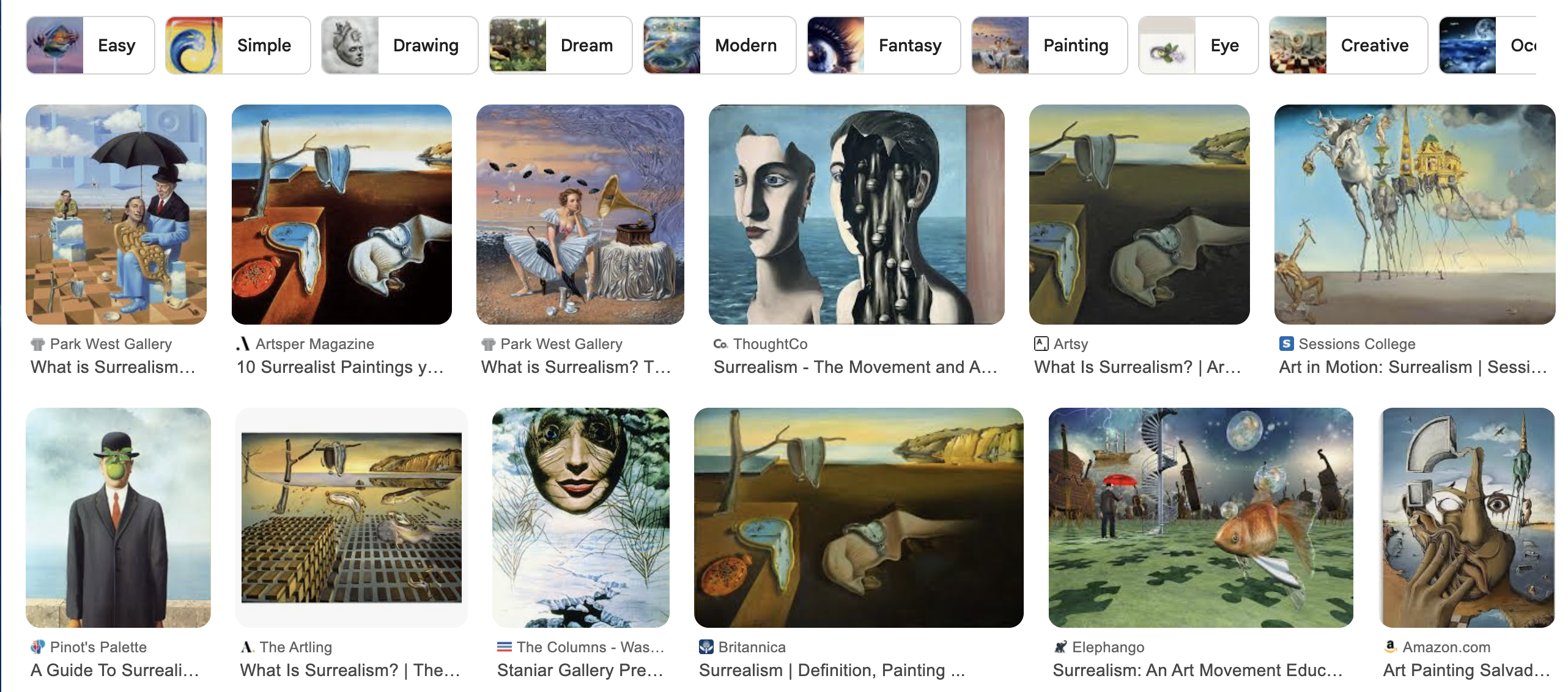
After the intense periods of the two World Wars with a depression sandwiched in between, the populace seemed to be in need for some hope, and an escaping-reality kind of theme developed. Artists like Salvador Dali & Frido Kahlo dipped into the realm of dreams inspired by Sigmund Freud’s psychoanalysis.  They gave to the public a taste of what it was like to bypass reason, and exist in a world of possibilities.

I thought it was one of those ways in which art could inspire life to be forward looking. After all, dreaming up what can be is just as crucial as depicting what-is, isn’t it?

The Journeys of Art & Humans

In some small way, it was like the progression of humans itself. We start off innocent, hopeful, trusting, and then become wary, cynical. From these experiences, is shaped a reality that is a sum of our experiences; and it either takes a determined person to evolve into the next version of themselves, or to fester in a pale imitation of what-was.

It is fascinating that Art itself can provide answers to our anthropological progression, isn’t it?

Please let me know what you think: Is the evolution of art as essential as evolution of life itself?

Once again, any pointers to books/podcasts/articles along these lines would be much appreciated.

Coming up soon: Art in the digital age – how do you think it will be classified and transformed?

River Valley Civilizations -> Digital Valley Civilizations

The History of the United States

I just finished listening to a Great Courses Lecture Series on American History. Over 48 hours of listening content aside, it meant I have been wondering and trying to piece together the deeper veins running through our history and why they are still relevant today.

Why is a leader still able to rouse such high levels of divisiveness around certain issues? Like immigration? I truly wanted to understand it.

I am no  political analyst. I am no historian. But even I know that immigration is an old wound. A scar tissue. A festering topic that never really leaves the American psyche. 

River Valley Civilizations to Digital Valley Civilizations

The strain of every bigoted immigration movement seems rooted in ‘Go-back-to-where-you-came-from’. This is an interesting perspective. Because if we go far back enough, that would mean all of humanity would still be clustering around the river valleys and deltas practicing agriculture with the annual flooding cycles.

The Egyptians eyeing the invading Greek with suspicion.

But here is the thing. We moved past that. We are no longer river-valley civilizations. We took to the open oceans. We found every nook and corner of land available for us to live on. We are now living in or moving towards digital valley civilizations.

We do not cluster around the primary vocation of those times – growing food. We cluster around the primary vocation of these times. Which is to earn livelihoods in increasingly complex domains using increasingly complex technologies. The prosperous have always attracted people from outside – whether as conquering hordes, or as people who simply were welcomed and came in to be assimilated.

So what seems to be the antidote?

Given this, two aspects occur to me. 

  1. Enable prosperity so high and peace so high in other parts of the world too, so that the immigrants who are flocking to America do not flock to America alone. This is harder, yes, but also the best path forward. It is what happened with the rise of the computer industry in countries like India and China. #EnableProsperity #EnablePeace.
  2. Immigrant workers have usually (willingly or otherwise) answered a call from America itself when human-power was limited. The Golden Triangle all those centuries ago, meant that America sought slave-labor from Africa and forcibly bought them to the United States to help with their cash crops and raising their families. When the railways needed building, America sought to bring in Chinese workers to do the work. When technical jobs needed doing, America legislated to have tech workers come in.
    So, the solution seems to be to raise the skillsets of what we need in our next generation. Prioritize science education, encourage research. Not the opposite. #EnableScience #EnableResearch

America took its time getting here to be the melting pot of civilizations. It has always dealt with changing demographics, but has also proved to be be best model for assimilation in the world. So why this turbulence?

What do you think? What are some of the solutions you can think of?

Literary Inspirations from Nature

Amazonian Strength

It was a somewhat tumultuous setting to wake up to. I had just crossed the Amazon river on a bike. Did you know pedaling through water looks easier than it feels? Especially, when the waters are flowing west-east, and you’re biking north-south. 

But still, it was beautiful to bike across a wide, deep river. Water is so soothing, isn’t it? Feels like floating – only every now and then, your ankles get wet. I think I rather enjoyed the ride after a full 3 days of council meetings with the Queen. Have you been to any of these? Turns out, they aren’t as fun and impressive as they seem. But that is corporate err… royal life for you I suppose. The nitty-gritty – the treaties, the documents and the hundred disagreements that arise between 35 council members is truly draining. While I was happy to say my good-byes and head across the river, I wasn’t quite ready for what lay for me on the other side.  

Scene cut. 

Retake River-biking scene.

The aerial view of my biking across the Amazon river is cool. Was Wonder Woman an Amazonian woman? 

Cut. Cut. Cut.

“You’ll be late – time to get up!”

I moaned into my pillow displaying the kind of weakness for sleep that Amazonian strong women most certainly did not according to the myths. I got out of the bed though as a good citizen must.  

Still, I felt a little unsettled – aerial surveys, biking across rivers, social council meetings and strange amazonian men pointing me to a different boat (That was the last part of the dream – not important) – can do that. I decided a short walk around the neighborhood was all the time I had before my day started. 

The Heron on the Roof

So I legged it. Trying to listen to the grounding sound of chirping birds, and taking in huge gulps of the fresh morning air. Did I tell you how bright it was for a February morning? Well, it was.

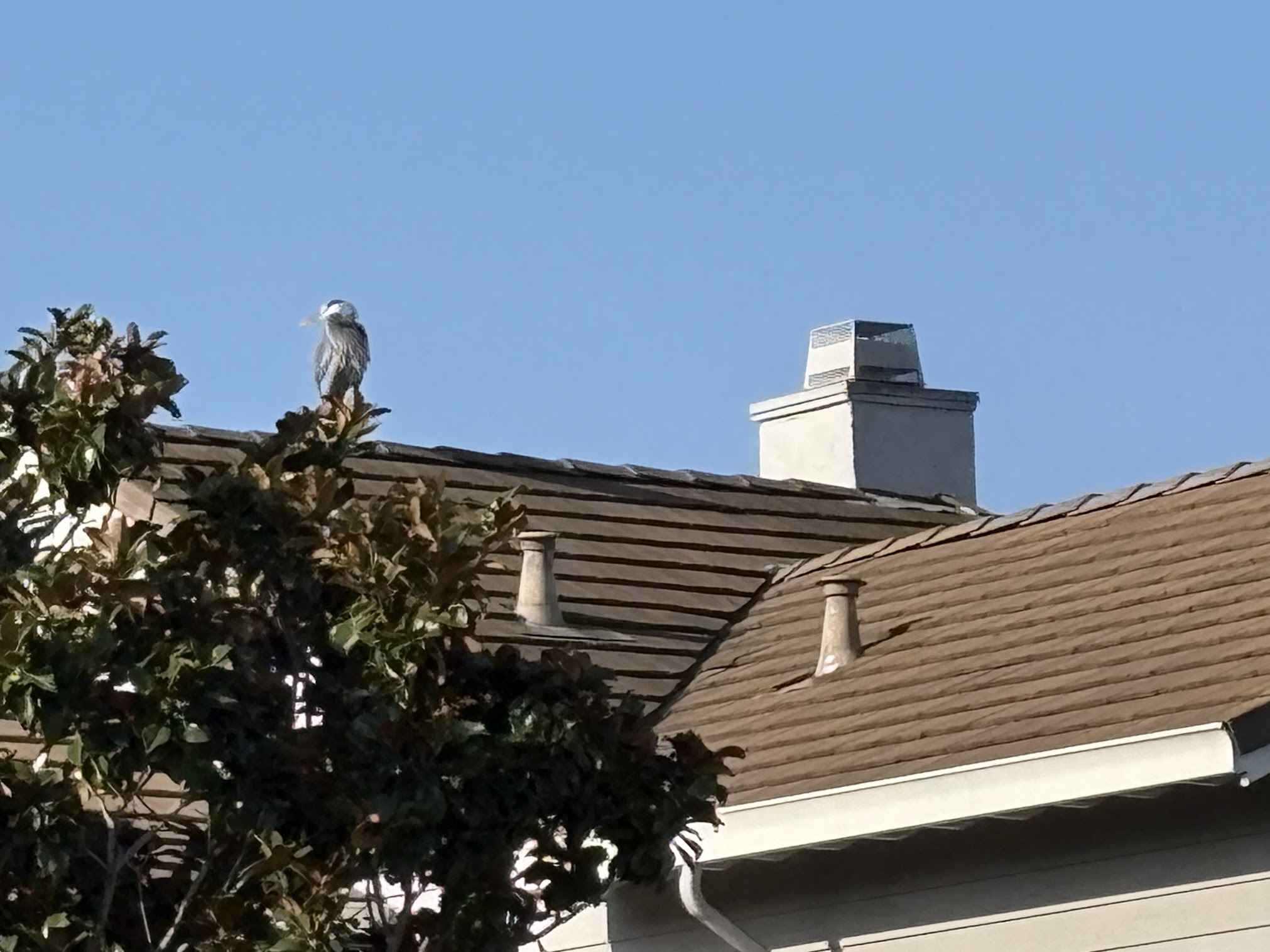
Anyway, I was tripping along, when I saw the strangest sight. A blue heron: perched on a rooftop in the middle of our housing community. I love watching herons and cranes as regular readers of my blog know. Watching them seems to settle a certain restlessness in my soul. 

Watching the grey heron on a grey house’s rooftop after a tumultuous morning, I felt a new respect for the bird that lives this reality with ease and calm. Aerial surveys – wasn’t that what it was doing just then? Wading through the river waters? They love it and they excel at it. Watching the waters sanguinely from near the shore – again, their specialty.

Literary Inspirations

As I watched the heron, an unrelated nugget of information rose – it has been a while since I had read Kelly Barnhill’s book, The Crane Husband. In an interview, she went on to say that the story had come to her one day  after seeing a crane sit still on a rooftop. 

We see plenty of birds perched anywhere and everywhere all the time. But there is something incongruous about a heron or a crane perched on a rooftop (not in the middle of some fields) , but in a suburban locality, that stirs the imagination. At that moment, I could understand the author’s inspiration for the book.

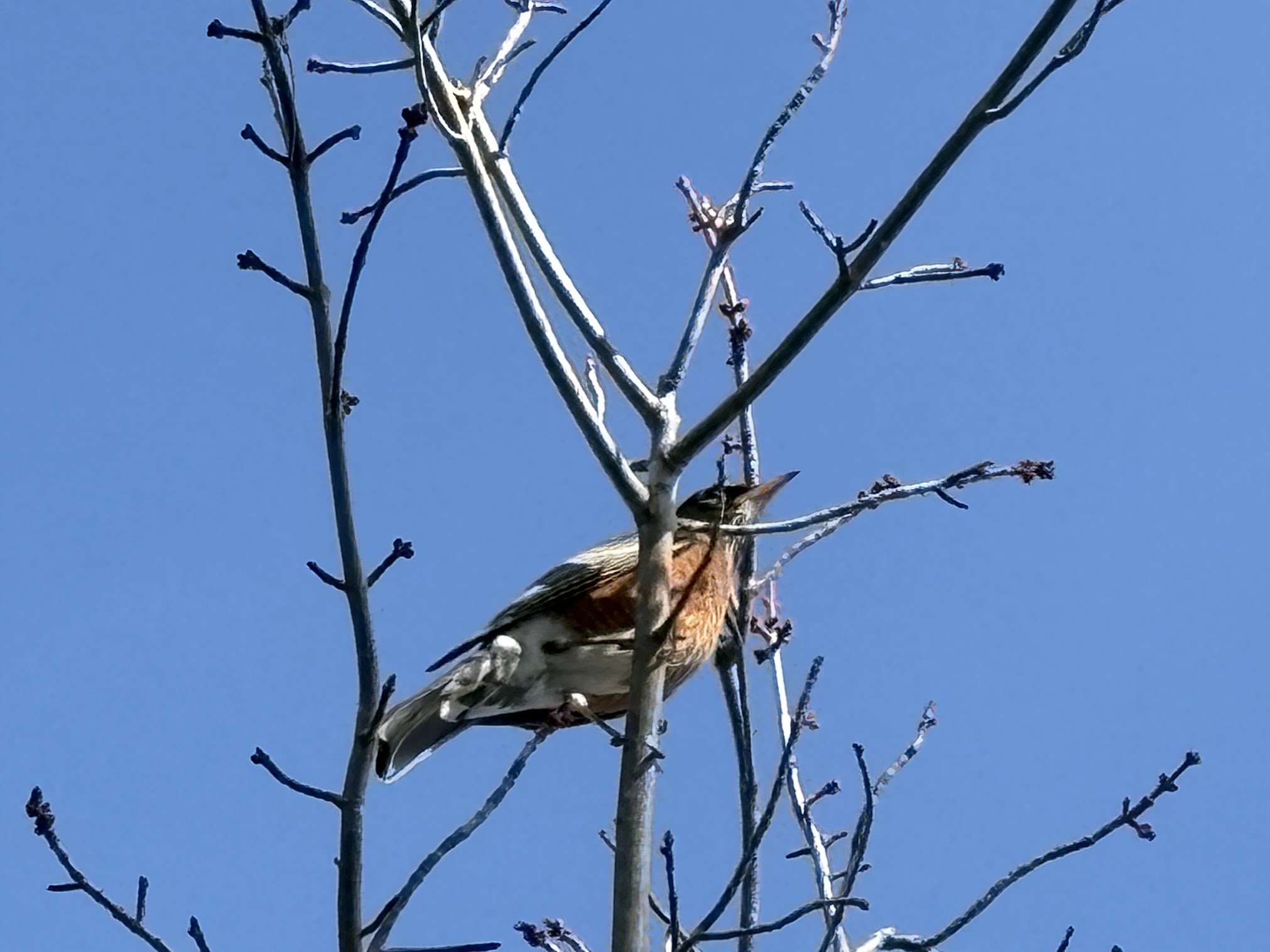
I stopped to take in the beautiful ringing sounds of a winter robin on a bare tree, and headed back feeling far more settled than when I set out. The heron had done it again. Patience, stillness, sun-bathing, rivers – all in a day’s game after all.

History & Herons

South Indian Meals

The vegetables were neatly sliced & diced, the tomatoes were pureed, the tamarind was soaked, the rice was boiling merrily, the rasam was simmering gently at first and then with a ferocity matching the chillies in them. A South Indian meal was in progress. We do not set much store by one-pot meals in South Indian cuisine, and consequently all the burners were on. 

Efficiency. A production. An orchestra. 

I was listening to an audible book on The History of the United States  that was making me gasp in places, as I cooked.

After one particularly intense chapter ended, I stopped the podcast. In the ensuing silence an image arose in my mind.

Unbidden, unhurried, and unsullied. 

The gray heron

It was from my morning walk. Before the frenzied cooking spree to get food on the table. 

The gray heron. 

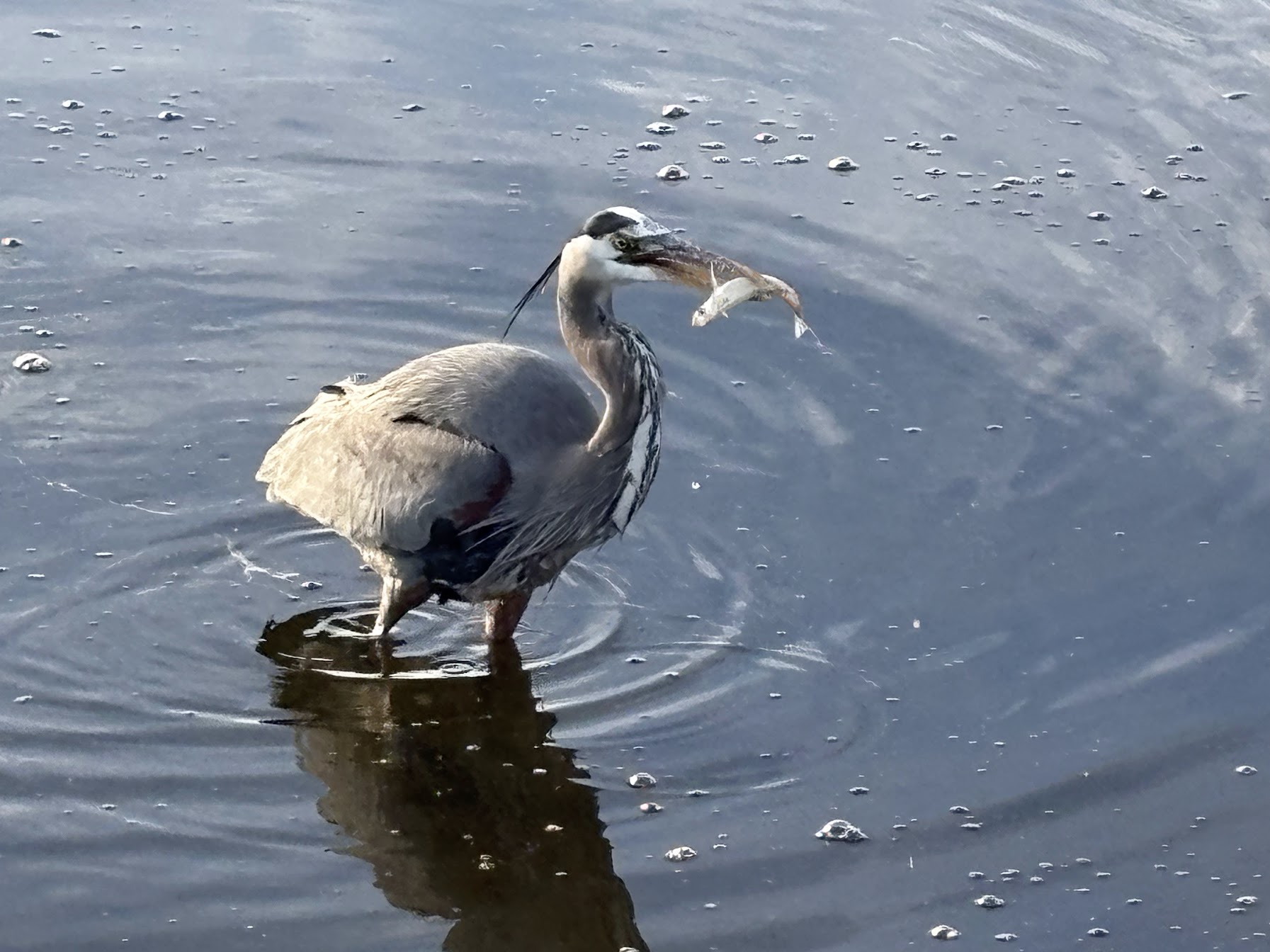
I have seen many gray herons. The common refrain in the household is that I have more photographs of the herons and egrets than I do of the children. This one, though, was the very first time I saw a heron go in for the kill at close quarters. 

The heron was less than 5 feet away. Standing still immersed in knee deep waters. Stark against the morning light. It was still cold – January colds of California – and then, slowly it waded into the waters a little more. Stealth. Strategy. And then, in one swift motion, it plunged its impressive beak into the water, and caught a shimmering fish in its beak. 

A second later, the fish was eaten, and it went back to standing in the waters. 

Whoa!

I couldn’t help contrasting the efficiency and speed of the heron’s meal against the one I was preparing. Dozens of spices, different boiling points, cutting angles for the vegetables, the right consistency, the right temperature, the right time, the right ingredients. 

In fairness, the heron was also probably listening to its version of American History from the walkers nearby, as it contemplated and went after its meal. All those opinions and snippets on Noble Peace Prizes, Venezuela and Greenland. But there, the comparison ended. 

Now, I cannot compare the taste – was the fish as tasty to the heron as the meal I had made was to our palates? I honestly cannot say. But the heron seemed content enough. When later, the family gathered around for lunch, they seemed content enough too. Wasn’t that the point? 

To Realms & Worlds Unknown

“Wow! Do people actually get up at 3 in the morning and drive up the mountain to catch the sunrise?” I said, my jaw slipping a good 45 degrees downward.

The husband, knowing my enthusiasm for these early morning fests, said, “Yes! But I was thinking of something else. Let’s go up in the afternoon, do a small hike and then watch the sunset. That way, we can wait for an hour or so, and watch the starry night skies too before heading back down.”

I nodded – did I tell you he was a smart cookie? I must have.

Haleakala Crater

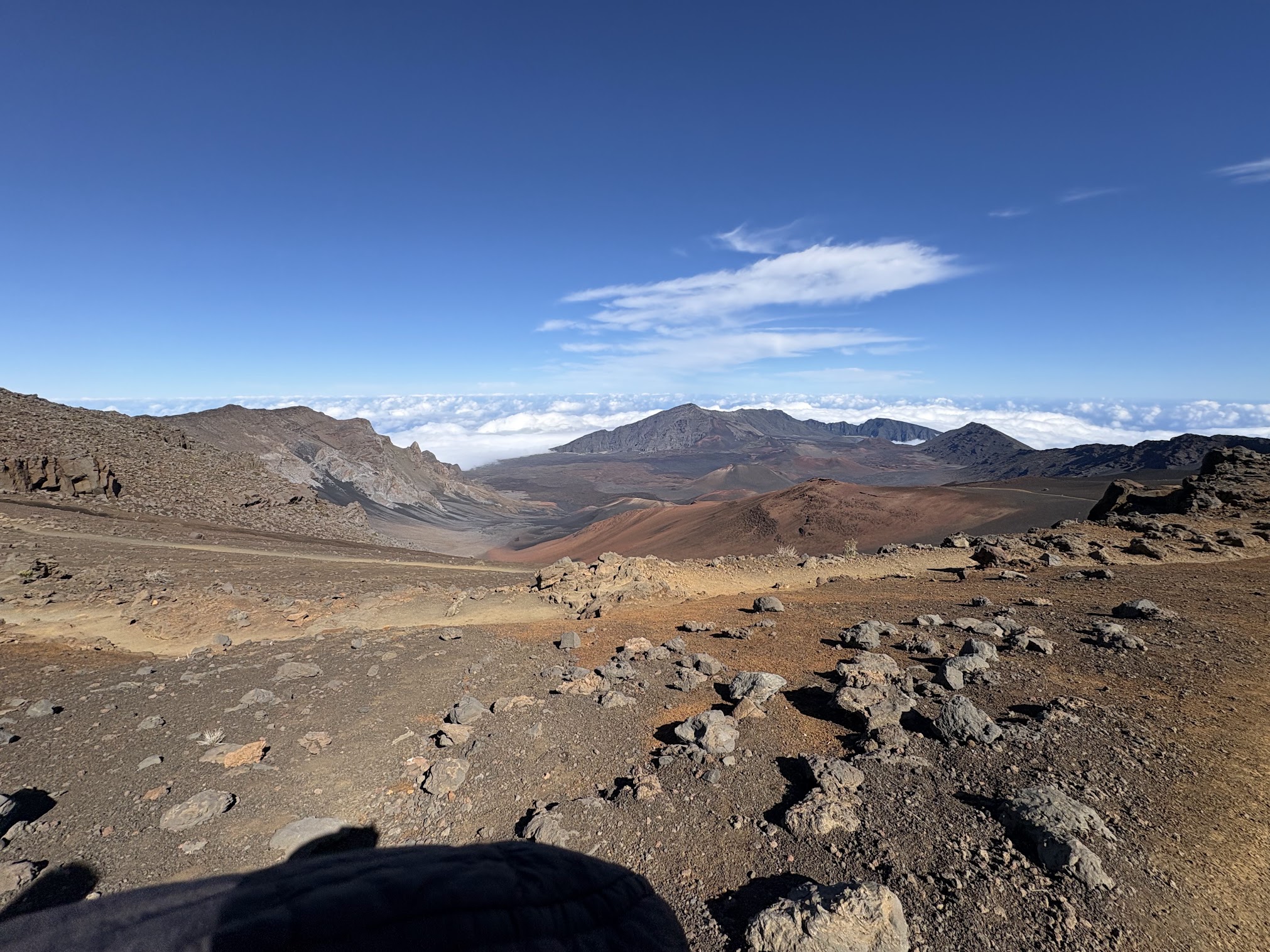
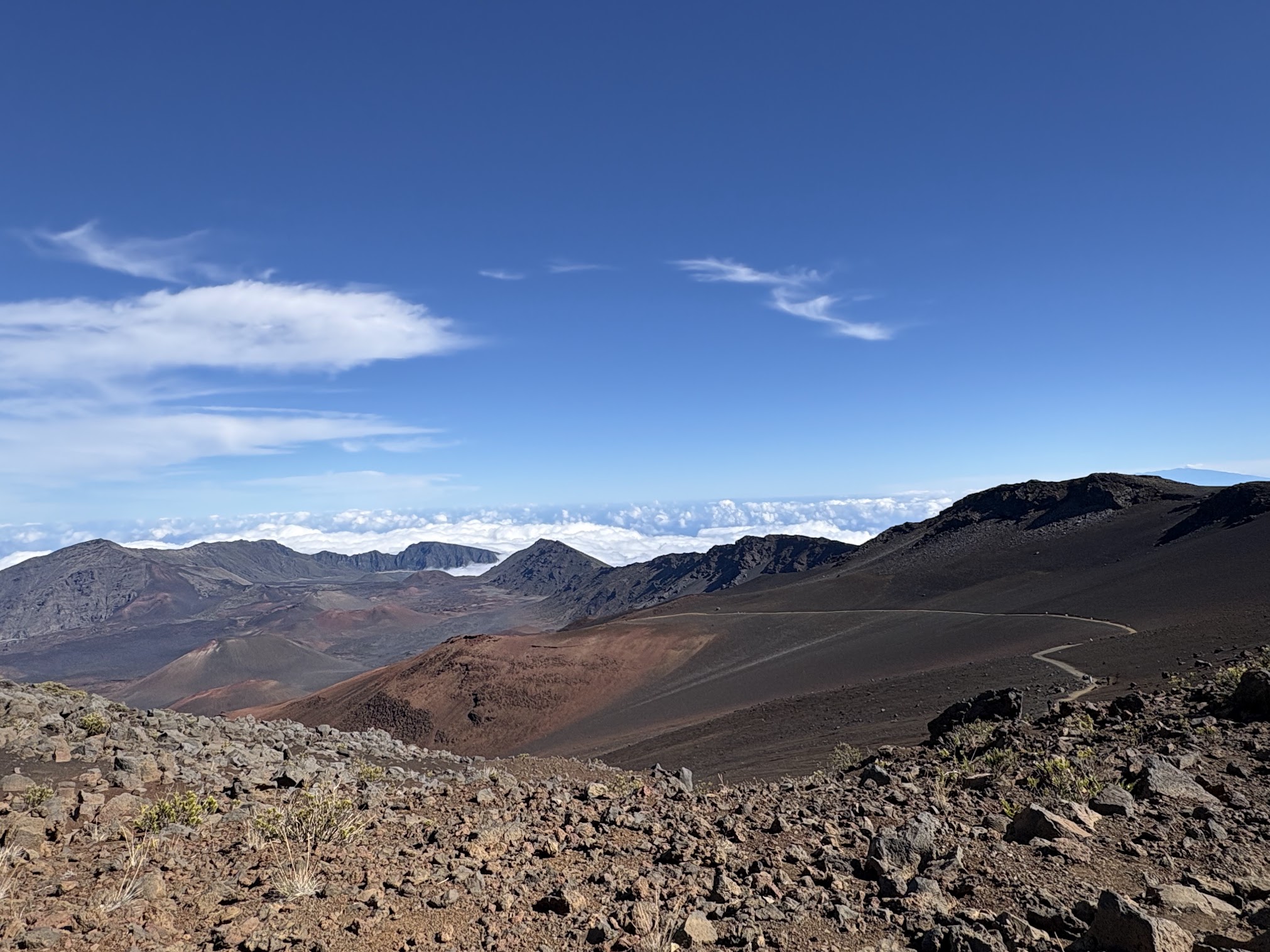
So, that’s what we did. Haleakala Crater is one of the major attractions of Maui.  As we made our way towards the mountain, it was becoming gradually more scenic and lush. The volcano itself is a stunner – at about 9000 feet above sea level, it is a world very different from the rest of the island. Up there it actually feels like it is different from the rest of the planet.

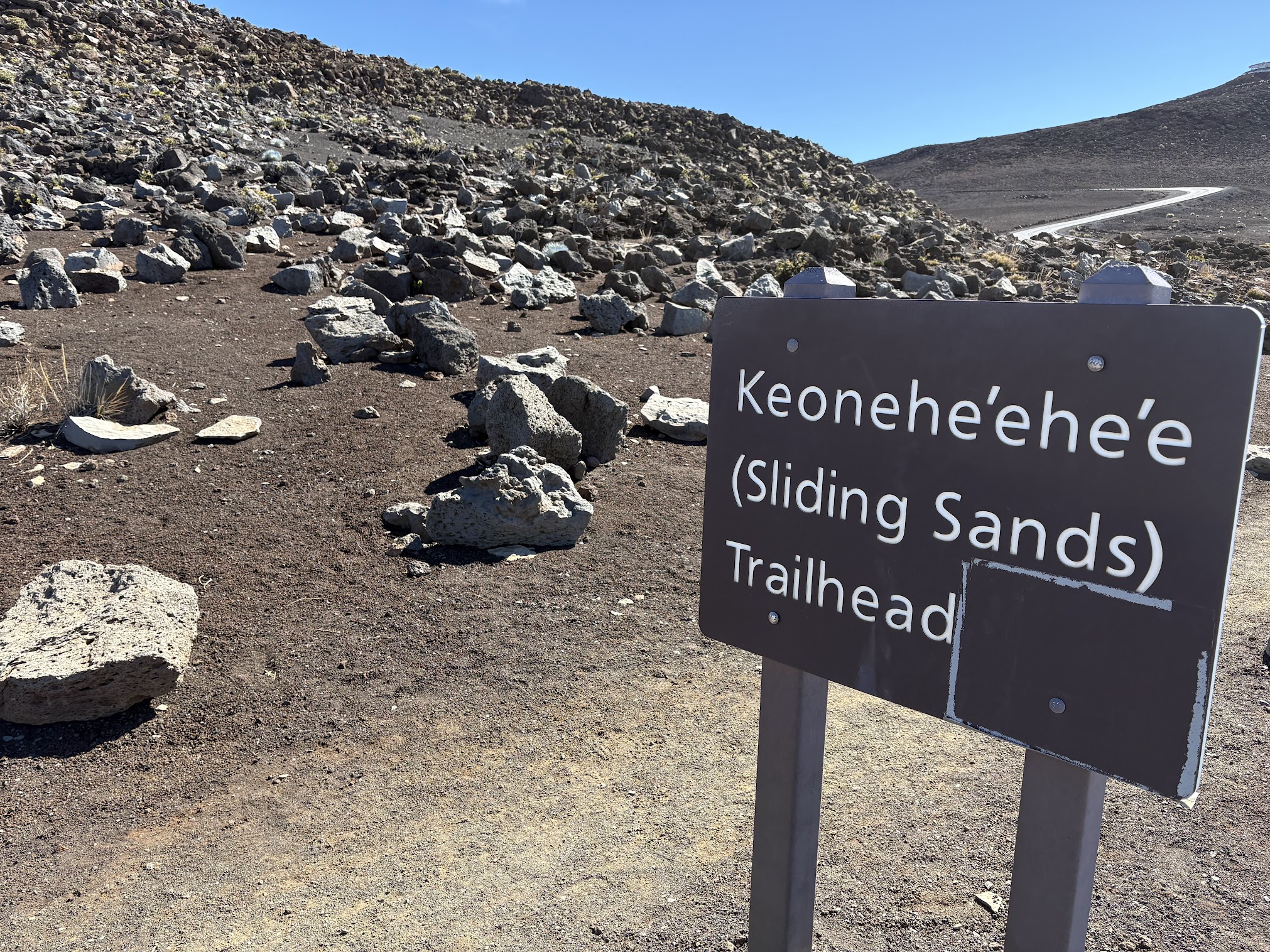
One minute, you are parking the car, and looking at the trail map, and the next minute, you are on a trail called the Trailing Sands (Keonehe’ehe’e – slides off your tongue doesn’t it?) that transports you straight into the dusty dunes of Mars. Your lungs sort of leap into your throat, and your heart does this dance where it shows you what it means to hike at 9000 feet. But it truly is an experience. Some barely-there-scant vegetation is the only anchor to Earth up there. You are surrounded by miles and miles of volcanic rubble, and the shifting sands around you promise you bleakness. The sands are black. They are rust. They are brown. And there are pebbles, gravel all the way every way.

The worst part of this other-world hike is that you first go down, and then climb back up. If your heart was dancing the jig when you start down, it does the conga when you start back up. But this is where human beings are truly other-worldly too. You show them a trail in the middle of a crater, and you’ll find a swell number of souls all tramping up and down. “We’ll see you on Earth later!” They seem to say but they are there. Telling you you’ve got this, and snapping pictures for one another.

The sweat from the hike, and the cold from the altitude make you sort of yearn for a few warm blankets and a cup of hot cocoa. How did these astro-biologists and astronauts opt to go on missions lasting years to places like that in the movies? 

Alaula & Aka’ula of Napoʻo ʻana o ka lā 

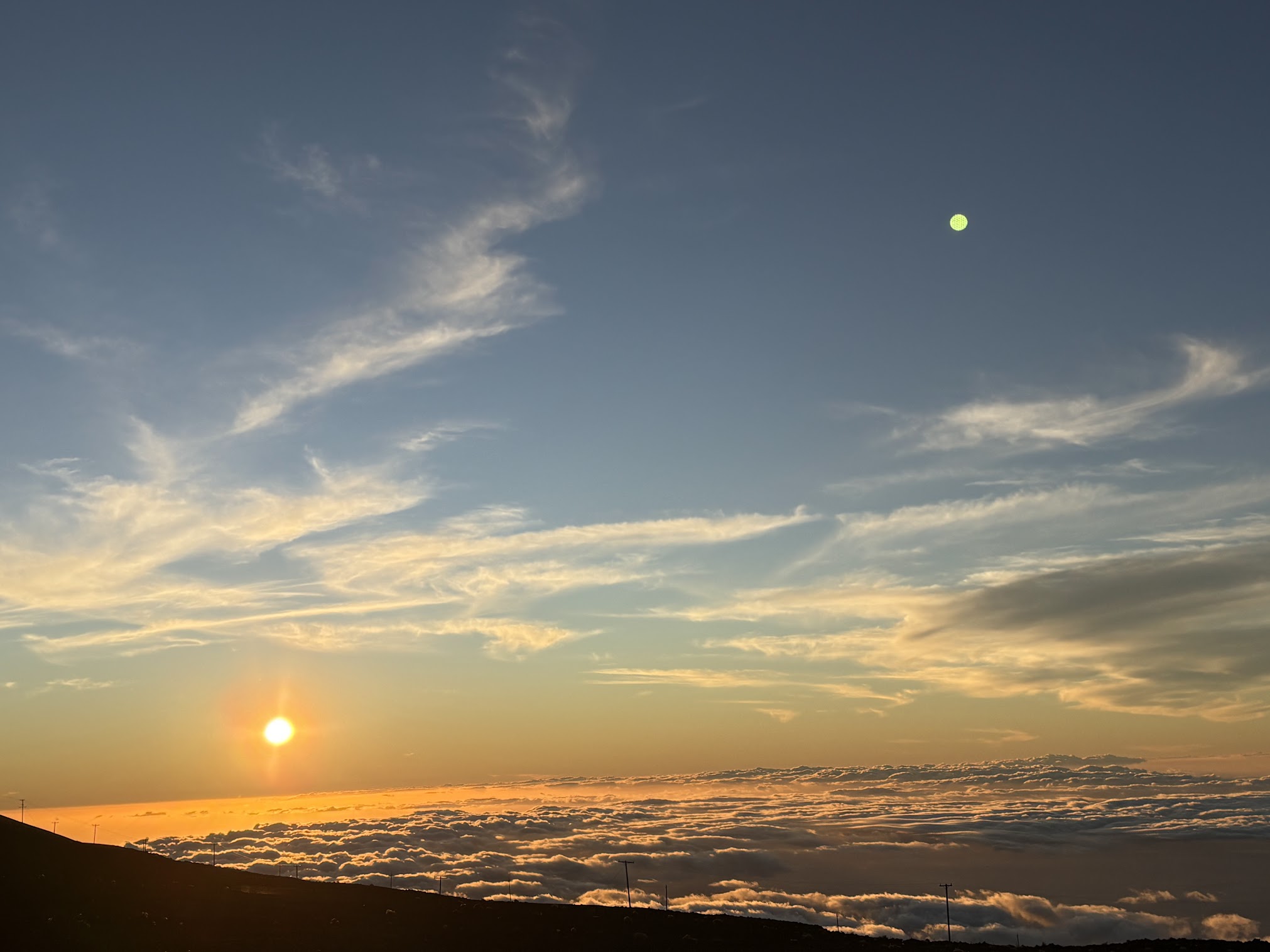
The sunset was spectacular  once you got your breath back, and we huddled around the mountaintop peeking over the horizon as the skies did their magical thing of swishing out its robes. 

Napoʻo ʻana o ka lā – means the setting of the sun

Alaula – the glow of the sunset

Aka’ula – the reddish glow of the sunset

Within minutes, the pinks and oranges were gone – to be replaced by a pitch black sky and a million glittering stars. The temperatures dipped a frightful amount, and as we swiveled our necks up to the worlds above, a warm blanket felt more than welcome. Or even a warm towel fresh from the dryer would have been enough.

Towels for interstellar travels

I have no doubt that if we were to hike up into the skies there we would find our own species up there cheering each other on. “Just a little further and you’ll be on the other side of the star – just drink some water!”

I chuckled feeling a bit silly at the thought, but it reminded me of that fellow in The HitchHiker’s Guide to the Galaxy where he says the first thing a space traveler ought to pack is a towel. Well, the first thing a traveler to another world in our world ought to pack is a towel too.

The stars, and the crater had done its thing. By the time, we drove down the mountain side to our own planet, it was well into the night, and sleep under a cozy comforter and a temperature controlled bedroom beckoned us far more than the adventures of the universe.

Our Beautiful Earth.

We may enter realms and worlds unknown, but to enter our known world with the comforts of modern living awaiting us is no small blessing. 

The Tyrant’s Daughter

Early morning vibes

“What do you mean we have to jump in the ocean at 6:30 a.m.?” We were planning on snorkeling in Maui. Islands, especially those closer to the equator like Hawaii, have a sort of early morning energy to them, that dwellers from the mainlands like Yours Truly have difficulty comprehending.

The husband shrugged, and said either something to the effect of only-time-available or only-time-it-is-done. He was already tucking into toasted bagels, sounding happy and energetic. I whined. “You’re such a Tyrant for waking us up at this ungodly hour!” He laughed, and thrust a cup of coffee into my hands.

The daughter gave me a scolding, “Amma – if you have to go snorkeling you have to get up at 5:30. You can nap the rest of the day like a sea turtle sunning on a beach if you’d like, but you have to get up now.”

“Well – buddy up with him, why don’t you? You’re the Tyrant’s Daughter. That should be title of my book – The Tyrant’s Daughter! Why does he have to be so peppy at 5 in the morning?”

“Because we’re snorkeling. You kind of have to be!” She said, and I scowled at her. I sent baleful glances the whole way to the boat. I still wasn’t sure about the whole jumping in the ocean at dawn thing, but apparently fish don’t listen.

“You jump off here – and you can swim up to there – you’ll see some turtles if you’re lucky. Keep your distance..” I shivered, as the captains of the boat went on with their instructions.

The waters shimmered and looked beautiful. I am not denying that. We had spotted two whales and a baby on the way there. Granted, they didn’t look cold, but they hadn’t been pulled from a downy comforter in a room that already had the thermostat set to a comfortable temperature, had they?

Flip Float & Fiddle

I watched braver souls splash into the waters and flip off with their flippers and snorkels in place, while I just stood there praying for strength and warmth. Finally, when it was getting a bit shameful to put it off any longer, I took the plunge too. Once I got the hang of it, it was marvelous. 

I don’t know what the whales were thinking just about then, but I could’ve told them, the waters were not cold at all. Getting a healthy swim right around sunrise is the heartiest thing to do.

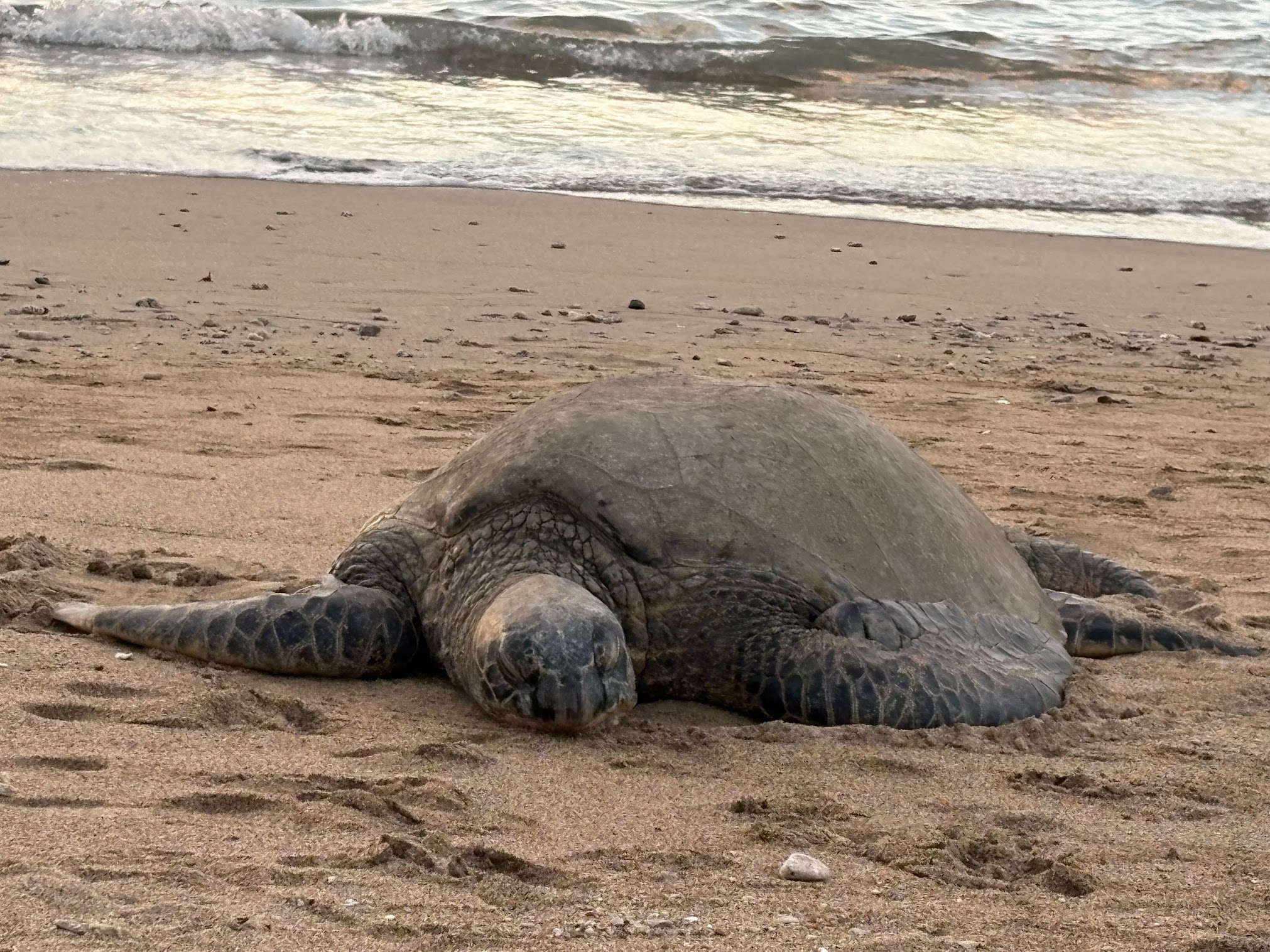
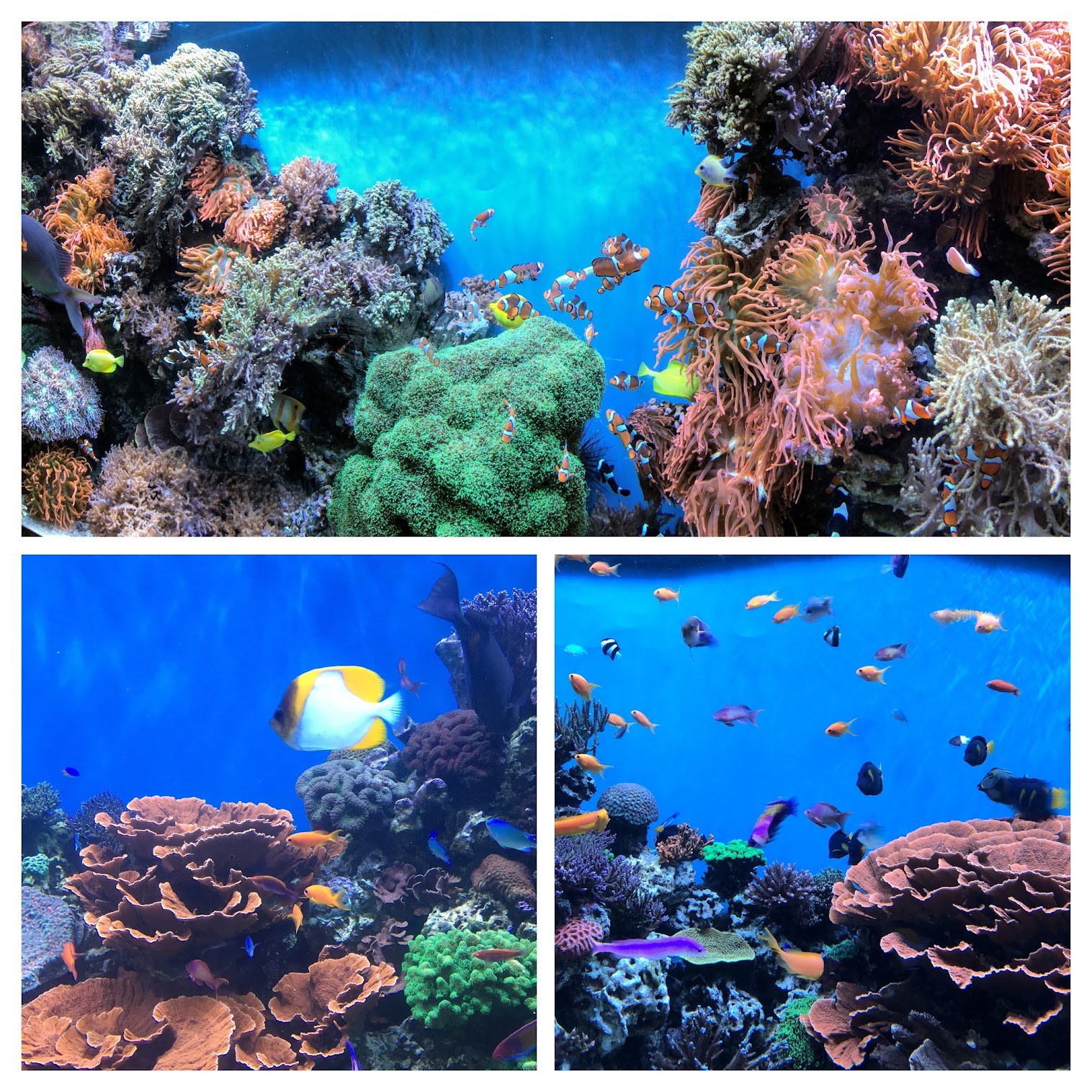
I flipped off and peered down into the most beautiful coral reefs. It was teeming with fish, and there up ahead was a large turtle having his shell cleaned by the reef fish, It was a gorgeous sight to behold. The sun’s rays piercing through the waters combined with the silver and black fish that were in abundance in the reef, and the turtle, put me in a sort of trance. I felt my heart stop several times as the turtle swam towards me – why do turtles look like they are smiling? Before I knew it, I heard someone holler at me to come back to the boat.

Note: Picture not from snorkeling, but elsewhere

Our next stop was equally breathtaking, and here, we saw rainbow fish, yellow sun fish and so many happy creatures, it was amazing. The corals are true marvels of creation. Here we are, trying our best to hold leaking roofs together, plastering walls, soldering outlets, while the reefs build and hold with grace and pressure.

I feel the tug in my heart to quote Gerald Durrell here. It is from one of my favorite essays in the book, Fruit Bats and Golden Pigeons by Gerald Durrell. Titled, The Enchanted World.

Quote:

Any naturalist who is lucky enough to travel, at certain moments has experienced a feeling of overwhelming exultation at the beauty and complexity of life <….>  You get it when you see a butterfly emerge from a chrysalis <…> You get it when you see a gigantic school of dolphins stretching as far as the eye can see, rocking and leaping exuberantly though their blue world <…. >

But there is one experience, perhaps above all others, that a naturalist should try to have before he dies and that is the astonishing and humbling experience of exploring a tropical reef. You become a fish, hear and see and feel as much like one as a human being can; yet at the same time you are like a bird, hovering, swooping and gliding across the marine pastures and forests.

You Are Not a Tyrant!

When finally I hauled myself back on to the boat, I started to feel cold again. But down there, in the waters, it was heavenly. I shimmied up to the husband and said, “You are not a tyrant for waking me up! It was so lovely – thank you!” He gave me a loud guffaw, and laughed.

The daughter said, “I think I need an apology over here as well.” She had a sort of shine that happy mermaids get after a morning of frolicking, and was chomping Hawaiian chips. “If I remember correctly, you were writing books about the Tyrant’s Daughter a few hours ago.“

I smiled sheepishly. Or Turtlishly maybe.

“Fine! You get an apology too. It was beautiful!” I said, and I couldn’t stop smiling. I thought I’d left my heart in the reefs, but then what was that huge tug I felt in my torso as I beamed my love out into the world around me?

Note: These pictures were taken in Monterey Bay and not under the seas at Maui. I did not take underwater cameras with me to record. I simply drank in the scenes and a bit of the Pacific Ocean too.

Books That Shaped My Inner World in 2025

Mind-blowing

I come to one of my favorite things to do as the year winds down. Which is to see all the different ways in which my mind has been kept occupied and shaped by writers who tirelessly work and put out the good stuff for people like us to just sit back, relax, and read. What was it that Carl Sagan said, “Books really are the best inventions of mankind” or something like that, and was he right?

“What an astonishing thing a book is. … one glance at it and you’re inside the mind of another person, maybe somebody dead for thousands of years. Across the millennia, an author is speaking clearly and silently inside your head, directly to you. Writing is perhaps the greatest of human inventions, binding together people who never knew each other, citizens of distant epochs. Books break the shackles of time. A book is proof that humans are capable of working magic.”

[Cosmos, Part 11: The Persistence of Memory (1980)]”

Carl Sagan, Cosmos

I saw this beautiful hotel building on a recent trip to Hawaii, and every front-facing wall had some sort of cuneiform inscriptions on them. Very becoming. Some were stick figures – some assorted sea creature shapes. They probably told a story, but I couldn’t stop to find it all out because I was being dragged across the street and being yanked up by my forearm to keep from tripping and falling (again).  What I am trying to say with this rather meandering and pointless story is that the Hawaiian hotel may well have had the legend of Humuhumunukunukuapua’a there, and there was no way I would get to read it. (Humuhumunukunukuapua’a is a reef triggerfish and Hawaii’s official state fish)

Books, on the other hand, I got my dose of humor, facts, science, fantasy and history. I romped through the annals of British aristocracy, World History, US History, types of flora and how marvelous their cell walls are, all without stepping out of the comfort of my own bedroom. What can be better?

So, let’s see shall we? Every year, my classifications and categories of the books I read over the year changes, and that is just as it should be, for I don’t follow a particular pattern. Sometimes, the libraries make the choice for me and I am grateful. There are simply too many authors with too many interesting things to say.

Still there is a sort of quiet happiness – the cave of quietude as Keats so elegantly puts it, a rather meditative sort of space where the soul expands. It is truly astonishing. Then, you read something that not only expanded the writer’s soul, but now the readers’ too, and before you know it, you are thoroughly entranced. Books have managed to work their magic through ‘the shackles of time’ as Carl Sagan so niftly put it.

Anyway, all this to say that I did my spot of reading in 2025 and now, I get to look back on them and make sense of the lists.

Let’s go, shall we?

Banish ennui: Children’s books

Facts are Facts!

Good old stories

  • The Place in Us – Fatima Farheen Mirza 
  • Remarkably Bright Creatures – Shelby Van Pelt
  • In the Time of Five Pumpkins – No ! Ladies Detective Agency – By Alexander McCall Smith
  • Of Mice and Men – John Steinbeck
  • Katabasis – R K Kuang

Science Fiction

Under The Sea

  • A Whale’s World – By Ian MacAllister & Nicholas Read
  • The Dumbo Octopus – A graphic guide to cephalopods by Annie Lambert
  • Narwhal – The Arctic Unicorn – By Justin Anderson Illustrated by Jo Weaver – Candlewick Press
  • From Shore to Ocean Floor – The Human Journey to the Deep – By Gill Arbuthnott Illustrated by Christopher Nielsen
  • Do Penguins Have Emotions – World Book answers your questions about the oceans and whats in them
  • In my tsundoku shelf: Playground – By Richard Powers, How Sound Travels,  Life in the Oceans – By David Attenborough

Call it brain fog or a lack of forethought – but there were a few books that I had only a vague recollection of. I didn’t write little witty notes against their name, and I now have a bit of difficulty remembering the good bits. I suppose it happens – but I am happy that I read them all the same. I usually am.

Please share your lists of recommended books for the year. As you can see – there are loads to be written about, but I suppose I shall just have to chip at them as best as I can. 

Here is to a marvelous year of reading for all of you in the coming year! May the force be with you!