Novembers Blues and Joys

Describing a Blue Sky

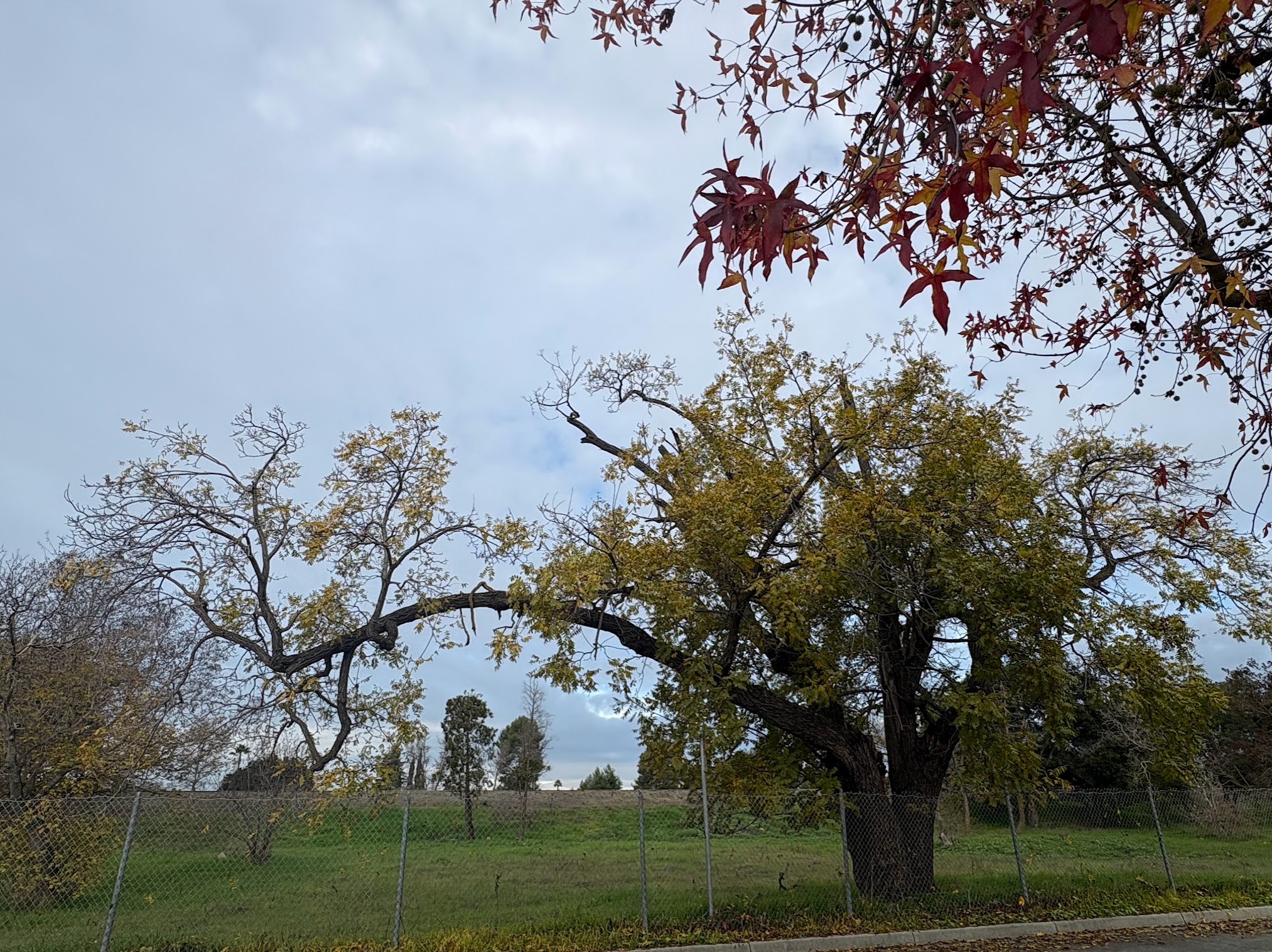
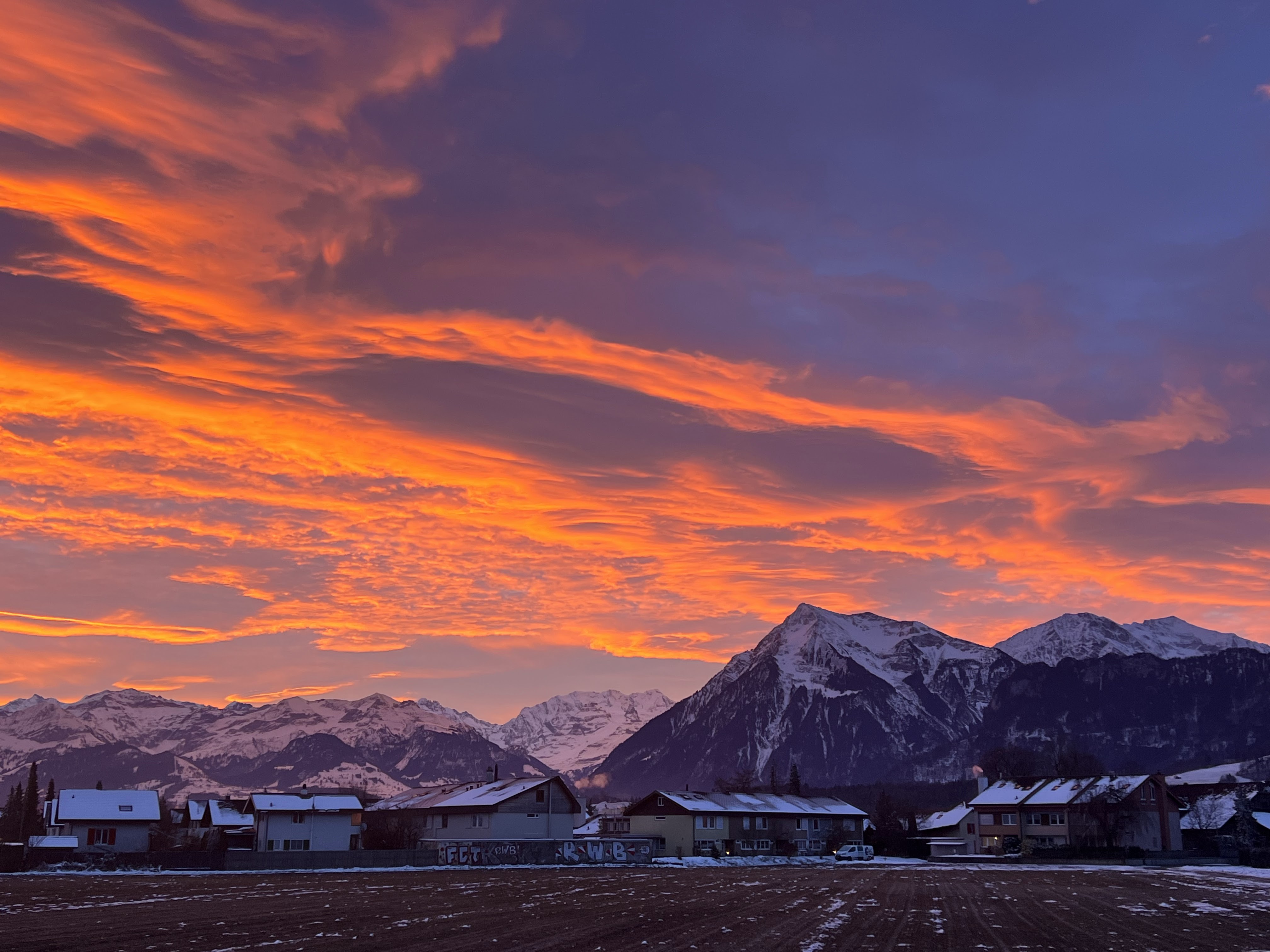
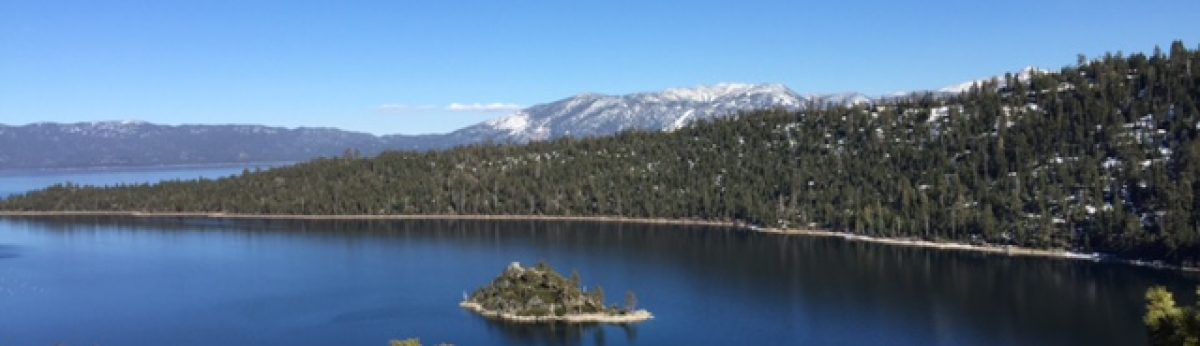
It’s hard to not fall in love with rain-washed November mornings in California. I remember once as a child being asked to describe a sky of indescribable beauty and getting frustrated. The sky was blue. But it was a blue that was not just a color, it made you feel happy! What was the color of that blue?

I felt that way this morning too.

The blue made me feel the opposite of blue. No one who has experienced this blue would attribute sadness to ‘feeling blue’. So what gives? When language is not enough, maybe the fluttering of the golden thrush is enough. For that’s how it feels – to swoop and dance through the air.

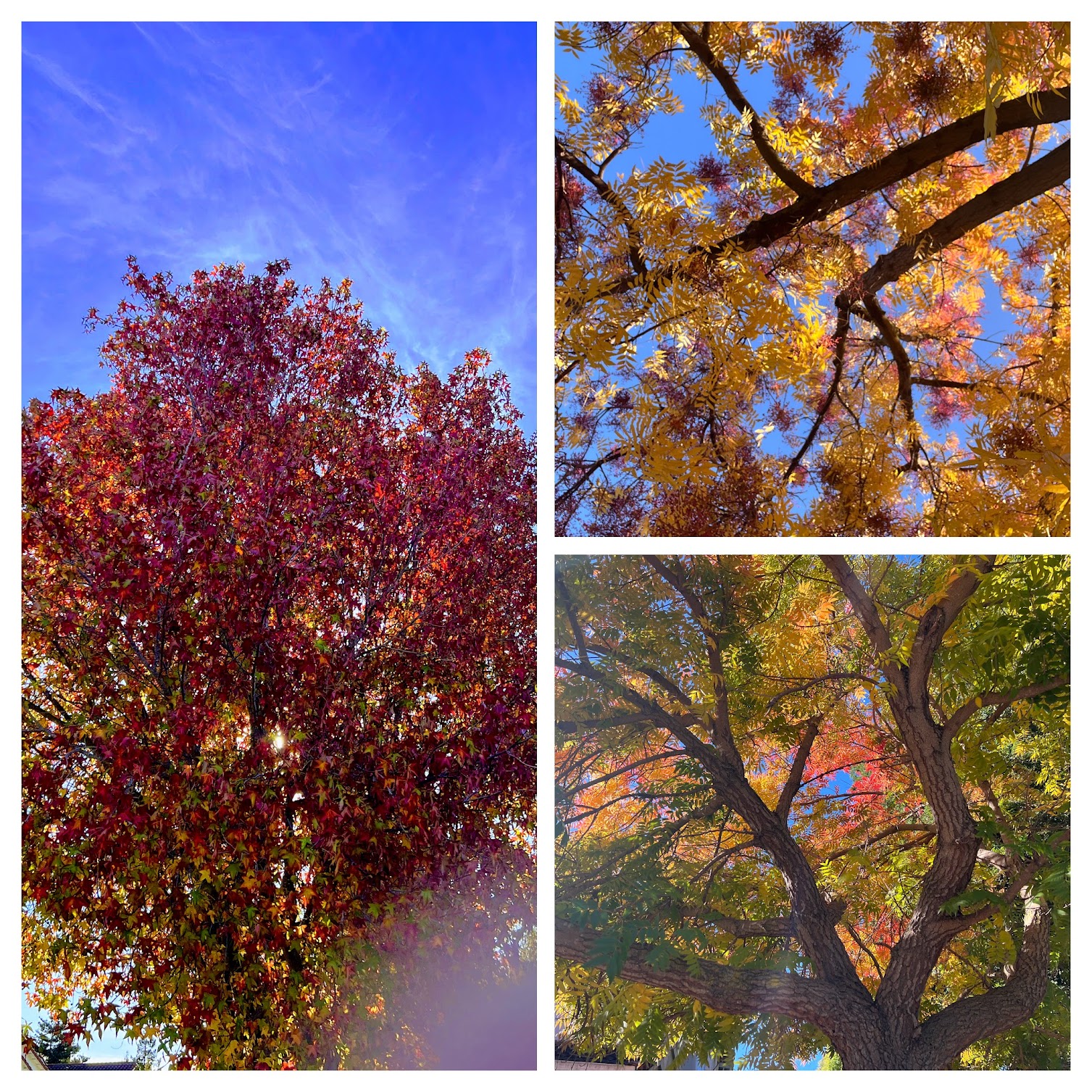
The leaves are beautiful, star-shaped, hues of green, yellow, orange, red and maroon with little sunbursts through their leaves sparkling and shining to uplift your day. Peering through that riot of color to the blue sky – how does one describe that?

Prized Priceless

That’s when I noticed the helicopter flying low, and I peered up at it, and feeling like a toddler asked to point at the helicopter in the sky, waved at it. Of course, it was at that very moment that our empty suburban streets produced neighbors walking on the streets. I smiled sheepishly at them, and said, “A day that makes you want to wave at helicopters isn’t it?”

They exchanged a swift, almost imperceptible look of concern, and then being the kind folks they are, arranged their features to polite interest, and said, “I think there is a police chase going on. We saw several police cars earlier today.”

Oh.

If people ask me at the beginning of the day how I plan to make a prized fool of myself, I am not sure I could tell you. These things are not planned. There is an innate talent to these things.

I didn’t know what to say to that. I goggled a bit at them, and felt my cheeks brightening to match the color of the maroon leaves through which the sunbursts looked splendid.

“So! Have you seen what they are planning to do for the park?”

Adulting in November

I recovered and walked home, though, the nincompoop before this little social chat might’ve skipped home. Really! Sometimes being an adult can be very restrictive. I thought of Anne of Green Gables – I felt for this girl so much just then.

“Tomorrow is a new day with no mistakes in it… yet.”

― L.M. Montgomery, Anne of Green Gables

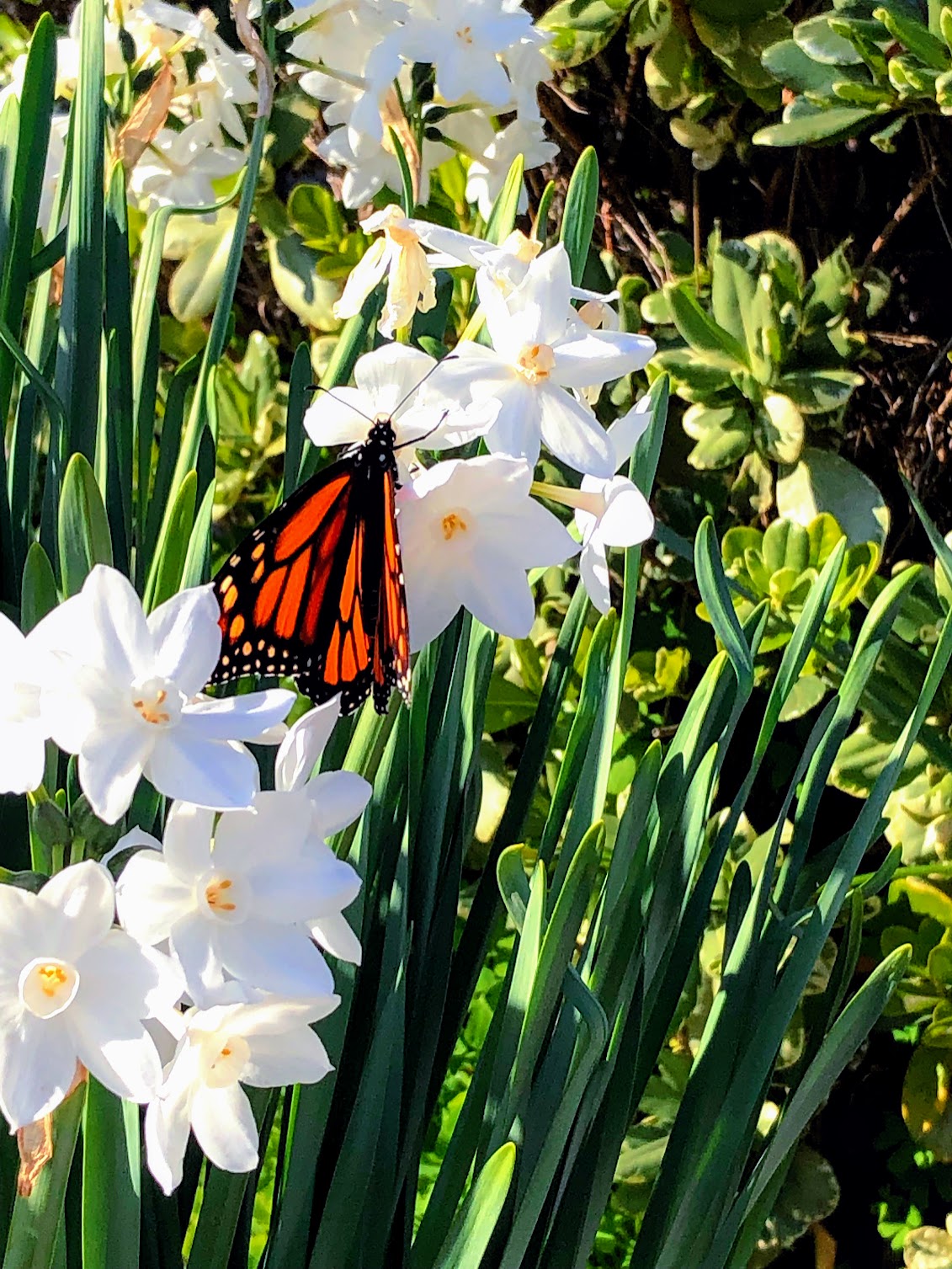
Just before I closed the door though, a beautiful butterfly and am engaging hummingbird seemed to understand what I was feeling as they flitted around the flower patch, and the trees nearby.

I watched them go, and then grateful that I got to step out at all, headed inside.

Feeling blue? Take a walk and wave at passing helicopters will you? The November world around us works like a charm.

The Microscopic Wonders in Hail Mary by Andy Weir

All Things Bright & Beautiful

We have been reading Hail Mary, By Andy Weir, ahead of the movie launch for our book club. I must say it is a fantastic book for discussion: Andy Weir’s astrophages and their taumoeba are microscopic thrillers playing out on the scale of the universe. His hypothesis is solid, the design and procreation for his microscopic protagonists is brilliant. There are so many concepts he introduces – all slowly but surely. The pacing in the book is truly amazing.

Small Wonder

I suppose for beings such as us, who believe in free will, thump our chests on all the great things we can accomplish etc; finding microscopic life is the surest way to humble us. 

https://nourishncherish.org/2020/03/23/fascinating-hidden-worlds/

During the course of the discussions, one of the many things that stood out is how it is we found out about microscopic life. The microscopic world is a marvelous one. Revealed to us 350 years ago by the talented man Antony von LLeuwenhoek. He is often hailed as the Father of Microbiology. 

Read also: Fascinating Hidden Worlds

How did we discover how mitochondria works, how genetics works, and how life can be protected with all its worlds within us? The fact that we contain multitudes has always been fascinating – we have more than 100 trillion microbes in our guts while our Milky Way only presumably contains 100-400 million stars. 

Read also: Good Food Mood

Big Wonder

Speaking of the universe and the many million stars, the book’s premise is that the astronaut from Earth encounters, befriends and teams up with an alien from Planet Erid.  An earthling and an Eridian putting their heads together to solve a problem that is crippling the universe. 

There have been many theories on why we have never encountered alien life before. I remember reading in one of Carl Sagan’s books that the reason may be temporal – meaning there is a progression to advancement in intelligence levels. The intelligence levels at which human beings find themselves, may well be a blip in the universe. We are already quickly evolving past the phase when we were so excited by beaming our rays into the universe, that we may not be excited about finding someone else in our range of intelligence any longer. 

Now considering the different levels of life: microscopic life, multi-celled organisms, animal and plant life enough to sustain ecosystems, evolved intelligent creatures such as humans, advanced intelligence creatures – way past the levels of humans, we can see why finding life on the same scales of intelligence and tool usage is truly a daunting task. Either, civilizations evolved past it, died down, or never got there at all. 

Given this, it is a big wonder that the book tries a premise of intelligent alien life. I suppose the possibility will always remain an exciting one. 

In any case, reading Hail Mary is an interesting exercise in imagination. I am excited to see what the movie does with Rocky the Eridian and how they visualize astrophages & taumoeba. 

I remember singing the hymn ‘All Things Bright & Beautiful’ in school. It is an uplifting hymn with truly beautiful imagery of purple headed mountains and tall trees in the greenwood. Life on Earth is beautiful. Life could be just as beautiful elsewhere. The possibility is exciting.

Have you read Hail Mary, and what are you looking forward to in the movie?

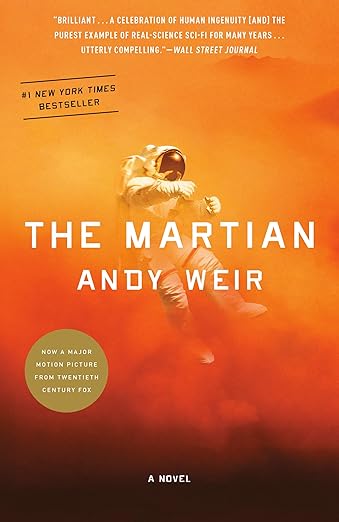
Hail Mary & The Martian: Potato Love

As part of our book club, we decided to take up interplanetary themed works by Andy Weir. Hail Mary releases next year in March, and it seemed like a really cool idea to get a little astrophage love beforehand. 

So, we started off with Martian, watched the movie, then moved on to read Hail Mary. 

This led to many interesting outcomes. The first was more primal in nature. 

🥔The scenes where the protagonist, Mark Watney set up and farmed potatoes on Mars, appealed to all of us. Far fetched, but so is almost everything humanity has achieved up to this point isn’t it? Who doesn’t love to see a little potato pant sprout in a red and dusty planet?

We developed a new appreciation for potatoes and all the ways in which we make it. Poori sagu, potato fry, kaara curry, mashed potatoes, baked potatoes, dum aloo, french fries, potato chips, hash browns, cream of potato soup. 

Every time I pick up a potato these days, I gaze at it with awe. The other day, I watched a little sprout from one of it’s eyes, and the son gave me an eyeroll. 

“If potatoes could save medieval Europe from starvation, they could do anything, couldn’t they?”

“Yes – I love this new honey roasted szechuan style potato that you made for me the other day, so I can’t really complain about this new potato love can I?” said the wise fellow, and I laughed. Honey roasted s.style potatoes it is.

🧑‍🚀One of the many things that occurred to me as I was reading the Martian book was to see which of my friends were best suited for the different roles in the book. Who would be best suited for Mark Watney (not as a replacement for Matt Daemon of course!), but from an engineering and problem solving perspective. I am an engineer, and am surrounded by engineer friends after all. Who would be the best Dr Venkat Kapoor driving things from the NASA side? Who would be the scientist diplomat who works with the Chinese team? Fascinating exercise. 

👭One of the many things I liked about the book is how Andy Weir goes out of his way to show the bond between the astronauts on the Martian crew. Selecting a top notch team is a hard enough task without having to consider the effect they would each have on the other in a closed space for extended periods of time. What psychological tests must they have to figure out friendship, respect, and trust among the crew after/before all the obvious things related to technical competency are taken care of? 

💫Let me play a song I said the day after we watched the Martian movie. The son groaned. “No – I want something fun – not melodious today.’ he said. 

“I think you’ll like this one!’ I said with a confidence that stems from knowing the pull of the cosmos on the son’s psyche. 

There’s a starman waiting in the skies.” David Bowie’s song filled the car and the pair of us bobbed to it startling folks in neighboring cars at rush-time.  

I already like the song by Harry Styles in the Hail Mary trailer. It’s one we listen to often. “Stop your crying it’s a sign of the times

The movie, Hail Mary, is slated for release in Mar 2026, and we are looking forward among other things to see how the Eridian, Rocky will be visualised. Any of you looking forward to the movie?

Also, what did you think of the Martian book and movie?

Bring in the Horses!

“We live in capitalism. Its power seems inescapable. So did the divine right of kings. Any human power can be resisted and changed by human beings. Resistance and change often begin in art, and very often in our art, the art of words.”

Ursula K. Le Guin

What will we fill our heads with?

This is an oft remembered quote for me. Every time I see patterns of behavior that I hope will be changed for humanity’s arc, I think of this. Sometimes, in order for things to change, it has to reach levels of intolerable.

Maybe that is where the attention industry will reach, and it this feeling of overwhelm that will herald in a new system of reward.

We had our hands full with survival in humanity’s infancy,  
   we filled our heads with myths and legends of heroism, superhuman strength, superhuman abilities.

We evolved and figured out ways of relatively sustainable food sources, 
   we filled our heads with epics, art, and music.

We figured out mass production,
   we  filled our heads with science fiction and fantasy seeking out other planets, other environments.

We figured out how to amass our thoughts and search/retrieve with ease, 
   we filled our heads with social media.

We are figuring out meta-cognition,
   what will we fill our heads with then?

Some days it isn’t the woodpecker who brings on the musing. It is the memory of a gas station.

The gas-station quandary

I had stopped the other day at a gas station (for gas – the clarification is necessary. These days we can stop at gas stations for milk, chips, entertainment and so much more) . Now, I don’t know about you, but I usually like to see the steady increase in the gas the tank is taking in. 12.00, 12.11, 12.12, 12.13, 12.14, 12.14, 12.15, 12.16.

A smile on my face when I see our car gulp in the gas like it’s a thirsty horse after a long run. The silly comparison makes me cringe a little, yes, but then I had seen a few horses trot in their pasture once just before stopping to fill gas, and often when the mind wanders at a gas station, I think of these chestnut beauties throwing their manes back and feeling the breeze.

But the other day, my attention was pulled towards a screen perched over the meter showing me advertisements on what they think should occupy my attention for the three minutes I was there. Combined with all the flashing billboards, and the moving screens, and the flashing games mobile phones are full off, I felt off-kilter. 

How did we get here? 

When did attention become such an important commodity that we sacrifice almost everything at its altar? Peace, quiet, steady study, calm, concerted effort – everything giving way to drama, loudness, frenzied movement, and quick reward systems. 

What can be done so that the opposite is rewarded again? For it is clear we are driven by reward. 

Can there be a small quiet reward to our brain when we quieten a loud intrusive distraction? 

Bring in the horses

I smiled at that. “Monkey brain!”, I chided myself. Though I have to admit, I am not sure what the attention span of monkeys are. I hope monkey mothers are not yelling at their children as we speak – “Human-brain! Distracted all the time. Swing. Leap. Onward and forward!”

I forced myself to bring in the mental image of the horses I had seen all those years ago before getting to a gas station, and they came. Reluctantly at first. CNN was asking me to get affronted about something, and thoughts of monkeys and horses could not pull me away easily. But they finally did. They cantered into the mind’s eye, like William Wordsworth swaying daffodils, and the brain quietened down. The green pastures the horses trotted in bursting with flowers, and I felt a calm. By the time I pulled out of the gas station, I had needed help from a menagerie to pluck my attention.

What would it take to become focused on something so beautiful and deep, that nothing matters?

How many of you are flibberty-gibbets? What would the social order be to reward that and what would be incentive enough to disrupt our current trend?

Diwali in the Jungle: By B.S.Bumble

Diwali in the Jungle – By B.S.Bumble

California announced that Diwali is a holiday. I am pleased that this is the year I published the fifth book in my Festivals in the Jungle Series – titled Diwali in the Jungle. It feels beautiful to celebrate the Festival of Lights in such a wonderful manner. 

The fifth book has had its time coming. Partly due to life’s pressures, and partly due to the fact that my own children, nephews and nieces were past the age of reading children’s books. 

I started writing the series for them more than a decade ago. I had just got off a video call with the daughter talking to her charming little cousin in India, who’d asked her, “What’s Halloween?” To which the daughter explained with all the elder sister energy and confidence of a seven year old she could muster. “It is when you can be anything. My brother is going to be a monkey (Curious George), and I am going to be a fairy (Tinker Bell)!” 

Bless children, really! This statement might’ve confused her cousin, but she was more than willing to go with the premise. Not stopping to ask why her baby cousin-brother would become a monkey or why her cousin-sister would become a fairy. She just asked if she could become a fairy too.

The first book I wrote was Halloween in the Jungle, though I published Christmas in the Jungle first. 

Diwali in the Jungle

The characters in the books (Janny Rat, Oby Elephant, Zebo Zebra and Tango Tiger etc) however, continued celebrating different festivals in the jungle. Every year, I would read to my children’s elementary school classmates, and get reviews from them real-time (Alas! they did not get to record their ratings and reviews, but I remember them all fondly.) The animals celebrated Halloween, Christmas, St. Patrick’s Day, and Mother’s Day. So why not have them celebrate Diwali too? After all, California is now officially celebrating Diwali!

So please read on to find out. The book is available for free download in iBooks titled, ‘Diwali in the Jungle’.

What happens when the animals try to celebrate Diwali in the Jungle? The animals make bright rangoli patterns, light diyas, and share a delicious feast. But when a plan to startle Tango Tiger gets a little too noisy, everyone remembers what the festival is really about—light, friendship, and compassion. A joyful read-aloud that introduces young readers to Diwali traditions.

Illustrations 

The previous books in the series were illustrated using digital imaging techniques. A decade has since passed. When AI imaging emerged, the itch to bring these characters back to life was there. So, I started with the simple story, and numerous attempts to generate the illustrations. 

It took several attempts, several different styles, and several mistakes before something emerged. The problem is that AI has no idea that a bison has 4 legs. When illustrating a children’s book in which the Bison is attempting to shake pepper, it will give the Bison two hands as well as four legs. Want to get an elephant to sprinkle sugar? Just use another trunk! 

That, right there, is both the limitation and amusement of using AI techniques. It genuinely has no clue what is commonplace, what is ludicrous, and what is downright wrong. You tell the prompt that you want the image generated again and say, “Make sure the elephant has one trunk only.”, and it responds, extremely politely, “You are absolutely correct. An elephant has one trunk only. I will correct it and generate another image for you.” 

And then go ahead to generate an image with the elephant having 2 trunks, and 4 legs and 2 hands for the next 15 attempts. Frustrating? Yes. Funny? Yes. Time-consuming? Yes. Worth it? I hope so. 

After literally days and days of generating images with several different prompts, styles, and character looks, I settled on the images used in this book. I hope it works for the story. There is a certain continuity in how the animals look across the different books, though published a decade apart.

What’s Next?

The animals still have a lot of festivals to celebrate in the jungle, don’t they? Maybe they will celebrate Father’s Day in the Jungle next. It was a book conceptualized years ago with a story involving hiking, star-gazing and more.

All the books are for children aged 4-8 years. The books all have an audio component to them – they are read-along books. Hence the iBooks format, and not Kindle. The first few books were read out aloud by the daughter, one of them had music generated in the background by my talented friend, the husband looked up technological options, and the son wanted to put them out on YouTube

In short, every book was a celebration in our household. 

I hope your young ones enjoy the stories as much as my family and friends did putting it out for them. The books are all dedicated to everyone who tries to find joy and happiness in our daily lives.

Exploring The Anthropocene: Life Between Cosmic Events

The Anthropocene by John Green

In the book, The Anthropocene by John Green, there is an essay in which he he mentions Mark Twain’s life being sandwiched between the two appearances of Halley’s Comet 76 years apart. He was born the year it was born, and he wrote famously the year before his death that he hoped to go out with it, and he did.

When I read that the first time, I felt sorry for him. He was born in 1835, and died the day after its perihelion in 1910. I hope he got to see the second occurrence. Imagine being alive for 2 appearances and not being able to see them both times. I suppose there is a poetic beauty to being born and dying between the spectacular cosmic events. But then, plenty of people did not see Halley’s comet even when it was visible in their lifetimes, so what’s the big deal?

Halley’s Comet

I remember being excited about Halley’s Comet in 1986. I was thrilled at being included in the viewing party – it was for my older sister’s classmates, and they had agreed to let her little sister tag along. 

I remember peering through the telescope. I cannot say with any conviction that I remember the comet itself. Some blurry recollection is all that remains. But the feeling of the evening remains. The excitement at being included in an elite group of senior students, the protective aura of having my older sister and her friends look out for me, and the cold temperatures of the night. That cup of Bournvita before bed was enough. 

Astrophilia

Nights and stars seem to have similar experiences ever since. The feeling more important than the viewing itself. For a star is a star. A celestial object – a celestial object – nothing more. Yet spectacular enough to be other-worldly. To tap into the possibilities of a vast universe. 

One night, we were out looking for a star system, Delta Cep in the Cepheus constellation, and I could not help wondering what their Delta-rise and Delta-set looked like on the planets in that star system. Did they have moons beaming the reflected lights of the stars to them? Were there any microscopic creatures willing its way into rudimentary life? Life seems to be so hardy and resilient and willing to thrive, it seems a little surprising that we have yet to discover traces of life elsewhere. 

The Martian by Andy Weir

We were reading The Martian by Andy Weir for our book club, and thoughts of life elsewhere held all the more appeal. One only had to peer at the way weeds take root and crack through pavements, to see how resilient life can be. (It is another matter altogether that the plants I do try to grow on purpose seem to fizzle out on me, and routinely droop and call it a day, but that is a post for another day. ) 

In any case, it got us all thinking about all the things that enabled a planet full of sentient life, and how we sometimes forget to marvel at the sheer beauty of it. Wrapped up in our worries, anxieties, and livelihoods. 

The son is doing a science experiment in which they are experimenting to see how microbial colonies develop in  slice of bread under different conditions. In a fit of whimsy, he spoke and sang to the bread (gave it lectures on George Washington – his latest obsession, sang a Hamilton song) – to get the microbes on the slice, and has placed them in airtight containers in different conditions throughout the kitchen – in the dark, in perpetual light, and in freezing cold conditions. It will be interesting to see where life can thrive. 

That life had a starter kit is miracle enough, but the fact that it thrived enough to produce the kind of beings we find on this planet is astounding, and, yet, we forget it everyday. 

We are reminded periodically about the miracle of our lives through celestial objects, meteorites, the beauty of a full moon, the blooming of the kurinji flowers every 12 years, the cicadas coming to life every 17 years and so on. Still we forget. We forget to stop and marvel. We forget to stop and think.

The book of essays in The Anthropocene Reviewed by John Green is an interesting read. For it each is an essay about a different topic – short but through provoking. Covid-19, geese, Halley’s comet. Combined with the kind of scientific and regimented problem solving that a book like Martian makes you think about, the possibilities to keep oneself occupied is manifold – like the possibility of life itself.

Creation Myths: Nature’s Narrative

The Power of Belief

The world was swirling in activity, news, festivities, events. The world felt turbulent, swift, and equal parts joyous and worrisome.

The Navarathri festival meant that all versions of the festival were being celebrated – there were Durga pujos, Garba and Dandia dance events, golu, bommala koluvu. All in all, it was a week wrapped in the surreal – creation myths, war legends, female power. Most old cultures have versions of these – and if it takes festivities to remember the good old good-vs-evil arcs, and the figurines of goddesses to remind us of the righteous power women hold within themselves, so be it.

In some ways, it was a welcome distraction from the doom-and-gloom of news cycles. It was as if we could build a dichotomy of spirit within us.

Serene Solitude

Come Sunday evening I craved for some solitude, and nature too, to round out the craving for peace. So, off I went with my bicycle, into the cycling trail nearby. It was tough going – all that festive food sloshing inside of me. Made me feel heavier and more sluggish than usual. But the trail is magic – it seems to lead, with each pedal stroke, to a place of peace.

It was nearing dusk, and the birds had started their journeys home. I stopped every now and then to take pictures of beautiful sights that took my fancy. Deer and goats grazing, a hare (I couldn’t get a picture) running so quickly it startled me, pelicans lifting their incredible frames into the air with grace and ease (They did not eat puliodare over the week-end, but even so), kestrels soaring, squirrels daring themselves to see if they can make it across the bike path (I swear these little rascals wait till the last minute to scuttle across – a thrilling game for them for sure, but enough to scare rice-sodden slower-than-normal reflexes bike riders), the small birds (finches, blackbirds, wrens – all making a racket as they prepared for downtime). It had been a particularly hot week too, and I could see the relief of the cooling temperatures in my fellow beings.

The AT-CG Creation Dance

It was as I stopped to gulp some cool water – deep and slow, that I noticed the deer gazing at me. I have written about the gaze of a deer before. I shall write again. All the poets and writers when they write about unending universes in eyes, this is what they mean. It is possible to gaze deep into those big, round eyes. The goats eyes have a different quality to them – their pupils being rectangular appeals to the human mind differently altogether from a round, large pupil shape. Could that be social conditioning too?

It made me think about our genetic makeup, evolution, and all the creation myths. I could understand why every ancient culture and civilization had creation myths. I wonder whether whales have their version of creation myths in their repertoire. If they do, I’d love to hear it.

I stood there warmed by the deer’s gaze, the bird sound, and the gentle breeze around me. How was it possible that all these marvelous creatures I had seen today were variants of adenine, thymine, cytosine, and guanine?

We need a nice simple beautiful creation story with AT-CG that can round out the beautiful repertoire we have the world over. A goddess seated on a lotus from the AT-CG DNA, a multi-headed god whose genetic composition had mutated differently and went on to use that mutation to create a whole planet of marvelous creatures.

Full of beautiful images of nature, man-made images of golu decor, and a head refreshed, I pedaled back to the house. The pink skies were turning purple and grey, and it would soon turn dark. Another phenomenon that gave rise to so many legends till we understood Earth, and our miniscule place in the Universe.

I heaved a grateful sigh, breathing in the fresh air, and taking a gulp of fresh water before heading inside.

An Enchanted Adventure: A Journey Through Children’s Books

Mystique & Intrigue for an Adventurer & Explorer

“I am going to indulge myself in something that I haven’t had the chance to do in some time!” I said – throwing it over my shoulder casually in a manner intended to intrigue and mystify.

“Going to the library? Good job ma!” said the son, and I moaned. Mystique and I. My foot. 

I guarded the time I had between a drop-off and pick-up session like it was precious (because it was) and headed towards the library. I fended off requests for the grocery store, deftly ducked under an amazon return order request, and dodged an enticing offer to search for missing documents in the house. 

When finally I walked into the cool library that hot summer evening, I felt something like an adventurer. An explorer who found their way to treasured lands. It was beautiful.

The display stacks groaned with new children’s titles, the popular books section assured me that the authors displayed there had been continuing to do their good work of broadening children’s minds. 

I cannot adequately state how marvelous it all is. 

The hot evening outside meant I picked up books with illustrations with cooler themes in illustration. Sleepy dreamers, cozy woodland creatures, forests in fall, the gleam of windows in the night, the beautiful shapes of the stars in the night sky. The here-and-now of long summer days has us all yearning for these themes, I suppose. 

As I gazed down at an illustration in the book, Every Color of Light – by Hiroshi Osada, I closed my eyes for a moment thinking of the evening we went in search of the stars. Specifically, Delta-Cep in the Cepheus constellation

Version 1.0.0 – from Amazon page

Delta Cep in the Cepheus Constellation

The son was bemused at how enthusiastically we wanted to help in this particular homework assignment. He, of course, in the innocence of youth cannot understand our childish enthusiasm for learning new things, finding out about new things. “Did you know that if we scale our universe, if the solar system is a football field in California, the nearest star, Alpha Centauri, is in the East Coast of America?” 

“Really?”

See? Amused at the awe shining like Alpha Centauri on our faces. 

Anyway, he said it was difficult to find Delta Cep in the summer skies because of the light pollution in city areas. It isn’t the brightest star system.  The husband asked his talented photographer friends for the best places to go, and off we went. For half an hour, we forgot about all the travails that seemed to be whipping our daily worlds. Maybe Delta-Cep had a better time of it. A place where peace and harmony prevailed. A star-system in which the greatest turmoils were mild-summer-breezes that rippled through their atmospheres. 

That is the power of story-telling isn’t it? The ability to transport us to realms other, feelings exalted, and wholesome?

Farmhouse Menagerie

I picked up the book on cozy woodland creatures, Woodland Dreams – by Karen Jameson pictures by Marc Boutavant

What whimsical names would you give our fellow creatures? Karen’s names were fascinating: Fox (Swift Legs) , Fish (Shiny Scales), Deer (Tiny Hooves), Woodpecker (Strong Beak)

Come Home – Swift Legs

Furry Schemer 

Red-tailed Dreamer

  • Karen Jameson, Picture by Marc Boutavant

The lyrical poems she gives for each creature was enough to bring a smile.

It got me thinking: What would you name some of your fellow creatures? I have always loved listening to the names people give their pets. The daughter had quite the list, and I must say, some of them made me sit up and listen. The menagerie she had in mind for her horses, dogs and cats, reminded me of the little girl whose stories as a girl all involved moving to the countryside, and a horse in the stables revealing themselves to be a unicorn only to her. There is a sweetness to thinking like that. A simple yearning.

The feeling of a children’s book

And so it went, a little reverie of my own every time I picked up a book. It was the rare book that disappointed. Most children’s books had a sweet emotion it evoked – warmth, beauty, companionship, safety, love, growth. 

It only seemed right that I finished my stash for the evening with the book, Grow Grateful – – By Sage Foster-Lasser and  Jon Lasser, PhD. Illustrated by Christopher Lyles

“So, how was it?” said the son as I picked him up. 

“It was amazing! I wish you could’ve come!” He beamed. “Yes, next time. Tell me which ones did you like the best?”

I told him about all the ones I had read, and we chatted about them all the way home. He listened, an indulgent look on his face, and I felt a pang – he was growing and children’s books seemed childish to him just now as a newly minted teenager with a reputation to grow into.  I hope he’ll come back to them one day like C S Lewis said to his niece for whom he had written The Lion, The Witch and The Wardrobe

“Some day you will be old enough to start reading fairy tales again.” C S Lewis 

Mellow Joys: Strolls in the Moonlight

Mellow Joys

The week-end evening was pleasant after a hot week, I sat relishing the quiet: the especially large magnolia blossom on a tree, the clouds in their pinks, lilacs and greys before they embraced the inky blues of the night, and the gentle breeze through the leaves and waters nearby. It truly was idyllic. 

The long summer days always make me yearn for the different colors of dusk and night. Our home is bright and filled with natural light which is a blessing, but it also means that late risers like Yours Truly do not get to the see the colors of dawn. The days start with light and then go on burning bright with every passing hour. 

Last night, I had time on my hands. I watched the dusk turn to night. A slow stroll through the moonlit streets of our neighborhood made for a different rhythm. There was a mellow joy to it – not boisterous, but buoyant. Moonlight can be tender, but it also can throw everyday objects into harsh contrast. 

Not just our homes but our heavens too

Maybe it was the lackadaisical nature of the stroll – one I rarely permitted myself to do. Brisk walks, phone calls while walking, chatting – they were all absent. I watched a cloud flit over a sinister looking tree, and looked on passively as an owl flew past and perched itself on the very tip of the tree-top. We stood there each surveying the other, and finally, of course, I lost. Can we ever win out against the stillness of predators? 

I heard the sounds of animals scurrying outside – every sense accentuated by the lack of electric light. Even the olfactory senses seemed to be enjoying this – Some flowers that wafted their fragrance only into the night, and I stopped to sniff and smile every so often. 

Out of the corner of my eye, I saw the owl swoop. 

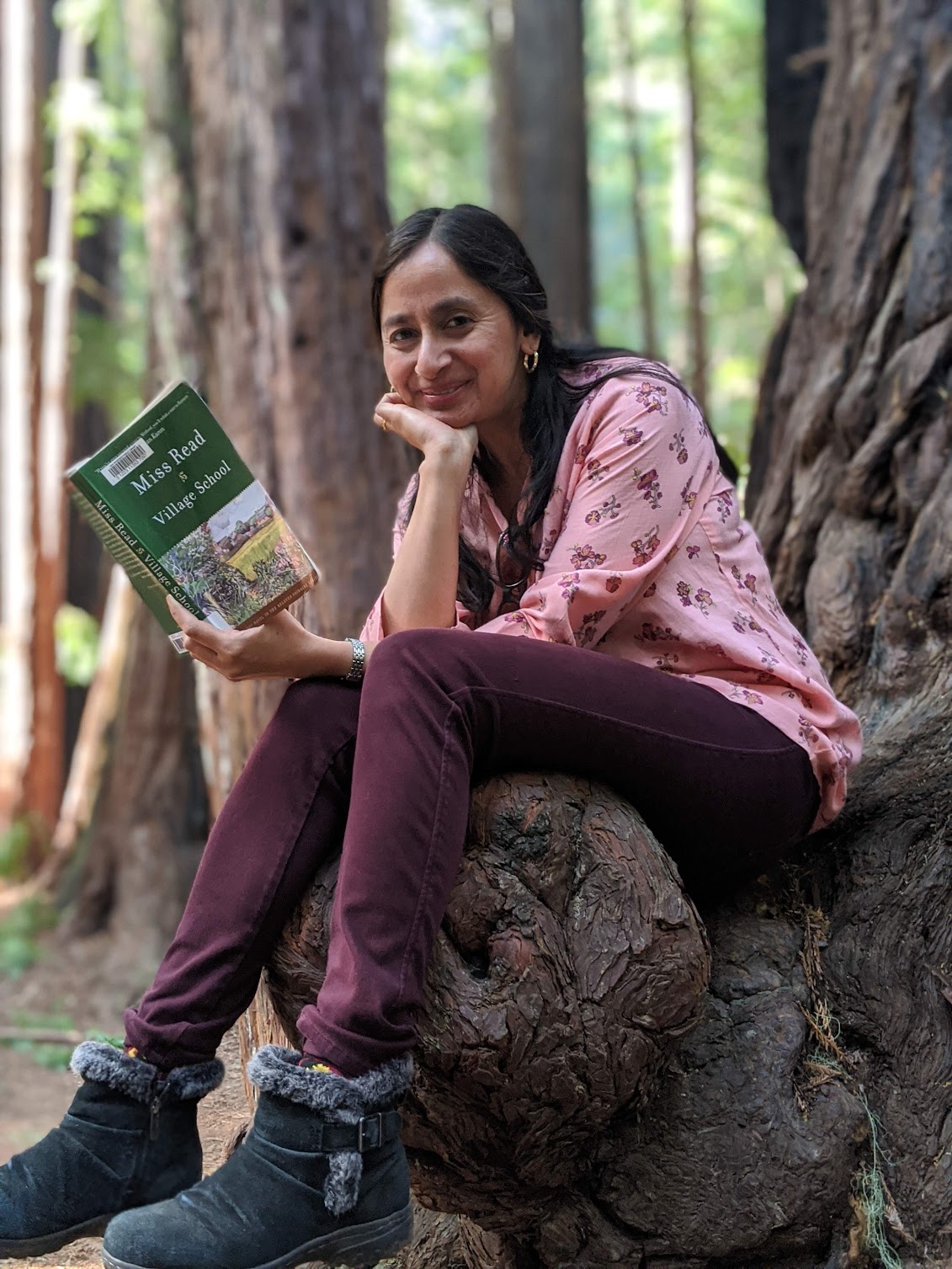
“Our village of Fairacre is no lovelier than many others. We have rats as well as roses in our back gardens…. But at times it is not only home to us but heaven too; and this was just such an occasion.”

Miss Read, Over the Gate: A Novel

Asrais magical in the moonlight

Reluctantly, I headed back into the home, and insisted on switching off all the lights for the rest of the evening. Even when I watched a movie with the windows open, I kept sneaking glances at the moonlight pouring in through the slats in the window. 

The evening reading fare was equally marvelous. A magical book with fantastic beasts, beautiful illustrations, and oh so much imagination! What a book, Stephen Krensky!

The Book of Mythical Beasts & Magical Creatures – By Stephen Krensky

On the different kinds of fairies, Stephen Krensky has this to say on the Asrai:

Asrai are rare creatures that live in the water and only come to the surface once every hundred years. Asrai grow only by the light of the moon, and if exposed to sunlight, dissolve into the water and are never seen again.

-Stephen Krensky on the Asrai Fairies

When I read about the magical Asrais, I felt it was time now to go to bed and continue the beauty of simply watching the moonlight through the windows. Maybe it had been an evening when an Asrai had come out to the bless the lands. Who knew?

Halcyon Days: Myths and Realities of Cloudy Moods

☁️The Colors of Cloudy Days 🌫️

Sometimes, I see how much of a spoiled brat I am. What I am about to say falls squarely in that category, and I shall say it anyway. The Californian summers seem to drag on. It feels especially so at the end of August. They are warm, bright, sunny, but not too hot.

📚The school’s summer vacations are over. But the summers aren’t. 

🩴The summer clothing is supposed to be winding down, but I can never bear to look at anything other than some flowy cotton with any fondness. 

🌷The summer flowers are still blooming on every shrub, plant, tree and pathway. 

While I mostly enjoy this halcyon time of the year, I also wouldn’t mind a few days of summer rain. Or even some cloudy skies. 

That was probably why I had not the heart to come in this particularly overcast morning. The clouds made an excellent background. The flowers that we see on our walks everyday were still there – but they looked more fresh, more vibrant. The angel’s trumpet flowers that we admire everyday looked more angelic than usual. The chamomiles looked more soothing – their purples against the sombre greys. As your eyes zoomed to the skies, the jacaranda tree’s flowers attracted your eyes to their purples too. Really these color combinations look marvelous against the grey. 

Shouldn’t cloudy days be called halcyon days? I mused. 

Are Halcyon Days Myths?

I came and idled with ‘halcyon days’ floating in and out of my consciousness. What I stumbled upon made it so. 

Halcyon itself referred to a species of bird that nested in the oceans during the winter solstice and were supposed to charm the wind and the waves into a calm. 

https://en.wikipedia.org/wiki/Halcyon_(genus) the halcyon bird owes its naming to a Greek myth involving the wrath of the Greek Gods, Alcyone & Ceyx

Somehow Alycone and Ceyx managed to anger the mighty Zeus (apparently, they lovingly called each other Zeus & Hera. Really! It must be exhausting to have such fragile egos and live on forever. An endless cycle of being offended, and recouping from it). So, Zeus , in his rage,  cursed them separately turning them into birds – there are many versions of the myths of course. Some say Alcyone became a kingfisher with a mournful cry trying to find peace in the seas. The gods (the other ones) took pity on her and granted her a period of calm as she prepared her nest and gave birth to the young. So, these days during the winter solstice were called the Halycon Days. Alycone’s father, the god of the winds, gave her mild breezes, calm oceans and tried to bring her peace. 

https://en.wikipedia.org/wiki/Alcyone_and_Ceyx

What became of Ceyx? He either became a kingfisher too or a sea tern.

By Bernard DUPONT from FRANCE – Woodland Kingfisher (Halcyon senegalensis), CC BY-SA 2.0, https://commons.wikimedia.org/w/index.php?curid=45557095

Of course, kingfishers do not live by the sea – so they could be referring to other birds, and over time came to be associated with these beautiful birds. 

After a start to the day in which I was feeling less than inspired – the cloudy days, and the halcyon myths managed to transform it. I have always liked the phrase, ‘halcyon days’. But now? I love it.