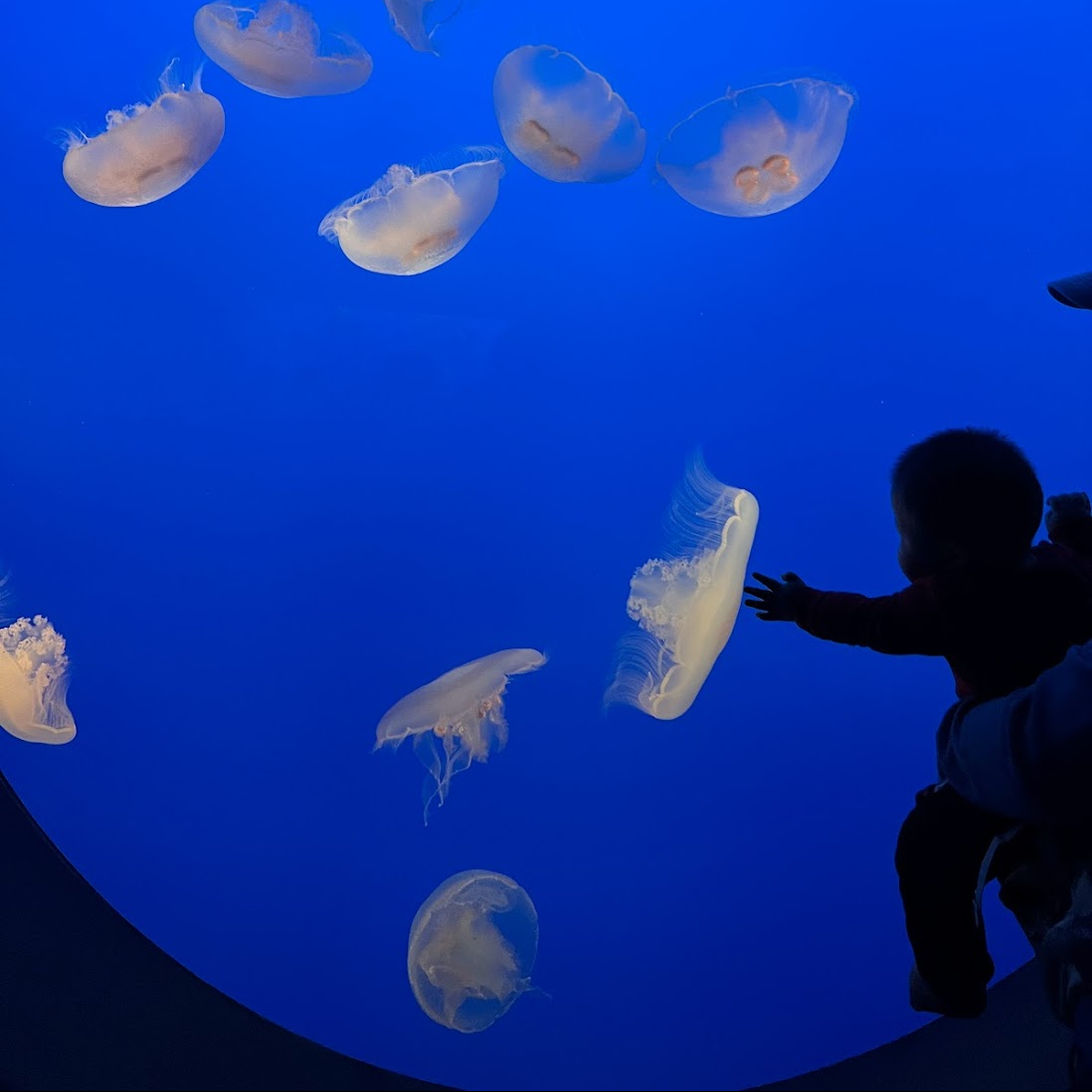
We had that hopeful gleam the moment one of us thought of it. Monterey Bay Aquarium. The one place we can all agree upon for a day trip in Summer. It has seaside charm, magical beings in a world so different from ours, and yet still ours, and somehow, manages to wrap you around its world every time.
There are a few new exhibits every time: new inhabitants, new shows, new facts to learn, and the ethereal magic that stretches through time, space and water.
The poetry is in the little moments.
When one gazes fondly as moon jellies bonk each other while drifting up and down,
Or in watching the beautiful fractals in a porcupine jelly.
The way the otters flips themselves in the water as they preen and play,
Or the way the flat ray cruises and slices through the waters.
The assured and sturdy movements of the giant turtles,
Even as hammerhead sharks and leopard sharks dart about.
The way the corals grow – miniscule and exquisite like little pieces of jewellery on the ocean’s floors,
Or the way the kelp forests sway like cathedrals catching and swirling the light from above.
This is life.
This is magic.
Every time, there is the feeling of immense fullness of the soul, and of the visual. The summer is brimming with young explorers of the deep all wanting to touch and feel and gasp and squeal at the enchanted occupants of the oceans.
As always, we walked around trying to take in all the sensory inputs around – the quotations of the tides and the seas on the walls, the dynamics of the schools of fish, the eerie feeling of an unblinking fish eye.
One wall fascinated us all equally. The one that shows all the different careers one could have while studying and mapping the vast oceans of our beautiful Earth. The oceans may be the last frontiers left to explore, and the allure of the oceans is a yearning of the soul.
“So, how was your day?” I asked the son as I picked him up from school a few weeks ago. He drooped, looking shriveled from the heatwave outside.
“P.E at the worst possible time of day!” , he shrugged. My heart went out to the fellow and well, all of the students really.
Bay Area had endured a heat wave of 100 degree days for two weeks, and if I did not record the following, I’d be remiss in my writing as the Jotter of Events in the nourish-n-cherish household.
“Come on! It can’t be that bad! How about we get some ice cream?” I said.
His eyes shone. “Really?”
I nodded and asked him to invite his friends too. Afterwards, I asked him what the most exciting part of his day had been aside from the ice-cream (“Awwww!”)
“Nothing really!” he said, looking as morose as it was possible to look, with ice cream dripping on his fingers on a hot day in an air conditioned car.
The Goat Story
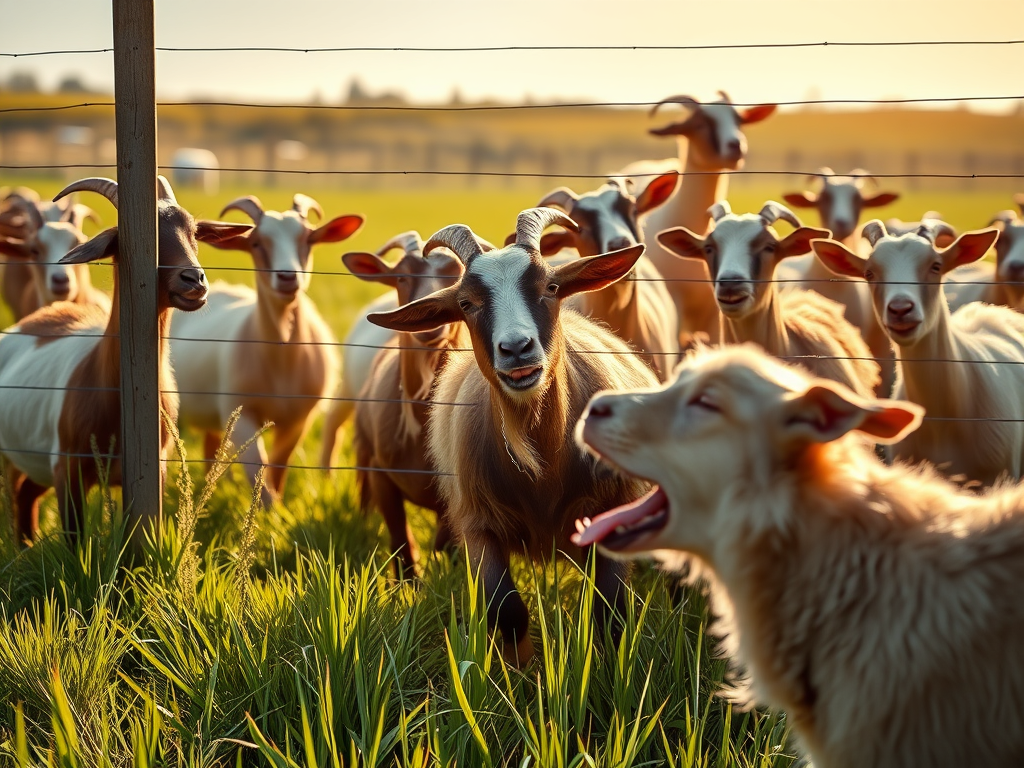
“Oh come on! It can’t be that bad- the most exciting thing of my day was when I saw a herd of sheep on my walk today. One of them had managed to slip out of the electrified fences. How it managed it, I don’t know. Maybe climbed too high up a tree and flipped over either side. Poor thing.
But you should’ve seen the panic! The sheep dog was going crazy seeing one of its wards had escaped. The other goats were all in a titter, all of them baying and boo-ing. The anxiety in the air – the poor things all wanting to help, shouting directions, and the lost goat all alone on the other side of the fence. It was heart-wrenching to see them all like that.
Then another dog comes on the trail, and this poor goat almost jumped through its own skin. The dog is excited to chase a goat on the trail. The owner of the dog is nervous that she can’t control her dog if he decides to lunge for the goat. The sheep dog is nervous and barking to high heavens at the excited dog, “Don’t you dare! Don’t you dare! My goat!”
The goats are all frisky and baa-ing away. All of them shouting instructions to the poor misplaced one – Keep left, go that way, try doubling back in this way! No! Not that way! This way!
The poor lone goat who escaped the fence, the poor goats fenced in and trying to help the escaped one, the poor sheep dog trying to find a way to bring in the wayward goat who is feeling more and more lost and panicked by the second, the poor dog owner on the trail trying to restrain her own dog, the dog clearly being stopped from doing the thing it most wants to do which is to chase the goat, and the onlookers all of us desperate to help the poor animals, but unable to do anything. The noise is incredible, you can pluck the emotions out of the air.”
I stopped to look at the son. He swapped his intent listening face to his mischievous laugh, “Are you kidding me? Huh! Get it? Get it? Lost goat? Kid? Never mind. But really amma! As far as exciting things go, this is much better than mine. I had to listen to teachers talk about transformative functions all day! So even if you had nothing else happen to you the rest of the day, which I know is not the case, you still win!”
I laughed. “Hope the little fellow got in with his pals. Never have I seen such panic in brown rectangular pupils.”
“I am sure he did – that goatherd comes by every hour or so, doesn’t he?” said the son. He looked marginally better having heard the goat story, and then went on to tell me about his day in a little bit more detail.
I closed my eyes after reading – it was well past midnight – I had probably read 3 or 4 different books and I really needed to sleep if I had to be a functioning adult the next day. So I did. I closed my eyes – wondering about eyes.
If there is one overused trope in fiction, it is the eyes being the mirror of the soul. It is . Please don’t get me wrong. Expressive eyes are amazing. But I do find it over-used. How the eyes turned flat and gray, how the eyes were blue with excitement (Can eye color really change like that?) Also can the eyes show everything happening in another’s soul? The pupils dilated, the eyes red.
In reality, how often do we sit and observe another’s eyes? I am reminded of this experiment by Sheldon & Penny of Big Bang Theory fame
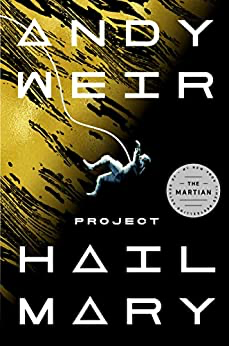
However, it is beautiful that we have an organ that allows us to experience our world in such a wonderful manner. In Andy Weir’s book, Project Hail Mary – he meets an alien species, from Erid in the Tau Ceti star system 12 light years from Earth, who do not perceive light. That made for an interesting premise – for they were an advanced civilization able to design space travel etc without sight.
Anyway, where I’m going with all this meandering about light and sight is that, I was shocked to read that some underwater creatures do not perceive the color blue, and navigate a gray world instead. It made me sad for some reason – the blues are all we think of when we think of oceans and the lives it nurtures. How many shades do we have to describe the blues? Cerulean, Turquoise, Teal, Cyan, Aqua, Sky Blue, Royal Blue, Light Blue, Navy Blue and all the shades in between, and yet some creatures of the deep sea see none of that. Starfish, for instance, only perceive light as a vague form of light – they do not perceive differences in wavelength.
Cuttlefish, with their pupils W-shaped – what do they perceive?
Seeing the world through another creature’s eyes can be rewarding, interesting and will make us more empathetic and passionate towards caring for our environment and preserving all the different kinds of life, would it not?
I might have made the goat whose eyes I stared into on my walk very nervous. You see? Ever since I read that goats have rectangular pupils, I am drawn to them. They allow me a moment to observe their pupils, then turn away bored. Interested in getting to that low-lying branch to eat.
One goat even gave me an amused look – I did not detect amusement in the eyes if that is your question, I saw the face quirking up differently and moving away as though shaking its head.
This was an idea for a children’s book and also a pair of creature glasses that I wanted to make: You could choose the animal in your app settings, wear your glasses, and voila! You would see the world around you as the animal does: an ocular device that transported you into the alternate reality of that creature. But as most good ideas of mine, they festered in a document of Potential Ideas.
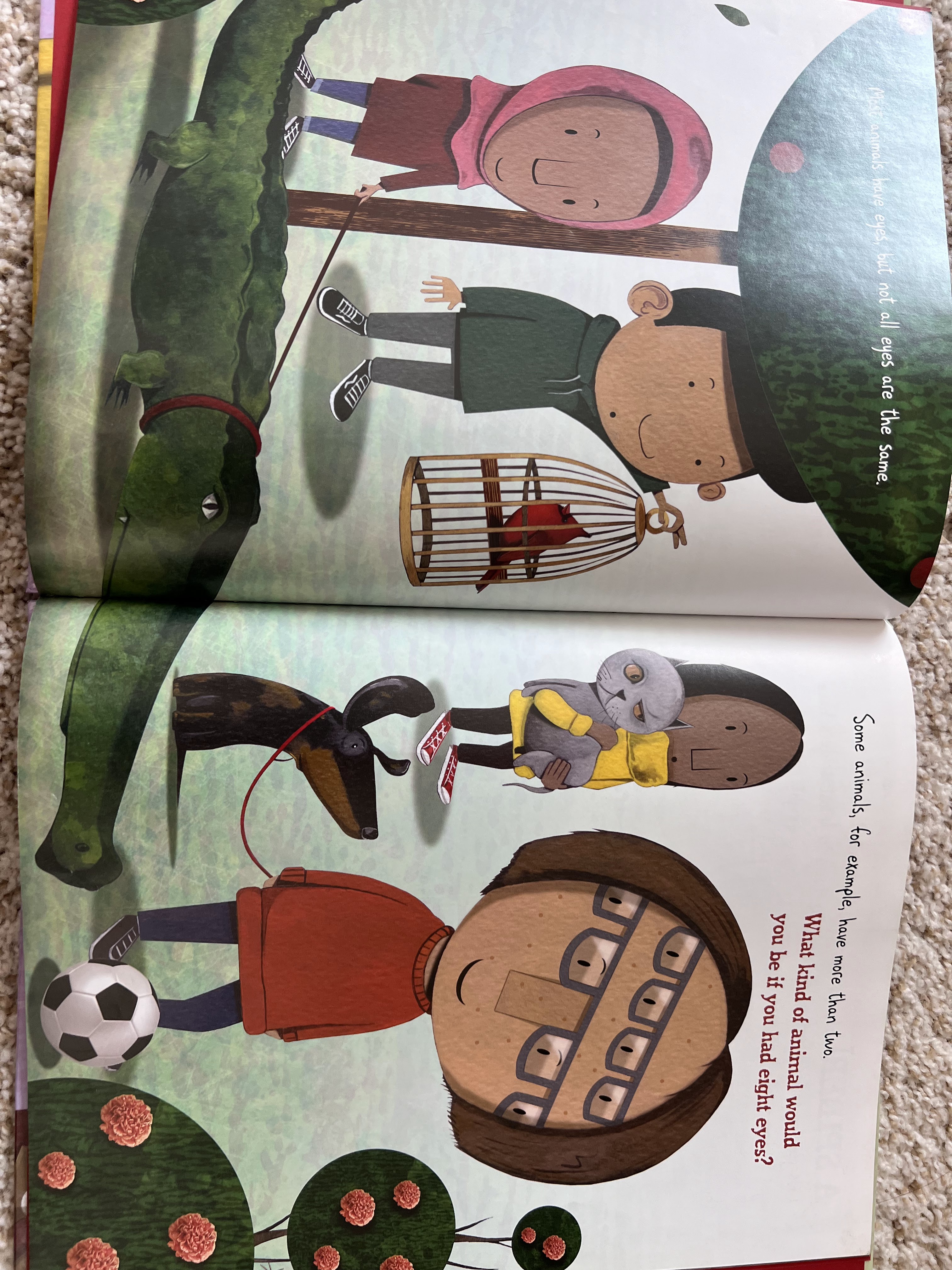
So, I was intrigued when I saw this book in the library.
Even as you open this whimsical book, you realize that seeing the world like we do can be a unique gift. That is not even considering perspective, personality and all the rest of it: just the ocular aspect of it.
How would an animal with eight animals see the world?
I noticed a spider has really taken a liking to our car’s external rear-view mirror. Everyday, there is a fine web spun there – I wonder whether the little creature sees itself spinning its beautiful web, and admires itself for it.
What if you had six eyes, one located at the end of each of your six arms?
Shapes & Colors
The book not only considers creatures with differing number of eyes, but differing eye shapes as well: like that of an owl.
Pupil shapes matter – goats have rectangular pupils. ( I confess I have looked into the eyes of plenty of goats and never noticed this.) Cuttlefish’s pupils are W-shaped.
Small hexagon shapes in an eyeball ( like in a bee hive?) Well, flies have that.
Then we come to colors, but we can have colorful differences in our outlooks as well. Butterflies and hummingbirds, we have known for some time, see the world very differently than we do. As do dogs, and cats.
So, whether or not I make those creature glasses or some company comes up with such ubiquitous VR that it seems like it was always there, it is a fascinating world out there. Go outside and imagine life as a hummingbird, or a jellyfish. Glasses or not, your thoughts will transform your mood.
I don’t remember when exactly we start noticing birds and animals around us as being separate from human-beings. If there is a conscious point in time when we say:
This is us, that is a bird.
Don’t eat those – they’re mosquitoes &
Keep away from man-eating tigers – they want to eat us.
Keeping the neuroscience behind it all aside, the world around us is fascinating. Even if you see a bird everyday, the little chirp, and the flutter of its wings cannot help but take us out of ourselves for a bit can it?
What is it about this diversity of life that is so appealing?
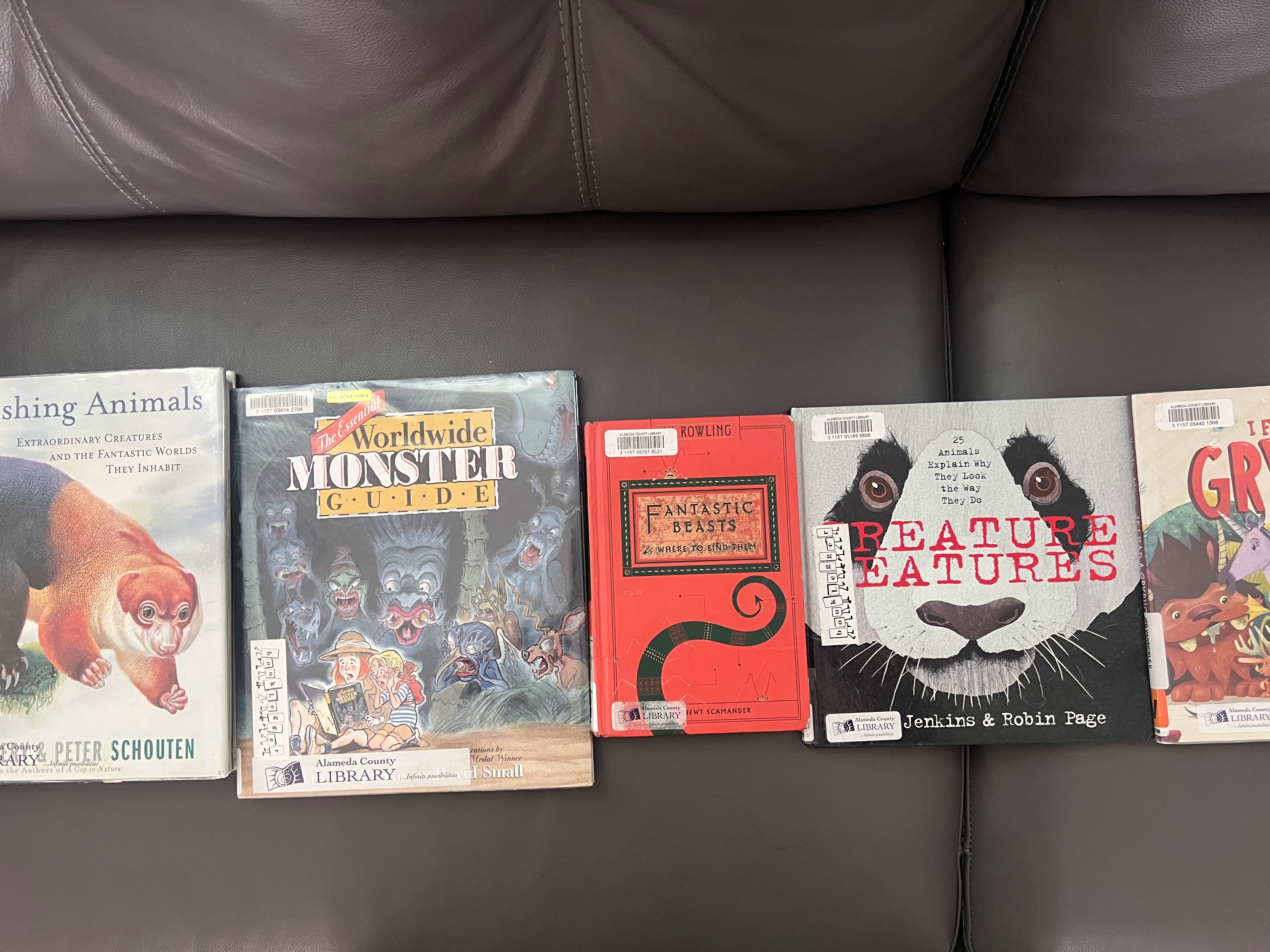
I was sitting one afternoon engrossed in books. Books on beautiful beasts and fantastic features of the creatures we share our planet with.
As I flipped through the colorful pictures and the accompanying text in the book, Astonishing Animals – Extraordinary Creatures and the Fantastic Worlds They Inhabit. – By Tim Flannery & Peter Schouten, I couldn’t help being drawn to the birds of paradise in the book.
Rarely do we stop and just admire the beauty and precision of a bird’s structure. The birds themselves are flighty. Our attention spans are even more so. Plus, these birds are all in exotic places. But it made me wonder – even the less exotic birds around us, how long and how often do we study them? Ornithologists do. Bird photographers do. But otherwise? Those of us who love nature stop to notice them. The rest of us are too busy to notice.
Birds of Paradise
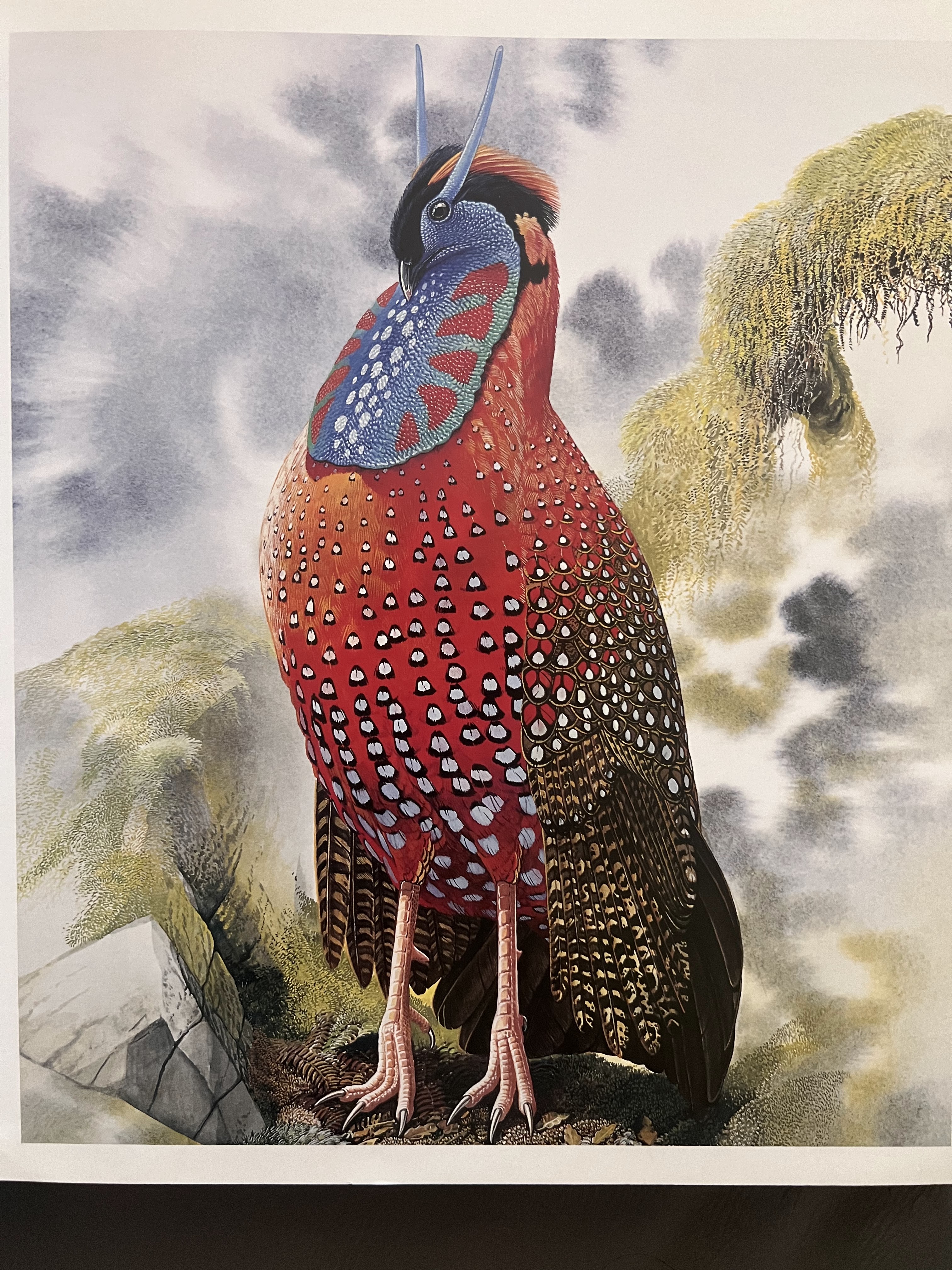
I was admiring the different birds of paradise illustrations in the book, and I felt myself drawn to the Himalayan Satyr as much as the blue bird of paradise.
The blue bird of paradise is illustrated beautifully in the book – long side up taking up two pages and you can see why:
“he dances upside down, hanging from a branch. As he begins his display, he flexes, sending waves of blue and violet shimmering through his feathers. At the center of his chest is a dark oval patch lined on its lower margin with red. This is rhythmically expanded and contracted so that it resembles a huge, slowly expanding eye whose effect, even on humans, is hypnotic. All the while the performer’s own eyes are closed, revealing white eyelids, which lend him an unearthly air.”
Like a little opera singer, dancing on the stage. How marvelous!
The Satyr Tragopan, another beautiful Himalayan bird, drew me for another reason.
“It is often the case among birds that a gorgeous cock is a poor provider. Beautifully adorned males may put on a wonderful courtship, but all too often contribute nothing to the raising of the chicks, leaving that duty to the dull hen-birds. The satyr tragopan is a stand-out exception here, for not only is he dashingly handsome but he seems to be monogamous and a dutiful father as well. … The father contributes equally to the upbringing and care of the young.”
The Himalayan Monal, and other birds of paradise are equally dashing.
Split into beautiful sections about creatures who live in the ocean, tree dwellers, mountains dwellers, the book journeys across continents, landscapes, ocean surfaces and deep surfaces. The artwork, though, is spell-binding.
One cannot help feeling like the world is beautified and expanded just a little after an hour just looking at these beautiful creatures and reading about their curious lives.
It is set in a future when mankind has figured out how to upload one’s consciousness into the cloud. A manner of immortality. This is very much in the realm of possibility.
The wooly mammoth is being resurrected – being cross bred from the genetic remains frozen in the Siberian Tundra with the Asian elephants (because they are gentler than African elephants).
Thus, begins the tale of a doctor whose life was hacked from him moments after he uploaded his thoughts and knowledge to the web. This man, Dr Damira, was a passionate naturalist, a man who studied the African elephants and their ways. He fought for their conservation but failed. This is set in a future where the last of the elephants no longer roam the Earth.
The resurrected mammoths in Siberia are facing difficulty thriving in the wild. They have all been bred in captivity, and do not understand how to survive the demands of living by themselves, caring for each other, and forging paths so they can forage and live through the cruel winters. They are thus being killed by poachers in a cry that reminds scientists of how the elephants were all killed off one by one.
In an attempt to give them a chance at life, the doctor’s consciousness is uploaded to a mammoth – a matriarch by the name of Damira.
Bane of Consumerism
There are several aspects of this novella that can appeal to us, but one in particular stood out to me, and that was how our consumerist culture alienates us from the natural world. For we buy things, we want things, we accumulate, we hoard – who is it hurting? I am earning and I am buying. It is all helping the economy is it not?
Extract:
In offices-a tusk in a case, beautifully carved, transformed into a world of its own, worked by human hands into a chain of elephants walking trunk to tail. Beautiful, lifeless elephants carved from the destruction of an elephant, hacked into what had once been a part of a body, a tooth, a tool. A part of a life.
“Among the skyscrapers, there were also older places-little streets of cramped shops, survivors from another Hong Kong. Marginalia that had been missed by the eraser of progress. And there, in the shop windows, so crammed with clever things, there it was. My eyes found it over and over again. Ivory. Ivory jewelry, ivory stamps used to sign decrees that were meaningless now, ivory game pieces of every kind. Ivory turned into useless gewgaws, dripping with the blood in my home. It could be carved into any lovely shape they wished, but all of it began in killing. No-more than that all of it began in killing that took place far away. That took place somewhere the people who thought of ivory as a material could not see. Killing that took place in an extraction zone.
I remember the horror I felt when I first learnt that certain types of leather were obtained from the skin of crocodiles and were thus priced higher.
Cities like Hong Kong and New York and London at the center, vortexes into which the currents of trade accelerated, into which goods from all over the world were pulled. Places where things became materials. Where things became commodities.
Many of us rarely stop to think of the source of all the things we use as part of our daily lives. In all honesty it is overwhelming to do so. How does the kidney bean come to be in its packet in the grocery store? Once we start down that road though, what about the almond flour, the diamond ring, the leather handbag, the silk scarf, the perfume, the spice, the watch, the gold ring, the ceramic jug? Everything has its tale, its journey, its place in the human chain of wants and needs.
What Can We Do?
In reality, we cannot give in to an almost paralyzing analysis of source-to-table for everything we consume. Is there economic exploitation along the way, unscrupulous practices, inhumane treatments? Would we be happy to know it all and make informed decisions – yes, (I am hoping that humans have enough humanity to make the right choices if we do), but can we do so? Not always.
I spent a pleasurable few hours at the mall the other day, and found my fellow human beings doing the same. Glancing around at the happy faces of those of my fellow humans that morning, I did not see malice or greed – I simply saw folks at a mall on a rainy week-end.
I like that mass production has made life easier, the jobs it has created, alleviating entire nations from poverty. I like that poor children can have new clothes, and that horizons have expanded thanks to the general prosperity of nations. I do not, however, like the ever-increasing pressure to produce and consume more.
Is the economy to be weighed against the Earth’s resources at every step in the mall? Or just more more meaningful consumption? I do not know.
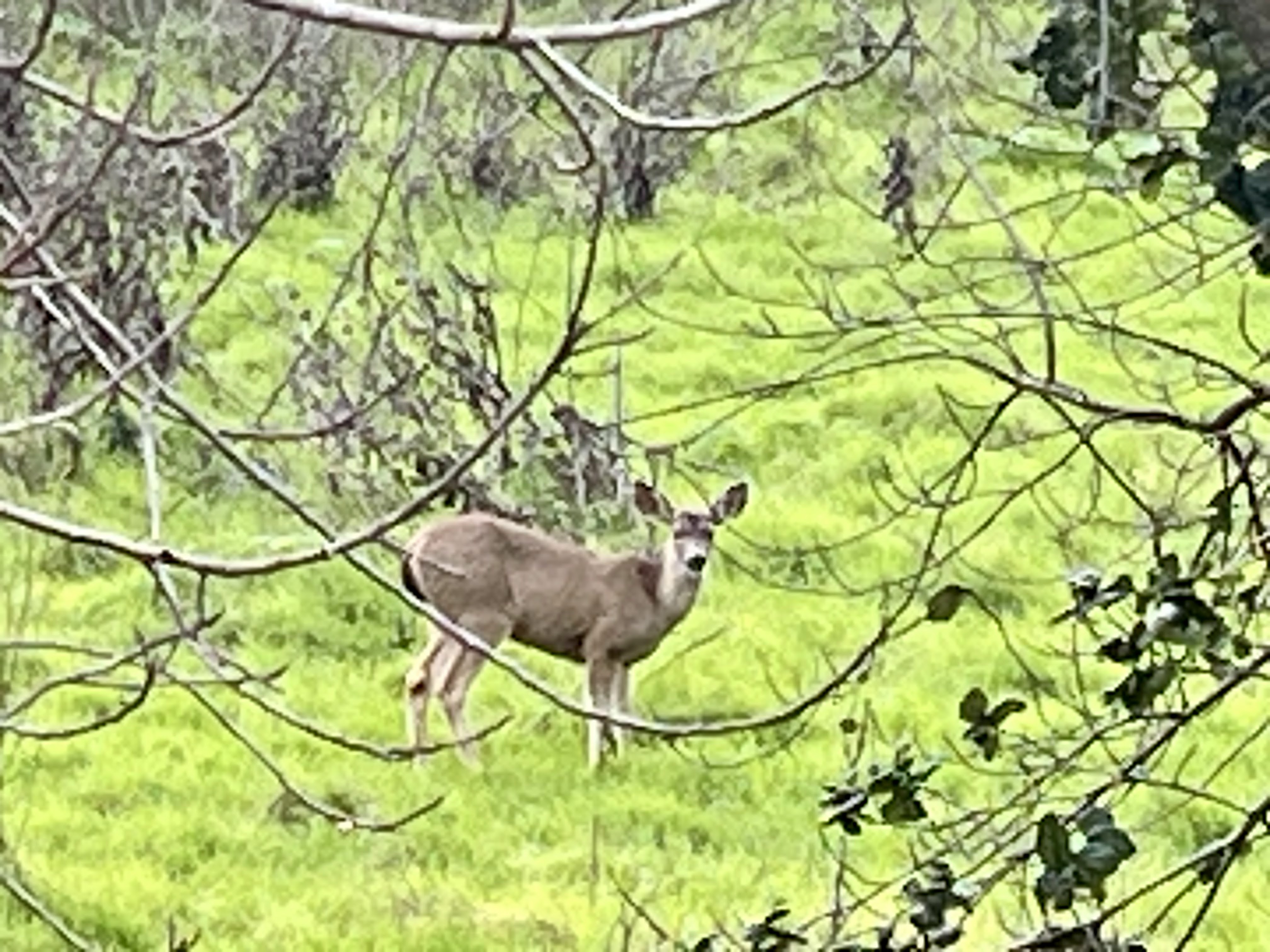
“I don’t know! Hopefully. It has been raining, so the poor things may have moved away, ” I said. We’ve christened the deer family near our homes. The mother and father are called Lily & James (I know!). Sometimes, there are several families – we call them all James & Lily.
We caught sight of them – much closer than they usually are, that evening, and exchanged a look so close up, it was … revealing, deep? (hard to pin down in one word). It isn’t often one gets the chance to exchange a deep searching look with a deer. It is a marvelous experience – and one we wouldn’t forget soon. Those brown eyes seem endless, and so full, it somehow fills up your being too. When poets write of moments feeling like eternity etc, I suppose this is what they meant. It could not have been more than a few seconds, and yet, the eyes spoke a language of eyes.
Whenever writers talk about pools of emotion showing in the eyes, and the shapes of their ghosts flitting through their characters’ eyes and all of that, I am never sure what to think of it. Sure, it sounds brilliant and poetic, but can we really show all of that in one glance? Looking into the deer’s eyes was oddly satiating, and it was definitely more than words can try.
Clearly the son was moved too, for he said, as soon as it left, “Do you want to talk to animals sometimes?”
I nodded. “That would be nice.”, I said
“What do you think they’d talk about?”
🐕🦺🪷🦌🍀🐺❄️🐀🍁 Understanding Animals 🐕🦺🪷🦌🍀🐺❄️🐀🍁
“I suppose it depends on the animals. Elephants have different concerns than pangolins. Bees, squirrels and ants – being more community animals may have similar concerns. But I think I’d like to know the range of emotions they have. Do squirrels have greed? Do ants have jealousy? Pelicans have been known to sacrifice themselves for their pod. “
Are there some emotions or behaviors that are completely unknown to man that our creatures possess? We know many animals feel love, despair etc.
If a wolf is kicked out of its pack, it never howls again.
– From the book, Sad Animal Facts – by Brooke Barker
“For instance, and we all know whales have complex legends in song format that they pass down. With all the skills of navigation, survival, and protecting required, I am sure they all have different topics.”
“I think I’d also like to see what kinds of things they keep in long term memory. I mean we know elephants have long-term memories, but what does that constitute? Just routes to water during times of drought or also towards betrayals etc. They must have some extraordinary lives and stories to tell then, isn’t it?”
He was nodding along. We talked about the size of their brains in proportion to their sizes. Brain ratio requires a separate post in itself, but there are so many fascinating things once you start looking into it.
For instance:
“An alligator’s brain weighs less than an oreo. “
– Quote from the book, Sad Animal Facts – By Brooke Barker
The alligator literally has the smallest brain to body ratio. Only 0.2 % of its body mass is the brain.
🐘 🐊 ⌘ Gajendra Moksha & Vishnu Sahasranamam 🐘 🐊 ⌘
This led to research on a few things about body to brain ratios, and curiously, the myth of the crocodile vs the elephant in Hindu mythology, Gajendra Moksha. It is curious how the myth pitted the lowest brain ratio animal against one of the wild animals with the highest ratios (the elephant). It is supposed to be a reminder to keep our egos in check. Gajendra finally relinquished his ego, and required the great god, Vishnu, to come in avatar form and save the elephant.
Gajendra’s plea to Lord Vishnu is called the Gajendra Stuti and is the first stanza of the Vishnu Sahasranamam (the 1000 names of Vishnu)
We came home fascinated by all the different things we usually do not pay attention to – filled with wonder, and awe. Many of us have forgotten what it is like to have encounters with our fellow beings – sometimes, exchanging a glance with a deer is all it takes to take on this incredible journey.
The multiplicity of forms! The hummingbird, the fox, the raven, the sparrow hawk, the otter, the dragonfly, the water lily! And on and on. It must be a great disappointment to God if we are not dazzled at least ten times a day.
The evening was a beautiful one. The children played looking like little angels in the glowing sun, and I threw affectionate glances at the noise in the playground.
I was mooning about the streets admiring the shabby looks of late summer. The same hills that looked brown and uninviting in the distance during the day, now looked ravishing bathed in sunset’s golden glow. Little specks of clouds in the sky were blushing to different degrees. The purple, red, orange and pinks poufs flicked about looking snippy and sharp. The oleander trees and the crepe hyacinths lining the streets looked prettier than ever before.
The approaching week-end seemed inviting, promising in its possibilities: my outlook was cheerful; my spirits soaring with the multi-colored clouds up there; and no must-dos competed for attention in the old brain.
T’was after a little growl came from within that I stopped to wonder what was amiss. I had completely missed the making-dinner task at hand, and the growl was reminding me, that I had not just 1 growl from my stomach to contend with, but the whole family’s as well. The husband trundled in, the children trooped in to say hi, and I whisked them all off for a dinner outside.
‘Forgot to cook?!’ cackled the teenaged daughter, looking indulgent and proud that I was not being the conscientious cook, and filling her plate with healthy muck. “Didn’t the sunset fill you up?”
“It filled me spiritually my dear. I could not be fuller!”, said I patting my heart, “but the stomach still asks for its due, Alas! “ I said remembering a poem my mother-in-law often references about what an irascible taskmaster the stomach is. I always smile at the wisdom of the poem. Loosely translated, it means “Oh stomach! What an irascible creature you are! I ask you to eat a lot at one meal, and you rebel, and push back saying you are full. So, then I ask you to skip a meal, but that too wouldn’t do for you. What a slave to your demands have I become? It is very difficult to live with you!”
So, off we went to a Chinese restaurant in various states of hunger.
This is one of those places that believes in keeping you engaged while they prepare the food for you. In front of each was a sheet of paper containing the Chinese Zodiac Animals and their characteristics. We started off in typical fashion: You are a monkey! Really? A snake – ha! How could you be a tiger? I don’t want to be a pig!
For those who moon about on Friday evenings without considering the demands of the stomach, here is a tip: Don’t! Friday evenings beckon all mooners-about, and restaurants find themselves busier than usual that day. As we sat around with hunger gnawing at the insides, the sheet of paper telling us about our characters based on the year we were born in looked inviting. Soon, we started tabulating and cross-referencing the listed characteristics against the personalities in the family.
It is an interesting exercise, and really makes everyone stop and pause and think about oneself. There are characteristics that the whole family gave a miss to. There were some that we hoped we did not have, but found we did. There were others we hoped to have in a higher degree. The tabulations were derailed every now and then with questions such as “Why are hippos not there in the Chinese calendar?”, After going into habitats and biomes with glaring holes of knowledge, seeing as none of us had ever to China, we got the animals back on track.
The resulting diagnoses has us giggling uncontrollably: “You are most like a rabbit, but also have the tongue of a dragon, and the heart of a pig!” “Snake hissing and pouting maybe, while galloping like a horse, and snoring like an ox.”
It turned out that we churned out more fantastical creatures in that half hour than a whole mythological genre could in a book. “Imagine if these creatures were sitting in us, wouldn’t that be something?” I said.
Humanity’s capacity to imagine strange and wonderful creatures has always been remarkable, though there are precious few creatures left for us to imagine. No one is bringing another Clara to our midst any time soon.
Clara the Hippopotamus – By Emily Arnold McCully
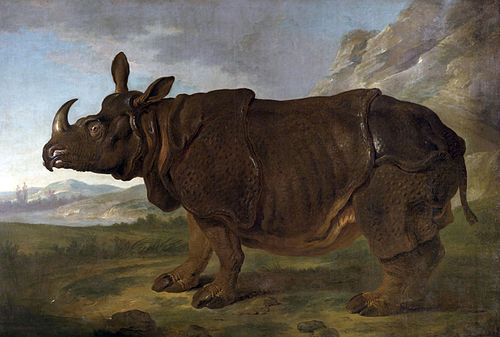
Clara the rhinoceros, was brought to Europe on a tour in the 18th century. No one had yet seen any of the creatures of the East, and had not even heard of such an animal. Clara became an instant darling of the masses – her gentle demeanor, her love of oranges and her sheer size endeared her to all those who had the privilege of seeing her. I can well imagine the wonder and curiosity such a creature brought to human society, and the number of children in whom the wonders of the natural world was rekindled. How many Gerald Durrells, who imagined the beautiful world of their family and other animals?
Image title Rhinoceros Clara Author Jean-Baptiste Oudry Copyright holder PD
Maybe one day, our space explorations will yield something. Till that day, we shall have to content ourselves with imagining the various creatures and creature traits within us.
When the children are hanging out nearby, I am amused to see they take the phrase literally. I find them hanging upside down from trees looking like bats wondering why the world cannot be more topsy-turvy on occasion. One day, I found them on the monkey bars like this: one fellow upside down, the other swinging wildly. One child cart-wheeling on the floor, (hop, skip, jump, cartwheel),and chatting about Turtles. I don’t think they realize how the scene must seem to adults who have long given in to the expectations of the adult world, and walk upright at a reasonable speed and acceptable gait. I grinned at the unusual scene and they smiled and waved, before resuming their chats.
The scene reminded me of the Kung Fu Panda movie. Thoughts of Monkey, Mantis, Viper, Crane, Tigress , Shifu, Po and Oogway are always welcome.
Sometimes, when a bunch of stuffed shirts are droning on in self-important tones at the tail-end of an exhausting meeting, I think wanly how much more fun it would have been if we had jumped up and down, cart-wheeled a few times and hung from tree branches while discussing ‘Strategic Improvements to Aid And Abet The Committee’. Every bit helps.
That night, with the wind whipping up a mean rhythm outside, I suggested visiting our old friends in the Valley of Peace, and embrace the challenges of the Jade Palace again. The Kung Fu Panda series has long been a favorite in the household, and we all nodded. Movie nights are never an easy democratic process, but I was glad we all agreed on ‘Kung Fu Panda‘ that night.
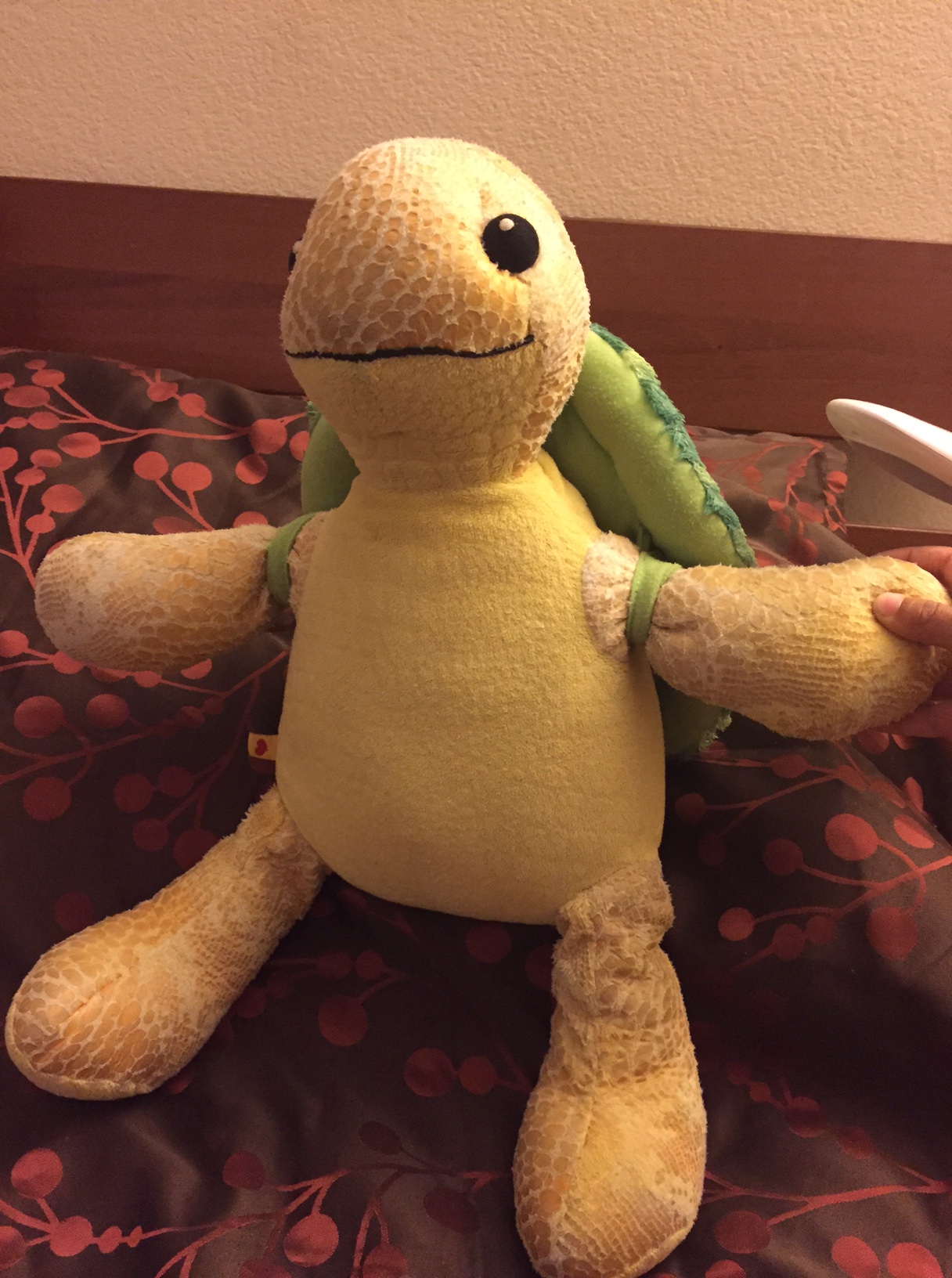
Oogway, the turtle, holds a special place in our hearts, partly because, measured and slow is not something we do – we are forever racing from one place to another, hanging upside down with friends on monkey bars, competing to deliver the quickest quips and generally making quick pests of ourselves in the home. Oogway, on the other hand is the coolest dude. The turtles: Oogway of Kung Fu Panda fame, Crush of Finding Nemo fame and Toby of Kindergarten fame, have all been much loved and have taught us so much.
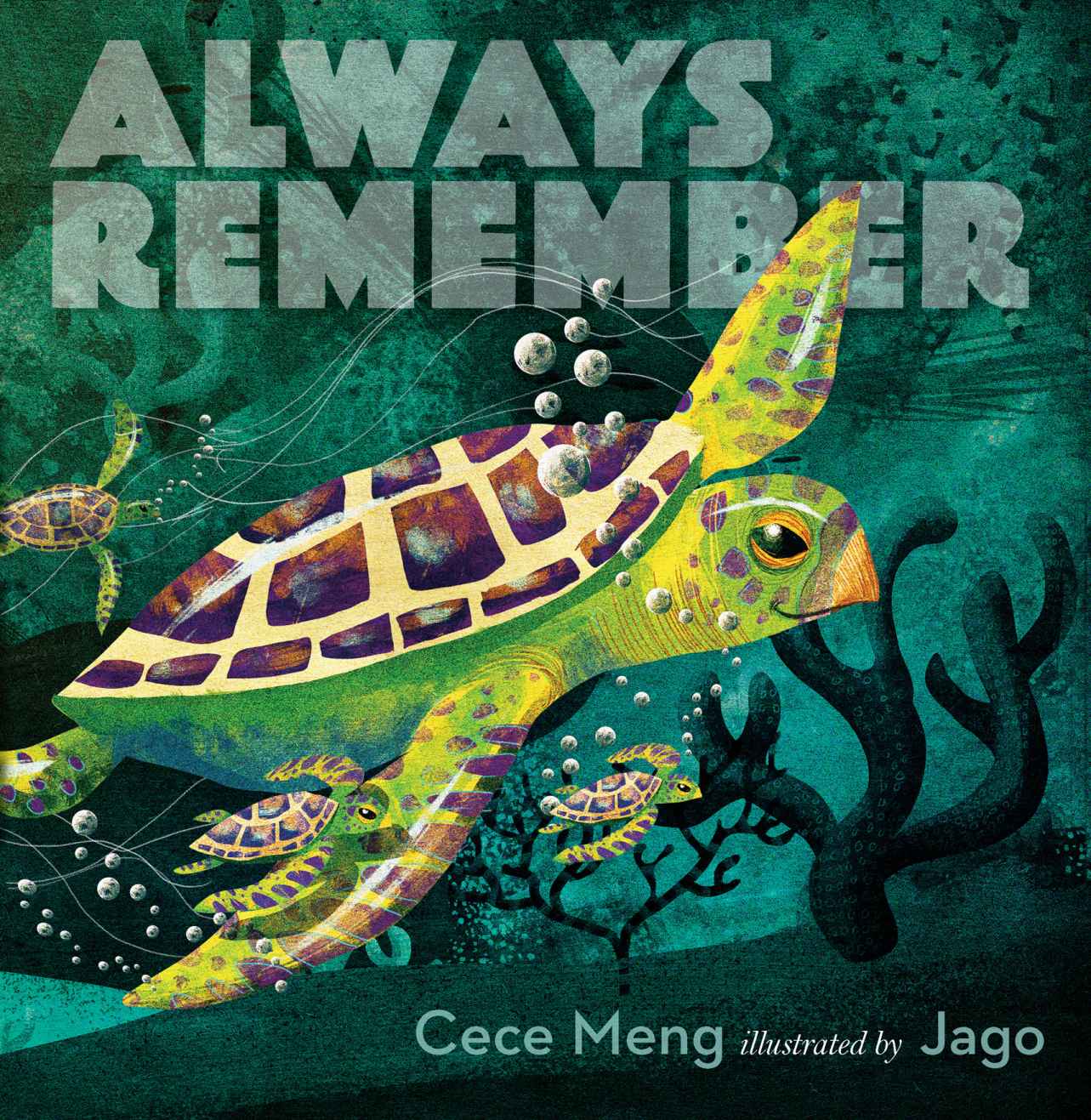
It was no surprise then that we reached for the ‘Always Remember’ book by Cece Meng and Illustrated by Jago.
It is a beautiful book that talks about an old turtle. After the turtle dies, all of his friends remember him lovingly in their own way. It is a lovely book showing us how far and wide our impacts can be by living a fruitful and useful life, sticking to simple tenets of compassion, loyalty and friendship.
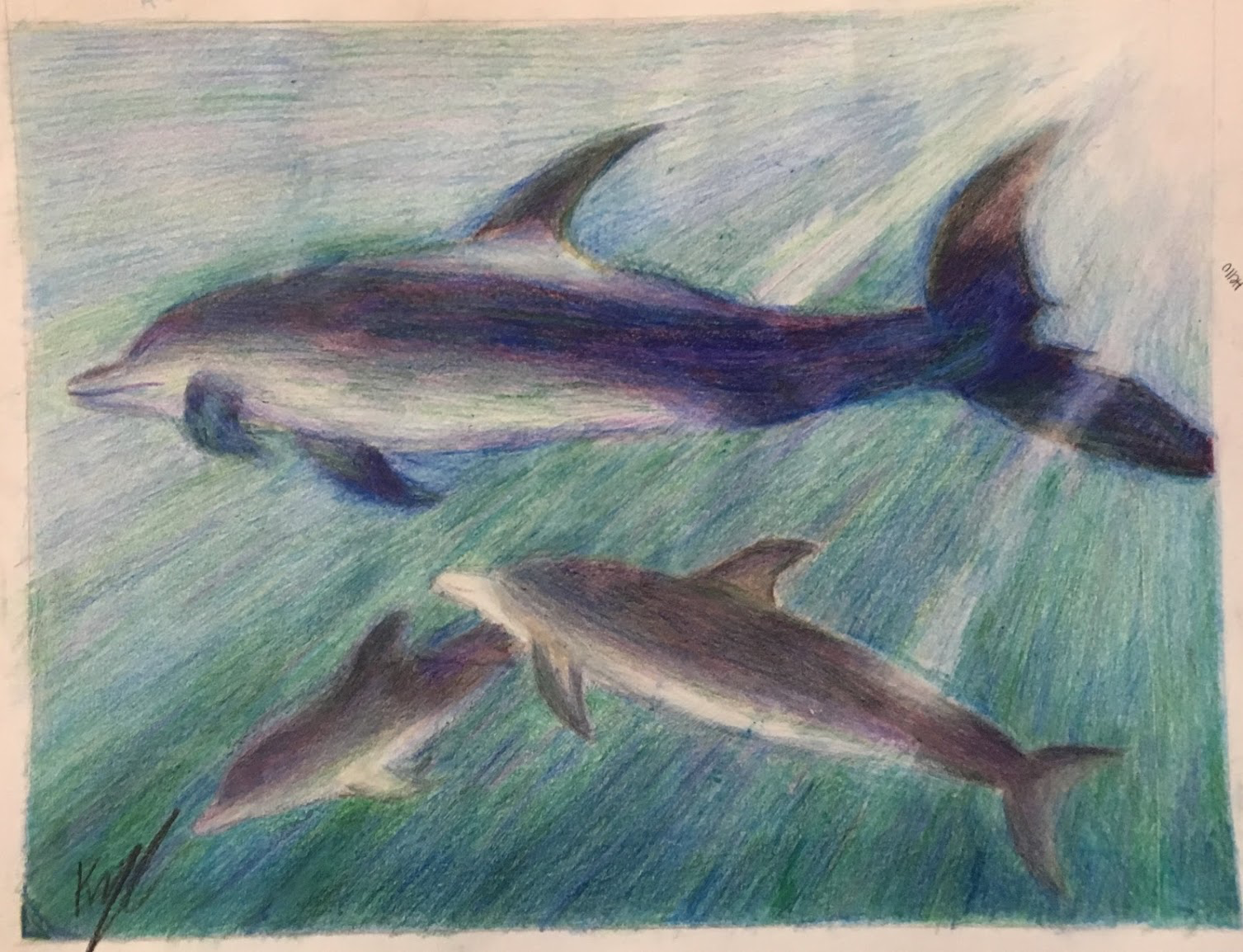
The marine worlds always make for the best illustrations, but even so, Jago’s work in he book is mesmerizing. The characters (dolphins, starfish, baby turtles, whales, sea otters) remember Old Turtle, the compassionate companion, the adventurer, the teacher, the explorer. We, by our very being, mean different things to different people and this beautiful multifaceted aspect is illustrated in pictures splashed across the ocean in hues of blue and green.
Side note: For adults, a similar book about the far and wide reaching impacts we have on others, is a book by Miss Read, Emily Davis. A school teacher by profession, her life is remembered fondly by those whose lives she affected. Often times, we think of these large sized impacts but the most powerful ones are right by us all the time.
Our companions on Earth have always fascinated us. I remembered fondly watching a baby turtle sun itself on the rocks in Spring a few months ago. A friend once told me that once we start paying attention to the world around us, it tells us in so many ways what we need to hear and how.
So, what does it mean when a turtle enters your thoughts so apparently suddenly and steadily? Does it mean that we need to synchronize our movements with the animal companions that are paying us visits? In this case, s..l..o..w……d..o..w..n ? Well, my turtle teachers will be proud of me indeed to see me following their example so well. I am sitting cosily in bed as I write about these dear creatures, and look forward to slowly drifting into a world of quiet contemplation, and gently falling asleep while the Earth slowly but steadily hums and thrums on outside. The flowers may bloom or they may not, the shoots may grow or they may not.
“Your mind is like this water my friend. When it is agitated, it becomes difficult to see. But if you allow it to settle, the answer becomes clear. “ – Oogway
We are enjoying Wind in the Willows sort of days of late. Every so often, I crave for some comfort reading and fall back on Children’s story books. The Wind in the Willows is one such. I still remember my best friend walking up to the front of the assembly and saying nervously, “The Wind in the Willows By Kenneth Grahame. The Mole had been working hard all morning spring cleaning his home …” She had me sit in the first row so she could look at me for moral support, and I gladly obliged. She had brushed her wavy hair neatly parted at the side, and her nervousness was evident in the small shake in her voice. She looked at me and smiled nervously and I gave her a large blooming-flower-kind of smile that encouraged her to go on and she carried on heartened. She finished her recitation to much applause, and collapsed on the chair next to me, and I assured her that she had been marvelous.
When I read snippets of the book on the train, I thought of her again and all the sunny balmy days of childhood play in the warm sun and pouring rain came back to me. Folks looked at me like I need to have my head examined, I grinned disarmingly at them. After all, Grahame described The Wind in the Reeds (the working title till it became Wind in the Willows) as:
“A book of youth, and so perhaps chiefly for youth and those who still keep the spirit of youth alive in them; of life, sunshine, running water, woodlands, dusty roads, winter firesides, free of problems, clear of the clash of the sex, of life as it might fairly be supposed to be regarded by some of the wise, small things that ‘glide in grasses and rubble of woody wreck’.”
The Wind in the Willows
There is something deeply alluring about animal stories. I love to imagine them talking to each other, helping one another in times of trouble and having their little adventures. I was similarly happy when I read another passage on Dolphins and Humans in the Cosmic Connection by Carl Sagan. These helpful animals probably crave a little intellectual stimulation and have often been friends to humans, and yet we have shown them time and again how heartless we are by going after them.
Carl Sagan writes of Elvar the Dolphin, who he had the pleasure of meeting during one of his visits to his friend, John Lilly. John Lilly was an admirable scientist who was involved in several researches, Dolphins being one of them. Lilly introduced Elvar-the-Dolphin to Sagan-the-Human, and seeing that they were getting along, let them to it. Sagan and Elvar came into playing a sort of game, and after being splashed thoroughly by Elvar thrice, Sagan refused to play a fourth time.
Elvar surveyed the standoff for several minutes and swam up to Sagan up and said in a squeaky tone of voice, “More!”.
Carl Sagan, justifiably flustered, came running to his friend and said he might have heard a dolphin say the word, “More”.
To which his friend asked him, “Was it in context?”
“Yes! “, spluttered the poor physicist, to which the neuro-scientist smiled and said that it was one of the 50 odd words he knew.
In all these years, we have yet to pick up one word of Dolphinese and yet, we boast about being knowledgable and go to no end to display our arrogance to Mother Nature.
Why are we so quick so assume that a place like this will not be rife with little joys and strifes? Doodling by the Daughter
If we are so intent about looking for extra terrestrial life, maybe we should stop and let our own ecosystems thrive.
I am reminded of what William James said, about letting Nature teach us as she ought:
“It is to be hoped that we have some friend, perhaps more young than old, whose soul is of this sky-blue tint, whose affinities are rather with flowers and birds and all enchanting innocencies, than with dark human passions, who can think of no ill of man.“













 Nourish-n-Cherish