Did You Know? Fun Facts About Mailboxes and Family Humor

The husband had a Did-You-Know look on his face as we pulled out of the driveway on the way to school. The son was peering at him agog – the kinds of information these fellows find interesting is worth a list one day, but I shall leave it for now.

Ever since YouTube shorts and streaming services made everything from byte-sized to bit-sized I’ve been somewhat helpless at the enthusiasm for these Did-You-Know fests. Typically brain fuzz takes over as all sorts of things are bundled together and dumped my way. This is what it sounds like to me, when presented with facts related to cookies, Poland, lizards, ferns, and the first world war in one shot:

🦎Did you know a lizard can eat three cookies at a time if it suns itself for 4 hours a day? 

🪴Did you know that Poland’s alternate timeline means it could have produced hundreds of pteridomaniacs? (before the intelligentsia comes after me with pitchforks, I think that means people who love ferns) 

Still, stoic as ever, I said, lowering the car window even as we pulled out. “Just tell us quickly – we’re already late!”

He pointed in triumph to the red lever by the postbox. It was raised like a flag in protest. Upside down. “This is how to position the lever when you want to show that you have mail for the mailman to pick up. So, even if we don’t receive any mail, the postman or postwoman knows to open the mailbox and take the letter for delivery.”

Here’s What It Means When a Red Flag Is Up on a Mailbox – Reader’s Digest

The son looked awed. “Oh I didn’t know that!” The husband swelled with pride at a piece of useful information. 

“Me and my friends never knew that when we were little. So, we used to put the lever up on all the mailboxes in our street!”.

The husband and I felt a startled bubble of laughter escape almost simultaneously. Seriously! Children do the darndest things! 

I pulled out of the driveway still laughing and asked the fellow whether they just walked about lifting the red levers, and he gave me an offended scoff. “We weren’t that jobless!”

He must’ve seen my face for he said, “Okay we were – but no. We just used to do that as we ran around playing tag. Got to multi-task. That explains why the mailman was sometimes irritated with us huh?” he said, with a meditative glaze in his eyes.

“Yes – glad that was straightened out!”

The Mantra of Mass Misery

It was a beautiful weekend after a rushed week. On a whim, I decided on a walk by the bay. The waters of the bay with its myriad reflective powers, always helps to bring on the magic of expansive thinking. No two moments are the same here – the shimmering colours seldom fail to invoke that glimmering feeling of hope, the waves helping us think of the ebbs and flows of life. 

Meanwhile, out there, the world continued its dip further and further into its dystopian gloom, and I felt only something as powerful as nature itself would help. As I watched the birds titter and start their early morning songs, I mused on the callings of power. 

Promises, Promises

How ironical it was that every fascist dictator who came to power, rode on a promise of better times – often divisive slogans, and increased prosperity to certain segments, only to be followed by a regime running on a mantra of mass misery. 

After all, a prosperous populace is a demanding one. They want accountability, progress, intellectual discussions, better this and better that. They want to achieve prosperity, feel valued, etc – all the things abhorrent to total power. 

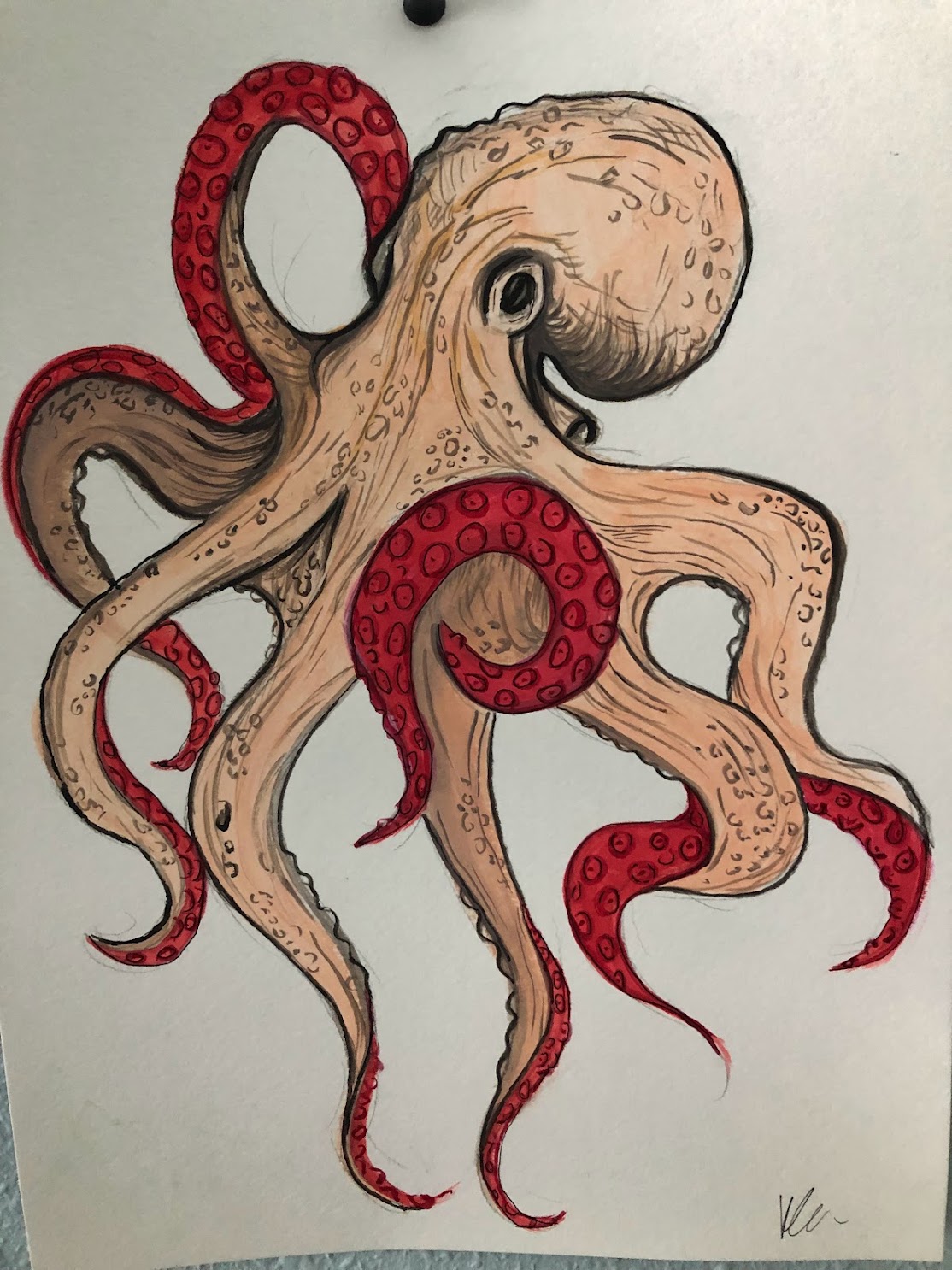
It isn’t even a month since the latest one assumed power and already society is reeling from the clutches of the many pronged tentacles of misery. It seems anything related to the finer and higher order thinking of humankind is not to be spared:  Art, education, humanitarian aid, medical aid, international peace. 

For once we get people worried about the daily grind, they would not have the power or splunk to protest, would they?  If they do, the next rule in their book states to create more and more distractions so that strife and misery are so widespread, no one is keeping track anymore. Keep moving their attention to the base of the pyramid.

It is astounding how so many fascists do not even bother to change that strategy, for it has worked every time throughout history. Every time the vulnerable and the gullible get taken in by promises of prosperity, till it comes back to bite them. Every time. 

“Voldemort himself created his worst enemy, just as tyrants everywhere do! Have you any idea how much tyrants fear the people they oppress? All of them realize that, one day, amongst their many victims, there is sure to be one who rises against them and strikes back!”

J.K. Rowling, Harry Potter and the Half-Blood Prince

While musing on the world’s spiral into fascism, my attention was brought back swiftly to the skies where a war was waging between a hawk and a couple of crows. Maybe the hawk had attempted to take a chick or attacked the crow’s nest, but the crows weren’t having it. If I hadn’t seen the savage anger and relentless driving away of the hawk by the crows, I might never have believed it.

Just like that, nature had shown the way out. Humans have spirit. We may not feel like we have much agency over what is happening now, but when things get out of hand, wouldn’t we, like the crows, rise against the hawks in our lives?

Exploring Handwriting: Cursive vs. Digital Age

Cursive superpowers

The white board was littered with alphabets and numbers. We were discussing the different ways in which people wrote their numerals or alphabets. 

“How come nobody seems to like cursive writing as much anymore?” I said, and off we went writing our little cursive numerals and alphabets like artists swirling their best hieroglyphic characters.

“Is that an ‘I’? Truly? I have never seen an ‘I’ like that before!”

“Wow – that ‘J’ is wild! No wonder teachers moved away from cursive. “

“Well, there is a lost skill – imagine the superpowers teachers had deciphering everyone’s handwriting and essays.”

Hippopotomonstrosesquippedaliophobia anyone?

That was true. It is a superpower. Writing fast was a superpower too, one that was made easier with cursive. How beautifully could we go on in one pen stroke for a word like pneumonoultramicroscopicsilicovolcanoconiosis? How many people suffered from hippopotomonstrosesquippedaliophobia back then compared to now (fear of long words!)?

“I think in terms of the keyboard locations when I spell a word.” said a much younger colleague, and I drew in a breath – the places where generational differences get you is truly mind-boggling. But then I realized their generation spent more time typing things out in word documents, or in chat screens than any other generation preceding it, and it was only natural for their brain to associate the keyboard with the spellings..

One person said that when they added numbers, they imagined them as dominoes being added together. “Were you a gamer?” 

“Yes!” they said, looking a little sheepish.

The Cognitive Processes of our Brains

Truly, the brain is such a multi-layered immensely capable and adaptable organ. Neuroscience must truly be fascinating to study and research. How many visual thinkers were there among other species? What percentage were analytical? Many would possess kinetic intelligence. Once we stop only thinking of the narrow spectrum of human intelligence, the world becomes that many dimensions more fascinating. I peered into the bookshelf at a book that has been on my tsundoku shelf for ages: ‘How the Brain Thinks’ and resolved to read it soon.

The picture of the brain was on the front, and I smiled as I thought of a friend who told me that they don’t like eating cauliflowers because it looks too much like the human brain. What was that type of thinking called? Visual or Associative.

A Reflection of The Rise and Fall of Tech Trends

Rise and Fall of Trends

“Well – sorry! That was a waste of time!” I said, looking a little sheepish. I had meandered through the walk with half-formed thoughts. Then I realized I had probably done what my writing process looks like – out loud. I had a vague nebulous idea and it sounded brilliant in my head, and by the time the walk was done, only a loving listener could have endured. Without the benefit of editing and moving sentences for clarity, it sounded terrible. When a friend suggested that I dictate my thoughts out to a vocal tonal converter, I was skeptical. Maybe this would become the next big thing, or it may be one of those things that fade out like the CD player (all the rage while it lasted and then sunk without longing)  

“In technology, buzzwords think they are all about being cool, but it really is just plain confusing! “ I said. “Really, two years ago, you thought you were a damp squib if you didn’t know this-or-that, now it is Agentic-AI-this and Kool-Aiding-AI-that.” 

Technology, Companies Vs Longevity 

The husband and I were discussing the rise and fall of great companies, right after the rise and fall of technological trends. It all started with the husband referring to a term that was popular all of two years ago, and was waning in popularity now, and I had blabbered on.

Tell the husband something like this, and he would launch into one of his explanations. I zoned out. We were out on a walk, and all of nature seemed to share a secret that we had long forgotten. There was more to life than technological advances. With technology, everything seemed to just become faster, and faster. The deer did not seem to have any of these problems. The river bank was green with grass after all. The next generation of deer probably just wish for the same thing: Give us green grass pastures and some space in which to raise our young.

Why were human-beings so finicky?

Book on reawakening after ages

“You know I cannot understand all these people who want to live forever and all that. I can barely keep up with the trends from yesteryear – why would you constantly feel like you have FOMO?” I said, invoking one of the terms of the college-going daughter (FOMO – Fear Of Missing Out).

I told him about a novelette I read recently, in which the hero and his family awoke after centuries and tried to figure out how they were to live. The whole time, I felt disconcerted. I feel disconcerted in rapidly growing cities – visiting after a few years of rapid growth can make you feel strange and lost, even if it was a street in which you roamed without needing maps previously. 

This need for billionaires to go into a cryogenic sleep, so they can revive when it is possible to live forever is a scary one. Would friendships be possible in your woken up world? Wouldn’t you miss your loved ones who accompanied you on your life’s journey?

I am fairly sure if I were to wake up today from just 25 years ago, I would be pretty lost. How to pay for things, how to listen to music, how to read? So many of these fundamental things have changed in the past two decades, imagine two centuries. 

With recent advances in technology, how many of the skills we pride ourselves on today would be obsolete? Art, writing, navigating: they are all up as potential candidates.

I tried explaining all of this to the husband and said, “Maybe there is a point to making the human brain gain clarity, but do you think we’d be any better?” I wondered how much longer I could go on walking – it was a beautiful night with breeze and stars after all.

The husband, wily man that he is, said with a smile, “Aah – another topic for another walk. Come in now!” and dragged me inside. Foiled in my ploy to take a longer walk. Again.

Sonder and Saudade: Reflections on Travel and Books

Sonder

Traveling anywhere in the holiday season brings this fact to the fore. Airports, railway stations, bus stops, freeways – every place is packed with people, more people and more and more people. It was faintly unnerving at times to see this many people out in the world, all seemingly busy doing their many things. How many of them thought deeply, what did they do to occupy themselves, earn a living, attend to their loved ones? How many of them were loving and giving, and how many selfish and cruel?

That feeling of realizing the sentience of our fellow beings can be especially acute when traveling in crowded places. There is a beautiful word for it: sonder.

But wherever you were: one thing was apparent. Business was thriving. Clothing stores, eateries, perfumeries, jewelry stores – they dotted every city, country and airport. One time, I remember gazing out the window as we rode from one end to the diagonally opposite end of the city, and seeing shops after shops after shops. There was an apparent unending need for clothing and electronics, for consumption. One cannot help wondering about the ecological impact of all this, but there you are. ‘Better’ means the old has to go somewhere, and make place for the new. Maybe the next wave of innovations will be in making biodegradable plastics, electronics and clothing. After all, the waste that we are generating now can hardly be a scalable problem.

Lack of book stores in all the airports, cities

Even as I gazed out through the window taking in the local sights though, one thing sent a pang through me: the lack of bookstores anywhere was truly tragic. I felt their absence keenly. I had asked my siblings to fit in a visit to the bookstore. The only one in the vicinity was a little like a wild goose chase. The shop had moved they said, you cannot see the billboard from road they said. When finally, we found it, the reason was apparent. It was tucked away underground, as if hidden away from population. Only if you truly had the magical three things, could you find it: the will, the means, and the luck.

The bookstore had a passionate but regretful owner. “No space madam. Only so many books!” He said, gesturing apologetically to the small collection he had. To be fair, the little store had a fair amount of shelf space for children’s books (maybe those are the ones people are actually buying), but other fare was slim pickings. They were a few translated classics (which was a new section I admit) – it was heartening to see A Hundred Years of Solitude translated into Tamil. We picked up some books including a Tamil version of 1984 to donate to our local library in the USA.

The Hidden Bookshops of Timbuktu

But it all felt like the hidden bookshops of Timbuktu.

https://en.wikipedia.org/wiki/Timbuktu_Manuscripts

How many malls, streets covered with stores, and yet for intellectual stimulation, one had to either go scrounging or online? It was the same in many airports too. Perfumes, alcohol, watches, jewelry, clothing, chocolates, coffee, burgers: you could find these everywhere you turned, but good old fashioned books were tucked away in a corner (if at all), and hard to find.

What would it take for every coffee store, every clothing store, every jewelry store to have a reading nook that people could browse and buy books if they wanted? Wouldn’t that be marvelous? A tiny art nook that one could spend time creating their own art and craft while others shopped? I know reluctant shoppers would gladly accompany their friends and family if they could be tempted with the right incentives.

Was that utopian thinking?

Image: The beautiful hotel in which we stayed in Zurich that had a large marvelous library in its lobby. My heart sang, my spirits danced, and my soul settled, here in the presence of greatness!

Saudade

Our own town in US lost its bookstores to the great Amazonian sweep a decade ago. But luckily stores like Target or Costco still have a small pecking section for those really wanting to buy books or see them before picking them up.

Oh books! When did you go from being ubiquitous to precious to rare?

Could this be referred to as Saudade? That feeling or yearning for lost experiences?

The Meaning of a Good Life

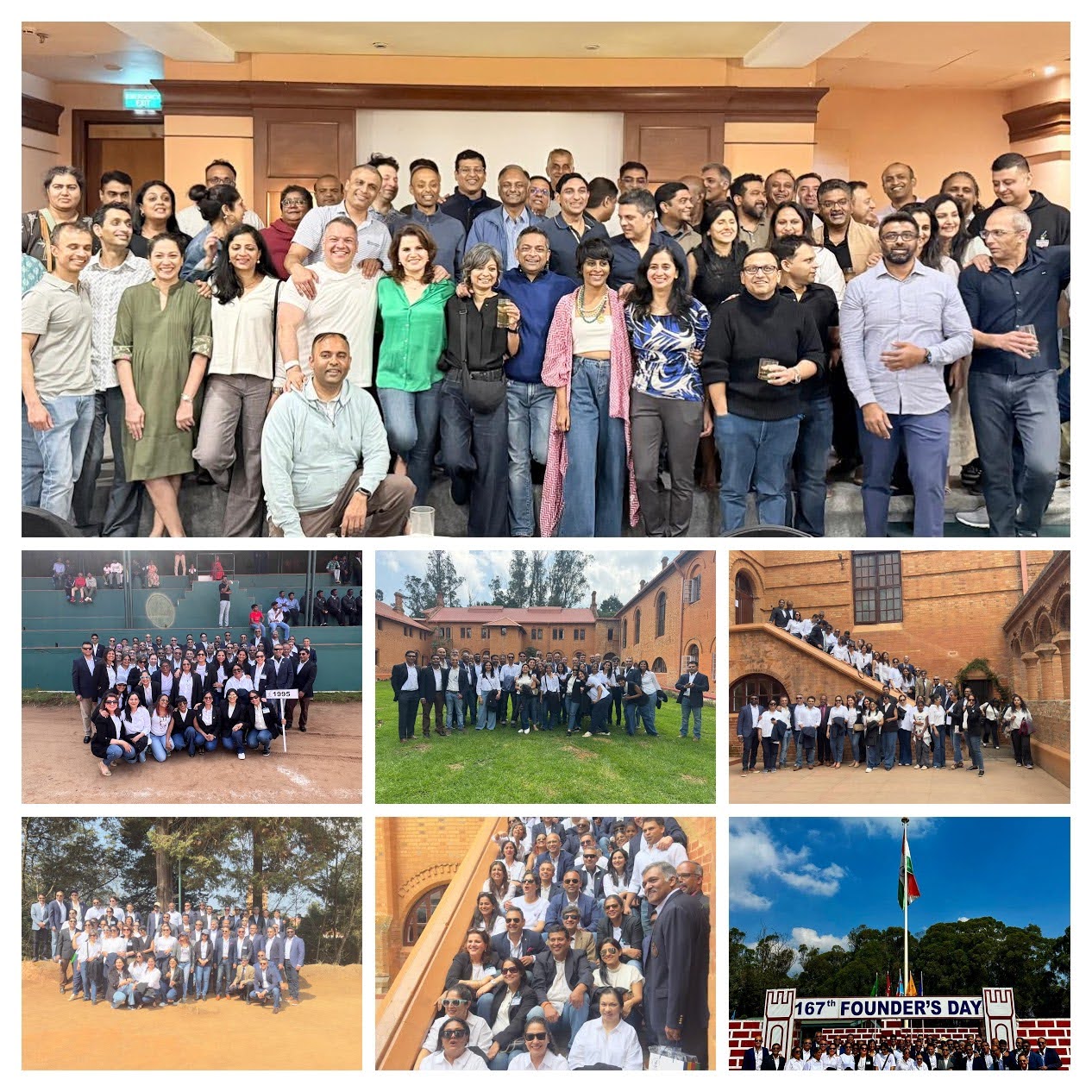
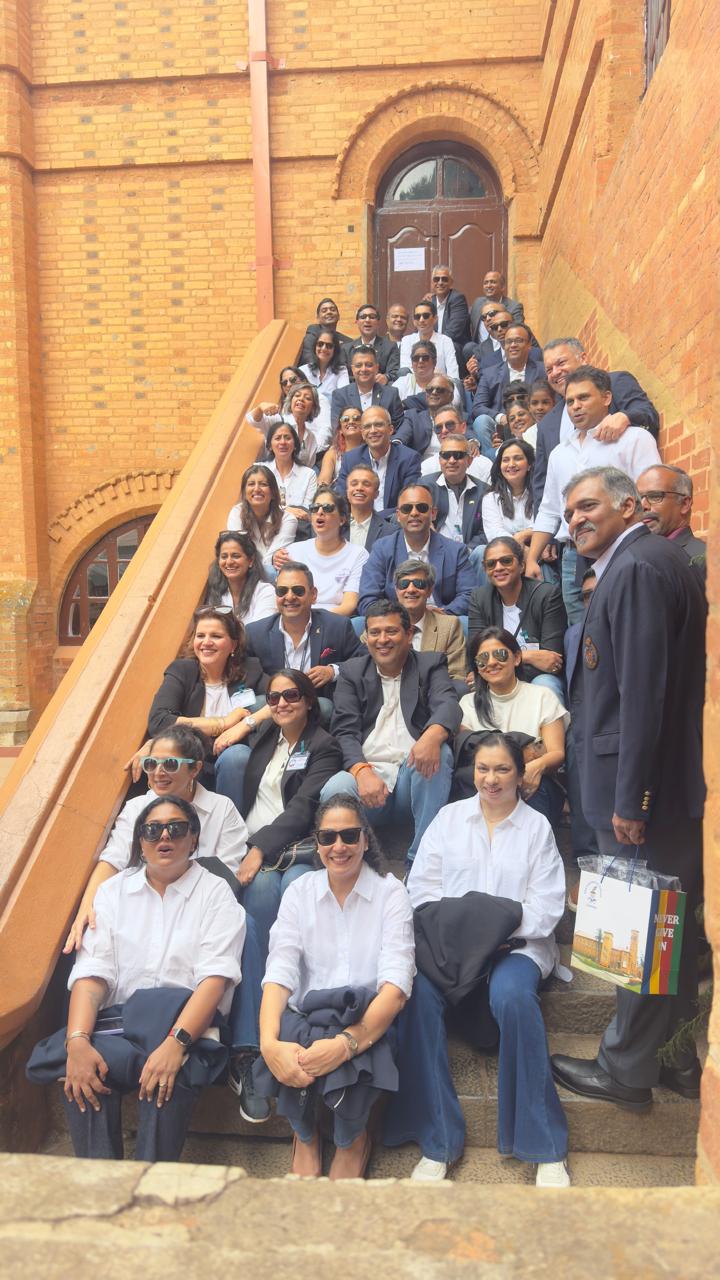
We went to visit our old school haunt – the home of our school days, and some of the best memories. If there is a utopia, I’d like to think it is very much like that place. There was plenty of ‘real’ life there too – It was by no means devoid of pain or jealousies or strife or suffering, but life still felt full of promise. Like the universe was conspiring and preparing us for a fantastic future. Maybe it was the optimism of youth, maybe it was the collective talent of the folks around us, or just the marvelous eucalyptus scented air around us in a beautiful location in the Nilgiri Hills.

Of course, one cannot help feeling like you’ve let down the school quite a bit, but what can you do? Luckily, most of our teachers have retired, but I felt I could feel their encouraging presence at every science lab and every playground. 

A visit there at this stage in life though, revitalized me in ways I did not comprehend till I had the quiet and solitude to mull things over after coming back to the USA. “You can still do a great many small things to make things better for the world around you, couldn’t you?”, a small voice whispered in my ears. Maybe after all these decades of striving, that is what you come to realize. That, as Mother Teresa said, there is greatness in small acts:

“Not all of us can do great things, but we can do small things with great love.”. – Mother Teresa

I asked my father what he thought at the time – he was a teacher there. Did he think any of his students would go on to win the Nobel Prize, or the Booker Prize or become the Finance Minister or make it big in the field of Arts/Drama/Acting?

He said that the markings of greatness were visible in few children at such a young age. Mostly, it was the potential that excited the teachers. You ask the pater a question, and he can turn it into an impromptu speech within seconds. So, I wrapped up and set off on a walk while talking to him. Always the best thing to do. He said,

To rephrase Shakespeare:

Some people are born into greatness, some acquire greatness, and some have greatness thrust upon them.

In good schools with well to do parents (by that I mean parents who not only have the means but also the interest to invest in the success and achievements of their children), many children belong to the first category. Success is expected of them, and the tools are there for the taking. Barring any major life events or health issues, these children can build a life for themselves – that is not to say there isn’t struggle. For those very expectations of greatness can be a burden to overcome.

The second category of talent comes up despite their circumstances – the distance they go in life, the differential between where they started and where they end up is the yardstick for their success. Many children from modest means who go onto achieve success belong to this category.

The last and final category can come from either of the categories above – but these people are tested beyond what normal people endure. Their hurdles are frequent, gargantuan and any progress they make is a success in and of itself. Health issues, career issues or relationship issues (sometimes all three) test them. Many break under the stress and strain of it, but those who are thrust into greatness endure, secure in their understanding that small victories and sustained mindsets often tide them over better.

Many are the stories and epics written about these characters. But more importantly, we all know friends and family in this category. Even if it isn’t obvious, even if we aren’s writing songs about them, they are truly heroes of their stories. Being a stable parent in a tumultuous relationship, navigating health hurdles, being a steady breadwinner through times of economic upheavals, being a steady person when all around you have lost their minds – that is their greatness.

IF – By Rudyard Kipling

If you can keep your head when all about you   

    Are losing theirs and blaming it on you,   

If you can trust yourself when all men doubt you,

    But make allowance for their doubting too; 

Yours is the Earth and everything that’s in it,   

    And—which is more—you’ll be a Man, my son!

Or more along the lines of: You’ll be a Human-being, my child!

The evening was drawing cold, and I knew I had to cut my walk short, even as I mulled on the father’s answer. Making the best of things, and Never Give In were the things they taught apart from Languages, Mathematics, Arts, Sports, Sciences and History. For those it served well, it was heartening that it had, and for those that it hadn’t, well there was still hope that they would learn to do so. That, right there, was the philosophy of a teacher in one grand stroke.

The walk made me reflect on two of my favorite speeches:

On The Importance of Failure and Imagination – By J K Rowling

Harvard’s 80 year old Study on Happiness and Success (Harvard Study Article)

Greatness is something we are told to pursue, without properly knowing what it means, at a young age. For many, the pursuit of a living (and maybe fame or renown) occupies time and energy. But life is far more complicated and richer than that. It means good and close relationships with family and friends, good health, good wealth, good pursuits (intellectual, spiritual and physical), purposeful work, the ability to feel joy, and so much more.

Maybe this is why school reunions and such are planned at a certain stage in life. The environs can stimulate thoughts and spur us on towards growth and meaning.

Embracing Nostalgia & Innovation in Switzerland

Is Nostalgia Good?

The trip over the winter break seemed to have a fair share of nostalgia. It reminded me of this scene in Inside Out – 2 where the teenage brain is filled with a whole new range of new emotions: ennui, embarrassment, guilt, anxiety, nostalgia etc. When Nostalgia comes in, they all tell the poor emotion that the girl is perhaps too young for nostalgia and I remember laughing. So what does that say about us now that we are nostalgic?!

Switzerland

Twenty three years after we’d last visited Switzerland, we went there again. I am not sure it felt like 23 years had elapsed between the last time we’d been there and now, but the magic was still there. The US has spoilt us in the intervening years with its spots of unimaginable scenic beauty, so that the awe that I had on my first visit had subsided somewhat. After all, 23 years ago, it was the first time I was reveling in a snow covered countryside.

For someone who had only seen pictures of it, or seen the Himalayan snow from afar, the joys of freshly fallen snow cannot be described. Add a happy newly-wed husband to the mix, and there can be no higher form of magic.

“The first snow is like the first love. Do you remember your first snow?”

  • Lara Biyuts

Even so, this time around, it was still unimaginably beautiful.

There were a great many things to love in Switzerland in the winter. For instance, the rains and snowfall that swept the entire nation in one grand stroke. We are used to localized rainfall, and maybe slightly larger areas being affected at once, but it was brilliant to see it raining all across Switzerland one evening. We knew because we drove from Geneva to Spiez via Bern and Lausanne through the pouring rains and it never let up. By the time we reached Bern, it had started to snow mildly making it a beautiful ride.

“The first fall of snow is not only an event, it is a magical event. You go to bed in one kind of a world and wake up in another quite different, and if this is not enchantment then where is it to be found?”

― JB Priestley

The Magic of Snow

The feeling of getting up to a snow covered landscape, as overnight the skies worked their magic, is breath-taking.

When first you open the curtains and look out into the world outside blanketed in snow, there is a sense of the precious, the divine, and the surreal. How could a cold brown, green and gray world be transformed into one of such purity and innocence overnight? One must be lucky to witness the first heavy snowfall of the season. The transformation could lead to closed roads, snow chains and winter storms, yes, but it could also lead to an expansive imagination of our senses. Our senses, so often honed to look inwards, and be busy as we let moment after moment flit by us, suddenly seems to hold in its power the ability to remain still, quiet and the beauty to examine the infinite within and around us.

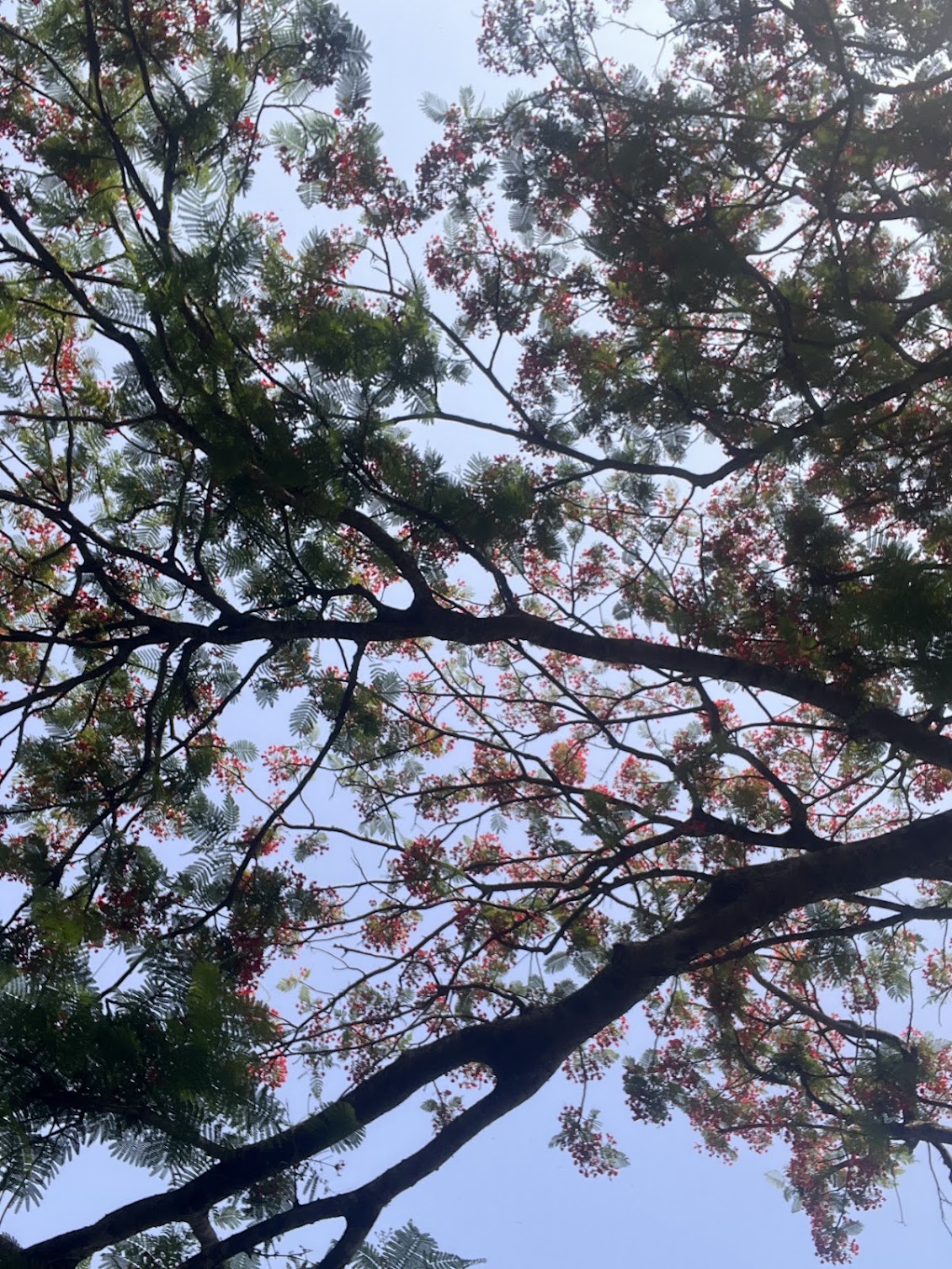
The simple pleasures of blowing smoke out your mouth, of watching the bare tree branches glitter and sparkle with the new snow, of seeing beautiful hillsides blanketed in fresh snow never gets old. That is always joyous I think.  And life, marvelous life, in these environments! It was astounding how we were standing atop the very top of the Jungfraujoch – nicknamed the Top of Europe, feeling like we can never feel warm again in the cold that was enveloping us, while ravens were enjoying the lift of the winds there to have a perfectly nice day. No thermals, jackets or socks for these birds – no sir! Just a swirl and twirl of the wind would do.

Really! Lessons of joy and resilience can be found anywhere, anytime if only we care to look.

Embracing Innovation: Automobiles in the past two decades

Automobiles have come such a long way in 23 years – ABS, automatic lane detection systems, navigational systems, Google Assistant for cars. They are game changers – we had rented an XC90, and it was truly amazing in its capabilities. 

No more fumbling with paper maps, wondering how long it would take to go from Place A to Place B etc. For those of us who hark back to the simpler times, this is one arena in which I would not. Technology companies have made navigational capabilities so fantastic, one wonders how we managed before the advent of these technologies – maybe that’s why we sat around singing sad songs lost in the countryside, or fumbling about and trying to draw rabbits out of stars to help guide us through.

Verdict:

This nostalgia is good.  The power of the infinite beauty held in each snowflake, that is able to transcend time is very good.

On Tyranny: Power and Compliance

On Tyranny

This book is a required reading for what’s coming.

on_tyranny

The book restricts itself to Twenty Lessons from the Twentieth Century, which is even better. For power hungry dictators have been there throughout human history, and the book may well turn out to be a treatise of its own, if not time-capped. Recent events are usefully analyzed from a technological and sociological view. After all, many of the fascists of the past century found themselves propped up through a democratic process, even if they refused to give up power democratically later on. 

One of the first topics in the book, On Tyranny – By Timothy Snyder Illustrated by Nora Krug caught my attention.

It talks about compliance without being asked to. 

“Do not obey in advance”

“A citizen who adapts in this way  is teaching power what it can do.”

  • On Tyranny – By Timothy Snyder

I found myself nodding along several times during the examples given from the Hitler regime, or sociological experiments conducted since, and was quite shocked to see it all play out again in recent times. 

For instance, the past week itself gave us examples of ‘Do not obey in advance’. It was in the flurry of news items about Meta – the mega social network bending over and showing what it is capable of doing for Donald Trump’s regime. The company removed the fact checking team, and essentially stopped DEI efforts.

Quote from article on removing the fact-checking intiative:

“Everyone is entitled to his own opinion, but not his own facts,” the late New York Sen. Daniel Patrick Moynihan memorably wrote four decades ago.

As far as DEI efforts go, to get to a point where a DEI team was necessary took many decades of work, mindset changes and progressive ideas. To remove it all in one stroke sets us back by at least two decades, does it not?

Now slowly think of all the programs and places in which progress has been painstakingly achieved through education, forward thinking initiatives etc, and the mind boggles on what lies ahead of us.

In the past few weeks, there were several discussions in which we wondered:

  • How do we know when a leader is likely to become a fascist ruler?
  • How do we know whether our systems designed to survive democracy will do so?
  • Which of the very institutions that help towards justice will be disbanded or at least thwarted in their efforts to do so?
  • And many more. 

The questions will answer themselves soon, shall they not?

Journey Through Timezones: 15 Destinations in 15 Days

In what turned out to be the journey of clocks – we managed to visit 15 places in as many days over three distinct timezones. I wondered where we were, how we got up, and how we made it from one place to another at all. But it seems we did, and we made it in one piece back to our home, so all is well.

Sometimes, I’d get up – the biological clock warring with the physical ones, and the expectations of the day starting in whichever language, country you were in. Orienting oneself always seemed to take a few minutes. I loved the sensation of relief as one realized one was supposed to be on vacation – so it must be alright.

Pack Mules

Packing for a European trip along with an Indian one seems good on paper but involves logistics that would have had a royal ensemble perplexed. With baggage restrictions, it turns out that nothing prepares us for two different cultures like this:

  • One requires thermals, caps, gloves, socks, closed-toe shoes, sweaters and jeans
  • The other requires sarees, in-skirts, blouses, salwar kameezes, cotton kurtis, sandals, and jewellery.

Planes, trains and automobiles

For you see? We also seemed to use every mode of transportation available: planes, trains and automobiles. (The boats were given a sad miss on this trip), though there were plenty of lakesides in which to catch our breath.

img_4807

We travelled by trains in India, slept through the night on berths, shot our heads out into the cool morning air as he watched the moon shine through the countrysides. We travelled by trains in Switzerland, where the freshly fallen snow on the countrysides made it all look like we had woken up in a picture postcard.

We travelled by automobiles – in deft contraptions boasting of 4 wheel drives, automatic braking, abs-something, in hilly regions both in India and Switzerland.

We braved the holiday crowds in airports and felt for the airline staff dealing with large swaths of humanity who all seem to have decided to take a holiday just then on an airplane.

Trains

One time, I woke up as a night train in India jolted me awake from a semi-state of sleep. Then I remembered why I was semi-awake. The son had gone to use the restroom minutes prior, and I suddenly felt wide awake. Could the jolt have meant … but mere seconds later, the fellow came back beaming like the waxing moon outside, “Amma! Luckily I had not yet let go when the train jolted – otherwise, my shoes would have definitely been gone!” he said.

I threw my head back laughing, and couldn’t stop for a few minutes. It was his first experience on Indian Railways for on overnight stint, and he was excited to be in the middle berth, and everything from how the iron chains held a person’s weight, to the loos, to the open doorways seemed to fascinate him.

Planes

Another time, we were prodded out of our console screens by our excited co-passenger. She was a professional photographer of sorts (who was also a nurse), and she took a picture of the clouds outside our airplane window to show us what we were seeing. She had identified it correctly – we had a brilliant look at the dancing skies of the night over the Arctic circle, and we caught the aurora borealis in its glory. It was marvelous. 

img_4178

Automobiles

The ability to catch a marvelous sunrise over the Swiss Alps, or to catch a glimpse of an elephant by the roadside was all the magic required for the automobile sections. We managed to eat exotic fruit in Kerala (nongu), and stop for a quick snacks by the roadside in India. It was all a-thrilling, till we found ourselves snoozing on the uber-ride home after all of it. 

img_4575

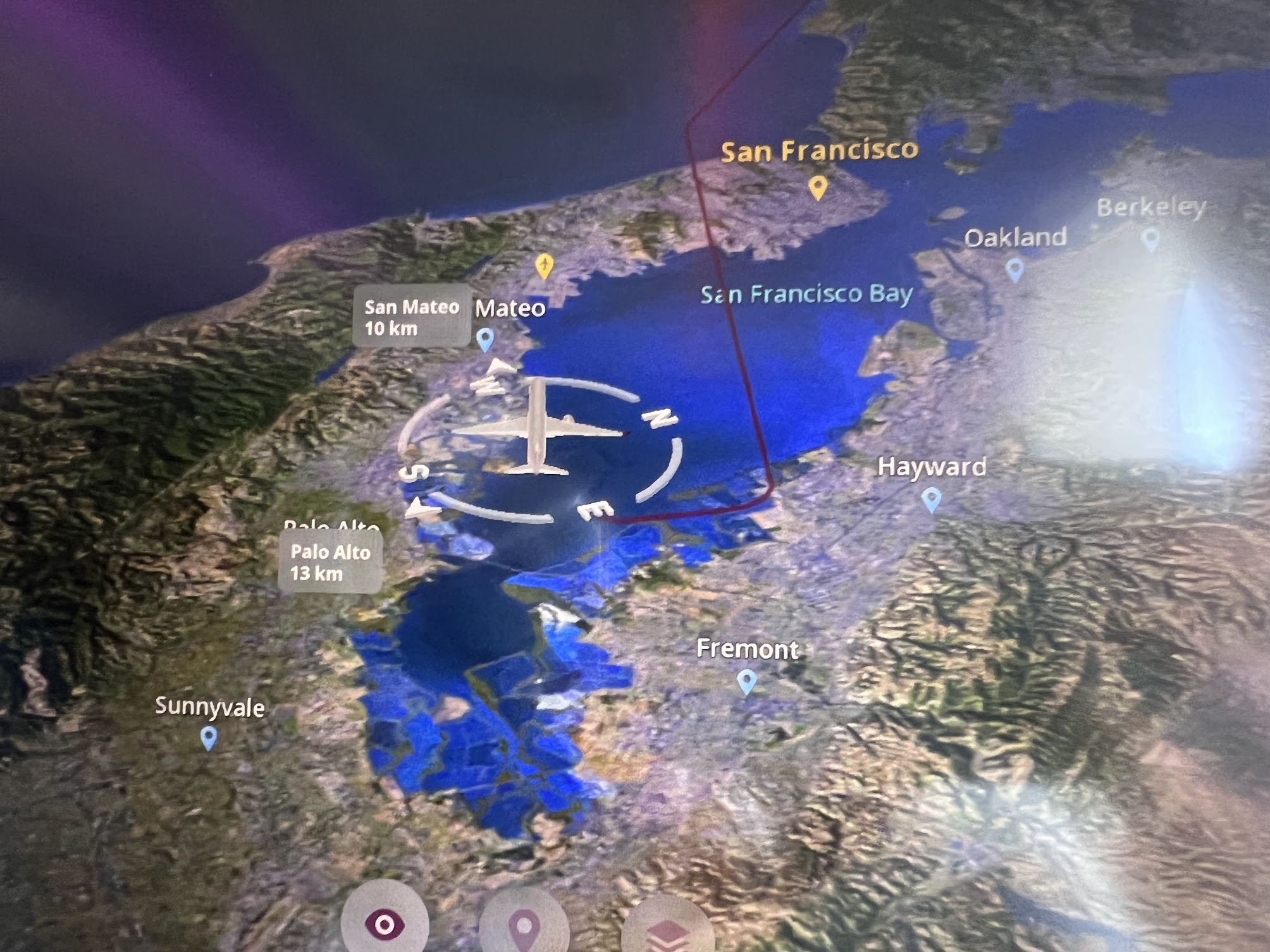
We travelled by planes from one continent to the next in the peak holiday season, braving crowds, and delays, and cacophonous announcements. How we managed to get from one place to another inspite of all the things conspiring to derail things was beyond us, but we were grateful for it all. Once we landed back home in San Francisco, the very air around us seemed to ease us into being.

img_4869

It also seemed like the problems we had temporarily left behind, were lurking on the corner of our home, and ambushed us as soon as we came in.

Ganga & Kaikeyi : Retelling the Mahabharata & the Ramayana

During the holiday season I read two epics from different perspectives: The Mahabharata & The Ramayana.

The Mahabharata from the River Ganga & Bhishma’s perspective: 

The Goddess of the River – By Vaishnavi Patel

goddess

The book started off beautifully for I have always loved myths of rivers and streams and oceans, and the gods that embody them. How they interact with the human world is a leap of imagination and faith, and when told beautifully, never ceases to make me admire the human capacity for creativity and the beautiful gifts of our imagination. 

How River Ganga fell to the Earth from the cosmic skies, unbridled, full of energy and the strength of the universe behind her is a beautiful chapter, and even if told separately without the context of the Mahabharatha makes for a marvelous read bursting with magical realism. The river’s long continuing peeve against the Lord Shiva who broke her fall to the Earth, and contained her wild spirits to be nothing more than a river able to provide sustenance for humanity is well told. 

The story of her curse, and how she comes to bear a mortal form, and how she comes to marry King Shantanu, and sire him eight offspring ,killing them all – save one, Bhishma, is enthralling.

Points to Ponder:

🦌Fascinating as this all was, the birth of Bhishma Pitamaha, the grand uncle of the Kauravas and the Pandavas may have set the stage for the Mahabharatha. But, once the river returns to her goddess form, her perspective and narrative is not enough for an epic such as the Mahabharatha.

Bhishma is the grand uncle, yes, but he is still forced to take sides, and the sides of the Kauravas, if it needs empathy, needs more work. Grand villainy is not an easy side to tell. 

🦅The river is a river and even with divine powers is only able to be in the same plane so many times, unless she was worshipped and kept in little containers by all concerned. If everyone carried a bit of the waters of the River Ganges from whence she was able to observe, it might have worked. But as it was, from a narrative point, it might’ve worked if she stopped the story after Bhishma’s birth. The author was trying to tell the Mahabharatha from a female centric perspective, but truth be told, the best female perspective for the Mahabharatha is from the point of view of Draupadi – the princess who marries all five of the Pandava princes (Yudhisthira, Bhima, Arjuna, Nakula & Sahadeva). 

🦢She might have better selected the alternating perspectives of Gandhari & Kunti (the mothers of the Kaurava and Pandava princes’ respectively) That would have been a perspective I would have liked to read, for I have always wondered how the mothers felt about their sons and nephews initiating wars, and how their hearts must remain conflicted – for love can be confusing in its loyalties and moralities especially within families. They would also have been present at all the crucial points in the story – when Draupadi was gambled away, when the kingdoms were split unfairly, when they were exiled, and when they came to the inevitable war.

The Ramayana from Kaikeyi’s perspective:

Kaikeyi – By Vaishnavi Patel

kaikeyi

I had qualms picking this up because the previous one The Goddess of the River by the same author did not hold the same kind of sway for the epic it was trying to tell.  You see, the Goddess of the River was an attempt at Mahabharata from the Goddess of the river Ganga’s perspective, which was a severely limiting perspective. If you needed a female centric perspective on the Mahabharatha, the best one still seems to be Draupadi, which is already well-written and well-received in The Palace of Illusions by Chitra Banerjee Divakaruni.

But Kaikeyi was beautifully woven. The story of the warrior princess who saved her husband’s life on the battlefield and got herself two boons to use at any time. How did this particular queen manage to get on the battlefield and save her husband at a time and age when women were kept safe in their palaces at the time of war?

I always found a pang of sympathy for Kaikeyi – for I felt her life, who she was, where she came from, were all colored with the lens of  her choices that set the Ramayana in motion. (Asking for the boons: Rama to be exiled and her blood-son, Bharatha, to be coronated as King instead of Rama) Could she really have festered ambitions for her birth son all that long, even as the epic says Rama & Kaikeyi considered themselves as mother-and-son throughout?

Points to Ponder:

🦌The author wisely stopped the narrative after Rama, Sita & Lakshmana went on exile. This worked very well, for attempting to provide a peek into the Ramayana from Kaikeyi’s perspective would have very limited narrative points of view.

🦅As it was a story from Kaikeyi’s perspective, it also provided a peek into her life. In this book, Kaikeyi’s maid and nurse, Manthara, is not filled with malice as many versions of the epic seem to indicate. In this retelling, Kaikeyi bears full responsibility for what she does and manages to convince the reader of her thoughts and motivations for essentially what set the Ramayana into motion (the exile of Rama for 14 years, and placing Bharatha on the throne instead.)

🦢The relationships between the people in Kaikeyi’s life were well done. Her relationship with her husband, Dasaratha, her fellow queens, Kausalya and Sumitra, and her maids, Manthara and Asha, her sons, Bharatha, Rama, Lakshmana and Shatrughna, her younger brothers – in particular, her twin brother, Yudhajit.

All in all, these two made for good reads over the holiday season, with a trip to India in the mix.