The Joys of Hygge & Fernweh

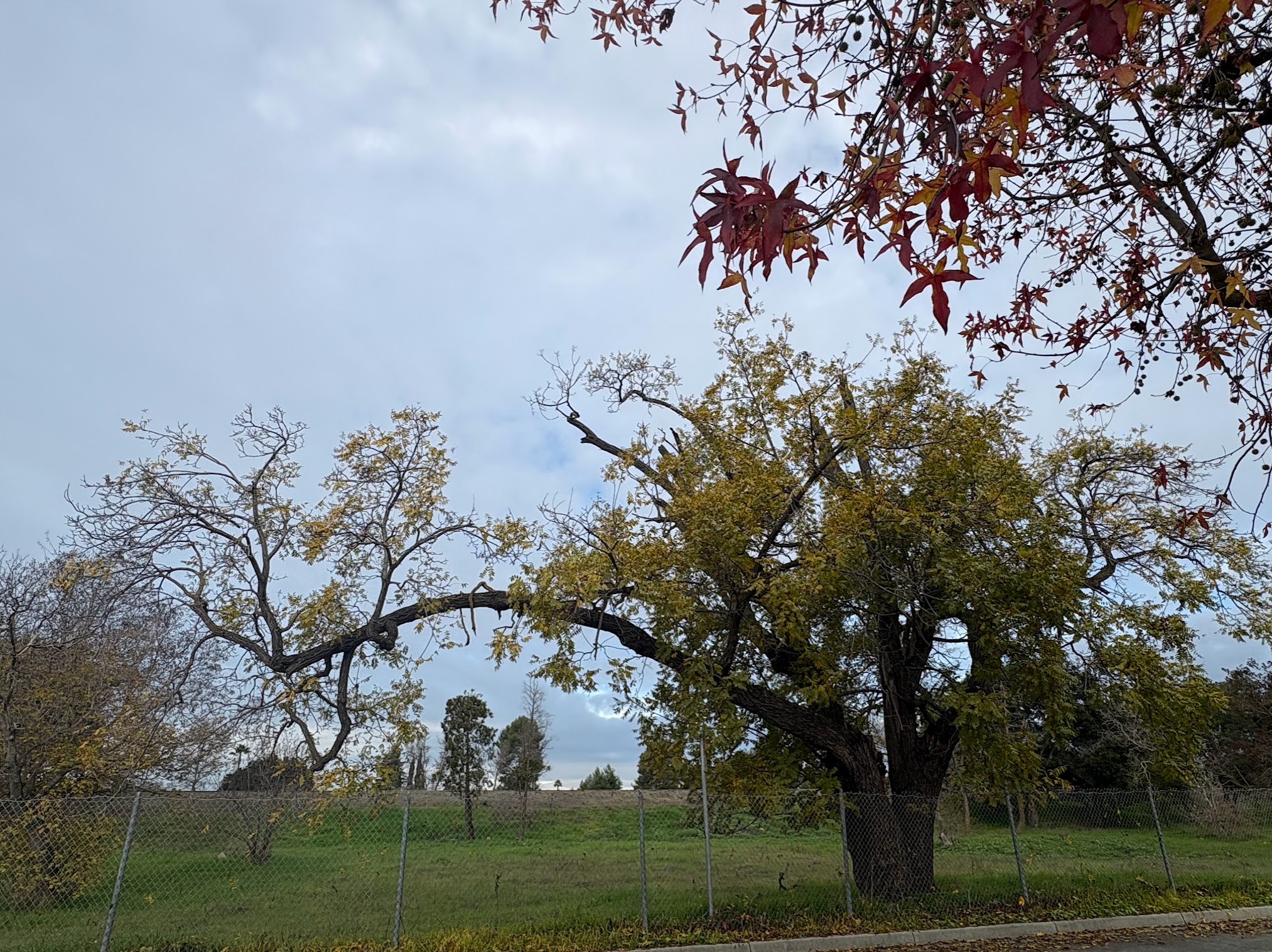
We have all felt the pull of the universe against the warmth of ourselves. At times, the expectations of the outer world seem to be in sync with our inner worlds, and at other times almost discordant. Like the tree whose branches wildly throw themselves into the air – without shape or form, nor any apparent laws of Physics – skewed right, skewed left, center of gravity tilted.

Wild, and yet ensconced safely behind a fence. 

Could that be the human spirit on some days? The pull of society vs solitude. The pull of adventure vs comfort. The pull of this vs that. Here Vs There. 

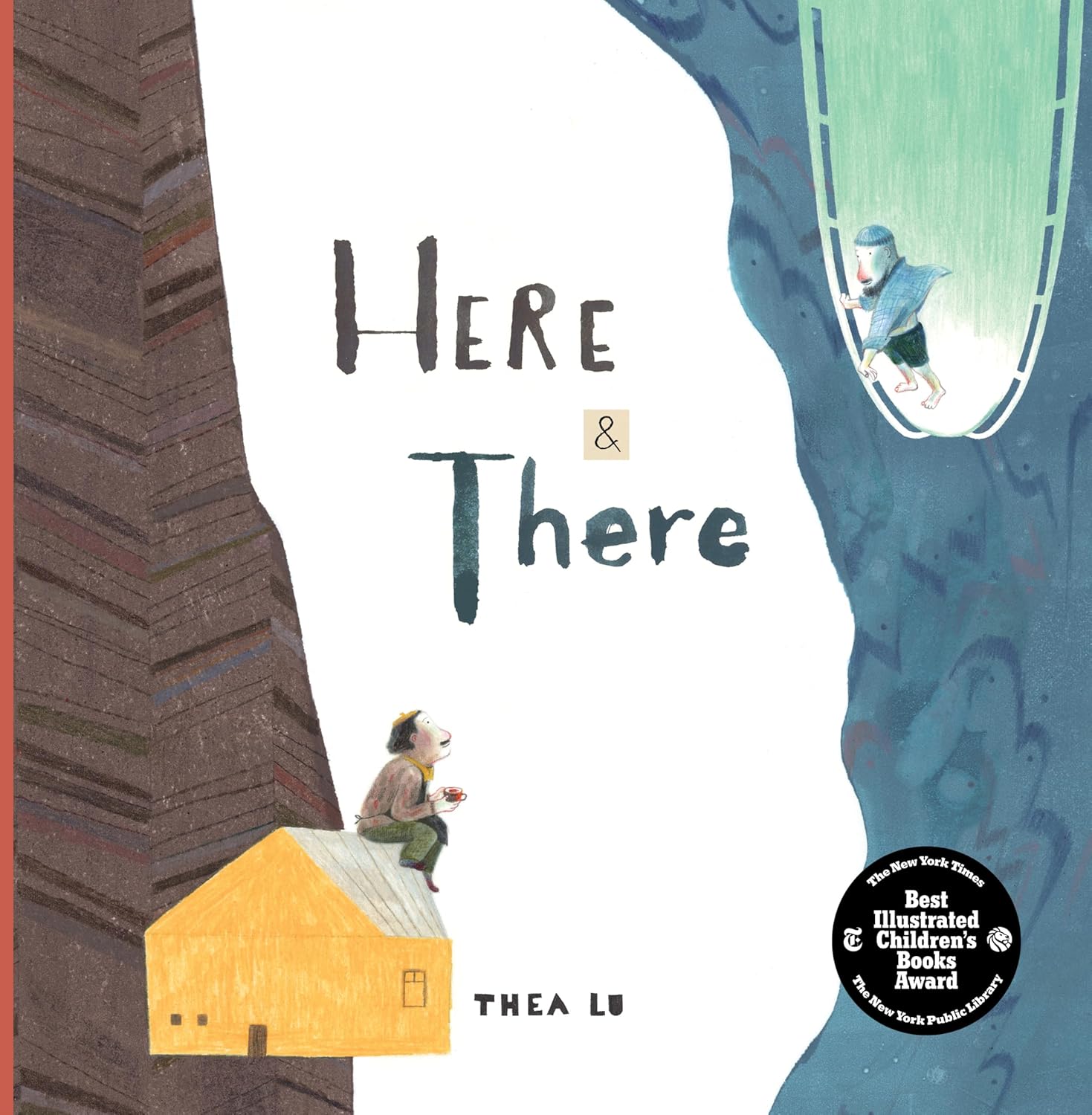
Here & There – By Thea Lu

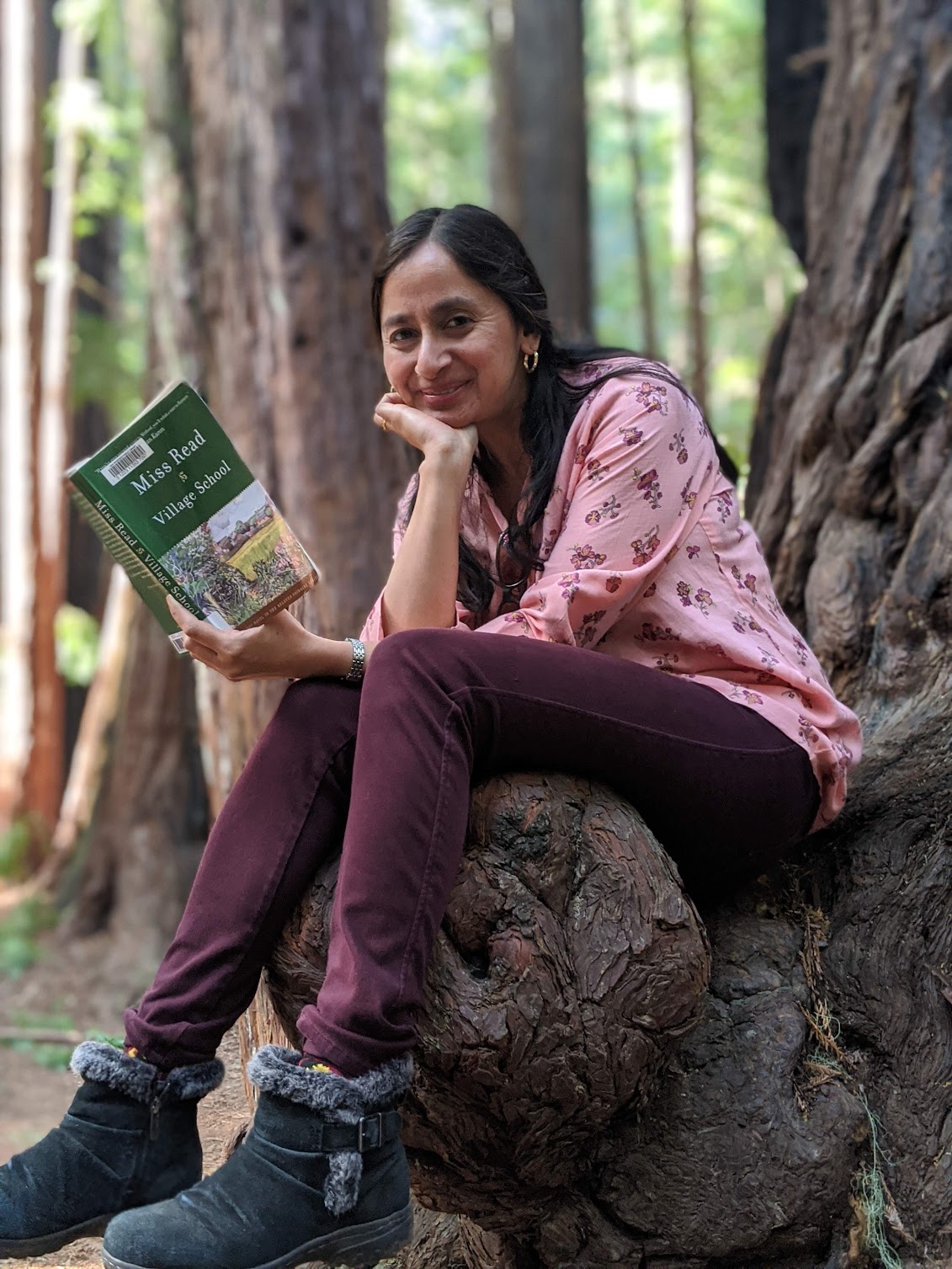
I read this children’s book, Here & There, written by Thea Lu the other day that seemed to encapsulate all these feelings through two different characters who experienced and belonged to this wild Earth in their own contradictory ways bringing home the fact that both our domestic and wild spirits need a home within us. Or maybe that was the interpretation I came up with. Regardless, it addressed a certain yearning for Fernweh – a lure for distant lands – that the holidays seems to awaken in us. A contrast from the cozy comforts of the home and reading by the Christmas tree that the very same holidays beckon one towards.

The book compares and contrasts the lives of Dan and Aki. Dan owns a cafe in a seaside town. He stays there – always welcoming new friends and visitors into his cafe, but firmly rooted in his space. His perspective widening, and mind broadening with every interaction with a stranger. Never once leaving his place of belonging.

Aki, on the other hand, craves travel and adventure. His life is colorful – he meets many people who have become friends during his travels. He has seen volcanoes erupt in the oceans, made friends with migrating whales, and shared a drink with fellow travelers in sea-side cafes. 

It is a beautiful meditation of all the different ways in which we belong. How we can broaden our horizons whether we leave a place or spend all our lives in it. After all, perspective, imagination, empathy are all fantastic human capabilities.

In Praise of Mystery – By Ada Limon, Illustrated by Peter Sis

Another book that I read in the cozy light of the Christmas tree also evoked similar feelings. This book, In Praise of Mystery – by Ada Limon, Illustrated by Peter Sis is a beautiful book about the poem that left Earth in 2024 aboard NASA’s spacecraft, Europa Clipper. Europa is Jupiter’s second moon and is believed to be full of water, similar to our own. So, this probe is meant to investigate the possibility of life on Europa. 

Ada Limon is a poet laureate and it is her poem that is inscribed on Europa Clipper. The book is illustrated by an equally illustrious illustrator. Peter Sis – is a MacArthur Fellow, Hans Christian Anderson prize-winning etc etc.

How it will be read is another question altogether.

This isn’t the first time we have sent our presence out into the universe either. Voyager’s Golden Record contains as many snippets of life as could be managed on the capsule – images, songs, and greetings in 55 languages are on it. Whale song, folk songs from Bulgaria etc.

Hygge Vs Fernweh

The message and book, In Praise of Mystery, speaks to that human yearning to find life outside our own planet. We have been sending probes to see if there is life outside, but here, right here on this beautiful planet, we can spend so much more time appreciating and protecting what we have. Sitting by the twinkling Christmas tree lights, warmed by the hot cocoa that is essential on such occasions, I thought of the world in Europa. It could be thriving or desolate. Cold or warm. The thrill of that extraterrestrial adventure is all very nice, but I was happy to be in my little home by the tree, enjoying the warmths of winter –  Hygge

The human yearning for Hygge & Fernweh can both be there, can’t it?

The Monarchs of Butterflies

Heliotherms & Heliotropes

The sun was shining. The birds were chirping, the leaves were all showing off that they were as good as their east-coast-fall-color relatives. It was all marvelous. So off we went for a week-end walk. 

The husband tried his best to not roll his eyes as I stopped in several places to admire big, fluffy brown and black caterpillars on the trail. “All those butterflies!” I buzzed. “Such darling guardians of the sun, aren’t they?” 

“What now?”

“Butterflies are heliotherms – did you know that? They get their body heat from directly basking in the sun. And isn’t it such a beautiful word? Heliotherms! Heliotherms flitting to Heliotropes for nectar.”

“Are we going to watch them weave their cocoons or shall we head back?” said the husband. 

Monarchs of Caterpillars

I waved to folks in the neighborhood as we passed, the dogs wagged their tails, the cats gave us looks of live-and-let-live. It was all lovely. What I didn’t realize was that it was all about to get much lovelier. I stopped to chat with a friend.

“I am going to give you a gift – it is a milkweed plant!” she said. I couldn’t help smiling at that. 

“Well – I do love that gift!” I gushed,

“They are required for saving the monarch butterflies, you know?”, she said beaming, and getting that smile on her face that meant she was excited to show me something a biophile would appreciate. 

“Yes I remember reading about it a while ago when the numbers of monarch butterflies had dropped. They planted them all along the migration paths to revive their numbers.” 

Monarch Butterflies: Back from the Brink

“Want to see the caterpillars?” she asked me, giving me a look like Christmas had come early. 

“I just saw a few – big fat furry ones there!” I said pointing vaguely in the direction I’d come from. The husband had that look that said – “I’ve had quite enough of caterpillars for the day!”

 “Come and see these. These are the monarch butterfly’s caterpillars, and they are only found on the milkweed plant itself.”

Now, how could I resist? The husband squiggled away – wishing us a wonderful caterpillar viewing session.

I went into my friend’s garden and am I glad I did?! 

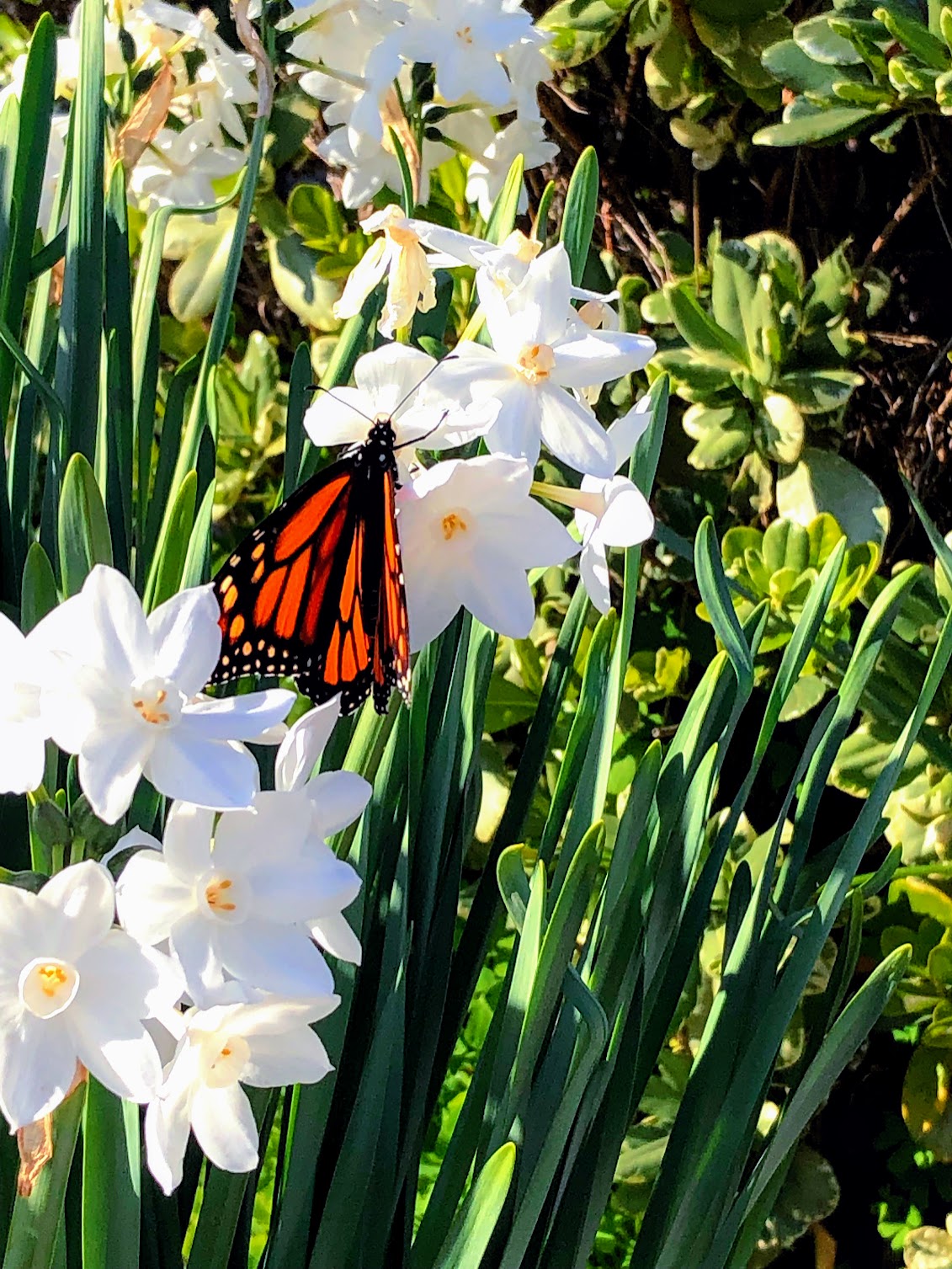
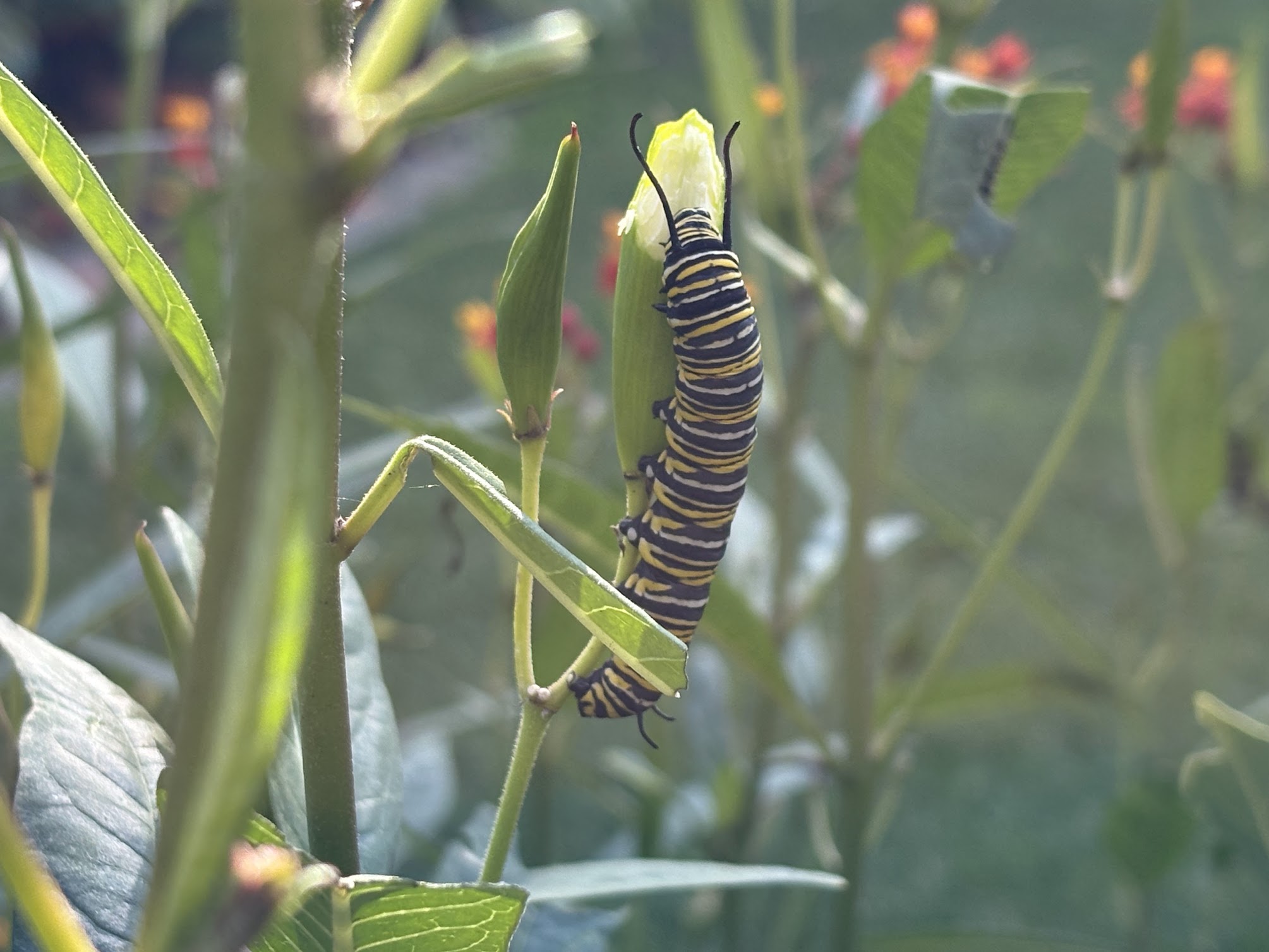
These caterpillars are striped beauties that make you want to sit and admire them all day. Light green, black and yellow, they were squirming and filling themselves on the milkweed plant. Their home looked beautiful in the November sun. Apparently, these caterpillars lived out their entire caterpillar-hood on the milkweed plants. 

A few years ago, I had written an article on the Monarch butterflies – their numbers had been dwindling and the state of California had revived them by growing milkweed plants everywhere along their migration route. I thought it was for the nectar – now, I know it was for the caterpillars to nest and grow a cocoon in too. 

Lepidoperist

When they say transformative like a butterfly, how many ways can it hold meaning? For there are the ones that become butterflies from the woolly variety. I now remember how my children as elementary schoolers loved talking about the caterpillars, cocoons, and butterflies.  The thick brown and black caterpillars produce butterflies too, but the monarch butterflies only come from the green and black striped beauties on milkweed plants. These caterpillars are really the monarchs of butterflies.

What fascinating things lepidopterists study. (One who studies butterflies and moths are called Lepidopterists)

Books: The Girl Who Drew Butterflies: How Maria Merian’s Art Changed Science – Joyce Sidman

Themes of Friendship and Cooperation in Hail Mary

Hail Mary by Andy Weir

We decided to read Hail Mary by Andy Weir in our book club, prior to the movie’s release early next year in 2026. This book proved to be delightful pick for all the different discussions we could have:

There were many fascinating areas in which our discussions went:

The grandeur of microscopic life

The Microscopic Wonders in Hail Mary by Andy Weir

It takes enormous creativity and brilliance to pull off a face-off between his microscopic light warriors that he christens, astrophages, vs taumoeba who are the only known predators of the astrophages. 

Encountering friendly alien-life

Encountering alien life and making it a friendly encounter, instead of the usual fear of an alien takeover is a bold move. As humans, we think of conquering and owning the next available world – so why would aliens be any different? Yet, in this tale, the first Eridian he encounters isn’t antagonistic, simply curious, and our messenger from Earth reciprocates. 

A tale of cosmic cooperation is uplifting and it led us to a wistful wish about having more uplifting literature to read too. Why are we this enamored by war and angst?

Eridian Art & Culture 

The alien-life encountered in the movie comes from a civilization where their planet is enveloped by an atmosphere that is 29 times thicker than the one that protects Earth. This results in a life-form evolving without sight since light is not a viable input source for them. They rely rather heavily on sound.

Of course, for a culture like that, I am curious to hear their music. Will their tonal variations be the same? Can their music encompass the range of hearing of whales and dogs? Or more?

Absence of Light

Towards the end of the book, I couldn’t help wondering how much we would miss light and its effects , if we were to live on a planet like Erid. It isn’t that I have a ritual singing praise to Ra, The Sun God, Surya, etc, but I do love sunlight. Especially the periods of transformation – the sunset and sunrise. Even this evening I sulked unduly because the sun sets so early these days, and I had barely time to close up my laptop when the day was gone. 

We all loved the book, and of course, saw the trailer at the end of it all. The choice of one of my favorite songs, The Sign of the Times, by Harry Styles is already promising.

What do you look forward to in the movie?

The Microscopic Wonders in Hail Mary by Andy Weir

All Things Bright & Beautiful

We have been reading Hail Mary, By Andy Weir, ahead of the movie launch for our book club. I must say it is a fantastic book for discussion: Andy Weir’s astrophages and their taumoeba are microscopic thrillers playing out on the scale of the universe. His hypothesis is solid, the design and procreation for his microscopic protagonists is brilliant. There are so many concepts he introduces – all slowly but surely. The pacing in the book is truly amazing.

Small Wonder

I suppose for beings such as us, who believe in free will, thump our chests on all the great things we can accomplish etc; finding microscopic life is the surest way to humble us. 

https://nourishncherish.org/2020/03/23/fascinating-hidden-worlds/

During the course of the discussions, one of the many things that stood out is how it is we found out about microscopic life. The microscopic world is a marvelous one. Revealed to us 350 years ago by the talented man Antony von LLeuwenhoek. He is often hailed as the Father of Microbiology. 

Read also: Fascinating Hidden Worlds

How did we discover how mitochondria works, how genetics works, and how life can be protected with all its worlds within us? The fact that we contain multitudes has always been fascinating – we have more than 100 trillion microbes in our guts while our Milky Way only presumably contains 100-400 million stars. 

Read also: Good Food Mood

Big Wonder

Speaking of the universe and the many million stars, the book’s premise is that the astronaut from Earth encounters, befriends and teams up with an alien from Planet Erid.  An earthling and an Eridian putting their heads together to solve a problem that is crippling the universe. 

There have been many theories on why we have never encountered alien life before. I remember reading in one of Carl Sagan’s books that the reason may be temporal – meaning there is a progression to advancement in intelligence levels. The intelligence levels at which human beings find themselves, may well be a blip in the universe. We are already quickly evolving past the phase when we were so excited by beaming our rays into the universe, that we may not be excited about finding someone else in our range of intelligence any longer. 

Now considering the different levels of life: microscopic life, multi-celled organisms, animal and plant life enough to sustain ecosystems, evolved intelligent creatures such as humans, advanced intelligence creatures – way past the levels of humans, we can see why finding life on the same scales of intelligence and tool usage is truly a daunting task. Either, civilizations evolved past it, died down, or never got there at all. 

Given this, it is a big wonder that the book tries a premise of intelligent alien life. I suppose the possibility will always remain an exciting one. 

In any case, reading Hail Mary is an interesting exercise in imagination. I am excited to see what the movie does with Rocky the Eridian and how they visualize astrophages & taumoeba. 

I remember singing the hymn ‘All Things Bright & Beautiful’ in school. It is an uplifting hymn with truly beautiful imagery of purple headed mountains and tall trees in the greenwood. Life on Earth is beautiful. Life could be just as beautiful elsewhere. The possibility is exciting.

Have you read Hail Mary, and what are you looking forward to in the movie?

Hail Mary & The Martian: Potato Love

As part of our book club, we decided to take up interplanetary themed works by Andy Weir. Hail Mary releases next year in March, and it seemed like a really cool idea to get a little astrophage love beforehand. 

So, we started off with Martian, watched the movie, then moved on to read Hail Mary. 

This led to many interesting outcomes. The first was more primal in nature. 

🥔The scenes where the protagonist, Mark Watney set up and farmed potatoes on Mars, appealed to all of us. Far fetched, but so is almost everything humanity has achieved up to this point isn’t it? Who doesn’t love to see a little potato pant sprout in a red and dusty planet?

We developed a new appreciation for potatoes and all the ways in which we make it. Poori sagu, potato fry, kaara curry, mashed potatoes, baked potatoes, dum aloo, french fries, potato chips, hash browns, cream of potato soup. 

Every time I pick up a potato these days, I gaze at it with awe. The other day, I watched a little sprout from one of it’s eyes, and the son gave me an eyeroll. 

“If potatoes could save medieval Europe from starvation, they could do anything, couldn’t they?”

“Yes – I love this new honey roasted szechuan style potato that you made for me the other day, so I can’t really complain about this new potato love can I?” said the wise fellow, and I laughed. Honey roasted s.style potatoes it is.

🧑‍🚀One of the many things that occurred to me as I was reading the Martian book was to see which of my friends were best suited for the different roles in the book. Who would be best suited for Mark Watney (not as a replacement for Matt Daemon of course!), but from an engineering and problem solving perspective. I am an engineer, and am surrounded by engineer friends after all. Who would be the best Dr Venkat Kapoor driving things from the NASA side? Who would be the scientist diplomat who works with the Chinese team? Fascinating exercise. 

👭One of the many things I liked about the book is how Andy Weir goes out of his way to show the bond between the astronauts on the Martian crew. Selecting a top notch team is a hard enough task without having to consider the effect they would each have on the other in a closed space for extended periods of time. What psychological tests must they have to figure out friendship, respect, and trust among the crew after/before all the obvious things related to technical competency are taken care of? 

💫Let me play a song I said the day after we watched the Martian movie. The son groaned. “No – I want something fun – not melodious today.’ he said. 

“I think you’ll like this one!’ I said with a confidence that stems from knowing the pull of the cosmos on the son’s psyche. 

There’s a starman waiting in the skies.” David Bowie’s song filled the car and the pair of us bobbed to it startling folks in neighboring cars at rush-time.  

I already like the song by Harry Styles in the Hail Mary trailer. It’s one we listen to often. “Stop your crying it’s a sign of the times

The movie, Hail Mary, is slated for release in Mar 2026, and we are looking forward among other things to see how the Eridian, Rocky will be visualised. Any of you looking forward to the movie?

Also, what did you think of the Martian book and movie?

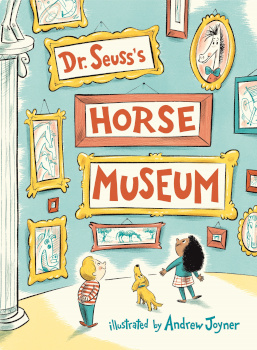
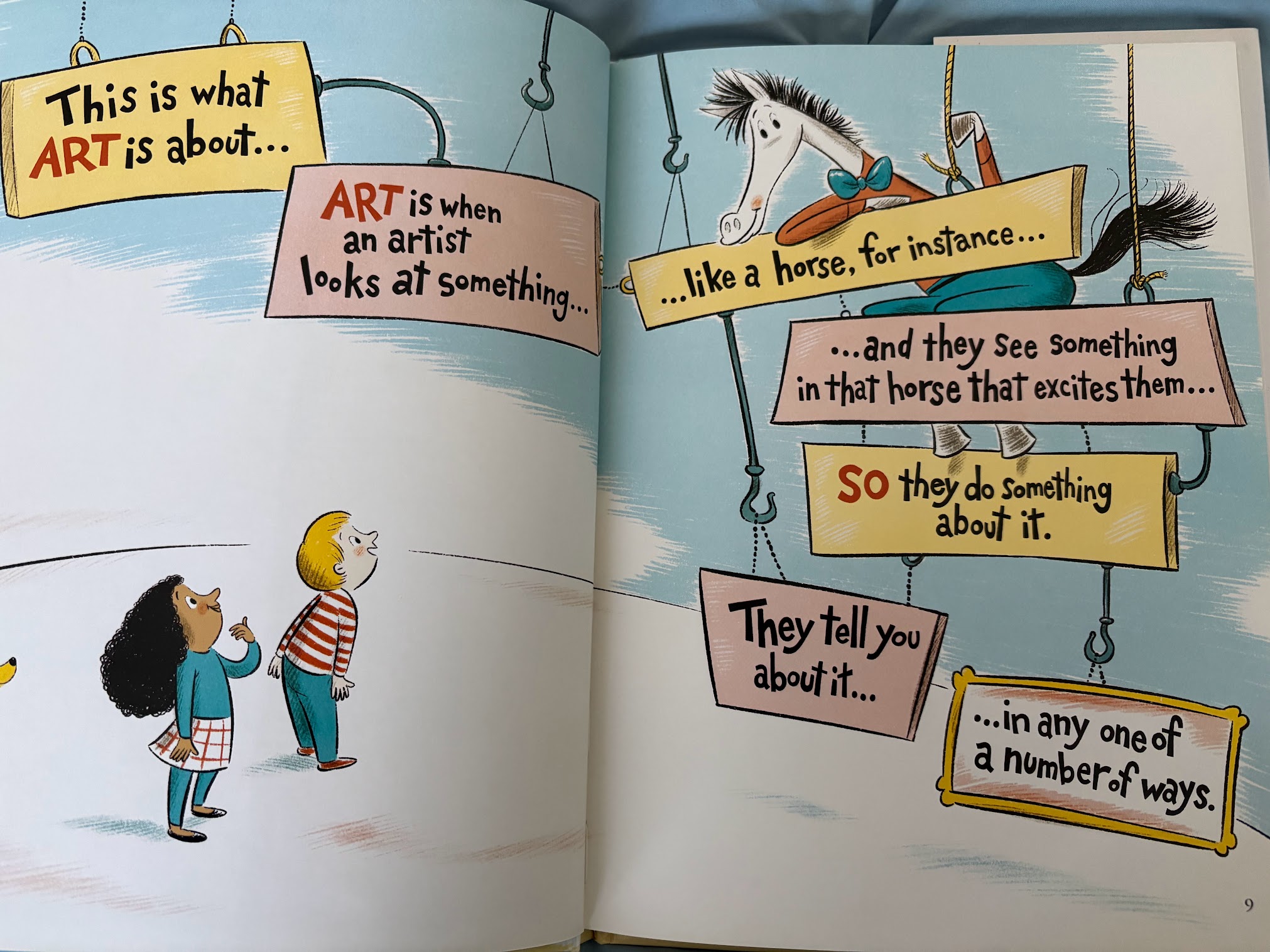
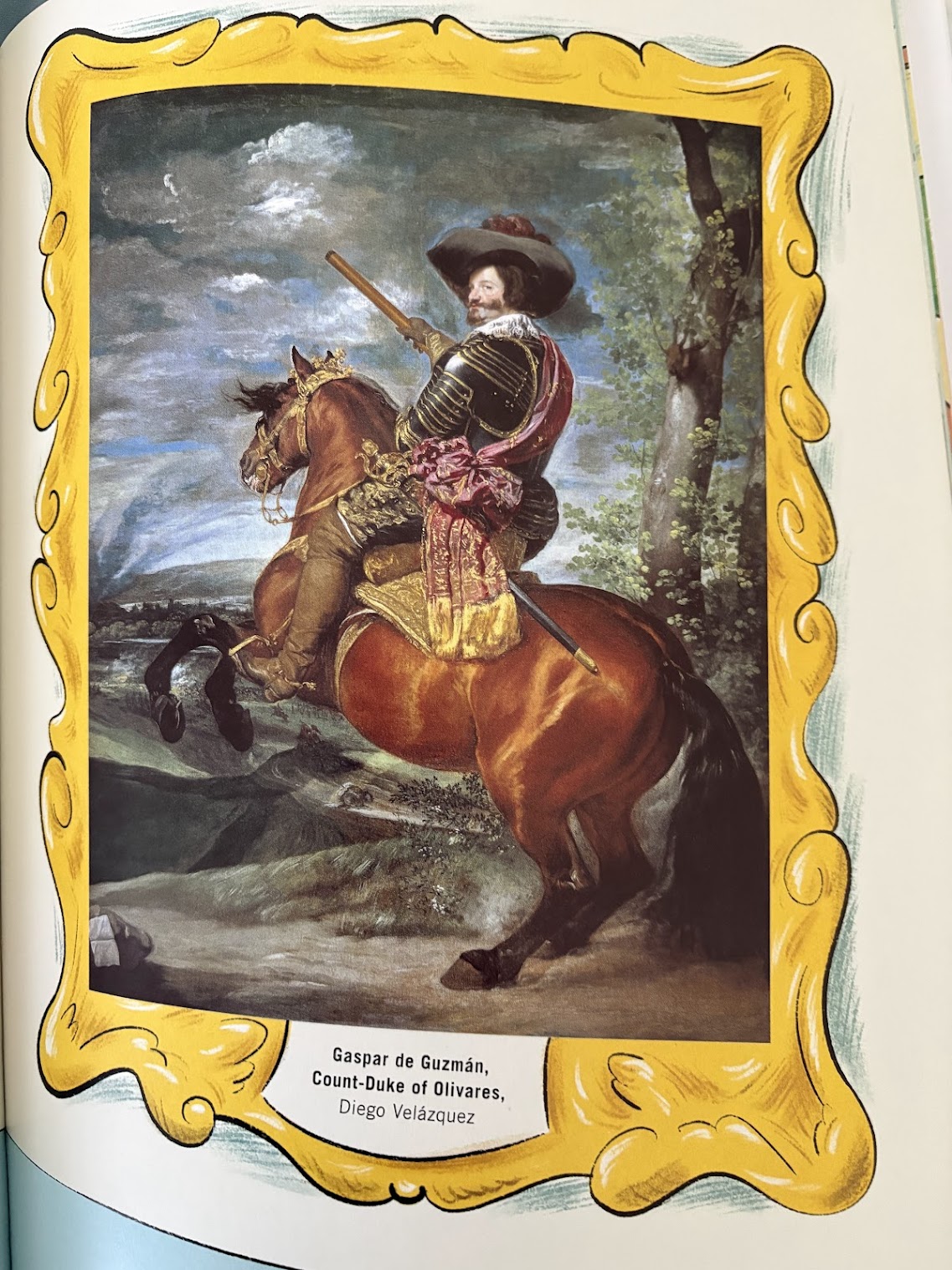
Bring in the Horses!

“We live in capitalism. Its power seems inescapable. So did the divine right of kings. Any human power can be resisted and changed by human beings. Resistance and change often begin in art, and very often in our art, the art of words.”

Ursula K. Le Guin

What will we fill our heads with?

This is an oft remembered quote for me. Every time I see patterns of behavior that I hope will be changed for humanity’s arc, I think of this. Sometimes, in order for things to change, it has to reach levels of intolerable.

Maybe that is where the attention industry will reach, and it this feeling of overwhelm that will herald in a new system of reward.

We had our hands full with survival in humanity’s infancy,  
   we filled our heads with myths and legends of heroism, superhuman strength, superhuman abilities.

We evolved and figured out ways of relatively sustainable food sources, 
   we filled our heads with epics, art, and music.

We figured out mass production,
   we  filled our heads with science fiction and fantasy seeking out other planets, other environments.

We figured out how to amass our thoughts and search/retrieve with ease, 
   we filled our heads with social media.

We are figuring out meta-cognition,
   what will we fill our heads with then?

Some days it isn’t the woodpecker who brings on the musing. It is the memory of a gas station.

The gas-station quandary

I had stopped the other day at a gas station (for gas – the clarification is necessary. These days we can stop at gas stations for milk, chips, entertainment and so much more) . Now, I don’t know about you, but I usually like to see the steady increase in the gas the tank is taking in. 12.00, 12.11, 12.12, 12.13, 12.14, 12.14, 12.15, 12.16.

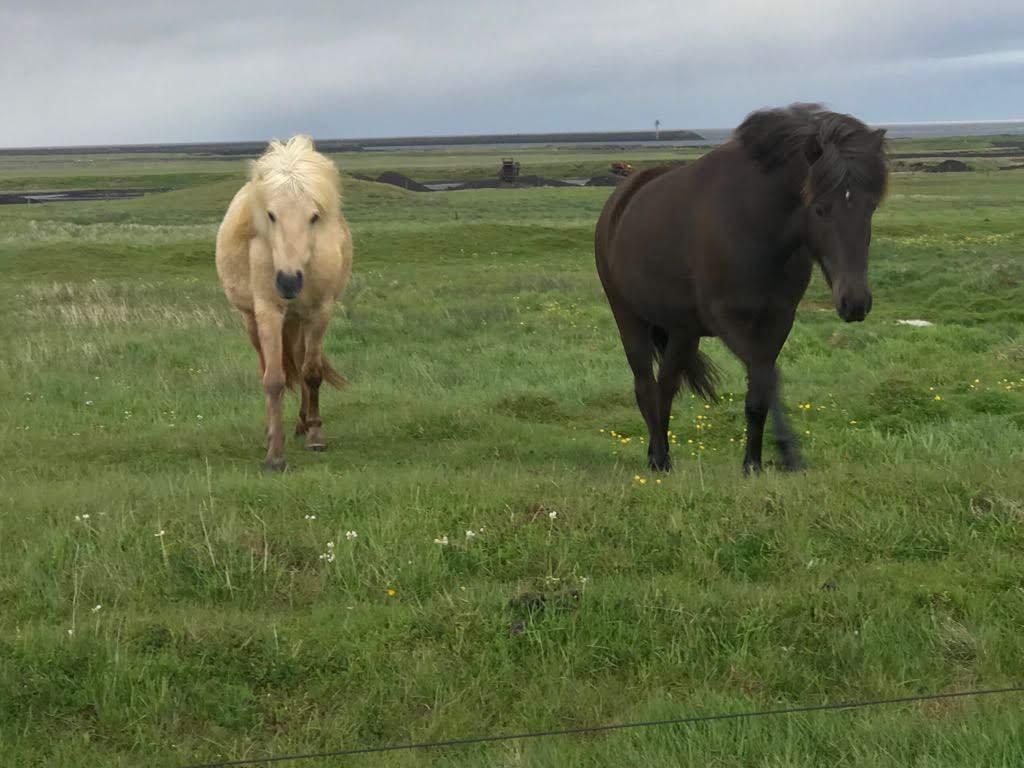
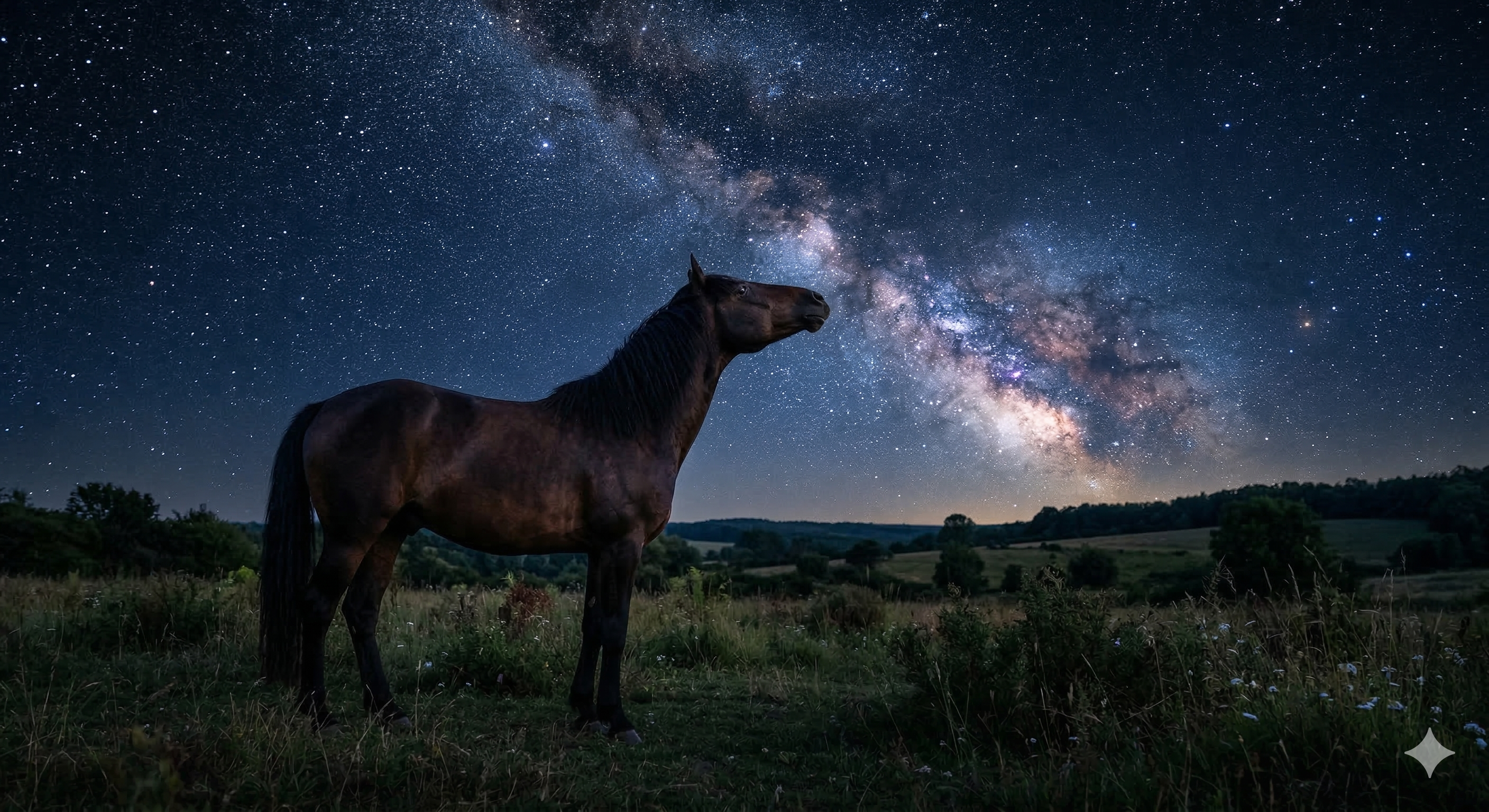
A smile on my face when I see our car gulp in the gas like it’s a thirsty horse after a long run. The silly comparison makes me cringe a little, yes, but then I had seen a few horses trot in their pasture once just before stopping to fill gas, and often when the mind wanders at a gas station, I think of these chestnut beauties throwing their manes back and feeling the breeze.

But the other day, my attention was pulled towards a screen perched over the meter showing me advertisements on what they think should occupy my attention for the three minutes I was there. Combined with all the flashing billboards, and the moving screens, and the flashing games mobile phones are full off, I felt off-kilter. 

How did we get here? 

When did attention become such an important commodity that we sacrifice almost everything at its altar? Peace, quiet, steady study, calm, concerted effort – everything giving way to drama, loudness, frenzied movement, and quick reward systems. 

What can be done so that the opposite is rewarded again? For it is clear we are driven by reward. 

Can there be a small quiet reward to our brain when we quieten a loud intrusive distraction? 

Bring in the horses

I smiled at that. “Monkey brain!”, I chided myself. Though I have to admit, I am not sure what the attention span of monkeys are. I hope monkey mothers are not yelling at their children as we speak – “Human-brain! Distracted all the time. Swing. Leap. Onward and forward!”

I forced myself to bring in the mental image of the horses I had seen all those years ago before getting to a gas station, and they came. Reluctantly at first. CNN was asking me to get affronted about something, and thoughts of monkeys and horses could not pull me away easily. But they finally did. They cantered into the mind’s eye, like William Wordsworth swaying daffodils, and the brain quietened down. The green pastures the horses trotted in bursting with flowers, and I felt a calm. By the time I pulled out of the gas station, I had needed help from a menagerie to pluck my attention.

What would it take to become focused on something so beautiful and deep, that nothing matters?

How many of you are flibberty-gibbets? What would the social order be to reward that and what would be incentive enough to disrupt our current trend?

Exploring The Anthropocene: Life Between Cosmic Events

The Anthropocene by John Green

In the book, The Anthropocene by John Green, there is an essay in which he he mentions Mark Twain’s life being sandwiched between the two appearances of Halley’s Comet 76 years apart. He was born the year it was born, and he wrote famously the year before his death that he hoped to go out with it, and he did.

When I read that the first time, I felt sorry for him. He was born in 1835, and died the day after its perihelion in 1910. I hope he got to see the second occurrence. Imagine being alive for 2 appearances and not being able to see them both times. I suppose there is a poetic beauty to being born and dying between the spectacular cosmic events. But then, plenty of people did not see Halley’s comet even when it was visible in their lifetimes, so what’s the big deal?

Halley’s Comet

I remember being excited about Halley’s Comet in 1986. I was thrilled at being included in the viewing party – it was for my older sister’s classmates, and they had agreed to let her little sister tag along. 

I remember peering through the telescope. I cannot say with any conviction that I remember the comet itself. Some blurry recollection is all that remains. But the feeling of the evening remains. The excitement at being included in an elite group of senior students, the protective aura of having my older sister and her friends look out for me, and the cold temperatures of the night. That cup of Bournvita before bed was enough. 

Astrophilia

Nights and stars seem to have similar experiences ever since. The feeling more important than the viewing itself. For a star is a star. A celestial object – a celestial object – nothing more. Yet spectacular enough to be other-worldly. To tap into the possibilities of a vast universe. 

One night, we were out looking for a star system, Delta Cep in the Cepheus constellation, and I could not help wondering what their Delta-rise and Delta-set looked like on the planets in that star system. Did they have moons beaming the reflected lights of the stars to them? Were there any microscopic creatures willing its way into rudimentary life? Life seems to be so hardy and resilient and willing to thrive, it seems a little surprising that we have yet to discover traces of life elsewhere. 

The Martian by Andy Weir

We were reading The Martian by Andy Weir for our book club, and thoughts of life elsewhere held all the more appeal. One only had to peer at the way weeds take root and crack through pavements, to see how resilient life can be. (It is another matter altogether that the plants I do try to grow on purpose seem to fizzle out on me, and routinely droop and call it a day, but that is a post for another day. ) 

In any case, it got us all thinking about all the things that enabled a planet full of sentient life, and how we sometimes forget to marvel at the sheer beauty of it. Wrapped up in our worries, anxieties, and livelihoods. 

The son is doing a science experiment in which they are experimenting to see how microbial colonies develop in  slice of bread under different conditions. In a fit of whimsy, he spoke and sang to the bread (gave it lectures on George Washington – his latest obsession, sang a Hamilton song) – to get the microbes on the slice, and has placed them in airtight containers in different conditions throughout the kitchen – in the dark, in perpetual light, and in freezing cold conditions. It will be interesting to see where life can thrive. 

That life had a starter kit is miracle enough, but the fact that it thrived enough to produce the kind of beings we find on this planet is astounding, and, yet, we forget it everyday. 

We are reminded periodically about the miracle of our lives through celestial objects, meteorites, the beauty of a full moon, the blooming of the kurinji flowers every 12 years, the cicadas coming to life every 17 years and so on. Still we forget. We forget to stop and marvel. We forget to stop and think.

The book of essays in The Anthropocene Reviewed by John Green is an interesting read. For it each is an essay about a different topic – short but through provoking. Covid-19, geese, Halley’s comet. Combined with the kind of scientific and regimented problem solving that a book like Martian makes you think about, the possibilities to keep oneself occupied is manifold – like the possibility of life itself.

Creation Myths: Nature’s Narrative

The Power of Belief

The world was swirling in activity, news, festivities, events. The world felt turbulent, swift, and equal parts joyous and worrisome.

The Navarathri festival meant that all versions of the festival were being celebrated – there were Durga pujos, Garba and Dandia dance events, golu, bommala koluvu. All in all, it was a week wrapped in the surreal – creation myths, war legends, female power. Most old cultures have versions of these – and if it takes festivities to remember the good old good-vs-evil arcs, and the figurines of goddesses to remind us of the righteous power women hold within themselves, so be it.

In some ways, it was a welcome distraction from the doom-and-gloom of news cycles. It was as if we could build a dichotomy of spirit within us.

Serene Solitude

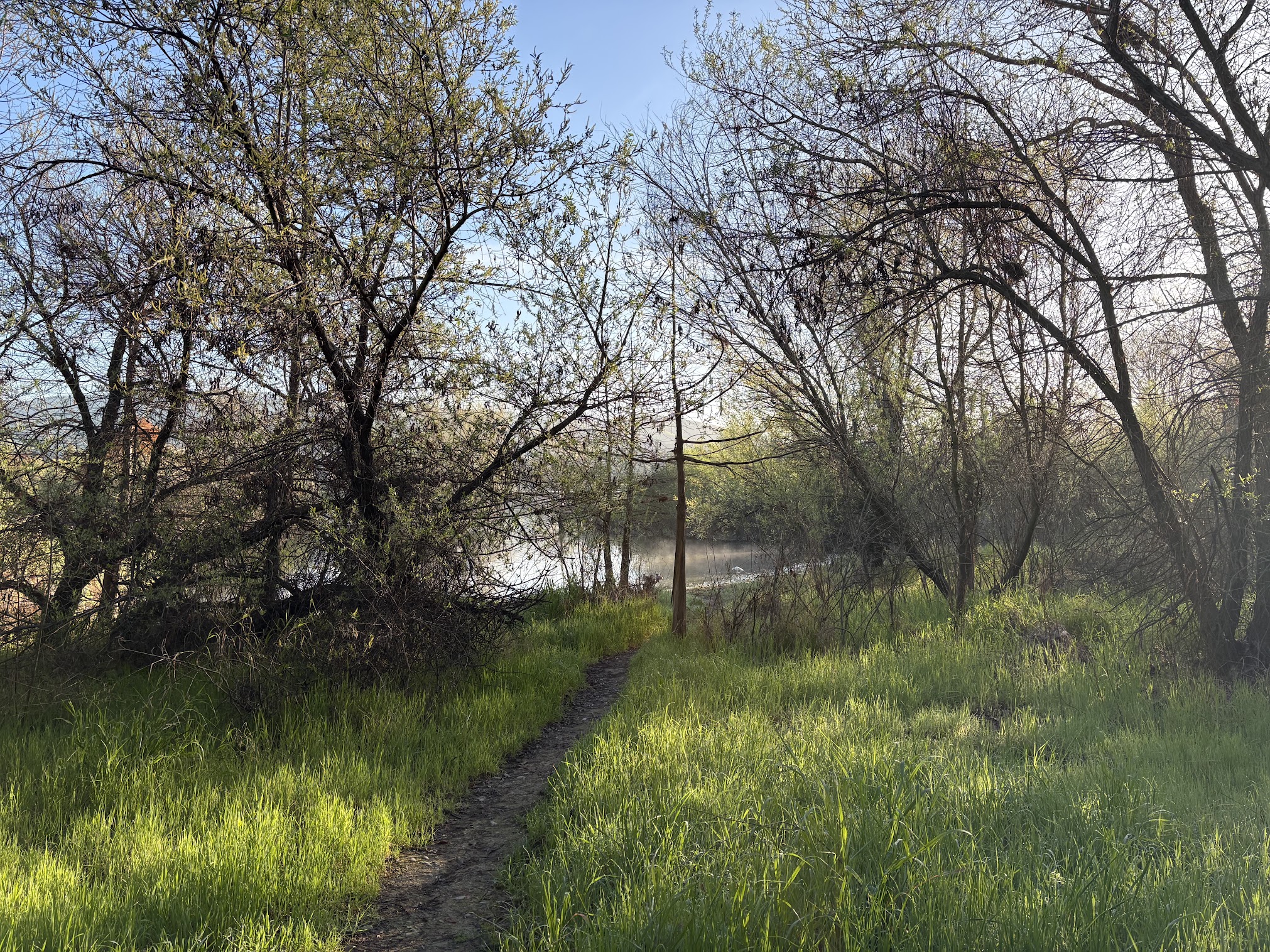
Come Sunday evening I craved for some solitude, and nature too, to round out the craving for peace. So, off I went with my bicycle, into the cycling trail nearby. It was tough going – all that festive food sloshing inside of me. Made me feel heavier and more sluggish than usual. But the trail is magic – it seems to lead, with each pedal stroke, to a place of peace.

It was nearing dusk, and the birds had started their journeys home. I stopped every now and then to take pictures of beautiful sights that took my fancy. Deer and goats grazing, a hare (I couldn’t get a picture) running so quickly it startled me, pelicans lifting their incredible frames into the air with grace and ease (They did not eat puliodare over the week-end, but even so), kestrels soaring, squirrels daring themselves to see if they can make it across the bike path (I swear these little rascals wait till the last minute to scuttle across – a thrilling game for them for sure, but enough to scare rice-sodden slower-than-normal reflexes bike riders), the small birds (finches, blackbirds, wrens – all making a racket as they prepared for downtime). It had been a particularly hot week too, and I could see the relief of the cooling temperatures in my fellow beings.

The AT-CG Creation Dance

It was as I stopped to gulp some cool water – deep and slow, that I noticed the deer gazing at me. I have written about the gaze of a deer before. I shall write again. All the poets and writers when they write about unending universes in eyes, this is what they mean. It is possible to gaze deep into those big, round eyes. The goats eyes have a different quality to them – their pupils being rectangular appeals to the human mind differently altogether from a round, large pupil shape. Could that be social conditioning too?

It made me think about our genetic makeup, evolution, and all the creation myths. I could understand why every ancient culture and civilization had creation myths. I wonder whether whales have their version of creation myths in their repertoire. If they do, I’d love to hear it.

I stood there warmed by the deer’s gaze, the bird sound, and the gentle breeze around me. How was it possible that all these marvelous creatures I had seen today were variants of adenine, thymine, cytosine, and guanine?

We need a nice simple beautiful creation story with AT-CG that can round out the beautiful repertoire we have the world over. A goddess seated on a lotus from the AT-CG DNA, a multi-headed god whose genetic composition had mutated differently and went on to use that mutation to create a whole planet of marvelous creatures.

Full of beautiful images of nature, man-made images of golu decor, and a head refreshed, I pedaled back to the house. The pink skies were turning purple and grey, and it would soon turn dark. Another phenomenon that gave rise to so many legends till we understood Earth, and our miniscule place in the Universe.

I heaved a grateful sigh, breathing in the fresh air, and taking a gulp of fresh water before heading inside.

The Old Man with a Dog

The Old Man With a Dog

“You know that old man with a dog? He spoke to me the other day, I was pleasantly surprised by what an interesting conversation it turned out to be.” said the husband, sounding impressed. 

I nodded, adding, “I read an article that hit this problem on the head: It is the fact that we truly become invisible as we age.” 

I hastened to explain as we leaped past the nightly sprinklers that had started up. The horologist’s gleaming success – timed sprinklers. Anyway. “Our achievements, our agility, or even our experiences fade to the background. You become that old man with a dog. He could have been a scientist in a space program, or a high-ranking official in some administrative service, a doctor, or a professor/teacher. But none of that matters – a true lesson in time and humility and all of that.”

The husband looked thoughful, and I waited. 

“Yes – I always only had the time for a hello, and a how-are-you. Never really stopped to talk to him.”

aging

On the way from somewhere to something

I nodded. We all do the same. On the way from somewhere to something. 

From there, our conversation went on to how we may, in our times, in our awesome ways, not fall into the same traps. 

Except that we will. 

We already do. 

“Old age is always fifteen years older than I am.”

– Oliver Wendell Holmes

We may even be hastening and accelerating towards it just like we accelerated and hastened towards everything in life. It is why we feel the sting when we don’t understand the emoji-lingo anymore. It is why we feel bewildered, and scramble to understand when a new career path we’ve never heard of before, comes up for discussions by the younger ones in our lives. 

Gerascophobia is real.

Aging brings with it frailty. 

Failing health means a fall from the bed after an afternoon nap, or the unexpected reaction to a medication. Somehow, life manages to strip everything away from us.  Degrees, achievements, resumes – everything whittles down to blood pressure and blood sugar readings.

“It’s paradoxical that the idea of living a long life appeals to everyone, but the idea of getting old doesn’t appeal to anyone.”

– Andy Rooney

So, how may we stay relevant? 

A few people in my parent’s generation still retain the spark. They work towards spreading cheer, being loved and loving, and retaining their intellectual curiosity in ways that means they have defied age in a way. They are the ones who still bring a smile to our faces when we think of them. It seems like a simple thing to do, but it isn’t.

Maybe that is the change in life’s purpose. Learning to cultivate joy in the small moments, so we may remember to be happy when invisibility hits, when loneliness hits, or when health fails. 

“There is a fountain of youth: it is your mind, your talents, the creativity you bring to your life and the lives of people you love. When you learn to tap this source, you will truly have defeated age.” – Sophia Loren

Humans of New York kind of initiatives show us the stories behind everyone.

P.S: The article ( I truly wish I had saved the link, but I didn’t. So, if someone knows the article I am referring to, please let me know, and I shall link it here. ) was a well-written one that had me nodding in several places.

Read Also: Toby Turtle’s Lessons on Life – Nourish-n-Cherish

The Significance of Full Moon Names

Mooning About

“Come on! You need a light jacket, but we aren’t going very far.”

“I know we are going to see the moon! But can’t we just for a few minutes and then we can see it from here? Instead of going around the bend, and behind the trees, and through the gap in the houses on that lane?” 

“Yes I know. But if you wait a bit, you’ll see the silver moon, if you come now and dance through everything you just said, we’ll see a golden moon!” I shivered a bit at what was waiting for us at the end of the street. Even though I had just seen it.

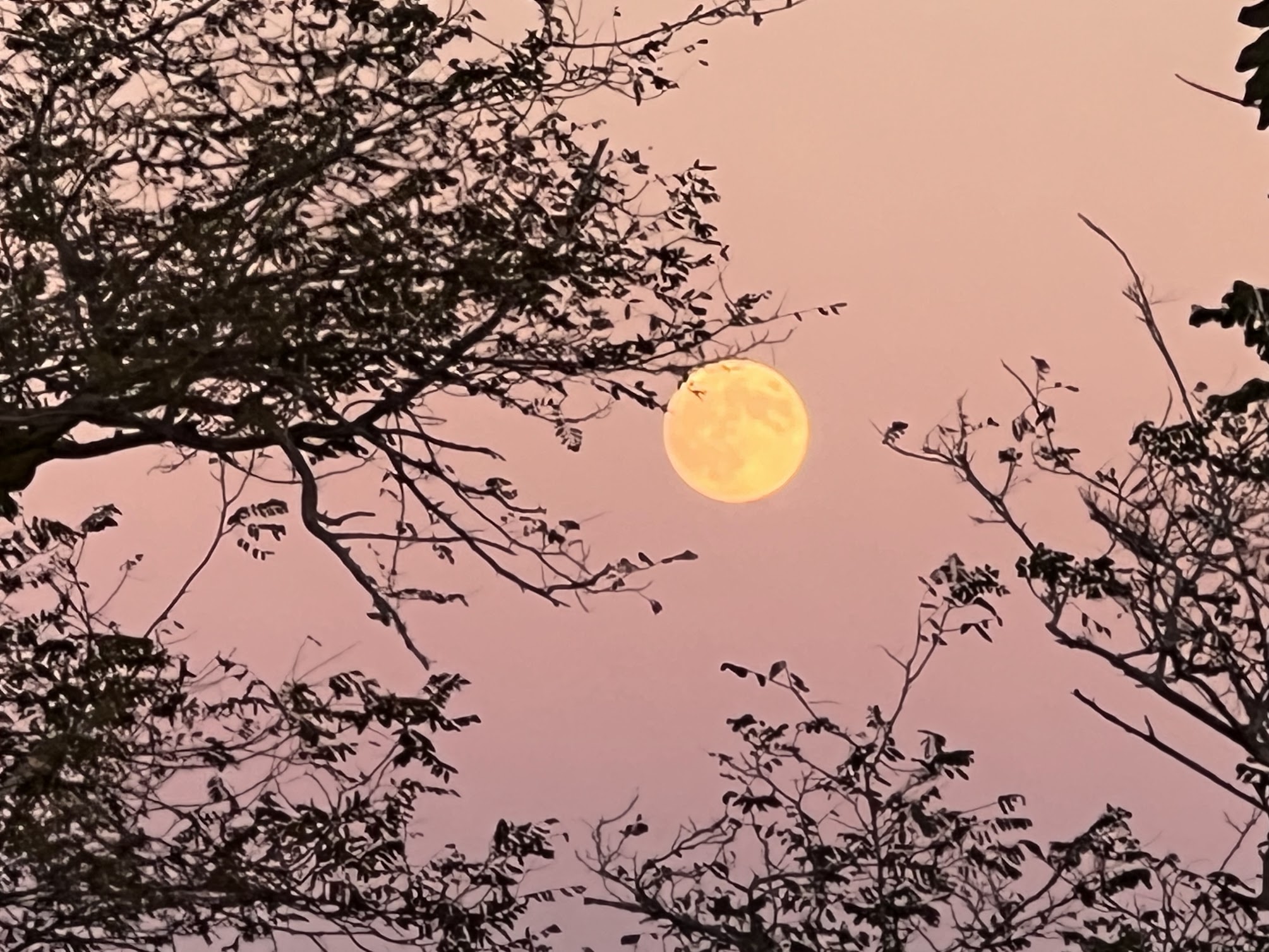
“Oh wow!” the words were yanked out of the son’s mouth before he could stop himself. I understood that feeling. A golden full moon on a cool summer evening is truly mesmerizing. 

We stood there for a few moments just drinking in the magic from the golden moonlight. “Want to go for a short walk just looking at the moon?” I asked, and he nodded, not willing to pull his gaze away from the mystical golden orb. So, we meandered through the streets, our necks upturned towards the magic of the skies instead of looking where we were going. 

We entered the house, shining like full moons ourselves, a few minutes later,  flushed with the cool air and the luminous light of the full moon.

“We’ve been mooning about outside. Get it? Get it?” I said to the husband who had a slightly exasperated look on his face.

Oooo wwww ooooo!

“Oooo wwww ooooo!” Werewolf! Full moon tonight!” I said, and the pair of them rolled their eyes.

But that got me thinking, why was the January full moon called the Wolf Moon and the July full moon called the Buck Moon?

It turns out Gemini is just the thing to ask. So, here you go, fellow selenophiles!

Full Moon Trivia

  • January: Wolf Moon, named for the howling of wolves often heard during this cold month.
  • February: Snow Moon, reflecting the heavy snowfall often associated with this month. 
  • March: Worm Moon, named for the earthworms that emerge as the ground thaws.
  • April: Pink Moon, named for the pink wildflowers that bloom in North America.
  • May: Flower Moon, celebrating the blooming of flowers. 
  • June: Strawberry Moon, marking the time of strawberry harvest. 
  • July: Buck Moon, named for the new antlers that begin to grow on male deer. 
  • August: Sturgeon Moon, named for the sturgeon fish that are most readily caught in the Great Lakes. 
  • September: Corn Moon or Harvest Moon, marking the time of corn harvest and the start of the fall harvest season. 
  • October: Hunter’s Moon, a time for hunting before winter sets in. 
  • November: Beaver Moon, when beavers begin to prepare for winter by building dams.
  • December: Cold Moon, reflecting the cold winter temperatures.