The Gravitas of Governance

The Paradox of Fame

We were in Washington D C – traveling on spring break.

Like the son said one morning as we legged it from the Senator Hart Building to the Capitol Building for a tour, “Anyone on this street could be an important person huh? A senator, judge, lawyer!” 
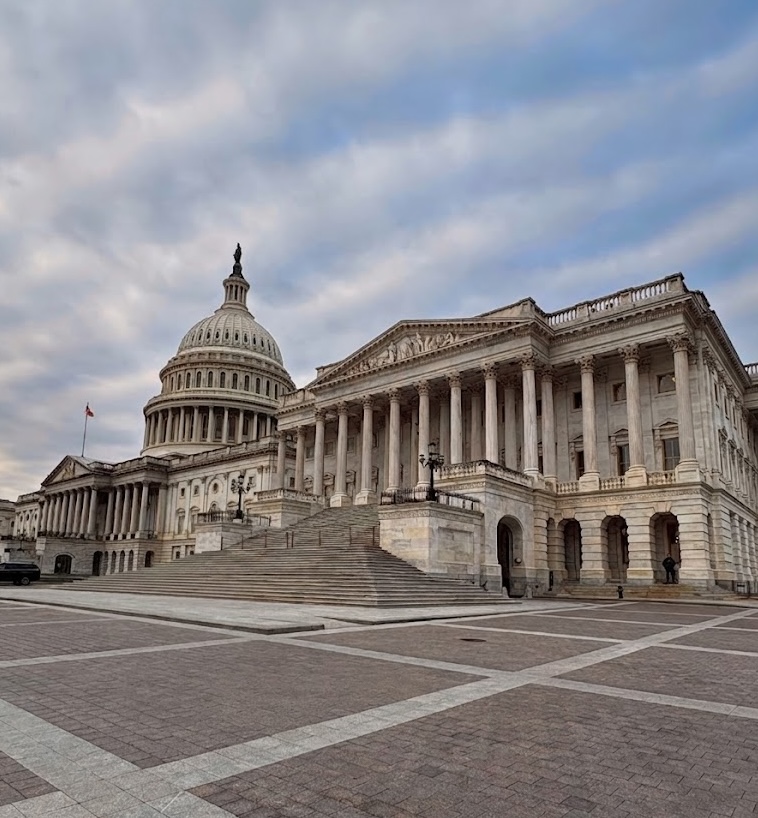
I paused at this – this was true. That guy shoveling a bagel into his mouth could be representing a state in the senate. That man, with an important looking suit and tie, and a crooked nose, could be working on the next piece of legislation. That woman with the heels could be presenting something today. 

Some of these folks were famous even. We just didn’t seem to know them. Huh? That is an interesting perspective of fame isn’t it? You can be thoroughly famous and yet be in the company of somebody who has never heard of you. Maybe we should ask a famous person what they think of this particular paradox. Does it seem freeing, or does it hurt their ego? Even if the answer completely depends on the person and their development/maturity in life, it would be lovely to explore this angle.

“Ma! Come! We’re going to miss the signal!” The son said, and we bustled off too. 

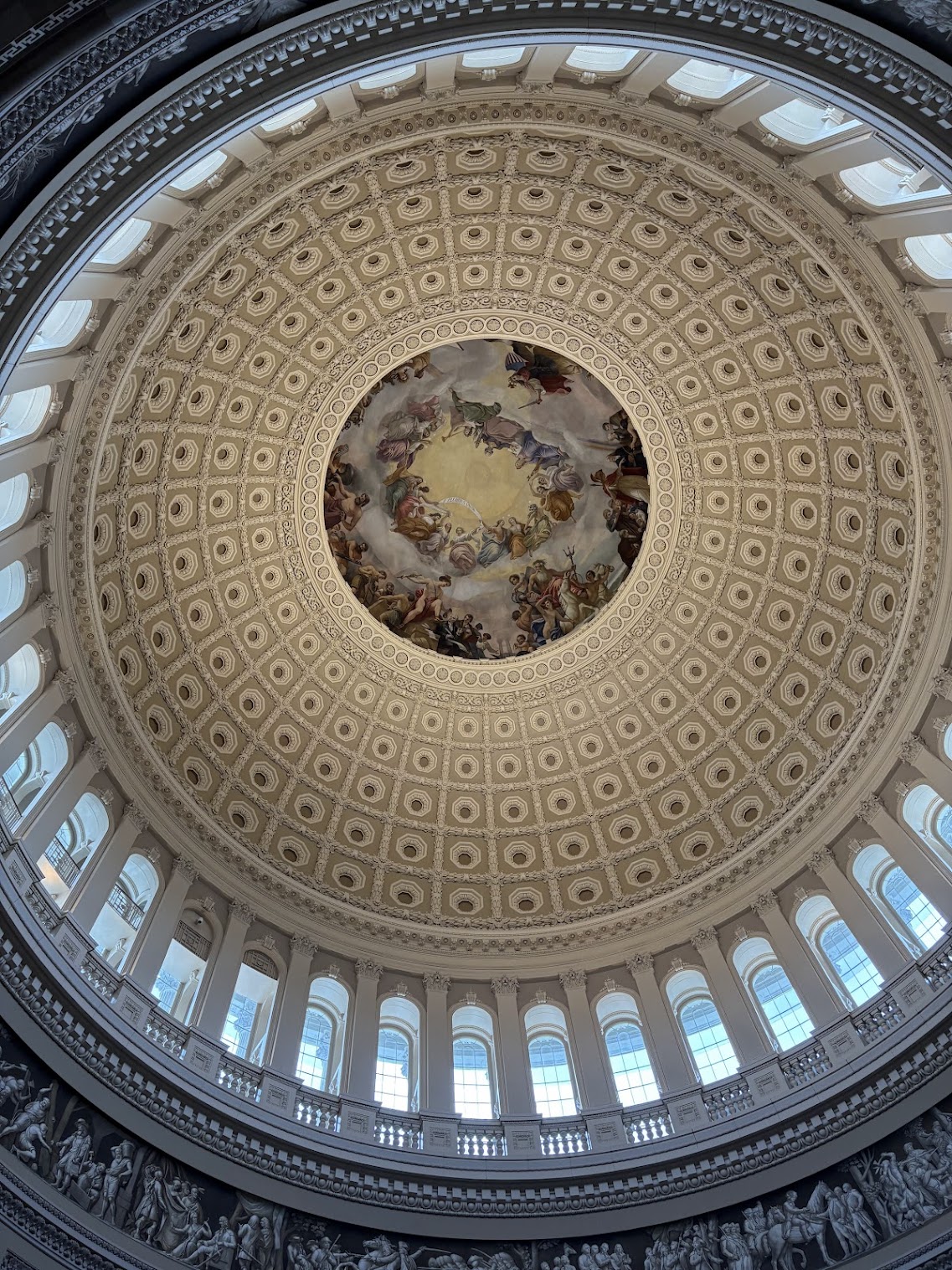
The Capitol Building

Later in the day, after the Capitol building tour, we were in line waiting to watch the House of Representatives and Senate in action. This, arguably, was the most exciting part of the day for the son, who likes the sort of thing that I tend to glaze over. Like what percentage of votes guaranteed a motion, or whatever it is that excites all those suit-wearing folks we had seen bustling to and fro in the morning. 
 

Wynken, Blynken & Nod

“Let’s go! “ The doors had opened, and we were being ushered into the House of Representatives to watch the session in action. I do not know what I had been expecting. But it was not what I was seeing. That much was clear.

We watched folks socialize and make small talk for quite some time. Were they showing each other pictures of their grandkids? Then, the session started, and at first, the son & I thought we were in on a joke. The updates from one state included the baseball high school league that had a good season? Fascinating? Yes. Informational? Depends on the kind of information that excites you. Stimulating? NO. 

A few more updates like this, and I was nodding off. I may have dreamt of penguins, but it could have been the pictures I saw on instagram before heading into the House of Representatives. After some time, the penguin grew a bony hand and nudged me deep. I jolted awake. There was a person who was somewhat passionately talking about the ICE, and the son thought it might be more interesting than the baseball updates.

We had a somewhat more fruitful senate session. In both the House of Representatives and the Senate, the only person who showed any sign of animation was the stenographer, who was typing everything with remarkable speed, and not relying on AI recordings at all as far as we could tell. She was on a typewriter after all. 

Flashback Time

The son & I exchanged glances. This was nothing like the West Wing episodes we’d watched. Where were the scurrying and worried looking staff lobbying folks in the hallway just as they walked into the voting rooms? 

“Reminds me of the time I was all excited to go visit a courtroom with my cousin when I was ten or eleven.” The son looked at me to see if I was sleep-talking and sleep-walking. “I had only seen court room scenes in movies, and they all looked impressive as they made impassioned arguments, perfectly quoted and researched in a speech style that bowled the audience over. Then, I go there, and I see a bunch of them mumbling here, and then moving over and mumbling something there. Then the judge came and he mumbled something. There was a stenographer who kept typing – god knows what. Then the court adjourned. I was so stunned!” He laughed. 

“Yes, it was a bit like that today huh? But I supposed we came on an unimportant day.”, he said, ever the voice of reason and looking at the possibilities and leaning into the considerate side of things. I smiled at him.

“All this politicking has made me hungry.” I said, and we both agreed. The next stop was the famous food trucks. “They might actually have more insta followers than the senators!” I said cackling, and the son looked around to make sure there were no affronted senators around. “Relax! They are busy enjoying their lunch!” I said pointing to some folks in suits and formal wear. 

Law-making, governance and structure are all ventures with gravitas: what would we do if we didn’t have levity to brighten our days?

The Grind Before the Grand

I suppose the most important take-away from the day was how the day-to-day affairs of even the most glamorous sounding places is nothing but one moment after another. Showing up. Doing the work. Being present. The grand sometimes comes, but the grind has got to be put in.
A Spring Bike Ride: Discovering a Doe’s Beauty

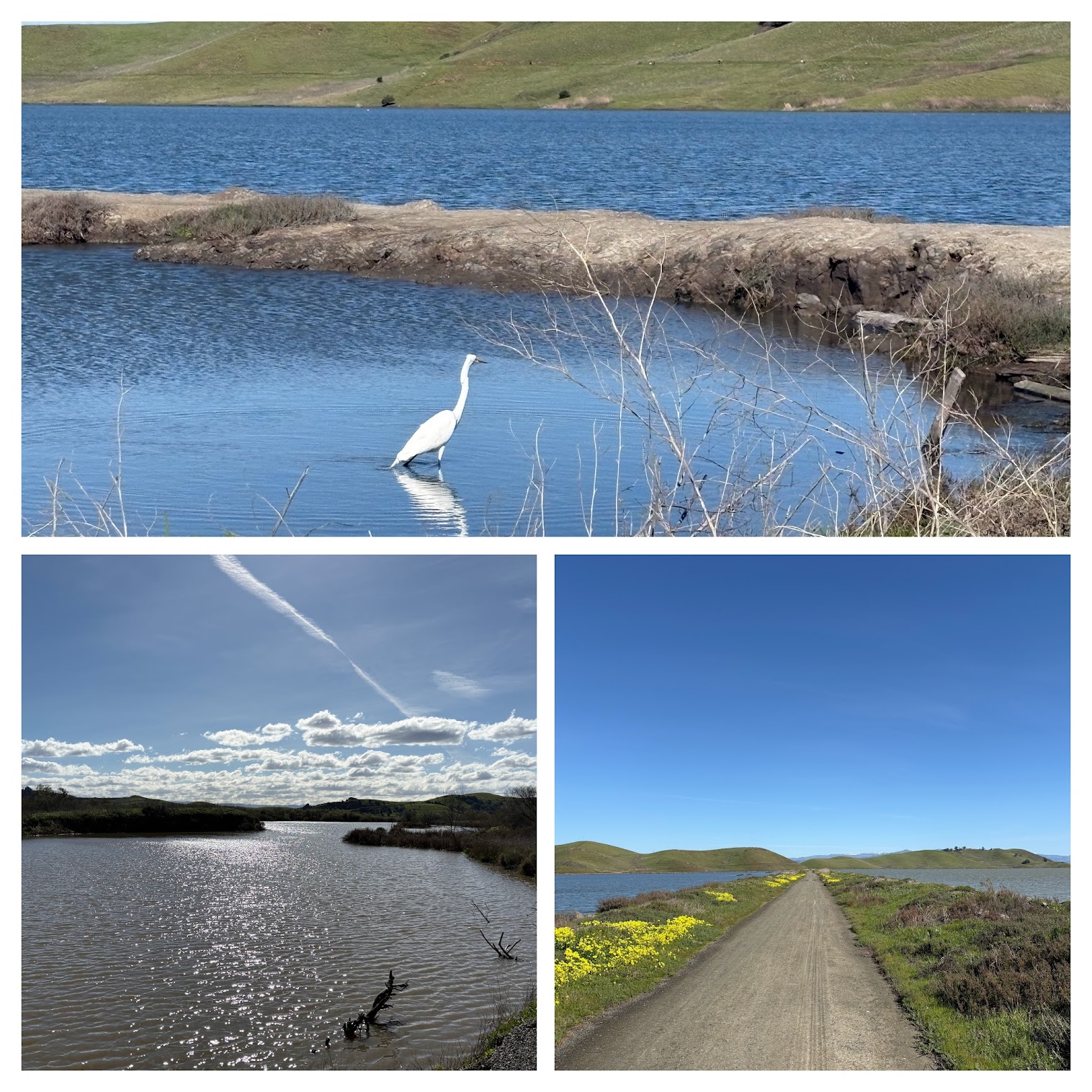
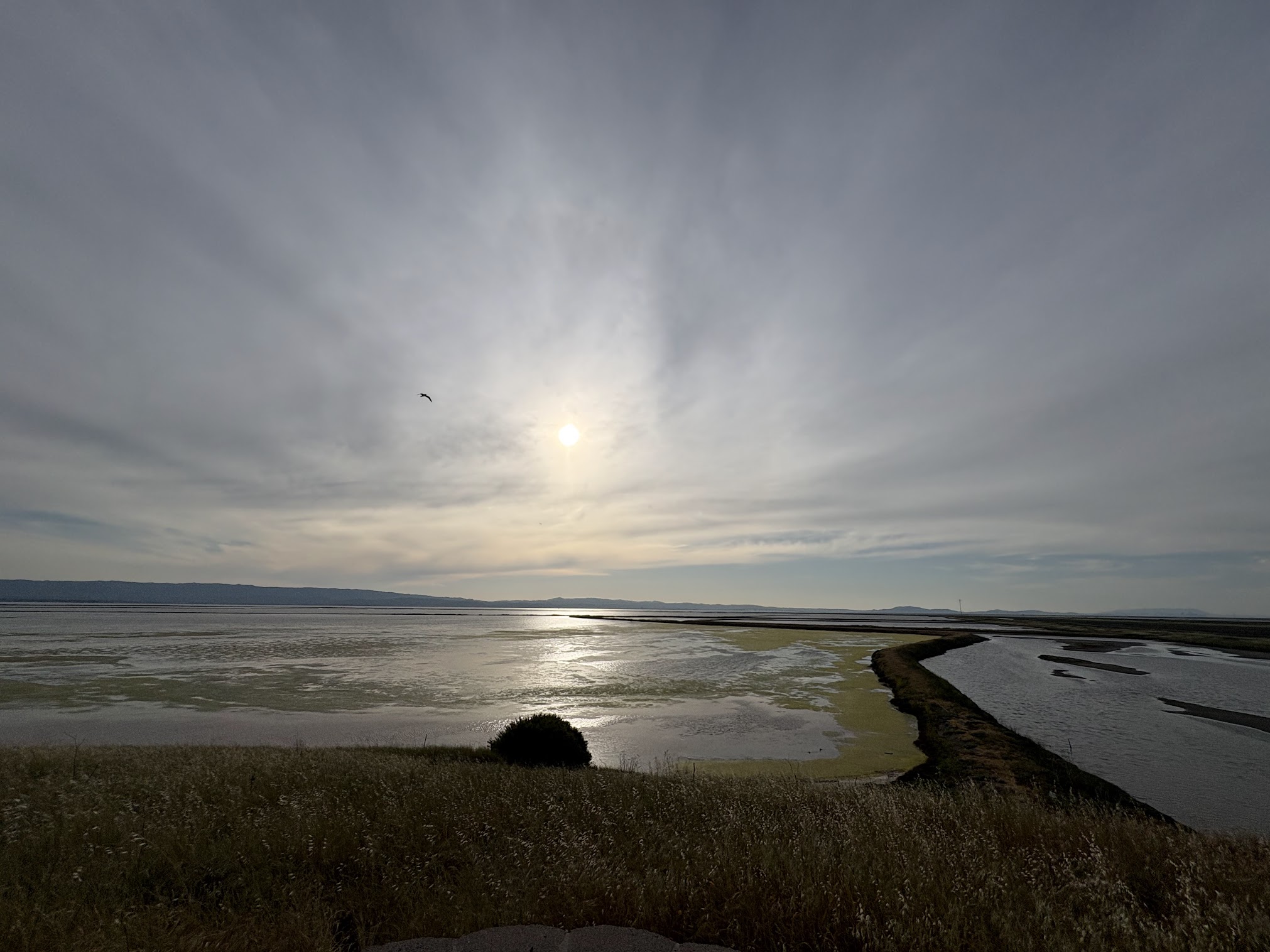
The son & I went on a spring bike ride. Spring time beauty in the Bay Area has been extolled about plenty in my writing. So, regular readers already know the beautiful frame of mind in which we were when we started back. The headwind that had been pushing us back on the way to the bay, was working in our favor on the way back, and we decided to take a rather more meandering path. Through meadows – with little ponds on the way.

After a while, the son stopped, around a curve in the hillside, and signaled to me to slow down. I tutted. I had taken advantage of a downhill and zipped up hill with enough momentum to keep going. Now wasn’t the time to take a break. Besides, we had just stopped to admire the white of the gulls and egrets against the clouds less than two minutes prior.

“Why are …”

He turned around and placed a finger on his lips. I rolled my eyes and got off my bike to peer around the hillside at whatever he had stopped for. Couldn’t he see how his mother was looking after that hill?

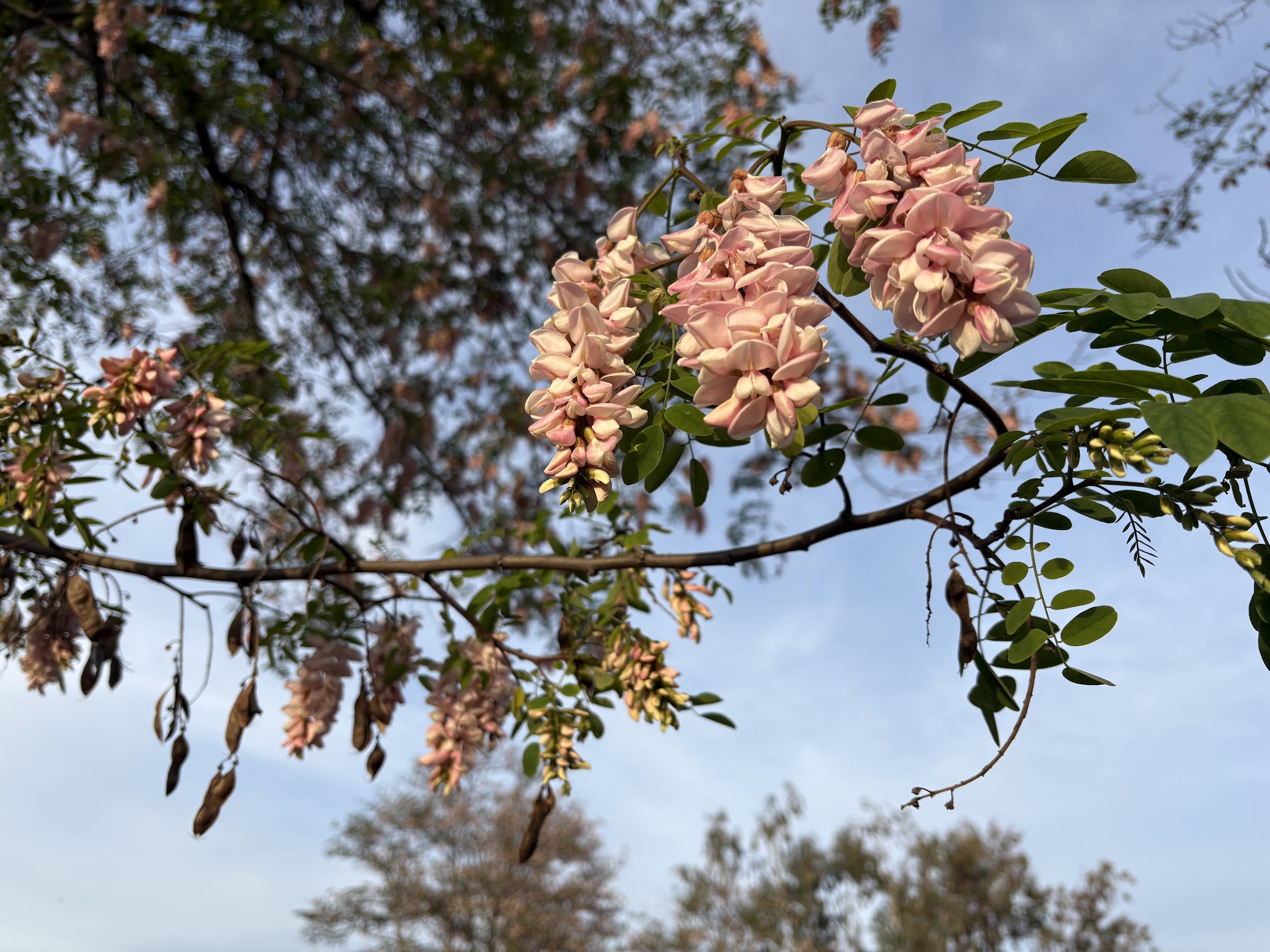
We had been admiring the spring beauty all around us the whole way. Fresh greens were blooming on trees and shrubs. Thistles and wildflowers were everywhere. The wild mustard flowers were being enjoyed by hordes of singing blackbirds. We’d seen a congregation of egrets, a colony of gulls, and clouds of blackbirds. In fact, the last time I stopped to take a picture, I remember the son warning me about making it back on time.

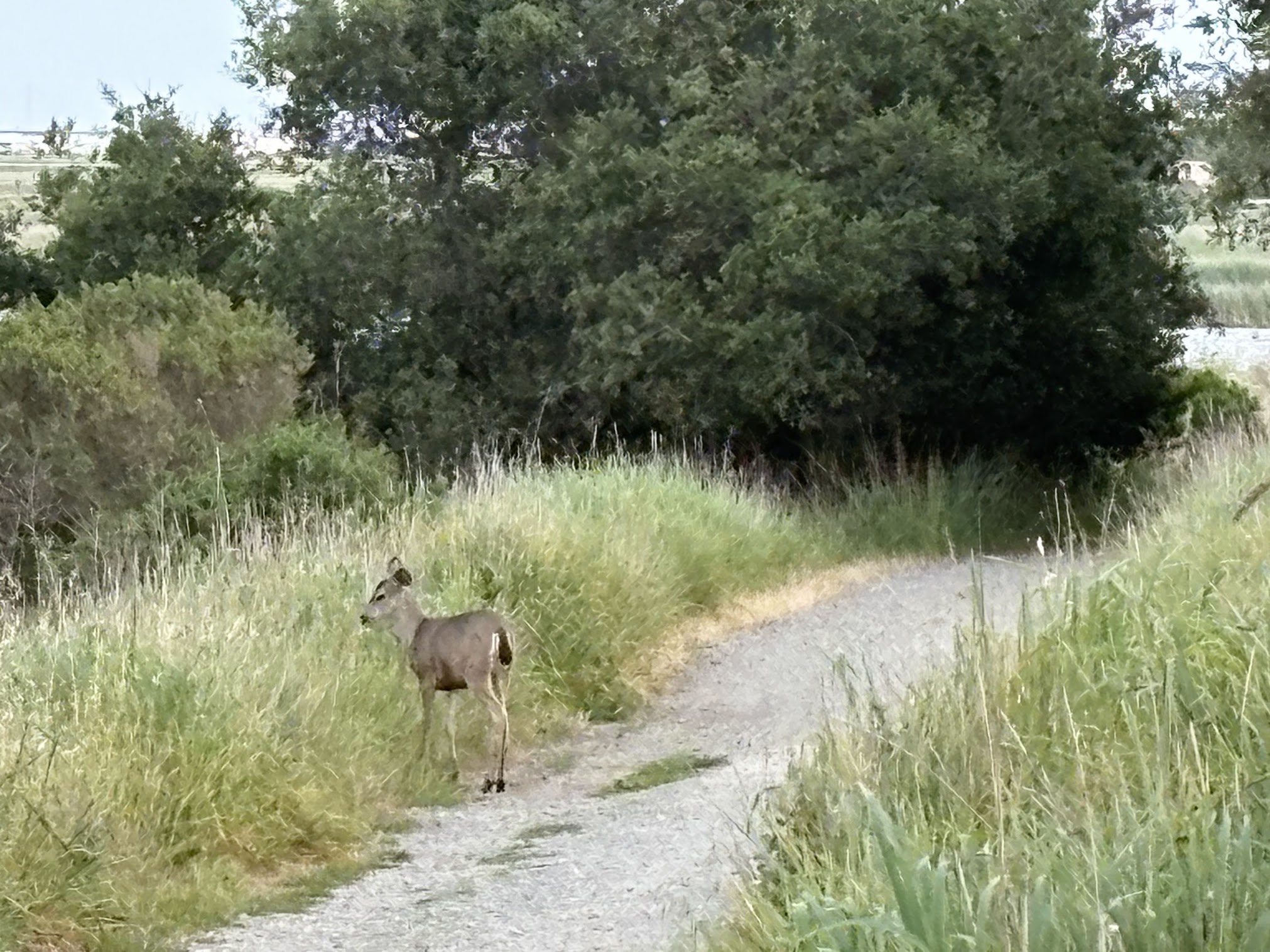
Then I saw her. It was the most beautiful doe – she was young, skittish, and trying to get at some spring leaves standing there on the bike path. She had a look of utmost contentment on her face. Fresh greens must be especially tasty now. The leaves are sprouting everywhere, and the salad options must be wonderful to them. We watched her for a bit and then she took off up the hill. She met up with her mother, and nestled against her for a bit before bounding off again, her mother in hot pursuit.

She gave us a few stunning poses. We were, as ever, completely enamored.

Sometimes, gifts don’t announce themselves.

We biked back quieter than before. Sunset time means the song birds pipe up with extra vigor, and we were glad. We burst into the home, startling the husband like a deer in the headlights, rattling on about the sights he had missed.

This is the best thing about nature, isn’t it? You never know what you’ll see, but somehow it always manages to be just the thing you needed to see. 

The Self-Selection of Stillness

Washington D C in Spring

It was one of those weeks when life was traveling fast. The night had barely slipped on its night gown, when dawn was pinkening it again with haste. The traffic was zipping with haste, the lines to the museum opening were moving fast. Things were happening. And they kept happening through the day.

We were in Washington D C – traveling on spring break.

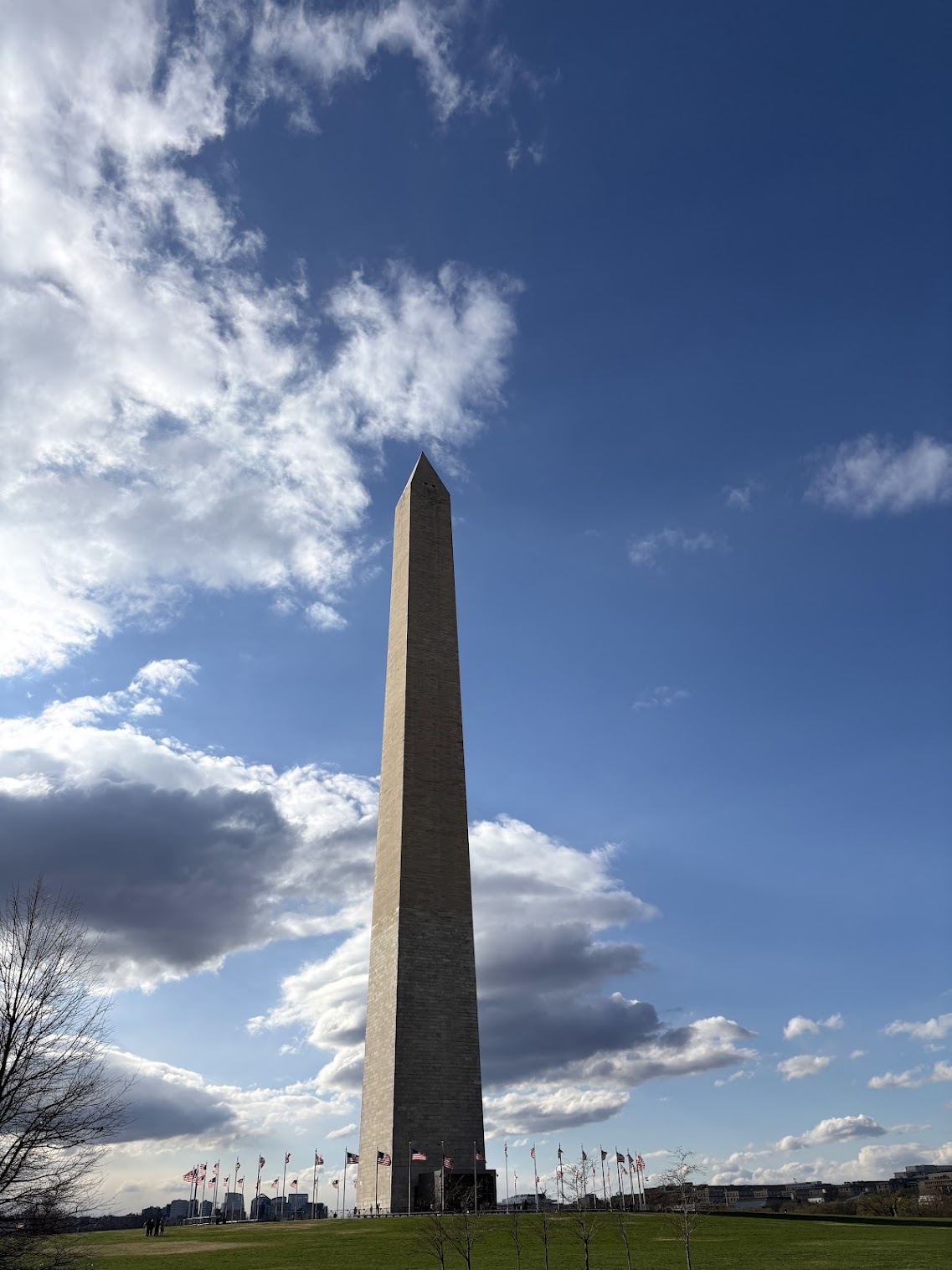
Things are happening all the time everywhere – but especially so in the nation’s capital, I think. The hotel we stayed in was hosting hundreds of soldiers from the National Coast Guard. The areas near the Capitol building and the Washington monument bustled with people with important tasks to do. Every one seemed to have an agenda: even the tourists. Visitors in national parks they have agendas too, but here in the capital, the agendas seemed more immediate. There were monuments to visit, museums to see, senate & house galleries to witness. Everyone bustled. I felt like I was in one of those time-lapse videos sometimes.

The Exhibit – “Ma! Come on!”

Put a few days like this together, and suddenly, you can appreciate why I found myself zoning out in front of the painting. I sat there, staring at it. Unmoving, beautiful, still. It truly was a work of art. We had finally washed up at the National Gallery of Art in Washington DC – after zip-zipping through the Holocaust museum & the Smithsonian Museums: Natural History Museum, Air & Space Museum, American History Museum.

In one place, I sank down between 2 exhibits, and felt a light doze coming on. It was in the American Modern Culture section of the American History Museum. Folks pointed at me and said, “Ah look at this exhibit! The modern day parent – exhausted but present.” I didn’t move.

The Calm & The Storm

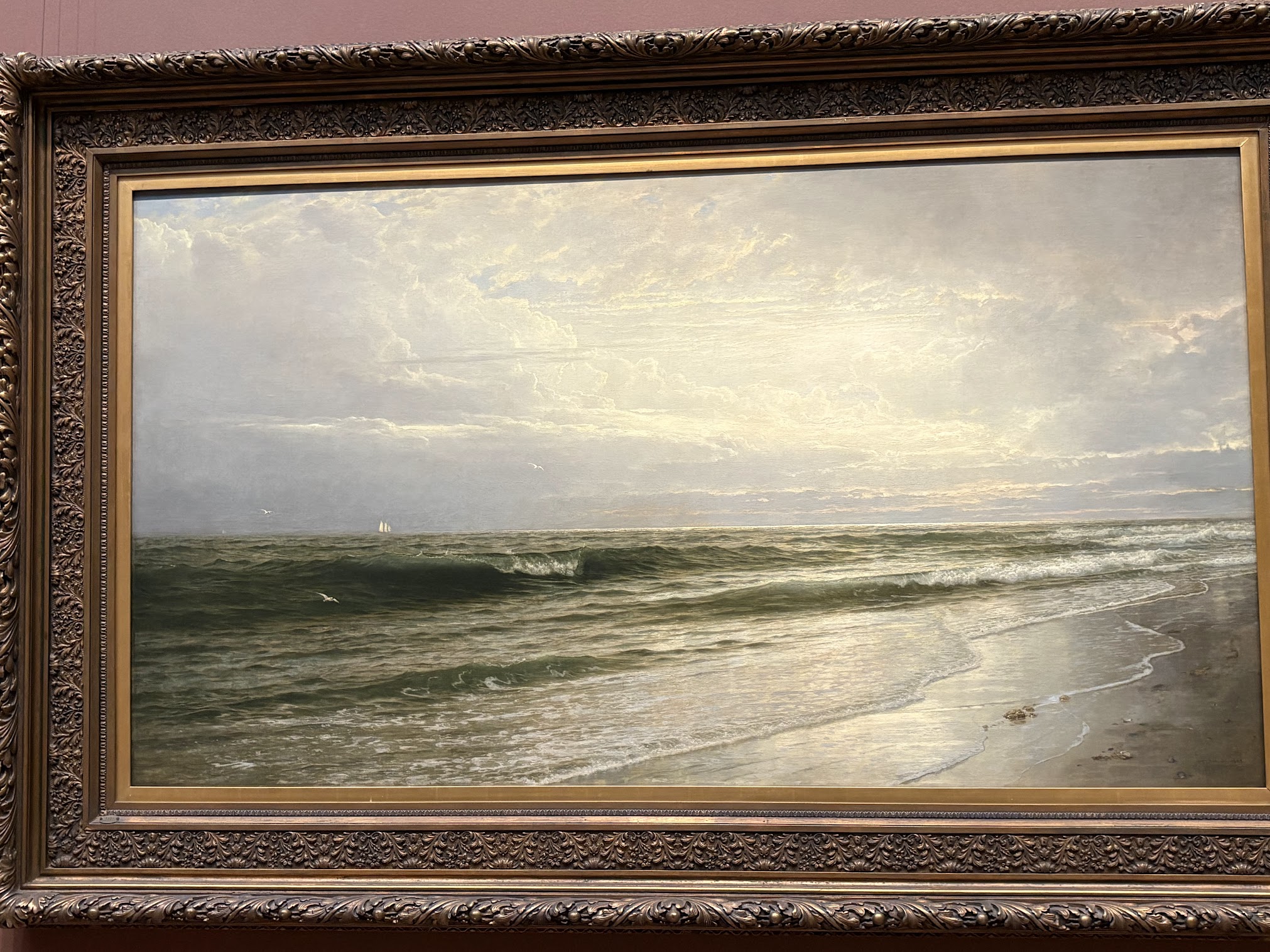
When finally the National Gallery of Art offered sofas in which to enjoy the paintings, I took full advantage of them. At one painting, I sat and stared. The stillness of the painting made it seem sublime, the swirling waters of the seas strangely soothing. Can sublime be used to describe a stormy painting? Just as I caught my thoughts begin to meander, I saw it. I did not think it was possible for this to happen. Can art make one hallucinate? After a few moments, I saw the clouds in the painting brighten like lightning rippled through them.

Painting by William Trost Richards in the National Gallery of Art

I sat up. Alert once more. And stared. Then again, it happened. The clouds darkened. I peered around the painting to see if there were any hidden panel lighting fixtures – there were none.

I beckoned the son, and had him observe the painting. “Did you see that?”

“Yes!” His face shone.

“So I wasn’t hallucinating!”

“Nope – it really did brighten.”

After observing another minute or so, he peered up, and said, “Maybe it is the effect of the skylight above!”

I agreed. Must be. Though it felt like magic. But then, a little nagging voice told me we were on the second floor of a building that had 4 floors. So, it could not have been the sun itself – maybe the artificial lighting that gave the impression of a skylight behind the panels had flickered.

Who knew?

Relishing the Stillness

The only thing I did know was how much I relished the quiet, stillness of the paintings in the gallery. Our entertainment options have become swifter: I need to convince children to watch an episode of a sitcom these days. They don’t have the patience to sit through a 20 minute program when they could have reeled and scrolled past 20 different snippets in that time, while checking their chat, keeping an eye on their video games, and looking into that assignment due.

From movies to episodes to YouTube videos to Shorts & reels: everything has become faster. The serenity of a still painting seems dead and dull in comparison.

In truth, it felt like bliss.

Maybe that is the new self-selection evolution. Those who can sit with nothing, will finally be the ones to create something.

“The museum closes in 15 minutes” – I heard the harried announcement ripple through the quiet stillness of the gallery. Quiet or not. Still or not. Time moves on. I sighed and pleaded with  my tired feet to move again. I could sit still on the pavement outside for 3 minutes while I watched the traffic and waited for my ride home, no?

What Would You Miss Most from Earth If You Went to Space?

Claustrophobia & Agoraphobia

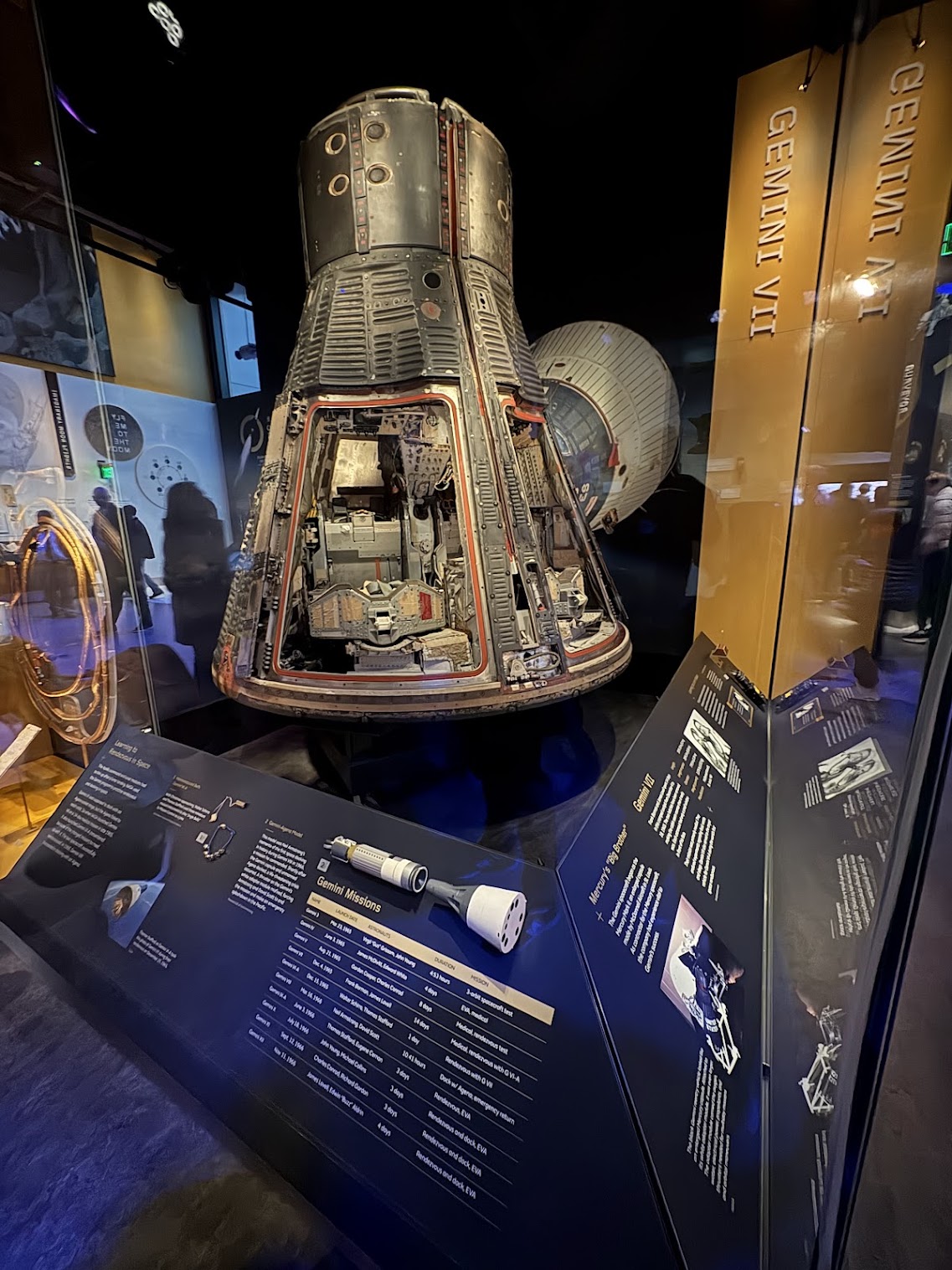
The Smithsonian National Air & Space museum in Washington D C had us wrapped in its wings. The son was thrilled. We’d started off at the original model of Wright brothers’ air glider, and then steadily moved on from one exhibit to another. When finally, we stood in the moon (‘Destination Moon’) exhibit, I glanced over at the son to see that familiar look of awe in his face – it had been flitting in and out at almost every section in the museum. 

I peered into the Apollo 11 Mission Control capsule on display and wondered yet again, how is it that astronauts deal with the immensely crushing feeling of cramped space in a space capsule. It seems alright, manageable even for a short day or two. But nothing these astronauts undertake seems to be in days – they all seem to stretch on and on. Weeks, months, years – when everything you want to get to, is measured in light years, how can we hope for short travels? Peering into the capsule again, it seems like it could give the most robust of us, claustrophobia.

Then again, I peeked out into the simulated views from the spacecraft. Light years of nothingness with little sparkling diamonds interspersing the views for miles and miles. Charming and beautiful as it looks. After a few days, weeks, months, years, it is enough to give the most optimistic of us agoraphobia.

How must their psyche work with this constant tidal forces of agoraphobia and claustrophobia pushing and pulling all the time?

The Orbital Sunrise – By John Green

I was reminded of the essay, The Orbital Sunrise by John Green in the book,  The Anthropocene Reviewed. It really is a wonderful collection of essays by a nimble, curious mind on a wide range of topics.

He writes of astronaut Scott Kelly’s 342 days spent in space where he experienced approximately 11,000 sunrises. The International Space Station orbits the Earth every 90 minutes. Even in the famous book by Antoine Saint de Exupery, The Little Prince, the imaginary soul occupant of the planet he came from, only enjoyed 44 sunrises a day. Take that, Little Prince!

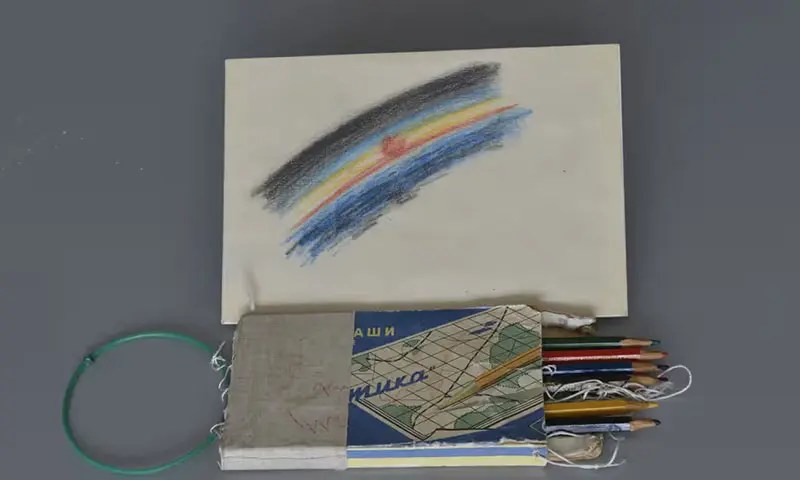
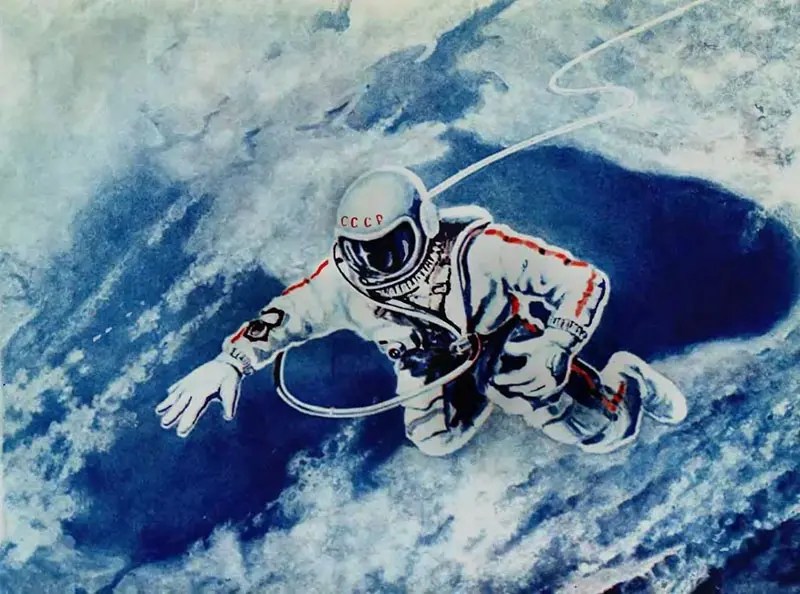
In the same essay he goes onto tell us a little about the misfortunes and luck that enabled us to view the first works of art from space. Alexie Leonov’s space mission aboard the Voskhov 2 holds the record for the first space walk in 1965. The mission itself went woefully wrong, and in a desperate attempt to calm himself, he drew some simple images as they overwhelmed him in space. They can be viewed here.

https://www.lindahall.org/about/news/scientist-of-the-day/alexei-leonov/

“Sunrise” sketched by Alexei Leonov on the Voskhod 2 mission, Mar. 18, 1965, the first work of art made in space, Museum of the Yuri Gagarin Cosmonaut Training Center, Moscow Oblast, Russia, exhibited, with the original pencils used by Leonov, at the Science Museum, London, 2015-16 (theguardian.com)

The sunrise looks like a child’s drawing – a rainbow of colors sandwiched between layers of space’s black, and that right there, for me is the beauty of the piece. Even in that moment of awe, a person with an art pedigree, tapped into his childlike sense of wonder and drew something that miraculously survived a desperate landing that nearly destroyed the space capsule and the astronauts in it.

What would you miss on Earth?

“What would you miss most on this Earth, if you were to leave Earth and live elsewhere?” The son asked me, bringing me back to the Earth, as I mused on this and that. I saw him peering up at the question flashing in front of him as he gazed up at the question on the screen in the Air & Space museum. “My family & friends first, followed by nature itself, I think. But I suppose there will be a different sense of nature on whichever planet we go to.” I said.

“Over the Black Sea,” painting by Alexei Leonov, date and present location unknown (thestatussymbol.com)

He nodded. “Yes – looks like the majority feel that way too.”, he said pointing to the survey results on the screen.

“What about you?” I asked him.

He took his time answering. Then he said, “I think I would like to take you all with me. Then, I will miss Earth’s nature.” I smiled at this response. I distinctly remember the feeling of wanting to take my family & friends if I went very far away, so I wouldn’t miss them. Life did not always work out like our childish wishes, does it?

I knew too that there would be no orbital sunrises in my lifetime for me witness. “I am past the age of astronaut training to go to space and all that. “, I laughed, “But if you do get to see it, remember me for a moment, and I will have the satisfaction of seeing it too.”

He smiled indulgently. “No you won’t! But okay – I’ll think of you.”

With that, we meandered through the exhibit, each wrapped in our own fantasies and thought capsules. How beautiful and marvelous an experience to go to a museum far away and glimpse at a spacecraft that first enabled humankind to fly, and then took mankind to space?

I pondered on the question a lot more. I realized agoraphobia and claustrophobia of space travel aside,  there is so much more to life on this Earth that I would miss:

Art, music, dance, literature, math, science, history, geography, philosophy
Friendship, the exalting and exasperating aspects of the human spirit
Oceans, rivers, lakes, streams
Creatures large and small – manta rays, lions, giraffes, geese, ducks, woodpeckers, wrens, deer
Forests, trees, flowers, vegetables, fruits, canyons, volcanoes 

Most of all: Laughter, Love and all that makes up Life itself.

What about you? What would you miss most about Earth?

Understanding Art History through Dr. Seuss’s Horse Museum

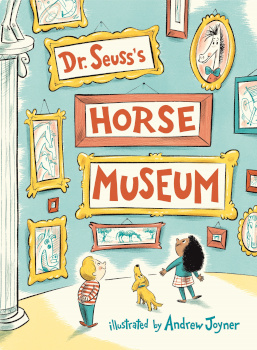
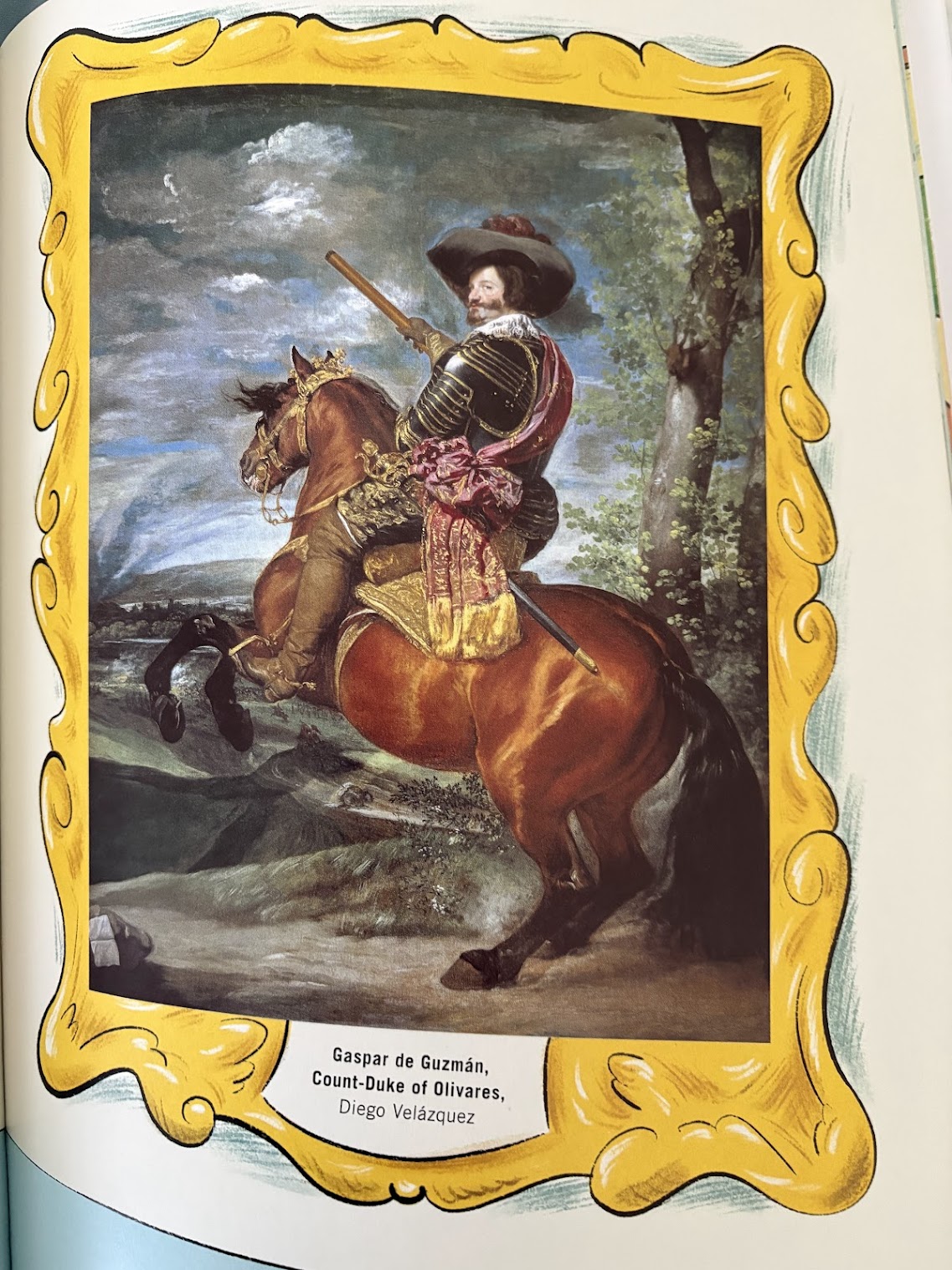
Dr Seuss’s Horse Museum – Illustrated By Andrew Joyner

This book was published posthumously and was completed by Andrew Joyner. It was based on the loose sketches and plan he already had for the book.

This cover image released by Random House Children’s Books shows “Dr. Seuss’s Horse Museum,” a new book by the late children’s author, coming Sept. 3. (Random House Children’s Books via AP)

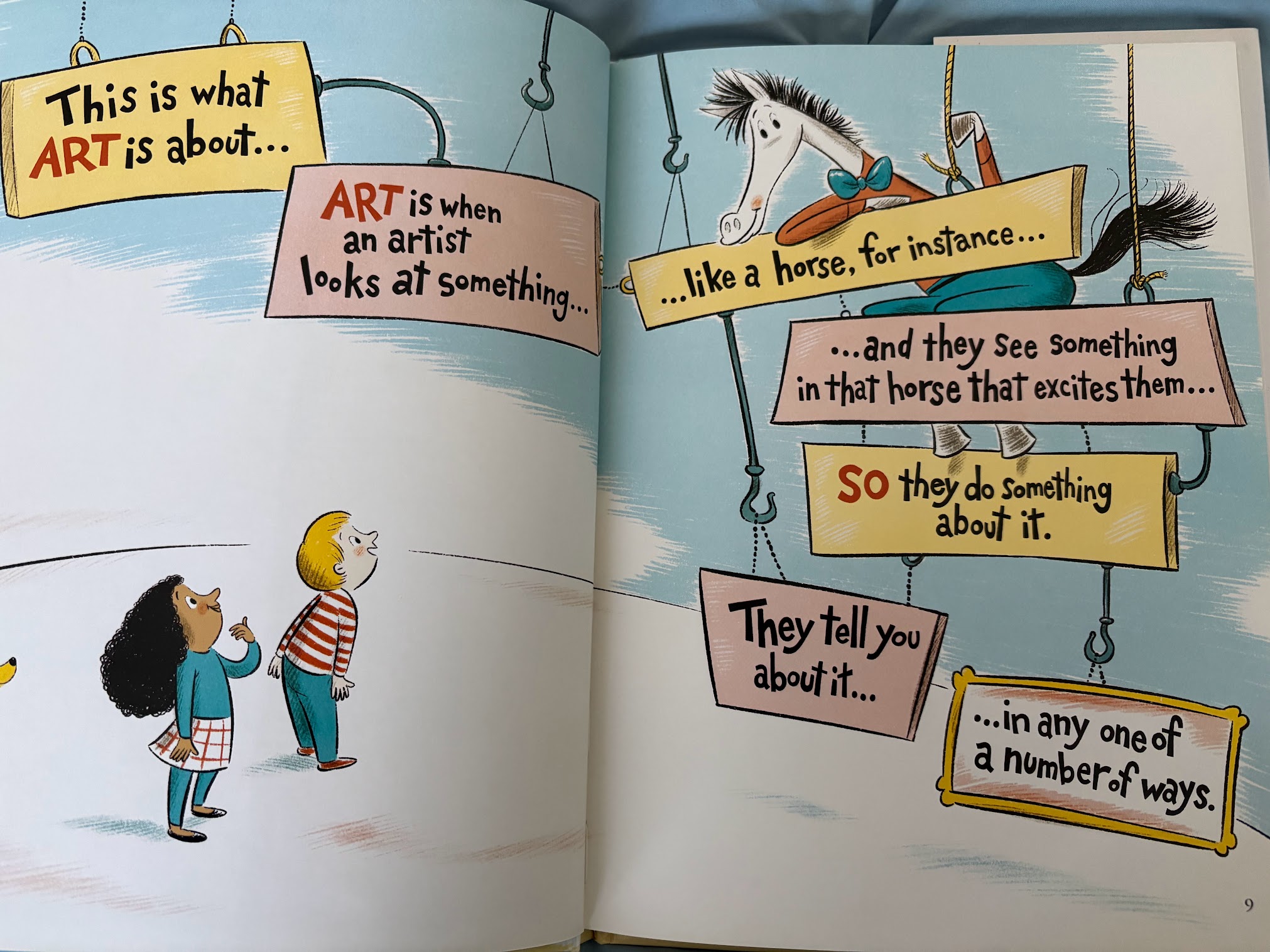
It is a gallop through Art History. For someone who is fascinated by art, and doesn’t necessarily have the knowledge to go with it, the book was particularly insightful. It isn’t Dr Seuss in its style – there are no hilarious horses challenging butterflies to a flying contest, or trying to grow a tree through their nose, while flowers sprout out of its ears. It is more a book by Andrew Joyner based on the preliminary notes made by Dr Seuss.

The book has references to many real pictures of horses by artists over the ages – impressionist, cubist, Japanese, Chinese, realism, surrealism etc.

This got me thinking about a post that has been rattling about in my head for a while now with no clear structure. I have written various versions of it – each more insufferable than the previous one, but I hope I can try to wrest some form of understanding using the horses structure that Andrew Joyner curated from Dr Seuss’s horse notes.

Art History & Cultural Significances

Art History has always been hand-in-hand with the cultural significances of the time. For instance, Renaissance artists were drawn towards accuracy in anatomy which coincided with an uptick in scientific thinking.

Surrealism rose after the horrors of the World Wars I & II – people needed to believe in something fantastical after the horrifying realities of the world around them. Example: Lord of the Rings was written post world war by J R R Tolkien who was himself devastated by the effects of the First World War in which he fought.

https://nourishncherish.org/2026/02/17/exploring-americas-artistic-evolution-through-history/

In the spirit of trying to see the evolution of art in the digital age, I tried to see how the horse would evolve:

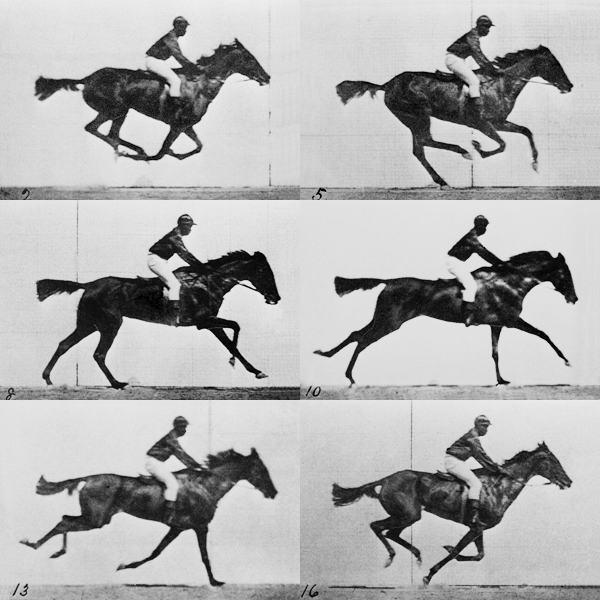
Horse picture – Industrial Photography Era:

Black & white using reels – Dr Oliver Sacks had written about this in his book, Everything in its place. Picture animated based on the pictures taken by Edward Muybridge. 

English: Animated sequence of a race horse galloping. Photos taken by Eadweard Muybridge (died 1904), first published in 1887 at Philadelphia (Animal Locomotion).

Muybridge used 24 cameras along a track where the shutter would be tripped by the horses themselves as they galloped past to capture the movements of the horse as they raced.

This era coincided with the Industrial Revolution – the efficiencies that changed the fundamental way in which things were done.

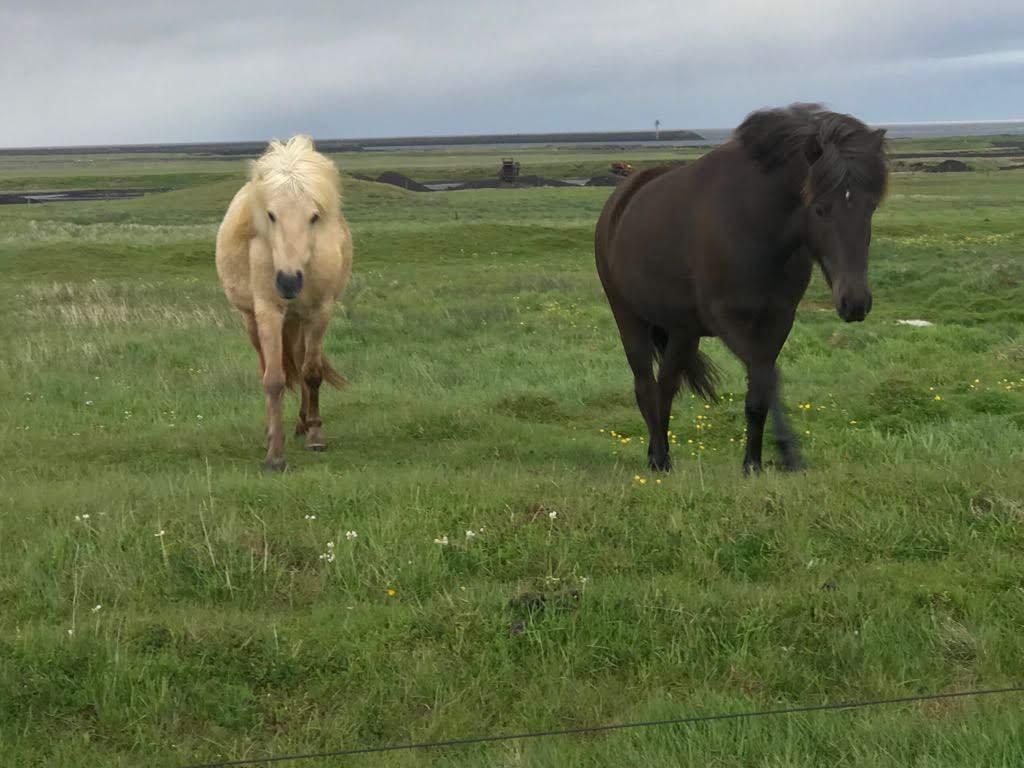
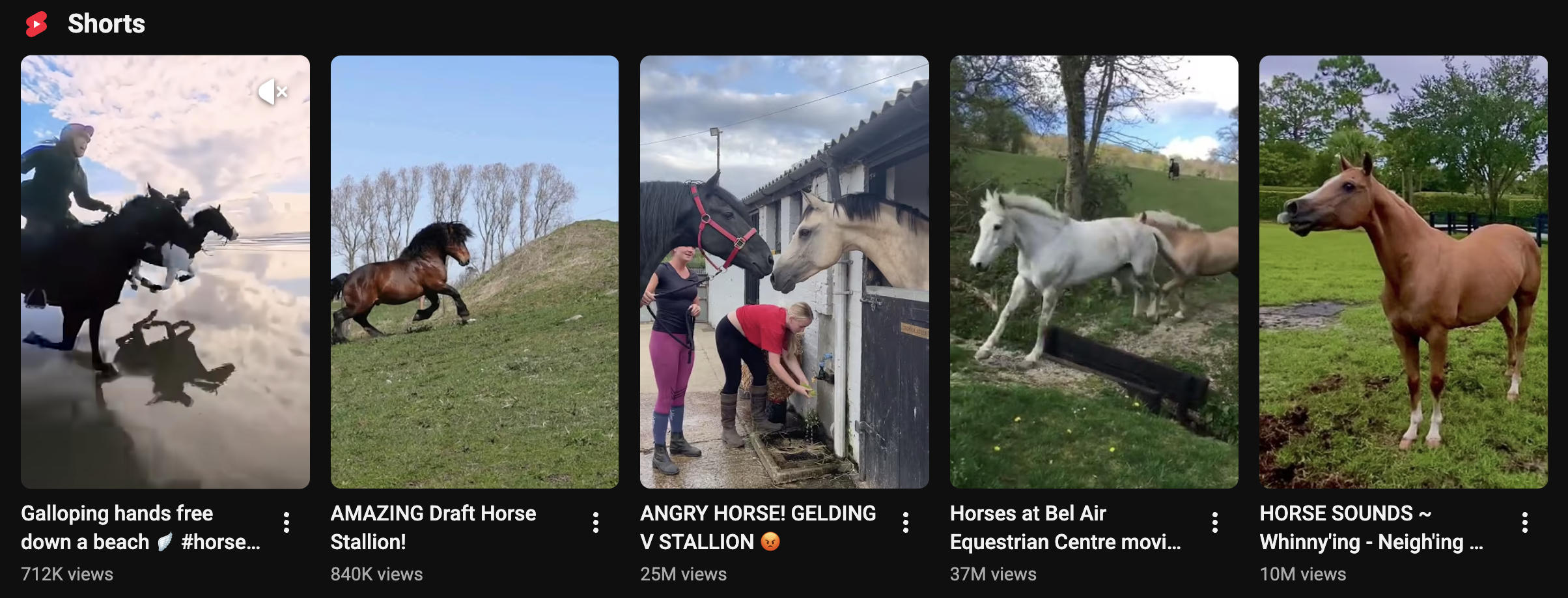
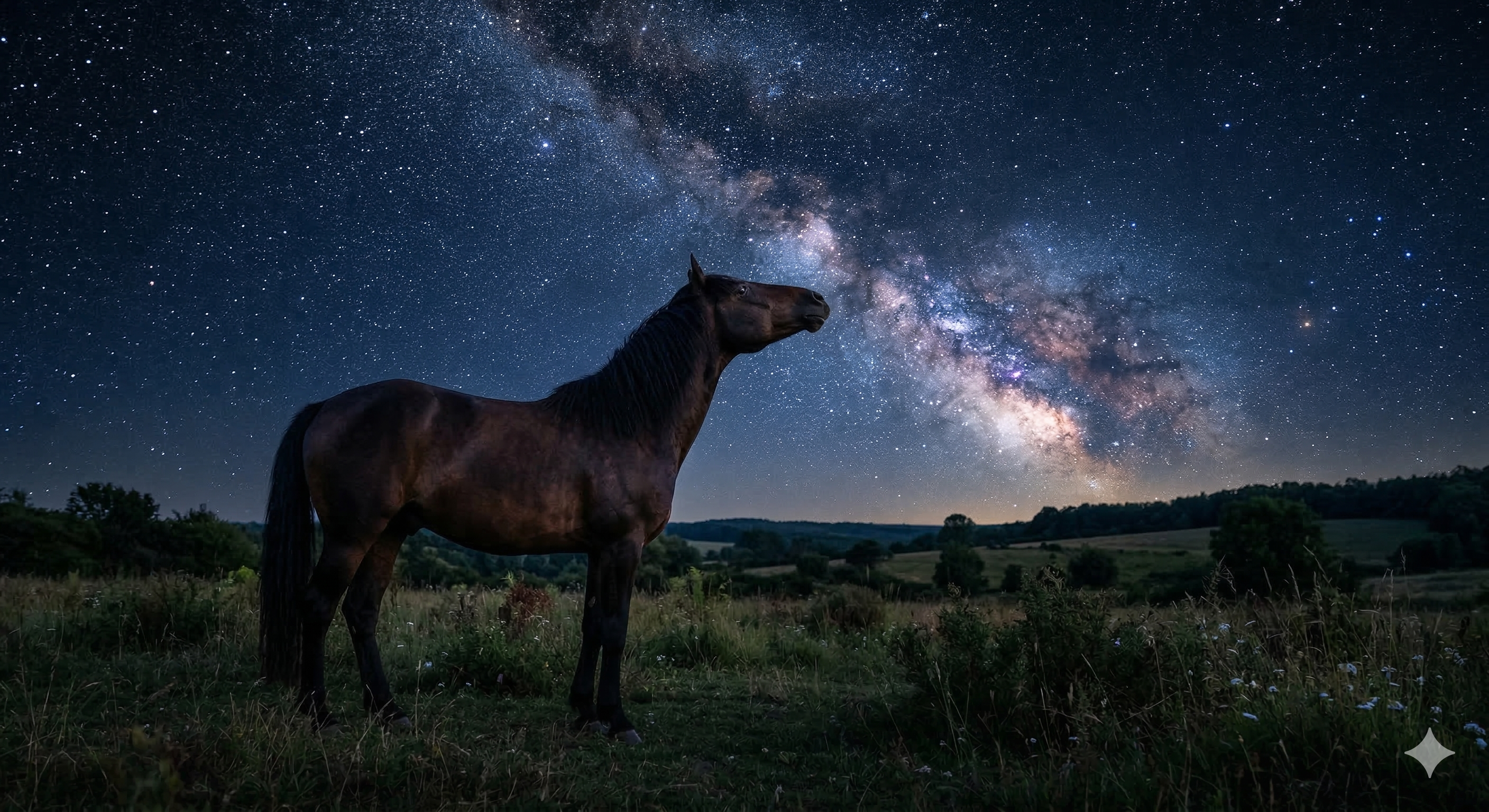
Horse picture using iPhone – Digital Media Era

Horse videos, Horse shorts, Horse animations

This era coincided with the Internet and the Social Media era. I am not sure they can be combined this way – I feel the internet gave rise to social media in such a forceful manner, that they probably deserve separate art eras. I marked them as digital era for the purposes of this post.

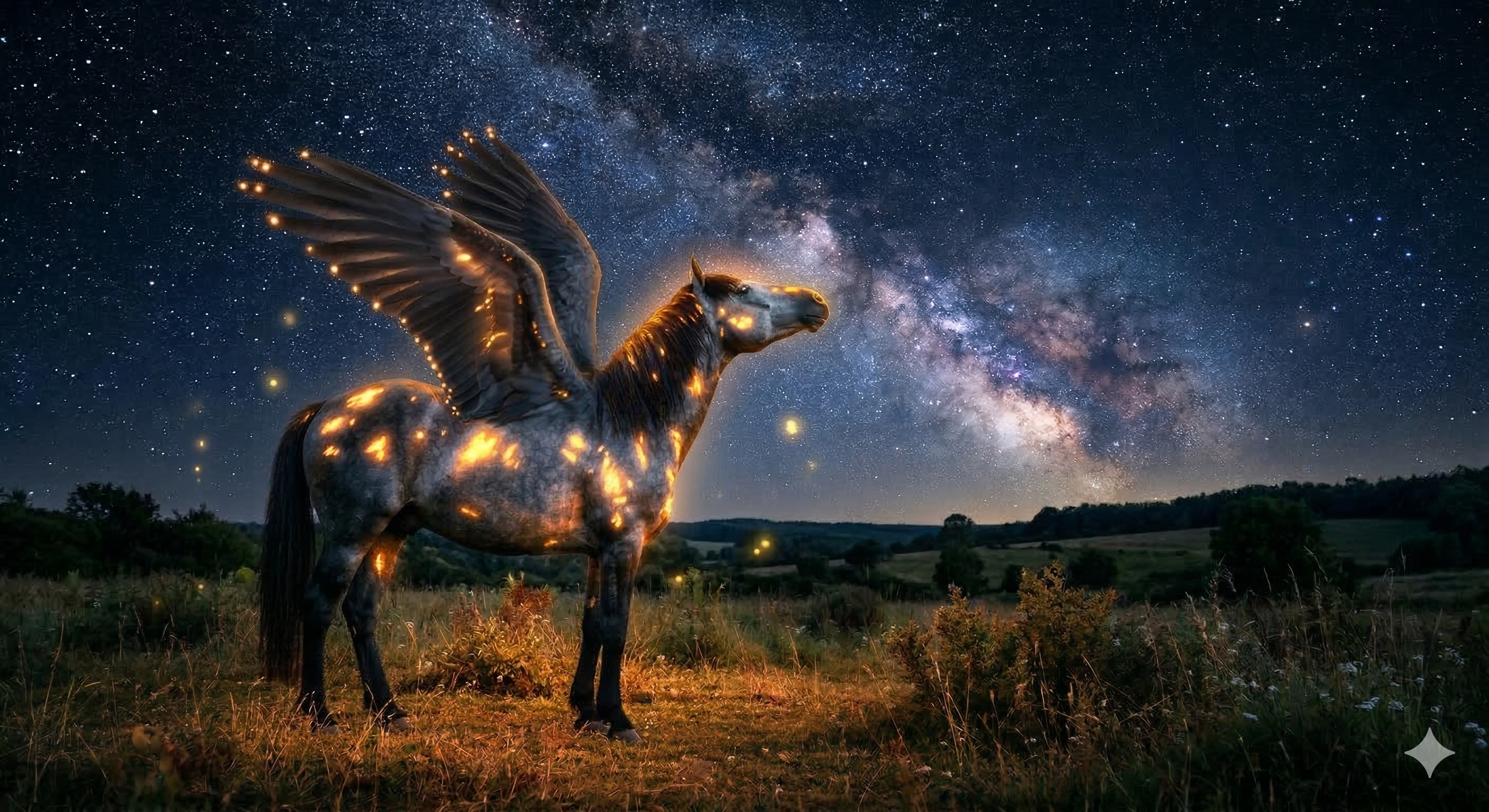
AI horse : Neo -Surrealism era

As the next stage in this evolution is AI generated images and videos.

Could this be the neo-surrealism era? The need for our fantasies mingled with the need for speed of creation.

What do you think?

I am not sure if each of these stages in art have a name yet. But I am sure future art historians will come up with names for each era and how it denotes an era in technology or world history.

What do you think the names of each era would be?

The Golden Moments of Spring

I was walking on the beach one morning. One glorious morning. The waters were glittering in the morning sunlight like a million little diamonds had been sprinkled on the waters. Maybe it was the effect of the rose-colored glasses I was seeing the world through, or the fact that the world felt brighter and more colorful that day, but the beach was filled with … Gold? I scrubbed my eyes beneath my glasses and looked again. There was no fooling me. The sands sifting beneath my bare feet, and glistening with what looked like gold particles.

Fool’s gold?

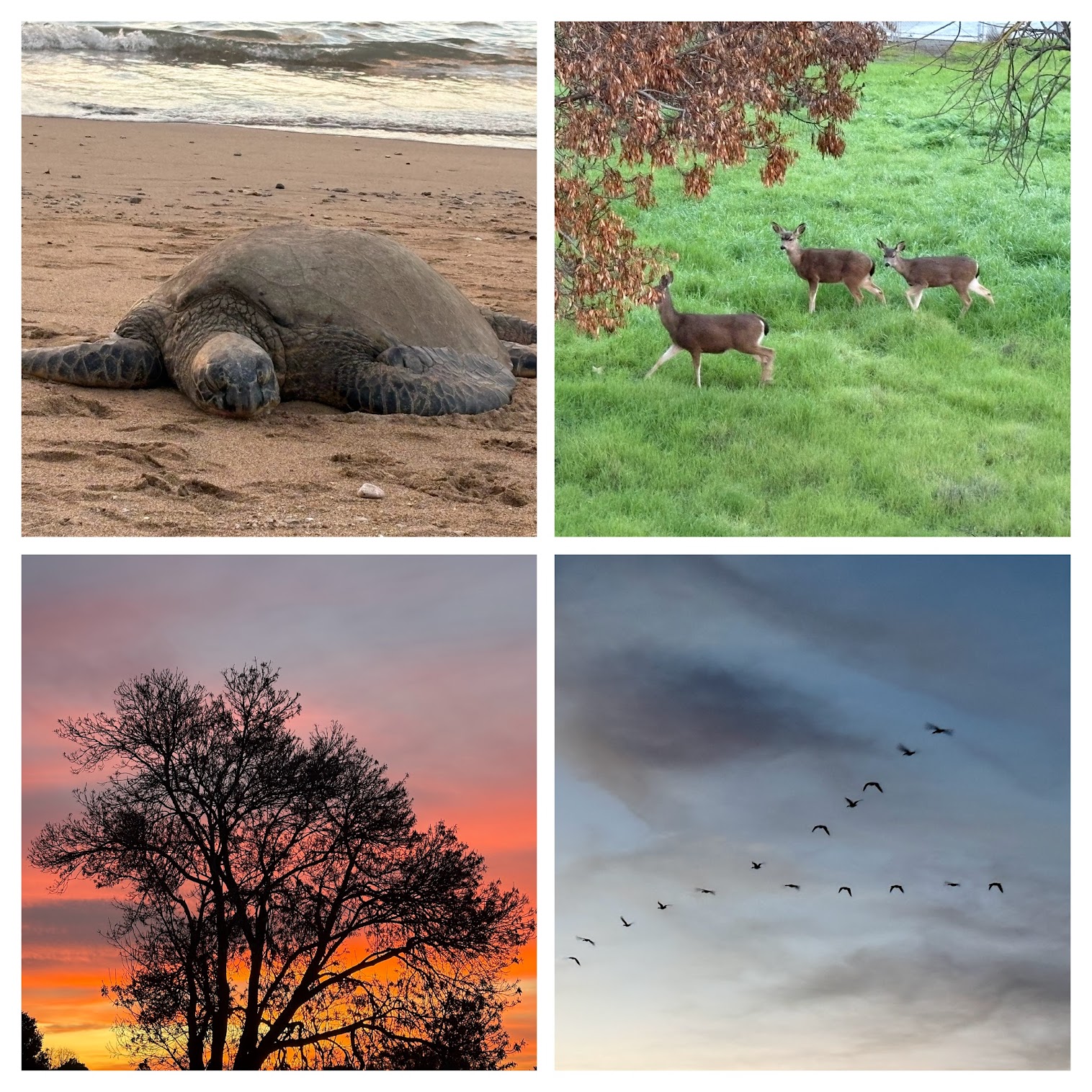
It must have been. For if not, I am sure, there would have been quarries there, and not contented looking seagulls trying to bully smaller sanderlings out of the way. I admired the unruffled sanderlings – holding their own, outnumbered as they were by the aggressive seagulls. It was a pleasant sight.

Golden Hour

A few evenings later, I strolled during sunset drinking in the fresh green after the rains. Really, I have raved about this before so often, I feel like a bit of broken record myself – but spring in the Bay Area is the most wonderful time of the year. The hills are bursting with tiny yellow and purple flowers set against lush green grasses. Entire hillsides of it. Simply waving and swaying in the mild breezes of the season.

I sat upon a rock to take in the sight. There were deer grazing nearby, and I turned my serene senses towards them.

“To sit in the shade on a fine day, and look upon verdure, is the most perfect refreshment – Mansfield Park, Jane Austen

What’s this?

I was composing a pedantic piece for my blog on the tranquillity of the lives they lead – blah, blah, blah.. when they started to, I kid you not, fight. Fight! Like stallions in heat – on their hind legs, kicking each other. I started laughing, and sensitive as ever to human sounds, the deer audience noticed me. The drama in front of them was too much to resist, they turned back. The smaller one walked away, and taunted from a distance, to which the older one rose up again.

Golden Truths

In geese, I rarely stop to notice anymore. Aggressive as they are, they are always chasing each other off or splashing off. But, so often have I gazed upon deer on my walks. Always drawing from them beauty and grace. It was different seeing ..  was it a display of power, anger, annoyance, or just dispelling of nervous energy?

I would never know. Not until our human systems make headway into animal cognition and translation. Apparently, some of our big and beautiful AI models can now decipher whale sounds.

https://www.npr.org/2024/05/20/1198910024/ai-sperm-whales-communication-language

Really, nature knows how to entertain us almost endlessly – if we stop and watch. Sometimes, in slow waves, other times in passionate displays of spring time, and maybe in the future using the ultimate lure of humankind – through stories.

Nature’s Sense of Purpose

Cloudy Skies : Inspiration or Melancholy?

The week-end was fabulous in terms of weather in the Bay Area. The rain-washed Earth was beginning its early spring blooms. The trails were scented heavily with sage, eucalyptus, and the occasional squashed lemon or orange. The clouds made for a perfect backdrop – lighting wise. Cloudy skies do give the best pictures even if the blue skies lift one’s spirits up better. Feeling in the mood for a bit of rumination or deep thought? Cloudy skies are there for that. Or maybe it is the other way around- the melancholic strain inspired by the cloudy skies. Either way.

The son and I started off on a bike ride when the skies were cloudy, threatening rain. We pedaled, each lost in our own thoughts, when some fat droplets reminded us of the rainy day forecasts. The son, always the mature one, when it comes to things like this, insisted we turn back, and so we did. Though, I did try my whining first: “Let’s try for some more time – maybe it is just a drizzle, and we shall be ready for it to break into mild blue skies afterwards. “

The skies doubled down, and so we started back away from the lakes, and the bay, towards our home.

But the rains were taunting us. They came, and then didn’t. Then came again and didn’t again.

By the time we made it home, the clouds had said their good-byes and didn’t shed a single raindrop for another 2 hours.

Oh well.

The Next Day

The next day, I set off on my own. This time, the cumulonimbus clouds had given way to cumulus clouds, and the day felt bright, clean and inviting.

I biked on. By the river. To the bay. Through the bay, and finally emerging on some hills.

It was beautiful. I had the trail to myself. Probably because most folks had attempted and wrestled with the ‘will-it won’t-it’ the previous day, and decided to stay indoors. I felt my spirits rise, like the ebbing of the bay waters. I sang – my pitch nowhere  as shrill and clear as the blackbirds, and nowhere as cacophonous as the ubiquitous geese, but enough to make me happy.

I am a sap when it comes to nature. Every one knows it. Everyone indulges me with it when I get going. But even I felt all nature had a purpose that day: a purpose to make those outside to feel grateful, to feel fulfilled. The mustard flowers threw their stalks back and danced with that intent. The blackbirds sang with a kind of devotion that saints wish for. The deer grazed looking at you as if daring you to find fault with a day like this.

What would Mary Oliver have done?

Mary Oliver would’ve written a book by the time she came back. That’s the sort of day it was.

“Whoever you are, no matter how lonely, the world offers itself to your imagination, calls to you like the wild geese, harsh and exciting – over and over announcing your place in the family of things.” — Mary Oliver, Wild Geese

What was to be done with such a sense of purpose? I yielded and gave myself up to this – pedaling, humming, looking every which way. One time, I wobbled looking at the hawk overhead and straying off the trail. I swear the hawk smirked. I heard it’s laugh or cry.

Another time, the heart gave a few lurches and sputtered and stuttered, as I spotted a dead snake on the trail. “Would you have preferred a live one?” whispered Mary Oliver, and I genuinely had no answer to that. I shoved my hammering heart back to its spot behind the ribs and pedaled on. Eyes resolutely keened away from the dead snake. 

When finally I reached home, sighing with the contentment, I knew the aching muscles were a small price to pay.

What is your favorite post-rain activity?

Picking a Spot for A Snapshot of Earth

It was a beautiful day in San Francisco. Human-beings have this craving to capture and showcase moments, life and things. A primal aspect that social media latched onto so effectively.

The husband & I after talking of this-and-that (mostly food!) got to discussing a vantage point of life on Earth.

I was reminded of the Golden Record. The smattering of items sent aboard Voyager I in 1977. It was meant to be a snippet of life on Earth: it contained music from different regions, whale songs, etchings and engravings of human endeavor, animal species and so on. Another message was collected and sent to Europa on a recent mission.

https://science.nasa.gov/mission/europa-clipper/message-in-a-bottle/

Now, if we wanted to invite interplanetary visitors and then shoo them away from a glimpse, what places would you select?

A little tech-bragging

A little natural-resources showcasing

A little cool-culture cat walking

Which place would you choose?

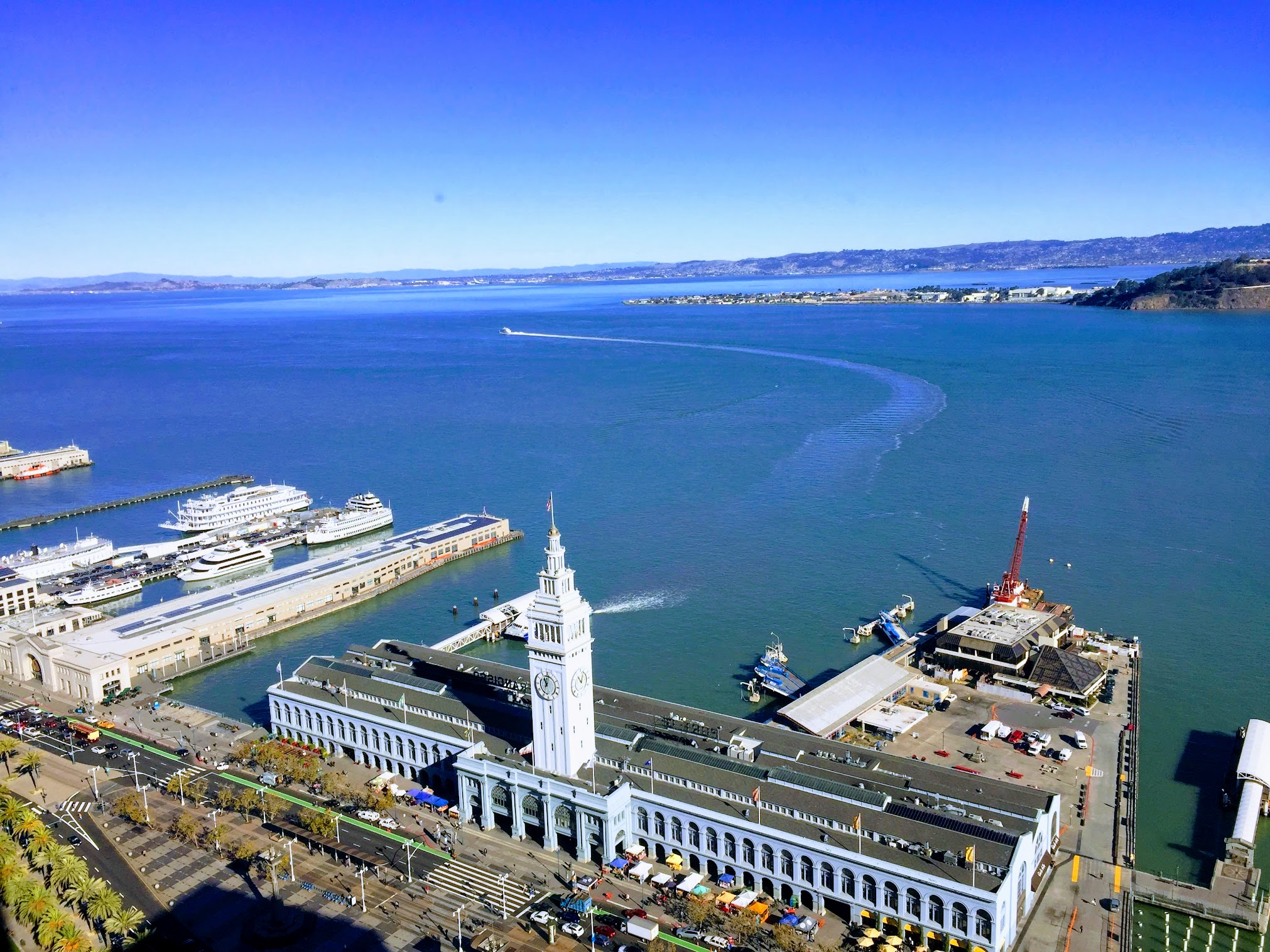
Well, The husband & I thought the San Francisco Ferry Building strip would make a decent candidate.

There, you can find a sampling on innovations, technologies, art, craft, transportation options all jostling with one another in a glorious canvas of chaos and movement.

Visual Arts:

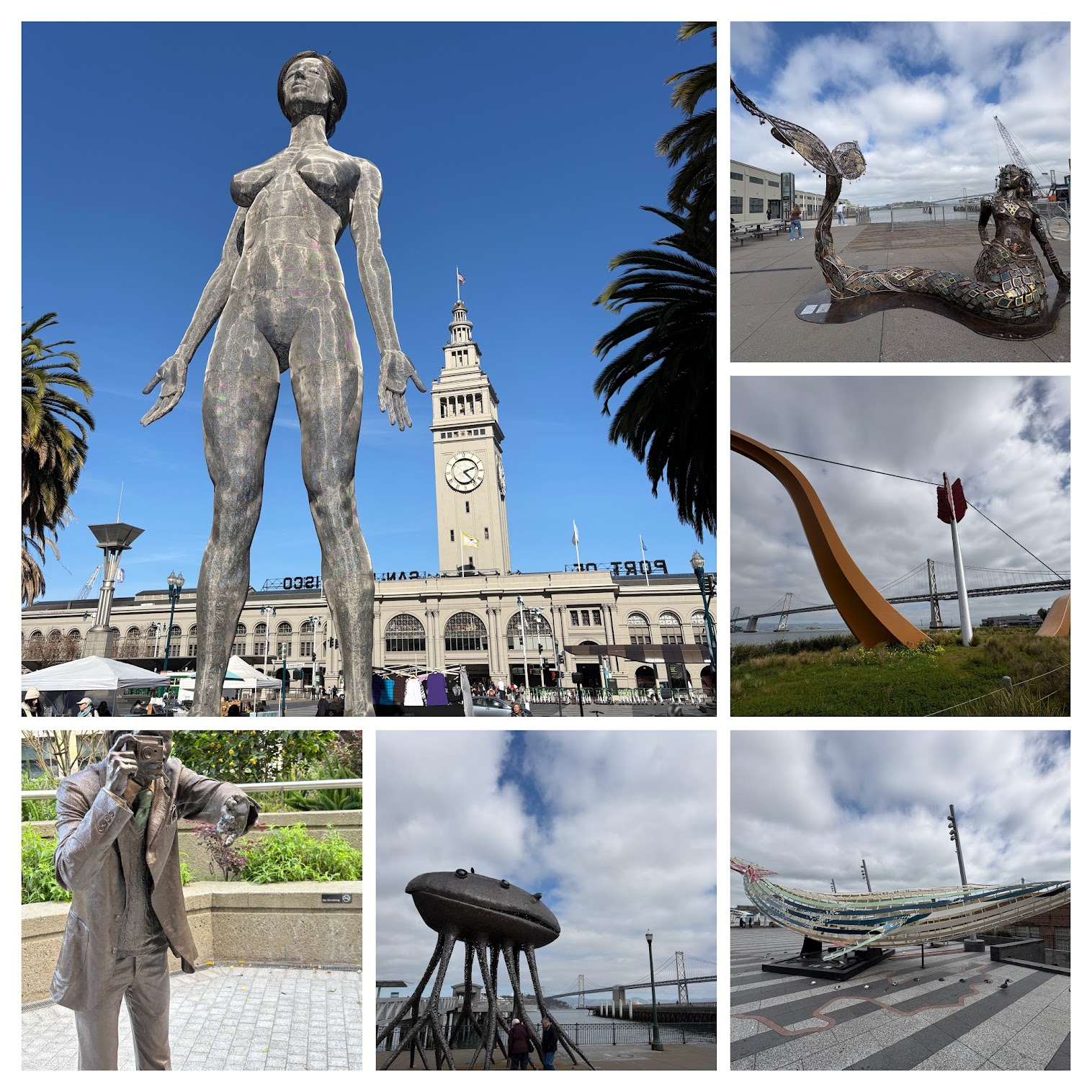
There are statues by the pier – Mahatma Gandhi tucked away from the main hustle and bustle. A small diminutive statue compared to the large ‘Woman’ statue in front of the Ferry Building. But even small, his importance draws one near. Tourists are there taking photographs almost everyday. The mermaid, jelly fish, sea lion, dolphin statues along the pier are whimsical and reflective of the fantastic lifeforms on Earth.

Transportation – Past, Present & Future:

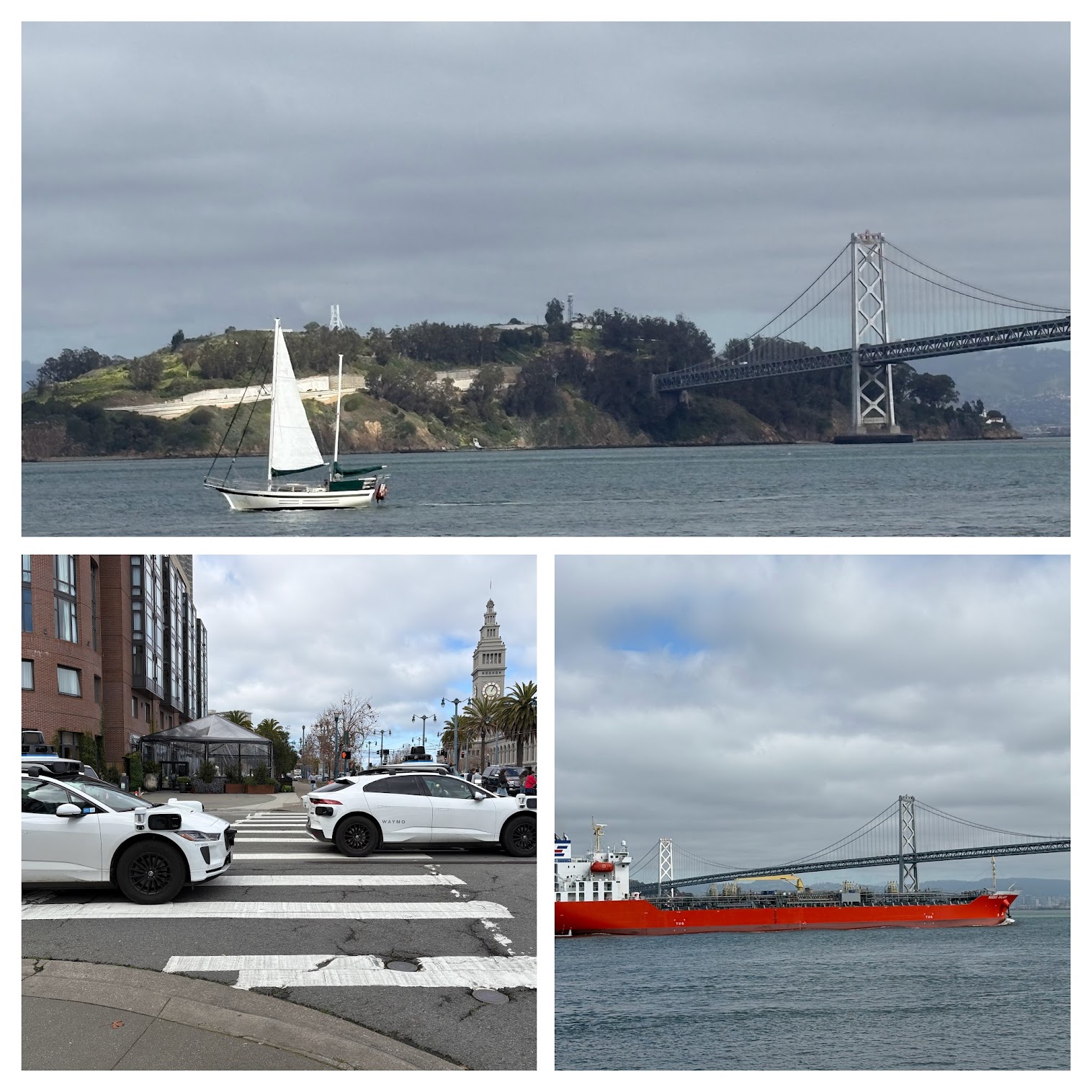
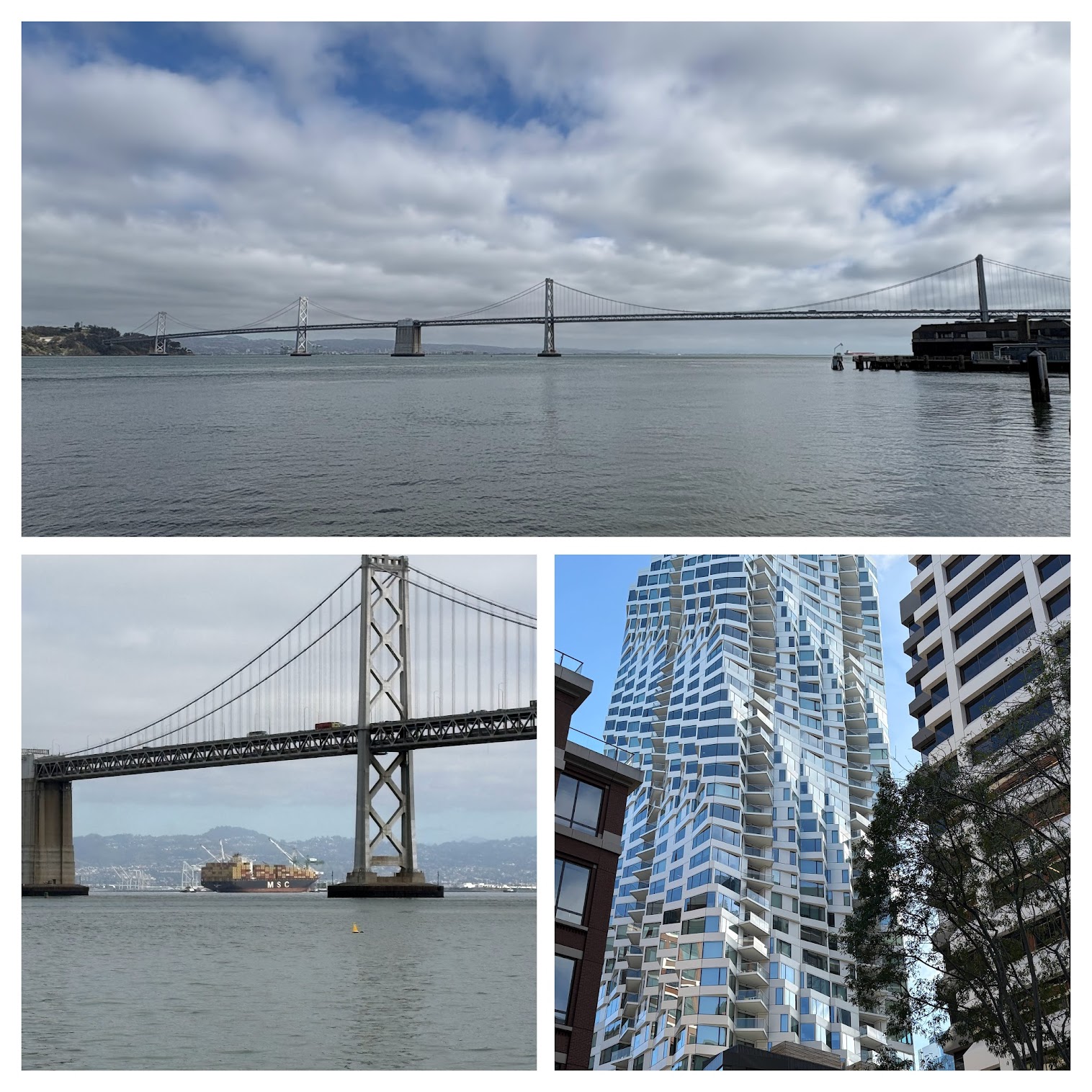
The transportation options in that one strip of land is astounding: cruise ships, daily commuter ferries, sailboats, underground trains, bridges – Bay Bridge & on a good day a view of the Golden Gate Bridge, cars, self-driving cars – Venmo’s, tramcars over a 100 years old. Some days, you can see the odd horse drawn carriage – a pure tourist attraction, but alien snippets need not know that.

Architecture:

The buildings are something else – towering in so many shapes and forms. Leaf-shaped one, conical towers, coat tower, Ferry building with its clock-tower, brick buildings, parks, baseball stadium, exploratorium, bookshops. There is plenty of scope for improvement as far as biomimicry designs go, but then were an earthquake to hit, these buildings can show you the difference a 100 years can make in our designs. That’s a towering accomplishment (Get it? Get it?)

Music, Sports:

The music from the subway or the freelance musicians is also sometimes wafting its way to you. The spring in the step of the tourists always a joy to behold.

Science:

The Science Exploratorium aside, you are assured of seeing a few flights landing or taking off from the San Francisco airport, a few Venmo cars gliding through the human-driven car traffic. Not to mention that if an aline knew how to operate a cell-phone, the reception and wi-fi is excellent there.

Food:

The food choices are a little too good to be true – Thai, Mediterranean, Indian, Mexican, Italian, Chinese, Danish, Swiss, American – all there. On the days they have the Farmer’s Market there, the fresh produce, flowers and fruits add to the flavors.

On a good day, the Ferry building area is pure beauty.

Which spot would you choose?

River Valley Civilizations -> Digital Valley Civilizations

The History of the United States

I just finished listening to a Great Courses Lecture Series on American History. Over 48 hours of listening content aside, it meant I have been wondering and trying to piece together the deeper veins running through our history and why they are still relevant today.

Why is a leader still able to rouse such high levels of divisiveness around certain issues? Like immigration? I truly wanted to understand it.

I am no  political analyst. I am no historian. But even I know that immigration is an old wound. A scar tissue. A festering topic that never really leaves the American psyche. 

River Valley Civilizations to Digital Valley Civilizations

The strain of every bigoted immigration movement seems rooted in ‘Go-back-to-where-you-came-from’. This is an interesting perspective. Because if we go far back enough, that would mean all of humanity would still be clustering around the river valleys and deltas practicing agriculture with the annual flooding cycles.

The Egyptians eyeing the invading Greek with suspicion.

But here is the thing. We moved past that. We are no longer river-valley civilizations. We took to the open oceans. We found every nook and corner of land available for us to live on. We are now living in or moving towards digital valley civilizations.

We do not cluster around the primary vocation of those times – growing food. We cluster around the primary vocation of these times. Which is to earn livelihoods in increasingly complex domains using increasingly complex technologies. The prosperous have always attracted people from outside – whether as conquering hordes, or as people who simply were welcomed and came in to be assimilated.

So what seems to be the antidote?

Given this, two aspects occur to me. 

  1. Enable prosperity so high and peace so high in other parts of the world too, so that the immigrants who are flocking to America do not flock to America alone. This is harder, yes, but also the best path forward. It is what happened with the rise of the computer industry in countries like India and China. #EnableProsperity #EnablePeace.
  2. Immigrant workers have usually (willingly or otherwise) answered a call from America itself when human-power was limited. The Golden Triangle all those centuries ago, meant that America sought slave-labor from Africa and forcibly bought them to the United States to help with their cash crops and raising their families. When the railways needed building, America sought to bring in Chinese workers to do the work. When technical jobs needed doing, America legislated to have tech workers come in.
    So, the solution seems to be to raise the skillsets of what we need in our next generation. Prioritize science education, encourage research. Not the opposite. #EnableScience #EnableResearch

America took its time getting here to be the melting pot of civilizations. It has always dealt with changing demographics, but has also proved to be be best model for assimilation in the world. So why this turbulence?

What do you think? What are some of the solutions you can think of?

Shopping with Richard & Petunia

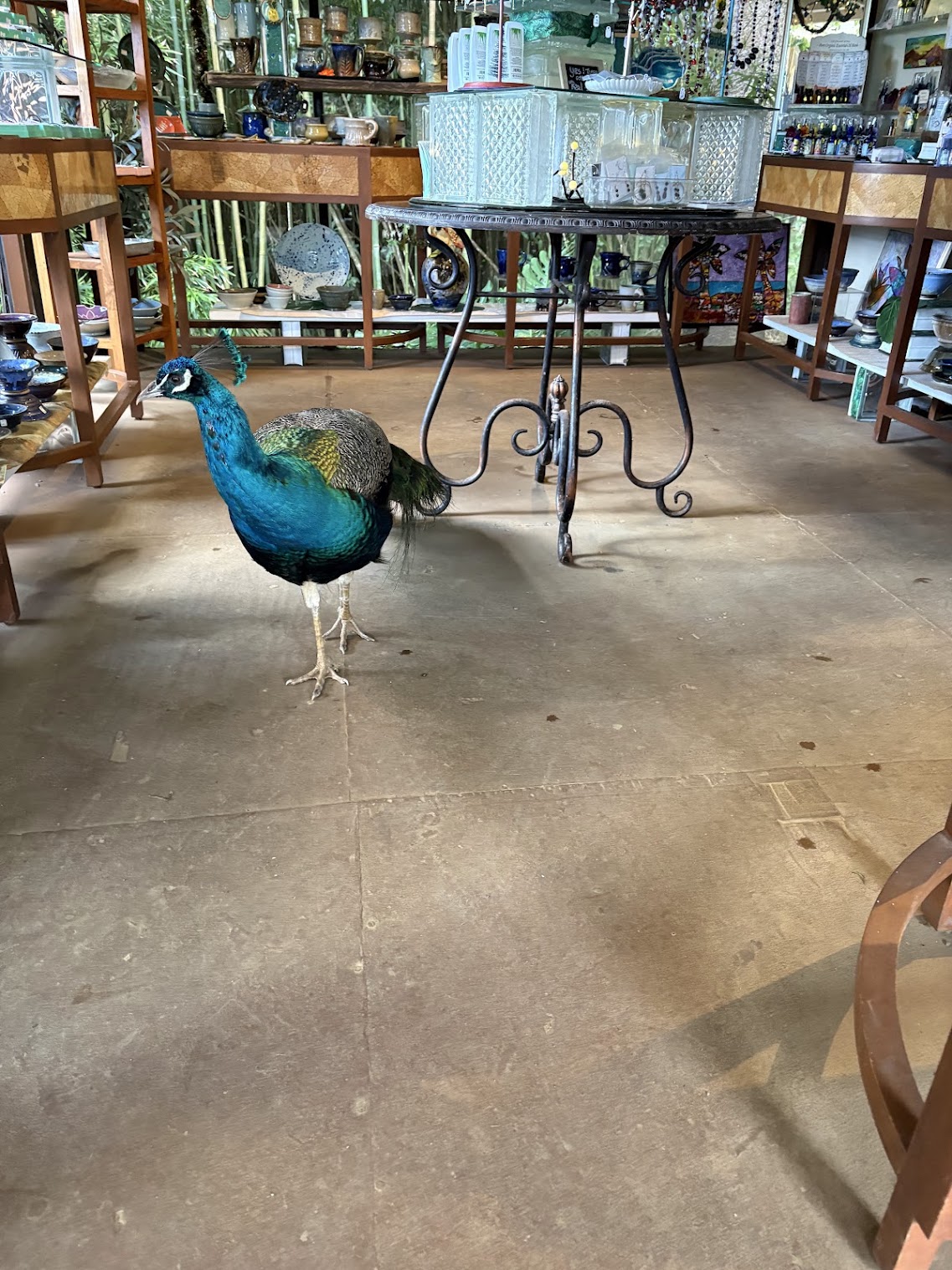
You get to do the strangest things on trips. Like shopping with Richard and Petunia.

Petunia had a bored look. If her nonchalance was studied, it was not apparent. Well done. The attention Richard got was ridiculous if you asked her, and she wasn’t going to indulge him any more than was necessary.

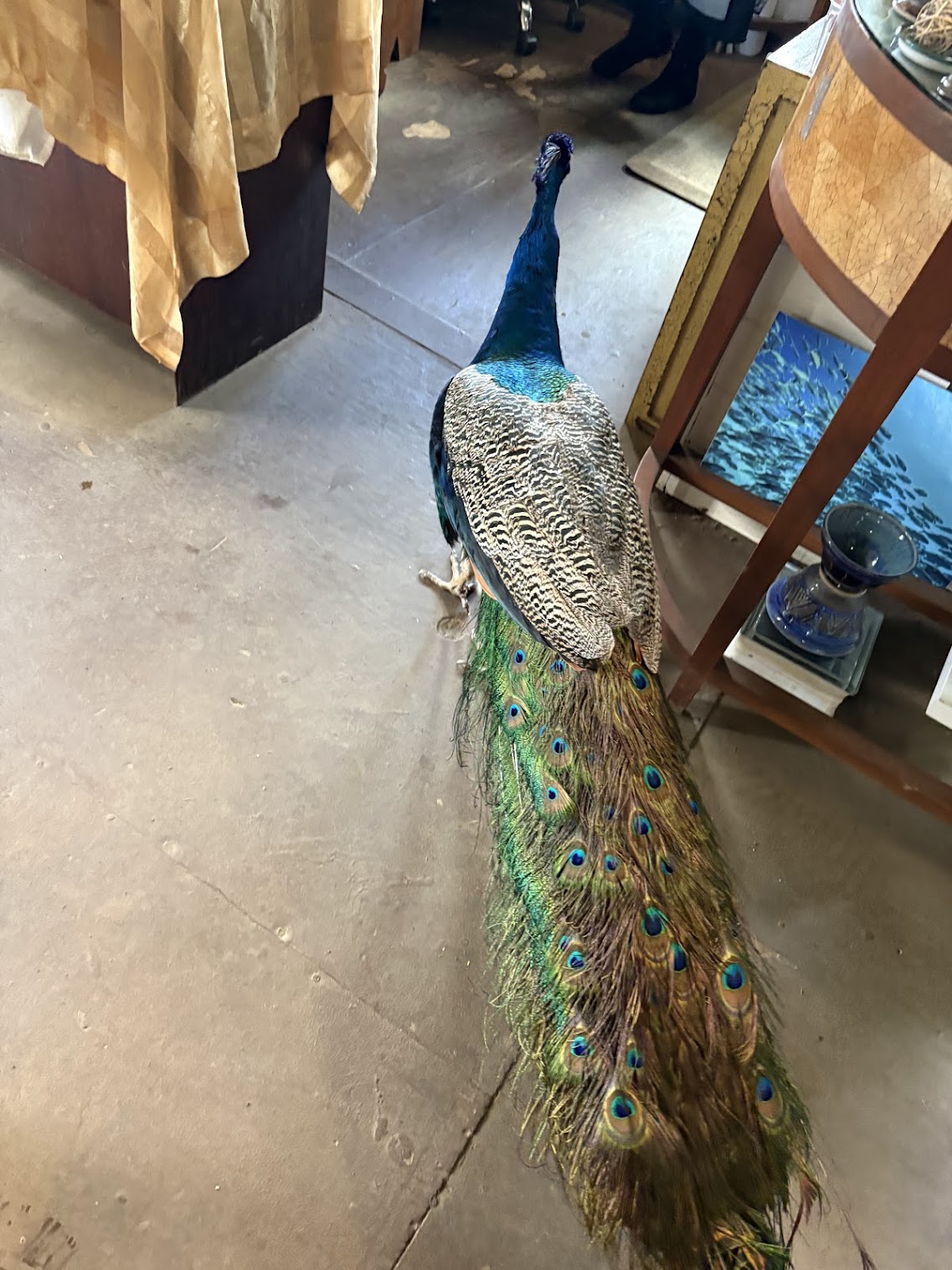
Richard, though, was preening. Young as he was, he was still learning the ways of people. He was incredibly good-looking and that department helped him in getting what he wanted.

If it bothered Petunia, she didn’t show it. She seemed happy enough to be ignored. Besides, Petunia’s doctor had advised her to go easy on her diet. She was clearly one of those queens who enjoyed being served luxurious portions at regular intervals without having to ask for it.

Petunia liked to think of herself as well-proportioned, but Richard liked to think of her as fat.

It really did not bode well for their relationship.

So, it really was no one’s fault.

Richard asked for food. Joanna gave it to him. She let him peck it straight from her hand, and those in the store looked on with awe. Richard really was handsome. His eyes and feathers shone: he was quite the bored aristocrat when I walked in. He came over and gave me a once-over and then strutted over to Joanna. She held out her hand with his food, and Richard pecked at it, making sure that we had our eyes on him – giving him the sort of adoring look he was used to.

I suppose after the fifteenth time that day, Petunia snapped. She still could not bring herself to exert herself and show her disapproval, but she did sort of snort. Richard understood, and pecked hard enough for the food to splash and roll out onto the floor from my outstretched hand.  Richard ate it all up and then stalked off into rain outside. Just so.

Petunia gave him a scowl that said, “Good! Get a good soak then!”, and went back to snoozing on the billing counter. Bird food was nowhere as good as cat food anyway. Petunia knew that.

Oh well!

How often does one get to shop with a peacock and a cat?