
The World Around Us
I don’t remember when exactly we start noticing birds and animals around us as being separate from human-beings. If there is a conscious point in time when we say:
This is us, that is a bird.
Don’t eat those – they’re mosquitoes &
Keep away from man-eating tigers – they want to eat us.
Keeping the neuroscience behind it all aside, the world around us is fascinating. Even if you see a bird everyday, the little chirp, and the flutter of its wings cannot help but take us out of ourselves for a bit can it?
What is it about this diversity of life that is so appealing?
I was sitting one afternoon engrossed in books. Books on beautiful beasts and fantastic features of the creatures we share our planet with.
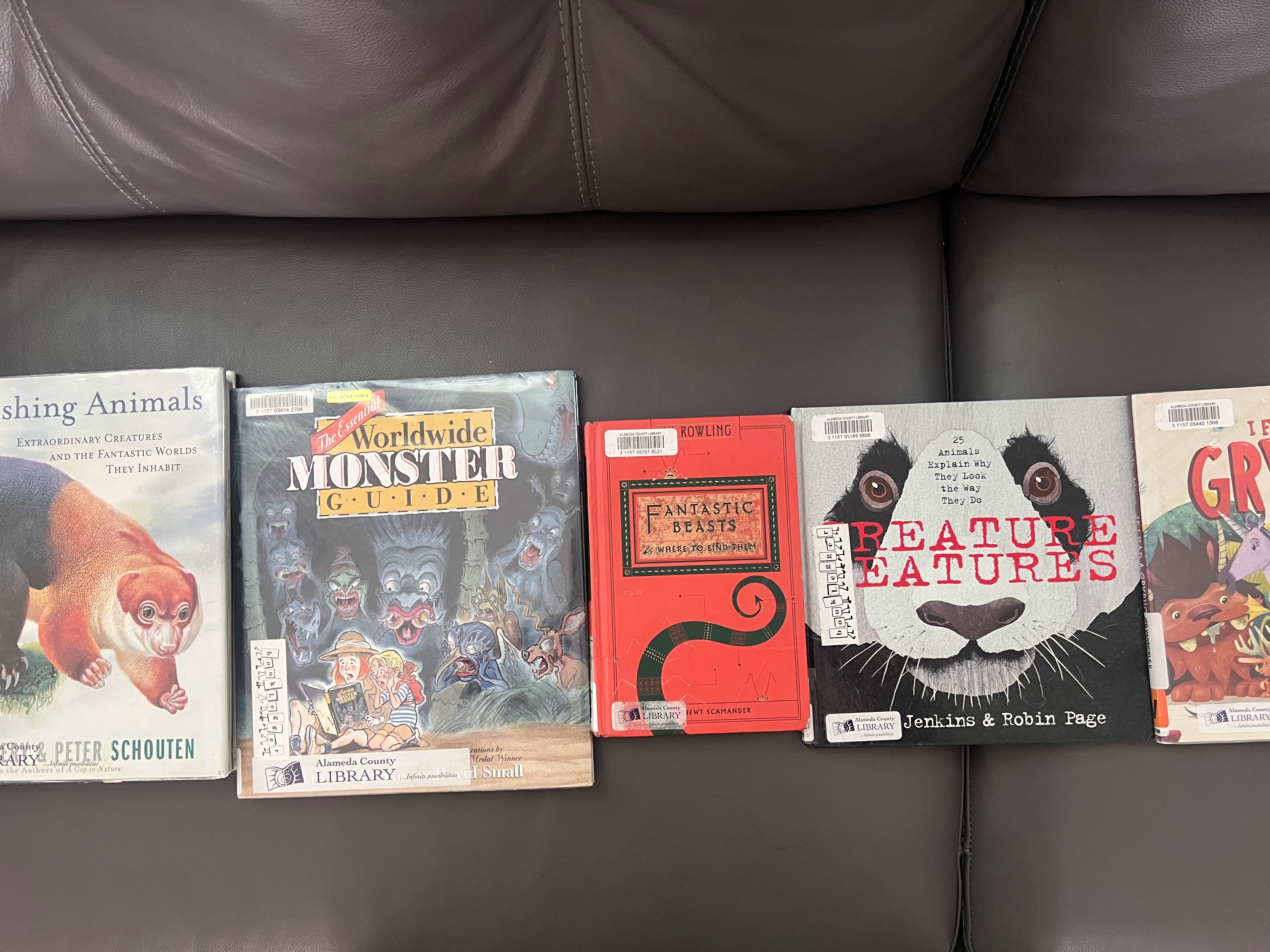
As I flipped through the colorful pictures and the accompanying text in the book, Astonishing Animals – Extraordinary Creatures and the Fantastic Worlds They Inhabit. – By Tim Flannery & Peter Schouten, I couldn’t help being drawn to the birds of paradise in the book.
Rarely do we stop and just admire the beauty and precision of a bird’s structure. The birds themselves are flighty. Our attention spans are even more so. Plus, these birds are all in exotic places. But it made me wonder – even the less exotic birds around us, how long and how often do we study them? Ornithologists do. Bird photographers do. But otherwise? Those of us who love nature stop to notice them. The rest of us are too busy to notice.
Birds of Paradise
I was admiring the different birds of paradise illustrations in the book, and I felt myself drawn to the Himalayan Satyr as much as the blue bird of paradise.
The blue bird of paradise is illustrated beautifully in the book – long side up taking up two pages and you can see why:

“he dances upside down, hanging from a branch. As he begins his display, he flexes, sending waves of blue and violet shimmering through his feathers. At the center of his chest is a dark oval patch lined on its lower margin with red. This is rhythmically expanded and contracted so that it resembles a huge, slowly expanding eye whose effect, even on humans, is hypnotic. All the while the performer’s own eyes are closed, revealing white eyelids, which lend him an unearthly air.”
Like a little opera singer, dancing on the stage. How marvelous!
The Satyr Tragopan, another beautiful Himalayan bird, drew me for another reason.
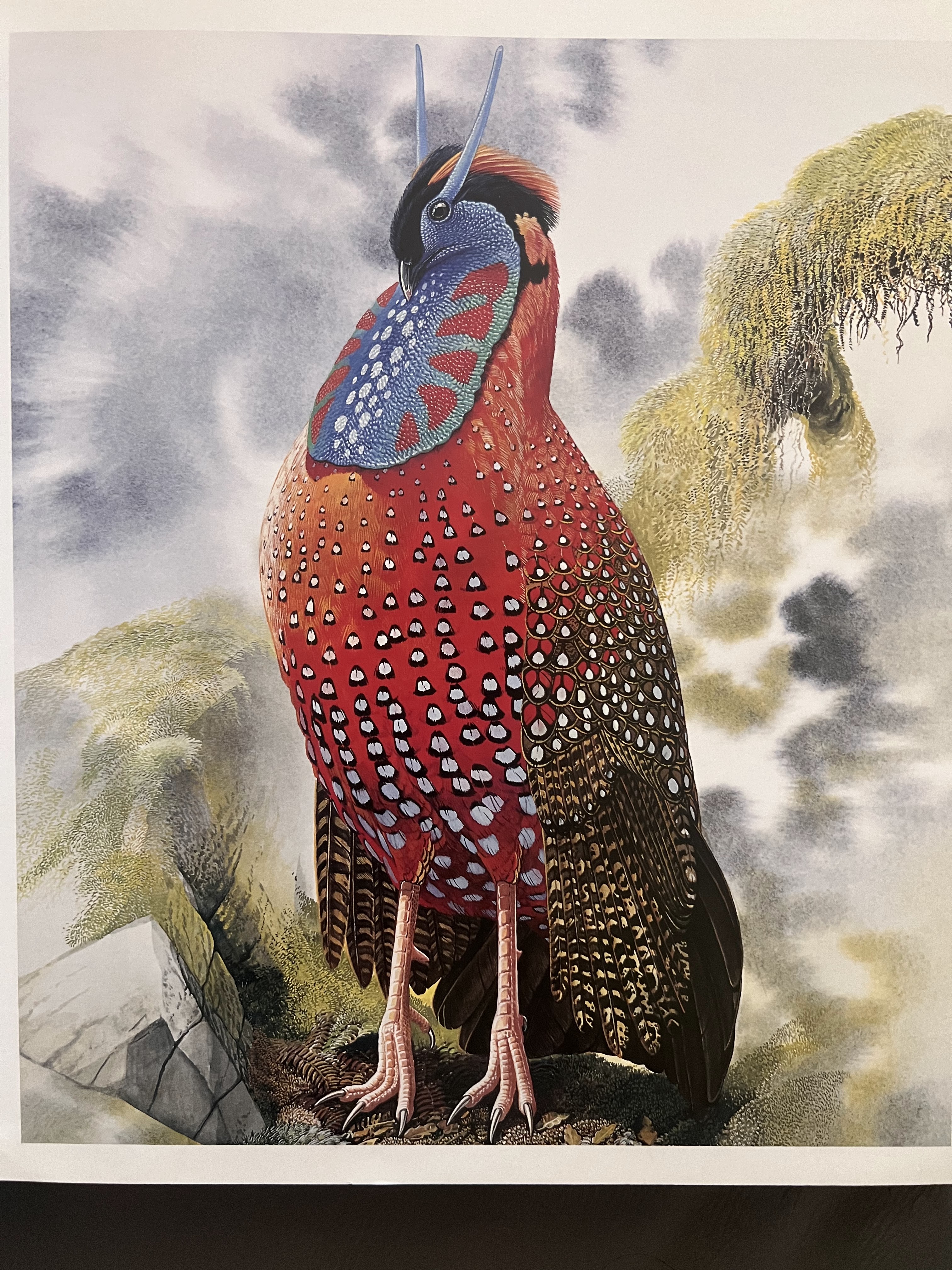
“It is often the case among birds that a gorgeous cock is a poor provider. Beautifully adorned males may put on a wonderful courtship, but all too often contribute nothing to the raising of the chicks, leaving that duty to the dull hen-birds. The satyr tragopan is a stand-out exception here, for not only is he dashingly handsome but he seems to be monogamous and a dutiful father as well. … The father contributes equally to the upbringing and care of the young.”
The Himalayan Monal, and other birds of paradise are equally dashing.
Split into beautiful sections about creatures who live in the ocean, tree dwellers, mountains dwellers, the book journeys across continents, landscapes, ocean surfaces and deep surfaces. The artwork, though, is spell-binding.
One cannot help feeling like the world is beautified and expanded just a little after an hour just looking at these beautiful creatures and reading about their curious lives.
Recommended Books:


 Nourish-n-Cherish