The Enchanted Turtles

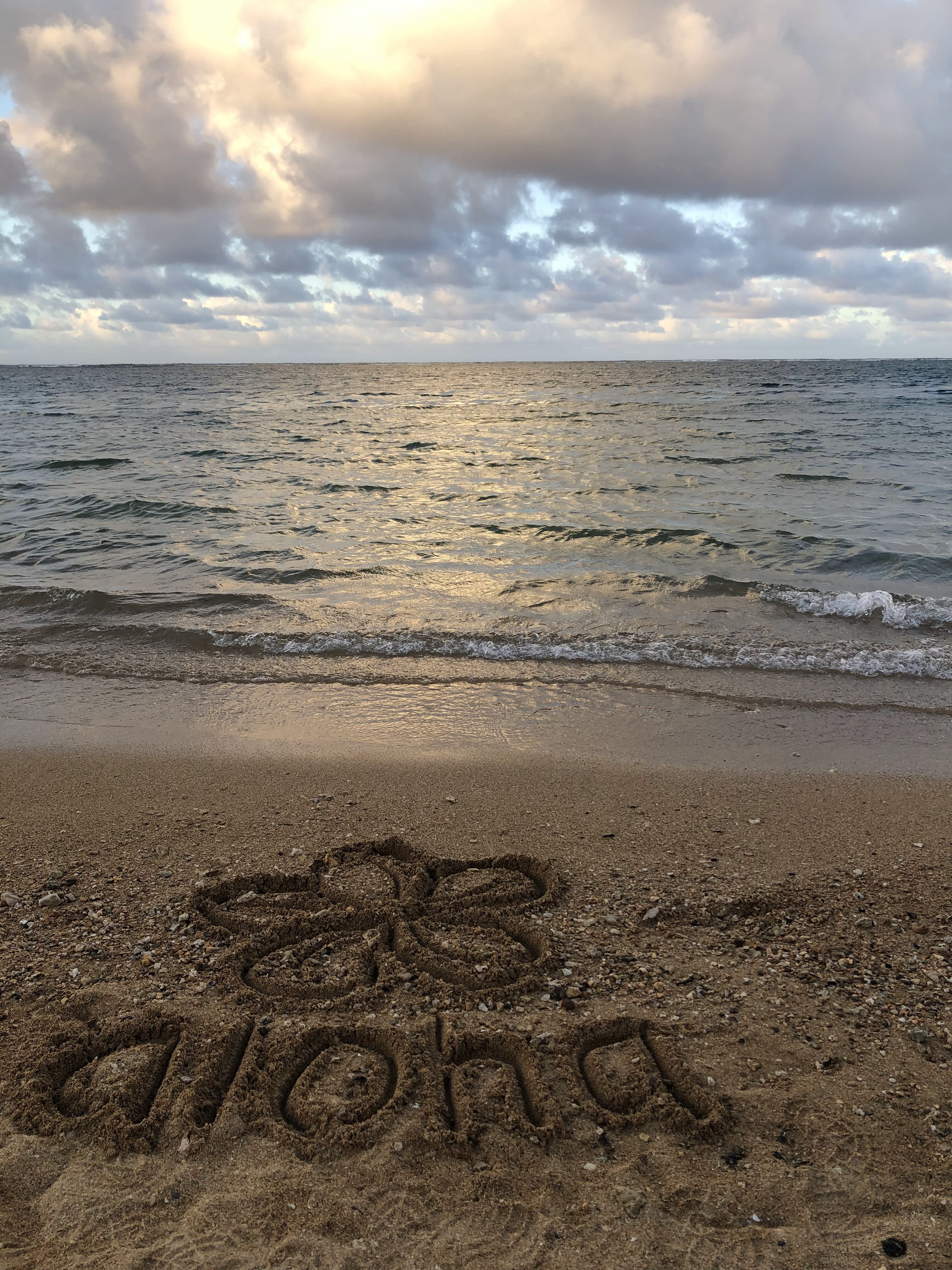
We are back from a beautiful few days in Kauai, Hawaii.

There is something about the light and sights of an island paradise that always amaze me. Even the darkness seems to be scented by a different tint of light (could it be that the surrounding oceans make for darker skies and the magical stars spread their light more?)
As Gerald Durrell says about the island of Corfu in his writing:

“Gradually the magic of the island settled over us as gently and clingingly as pollen. Each day had a tranquillity, a timelessness, about it, so that you wished it would never end. But then the dark skin of night would peel off and there would be a fresh day waiting for us, glossy and colourful as a child’s transfer and with the same tinge of unreality.” 

Gerald Durrell, The Corfu Trilogy

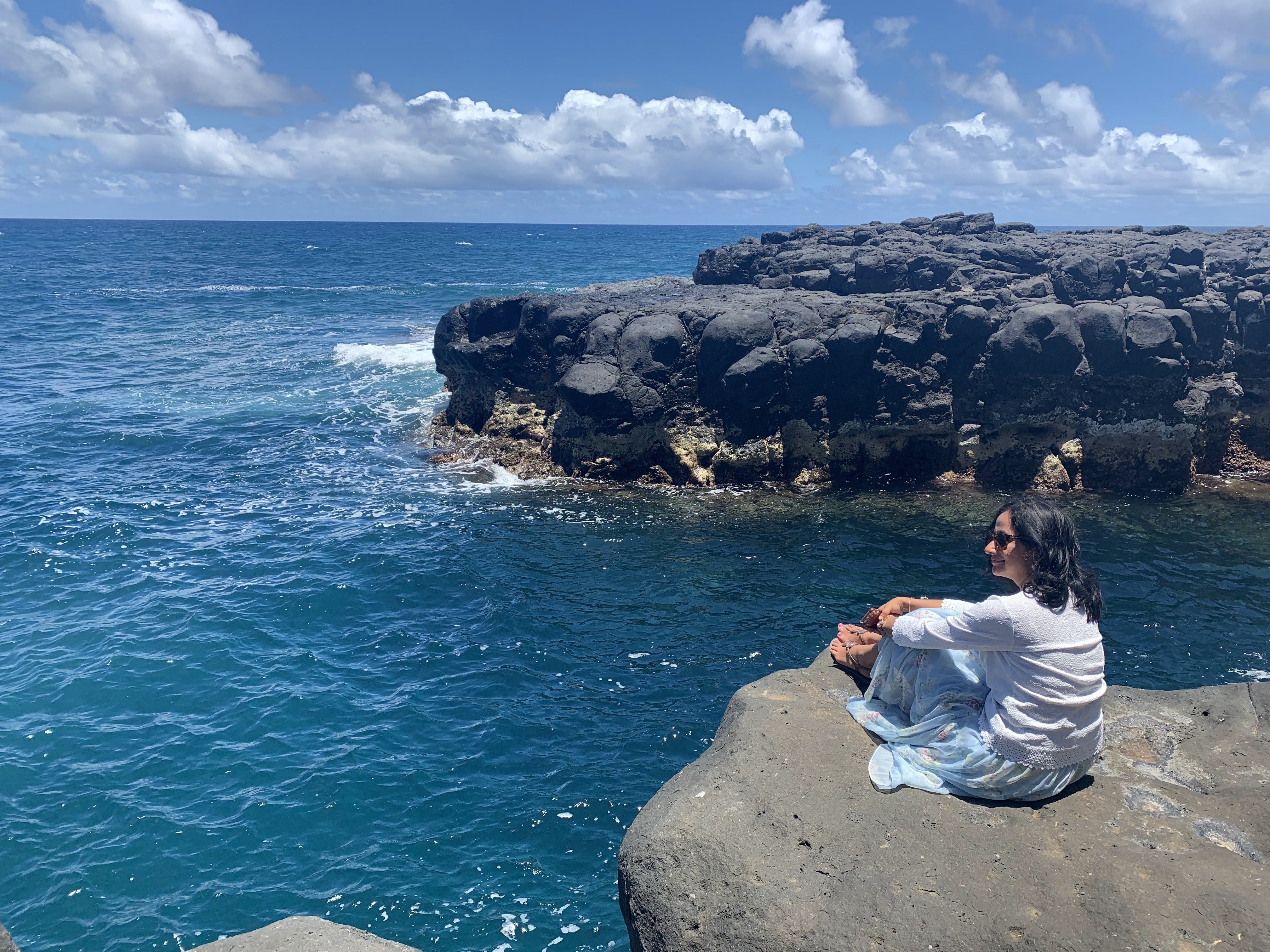
One morning, two days into our vacation in the Garden Island, Kauai, we decided to have a slower morning. We had been rushing and ticking sights off our list ever since we arrived. So, that morning, we lolled and strolled nearby. A tourist magnet like Hawaii doesn’t have too many hidden gems, but walking through the streets has gems enough. We strolled to a nearby lagoon or bay with some rough hidden spots. We sat on the rocks watching the waters slosh into the rocks below. There is something surprising every time we stop and still our senses. 
10 minutes into sitting on the rocks and watching the waters below was enough. We spotted 3 large turtles almost all at once. The children and I squealed at the turtles 🐢 swimming and sloshing in the rough waters below. To see a large sea turtle in the ocean is a gift few get, and even fewer appreciate. As for us, we were thrilled. 
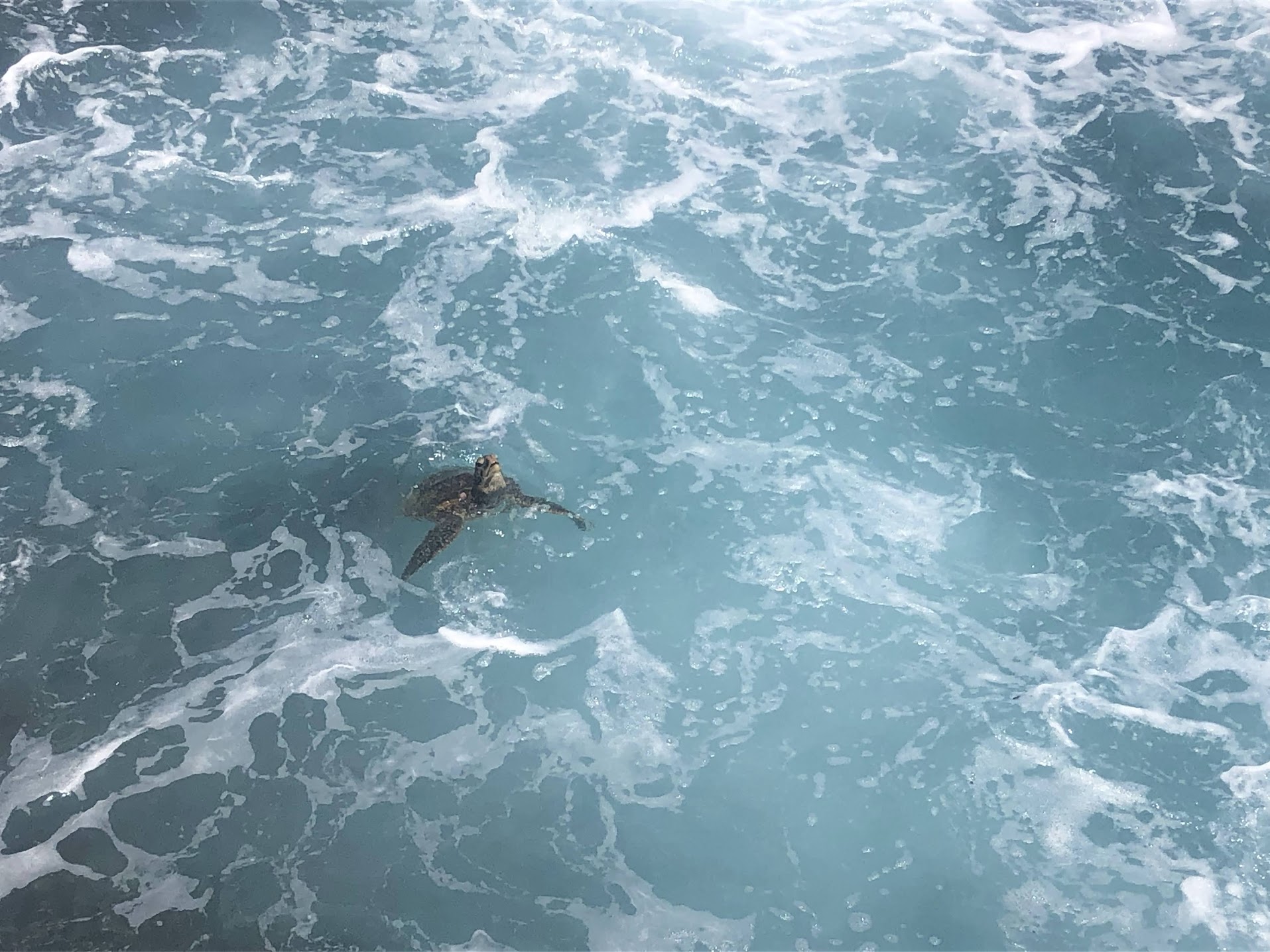
The delight and serendipity of a sight like lit the world around us. Even now, when I close my eyes, I can see the magnificence of the sea turtles coming up, looking around and ducking back in with the waves. 

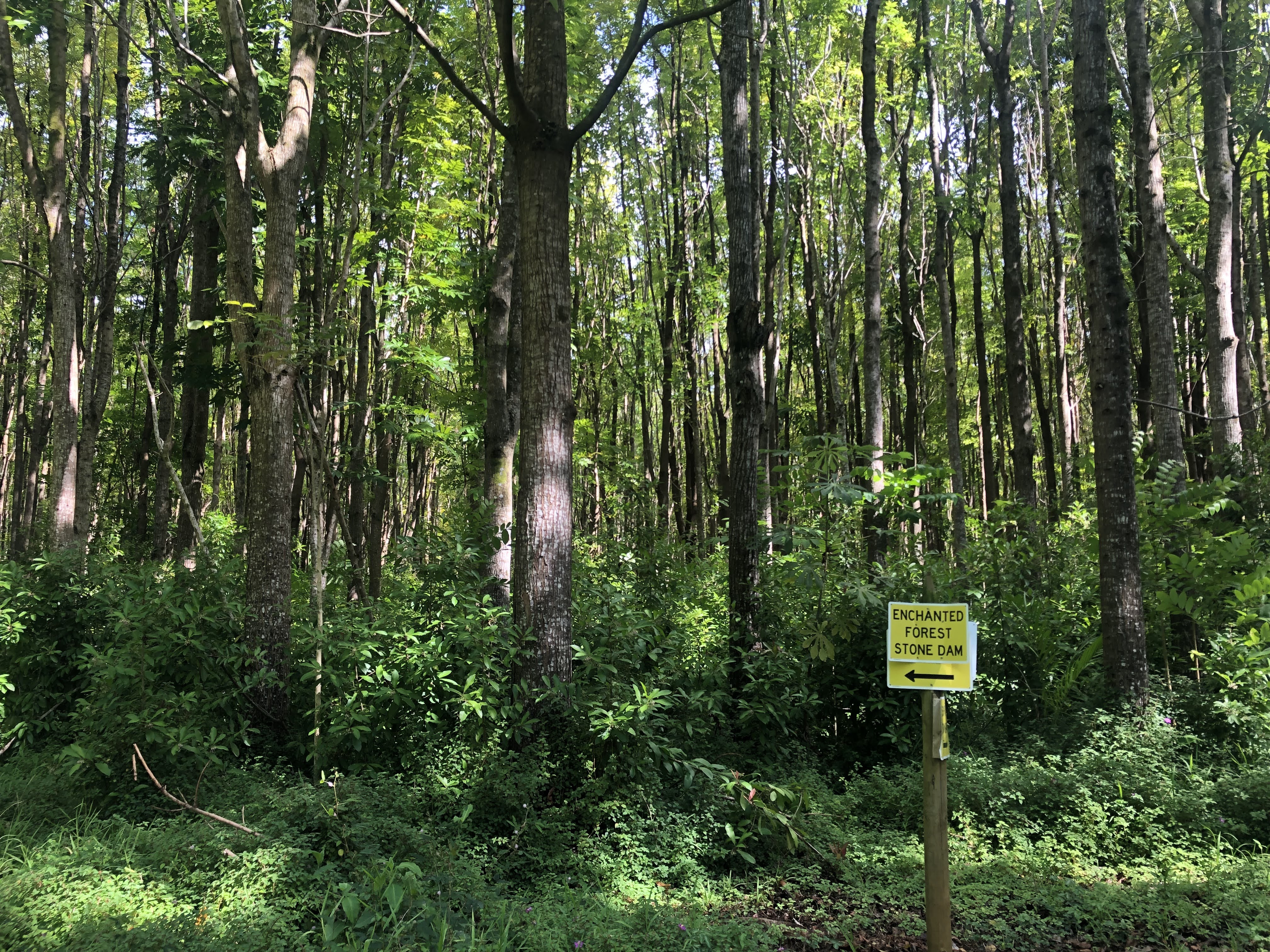
That afternoon, a helpful lady at the resort told us about a hike in a mahogany forest, and off we went. Through the forest, with the sun light filtering though the green canopy overhead, there was a diversion marked ‘Enchanted Forest’. How could one resist a path marked thus? Off we tread into the enchanted forest then, and enchanted it was. There were clumps of touch-me-nots every few feet, and the quiet of the forest only interspersed with the chittering of the exotic Hawaiian birds was magical.
That evening, as I closed my eyes for the night, the turtles came unbidden to wish me good night – sloshing and rolling in the tumultuous waters of the bay. I clutched the firm  bed, made probably of mahogany wood, and couldn’t help feeling a sense of gratitude for the enchanted turtles and forests that bless our days on Earth.

“I walk in the world to love it.” – Mary Oliver

Frog & Toad Would Be Proud!

The husband in a fit of enthusiasm started a vegetable patch. When the h starts a project, he goes at it with all the usual enthusiasm. Which is to say that he was coming home every other day with a different piece of equipment – a fascinating looking thing called a trellis, spades, a garden patch, large bags of compostable soil. 

As much as I moaned about the necessary and unnecessary things in our midst, I was impressed with the work the man was putting in. He had the look of a man with a mission toiling to accomplish his vision.

Within days, the man had created a veritable garden patch. Enthusiastic and proactive actions such as these lead to unexpected outcomes. Soon, the local library’s solarium seed packets made their way to the patch, visiting aunts and uncles, neighbors and friends who are far better at gardening than us, added their bit to the seeds, and gloriously, the vegetable garden grew.

For the next few mornings and evenings, I would take my tea over to see if the plants had grown. Feeling a bit like Frog & Toad, I walked up and down several times and poking the ground (Arnold Lobel writes of hilariously identifiable situations with Frog & Toad as his protagonists) In one story, Frog gives Toad some seeds to start a garden:

“Here are some flower seeds. Plant them in the ground. “ said Frog, “and soon you will have a garden.”

“How soon?”, said Toad.

“Quite soon.”, said Frog.

He planted the flower seeds.

“Now seeds”, said Toad, “start growing.”

Toad walked up and down a few times.

The seeds did not start to grow.

Arnold Lobel, Frog & Toad

I wondered whether a spot of singing would help and all that. (there is research that suggests that music helps the plants) 🌱 🪴

I must’ve discussed the possibility in earshot of the plants, for I felt the earth shudder and the underground networks that these plants seem to have buzzed with coming disaster, and the very next day, they started to grow and flourish in the patch. 

Once the shoots peeped into the ground above, two things happened. They benefitted from the hot Californian sun and the nurturing of the mother who is here a-visiting. She would fuss over the patch, spray tea leaves, crush dried vegetable droppings to the soil, and water the plants regularly twice a day when the plants were young.

The patch attracted butterflies and and the creepers looked for ways in which to latch onto the trees nearby and take root. 

The vegetable patch is a daily joy – we had the first cucumber from the creepers today, and I must say: the raita (cucumber + yogurt) was tastier than anything I have eaten before. The vision and initial spade work was the husband’s, the mother’s was the subsequent tendering and nurturing of the patch. 

I clapped the husband and mother on their backs in a congratulatory note. That cucumber was a marvel. Something that was produced by the hardworking plants on Planet Earth. 

“People don’t know to make a leaf, but they know how to destroy one.” 
― Hope Jahren, Lab Girl

Oh! How easily we go to the store and rip out one of those plastic bags and pay for the produce? It makes us appreciate all the agriculturists, farmers, and gardeners in our midst. 

“It takes a long time to turn into what you’re supposed to be.” 
― Hope Jahren, Lab Girl

Bewilderment – The book and the feeling

A friend of mine teased me lovingly and perfectly validly that every time she looks at the stars she thinks of me looking up and wondering about the various kinds of worlds out there, the vastness of it, the beauty and grandeur.  “You will become a star one day.” , she said, and we laughed. 

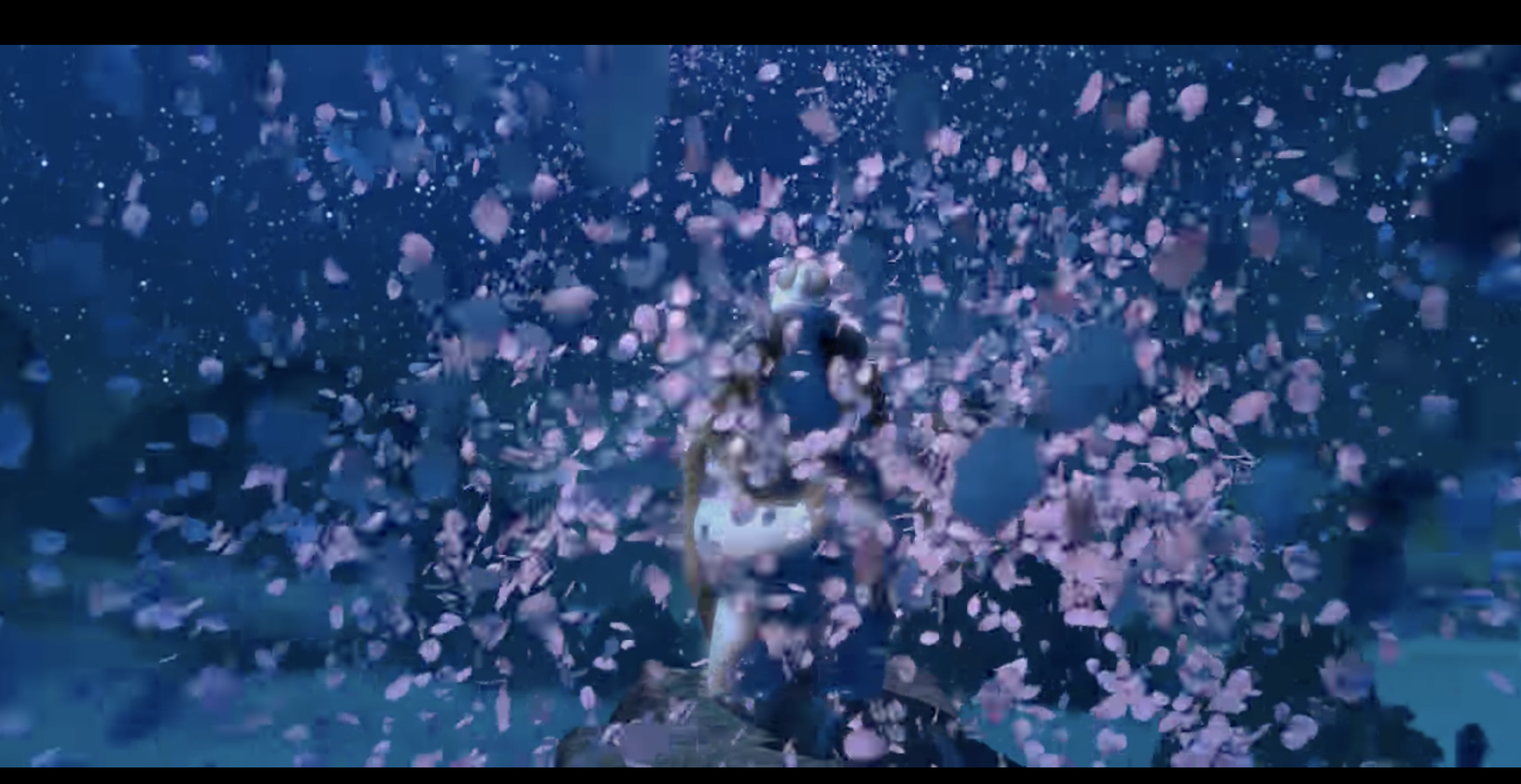
I would love to become like Oogway the Turtle master who, when the time came became one with the stars. That picturization is brilliant and so poignant. 

Oogway becoming one with the stars

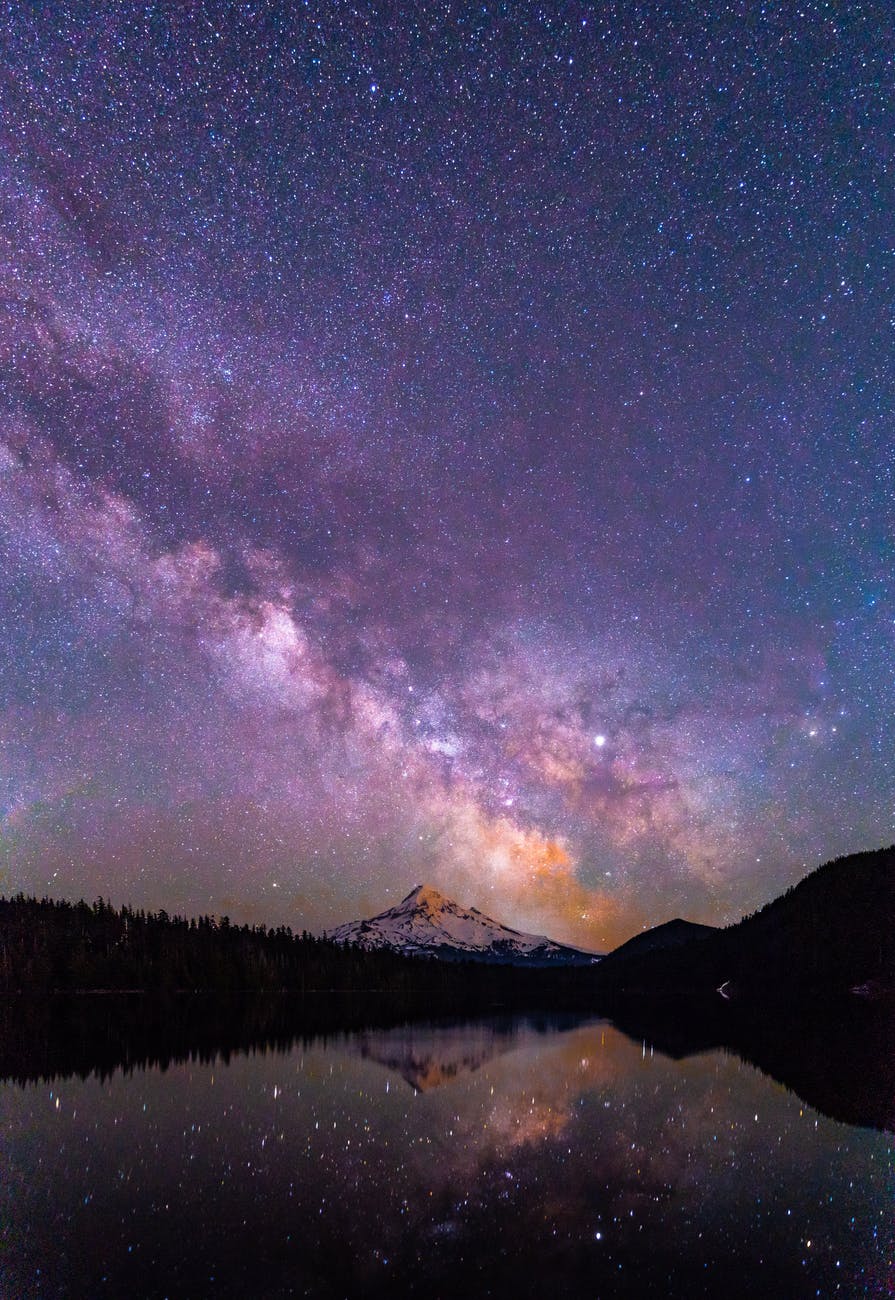
It is true – after a long day, when most earthly duties of the day are done, I take myself off to ponder at the stars – the distant worlds and the beauty of sentience to appreciate the vastness of our presence in this universe. Truly, one of the biggest leaps of humankind is to have found our humble place in the cosmos – the worlds do not revolve around us, the gods were not thinking of us and our fates during the grand creation. We just are, and while here, we can make the best of it. 

Photo by Mohan Reddy Atalu on Pexels.com

The more we discover earth-like planets, the more we realize that our planet is probably the only home we have for at least 10 (possibly much higher) light years in every direction. It should be a moment of awakening then for us to look after our one home. 

Life on Earth

Space.com – Earth like planets

Obviously, I was thrilled to read the book Bewilderment by Richard Powers. He writes about a dedicated, loving father who is raising his neuro-divergent son as a single father. He is also an astrobiologist whose job it is to model the worlds found depending on their atmospheric possibilities and constitution to simulate the kinds of life possible. (Even on Earth, the extremophiles found in sulphur vents deep inside the ocean were a revelation. If that was possible, what else and how many kinds of life were possible? )  The unique nature of their relationship, the steadfast and somewhat refreshing outlook of the possibilities of life outside Earth make for a fabulous read. A dip into the stars and beyond while being earth-bound. 

Bewilderment – By Richard Powers

For those of you who wish to read the possibilities of worlds and the ability to dream past our current home and circumstances, I shall not spoil the end (but I wish it had not ended the way it did) .

Richard Powers is quickly becoming one of my favorite Science and nature based authors.

Snippet :

One night in mid-August, he asked for a planet before bed. I gave him the planet Chromat. It had nine moons and two suns, one small and red, the other large and blue. That made for three kinds of day of different lengths, four kinds of sunset and sunrise, scores of different eclipses, and countless flavors of disk and night,. Dust in the atmosphere turned the two kinds of sunlight into swirling watercolors. The languages of that world had as many as two hundred words for sadness and three hundred for joy, depending on the latitude and hemisphere.

He was thoughtful, at the story’s end. He lay back on his pillow, hands clasped behind his head, looking up at the idea of Chromat on his bedroom ceiling.

Bewilderment – Richard Powers

The book has rekindled the wonder of the universe, and the wondrous ponderings associated with them. How can one be bored by our narrow lives when the cosmos offers itself as a venue to ponder and more importantly, get a perspective on.

Dancing Hippos of Loango

The summer solstice was unusually hot this time of the year. 

I was just back from the pool. The children looked at me approvingly as I hummed through the early evening light making dosas for dinner. “Amma is like one of those partying surfing hippos of Loango isn’t it?” said the children, and I beamed.

“Those hippos are so cool – riding the coastline, swimming so well – I want to be able to swim like them. I mean, I sputter and bumble in the pool. Imagine if I could swim like the happy hippos of Loango?” I sang and danced a little hippo jig. 

The children exchanged glances and burst out laughing. “You know? Some moms would be offended if they are called the surfing hippos of Loango. “ 

“Well, I am honored.” said I truthfully. “Fascinating creatures hippos. Do y’all remember the hippo handbag I had? Drew admiring glances a few times that one.”

“Yeah – also pitiful ones ma. That one was falling apart – we know, actually the whole world knew, you liked the hippo handbag.” Said the older eye-roll and the younger eye roll in unison.

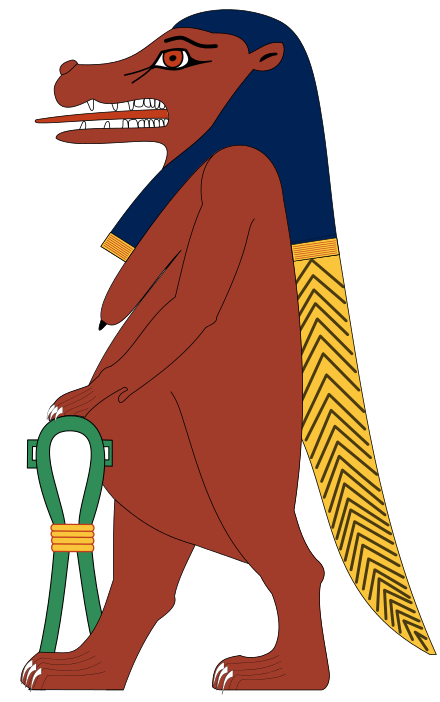
I laughed. “By the way, did you also know that Taweret – the greek goddess of childbirth was a hippo?” Said the mythology experts in the house, and I glanced up from my dosas with wonder and curiosity. 

Image source: https://en.wikipedia.org/wiki/Taweret

Taweret , a goddess depicted as a pregnant hippopotamus standing upright.

Mankind has for ages gleaned its inspirations from the animal world. All the more reason for us to protect the diversity of life and the planet that nurtures them all. 

Ever since we saw the first episode on National Parks narrated by Barack Obama, we all fell in love with the surfing hippos of Loango, the flying sifakas of Madagascar, the camouflaging coolness of the sleepy sloths that have the potential to cure cancer and so much more.

Watching programs featuring the wild in the National Geographic or the National Parks series make me glad that I am alive in today’s day and age. The camera angles, the kind of cinematography, the explosion of knowledge and sharing, the entertainment options and standards, technology everything is instrumental in a wildlife show. Where previously, we had to rely on the mental imagery through words such as Gerald Durrell’s, now we have the ability to see the guanacos act of survival in the Patagonian landscapes right along side the sluggish sea lions on the Californian coast. If that isn’t lucky, I don’t what is.

I have tried capturing a butterfly with my phone several times, and I must confess this simple act is all it takes for me to gain a sense of awe with the captures of these wildlife photographers and documentary producers. 

Is this Pearl a Gem?

The daughter was looking for pearls to go with her dress. I moaned. Jewelry was not my specialty. Pearl jewelry even less so.  I remember, decades ago, going to one of those famed pearl stores in San Francisco and being completely bewildered by the array that met me. I told the husband quite honestly that I had no idea what I had bought and whether they were worth it, but I liked how they looked and that ought to do. Things had not changed much on the pearl front in the intervening decades.

So, off I went looking for pearls in the best place I knew. Not the oceans to hobnob with oysters and occasional mollusks to see how they were doing with the irritants of the sand against their skin and all that, but to that one place you go to check to buy anything from ‘bear goggles for toddler swimmers’ to ‘jellyfish tees for teens’: Amazon.

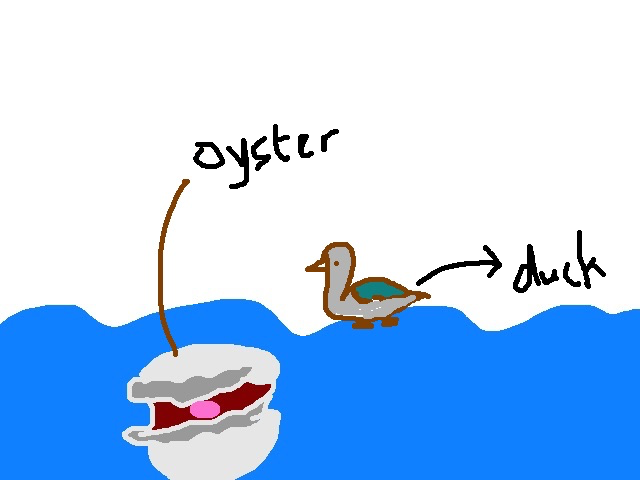
It was while deciding between a $20 piece and a $50 piece that I threw my hands up in the air. The pictures looked amazing. My keen, discerning eye that had helped me spot a heron in the riverbed before anyone else could, could make out no difference between the $20 ones and the $50 pearls. Scratch any of those observations you have seen me make on the birds nearby. With pearls, I was an oyster chasing a duck.

A little rabbit hole related reading later, I emerged with this tidbit: freshwater pearls require our oyster friends to make the pearls after they are injected with an irritant, while artificial ones could be coated with oil-pearl like substances to get the sheen you need. 

With that, I was content and bought something that she wore gleefully. It was $20 well spent. I asked her if her friends thought they were $2000, and she gave me a throaty gargle. “No ma! They know me, and they know you and jewelry too! But they said it looked nice!”

The Smithsonian on how pearls are made – in case you are interested

Imagine my surprise then when I decided to get a spot of light reading in and picked up the book, Jeeves and the Feudal Spirit by P G Wodehouse, I learnt more about these gems. Jeeves, the narrator Bertie’s valet, that trusted man whose intellect shaped his head, taught me about endoscopes and how to determine real pearls from the ones I’d bought on Amazon a few days ago.

Usually, it is risky business to hinge a whole novel on one concept viz knowing how to tell a real pearl from a dud. But P G Wodehouse, that master of the sublime, pirouetted a whole novel around this knowledge. Starting slowly like an oyster does when it’s making its pearls, the novel meanders and swishes with the ocean water, slowly grating and building the pearl.

‘The genuine pearl has no core.’ says Jeeves and then goes on to enlighten his master, Bertie Wooster.

“Core sir. In its interior, the cultured pearl has a core….Nature’s own irritant is invariably so small as to be invisible, but the core in the cultured imitation can be discerned as a simple rule by holding the object before a strong light. This is what I did with Mrs Travers necklace. I had no need for an endoscope.”

The endoscope, is also something doctors (not just endocrinologists) use to plumb your systems and to get a good view. An endoscope is an instrument that can also be used to “peer into the cultured pearl’s interior to discern the core.”

Jeeves, being Jeeves, never leaves us with just this information, but goes on to give us something about the Moh’s scale of hardness that can be used to determine a true diamond. 

After reading that piece, I chuckled to myself. When next I wear my pearls, I intend to keep away from bright lights and endoscopes and all should be well. 

Life’s Determinants

“It’s Summer! It’s Summer!” Olaf and Anna were singing and prancing downstairs. I mock-scowled at the duo having summer fun while I dialed into my meetings dutifully. But I was happy to see them finally get some down time after school and grateful that some of their summer euphoria could rub off on me.

I peered outside wearing my owlish glasses and was treated to a beautiful painted lady spreading joy. Flitting here and flitting there.

Painted Lady

A mild breeze rippled through the tree, and I decided enough was enough. A walk would be what the doctor ordered. So, I hollered to the Olaf in the house to come with me on a little stroll. I reached for my sunglasses and instantly, the sun dappled streets of our little suburb took on a magical hue.

Off we went: me trying to look at flitting butterflies and rippling trees; Olaf – fighting imaginary wars and swishing every now and then. 

After a while, I asked him whether he had stopped to think of the stripes on the striped lady butterfly and he gave me a quizzical look – “What? I am fighting some intergalactic wars Amma! Don’t have time to look at butterflies!”

Every now and then, he stopped to explain the action sequence in his head (you know to make me feel included!) So my walk was now accompanied by the strangest commentary:

“I am now imagining the fight but how the electrons would be affected in the atoms inside the fight. The energy transfer and everything else.” and so on.

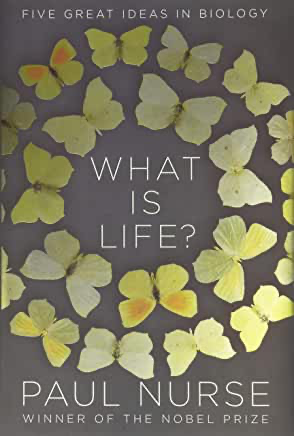
He went back to his musings and I to mine. If his musings were at the atomic level, mine were at the cellular scale of life. I remember reading about Alan Turing’s work on the mathematical models used to determine patterns in living creatures such as spots on leopards, stripes on butterflies and the like in the book, What is Life – by Paul Nurse

So, that is what we spoke about as we swished our way back home. I asked him if he knew Alan Turing. He mentioned a video in which he had been mentioned. So, there were talking of Alan Turing and his inspired work in the fields of Math and Computing.

Life as Information – What is Life – By Paul Nurse

“This was a set of problems that Alan Turing – he of Enigma code-cracking fame and one of the founders of modern computing- turned to during the early 1950s. He came up with an alternative, and imaginative, suggestion for how embryos generate spatial information from within.  He devised a set of mathematical equations that predicted the behavior of chemical substances interacting with each other, and so undergoing specific chemical reactions as they diffuse through a structure. Unexpectedly, his equations, which he called reaction-diffusion models, could arrange chemical substances into elaborate and often rather beautiful spatial patterns,.By tweaking the parameters of his equations, the two substances could organize themselves into evenly spaced spots, stripes or blotches, for example. …Turing died before his theoretical ideas could be tested in real embryos, but developmental biologists now believe that this could be the mechanism that puts spots on cheetahs backs and stripes on many fish; distributes the hair follicles on your head; and even divides each of the developing human baby hands into 5 distinct fingers.”

What is Life, By Paul Nurse

By the time we flitted back into the house, we had a proper awe of stripes and patterns that hitherto would have been less than wondrous but beautiful all the same.

I was reminded of Richard Feynman’s Ode to the Flower, and the renewed wonder in knowing the intricacies of nature. Every dot and stripe will now be a source of wonder and awe at the brain that sought to model and predict it.

Ode to a Flower – By Richard Feynman. This brain pickings article links to the beautiful animated video made by Fraser Davidson based on his ode to a flower.

The Oceans As Soul Refreshers

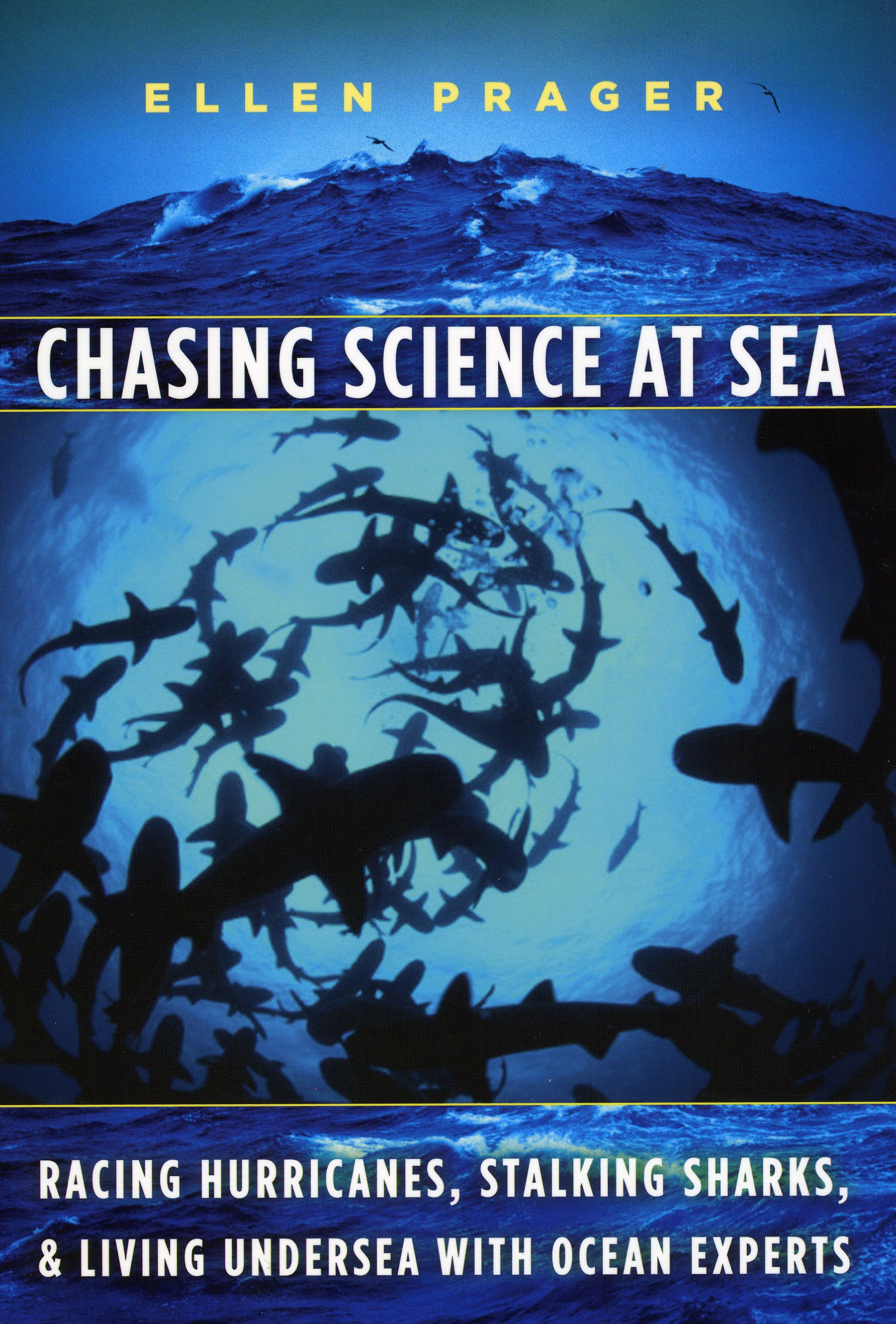
Explorers arriving at the nourishncherish home would have found the chronicler walking around with one book more often than others, Chasing Science at Sea – Racing Hurricanes, Stalking Sharks, and Living Undersea with Ocean Experts by Ellen Prager.

You see, I wanted to finish reading the book before World Environment Day World Oceans Day on June 5th. Then, I thought I will somehow make it to World Oceans Day on June 8th. Now both days have come and gone, many marvelous meals have been tucked into, many laughs shared with friends and family, many meetings sat through, many hikes and bikes to appreciate the world around us, but the book is still in my hand.

The book is engaging at a fundamental level – a subject and set of anecdotes so absorbing and amusing that despite all the demands on my time, I do not want to set it down unfinished. Every time I have gone to the edge of the land overlooking the waters, the lure of understanding the world is beyond me. How would it be if we had evolved under water instead of on land. How would our technologies have taken shape? Then, there is a gratitude that we are land dwellers and 3/4ths of the Earth is uninhabitable by us.

The pressure of living under the sea must be enormous and I wonder about how the various creatures of the sea manage. A friend of mine had taken a picture of a chips bag at high altitude. Imagine that bag 10,000 feet under the ocean. Apparently, every 33 feet the pressure increases by another atmosphere. With what ease these dolphins and whales navigate the pressure differences as they come up to gulp air and go back into the depths of the oceans?

One evening I stood watching the magnificent waxing gibbous moon over the bay waters one one side, and the setting sun on the opposite side. I remember reading that the creatures of the ocean have their own lunar cycles to follow. The little turtles that come ashore on full moon nights to lay their eggs, the fish orienting themselves by the direction of the stars, the birds using their innate gifts of navigation to traverse the Earth on there impressive migratory journeys – everything ebbed and flowed into the mind’s eye much as the gentle waves lapping nearby.

“To stand at the edge of the sea, to sense the ebb and flow of the tides, to feel the breath of a mist, is to have knowledge of things that are as nearly eternal as any earthly life can be.” –

Rachel Carson

There were pelicans bobbing elegantly in a uniform motion a distance away, seagulls, avocets and blackbirds flying energetically, while the herons stood stoic as ever apparently gazing at the moon and waiting for the fish in the waters below.

The edge of the sea

How must it be to live under the sea? How I wished to be a little mermaid just then to glimpse into the ocean worlds? Imagine my surprise when I sat with the Chasing Science at Sea book that evening to read about Aquarius – the under sea research station that allows marine biologists and oceanographers to research the oceans. They spend hours at these deep pressure stations after which they need to be carefully acclimatized to the surface atmosphere before returning to the surface. While inside Aquarius, they can stay for as long as their mission takes, but:

At the end of a mission, aquanauts undergo a 17-hour decompression that is conducted within Aquarius itself, while on the bottom. At the end of decompression, aquanauts exit Aquarius and scuba-dive back to the surface.

NASA site on Aquarius

The truth is that the oceans are still an enigma. Despite underwater diving equipment, the ability to scuba dive, submarines, and remote access vehicles, the oceans are vast, and full of an alluring mystery. 

A few years ago, I read a book on marine farming and was enthralled at the possibilities of seaweed farming and kelp forests, but not a little afraid as we start taming the seas. We have not shown ourselves to be good custodians of the lands and the atmosphere.

Kelp Forest – Monterey Bay Aquarium

As I determinedly read about the adventures or the scientists, a strange calm engulfed the soul. Water and water-related imagery often does this. I slipped into bed with beautiful thoughts of the oceans and how little we really think of them in our day-to-day problems. What amazing soul refreshers the waters are?

Maybe science needs to lighten up!

We were chatting of this and that. I don’t know how many people relish nothing-to-do days: we love them in the nourish-n-cherish household. The son & I were goofing around: chitting, chatting, and all that.

Chasing Science at Sea – By Ellen Prager

We were discussing Chasing Science at SeaRacing Hurricanes, Stalking Sharks, and Living Undersea with Ocean Experts  – the book I was reading. It is a lovely feeling to dip into the wonders of the ocean and experience the day to day life of a marine scientist (Something so different from American corporate life). How do you line up ocean vessels for your research expedition, how marvelous to experience bioluminescence on a full moon night in the middle of the ocean, and one instance where a flying fish hit a research scientist on the face as they leaned out to sea!

We both laughed.

“Maybe science needs to lighten up!” he said, and we went through the dialogue.

He was referring to the TV show we had watched the previous night: Corner Gas (Episode: Key to the Future) in which one of the characters is taken for a ride for being psychic.

From Corner Gas (Episode: Key to the Future):  

Wanda: Do you know what the odds are of Hank having a dream about my hair and a clock moving forward and then me having to move my hair appointment forward?
Brent: Ten to one?
Wanda: Unfathomable. Science hates it when things can’t be fathomed. The scientific mind demands to fathom things completely.
Brent: I understand, or fathom.
Wanda: There’s got to be a rational explanation for this.
Brent: Sure. It’s probably just a coincidence.
Wanda: Science hates a coincidence.
Brent: Maybe science should lighten up.

A few minutes later, that thoughtful crease flitted across his forehead and he asked me,  “So, Amma, tell me. What do you think is Impossible?”

I knew the fellow loved the quotes that his elementary school and after-school environments had drilled into him. How many times had I heard the children tell me: “Impossible is nothing but I aM Possible! Get it? Get it?”

“Hmm…let me think about it. You mean just impossible to do for humans?” 

He nodded

“Hmm…I think it would be hard to teleport to another star cluster system on the opposite side of the galaxy where life has thrived. Not just that, but survive and admire all the different forms in which life has evolved there, and then make it back here to describe the beauty and wonder of it all to our Earthlings.” 

“Well…it would be possible if you create a wormhole and find it back here I suppose.”

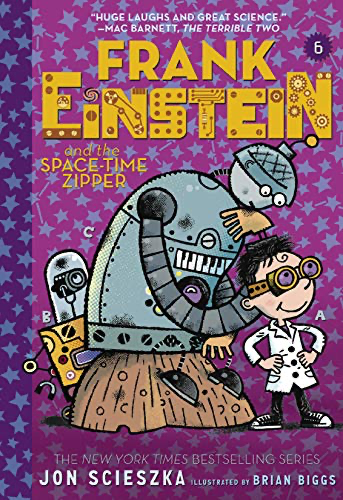
Then, he leaped off in answer and came back bounding in a moment later, “Huh! Funny you should say that.” I just read about that in this book by Jon Sciezka!” He held out the book, Frank Einstein and the Space-time Zipper by Jon Sciezka.

Frank Einstein and the Space time Zipper – By Jon Sciezka

“Huh! What a coincidence? You didn’t tell me about this before did you?” I asked the fellow. 

“Nope!”

You sure you hadn’t been saying something to me on a walk when I was half wrapped in searching for rabbits in the bushes, and egrets in the air?”

Still nope.

“Well Science sure hates a coincidence!”, said I and we guffawed.

I think I shall read this book to see how to get to experience a system of life so far removed from us as possible. The coincidence of it is worth exploring. What do you think?

A Special Post to Celebrate Syzygy

“You’d better make it a special post!”, said the son. He is the one who is ardently fanning me in on, and keeping tabs on whether I am writing enough these days. His natural state of calculating kicks in, and he says “So, if you write another post in the next 36 hours then…”, and I have to remind him that it is not like that. One does not have to follow a punishing rigorous schedule for a hobby. That I will write and when I do, it feels joyous and good. Not laborious and like finishing up an arduous task for the sake of doing so.

There must have been a natural syzygy (aligning of the stars) when I started my blog seventeen years ago. The time it takes for a wizard to come of age in the magical world. I must say, the blog has given me an excellent magical education. I may not have graduated from Hogwarts in this time, but I certainly have learnt a thing or two on the magic of persistence, the seer of light in a dark universe, or any number of things.

Herbology: My specimens may still not be thriving, but as a chronicler of the natural world, I think Professor Sprout would gladly have me in her graduating class.

“Science has taught me that everything is more complicated than we first assume, and that being able to derive happiness from discovery is a recipe for a beautiful life. It has also convinced me that carefully writing everything down is the only real defense we have against forgetting something important that once was and is no more,” 

Hope Jahren, Lab Girl

Read: A Celebration of 🌎

The Joy of the Natural World

Astronomy: Professors Carl Sagan and his many many friends have been amazing companions in the starship of the night. Comets, moon cycles and changing constellations not withstanding, there have also been the amazing journeys through space on light ships designed and envisioned by Johannes Kepler.

Ancient Runes: Professor Vector has opened thine eyes to many wonders of the Mathematical world and how they help us find a structure to our days. A way to find the incontrovertible truth if you will.

Changing Mathematics from a computational discipline into a beautiful, abstract philosophy.

Pythagoras of Samos (580-500 BCE) who continued the philosophy of: 

Transfiguration: How else does a serious minded member of the software engineering firms of the world transform into a magic seeking writer who will arduously work out a sentence structure sometimes tens of times to get that laugh?

Potions: Professor Snape, Dr Oliver Sacks, Paul Nurse, Siddhartha Mukherjee, Ed Yong, and so many more professors have taken me under their wing and spent many enjoyable hours explaining the joy behind reactions.

Care of Magical Creatures: Hagrid, Gerald Durrell, Sy Montgomery and numerous other writers of the natural world have introduced and opened my experiences to the world of creatures around us. Snail tales, pelican and duck friends, and so many instances of the world around us.

Writing & reading have sustained and enthralled me every step of the way, and it has proved to me how remarkable life’s moments are – even in a seemingly unremarkable life such as mine.

Like Sy Montgomery says in her book, How to be a good creature: 

Thurber taught me this: “You never know even when life looks hopeless, what might happen next. It could be something wonderful is right around the corner.”

Sy Montgomery – How to be a good creature

It usually is in the form of a new book, or a new idea that magically transforms an ordinary day into an extraordinary one. The power of fleeting thoughts that can take flame, grow and sustain in a wholly positive way, weaving magical moments and learnings. What can be better than that?

“A reader lives a thousand lives before he dies. The man who never reads lives only one.”

George R R Martin in A Dance with Dragons

Here is to more years of fruitful occupation, magical meanderings and posts that entertain and hopefully enlighten. This is my 1000th post.

Thank you, my readers, for being with me on this magical journey. Of course, the blog owes its very existence To My Family & Other Animals – who are frequent and oft quoted celebrities on this blog.

The Human Experience

“You could be listening to anything at all, and this is what you choose to listen to?” , said the daughter.

I chuckled. We were driving through the Great Plains of the Mid-West between Wisconsin and Illinois. Snow flakes were flurrying lazily across the windshield, which was amusing to watch, since I could feel the car shuddering with the winds sweeping the plains. The great windmills on either side of the freeway were moving and converting the wind energy, while the snowflakes seemed to be dancing lazily and flitting across the plains. To see the flakes against the depth of the vast plain fields was mesmerizing enough, but to have Dr Indre Viskontas’s lecture accompany the scenes outside made for a new appreciation. 

I was listening to the excellent Great Courses lectures by Dr Indre Viskontas. In her energetic voice as she talks about how we hear and see, the world becomes magical again. 

Listening to Dr Indre Viskontas speak about the faculties of seeing and hearing, makes those of us given these two abilities more appreciative of all that goes on beneath the skin to make these happen. 

12 Essential Scientific Concepts

How we perceive light, hear the frequencies of sound that are audible to us, make for our human experience. The frequencies heard and seen by each creature on Earth itself is different. From the magical birds who sense the Earth’s magnetic field for their migration journeys to the fish who are able to navigate by the position of the stars from deep under the ocean, we each have our own unique way of living. Of Life. 

In Dr Oliver Sack’s book, Musicophilia, he says:

“Every act of perception, is to some degree an act of creation, and every act of memory is to some degree an act of imagination.”

Oliver Sacks, Musicophilia

Dr Indre Viskontas is also an Opera performer, and her joyous voice brings out the polymathic abilities she possesses. Truly, as she regales cognitive neuroscience and how our brains understand better, I am reminded of some wonderful musings with our dance teacher at school. In between rigorous bouts of dance practice, she insisted that her students were all bright, athletic, and doing so much better than we would have without dance. And, in the energy of youth urging us towards our better selves, we wanted to believe her. Could that have been a belief that spurred us on? We would not know – for good teachers, coaches and mentors all excel in that subtle balance of belief, discipline, and inspiration.

But maybe the musicality and the dance do make for better neurological experiences. As Dr Viskontas says in the lecture above, 

Art and science are after the same thing. The goal is to understand the human experience. Science does it by extracting general principles about the world, and art uses individual experience to highlight what is universal.”

Dr Indre Viskontas

Why is it that we are moved by a piece of music to visualize a god vs demon war on stage, or the haunting love-lorn calls to one another? Because music, like whales can attest, can evoke worlds in our imagination. 

“Music can also evoke worlds very different from the personal, remembered worlds of events, people, places we have known.”

Oliver Sacks, Musicophilia: Tales of Music and the Brain

And so, I wanted to say to the daughter, “When I could be listening to anything at all, I chose to listen to the lectures trying to understand the human experience in a vast, barren landscape, made unbearably beautiful by the beauty of the symmetrical snowflakes, and the gushing of the winds against the car. “

What I did instead was laugh, and let her call me weird. ‘Weird’ I am beginning to understand is one of the best compliments that a teenaged child can give you.