The Role of Seaweed in Reducing Methane Emissions

The Odds of Our Survival

I was listening to a podcast by Yuval Noah Harari (How humans came to rule the world) and he was saying that if he were to draw odds of survival in the wild against a lion or a zebra, he would not rate himself too highly at being in the race at all as much, but as a species we do seem to have gone above and beyond. It is true. While human-beings can be extremely frustrating , what humanity is capable of achieving is truly astonishing. The eradication of so many life-threatening diseases such as small-pox, continuing medical advances including the recent covid vaccination, and so much more.

Humanity never does seem to have a dearth of problems to solve too. Maybe it was one of the things that came out of Pandora’s Box too. This ability for every solution we create, we seem to have more problems to solve. The industrial revolution led us to climate change, increased technology and reliance on over-stimulation with social media etc is leading to increasing mental health problems. But still we persevere on. When industrialization swept the globe, many feared the end of meaningful work, but the nature of work has morphed and morphed into something our ancestors can hardly recognize as work. 

Climate Change

Take for instance all the ways in which we set about solving the climate change problem (after having caused it in the first place – true true! ) 

While talking to college going young adults, one of the majors that keeps popping up is environmental science, ecological preservation, green engineering – all fascinating fields related to tackling the increased effects and problems of climate change.

That is the redeeming quality too of our sometimes frustrating species. 

This piece of news make me rejoice in the capabilities of human-beings, and the beauty of our planet earth all at once. 

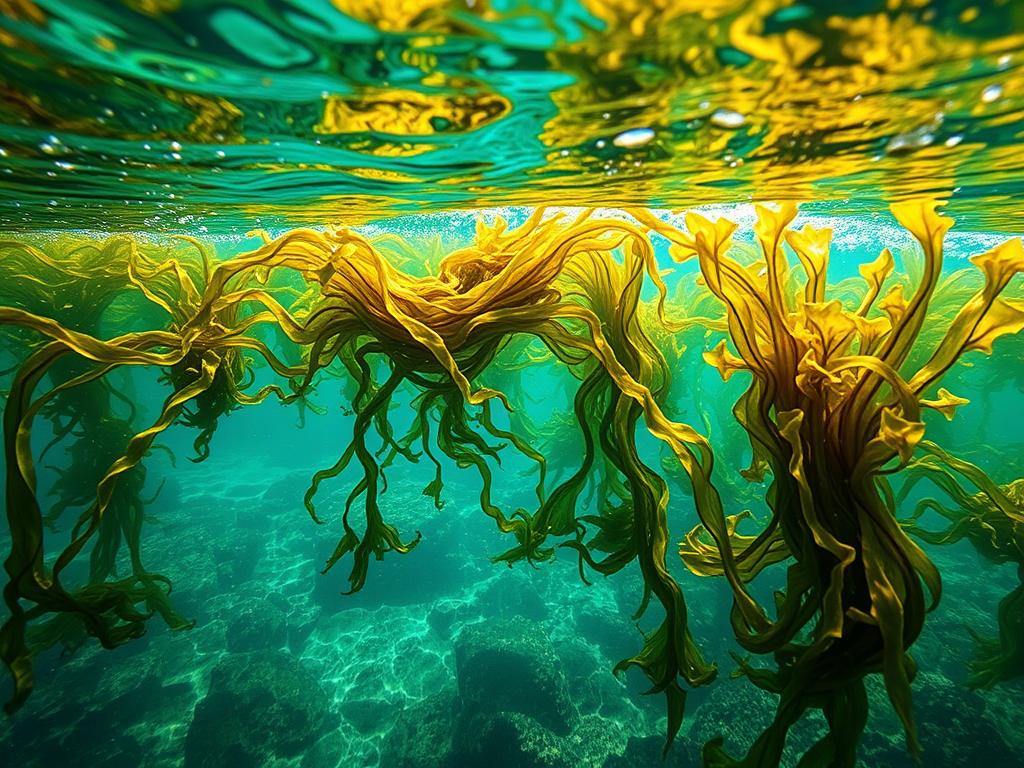
Feeding seaweed to cattle reduces their methane emissions by upto 40%. Considering that 40% of methane emissions are from cattle fodder, this is a huge step in the right direction indeed.

https://www.anthropocenemagazine.org/2024/12/scientists-just-took-one-step-closer-to-a-climate-friendly-cow/?utm_source=substack&utm_medium=email

The oceans coming to our aid again! Seaweeds – truly if there are deities in the universe, the ocean would have to be ours. 

Methane production from live fodder constitutes 40% of greenhouse gases, and if feeding cows seaweeds reduces that by 40%, we may very well have a significant dent on the problem (16% reduction in methane will be a significant dent if all cows are able to get on a seaweed diet.) 

I want a beautiful word for the interconnected-ness of the universe

Seaweeds 🙂 The beauty of it is astonishing and the more I think of all the wonders that bound us together on this small planet, the more I am astounded by it. The interconnectedness of it all sometimes has me breathless in awe. How did we get to call this planet home? 

I ramble, but it may well be tipping point for the planet.  If the doomsayers are to be believed, the breakthrough comes as a critical moment.

The Ocean Deities Defy Pandora

It is as if the ocean deities are having a laugh and teasing Pandora with this win, and and with wins right now – we should take all the logical and sensible ones while we can.

Preparing for Tsunami Warnings: Lessons Learned

 Emergency Warnings – Tsunami 

A week ago, we were all a-twitter. You see? We received a tsunami warning. There had been a 7.0 earthquake in Northern California – about 3 hours north of where we live.

We technically live not near the coast but we are quite close to the bay in the Bay Area.

This was the first tsunami warning we had received. So, while the tsunami warning made sense, we also had no idea on what to do with it. So, we did the only thing that humans in modern times do: Took to the phone and tried figuring out what others thought.

What is a yellow warning? We live a few miles from the shores of the bay – could that mean a sudden inundation?

Responding to Warnings

There are times when mass communications (by that I don’t mean communicating to the masses, I mean masses of communication) make sense, but this was not one of those occasions. Everyone said different things, people worried. Staying away from the bay seemed like a good option, but apart from that, no one had any idea on what to do. Should we head to the hills like we’d read long back somewhere?

So, we all did a lot of hand-wringing and sent more messages. Ultimately, the tsunami warning was revoked, but not before letting us know exactly how unprepared we were in case of a real emergency.

When that alert had come it was up to us to determine the next course of action. For one thing, we were a couple miles inland, so what was required of us? That’s when I realized the old fears I had for our little family when we both worked on the other side of the bay. I had wondered what might happen in case of an earthquake that stranded us all on the other side of the Bay. But a Tsunami could just as well have done that. 

The tsunami warning was lifted, and in a few hours, people went about their business as usual. Which is to say traffic snarls were everywhere, week-end parties and events did not bother to acknowledge that which could have been life altering.

It is a testament to the human temperament that we can so flippantly treat that which could have been a disaster with a wave of the hand. 

🦌 Emergency Drills -Earthquake, Fire 

I volunteer in elementary schools from time- to-time. The experience is a wholly enriching one as I get to work with children – which is refreshing. They are inventive, imaginative, kind and un-jaded in their outlook towards life.

I got to experience an earthquake and fire drill with them one day, and I cannot tell you how impressed I was by their skill and competence. Even when scrambling under desks – they looked out for each other as much as possible. When they filed out into the fields nearby, they kept to their classrooms and straight lines, and I was more than impressed by them on more than one occasion that day. 

I had seen firsthand how incompetent adults could be, when the tsunami warning came, and it was refreshing to see children knowing how to handle fire and earthquake warnings.

I suppose natural disasters are called that for a reason. They are erratic, chaotic, and tend to surprise humanity every time even with emergency warning systems, safety drills and the like. The school systems managed to highlight these things and taught me a thing or two: keep calm and fall back upon training.

Weather Warnings

I peered out into the window wishing and hoping, and skipping, and sighing for the past week for one of the scariest storms of California to materialize. Really! The media when bored can really get going. The storm may be wreaking havoc in the mountains up in the mountains of Northern California, but here in the Bay Area, there was no need to send people scuttling in with flash flood warnings, gale-like wind warnings, or any warnings at all for that matter. 

It turned out to be a beautiful set of days – a bit wind-blown, but not too cold. I set out on walks with gusto hoping to brave the gusts of winds. There were no gusts or gales. Just winds. All perfectly normal.

img_3851

Atmospheric rivers indeed – I watched the sad trickle of water in the stream that masqueraded as a river next to our home, and sighed a bit. 

Even as I write this piece, I understand the true luxury of walking-weather in late November. It was amazing to see how the birds took flight and staggered a little as they got used to the thrusts of the wind. I must say watching pelicans change flight in windy weather is a marvel. Geese – so perfectly blase and arrogant in their daily demeanors, looked a little comical as they squawked to each other and determined direction for their little flocks. 

One day, I took refuge in a copse of trees and listened to the winds howling just around them. Trees provide such marvelous wind barriers, and I felt a strange sense of being protected in the little clearing amidst them. 

I took my cup of coffee out at mid-day, and found the first few fat droplets of water descend. They sprinkled about a bit, and then decided that it wasn’t worth the effort. 

It was just another November Day – with a promise of rains, winds : heavy and gusty.

P.S: The rains have just started: I sat cradling my cup of tea: hesitant at first and then a little more insistent. Time to start dancing in the rain!

November’s Purpose

The world seemed to be buzzing with purpose, and I set out thinking about lofty human ‘angsty-things’ as the children called it too. What was our purpose – is there such a thing? Did ducks, hawks, deer, dogs pander after silly existential questions? We would never know!

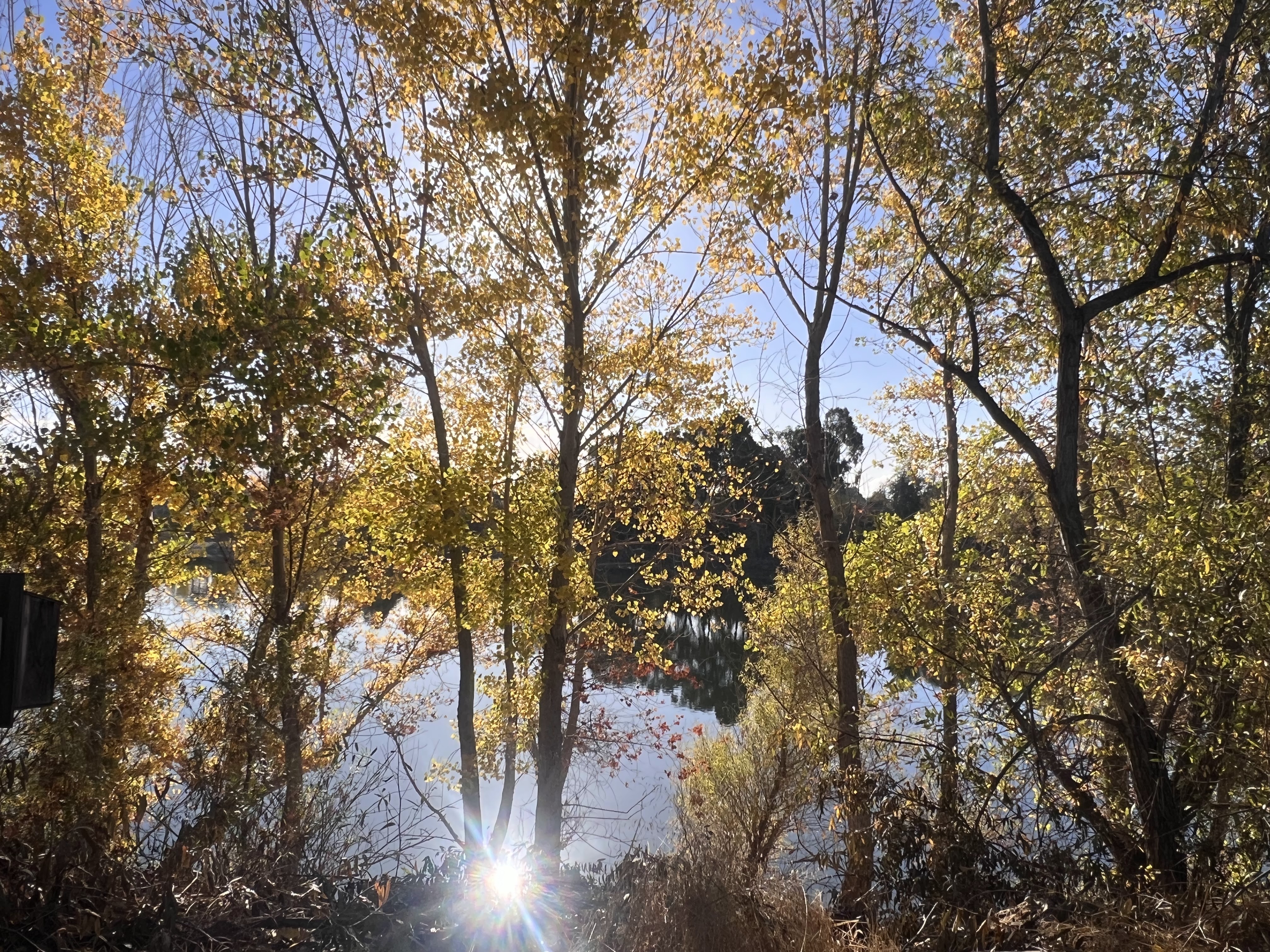
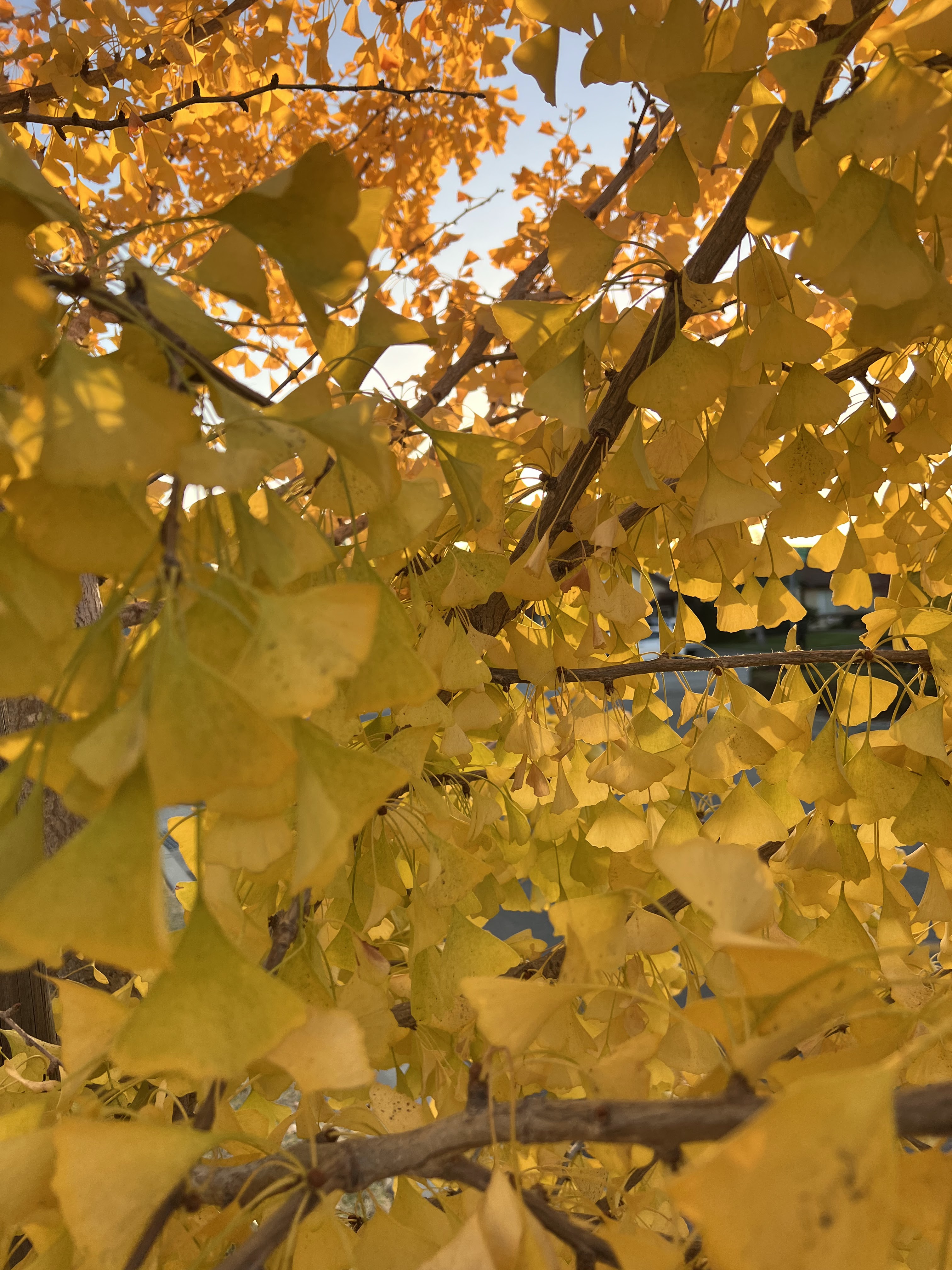
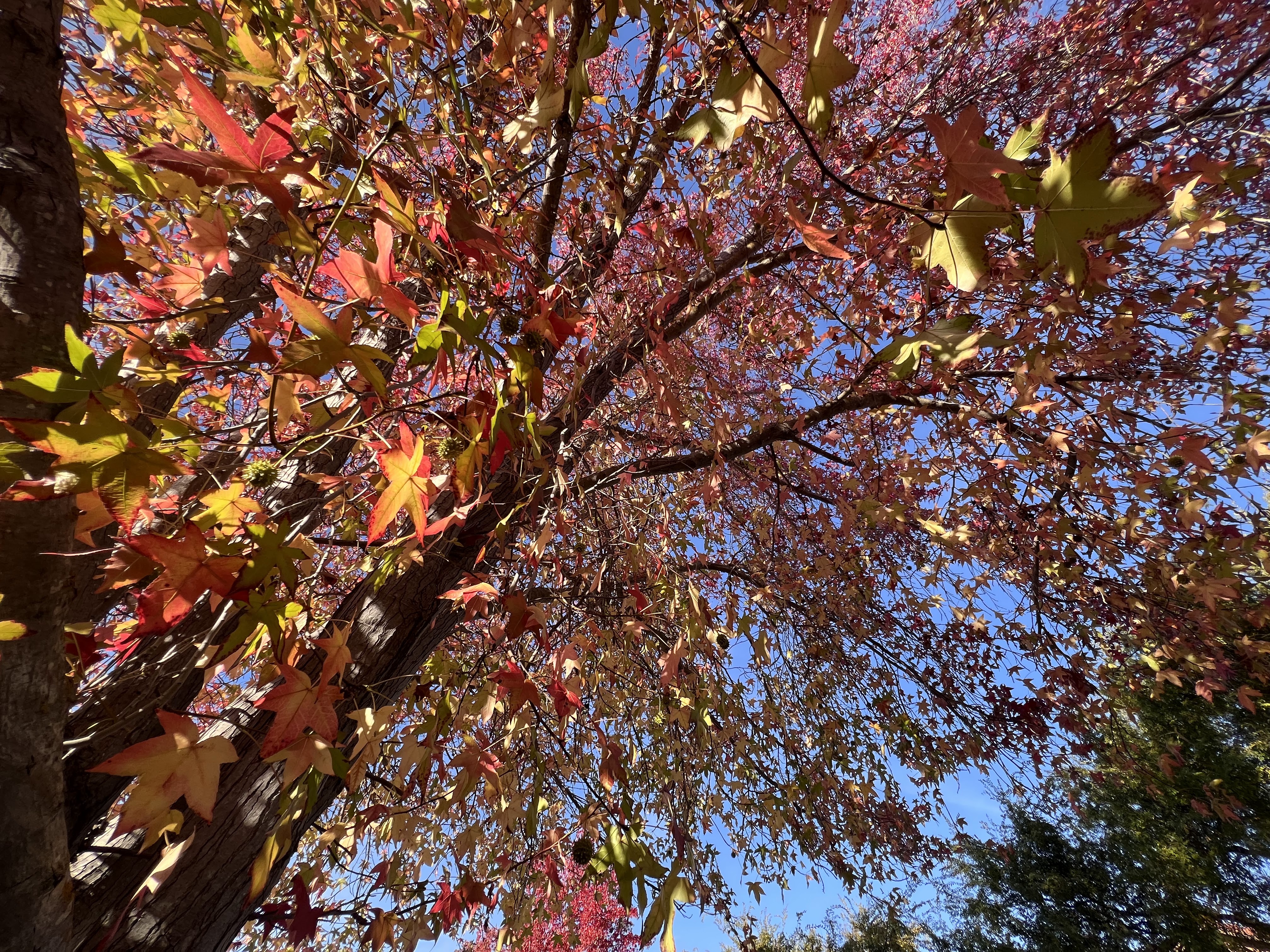
It was a beautiful November day – one of those days that poets and artists can spend all their lives dreaming about. It truly was a delight to step out into the sparkling cold air, raise your head to take in the glorious panorama of the skies above through the glorious reds and yellows of the maple, beech, sycamore and willow trees.

As long as autumn lasts, I shall not have hands, canvas and colours enough to paint the beautiful things I see

– Vincent Van Gogh

The yellow leaves were looking golden in the sun’s rays, and the reds were nothing short of royal. We took a dozen pictures but knew there was nothing to be done but to sit and soak into the world around us. So we did.

img_3815

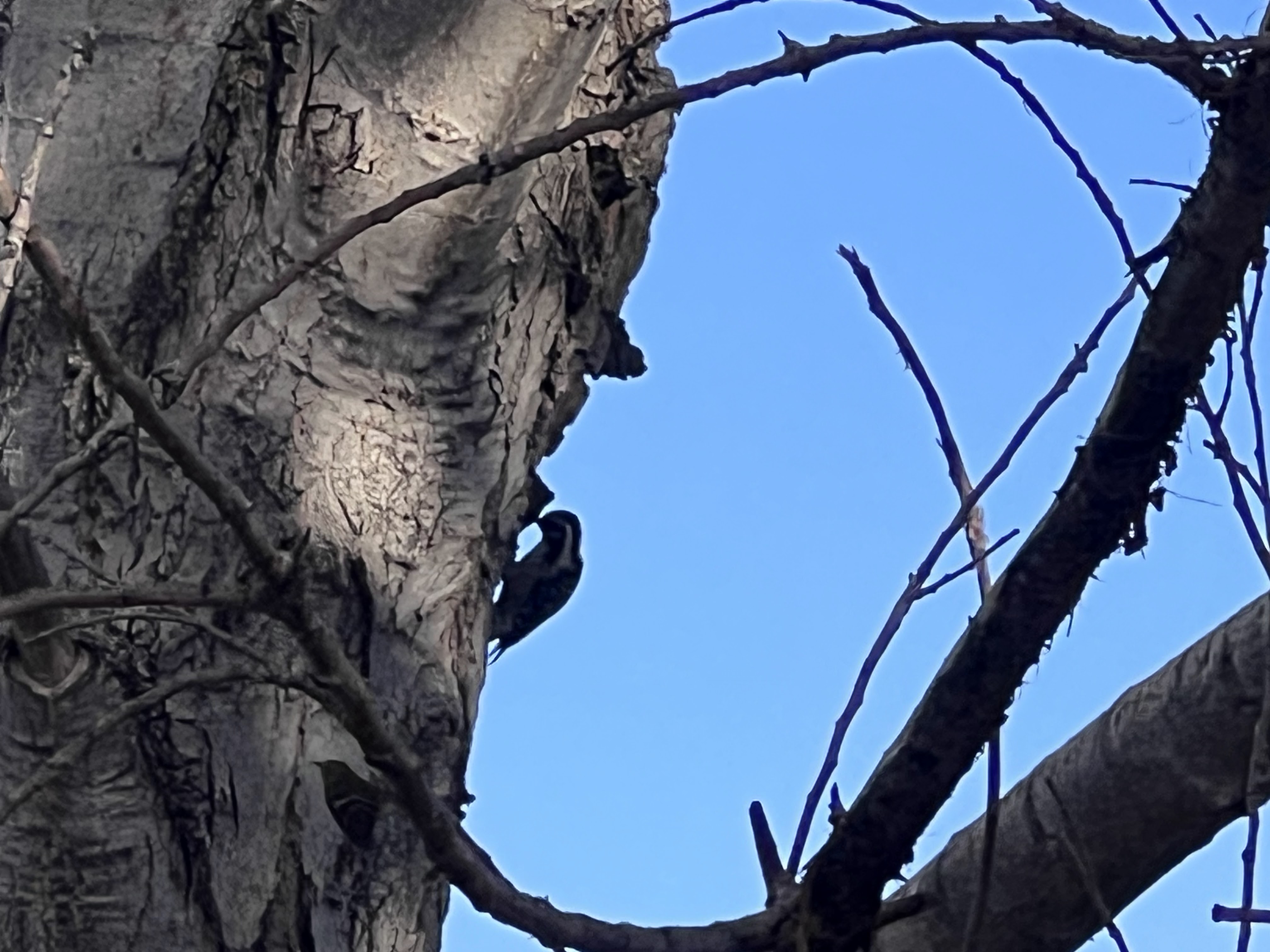
I set about closing my eyes to try and capture the day in my memory under a particularly fetching set of trees – it was after some time that I found myself called back by a bird. It wasn’t the shrill call of the california blue jay or the titter of the wrens, or the frenzied call of hummingbirds. Curious, I opened my eyes to see which bird it was. Imagine my surprise when I saw it was a woodpecker. It swooped low by me and flew to an adjacent clump of trees, and I followed as silently as I could. Though I realize that for birds and animals I must sound like a stampeding rhino. 

There – up above the smooth branches of some beech trees were a whole family of woodpeckers. They weren’t hammering their heads as they were known to do. The baby woodpecker’s downy feathers were still growing, and the sight made my heart still – more effective than any form of meditation I have ever attempted. 

img_3809

It was like an invitation to witness the simple pleasures of nature on a glorious day. I don’t know how long I stood watching the woodpeckers, but the head’s questions of purpose and meaning seemed rather meaningless just then, for the simple beauty of being alive on a beautiful day like this and being able to bear witness to the passing seasons with a heart full of gratitude felt like purpose enough.

Peeking out after the rains

Novembers in the Bay Area are beautiful. It is the time when the world around us turns colorful – assures us that the seasons are turning. The fall colors, never as resplendent as in the East Coast, are inviting, and the son & I spent more minutes walking gleefully into crunchy leaves in the past few days than was necessary. We also gazed upwards into maple trees – the greens, yellows, reds and maroons like a beautiful artist’s palette in the world around us. 

Regardless of how we started out, we’d come back smiling widely and happy to be out in the world. The days drawing in closer also means that we had to really try to catch all of this in a narrow window before the skies draw the screens on them. That sense of urgency adds to the thrill. 

“She had always loved that time of year. The November evenings had a sweet taste of expectation, peace and silence.

And she loved most of all the quiet of her house when the rain fell softly outside.”

– Louisa May Alcott’s, Little Women.

The squirrels, deer, water rats – they all seem to be more at ease with the time-change than we are. Probably because they don’t peer at the clocks before heading out for a walk. They rise with the sun, and rest with the dark. There is a profound kind of philosophical simplicity there.

img_3794img_3793

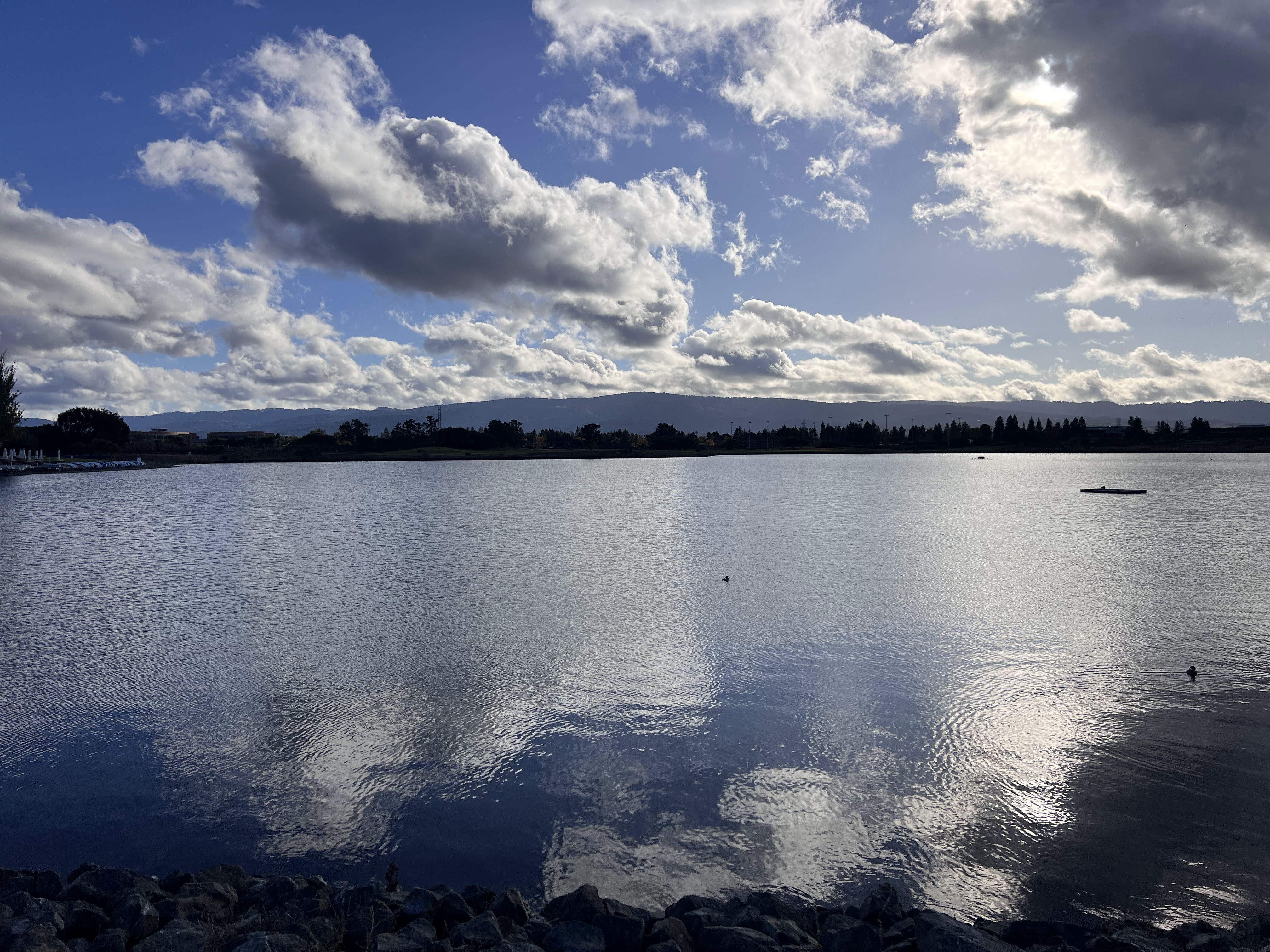
Yesterday was Veteran’s Day and a holiday for schools. So, we decided to make a song-and-dance of it, and headed out for a walk after lunch. The rains had lashed down all morning – the first rains in November in the Bay Area always make me feel warm and special. By afternoon, the clouds were scuttling away, leaving a delicious moist, clean Earth behind. We walked around a lakeside – watching the pelicans, sanderlings, geese and ducks catch the sunshine after the rains too. 

There is a strange solidarity amongst creatures in that simple act. Peeking out after the rains.

img_3797

Ooh! The 🐟🐠 O’opu Alamo’o 🐟🐠 & 🌴🎋 The Ohia Lehua 🌴🎋

Shoshin in Hawaii

Friends and regular readers of the blog know the immense peace and satisfaction I derive from the creatures around us. Creatures whose different characteristics serve them well. Some that evolution has equipped them with in order to live and thrive. Patience, perseverance, the ability to soar high while zoning on in the details when required, the ability to look out for one another as a group – as geese do on their long flights, or pelicans on their migrations. To work and play like dolphins and squirrels.

I could go on and on.

Going to a different ecosystem makes us sit up and take notice of all the things that are special to that place. Polynesian islands, or any islands, for that matter have this ethereal quality to their beauty. It is in the tropical colors, the unique flowers that greet us almost as soon as we land in the airports (plumeria in the case of Hawaii), the scents of the island – at once putting a great distance between the mainland and the islands. Floating by themselves in the middle of the Pacific Ocean, these islands, have been written about, explored almost completely, and still holds enough wonder and astonishment for the traveler with shoshin in their eyes.

Shoshin: is a Japanese concept that roughly translates to a Beginner’s Mind, meaning a mindset in which one is eager to explore, learn and stay curious in the world around you.

🐟🐠 O’opu Fish : Stellar Climbers 🐟🐠

Who knew that the humble o’opu fish would take me into streams of new words like: diadromous, anadromous, euryhaline?

Take for instance the o’opu fish. As far as fish go, they are fish enough – they have fins, they swim, and they can fix you with a glassy stare. But then, just when you’re ready to classify them with thousands of other fish in the oceans, they surprise you. They are not just fish in the ocean.

They are also fish in the freshwater streams in Hawaii.

Belonging to a small group of fish with this capability, they are known as diadromous fish – meaning they are comfortable in both saltwater oceans and freshwater rivers and streams. The O’opu aren’t just diadromous fish, they are also anadromous  ( the more famous anadromous are the salmon) – meaning they swim upwards to the fresh waters to breed their young.

Screenshot 2024-09-12 at 3.36.36 PM

The O’opu fish have the remarkable ability to adapt to different salinities in water conditions. They also, and this is where I stood transfixed, can scale waterfalls of 400 feet upwards – we saw the waterfall they go upstream of (Akaka Falls) from a distance, and it took my eyes a few seconds to take the height of the waters in.  These little goby fish, manage to scale these falls by sticking to the slippery rocks faces behind the waterfalls, in order to lay their eggs and ensure the next generation of  ‘O’opu ‘alamo’o are born.

Now, I am not sure how different this is from, say: a gobi desert dweller living and thriving in the tropical rainforests of the amazon, but it seems like a pretty good comparison to make.

🌴🎋 Ohia Lehua Trees : The Resilient Pioneers 🌴🎋

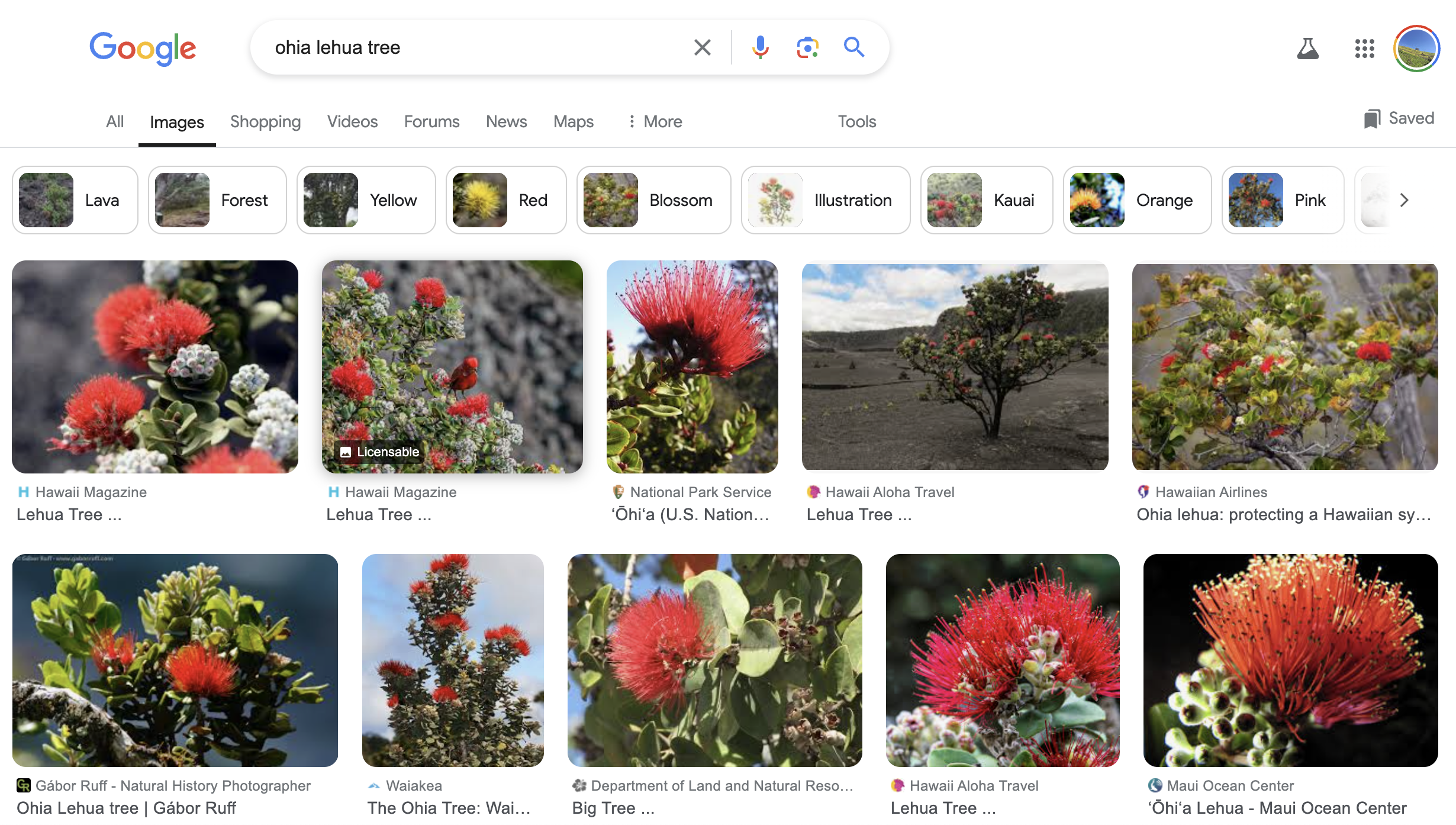
The next day, we found ourselves huffing and puffing up a small-ish hill to take in the crater of the Hawaiian volcanoes national park. (It is not a steep climb if you’re wondering). As a small group of tourists jostled around the forest ranger to listen to her talk about the volcanic national park, another unlikely specimen grabbed our attention. The short, stubby, but thoroughly resilient Ohia Lehua trees. These trees are apparently the first ones to seed life post a volcanic event. Given that volcanic ash can be quite the problem to a breather,  if you’re wondering how the little trees breathed, it is because they have the unique ability to close their  stomata for up to two weeks.

Screenshot 2024-09-12 at 4.56.11 PM

Quote from the website:

https://www.usgs.gov/observatories/hvo/news/volcano-watch-lava-loving-ohia-lehua-a-pioneer-plant-peril

The tree has a superior capacity for extending its roots vertically and can grow efficiently in cracks and fissures. ‘Ōhi‘a also have the capability to close their stomata, or breathing pores, so the trees can “hold their breath” when toxic volcanic gases are blown their way.

The Ohia Lehua trees and the O’opu Alamo’o fish are the stuff of Hawaiian legends.

Nature truly is a wonder marvel!

Reference links:

The Birds of Heaven

“Do you think we’d have seen at least fifteen species of birds?” the husband said, huffing and puffing beside me on his bicycle. 

We had biked up a little hillock, and even though it looked like the sort of thing we’d have torn up while playing hide-and-seek as ten year olds, it proved to be a huffer just a few decades later, Curious how life reminds you about the passage of time and all that right?

“Easily!”  I said, and started listing them off.

  • Hawaiian stilts
  • Terns
  • Avocets
  • Pelicans
  • Geese
  • Ducks (green necked, wood ducks)
  • Quails
  • Egret
  • Heron
  • Green heron
  • Blackbirds
  • Turkeys
  • Turkey vulture
  • Red tailed hawks
  • Grebes
  • Cormorants
  • Coots

The huffing and humming had stilled, and I turned around to see what had happened. The husband grinned sheepishly – “Oh! Yes – might’ve stopped listening after you started listing the birds.”

I laughed. 

It was a beautiful ride by the bay. The colors of the bay combined with the golden light of the evening made for a fantastic setting for all these birds. There was a time when the soft cooing of the birds, the lapping sounds of the waters around us and the flapping of wings was all that could be heard for miles. If there was a heaven, would these birds be there too? I would hope so.

img_2249

The Tales of Birds

I am sure the falcons and the avocets have the stories of their lives. That pesky crow that annoys the hawk must have their heroic tales. With their enhanced senses, I have often wondered the world through their lenses.  

In any case, we were racing against the sunset, and time was showing it’s presence with every passing minute. 

The elongated shadows of our bikes finished as my long-nosed shadow hit the garage entrance. “Made me think of all the long-beaked friends we saw today.” I said laughing.

It was true – especially down by the bay where we see many birds fishing, long beaks seem the norm: avocets, terns, pelicans, curlews, herons, egrets. They all have sharp beaks that give them decisive looks. I wonder every time I look at them what goes through their mind as they hunt for their food, look after their young and build their nests. This is, after all, what most of the lifeforms on Earth do. And yet, each does so differently, unique to their species, unique to their abilities, and unique to their habitats.

The last birds I stopped to admire in our race against the sunset were the Hawaiian stilts (curiously these birds were once on the endangered list, but have since made a comeback and I am so glad. ) They are a joy to watch in the sunset’s glorious light, with their pink legs, their sharp beaks, and the black-and-white contrasts.

img_2264

Time is a Curiosity

Each of these birds surveys the life beneath the waters differently, and with the deft skills of an archer plunges in for their kill. Their groups merging and reforming with the bay’s tides. Time is a curiosity in these settings, and one can spend hours in these environs, filling the soul.

The trail we are lucky to have access to is beautiful, and every time we set out to catch a little ride by the waters come back more peaceful, filled with gratitude at the marvelous forms of life we share the planet with. I have tried describing rides like this and come up with no one word that can capture it all. Maybe a feeling of abundance? Serenity? In our human existence of intense craving, the ride and what it offers pales in comparison. It is slow, it is present, and it somehow exemplifies your horizons. 

“When we go down to the lowest of the low tide lines and look down into the shallow waters, there’s all the excitement of discovering a new world. Once you have entered such a world, its fascination grows and somehow you find your mind has gained a new dimension, a new perspective — and always thereafter you find yourself remember[ing] the beauty and strangeness and wonder of that world — a world that is as real, as much a part of the universe, as our own. “

– Rachel Carson

Meeting ‘Loki’: An Enchanting Encounter with a Mysterious Fox

What was That?

The other night, I was out on a walk around the neighborhood, reveling in the fact that I could. The neighborhood was quiet for a week-end evening, and the stars were twinkling just so. The waning moon would not be rising for a while, and the sound of crickets had been replaced with the occasional croak of a toad.

I was thinking of all the laughter and camaraderie of the evening spent amidst friends, and was cackling to myself reminded of this or that. 

That’s when, I saw a fox running really fast. The back of my mind knew I ought to turn back, or at least be more scared. But I couldn’t do any of that whole-heartedly, for I was in a flippant mood – an evening laughing with friends does that to one.

But for another, it was a surreal experience. A glimpse into a magical realism – there was a spring in the step. Like its feet only used the ground beneath to provide the bounce required to leap and bound away. I stood there stunned at this movement. It must also have been quite young – for it’s size was not large. Rather frisky.

Usually, night time naturalist explorers in our neighborhood might find a cat scratching itself and yawning.  I was prepared for not much else. 

It was Scared!

It ran away from me at first, and then towards me with the same frenzied gait. That’s when I realized I would be in trouble if it did try to attack me. For you see? The fox’s run was brisk. If we were both to compete in a 100 metre dash, I have no doubt it would leave me in the dust well after the 5 meter mark. This one already had a head start too. Me? I had three plates of excellent biriyani, naan, kofta curry, etc followed by equally sumptuous helpings of dessert tumbling about in the old stomach. Stuffed, in other words. I was dragging my feet so I could soothe the old digestive system to start digesting and I could sleep. 

Thats when I caught sight of the animal’s face. 

It had clearly taken a risk leaving the river trail nearby venturing to the nieghborhoods nearby, only to find a pesky woman out on a walk. What was more, the thing that made it jump and start running was the sound of me cackling to myself about some inane joke. Probably thought it had a nutcracker on the loose. This creature was clearly alone and figuring out a way out of this mess. So, I stood still, and acted like a GPS to it. “Go away! That way! Off you go!” 

The fox (or could it have been a coyote cub?) gave me a terrified glance, and I continued heartened. “That’s right – after about 100 meters toward the ursa minor constellation, turn right – you’ll be on the river trail again.”

Loki

It turned swiftly and gave me a look that said, “If foxes could certify people, I would!” and took off into the night. That flighty temptress of the night might’ve looked like Wily E Coyote, but it did have a Loki-like look on its face.

I shall call you ‘Loki’ I said in its general direction,  and continued with my walk – but prudently decided to head homewards.

I wonder what Loki thought of the interaction.

I was glad – I had a glimpse into the life of a fox. Seeing the creature’s nimble gait had energized me. There was something immensely laughable in the way it turned and gave me a look too. All too often we are weighed down by the worries of the world (or in this case, good food satiated with good memories), and forget to prance about the world. “You must prance!” is what Loki seemed to have been saying to me that night, and I did try.

🐘🐘🐘🐘🐘 The Tusks of Extinction 🐘🐘🐘🐘🐘

The Mammoth Tale

Few passages capture the bane of consumerism like this one does. It is from the novella, The Tusks of Extinction by Ray Nayler.

The premise of the book is an intriguing one. 

  • It is set in a future when mankind has figured out how to upload one’s consciousness into the cloud. A manner of immortality. This is very much in the realm of possibility.
  • It is also set in a time where the Siberian mammoths have been resurrected. This has already transcended realms of possibility into reality

The wooly mammoth is being resurrected – being cross bred from the genetic remains frozen in the Siberian Tundra with  the Asian elephants (because they are gentler than African elephants). 

Thus, begins the tale of a doctor whose life was hacked from him moments after he uploaded his thoughts and knowledge to the web. This man, Dr Damira, was a passionate naturalist, a man who studied the African elephants and their ways. He fought for their conservation but failed. This is set in a future where the last of the elephants no longer roam the Earth. 

tusks_extinction

The resurrected mammoths in Siberia are facing difficulty thriving in the wild. They have all been bred in captivity, and do not understand how to survive the demands of living by themselves, caring for each other, and forging paths so they can forage and live through the cruel winters. They are thus being killed by poachers in a cry that reminds scientists of how the elephants were all killed off one by one. 

In an attempt to give them a chance at life, the doctor’s consciousness is uploaded to a mammoth – a matriarch by the name of Damira. 

Bane of Consumerism

There are several aspects of this novella that can appeal to us, but one in particular stood out to me, and that was how our consumerist culture alienates us from the natural world. For we buy things, we want things, we accumulate, we hoard – who is it hurting? I am earning and I am buying. It is all helping the economy is it not?

Extract:

In offices-a tusk in a case, beautifully carved, transformed into a world of its own, worked by human hands into a chain of elephants walking trunk to tail. Beautiful, lifeless elephants carved from the destruction of an elephant, hacked into what had once been a part of a body, a tooth, a tool. A part of a life.

“Among the skyscrapers, there were also older places-little streets of cramped shops, survivors from another Hong Kong. Marginalia that had been missed by the eraser of progress. And there, in the shop windows, so crammed with clever things, there it was. My eyes found it over and over again. Ivory. Ivory jewelry, ivory stamps used to sign decrees that were meaningless now, ivory game pieces of every kind. Ivory turned into useless gewgaws, dripping with the blood in my home. It could be carved into any lovely shape they wished, but all of it began in killing. No-more than that all of it began in killing that took place far away. That took place somewhere the people who thought of ivory as a material could not see. Killing that took place in an extraction zone.

I remember the horror I felt when I first learnt that certain types of leather were obtained from the skin of crocodiles and were thus priced higher. 

Cities like Hong Kong and New York and London at the center, vortexes into which the currents of trade accelerated, into which goods from all over the world were pulled. Places where things became materials. Where things became commodities.

Many of us rarely stop to think of the source of all the things we use as part of our daily lives. In all honesty it is overwhelming to do so. How does the kidney bean come to be in its packet in the grocery store? Once we start down that road though, what about the almond flour, the diamond ring, the leather handbag, the silk scarf, the perfume, the spice, the watch, the gold ring, the ceramic jug? Everything has its tale, its journey, its place in the human chain of wants and needs. 

What Can We Do?

In reality, we cannot give in to an almost paralyzing analysis of source-to-table for everything we consume. Is there economic exploitation along the way, unscrupulous practices, inhumane treatments? Would we be happy to know it all and make informed decisions – yes, (I am hoping that humans have enough humanity to make the right choices if we do), but can we do so? Not always. 

I spent a pleasurable few hours at the mall the other day, and found my fellow human beings doing the same. Glancing around at the happy faces of those of my fellow humans that morning, I did not see malice or greed – I simply saw folks at a mall on a rainy week-end. 

I like that mass production has made life easier, the jobs it has created, alleviating entire nations from poverty. I like that poor children can have new clothes, and that horizons have expanded thanks to the general prosperity of nations. I do not, however, like the ever-increasing pressure to produce and consume more. 

Is the economy to be weighed against the Earth’s resources at every step in the mall? Or just more more meaningful consumption? I do not know.

The Fascinating Behavior of Songbirds: A Morning’s Musings

It was one of those mornings in May – clear skies, the sun’s rays dancing through windows, and replacing moans quickly with sharpness and dedication.

I stood there wondering how it was so thoroughly that we transition from a supine, sleepy form to an alert, going-about-the-day form. The demands of the clock are relentless indeed. 

For an instant, I stopped to hear the beautiful voice of the songbird on our garden fence. It was trilling and beautiful, and I could have sworn just a little inspired – that last note a little higher than a human would have envisioned for that piece. 

It was as I was musing thus, that I noticed the son charging down the driveway to get to school on time – a sock hanging in one hand, a school project in another, and off we went. The songbird flew from my mind as we navigated the traffic, spoke of this-and-that, and chose music for the ride there. 

When I came back, the songbird was still flitting about here and there. I stood mesmerized by the little flashes of movements that my phone camera would not be able to capture anyway, and listened as it chirped, and went about gathering its breakfast.

I remembered a book that I had from the library – patiently waiting its turn.

A Songbird Dreams of Singing – By Kate Hosford, Illustrated by Jennifer M Pottersongbird

I flicked open the book. The poem about the songbird was there:

Other birds may dream of worms 

Or flower beds or thunderstorms 

But every night this bird performs 

A concert in his mind.

How marvelous to imagine a songbird rehearsing and getting better at its craft subconsciously – every night.

The book goes on to talk about research made about sngbirds:

In the case of songbirds, scientists at the University of Chicago have done studies on zebra finches demonstrating that the males practice and refine their songs while dreaming, adding little flourishes to make their version of the song unique. Zebra finches are diurnal birds who rest in the afternoon and sleep for about ten hours a night. Like many other songbirds, when they awake in the morning, they sing with particular enthusiasm in what is known as the dawn chorus.

Children’s book illustrators are so wonderful at their craft. This book too has beautiful illustrations, color schemes, and an overall look and feel of a book that is all set to send us to our worlds of dreams too.

So, what should we dream about, and subconsciously try to get better at?