A Break from Breaking News : Please!

A few months ago, I was discussing the concept of a column with an editor. She suggested ‘It’s Not Breaking News’ – seeing as that was the theme of the writing on my blog. I felt inordinately proud at that. I loved that my blog was perceived as such.

It got me thinking of all the things I looked forward to reading in newspapers as a child. My brother went for the Sports and Automobiles column, I went for the Humor and Science sections in The Hindu. It is why I still love the Open Page section of The Hindu and was so proud to have been published in it as an adult. Who said dreams did not come true?

I remember smiling at the Slice of Life column written by V Gangadhar every week. After all these decades, I may have forgotten the content of his columns, but I remember how it made me feel. Combined with the illustrations by R K Laxman, this was week-end magic – reminding us of the joys of human living.

“I’ve learned that people will forget what you said, people will forget what you did, but people will never forget how you made them feel.”

― Maya Angelou

Jane Austen

I read in a book of essays on Jane Austen’s works, a few years ago, that one of the reasons for her enduring popularity is not because love and affairs of the heart were a novelty, or because there was no other material to choose from, but because of the gentle reassurance of the warmth of humanity.

Which makes sense. Since it wasn’t as though the world was peaceful or even that her own world was idyllic. I think her choice of theme was powerful – she chose the best themes of humanity to write about. After all, she lived in a time of slavery, spice wars, economic upheaval, and before antibiotics came on the scene – which meant there must have been plenty of personal tragedy in her circles as well.

A Jane Austen Education

Incidentally , it is her 250th birthday today, and I find myself thinking fondly of her humorous characters and wondering whether a snippet of Emma or Sense & Sensibility is on the cards for viewing – even if only for 20 minutes. Let me try my luck with the family. 

P G Wodehouse

The same can be said about P G Wodehouse’s choice of theme. Young love, satire about economic classes, and gentle mockery of perceived classes among human-beings. He lived through the horrific 1st and 2nd World wars. He was interned in 1942, and taken to Germany, where he lost over 60 pounds and in his own words, ‘looked like something  a carrion crow had bought in ‘ – a scarecrow. He lived through the most horrific times. He also experienced personal tragedy after losing his step-daughter Leonora – a daughter he adored. 

Do Not Hate in the Plural

Any of these writers could have taken any of the less savory topics – poverty, slavery, war, crime, misery, hunger, disease, imperialism – name your pick. But they chose to focus on the light, on the rewarding, on the beautiful nature of the human spirit that looks for happiness and peace.

When Humor Jumped in Neptune’s Pool

As Stephen Fry said on P G Wodehouse:

He taught me something about good nature. It is enough to be benign, to be gentle, to be funny, to be kind.

– Stephen Fry on P G Wodehouse

Please! No Breaking News!

In some ways, I think I try to do the same on my own modest scale with my writing. When the news is relentless. When I receive Breaking News multiple times a day, I think I yearn to give myself a small dose of what is important, and what is worth working towards – finer qualities of humanity and their spirit, nature, humor, friendship, camaraderie, family, books. 

I wish we could embrace more of these, so that we can find a way to get properly outraged when something horrific happens. As such, it is a brutalizing cycle of normalizing outrage. When the shooting at Brown University became news, how can the leader of a free country come out and say, “Things happen.” ?

Fallout after Trump’s critical statement about Rob Reiner

https://www.usatoday.com/story/news/politics/2025/12/15/donald-trump-brown-university-shooting/87772785007/

Why are we not more affected by it? 

A voice in my brain answers logically: Because the desensitization is deep.  Because you cannot be angry and upset all the time. Because action means nothing. Because this. Because that. Because.

What is the best medicine?

Then I stop to pause and reflect. The warm qualities of humanity is the best antidote. It is the only thing that matters in the end isn’t it?

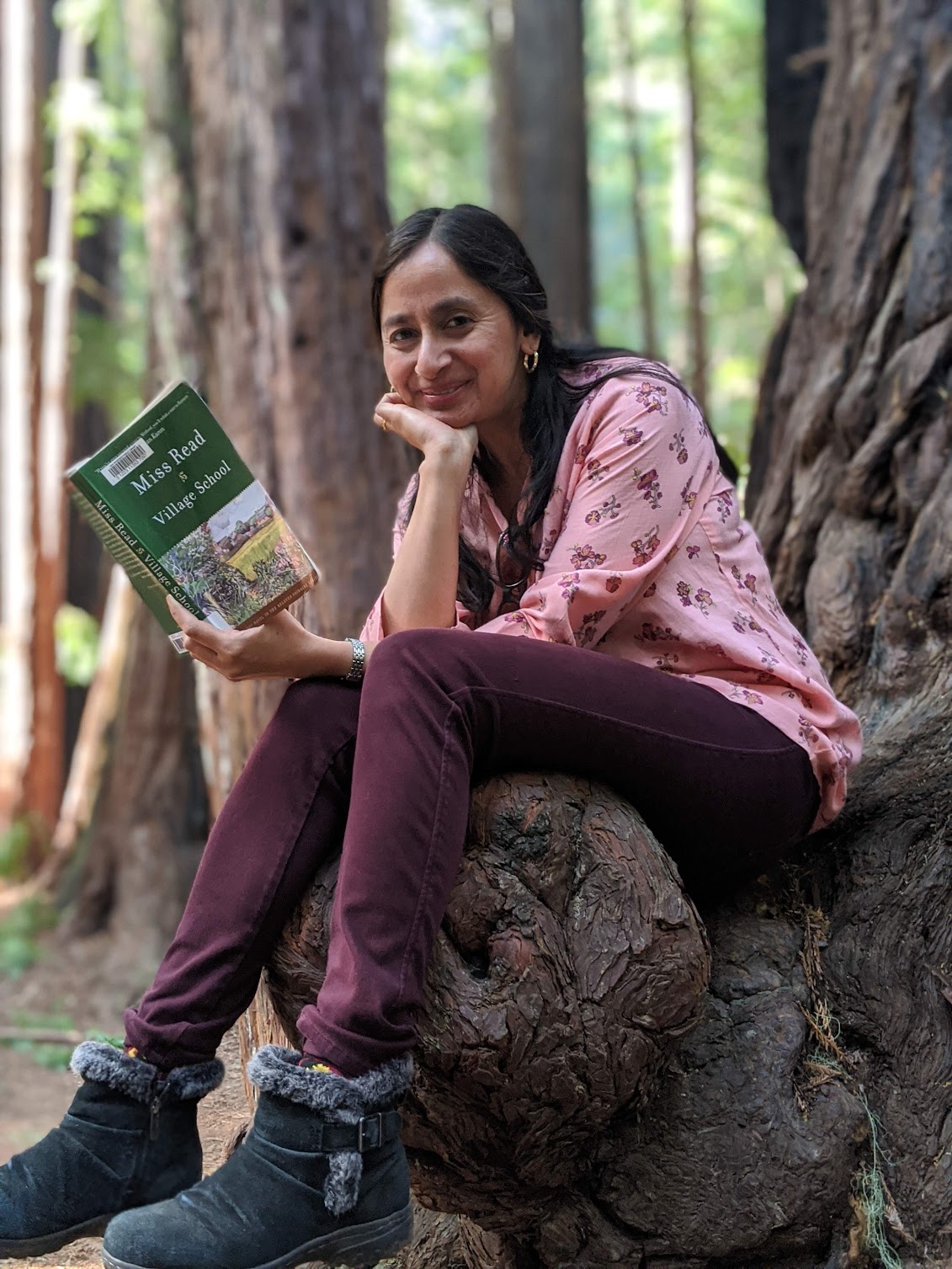
It is why 250 years later, we still relish a Jane Austen movie’s nth remake. It is why we still laugh at the absurdities of life as outlined by P G Wodehouse, Jerome K Jerome, Miss Read, R K Narayan, Gerald Durrell and stalwart authors who do the difficult job of finding light and keeping us hopeful through it all.

Breaking News is bleh. The lack of Breaking News is what we have to strive for.

“Be the reason someone smiles. Be the reason someone feels loved and believes in the goodness in people.”
― Roy T. Bennett, The Light in the Heart

So, my questions for you:

  • What is the source of reading that serves as the light in your life?
  • What is it that you look forward to rather than dread?

Themes of Friendship and Cooperation in Hail Mary

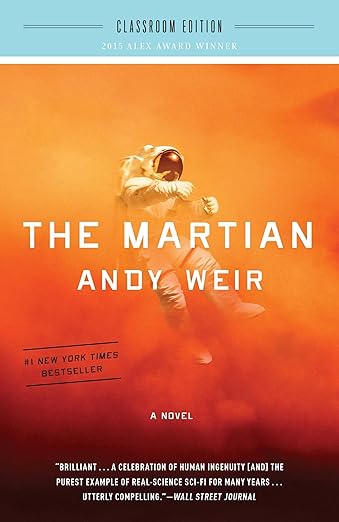
Hail Mary by Andy Weir

We decided to read Hail Mary by Andy Weir in our book club, prior to the movie’s release early next year in 2026. This book proved to be delightful pick for all the different discussions we could have:

There were many fascinating areas in which our discussions went:

The grandeur of microscopic life

The Microscopic Wonders in Hail Mary by Andy Weir

It takes enormous creativity and brilliance to pull off a face-off between his microscopic light warriors that he christens, astrophages, vs taumoeba who are the only known predators of the astrophages. 

Encountering friendly alien-life

Encountering alien life and making it a friendly encounter, instead of the usual fear of an alien takeover is a bold move. As humans, we think of conquering and owning the next available world – so why would aliens be any different? Yet, in this tale, the first Eridian he encounters isn’t antagonistic, simply curious, and our messenger from Earth reciprocates. 

A tale of cosmic cooperation is uplifting and it led us to a wistful wish about having more uplifting literature to read too. Why are we this enamored by war and angst?

Eridian Art & Culture 

The alien-life encountered in the movie comes from a civilization where their planet is enveloped by an atmosphere that is 29 times thicker than the one that protects Earth. This results in a life-form evolving without sight since light is not a viable input source for them. They rely rather heavily on sound.

Of course, for a culture like that, I am curious to hear their music. Will their tonal variations be the same? Can their music encompass the range of hearing of whales and dogs? Or more?

Absence of Light

Towards the end of the book, I couldn’t help wondering how much we would miss light and its effects , if we were to live on a planet like Erid. It isn’t that I have a ritual singing praise to Ra, The Sun God, Surya, etc, but I do love sunlight. Especially the periods of transformation – the sunset and sunrise. Even this evening I sulked unduly because the sun sets so early these days, and I had barely time to close up my laptop when the day was gone. 

We all loved the book, and of course, saw the trailer at the end of it all. The choice of one of my favorite songs, The Sign of the Times, by Harry Styles is already promising.

What do you look forward to in the movie?

The Microscopic Wonders in Hail Mary by Andy Weir

All Things Bright & Beautiful

We have been reading Hail Mary, By Andy Weir, ahead of the movie launch for our book club. I must say it is a fantastic book for discussion: Andy Weir’s astrophages and their taumoeba are microscopic thrillers playing out on the scale of the universe. His hypothesis is solid, the design and procreation for his microscopic protagonists is brilliant. There are so many concepts he introduces – all slowly but surely. The pacing in the book is truly amazing.

Small Wonder

I suppose for beings such as us, who believe in free will, thump our chests on all the great things we can accomplish etc; finding microscopic life is the surest way to humble us. 

https://nourishncherish.org/2020/03/23/fascinating-hidden-worlds/

During the course of the discussions, one of the many things that stood out is how it is we found out about microscopic life. The microscopic world is a marvelous one. Revealed to us 350 years ago by the talented man Antony von LLeuwenhoek. He is often hailed as the Father of Microbiology. 

Read also: Fascinating Hidden Worlds

How did we discover how mitochondria works, how genetics works, and how life can be protected with all its worlds within us? The fact that we contain multitudes has always been fascinating – we have more than 100 trillion microbes in our guts while our Milky Way only presumably contains 100-400 million stars. 

Read also: Good Food Mood

Big Wonder

Speaking of the universe and the many million stars, the book’s premise is that the astronaut from Earth encounters, befriends and teams up with an alien from Planet Erid.  An earthling and an Eridian putting their heads together to solve a problem that is crippling the universe. 

There have been many theories on why we have never encountered alien life before. I remember reading in one of Carl Sagan’s books that the reason may be temporal – meaning there is a progression to advancement in intelligence levels. The intelligence levels at which human beings find themselves, may well be a blip in the universe. We are already quickly evolving past the phase when we were so excited by beaming our rays into the universe, that we may not be excited about finding someone else in our range of intelligence any longer. 

Now considering the different levels of life: microscopic life, multi-celled organisms, animal and plant life enough to sustain ecosystems, evolved intelligent creatures such as humans, advanced intelligence creatures – way past the levels of humans, we can see why finding life on the same scales of intelligence and tool usage is truly a daunting task. Either, civilizations evolved past it, died down, or never got there at all. 

Given this, it is a big wonder that the book tries a premise of intelligent alien life. I suppose the possibility will always remain an exciting one. 

In any case, reading Hail Mary is an interesting exercise in imagination. I am excited to see what the movie does with Rocky the Eridian and how they visualize astrophages & taumoeba. 

I remember singing the hymn ‘All Things Bright & Beautiful’ in school. It is an uplifting hymn with truly beautiful imagery of purple headed mountains and tall trees in the greenwood. Life on Earth is beautiful. Life could be just as beautiful elsewhere. The possibility is exciting.

Have you read Hail Mary, and what are you looking forward to in the movie?

Hail Mary & The Martian: Potato Love

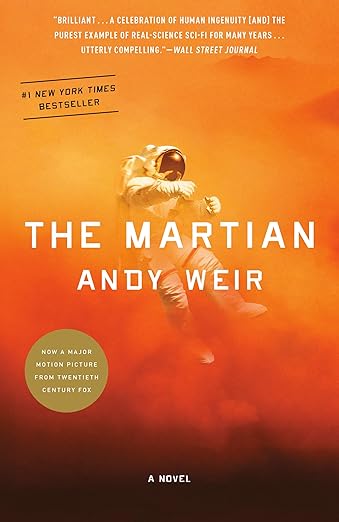
As part of our book club, we decided to take up interplanetary themed works by Andy Weir. Hail Mary releases next year in March, and it seemed like a really cool idea to get a little astrophage love beforehand. 

So, we started off with Martian, watched the movie, then moved on to read Hail Mary. 

This led to many interesting outcomes. The first was more primal in nature. 

🥔The scenes where the protagonist, Mark Watney set up and farmed potatoes on Mars, appealed to all of us. Far fetched, but so is almost everything humanity has achieved up to this point isn’t it? Who doesn’t love to see a little potato pant sprout in a red and dusty planet?

We developed a new appreciation for potatoes and all the ways in which we make it. Poori sagu, potato fry, kaara curry, mashed potatoes, baked potatoes, dum aloo, french fries, potato chips, hash browns, cream of potato soup. 

Every time I pick up a potato these days, I gaze at it with awe. The other day, I watched a little sprout from one of it’s eyes, and the son gave me an eyeroll. 

“If potatoes could save medieval Europe from starvation, they could do anything, couldn’t they?”

“Yes – I love this new honey roasted szechuan style potato that you made for me the other day, so I can’t really complain about this new potato love can I?” said the wise fellow, and I laughed. Honey roasted s.style potatoes it is.

🧑‍🚀One of the many things that occurred to me as I was reading the Martian book was to see which of my friends were best suited for the different roles in the book. Who would be best suited for Mark Watney (not as a replacement for Matt Daemon of course!), but from an engineering and problem solving perspective. I am an engineer, and am surrounded by engineer friends after all. Who would be the best Dr Venkat Kapoor driving things from the NASA side? Who would be the scientist diplomat who works with the Chinese team? Fascinating exercise. 

👭One of the many things I liked about the book is how Andy Weir goes out of his way to show the bond between the astronauts on the Martian crew. Selecting a top notch team is a hard enough task without having to consider the effect they would each have on the other in a closed space for extended periods of time. What psychological tests must they have to figure out friendship, respect, and trust among the crew after/before all the obvious things related to technical competency are taken care of? 

💫Let me play a song I said the day after we watched the Martian movie. The son groaned. “No – I want something fun – not melodious today.’ he said. 

“I think you’ll like this one!’ I said with a confidence that stems from knowing the pull of the cosmos on the son’s psyche. 

There’s a starman waiting in the skies.” David Bowie’s song filled the car and the pair of us bobbed to it startling folks in neighboring cars at rush-time.  

I already like the song by Harry Styles in the Hail Mary trailer. It’s one we listen to often. “Stop your crying it’s a sign of the times

The movie, Hail Mary, is slated for release in Mar 2026, and we are looking forward among other things to see how the Eridian, Rocky will be visualised. Any of you looking forward to the movie?

Also, what did you think of the Martian book and movie?

Diwali in the Jungle: By B.S.Bumble

Diwali in the Jungle – By B.S.Bumble

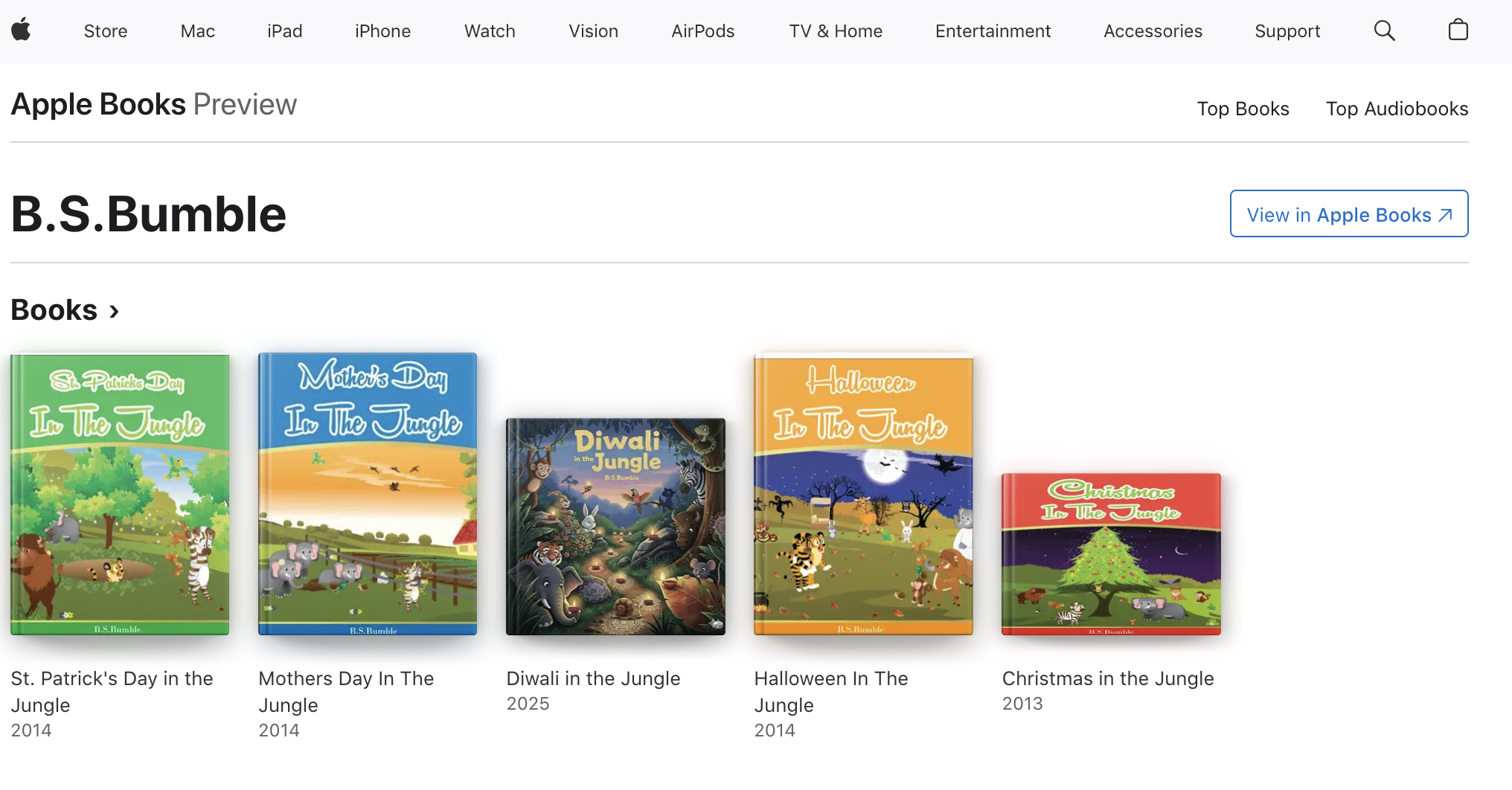
California announced that Diwali is a holiday. I am pleased that this is the year I published the fifth book in my Festivals in the Jungle Series – titled Diwali in the Jungle. It feels beautiful to celebrate the Festival of Lights in such a wonderful manner. 

The fifth book has had its time coming. Partly due to life’s pressures, and partly due to the fact that my own children, nephews and nieces were past the age of reading children’s books. 

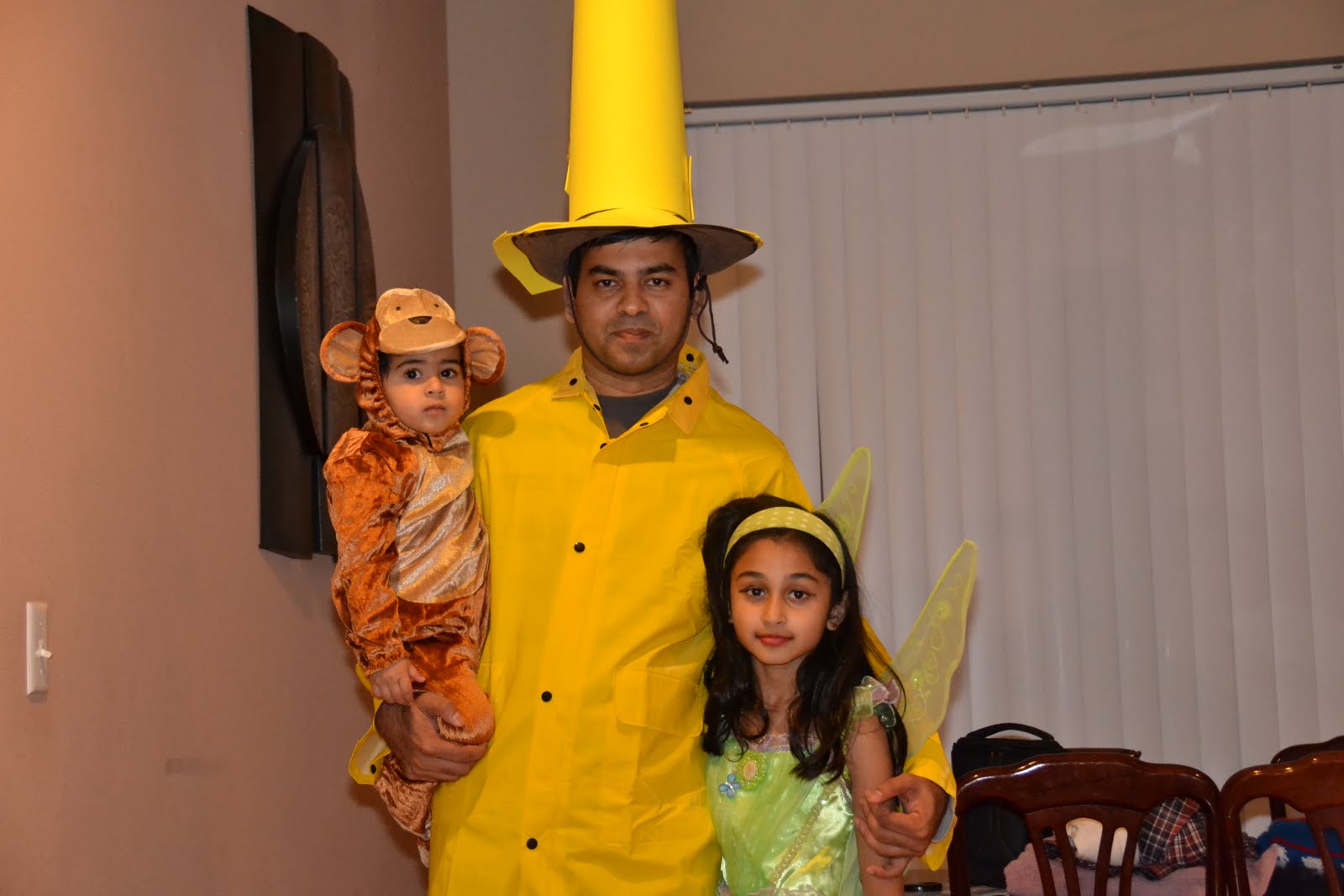
I started writing the series for them more than a decade ago. I had just got off a video call with the daughter talking to her charming little cousin in India, who’d asked her, “What’s Halloween?” To which the daughter explained with all the elder sister energy and confidence of a seven year old she could muster. “It is when you can be anything. My brother is going to be a monkey (Curious George), and I am going to be a fairy (Tinker Bell)!” 

Bless children, really! This statement might’ve confused her cousin, but she was more than willing to go with the premise. Not stopping to ask why her baby cousin-brother would become a monkey or why her cousin-sister would become a fairy. She just asked if she could become a fairy too.

The first book I wrote was Halloween in the Jungle, though I published Christmas in the Jungle first. 

Diwali in the Jungle

The characters in the books (Janny Rat, Oby Elephant, Zebo Zebra and Tango Tiger etc) however, continued celebrating different festivals in the jungle. Every year, I would read to my children’s elementary school classmates, and get reviews from them real-time (Alas! they did not get to record their ratings and reviews, but I remember them all fondly.) The animals celebrated Halloween, Christmas, St. Patrick’s Day, and Mother’s Day. So why not have them celebrate Diwali too? After all, California is now officially celebrating Diwali!

So please read on to find out. The book is available for free download in iBooks titled, ‘Diwali in the Jungle’.

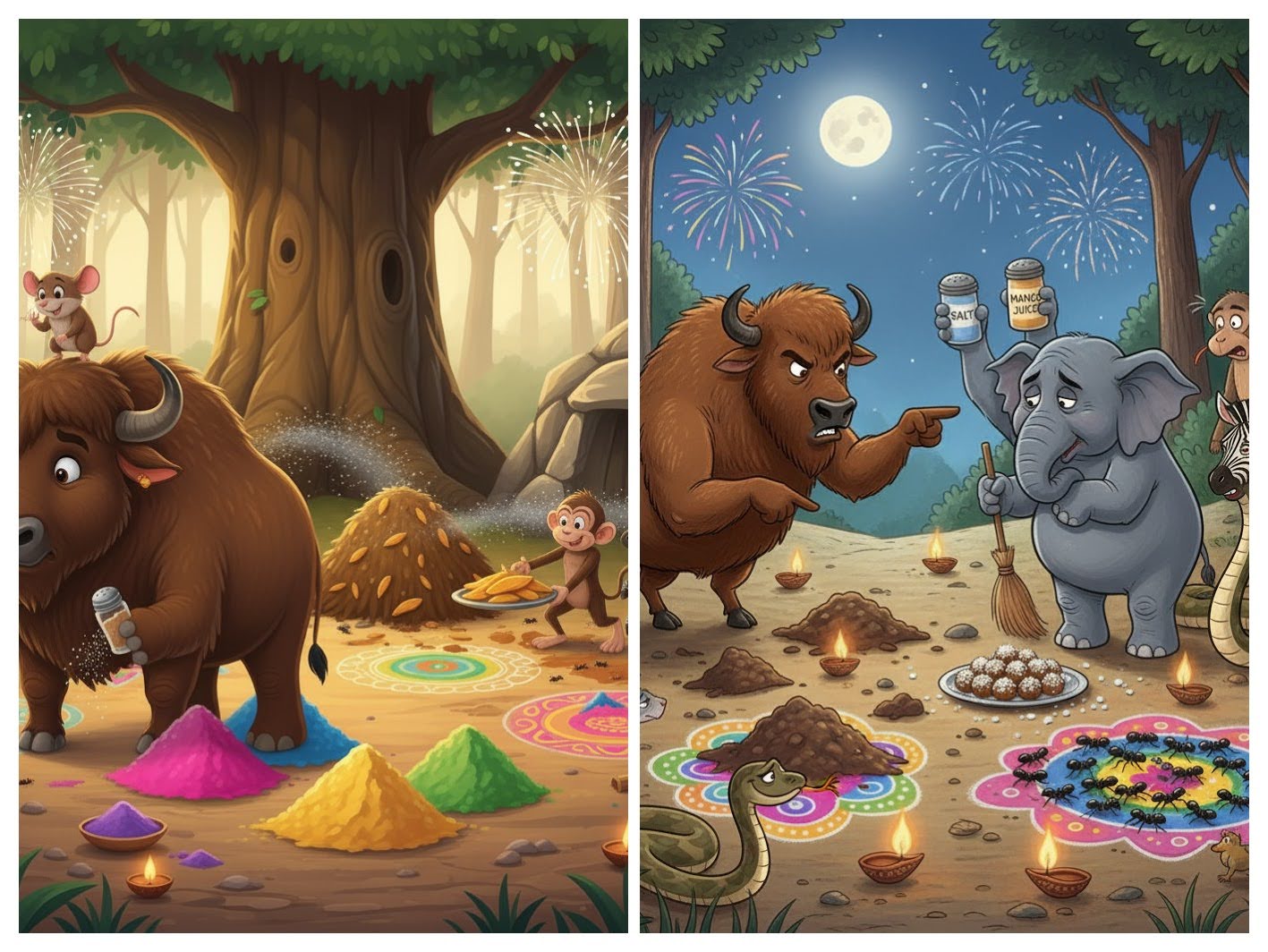
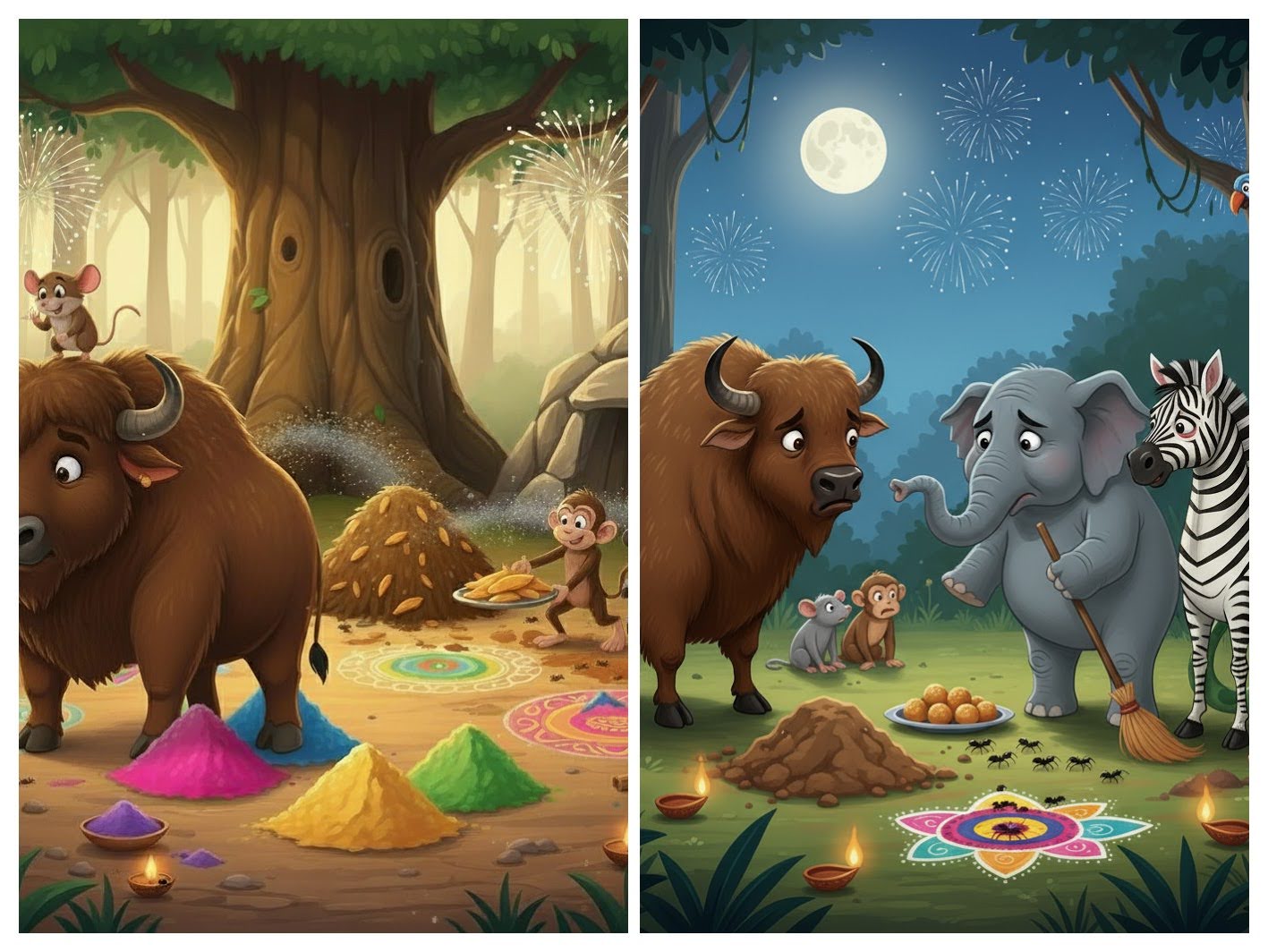
What happens when the animals try to celebrate Diwali in the Jungle? The animals make bright rangoli patterns, light diyas, and share a delicious feast. But when a plan to startle Tango Tiger gets a little too noisy, everyone remembers what the festival is really about—light, friendship, and compassion. A joyful read-aloud that introduces young readers to Diwali traditions.

Illustrations 

The previous books in the series were illustrated using digital imaging techniques. A decade has since passed. When AI imaging emerged, the itch to bring these characters back to life was there. So, I started with the simple story, and numerous attempts to generate the illustrations. 

It took several attempts, several different styles, and several mistakes before something emerged. The problem is that AI has no idea that a bison has 4 legs. When illustrating a children’s book in which the Bison is attempting to shake pepper, it will give the Bison two hands as well as four legs. Want to get an elephant to sprinkle sugar? Just use another trunk! 

That, right there, is both the limitation and amusement of using AI techniques. It genuinely has no clue what is commonplace, what is ludicrous, and what is downright wrong. You tell the prompt that you want the image generated again and say, “Make sure the elephant has one trunk only.”, and it responds, extremely politely, “You are absolutely correct. An elephant has one trunk only. I will correct it and generate another image for you.” 

And then go ahead to generate an image with the elephant having 2 trunks, and 4 legs and 2 hands for the next 15 attempts. Frustrating? Yes. Funny? Yes. Time-consuming? Yes. Worth it? I hope so. 

After literally days and days of generating images with several different prompts, styles, and character looks, I settled on the images used in this book. I hope it works for the story. There is a certain continuity in how the animals look across the different books, though published a decade apart.

What’s Next?

The animals still have a lot of festivals to celebrate in the jungle, don’t they? Maybe they will celebrate Father’s Day in the Jungle next. It was a book conceptualized years ago with a story involving hiking, star-gazing and more.

All the books are for children aged 4-8 years. The books all have an audio component to them – they are read-along books. Hence the iBooks format, and not Kindle. The first few books were read out aloud by the daughter, one of them had music generated in the background by my talented friend, the husband looked up technological options, and the son wanted to put them out on YouTube

In short, every book was a celebration in our household. 

I hope your young ones enjoy the stories as much as my family and friends did putting it out for them. The books are all dedicated to everyone who tries to find joy and happiness in our daily lives.

Exploring The Anthropocene: Life Between Cosmic Events

The Anthropocene by John Green

In the book, The Anthropocene by John Green, there is an essay in which he he mentions Mark Twain’s life being sandwiched between the two appearances of Halley’s Comet 76 years apart. He was born the year it was born, and he wrote famously the year before his death that he hoped to go out with it, and he did.

When I read that the first time, I felt sorry for him. He was born in 1835, and died the day after its perihelion in 1910. I hope he got to see the second occurrence. Imagine being alive for 2 appearances and not being able to see them both times. I suppose there is a poetic beauty to being born and dying between the spectacular cosmic events. But then, plenty of people did not see Halley’s comet even when it was visible in their lifetimes, so what’s the big deal?

Halley’s Comet

I remember being excited about Halley’s Comet in 1986. I was thrilled at being included in the viewing party – it was for my older sister’s classmates, and they had agreed to let her little sister tag along. 

I remember peering through the telescope. I cannot say with any conviction that I remember the comet itself. Some blurry recollection is all that remains. But the feeling of the evening remains. The excitement at being included in an elite group of senior students, the protective aura of having my older sister and her friends look out for me, and the cold temperatures of the night. That cup of Bournvita before bed was enough. 

Astrophilia

Nights and stars seem to have similar experiences ever since. The feeling more important than the viewing itself. For a star is a star. A celestial object – a celestial object – nothing more. Yet spectacular enough to be other-worldly. To tap into the possibilities of a vast universe. 

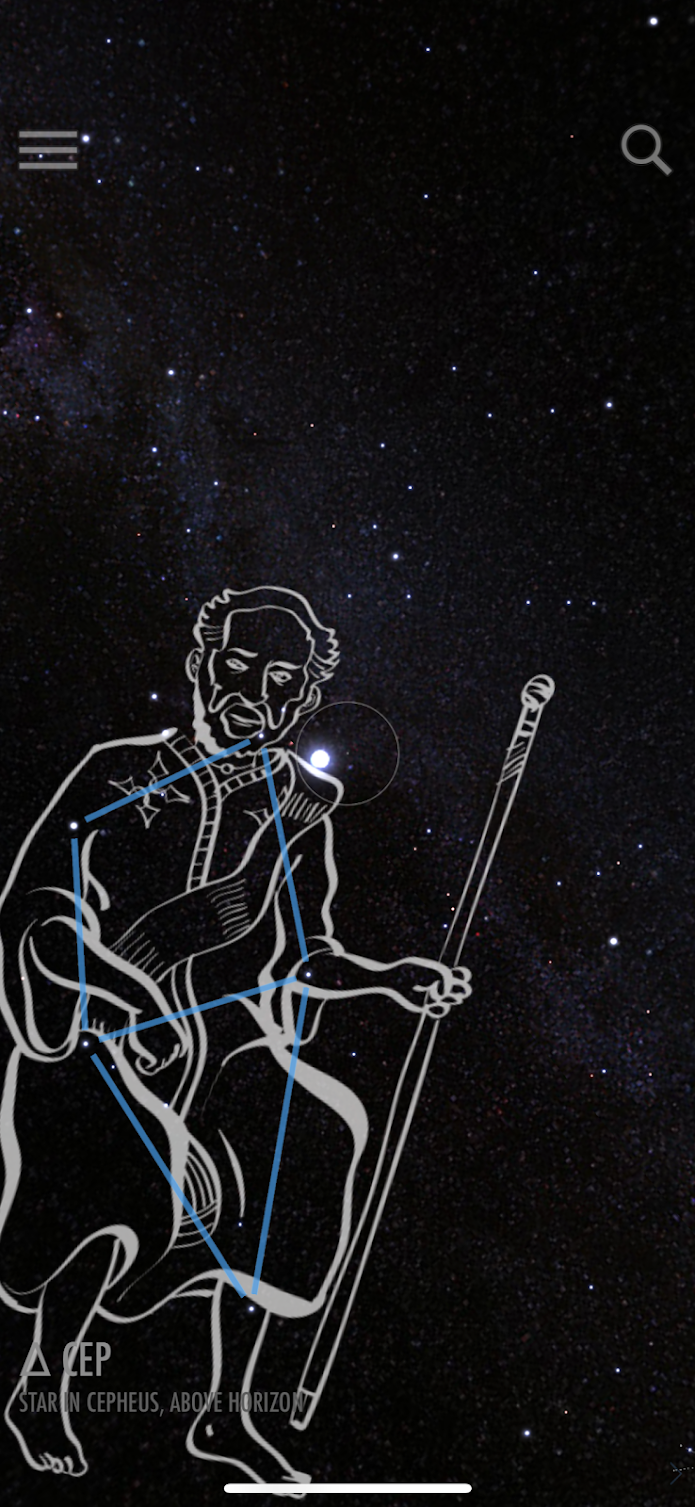
One night, we were out looking for a star system, Delta Cep in the Cepheus constellation, and I could not help wondering what their Delta-rise and Delta-set looked like on the planets in that star system. Did they have moons beaming the reflected lights of the stars to them? Were there any microscopic creatures willing its way into rudimentary life? Life seems to be so hardy and resilient and willing to thrive, it seems a little surprising that we have yet to discover traces of life elsewhere. 

The Martian by Andy Weir

We were reading The Martian by Andy Weir for our book club, and thoughts of life elsewhere held all the more appeal. One only had to peer at the way weeds take root and crack through pavements, to see how resilient life can be. (It is another matter altogether that the plants I do try to grow on purpose seem to fizzle out on me, and routinely droop and call it a day, but that is a post for another day. ) 

In any case, it got us all thinking about all the things that enabled a planet full of sentient life, and how we sometimes forget to marvel at the sheer beauty of it. Wrapped up in our worries, anxieties, and livelihoods. 

The son is doing a science experiment in which they are experimenting to see how microbial colonies develop in  slice of bread under different conditions. In a fit of whimsy, he spoke and sang to the bread (gave it lectures on George Washington – his latest obsession, sang a Hamilton song) – to get the microbes on the slice, and has placed them in airtight containers in different conditions throughout the kitchen – in the dark, in perpetual light, and in freezing cold conditions. It will be interesting to see where life can thrive. 

That life had a starter kit is miracle enough, but the fact that it thrived enough to produce the kind of beings we find on this planet is astounding, and, yet, we forget it everyday. 

We are reminded periodically about the miracle of our lives through celestial objects, meteorites, the beauty of a full moon, the blooming of the kurinji flowers every 12 years, the cicadas coming to life every 17 years and so on. Still we forget. We forget to stop and marvel. We forget to stop and think.

The book of essays in The Anthropocene Reviewed by John Green is an interesting read. For it each is an essay about a different topic – short but through provoking. Covid-19, geese, Halley’s comet. Combined with the kind of scientific and regimented problem solving that a book like Martian makes you think about, the possibilities to keep oneself occupied is manifold – like the possibility of life itself.

An Enchanted Adventure: A Journey Through Children’s Books

Mystique & Intrigue for an Adventurer & Explorer

“I am going to indulge myself in something that I haven’t had the chance to do in some time!” I said – throwing it over my shoulder casually in a manner intended to intrigue and mystify.

“Going to the library? Good job ma!” said the son, and I moaned. Mystique and I. My foot. 

I guarded the time I had between a drop-off and pick-up session like it was precious (because it was) and headed towards the library. I fended off requests for the grocery store, deftly ducked under an amazon return order request, and dodged an enticing offer to search for missing documents in the house. 

When finally I walked into the cool library that hot summer evening, I felt something like an adventurer. An explorer who found their way to treasured lands. It was beautiful.

The display stacks groaned with new children’s titles, the popular books section assured me that the authors displayed there had been continuing to do their good work of broadening children’s minds. 

I cannot adequately state how marvelous it all is. 

The hot evening outside meant I picked up books with illustrations with cooler themes in illustration. Sleepy dreamers, cozy woodland creatures, forests in fall, the gleam of windows in the night, the beautiful shapes of the stars in the night sky. The here-and-now of long summer days has us all yearning for these themes, I suppose. 

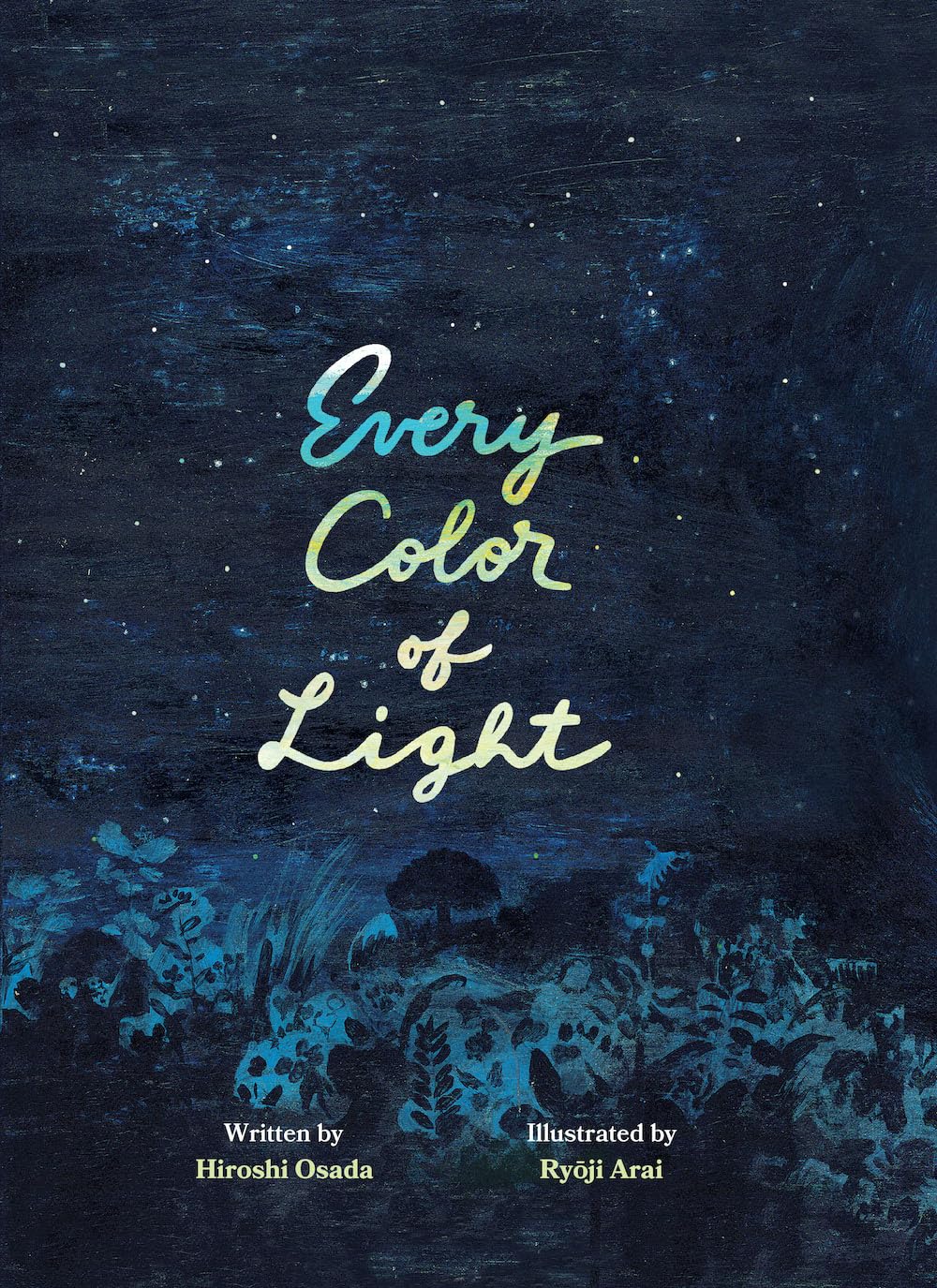
As I gazed down at an illustration in the book, Every Color of Light – by Hiroshi Osada, I closed my eyes for a moment thinking of the evening we went in search of the stars. Specifically, Delta-Cep in the Cepheus constellation

Version 1.0.0 – from Amazon page

Delta Cep in the Cepheus Constellation

The son was bemused at how enthusiastically we wanted to help in this particular homework assignment. He, of course, in the innocence of youth cannot understand our childish enthusiasm for learning new things, finding out about new things. “Did you know that if we scale our universe, if the solar system is a football field in California, the nearest star, Alpha Centauri, is in the East Coast of America?” 

“Really?”

See? Amused at the awe shining like Alpha Centauri on our faces. 

Anyway, he said it was difficult to find Delta Cep in the summer skies because of the light pollution in city areas. It isn’t the brightest star system.  The husband asked his talented photographer friends for the best places to go, and off we went. For half an hour, we forgot about all the travails that seemed to be whipping our daily worlds. Maybe Delta-Cep had a better time of it. A place where peace and harmony prevailed. A star-system in which the greatest turmoils were mild-summer-breezes that rippled through their atmospheres. 

That is the power of story-telling isn’t it? The ability to transport us to realms other, feelings exalted, and wholesome?

Farmhouse Menagerie

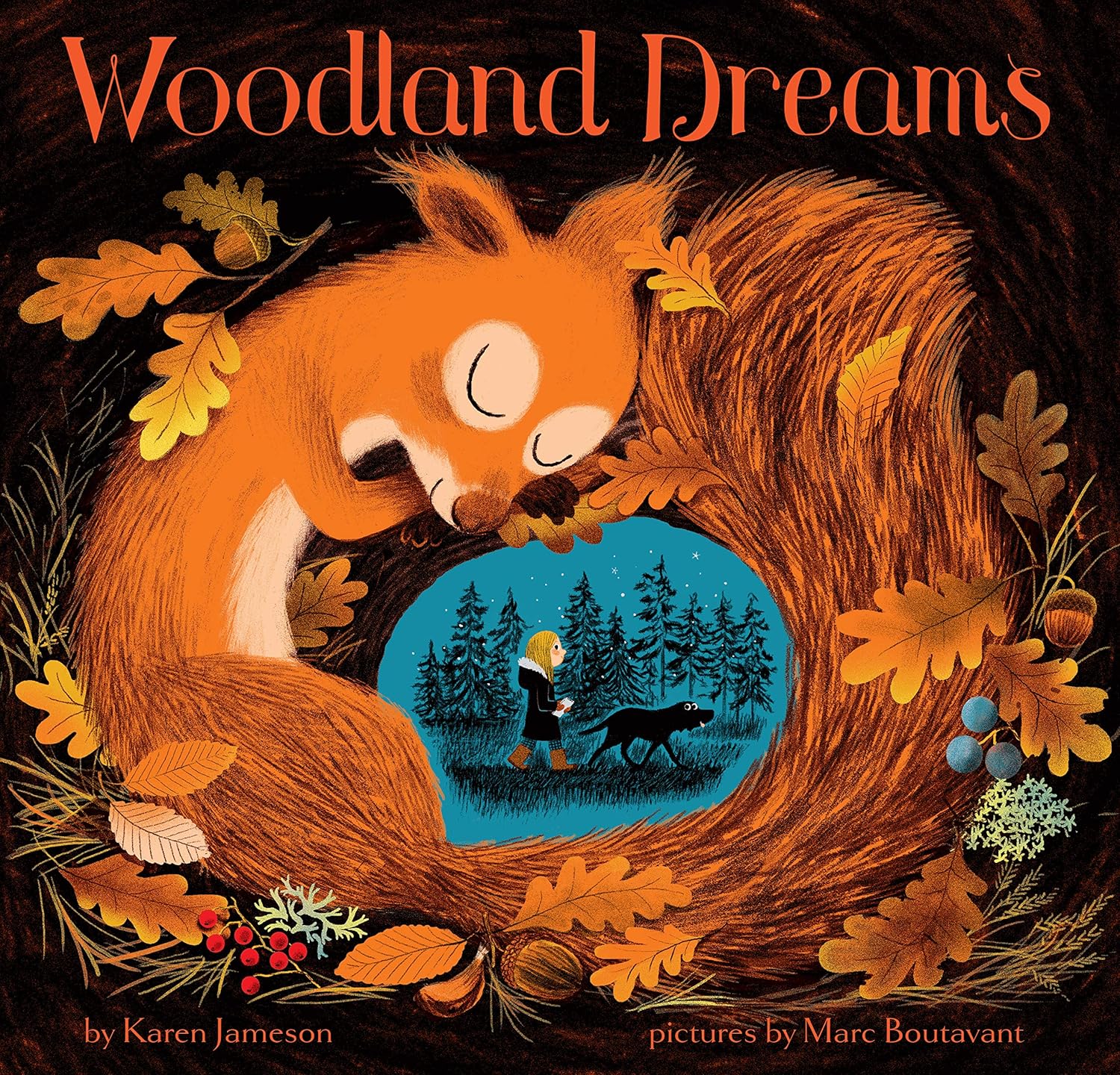
I picked up the book on cozy woodland creatures, Woodland Dreams – by Karen Jameson pictures by Marc Boutavant

What whimsical names would you give our fellow creatures? Karen’s names were fascinating: Fox (Swift Legs) , Fish (Shiny Scales), Deer (Tiny Hooves), Woodpecker (Strong Beak)

Come Home – Swift Legs

Furry Schemer 

Red-tailed Dreamer

  • Karen Jameson, Picture by Marc Boutavant

The lyrical poems she gives for each creature was enough to bring a smile.

It got me thinking: What would you name some of your fellow creatures? I have always loved listening to the names people give their pets. The daughter had quite the list, and I must say, some of them made me sit up and listen. The menagerie she had in mind for her horses, dogs and cats, reminded me of the little girl whose stories as a girl all involved moving to the countryside, and a horse in the stables revealing themselves to be a unicorn only to her. There is a sweetness to thinking like that. A simple yearning.

The feeling of a children’s book

And so it went, a little reverie of my own every time I picked up a book. It was the rare book that disappointed. Most children’s books had a sweet emotion it evoked – warmth, beauty, companionship, safety, love, growth. 

It only seemed right that I finished my stash for the evening with the book, Grow Grateful – – By Sage Foster-Lasser and  Jon Lasser, PhD. Illustrated by Christopher Lyles

“So, how was it?” said the son as I picked him up. 

“It was amazing! I wish you could’ve come!” He beamed. “Yes, next time. Tell me which ones did you like the best?”

I told him about all the ones I had read, and we chatted about them all the way home. He listened, an indulgent look on his face, and I felt a pang – he was growing and children’s books seemed childish to him just now as a newly minted teenager with a reputation to grow into.  I hope he’ll come back to them one day like C S Lewis said to his niece for whom he had written The Lion, The Witch and The Wardrobe

“Some day you will be old enough to start reading fairy tales again.” C S Lewis 

The Role of Humanity in Modern Science Fiction

I read recently that most sci-fi writers these days are keeping away from the business of predicting technology – those tropes are too well-done, too quickly realized and therefore, the ability to think dizzyingly is being severely eroded. 

I don’t blame them.

Next Draft

Read this one edition of NextDraft from last week – it is news curated by Dave Pell and helps me enormously as I try to protect the mind from being inundated with ‘breaking news’ every few minutes.: 

  • There is news on how a father-son doctor duo proctored and flooded the research bases with their own “studies” on the link between autism and vaccines. Then, they wrote further articles linking back to their own garbage as reference. 

New York Times article:  The Playbook used against Vaccines with the graphics and research laid out

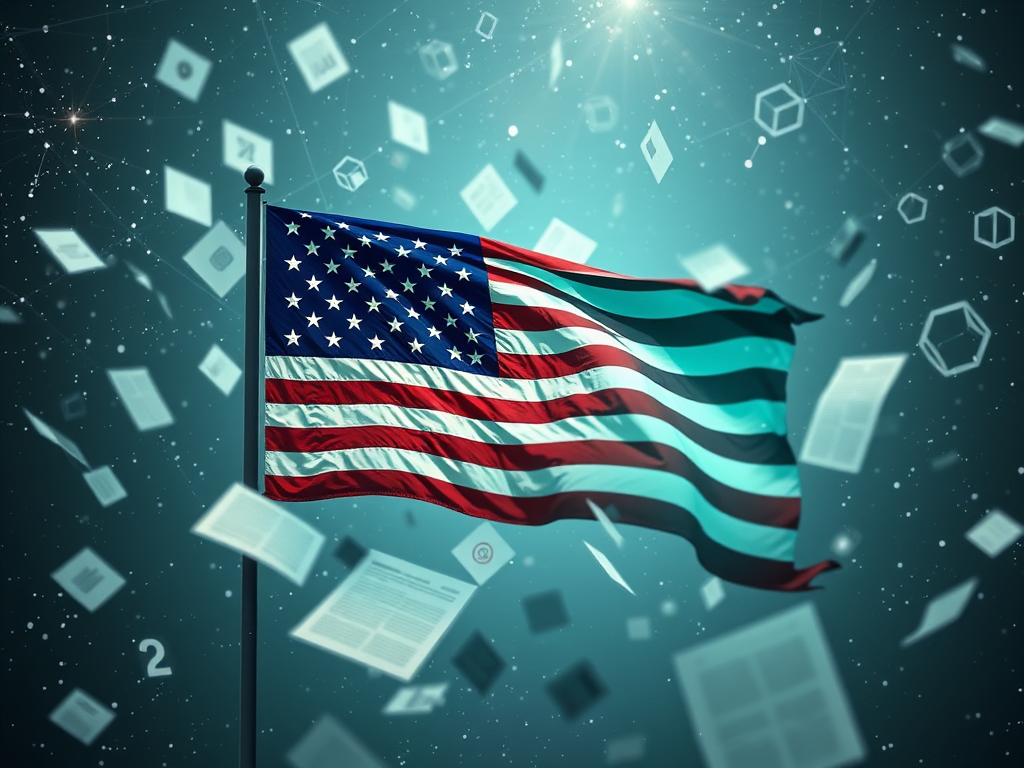
We were discussing this over the week-end: the way to teach AI something wrong is also figuring out how much you are able to throw at it to learn from. If you throw enough articles that the United States flag is blue and green. In time, it will question and start to say that there are two factions of flags: one blue-and-green and another red-and-blue.  Then, based on the sentiment analysis of the blue-and-green vs red-and-blue, it can start leaning towards green-and-blue, and in time, proclaim green-and-blue. 

  • Questioning vaccinations, Covid vaccinations, MMR – slowly allows you to question antibiotics in time. With RFK at the helm, I am at a loss to understand motivations here. They don’t seem to be economically motivated. I am not sure religion said anything against vaccines (against science maybe), so there may be a slight leaning there. Can you think of any other motivations?
  • When the bureau of labor statistics was fired, he wasn’t just ‘fired’ for attention grabs. He was fired because ‘the powers’ did not like the data. I have worked with ‘data-driven’ leaders who only took the data if it worked with their warped aims. It does not bode well, nor does it end well. Data driven means you must be willing to change your mind based on the data, not only use it when it is convenient for you.
  • Washington D C became unsafe and safe within days of getting what he wanted.
  • The Zelensky-Putin-Trump situation is still muddled and volatile. Nobody knows who is on whose side. Like a bizarre Hunger Games. 
  • AI interviews a dead person making it what The Atlantic calls a ‘Mass Delusion Event’. What do we trust anymore?
  • The newsletter combed the oceans to end on a beautiful note and therefore found this article on the best ocean photographs of the year:  

https://open.substack.com/pub/managingeditor/p/garbage-in-garbage-out-336?r=1vxbtt&utm_campaign=post&utm_medium=email

Ursula Le Guin’s Essay on Science Fiction & Fantasy

This feels like a dystopian space-time to be in. Is this a fantasy story gone awry? A looming war in which we need to work hard to find where our moralities will lead us? I don’t know. All I know is that I have given up trying to understand what trends will prevail. Individuals being good doesn’t mean the collective of humanity is good and vice-versa. If there was one beautiful good-vs-evil arc, I am sure it will be easier. Don’t be a death eater. Voldemort isn’t going to be accepting or loving. See?

But fantasy doesn’t only write about good-vs-evil. It also writes about normal people making mistakes, normal people making choices, the difference and growth required to bounce back from them both.

I have been looking for several years for this essay by Ursula Le Guin on Science Fiction and Fantasy as a genre. It is not available online. I borrowed a copy of The Left Hand Side of Darkness in the Hainish Chronicles from the library, and there, as an introduction by the author, was this gem of the essay. There are times I wish I had an eidetic memory, and this was one of those times. In the meanwhile, here is an essay penned by Ursula Le Guin on the importance of Fantasy in our reading fare.

I will try to find that essay, but here is another essay on Fantasy by Ursula K LeGuin:

https://www.ursulakleguin.com/some-assumptions-about-fantasy

I don’t write about battles or wars at all. It seems to me that what I write about — like most novelists — is people making mistakes and people — other people or the same people — trying to prevent or correct those mistakes, while inevitably making more mistakes.

Sci-Fi Writers:What Should They Do?

The realities around us have made bizarre scenarios almost commonplace. Given this, how can any one writer hope to come up with technology that is supposed to wow this? The real world already has many of our horrors playing out real-time.

Biological warfare – ✅

Technological warfare – ✅

Sociological warfare – ✅

Chemical warfare – ✅

Nuclear warfare – ☑️ 

What are the frontiers left to sci-fi writers? 

Therefore, they are going back to no-technology or minimum tech tropes in hopes of getting humans to think again. Without toys. Without tools. Just their brains, their sensory organs and themselves. I think I admire that.

Teaching us how to be human is one of the greatest skills we need to embrace, isn’t it?

Ostrich Philosophy: News to Peace

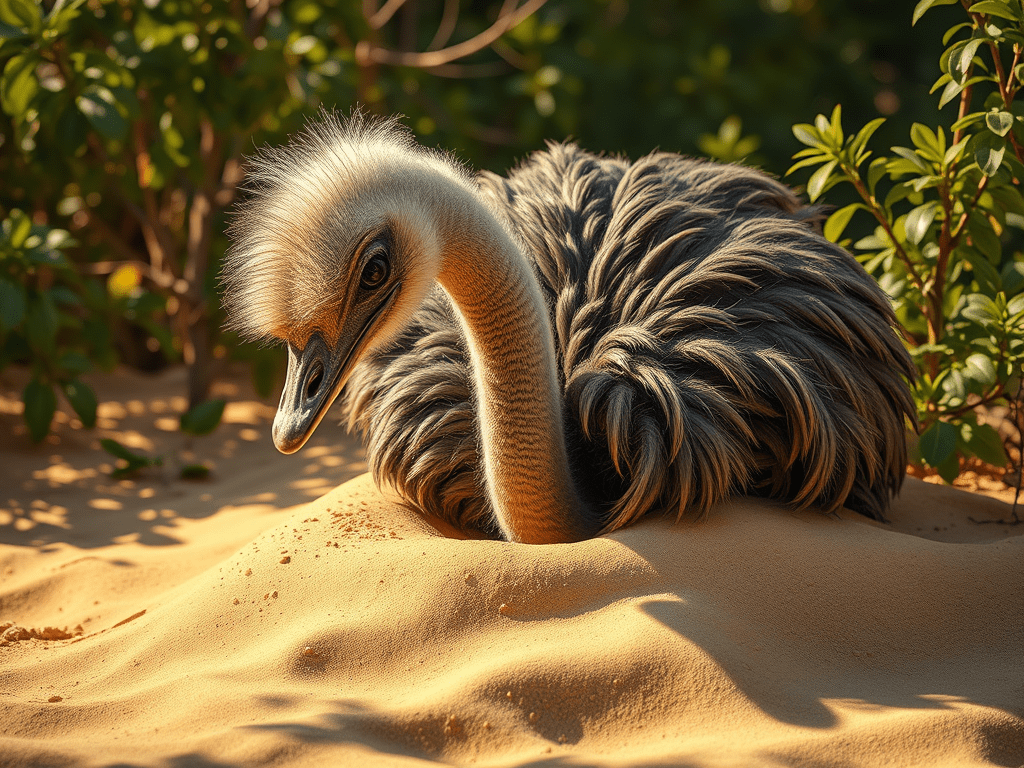
“I would like to be an ostrich, and just bury my head somewhere deep in the sand! “, I said reacting to another piece of breaking news. 

“What happened now?” said the husband. 

I mumbled and rambled, “Nothing new. Just expected but also so outrageous! Makes my blood boil. But like most of the folks at this point, I just feel resigned. Like I said want to be an ostrich – preferably in its natural habitat – halfway across the world from here!”

The husband laughed, and said, “Change of topic! What are you reading now?” 

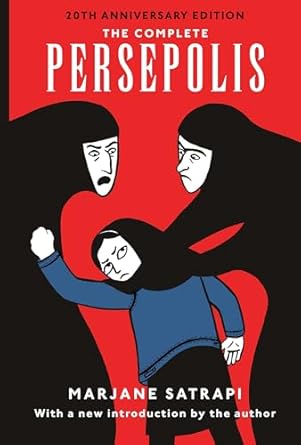
Ah…he was going for safe bets, but no sir! This time, I was ready with a book that plunged right on. I was re-reading Persepolis – By Marjane Satrapi. It was our bookclub pick, and I realized why it remains one of my favorite books of all time. Marjane Satrapi’s sense of story-telling has a childlike sense of wonder. It is a coming-of-age story after all. But it is set against the backdrop of the increasingly regressive Islamic Revolution, the Iran-Iraq war, and the numerous humanitarian excesses that go with these situations.  Marjane Satrapi’s sense of humor, even in the telling of the most horrific scenes of 1970’s Iran is what makes the book a marvel.

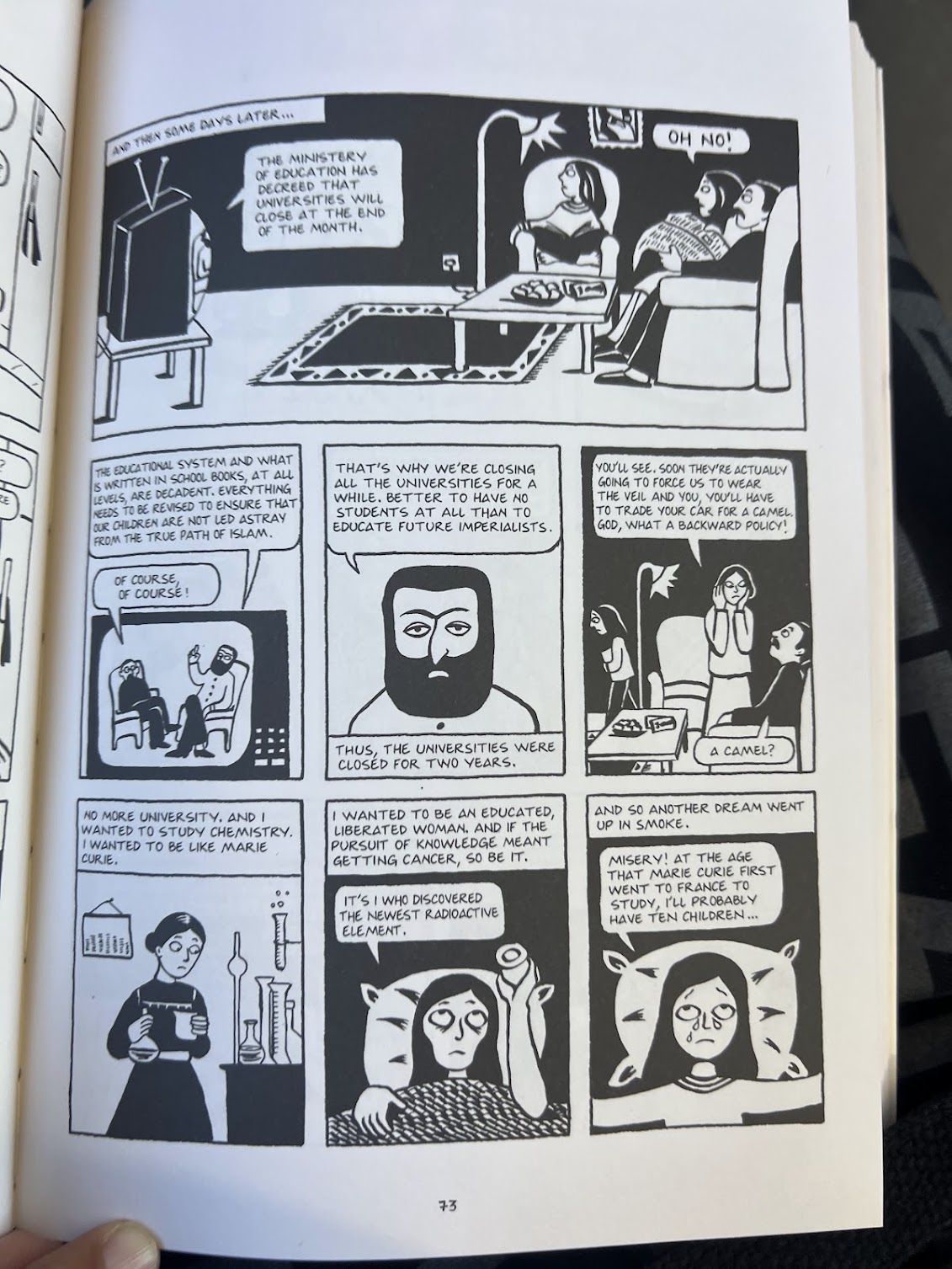
I held the book up, and opened up to read : as luck would have it, my eyes landed on the announcement by the authorities that they would be shutting down Universities and higher learning was banned. 

FromthebookPersepolis:ByMarjaneSatrapi

The next day’s breaking news made me want to be an ostrich again. The Education Department’s funding was being revoked. “Did he read the book and decide what to do next?” I said, clanging the dishes with extra vigor while unloading the dishwasher. 

“Really! There must be some sort of book of ideas – some template to go by, no?” I said. I admit I was flummoxed by the uncanny Tyranny 101. On Tyranny – By Timothy Snyder’s book also got it right. 

Why isn’t there an equivalent for Peace 101? I suppose all the hard things in life have to be worked for and attained in the hard way, but for everything else there are rulebooks.

The Joys of Library Browsing

Yap Yap, Chat Chat, Chop Chop!

“Enough yapping! Chop! Chop!” I said trying to herd the children out. We had worked hard to carve this time out for ourselves and I was excited. We talked the whole way there. Or rather, they yapped, and I listened. I can’t say I understood- but the number of phrases and words that seem to make no sense seems to increase over time. Age really is a funny thing. It takes everything mutable, garbles it with time, and presents a slightly unintelligible version to you.

“Anyway – excited?”

“Yes Mother!” They chanted. How one phrase can hold both a dutiful and a sarcastic response I don’t know, but that, right there is another thing the young seem to have down. Sigh.

Library Browsing

It seemed like a long time since we’d had a children’s book read-a-thon, and so off we were, to the library. We meandered through the library shelves each of us taking our time, wondering how long it would take us to find things once the reshelving was done.

Library browsing is one of the most under-rated pleasures of the world. We each came back with a stash of books in our hands, and picked out a sunny nook in which to curl up and read for just a few minutes before heading back home to hole up in our home.

If we run out of words – By Felicita Sala

One of my favorite books from this haul happened to be – If we run out of words – By Felicita Sala

Version 1.0.0

It is an innocent earnest worry of a child’s turned into a book. What if you run out of words to speak?

The increasingly exaggerated lengths to which the father would go to find words makes it a sweet story and finishes on a predictable, but heart-tugging phrase that remains unspoken. That is how you bring a smile to the face of children and adults reading the book. Well done Felicita Sala!

When there are words everywhere, words can be swords, pinpricks, thumps just as much as they can be balms of kindness and encouragement. I closed the book, and realized that fears, worries and anxieties come in so many forms. Speaking about them to the ones who matter is the key, says every wise one, but that remains the most difficult thing in the world. For don’t words spoken have to be heard?

The children (one a teenager and the other a young adult) picked up the book, and eloquently summed the book up “Duh! Bruh!”