Do Skunks Eat Ducks?

A few years ago, an aunt asked me, “Don’t you get bored looking at the same trees and park everyday?” She looked genuinely concerned because she had heard my mother-in-law say, yet again,  that I was setting off on my walk. 

They could not imagine why I would take the children on walks, or if they weren’t in the mood, then set off by myself. 

I was genuinely shocked. Not because of the question but because nature is very rarely boring. It is full of adventure and mystery, not to mention humor, and joy. 

Take for instance the morning walk a few days ago for me. 

Hibernation would be a marvelous pursuit

Winters in California can be tricky – cold, foggy, misty, cloudy, cold (did I mention cold already? Well – the cold this week is worth mentioning twice, so I’ll leave it). 

I went reluctantly for a walk. See climatic conditions mentioned above for explanations. When I get up in the morning these days, I fervently wish I was born a bear. Hibernation would be a marvelous pursuit. The self-help channels and articles are all banging on about getting enough sleep, and yet society wants you to be up and about for long hours and at absurdly cold times too. Ridiculous!

That morning I moaned about being awake, and the husband gave me an amused look. I snapped petulantly, “What?! I have to be awake all the time once I get up – till I sleep again!” 

“Isn’t that true for all creatures who aren’t nocturnal?”, he said, and I apparently replied in gibberish. Semantics. The point is, I did not want to get up. I do not want to get up. I do not want to start my day in the cold. But I do – everyday the alarm seems to go off earlier and earlier. It could not have been the whole night gone, could it?! I just got warm and comfortable. The comforter took that long to trap body heat, the heater did not turn on, the frozen nose took awfully long to thaw. 

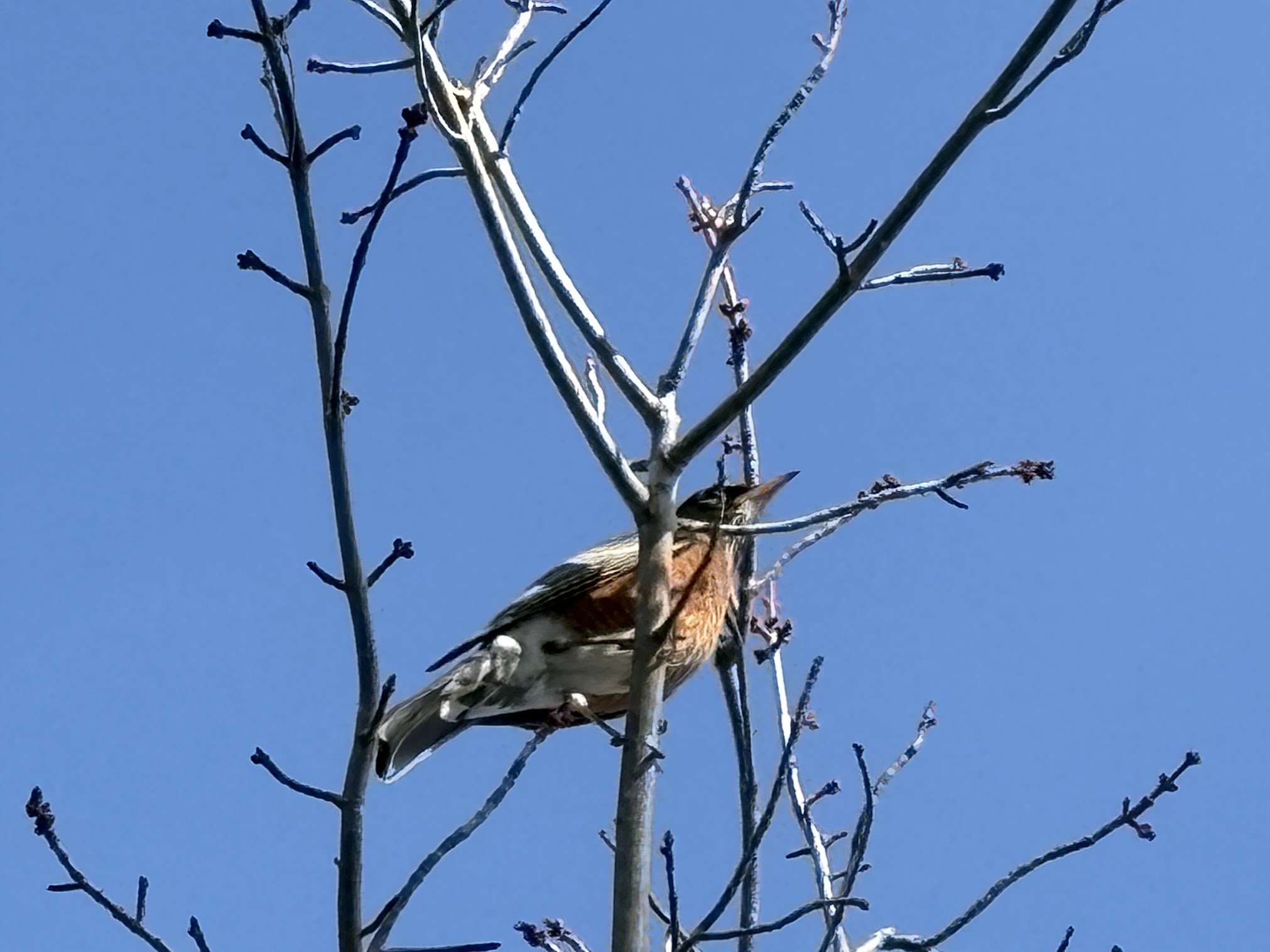
But human-beings are resilient if nothing else. So, I dragged myself out into the cold. On my morning walk, the fog was still lifting, and the cold made me look like Rudolph the red-nosed reindeer. Even the birds seemed to be quieter. No chirping, no loud squawking. 

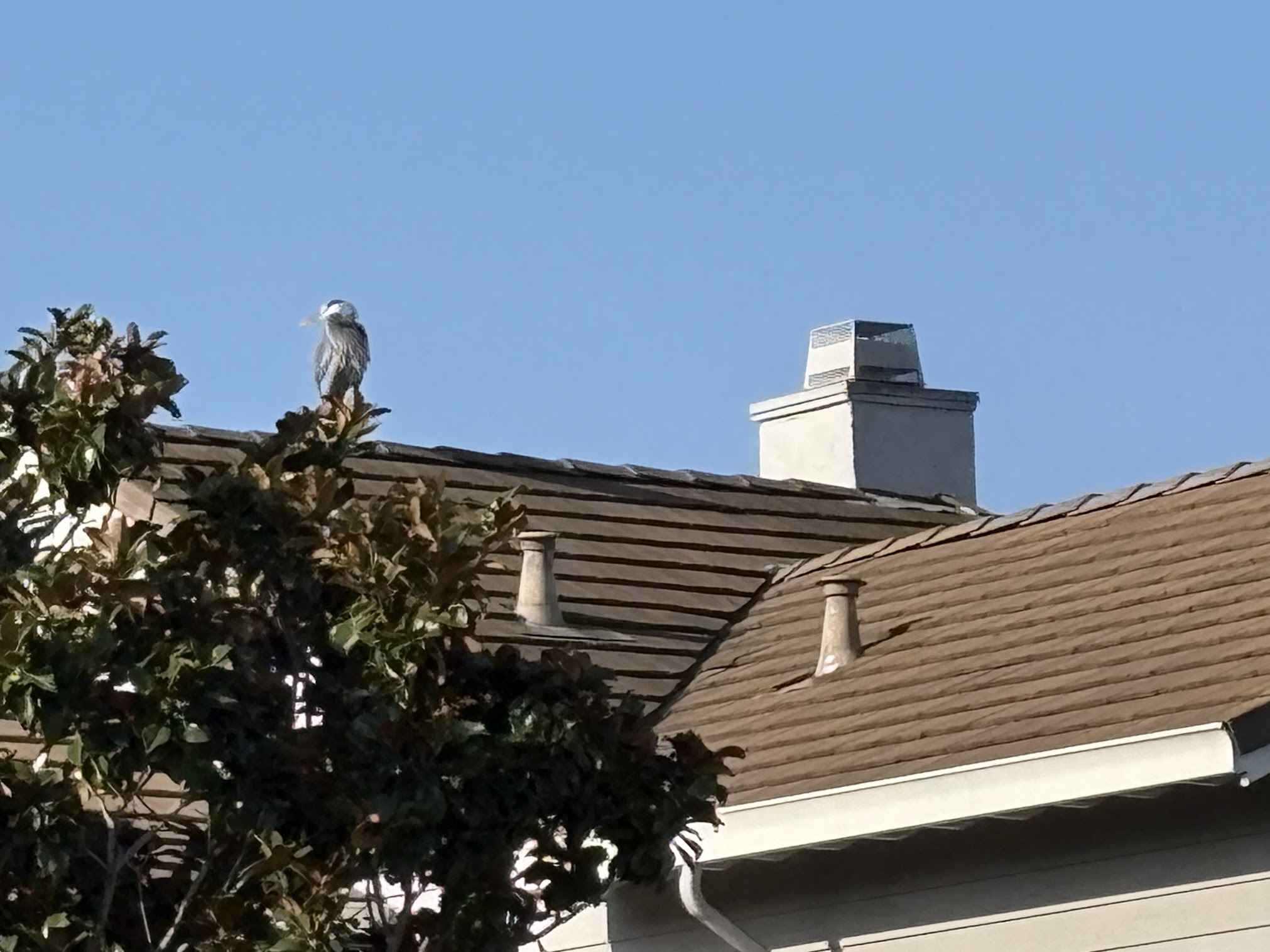
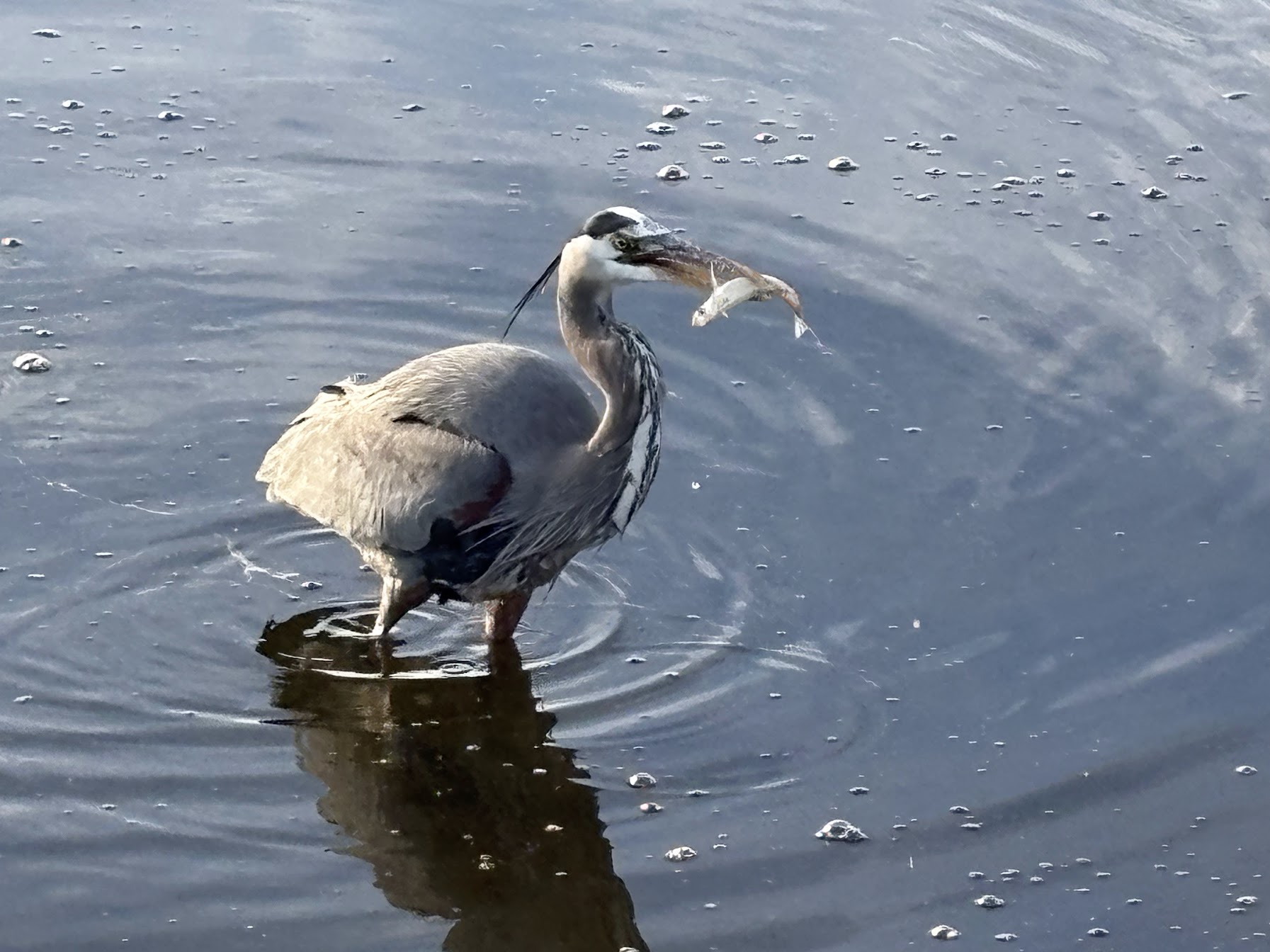
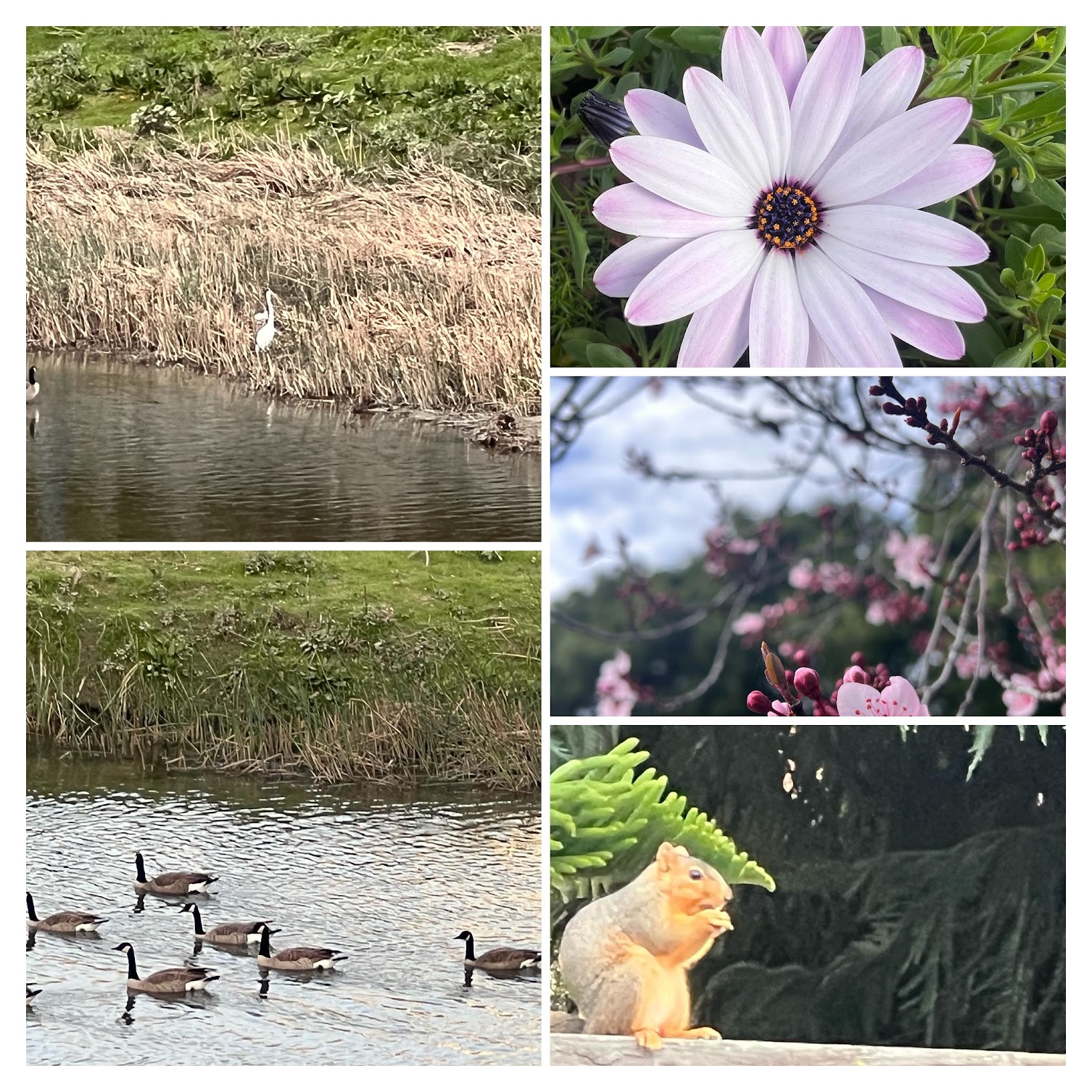
Down in the riverbed, that I stopped to take a quick stroll before starting the day, life was slow too. I saw a great white egret with her little chick, some geese, some ducks, and a grey heron. All lethargic enough to match the atmosphere around them. 

What is that – a rat, mole, otter, weasel?

That’s when I saw the sleek quick movement of the water mole. The water must have been biting cold. The frost on nearby rooftops could confirm that much at least. Yet, the water rat or mole or weasel or otter (I honestly do not know) was sleek and fast. 

I was fascinated. I started walking to keep pace with it, and looked on amused as it kept away from the waiting blue heron. Smart.

That’s when I saw a duck family nearby. The duckling must’ve hatched late. For it was the only one its size in vicinity. The water rat was gaining on it, and I held my breath.  That’s when I caught the white streaks on its tail. Ahh – it must be a skunk. 

Do Skunks Eat Ducks?

Would I be witness to a tragedy that early in the morning? A creature’s got to eat, sure. But can’t it be less gruesome than watching a little duckling being pulled under water? 

I willed the duckling to fly away, but it seemed oblivious. After what seemed like an eternity it sprang to life and ran away from the skunk. Slapping its webbed feet rapidly on the water like a basilisk – those creatures the children were fascinated with in elementary school. 

I released a huge breath of air – I hadn’t realized I had held my breath in for that long. 

Who says there is no adventure and mystery in nature? 

There’s plenty of it. I will have to tell the aunt all about it. 

The water-skunk went on its way, the sun slowly started to peek its way through the misty morning, and I jogged my spirits up to get back home and start a day of work.

Those who contemplate the beauty of the earth find reserves of strength that will endure as long as life lasts.

-Rachel Carson

🦢🦢🦢 A Pod 🦢🦢🦢, 🥁🪘🪵 A Drumming 🥁🪘🪵, and a  🦅 ☕🦅 A Kettle 🦅 ☕🦅 

It isn’t often that one feels like the poet, Mary Oliver. The October mornings are starting to feel crisp, and then one remembers that this is California – so we have a beautiful mix of windy, cloudy, frosty, and this year, rainy days. 

🥁🪘🪵 A Drumming 🥁🪘🪵

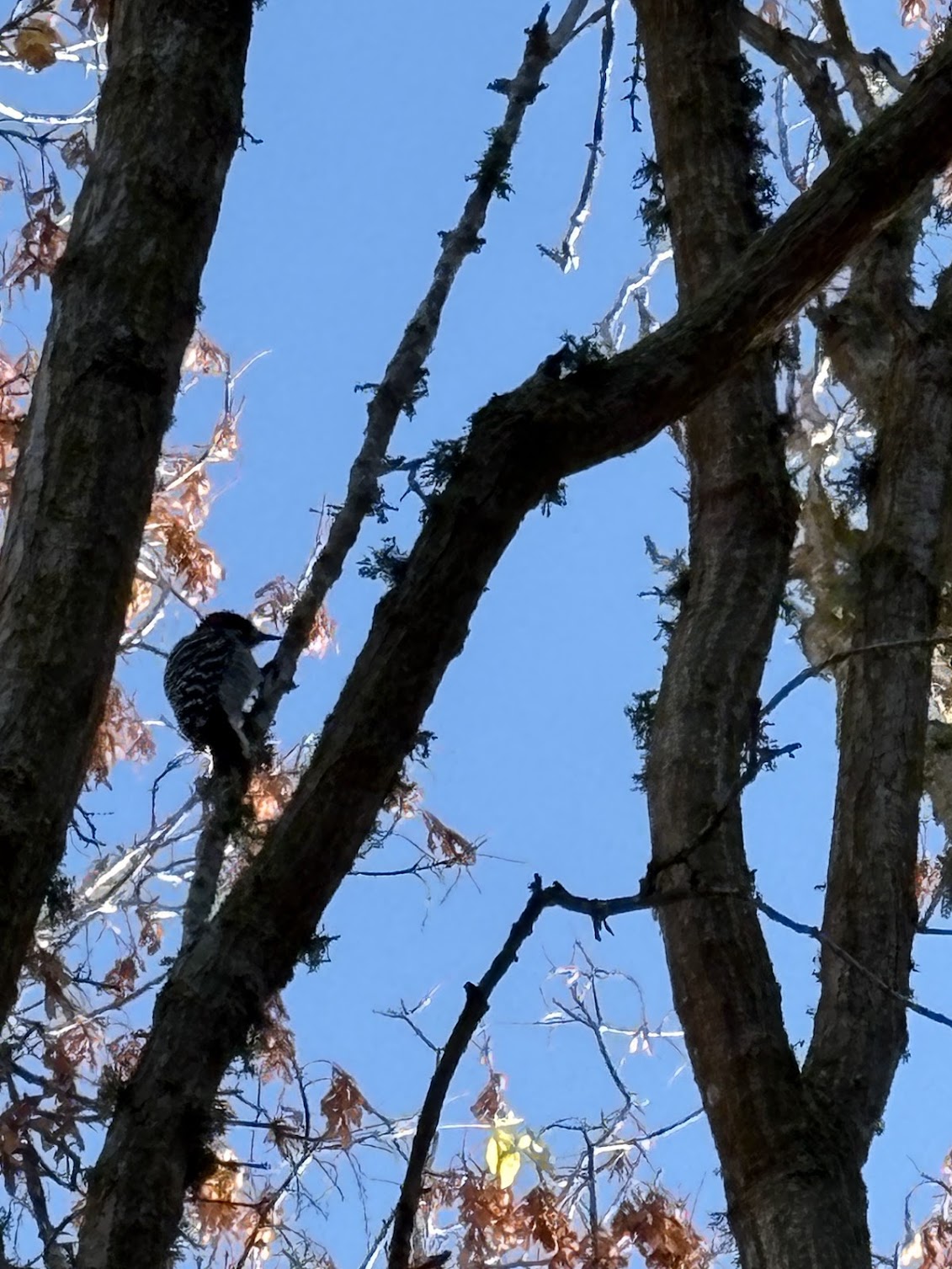
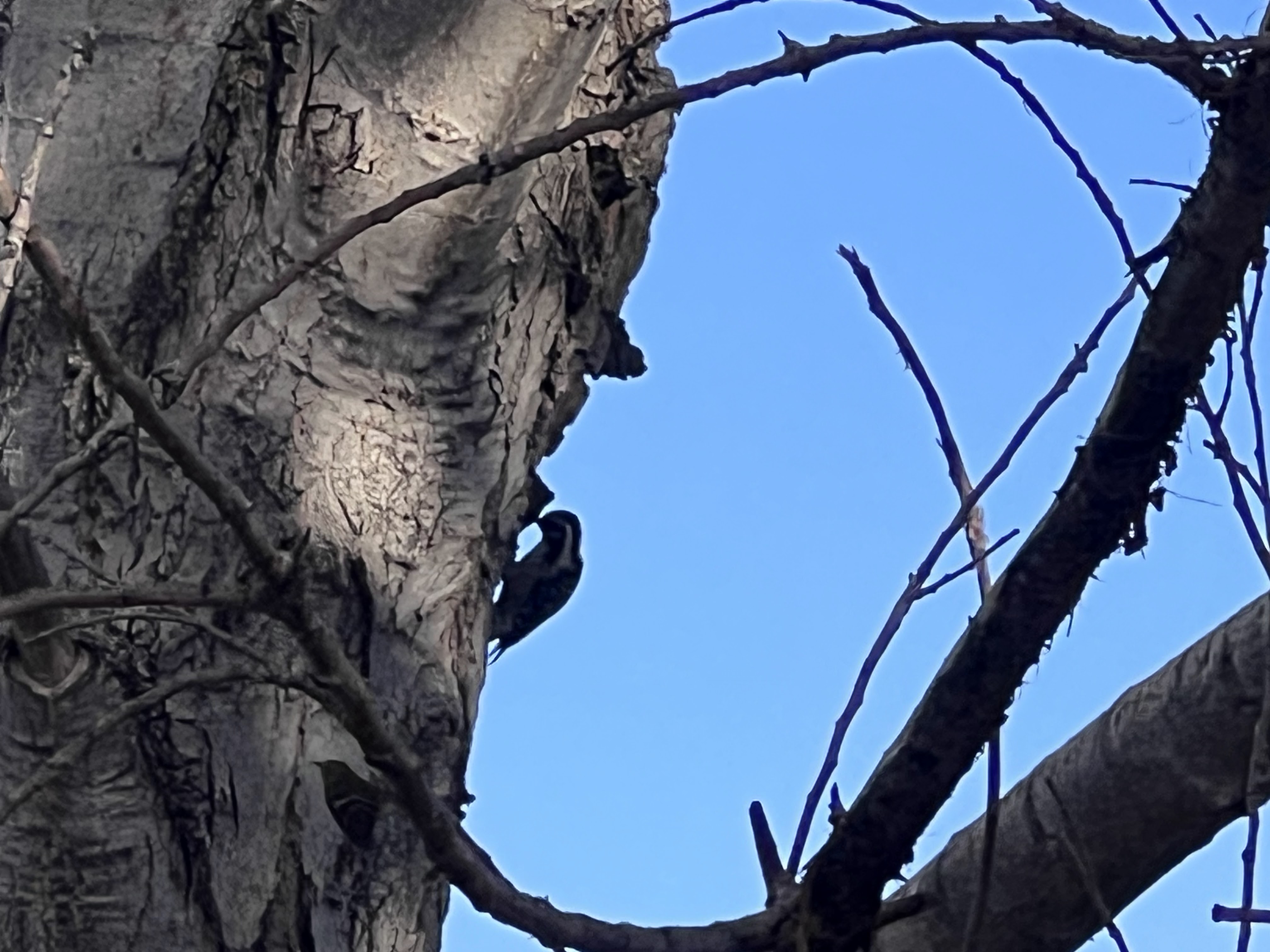
The vibes that morning seemed to be around the themes of: Ready to bear moisture, and don the colors of autumn. Some trees had started turning orange, and the little family of woodpeckers I stopped to observe on my morning walk had me enthralled. There is something about the morning sun through the orange leaves, and little downy woodpeckers flitting and pecking their way through their morning that has to be experienced. They are called a descent of woodpeckers, or a gattling or a drumming of woodpeckers. I like the last term more – suits their percussion band theme. 

The trees reached and yearned for the blue skies, the birds tittered and chattered. I couldn’t say they sounded happy exactly, but they sounded content. The Earth around me at that point felt content to be part asleep, part awake. 

🦢🦢🦢 A Pod  🦢🦢🦢

Thinking of this and that, I made my way to a little spot I knew was favored by pelicans for their spot of morning fishing. Watching pelicans do a spot of coordinated fishing is one of the best experiences of nature. For all these men and their wars and their power trips, they should learn a lesson or two from a pod of pelicans

Glide, swim, swoop,

Glide, swim, swoop,

Glide, swim, swoop,

Glide, swim, swoop

Ballerinas and group dancers they are – It isn’t a rhythmic time-based swoop, for sometimes, they glide, glide, swim, and then swoop. 

Community creatures they are, and so totally in sync with each other, it is a joy to watch their companionship. Maybe they are territorial with their nesting and breeding grounds, but they also have an immense sense of taking care of each other.  

https://nourishncherish.org/?s=coordinated+fishing

🦅 ☕🦅 A Kettle 🦅 ☕🦅  

By the time I came home, my spirits were soaring with the kettle of hawks overhead. Hawks really do have a musical cry. They swooped and cried high in the skies, and really, they could be called a Swoop of Hawks. The agility!

Musical cries, percussion bands and group dancing is more than a morning’s worth of excitement, don’t you think?

A pod, a drumming and a kettle put me in mind for a hot cuppa tea, and I bustled into the kitchen full of purpose. A few minutes later, I sat sipping my brew content in the knowledge that mornings like this are not easy gifts. They are meant to be savored one precious breath at a time. After all, poetry, music, orchestra and words can only try to capture beauty.

Halcyon Days: Myths and Realities of Cloudy Moods

☁️The Colors of Cloudy Days 🌫️

Sometimes, I see how much of a spoiled brat I am. What I am about to say falls squarely in that category, and I shall say it anyway. The Californian summers seem to drag on. It feels especially so at the end of August. They are warm, bright, sunny, but not too hot.

📚The school’s summer vacations are over. But the summers aren’t. 

🩴The summer clothing is supposed to be winding down, but I can never bear to look at anything other than some flowy cotton with any fondness. 

🌷The summer flowers are still blooming on every shrub, plant, tree and pathway. 

While I mostly enjoy this halcyon time of the year, I also wouldn’t mind a few days of summer rain. Or even some cloudy skies. 

That was probably why I had not the heart to come in this particularly overcast morning. The clouds made an excellent background. The flowers that we see on our walks everyday were still there – but they looked more fresh, more vibrant. The angel’s trumpet flowers that we admire everyday looked more angelic than usual. The chamomiles looked more soothing – their purples against the sombre greys. As your eyes zoomed to the skies, the jacaranda tree’s flowers attracted your eyes to their purples too. Really these color combinations look marvelous against the grey. 

Shouldn’t cloudy days be called halcyon days? I mused. 

Are Halcyon Days Myths?

I came and idled with ‘halcyon days’ floating in and out of my consciousness. What I stumbled upon made it so. 

Halcyon itself referred to a species of bird that nested in the oceans during the winter solstice and were supposed to charm the wind and the waves into a calm. 

https://en.wikipedia.org/wiki/Halcyon_(genus) the halcyon bird owes its naming to a Greek myth involving the wrath of the Greek Gods, Alcyone & Ceyx

Somehow Alycone and Ceyx managed to anger the mighty Zeus (apparently, they lovingly called each other Zeus & Hera. Really! It must be exhausting to have such fragile egos and live on forever. An endless cycle of being offended, and recouping from it). So, Zeus , in his rage,  cursed them separately turning them into birds – there are many versions of the myths of course. Some say Alcyone became a kingfisher with a mournful cry trying to find peace in the seas. The gods (the other ones) took pity on her and granted her a period of calm as she prepared her nest and gave birth to the young. So, these days during the winter solstice were called the Halycon Days. Alycone’s father, the god of the winds, gave her mild breezes, calm oceans and tried to bring her peace. 

https://en.wikipedia.org/wiki/Alcyone_and_Ceyx

What became of Ceyx? He either became a kingfisher too or a sea tern.

By Bernard DUPONT from FRANCE – Woodland Kingfisher (Halcyon senegalensis), CC BY-SA 2.0, https://commons.wikimedia.org/w/index.php?curid=45557095

Of course, kingfishers do not live by the sea – so they could be referring to other birds, and over time came to be associated with these beautiful birds. 

After a start to the day in which I was feeling less than inspired – the cloudy days, and the halcyon myths managed to transform it. I have always liked the phrase, ‘halcyon days’. But now? I love it. 

Witnessing Nature: A Baby Egret’s Journey to Independence


No swimming No diving No fishing

The sign that greets the visitor to the riverside can be daunting. 

If one wonders why they never heard the whooshing sounds of the gushing river waters as they made their way up to the riverside, it is because there usually isn’t any. The mighty river retains its classification by becoming a river for about three days a year when there is heavy rainfall. Like a courtly princess who only dresses in regalia at Christmas.

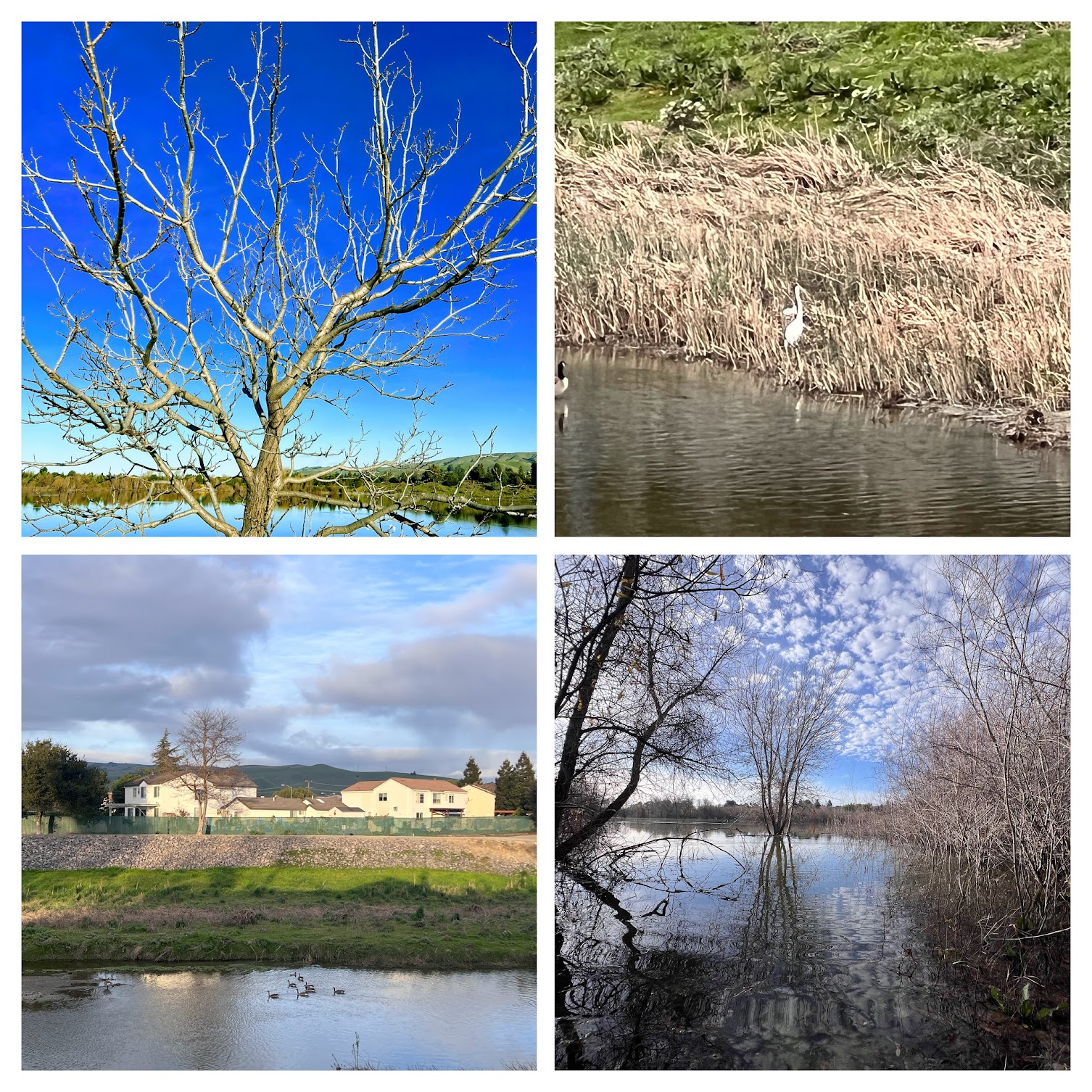
The rest of the year, it trickles like a stream, while the major portion of the riverbed is lush with vegetation. It is the teeming home to plenty of wildlife – deer, blue herons, geese, coots, ducks, grebes, red tailed hawks, blackbirds, egrets, harriers, turkeys, turkey vultures, owls, wild cats, squirrels, rabbits, the occasional fox or coyote, possibly small snakes and fish in the simmering strip of waters. 

The trail by the riverside is, however, a charming place and one that always manages to lift your spirit. The stirrings of spring are in the air all around us, and we decided to go for a run / walk / bike / drive (No guesses for matching the family member with mode of transport ) to enjoy the river. Pale pink and white cherry blossoms on thick dark brown branches, clusters of chamomile in gardens, squirrels bustling up and down garden fences and hugging trees, geese squawking their way out in the world. It is a beautiful world and one that can ensure one forgets all the breaking news if only for the hour or so by the riverside.

An Egret’s Dash For Independence

A few minutes into the run, I watched fascinated as a baby egret chick stood by its mother in the marshy waters. Even in my first glimpse, my heart leaped, for the egret chick showed a fierce determination for independence. It edged away – throwing a look towards its mother, and the mother let her (or him) go. By this time, I had jogged on a bit, and the egret chick had clearly had enough of waddling away from its watchful parent and took to flying. The mother let it go, and then followed a few minutes later, setting herself down a little further upstream so she could keep an eye on the little one. It was a charming scene, and the egret and the watchful mother kept me entranced for several minutes. 

There is so much to learn from springtime with regards to parenting. Nest building is happening in earnest, and it is a common sight to watch a crow or a wren pick up some twigs to line their little nest. The geese will have their goslings soon, and those are the best to watch. The same loud, sometimes rude geese, somehow have the most obedient goslings. 

I was attracted once again by the egret chick and found myself looking for the mother. This one had certainly taken off a ways, and I watched a little nervously as a rambunctious dog broke into a run and came careening into the riverbed. I almost stopped and called for the egret mother and urged the chick to run. But I needn’t have worried. Long before I saw the dog, the chick had heard, and flippantly flew across the stream landing elegantly on the opposite side. The egret’s mother flew by too, and went back to fishing a little further away. 

I was impressed – she kept an eye on her chick, gave it the space to learn to navigate danger, and kept giving the little one the space and security to grow. 

All was well. Everyone was having their fun, their adventure and their springtime joys. I smiled and peered ahead to see the son way ahead of me.

The Mantra of Mass Misery

It was a beautiful weekend after a rushed week. On a whim, I decided on a walk by the bay. The waters of the bay with its myriad reflective powers, always helps to bring on the magic of expansive thinking. No two moments are the same here – the shimmering colours seldom fail to invoke that glimmering feeling of hope, the waves helping us think of the ebbs and flows of life. 

Meanwhile, out there, the world continued its dip further and further into its dystopian gloom, and I felt only something as powerful as nature itself would help. As I watched the birds titter and start their early morning songs, I mused on the callings of power. 

Promises, Promises

How ironical it was that every fascist dictator who came to power, rode on a promise of better times – often divisive slogans, and increased prosperity to certain segments, only to be followed by a regime running on a mantra of mass misery. 

After all, a prosperous populace is a demanding one. They want accountability, progress, intellectual discussions, better this and better that. They want to achieve prosperity, feel valued, etc – all the things abhorrent to total power. 

It isn’t even a month since the latest one assumed power and already society is reeling from the clutches of the many pronged tentacles of misery. It seems anything related to the finer and higher order thinking of humankind is not to be spared:  Art, education, humanitarian aid, medical aid, international peace. 

For once we get people worried about the daily grind, they would not have the power or splunk to protest, would they?  If they do, the next rule in their book states to create more and more distractions so that strife and misery are so widespread, no one is keeping track anymore. Keep moving their attention to the base of the pyramid.

It is astounding how so many fascists do not even bother to change that strategy, for it has worked every time throughout history. Every time the vulnerable and the gullible get taken in by promises of prosperity, till it comes back to bite them. Every time. 

“Voldemort himself created his worst enemy, just as tyrants everywhere do! Have you any idea how much tyrants fear the people they oppress? All of them realize that, one day, amongst their many victims, there is sure to be one who rises against them and strikes back!”

J.K. Rowling, Harry Potter and the Half-Blood Prince

While musing on the world’s spiral into fascism, my attention was brought back swiftly to the skies where a war was waging between a hawk and a couple of crows. Maybe the hawk had attempted to take a chick or attacked the crow’s nest, but the crows weren’t having it. If I hadn’t seen the savage anger and relentless driving away of the hawk by the crows, I might never have believed it.

Just like that, nature had shown the way out. Humans have spirit. We may not feel like we have much agency over what is happening now, but when things get out of hand, wouldn’t we, like the crows, rise against the hawks in our lives?

November’s Purpose

The world seemed to be buzzing with purpose, and I set out thinking about lofty human ‘angsty-things’ as the children called it too. What was our purpose – is there such a thing? Did ducks, hawks, deer, dogs pander after silly existential questions? We would never know!

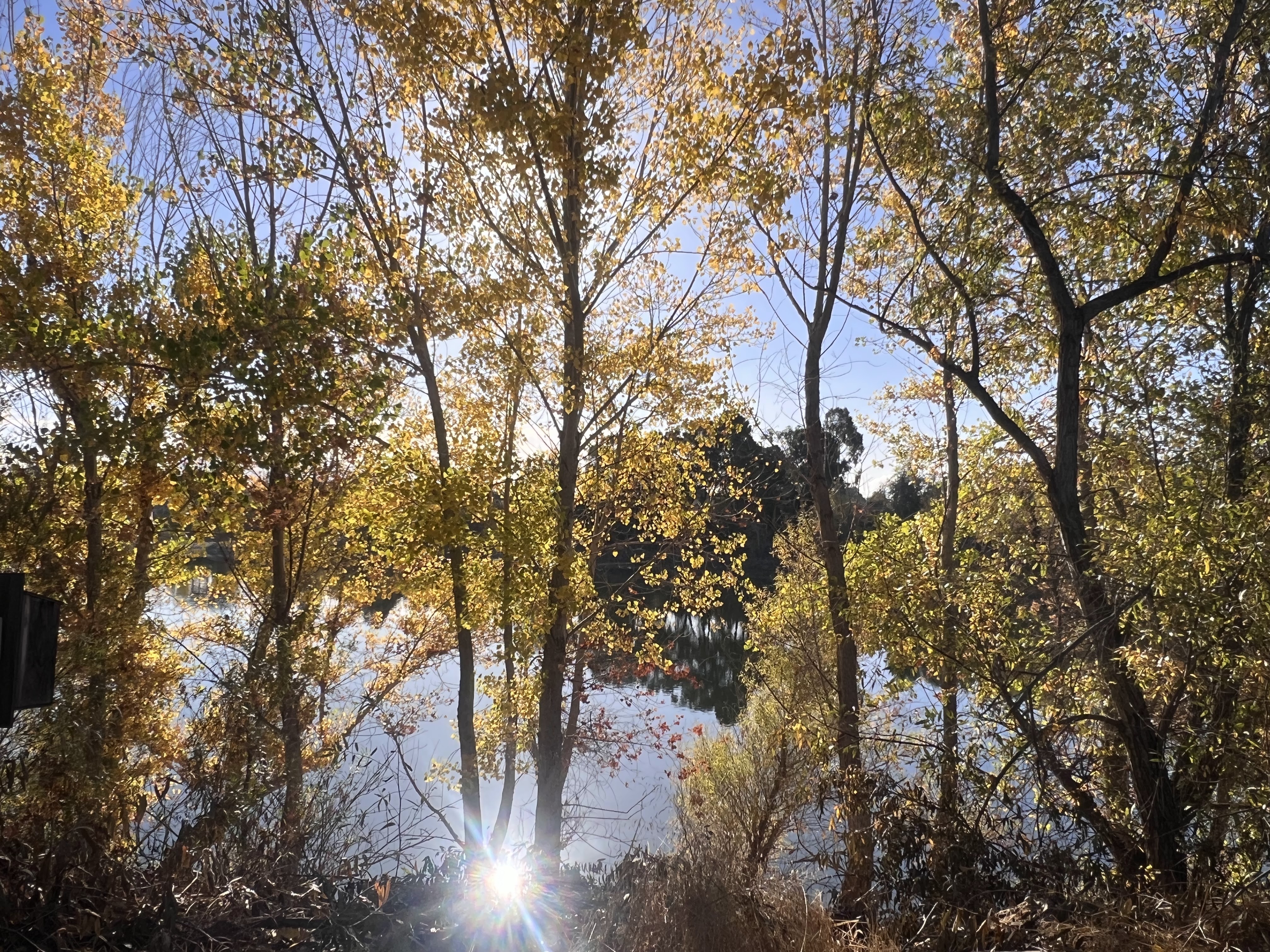
It was a beautiful November day – one of those days that poets and artists can spend all their lives dreaming about. It truly was a delight to step out into the sparkling cold air, raise your head to take in the glorious panorama of the skies above through the glorious reds and yellows of the maple, beech, sycamore and willow trees.

As long as autumn lasts, I shall not have hands, canvas and colours enough to paint the beautiful things I see

– Vincent Van Gogh

The yellow leaves were looking golden in the sun’s rays, and the reds were nothing short of royal. We took a dozen pictures but knew there was nothing to be done but to sit and soak into the world around us. So we did.

img_3815

I set about closing my eyes to try and capture the day in my memory under a particularly fetching set of trees – it was after some time that I found myself called back by a bird. It wasn’t the shrill call of the california blue jay or the titter of the wrens, or the frenzied call of hummingbirds. Curious, I opened my eyes to see which bird it was. Imagine my surprise when I saw it was a woodpecker. It swooped low by me and flew to an adjacent clump of trees, and I followed as silently as I could. Though I realize that for birds and animals I must sound like a stampeding rhino. 

There – up above the smooth branches of some beech trees were a whole family of woodpeckers. They weren’t hammering their heads as they were known to do. The baby woodpecker’s downy feathers were still growing, and the sight made my heart still – more effective than any form of meditation I have ever attempted. 

img_3809

It was like an invitation to witness the simple pleasures of nature on a glorious day. I don’t know how long I stood watching the woodpeckers, but the head’s questions of purpose and meaning seemed rather meaningless just then, for the simple beauty of being alive on a beautiful day like this and being able to bear witness to the passing seasons with a heart full of gratitude felt like purpose enough.

The Birds of Heaven

“Do you think we’d have seen at least fifteen species of birds?” the husband said, huffing and puffing beside me on his bicycle. 

We had biked up a little hillock, and even though it looked like the sort of thing we’d have torn up while playing hide-and-seek as ten year olds, it proved to be a huffer just a few decades later, Curious how life reminds you about the passage of time and all that right?

“Easily!”  I said, and started listing them off.

  • Hawaiian stilts
  • Terns
  • Avocets
  • Pelicans
  • Geese
  • Ducks (green necked, wood ducks)
  • Quails
  • Egret
  • Heron
  • Green heron
  • Blackbirds
  • Turkeys
  • Turkey vulture
  • Red tailed hawks
  • Grebes
  • Cormorants
  • Coots

The huffing and humming had stilled, and I turned around to see what had happened. The husband grinned sheepishly – “Oh! Yes – might’ve stopped listening after you started listing the birds.”

I laughed. 

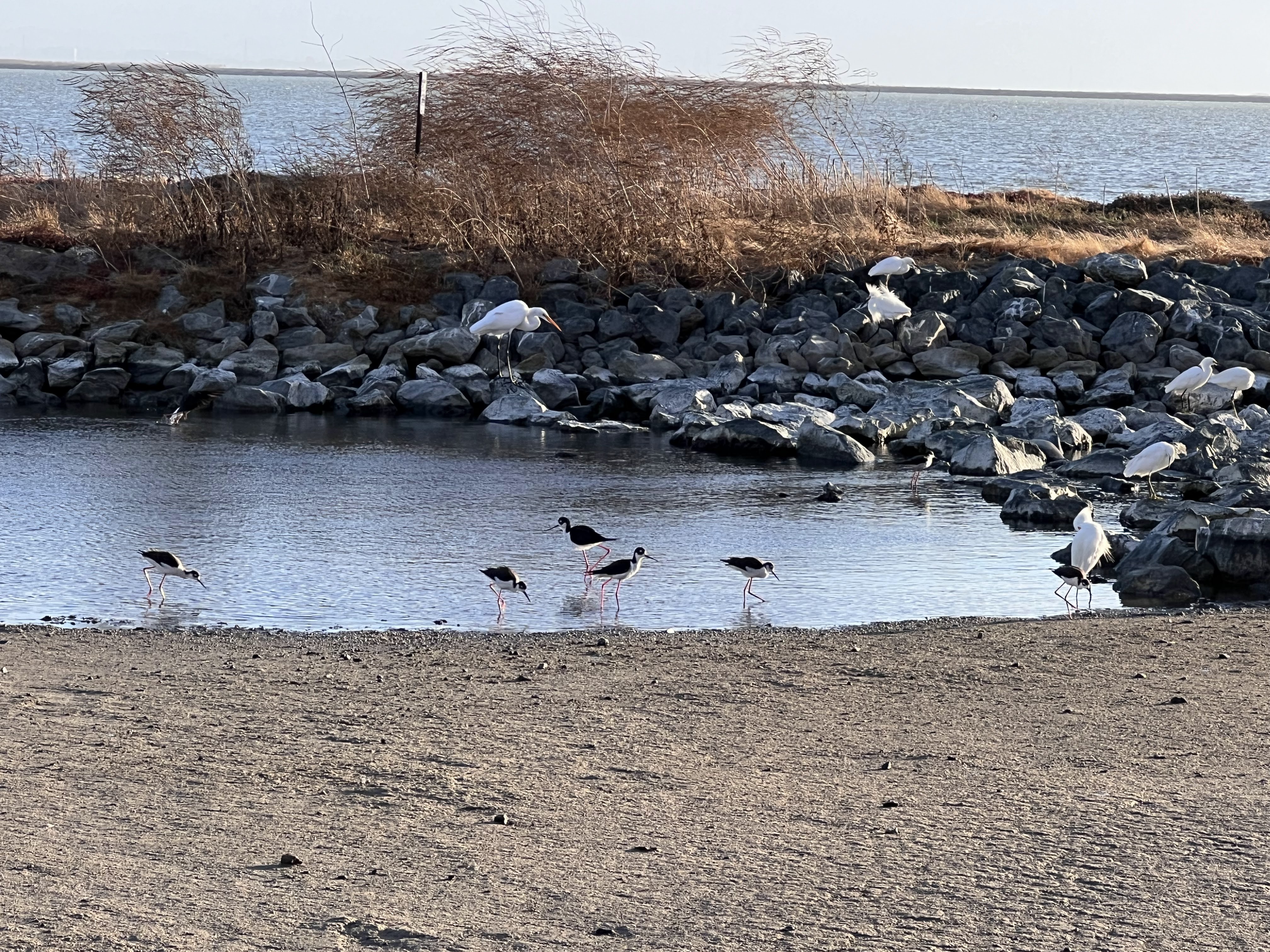
It was a beautiful ride by the bay. The colors of the bay combined with the golden light of the evening made for a fantastic setting for all these birds. There was a time when the soft cooing of the birds, the lapping sounds of the waters around us and the flapping of wings was all that could be heard for miles. If there was a heaven, would these birds be there too? I would hope so.

img_2249

The Tales of Birds

I am sure the falcons and the avocets have the stories of their lives. That pesky crow that annoys the hawk must have their heroic tales. With their enhanced senses, I have often wondered the world through their lenses.  

In any case, we were racing against the sunset, and time was showing it’s presence with every passing minute. 

The elongated shadows of our bikes finished as my long-nosed shadow hit the garage entrance. “Made me think of all the long-beaked friends we saw today.” I said laughing.

It was true – especially down by the bay where we see many birds fishing, long beaks seem the norm: avocets, terns, pelicans, curlews, herons, egrets. They all have sharp beaks that give them decisive looks. I wonder every time I look at them what goes through their mind as they hunt for their food, look after their young and build their nests. This is, after all, what most of the lifeforms on Earth do. And yet, each does so differently, unique to their species, unique to their abilities, and unique to their habitats.

The last birds I stopped to admire in our race against the sunset were the Hawaiian stilts (curiously these birds were once on the endangered list, but have since made a comeback and I am so glad. ) They are a joy to watch in the sunset’s glorious light, with their pink legs, their sharp beaks, and the black-and-white contrasts.

img_2264

Time is a Curiosity

Each of these birds surveys the life beneath the waters differently, and with the deft skills of an archer plunges in for their kill. Their groups merging and reforming with the bay’s tides. Time is a curiosity in these settings, and one can spend hours in these environs, filling the soul.

The trail we are lucky to have access to is beautiful, and every time we set out to catch a little ride by the waters come back more peaceful, filled with gratitude at the marvelous forms of life we share the planet with. I have tried describing rides like this and come up with no one word that can capture it all. Maybe a feeling of abundance? Serenity? In our human existence of intense craving, the ride and what it offers pales in comparison. It is slow, it is present, and it somehow exemplifies your horizons. 

“When we go down to the lowest of the low tide lines and look down into the shallow waters, there’s all the excitement of discovering a new world. Once you have entered such a world, its fascination grows and somehow you find your mind has gained a new dimension, a new perspective — and always thereafter you find yourself remember[ing] the beauty and strangeness and wonder of that world — a world that is as real, as much a part of the universe, as our own. “

– Rachel Carson

The Birds of Paradise

The World Around Us

I don’t remember when exactly we start noticing birds and animals around us as being separate from human-beings. If there is a conscious point in time when we say:

This is us, that is a bird.

Don’t eat those – they’re mosquitoes &

Keep away from man-eating tigers – they want to eat us. 

Keeping the neuroscience behind it all aside, the world around us is fascinating. Even if you see a bird everyday, the little chirp, and the flutter of its wings cannot help but take us out of ourselves for a bit can it? 

What is it about this diversity of life that is so appealing? 

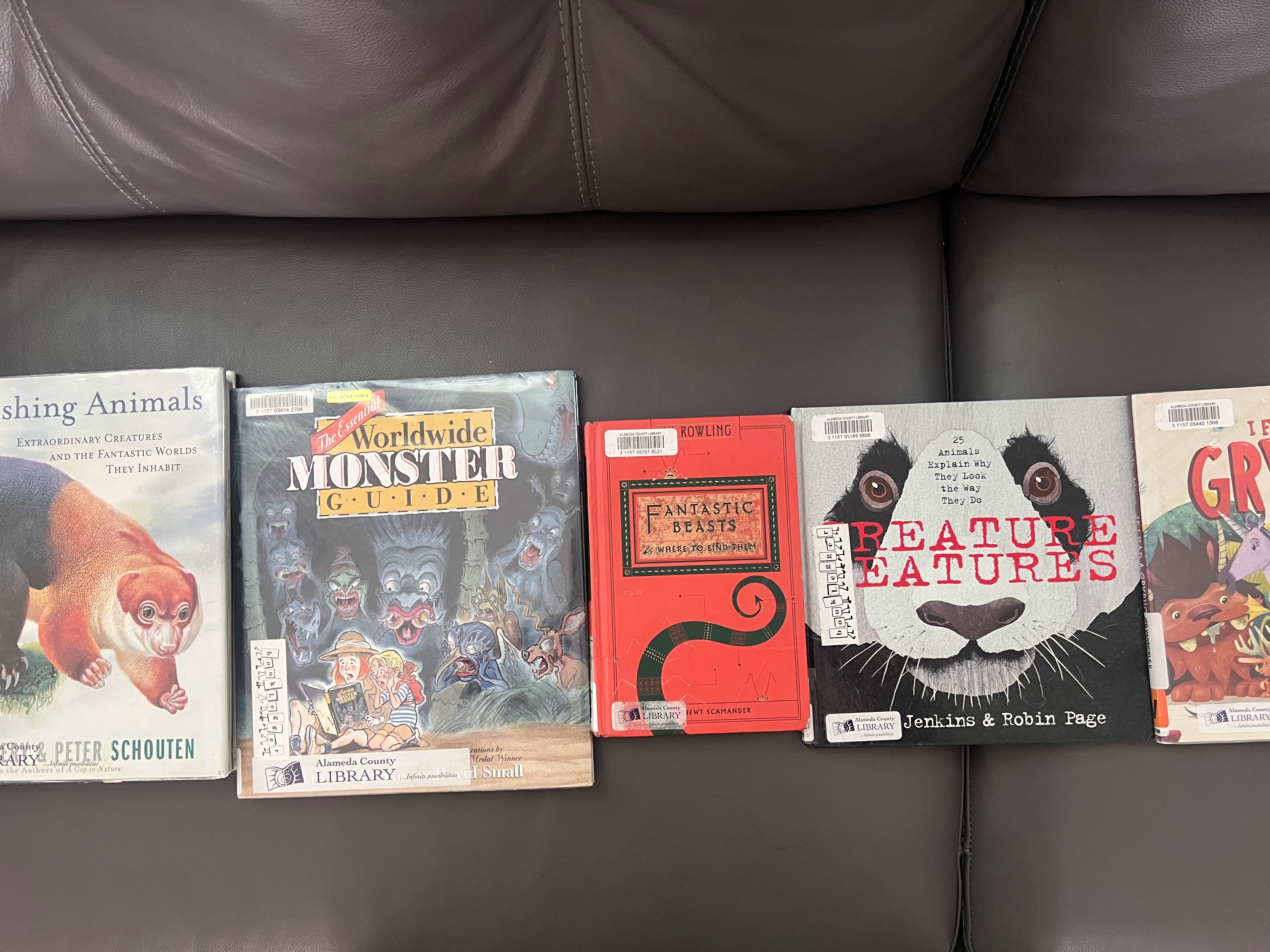
I was sitting one afternoon engrossed in books. Books on beautiful beasts and fantastic features of the creatures we share our planet with.

img_1575

As I flipped through the colorful pictures and the accompanying text in the book, Astonishing Animals – Extraordinary Creatures and the Fantastic Worlds They Inhabit. – By Tim Flannery & Peter Schouten, I couldn’t help being drawn to the birds of paradise in the book.

Rarely do we stop and just admire the beauty and precision of a bird’s structure. The birds themselves are flighty. Our attention spans are even more so. Plus, these birds are all in exotic places. But it made me wonder – even the less exotic birds around us, how long and how often do we study them? Ornithologists do. Bird photographers do. But otherwise? Those of us who love nature stop to notice them. The rest of us are too busy to notice. 

Birds of Paradise

I was admiring the different birds of paradise illustrations in the book, and I felt myself drawn to the Himalayan Satyr as much as the blue bird of paradise.

The blue bird of paradise is illustrated beautifully in the book – long side up taking up two pages and you can see why:

blue_bop

he dances upside down, hanging from a branch. As he begins his display, he flexes, sending waves of blue and violet shimmering through his feathers. At the center of his chest is a dark oval patch lined on its lower margin with red. This is rhythmically expanded and contracted so that it resembles a huge, slowly expanding eye whose effect, even on humans, is hypnotic. All the while the performer’s own eyes are closed, revealing white eyelids, which lend him an unearthly air.

Like a little opera singer, dancing on the stage. How marvelous!

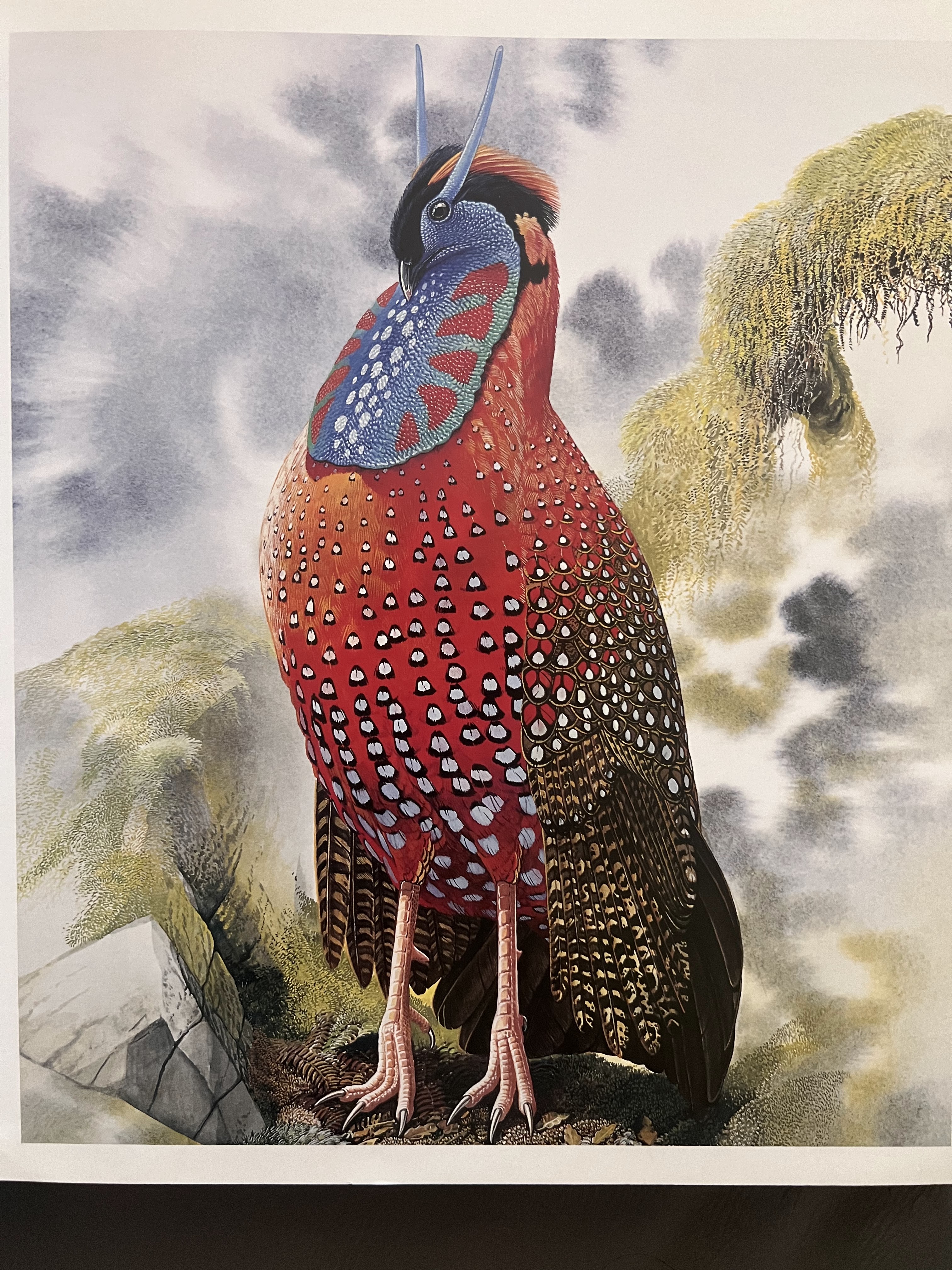
The Satyr Tragopan, another beautiful Himalayan bird, drew me for another reason.

img_1563

It is often the case among birds that a gorgeous cock is a poor provider. Beautifully adorned males may put on a wonderful courtship, but all too often contribute nothing to the raising of the chicks, leaving that duty to the dull hen-birds. The satyr tragopan is a stand-out exception here, for not only is he dashingly handsome but he seems to be monogamous and a dutiful father as well. … The father contributes equally to the upbringing and care of the young.

The Himalayan Monal, and other birds of paradise are equally dashing.

Split into beautiful sections about creatures who live in the ocean, tree dwellers, mountains dwellers, the book journeys across continents, landscapes, ocean surfaces and deep surfaces. The artwork, though, is spell-binding. 

One cannot help feeling like the world is beautified and expanded just a little after an hour just looking at these beautiful creatures and reading about their curious lives.

Recommended Books:

Summer Serenity: Embracing Being Over Doing

Being Vs Doing

Summer’s beautifully long days are here. The other day, I came upon a saying by Thich Nhat Hanh, and decided that embracing his wise words may be the making of our summer. 

“We have a tendency to think in terms of doing and not in terms of being. We think that when we are not doing anything, we are wasting our time. But that is not true. Our time is first of all for us to be. To be what? To be alive, to be peaceful, to be joyful, to be loving. And that is what the world needs most.”

  • Thich Nhat Hanh 

School holidays have started, and in the spirit of being, the son and I lounged under a maple tree in the afternoon. The deep green of the leaves above with the sun shining piercing through the leaves above making us pleasantly drowsy. Hmm, “We should do this once in a while huh? Lie under a tree on the green grass and read a book!” I said, and he agreed.  

Komerabi

The Japanese have a beautiful word that captures this feeling, Komerabi. (木漏れ日 ) To see the blues, greens, yellows and browns merge together in that trick of light (Komerabi : the phenomenon of sunlight through filtering through the leaves above) is to experience luminescence.

木漏れ日: tree (木), shine through (漏れ), and sun (日): Komerabi

img_1471

We weren’t there long. But it was long enough to notice life around us. We saw the little wrens hiding place amidst the flowering bushes as it hopped in and out between breaks during the day, the lazy dragonfly whose shimmering blues in the hazy afternoon was strangely soporific, and the brisk yellow butterflies who were showing the other two how it’s done.

That evening we took out our bikes on a longish ride along the river. Watching the curlews, avocets, harriers enjoying the evening was surreal. The avocets spend hours pirouetting in the winds, and dipping into the waters, the curlews, cranes and herons wait patiently for their food. We didn’t hear them moan – not once. We listened to the blackbirds trilling symphonically, shrilly and still sounding soothing somehow.

Later at night, we sat companionably together – each doing our little things as darkness fell around us. We were acutely aware that the feeling of night is short lived, and therefore the cocoon of darkness created by the warm lights in the home seemed doubly welcome. 

The post would, I hope, remind us of the simple joys of being in the summer, and the pics would show up every now and then as memories. But that feeling of peace – how does one capture that? How does one find the words for saying, “The world’s worries are all still there, they shall still be there tomorrow, and the day after that. For now, let them be.”

The Fascinating Behavior of Songbirds: A Morning’s Musings

It was one of those mornings in May – clear skies, the sun’s rays dancing through windows, and replacing moans quickly with sharpness and dedication.

I stood there wondering how it was so thoroughly that we transition from a supine, sleepy form to an alert, going-about-the-day form. The demands of the clock are relentless indeed. 

For an instant, I stopped to hear the beautiful voice of the songbird on our garden fence. It was trilling and beautiful, and I could have sworn just a little inspired – that last note a little higher than a human would have envisioned for that piece. 

It was as I was musing thus, that I noticed the son charging down the driveway to get to school on time – a sock hanging in one hand, a school project in another, and off we went. The songbird flew from my mind as we navigated the traffic, spoke of this-and-that, and chose music for the ride there. 

When I came back, the songbird was still flitting about here and there. I stood mesmerized by the little flashes of movements that my phone camera would not be able to capture anyway, and listened as it chirped, and went about gathering its breakfast.

I remembered a book that I had from the library – patiently waiting its turn.

A Songbird Dreams of Singing – By Kate Hosford, Illustrated by Jennifer M Pottersongbird

I flicked open the book. The poem about the songbird was there:

Other birds may dream of worms 

Or flower beds or thunderstorms 

But every night this bird performs 

A concert in his mind.

How marvelous to imagine a songbird rehearsing and getting better at its craft subconsciously – every night.

The book goes on to talk about research made about sngbirds:

In the case of songbirds, scientists at the University of Chicago have done studies on zebra finches demonstrating that the males practice and refine their songs while dreaming, adding little flourishes to make their version of the song unique. Zebra finches are diurnal birds who rest in the afternoon and sleep for about ten hours a night. Like many other songbirds, when they awake in the morning, they sing with particular enthusiasm in what is known as the dawn chorus.

Children’s book illustrators are so wonderful at their craft. This book too has beautiful illustrations, color schemes, and an overall look and feel of a book that is all set to send us to our worlds of dreams too.

So, what should we dream about, and subconsciously try to get better at?