Our Attention, Our Imagination, Our Opinion

Poetry has seeped into our lives yet again. At times I wonder whether poetry, music and art are all luxuries that only dare to raise their heads when the busyness of our pointless existence relinquish their clutch, or whether poetry, music and art enable us to go about our busyness with joy and acceptance.

Either way, I am simply grateful to experience the effect of these soothers to our lives.

The news can be a whirlpool, not just pulling those who happen to float nearby into its swirl, but also sending a whirlwind to attract those on land. Of late, every week seems to be packed with a year’s worth of news. All of this of course results in an enervating tug of emotions. 

We do not know whether the farm worker in the 17th century had this many opinions he needed to have, or whether the soldier in the Dark Ages had a semblance of control in his fates. All we have experience of, is this time, and this age, when we are being called upon to not just have an opinion, but also to voice them and defend them almost relentlessly. 

How the world clamors for opinions and stands? Having a world leader who takes pride in swirling the world around for his endless rollercoaster is exhausting. This is Gaslighting we are told, that is Egotism. Here we are, endlessly naming, categorizing, instead of just appealing to an inner sense – Yes? Or No? Which is it?

It is also deeply instructive for us as individuals. A lesson on ourselves. How much do we want to dragged into the endless show put on for us; how much do we want to rectify things, solve problems with creativity and resilience; and how much do we want to be pulled here and there, like specks in a whirlwind?

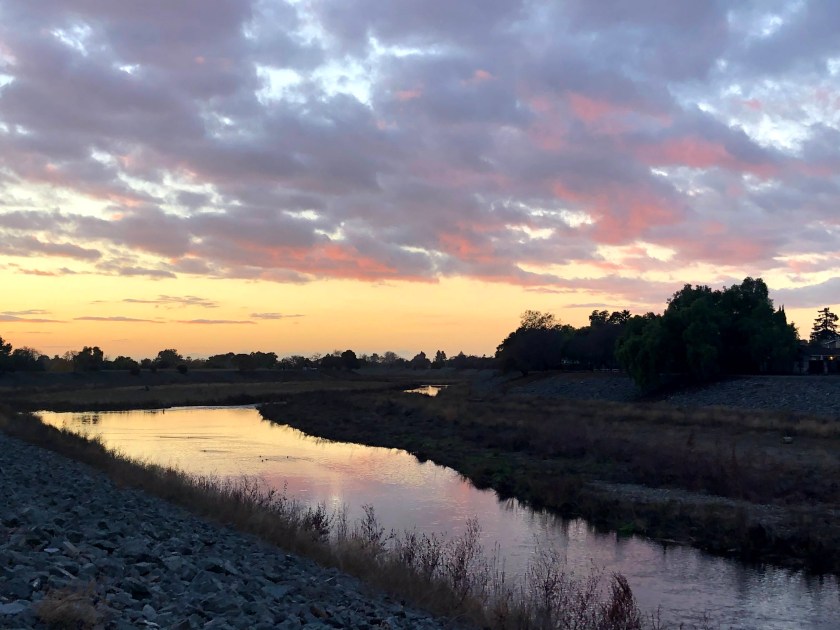
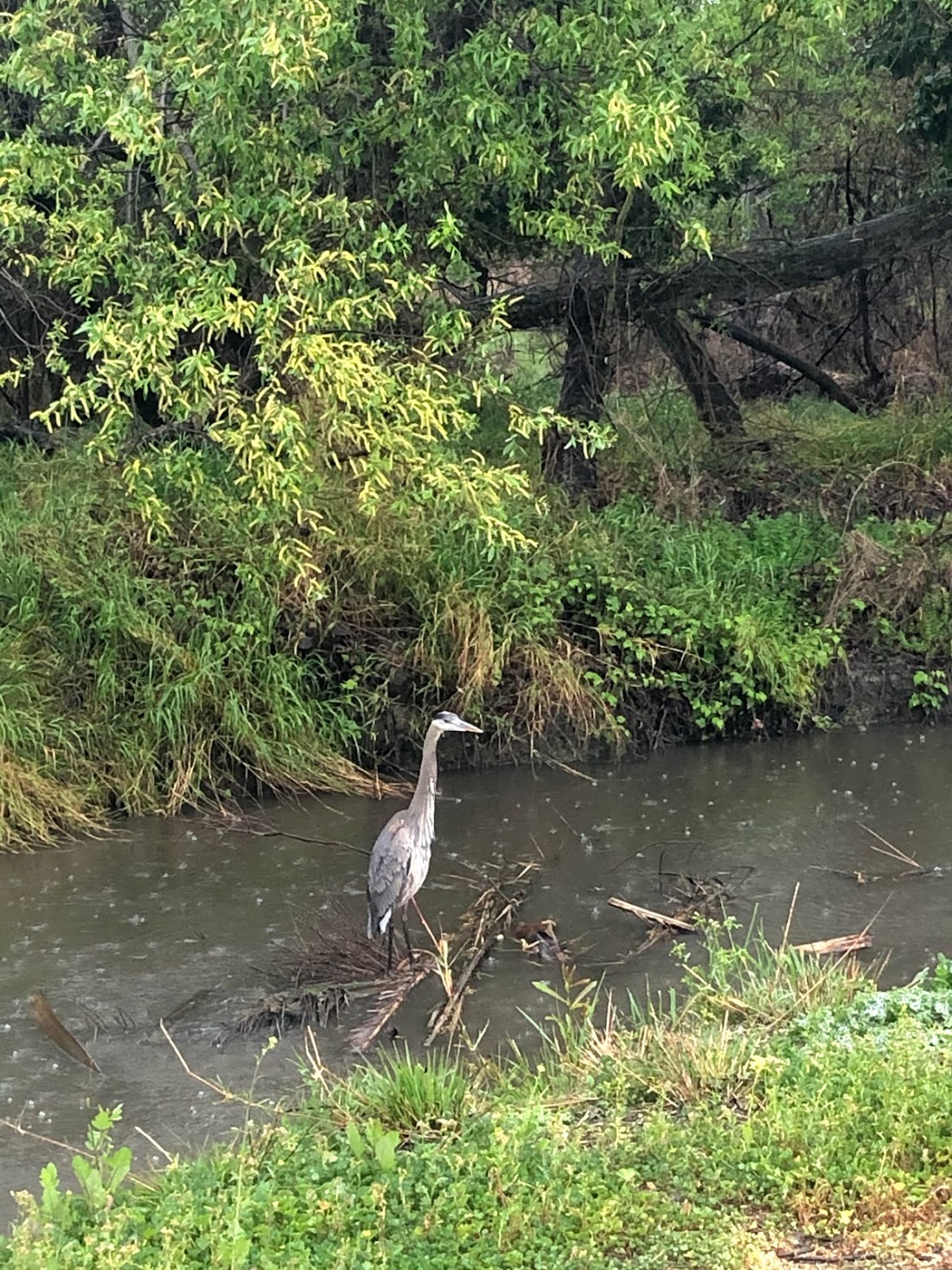
The other day, I saw a heron standing patiently in the shallow waters of a river, waiting patiently. I was out for my evening walk, and I had to stop and admire the heron. The heron was going about its business of living, observing quietly, waiting patiently, and if in the process of being, a wandering soul got a lesson or two out of it, that was good, but that wasn’t its purpose.

I chuckled to myself thinking of what the heron would say to me if I asked it about any of the world’s problems. Would it laugh at me or with me at the problems humans have created for ourselves?

The heron in that moment taught me the simple act of keeping still and untangling the strains of thought. That this isn’t a luxury, but a necessity.

Sometimes, sitting and reading a piece of poetry evokes the same feeling. Take the poem, Yes! No! By Mary Oliver for instance. 

How necessary it is to have opinions!

I think the spotted trout lilies are satisfied, standing a few inches above the earth. I think serenity is not something you just find in the world, like a plum tree, holding up its white petals.

The violets, along the river, are opening their blue faces, like small dark lanterns.

The green mosses, being so many, are as good as brawny.

How important it is to walk along, not in haste but slowly, looking at everything and calling out Yes! No!

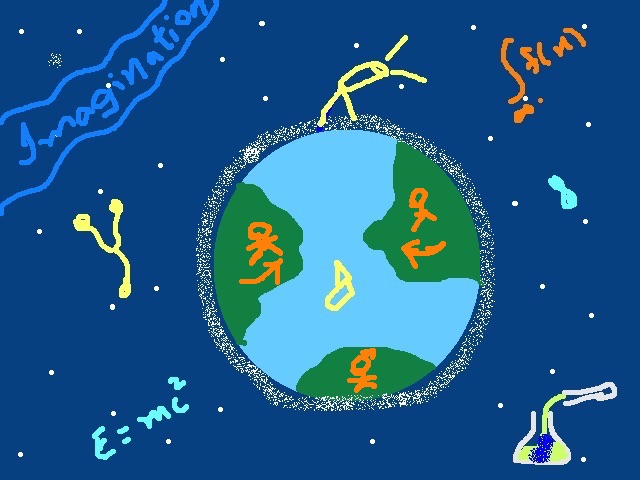
The swan, for all his pomp, his robes of grass and petals, wants only to be allowed to live on the nameless pond. The catbrier is without fault. The water thrushes, down among the sloppyrocks, are going crazy with happiness. Imagination is better than a sharp instrument. To pay attention, this is our endless and proper work.

How often I have stopped to look at the heron taking a short flight from the river nearby and wondered whether its opinions were sought, and whether it mattered. They should, for our opinions and actions have definitely resulted in less than ideal living conditions for them. 

Mary Oliver in one short sweep of her pen was able to capture all this and more in the poem, Yes! No!

P.S: I love how the swan in her poem wants to live in a nameless pond. Our planet is just that isn’t it? A nameless, priceless habitat that we have bestowed a name upon.

Heron flying

The Fine Art of Baloney Detection

I feel like a separate dedicated post to Baloney Detection Kits are useful right about now. It has been a disturbing 6 – 7 years – ever since the presidential election started heating up for the 2016 cycle, we have been living in a state of dubiety (The state or quality of being doubtful; uncertainty).

We have grown used to being lied to, we are more divided than ever before, and the versions of the truth fluctuate wildly depending on which network or newspaper reports it, it is increasingly hard to determine what the truth is. 

Just a simple search for ‘Media Bias Charts 2020’ is enough to drive home the point:

media bias chart 2020

These problems have always been there. 2000 years ago, the world’s greatest democracy of the times, modern day Italy, then the Roman Empire, witnessed turmoil and breaking of the largest democracy. But with accelerated advances in technology linking us faster than ever to ‘breaking news’ and social media amplifiers for everyone, the waters have become noisier and murkier.

The book, Science as a Candle in the Dark by Carl Sagan, has an essay on the Fine Art of Baloney Detection.

Read also: Candles in the Dark

The essay starts off empathising with the human condition. Why are we, as humans, willing to believe in things whether or not ‘there is any sober evidence for it.’? 

It isn’t unheard of to believe in things supernatural, or falling for false advertising campaigns with exaggerated claims, or believing models wearing Doctor’s coats, or blindly believing religious zealots who spout hypotheses with confidence. As human beings we have been doing this for centuries, and in most probability will continue to fall for some sort of questionable practices. 

As long as there are those who are willing to take advantage of the vulnerable with little or no consequence, these will persist.

For those who wish to read the whole essay, it is here. Or it can be found in the book, Science as a Candle in the Dark – By Carl Sagan

While we enjoy the occasional myth or fib, it is important to know the difference. For an adult to attack Harry Potter for instilling witchcraft is worrisome for this very reason. As part of growing up, we want children to outgrow the myth of Santa Claus. Knowing to distinguish fantasies from reality is a necessary tool for survival. 

Which brings us to why we must have a version of Carl Sagan’s Baloney Detection Kit for us to use. 

The complete essay can be found here:

It has been a saddening realization to find that Science has not been embraced when it is needed the most. I was reading a book on the Greatest inventions of mankind in the past 2000 years. It is a book collating the answers from philosophers, researchers, and professors from various fields. One of the answers given was the framework of Science. I could not agree more. The ability to think, weigh, design experiments with control and test groups, and sift empirical evidence has resulted in the very least at :

  • Saving millions of lives, that in previous generations, succumbed to disease
  • Figuring out how to feed a planet that grew from 1 billion to over 7 billion within a generation

For those who would prefer a straight jump to the Baloney Detection Kit, here it is:

  • Wherever possible there must be independent confirmation of the “facts.
  • Encourage substantive debate on the evidence by knowledgeable proponents of all points of view.
  • Arguments from authority carry little weight—“authorities” have made mistakes in the past. They will do so again in the future. Perhaps a better way to say it is that in science there are no authorities; at most, there are experts.
  • Spin more than one hypothesis. If there’s something to be explained, think of all the different ways in which it could be explained. Then think of tests by which you might systematically disprove each of the alternatives. What survives, the hypothesis that resists disproof in this Darwinian selection among “multiple working hypotheses,” has a much better chance of being the right answer than if you had simply run with the first idea that caught your fancy.*
  • Try not to get overly attached to a hypothesis just because it’s yours. It’s only a way station in the pursuit of knowledge. Ask yourself why you like the idea. Compare it fairly with the alternatives. See if you can find reasons for rejecting it. If you don’t, others will.
  • Quantify. If whatever it is you’re explaining has some measure, some numerical quantity attached to it, you’ll be much better able to discriminate among competing hypotheses. What is vague and qualitative is open to many explanations. Of course there are truths to be sought in the many qualitative issues we are obliged to confront, but finding them is more challenging.
  • If there’s a chain of argument, every link in the chain must work (including the premise)—not just most of them.
  • Occam’s Razor. This convenient rule-of-thumb urges us when faced with two hypotheses that explain the data equally well to choose the simpler.
  • Always ask whether the hypothesis can be, at least in principle, falsified. Propositions that are untestable, unfalsifiable, are not worth much. Consider the grand idea that our Universe and everything in it is just an elementary particle—an electron, say—in a much bigger Cosmos. But if we can never acquire information from outside our Universe, is not the idea incapable of disproof? You must be able to check assertions out. Inveterate skeptics must be given the chance to follow your reasoning, to duplicate your experiments and see if they get the same result.

Books for the King

The son’s brisk questions were being met with sluggish answers and were wrong to boot. He looked at me with concern and said, “Ma! Are you okay?” 

“I feel like I need to read 3 fiction books back-to-back to start feeling myself again!” I moaned. The cuppa coffee wasn’t doing its job. I knew I had a long day of meetings, planning, production issues, and more news trickles along the way before that happy dream could be realized. 

What happened next should not have surprised me in the least, for that child has a knack for soothing frayed souls. He ran away at top speed and I went about lapping my coffee like a cat licking its milk out of the saucer on a cloudy morning.

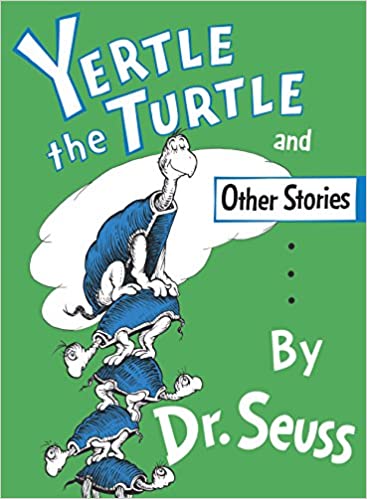
After a few moments he tumbled into the room carrying three Dr Seuss books. “Don’t worry, I can read it to you for 2 minutes.” he said and proceeded to read from Yertle The Turtle and Other Stories.

He could not have selected a more apt book for the times  if he had thought about current world trends towards dictatorship and decline of large democracies, cross-referenced  it with philosophies on power and ambition etc. 

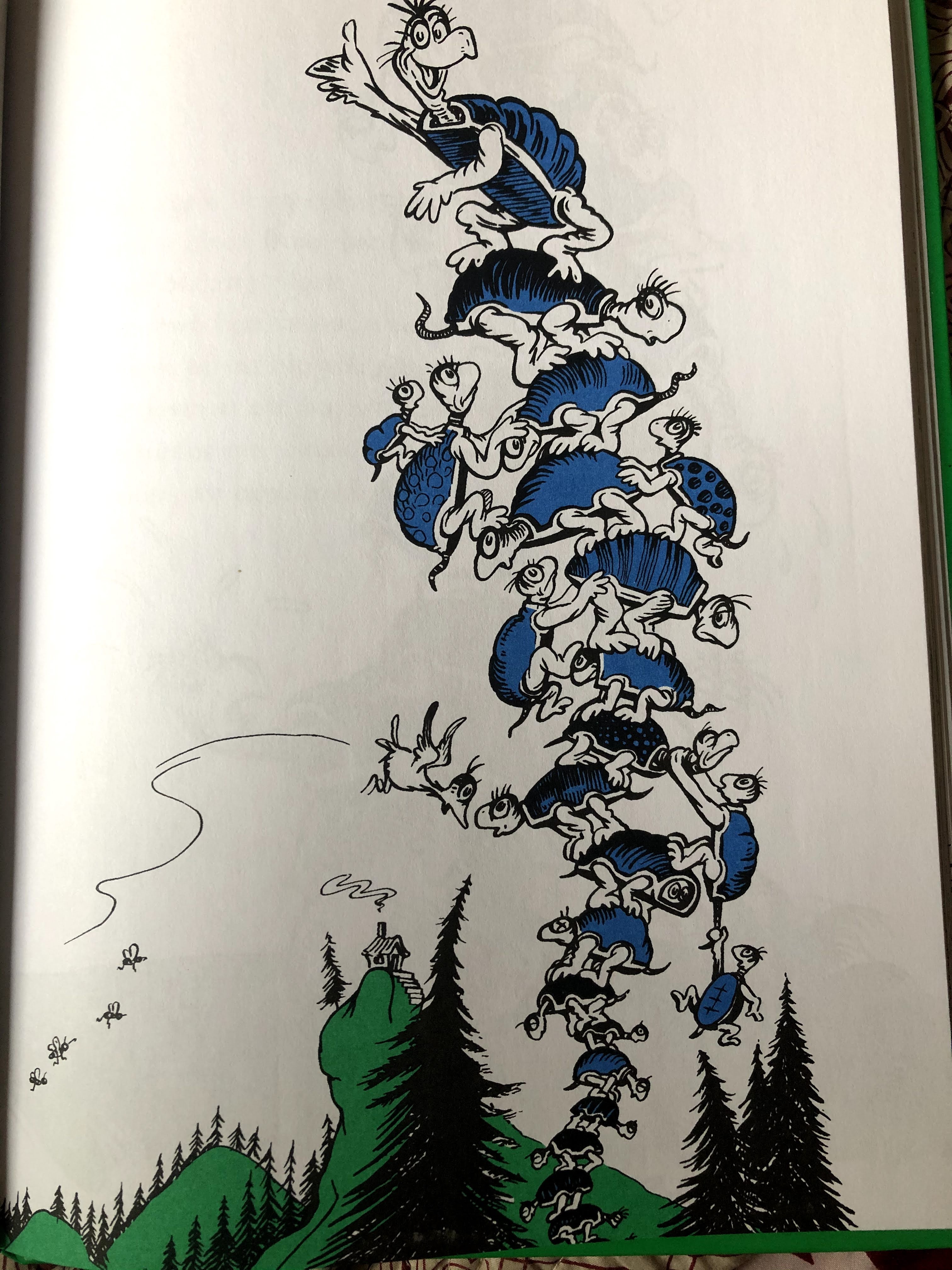
Yertle the Turtle was the king of the Sala-ma-Sond pond, but as often happens with power, he wanted more, and then some more. Maybe a really high throne would help him thought Yertle. So, he summoned some turtles on which he could perch himself . Yertle thought that the higher his throne, the greater he was. Everything in his eyesight could be his, couldn’t it?

Soon, a cow, a farmhouse and a blueberry bush wasn’t enough for the great Yertle the Turtle. More and more turtles scrambled, while Mack – the poor turtle at the bottom of the pile struggled. Mack’s complaints meant nothing. Yertle could see butterflies and birds, but what he really wanted was to get up there with the moon. 

In a fitting end to the story, the dictatorial Yertle meets his nemesis with Mack’s inadvertent burping. The pile of turtles totter and collapse sending Yertle crashing into the muddy swamps below. Yertle the Turtle learns his lesson. 

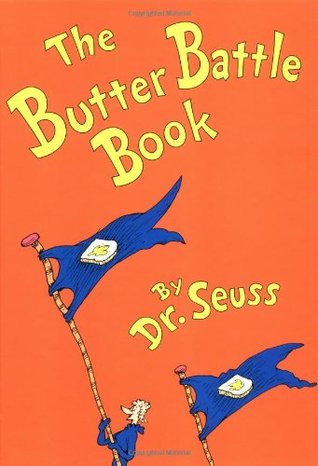
I know we ask of no formal training for politicians: there are no politician licenses, no courses one has to complete to take up public office, but I really think there should be a set of children’s books that they all have to read and re-read as refreshers every year in order to stay in office. We could call it the Butter Battle Course.

I’d definitely add these three titles to the course.

  • Yertle the Turtle and other stories – By Dr Seuss. (It even has a story about unbearable braggarts meeting their match in a humble worm who is trying to just till the soil underneath without the incessant brag-fests disrupting him)
  • Louis XIV – the King of Sheep – By Oliver Tallec ( A beautiful tale illustrating how Louis I the sheep became a king – the wind rolled a crown to him, and the same wind blew the crown away from his head)
  • The Fate of Fausto – By Oliver Jeffers ( This tale takes a megalomaniac’s obsession with ruling everything he sees including mountains, rivers, and sheep until he meets his match in the great ocean.

Bestiary Tales in Covid Times

“Summer will be done in just two weeks!” trilled the children. The son was excited, as expected, by the fact that it was time for the autumnal solstice. (Earth’s tilt, cosmos, time are all fair game for him)

I stopped bustling about and nodded. It was true! That’s two whole seasons of Covid living.

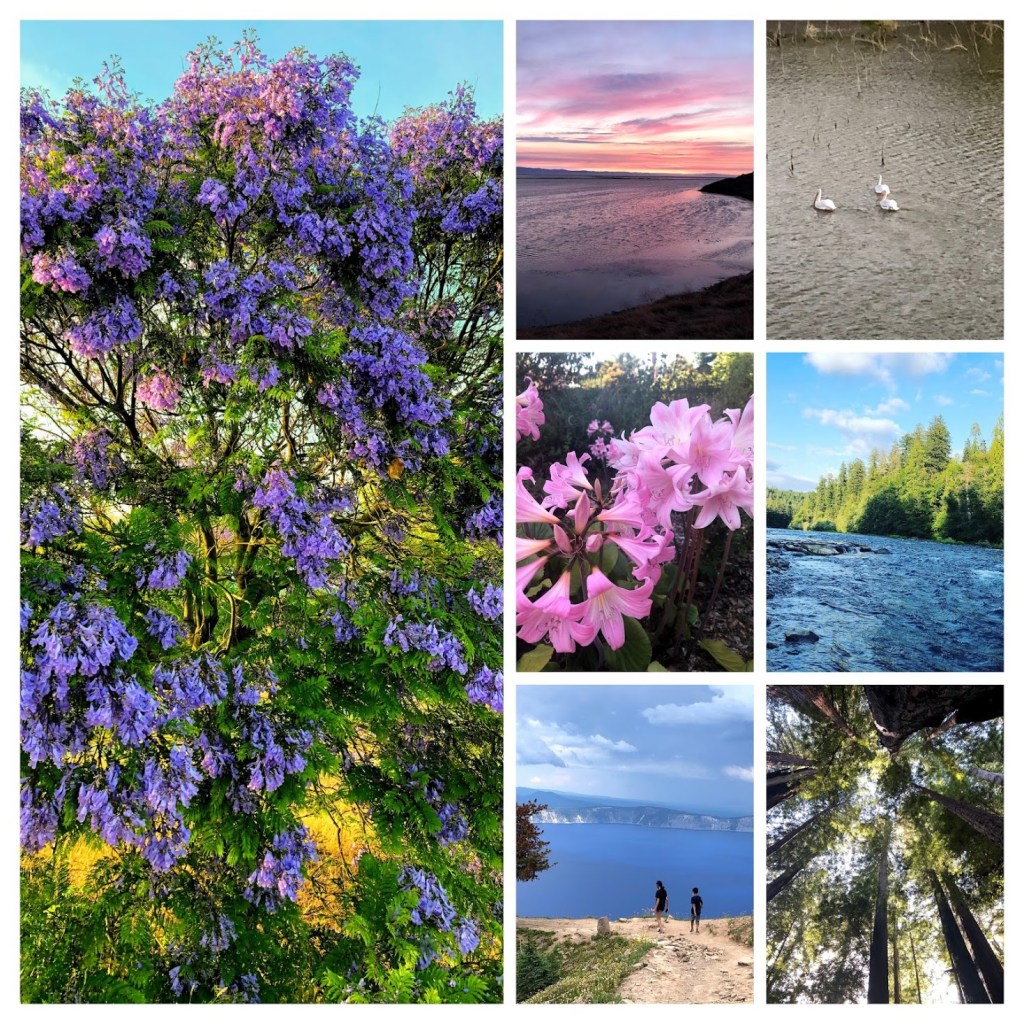
Summer has been a blur. Sometimes, it was a happy blur of forests, rivers, beaches, craters, lakes, browning meadows, bundles of hay, wildflowers, towering trees, stars at night, comets zipping in the Earth’s vicinity, angry and mellow sunsets, pelicans and 🎼 “wild geese that fly with the moon on their wings” 🎶, hummingbirds flittering in the pale light of the rising moon, asters and star lilies in the shade of their massive neighborly trees. All of this with the sweet companionship of the family, and close friends – zooming in at times.

Other times, it was exhausting – heat waves, massive wildfires, poor air quality indexes, Covid numbers continuing to rise and showing no signs of abetting, protest marches, racism, bomb blasts, all on top of a news cycle that seems to think it has to deliver the heaviest punch into every day. It is like watching the world’s worst wrestling match. 🤼‍♂️ Really, someone should coach the world that not everything needs to be shocking and bigger and worse than ever before. It might be okay to watch a match in which the players seldom land a punch and are merely playing the game warily sizing each other up once in a while. 

Yet, life must go on, and it often goes along much better when we stop and look for promising moments in the gloom. There are moments that stand out clearly in this pandemic, when I felt a wave of gratitude overwhelm me, and I am also grateful for the sheer timing of these moments.

The time I stood on a windy, lonely strip of beach wrapping a towel about me for warmth and watching the sandpipers fly against the wind without wavering one bit, while I had a tough time just standing erect was one such. It was but a fleeting instant in which the little nippy sandpipers taught me about keeping one’s spirits up when the world is attempting to veer us off course every which way.

Or the moment, when on a road trip to a solitary house by the Umpqua river, the road wove on, the heat rose in waves around us, and the shimmering waters of the Lake Shasta looked like a green beast taking it easy in the summer, and laying low for what lay ahead. A few weeks later, the Sierra Nevada mountains were to be threatened by wildfires on a magnitude that sent the state of California reeling. Looking at the dry lands about us for a couple of hours, I felt a moment of dread, when the road turned, and a beautiful gushing river accompanied the road, and there on a rock in the middle of the river was a great big bear, looking contented and trying to fish or just cool off. 

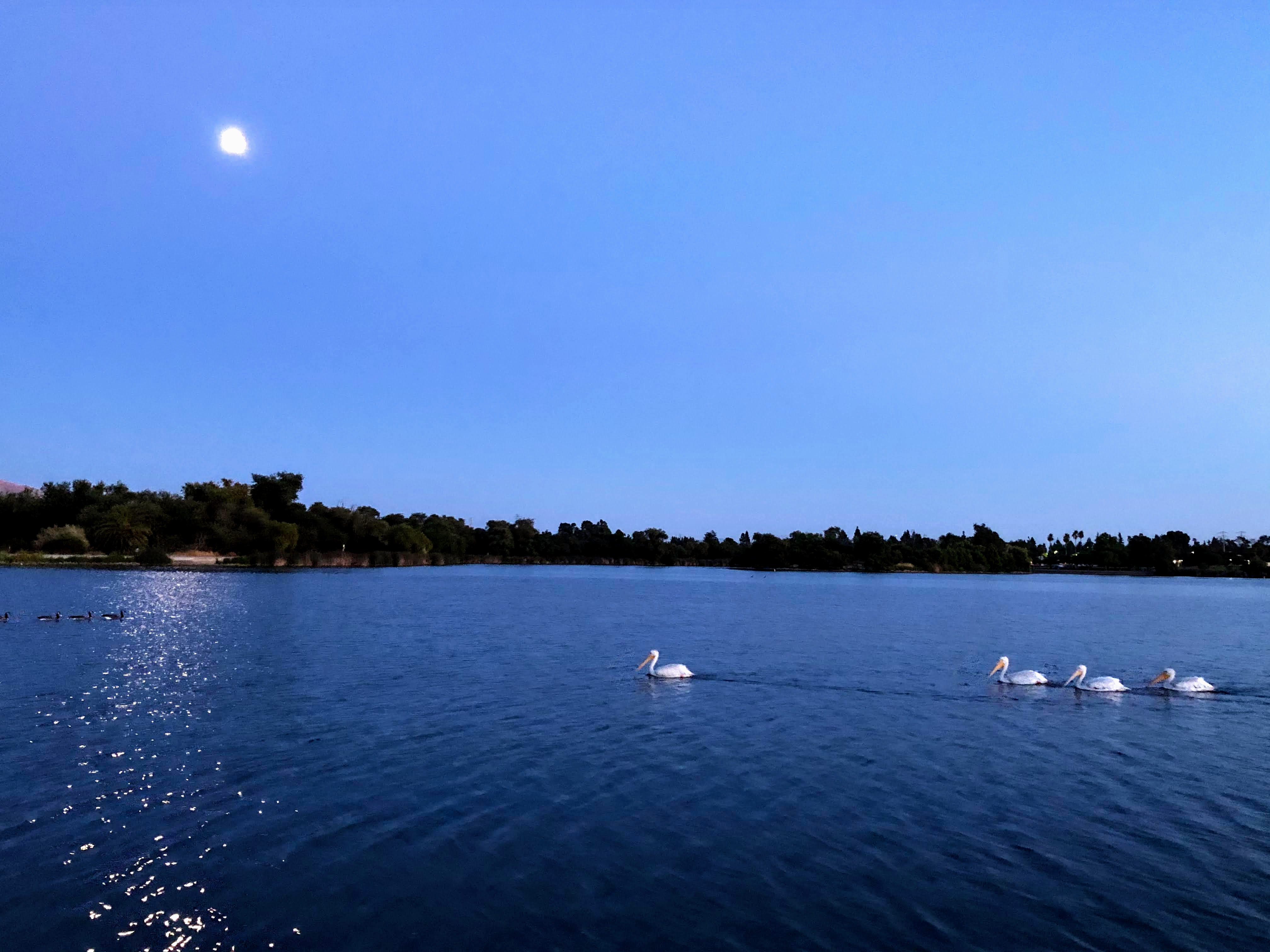
As we took our summer walks in the evenings, I stopped so many times to admire the geese splashing into the waters after their great squawking, while the pelicans achieved this feat with none of the noise, but all of the grace.

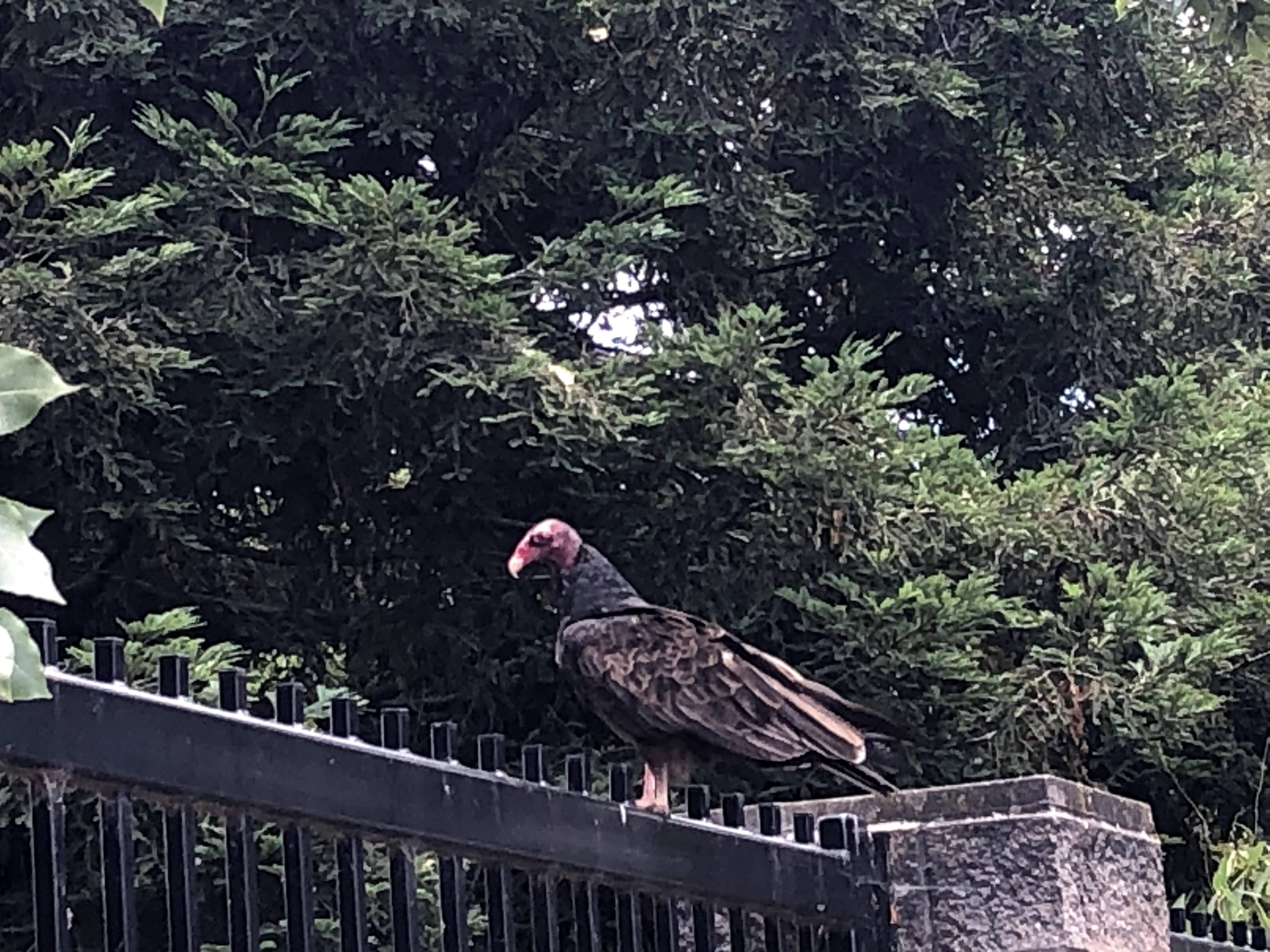
I remember the time we looked up on a stroll to come eye to eye with a great turkey vulture. The elementary school going son was with me, and he thrilled at it. “Amma – I know you take pictures of the flowers  everyday because they only last for sometime, but this…oh…this is so special. It is so .. umm.. “ He struggled for the right word, but I think I knew what he was going for. I felt it too. There was a majesty about the bird that was hard to describe. There was a divinity and a razor sharp quality to its gaze that falconers love. I have tried to experience this when I read the book H is for Hawk by Helen Macdonald. But all I needed was that encounter lasting all of two minutes. 

“The hawk was everything I wanted to be: solitary, self-possessed, free from grief, and numb to the hurts of human life.”

― Helen Macdonald, H Is for Hawk

Really! How much our fellow creatures have to teach us?! 

I think of what wild animals are in our imaginations. And how they are disappearing — not just from the wild, but from people’s everyday lives, replaced by images of themselves in print and on screen. The rarer they get, the fewer meanings animals can have. Eventually rarity is all they are made of.” H is for Hawk – Helen Macdonald

Just like that, Autumn comes in all its glory to teach us what it does best. Preparing for Winter.

A Reading Life

I sat around the house one week-end afternoon looking tired. It was a strange day in many ways. Forest fires were blazing forth razing acres of land in its wake. Nothing stood a chance, and the fire departments’ work was made all the more difficult with the Covid stipulations. How could people be evaluated if evacuation centers were this crowded? The air outside was stifling – smoke belching out by the fires a few miles away hung thick in the air, making an already hot day a sweltering one.

All the previous night, I had risen – once an hour to check if there was going to be another lightning storm. That first one that had sent 10,000 bolts of lightning and started over 350 forest fires that resulted in 60,000 acres of land being burnt was not predicted. The weather forecasts had predicted another one the previous night, and our local alerts had us all get an emergency evacuation bag ready. One bag – with some documents, a little cash, a change of clothes. When it comes down to that, is there anything else?

Luckily, the lightning strikes did not come that night. Somewhere around 6 a.m. I fell into an uneasy slumber knowing the husband and children will rise soon. Consequently, the next day, I felt tired: The oppressive heat, the lack of sleep, the worry about the fires, incessant news alerts, and I knew not what else was on my mind. 

Usually, nature is a pretty good soother, but nature seemed to be fed up with us! So, I sat myself in front of the bookshelf looking at the piles of books there, and tried to get a sense of calm from them. In a few minutes, I was sitting cross legged on the floor, looking through and reading books on yetis, baseball heroes, a book that just had the word – ‘Dude!’ on every page, stars, constellations, superheroes and much more. 

There is nothing half as meditative as a task like this. Before I knew where I was, I had traveled to Tibet, New York, the Arctic circle, a village in Central America, and fantastic lands where dragons held races. Of all the things that being human is, the worlds of imagination and inviting one another into the worlds created thus, has got to be the finest. Though, dolphins are pretty good at storytelling too.

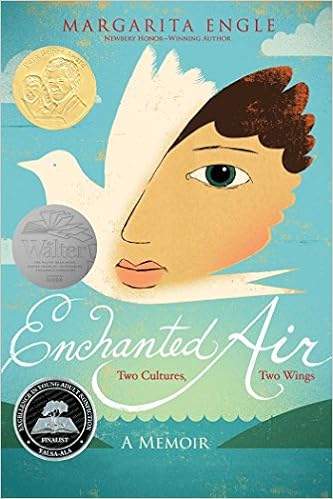
Margarita Engle’s poem:

No giant or dragon

Is bigger or stronger

Than the human imagination

I was also reading a book compiled by Maria PopovaA Velocity of Being. The book is intended to encourage young readers to read as much as possible. I am not sure whether the book will actually convince a non-reader to start reading, since it is a book of letters compiled from people in various fields on how reading helped them get where they are, but it makes for fascinating reading for adults, and I loved the illustrations beside each letter.

A Velocity of Being – Compiled by Maria Popova & Claudia Bedrick

Some letters were incredibly sad like the one where a holocaust survivor writes about how story-telling helped them hold onto hope when everything else was lost. Some were hopeful, some others whimsical, some directive-based, others curiously inviting. 

After a couple of hours, I stood up and my joints creaked from the wooden floor. The heat outside was still oppressive, the smoke still lingered in the air, but strangely my spirits felt uplifted. If that wasn’t the power of reading, I don’t know what is.

What other activities are equally absorbing and uplifting to you?

Weather Monsters

“Have you gotten your bags ready?” my friends’ voices piped over the phone. 

“Uh – not yet. Got a bag down from the loft – will get to it.” I said shuffling my feet as I said so.

“Well..what are you doing now?”

“Writing about the weather over the past week.” I said somewhat sheepishly, and a loud laughter emanated from the other side. 

We toodled off with the sentiment of “Well Nero fiddled, I write!” but I am not going to lie. I was rattled, and went off to pack the emergency kit. The wildfires were too close for comfort – the air has been thick with smoke.

Exactly a week ago:

The days had been stifling in the heat wave that gripped the land. Oppressive waves rose from the shimmering hills nearby, and the eyes squinted for respite after the briefest strays outside. Some evenings had a splattering of clouds giving rise to splendid sunsets, and while I swooned my way through the evening walk, I yearned for a bit of rain, if nothing but to smell the parched sizzling earth cooling off a little bit. 

img_9485

I may have wished too soon.

For the very next day, I was looking at the most improbable of sights. I had set a whimsical alarm to rouse me at 5:30 a.m on that Sunday rearing for a hike before the sun started beating down on us. 

While I am always crooning about Nature and talking about it being the greatest soother of all time and all that, I often forget nature’s fury. I live in California where we pay a weather-tax. For the most part, the weather conditions are soothing, flowers bloom the year around, and though I yearn for more rains, it is a mellow nature that greets me most days. But that morning, I listened astounded as thunder rumbled overhead and the noise penetrated the double-paned windows, and then in the darkness the whole house stood illumined for a few seconds. I glanced unwittingly towards the sleeping children, and I stood awed.

We have easily gone more than two decades without thunder and lightning storms of this magnitude in this area. What was going on? 

I whispered to the husband – “Wow! Rain was not even in the weather forecast huh?” and stood mesmerized by the window wondering whether a walk was still on the cards if not a hike.

The husband looked at me and said, “Are you nuts?! Who goes out in this weather? Hiking at that. Nothing doing – if this is you wanting to watch the rain, pull up a chair and sit by the window!”, and he went right back to bed.

So, I did just that – I woke the son and showed him the lightning and the rain pelting down. It made for a magical morning, but I hadn’t completely realized the harm a storm of this magnitude can unleash on an already dry and parched Earth. In under 6 hours, there were more than 10,000 flashes of lightning starting over 300 fires that continue to rage across the Bay Area.

Time Lapse based off Satellite images of the Lightning strikes and subsequent fires in the area.

In just a few days we had experienced everything from heat waves to lightning and thunder storms – all in the midst of a pandemic no less. The air quality deteriorated significantly as the fires raged and fire fighters poured in from everywhere to contain the fires. 🔥 The sheer magnitude of the fires 🔥 they were dealing with had simple folk like me blanching, but these teams had strategy and they were working tirelessly. The tenacity for a job like that! 

In our skies, an angry sun shone through when it could through the smog.

img_9484

One week later:

Wildfires continue to rage over thousands of acres of land. Beloved forests and mountains ranges that have provided solace and comfort to millions of people over the years have been lost to the fires. My heart caught at the news that Big Basin Redwoods were damaged badly. Though redwood trees are supposed to be extraordinarily resilient to fires  and would probably make it past these fires, I grieved. Every time I visited these forests, I have come back not just refreshed, but spiritually in a better place as have thousands of tree huggers over the years. A true space for forest bathing or shinrin yoku as the Japanese call it.

trees_komerabi

It has been a week since the lightning strikes. 1 week in which more than 60,000 acres of land have been burnt, with ominous statistics of 5% fire contained, fire alerts etc.

California Redwoods 

2020 seems to be determined to make its mark.


The Grapes of Wrath

We were driving through the countrysides of rural America. Vast landscapes stretched on all sides reminding us once again of the beautiful and vast nature of this country. The countryside baked in the hot Californian sun as we made our northward. We drove past fields and small towns that reminded me of the areas featured in the Grapes of Wrath by John Steinbeck in more ways than one.

img_9393

The Grapes of Wrath evoked a sense of economic ruin, human struggles, and the helplessness of it all. I walked around for weeks pulled down by the plight of the millions of Joad families who had to survive post the Great Depression. 

You see, I was prepared to see a certain level of isolation. Covid-19 has changed the landscape unimaginably with the service sector and the retailing industry in hiatus. What I was not prepared for, was the eerie and pervasive shadow of desolation and ruin. The divide between the haves and have-nots a deep chasm yawning wide and deep. 

https://www.bls.gov/opub/ted/2016/employment-by-industry-1910-and-2015.htm

The husband and I were in a somber mood as we made our way back, and fell to discussing the nature of work and how it is has changed so drastically in the past century. Just under a century ago, there was a good percentage of the population working farming jobs, then factory jobs. So, there still was a dream for a middle-class life – a life that promised reasonably good education for the children, relatively good health care, a decent home, and food on the table. It seemed the only jobs left for people to work in these small towns were in the service sector or the retail industry. With both these sectors impacted so heavily with Covid-19, it was a terrifying sight. 

“There ain’t no sin and there ain’t no virtue. There’s just stuff people do.”

John Steinbeck, The Grapes of Wrath

If the elections bring the current president to power again, he will find a way to make things much worse – maybe even go to the extent of inciting riots and civil unrest. If another president takes the reins, I do not envy the poor president-elect – what a mess to unravel and what a huge responsibility to the citizens. 

How would the world get back on its feet? 

“But how on earth is the stock market holding up?” I asked, for wasn’t that supposed to be an indicator of the economic conditions on the ground?

There – right there, is what is called a mystery. Anthropologically, mankind has been through worse survived more, but there is no doubt about it  – we have rough times ahead of us post-corona. As children, when we sang the hymns in our school, we liked some, loved the lyrics of others, and some stayed on with us through the ages. The first song that came to me that day was this one:

“We shall overcome .. We shall overcome…We shall overcome…Some day….”

After all:

“Muscles aching to work, minds aching to create – this is man.”

John Steinbeck, The Grapes of Wrath

grapes_of_wrath

Why Is My Hair Curly?

I remember reading Lakshmi Iyer’s blog many years ago, and even then found her narrative style very interesting. The way she weaved emotions, surroundings, objects and people together makes it all seem so simple. But as a writer, I know just how difficult it is to evoke this combination of feelings in a reader.

Then, given the attention spans on the internet, I lost touch with her blog, but I was so glad to find her writing again 5 years ago. By now, she was living a marvelous story.

I have a valued colleague who has a laptop sticker that says: “Live a great story!” and I love it.

Lakshmi seemed to be doing just that – she was raising her adopted twin girls and a biological girl. Her attitude and mindset have always awed me – given humanity’s preoccupation with skin color, here she was parenting white twins and her own brown child with aplomb and apparent ease.

Every time I read one of her posts, I come away soaking in a bit of wisdom, reveling in the ordinary struggles of womanhood and finding grace in the exceptional ways in which we can handle our journey.

Therefore, when I read her book, Why Is My  Hair Curly?, is up for publishing, I waited for it.

whyismyhaircurly

I know the book was out a few weeks ago, but I only write about it now, for I found her book was one of those few ones that linger on in your consciousness days after you’ve read them. I found myself thinking of Avantika when I least expected it: the sweet, emotionally mature Avantika and her resolution and acceptance of her hair.

My review on Amazon here:

Lakshmi Iyer has taken a premise that never really gets old (girls and hair troubles), and has managed to spin a delightful tale. The  story deals with important themes such as  inter-religious marriages, family relationships, adoption, sibling love and much  more. What’s more? She does this without being the least bit preachy.

I was also secretly happy to find a book in which Tamizh words crept into the narrative enhancing the read. My young son really liked reading ‘Thaatha, paati, kanna’ etc – words that are used in his everyday parlance, but rarely visible in children’s literature.

The Indian version of Anne of Green Gables is truly marvelous.

The Glimmer of Hope

I sat in my backyard reading on a hot Saturday afternoon. It was the 4th of July week-end, and I had pages to go before I slept. During the peak of the Black Lives Matter movement, I resolved to read more about the life of minorities, racism, civil disobedience and much more. The son & I had painstakingly collated a list after reading several lists online, suggestions from friends, teachers, colleagues, and the companies we worked for. If there are any other recommendations, please let me know in the comments section. (Thank you 😊 )

  • Becoming – by  Michelle Obama
  • Civil Disobedience – by Henry  David Thoreau
  • Sneetches and other Stories – By  Dr Seuss
  • A Long Walk to Freedom – Nelson Mandela – Abridged by Chris Van Wyk
  • Black Panther – by Ta-Nehisi Coates
  • XVIII – 13th Netflix Documentary
  • Hidden Figures movie

img_8883

While I sat reading, there was a faint niggling guilt to the apparent normalcy of it all. Was it alright to be sitting calmly and reading in one’s backyard while the world around us was still reeling?  

I read as the sun overhead appeared to move towards the west, and finally got up to take a long walk. If anything, I had several things to think about in the book. There was a section in the book where she writes about failure being a feeling that sets in long before failure itself does. She writes about this in the context of the South Side in Chicago, and how the ghetto label slowly portended its decline long before it did. Families fled the place in search of upwardly mobile suburbs, the neighborhood changed in small, but perceptible ways at first, and then at an accelerated pace. Doubt is a potent potion, and when fed in small portions can quickly shadow everything.

The limitations of dreams are seeds planted in our sub-conscious slowly and surely so that we may fulfill what society thinks we ought to do, no more and no less. Minorities the world over know the feeling well enough.

Trevor Noah, in his book, Born a Crime, writes about the ability to dream being limited to what a person knows. If all people know is the ghetto, they can truly not think beyond that.

“We tell people to follow their dreams, but you can only dream of what you can imagine, and, depending on where you come from, your imagination can be quite limited.” – Trevor Noah – Born a Crime

The largest section of population to know these limitations must be women.

In the Moment of Lift, Melinda Gates writes in her very first introductory chapter, “All we need to uplift women is to stop pulling them down.” 

It was, therefore, in sombre mood that I set out for the walk, little knowing that Serendipity, that most mysterious of forces will work its magic by the end of the night. 

I walked on taking in the setting sun at a fast pace. My mask hoisted on the face was sweaty, and every now and then on the trail when there weren’t people nearby, I slipped it down to take a deep breath of the summer air. I was walking by the waterside, and slowly  feeling the calm strength of the waters. My thoughts were slowly lifting as the sun was setting, and the full moon rose in the opposite direction. Out in the distance, the sound of Fourth of July fireworks was providing an orchestra of sorts to the accompanying bird sounds, and the sound of water sloshing gently against the shores of the lake. 

img_20200407_195324-effects

“Bring the kids – sunset and moonrise marvelous and fireworks everywhere!” I texted the husband, and off we went in the approximate direction of the fireworks. We parked on a side road to take in the revels of the night. To stand there with the full moon behind us, and an array  of fireworks going off in front of us in a largely residential neighborhood was marvelous. 

Later, as we drove on, we listened to songs chosen with a special regard to the 4th of July. The children had aced the  list, and we drove on through the moonlight, lilting and dancing to the tunes.

“Behind the Clouds, the sun is shi—ii—ning. “ – What has to be one of our favorite Disney songs rent the car as we pulled into the garage. 

As I read the final section of Michelle Obama’s Becoming later that night, I found the audacity of hope (pun intended) stirring and this too felt different; worth examining. Politics is a dirty game, but Barack &  Michelle Obama had shown us what was possible. Dare we hope?  

P.S: I was blissfully unaware of (yet another) divisive speech by Donald Trump, and the announcement of Kanye West to run for President that night. I like to hold on to that glimmer of hope that permeated my heart as 4th of July ticked on steadily into the 5th of July.

Maybe hopes can translate to positive outcomes long  before they  happen.


Becoming – What a Title!

One would think that a book written by the former First  Lady  of the United States would not be relatable to a middle class couple living all the way in California. Not to mention that the husband and I hail from India from very middle-class  backgrounds. And  yet, that is the beauty  of the human condition I suppose, for I felt many places in the book where I could nod along and think, “Lord! How often I have felt that way!” 

becoming

The need to question whether one is good enough, and wanting  to over-achieve believing that to be the only antidote to counter that feeling of not belonging for instance. The keen angst of youth as you overcome every  small and large bump along the way is so beautifully written.

Or the very real struggles of raising children while holding down a full-time job and constantly feeling a bandwidth issue; tugged at by the veneer of the formerly ambitious career-oriented young woman who is now slightly at odds wondering why the career years, child-bearing and rearing years, all coincide in one large tug and pull. To read that sentiment written by a former first lady is both marvelous and what makes our country great.

Or the place where she writes about her young husband and his eternal optimism. I can so readily identify with that. While it is the wind of the husband’s optimism that sets our boat to sail, it is the cause of many veering off-courses as well. For instance, I laughed out loud and read out the following paragraph to the children who chuckled and said, “Appa!”

Becoming – By  Michelle Obama

“On my way, I was learning, was he product of Barack’s eternal optimism, and indication of his eagerness to be home that did nothing to signify when he would actually arrive. Almost home was not a geo-locator but rather a state of mind. Sometimes he was on his way but needed to stop in to have one last forty-five minute conversation with a colleague before he got into the car.”

The children all laughed out loud at this, and the husband grinned sheepishly for there have been countless times when the good man has been so caught  up in whatever  he is doing, or talking to one colleague who caught him on the way out, that he lost track of time. It is now a well worn thread in our household. The good natured ribbing has taken multiple paths- “We know you are almost here Appa, and we believe  you, but when does Google say you will get here?”

Michelle Obama’s keen intellect, solid grounding, and sturdy family values shine through in her writing. 

There are passages that bring across the feeling of being African American in Chicago’s Southside that made me want to read these places again. I am sure there are plenty of good books dealing with these aspects of life in the United States. She writes about her husband – portraying him in a pragmatic human light (but again, after the 45th President, the 44th President  with his middle class upbringing, scholarly attitude, and high sense of integrity seems like a dream.) 

The book makes us realize that greatness while destined for some, the need to be motivated, live the best possible lives we can, while holding true to our intellectual and moral integrity, is something we can all choose for ourselves. 

Of course, the identify-with portions of the book ended with Becoming Me, and Becoming Us sections of the book. The final section of the Becoming More is something that only 45 families can relate to: Life in one of the world’s most famous addresses, The White House. Where life has parts of fairy-tale, power, ambition, noble intentions, inspirations, horror story, emotional wringing, the ugly and beautiful humanity of it all.

What a marvelous title : Becoming.

It captures the time-space continuum, and life’s journeys in one word. 

Unrelated, but also a good read: Ta Nehisi Coates essay: here