The Goat

“So, how was your day?” I asked the son as I picked him up from school a few weeks ago. He drooped, looking shriveled from the heatwave outside.

“P.E at the worst possible time of day!” , he shrugged. My heart went out to the fellow and well, all of the students really. 

Bay Area had endured a heat wave of 100 degree days for two weeks, and if I did not record the following, I’d be remiss in my writing as the Jotter of Events in the nourish-n-cherish household.

“Come on! It can’t be that bad! How about we get some ice cream?” I said.

His eyes shone. “Really?” 

I nodded and asked him to invite his friends too. Afterwards, I asked him what the most exciting part of his day had been aside from the ice-cream (“Awwww!”) 

“Nothing really!” he said, looking as morose as it was possible to look, with ice cream dripping on his fingers on a hot day in an air conditioned car. 

The Goat Story

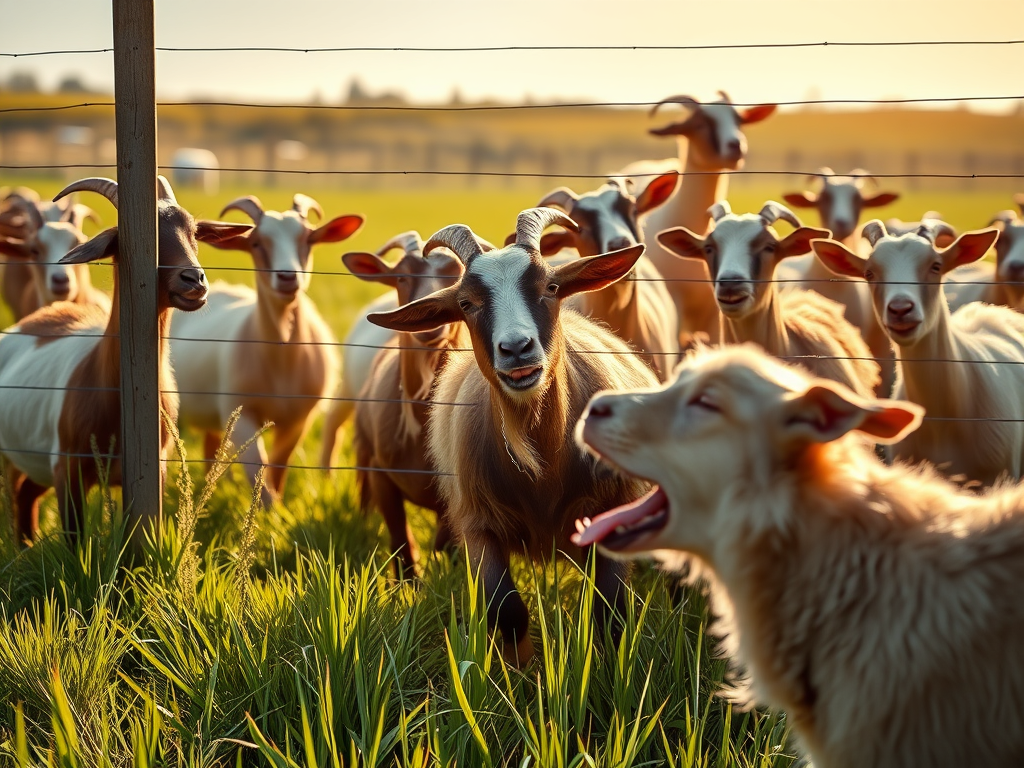
“Oh come on! It can’t be that bad- the most exciting thing of my day was when I saw a herd of sheep on my walk today. One of them had managed to slip out of the electrified fences. How it managed it, I don’t know. Maybe climbed too high up a tree and flipped over either side. Poor thing.

But you should’ve seen the panic! The sheep dog was going crazy seeing one of its wards had escaped. The other goats were all in a titter, all of them baying and boo-ing. The anxiety in the air – the poor things all wanting to help, shouting directions, and the lost goat all alone on the other side of the fence. It was heart-wrenching to see them all like that.

Then another dog comes on the trail, and this poor goat almost jumped through its own skin. The dog is excited to chase a goat on the trail. The owner of the dog is nervous that she can’t control her dog if he decides to lunge for the goat. The sheep dog is nervous and barking to high heavens at the excited dog, “Don’t you dare! Don’t you dare! My goat!”

The goats are all frisky and baa-ing away. All of them shouting instructions to the poor misplaced one – Keep left, go that way, try doubling back in this way! No! Not that way! This way!

The poor lone goat who escaped the fence, the poor goats fenced in and trying to help the escaped one, the poor sheep dog trying to find a way to bring in the wayward goat who is feeling more and more lost and panicked by the second, the poor dog owner on the trail trying to restrain her own dog, the dog clearly being stopped from doing the thing it most wants to do which is to chase the goat,  and the onlookers all of us desperate to help the poor animals, but unable to do anything. The noise is incredible, you can pluck the emotions out of the air.” 

I stopped to look at the son. He swapped his intent listening face to his mischievous laugh, “Are you kidding me? Huh! Get it? Get it? Lost goat? Kid? Never mind. But really amma!  As far as exciting things go, this is much better than mine. I had to listen to teachers talk about transformative functions all day! So even if you had nothing else happen to you the rest of the day, which I know is not the case, you still win!”

I laughed. “Hope the little fellow got in with his pals. Never have I seen such panic in brown rectangular pupils.”

“I am sure he did – that goatherd comes by every hour or so, doesn’t he?” said the son. He looked marginally better having heard the goat story, and then went on to tell me about his day in a little bit more detail.

Halloween’s Influence: Understanding Fear in Stories

“Arrgh!” 

“Gosh! Dude! You scared me!”, I said, leaping neatly into the path of a bewildered looking biker on the trail. His eyes grew wide, and he wobbled spectacularly before regaining his poise and balance, and then smirked. 

I suppose it was funny. A scrawny fellow like the son is hardly the sort of fellow to make their mothers leap out of trail paths with their scary stories. But it is nearing Halloween and we were discussing the themes of horror in their English Literature class. 

“What are the elements of a horror story?” I asked.

His answer made me jump, leap into biker’s path, earn b.look from biker as he regained balance and then a smirk for additional points etc. 

I must admit that when it came to quakey finds, horrors take the biscuit. Stephen King is all very well in the daytime, with soothing cups of tea, warm music etc. But otherwise, no thank you! I still prefer the glow of humor, the comforts of friendships and love, good old fashioned topics like (science, nature, history, psychology, travel), and mild adventure in my reading fare.

Horror in Literature

What made the class interesting was their discussion on not just horror, but how it affected the different parts of our brains. The amygdala (the small pea sized piece of our brain) is known for the fear response – that is the piece we share with reptiles, he went on to say and I listened in awe. Our prefrontal cortex is where we process what the amygdala sends us, to appropriate a response. 

“I think you should research it up a bit more before quoting me though!” he said, giving me a stern look.

“What if I wrote that you asked me to research it, so folks know it isn’t the Gospel of NeuroScience instead?” I said, rolling my eyes, and he laughed at that and agreed. So here goes, folks: please research this piece on your own. 

How interesting to sit in a class, watching a 90’s cartoon show about Courage, The Cowardly Dog in the Chicken From Outer Space. 

Then to analyze how the different parts of the brain were affected by the fear response? I can’t think of a better way to spend a Wednesday afternoon. I would have loved to be a fly on the wall in that class (risking a horrified teenage set of kids screeching and swatting at flies notwithstanding), and I was full of admiration for their teacher who had taken the trouble to come up with a lesson like that close to Halloween.

Boggarts & Dementors

The whole conversation on fears and the horrors of our psyche reminded me of another conversation from a few days ago on boggarts and what shape each of ours would take. Harry Potter and the Prisoner of Azkaban has always been one of my favorite books – it addresses so many themes – how not to judge someone based on first impressions, how the truth can be life-altering, the importance of friendships, conscience, etc etc. But this book specifically addresses fear and our worst experiences in the form of boggarts and dementors.

This YouTube video on the SuperCarlinBrothers Channel on Why It Is Wise to Fear Fear is an amazing one in this context:

Harry’s WORST FEAR Explained | Harry Potter Film Theory

Halloween is the one time we acknowledge fear as a society. It also comes with a good antidote to fear: the ability to allow for whimsy and creatively live our lives.

We turned around after our walk, and the biker, much fortified after his own little fright, gave us a wan smile as he made off in the opposite direction too.

The Shape of Ideas: Creativity Unveiled

“What is nice is knowing that there is a fount of ideas – and even if many ideas seem taken, there is always a variation in the workings of the human brain to make it different.” 

“It is astounding – the volume of work produced.”

The husband and I were taking an evening walk discussing creativity, imagination and the origin of ideas. He was talking about one of the musical maestros of Tamil cinema  and their seemingly eternal bouts of inspiration. 

“I wonder if they worry about it running out on them, though.” I said, looking contemplative as I admired nature’s work around me. No lack of inspiration there! Every tree a different shape, every plant a different marvel, every soul a different temperament. 

“I suppose they would have the same trepidation or initial hurdles when they set out to create, and then obviously their levels of genius means that the ideas that do come to them are a class apart, but I suppose they must have their moments of doubt. “ said the husband looking thoughtful.

I hmm-ed at this. I do feel that just like the intelligence factor, there is an ingenuity factor (You have what you have and then those who work with it, sit with their abilities, nourish it, develop it, and try to wrangle it into industry reap the benefits). 

When I saw this book, The Shape of Ideas – An illustrated exploration of creativity –  by Grant Snider , in the library, I picked it up. Partly because I expected it to be whimsical but also because the origin and nature of ideas has always intrigued me.

The Shape of Ideas: An Illustrated Exploration of Creativity: Snider, Grant: 9781419723179: Amazon.com

51kUrTbxX0L._SY522_

How many of us have wondered about the origin of ideas? It is marvelous when we are graced with an idea. Especially one bursting with imagination, but for all the good and bad ideas humanity has come up with, we don’t really know the origin or the process to generate more of them. It is almost as if the unknown is bordering on the magical.  

Sometimes, we need a chock full of ideas to pull out a good one. Sometimes, it is the joy of an do-nothing day that gives you an idea that makes you smile.

This book is a marvelous read – it is full of whimsical ideas, endearing comic work, and neatly classifies the different areas that the shape of ideas tread: Inspiration, Perspiration, Improvisation , Aspiration, Contemplation, Exploration, Daily Frustration,Imitation, Desperation and Pure Elation.

As an example of the kind of art you can expect to see in the book – here is one on Drawing the Moon 

img_3666

We have all heard or understood various versions of the inspiration vs perspiration speech from our teachers, mentors and parents. 

On some level, we understand that being smart or talented or intelligent means nothing unless you are also granted opportunity, have perseverance and cultivate intellectual development.

But how do each of us use all of this to create a rich inner life that translates to one of beauty and enriches the life of those around us? 

“The most regretful people on Earth are those who felt their own creative power restive and uprising, and gave to it neither time nor power.” – Mary Oliver

Read Also: What is Your Friend

Exploring Happiness: Is It in Our Genes?

In what was an intriguing chat with the son last evening, we poked around the ethics of genetic modification. Apparently, that had been an area of discussion in their classroom, and the son was keen – the novelty of a discussion with multiple viewpoints at that age is amazing. I smiled and listened to him talk offering a question here, a hum there, an insight elsewhere.

“What do you want to do with human-beings if we are smarter?” I asked him.

“We could fly.”

“Cool! But then what?”

I took a deep breath and said as casually as I could. “Everyone wants to be smarter, for things to come more easily to them. So we wouldn’t have to spend so much time figuring things out. But – the thing is, if everything came easily, we would not know what to do with all the time we have on our hands. What do they say? An empty mind is a devil’s workshop? I don’t know – I think it could lead to more mental health issues – what do you think?”

He pondered this for a while, and said it was an intriguing thought. 

Who Survives?

It reminded me of another chat the husband and I had a few months ago – on the larger theme of the future of humanity. With smarter, faster, stronger, what would happen to humans? The husband took a moment to gather his thoughts, and said, “Well – it will come back to good old basics then, wouldn’t it? Survival of the fittest. Those humans who can learn to be peaceful with themselves will ultimately win out – that is the strain that will survive.”

I was impressed – yes, no matter what we had, it ultimately came down to temperament, attitude, and the ability to be happy, didn’t it?

Generosity by Richard Powers: The Happiness Gene

Incidentally the book I am currently reading: Generosity by Richard Powers, talks about a variation of this: The Happiness Gene.

The story tries to figure out the reason for Thassa’s happiness. Thassadit Amswar is a refugee who has fled the Algiers region. Her brother is still under house arrest in a totalitarian regime, her parents are dead after years in which they were stuck in the midst of a civil war that raged around them, and any which way you look at it, she should be morose, sad – not chirpy, cheerful, and full of light.

The whole set up reminded me of one of Rumi’s sayings that have been making its way around the instagram world: something to the effect of:

When the world around you is dark, you could very well be the light.

Rumi

In any case, somehow Thassa’s ability to be happy attracts attention – first from local friends, then a policeman, a local news report diagnoses her as having ‘Hyperthymia’ – a condition of overwhelming happiness, and goes on to attract those who want to auction and buy her eggs, decode her DNA, figure out the happiness gene. She finds herself unmoored by how people feel bad because she is happy, and having to navigate the horrors of fame.

In Essence

  • Is there a genetic component to being happy?
  • If so, can that be picked and chosen for our offspring in the not-so-distant future?
  • What issues would that create for mankind? For just as sure as we are of creating solutions, so too can we be sure for creating problems for ourselves, isn’t it?

Hum of Chitter-Chatter

I’d had a trying sort of morning – my attempts at speaking had come to nought. I was speaking English, folks around me were not. I asked for chips, they told me it was several hours for nightfall. I asked for honey, I was given a shrug and a look reserved for the village fool. I left the chips and honey – life is great without chips and honey, thank you.

So, I veered off civilization and went off to moon in the woods.

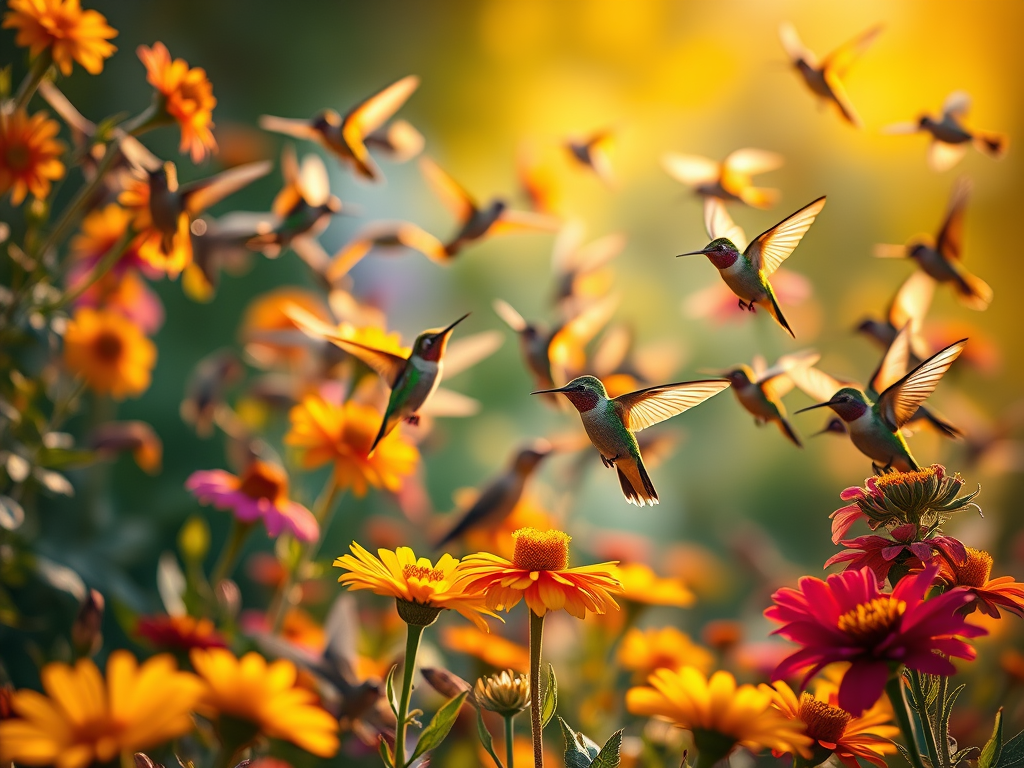
It isn’t often that we stop to revel in the orchestras of everyday life. That morning I did. When I did, I found myself transported. I had rarely seen this many hummingbirds together in one place and the noises they were making chittering together was music. What were they saying to one another? Were they discussing plans for the day? 

I smiled and reluctantly moved on – human beings had meetings of their own didn’t they? 

A few days later, I stopped listening to the chatter of the crickets starting up in the evening, even as the sun dipped into the horizon bathing the skies in robes of pink and orange. The deer grazing glowed, the blackbirds fluttered while singing, but the crickets were the loudest of them all. Enough to make you stop and wonder what they must all be saying to one another.

I exchanged glances with the son who’s come on a stroll with me, and we headed back musing.

Later we had a frenzy of celebrations planned – gatherings and people. I stopped to listen to the chatter around me. It was a feeling – not voices that I heard. It was a festive occasion, so all I heard was a pleasant hum – interest, friendship, camaraderie, laughter. 

What is it about communication that enthralls us so much? I remember reading a short story by Louisa May Alcott a while  ago in which a young girl acquired the ability to understand animals and birds for a short period of time. She is baffled to realize that they can actually communicate amongst themselves as well as amongst other species. A woodpecker could talk to a squirrel and understand each other perfectly. So, they could unite and we wouldn’t have a clue.

It was a beautiful touching story, for it helped me laugh once again at our own follies. It would serve us right if that was truly the case – too smart for our own good, but all the time being pitied by the wiser creatures of the Earth. Between all the languages we’ve managed to create as humans, it is truly humbling if that were the case. (No mishaps with honey and chips I assume.) 

It also made me stop and wonder what animals hear when they us jabbering. Many times on my walks, I come across people talking shop – serious talks on finance, technology trends (I live in the Bay Area – it is a way of life – you can’t throw a stone in any which direction without someone yelping ‘AI’ – whether as an expletive or not), movies, music, other people, offices, sports, etc.

What must they make of it? I wonder.

Nyctinasty Flowers’ Lessons

I could barely stay indoors. You see? The day had started off with a mild drizzle. After what felt like months of sunshine, a little bit of moisture felt amazing. I stood outside peering up at the clouds – in itself a rarity now given how parched things get during Californian summers in the Bay Area. Even with summer flowers blooming and vegetable gardens flourishing, I yearn for the simple pleasures of marvelous sunsets, clouds, a pattering of rain, some breeze.

That is perhaps one of the things I miss most about the Nilgiris – the western ghats in South India where the rain drops and eucalytpus provided the backdrop for magic and mysticism. The rains, the clouds, the winds – how in one day you can experience so many different climes and you have to be prepared for it all, and still go about your day.

Nature is Transformative

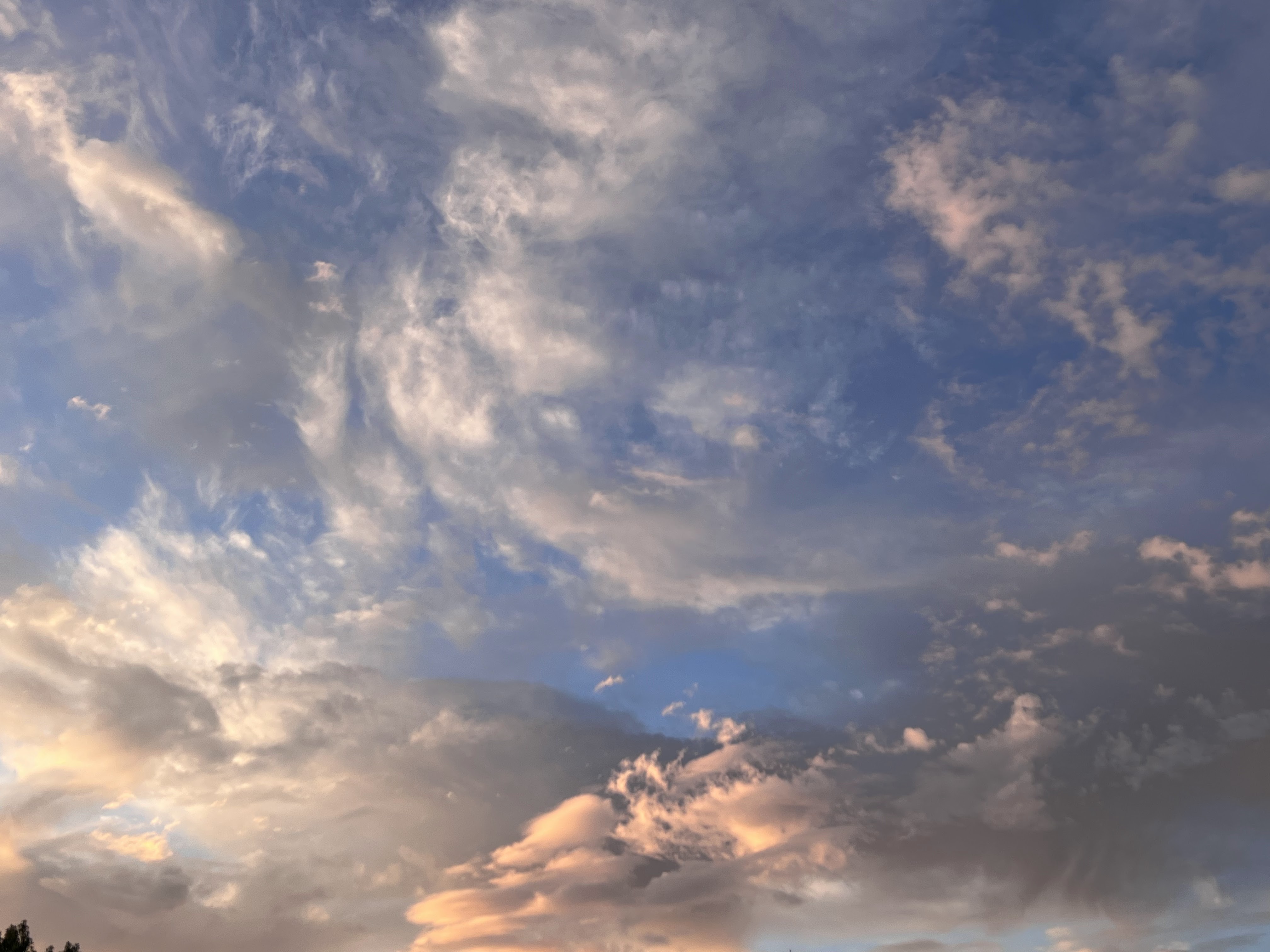
That evening I said, “Well – come on then! “  hustling everyone out to see the glorious sunset. The clouds had scattered during the course of the day, but there were enough of them still there –  enough to provide crepuscular glory with the rays of the setting sun. Some clouds looked like an artists reluctant brush stroke jostling right alongside the weightier ones. How every evening a different painting is rolled out to us continues to be a source of wonder.

img_3068

Art is transformative – so is nature.

It transforms ordinary days into extraordinary ones.

It assures you that normal is numinous.

Nyctinasty flowers

That evening, I took in the deer grazing near the river banks, the rising full-moon swollen, resplendent and beautiful against the setting sun orangish-red and bright. I don’t have to be a naturalist to know that the birds felt it, the deer felt it, the frisky fox felt it, the fish in the river felt it, the  flowers felt it. I stopped to admire everything – especially those that are classified as nyctinasty flowers :nyctinasty flowers like the evening primroses or gardenias  close up for the night. They show you the importance of closing and resting in order to bloom and spready one’s beauty for the next day.

If ever there is an appointment to keep, it is with nature in those moments in the golden hour when all the world is settling in for a quieter pace.

img_3069

Sunrises and Sunsets: An Opacarophile’s Notes of Magic

Every time we go on vacation, I proclaim proudly the first night, “I am going to go for a sunrise walk in the morning. Do not look for me!”

It is old hat by now. The children and the husband exchange amused looks and say, “Sure! Of course!” Followed by a chortle of such mirth that it should offend me. But vacations and all that – I let it slide. You see? I am rather a slow starter in the mornings. The caffeine tries, the shower tries, the folks around me try. But it takes a good hour or so before the spirit can rise and shine and birds chirping can become song to my ears and all that.

This time though, I surprised everyone including myself.

I set off on my sunrise, sunset and starry strolls every day I was there. It was marvelous – one morning, I sat trying to discern all the hues and colors in the sunrise, the shapes of the clouds, the fast disappearing mists that were clinging not a moment ago, making way for the humid day ahead of us.

img_2710img_2747

I could hear my heart rise in song without emitting a single chirp – trying to keep in tune with the little palm warblers, and the mynahs reminding me of a silly rhyme we would chant as school children, giggling ourselves silly every time.

One for success

Two for a toy

Three for a boy (giggle, giggle)

Four for a girl (giggle, giggle)

Five for a letter (we were in a boarding school)

Six for something (can’t remember)

Seven for a secret (Secret Seven By Enid Blyton must’ve inspired that one!)

And on and on, it would go.

I smiled thinking of that rhyme – something I hadn’t chanted in three decades, and yet, it came to me that morning looking at the little birds hopping about the island. The brain really is marvelous. Scents, images, words, phrases can all evoke associative memory – it truly is powerful.

Taking in the slow way in which the island is drenched in its beauty, I walked back to our cozy lodgings, feeling very smug, and proclaiming that all those who missed the sunrise .. well, missed the sunrise.

“The sun will rise again tomorrow, Mother.” the children chorused looking gobsmacked that I had taken a sunrise stroll. 

I somehow managed a sunrise stroll every day that we were there. On the last day, the husband joined me, and the island, to show us how special that was, even greeted us with a rainbow by the Buddha statue overlooking the ocean.

We were quiet for sometime wondering how a simple play of light and moisture can produce something as beautiful as that. Even the birds seemed to have fallen silent. Then the birds chirped, and the husband chattered again. 

img_2923img_2934

An opacarophile is a lover of sunrises and sunsets

A solist is one who loves events of the sun (sunrise, sunset, eclipse) etc

A heliophile is who loves the sun

A photophile is a lover of light

I feel the importance of this quote – for both sunset and sunrises

“Never waste any amount of time doing anything important when there is a sunset outside that you should be sitting under.” – C Joybell.C

Ooh! The 🐟🐠 O’opu Alamo’o 🐟🐠 & 🌴🎋 The Ohia Lehua 🌴🎋

Shoshin in Hawaii

Friends and regular readers of the blog know the immense peace and satisfaction I derive from the creatures around us. Creatures whose different characteristics serve them well. Some that evolution has equipped them with in order to live and thrive. Patience, perseverance, the ability to soar high while zoning on in the details when required, the ability to look out for one another as a group – as geese do on their long flights, or pelicans on their migrations. To work and play like dolphins and squirrels.

I could go on and on.

Going to a different ecosystem makes us sit up and take notice of all the things that are special to that place. Polynesian islands, or any islands, for that matter have this ethereal quality to their beauty. It is in the tropical colors, the unique flowers that greet us almost as soon as we land in the airports (plumeria in the case of Hawaii), the scents of the island – at once putting a great distance between the mainland and the islands. Floating by themselves in the middle of the Pacific Ocean, these islands, have been written about, explored almost completely, and still holds enough wonder and astonishment for the traveler with shoshin in their eyes.

Shoshin: is a Japanese concept that roughly translates to a Beginner’s Mind, meaning a mindset in which one is eager to explore, learn and stay curious in the world around you.

🐟🐠 O’opu Fish : Stellar Climbers 🐟🐠

Who knew that the humble o’opu fish would take me into streams of new words like: diadromous, anadromous, euryhaline?

Take for instance the o’opu fish. As far as fish go, they are fish enough – they have fins, they swim, and they can fix you with a glassy stare. But then, just when you’re ready to classify them with thousands of other fish in the oceans, they surprise you. They are not just fish in the ocean.

They are also fish in the freshwater streams in Hawaii.

Belonging to a small group of fish with this capability, they are known as diadromous fish – meaning they are comfortable in both saltwater oceans and freshwater rivers and streams. The O’opu aren’t just diadromous fish, they are also anadromous  ( the more famous anadromous are the salmon) – meaning they swim upwards to the fresh waters to breed their young.

Screenshot 2024-09-12 at 3.36.36 PM

The O’opu fish have the remarkable ability to adapt to different salinities in water conditions. They also, and this is where I stood transfixed, can scale waterfalls of 400 feet upwards – we saw the waterfall they go upstream of (Akaka Falls) from a distance, and it took my eyes a few seconds to take the height of the waters in.  These little goby fish, manage to scale these falls by sticking to the slippery rocks faces behind the waterfalls, in order to lay their eggs and ensure the next generation of  ‘O’opu ‘alamo’o are born.

Now, I am not sure how different this is from, say: a gobi desert dweller living and thriving in the tropical rainforests of the amazon, but it seems like a pretty good comparison to make.

🌴🎋 Ohia Lehua Trees : The Resilient Pioneers 🌴🎋

The next day, we found ourselves huffing and puffing up a small-ish hill to take in the crater of the Hawaiian volcanoes national park. (It is not a steep climb if you’re wondering). As a small group of tourists jostled around the forest ranger to listen to her talk about the volcanic national park, another unlikely specimen grabbed our attention. The short, stubby, but thoroughly resilient Ohia Lehua trees. These trees are apparently the first ones to seed life post a volcanic event. Given that volcanic ash can be quite the problem to a breather,  if you’re wondering how the little trees breathed, it is because they have the unique ability to close their  stomata for up to two weeks.

Screenshot 2024-09-12 at 4.56.11 PM

Quote from the website:

https://www.usgs.gov/observatories/hvo/news/volcano-watch-lava-loving-ohia-lehua-a-pioneer-plant-peril

The tree has a superior capacity for extending its roots vertically and can grow efficiently in cracks and fissures. ‘Ōhi‘a also have the capability to close their stomata, or breathing pores, so the trees can “hold their breath” when toxic volcanic gases are blown their way.

The Ohia Lehua trees and the O’opu Alamo’o fish are the stuff of Hawaiian legends.

Nature truly is a wonder marvel!

Reference links:

🌊 Mystic 🌊 Manta 🌊 Rays 🌊

🌠 Astrophiles 🌠

Knowing that you are floating on a tiny island in the middle of the Pacific Ocean – the satellites only see a speck from space. Gazing up and seeing that band of the sky is amazing. It is also such a rare luxury for lovers of the night sky. Astrophiles the world over swear by it.

My friends have asked me – curious sometimes, amused other times, and occasionally frustrated too. Why the wonder? I don’t have a proper answer. It is what we see everyday – knowing there is a big universe out there is rarely helpful to those of us trying to make a living, improve ourselves in our pursuits, live a meaningful life, and yet …

img_2425

🌊 Thalassophiles 🌊

That peek into the universe every night reminds us also to keep our perspectives. That night, I felt unmoored, overwhelmed as I  sat watching the sky. I had gazed into the ocean earlier that day. We had been manta ray diving.  Wait.That sounds way too cool. What that means is that  an experienced set of deep sea divers took us out to the ocean on their speedboats, set out floats that we could hold on to, and gave us snorkeling gear to peek into the waters, while they kept an eye on us in the choppy ocean waters.

Manta rays are plankton grazers – both phytoplankton and zooplankton. During the day the plankton float lazily at different depths spreading themselves in the ocean. And the manta rays follow them. At night, however, the plankton rise up towards bright lights. A chance observation when some construction was happening 30 years ago near Kailua Kona apparently. So, manta ray gazers use blue ocean lights under the rafters. The lights attract the plankton, the plankton attract the manta rays, and the attraction of seeing one of the world’s most beautiful, wisest, and calmest creatures in its natural habitats becomes a reality for thalassophiles (ocean lovers).

The manta rays are astounding. There aren’t words to truly describe them. When I saw the manta rays in the Disney Pixar movie, Moana, I assumed it was a special effects dream come true. But it goes to show that nature is leaps and bounds ahead of us. In how many forms can life exist? In how many ways can life astonish us? The manta rays with their wing-span (or is it the fin-span? ) can be quite astounding even if you have been briefed. The female manta rays can grow up to 16-18 feet in width, while the males can go up to 13 feet.

Screenshot 2024-09-09 at 2.59.40 PM

There are about 300 manta rays in the area we went to. They each have names. I don’t know the names of the ones who came to see us that night. We were told about Old Bertha. She is estimated to be a 100 years old, but she could be older. Nobody knows how long they live. Maybe 250-300 years. Like a venerable sea turtle. They are also incredibly intelligent creatures. (For amateurs such as us, I could not dream of taking pictures, so a google screenshot would have to do)

Did you know?

A manta ray’s brain to body mass ratio is even better than dolphins. That puts them as one of the smartest creatures of the ocean. These curious, playful creatures show they enjoy interacting with pesky creatures who need rafts, masks on their face and a boat to navigate their dear waters. They flip up to see you, they swim and move with a grace that we can only aspire to.

Evolution really has outdone itself on our planet earth. It is a marvelous to go out into our ecosystems and see what it is that we need to protect, and also give ourselves a dose of humility. See how it is that a creature with no bone structures is able to survive so beautifully in an environment we gasp and splutter and struggle to be in. How the very things that can destroy us can make another species thrive.

The sea, once it casts its spell, holds one in its net of wonder forever.

Jacques Yves Cousteau

Naturalists have, of course, written about the beauty of the oceans and the lifeforms they hold. But seeing the manta rays, each one with a different pattern on their backs, flip by you as they gracefully swam? I don’t think I have words for something like that. They glowed. Philosophers and mythology often speaks of the inner glow of the wise and enlightened. Did they see the sea creatures luminescence, and try to look for that in humans?

Manta Ray Facts

I felt a shiver as the image of the beautiful glowing manta rays swam up in my consciousness, and I looked up at the night skies once again.

Astrophiles & Thalassophiles

The numerous stars – billions and billions of them, all holding their own in a marvelous dance of the universe, twinkling down at you. The billions and billions of creatures in the ocean navigating the oceans with every swish of their fins and swirl of their fins. How many worlds out there holding out the promise of life? With all the different ways in which life evolved in each of them. I did not think I could sleep that day – the soul so full.  The lights we carry within ourselves and the beauty of life so all-encompassing.

But I did. Dreaming beautiful dreams of manta rays, bioluminescence, ocean depths, twinkling stars, heaving oceans, and brimming lifeforms.

manta-rays-cutting-through-the-milky-way

Each Day An Adventure

I can’t help but think of one of my favorite authors, Gerald Durrell and how he describes the greek island, Corfu and its environs. The colors of the island, the vibrance of everything around them.

Hawaii is similar. It isn’t lost on me how very lucky we are to be able to visit the islands

I was trying to write about our recent vacation at Big Island, Hawaii. But I found myself strangely tied up for words. I could babble, I could close my eyes and let the images of the island rise up and shine out of every cell in the body. But I was having difficulty writing posts for them.

Hawaii is a sensation. A feeling that seeps into every pore, a light that illuminates every cell. It was the only possible explanation. How else could one feel surrounded by tropical flora, the full Milky Way galaxy overnight every night, the ocean and its abundance weighing down on you from every side?

Hawaii-COLLAGE

The colors, scents, warmth, waters, stars – many island destinations provide this feeling I am sure. But there was something special about the Hawaiian islands this time. It was an impromptu trip planned on the spur of the moment, each day unfolding as it came with not much thought or action plotted. Yet, every day seemed like a perfectly planned eternity that heavens boast of. We swam in the beaches, occasionally catching glimpses of colorful fish, or be gazing out at the changing landscapes on a drive and wonder how in one moment you felt like you were in the moors of Scotland with its brambles and heathen covered vegetation and the next in the misty mountains of Nilgiris with rain spattering your windshields; and the moment after gazing upon an ocean so blue and in so many blues that it surely could not be real, could it?

Every morning, I set off on my sunrise walk – quietly taking in the changing skies, soak in the light illuminating the island, and wonder about the stark difference to our work-a-day life and mornings.

Every night, I would set off on my good night walk gazing up at the skies illuminated beyond anything I remember – maybe it was the fact that we were on an island far away in the Pacific Ocean with nothing for miles around, or something else, but the skies felt fuller – darker. Nothing but the piercing light of the stars to behold.

img_2425

“Gradually the magic of the island settled over us as gently and clingingly as pollen. Each day had a tranquillity, a timelessness, about it, so that you wished it would never end. But then the dark skin of night would peel off and there would be a fresh day waiting for us, glossy and colourful as a child’s transfer and with the same tinge of unreality.”

― Gerald Durrell, The Corfu Trilogy