Magique Français

There is a charm to traveling at this time of the year. We had decided on an Europe trip with 3 countries thrown in to the mix. Which is to say that the rest of the nourish-n-cherish household of spoilt folks enjoyed a trip planned meticulously by the husband. Left with all the rest of the work, I stood in front of my bookshelf dilly-dallying on the reading material. Finally, I chose Bill Bryson’s Neither Here Nor There: Travels in Europe, which was an excellent read. 

The whole way to the Airbnb from the Paris airport, the radio was on and the hosts chattered on in French. Considering that I was the only passenger in the car who had ‘learnt’ French, I must say I was aghast that I remembered almost nothing of the beautiful language (except for tidbits such as – one mustn’t pronounce the last consonant, unless the next word starts with a vowel, or the river is feminine while the museum is masculine) I have always been little lost with languages that attribute a gender to everything. 

Is a croissant masculine or feminine? I don’t know. 

Both Le Croissant and La croissant sound right to me, but DuoLingo assures me that croissants are masculine and therefore Le Croissant is correct. Sigh.

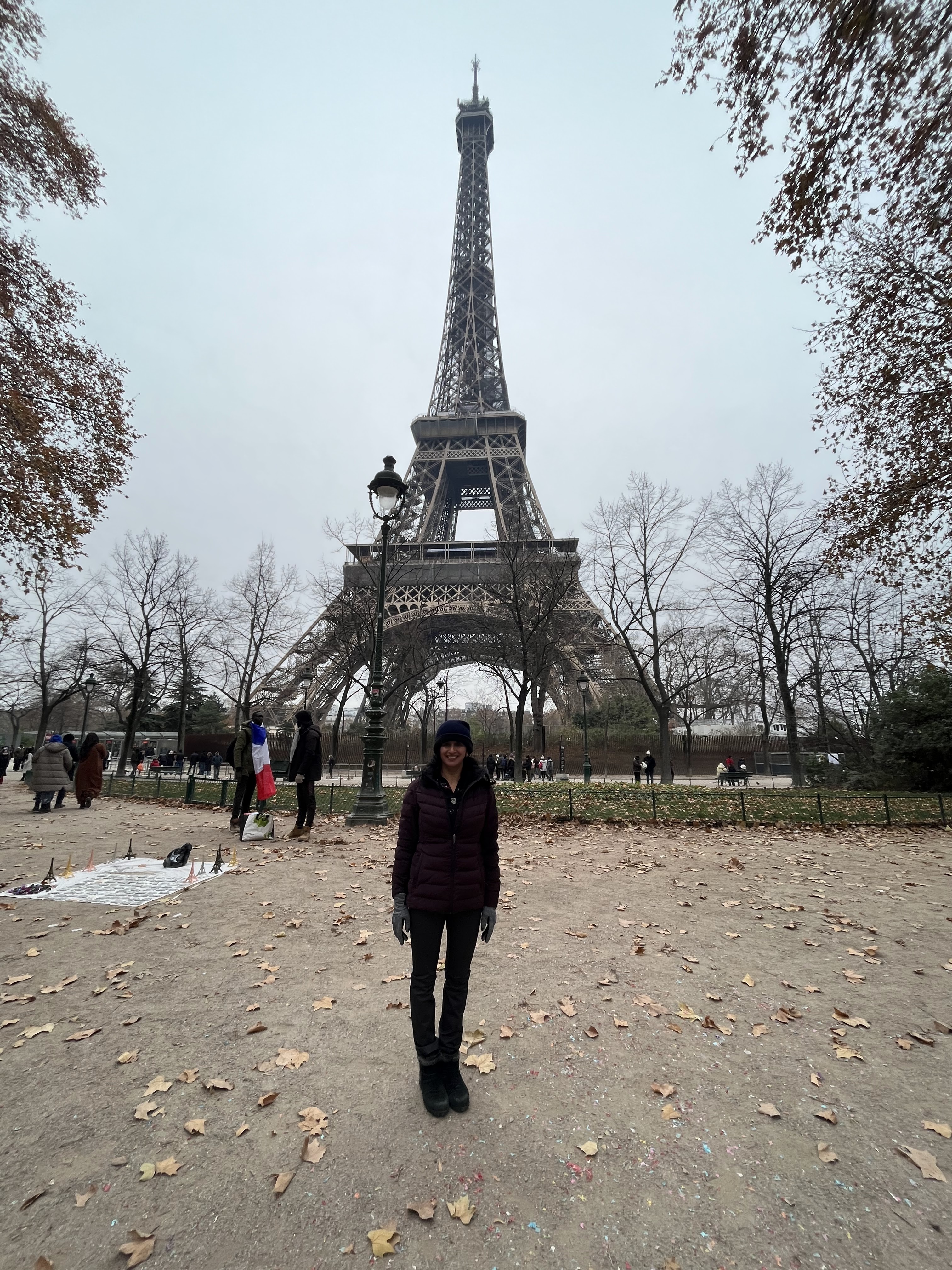
I must say languages and brains are curious things. I was sincere, if not successful, in my attempts to learn French in 11th and 12th grade. I would’ve thought that some things would surface through the foggy decades as I heard the spoken language, or saw the words written in the menu cards in the little French cafes. But nothing happened. I recognized ‘avec’, ‘le’, ‘la’, ‘and words that had a passing semblance to the English language and could thus be fathomed. As I stumbled my way through the language  I realized that I had never really spoken French, though I seemed confident enough to butcher the pronunciations. For instance, I confidently addressed the Louvre as the ‘Loo-v-rrrr’. 

Apparently, I had it all wrong. 

Humbled by this revelation of my poor French, one day on the metro, I was trying my best to listen to the announcements and map the name of the stations to the pronunciation. I can understand my not getting a name like Champs-Élysées – Clemenceau or Maisons-Alfort – Les Juilliottes, but I didn’t get Grands Boulevard. That hurt. Now see, I pronounce it is Grand-ss Boo-lay-vard (so no letter is offended or feels less important). But the French pronounce it as Gron Boolevaar. With the overhead crackling that is a requirement for most metro systems,  I heard it as ‘groan bole’, and was looking around at people before the husband said it was time for us to get out and hustled us out.  I leaped out before the doors closed behind me and was rattled till the sortie (exit).

The French trip you up in more ways than one. I trust it is their way of having fun with us poor sods who haven’t a clue about the language. For instance, there were so many names that sounded like food, it was astonishing. Who wouldn’t like to get out at Madeleine station? I found myself drooling a bit about the buttery m-s and missed Grands Boulevard. 

I remember the husband telling me for an entire hour that we had to go to Rue Ravioli. I thought to myself and smiled that I had never seen this many streets named after food in any other country. I mean how often have we seen a Hamburger boulevard, or a Tomato-Bisque Road? Even in countries that enjoy their foods so much like India, I had never seen a Roti Street or Dosa Boulevard.  As I was feeling cleverer and cleverer with the inspired line of thought, I found that the husband was truly hungry was all. It was Rue-de-Ravoli, not Rue-de-Ravioli (the cheese filled pasta).

Nevertheless, the names had a marvelous ring to them. 

Liberte

Bonne Nouvelle

Strasbourg – Saint-Denis (a big hyphen followed by a small hyphen)

I found myself nodding vigorously and agreeing vociferously (making the French doubt my capabilities even more) as I read Bill Bryson’s Neither here nor there: Travels in Europe.

Bill Bryson on French:

I took 3 years of French in school, but learned next to nothing. The problem was that the textbooks were so amazingly useless. 

They never told you any of the things you would need to know in France. They were always tediously occupied with classroom activities : hanging up coats, cleaning the blackboard, opening the window, setting out the day’s lessons. Even in seventh grade I could see that this sort of thing would be of limited utility in the years ahead. How often on a visit to France do you need to tell someone you want to clean a blackboard? How frequently do you wish to say: “It is winter. Soon it was will be spring. “

In my experience, people know this already.

Bill Bryson

But language has a way of morphing and conjoining, and by the end of the day, the daughter was speaking in lilting French accents, and I was very impressed with her, and unimpressed with myself for I understood next to nothing. Then, she chuckled and told me that she was just spinning her Spanish in French accents. I tell you! The nourish-n-cherish household really knows how to capture the magique francais.
As it was, so it shall be!

It was the day after the storm. The white and blue of the skies above belied the battering of the previous two days. The torrents of rain lashing down, and the dark clouds seemed like a dream.

As much as I love a rainy day adventure, the day after the rainy day has an appeal of its own. The world seems sparkling and clean, the air still has a lingering moisture in the air somehow making it smell fresher and sweeter. The glistening droplets on the flowers and treetops make for interesting interludes if they happen to drip on your upturned face, and the birds, oh the birds! They make up for everything. Their trilling is fuller, and richer – maybe they are relishing the sweet fresh Earth too.

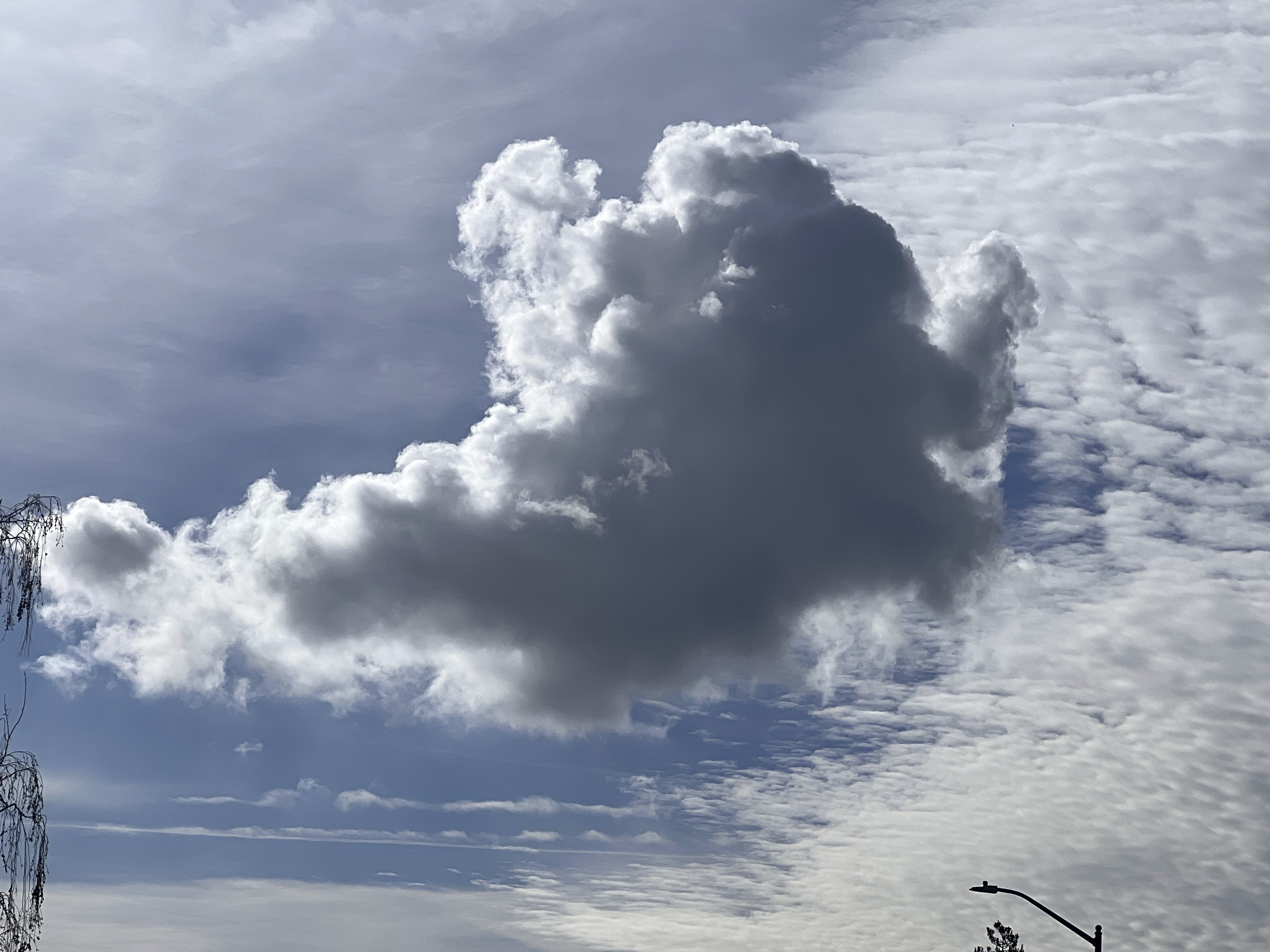
This particular morning, I looked up at the blue skies with perfectly designed and placed fluffy clouds. There was even a Mickey Mouse shaped one to remind me to smile and think of the happiest place on earth (right then, it was there watching that cloud and taking in all the world around me).

My heart skipped along joyously when I was stopped my tracks by a California blue jay chipping away at the last remaining fruit in a fruit tree. 

I know this statement seems unremarkable. But when philosophers tell you savor every moment, I think they mean moments like this one. There was nothing special or remarkable about it. But it had that ethereal ability to capture the past, present and the future in one shining bubble.

All the leaves had fallen with the last storm, the bird was dry and trying to get at its food. This one poignant image sticks with me – of all the hundreds of photographs taken, this moment was one I did not capture. Yet, it seemed to hold the storm, life after the storm and hints of life during the storm in it.

As it was, so it shall be.

What does one say for moments such as this one? I don’t know. Maybe the reason I enjoyed the moment so much was because I had that childlike wonder of shoshin in me when I stepped out that morning, or maybe it was because the warmth of the sun after a cold, wet few days was striking. Regardless, there we are sloshing through life, and when we stop to admire a blue jay on a bright morning, it seems like all will be well.

The Gingko’s Wisdom

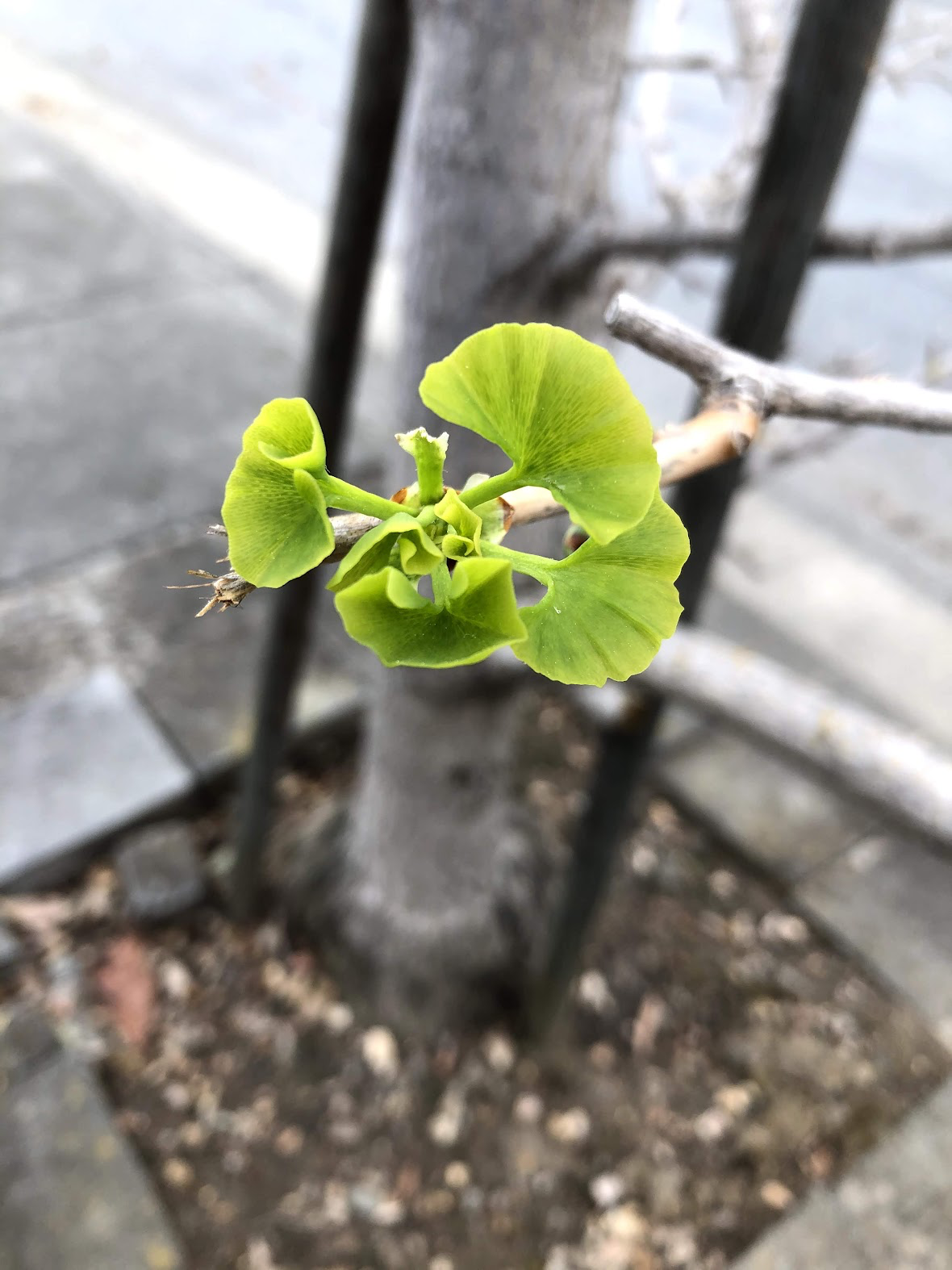
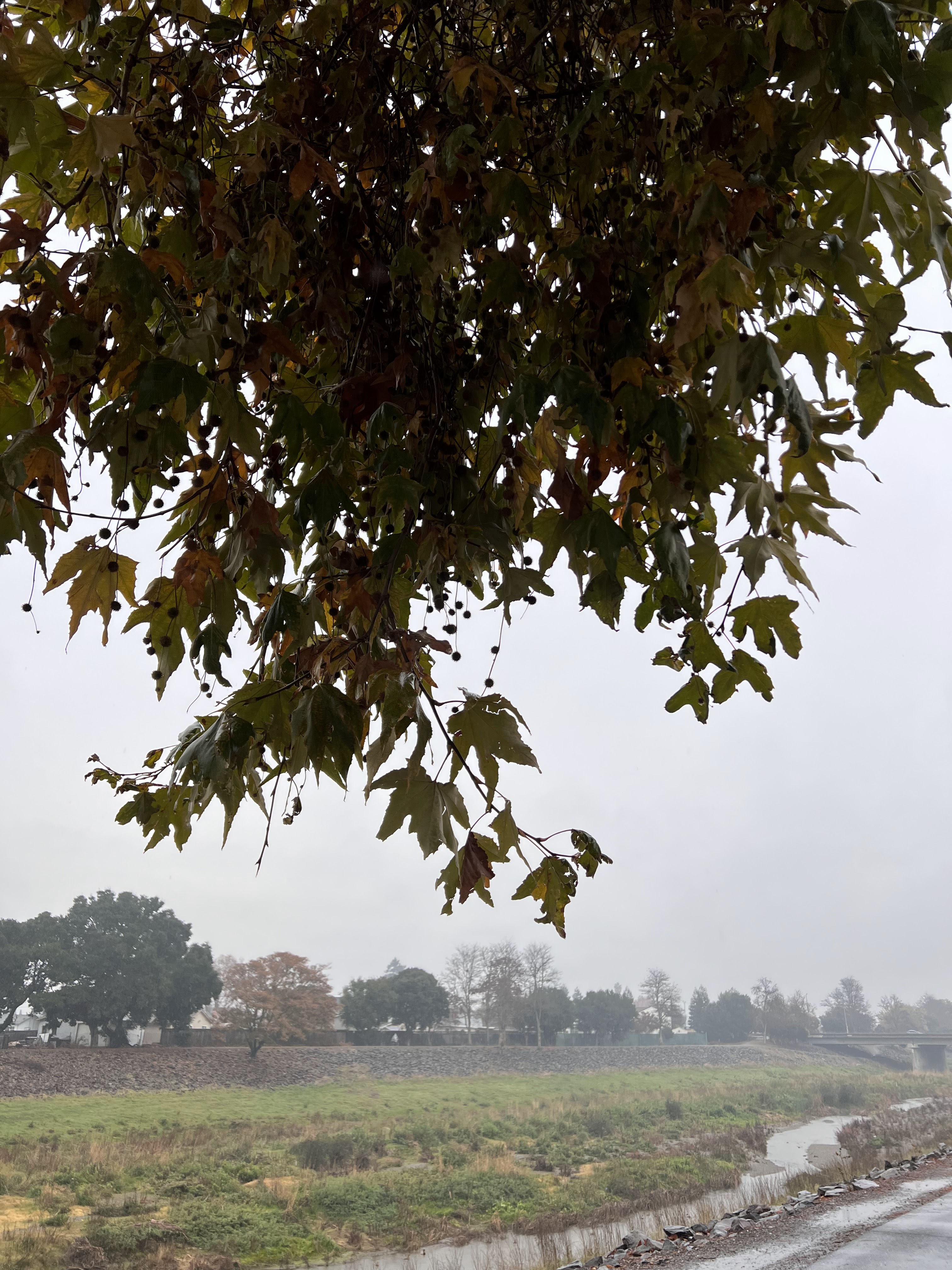
The gingko trees have all spoken to each other, and the lovely trees have shaken off their golden robes all at once. I passed the stark trees on my daily walk and stopped suddenly. I remember stopping to admire the fresh green gingko leaves as the year started out. 

One year. 

One paradoxical year.

One tumultuous year.

One <Please-fill-in-the-blanks> year.

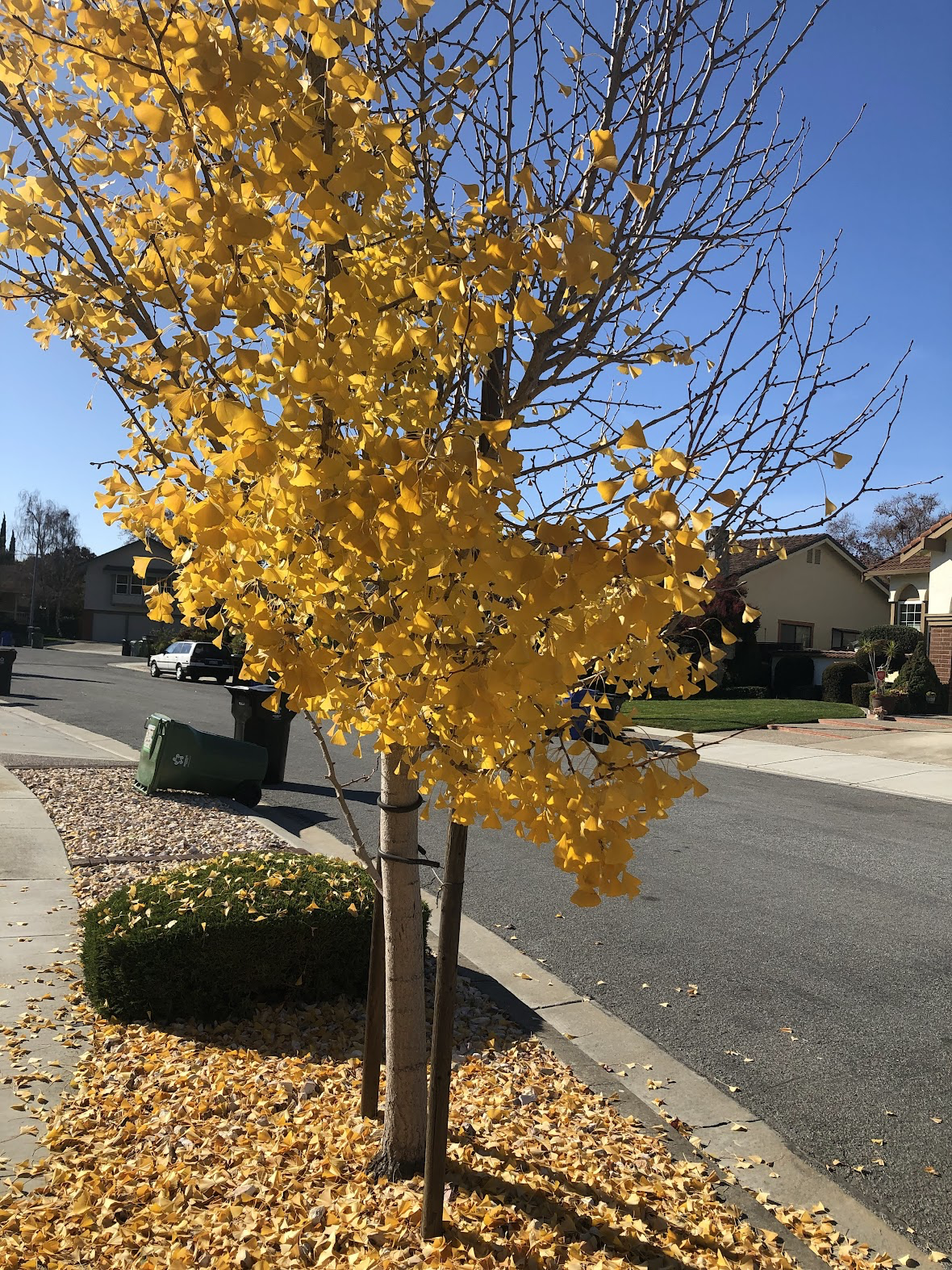
Yet, the gingko trees went on as before. They grew leaves, they displayed them in their glorious green, and their resplendent golden yellows, till they went back to being stark stumps again. 

Another year. 

Another year of the unexpected?

Another year of surprises?

Another <Please-fill-in-the-blanks> year.

As I pulled the husband along on a cold, rainy walk, I told him that the same time last year when we stopped to consider the bare branches of the gingko tree, we had no idea what the year would bring. The same way that we don’t know what the year ahead would bring. I shuddered a little (I’d like to think it was the freezing winds of the storm). The young gingko nearby withstood the winds without a tremor.

“Well…”, I said, donning my philosophical face. “Whatever the new year brings, there is comfort in the fact that there is a constancy in nature. The gingko tree’s seasons.”

“Pesu (talk!)!” Said the husband and laughed looking at my sincere face. I joined him. It is so easy to say these things.  Why is it then so hard to practice?

Maybe we need the tree’s lessons to be more than philosophical. A little more neurological: Belonging with Trees.

Read also: The night of the Gingko : By Oliver Sacks in the New Yorker magazine.

Rustic Rumblings

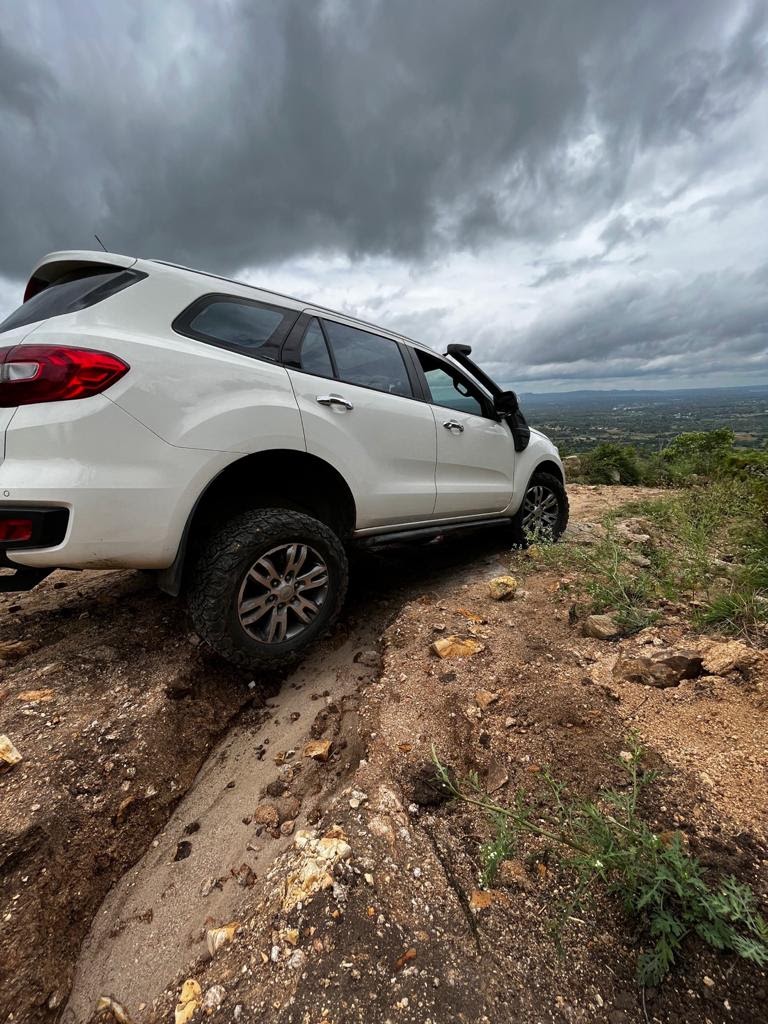
I hadn’t met my siblings and siblings-in-law in 3 years and this unexpected trip to see them was rejuvenating. They had all taken a week-day off to spend the day with me, and had traveled hundreds of miles to see me. I was already on cloud nine and chittering happily when the brother added the icing on the cake: he was going to take the sister, nephew, pater and yours truly, on one of his legendary off-roading trips. As his car nosed its way past the city limits into rural Karnataka, a serenity seemed to descend amongst its occupants too. 

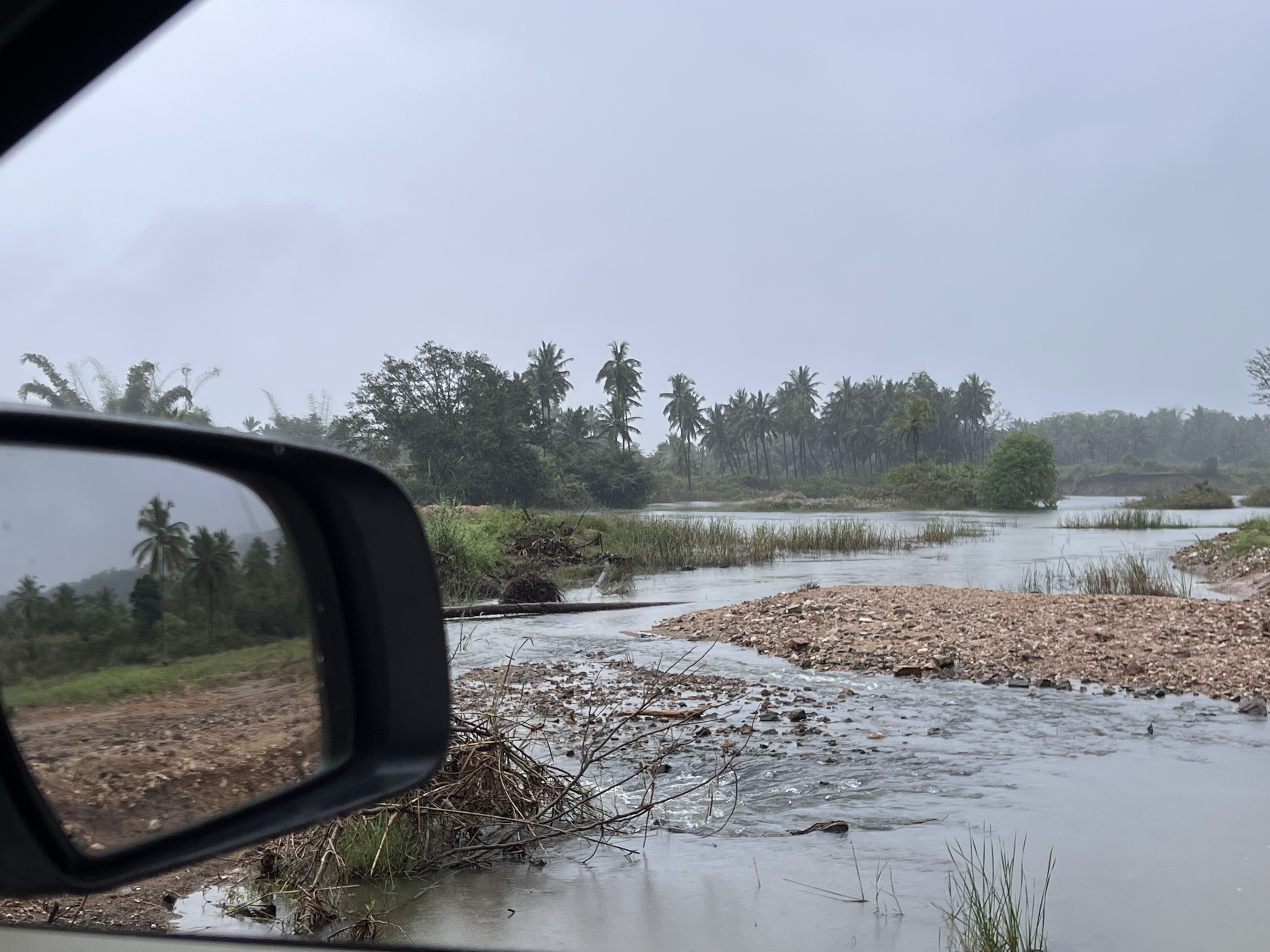
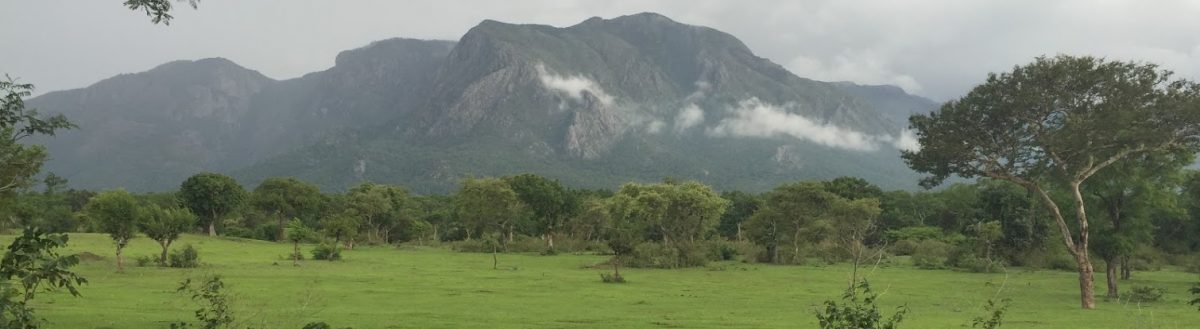
It was a day on which the North West monsoons were in zest. The riversides and little lakes the brother drove us through were swollen with the recent rains. He nosed the car towards lesser known off-roading trails. They seemed to beckon him through slippery slush and muddy muck. His staunch car wheeled and plunged into the side roads with gusto.

The old pater, not usually invited along to adventures in off-roading, had consented to come, and he ticked the brother off for needless adrenaline. 

“It is all your fault!”, said the brother chuckling at the far away memory of 3 decades ago when the pater would pile the three of us on his scooter and take to the steep roads of the Nilgiri Hills

The little brother,( then knee-high) would stand in front between his father’s arms peering out at the road ahead over the handlebars, myself (waist-high) between the sister and the father in the back seat looking sideways, and off we’d go on our school holidays. (The pater was a school teacher and enjoyed the same vacation schedule as we did.) As we reminisced about the good old days, the nephew pointed to a little girl clutching on to her father on a scooter nearby and asked if I was that girl. We all laughed. Yes I was. She even had her hair tightly plaited the same way, and had a maroon sweater on. More than that, she had joy writ large on her face as she felt the wind on her face. I felt like a little girl on an adventurous ride with her father again. (With the tens of pictures I clicked during that off-roading trip, the image that I retain the most vividly is this one and I did not click a picture. So much for visual diaries!) 

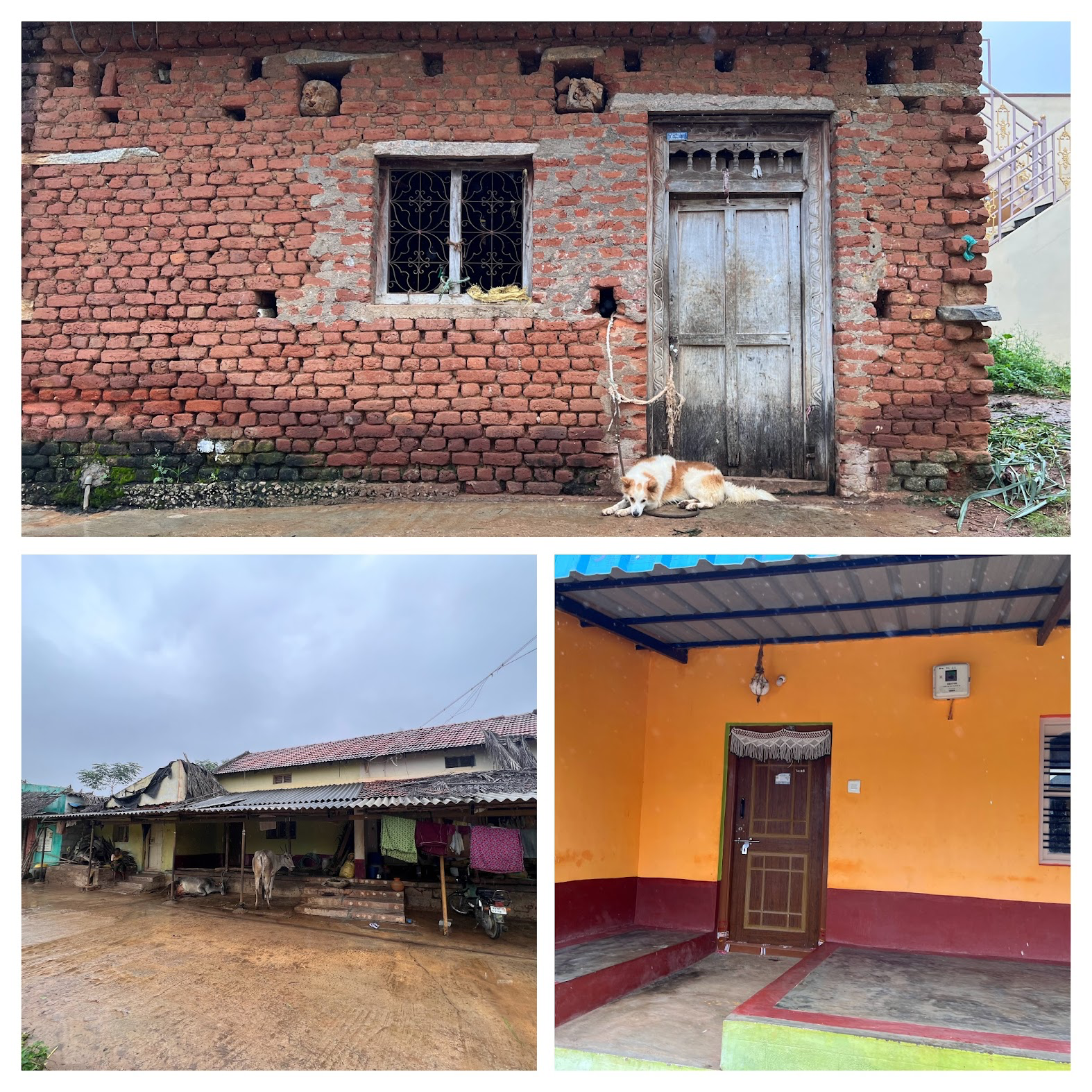
The number of waterfalls, steep hillsides and hamlets we’ve passed are too many to count.  We’d stop in small villages for a cup of tea amidst hospitable villagers in the tiny tea shops and learn of the local life. Grandmothers and mothers were present during the days, the men worked locally, and somehow every seemingly tiny village bustled with life. 

“So much has changed, hasn’t it?”, I said. We were out on a weekday too, but the work spots nearer the city were bustling. “I wonder whether the villages would look deserted. That would be so sad!” I said ever the nostalgic

The brother gave me an amused grin and said we’d soon find out as he had not gone out driving through these villages on a weekday either. The trail he was taking us on, apparently weaved through an extremely small village street – right through the main artery of the village – “almost like you’re driving through someone’s house” –  as he put it. 

I took pictures of bright little temples nestled under large banyan trees, cows, goats, and birds as they flitted in and out of the fields and wet trees. A little way off, we arrived at the village he was speaking of. 

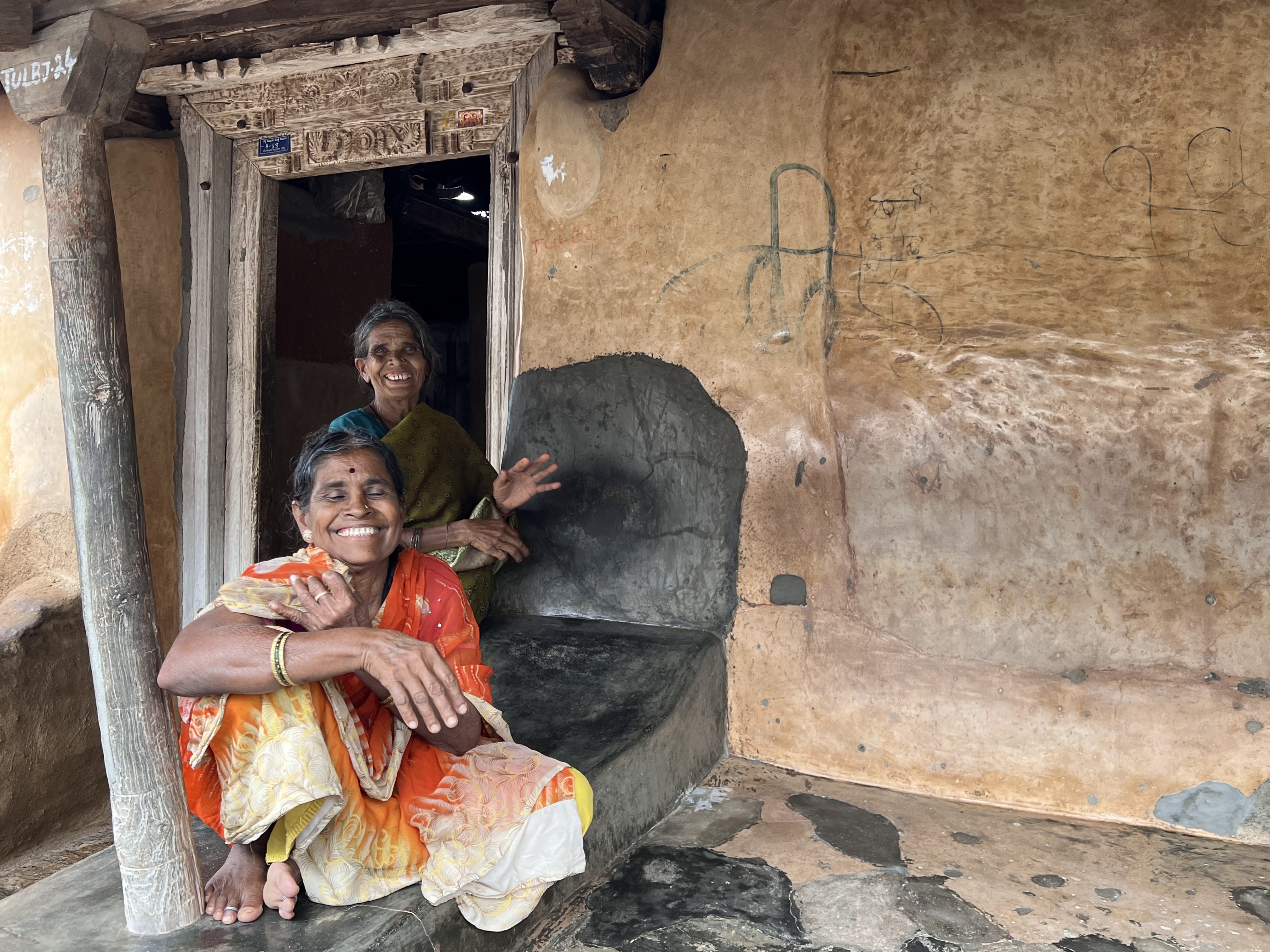
As we inched our way past the narrow village street, we stopped. His car was not made for these streets. There was a bike parked on one side and it proved to be too narrow for the car to pass through. While the issue was being sorted out, I waved out of the car at the ladies sitting on their verandahs nearby. They smiled back even though they seemed to be sharing an internal joke as to why people needed such fat cars. My heart warmed to the gentle laughter and kind smiles flashed back at us. This village was not deserted at all. The mothers, grandmothers were all in attendance. The men too seemed to be at work in the local fields and the scene heart-warming. I asked them in my broken Kannada if I could take pictures, and they smiled and said ‘yes’.  

It was then a girl asked us in Kannada whether we’d like to stop and have some coffee. We thanked her and said we should be getting on our way, but such hospitality is the charm of rural India.

We fell to discussing similar stories of hospitality extended in various parts of India. The brother spoke of a time when he landed up haggard and dust-beaten at a restaurant on a bike trip of hundreds of miles in Northern India hoping for some food, but found out that the venue was closed off for external visitors as it was hosting a wedding that day. As he sheepishly apologized and tried to leave, the hosts would hear nothing of it. How could a guest leave hungry? Not only did they take in their dusty wedding guest heartily, but also gave him the full wedding meal planned for the family and friends in the village. 

The sister told us similar stories in Africa when she’d traveled on business years ago. 

I am not sure how this charm can be held as we swell in population and crowd together more closely. For I found myself wondering that the cities do seem to have lost this particular sense on more than one occasion. But if we do, then I am sure we shall bumble along with that undefinable quality of humaneness and humanity in spite of all our avarice and problems. 

“For though we may come from different places, our hearts beat as one.”

Albus Dumbledore – in the movie, Harry Potter and the Goblet of Fire.

Magical Novembers

Novembers in Bay Area are magical. There is a promise of rain in the air, the fall colors are out and the dry sordid months of summer finally seem to be behind us. The trees burst forth in a sudden splash of color. Octobers are to Prince Edward Island in Canada as Novembers are to California. So, I have absolutely no problem in gushing like Anne of Green Gables : “I love a world with Novembers in them.” 

The son and I had were taking a short break after a bike ride. We stood there admiring the way the leaves seemed to be flipping as the wind went through them when an ornithologist found us. We politely made space for him on the park bench. After a few minutes, we went on to having conversation on nature based hobbies and such. 

He had with him one of those cameras and lenses that can zoom upto 714 times. The son & I exchanged glances. Could that pelican sitting on that small island in the lake be seen well with that lens then? Jack (the ornithologist cum photographer), told us indeed he could and he went on to take a few photographs to show us. We were more than suitably impressed, and he was gracious and generous in showing us how his lens worked.

I have always been in awe of those who were able to get fantastic photographs of the birds. I have several friends whose photographs have me yearning for their gift of composition. With landscapes, while I still admire the artistic compositions, with moving targets such as birds, I find the whole process fascinating. My attempts at hummingbird photography have proved to me that (a) hummingbirds are very fast – research says they can flap upto 50 times a minute and (b) my phone is usually unable to capture them flying. 

But my new phone and Jack’s attempts at the photographs were inspiration enough for me to go back to mooning about the lakesides and riverfronts looking for birds. I suppose these birding photographers do this all the time, but when I did, I felt like I had developed wings myself and fluttered away – whether as an angel or a devil did not matter.

I got my first picture of an Anna hummingbird (albeit one resting on a tree), but I got a picture nevertheless. I also captured on my phone,  a mockingbird, a siege of herons, a pod of pelicans and an assortment of wood ducks, grebes and coots.

The skies, in the meanwhile, look like nothing I’ve seen before( although my phone best to differ based on the number of pictures it classifies as ‘Similar pictures’). I would love to be a crepuscular artist knowing fully well that I could never aspire to the true artistry that is on display every day for us – especially during the rainy season. 

I suggest everyone take some time to enjoy the rains and the clean skies and earth afterward.

I sat in the car watching the rain pouring down and feeling the sense of life’s stresses washing away. Californian rains are whimsical: one minute they beat down, maybe even give in to a thumping hailstorm, but in the next few minutes, the clouds scud away as quickly as they gathered leaving a jaw-dropping sort of blue and white clouds behind them. It is magical. 

“Live in each season as it passes; breathe the air, drink the drink, taste the fruit, and resign yourself to the influence of the earth.”

Henry David Thoreau

The Magic of Just Being

The world of news was being rocked once again. The company I worked for had already endured hard times in the news and the general feeling was one of anxiety and exhaustion. 

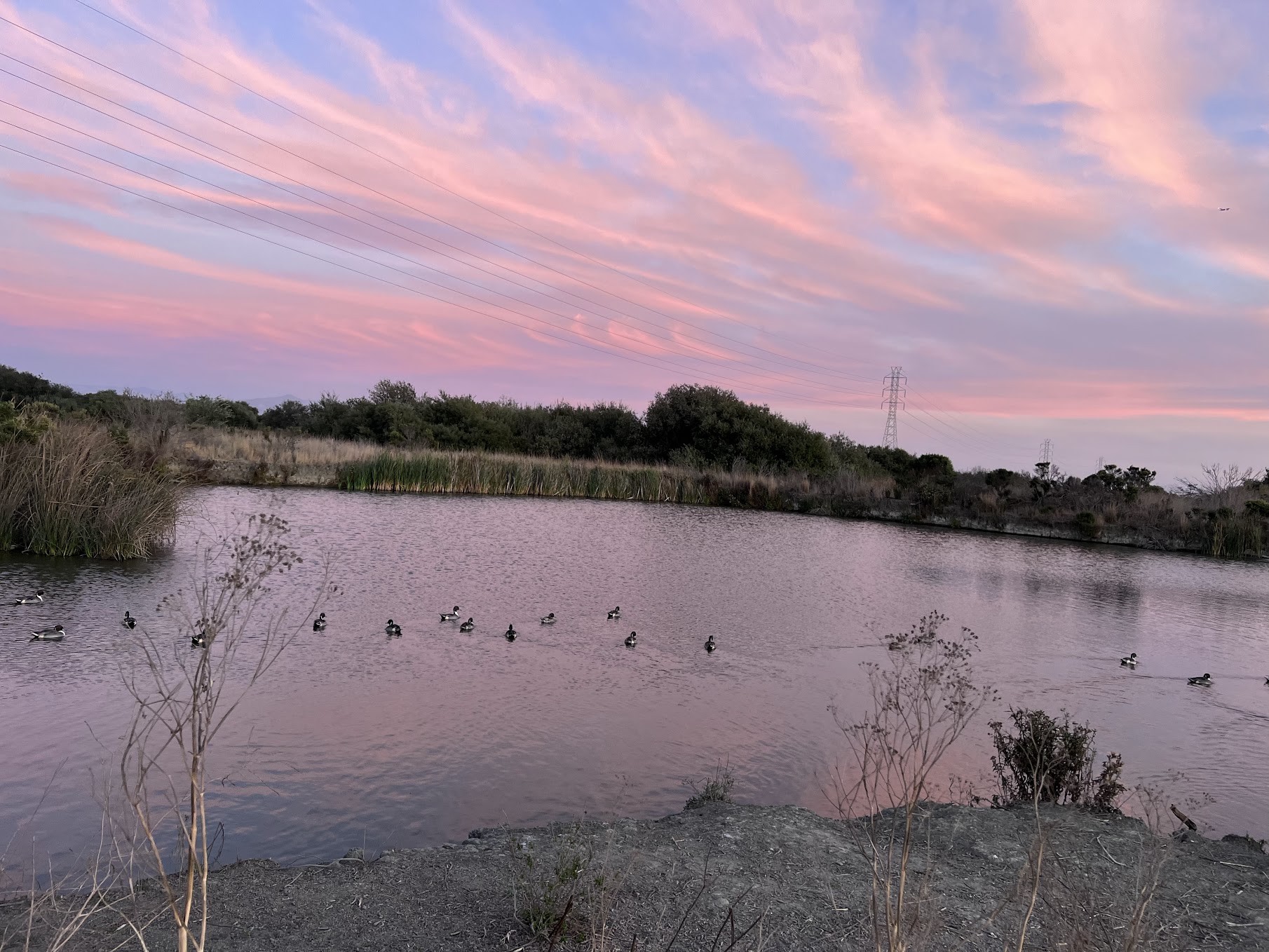
Over the week-end, I had come for a walk by a water body that the son & I lovingly christened Reflection Pond – for you could see the skies reflected in the waters, the world from a different perspective.

There were 2 deer peeping out from within the mist and a rustling nearby indicated the hares were getting ready for some morning exercise as well. 

There were a pair of pelicans who took insouciance to a different level. Yet, as they gracefully paddled on that lake, I thought of that little piece in the Fox, Mole, Horse and Boy. 

“How do they look so perfect together?” Asked the boy.

‘There is a lot of frantic paddling going on beneath’ said the horse.

The Fox, Mole, Horse and Boy

As I walked back, my attention went again to the digital town square that is the sign of the times we live in. I had one of those moments that Henry David Thoreau chastised us against, for it was obvious that I brought the village (or in this case, the town square) with me. 

When I realized what I was doing though, I shook myself out of this and firmly pushed these thoughts aside telling myself that  shall attend to them when the time was right. I looked up from the previous posture of a head bent with woe, and that is when I saw the pelicans take flight. 

There is something majestic about large birds taking flight. The little ones flit and twit with ease, while the larger ones seem to be much like our cargo aircraft. Huge, but still not half as unwieldy as our man-made designs during takeoff or landing.

By the time I fumbled for the phone for the pictures, the pelicans had flown leaving me with a sense of awe.

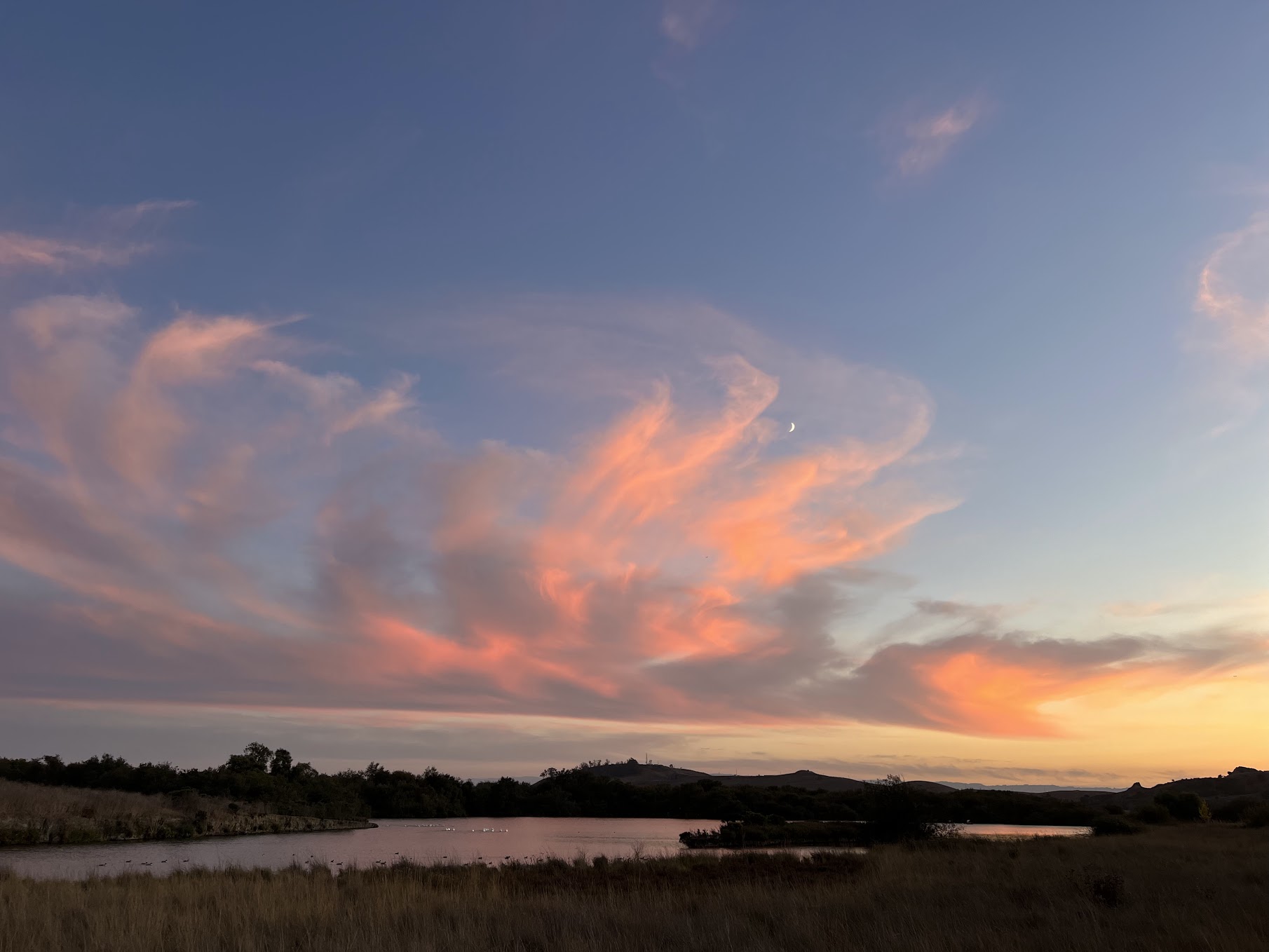
The clouds that paint a different picture for us every day had painted a lovely dragon or an enormous swan taking flight that day. The crescent moon in its waxing phase was shining amidst all this glory.

The pink hues against the light blue skies were enough to make the heart rejoice. As the pinks turned to orange and then grey, my spirits lifted slowly.

I had an idea for a lovely children’s book that has since morphed and evaporated like the clouds that day.

A few deep breaths made me realize that fresh air, beautiful clouds, a time of transformation are all things we take for granted, but when we do stop to think about them, they fill us with a sense of contentment.

Nature had worked its magic yet again: There is no better place to learn the lesson of Just Being.

I realize that I cannot quite capture the serenity of a walk such as this one. But I can jot down the gratitude for this magnificence so I may be able to dip into it at will.  

When summer 🍃 collapses into fall 🍁

It was one of those mornings that Oscar Wilde described as “And all at once, summer collapsed into fall.”

Oscar Wilde

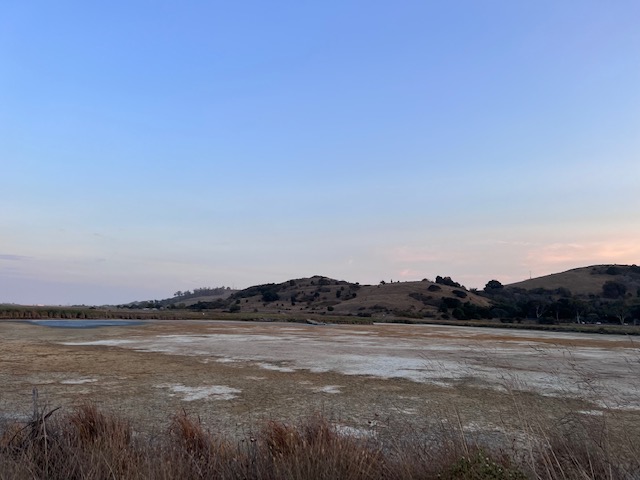
All around us were the signs of a long summer. The hills were brown, the flowers drooping, the earth parched and the rivers dry. Mornings came on bright, blue, and sunny; swiftly following dawn. 

An egret in the dry summer climes

But one beautiful October morning last week, the clouds rolled in: the colors of sunrise streaked the skies, and we were gleeful for we got up early enough to catch it. There was a nippiness to the air, and we practically danced our way to the coat closet in the morning. 

You see? I have mentioned Californian summers before. They linger on just a month or so after their time. You’d think October would bring the temperatures down nicely – they probably do in the rest of the continent. (Remember Anne of Green Gables saying she is grateful for a world with Octobers in it.) , but here in California, we just braced for another all-time high heat wave. Anyway, where was I? 

I’m so glad I live in a world where there are Octobers

Anne of Green Gables – L M Montgomery

Yes. The beautiful cloudy day bearing a hint of much-needed moisture in the air. I decided to take a little stroll around the son’s school after dropping the fella off. The children bobbed along noisily in the playground despite the chill, and the Brownian motion of their movements were a joy to watch from afar. As they made their way into their classrooms, a quiet descended – previously even their chitter and chatter seemed to penetrate the fog, but now the silence enveloped one. I pulled my jacket a little tighter, and relished the cold air, the first hint of fall in temperatures. 

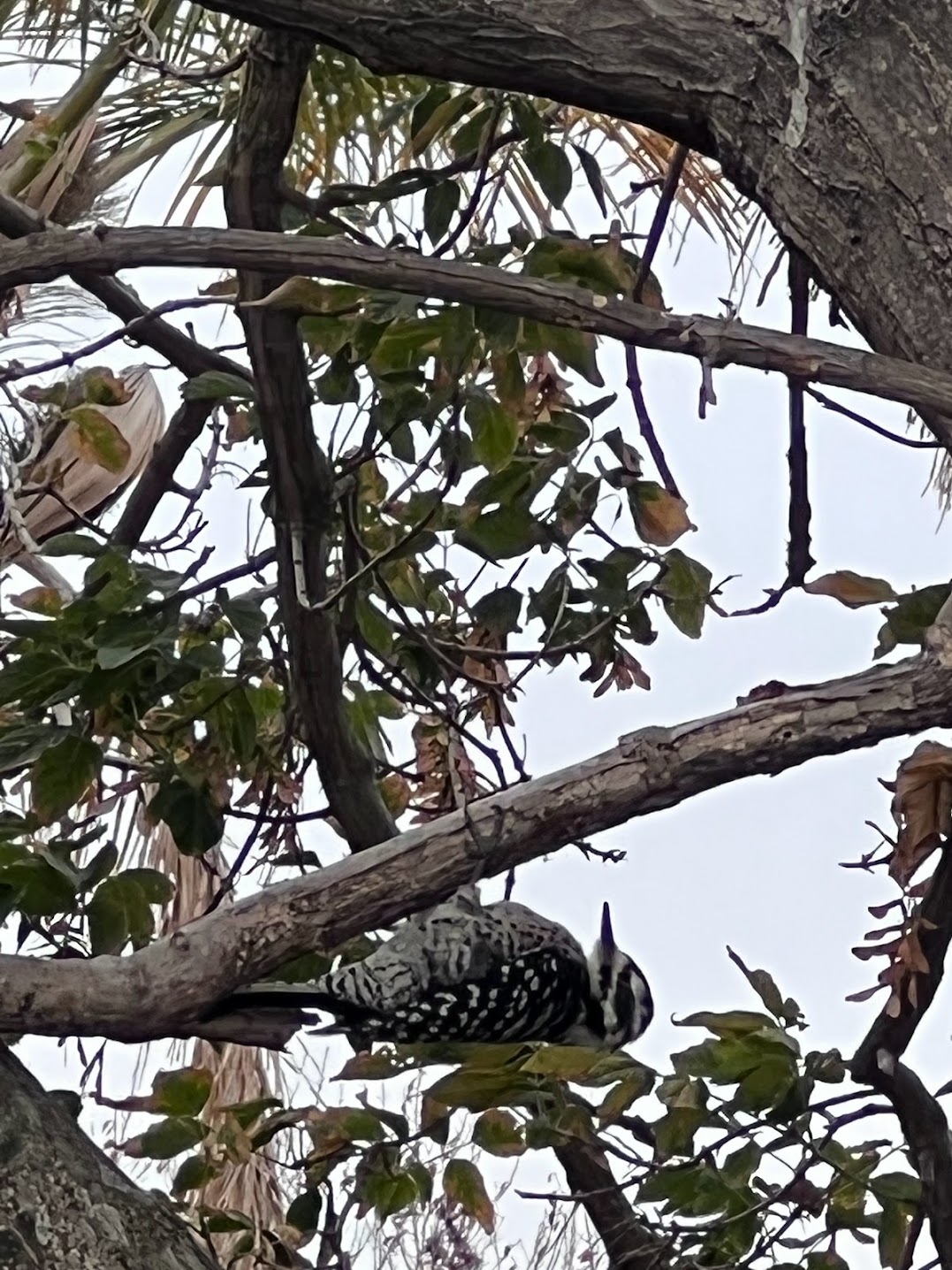
It was then I saw the birds. Right above me, flying between the pine and eucalyptus trees in the park was a beautiful woodpecker. A streak of red against its black and white spotted body. It attracted my attention with its swift movements and obstinate call of duty against the tree.

A little further on, a raven flew swooping triumphantly with food ( some sort of nut) in its beak. Just as I watched it swoop past me, it dropped the nut in its beak, and the pesky thing rolled underneath a parked car. I stood there feeling a little sorry for it, but within a minute, the raven had craned its neck, hopped around and retrieved the nut from under the car. Looking proud of itself, it took off again.

A short while later, it was the seagulls and cattle egrets flying overhead. I wonder: all of this birding activity is always there, I was just glad that the cold morning allowed me to catch it. 

My spirits soaring just a but higher than usual, I made my way back to the old work spot, and like the woodpecker taught me that morning, hammered my way through the day.

The Spider’s Vision

The son and I had embarked on a lovely bike ride. The autumnal equinox means that the sun sets earlier and earlier in the day.  It was still early enough in the evening and we biked along amicably talking of this and that. 

When we finally decided to take a short break by a lake, the son climbed a nearby tree, while I sat myself on a park bench. All was tranquil. The pelicans went about their ballet dance of coordinated fishing in the distance, the hawks and turkey vultures circled high above in the skies. Out in the distance, a dog ran on the shore chasing the birds and squirrels. Overhead, hundreds of ravens were flying and making their way home. 

It was in this world that I called out to the son and pointed out a visionary at work. We sat side-by-side in awe. For it was obvious, from conception to creation this would’ve daunted most competent engineers to undertake a project of this size alone, and here was this lone spider doing so : competently, peacefully and apparently with engagement.

In spider terms, it was the equivalent of building a bridge across a bay. From one tree to the next on the other side of the looming lagoon, a large suspension thread held the intricate web forming in the middle. How strong must the thread have been to sustain and hold the weight of the structure in the middle? Not to mention its prey.

When finally the spell was broken, the sun had set further and the spiders web was now bathed in a golden light. In those few moments of magic where nothing but weaving and creating was happening overhead, the earth around had changed its hue. From a bright blue sky, the pinks and oranges were thrown with abandon. Pretty soon, it would be getting ready to cloak itself in the inky blues of the night. 

The son and I got up – a sense of reverence and humility restored in our proud human spirits of achievement. Here was a lone spider, envisioning a humongous structure, creating a web of art and material integrity to withstand prey probably three times its own weight and going about it in a symmetric and beautiful light of the setting sun. What’s more? It was a design that was biodegradable and all the earth could be covered in this soft, silky web with nothing the worse.

Whether as materials for clothing, or structural integrity such as design of bridges, or the bio degradation of our products, a spider’s web is an inspiration for biomimicry based designs.

Biologically inspired materials could revolutionize materials science. People looking at spider silk and abalone shells are looking for new ways to make materials better, cheaper, and with less toxic byproducts. 

Janine Benyus, Biomimicry

Sometimes, a bike ride is all that is required for perspective to take its throne. 

A Heron’s Lessons

A day or two after the Navarathri season, the husband & I headed out on a walk by the riverside. All was quiet. The husband and I were not. 

The most common ailment of our times: busy times were ailing us both. Our days were packed, and our minds full. Corporate fortunes and misfortunes played out on the global scene. The husband, more stoic than Yours Truly in matters of life was nodding as I rattled on. 

  • Should I do this?
  • Should I do that?
  • Which course of action seems to be the most prudent?
  • Most effective?

Finally, I slowed down enough to make a comment about the trees and leaves. The earth was parched – California’s drought this year has left a dry riverbed, and I felt sorry for the numerous creatures that lived here.

The blue herons, great white egrets, cattle egrets, and hundreds of blackbirds, wrens etc are a welcome sight on walks. My eyes involuntarily scoured the riverside for the marvelous creatures, even though the sunset skies were gift enough. 

The deer, fox, sheep, cats are all admired too. 

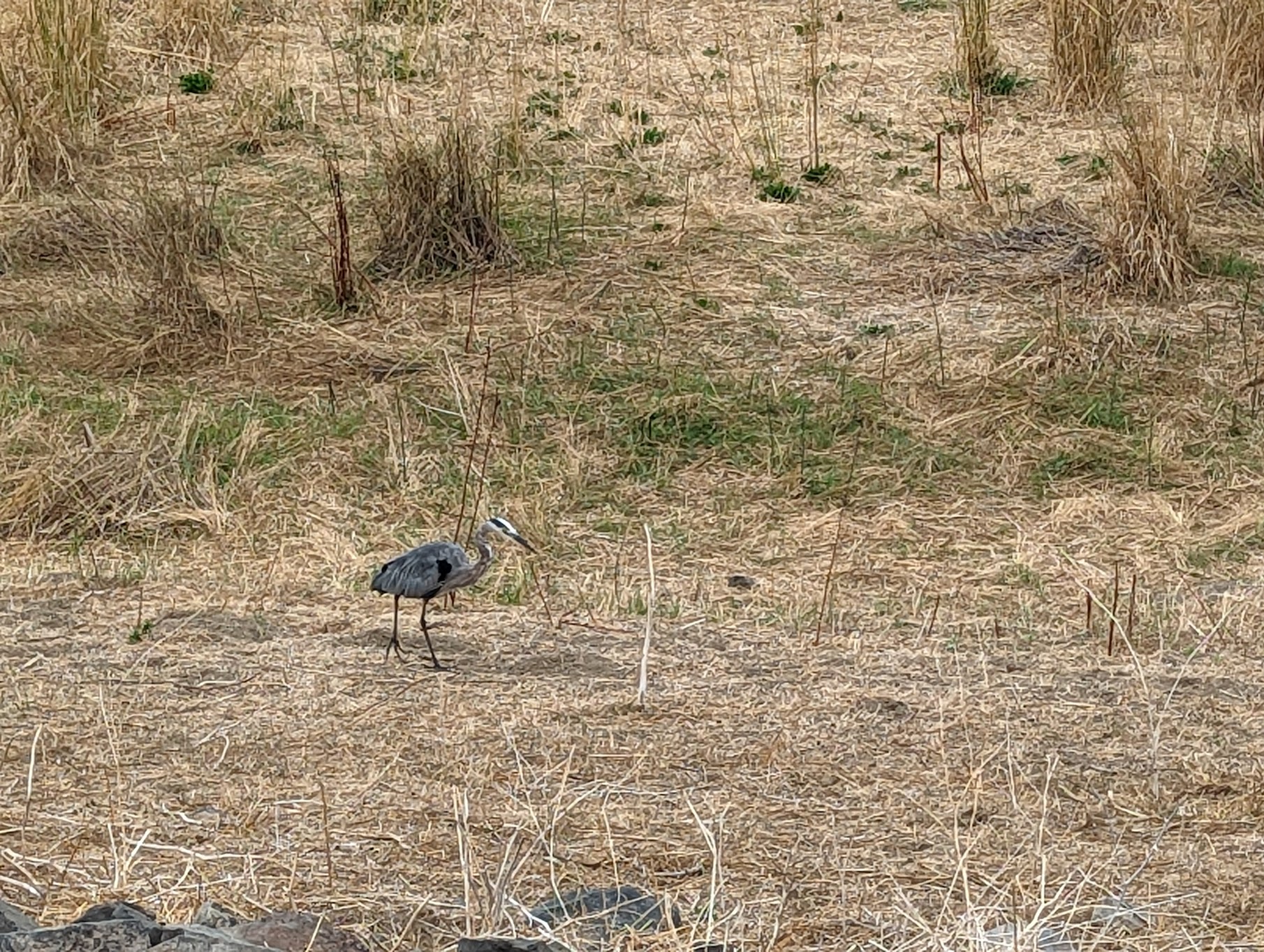
As we were talking of this and that, I spotted a blue heron standing on the river bank. It was probably a baby (an ornithologist on the trail told me that the grey coloration of their feathers, and the thickness of their necks are indicators). I tugged the husband’s hands and said, “Look!” 

We both stopped. Admirable creatures, herons. 

“You know? Herons teach us to remain calm and observe life without taking too much tensions of the comings and goings around them. But when swift action is merited, you can’t beat them. We must be like herons!”  I said.

The husband gave me an amused look and I laughed “I know! I know! Nice talk – but where’s the application you ask?”

We both laughed, but the image of herons never fails to calm me down. Maybe that’s what we must have in our calendars – heron time, hummingbird time, tree time, star time. 

When despair for the world grows in me and I wake in the night . . . I go and lie down where the wood drake rests in his beauty on the water, and the great heron feeds. I come into the peace of wild things who do not tax their lives with forethought of grief. . . For a time I rest in the grace of the world, and am free.

Wendell Berry

The Joy of Cloudy Days

Summers in California are true and long, lingering summers. The grass becomes hay, the green hills become brown, lawns boast of signs that say ‘Brown is the new Green’, and birds and animals alike droop from the sun. The flora though thrives – vegetable gardens burst forth and produce in the bountiful rays of the sun, flowers bloom everywhere, and in the midst of all the heat, there is beauty at every corner. The weather sometimes heeds the arrival of the autumnal equinox but has no qualms about ignoring it either.

This year, the summer has been excaberated with the drought. The riverbed that gives me so much joy was dry, the lake beds were parched and all the creatures gone. 

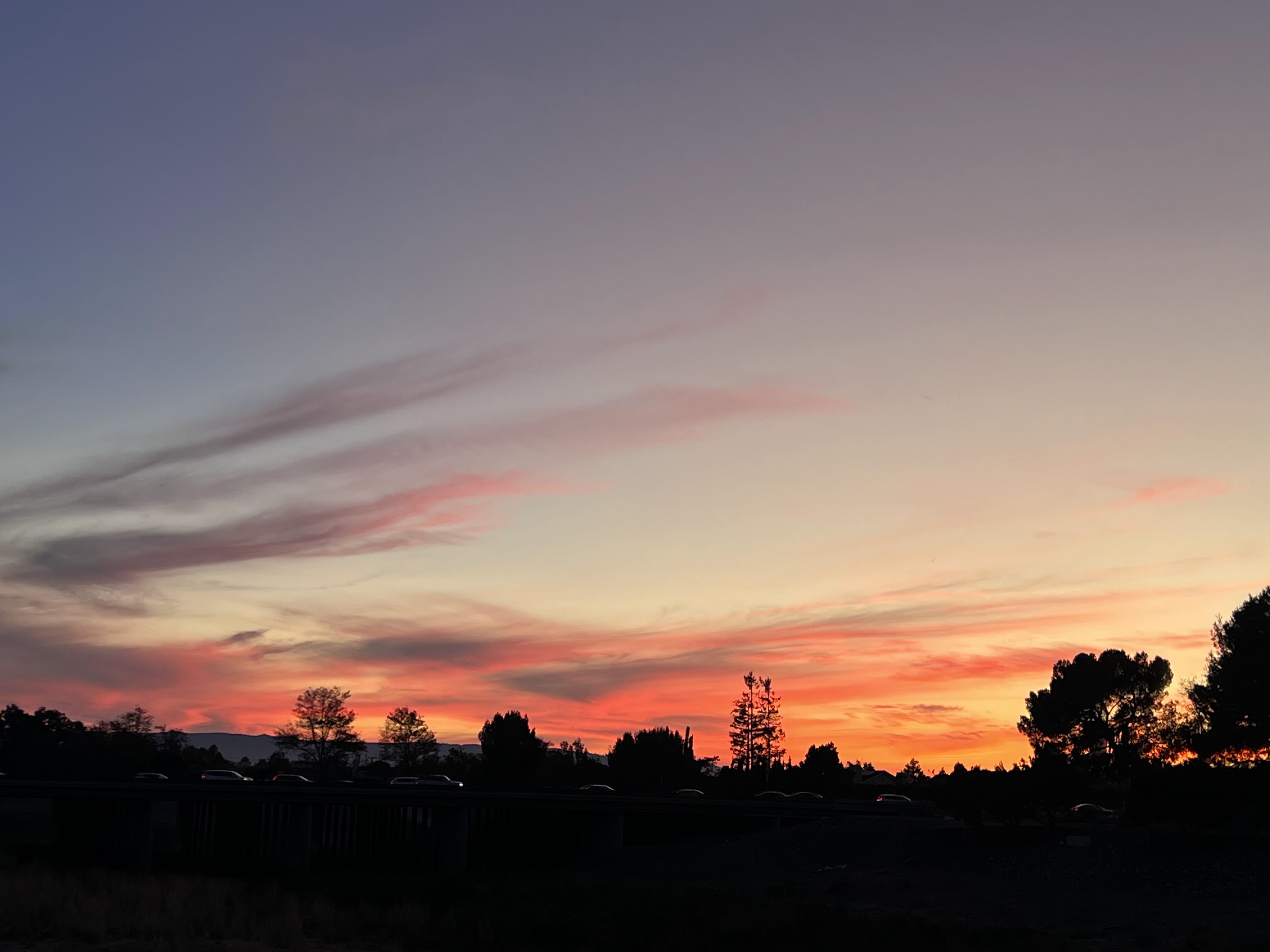
This year, even the cloud cover seemed scant. Sunsets were less than spectacular, the skies were a brilliant blue and slowly turned pinkish before becoming a deep ink-ish blue.

My sunset photographs from yester-years seemed magnificent in comparison. For clouds – scattered, wispy, thick, grey, white, fluffy, dense all make for brilliant sunsets.

You can imagine then, the joys of seeing the clouds rolling in. We were traveling and to see the clouds from the flight was magical. The son & I sat mesmerized by them. As the aircraft dipped in altitude and made toward the Earth, it was pure magic to see the clouds around us – the aircraft was literally flying through the clouds.

A lover of clouds is called a Nephophile. 

In the book, A Pale Blue Dot, Carl Sagan writes about how he could probably identify which planet on the solar system he was in merely by looking at the color of the sky. Our home, Earth, is a characteristic blue sky with white clouds. The absence of these day-to-day marvelous wonders, that Carl Sagan calls as the signature of Earth for the past few months, made us truly appreciate the beauty and grandeur of cloudy days.

Clouds come floating into my life, no longer to carry rain or usher storm, but to add color to my sunset sky.

Rabindranath Tagore

It is why you saw me with my face upturned and beaming at our heavenly companions as if they had feelings and needed to be welcomed.