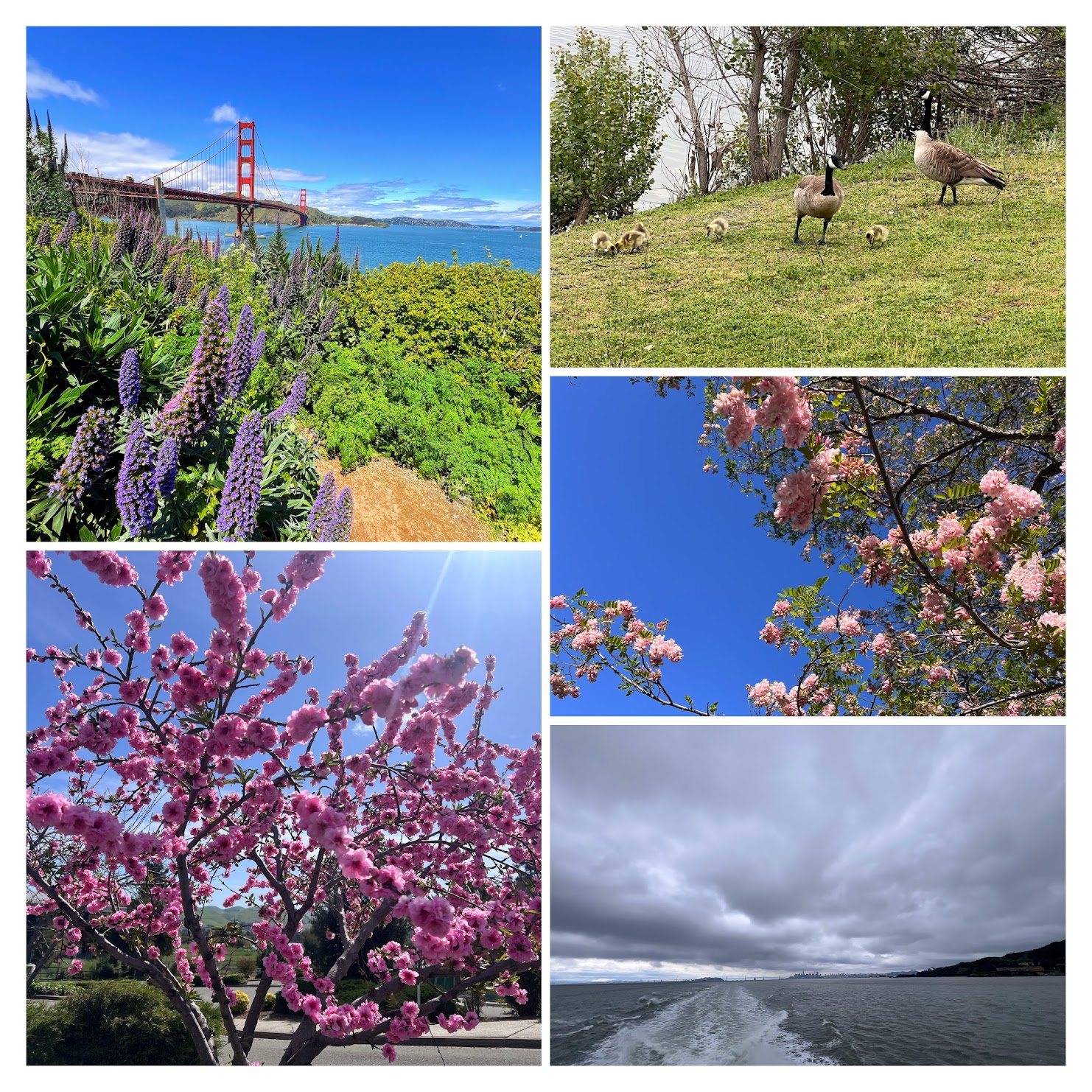
🌸🌸🌸 Oubaitori in Spring Time 🌸🌸🌸

Spring is here, and with it, the delightful uncertainties of the weather. 

Would it be a cold, bright, cloudless day, or a cold, cloudy day, or a warm sunny day? The possibilities are endless. Sometimes, I feel like a lamb in spring-time ready for a spot of prancing and rollicking in the hills, other times, like a caterpillar not yet ready to shed the cocoon.

Springtime is a fantastic excuse to wear a silly hat and chase after unicorns, wouldn’t you agree?

– Uncle Fred in the Spring Time – By P G Wodehouse

With the increasing length of our days, it is a beautiful feeling to step out into the sunset at the end of the day, The golden hour seems more radiant, and seems to even linger more, though that just may be due to the fact that the body has had the time to sip a cup of tea at the end of the day before sunset. 

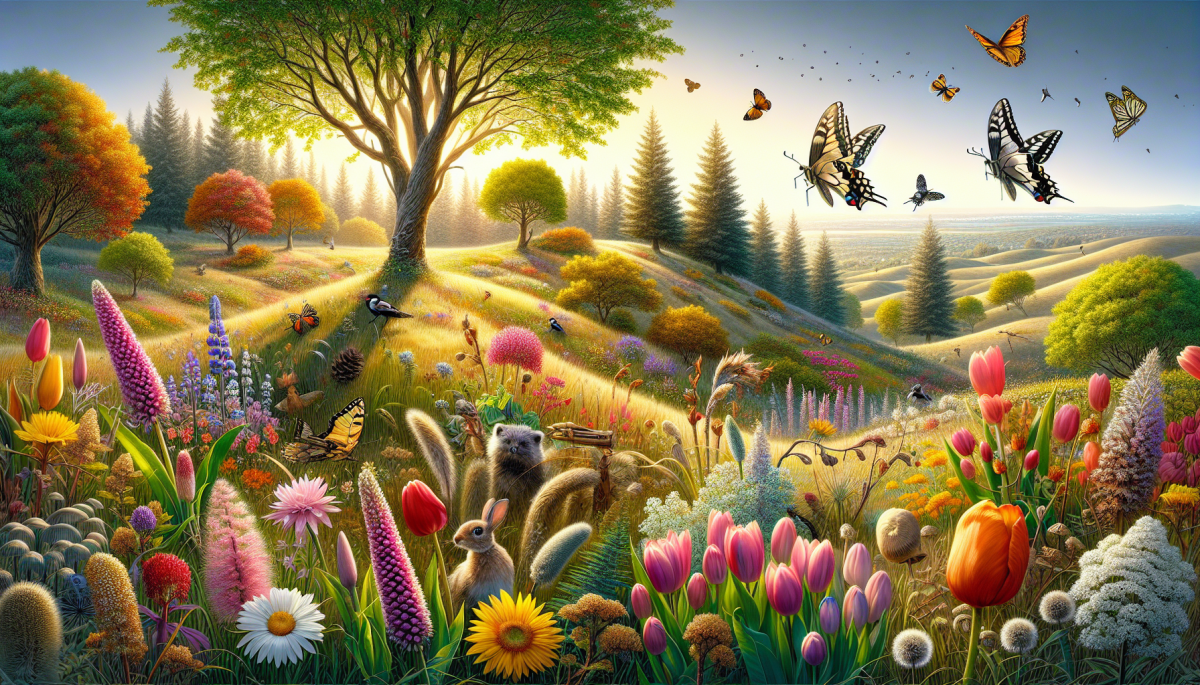
One evening, I stopped to savor a fat plop of a raindrop on my face, and saw that the cherry trees had leaves on them. The flowers had all but gone. They were there two days ago. I peered at another tree not far away, still resplendent in its floral beauty, and another one that had a good smattering of brown leaves along with their pinkish blossoms. Once again, that longing to capture the blooming and blossoming in slow-motion came over me. How lovely it would be to sit and watch for the leaves to come in? 

Ah! What little things give us pause?! 

I read about a beautiful Japanese concept, Oubaitori

The ancient Japanese idiom, Oubaitori, comes from the kanji for the four trees that bloom in spring: cherry blossoms, plum, peach, and apricot. Each flower blooms in its own time, and the meaning behind the idiom is that we all grow and bloom at our own pace.

img_0119

A few days later, I went on another walk, this time peering up at a clear blue sky, and no jacket, only to notice the young gingko trees in the neighborhood beginning to sprout their light green leaves of beauty. I remembered the large gingko tree we’d long admired. That large tree, over a century old, fell in the winter storms this year, and I felt a pang. The patch on which it stood was overgrown with fresh grass, and a meadow full of yellow flowers. Nature’s lessons and epiphanies are rarely novel, but always welcome. 

Making a mental note to go for a short hike in the beautiful green hills nearby, I reluctantly headed home. 

Spring time is nature’s way of saying, ‘Let’s Party’!

– Uncle Fred in the Spring Time – By P G Wodehouse

Maybe it is time for a spot of springtime laughter with the maestro, P G Wodehouse himself.

The Leap Wish

If you see me just for a day, with my nose transformed into a beautiful horn, and roaming the skies or plumbing the depths of the ocean, I can explain:

A Leap Wish?

“So, what do you wish can exist for one day only on Feb 29th? “ the son asks one evening.

“Hmm?” I am taken aback from the question, though I really shouldn’t be. The skies know I have had my fair share of them. But it still surprises me. 

“It can’t be a person, but it can be a magical power, a creature that is long extinct etc. Like a leap year wish – a leap wish!” he says. 

That was an intriguing thought. Something to wish for that only exists on Feb 29th. I thought, and thought about it shamefully for so long. Why was this so hard?

What would each of us like?

🐋“Hmm..maybe a chance to see our world from different perspectives? Like being a unicorn filled with magic and a narwhal who can dive deep and long?” I said. “Let me think about this a bit more. What would you want?” I asked him. 

Screenshot 2024-02-28 at 8.40.47 PM

🦕Unsurprisingly, he came up with so many different things and versions, but finally settled on, “ I’d want dinosaurs to roam the Earth as they used to just for that one day, so we can see, how it all was for them.”

The husband said he would play the world to his advantage and ask to be able to teleport himself everywhere so he could experience a sampling of the world and make the most of 24 hours to make it 36 with the time differences.

“You and your can-do attitude. Can’t just take the 24 hours given to you – you have to optimize it to 36!” I chided him gently, though I admired him all the more for it, especially hearing what he had in mind.

🪸The coral reefs of the coast of Australia to the beaches in Brazil, a cold desert stop in the Gobi desert on the way to a hot one in the Thar desert or the Arabian one.

birthday

By the end of my conversation with him, I found myself thinking of longing and gratitude to live out our lives on this wondrous planet. 

What would you like?

What about you? What would you like to experience that one day? Remember, it only lasts a day. For all you financial magnates, if you want a billion dollars to experience life as a billionaire, remember you get to be yourself with your old bank account the next day. That may make the remaining days that much more normal – be warned!

I spent the walk back pondering on how our life would be if we each got our wishes. Would the leap day every four years be wondrous, exciting, nerve-wracking, frightful, beautiful, scary?

We’ve all heard of the gypsy’s curse: May you get what you wish for! In this case, would it be too much for us to handle? 

A disruption of ducks

There is a curious rhythm to the days after our India trip. The usual things still occupy our time – school, work, projects, commutes, the changing landscapes of nature, and all the rest of it. Maybe it is the throes of a winter season, or the fact that after the intense ceremonies of the beginning of the month, the quiet is disconcerting, but we felt on edge.

Like the hedgehog, we found ourselves peeking out of our hidey holes to see if life is normal, and finding that it is, were somewhat taken aback. Do you mean to say that we must plan to prune the roses? 

Oh well, all right. If you insist, I suppose.

One morning, the son and I finding ourselves at a loose end decided to take a bike ride to dissipate some of this energy. img_9439

“Amma! Look – I just saw a hedgehog peep out.”

“Oh nice! It is close to February, so it must be checking.”

“I didn’t see if it saw its shadow though – we were going too fast!” said the son.

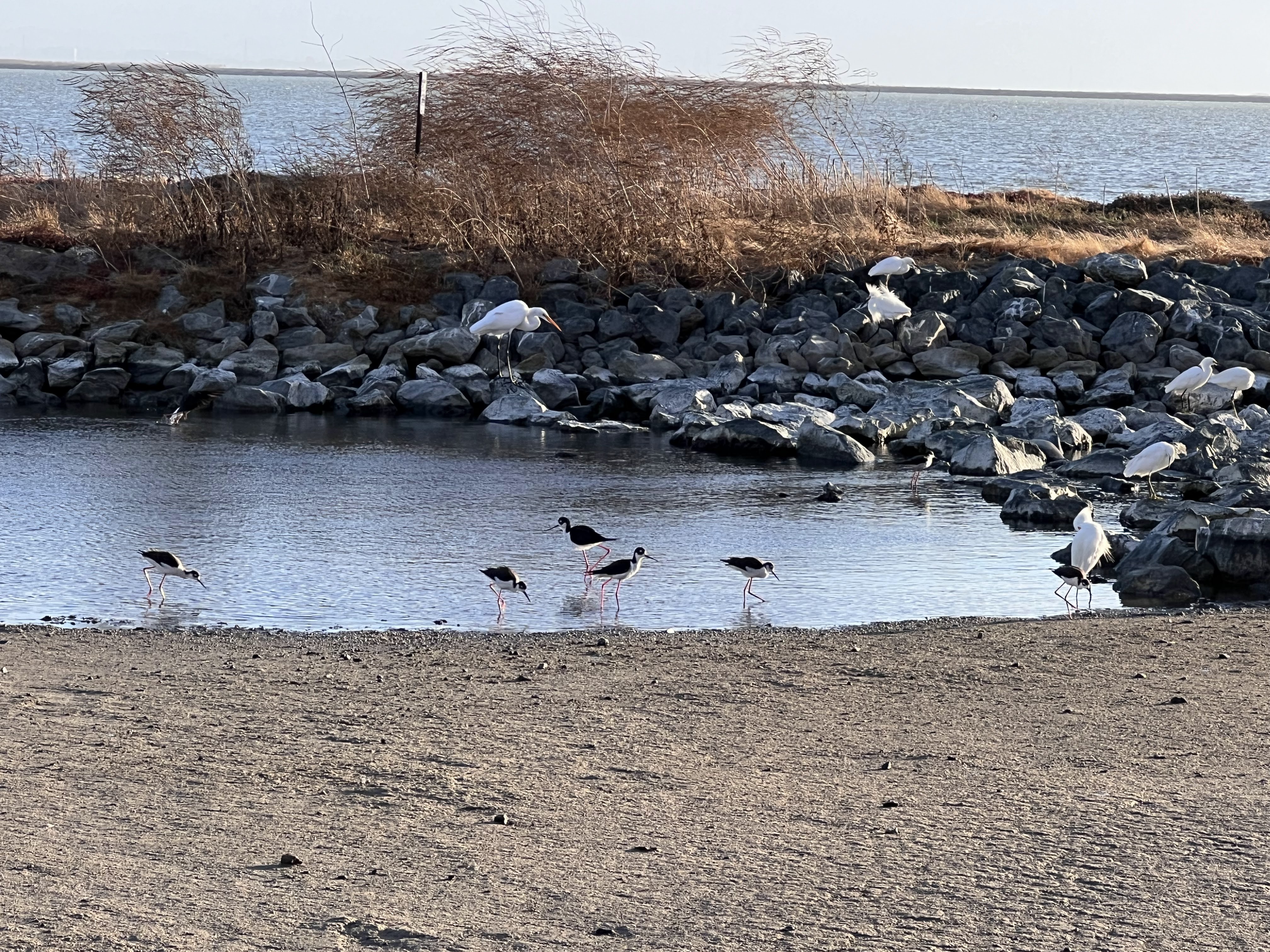
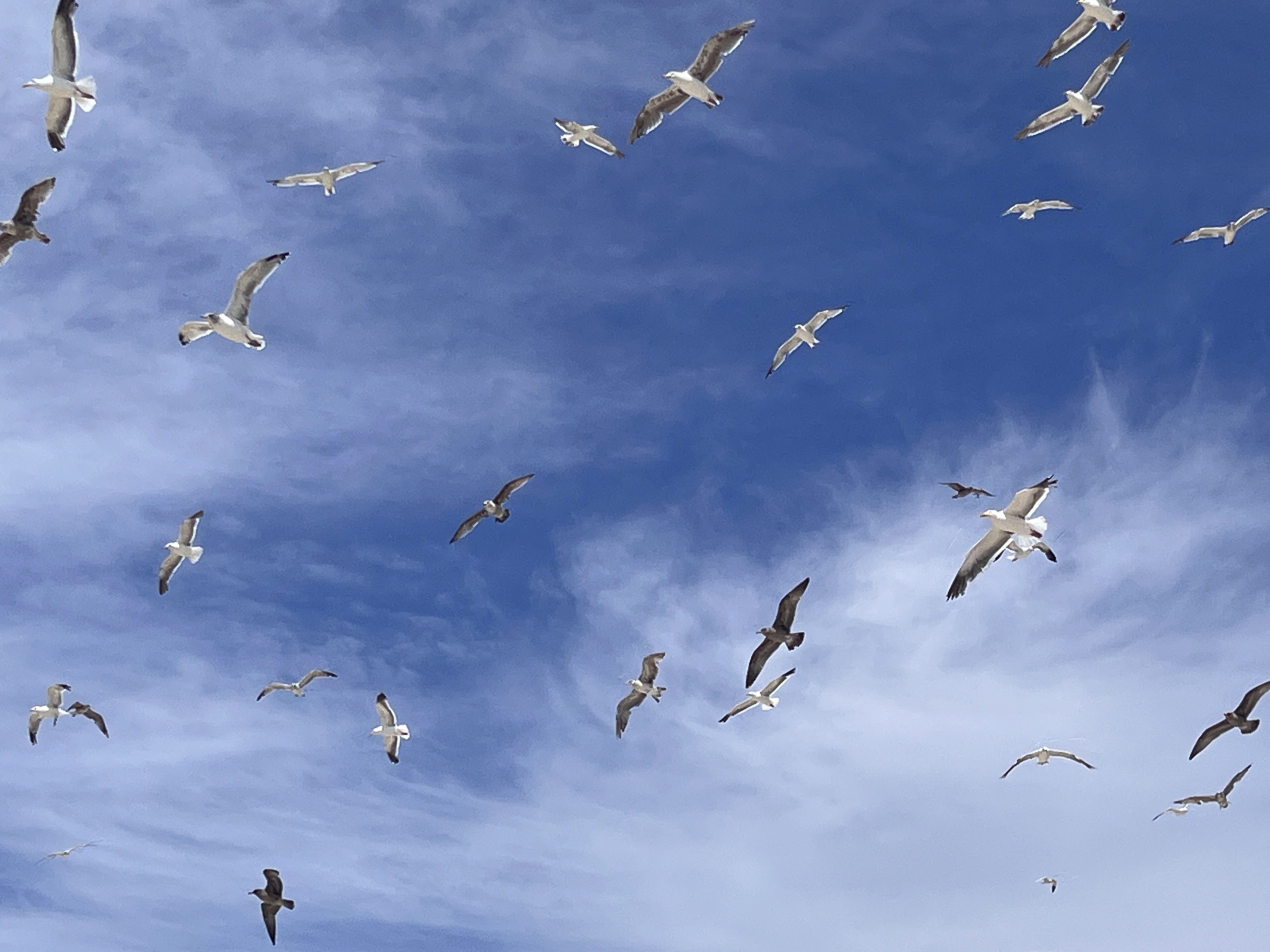
It was a lovely day – the feel of wind against our cheeks, the gentle cumulus clouds overhead, and the bay hosting a large variety of birds. We stood there taking in the beautiful sights when hundreds of birds took flight all at once, and then, as though nothing had happened, flocked back to their original place a few moments later. The son and I had a number of ideas as to what caused the disturbance, each more juvenile and silly than the next, but left us cackling all the same. 

No one could deny the beautiful shared experience of the disruption – the birds heaving in one smooth cacophony and the humans ashore fumbling quickly to capture the sudden movements and failing miserably. 

It reminded me of the book I was reading the previous day, On Duck Pond – By Jane Yolen Pictures by Bob Marstall.

on_duck_pond

As I walked by the old Duck Pond

Its stillness as the morning dawned

Was shattered by a raucous call:

A quack of ducks both large and small …
img_9453


An understanding quickly dawned:

We’d shared a shock, and now a bond

And I was feeling very fond,

Of everyone on old Duck Pond.

As always the day out in nature surrounded by the fabulous clouds, the sun’s rays, the beautiful lights of the ocean, the stories the son and I swapped on our ride, the birds, first signs of spring in the wildflowers by the bay, had weaved its magic, and we returned home refreshed in mind and spirits.

img_9442-effects

P.S: A group of ducks, as Jane Yolen mentions in her book, are known by a number of names:

A raft of ducks

A paddling of ducks

A badelynge of ducks

Also, bunch, grace, gang or team.

Stimulus🧘🏼‍♀️ 🪷 Pause 🧘🏼‍♀️ 🪷Response

“Life in India is so fast and hectic, isn’t it? “ . We were discussing the fast and furious pace of India with friends. We were each reminiscing our respective trips to India – both made under difficult circumstances, and we were both glad to be back home in the United States.

I nodded fervently, and said wistfully, “Yes – at least during the time I was there, the concept of solitude was rarely acknowledged.”

“Solitude?” And we all laughed. It was true – the populace, and the ways of life make slowing down much harder than usual. It isn’t made any easier with the speed of communications and transportation in cities. The very essence of vibrance that is a huge advantage and a beauty to the civilization was also a disadvantage.

There are times when I have marveled at how the Indian way of life came up with practices such as meditation and yoga, but then I also realize that it was there that it could have developed, for it was required to build still pockets of serene moments into one’s life. in fact, the concepts are nothing short of brilliant. The pause between breaths is essential to be mindful of, when it may be all you can get in terms of mindfulness. The breath becomes the prana in very significant ways. The pause, when rarely taken, becomes harder to practice, and yet the pause becomes that tiny moment of choice in our agency of life.

There are so many aspects to the Philosophy of Being (I am amused it has such a strictly medical sounding name: Ontology)

Keeping ontological explanations aside, if The Nature of Being comes down to simple techniques of breath, fluidity and movement, it makes the simplicity behind it all brilliant.

Buddha in Lotus?
Buddha in Lotus?

For many years I had thought of this quote, attributed to Victor Frankl in Man’s Search for Meaning:

“Between stimulus and response, there is a space. In that space lies our freedom and our power to choose our response. In our response lies our growth and our happiness.”

-Quote widely attributed to Viktor Frankl, Author of Man’s Search for Meaning, but not sure: Between Stimulus & Response

Back home, I savored the morning air, as I stepped out for a brisk walk embracing the nippy air. I felt like I could finally hear myself think, and I had a beautiful walk weighing and thinking of such topics as courage, resilience, choices, decision-making etc in the context of our work and personal lives. How one helps us evolve in another sphere, and how we are as human-beings are nothing more than the function of life’s ebbs and flows.

img_8958

Sun Rise Sun Rise!

We stood there waiting for the sunrise over the Grand Canyon. 

img_9015

We had driven up there the previous evening in what felt like 20 degree weather. The moon lit scapes around us were beautiful from inside the car, but outside, it looked unforgiving. It was cold, and the desert around us was different enough. Even so, the same landscapes at night take on a different feel and dimension altogether. The shelves of stone around us in the early morning light of dawn was breathtaking. As if a different hue was revealed with every tilt in angle of the sun’s rays. 

How drawn to light we are as a species? Somewhere, the sharp smells of pine wafted through, and I wondered briefly whether we stopped to let our other senses weigh in as much when we have sight and light. 

I suppose we do let sounds and smells in, and do allow our sense of touch  to help us along. But do we really develop our other senses? A preliminary search says we gather about 80% of our sensory perceptions using sight. 

Dogs, on the other hand, seem to distribute their perceptions between sight, smell and sound. 

The early morning calm of the sun-rise and my meandering thoughts were interrupted by the loud calls of a mother looking for her children. I turned around irritated, and was somewhat surprised that I was surrounded by this many people on a cold Christmas Day morning, standing on a cliff overlooking the Grand Canyon and waiting for the sun to rise. 

But I suppose, it was my fault for not expecting this. It promised to be a beautiful day, after all, and like me, many had decided to brave the cold, and take in the marvelous sunrise over the horizon at a point helpfully named Sunrise Point. 

img_9014

I let out an amused grin, and exchanged a look with the children – they seem to have caught on to my look of surprise at finding other people there. It was a beautiful moment: the mother pulled her child towards her, and the sun burst forth in glory over the horizon. 

All was well with the world at this moment. 

Let’s go for some breakfast and then take a long, quiet walk along time, I said shuffling away from Sunrise Point, and the children chuckled at the thought. We are not an early rising family, and we scurried inside towards warmth, food and coffee before attempting to take on people and canyons. 

The Tides of the Year

It is already that time of the year when people are making lists, and reminiscing the past year. I don’t feel like it has been 12 months since we last did this exercise, if we are being honest. I just wrote out all the books I read in 2022, is it already time for me to do the 2023 list? I feel strangely like a student in the headlights before the final examinations. Wait a minute – I was supposed to have read this and that. My bedside table is sagging, with half-read books, to-be-read books.

 I planned to write about this topic and that book, and well, that possibility too, if it comes to that. My document with burgeoning ideas and drafts looks worse than ever with half completed phrases and paragraphs. In short, it feels like a construction site : a promise of feverish hectic activity, but a dull ache between the eyes while thinking of shaping it all up. 

Looking back over the past few years, it seems to be the same song sung : pace of life, the months whizzing by, and all that. 

However, this year seems to be tinged with the dawning realization of the opposite and inevitable too. Maybe it is our phase in life. What I mean by that is, in increased conversations with elderly people, it is obvious that the elderly amidst us face the opposite problem : one of filling their time while holding onto their anxieties of their health, and the inevitable frailty it involves. Acceptance of our mortality has always been one philosophers have addressed. But will we remember all these concepts when it is our time? I wonder. 

rain

In the exuberance of youth, and the arrogance of our health, we often parry the times when we do have to set ourselves down to a slower pace, and imagine a life when we are not in control of our circumstances. The pace of technology, while helpful in general, seems to be a source of anxiety for many, and I don’t blame them. I feel the same way – on my recent visit to India, I was confronted with both sides of the coin. On the one hand it was fun to watch everyone from the roadside vendor selling chaats to the large department store going with options such as PayTM and Google Pay. But on the other hand, it was unnerving for older people or NRIs like us who needed to have all that set up within the country in order for smooth functioning. 

I remember reading somewhere that it is not just us and our bodies that are changing, but the situations and the world around us changing too. At times, it feels like the combination can feel like we are being pushed and pulled by the tides back and forth relentlessly. We need to weather the tides, ride through the storms, and look out for the light on gloomy days. 

weather_storm

2023 had its share of hikes, bikes, runs, and walks. It had a fair share of travel managing multiple responsibilities across work and our personal lives. Not to mention the frenzied feel of to-do lists and the sinking feeling that nothing was never quite enough. But in spite of all this, it felt rewarding: it gave us the feeling of spotting the rainbow in the storm. 

I liked this quote and wanted to share this here:

“Half of me is filled with bursting words and half of me is painfully shy. I crave solitude yet also crave people. I want to pour life and love into everything yet also nurture my self-care and go gently. I want to live within the rush of primal, intuitive decision, yet also wish to sit and contemplate. This is the messiness of life – that we all carry multitudes, so must sit with the shifts. We are complicated creatures, and ultimately, the balance comes from this understanding. Be water. Flowing, flexible and soft. Subtly powerful and open. Wild and serene. Able to accept all changes, yet still led by the pull of steady tides. It is enough.”

Victoria Erickson

🐙The 🐙🐙Kraken 🐙🐙Sleepeth🐙

I don’t know how many of you have heard of the Carta Marina: I hadn’t and was agog after reading about it. It is a fascinating geological map showing the mythical monsters in the oceans and where they are to be found. 

Completed by Olaus Magnus in Italy in the mid sixteenth century, it attempts to outline all the monsters known at the time in the Nordic regions from various accounts. 

In the book, The Underworld – Journeys to the Depths of the Ocean – By Susan Casey, she writes about the Carta Marina:

“On land the action is orderly: tiny figures are farming, hunting, skiing, playing the violin, By contrast, the ocean is in chaos, awash in dangers and tragedies, livid with waves and currents flowing, swirling, pooling, seething. Aid the tumult, twenty-five monsters make their appearance.”

  • Susan Casey – The Underworld – Journeys to the Depths f the Ocean

I may have mentioned several times in these archives that the daughter is a mermaid born to human parents. Which is to say the endless fascination with the oceans, and natant joys of reveling in the waters are things we all enjoy. 

After reading about the Carta Marina, I went looking for the Kraken picture. When you browse through the daughter’s artwork, there are quite a few aquatic themed paintings. This one – it is Kraken – the mythical creature that is spoken of with awe among the nautical elite. I must admit I am endlessly fascinated with octopii, squid and I suppose the kraken  as well.

octopus

Dictionary.com summarizes this perfectly: https://www.dictionary.com/e/squid-vs-octopus/

In summary, if you see a sea creature with eight sucker-covered arms and a round shape, that’s an octopus. But if it’s got a long, thin, triangular shape and 10 limbs—eight arms and two tentacles—it’s a squid. If you see it swallowing a ship, it’s a kraken.

Sea-faring must have been a difficult vocation as most vocations in humankinds’ past seems to have been, but it also provided the richest tales of adventure and mystique to those whose fortunes or destinies never allowed them to leave the small square footage they’d been born and raised in. 

Screenshot 2023-11-13 at 6.48.32 PM

Even now, as we set out sights on interplanetary travels, I find the deep allure of the deeps as fascinating as ever.  Would we see into the eyes of a greenland shark that is rumoured to live on for 350 years or be pulled into the clutches of the mythical Kraken? Or be dumbfounded in the noises of the monster that rises out of the depths of the ocean in the FogHorn – By Ray BradBury (I believe the book is out of print – but I can never truly forget that feeling of deep awe and fear as the monster rears towards the lighthouse thinking it’s being called by a mate. I felt a strange sense of loneliness for the last monster standing the night I read it as a teenager)

As Sylvia Earle says, “Looking into the eyes of a wild dolphin – who is looking into mine-inspires me to learn everything I can about them and do everything I can to take care of them…You can’t care if you don’t know.”

I looked at the picture, and remembered the poem by Lord Tennyson

Below the thunders of the upper deep

Far, far beneath in the abysmal sea,

His ancient, dreamless, invaded sleep

The Kraken sleepeth

– Alfred, Lord Tennyson

References:

  • Life in the Ocean – the Story of Oceanographer Sylvia Earle – by Claira A Nivola
  • The Underworld – Journeys to the Depths of the Ocean – By Susan Casey
  • The Carta Marina – The map of monsters 16th Century – By Magnus
  • The FogHorn – by Ray Bradbury

The Storms of Vincent

Regular readers know that I am a pluviophile (one who loves the rain). On my recent visit to India, I was out walking around the apartment complex our family lived in one night, and found myself caught in the most brilliant and relentless rain they’d had in months apparently. 

I was delighted. 

rain

I was on a late night phone call to the family back in the US, and I rushed to the building in the center taking refuge there and looking stupendously happy for someone who had no idea how to get back home in the rain, or if the door would be open for me when I did get back. None of that mattered just then. Living in the present and all that. I poked my tongue out to catch a few raindrops.

“Hello!” said a neighbor, and I gulped feeling foolish. She smiled and I smiled back sheepishly, hoping she hadn’t seen. 

“I don’t think this is going to stop just yet. I am just going to run for it. “ she said and gave me one of her dazzling smiles, and plopped off through the rain. 

I stood transfixed by the pouring sheets of rain. It would have definitely been classified as ‘a storm’ in California.  Lightning lit up the skies, and thunder rumbled. It was beautiful.

I don’t know how long I stood there gawking like that, but soon I realized that the downpour was not stopping any time soon, And it was close to midnight. Unless I wanted to spend the whole night outside, I would have to run through the rain. So I did. I splashed into the house – luckily the daughter was still awake, chatting with her friends on the phone and she opened the door. She gave me a disapproving cluck and said “Oh my gosh – let me get you a towel.”

As I watched the rain pour itself out, the little rivulets of water sliding down the building walls, and the flashes of lightning illuminating the cityscape every now and then, I found I could not sleep and picked up the Vincent and Theo book by my bedside, and flipped to the part where Vincent likes painting storms.

vincent_theo

Excerpt:

It’s been stormy and stormily beautiful to Vincent in Scheveningen lately, and into the squalls he goes. He is just starting to paint with oil and is not used to them yet, but he takes oil paints into the storm to paint the beach, the waves crashing one after the other, the wind blowing, the sea the color of dirty dishwater. He makes one of his first oil paintings, View of the Sea at Scheveningen, with a fishing boat and several figures on the beach. The wind is fierce, kicking up the sand. Sand sticks to the thick, wet paint.

Vincent loves capturing the turbulence of a storm. “There’s something infinite about painting”, he tells his brother. “I can’t quite explain – but especially for expressing a mood, it’s a joy.”

A few days later, on a quieter day, he sketches the beach. Sending the sketch to Theo, he describes a “Blond, soft effect and in the woods a more somber, serious mood. I’m glad that both of these exist in life.”

Wild and somber. Room for both. Room for all.

https://ontrafel.vangogh.nl/en/story/167/traces-of-a-nasty-little-storm

Please check out the View of the Sea painting and further details here

Screenshot 2023-09-25 at 2.35.11 PM

Vincent’s life was a stormy one too. He was not an easy person to live with and this caused many rows with his family, though he was intensely dedicated to all of them: his parents, siblings (especially Theo), uncles etc.

I looked out of the window again. We all live through the storms in our lives. But, the good thing is that no storm lasts forever. Not all living beings would have the luxury of drifting off to sleep like that, and that made me very grateful for a warm bed and dry clothes.

“There is peace even in the storm”

― Vincent van Gogh, The Letters of Vincent van Gogh

raindrops

The Boiler of Milk

I was on a visit to the old homeland. After the fond welcomes, and affectionate enquiries about all our friends, I was tasked with boiling the milk packets. I took to the task with enthusiasm and surprised myself.

How many of you have boiled milk? I realize that this bit of cooking is something that I do not miss living in the United States. The vessels are always a nightmare to scrub afterwards, and the milk itself has a cruel sense of humor. It would sizzle, and nuggle and miggle without actually boiling over, for ages. The entire time you are there alone pondering on the n-different things you could be spending your time on, nothing happens. Images from the poignant movie, The Great Indian Kitchen juggle with the forced quiet and calm of the post-dinner boiling milk time. The house is finally quiet. The milk is quiet too. Like a volcano. Dormant and slumbering. Rumbles from time-to-time, but slumbers all the same.

Then, the moment you decided to flick an eyelash out of your eye, the whole thing would come pouring out, making a mess. It is also curious that it seems every adult in the vicinity is peculiarly attuned to the sound of the hissing milk gushing out of the vessel. No sooner than this happens that the hitherto empty kitchen gathers distinguished guests. 

  • The old grandmother, who minutes ago complained of knee aches and the inability to stand for a few minutes, comes prancing into the kitchen to offer advice. 
  • The older grandfather hears this sound when one has to otherwise yell into his hearing aid to eat his tablets. He hobbles out of bed to see what the fuss is about. 
  • The children – oh the children. You can spend entire evenings calling their names to come and finish their tasks, but this. They jaunt in to get in on the action with no invitations!
  • The man of the house looks amused at all the fuss, and wonders why the woman of the house looks petulant. It is just a packet of milk!

The boiler of milk, in the meanwhile, has nowhere to go – the results of her ineptitude spooling out helpfully for all to see and revel in.

Just a packet of milk. 

Really, adulthood is very trying!

Still, it just goes to prove that time is a great healer and all that. All milk-related trauma seemed laughable just then, and I headed into the kitchen to boil a packet, looking like an angel in a night-suit. Patience oozing from my every pore, I smiled back as if to tell everyone present that I have it handled. My guardian angel or gatekeeper os whoever else keeps score, had better be jotting this down, I thought to myself as I stepped into the kitchen.

milk

I had no idea it was a task of such a technical nature. 

India launched Chandrayaan-3 and managed to safely land the space vehicle on the less explored side of the moon with less instructions.

  • Don’t use the aluminum vessel. No, no, not that one. We need that to boil milk in the morning.
  • Take the packets to the left of the tomatoes in the bottom shelf of the refrigerator. Not the tomatoes in the middle shelf. 
  • Keep the flame between sim and high. Not that low. No no…not that high. It could have been instructions for my blood pressure. 
  • Don’t use that ladle – use the milk ladle
  • Why do you need a ladle?
  • No need to stir – are you making theratti-paal (milk peda) 
  • Better to stir it every now and then, so you know what to expect.

I took a deep breath, and shot back that I knew how to boil milk – thank you very much, and would everybody turn away from the kitchen please? 

I felt my guardian angel scowl. 

I stood there, meditatively stirring every now and then, watching the bubbles form and gather as the milk began to boil. Just as I stood watching, and switched off the gas, the milk hissed over anyway. 

“Forgot to tell you that this is a thick copper bottomed vessel that conducts heat. You need to switch off a few seconds prior to it actually boiling over.” said a gleeful voice. “I was going to tell you but you seemed to be so impatient for no reason.”

The Magic of Malgudi

Maybe it was the fact that we visited the home of R K Narayan after the opulence of the Mysore Palace, or the fact that while all of rural Karnataka seemed to have decided on Mysore Palace, nobody had thought of R K Narayan’s abode, but the author’s bungalow on a quiet residential street was like a little cocoon of quiet and peace. A lovely setting in which to imagine the most magical tales of small-town Malgudi.

It isn’t a humble abode – it is a beautiful house set in an upper middle class neighborhood. White and two-storeyed, it is a lovely home and while inside, I couldn’t help remembering his own notes on how he had acquired the piece of land on which it was built. 

rknarayan

Book: The Grandmother’s Tale – By R K Narayan.

Far away from the town center as it was then, the realtor had promised him that it would be the bustling center of town one day. He left his noisy abode in Vinayak Street, and moved to this one – with the railway tracks to one side, the lilting hills and the then empty lands stretching between the home and the Mysore Palace.

img_7457

With his characteristic wit, he wrote of his gardener, Annamalai, who helped maintain the land around his house. Annamalai, like most men of the soil, intuitively knew how to clean and maintain lands.

I stooped to look at the plants for a brief moment before entering the home and remembered Annamalai’s classification: “This is a poon-chedi” (flowering plant) and chuckled to myself. 

“If he liked a plant, he called it poon-chedi and allowed it to flourish. The ones he did not like, he called “poondu” (weed), and threw over the fence.”

  • R K Narayan –  The Grandmother’s Tale (Story: Annamalai)

Annamalai was no horticulturist but seems to have taken care of the great man’s lands well enough.

Inside the house, it was largely quiet and the lady who stood at the entrance was happy enough to receive us. She was diminutive, and oddly neither welcoming nor dismissive. She surveyed us as if mildly annoyed with herself for being interested in us. She sometimes followed us as we entered the household and read the quotes off the walls. When it was obvious that we were in awe, and really happy to be in the place where R K Narayan wrote his gentle tales of Malgudi, she turned into a hesitant hostess and urged us to explore the rest of the house too. “Go upstairs and see the bedrooms. That’s where he slept.” she said, and I had to resist chuckling. 

I wondered what the master literary giant would have to say about her. It would be an insightful description no doubt and one tinged with the gentility and charm that he saw humanity with. That much was certain. 

The thing is: going to this quiet house tucked away in a residential locality in Mysore was comforting, and I thanked the brother profusely for showing me this gentle giant’s house. 

“Do you realise how few ever really understand how fortunate they are in their circumstances?”

– R K Narayan

img_7473

Rasipuram Krishnaswami Iyer Narayanaswami, the author and Rasipuram Krishnaswami Iyer Laxman, the cartoonist together enthralled the world with the spontaneity, humor and joy of Indian life. 

img_7468

Also read: