Feeling Blue?

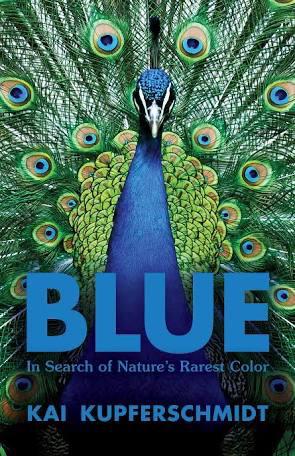
Fascination with the color blue I realized on picking up the books, BLUE – In search of Nature’s Rarest Color – Kai Kupferschmidt, is not a nourish-n-cherish household trait, but a universal one, and what a lovely revelation that was. 

Blue – In Search of Nature’s Rarest Color – By Kai Kupferschmidt

There are blues that are particularly attractive in clothing. For instance there was a deep sea blue nickname M S Blue, for the famed singer, M S Subbulakshmi first stylishly wore saris win that rich blue to concerts. Then there was the copper sulphate blue, turquoise blue, peacock blue, sky blue and navy blue.

I understand the yearning to write about the color blue. Who hasn’t been uplifted by the blue waters of a lake or ocean, or the sight of the blue skies first thing in the morning? Blue seems to assure us that we are here. We Belong on Earth – on this Pale Blue Dot.

Nevertheless, the book has many interesting aspects to the color blue. Starting from ceramics to precious stones and textile colors, the color blue has always enamored artists and patrons alike.

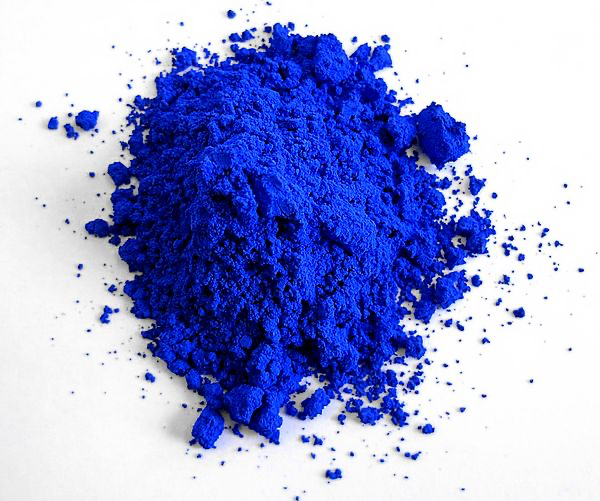
I found myself gleefully reading about the color, YinMn (pronounced yin-min) blue created by Dr Mas Subramanian that was later honored by having a color of its own created by Crayola the Crayon company.  Made from Yttrium, Indium and Manganese, the color created a blue wave in the world of colors.

The chemical formula of YInMn Blue is YIn1-xMnxO3.

You can read about its serendipitous discovery here: https://chemistry.oregonstate.edu/content/story-yinmn-blue

YinMn or Oregon Blue – Image from Wikipedia link : https://en.wikipedia.org/wiki/YInMn_Blue

As I sat watching the son in his swim class, I felt a forced sense of ease settle upon me when I opened the book to read. The swimming pool was tiled with light blue tiles, the white lighting overhead made it a calm enough locale even though there were about a hundred people in the pool area. Waters do have a calming influence if you let it. This summer, we have been swimming a little so we could appreciate the wonders of the underwater 🗺 world 🌎 in the Pacific Ocean. Closing my eyes, I can still visualize the vibrant school of fish and the large turtle in the blue waters. 

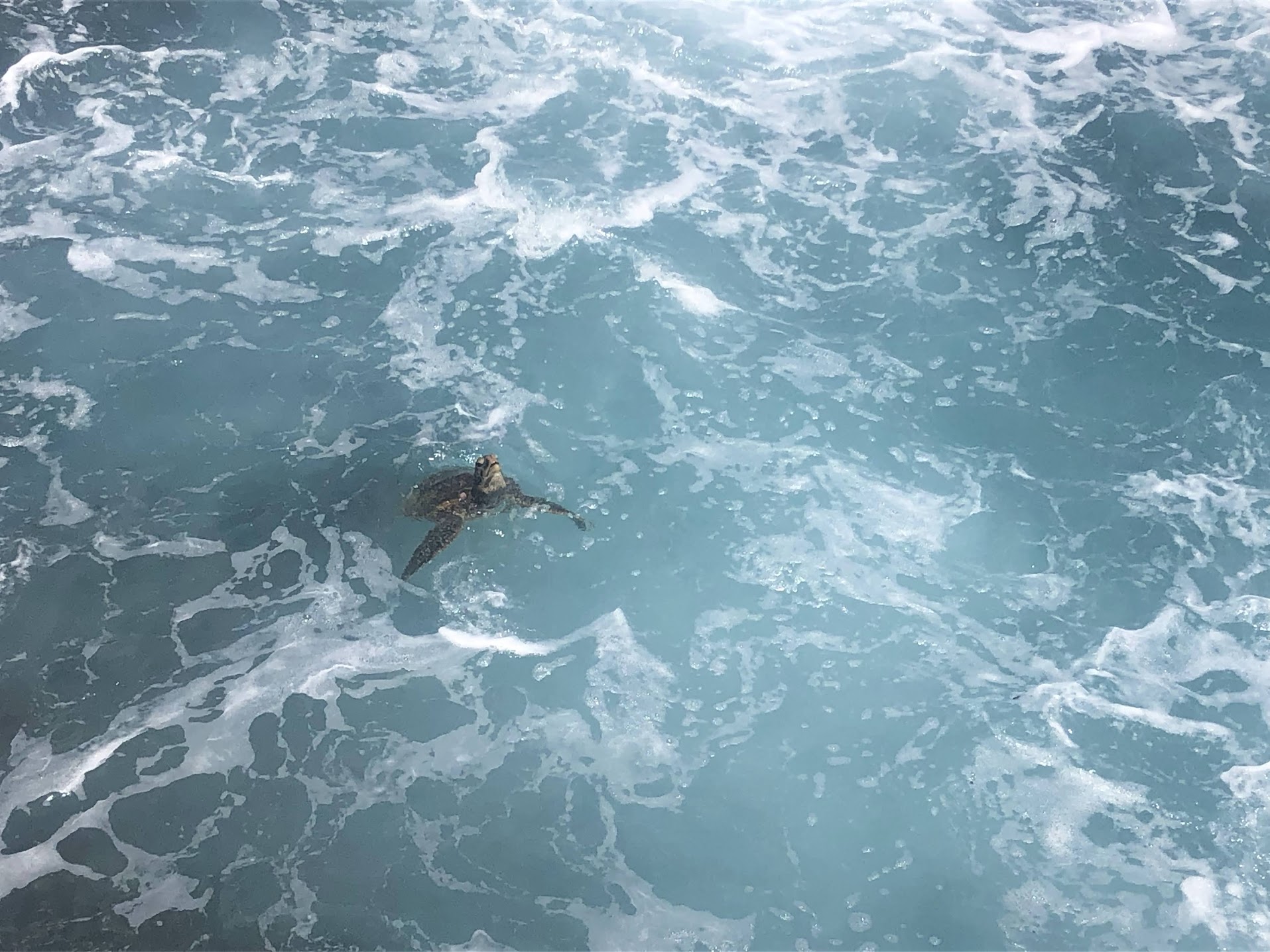
The Sea Turtle near Kauai, Hawaii

I always imagined the creatures of the ocean having an even higher frequency range of light perception than humans. So I envisioned them swimming and living in a brilliant world of coral reefs and kelp forests with the myriad shades of blue contributing to its beauty. Imagine my disappointment then that the book while explaining the cones that are present in our eyes to detect color indicate that whales, seals and many denizens of our blue seas cannot perceive the color blue and may well see the teeming coral reefs as grey on grey. 

Image from the book as given on the Amazon page

That made me feel blue – I am not going to deny that. (Though I must admit the color blue has never made me feel blue, so I wonder where the expression comes from.)

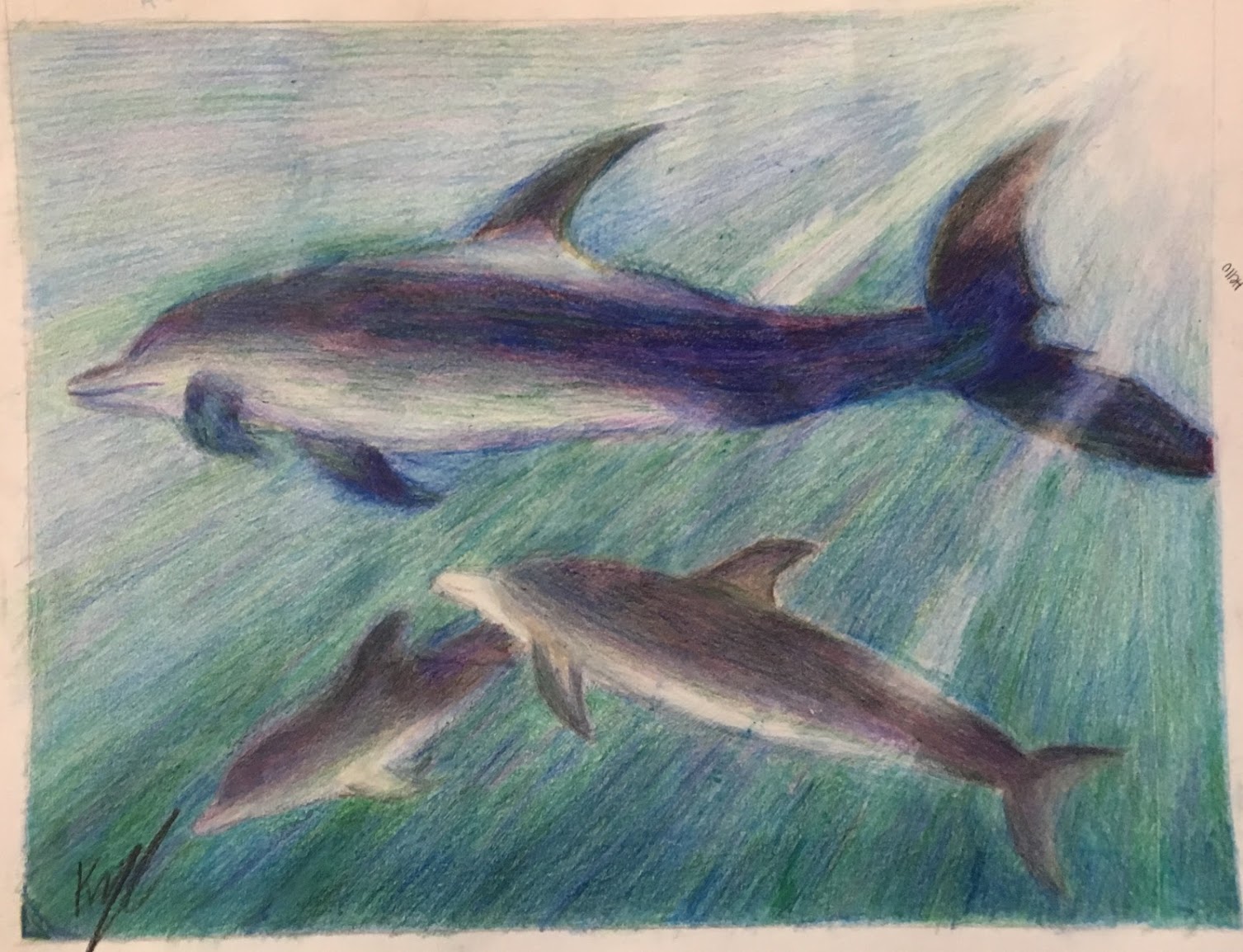
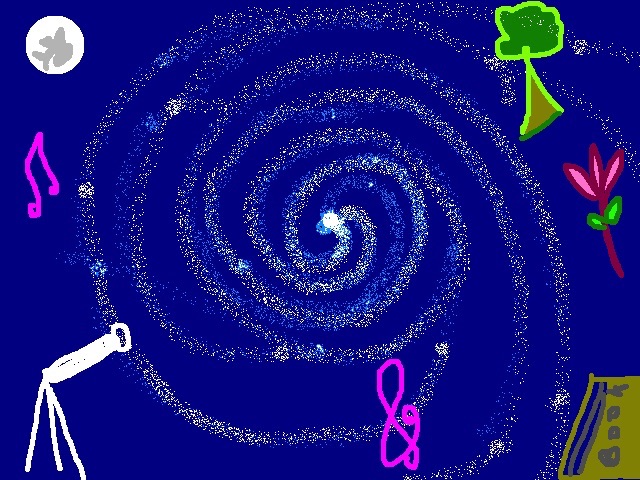
Art work by Daughter

This book has re-awakened a dream of two science-based books that I have been meaning to write for children.  One on colors and another on how different creatures perceive our world. 

When can I become a mermaid?

To explore the forests of kelp

Or a butterfly

Or a blue jay or a hummingbird

So I can see the gardens of life abound through their wondrous roving eyes.

The Comedic Snorkelers of Kauai

Previously, when we’ve dipped our senses into another world, it was while being firmly rooted in our own. Peeking into the aquariums and viewing areas so painstakingly built for us by the ecologists and marine scientists, I always sent a wave of gratitude to those who enabled these magical moments. 

Snorkeling for the first time in an ocean was mind boggling.

It was with excitement and trepidation that we stood there listening to the instructions from our guide. Contrary to most snorkelers in the region, we were not experienced swimmers. As we slipped our feet into the paddles, a gurgle of hilarity hiccuped its way up and the children & I exchanged glances and started laughing. We did look ridiculous.

Getting a peek into the world of the ocean has always been a dream. Reading essays such as the Enchanted World by Gerald Durrell made the desire stronger.

Any naturalist who is lucky enough to travel, at certain moments has experienced a feeling of overwhelming exultation at the beauty and complexity of life

But there is one experience, perhaps above all others, that a naturalist should try to have before he dies and that is the astonishing and humbling experience of exploring a tropical reef. You become a fish, hear and see and feel as much like one as a human being can; yet at the same time you are like a bird, hovering, swooping and gliding across the marine pastures and forests

Gerald Durrell – Golden Bats and Pink Pigeons

While it had been so easy to slip our flippers on and off on land, the moment we had gentle waves lapping against us, simple tasks became a comedic trial of incompetence. I was glad to see that experienced swimmers struggled just as much as we did with this task. I may have smirked, and if I did, who could blame me.

As we moved on looking into the waters and observing the fish, there were moments when the flippers propelled us forward, and moments when the lungs rebelled with the excessive sea water that we were drinking in with each breath.(It takes some time to find the right degree, adjust the valves etc).

Whether we were watching the fish, or they were watching us was a philosophical question for I felt the fish swim by in delight and make several loops and gags around us. Schools of them – probably curious, and laughing at our inefficiency with the waters.

The fish frolicked, the humans shuddered; the schools of fish glided and gurgled happily while we sputtered and choked; the fish changed direction seamlessly while we struggled. If we entertained our piscine friends, I am happy. 

Several minutes into our dip and frankly embarrassing foray into the ocean, our guide came gliding up like a fish himself and signaled us towards a large turtle (she-turtle he said), and we nodded. “It is illegal to touch a turtle these days, but you can see it from afar.”

We changed course (which is to say we all spat out some sea water, gulped some air and water, sputtered some more and set out in the approximate direction) flipping those comical looking flippers hard. And there, right in front of us was a large turtle with elegant fins swimming graciously in the waters. For those brief moments, we weren’t bumbling sea-water drinking sputterers lost in the ocean, but mesmerized and equally graceful spectators to one of the most elegant creatures on the planet.

This was magic. Days afterward, I can flash back in my mind to that clear image of the turtle with its large fins swimming on by us. A face structure that enables it to look like it is smiling and amused with life, the turtles smooth motion as it cut through the choppy waters of the Pacific Ocean was amazing.

How do bone structures, ligaments, tendons, and all the things that hold an organism together evolve by design to function thus? What marvelous creatures sentient beings are? Nerves, neurons, cells, tissue, blood, ligaments, flesh and bone- but all of this coming together to become thinking beings with intent.

I obviously have been looking for pictures of all that satisfies this marine curiosity ever since. My curiosity was rewarded by this book :

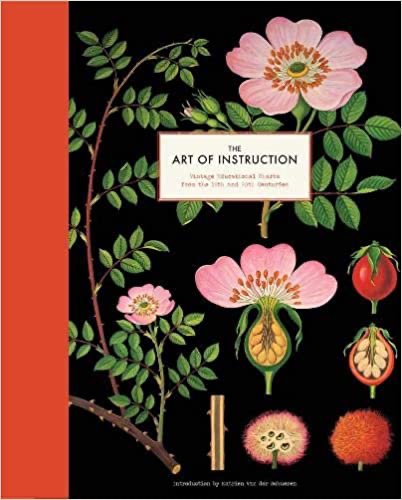
The Art of Instruction – Vintage Educational Charts from the 19th and 20th centuries

The pages indicate the anatomy of many marvelous creatures. 

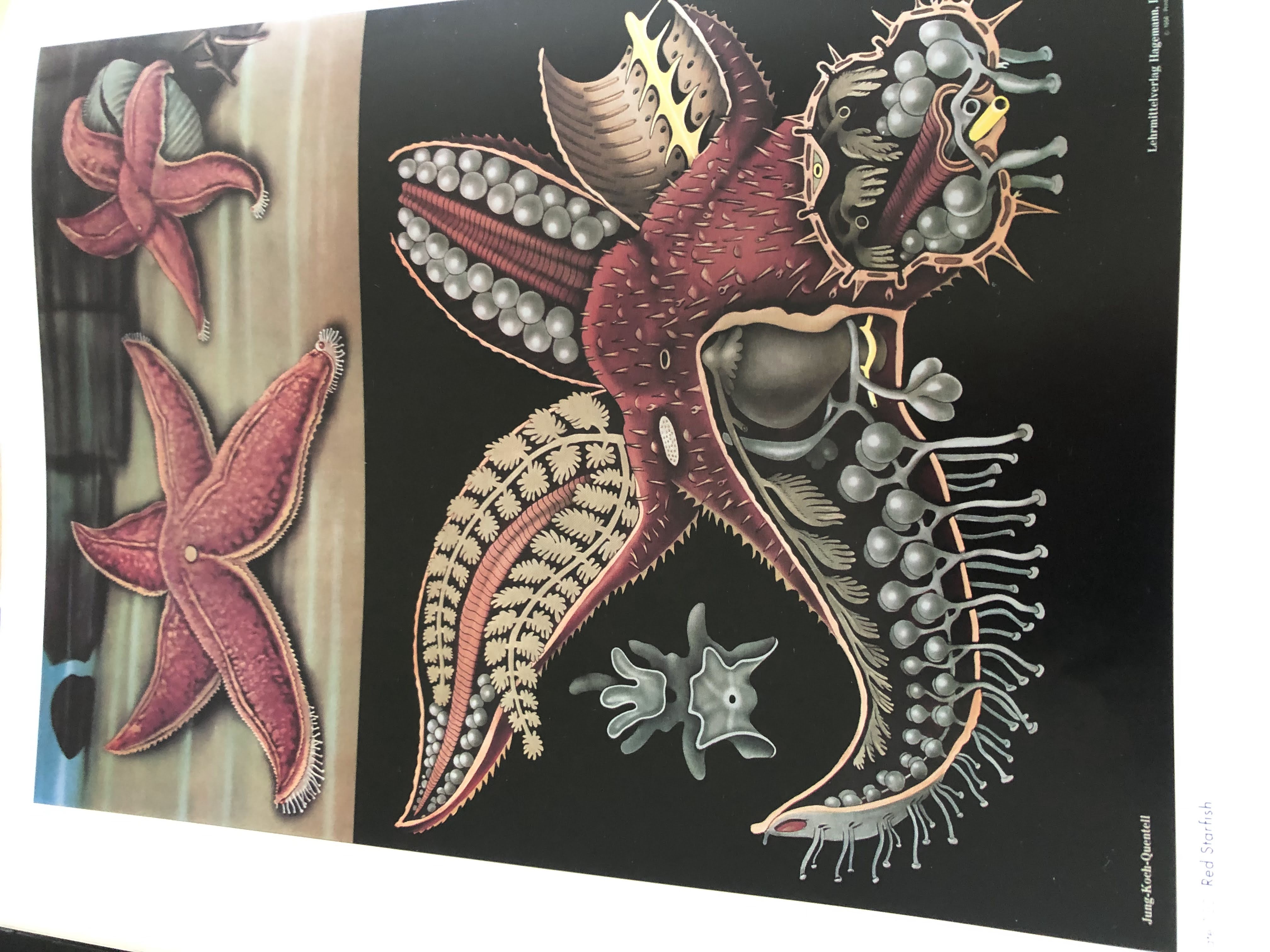
The Anatomy of a Sea Turtle isn’t in this book, but the pictures of jellyfish, cuttlefish, herring fish, starfish, whales and numerous other fascinating creatures makes it a marvelous book to peruse.

Starfish anatomy

For the Sea-turtle anatomy: This is  a useful link

Smithsonian Sea-turtles

What an enormous wonder it is to be a sentient, logical, and functioning being in this complex world? For that one marvelous dip into the world of the sea creatures, I am grateful beyond words can describe.

The Light of an Island

The week at Kauai in Hawaii was beautiful. During the days afterward, the little island images would flit in and out like waves on a beach. Sometimes the imagery so powerful that they would refresh and restore from afar. The turtles would swirl in the ocean waves, the turquoise waters would gently lap the golden sands, or splash against the rocky beaches, the birds would chirp merrily, and every now and then the school of fish or that large turtle- would flash up an image from the reefs below. 

The flowers of the island, Leilani pua would gently sway in the ocean breeze, the sounds of the rains that were difficult to predict and never long to endure would patter into one’s consciousness.

The general light of the island would be suffused into the surroundings. 

As life settles into its usual routines, there is a rose-tinted tinge to the world that is slowly but steadily fading. I now have to recall the turtles, as opposed to them showing up unannounced. I cling on though. 

Looking back at the pictures from the vacation,  I realize that tropical  island vacations have a timbre and light that is wholly separate from the rest of the world. Who was that who said that No man was an island? Imagine a world where each of us is an island. 

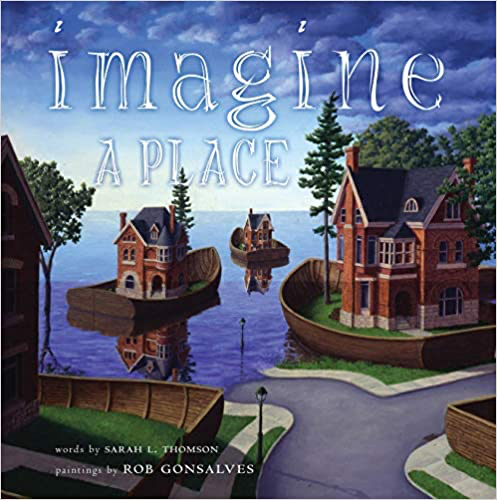
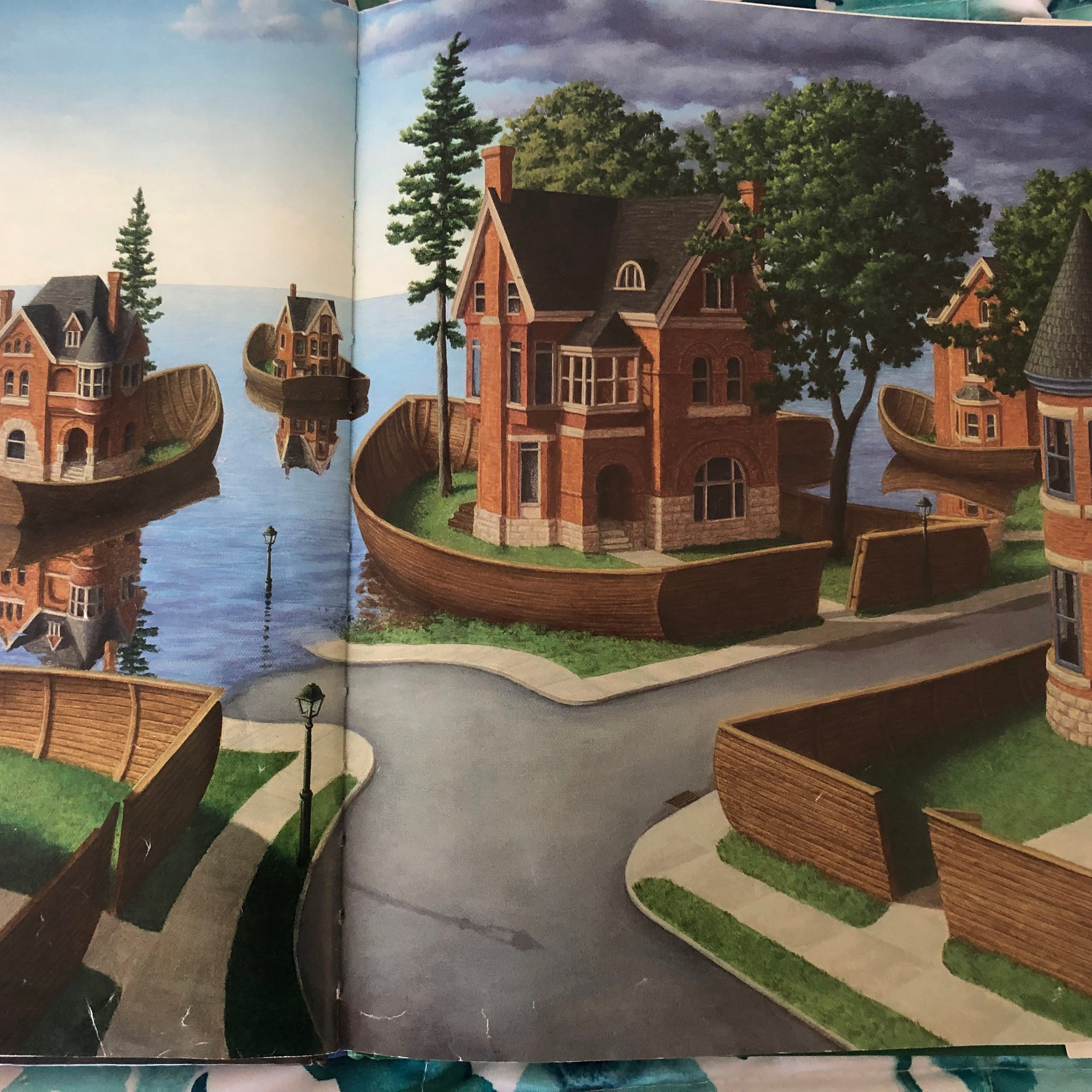
It reminds me of the picture in the book, Imagine a Place – By Rob Gonsalves whose paintings in surrealism are nothing short of brilliant. 

Imagine a place…

Where your ship holds

All you once knew

And the horizon offers

All you will ever need

(Words from the book, Imagine A Place – Words By Sarah L Thomson, Images by Rob Gonsalves) 
Imagine a Place – by Rob Gonsalves, words by Sarah Thomson

I stop to admire the roses, and compare and contrast their multi-layered rose-scented beauty with the elegant and highly simple-structured plumerias in the Hawaiian islands. 

How complicated and simple life can be – and how beauty to be found in both aspects of life. 

The island doesn’t leave you, and it seems to remind me of the importance of the solitude and refreshing nature of this little island in oneself, to be pulled up at will when life tugs you in every which way. 

The Height of the Sky & Depth of the Ocean

Sometimes you read a book and wonder what it would be like to live a day just as if we lived in the book. A magical do-nothing day, a day when your dreams come true, a day when you imagine being in a fantastical place, a day you drift into the seas with your paper boat, or just drift into the beautiful worlds of a book.

Then you go on with your life, but with a tinge of that imagination shining a beautiful light on everything around you. 

One day, with a glorious light of shoshin shining in you, there comes a day from a book that you admired. 

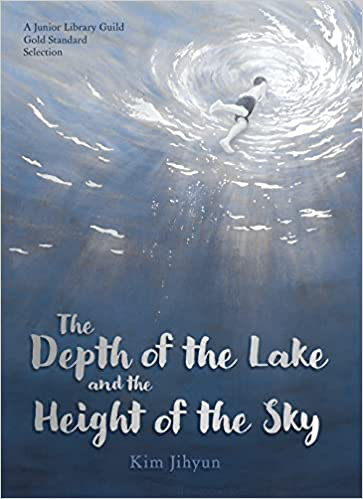
The Depth of the Lake and the Height of the Sky – by Kim Jihyun.  

In the book, a child leaves the environs of the city to go and live with his grandparents in the countryside. The lake and forest nearby look inviting and the child starts exploring on his own. 

Usually, when I take a color photograph of a luscious green forest or a beautiful waterbody, I prefer the picture in all its glory. Even if it does seem over-saturated at times. But in this book, the muted colors do nothing to diminish the relaxing feel of the book. 

Image from Height of the sky & Depth of a Lake – Kim Jihyun

The author says that she wrote the book after a week back from a relaxing sojourn with nature and the moment I came back from a vacation in Hawaii I picked up the book. In the book, it is the lake the boy dives into. We dipped into the ocean, and the height of the skies we explored with a helicopter ride. 

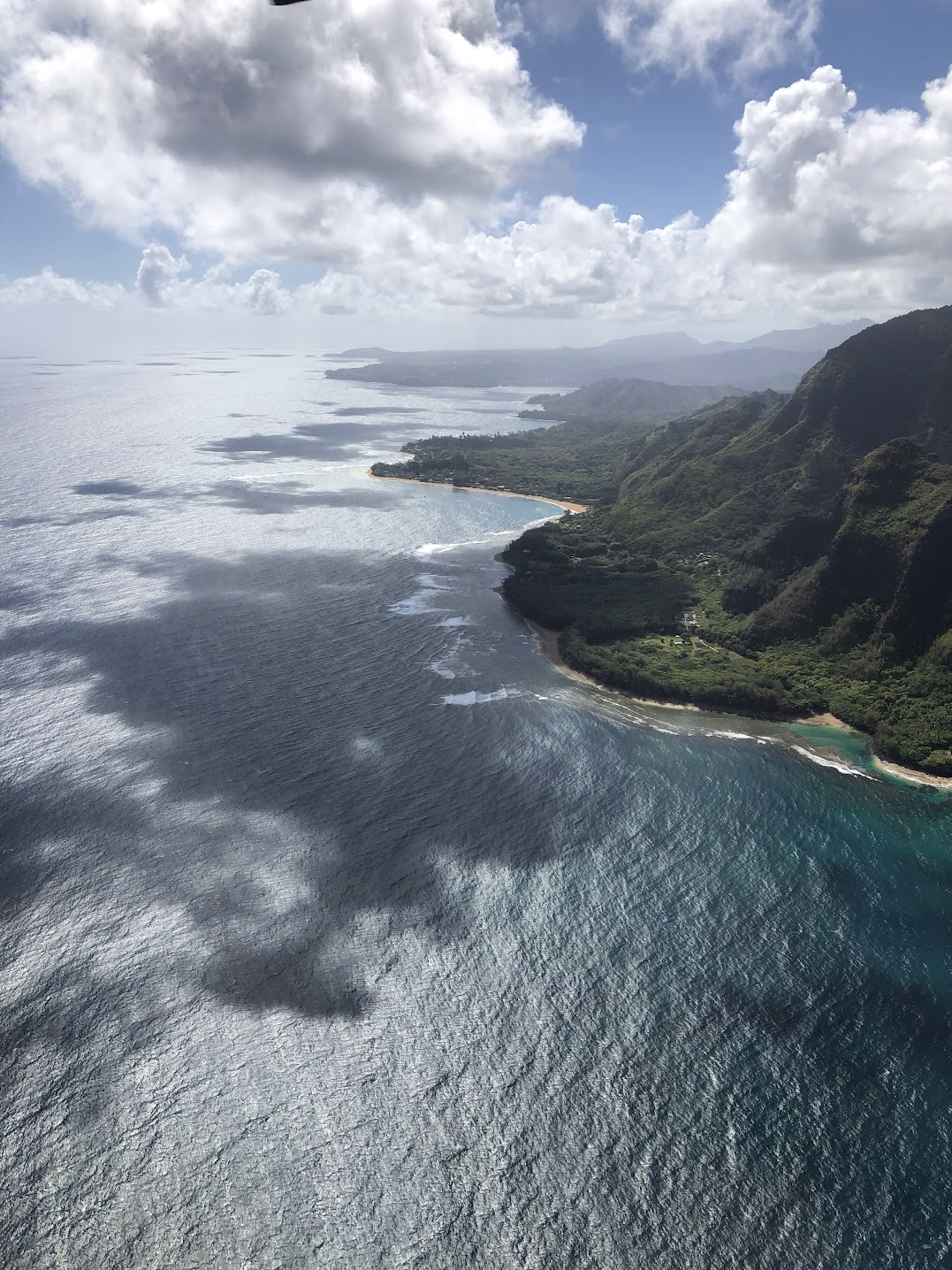
In one glorious day we soared to the skies and took in an aerial view of the beautiful island of Kauai – soaring over the cliffs of the Na Pali coast and diving into the rocky coral reefs for an afternoon of snorkeling.

Na Pali Coast – Kauai

Not all of us in our group were good swimmers. So, in order to experience the joys of the oceanic creatures, we learnt swimming everyday in the past month.

Was it worthwhile? Resounding yes! We swam in the sublime beaches of Hanalei Bay and during snorkeling were able to see schools of fish and a large sea turtle swim right by us, along with marvelous creatures such as parrotfish, sea cucumbers etc.

We could not take our phones while snorkeling, so this is a pic of a turtle while I sat on the rocks above.

The height of the sky and the depth of the oceans are both within us. 

🐓 🦆 🦢 Akua Manu 🐓 🦆🦢

Almost as soon as one lands win the quaint island of Kauai, the unmistakable feeling of rural bliss welcomes you with the rooster crowing. As one fellow traveler put it, the roosters of Hawaii are like squirrels everywhere else. They are everywhere, and probably contribute to the seeding and flowering of the habitats near them in myriad ways. 

They ducked and weaved through the airport traffic, just as surely as they waddled into the fragrant plumeria flowers flitting down from the trees above.

The roosters there sure have a comical element to them. Moana’s Hei-Hei could have been a real life characterization of any of these birds.

heart-moana.gif
Hei-Hei of Moana Fame

The children sat inside the car cackling and laughing as I ran out into the parking lot ahead of me to shoo the birds away as the languid car trundled into its spot in the parking lots. Sound effects included: baaackk—buck-buck-buck….shoo-shoo-duck-duck-goose, nene-nene-nene with an inspiring arm flailing and running after the birds. 

“Just one video of this ma! “ said the teenage daughter and niece to many enthusiastic nods from their little brother. I joined them in the laughter but refused to star in a video like this. One has one limits – even if it is to entertain our fellow human beings.

“I love birds too much and these birds seem to be so – I don’t know, bird-brained! Huh! Is that where the term comes from? Makes sense. These birds seem to think the roads belong to them and they sit there – pecking at whatever it is on the roads!” I said.

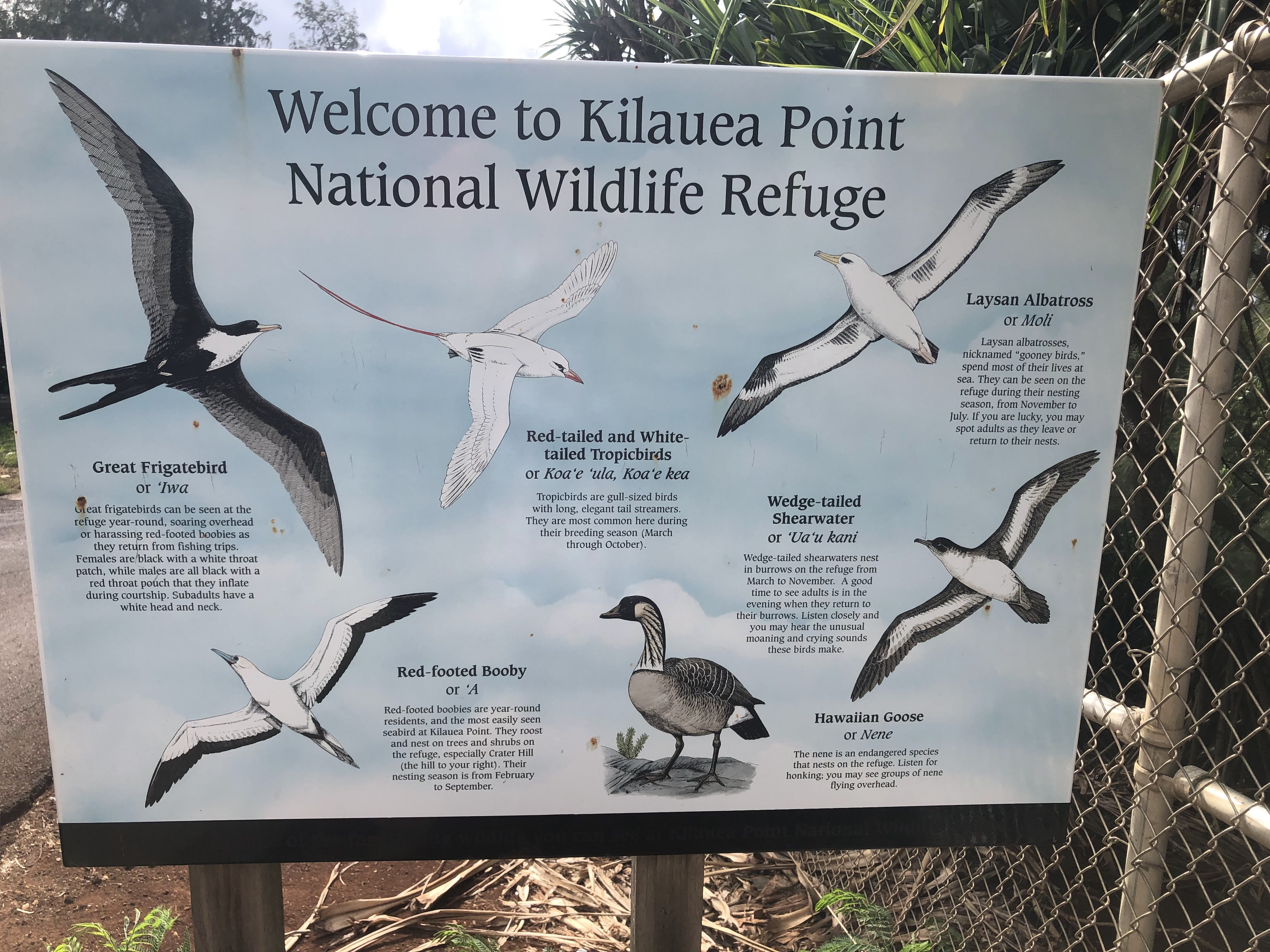
Just as engaging as the roosters are the red breasted cardinals, the nene (geese), cattle egrets, starlings, mockingbirds, plovers, sandpipers near the beaches , and the marvelously inspiring long-tailed tropicbirds. 

Standing atop the viewpoints of the Waimea Canyon in Hawaii, the long tailed tropic birds gained our attention and admiration. Gracefully traversing the yawning canyon below them in swift smooth flights, these birds seem to fly in and out of rainbows 🌈 . If that isn’t magical I don’t know what is. 

It is no wonder that Hawaiian folktales are so rich with their imagery of birds and ocean animals.  

Every morning, as the sunlight crept in through the clouds, and ushered in another surreal day in the magical islands, The Hawaiian state birds, Nene as the geese there are called, did  their bit and squawked their way into our consciousness as well. 

Some nights I would wander outside to stand under the stars when I’d notice groups of nene sleeping under the stars. ✨ Seeing them under the stars like that made me slightly envious I must admit.

Whether it was the beautiful darting and elusive ‘i’iwi (hummingbird -like creatures that are endangered) or the common roosters, starlings, egrets, cardinals, and nene, the birds (Manu) of Kauai have a divinity (a certain Akua) about them that make you want to soar in spirits with them. 

One morning I caught the daughter sounding very much like me and chastising her little brother who was watching Marvel on the television. “You come to Kauai and watch these super-hero fellows again – no! Nuh-uh! Out!”

“But there is nothing now – just eating breakfast and watching TV!” came the wounded reply from the budding naturalist. But his sister was firm and switched off the television.

The fellow came into the kitchen, and I shushed him, for out on the verandah was a small, and elegantly regal-looking red-breasted cardinal. We watched the bird in awe for several minutes before our spell was broken, and we sighed contentedly and went about the day.

https://en.wikipedia.org/wiki/List_of_birds_of_Hawaii

If naturalists go to heaven (about which there is considerable ecclesiastical doubt), I hope that I will be furnished with a troop of kakapo to amuse me in the evening instead of television.

Gerald Durell

🌺 🌹 🌸 Leilani Pua 🌺 🌹 🌸

Almost as soon as one lands in the quaint island of Kauai, in the Hawaiian islands, the unmistakable feeling of rural bliss welcomes you with the rooster crowing and the colors of the flora.

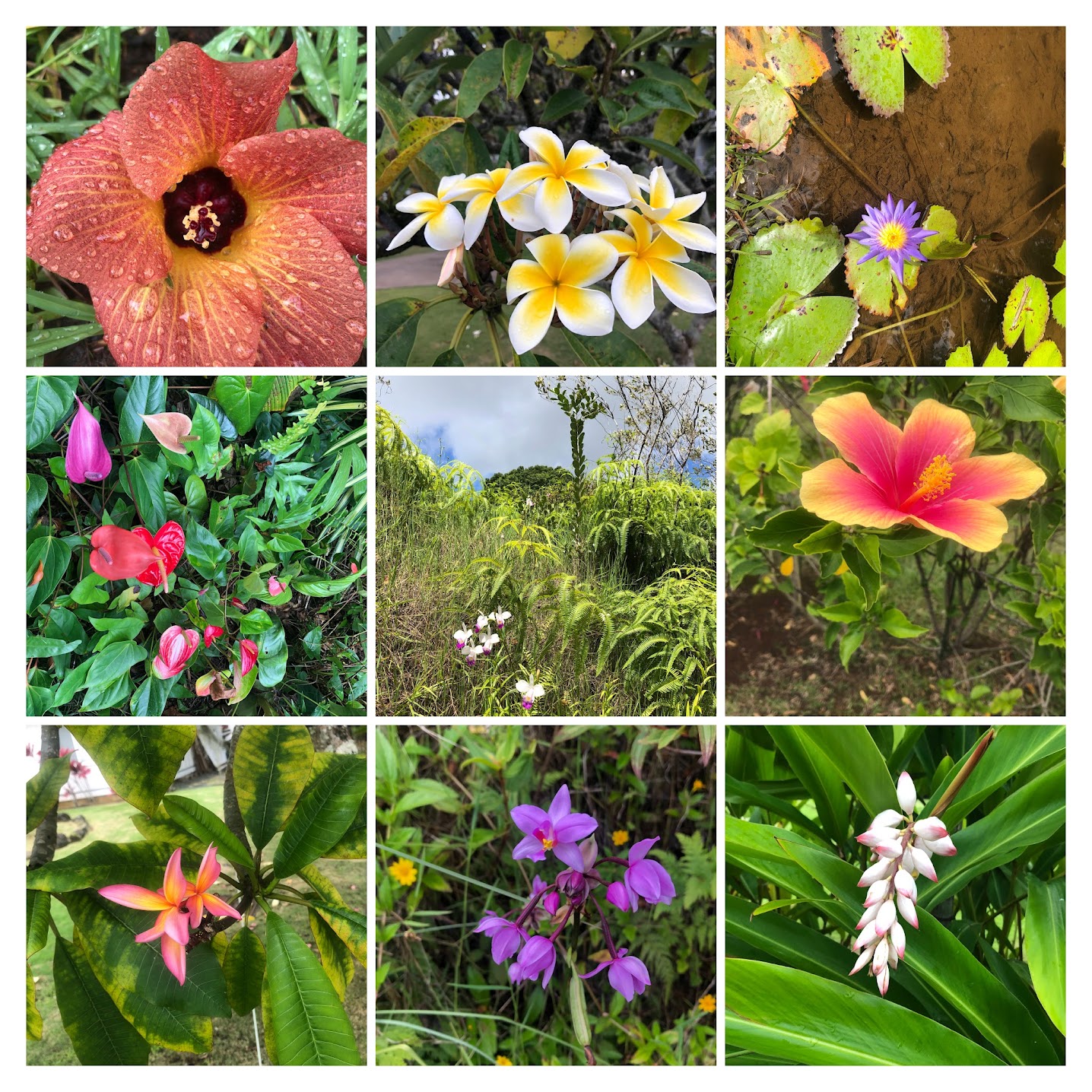
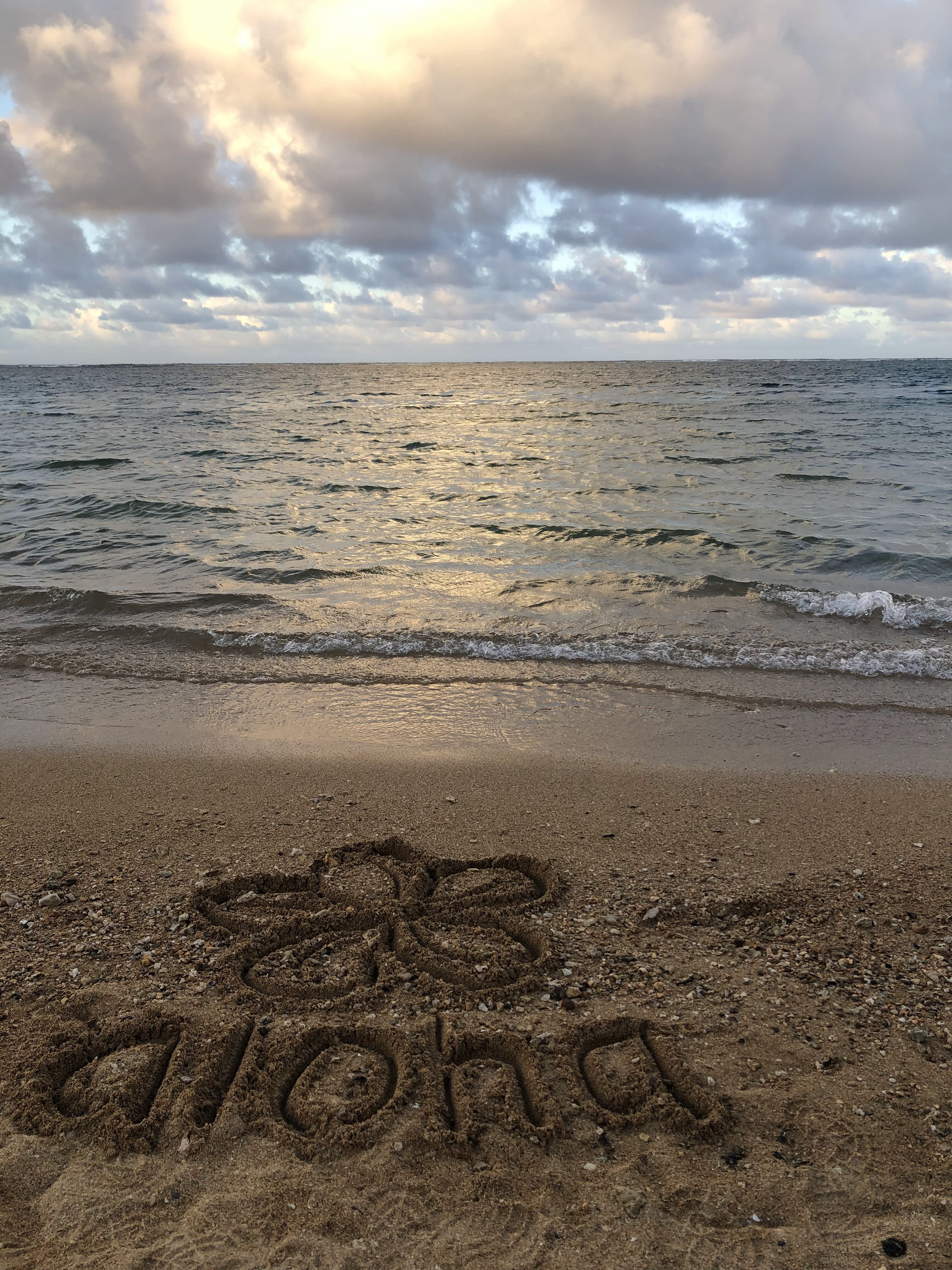
Within hours of being in the island, the phone yearned for some plumeria pictures and before we knew it, there were hundreds of pictures of plumerias, hibiscus and so many plants whose name we knew not, but contributed to the vibrant colors of the Hawaiian islands.

Really! How marvelous flowers are.

“Who was that poet who said something about ‘infinity in a flower’, or ‘universe in a grain of sand’ or something? I think he hit it spot on.” I said burying my beak into a fragrant multi-colored frangipani blossom and sniffing rapturously. 

A flower elegantly floated down from the tree above into the grass below and I ran to catch it with open arms. I proposed to adorn my hair with the beautiful blossoms. The children wondered whether to clip this behavior or indulge it when I picked up a blossom from the verdant green grasses below and gave it to the children. The perfect symmetry of the flowers won their hearts instantly, and they gave into my whimsy, with a smart quip instead.

‘The grain of sand is probably parrotfish poop, but whatever!’ 

How does sand form?

As I looked into the photos of the particularly alluring flora of the fertile land, I fell in love with the flowers themselves as much with their names. I am not one for classifying and categorizing everything to within an inch of their existence. But even I couldn’t resist the poetic beauty of being classified as a Nymphaea Capensis (Egyptian water lotuses in brilliant colors) or Heliconia Bahai (false birds of paradise) 

On hikes through the rain-forest like surroundings, the canopy above invited one to look up, but every now and then some beautiful wild orchids would attract the attention. A slender piece of purple or pink vibrance holding its own in a lush forest of greens, just as surely as the Moa (roosters) held their own on tricky rocky beaches, rainforests and parking lots alike.

Painter’s Palette, Laceleaf, bamboo orchids, purple wild orchids (spathoglottis plicata), milkworts, pink and purple colored thistles, crepe ginger, red frangipani, lance leaved coreopsis, Cooktown orchids, shell gingers, Egyptian lotuses (nymphaea capensis or pygmy water lilies) , birds of paradise (heliconia bahai – the red ones or the false birds of paradise) 

Pua means flowers in Hawaiian 

Leilani denotes heavenly flowers

The most beautiful surprise was the clumps of touch-me-nots (Mimosa Pudica) everywhere. All those warm afternoons of playing with these marvelous plants in the countryside in the Nilgiris as children came flooding back.

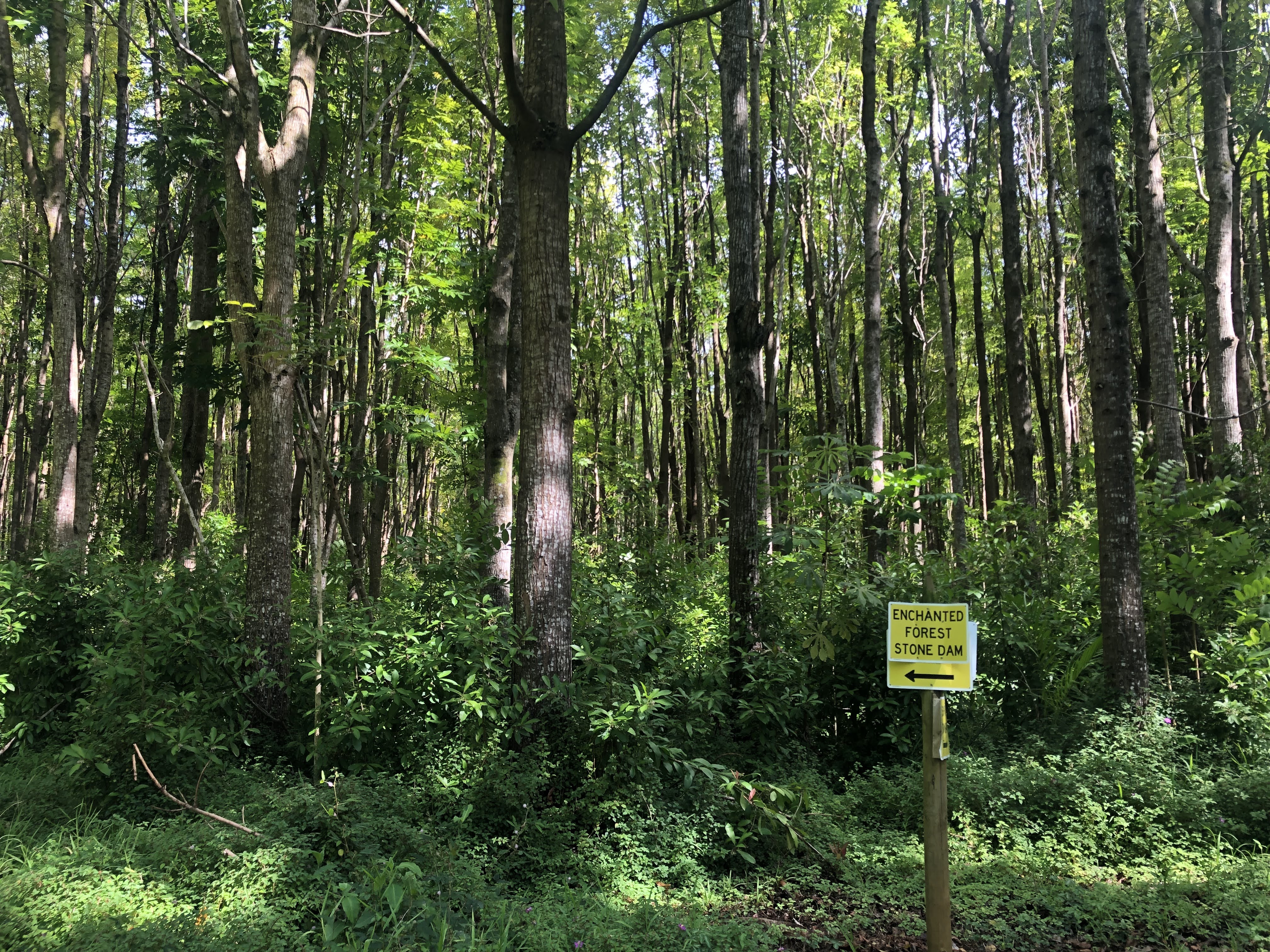
The son, who spent a whole hike through a mahogany forest endearingly called The Enchanted Forest, playing with the touch-me-nots said with a contented look on his face. “I think touch-me-nots are my favorite plants!”

I agree with him. They have learnt to adapt and interpret the steady trickle of rain doesn’t need them to close up their leaves, but other external stimuli warrant that. How marvelous?

If ever one needs to be intensely aware of all the things that need to co-exist for a beautiful ecosystem, a well preserved island would do the trick. Being there amidst nature’s bounties only reminds me of Mary Oliver’s quote on attention being our only task.

“To pay attention, this is our endless and proper work.”

Mary Oliver

The Enchanted Turtles

We are back from a beautiful few days in Kauai, Hawaii.

There is something about the light and sights of an island paradise that always amaze me. Even the darkness seems to be scented by a different tint of light (could it be that the surrounding oceans make for darker skies and the magical stars spread their light more?)

As Gerald Durrell says about the island of Corfu in his writing:

“Gradually the magic of the island settled over us as gently and clingingly as pollen. Each day had a tranquillity, a timelessness, about it, so that you wished it would never end. But then the dark skin of night would peel off and there would be a fresh day waiting for us, glossy and colourful as a child’s transfer and with the same tinge of unreality.” 

Gerald Durrell, The Corfu Trilogy

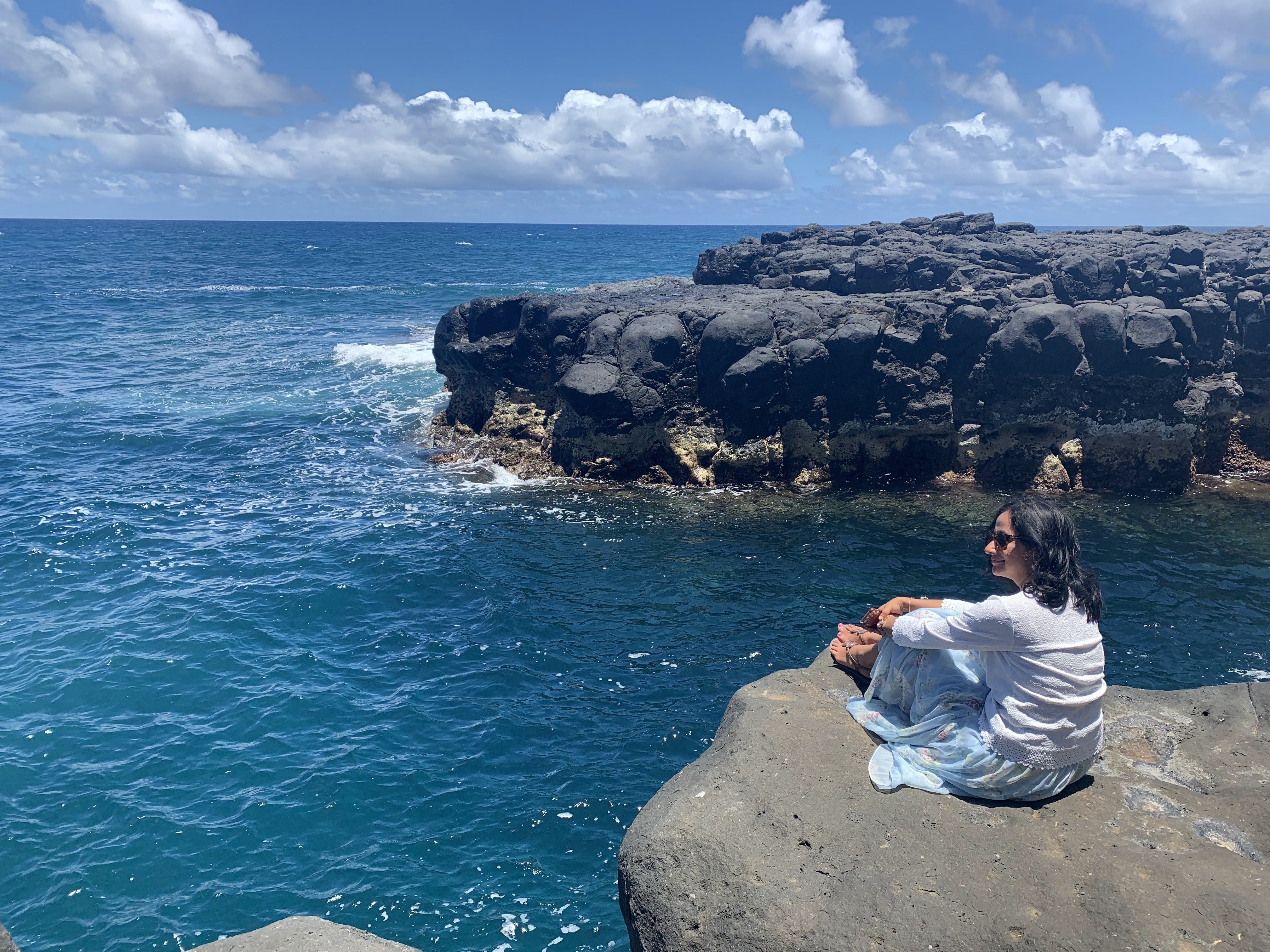
One morning, two days into our vacation in the Garden Island, Kauai, we decided to have a slower morning. We had been rushing and ticking sights off our list ever since we arrived. So, that morning, we lolled and strolled nearby. A tourist magnet like Hawaii doesn’t have too many hidden gems, but walking through the streets has gems enough. We strolled to a nearby lagoon or bay with some rough hidden spots. We sat on the rocks watching the waters slosh into the rocks below. There is something surprising every time we stop and still our senses. 

10 minutes into sitting on the rocks and watching the waters below was enough. We spotted 3 large turtles almost all at once. The children and I squealed at the turtles 🐢 swimming and sloshing in the rough waters below. To see a large sea turtle in the ocean is a gift few get, and even fewer appreciate. As for us, we were thrilled. 

The delight and serendipity of a sight like lit the world around us. Even now, when I close my eyes, I can see the magnificence of the sea turtles coming up, looking around and ducking back in with the waves. 

That afternoon, a helpful lady at the resort told us about a hike in a mahogany forest, and off we went. Through the forest, with the sun light filtering though the green canopy overhead, there was a diversion marked ‘Enchanted Forest’. How could one resist a path marked thus? Off we tread into the enchanted forest then, and enchanted it was. There were clumps of touch-me-nots every few feet, and the quiet of the forest only interspersed with the chittering of the exotic Hawaiian birds was magical.

That evening, as I closed my eyes for the night, the turtles came unbidden to wish me good night – sloshing and rolling in the tumultuous waters of the bay. I clutched the firm  bed, made probably of mahogany wood, and couldn’t help feeling a sense of gratitude for the enchanted turtles and forests that bless our days on Earth.

“I walk in the world to love it.” – Mary Oliver

The Human Experience

“You could be listening to anything at all, and this is what you choose to listen to?” , said the daughter.

I chuckled. We were driving through the Great Plains of the Mid-West between Wisconsin and Illinois. Snow flakes were flurrying lazily across the windshield, which was amusing to watch, since I could feel the car shuddering with the winds sweeping the plains. The great windmills on either side of the freeway were moving and converting the wind energy, while the snowflakes seemed to be dancing lazily and flitting across the plains. To see the flakes against the depth of the vast plain fields was mesmerizing enough, but to have Dr Indre Viskontas’s lecture accompany the scenes outside made for a new appreciation. 

I was listening to the excellent Great Courses lectures by Dr Indre Viskontas. In her energetic voice as she talks about how we hear and see, the world becomes magical again. 

Listening to Dr Indre Viskontas speak about the faculties of seeing and hearing, makes those of us given these two abilities more appreciative of all that goes on beneath the skin to make these happen. 

12 Essential Scientific Concepts

How we perceive light, hear the frequencies of sound that are audible to us, make for our human experience. The frequencies heard and seen by each creature on Earth itself is different. From the magical birds who sense the Earth’s magnetic field for their migration journeys to the fish who are able to navigate by the position of the stars from deep under the ocean, we each have our own unique way of living. Of Life. 

In Dr Oliver Sack’s book, Musicophilia, he says:

“Every act of perception, is to some degree an act of creation, and every act of memory is to some degree an act of imagination.”

Oliver Sacks, Musicophilia

Dr Indre Viskontas is also an Opera performer, and her joyous voice brings out the polymathic abilities she possesses. Truly, as she regales cognitive neuroscience and how our brains understand better, I am reminded of some wonderful musings with our dance teacher at school. In between rigorous bouts of dance practice, she insisted that her students were all bright, athletic, and doing so much better than we would have without dance. And, in the energy of youth urging us towards our better selves, we wanted to believe her. Could that have been a belief that spurred us on? We would not know – for good teachers, coaches and mentors all excel in that subtle balance of belief, discipline, and inspiration.

But maybe the musicality and the dance do make for better neurological experiences. As Dr Viskontas says in the lecture above, 

Art and science are after the same thing. The goal is to understand the human experience. Science does it by extracting general principles about the world, and art uses individual experience to highlight what is universal.”

Dr Indre Viskontas

Why is it that we are moved by a piece of music to visualize a god vs demon war on stage, or the haunting love-lorn calls to one another? Because music, like whales can attest, can evoke worlds in our imagination. 

“Music can also evoke worlds very different from the personal, remembered worlds of events, people, places we have known.”

Oliver Sacks, Musicophilia: Tales of Music and the Brain

And so, I wanted to say to the daughter, “When I could be listening to anything at all, I chose to listen to the lectures trying to understand the human experience in a vast, barren landscape, made unbearably beautiful by the beauty of the symmetrical snowflakes, and the gushing of the winds against the car. “

What I did instead was laugh, and let her call me weird. ‘Weird’ I am beginning to understand is one of the best compliments that a teenaged child can give you.

The 4 Seasons

We have been traveling in the Chicago area for the past few days, and I must say folks spotted us Californians miles away. They chuckled, they were amused and they had no idea why we scuttled and huddled like penguins in winter when it was clearly spring – ask the daffodils who were springing up to say hello to Lincoln statues everywhere.

Illinois does not let you forget that Lincoln hailed from there. The roadways, streets, statues and even a bust in a university that had a funny story of a Lincoln statue whose nose folks rubbed for good luck. I tried rubbing the daughter’s nose for luck, but it didn’t seem to amuse her much. A shame really – for the very child as a toddler was famed for joyously peeling off a gargling laugh like a tinkling stream every time we made her nose ‘disappear’ in what seems like just a few years ago. Oh well. Time.

I saw some folks out with light jackets, a spring in their step, and not so much as a cap. We? Well, once you wear the cap, mask, gloves, extra thick jacket, thermals, boots, you’d think there isn’t much place left to freeze. But there is. And we froze with every gust of wind by Lake Michigan and Lake Mendota. After a lovely stroll through the park by the lake, I mumbled through the layers to the daughter, “Nothing makes you feel so alive as catching that gasp of crisp air right?!” 

Her muffled retort made it past all the layers, and she said, “Oh – is that what we are calling this chilling cold now? Crisp! Ma!”

I must say driving from Chicago to Madison, Wisconsin and then from there to Urbana Champaign back to Chicago made for a marvelous time. It was good for the soul to contemplate the nothingness and vast expanse of space in the world. The Greek myths of Hades and Persephone’s plight came alive in those days starker than anywhere else I’ve seen. The Earth was barren for miles and miles around us. Spring planting had not yet begun, and what would have been green fields on either side in the summer and fall were empty, preparing for another season. The cold winds and a slightly snowy day made for exciting drives on the interstates reminding us of Lincoln’s Illinois. Windmills flailed their arms long and wide, while the little car shuddered along with the whipping winds and the large vehicles on the road.

Other days made for marvelous blue skies with scudding clouds. The characteristic blue skies and white clouds of Planet Earth are especially welcome when one is traveling and out and about.

We were told by indulgent folks that they experienced 4 seasons – a dig at Californian winters, no doubt. But after the cold days of Illinois springs, I am quite ready to take on the winters of California, and headed out on a rainy day walk almost as soon as I could find my bearing s again, only to be rewarded by a marvelous rainbow for Earth Day!

What’s more I didn’t have to pull my freezing fingers out of their gloves to take these pictures.

The 🌏 Laughs in 🌸 🌺

Most trees are still bare. Winters are milder in California than elsewhere. Even so, the bare branches of the brilliantly hued trees just a few months ago is stark against the skyline. But then, there are early spring heralders that enthrall and enchant. When I am out walking these days, they are often punctuated with rapture – little stops to admire a cherry blossom tree in full bloom, a tulip bulb poking its head out, or snowdrops working its way through the cold hard months and blooming just in time for the spring equinox.

Snowdrops

Spring is the best time for a saunter. Californian Springs have the best combination of rainy days, cloudy days, sunny days, warm days, cold days, and windy days. Through it all, there is the breathtaking beauty of the flowering trees. It is hard to imagine an Earth without flowers given how much they brighten our days on Earth. But it wasn’t that long ago that Earth was rampant with life and lifeforms without flowers. Makes us stop and think doesn’t it? What else evolution would have up its sleeve if allowed to go at its own pace. How many creations beautiful, mesmerizing, unknown and somewhat hampered by the limits of our own imagination?

Sitting inside on a cold March day and watching the wind whipping the trees outside, and looking at the petals of the cherry blossom flit towards the earth below is fascinating. On sunny days, the birds pecking at the cherry blossom flowers and sending showers of little petals earthwards is showtime. 

I cannot help thinking of the distant lineage of the little birds. Did their dinosaur ancestors see flowers and interact with them? I thought beaks were a particular evolutionary step for nectar. But maybe not. I remember reading that flowering plants only appeared towards the tail-end of the dinosaur’s time on Earth, or maybe even later. I also remember walking along the Natural History Museum time line and thinking that the dinosaurs really missed the marvelous great flowering of planet Earth.

https://earthhow.com/earth-timeline-geological-history-events/

But then again, this recent article seems to think the dinosaurs may have seen flowers after all.

https://www.livescience.com/40088-flowers-existed-with-dinosaurs.html

Quote:

Newfound fossils hint that flowering plants arose 100 million years earlier than scientists previously thought, suggesting flowers may have existed when the first known dinosaurs roamed Earth, researchers say.

LiveScience Journal – article linked

Whether or not the dinosaurs saw the flowers, I am grateful we live in an era when we can experience flowers. All the musings of the cosmic accident of life seems glorious in the flowering trees around us. Meadows are bursting with wildflowers. On a little hike near the coastline one day, we saw hillsides filled with golden orange poppies, lupines, and flowers of yellow, white and pink weaving and waving amidst the fresh green of Earth. Set against most trees that are still bare from the winter the flowers are a sharp reminder of all the stark contrasts of life.

We don’t know about all the forms of life possible in our universe, and probably never will find the enormity and possibilities. Yet in that very paradox lies the power of musing.