Apollo 11 & Artemis II : Selenophilia

Selenophilia

I moped around one evening. The thing is, as much as I love cloudy days and rainy days, I don’t like them to intersect with full-moon days. It feels like the waxing-full-moon is meant to bathe all of the Earth in its glow, and encourage mooning-about. It is not meant for sighing and trying to see if the moon can finally peek out of the clouds.
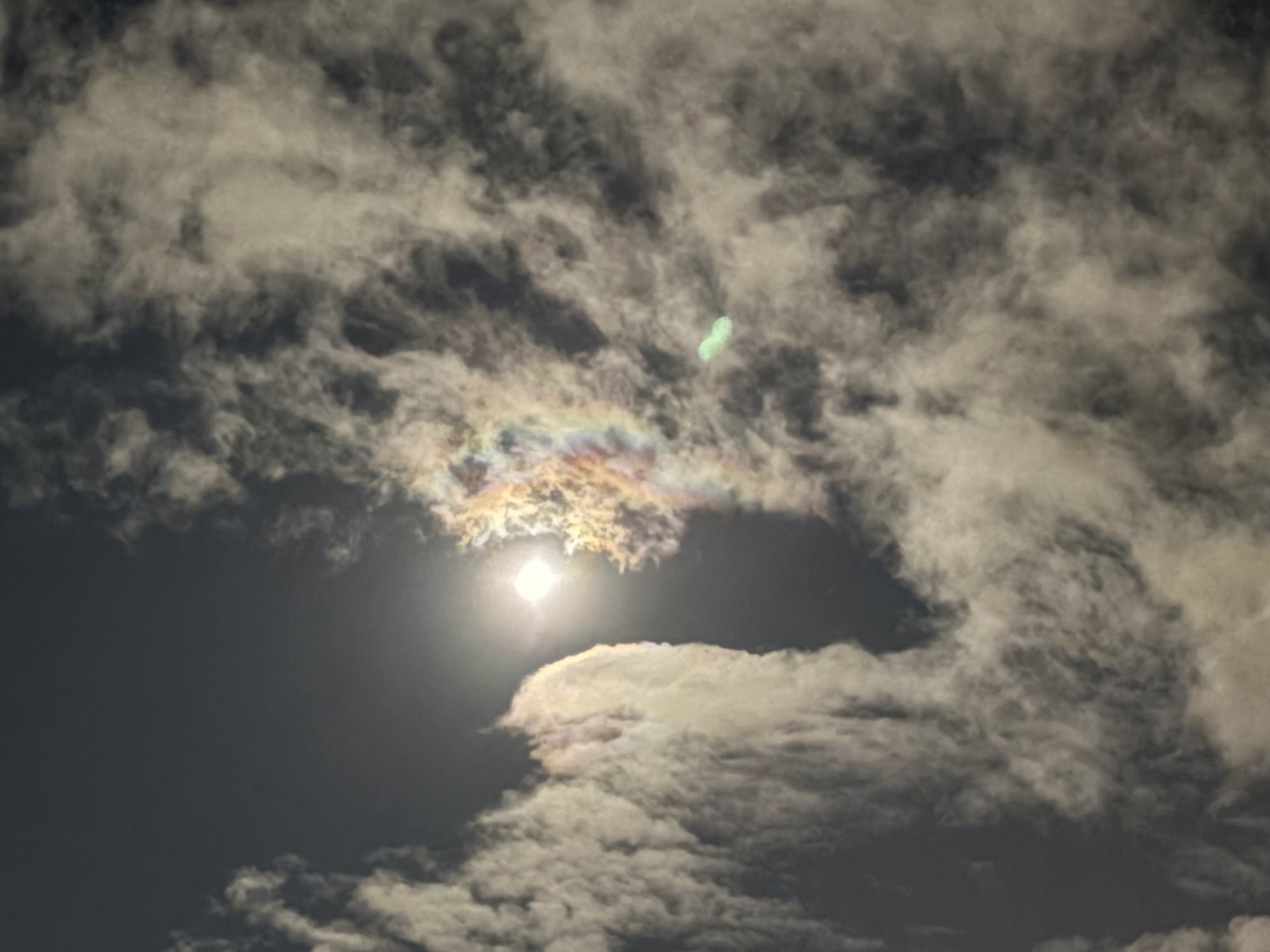
I had not quite realized the thing that was keeping me up that night. I blamed it on the ill-timed coffee, but it could not have been that. Not when I fell asleep moments after the near-full-moon peeked out of the clouds, and I sighed happily at it.

The day after, the moon looked full in the sky, bathing the Earth with its luminous glow. The clouds flitted, but never enough to hide the moon. I took off – after the eternally present tasks that even robots and AI-based beings do not consider worth doing: clearing up and the cleaning up.

“Where’re you going?” “Out!” I said, and ignored the chuckle that followed me out. The golden moon was waiting, and I wanted nothing more than to gaze at it. The word unblemished came to mind, but that does not quite describe the moon, does it? The pockmarks and craters on the moon looked plenty blemished, yet the feeling it invokes in one is unblemished.
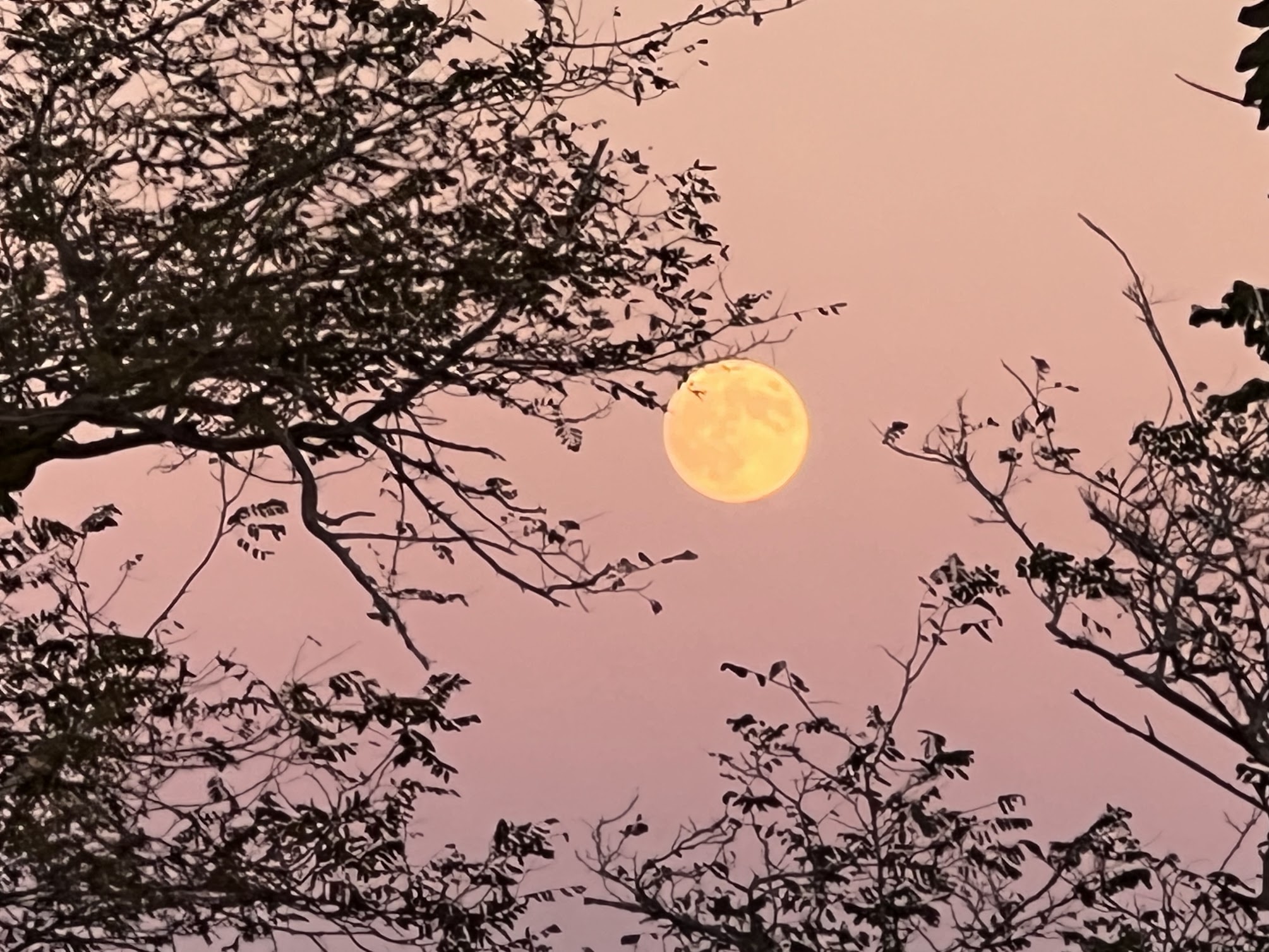
This fascination for our celestial neighbor, Selenophilia, is a beautiful term that is derived from the Greek language, denoting a love of the moon. Meaning for centuries, folks have finished up their chores and headed out to the admire the moon. Hopefully, for centuries more, they will continue to do so.

Apollo & Artemis

The previous day, Artemis II had taken flight into the skies with 3 astronauts aboard: to the other side of the moon. I was in an elementary school classroom introducing books about space travel that day, and I remembered the excitement the discussion about Artemis II had generated. The class sent all the astronauts a fond good luck as they listened to the brief loss in communication with the spaceship. 

That night as I sat gazing at the moon, I thought of the planet watching and praying: united in its excitement as Artemis II left the Earth. Did the Artemis II crew ( Reid WisemanVictor Glover, and Christina Koch, along with Canadian Space Agency astronaut Jeremy Hansen) feel the good vibes? I hope they did. 

Then, I thought of Apollo 11.  The astronauts: Neil Armstrong, Buzz Aldrin, and Michael Collins making the trip almost 3 decades ago. The entire planet fascinated, and enthralled.  Did they feel the companionship of the planet even as they left? The moon itself was in its waxing moon phase that day, and thousands must’ve gazed up that day abuzz with excitement.

Magic of the Moon

There are a few things that humanize us, and the magic of the moon is, I believe firmly, one of them. Something that can evoke wonder, awe, a yearning to attempt great things, set difficult targets, and above all, work together to achieve it, is Magic, isn’t it? 
What Would You Miss Most from Earth If You Went to Space?

Claustrophobia & Agoraphobia

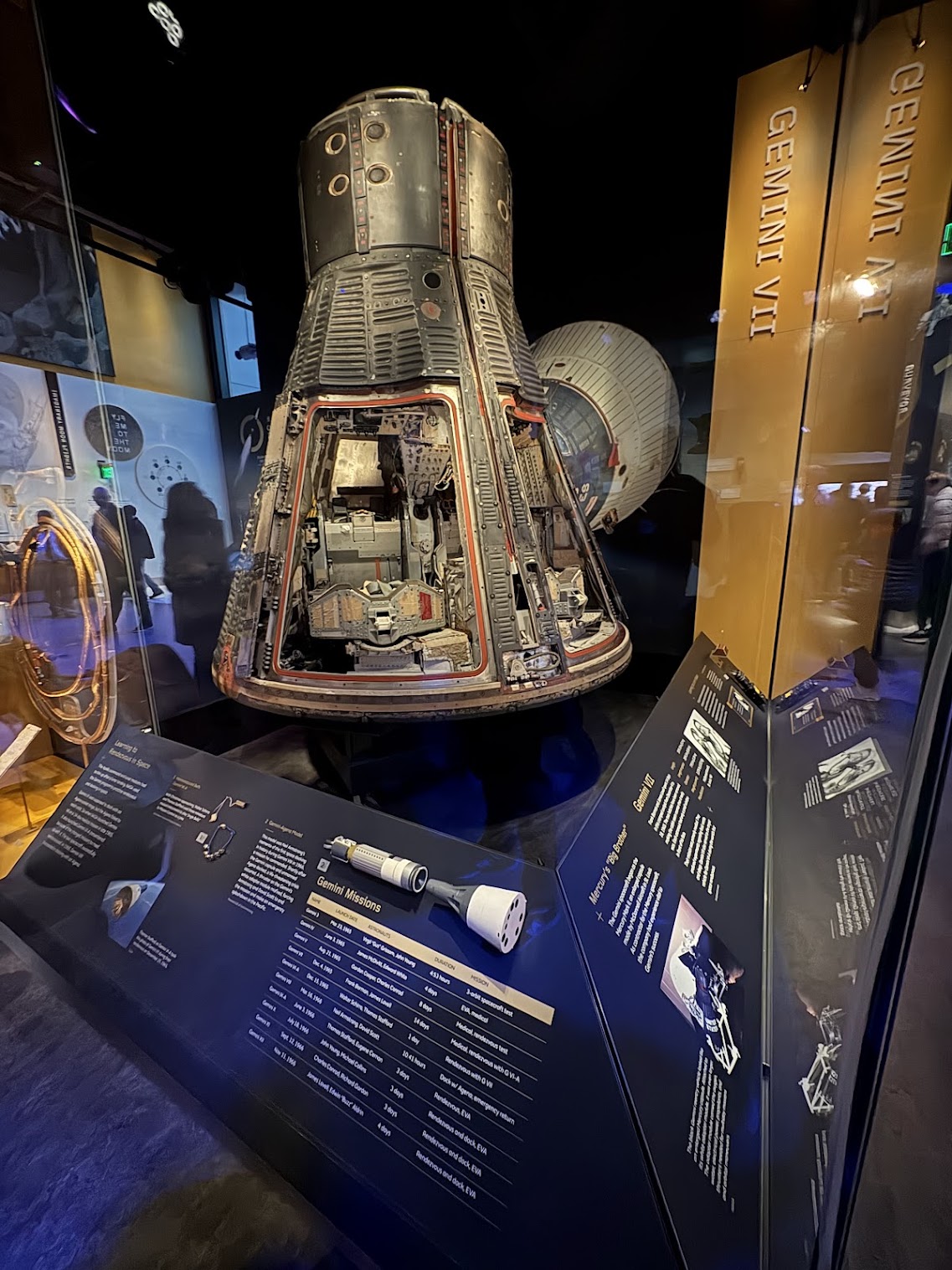
The Smithsonian National Air & Space museum in Washington D C had us wrapped in its wings. The son was thrilled. We’d started off at the original model of Wright brothers’ air glider, and then steadily moved on from one exhibit to another. When finally, we stood in the moon (‘Destination Moon’) exhibit, I glanced over at the son to see that familiar look of awe in his face – it had been flitting in and out at almost every section in the museum. 

I peered into the Apollo 11 Mission Control capsule on display and wondered yet again, how is it that astronauts deal with the immensely crushing feeling of cramped space in a space capsule. It seems alright, manageable even for a short day or two. But nothing these astronauts undertake seems to be in days – they all seem to stretch on and on. Weeks, months, years – when everything you want to get to, is measured in light years, how can we hope for short travels? Peering into the capsule again, it seems like it could give the most robust of us, claustrophobia.

Then again, I peeked out into the simulated views from the spacecraft. Light years of nothingness with little sparkling diamonds interspersing the views for miles and miles. Charming and beautiful as it looks. After a few days, weeks, months, years, it is enough to give the most optimistic of us agoraphobia.

How must their psyche work with this constant tidal forces of agoraphobia and claustrophobia pushing and pulling all the time?

The Orbital Sunrise – By John Green

I was reminded of the essay, The Orbital Sunrise by John Green in the book,  The Anthropocene Reviewed. It really is a wonderful collection of essays by a nimble, curious mind on a wide range of topics.

He writes of astronaut Scott Kelly’s 342 days spent in space where he experienced approximately 11,000 sunrises. The International Space Station orbits the Earth every 90 minutes. Even in the famous book by Antoine Saint de Exupery, The Little Prince, the imaginary soul occupant of the planet he came from, only enjoyed 44 sunrises a day. Take that, Little Prince!

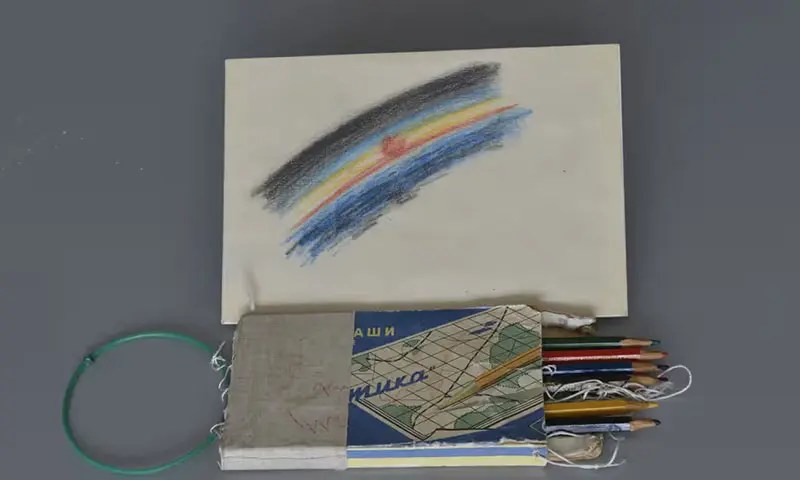
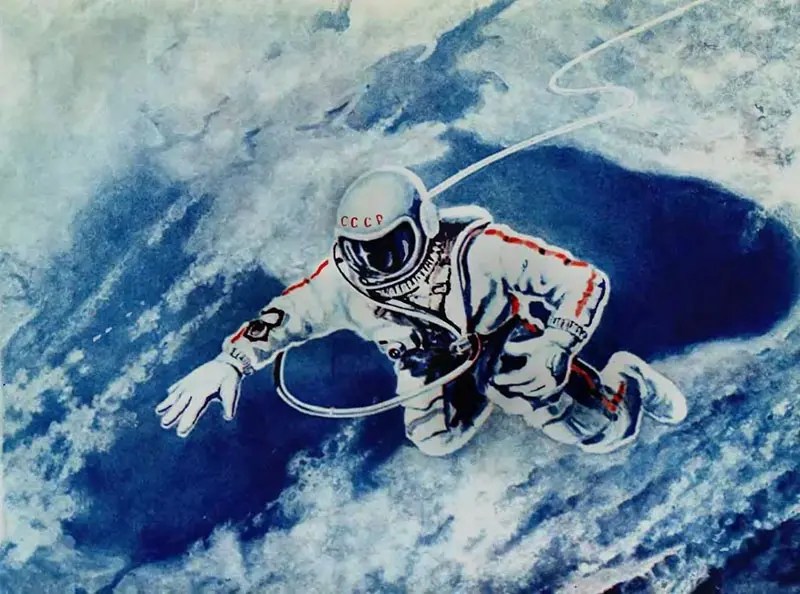
In the same essay he goes onto tell us a little about the misfortunes and luck that enabled us to view the first works of art from space. Alexie Leonov’s space mission aboard the Voskhov 2 holds the record for the first space walk in 1965. The mission itself went woefully wrong, and in a desperate attempt to calm himself, he drew some simple images as they overwhelmed him in space. They can be viewed here.

https://www.lindahall.org/about/news/scientist-of-the-day/alexei-leonov/

“Sunrise” sketched by Alexei Leonov on the Voskhod 2 mission, Mar. 18, 1965, the first work of art made in space, Museum of the Yuri Gagarin Cosmonaut Training Center, Moscow Oblast, Russia, exhibited, with the original pencils used by Leonov, at the Science Museum, London, 2015-16 (theguardian.com)

The sunrise looks like a child’s drawing – a rainbow of colors sandwiched between layers of space’s black, and that right there, for me is the beauty of the piece. Even in that moment of awe, a person with an art pedigree, tapped into his childlike sense of wonder and drew something that miraculously survived a desperate landing that nearly destroyed the space capsule and the astronauts in it.

What would you miss on Earth?

“What would you miss most on this Earth, if you were to leave Earth and live elsewhere?” The son asked me, bringing me back to the Earth, as I mused on this and that. I saw him peering up at the question flashing in front of him as he gazed up at the question on the screen in the Air & Space museum. “My family & friends first, followed by nature itself, I think. But I suppose there will be a different sense of nature on whichever planet we go to.” I said.

“Over the Black Sea,” painting by Alexei Leonov, date and present location unknown (thestatussymbol.com)

He nodded. “Yes – looks like the majority feel that way too.”, he said pointing to the survey results on the screen.

“What about you?” I asked him.

He took his time answering. Then he said, “I think I would like to take you all with me. Then, I will miss Earth’s nature.” I smiled at this response. I distinctly remember the feeling of wanting to take my family & friends if I went very far away, so I wouldn’t miss them. Life did not always work out like our childish wishes, does it?

I knew too that there would be no orbital sunrises in my lifetime for me witness. “I am past the age of astronaut training to go to space and all that. “, I laughed, “But if you do get to see it, remember me for a moment, and I will have the satisfaction of seeing it too.”

He smiled indulgently. “No you won’t! But okay – I’ll think of you.”

With that, we meandered through the exhibit, each wrapped in our own fantasies and thought capsules. How beautiful and marvelous an experience to go to a museum far away and glimpse at a spacecraft that first enabled humankind to fly, and then took mankind to space?

I pondered on the question a lot more. I realized agoraphobia and claustrophobia of space travel aside,  there is so much more to life on this Earth that I would miss:

Art, music, dance, literature, math, science, history, geography, philosophy
Friendship, the exalting and exasperating aspects of the human spirit
Oceans, rivers, lakes, streams
Creatures large and small – manta rays, lions, giraffes, geese, ducks, woodpeckers, wrens, deer
Forests, trees, flowers, vegetables, fruits, canyons, volcanoes 

Most of all: Laughter, Love and all that makes up Life itself.

What about you? What would you miss most about Earth?

Themes of Friendship and Cooperation in Hail Mary

Hail Mary by Andy Weir

We decided to read Hail Mary by Andy Weir in our book club, prior to the movie’s release early next year in 2026. This book proved to be delightful pick for all the different discussions we could have:

There were many fascinating areas in which our discussions went:

The grandeur of microscopic life

The Microscopic Wonders in Hail Mary by Andy Weir

It takes enormous creativity and brilliance to pull off a face-off between his microscopic light warriors that he christens, astrophages, vs taumoeba who are the only known predators of the astrophages. 

Encountering friendly alien-life

Encountering alien life and making it a friendly encounter, instead of the usual fear of an alien takeover is a bold move. As humans, we think of conquering and owning the next available world – so why would aliens be any different? Yet, in this tale, the first Eridian he encounters isn’t antagonistic, simply curious, and our messenger from Earth reciprocates. 

A tale of cosmic cooperation is uplifting and it led us to a wistful wish about having more uplifting literature to read too. Why are we this enamored by war and angst?

Eridian Art & Culture 

The alien-life encountered in the movie comes from a civilization where their planet is enveloped by an atmosphere that is 29 times thicker than the one that protects Earth. This results in a life-form evolving without sight since light is not a viable input source for them. They rely rather heavily on sound.

Of course, for a culture like that, I am curious to hear their music. Will their tonal variations be the same? Can their music encompass the range of hearing of whales and dogs? Or more?

Absence of Light

Towards the end of the book, I couldn’t help wondering how much we would miss light and its effects , if we were to live on a planet like Erid. It isn’t that I have a ritual singing praise to Ra, The Sun God, Surya, etc, but I do love sunlight. Especially the periods of transformation – the sunset and sunrise. Even this evening I sulked unduly because the sun sets so early these days, and I had barely time to close up my laptop when the day was gone. 

We all loved the book, and of course, saw the trailer at the end of it all. The choice of one of my favorite songs, The Sign of the Times, by Harry Styles is already promising.

What do you look forward to in the movie?

The Infinite in Us

This week-end was extremely well suited for cozy pursuits. 

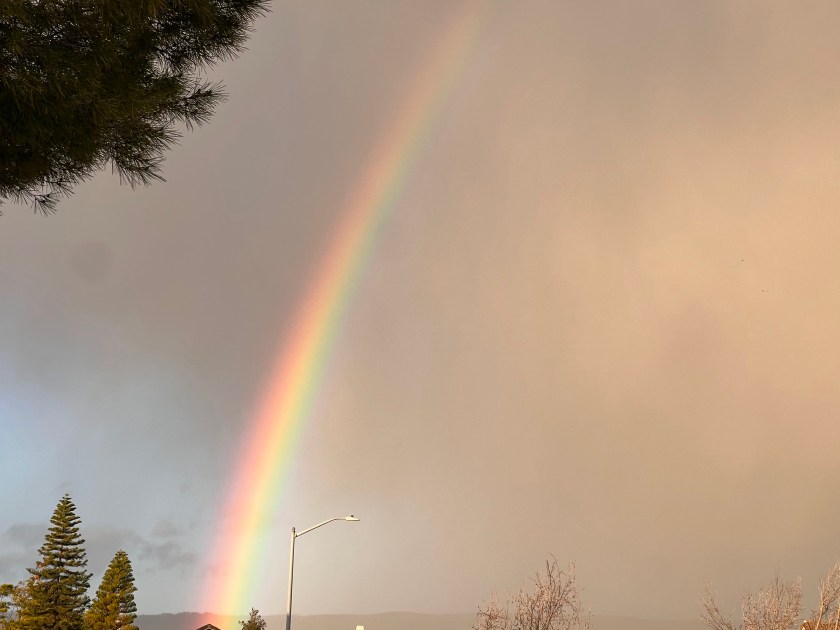
Rain slashed down, our surrounding hills sported snow caps and we proudly reveled in the rare beauty of green hills, snow capped peaks, gushing rivers, brimming lakes, rains that sometimes lashed down, other times, lulled and drizzled. In fact, one afternoon, we saw the sun light illuminate the clouds in so many different ways: there weren’t words to describe the crepuscular wonders anymore. The infinite ways in which watery sun and waxing moon can dazzle white, gray and thunderous clouds, is entertaining enough. 

vintage_pointimg_3557

But as evening crept in, we found ourselves wondering whether a cozy family movie night might do the trick instead. 

So, we settled down on both week-end nights to watch two movies that we knew would fascinate the son:

The man who knew infinity – a movie about Ramanujan Srinivasan, the mathematics prodigy. Thomas Hardy , a mathematician at Cambridge who helped Ramanujan publish his works. Ramanujan eventually was elected as a Fellow of the Royal Society. The movie, while it had its good moments also felt oddly fragmented in parts. 

The Man Who Knew Infinity (film).jpg

The life of Ramanujan for a person of Indian origin is fairly well known. The poor man who lost his health and vigor to tuberculosis and died at the age of 32 leaving a younger wife behind is tragic.

It is also unnerving to see how hard belonging is. Our immigrant experience is so vastly different from the one Ramanujan braved a century ago. Yet, some of the questions remain: Do we belong to a geography? A culture? Or with like-minded human-beings?

Human kind’s need for social connections is a fascinating aspect (introverts, extroverts, families, friends, colleagues, the importance of whimsy, the energy of youth, and the wisdom of those wiser – every aspect seems to play a part in the worlds we construct around us)

None of this seems easy, and in that struggle lies the beauty of messy human lives.

🚀 Hidden Figures – the movie depicting the lives of 3 African American women who worked at NASA and were stalwarts in their respective fields. 

The official poster for the film Hidden Figures, 2016.jpg

As we sat watching the movies, there were places where we stopped to thank the stars that things seem to have improved for the better. Progress is never easy and the ones who braved the struggles placed in their path with resilience, hard work and good humor, are truly inspirational. The movie was also a good reminder of the human spirit and its capacity for the impossible. With computers having far less than the computing powers in our cell-phones, humankind was able to leave Earth’s atmosphere, orbit the planet, land on the moon and launch space vehicles to explore the solar system. 

The movies were good reminders of a philosophy that is often not given as much importance as other aspects of philosophy: the pursuit of happiness via the pursuit of knowledge is tough, but endlessly rewarding. The truths we come to understand, the worlds we get to unravel are all gifts that keep on giving. 

The Origin of Dreams

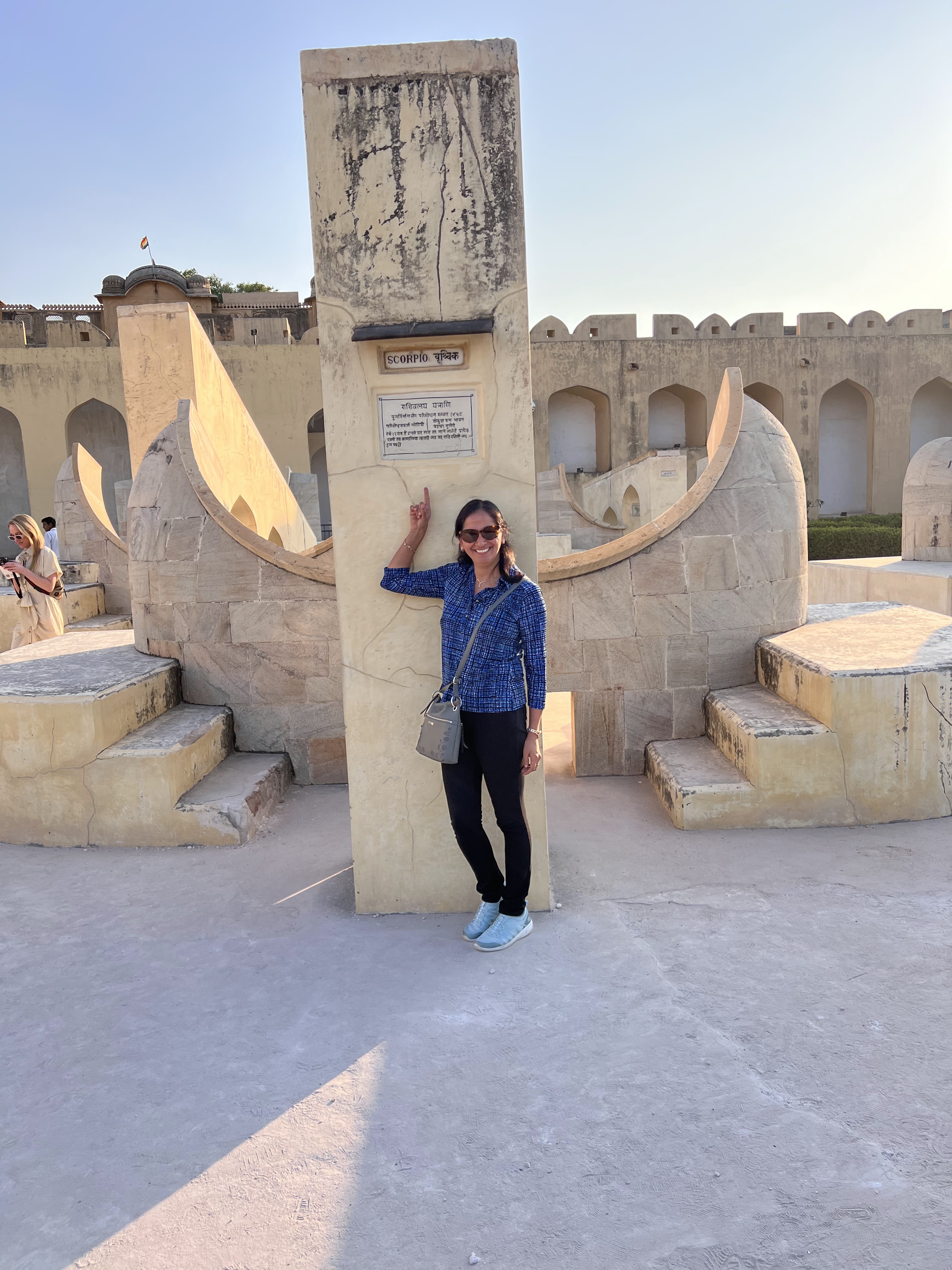
It was a mild day in Jaipur. This time of year means one can walk among the structures of the Jantar Mantar without being fried to a crisp. The guide was explaining the scientific relevance of the structures in front of us. He explained how the latitude and longitudes were determined by the astronomers of centuries ago. As we stood there calculating the angle of the sun and subtracting it from the Indian Standard Time and so on, I missed the son. This is a place that would have interested him enormously – his unswerving curiosity and awe about the cosmos and the nature of time notwithstanding, it was also a propitious time for such musings. 

Earlier that day, I had cheered along with him as we sat on opposite sides of the world and watching the Artemis 1 launch and take off to the moon. Every time the launch had been delayed, he had had a small pang of disappointment. But this time, his eyes shone: “Amma, even if you have a meeting, please just make sure that you watch it. It will be at …”, and he went ahead and calculated the local time for me. Accordingly, I sat in my room watching the launch and cheering with the fellow.

https://www.nasa.gov/press-release/nasa-to-share-artemis-i-update-with-orion-at-farthest-point-from-earth

Image credit: Bill Ingalls: Image Source: https://www.nasa.gov/exploration/systems/sls/artemis-i-launch-0.html

His eyes shone, triumphant as he caught the excitement of the launch with periodic updates from NASA. I told him that I was going to a place that he would really like later that day and he asked me to enjoy it on his behalf. An astronomical marvel from centuries ago. A place where astronomers had mapped the skies with accuracy and skill. 

As I stood there watching the different structures and listening to our guide as he explained how each worked, I also derived small pleasures in seeing that his own narratives often confused astrology and astronomy. (Humans have always been wracked by problems: If, along the way, they tried to understand the sources of their trials and tribulations as something beyond them, who could blame them? ) Nevertheless, it was humbling to see how the astronomers of centuries ago had managed to get their recordings and data accurate to such a high degree. 

That rocket launch of a few hours ago was a cumulative building of dreams and imagining worlds beyond what is known to us. Dreams that started with the ancient homosapiens wondrously mapping the skies, and millennia of human evolutionary interest in the heavens. 

Carl Sagan quote :

“Imagination will often carry us to worlds that never were. But without it we go nowhere.”

– Carl Sagan

How many such dreams are being hatched as we speak? I read a children’s book: Ara, The Dream Innovator – By Komal Singh, that tried to capture the importance of Dreams. It was business-oriented even for a children’s book. The startup language of funding and patents and all the rest of it somehow did not quite capture the magic of dreams, but it was a good book nevertheless. 

We do not know how many dreams are being hatched today that have the potential of being realized in the near or far future. So, I am all for going to places that nurture these fantastical sojourns into our dream consciousness.

To infinity and beyond!

Roving on Planets

Standing outside by the curbside of our home one night, my eyes were drawn to the beautifully illumined Sirius shining bright in the night sky. Sirius has been looking brighter than usual in the winter skies, and I have often stared at the blinking star wondering what was happening that far away in the Universe.  Every dot in the night sky suggesting a universe of possibilities. The space between dots showing the emptiness, the dots themselves, bright and important only because of the surrounding darkness

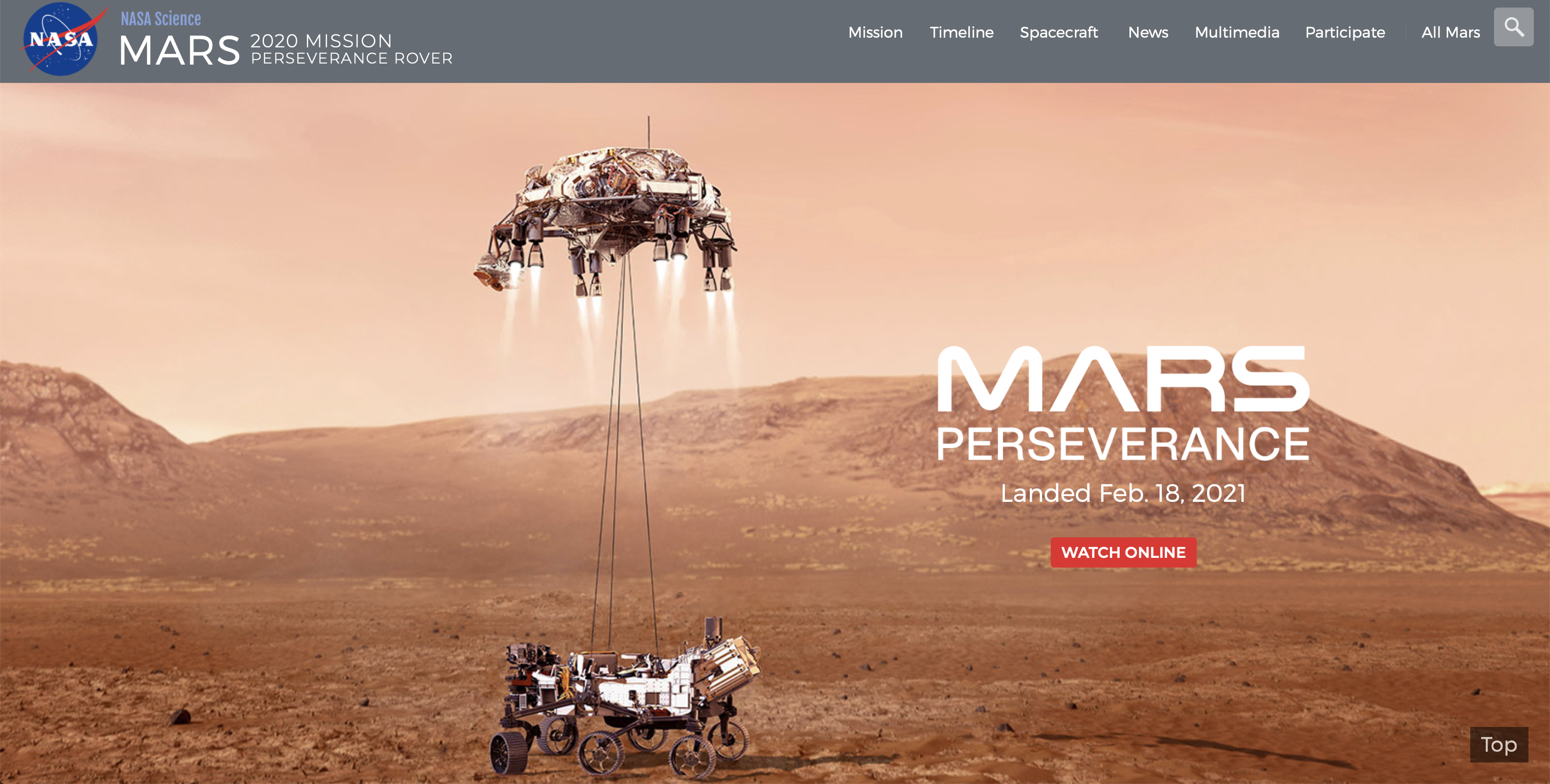
Almost subconsciously, my eyes moved over to the red spot Mars. For here, in our own solar neighborhood, we know that something is happening. Something of human interest, and intent. To think that on that distant reddish spot in the sky, 3 generations of rovers have spent the time taking photographs and trying to determine the existence of life on the planet, is surreal. Not to mention the fact that they have been able to transmit the pictures back to Earth for analysis. 

Screen Shot 2021-02-21 at 2.46.02 PM

The planet has long beckoned us with its allure. All those Science Fiction writers, who used the planet as the home for their fertile imagination, paved the way for these missions. 

Fiction on Mars isn’t new. In fact, the red planet invited writers as early as mid-1800’s to set their stories there. Long before knowing anything about the sounds on Mars, the temperatures, or the atmospheres; worlds were set in it. War of the Worlds had the strangest creatures that human imagination could think of (cephalopod like creatures), who could overpower humans. (This quest for dominance vs courteous co-existence is a pet peeve – why must we turn everything into a conquest? But then, do ants wonder the same about us?) 

martian-ray

Throughout the week, the little cosmologist in the house interspersed our Earthly life with Mars-ly anecdotes and clips. 

Do you know? If we want to live on Mars, we have to have high metal barrier suits. If you go out on an adventure without a suit, there is so much radiation that it could kill you. “ (He had read a novel set in Mars)

Wonder what happened to all water on Mars. The video said there really was water there.” (He has been watching the NASA  videos with interest)

One evening, we sat together huddled up, watching pictures stitched together from the 3 Mars rovers: Opportunity, Curiosity, Perseverance. Barren desert landscapes, not unlike those in the Sahara desert or the Arizonian deserts, are all the rovers could see. In some shots, the commentator says the NASA team stitched thousands of individual images together to gain a clearer view. In some pictures, a blue sky is visible  (the commentator says that NASA colored the skies blue, so as to be able to see the images better, and I thought about how pretty blue skies are and how blue is a very rare color in nature. )

Curiosity and Perseverance will help us find answers. Till then, we have the opportunity to ponder and puzzle about these things. More than any of these curious wanderings, the one thing that the Martian landscape reinforces to me, is that our Earth is a beautiful planet – so vast in its diversity, and lifeforms. The Martian pictures make me want to go out and sigh and fall in love, look after, and cherish the one planet we can thrive on. To admire the miracle that is every tree, every lake, every cloud, every blade of grass, and every flower. 

summer-collage

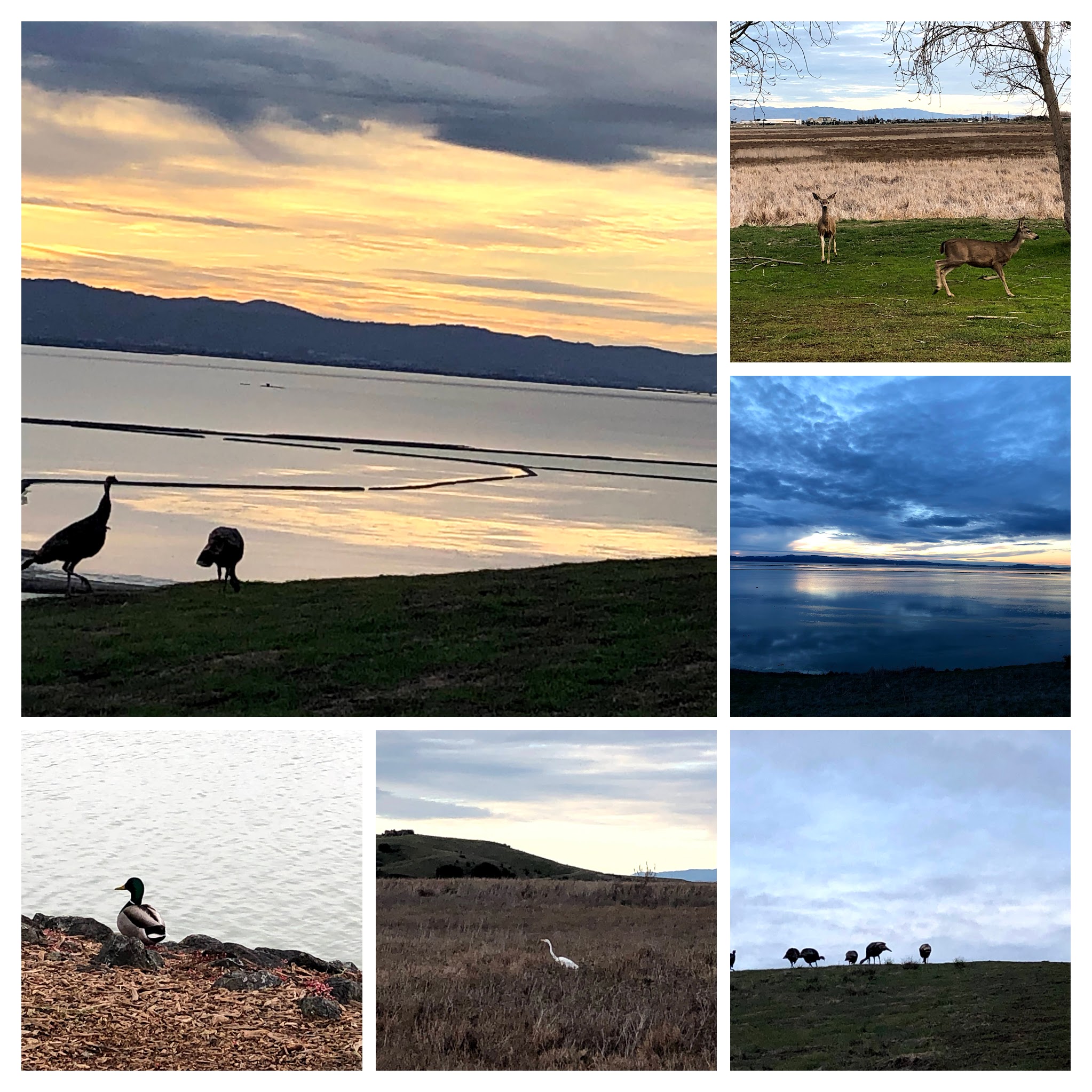
Not to mention the great miracle of life in the form of marine creatures, land based creatures and those that are able to aerially survey our beautiful planet. 

img_1168-collage

If Martian 4K resolution images have taught me anything, it is to buckle down and look after the one planet we do have. If I am to be roving on planets, why not this beautiful one that has so much to offer?

“I walk in the world to love it.” – Mary Oliver

Soonish

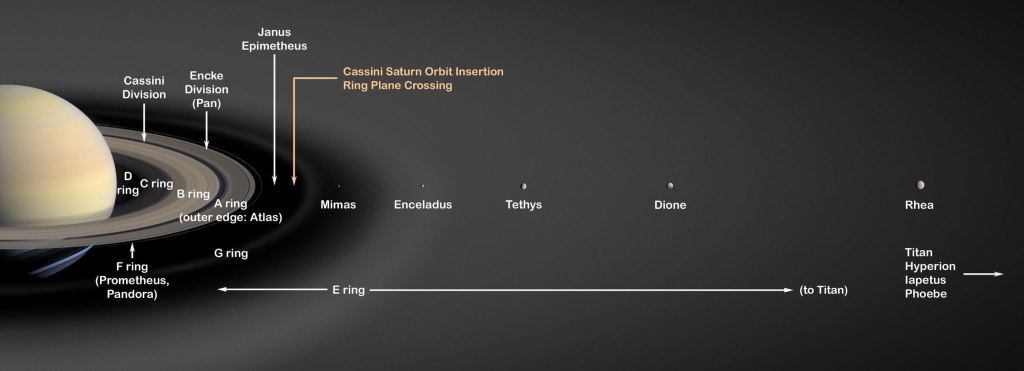
“How do you think the water on Titan is? “

I must’ve responded with a quizzical look, for the son responded with a “Saturn’s moon!” 

http://Public Domain, https://commons.wikimedia.org/w/index.php?curid=610237

“Oh!” 

His interest in all things Space-Cosmos has me unnerved sometimes. He catches me when I am zap in the middle of the myriad things that keep me busy and unproductive, and like a zing of fresh air, sends a question like this to remind me that life does not always have to be stern.

As I thought up a response to another ping at work, I found myself wondering what ammonia-esque water must be like. The temperatures must be more frigid – sure, but beyond that the imagination sort of teeters. Would there be  fish in the seas on Titan? Would their eyesight have evolved so differently because of the low amounts of sunlight, and all this, only if we assume life has evolved on Titan. 

We did not evolve into cyclops like one-eyed creatures. Two eyes lends perspective to our vision and construct the world around us differently than a person with only 1 eye would. What if we had evolved with one eye on top of our head – always upward looking? And another set under our feet? I wonder how we would have shaped our world if we had managed to evolve like octopii with neurons everywhere not just in our brains. 

Over lunch today, discussion moved to contact lenses. With changes in contact lens technology, the disposable ones are in use now. Calculations were being made as to how many days of lenses were left, and I picked up the thread of the third eye and the octopus-like eyes-and -brains-in-limbs theory.

The son immediately calculated the number of the contact lenses we would have required for 3, 4 & 5 eye scenarios, while the daughter moved to the more practical problems

“Yes – imagine – looking upwards all the time, and see bird poop flying towards your upper eye and not having time to close it. Aaah!” That child can take the magic of star dust and turn it into duck-poop!

Another time, there I was thinking along simple lines such as ‘These flowers have faded so much in the summer heat”, or “These poor little squirrels in the heat wave – should we leave some water outside for them?” when the son in his attempt to make conversation pulled me straight out of this solar system altogether with “Did you know Proxima Centauri can pull comets towards it from the original Kuiper belt?”

https://solarsystem.nasa.gov/news/792/10-things-to-know-about-the-kuiper-belt/

Keeping up with a child’s curiosity is difficult enough as an adult. Yet, I look forward to these little chats with the budding futurologist, for they make me think outside of the what-needs-to-be-done to the more creatively beckoning what-can-be-done mode of thinking.

One evening, on a little stroll by the waters, the fellow asked me what I thought would be the 5 most interesting things in the future. I love it when I have to think through his questions like this. I had him go first so I could get my thoughts into some sort of order.

He started off with the space elevator, and then a sky hook, moved on to some solid asteroid mining, and then conservation of energy. He is increasingly fond of the channel Kurzgesagt 

Their you-tube channel has a number of philosophical, scientific concepts. The videos are only a few minutes long and are done in a highly simplistic style, yet enough to give one the overall picture. 

Luckily, for me, I had picked up this book, Soonish by Kelly & Zach Weinersmith

Thanks to the book, I could hold up my end of the conversation. The book is written in a funny and engaging manner. Starting with space technologies and asteroid mining; the book moves on to robotics, augmented realities; and the future of personalized medicine and synthetic biology.

People who have the joy of gaining fresh perspectives from the forward looking spirit of youth are lucky indeed.

May we always retain the inner child in us – The wonder of Shoshin.

The Kaleidoscope of Life on Earth 🌏

“Hmm…how Covid has changed things right Amma?” said the daughter when I walked into her room one day, and spotted ‘Greece’ sprawled across the whiteboard. She has been spending her summer making minor changes to the decorations in her room. As most teens do, she has a fond attraction to her room, and one day I found her looking at the pictures she had printed out to make a sort of picture collage. Her teenage eye-roll and monosyllabic answers fell away as soon as I showed an interest in the choice of pictures she had laid out on the floor arranging and rearranging them to see the best patterns.

How do you see the best patterns in a kaleidoscope? Everything seems beautiful, everything seems fine, and yet the artistic piece of her fussed with the layout and order of the pictures. There were pictures of happy people, little cafes, books, beaches, forests, city lights, quotations, rainbows, flowers, and small towns. The collage was eclectic enough to interest me. She gurgled and burst forth with the thought that went into them. I listened amused. 

By then, her excited voice had attracted her little brother and fond father into the room. Her brother painstakingly wrote ‘Mars’ below ‘Greece’.

“Mars! Seriously dude- next thing we know you will be lugging us into black holes and having us all burst into all the tiny starry bits like your Avengers or Star Wars superhero dudes in their adventures! No! No space travel!”

“Just yet”. I added and she gave me a look that indicated that this idiocy with space is because I indulge him with this stuff. I laughed out loud, and the children joined in too.

“And while we are at it,  no fictional or mythical places either. Only places that we can locate on a known map of the world.”

“Sheesh – she is so strict!” said the young explorer of the cosmos.

Travel_dreams

Cautiously, like deer in a prairie, we approached the topic of places we’d like to visit, ready to scurry back to Covid restrictions. Slowly, the name scrawled on a whiteboard set the stage. In the safe company of just the four of us, it felt good to take a peek into travel dreams again. It was done at first soberly – how happily we had taken international travel for granted? How happily we had taken good health for granted? Disconcerting as the Covid situation has been, it has also made us sit up and take notice of the beautiful things surrounding us on Earth. 

Once we started talking of lands beyond our day-to-day, a different energy gripped the room. Within moments, distances melted away, and the globe-trotters threw names on the board with no thought to distance or expense. Exactly how dreams should be.

Looking at the list on the board reminded us, however, that our lifetimes were not enough for this sort of ambition. How does one fit in a hike in the Himalayas for a zen feel, with a sort of Darwin-esque trip to the Galapagos? How can one fit the journey of civilization in Greece and Peru, to the pure sounds of nature as yet untouched by mankind? I suppose travel still has a lot to teach us, and post-covid, the world will start to cautiously explore once more.

We started, therefore, with a couple of day trips taken mostly on a week-day taken off from work, so we could avoid crowds. We looked for wide trails on which to get our dose of nature and exercise in. While for the first time thinking of a 2-3 day trip, we looked for godforsaken places. Places people do not usually go to for a vacation. But the house was a good one, pitched atop a hill with the nearest neighbor miles away. There was a  Jane Austen-esque feel to the whole thing. It reminded me of the poem by Wendell Berry: The Beauty of Wild Things.

On Being: The Beauty of Wild Things – By Wendell Berry

I set about the evening meal after the long drive there, while the children ran to find board games to be played that night. I cradled a cup of tea in my hands, as I set the water to boil, and rummaged the contents I had packed with me so as to minimize exposure to the outside world.  Slowly, the kitchen’s essence wafted around the room – smells, heat, textures all dancing together in an exquisite symphony of the senses. A symphony was playing as I cooked, and talked to the children. Here was a lively room packed with energy, activity, witty comments, and chaos that strangely translates to calm.

Inside this house overlooking a river valley, I felt the kaleidoscope of our life on Earth lap at me in waves. Watching the objects in the room around me evoked a strange sense of living  on this earth: the telescope, the books ,the music, the keyboard that promises the best music to those willing to invest in it, the creature comforts of a well-built house with the furnishings about us, the deer grazing in the hillside by us, the beautiful moon, the thousands of stars visible because of the distance from populated areas.

Life_On_Earth

The Peace of Wild Things: By Wendell Berry

I come into the peace of wild things

And I feel above me the day-blind stars waiting with their light.

The daughter’s pictures had indeed done a good job of capturing life on earth.

Star 🌟 Stuff?!

I don’t know if you have tried comet chasing every night for a week. A week in which photographers from the world over posted photographs that suggested a flaming, brilliant torch tearing past our heavens with an urgency that made you realize life was short, our journeys spectacular, and a whole lot of poetic asides.

The husband, the bright matter energy source in the household, if anything, shored up even more bright matter to counteract all the dark matter in the universe. His resolve only wiggled a bit when he saw these brilliant flaming pictures of the comet as though it was an olympic torch blazing through the heavens, when in reality, the comet looked like a Pluto after a good cry. (After the astronomer’s good cry, not Pluto’s!)

The son, kept his running commentary on photons, light years, superclusters, cosmic addresses, and the pair of us dreamt on.

The daughter, pragmatic as ever, squashed The Poetic Outlook like a bug under a hippo’s knee. Some teenagers may find it cool to tag along with their parents on adventures chasing 💫 comets: ours rolled her eyes, and the drag of the eye roll did resemble a comet’s tail.

I’d like to think that I was the calm influence that steered the boat into the cosmic oceans. The husband turned to give me an amused look, the son’s laughing rattled the comet to go back into hiding, and the daughter pulled her coolest teenage look of scorn and said the all-encompassing word, “kook!”.

“You know? I don’t see why people are wasting so much  time with the skies. I mean, if you  do see  the comet, I suppose it is nice and all, but  what’s the point of sitting there for hours on end and trying to find something hurtling through space. Huh-hmm!” she said, her lips thinning just the way her grandmother’s would.  I love it when the mannerisms of her grandmothers slip into her speech in unguarded moments like these, and couldn’t help smiling.

“I  mean – what sort of career is that? And what use is it?!” she cried, clearly asking for it.

The son & I, inferior debate  companions as we are to her sharp tongue, rose up to the occasion.

“Hey  hey hey! Going at the rate we are, scanning the skies may give us an opportunity to find another habitable planet to expand into. The same can be said of all kinds of research – the actual research does not immediately yield results, but every little bit of understanding advances us  a little bit further.”

“Yeah – also we need to know where we are in the universe! Are we in Milky  Way, Virgo Supercluster, Observable Universe:  what is our address?” said the son.

Location_of_Earth

Andrew Z. Colvin / CC BY-SA (https://creativecommons.org/licenses/by-sa/4.0)

The daughter’s tongue could have  sliced an apple in an instant as she rattled off our home address and said, “Why do we need to know huh? I mean, here we are. This is it. Live here, what is all this knowing where-we-are stuff? Waste of time. What is it going to do for us?”

The son & I blanched. You see: the pair of us are dreamers, standing beneath the stars, and endlessly wondering whether we belong to the Lainakea supercluster (is it the same as the Virgo supercluster?)  After the observable universe, then what? What if all the observable universe in inside a massive black hole, and time is only  something in this space? 

“But we are made of star stuff – isn’t that magical? Star stuff!” said the son wistfully.

“Yeah – duck poop is is also star stuff – deal with it!” said the daughter. The son wilted under this argument. The daughter caught sight of my eye looking like an angry comet, and mollified the little poetic fellow. “But duck poop is good star stuff! Heh??!!”

I cannot say the debate went anywhere. It was a disappointing bunch of evenings after all, and the teenager felt it keenly. I mean, when one has posted  to one’s friends that they are going comet gazing, and then come back after hours, having  grazed on half a luna-bar, there is bound to be a dearth of the poetic. 

“You know young lady, I have just the book to cure you of this disappointment.” I said and gave her the book, The Stuff of Stars by Marion Dane Bauer Illustrated by Ekua Holmes

The illustrations in this book make it an absolute treasure. In the past few days, after a clearly disappointing  comet gazing experience, I found myself gazing at the marvelous pictures in the book instead. 

stuff_of_stars

The 💫 Comet 💫 Life

The past few days have been a flurry of activity with tiny little bursts of stardust and magic spun into the day.

We traipsed home tired, sleepy but triumphant. This was a Sunday morning well spent: we had finally sighted the elusive comet, 💫  Neowise. The previous morning, we had run outside at a similar time, and stood pinching our eyes, squinting at a resplendent Venus and thinking that if you cocked your head to one angle, and yawned loudly enough to get tears in your eyes, you could spot the tail. This technique made for some hilarious moments, but comets don’t seem to care much for sentient beings on some transient planet trying to catch sight of them in the wee hours of their morning, and we had to accept defeat and head home.

The next morning, however, we had managed a grainy sighting of the comet and we were jubilant. When the chocolate drink was gulped, and the little fellow was tucked into bed again, I lay in bed thinking of the comet 💫 . I could not shake the beautiful image from my mind’s eye.

img_8934

To the naked eye, it looked nothing like the images taken by setting one’s camera to a long exposure, but it was there alright. The burning star with a yearning, a lone star shining its torch as it scorched its way by numerous stars treading a path it had set for itself. An unconventional celestial object. Compared to the systemic order of the rest of the universe, there was a object that was definitely unconventional , a trail blazer (get it, get it?) Why an elliptical shape, and why 6800 years?

I went about the days after the comet sighting with a faint gasp in my demeanor. Imagine, as we are holding all these important meetings, combating pandemics, and trying to protest against all things unjust, here was an icy blob just spinning away on its own elliptical. 6800 years before it can peek at us again. Often as I went about my day, I wondered whether there was a possibility of sentient life evolving on comets. Comets and asteroids have been known to be microbe transporters, seeding the possibilities of life as they hurtle through the vast dark emptiness.

Do extremophiles have what it takes to feel?

I mean, if we were to have evolved on a comet rather than a planet, would we have had such success in determining the nature of physics and the laws that holds the cosmos and the universe within which we thrive? How would time be measured on a comet? If rhythms helped us discern music, what would music have been in a comet-ic life? Our own days on Earth are neatly sliced into hours, minutes, and these days blend into weeks, months and years. Before we know it, we have made one full circle around the sun, and the seasons have changed along the way in predictable ways.

But none of that would be true if sentient life such as ours had evolved on a comet instead. There would be no days, no seasons, no predictable cyclical rhythm to our days. The sense of adventure as we drew near other stars and planets would probably fill the time. But time itself may have no more meaning, or much more meaning depending on how one perceived it.

These musings were sources of mild amusement, while life itself marched on with a comforting rhythm down here on Earth – dawns, days, dusks, nights, weeks.

Did the seagulls, deer and ducks think of such things?

Ahh! Comet life!