Successful Transitions

Reminders of time passing are all around us. It is there in the first drizzle of October nights, in the nippy mists of November mornings, and the frigid temperatures of the freezing winter months, as much as it is in the growth of hope and new leaves in spring.

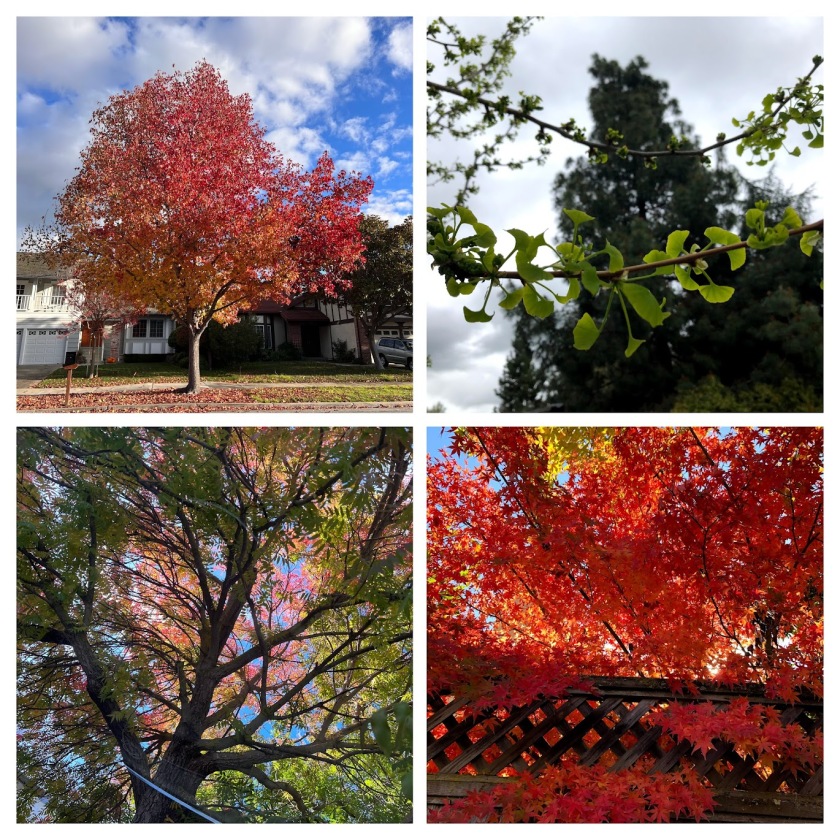
IMG_7697-COLLAGEYet, even after a few years of these cycles, we still do not comprehend the effects of time as effectively as when we see those around us age, or loved ones lose their vigor. It has been a hard lesson and one everyone goes through in life. But the past few trips to India have really brought this to us with increasing clarity and sadness. Sadness, not for the coming of the inevitable, but for our own reluctance in accepting it.
It is hard seeing once vibrant aunts and uncle lose their vigor and charm. Precious few hold on to their good graces as they age. Many lapse into complaining about their lot. Still others, refuse to accept their diminishing physical prowess, and insist on being in-charge even in situations where they are clearly past it.

What will our folly be?

The more I saw of the aging and the elderly, the more I wonder whether there is an easy way for us to move towards acceptance. I understand first-hand the shock of it. I remember thinking with shock when my daughter’s friends called me ‘Aunty’ for the first time all those years ago. When had I become an ‘aunty’? But now, I love it when the friends of my children call me ‘Aunty’ – it is a word that fills me with joy.

This is also a reason I find myself attracted to books by authors like Miss Read. (Jacqueline Winspear was recommended to me recently and I like the style and wisdom in her writings as well). Fictional and functional characters such as Miss Clare and Mma Ramotswe of the No 1 Detective Agency come to mind. They bring to life the kind of people we admired through our childhoods: normal people living life with grace, common sense and love for those around them. It is comforting to read that practicing these apparently simple tenets lead to a good life.

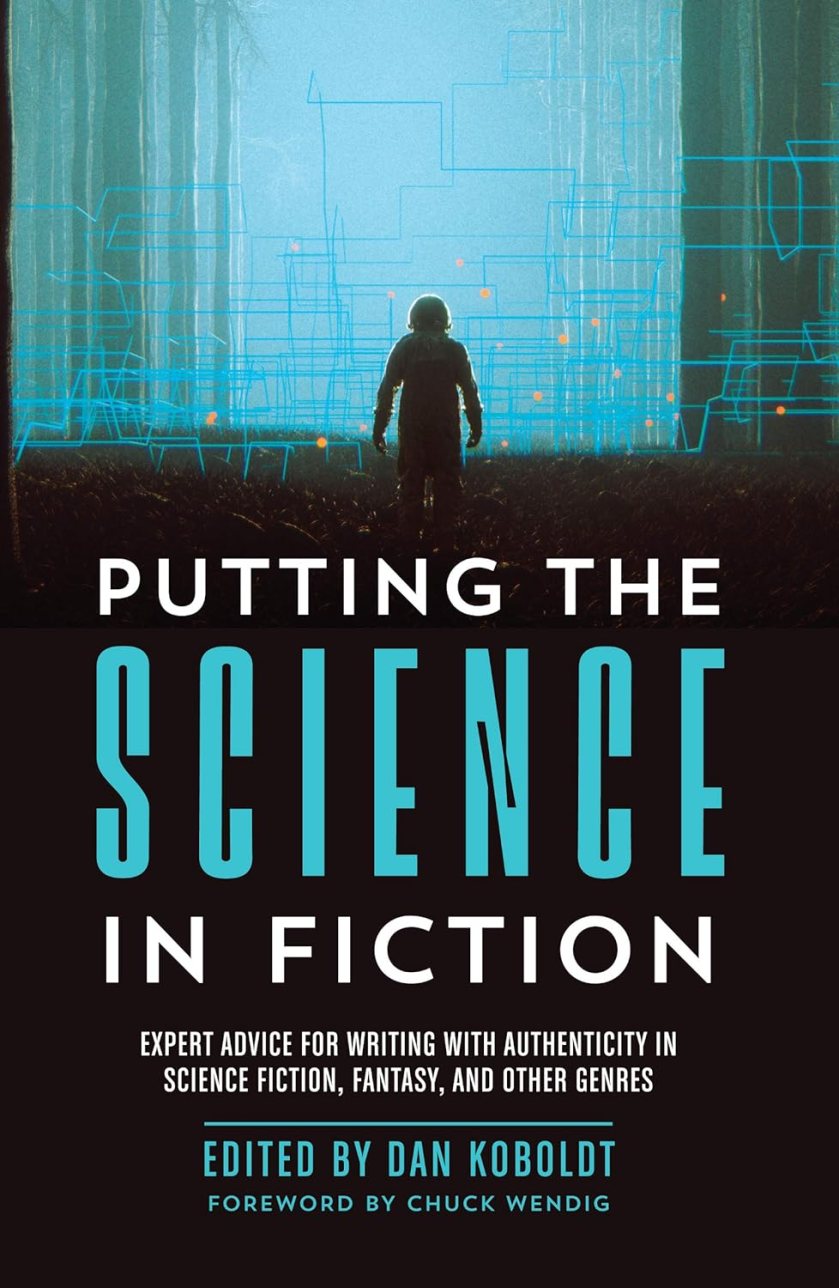
As I read the essay on psychosocial intelligence in the book: Putting the Science in Fiction – Collated by Dan Koboldt , I could not help nodding along at the bits of writing related to our lifespans as outlined by the essayist Maria Grace. Maria Grace is a psychologist and a curious observer of the human condition. In it, she says that

🍀”Psychosocial development encompasses the changes in an individual as they manage various societal expectations across the lifespan.”

While there are many books that guide us through adolescence (now more than before) , I am constantly looking for good books that guide us through the middle and later stages of our lives. There are always philosophical works – the wisdom of humankind through the ages distilled in our myths, fairy-tales, vedas, religious texts, fables and epics. Philosophers such as Seneca, Aristotle and Buddha who have given us a peek. 

When we are children, we rarely understand what adults mean when they say childhood is far easier. I don’t think I ascribe to that theory. Those of us lucky enough to have people looking after us certainly have things to be grateful for, but adolescence is also a period of great uncertainty and angst.

However, I understand now what teachers and parental figures meant when  they said childhood was easier, for adulthood brings with it a whole host of different challenges. The expectations of our roles in society, the ability to care for different generations – older parents, our siblings, colleagues and peers, and younger children ( our own, niblings, friends children, those in our care).

🍀”In addition to the tasks of preparing older progeny for launch into the world and managing the increasing needs of older parents, individuals at this stage of the lifespan are also expected to step into social leadership roles. A commitment to lifelong learning and growth marks a positive resolution to this stage, whereas Ebenezer Scrooge-like preoccupation with self and comfort mark an unsuccessful one.”

As I read on to the late adulthood sections of the essay, specifically, navigating the travails of old age and its associated ailments. She goes onto say:

🍀“Those who manage this transition (late adulthood) successfully do so by recognizing the worth of their previous and continued contributions to their society and future generations. Depression, despair and giving up mark unsuccessful transitions.”

I have yet to read any books by Maria Grace, but her essay on psychosocial development in the Putting Science in Fiction book is an excellent one. (Essay: Character Development Beyond Personality Quirks)

science_in_fiction

Our Invisible World Made Visible

I pulled Atlas of the Invisible from the library shelves looking pleased. Here was another book straight from the dream shelf. As I thumbed through the pages, I felt a familiar flutter of anticipation. I could already visualize the happy hours spent looking into the different maps and visualizations to help understand the world around us better. 

Many of us have heard of the map Dr John Snow drew up of the cholera epidemic in London as he went about his duties as a doctor. With the aid of his map, he was able to isolate and identify the contaminated water pump from which the water-borne disease was spreading. 127 people died in 3 days and over 600 people died within a month. Here was a groundbreaking example of multiple skill sets coming together to identify and problem solve. 

Of course, data and its importance has only increased in the intervening century and a half since. In Dr Hans Rosling, Anna Rosling & Ola Rosling’s book, Factfulness: Ten Reasons We’re Wrong About the World–and Why Things Are Better Than You Think , examples of data collection, sampling, analysis and visualizations help us think of the world in eye-opening ways. The progression of populations from under-developed to developing to developing is fascinating and gives hope for a future that has solved many of mankind’s problems. 

life-on-4-levels

<Infographic from Factfulness book mentioned above.>

Now, several leading newspapers such as the New York Times commission data analysts to present their findings and even have visualization teams to help with the most succinct presentation of data. 

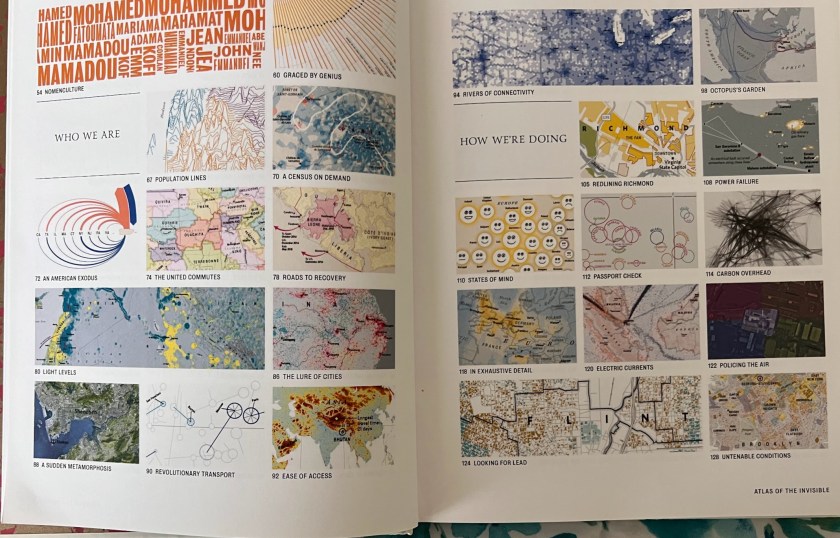
Atlas of the Invisible – By James Cheshire and Oliver Uberti is a treat for those who enjoy analytics. 

atlas_invisible

Example charts – to see if you like the book:

IMG_8034

We are all data points in this world. I chuckled as I read about the folks who revealed a high security defense location in the middle of the desert simply by turning on Strava to keep track of their daily activities. A good reminder that like many of our inventions, this penchant for data tracking and analysis too will bite us in unexpected ways.

I hope you enjoy the books as much as I did.

Recommended Reading on this subject:

Frogs or Moths?

The morning started off with a commotion in the room. “Get me a magazine!” said the daughter. She was standing on her window ledge. The English language can be woefully inadequate at times like these. What adjectives could one use to describe a goddess incarnate in shorts and tangled hair shouting like the devil? 

I goggled at her: sleep addled myself and asked her what was going on. She sputtered and shuddered as she regaled the heroic tale of how she came to be in the position she was in when I was summoned into the room. 

As most tales of heroism in our home started off, it was with a big moth. No lepidopterists in this house as you can see. 

Apparently, one ‘huge’ moth had been flying around and after several minutes chasing after the monstrous thing, she had managed to trap the thing between the wall and the upturned waste basket. She stood there looking determined and sheepish all at once, and asked for something to slide between the wall and the waste basket. 

moths_in_bedrooms

“All that evolution for using tools, and this is what we use it for!” I muttered and went to get something of sufficient size. 

A few minutes later, she came smiling widely and looking very pleased with herself. She had released the gigantic thing out into the wild. (notice how the moth turned from ‘big’ to ‘huge’ to ‘gigantic’ in 3 paragraphs?)  

I used the opportunity to talk to her about being less-dramatic, feeling compassionate towards our fellow beings on the planet (I have compassion when the moth is outside, not in my bedroom, Mother!), and generally learning to be calm about little things like moths in bedrooms.

She rolled her eyes.

After this, peace was restored and we went about the day. It was later that day that she got her revenge on Yours Truly. I had just driven back home on a high traffic day, and noticed a rather large white rose in our garden. I’ve always loved white roses – they have a pristine look before they start drying up. I leaned over to pluck the beautiful blossom, picturing the peaceful looking flower in the Buddha statue’s hands.

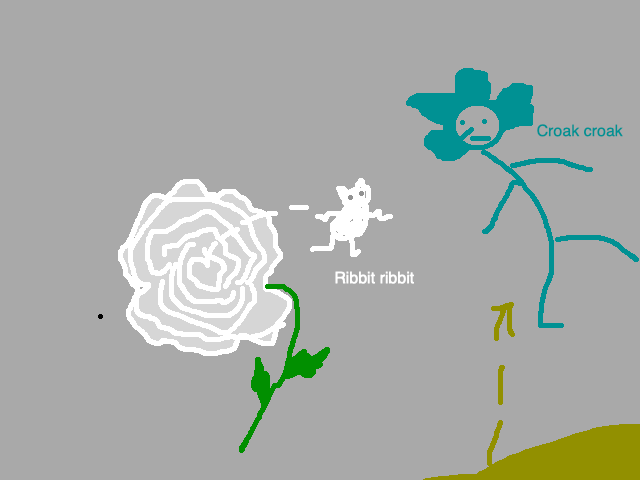
I peered into the rose and saw an inner petal that looked slightly less white than the surrounding petals. Maybe it had started to brown, I said to myself and reached in gingerly to pull the petal, when I gasped and leaped back. A small albino frog leaped out at me from within the white rose petals. 

frogs_in_roses

I was still looking shocked and spooked when the daughter came to the door. She asked me a few questions and I croaked a thing or two in reply. Getting nothing intelligible out of me, she ushered me into the house. I ran to the bathroom to wash my hands. I had just touched a frog, had said frog jump out at me, and had leaped away with the agility that the frog was proud of. 

I don’t know whether any of you have had albino frogs leap up at their faces, but if you haven’t, I can tell you it is quite the shock especially when you are expecting to loosen rose petals and have amphibians leaping at you instead.  It is like finding crocodiles in your bath-tub.

A few minutes later, the daughter breezily walked into the room and said, “Okay – I’ve held off long enough to let the frog shock wear off a bit, but I can’t hold off anymore. Here goes! Proud, are we? Huh?!  After giving me a nice big lecture for the moth in my bedroom this morning, you can’t even croak a word out when faced with a poor, measly frog, huh?” 

“Yes – but a frog and a moth are not the same. The frog leaped at me!” I said.

“My moth flew at me. Your point, Mother?” said she, ever the astute debater.

The Sounds of Cricket

India has always been host to the resounding sound of cricket. The game and the insect. Television crews lose no time in covering the game non-stop, while the sound of crickets in the hills don’t seem to warrant coverage. Though, there is just as much excitement there if you ask me. 

We had gotten away from the immediate hustle and bustle of the city, and were thus allowed the luxury of listening to the sounds of nature. We shushed each other with rather more vigor and noise than was necessary and finally, the room quieted down. The sun was setting outside. Combined with the excellent company, the warm conversations reminiscing some of our pleasant times together, the beautiful light filtering into the room,  and the thrumming of crickets all around us, it all made for a surreal calm setting. I could imagine what people meant when they said ‘ports from the storm’ in that setting.

img_7377

I had no idea how many crickets would be required to produce a racket like that, and filed the question away for another time. That is the sort of the thing that the son would find amusing to find out. In the meanwhile, my friend was telling me about she noticed that at 7 o’clock sharp, the sound of crickets just died down. This was curious. So it wasn’t at sun-down. It was a few minutes past sun-down. 

The act of producing the sound is called stridulation, it meant that the thrum buffeting us in the hills was the sound of vibrant life finding a way to thrive in its environs. Much as the hum of entertaintment in the form of games, music and televised stories in our cities is a sign of thriving life of humans. 

The sounds of a species do have a story to tell – though I envisioned this line of thought quickly devolving to burps and farts, and wisely held my tongue. Just as my friend said, the clock ticked from 6:59 p.m. to 7:00 p.m. and the sounds instantly died down. An eerie quiet filling the void in its space. 

Later that night, after we had played a game of cards and quietened down for the night, a few minutes after lights were out, the sounds of our whispered conversations, the giggles of the children, and the admonishments of the older folks all died out. Just as sudden and just as deafeningly as the crickets earlier that evening.  

I smiled, and clearly exhausted drifted off to sleep myself, the lack of sound a cocoon for which I was grateful. 

Dinosaurian Thoughts

“You look excited!” said the children eyeing me suspiciously. I identified that wary look and chuckled. Usually it means an additional hike or a walk, or something done ‘together – as a family!’.

I could feel the eye-roll coming on.

As a teenager, the daughter has a reputation to maintain, and as her loyal side-kick, her brother is torn between wanting to humor his mother and learn how to become the cool teen. 

“Relax! I am just waiting to start a new book tonight. It is about the era of the dinosaurs!” I said with a grand sweep of my hands featuring the landscape that just a few million years ago could’ve been home to tyrannosauraus rexes or brontosauruses. 

“Looking at the animals here, my bet would be on the runts of the species!” said the husband.

“We do have the great descendants of the velociraptors here in plenty!” I said eyeing the birds in the riverbed.

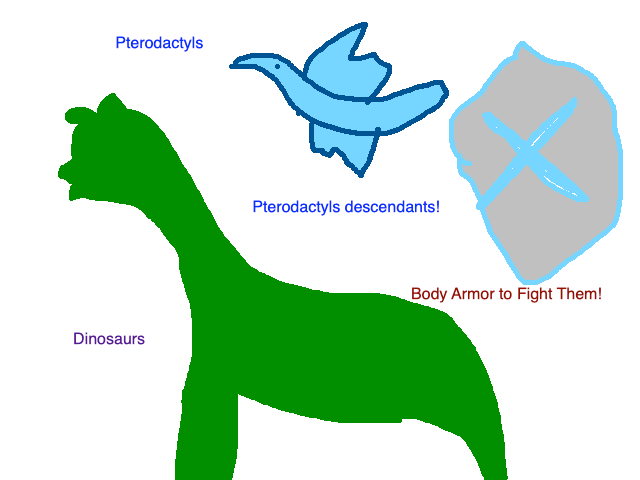
That led to an interesting discussion on dinosaurs, and how the dinosaur bones could probably have been the inspiration behind the legends of dragons. While paleontology as a discipline of study and research may be relatively recent, digging and unearthing relics of the past isn’t and neither is human imagination. From there, we somehow landed up discussing the best designs for helmets and body armors while fighting dragons and dinosaurs, and had a good time anyway. 

dinosaur

Later that night, glad to have a night free of late night meetings, I swished away to sit by the window sill taking in the full moon rising outside and pondering on the lives of dinosaurs of long ago perceiving the moonlight, and the millions of years in which mammals have been fascinated by the same. 

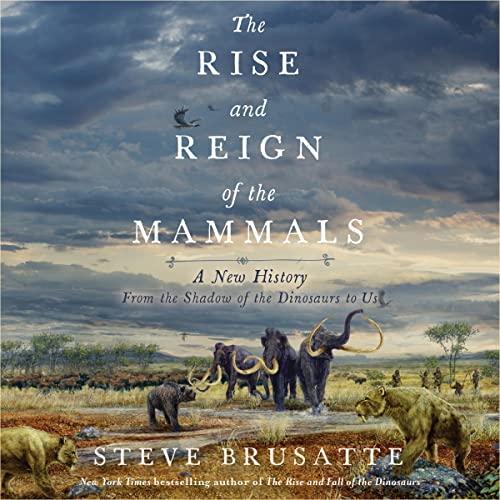
It turns out the book I had in my hand was not one on dinosaurs but on the history of mammalian life from the shadows of the dinosaurs. Oh well!

Book: The Rise and Reign of the Mammals – A New History – From the Shadown of the Dinosaurs to Us

By Steve Brusatte (Author of BestSelling The Rise and Fall of the Dinosaurs)  

51zcbWeULeL

Honestly, book covers these days are the most illuminating ( award-winning, best selling, top researching, nominated for best selling lists!) 

Nevertheless, I had a quiet few moments reading before a call interrupted the quiet of the night, and I had to set the book aside. 

The Dinosaurs seem to have gone millions of years without needing any of these to live their quiet lives on Earth. 

Does anyone miss snail post?


Navigating by the Starlight

Navigating by the Starlight – Listen on Spotify

Rest, nature , books, music, such is my idea of happiness.

– Leo Tolstoy

I sat looking out at the lake, with a book on life in the Oceans by Sylvia Earle in my hand. I was not exactly reading. That in itself was worth musing about: with a book in a quiet spot, but not reading. Usually I can zone into a book within seconds. It is a source of being teased in the home. But that day, I found thoughts fleeting, the mind elsewhere: it’s this pace of life, I told myself sagely. Not much time for nourish-ing and cherish-ing. I chuckled at that (I know! )

I had been on a brisk walk at the campsite a few hours from where we lived. The drive up there was relaxing in itself.  The long, solitary drive gave me the space to make a few phone calls, listen to some music and an audiobook. It was perfect. This kind of solitude is rarely available and I was determined to enjoy it.  

Where was I? Yes – sitting and doing nothing but taking deep breaths and looking lazily out at the lake in front of me. 

img_7039

The Eye of the Earth quote playing on my mind. Looking across the lake, I saw a bush of greenery that reflected so beautifully in the lake as so resemble a human eye. Some boys were skipping stones lazily across the lake, and faint music was heard elsewhere. 

Later that night, the skies opened up. At first the faint light did not reveal the nightly glory – the cosmic dance that plays out every night. But by 11 p.m., there was no escaping the stage of the heavens. In our heavily populated urban areas we rarely see this skies like that:  The Milky Way in all its glory. There was the international space station circling the Earth, and thousands and thousands of stars, with familiar shapes of the constellations that our ancestors mapped over the ages.

At one point, I had to walk from point A to point B, and found that I had lost my way amidst a thicket of trees. I felt a strange sense of unease – How did birds migrate by the starlight? I looked up, enthralled, my breath stolen from me in a gasp of wonder, but also acutely aware navigating by the stars is tougher than it looks.

I read a while ago, that birds align with the electromagnetic patterns of Earth and then use that to orient and navigate against the stars. From the magical birds who sense the Earth’s magnetic field for their migration journeys to the fish who are able to navigate by the position of the stars from deep under the ocean, we each have our own unique way of living. Of Life.

In Dr Oliver Sack’s book, Musicophilia, he says:

“Every act of perception, is to some degree an act of creation, and every act of memory is to some degree an act of imagination.”

Oliver Sacks, Musicophilia: La musique, le cerveau et nous

https://www.nytimes.com/1958/10/17/archives/study-finds-birds-guided-by-stars-migrating-flocks-are-led-by.html 

All this may be fine. But how was I to get back? My electromagnetism wasn’t helping, and the stars seemed to be twinkling and having their little joke up high in the skies. It is then I caught glimmer of the starlight reflected in the lake down below, and like a thirsty wildebeest pushes towards the water, did the same, urging the body to orient itself with the lake and the paths around it like I had done earlier during the day.

One day, I shall have to take lessons from the birds and learn to navigate by the stars instead. “Stop using the GPS while driving first!” said a little voice of truth, and I chuckled. Yes – baby steps. Driving first, and then flying. 

Oh Canada!

Any time we see a license plate for an out-of-state car in California, the son gets excited. I assumed it is part of his being this boy who spent his early years watching the Disney movie Cars. I must say though, if I had tried to envision life a decade on, and saw ourselves still being excited by license plates, I might have  been a little worried. Yet, here we are, and still excited by license plates. Oh well!

This time, we weren’t even going to see out of state license plates. We were going to see Canadian license plates. 

All we knew about Canada is that it is a beautiful country – vast, and the people a gentle populace. Well, that, and they have a sense of humor, probably good at winter sports – ice hockey, curling, skiing, that sort of thing. May not even count as trivia. In fact, most of this ‘knowledge’ seems to have come from talk shows, sitcoms, particularly one that is very popular in the nourish-n-cherish household: Corner Gas which is set in Saskatchewan, Canada. Or Anne of Green Gables by L M Montgomery set in Prince Edward Islands.

Every country is like a particular type of person: Canada is like an intelligent, 35-year-old woman.

Douglas Adams

Anyway, there we were hopping on our left and right feet excited to go to Calgary – the airport closest to arguably the most beautiful national parks in Banff. We expected to be wowed by the natural beauty of the mountains, the lakes, and the rivers fed by glacial melt.

IMG_6497-COLLAGE

But we had not planned on being this excited by license plates.

The first time we saw the license plates of a car from Saskatchewan, the son and I pointed excitedly to each other. Hey! Look! Land of the Living Skies, Saskatchewan. We stopped admiring the license plates. Sub consciously, we glanced up at the blue skies and the large white-and-black magpies that flew past looked amused. We could imagine the beautiful skies of Saskatchewan, could we not?

“Ha! Maybe he stopped by the Corner Gas station to fuel up!” We found this hilarious after a long flight, and filed it under sleep deprived delirium.

There really was no excuse though when we were just as excited by the license plates of British Columbia, Alberta, Manitoba, Ontario. License plates of states in the United States do not have a catchy slogan for each state. 

canadian_license_plates

🥀 Wild Rose Country Alberta

🚸Friendly Manitoba

🌌 Land of Living Skies Saskatchewan

🏔Yours to discover Ontario 

🪷 Beautiful British Columbia

I wonder what each state in the United States would have as license plate slogans. That’d be an interesting exercise wouldn’t it?

Earth’s Eyes

Canadian summers are generous. 

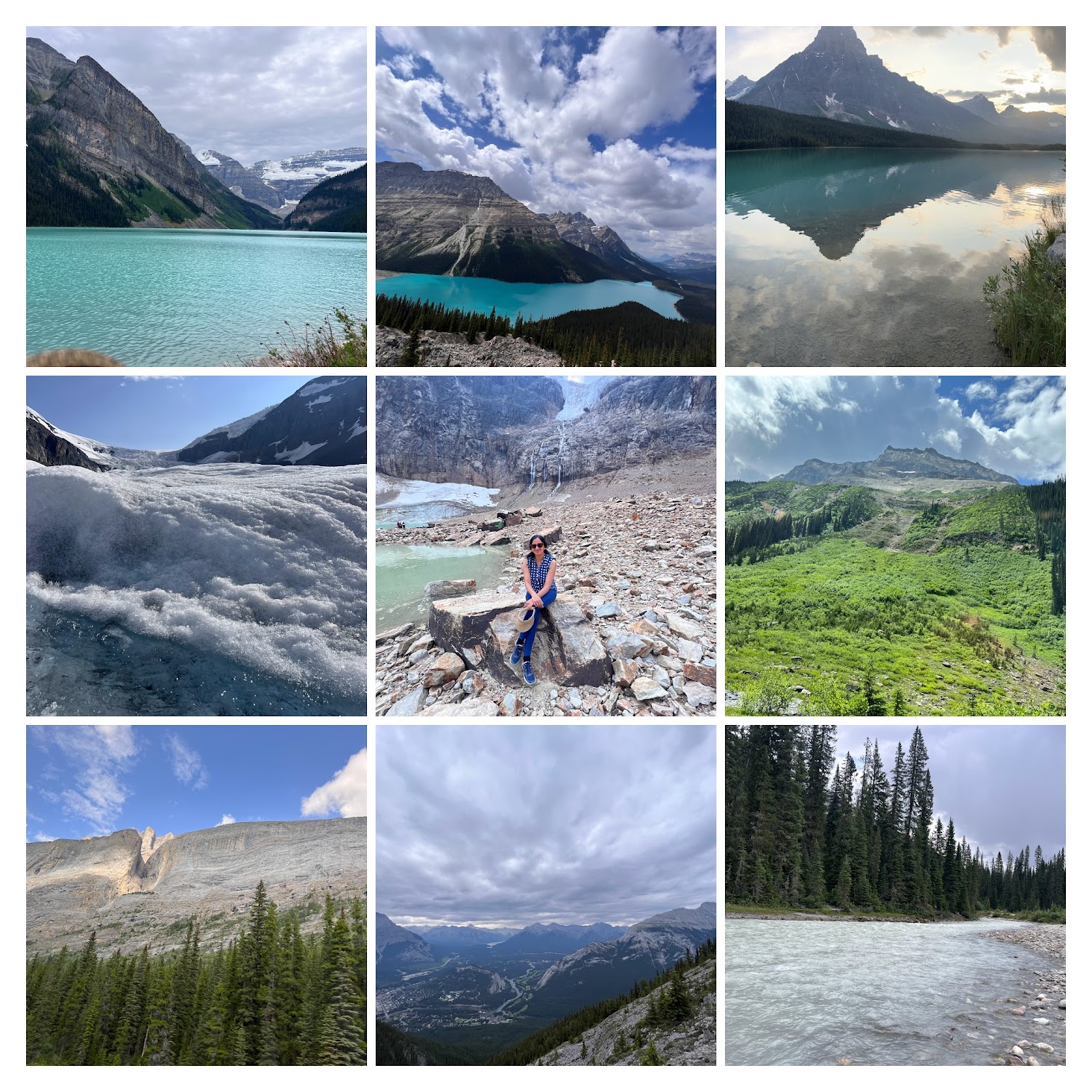
The week we were there, we were blessed with ample sunshine, full rivers gushing waterfalls, millions of evergreen trees, tiny pinecones, open skies, harsh rock faces, long days and every hue of blue in the waters of the land. 

IMG_6497-COLLAGE

When we told anyone that we were planning to visit Banff, Canada, we heard about the Blues. In gushing tones, awed expressions, faraway looks as if transplanting themselves momentarily to a place with blue waters, and peace. I liked that. It must have been something if everyone had the same things to say, shouldn’t it? I have been to several lakes, and am always in awe of them. I remember somebody saying something to the effect of a lake being a planet’s eye, or something like that. Awfully poetic I thought then. Must find the quote.

Ah – here it is. It is our reliable ol’ Henry David Thoreau on Walden Pond. 

“A lake is a landscape’s most beautiful and expressive feature. It is Earth’s eye; looking into which the beholder measures the depth of his own nature.” 

Henry David Thoreau, Walden

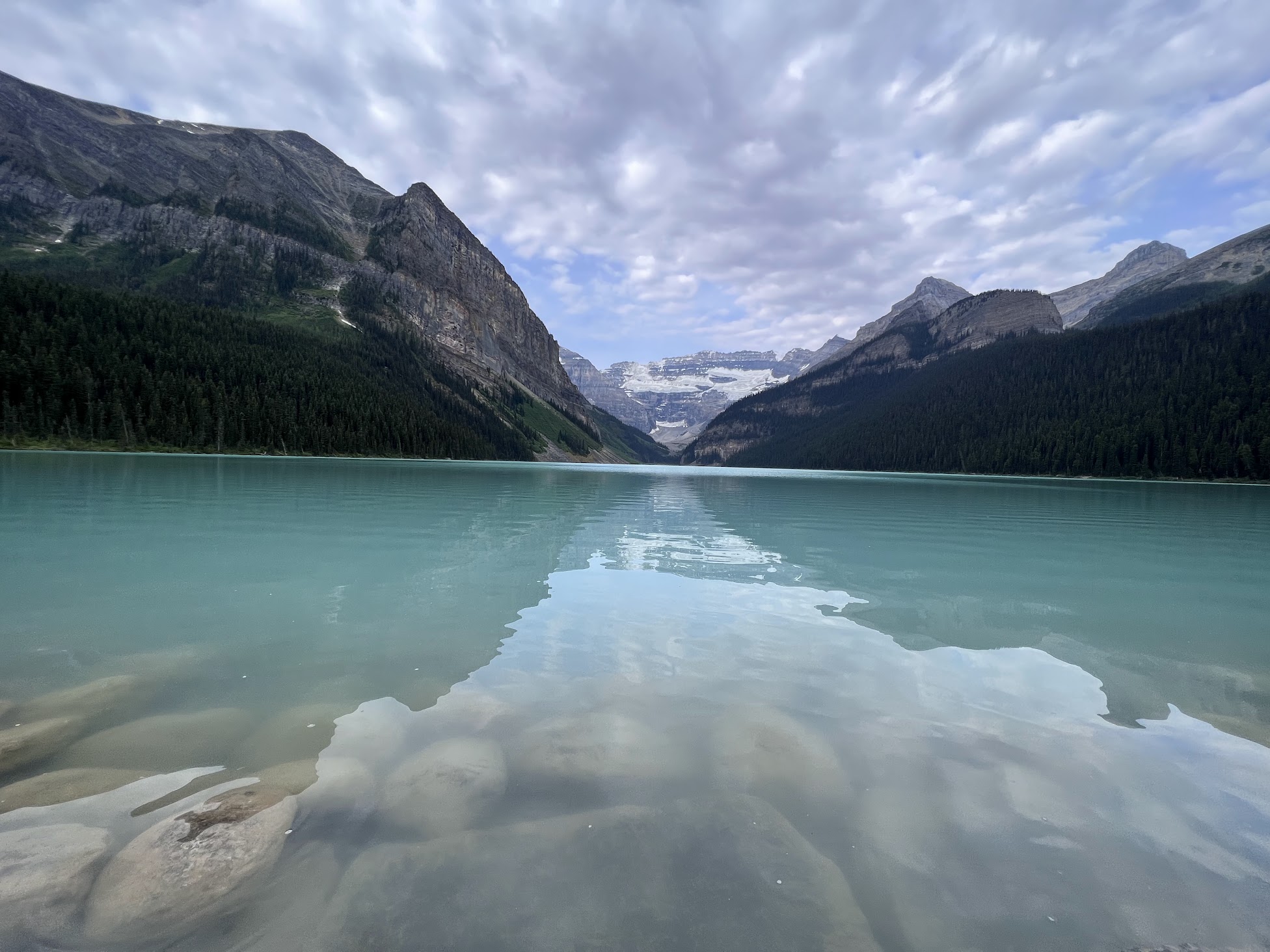
Anyway, so off we went expecting to see blue lakes. Emerald green waters, turquoise waters, and all the hues in between. Pictures do not prepare you for the surreality of it all, we knew that. We were hiking around the famous Lake Louise when the daughter piped up with her usual candor. “It looks pretty and all, but I don’t want to swim in it. It doesn’t feel right. Do you think it has some kind of algae, in it?”

lake_louise

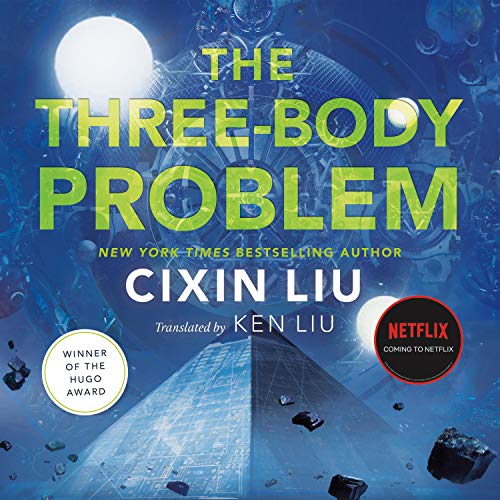
I looked at her and then nodded. I understood that feeling. I had not been able to express quite that way yet, but there it was. It didn’t help that I was reading The Three Body Problem by Cixin Liu, Translated by Ken Liu, and somewhat agitated by the other worlds mentioned in the book. 

51pHYR3yHaL

But when we stopped to take breath a few meters on, I sucked in a deep breath. It was beautiful especially from our current vantage point. We were at least a thousand feet above and hiking around it in an elaborate trail that allowed us glimpses of the turquoise blue waters in between. So, what did make these waters this unnatural shade of blue? Why didn’t lakes in Iceland, Switzerland, Philippines, New Zealand, or the United States have the same color? 

Professor Google says it is because of the particular kinds of glacial silt that is deposited in the waters with glacial melt, and not algae. Up close, the waters looks transparent near the shores, and the canoes seem to enjoy the peace and quiet of it all. 

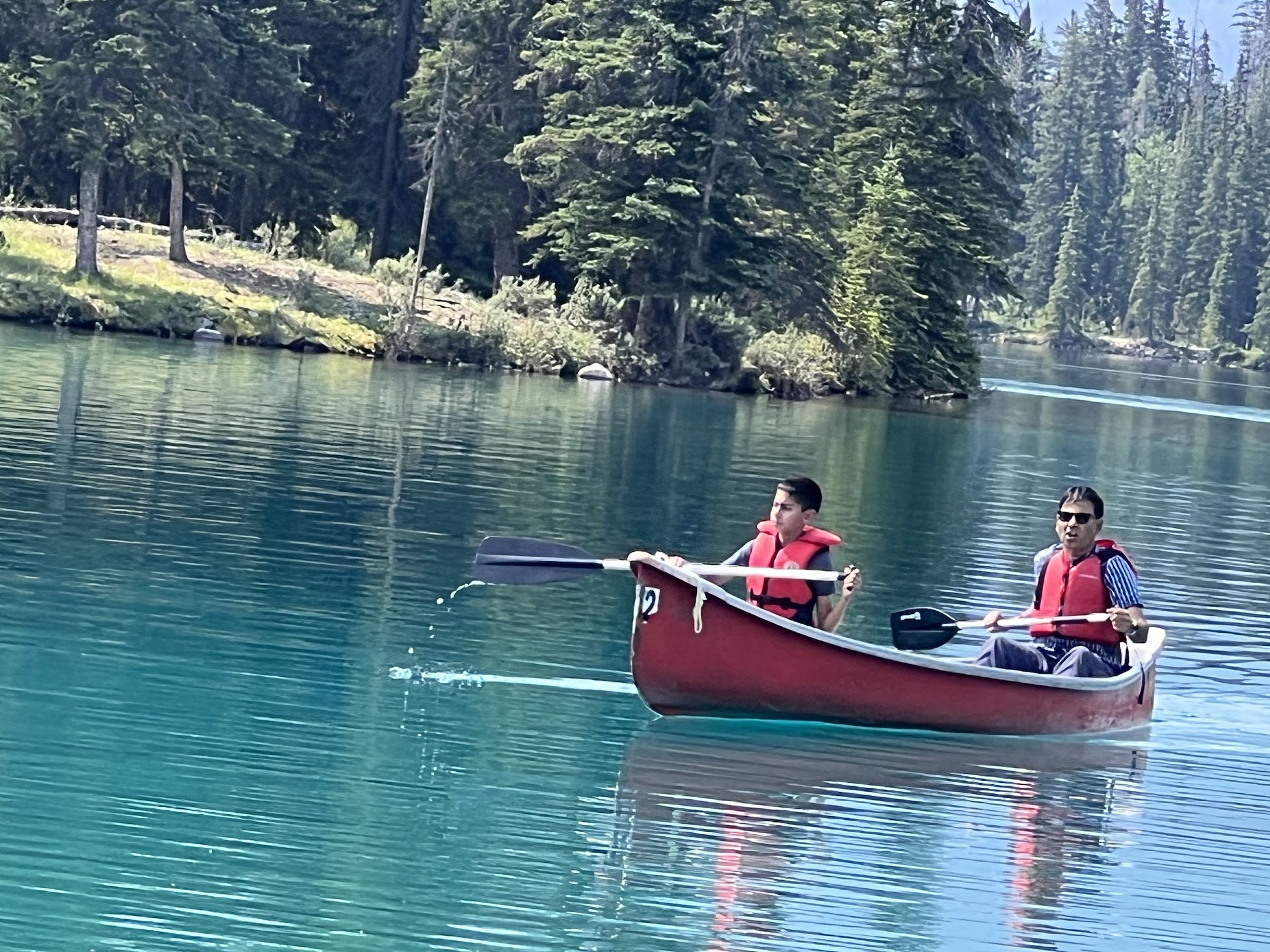
We canoed in ‘a lake that looks like more like an earthly lake’ as we delicately put it. But this lake too had spots of emerald green waters turquoise spots and the transparent blues. I took photos that I thought would wow the world. Of course, they looked like I shook my hands and poured tea into the lens instead.

IMG_6722

I was nervous about the canoeing. I was nervous about the hues of the waters. But as the daughter and I shared a canoe, I was somewhat heartened. She is calm, reliable and more capable than Yours Truly at steering canoes towards shores as she demonstrated to me that day. We stopped mid lake, peering into the depths below. The calm beautiful waters holding the promise of the winter snow in its depths.

IMG_6727

Earth’s eye that day assured me that to imagine yourself in a different world, if only a moment, is fascinating and necessary. We couldn’t really see the Loch Ness monster, or the myriad fishes in the beautiful waters even as sunlight pierced through to the bottom maybe a hundred feet deep. But I am sure these lakes were home to plenty of lifeforms – how could they not be?

Sometimes, humans are so caught up in our own trivialities in this universe, I wonder whether our fellow habitants are the same. Maybe. Maybe not. We would never know. 

The Biochemistry of Attraction

“What are you reading?”, asked the daughter. 

The pair of us found ourselves enjoying a quiet Saturday morning and we were determined to make the best of it. I had been reading the Manga’s Guide to Biochemistry with little luck. Try as I might the fascinating area remains a mystery. Cellular structures and how they interact, how they power our bodies. The concepts are explained well enough. But it still did not seem to answer the fundamental questions of energy disparities among people. How is it some of us are bursting with energy and others not? How do healthy doses of sleep and diet help with these biochemical processes and our own system?

 I am sure many eighth graders know it all well enough, and they’d roll their eyes at my interest in these matters. 

The Manga Guide to Biochemistry by Masaharu Takemura , Kikuyaro, et al.

1593272766.01.S001.LXXXXXXX

‘The Manga Guide to Biochemistry’ , I said lifting the book helpfully to show her. 

She swirled her eyes – not just rolled them. 

“Who spends their Saturday mornings reading about Biochemistry?”, she said.

“Those who didn’t spend enough time in school reading about Biochemistry!” 

“Ah ha! So you accept you weren’t a saint in school!” I laughed. I admit I may have written myself out to be a Mary Sue when I wanted to talk myself up to the children. A Mary Sue, I learned recently, is a form of wish fulfillment by authors when they write idealized versions of themselves as characters in the story. 

Quote from wikipedia:

A Mary Sue is a character archetype in fiction, usually a young woman, who is often portrayed as inexplicably competent across all domains, gifted with unique talents or powers,…, unrealistically free of weaknesses, …, innately virtuous, and/or generally lacking meaningful character flaws.

“Guilty as charged. But really though: I like this book. I am not even sure I understand half of it, but it is still nice to try!” I said. 

She gave me an indulgent look and said, “Fine! But no doing that thing you do and reading out interesting bits of it out to me, understand?” I nodded. 

“And may I ask the same of you my dear? I am not sure I want to know how the count’s first kiss felt on her cold cheeks or whatever it is you are reading now.”

She snorted, but had the decency to look abashed at the evident enjoyment of her little rom-com : It’s in His Kiss by Julia Quinn. “It is now a TV series – Bridgerton. Actually, you may like it. “ she said, and I perked up. I had heard the series was very good. 

“Oh amma! How quickly you go from disdain to curiosity?!” 

“Maybe I will understand the biochemical processes associated with attraction first huh?” I said laughing.

Love, Actually: The science behind lust, attraction, and companionship

Hemlock Hitch

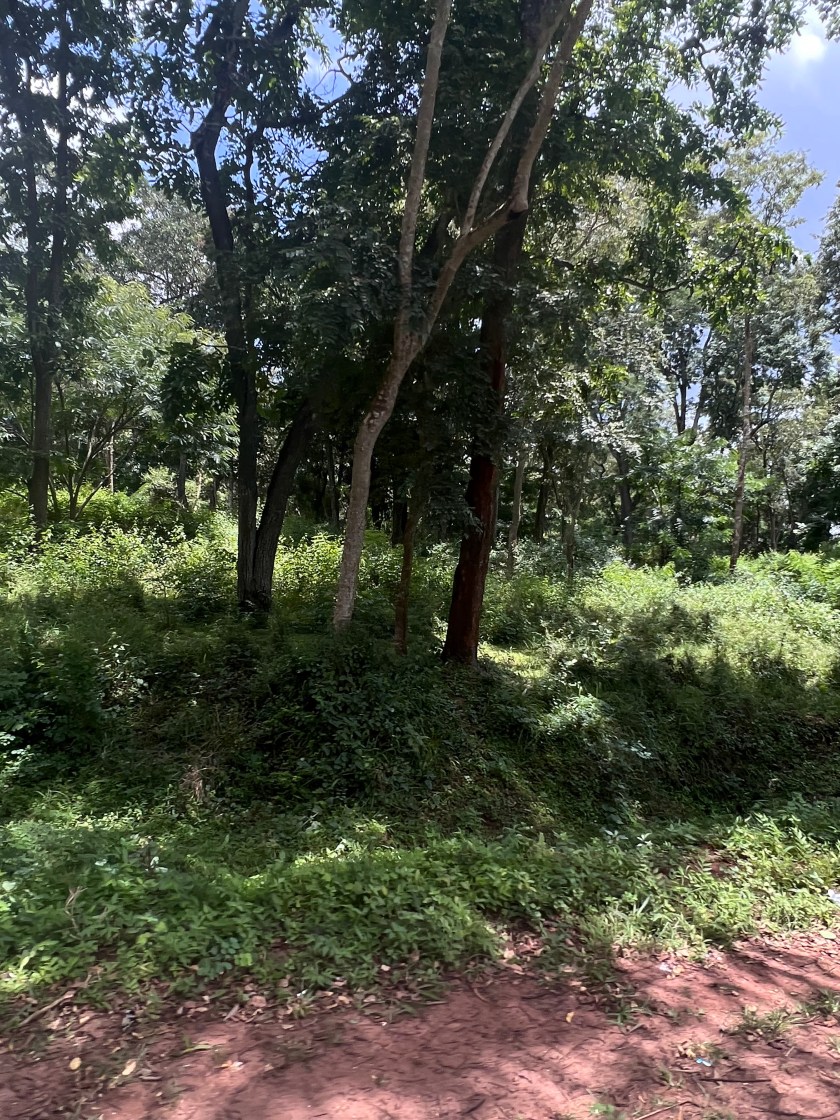
I squinted as I walked through the summer grasses – browning in places, laced against the relentless green of the hemlock. I did not know it was hemlock of course. I just admired the beautiful shapes of its flowers and the structure of its leaves. 

img_6114

“What plant is this?”, asked the husband and I found out. It was the hemlock. They must be a favorite of the bunny rabbits in the vicinity – since I see them hopping in and out looking very pleased with themselves as they do so. 

“Did you know Hemlock was what was used to poison Socrates?”, asked the husband and I was curious to hear that. Obviously, my horticultural knowledge is nothing to bet a chocolate on, but still to see that the innocuous, gentle and beautiful looking hemlock was capable of such treachery to the human system was shocking. 

It was true. It was one of the oldest secrets of humankind by the looks of it. Only they seem to have forgotten to whisper it in my ears when I grew up. I may have eaten those leaves – I said shocked, earning me a stern glance from the husband. “That is why, you do not eat wild plants. Go to a store, and buy what you need.” 

“The tried-and-vetted”, I sighed. Yes – but where was the sense of adventure in having a beautiful tale to tell? “Are you sure though? The hemlock?”

So, I rushed home and saw that Elizebeth Blackwell in her extremely well researched book on Botany lists out Hemlock too. 

https://en.wikipedia.org/wiki/Conium_maculatum

“Imagine! The rabbits may eat them!”, I said still a bit shocked at how ubiquitous the plants were. But then I stopped and wondered – I had never seen the little ones eat them. They would hop in and out of the bushes, but never have I seen them munching their leaves or nibbling at the carrot like roots.

Curious.