Ephemeral Fashion: The Humor in Childhood Wardrobes

We were sitting around waiting for an event to start, huddled under a shamiyana-like structure. The rain was pouring – the way it pours in the Nilgiris. All the metaphors and mythos of Great Rains seem very likely, and just like that the skies clear up, and one wonders what happened. Where the rains went and how life goes on as though nothing happened. Dramatic skies are truly nature’s mystics. 
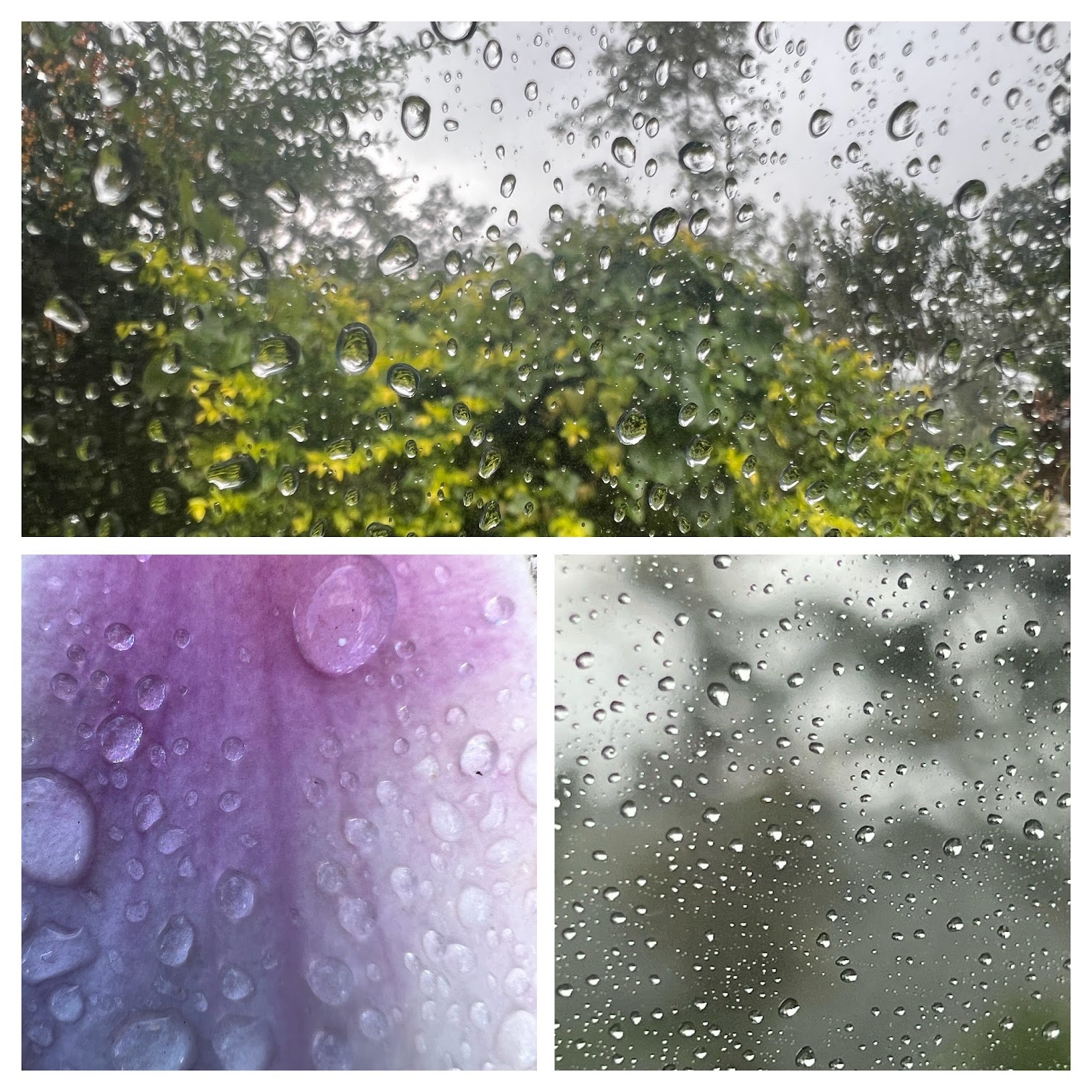
Anyway, there we were, sitting around under a canopy waiting for the event to begin, when a young fellow walked past us in his too-big uniform. The seams of his pants were getting wet from the puddles from the recent rains, his shoes a size bigger, his blazer two sizes bigger, and I couldn’t help smiling. 

I caught the smile on my friends faces too, and we exchanged a quiet moment of reflection. How as children, we were really never properly dressed. All our new clothes were slightly big. Prudence, economic necessity, environmental concerns – whatever the name given, ‘too big’ was the style. 

Goldilocks Style

There was a phase in life when we were dressed in either too-big-new-clothes or too-small-old-clothes. Goldilocks could’ve had a philosophical lesson or two if she’d stopped by and seen us. Life truly taught us the beauty of ephemeral pleasures with clothes – that brief, all-too-quick time when your clothes fit perfectly is never long enough to feel well-dressed. Sigh. 

“Those dreaded hand-me-downs!” I said and shuddered, exchanging a look with the sister, and she gave me one of her joyous cackles. You see? The sister and I have very different bone structures. Hers was what my mother approved of and called Healthy. Mine, on the other hand, made my mother scrunch up her nose, and wonder about what she could be doing better to help things along. But such is fate. The sister’s hand-me-downs, therefore, swamped my scrawny frame (Oh! How I miss those days of being nonchalantly petite and being able to tuck into stacks of buttered toasts without a second thought?!). I perennially looked like I was dressed in pillow covers. Very house-elfish fashions for Yours Truly. 

Nostalgia

That’s how we found ourselves going down the path of “Oh gosh – do you remember?”

And “It should’ve been outlawed. Remember when …” 

The mother was a self taught seamstress and she spent her evenings after school (she was also a high school Physics and Maths teacher) sitting and stitching all manner of clothes for her children and herself. The father escaped. Men’s fashions were where she drew the line. The lucky man! 

https://nourishncherish.org/2012/06/12/what-the-well-dressed-man-is-wearing/

It was a matter of great pride for my mother who learnt tailoring so she could stitch our clothes, alter them when necessary etc.

Frilly Fashions

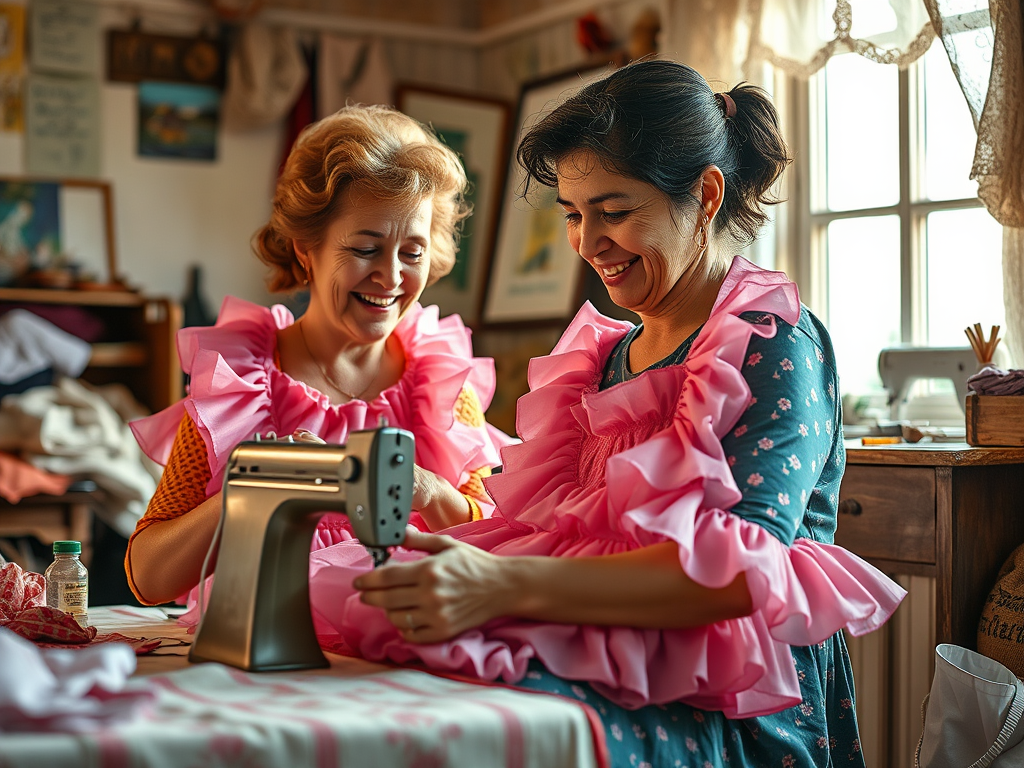
The mother had no access to fashion magazines, and in those days of Doordarshan, one could not get many inspirations from television either. So there we were. There was a phase when she learned how to stitch Frills. Victorian tailors couldn’t compete when she was in this phase. All our clothes had frills all over.  Years later, I pointed to one monstrous pink dress in a photograph, and asked her what she was thinking of, and she looked confused. 

“Frills made you look bigger and better. “ she said.

Obviously. No irony, no sarcasm. I didn’t have the heart to tease her then. She was still so proud of her frills. Never mind that it made me look like a strawberry in pineapple clothing.

When finally I put my foot down and refused any more of her creations, she conceded to have the school tailor, Paada, stitch our clothes. A distinct improvement but still not exactly fashionable. Where would he get ideas in a village nestled in the Nilgiris with a population of less than a 1000 people?

I can’t tell you how grateful I was for uniforms. As we sat there looking at growing children dressed in slightly loose and big clothes, I felt like the universe really does have a sense of humor.

I truly understand now Bertie Wooster’s pride in his article he submitted to Aunt Dahlia’s newspapers on ‘What the Well-Dressed Man is Wearing’. Trying to capture the ephemeral is what Art is all about, isn’t it?
The Fragility of Trust & Vulnerability

Potential

I was regaling our little school reunion to one of my friends, and found myself thinking back fondly. My classmates who had arranged the whole affair did a fantastic job. They had booked the whole hotel for our reunion class, and we found ourselves in a position where we meandered in and out of the different hotel rooms, the banquet areas downstairs, and chatting in the hallways and lifts. 

 I was quite surprised how easily we fell into familiar patterns and opened up to each other after all these years. Life had not been kind to many of us at many points in time. The strength of character that builds over time was inspiring to see in many. 

When I asked my father, who was a teacher in the same school, what he thought of folks and where they landed up later in life, he said it was the potential of humankind that drew him to the profession. All the ways in which the children grew in their capabilities, took on responsibilities, navigated changing landscapes and relationships – all with what is given to us. 

In some sad cases, that potential remained unrealized. All the different ways in which we were tested was shared and received with compassion by the kind ones, and some (polite) scorn by the meaner ones. It truly was illuminating to watch the different ways in which we had grown older. 

Vulnerability builds Trust

“Did people really talk about their trials and tribulations and not just thump their chests about their triumphs? “, asked a friend of mine when I was telling her about it, and I laughed. 

I was surprised too, but then I realized that there is a shared space of trust built up during childhood that makes us both open and fragile with each other. Also if you have seen someone drool over their notebook in maths class, or get pulled up for not doing their homework, there is a good chance you tend to take their bragging and suffering with a forgiving air. If you’ve soothed each other through your fears and worries, wouldn’t you be more willing to share your life story with them?

Vulnerability seems to be an important component of trust, and as children, both were easily available, before society conditioned us out of it.

“Trust is a product of vulnerability that grows over time and requires work, attention, and full engagement.” – Brené Brown

That is probably why we were able to laugh at ourselves and embarrass ourselves with equanimity. Life felt suddenly very short and too quick when we looked back on it. There we were,  not children trying to daydream through a boring lesson anymore, but adults who had navigated life to the best of our abilities.

Where did all the time go?

I came back with a renewed sense of shoshin, and regaled the children with tales of our childhood. They rolled their eyes but also indulged me. It is good for them to realize that their parents were not born this way – adults taking care of medical appointments, paying bills, dealing with insurance matters etc. But that we were children who dawdled on their way to class, who were punished for not completing their homework on time, or being silly and laughing for no apparent reason and getting into trouble for it.

That life is over too soon is a rather better complaint to have than the opposite wouldn’t you agree ? That is what I wish for everyone. A chance to look back, smile, feel light , and still be able to smile thinking of tomorrow. 

Rainy Day Reminiscences

Rainy Day Song

I had been for a school reunion a couple of months ago to the Nilgiri Hills. While waiting for another event to start, we found ourselves in a position of waiting. The traffic snarls to and from the school meant going back to our hotel rooms for a much needed rest was out of the question. Instead, this became an afternoon I can look back upon with fondness.

It was Raining. Yes – that was a capital R. Actually, it was Pouring. The kind of rains that made our child selves sing the silly rhyme:

It’s raining,

It’s pouring,

The old man is snoring.

He raised his head, and bumped his head, and couldn’t get up in the morning!

Hey Puddle Puddle!

While we were waiting  for the rains to stop, we were watching the parents and students, past and present, mill around. It was then, that a child, not more than 10-11 years old, strolled past kicking a stone into a puddle as he went. The water from the puddle splashed onto his overlong pants, and this juvenile act brought a smile to my face. The little fellow was probably going to be miserable later with the water dripping into his socks. But then, what is a little misery when you got to see the satisfying plop of a stone land in a puddle? He had a blissfully happy moment and couldn’t hide it. His smile brightened, and the future footballer had a glimmer of hope  as he saw his future scoring a satisfying goal.  He had launched the stone smoothly with his polished shoes, and it had landed exactly where he intended it to.

I looked around and exchanged a look with my friends and siblings with whom I was whiling away the time, and we burst out laughing after the briefest of pauses. The luxury of being happily stuck, without having anywhere else you would rather be, was in itself a blessing. But this little juvenile act sealed the beauty of the moment. 

All things wet and beautiful!

It launched us on several fun conversation threads. Rain, and the love for it, pluviophilia (a lover of rain is called a pluviophile), may have originated for us in the Nilgiris, but it followed us around the globe. I smiled thinking of the children’s books we used to read most often: A Rainy Day Adventure, Spot goes Splash, and so many more rain related adventures. I thought of the simple games of riding through a puddle, and how it has morphed into a drive through a puddle in recent years. Always a splash with the kids. Because they expect maturity when presented with a puddle the size of a pond, an empty footpath, and a car? PFFT.

All of us had rainy day stories and memories, and the afternoon was spent most pleasurably.

The little fellow,  bless him, may never know the mirth and joy he brought to a bunch of middle aged folks that afternoon, but such is life. We never know the light we spread just by being happy. 

Nilgiris: Nature’s Abundance on an Early Drive

“We need to leave by 4:30 a.m. if we are to beat the traffic!” the brother said. 

There were enthusiastic nods. I kept the alarm for 3:30 a.m, confident in our abilities to get going that early in the morning. After all, there is nothing as pleasant as a drive up to the Nilgiris from Bangalore. 

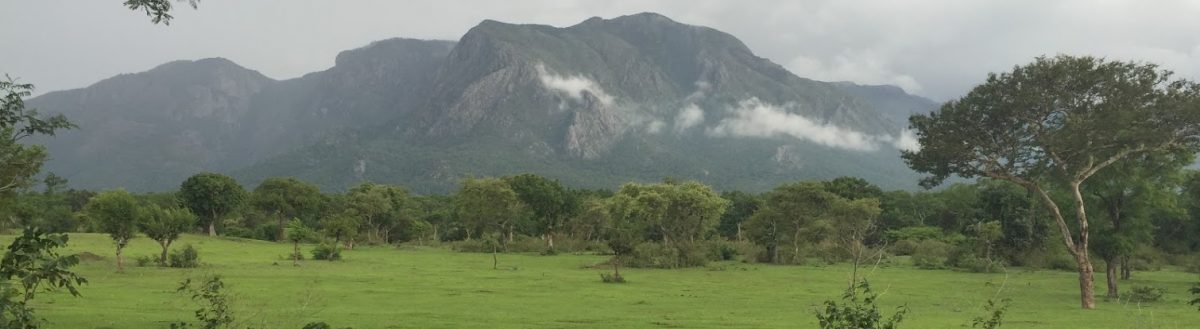
The route passes through two beautiful national forest reserve areas – Bandipur and Mudhumalai. The hills are usually green and welcoming at this time of year. Early summer in the Nilgiris is a joy – there are flowers blooming everywhere, the rivers and streams are flowing with healthy levels of water, and all of life seems like it should be: Full of beauty and abundance. 

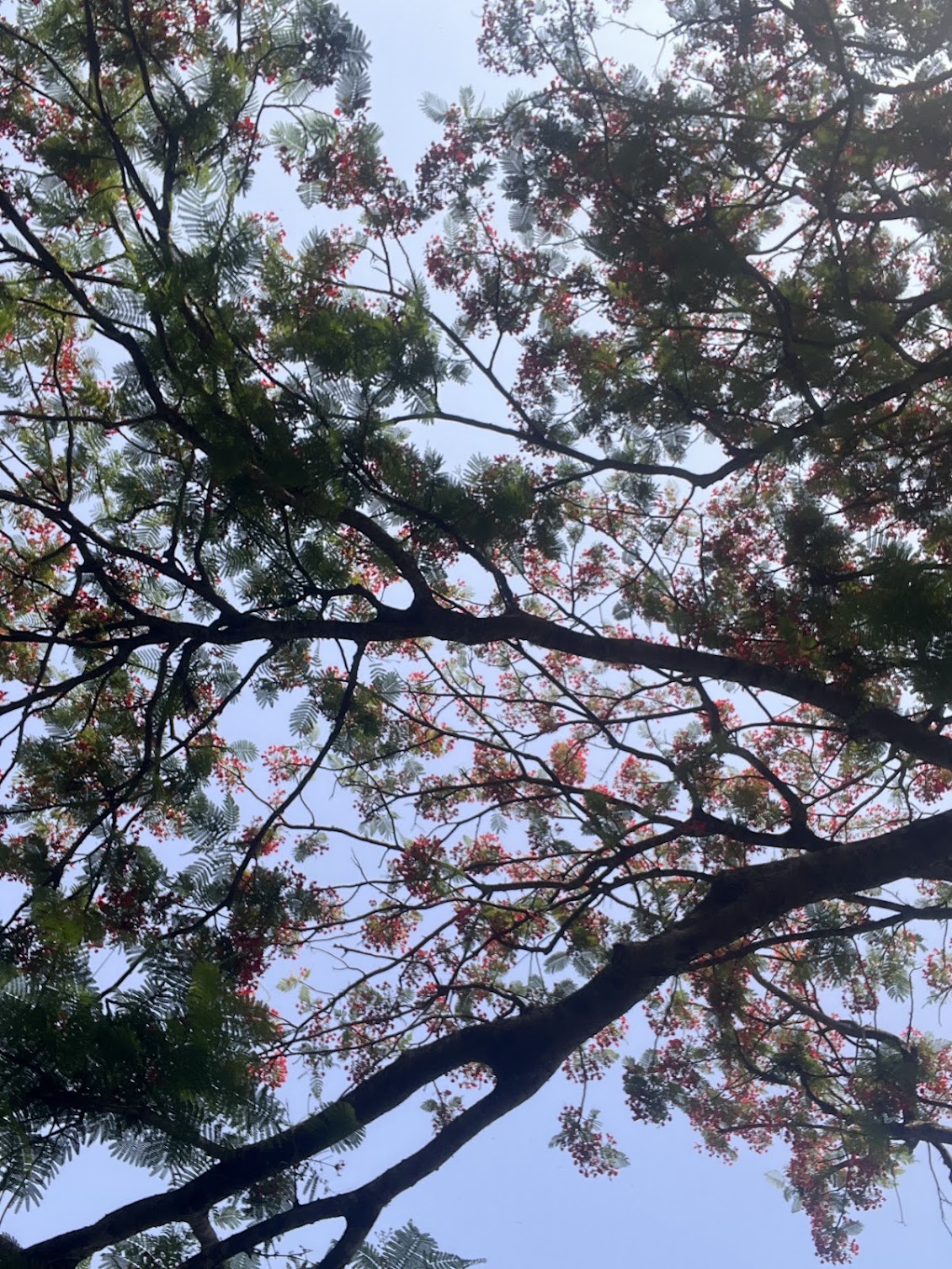
I had quite forgotten the true splendor of a gulmohar tree in full bloom, but oh! What a joy to see these resplendent looking trees! 

You can spend all day gazing up at the branches – all the different ways in which the light dances and trickles through the very orange blossoms, all the different shapes the branches have spread themselves – no two trees the same, yet distinctive enough that they cannot be misunderstood for another tree.

The brother who is always in his element when he is driving anywhere other than city roads, shook his head as he saw me bouncing in my seat. He pulled over by a side road, and if you were to ask me the previous evening to imagine this road, I would not have been able to do it justice. I grew up in the Nilgiris, and have visited many times in the past two decades, but every time the hills surprise me (mostly good ways, but the increasing population and traffic snarls contribute to the bad ways) 

I tumbled out of the car, my heart bursting with song. Luckily it was just my heart that was singing, for who wants to frighten a bunch of elephants taking a calm dip in the Moyar River? 

The peacocks cooing in the distance provided a musical backdrop.

As we headed back to the winding road of 36 hairpin bends, all of the forest seemed to have risen. There were peacocks, sambar deer and spotted deer, iguana-like creatures, monkeys, langurs, and elephants. I cannot think of another experience where the soul feels as nourished or sated. 

By the time we had passed through the forests, we had been filled with the beautiful imagery of flora and fauna of the Nilgiri Hills. It is always so humbling to call this marvelous place home along with the thousands of creatures who live more unobtrusively in these parts.

The cheeky road signs only added to the allure of the morning forest scenes.

“Watch for deer crossing the road, remember the road is crossing their home!”

“Attention: Crocodiles in the River – do not swim. Survivors will be prosecuted.”

The Art of Hair

Haircuts, when we were children, were a treat in themselves. As a girl, I watched my father’s hair being snipped and pipped many times. Over time, his bald pate emerged more and more, but our barber never seem to think any less of his job just because he had a balding pate to work with. We lived in a small schooling community, and sometimes the school barber, Velusamy, a sweet, gentle mannered man, stopped by when he was free.

Velusamy set himself up in the garden, fussing over his instruments which he lovingly stowed away in his steel case. He set the chair facing away from the direct rays of the sun, so his subjects need not squint into the sun as he worked his magic on them. He filled a bucket of water, and set his mug near it. He wiped his scissors and blew on his clippers. The wind rustled the trees around us, the bees buzzed, birds chirped, and the good barber trimmed. There was a ritualistic feel to the whole thing: clearly, Velusamy was a man who enjoyed his work. 

Once the setup was done to his satisfaction, he wrapped a cloth around his subjects and set about the task of shearing the sheep clean. The sheep sometimes snoozed in their chairs, and it was imperative to tell the man before hand how much to cut. For the gentle mannered man acquired a gleam when he picked up his tools. He ran his lawn mower over the heads at his mercy without any mercy. 

barber

When he was happy with his task, he held up a rickety mirror, polished clean, at various angles for the subjects to inspect. Rarely were there any adjustments to be made. Sometimes, an involuntary yelp would be emitted seeing the amount of hair gone, but Velusamy would give one of his flattering smiles, and assure them that the hair would grow back. What was there to worry about? There wasn’t much to be said against such sterling good sense. He then cleaned up behind him. His rituals complete, he would accept the flowing gratitude from all in the family for coming all the way for a personalized haircut experience, and after a gentle chit-chat over a cup of tea, he left with a good-ish tip. The men of the house looked spruce and trimmed for days afterward. 

But there were times, when Velusamy’s services were scarce – especially during the school holidays. People attempt all sort of things after watching you-tube videos these days – we did the same after watching Velusamy a few times. You see over the years, my sister and I have rather prided ourselves on the haircuts we have given the little brother when Velusamy could not make it. We were happy for days afterward whenever we saw the little fellow, even though in some places, it looked like a rat had gnawed at his hair. 

Covid-19 has certainly given a lot of people renewed respect for a lot of professions. When barbers open up shop again, I am sure their clientele will flock back to them with gratitude in their eyes. Over video conference calls, there has been a steady rise in the length and density of hair. Seeing people over the past few weeks over Video cam, there came a time when most folks on the video calls seemed to encounter  an obstacle like poor Earl Emsworth did in Blandings Castle:

“Lord Emsworth passed a hand over his chin, to assist thought, and was vaguely annoyed by some obstacle that intruded itself in the path of his fingers. Concentrating his faculties, such as they were, on this obstacle, he discovered it to be his beard. It irritated him. Hitherto, in moments of stress, he had always derived comfort  from the feel of a clean shaven chin. He felt now, as if he were rubbing his hand over seaweed.”

When I read this a few days ago after a day spent trying to discern faces from the ‘seaweed’, I burst out laughing, and could not stop. The men in the family looked at me like I needed to have my head examined. I brushed the mane of my flowing hair, and said while my tresses never looked better, theirs needed some work. The husband leapt backwards clutching his mane, and I gave him a pitying look. Really! One would have thought we were unskilled at hair styling the way they shied away. 

So, I decided to play the trump card. “Oh please! We used to cut my brother’s hair sometimes when he was a kid, and he looked marvelous!” There was some mumbling at this, but I let it slide. 

On a video call with the brother a few  days later, I peered through the foliage and said to my son, “See this guy? Your maama – he was given a perfectly good haircut by me when he was your age. Look at him now.”  The brother mumbled that some scars ran deep, and hence his reluctance to have his haircut even now. I ignored this and said, “Some modest successes under my belt you know?” 

The brother beamed as he said, “I knew she would try to flaunt her success”. I  did not care much for how he unflatteringly put the word success in quotes thrown up in the air,  “But don’t let that sway you. You are better off having your head shaved off little fellow. She is lousy at it!”

I what-what-ed at this treachery. Really  – this brother of mine has a most inconvenient sense of  integrity. “Those haircuts were pure of heart and generous!” I cried stung.

The brother said “Oh! No one doubts your heart or your intentions  – both were as you so rightly say, pure. We are only  discussing results here.” he said and gave into a full throated chuckle that his nephew joined in with heartily. I huffed and I puffed, but the call seemed to have an impact  on the son. He seemed to think that his maama was a nice enough man even though he had endured haircuts from his mother in his youth, so how lasting could the damage be? Maybe it was okay to attempt after all. 

Quiet courage shows up in multiple ways – The men, to our pride, acquiesced to having their hair cut by the daughter and myself.

That is how you saw the men of the nourish-n-cherish household looking slightly uncomfortable as we spread garbage bags on the floor, and clucked away with our scissors. 


Tea!

“There is some Tea in school, and everyone is acting really weird!” said the daughter announcing her entry into the house a couple of years ago, dumping her school bag where it must not be dumped.

“Oh – did you have some? Did you like it?” I said a trifle too eagerly. I am a tea-lover myself, and have been trying to get some company in the house whenever I brew the marvelous beverage. All efforts have fallen flat thus far. The husband likes coffee, and the children swear by chocolate flavored drinks (the teenager also has her tongue out for Boba – a heady mix of tapioca pearls and sugar that suddenly coasted into popularity like the record albums of these young artists you had never heard of before.)

If I could exalt any beverage to Divinity, I would pump for the humble Tea.

teas

I have been teased multiple times about High Tea and every now and then pick up a Miss Read book for she properly exalts Tea and the ritual of Tea drinking:

“The very ritual of tea-making, warming the pot, making sure that the water is just boiling, inhaling the fragrant steam, arranging the tea-cosy to fit snugly around the precious container, all the preliminaries lead up to the exquisite pleasure of sipping the brew from thin porcelain, and helping yourself to hot buttered scones and strawberry jam, a slice of feather-light sponge cake or home-made shortbread.”

“Isn’t Tea just marvelous?” I said again, for the scholar had lapsed into a silence.

“Generally, I am like not opposed to like Tea as long as like it doesn’t like you know like hurt anyone, but this time they are all like acting so weird! I mean like come on! Like nobody is going to remember it like next week!” she said liberally sprinkling the ‘likes’ in the sentence.

I was fogged. When had Tea hurt anyone?

“Please! Please! How many likes will you put into a sentence that doesn’t need ‘Like’ A.n.y.!” I said carefully quoting the ‘like’ in my sentence with air quotes. “If I were to write out that sentence, no one would give you any Tea!” I said, looking proud of myself for bringing the topic of disc back to the marvelous beverage of my dreams and likes.

The daughter looked at me with the tender look one reserves for the dim-witted, and tousled my hair. “Oh! you don’t know what Tea is right?”

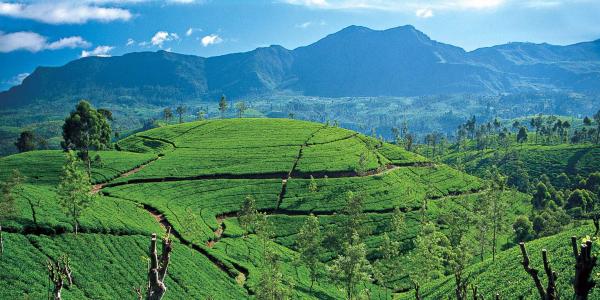
I drew myself up. I may not have any accomplishments of note in other areas, but in the area of Tea, you could not say that. “ I am not just boasting about the fact that I can be counted upon to have Tea with Friends any time, I also take pride in knowing some friends who know all about Tea! The Nilgirisis a major producer of the divine drink – the beautiful hills does not only use its marvelous climes to produce this drink of the gods, but also nourishes the people who have the luck of calling the hills their home, you know?” I said looking proud of myself. “And – and I am not done yet! Though I may not be able to tell you the process and the differences in tastes of the different types of Tea, there are plenty of good friends of mine who can. “

tea_plantation

“You’re just salty that your posts on Tea don’t even like get half as many ‘Likes’ as the number of likes in my sentence!” she said.

Ouch!

“OOOOHHHH!” said the cheering squad witnessing the exchange in the kitchen.

“Okay – Like I told you before: you really need to listen to what I say more closely! Anyway, like I was saying: Tea is mildly annoying stuff that isn’t great. It isn’t as bad as Gossip …” she said, knowing how I will frown upon gossip. “but sometimes can start bordering on that line.”

The English Language is ever evolving and fluid language is marvelous to behold. Really Tea is essentially a social activity, even though we have taken to gulping it down to and from meetings in the most unceremonious manner these days. What I would do to have a proper Tea Time marked in the calendar to catch up with friends instead of this frenzied gulping? So, I suppose using Tea as a word for this essential yet inessential banter is amusing and I must appreciate the folks who thought of using it for this purpose.

I remember enlightening my parents on my trip from College about adding Pongal & Kadalai to our jargons.

In college, I found to my amusement that Kadalai and Pongal did not mean groundnuts and boiled rice with lentils & pepper. It refers to Tea with the Gender specifications added in (You ground-nut-ted when with the opposite sex, and Pongal-ed er rice-lentil-with-pepper-ed with those of the same sex)

Essentially, these refer to non-essential communications that are essential. They are the stuff that link us humans together – one groundnut, lentil piece, or cup of tea at a time.

Language and stylistic constructs will continue to evolve, and that is as it should be. Our languages will continue to merge, diminish, and ebb and flow with our populace and time.

“I’d like to sip some Tea while listening to your Tea dear!” I said finally looking proud of myself.
“Good one Amma! Waiting to say that haven’t you?”
“Yep! “I said. Triumph comes in tea-sized bites.

tea_with_friends

Oh Rapturous Spring!

A Version of this post was published in The India Currents Magazine : Oh Rapturous Spring!

There is something infinitely healing in the repeated refrains of nature – the assurance that dawn comes after night, and spring after winter.
Rachel Carson: A Sense of Wonder

Growing up in the hills of South India, our seasons were broadly divided into: Rainy and Not-Rainy.

It was beautiful and scenic all around, and I am eternally grateful for a childhood spent in these charming environs. It isn’t a gift granted to many, and I realized it as a child, and even more so as an adult who lives far away from these beautiful hills.

We had the following seasons:
South west monsoons in June/July
North west monsoons that doubled up for Winter in Nov, Dec
It rained almost 9-10 months of the year. April, May were months we could hope for sunshine, and these doubled up as Summer.

This many rainy months without electronic stimulation meant that we learnt to occupy ourselves with books and our imaginations. (Complaining about being bored got us the gift of chores or more homework. We were smart enough to give these two a wide berth and be completely at peace with ourselves). The books I read were varied and often spoke of hideous adventures, some sleuthing that was just off the charts, travel etc. Many of these books were set in Europe where the seasonality was different from the rainy and not-rainy strains we saw. They spoke rapturously of Spring and Autumn.

sultan's life

I have to admit, I did not truly get the meaning of Fall and Autumn till I saw it for the first time with my own eyes.

When I first moved to the United States as a wide-eyed bride, everything about the weather and seasons seemed wondrous (it still does). Suddenly, what the books were talking about when they referred to Autumn and Spring took on a new meaning.

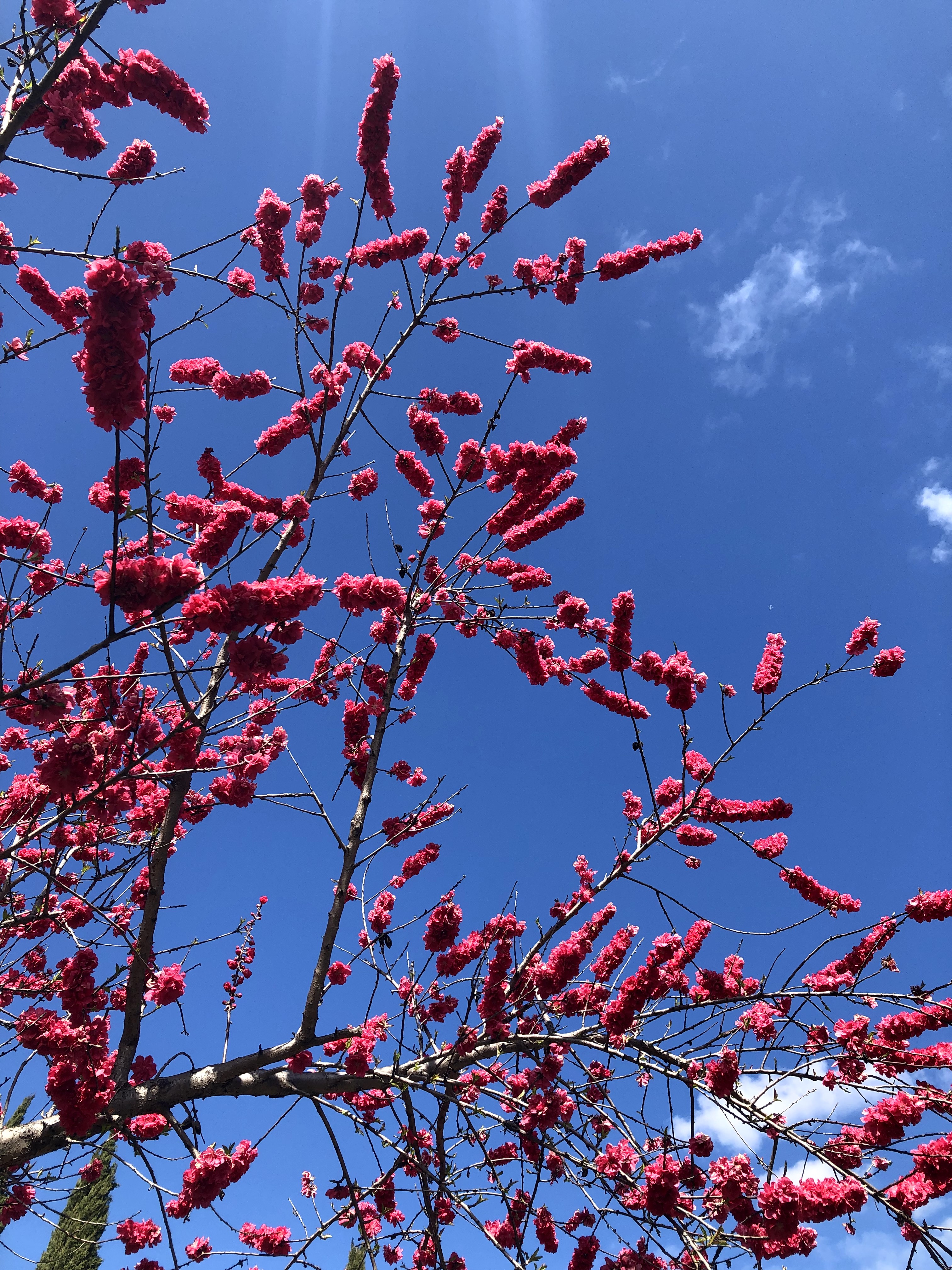
The bare trees have a beauty of their own. How could there be trees without any leaves I wondered when I first came. But every year, since, my heart has burst at this explosion of beauty when the leaves change colors, when the stark branches stand out, and when the flowers burst forth on the trees all at once, before slowly growing and complementing them with leaves.

I watch wondrous, a child again, as I see my flowering cherry tree, the apricot tree that flowers a little later etc.

img_1993

Looking at the Earth fresh and green in its Spring glory has been marvelous. Oh heart, does it not sing when you see geese flying towards the waters and making a perfect landing? The joyous anticipation of seeing mallard babies as they get ready to hatch in a few weeks has me in a tizzy. The blooming of my first daffodils have given me joy beyond measure.

Growing up in the Nilgiris gave me the immeasurable gift of finding pleasure in the simple gifts of nature. It is the reason I persist in passing this on to the children, even though I am given the who-is-the-little-nature-nutcase? pat on the head by them.

I could not have put it better than Rachel Carson in her small book, A Sense of Wonder:

Those who contemplate the beauty of the earth find reserves of strength that will endure as long as life lasts. There is symbolic as well as actual beauty in the migration of the birds, the ebb and flow of the tides, the folded bud ready for the spring.

Rachel Carson – A Sense of Wonder

The Degree of Shoshin

I wonder sometimes how the brain works. I mean, some references make us link to something else across the bridges of time and space where no ostensible link exists. Was astronomy the link? But that seems weak given that I ogle at the stars every opportunity I get. Could the 12 degree landing of Insight be the link? But the slopes that my mind linked to were at a 11 degree incline. And we were very proud that our little corner of the world could provide just the right 11 degree slope too – that is why I remember the incline so clearly.

Ignorant men raise questions that wise men answered a thousand years ago. Johann Wolfgang von Goethe

Maybe it was something to do with the specific angle at which the Insight can land on Mars that brought back memories of a trip to the Radio astronomy center in Mutthorai in Nilgiris – who knows?  The radio astronomy telescope on the slopes of the Nilgiris was magnificent and awe-inspiring. It still is. I remember hearing that the Tata Institute for Fundamental Research (TIFR) had scoured plenty of slopes in India and this humble village was deemed just the right one to capture radio waves. It had the right level of incline(11 degrees), minimum light pollution at nights, and we were proud of our unassuming Nilgiri hills for providing such a marvelous slope.

By Own work – Ooty Radio Telescope, CC BY 3.0, https://commons.wikimedia.org/w/index.php?curid=7463023


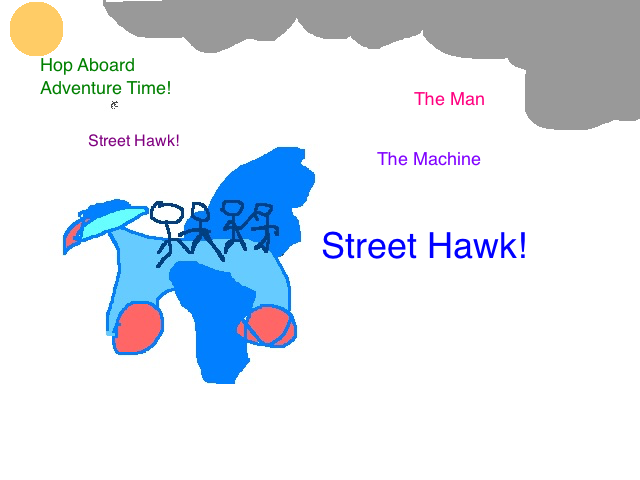
I remember going to visit the center with the father one rainy afternoon during the monsoon season. We often piled onto his scooter that the kids had lovingly nick-named Street Hawk given it tore through the streets with a ear shattering noise, even if we could run beside it. (I often wonder how it must feel for someone who goes to India for the first time from a country like the US or Canada, and sees a family precariously making their hazardous way through the haphazard traffic – obviously uncomfortable, but looking joyous and confident. Even cars here seem so cranky – “departing lane, departing lane” it goes on like a parrot on caffeine. Fine – relax! Talk about sticking to the straight and narrow path – sheesh kababs.)

Anyway that is how we toured the Nilgiris during our school holidays. We would start out on a supposedly clear day, the brother standing in front, his feet making sure not to come under the brakes foot pedal, the sister on the pillion seat, and self squashed between the driver’s seat and the pillion seat, my face turning a ninety degree angle to make sure I could breathe, and off we would go on our adventures. Sometimes, our Street Hawk could not quite pull up the intense slopes of the Nilgiris such as the Katteri falls, and we would all good-naturedly pile off, let the pater go up the slope on 1st gear, trudge up there, and pile on again. What was life without these little pleasures?

street_hawk

Invariably midway through our trips somewhere, the skies would attempt a volte-face: the sun would dip behind the clouds, a brisk wind would start around us, and the first raindrops would start. Sometimes, if the downpour got heavy, we would shelter at a random farm or village and nibble into the ample snacks packed for the trip, and head out again after the fierce downpour stopped. The dubious weather reports then were listened to with the amusing attitude of one indulging a child, and if it all went towards building the weather reporters’ confidence, it was time well spent was the general attitude. Ours was a forgotten corner of the world, and we loved it just the way it was. 

Off I went meandering around the countryside when I should have been sticking to the Radio astronomy tower as usual. The point is, I remember thinking as a child standing on that steep incline with the monsoon winds buffeting us from all directions, struggling to stay upright, and thinking for the first time how we must be standing at all. We are spinning on a very fast ball after all, gravity is all very well, but what would happen if Earth decided to just let us go for one instant? It was a terrifying thought, I clung a little harder to the pater’s solid hands and redoubled my wonder at how we exist at all. 

That is the beauty of space exploration isn’t it? It rekindles wonder. If retaining wonder in our day to day living is the mark of a meaningful existence to paraphrase the German philosopher, it is no wonder that we marvel childhood with its fresh perspectives, and its great capacity for wonder. The beauty of #Shoshin

“The highest goal that man can achieve is amazement.” ― Johann Wolfgang von Goethe

The Secret To Blooming Like a Flower

I gabbled on about the beautiful Kurinji flower over a distinctly sub-par dinner one night. Sometimes the rhythms of cooking are too frequent. “Do we really need to eat every few hours?!” I said drowning out the sound of “You haven’t cooked in 3 days!”

The children listened – one with ardent curiosity bursting with questions and the other cloaked in teenage blasé that belies the true interest behind the flowers. ( “Cool!” – only a little wag of the ear indicating possible interest).

“Can you believe the Kurinji blooms without alarms and clocks to set store by? Every 12 years like clockwork!”

The questions that followed were better than the answers:

  • Do all of them bloom at the exact same time?
  • What about plants that grew later, won’t they all flower at different times?

My answers are not answers that would have pleased Charles Darwin perhaps, but if he wanted to answer right, he should’ve been there, not let me field them is my stout reply to this.

Interesting aside:
The River of Consciousness by Oliver Sacks starts off with an essay on Darwin and the Meaning of Flowers.

river_sacks

I could see why Darwin liked his flowers so much. This was long after his magnum opus, The Origin of Species, was completed. He actually spent the last decades of his life pottering about his green house, setting the children in his life to chart the course of the bees, studying orchids and their flowering patterns etc, and was therefore immensely better prepared than yours truly.

His joy was evident in his letters:

“You cannot conceive how the Orchids have delighted me .. What wonderful structures! … Happy man, he [who] has actually see rows of bees flying around Catasetum, with the pollinia sticking to their backs! .. I never was more interested in any subject in all my life than in this of Orchids.”

He went on to write the book with the fascinating title: On the Various Contrivances by Which British and Foreign Orchids Are Fertilized by Insects

Meanwhile, the kurinji flower was still blooming in the home: the river of questions on What Is Time flowed on:
What is Time when you are a flower?
What is Time when you are a squirrel?

The husband had a bemused and half-exasperated expression on his face, as he heard me talk about alarms, time and biological clocks. He watched me squirm and the urge to tut came to me. I knew what was going on in that optimistic mind of his. He hopes I will have the sense of a Kurinji flower someday.

I feel bad for the old boy.

The thing is, I set beautiful poetic alarms, replete with soothing ringtones to go with it, place them on his side of the bed, and then proceed to sleep like a blessed bear in the winter.

If we need to get up at 6 a.m., I set the alarm for 5:30 a.m. thereby allowing me to snooze a few times, and then go back to dozing the doze of the blessed. It is marvelous to get that snooze time, and some of my best snoozes are at this time. This vague time of day between wakeful consciousness and blissful unconsciousness.

If everything in the universe follows a pattern, how do we determine what ours is, without the aid of all our poetic alarms? There is a beauty to seeing the natural things around us, for they soothe us in ways quite unknown to our hectic way of life.

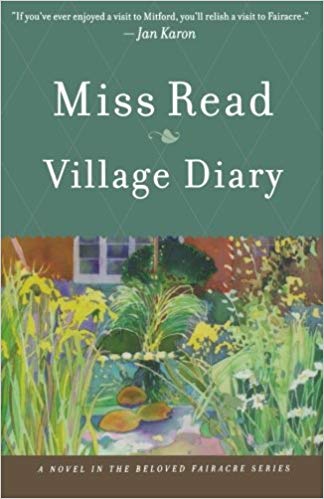
I was reading Village Diary by Miss Read for the n-th time (like a flower knows when to bloom, I know when it is time for a Miss Read re-read), and I admired yet again the simple way in which she had set a truth about humanity in her beautiful language.

village_diary

Quote:

As I ironed, I amused myself by watching a starling at the edge of the garden bed. He was busy detaching the petals from an anemone…

This short scene, I thought as I pressed handkerchiefs, is typical of the richness that surrounds the country dweller and which contributes to his well-being. As he works, he sees about him other ways of life being pursued at their tempo – not only animal life, but that of crops and trees, of flowers and insects – all set within the greater cycle of the four seasons. It has a therapeutic value, this awareness of myriad forms and varied pace of other lives.

So, maybe that is the secret to blooming like a flower. Set our patterns to the natural rhythms of the world around us rather than to the dictates of productive days.

“Hmm … when would you naturally feel like doing stuff? Like cooking! Just asking!” said the teen rolling those eyes of hers. The loud guffaws that accompanied this were appreciation enough for a chef.

I think I will take after that Kurinji flower after all.

Books:

  • River of Consciousness – by Oliver Sacks
  • Village Diary – by Miss Read
  • Origin of Species – Darwin
  • On the Various Contrivances by Which British and Foreign Orchids Are Fertilized by Insects – Charles Darwin

Nature’s Adventures

The son and I read a chapter book together. Hitherto, we watered gardens with Liam in The Curious Garden, or ate cookies out of a tin with Frog and Toad. This time we decided to spend several days with Edward and Avon in ‘The End of the Beginning‘. Avon, the snail wants an adventure and he seeks it with the help of his friend, the ant Edward. Over the next twenty odd chapters, the pair of them meet salamanders and have perilous snail crossings on narrow bridges. The beauty of the whole thing is that they had never really left their tree branch. At the end of their long and arduous journey, the pair of them find themselves facing the end of the branch and turn back. The Beginning of the End. Or does the end signal a new beginning?

The book had many philosophical sayings, and the next time the son and I observe a snail, we shall wonder what goes on in that animal’s brain.  Adventures do not need exotic settings or the need to traverse large oceans. It is all right there on the tree branch.

a447d33d-4ce1-48e8-b5f9-e437cc08e6de

It also brought back some of the best adventures I had had as a child in the Nilgiri Hills growing up in those wonderful surroundings cradled by Mother Nature. Everyday from our Elementary school a few kilometers away, we took a different route walking home. One day we stuck to the narrow roads laid out by the municipality as an occasional vehicle passed us. Another day, we slid down the hills, picked some berries at the bottom of the hill and found another narrow footpath leading home. There were days when the walk took us twenty minutes, and days when it took us an hour. The whole place was tiny enough to not merit a marking on the map of the state, but it held adventures enough for a lifetime for us.

sultan's life

The toddler son and I enjoy taking a walk in our neighborhood and finding little by lanes within our neighborhood. For us, it is a revelation of sorts. One path leads you to the shaded path with oleander trees sagging with the weight of the summer flowers.

img_3410

Another path in the neighborhood has an plum tree that shows you how squirrels thrive near that tree. We see clusters of plums flung to the ground with nothing but a bite taken off of them. Every time I see those little eaten plums, I think back to one glorious summer afternoon spent in a friend’s garden. We had a blue quilted comforter laid out on the lawn and were watching the breeze gently ruffle the grass and skim the trees  as the children played. The son was then a baby and sat up in that adorable fashion that made him look and sway like a bowling pin used to prop open a door. Pretty soon, the topic turned to squirrels and fruit trees. Our host then set about plucking plums from his tree before the squirrels got them. We sauntered over to inspect, suggest and generally hinder the fruit picking process when I heard a slurp. Turning around we saw we’d saved the plums from the squirrels, but the baby human squirrel in our midst was looking triumphant: red-lipped, red-cheeked and red-chinned having bitten into the plums himself. Talk about being caught red-handed .

Night Life

There are wonders galore in our own little branch, if only we set out to find them.