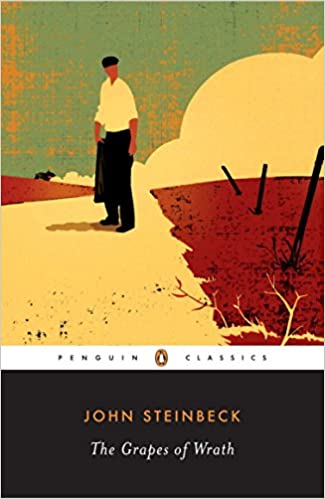
The Grapes of Wrath

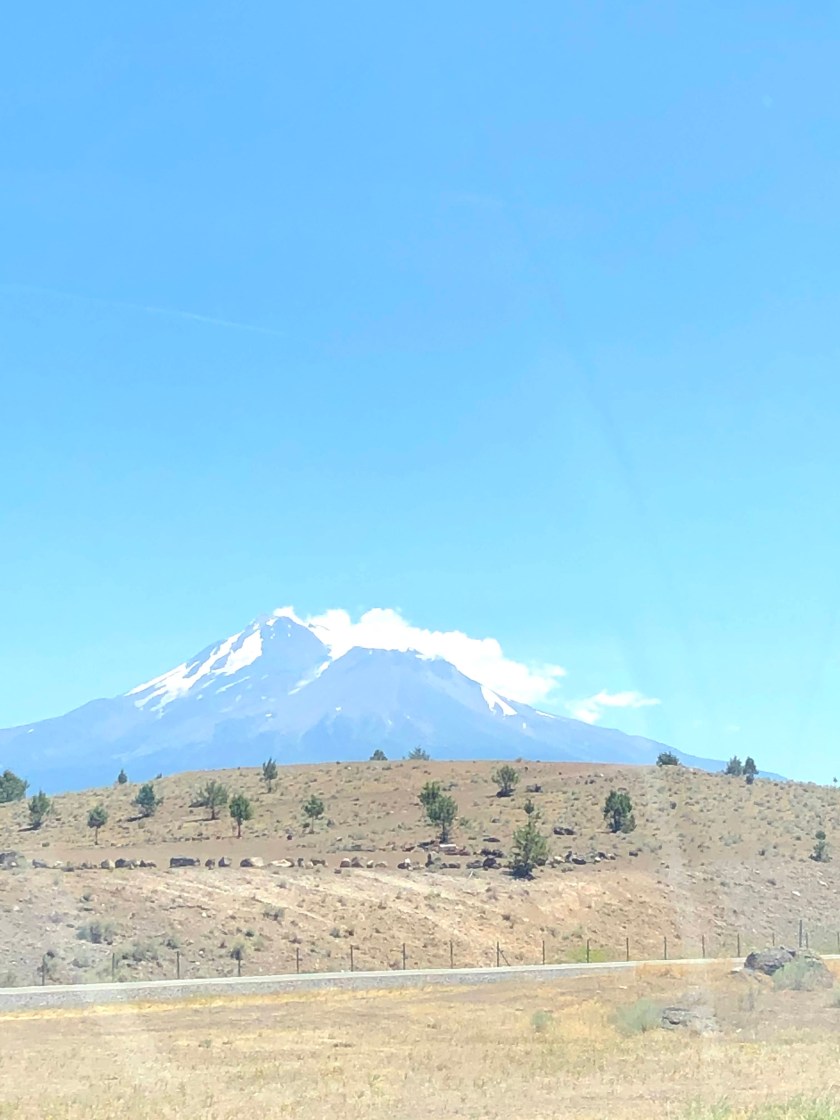
We were driving through the countrysides of rural America. Vast landscapes stretched on all sides reminding us once again of the beautiful and vast nature of this country. The countryside baked in the hot Californian sun as we made our northward. We drove past fields and small towns that reminded me of the areas featured in the Grapes of Wrath by John Steinbeck in more ways than one.
img_9393

The Grapes of Wrath evoked a sense of economic ruin, human struggles, and the helplessness of it all. I walked around for weeks pulled down by the plight of the millions of Joad families who had to survive post the Great Depression. 

You see, I was prepared to see a certain level of isolation. Covid-19 has changed the landscape unimaginably with the service sector and the retailing industry in hiatus. What I was not prepared for, was the eerie and pervasive shadow of desolation and ruin. The divide between the haves and have-nots a deep chasm yawning wide and deep. 

https://www.bls.gov/opub/ted/2016/employment-by-industry-1910-and-2015.htm

The husband and I were in a somber mood as we made our way back, and fell to discussing the nature of work and how it is has changed so drastically in the past century. Just under a century ago, there was a good percentage of the population working farming jobs, then factory jobs. So, there still was a dream for a middle-class life – a life that promised reasonably good education for the children, relatively good health care, a decent home, and food on the table. It seemed the only jobs left for people to work in these small towns were in the service sector or the retail industry. With both these sectors impacted so heavily with Covid-19, it was a terrifying sight. 

“There ain’t no sin and there ain’t no virtue. There’s just stuff people do.”

John Steinbeck, The Grapes of Wrath

If the elections bring the current president to power again, he will find a way to make things much worse – maybe even go to the extent of inciting riots and civil unrest. If another president takes the reins, I do not envy the poor president-elect – what a mess to unravel and what a huge responsibility to the citizens. 

How would the world get back on its feet? 

“But how on earth is the stock market holding up?” I asked, for wasn’t that supposed to be an indicator of the economic conditions on the ground?

There – right there, is what is called a mystery. Anthropologically, mankind has been through worse survived more, but there is no doubt about it  – we have rough times ahead of us post-corona. As children, when we sang the hymns in our school, we liked some, loved the lyrics of others, and some stayed on with us through the ages. The first song that came to me that day was this one:

“We shall overcome .. We shall overcome…We shall overcome…Some day….”

After all:

“Muscles aching to work, minds aching to create – this is man.”

John Steinbeck, The Grapes of Wrath

grapes_of_wrath

The Glimmer of Hope

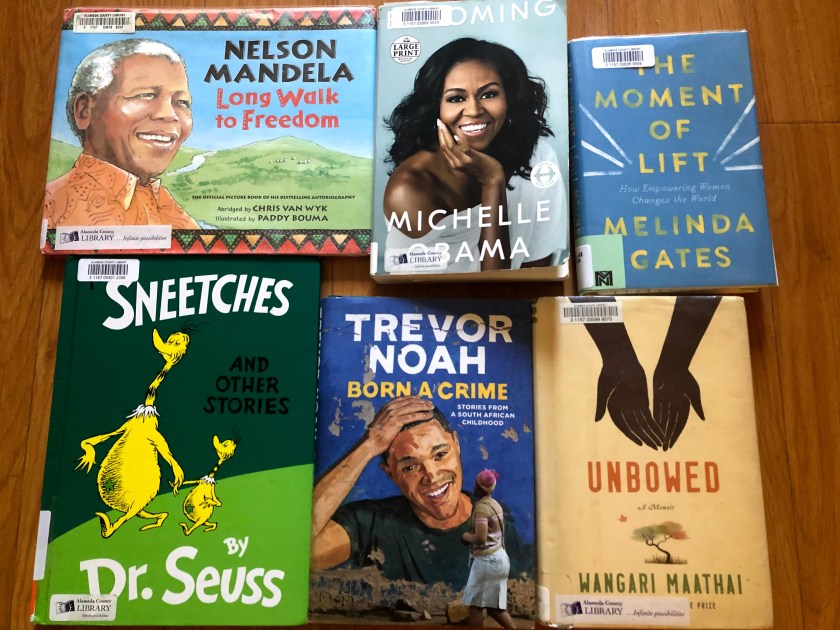
I sat in my backyard reading on a hot Saturday afternoon. It was the 4th of July week-end, and I had pages to go before I slept. During the peak of the Black Lives Matter movement, I resolved to read more about the life of minorities, racism, civil disobedience and much more. The son & I had painstakingly collated a list after reading several lists online, suggestions from friends, teachers, colleagues, and the companies we worked for. If there are any other recommendations, please let me know in the comments section. (Thank you 😊 )

  • Becoming – by  Michelle Obama
  • Civil Disobedience – by Henry  David Thoreau
  • Sneetches and other Stories – By  Dr Seuss
  • A Long Walk to Freedom – Nelson Mandela – Abridged by Chris Van Wyk
  • Black Panther – by Ta-Nehisi Coates
  • XVIII – 13th Netflix Documentary
  • Hidden Figures movie

img_8883

While I sat reading, there was a faint niggling guilt to the apparent normalcy of it all. Was it alright to be sitting calmly and reading in one’s backyard while the world around us was still reeling?  

I read as the sun overhead appeared to move towards the west, and finally got up to take a long walk. If anything, I had several things to think about in the book. There was a section in the book where she writes about failure being a feeling that sets in long before failure itself does. She writes about this in the context of the South Side in Chicago, and how the ghetto label slowly portended its decline long before it did. Families fled the place in search of upwardly mobile suburbs, the neighborhood changed in small, but perceptible ways at first, and then at an accelerated pace. Doubt is a potent potion, and when fed in small portions can quickly shadow everything.

The limitations of dreams are seeds planted in our sub-conscious slowly and surely so that we may fulfill what society thinks we ought to do, no more and no less. Minorities the world over know the feeling well enough.

Trevor Noah, in his book, Born a Crime, writes about the ability to dream being limited to what a person knows. If all people know is the ghetto, they can truly not think beyond that.

“We tell people to follow their dreams, but you can only dream of what you can imagine, and, depending on where you come from, your imagination can be quite limited.” – Trevor Noah – Born a Crime

The largest section of population to know these limitations must be women.

In the Moment of Lift, Melinda Gates writes in her very first introductory chapter, “All we need to uplift women is to stop pulling them down.” 

It was, therefore, in sombre mood that I set out for the walk, little knowing that Serendipity, that most mysterious of forces will work its magic by the end of the night. 

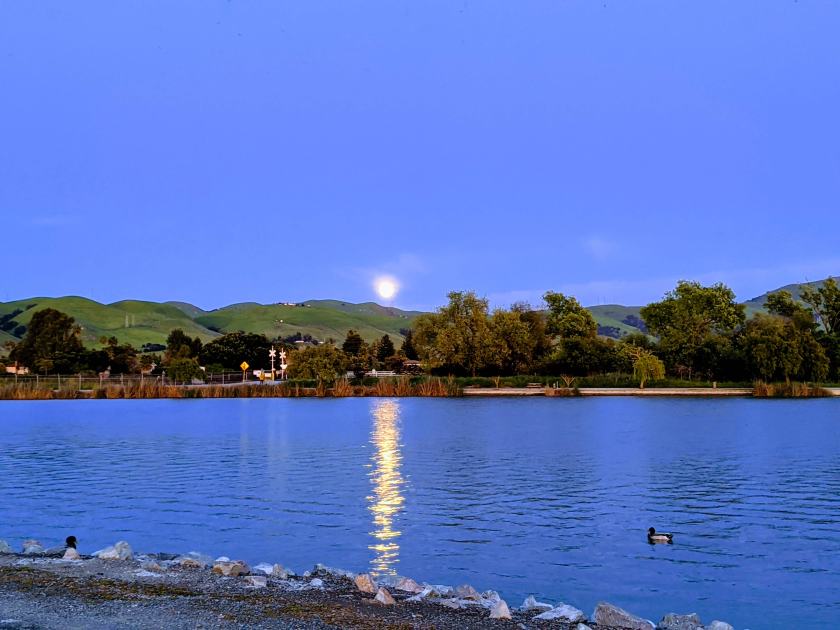
I walked on taking in the setting sun at a fast pace. My mask hoisted on the face was sweaty, and every now and then on the trail when there weren’t people nearby, I slipped it down to take a deep breath of the summer air. I was walking by the waterside, and slowly  feeling the calm strength of the waters. My thoughts were slowly lifting as the sun was setting, and the full moon rose in the opposite direction. Out in the distance, the sound of Fourth of July fireworks was providing an orchestra of sorts to the accompanying bird sounds, and the sound of water sloshing gently against the shores of the lake. 

img_20200407_195324-effects

“Bring the kids – sunset and moonrise marvelous and fireworks everywhere!” I texted the husband, and off we went in the approximate direction of the fireworks. We parked on a side road to take in the revels of the night. To stand there with the full moon behind us, and an array  of fireworks going off in front of us in a largely residential neighborhood was marvelous. 

Later, as we drove on, we listened to songs chosen with a special regard to the 4th of July. The children had aced the  list, and we drove on through the moonlight, lilting and dancing to the tunes.

“Behind the Clouds, the sun is shi—ii—ning. “ – What has to be one of our favorite Disney songs rent the car as we pulled into the garage. 

As I read the final section of Michelle Obama’s Becoming later that night, I found the audacity of hope (pun intended) stirring and this too felt different; worth examining. Politics is a dirty game, but Barack &  Michelle Obama had shown us what was possible. Dare we hope?  

P.S: I was blissfully unaware of (yet another) divisive speech by Donald Trump, and the announcement of Kanye West to run for President that night. I like to hold on to that glimmer of hope that permeated my heart as 4th of July ticked on steadily into the 5th of July.

Maybe hopes can translate to positive outcomes long  before they  happen.


A Hopeful Future

There is nothing quite as special as walking in nature after a long day or week. Every step seems to take one tiny bit of stress away, and replace them with happy endorphins  dancing to a beat in the body. As the eyes lift their gaze towards the skies, the clouds, trees, and birds seem to join in on one harmonious orchestra together welcoming the soul to relax and rejoice in the moment of being, and participate in the steady march of time. Hummingbirds, bluebirds and the occasional butterflies flit overhead, while the ravens and geese noisily make their way home.

Summer is creeping in, the jacaranda trees are in bloom in the neighborhood, the gingko leaves have come in fully, and though the world around us is in shambles, confused, anxious and worried, Mother Nature seems to have no such problems. She brought on Summer just in time.

The park near where we live has a steady smattering of high school students social distancing as best as they can and taking graduation pictures. In little knots of 2s & 3s, they cluster around giggling and looking hopeful. I stop at a distance admiring the high schoolers celebrating their graduation day with pictures in gowns. The smiles of confident youth look just as marvelous as the summer blooms they stand amidst, and their perfumes amidst the heady scent of the flowers is heaven itself. There is no doubt about it: The summer evenings seem doubly enjoyable and bright because of the young talent making their way out into the world.

These children did not get the graduation party like their seniors did, or their juniors will, but they seem to be coping with grace. A few photographs with their best friends would have to do. I hear loud peals of laughter puncture the evenings as they decide on how to take their pictures. I hope every child in these uncertain times has good friends. The laughter rings in the obvious: everything seems to be manageable with the right set of friends.

“Hope” is the thing with feathers –
That perches in the soul –
And sings the tune without the words –
And never stops – at all –

Emily Dickinson

In other news,
Trump Rally Registered Million Attendees but Actual Count 6000!

Thousands of teens registered for Trump’s rally , after his initial Juneteeth rally was moved to Sunday, and then didn’t show up. What’s more? They deleted their tik-toks soon after!

Standing there that evening with the world on pause from the Corona virus, and the city’s curfew just ended due to the Black Lives Matter movement, I felt hope stir again. The angst and idealism of youth was intact. These young adults saw us flounder at a critical moment in their lives, and the exuberance with which they are eager to take the torch makes me hopeful.

“For life goes not backward nor tarries with yesterday.” Kahlil Gibran

What Does It Mean to be Human?

I  struggle to write about the past week of events for two reasons.

(1)  I have not read enough of Black History in my adopted country to know the depth and breadth of the problem. (A shortcoming, I hope to rectify to the  best of my ability in the coming months.) All I  know is that the Black Lives Matter movement is long overdue. 

(2) The other is that the blatant nature of the cold killing of George Floyd flabbergasted me. How could a man sent sprawling to the ground with his hands handcuffed  behind him be such a threat, that a policeman felt he needed to put his knee on his neck in addition to everything else? How could he not let up when he felt the man go limp under his knee? How could .. why did he…could he not have instead…a million questions that will remain unanswered. The killing is a chilling realization of the moment when our humanity deserted us collectively.

We Belong on Earth  is a strong theme in my blog as regular readers know. 

Do not hate in the plural is another strong theme on my blog. 

The Black Lives Matter movement very strongly aligns to both these causes.

As I  mutely witnessed the events and absorbed the weight of the movement, my heart stirred and yearned for only one  thing: that the civil rights movement is long overdue is an understatement; what I wanted more than anything else is for the awareness to be translated  into action. 

So, what does it mean to be  human? 

If a person, racist or not, is  in need of a blood transfusion or an organ transplant, do they, even for a moment, think about the race of the donor? I don’t think so.

I thought the Corona virus reminded us of what it means to be human. In spite of borders, and diatribes about immigrations, and the numerous ways in which  we find ways to divide ourselves, the virus proved to us without a doubt that we are human and are therefore susceptible.

In the words of Seneca: 

Dum inter homines sumus, colamus humanitatem

“As long as we are human, let us be humane.”

Additional Reading:

What does it mean  to be human?

The Biology of Skin Color (The link between human evolution over time; the ability to adapt to different levels of UV  radiation in the tropics vs the poles; and its correlation with absorption of Vitamin D is explained in this video)

Maria Popova in her Brain Pickings blog had written a sentence on a meditation of the human condition, and I had jotted it down, for it was such a powerful sentence. I quote:

“At a time when the need to celebrate both our shared humanity and our meaningful differences is all the more painfully evident, the question of what makes us human becomes not one of philosophy alone but also of politics, justice, identity, and every fiber of existence that lies between.”

That is the Earth!

“Do you know what this is?”

“That is the Earth! From the moon.” said the son matter of factly. “I saw it before!” he said in response to my awed expression.

We were looking at the back jacket of a book, that I flipped to the last page first.

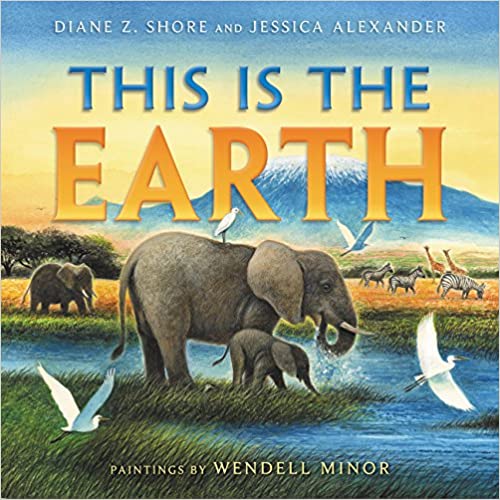
this_is_earth

This is the Earth, by Diane Z Shore & Jessica Alexander with paintings by Wendell Minor.

It was a picture of the Earth rising on the Moon’s horizon.

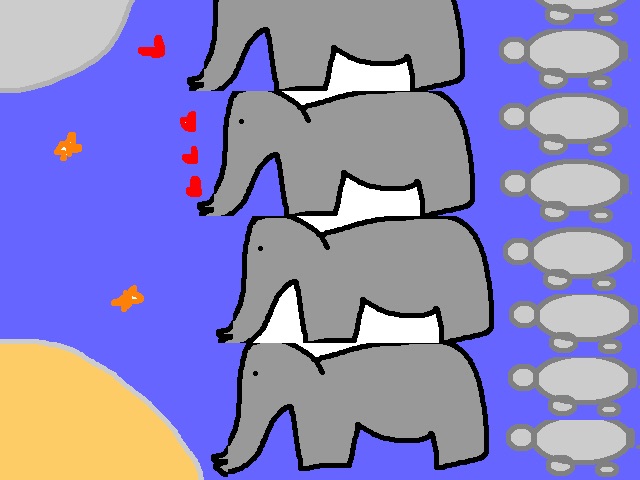
A picture that generations of humans for millennia could only have imagined, and never really gotten close to the sheer beauty of it. Our myths are at once rich and limiting in its reach. They have imagined Earth as being elephants on elephants, turtles on turtles all the way down, flat discs, imagining heavens above and hells below.  

earth_myth


The picture was taken by an astronaut, Bill Anders, aboard the Apollo 8 spacecraft in 1968. I looked on mesmerized at the picture.

1200px-NASA-Apollo8-Dec24-Earthrise

Bill Anders / Public domain

But this picture is truly astounding. The pale blue dot when seen from the Moon is a brilliant, blue orb, suspended in space, intriguingly spattered with clouds, oceans, landmasses, not really depicting the billions of lives it fosters, or the number of ecosystems it has in its fragile balance. 

Bill Anders said: “We came all this way to explore the moon, and the most important thing is that we discovered the Earth.”

What a lovely statement that is, and together with his Earth Rising image, contributed to the concerns around Planet Earth that led to founding of Earth Day in 1970.

50 years later, we have made rocky starts and gains towards conservation. But this April 2020, 50 years later, purely coincidentally, Covid-19 has the world on lockdown, not just imagining a life of bare necessities but embracing it for the social good. We, the people, now have the time to observe our fellow inhabitants.

Heart warming tales of peacocks making its foray into the deserted cityscapes of Mumbai; turtles coming ashore to hatch in the beaches along the Bay of Bengal; seeing the Himalayas from a 100 miles away once the smog fog lifted; deeming the waters of the Ganges near Rishikesh fit for human consumption again without all the factories along the way dumping its wastes into the flowing water;or bears enjoying their natural habitats unhindered by human presence in Yosemite National Park, are surfacing, and it has my heart lifting again. I have often enough lamented on this blog about the poor attention we pay to the Planet that nurtures our fragile selves and egos. 

Watching the even more fragile ego of the stock market indices, it seems to me that we can very well have the world function this way, by having a month off every year in which everything stops but essential services. An Earth Month every year to reflect, slow down, plan and recoup our staggering impact to the environment. After all, the stock market seems to have a life of its own and seems only to want some stolidity in its expectations. So, we anticipate a month with no major events, no excessive or unnecessary travel, and only essential services operating. The notion isn’t that far-out either. 100 years ago, no one thought we could have 5 day work-weeks. Yet, here we are, in state where it is the norm now. 

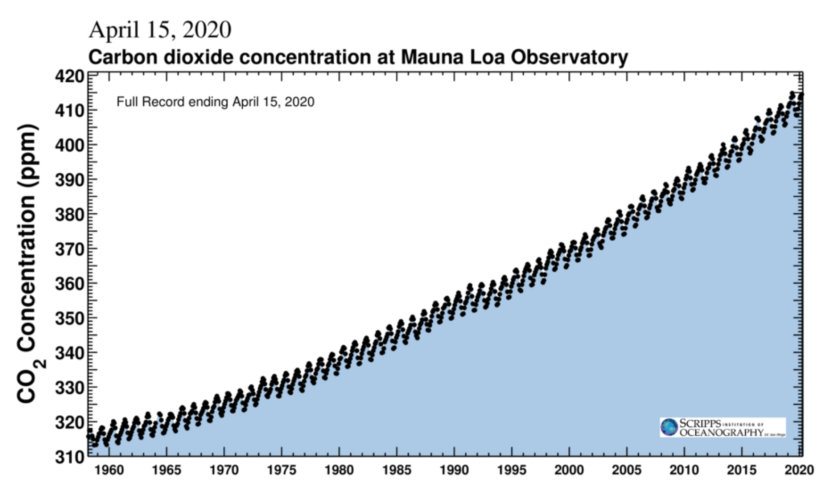
Maybe this could be the measure we take for Earth Day to slow the rise of Carbon Dioxide levels in the atmosphere.

Screen Shot 2020-04-16 at 6.33.29 PM

Please go this site to see the curve over 2 years and over 200  years Keeling Curve – Scripps UCSD

If you look at the extrapolated curve from the 1700’s, it has risen exponentially. It is probably too soon to see the effect of Covid-19 on CO2 levels in the atmosphere.

Could, Earth Month become the new normal for us. So children matter of factly accept that Earth Month as essentials month in the coming generations?

Let’s care a whole lot!

T’was family movie night. An evening fraught with decisions, and everyone’s voice and opinion clanged over the dishes and sizzled over the noise from the stove.
Suggestions rose, opinions swelled and movies quelled.

“Uggghhh! No way!”
“That again?”
“What are you? A kid? Oh wait! Yes you are a kid! Okay never mind!”
“Nope! Too much for Amma! “
“What do you mean? It isn’t too much for me?!”
“You bawled last time for a movie that wasn’t even a tear-jerker, nope! How about this?”
“Star Wars!”

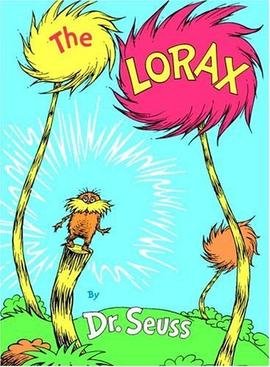
A collective moan went up. Finally, it was revealed that the youngest member of the family had no recollection of the Dr Seuss movie Lorax. He has read the book multiple times, and so we all settled in to watch Lorax.

The_Lorax

Dr Seuss is an inspiration, of course; but just how insightful his take on humanity is uncanny. From fresh air as a commodity, to a land without trees, to surveillance at every pore, his far sighted vision has so much to nod your heads at.

The Thneeds, created by the Once-ler, in his story are made from Truffle trees. Thneeds were fashion statements – doubling up from head scarves to sweater vests and shawls. (“But even he, it seems, could not envision a future where ripped jeans were fashion trends!”,  I said and drew a grudging chuckle from the teen with the ripped jeans. ) Eventually, of course, the Once-ler’s greed led to decimation of trees, habitat loss and a devastated landscape is all that is left.

“Wow – that was such a good movie Amma – though the movie had scenes that the book didn’t have.” was the verdict of the youngest.

“Really! Humans are impossible!” said the teenager, and discussion turned to conservation, Greta Thunberg and some you-tuber who talks about going green.

“Did you know the Lorax was banned in some schools in California because loggers felt it was not friendly to the ‘foresting industry’. ” I said.

I looked at their agonized faces with awe – how is it children get these things, and adults don’t; and I felt a surge of hope.

lorax

We were walking a familiar route through our neighborhood a few days later, stopping to see some of the felled trees as we do every so often. The rings in the pine trees show they must have been at least 80 years old, and to see the forlorn stumps reminded of the beautiful book, The Giving Tree.

img_7820

The book starts with friendships between a young boy and an apple tree. The boy plays and swings on the tree’s branches, but as he grows older demands more and more from the tree. He needs her apples to make money, cuts her down to build himself a house and a boat, and finally comes back tired and spent with life, when all the poor tree can offer is the stump to rest.

The Giving Tree, can be interpreted and discussed in many different ways. Givers & Takers, Need & Greed, Selfish & Selfless, but the most beautiful one is the simple one, the one where your children make a sad face at the end, and say, “Why doesn’t this boy/man/grandpa ever feel sorry for what he’s done?”

giving_tree

The boy reminds us of human’s relationship with nature. The human species can be broadly classified as takers: from the planet, & from our co-habitants on this planet. You might have seen this video clip of Man’s greed By Steve Cutts:

The Giving Tree too was banned interestingly for sending sexist messages – the tree was female and the little boy continued to take from her without ever giving back.

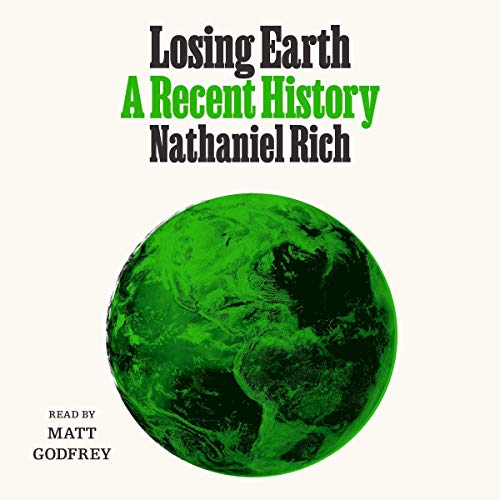
I just finished a book called Losing Earth – by Nathaniel Rich. The book, deals with the science, politics and action of climate change.

losing_earth

Despite humanity having the science locked down more than 50 years ago, little action has resulted. The closest we came to getting everyone to agree on unified action was the Paris Agreement where all countries agreed to work towards keeping emissions such that we not go above the 2 degree increase of temperatures world-wide. The largest emission offender for decades, United States, pulled out of the agreement when Donald Trump became President.

I was shocked to find that Climate Change as a topic has been banned in certain schools, skirted around in others and given a miss altogether elsewhere. The science behind Climate Change and the effect of our industries were long proved – as far back as 1970.

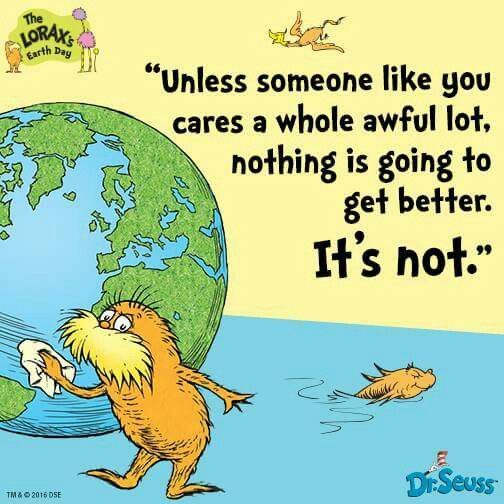
This April 22nd is the 50th anniversary of Earth Day with a special onus on Climate Action. Maybe this Earth Day, we can renew our commitment to the only pale blue dot that will harbor us. Let’s care a whole lot about our planet before all we are left with is the word ‘Unless‘ like in the Lorax story, or the tree stump in The Giving Tree.


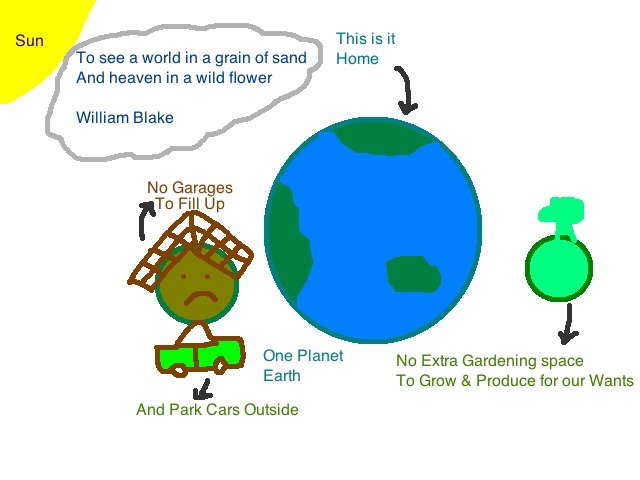
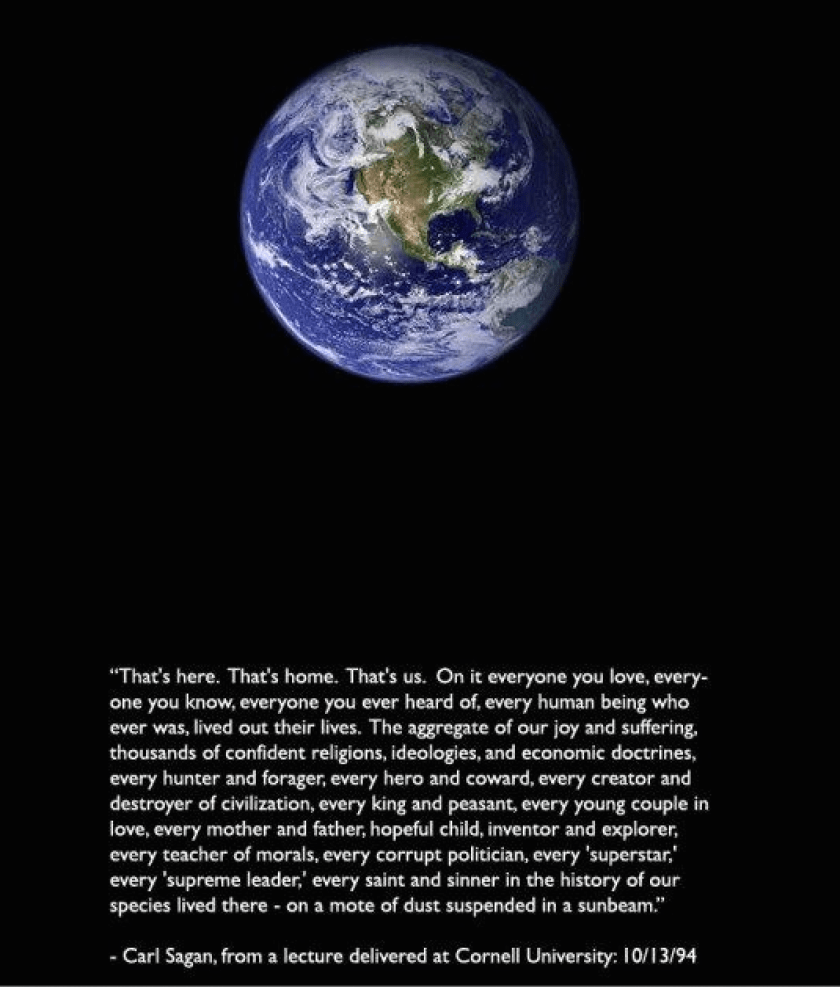
no_garagepale_blue_dot

Read also: Are we to become Lab Rats?


The Rings of Life

We were walking a familiar route through our neighborhood, stopping to see some of the felled trees as we do every so often. The rings in the pine trees show they must have been at least 80 years old.

img_7820
For an impatient flitter such as myself, trees are truly sentient beings. Beings that teach me about holding still, of being sentient beings for the small time we spend on this beautiful planet. Like a butterfly flitting through the Earth for a day. You can replace tree for a star in the quote below and it would still hold when one sees redwood trees, sequoia trees and old banyan trees.

“From the point of view of a mayfly, human beings are stolid, boring, almost entirely immovable, offering hardly a hint that they ever do anything. From the point of view of a star, a human being is a tiny flash, one of billions of brief lives flickering tenuously on the surface of a strangely cold, anomalously solid, exotically remote sphere of silicate and iron.”

― Carl Sagan

As I was reading Life in the Garden by Penelope Lively, I stopped to relish the section on trees. Though the book is largely about gardens, she does make a foray into trees briefly:
“Tree rings are wonderfully eloquent; here is time stated, time recorded, time made manifest. Dendrochronology- the scientific method of dating based on the analysis of tree rings-can determine past climates, or the age of a building, it can be used to calibrate radiocarbon dating, or by art historians to determine the date of a panel painting. And all because a tree grows slowly, systematically, but laying down each year a memory of what that year was likes – usually wet, dry cold, hot-whether the tree flourished and grew, or held back, and how many years have passed. And the more I think about it, the more I have come to the conclusion that this is why trees invite anthropomorphism. They are sentient in a way that a building cannot be.”

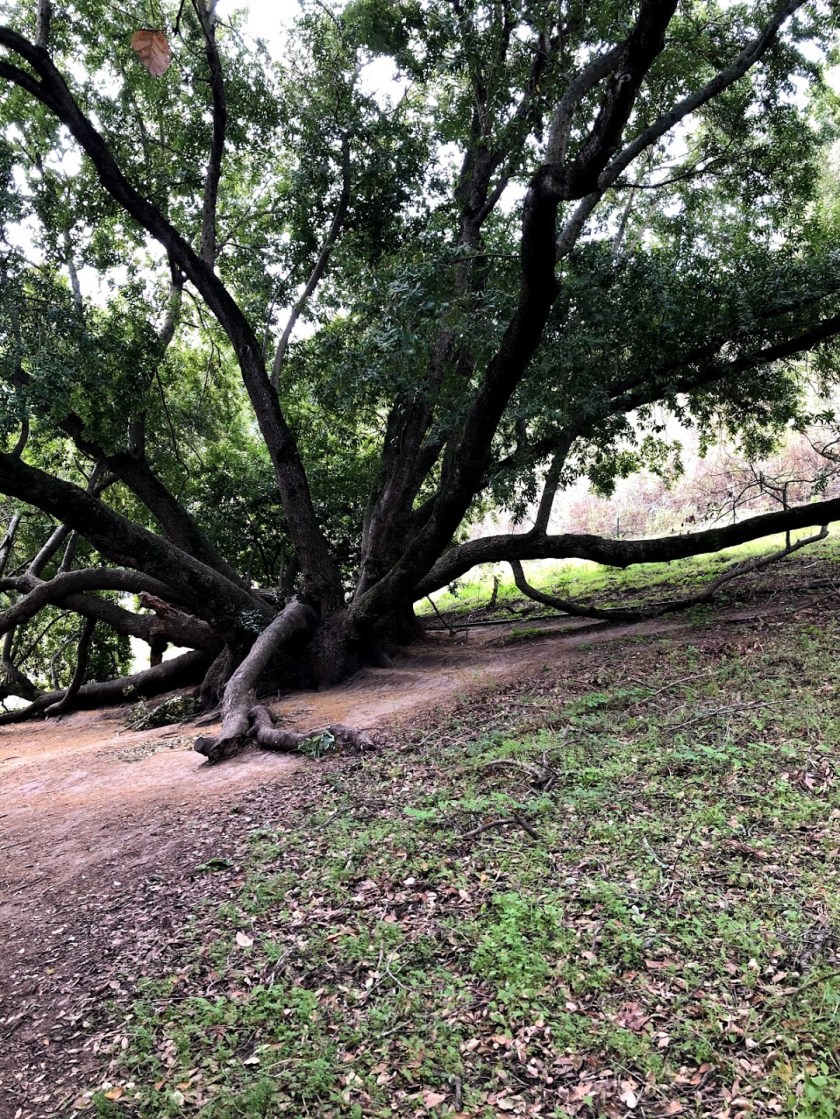
octopus_tree

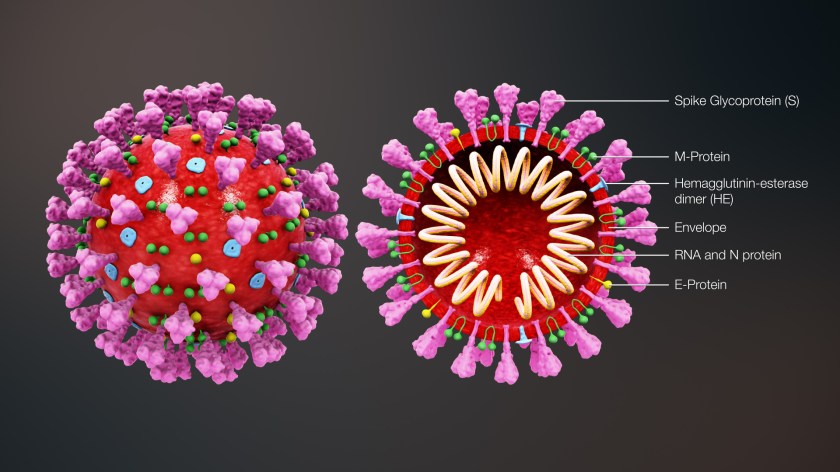
When I read this piece in Life in the Garden by Penelope Lively, I thought to myself, that Covid-19 would not register in the life of trees, would it? Droughts, wildfires, these may, but Covid-19 would not. The human suffering is acute – there is no doubt about it. The true heroes are the front-line workers, such as doctors, nurses, water and essential service providers, cleaners, mailmen, supply chain workers for groceries and medication who are braving the outbreak to keep society functioning as best as it can, while the virus takes it toll. The human toll is one thing, Covid-19’s economic ramifications is quite another, reminding us of the tottering pile we have built our societies upon: Stock markets indices, economies, international boundaries, – everything that a virus can thwart on a whim.

3D_medical_animation_coronavirus_structure

What would Covid-19 imprint in our psyches? It can be a time of transformation. A time of reflection. A time to prune the unnecessary, a time to nurture the necessary, a time to get to know ourselves and our loved ones better. A time to think of needs vs wants.  A time of quiet.

We may never have taken pandemic preparedness seriously. Covid-19 is teaching us about the importance of these things. What would we need to do for far more severe outbreaks, with water-borne or air-borne diseases in the future? I am sure these will never be treated with the same levity ever again.

“Nature is always more subtle, more intricate, more elegant than what we are able to imagine.”
― Carl Sagan, The Demon-Haunted World: Science as a Candle in the Dark

The more I think about it, the more I want to believe that we shall embrace Science as a Candle in the Dark. Many children will take up research in microbes. I hope we shall, from now on, invest in our infrastructure, in our research, in our general preparedness, and appreciate the fragility of life and our social ecosystems itself. Our rings in time will bear out the wisdom in the coming years if only we learn from it. One dark circle reverberating it’s learnings outward, and spreading light in the subsequent rings afterward.

“In its encounter with Nature, science invariably elicits a sense of reverence and awe. The very act of understanding is a celebration of joining, merging, even if on a very modest scale, with the magnificence of the Cosmos. And the cumulative worldwide build-up of knowledge over time converts science into something only a little short of a trans-national, trans-generational meta-mind.”
― Carl Sagan, The Demon-Haunted World: Science as a Candle in the Dark

References:

  • Life in the Garden – By Penelope Lively
  • The Demon-Haunted World: Science as a Candle in the Dark – Carl Sagan

A Rose is a Rose

We were out hiking one day in mid February. The son and I eagerly packed our snacks, water bottles and headed off as the sun rose. It was a golden day in which we stood under trees listening to the blackbirds trilling overhead. Squirrels scuttled past with their duties, while woodpeckers drilled in the trees above. New born calves stood demurely by their mothers. We stopped to sniff at the flowers every now and then, looking indulgently at the buds waiting for the spring bloom. A thousand smells rent the air, and I said “How marvelous it must be to be a flower in spring time?”

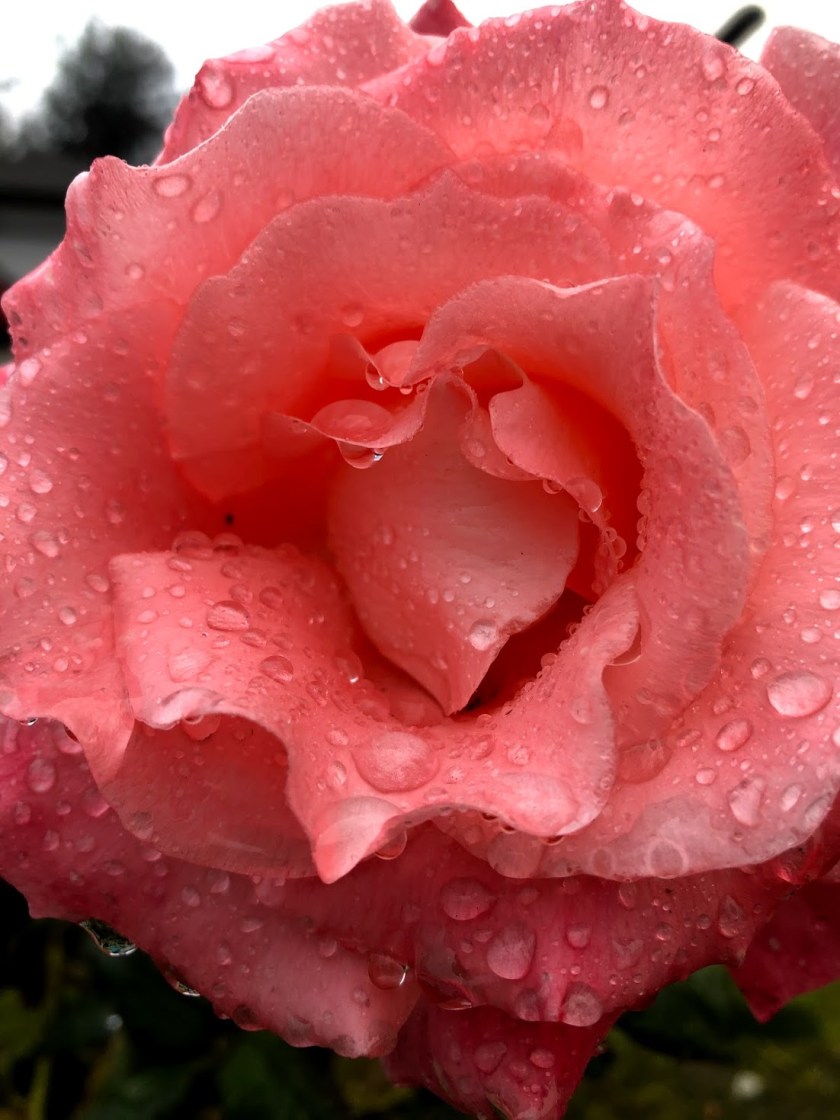
He laughed – the sort of tumbling laughter that children have, and we adults can do with from time to time. His words tumbled out between his giggles, and he said, “Did you know? That a flower 🌹 comes up when its ovaries burst open?” 

I gasped dramatically and the little botanist went on to explain what his teachers must have told him in school. I listened enamored, wondering not for the first time why we ever grow out of schooling, and the shoshin of childhood.

Anyway, there we stood with the beauty of spring all around us. The rains had made the hills green, and in this verdure, it was hard to imagine anything but positivity and beauty. It was hard to imagine that in less than 2 weeks, the world would be reeling under the influence of a virus.

Talking to my colleagues & friends over virtual calls, and phone, reading what people have to say over Social Media, I feel a general sense of overwhelm, gloom and what-next overpowering some. Some seem to have taken to the new normal, doing the best they can with the new set of circumstances, others not so much. The relentless news cycles have been pounding us with streams of news that reminds me of Oogway. 

Oogway, the wise turtle: “There is no good news or bad news, there is only news!”

Master Shifu: “But Tai Lung has escaped” (But Corona has escaped!)

Oogway, the w turtle: “Oh, That is Bad News!”

Oogway & Shifu

As human-beings, we are always forward looking. We want to set forecasts for corporations, we want to predict & measure, and when all of these things are fluid, it is understandable to feel unmoored. 

We want to know we are in control of things, only rarely do we realize that Control is an Illusion. 

Walking past rose bushes one evening during this time, we stopped to admire the buds ready to bloom. I thought about the beautiful poem by Mary Oliver. A poem I often think of when the human calls of productivity and being busy beckon. 

Roses, 🌹🥀  Late Summer – Blue Iris 

 – By Mary Oliver

I would be a fox, or a tree

full of wing branches

I wouldn’t mind being a rose

in a field full of roses.


Fear has not yet occurred to them, nor ambition.

Reasons they have not yet thought of.

Neither do they ask  how long they must be roses, and then what?

Or any other foolish question

rose


The Dream Within The Dream

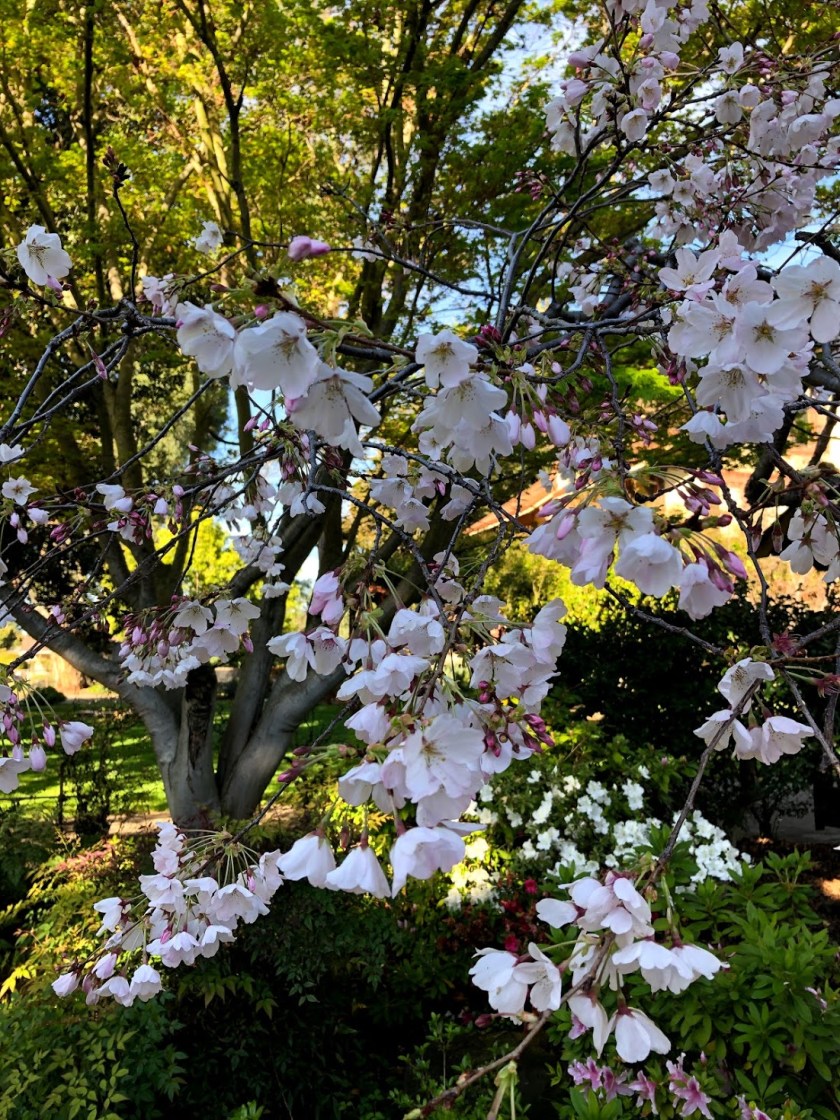
It was Saturday morning. I got up, convinced I had come back to the real world. The world outside looked beautiful. The dew drops on the cherry blossoms glinted in the morning sunshine . A Californian blue jay was sitting on one branch and pecking at the flowers – such a beautiful sight is to be seen to be believed.

cherry_blossom

Was that a really vivid dream or what? Covid-19 did feel surreal – what a dream?!

I sat on my bed the previous Friday evening exhausted. It was the first week of large scale disruptions – schools, offices, and malls had closed; crazy grocery shopping was behind us; and while I was grateful for being to work from home during all of this, I also realized that I was enervated.

That was how, you found me on Friday evening, determined to not think of the Corona Virus anymore at least for the night. I put it resolutely from my mind. I eyed the stack of books near my bed. I retreated to simpler times in an English village with Miss Read, I read about gardening, and I read about the life and times of Jane Austen in the 1800s.

The daughter was happy to not Coronaspeak anymore, and magnanimously offered to sit and watch Little Women with me. By the time, I went to bed, I had restored the mind to a semblance of normal.

Maybe the preceding Coronaweek was in my version of The Lathe of Heaven after all.

The Lathe of Heaven is a marvelous book written by Ursula K Le Guin. The book examines a scenario where a young man is gifted with the ability to make his dreams come – his psychiatrist realizes this, and uses his condition to his advantage. He attempts to change the world by offering to guide the young man. While under hypnosis, he makes suggestions and leads his mind into conjuring up dreams. One such dream reminds me of this scenario the most.

lathe_of_heaven
He dreams for World Peace and for all of humanity to be united.

When he gets up, his dreams are realized. Humanity is united. United against the face of an alien attack. The aliens are already positioned on the Moon and are poised to strike Earth soon. Suddenly, Earthly borders and barriers melt away. All of humanity is united against the threat of green-belted aliens on the Moon

The psychiatrist tries making amends from them on, but the patient realizes what is happening and tries to distance himself. He is scared, vulnerable and refuses to fall asleep.

Could Covid-19 be a version of a dream playing out? It certainly feels like that at some times.

But if this were a dream, how would we know? I went and stood outside below the Cherry tree, and the cherry blossoms flitted down and landed gently all around me. The California blue jay was still there having a blissful breakfast as it let the petals float to the ground below. One petal settled on my hair, and I felt it. It was solid and soft. It was real. That settled it – the preceding week of Covid-19 must have been a dream.

Slightly shivering with the morning cold, I traipsed into the kitchen and opened the refrigerator. It was full: stacked with extra cans of milk, vegatables and 2 cans of soup – so, we were in the Covid-19 reality. That wasn’t a dream.
The blue jay was confirming what with me exactly? That this too was a reality?
That our realities have a tendency to get warped?

I related this the daughter and son as they walked into the kitchen looking sleepy and exuberant respectively. The husband said, it did feel very much like a scenario in the movie Inception. The Dream within a Dream. That is how we always depicted it in our dumb-charades games.

The day wore on. As Saturday ticked into Sunday, I saw the digital clock in the microwave glow 11:59 – a moment in time that the young son loves to see. Maybe this was a reality within a reality too.

I am going to bed. After all, this version of reality does have some aspects that I dreamt about too:

  • I did hope to get a month to spend with the children at home.
  • I did hope to be able to spend at least time together without external demands on our time, to hear the clock tick in the quiet of the home.

I can understand why the whole thing seems so surreal. While some problems certainly unite humanity like Climate Change and our effect on the Planet, none seems to be as urgent and visceral as the Covid-19 reaction. It is happening, it is real, it is what it is.

This week seems less surreal than the week before. We have settled in to new realities of life. The life in which the simple, bare necessities of life will come to you. They’ll come to you!


United in Social Distancing

This post was published in The India Currents magazine: Unity in the face of the Virus-that-must-not-be-named

“This is the Ministry of Magic all over again!” I said.

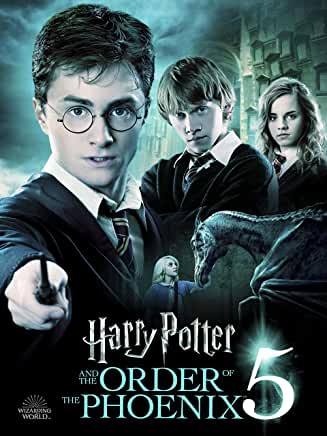
The Ministry of Magic, as Harry Potter fans know completely botched up the rise of Voldemort – they were in denial, then went on a campaign of outright lying with false facts, bravado, and then a rude reckoning of the truth. The Order of the Phoenix, is one of those books that really opens our eyes to incompetent leaders.

order_of_phoenix

We were discussing the United States’ handling of the Corona virus, COVID-19 health threat.

Everywhere on social media there was information – some true, some untrue, some alarmist, some pacifist, many telling us not to worry, but worrisome all the same. Our President, it seems, has not yet arrived at the true reckoning of the situation, and continued his bravado. The President blundered on about his building walls to stop the spread, his biggest problem seemed to be the Stock market index.

Meanwhile, the CDC did not have enough testing kits ready, so we do not know how pervasive the situation really is.

Vox article: here

We all pass through these phases of denial, a state of holy-moly, and a surreal settling in to things. (I had been vacillating between astonished denial & mild panic, up until the 1st week of March in California). We do the best we can. We see the terms quarantine & social distancing, and try to come to terms with this new mode of functioning. We are social animals now united by the need for social distancing.

Our company announced an ‘Encouraged to WFH policy’ like many other tech companies. That has now been upped to a ‘Mandatory work from home’. I know many of us used the public transit systems to get to the office, so we were obviously grateful to be told thus, and to have the kind of jobs that can be done remotely for a short period of time. It was not lost on me that a great many people did not have the same luxury.

Covid-19 is unprecedented for many of us. People who had lived through the SARS outbreak 18 years earlier are probably the ones who have seen something similar in their lifetimes. For the vast majority of us though, this is new territory. How do we determine the best sources of information?

How do we learn lessons from the countries who are already dealing with the situation? Taiwan, China, Singapore. How did Italy quarantine their entire populace?

Humanity always comes together in the best & worst of times. When our leaders do not provide timely guidance, our collective reasoning can, and much like the Wizarding World united in the face of Voldemort, I am sure we shall do the same this time around: by collectively, voluntarily, distancing ourselves socially, being responsible, and putting the greater good ahead of us.

Read also:

Blame the Toxos

Good Food Mood

Click to access 2019-ncov-factsheet.pdf

The tiniest virus it seems brings us closer to the human condition than any other thing can. We are human and are therefore at risk.

 Books: 

  • Harry Potter and the Order of the Phoenix – J K Rowling
  • We Contain Multitudes – Ed Yong