Mysore Palace

In what was a whirlwind trip to India, I was fortunate to fit in a day to visit Mysore, or Mysuru as it is now known. The Mysore Palace was bursting at its seams. I don’t know whether the Wadiyar family was that popular even at the peak of its glory, but that Sunday morning, we had the distinct feeling that the entire populace around Mysuru had woken up with the singular thought of having a nice picnic day out at the palace. Crowds bustled, feet shifted, and more importantly, the sun rose in the skies above Mysuru. 

Image source: Wikimedia Commons: Photographer: (Muhammad Mahdi Karim/www.micro2macro.net)

We shuffled our way through the palace taking in the art work and the opulence. Every palace designer and acquirer of artifacts has this to contend with: in opulence lies plenty, and in plenty, even the rare loses its lustre. How often have we been to art galleries and been too awed by the hundreds or thousands of art pieces, to notice the subtlety that would otherwise be studied with awe?

For instance, I am quite sure that if I’d seen any one of those doors by itself, I’d have been bowled over. After all, how often does one see ivory inlays in teak doors, and entire pictures carved out in the ivory?
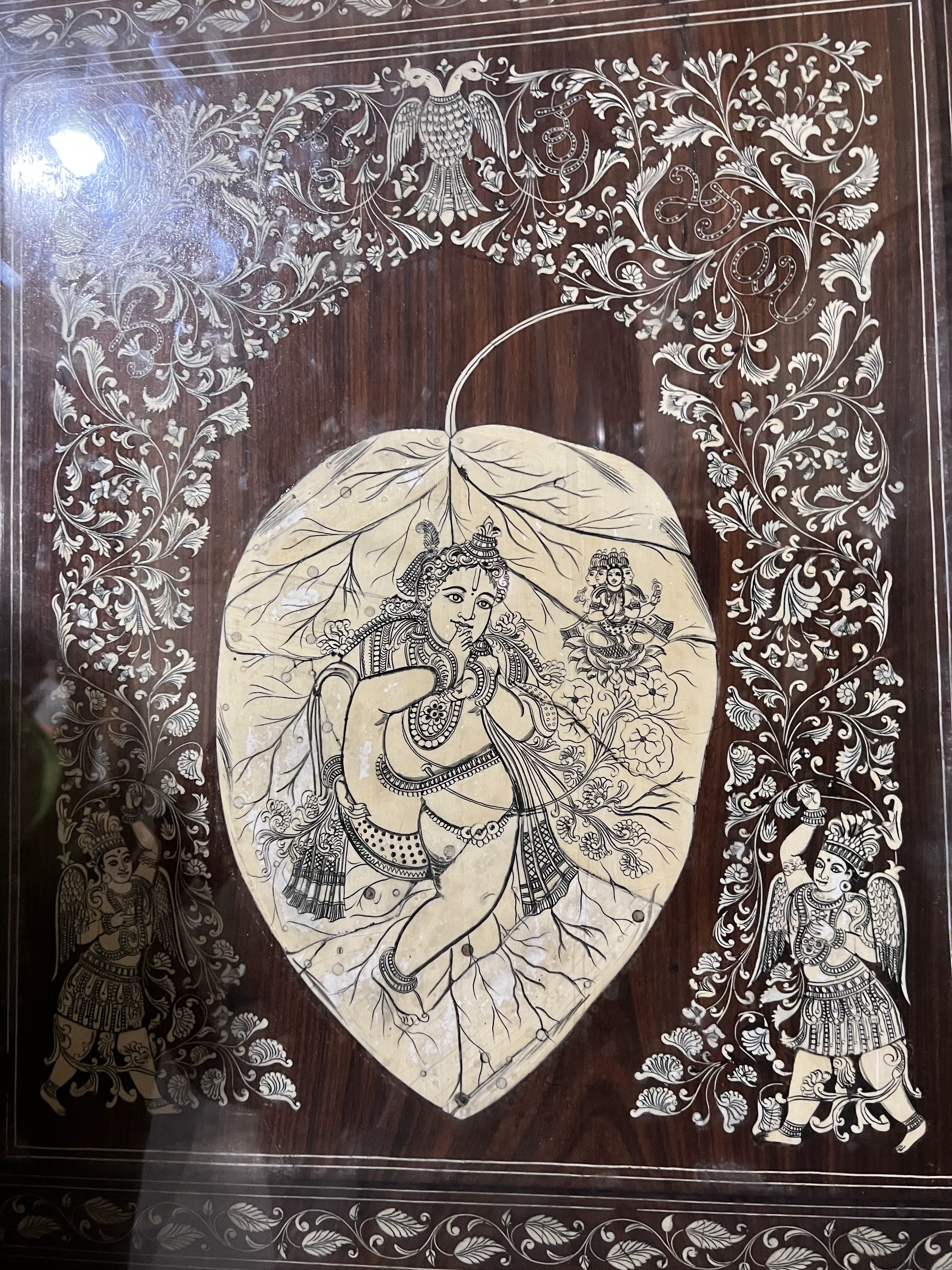
img_7453

How often do we see the portraits of South Indian royal princesses from 100 years ago? But when one passes through 50 stately doors, and 500 paintings, surrounded by 5000 people, it suddenly becomes overwhelming. 

Even so, we couldn’t help admiring the artwork, the beautiful portraits, the marvelous turquoise green and blue themes, and the beautiful cultural themes of South India. 

I remember visiting Mysore Palace as a young girl – maybe around the age the daughter is now, and while I remember the night lights at the palace with awe, the rest of it seems to have mushed in with plenty of other palaces – I may have confused the Buckingham Palace,the Jaipur Ajmer Fort Palace, and Fatepur Sikri in one grand ballroom in the head.  

The Mysore Royal Family

Like every royal family across the globe, the Mysore Royal Family also has seen its share of news mongers, myth propellers and the like. Apparently, the Mysore Royal Family was cursed so that naturally born heirs could not beget their own heirs and would have to be adopted. They were also rumoured to be the descendants of Lord Krishna. If that is not pressure, I don’t know what is.

It must be exhausting to live in the public eye for generations. 

Royalty is completely different than celebrity. Royalty has a magic all its own.

Philip Treacy

As we bustled out of the palace, I found myself grateful for our quiet, ordinary  lives, but also appreciative of the art that the rich had a taste for. Thank goodness for patrons of art over the years. 

Imagine what our lives would be without Art?
Earth’s Eyes

Canadian summers are generous. 

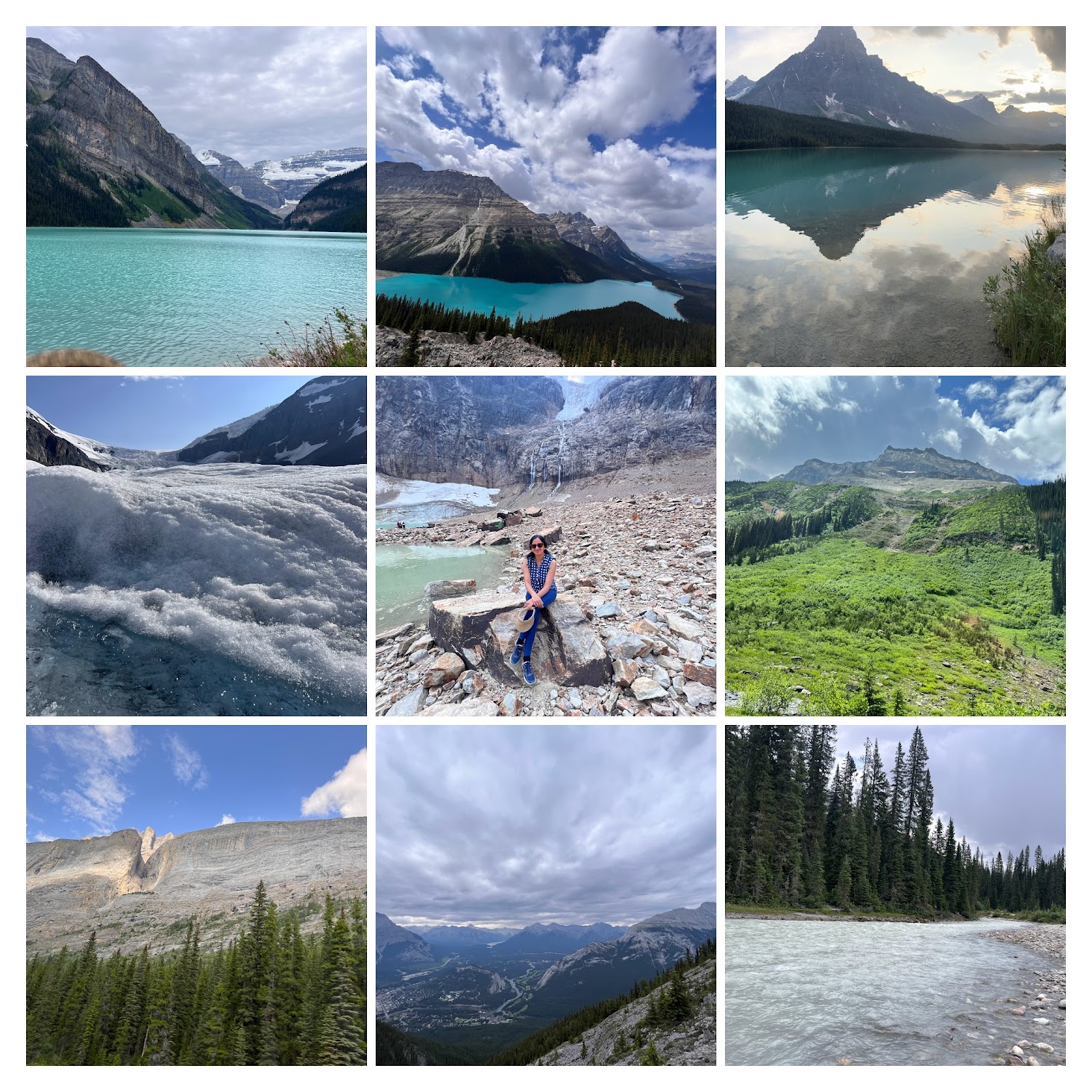
The week we were there, we were blessed with ample sunshine, full rivers gushing waterfalls, millions of evergreen trees, tiny pinecones, open skies, harsh rock faces, long days and every hue of blue in the waters of the land. 

IMG_6497-COLLAGE

When we told anyone that we were planning to visit Banff, Canada, we heard about the Blues. In gushing tones, awed expressions, faraway looks as if transplanting themselves momentarily to a place with blue waters, and peace. I liked that. It must have been something if everyone had the same things to say, shouldn’t it? I have been to several lakes, and am always in awe of them. I remember somebody saying something to the effect of a lake being a planet’s eye, or something like that. Awfully poetic I thought then. Must find the quote.

Ah – here it is. It is our reliable ol’ Henry David Thoreau on Walden Pond. 

“A lake is a landscape’s most beautiful and expressive feature. It is Earth’s eye; looking into which the beholder measures the depth of his own nature.” 

Henry David Thoreau, Walden

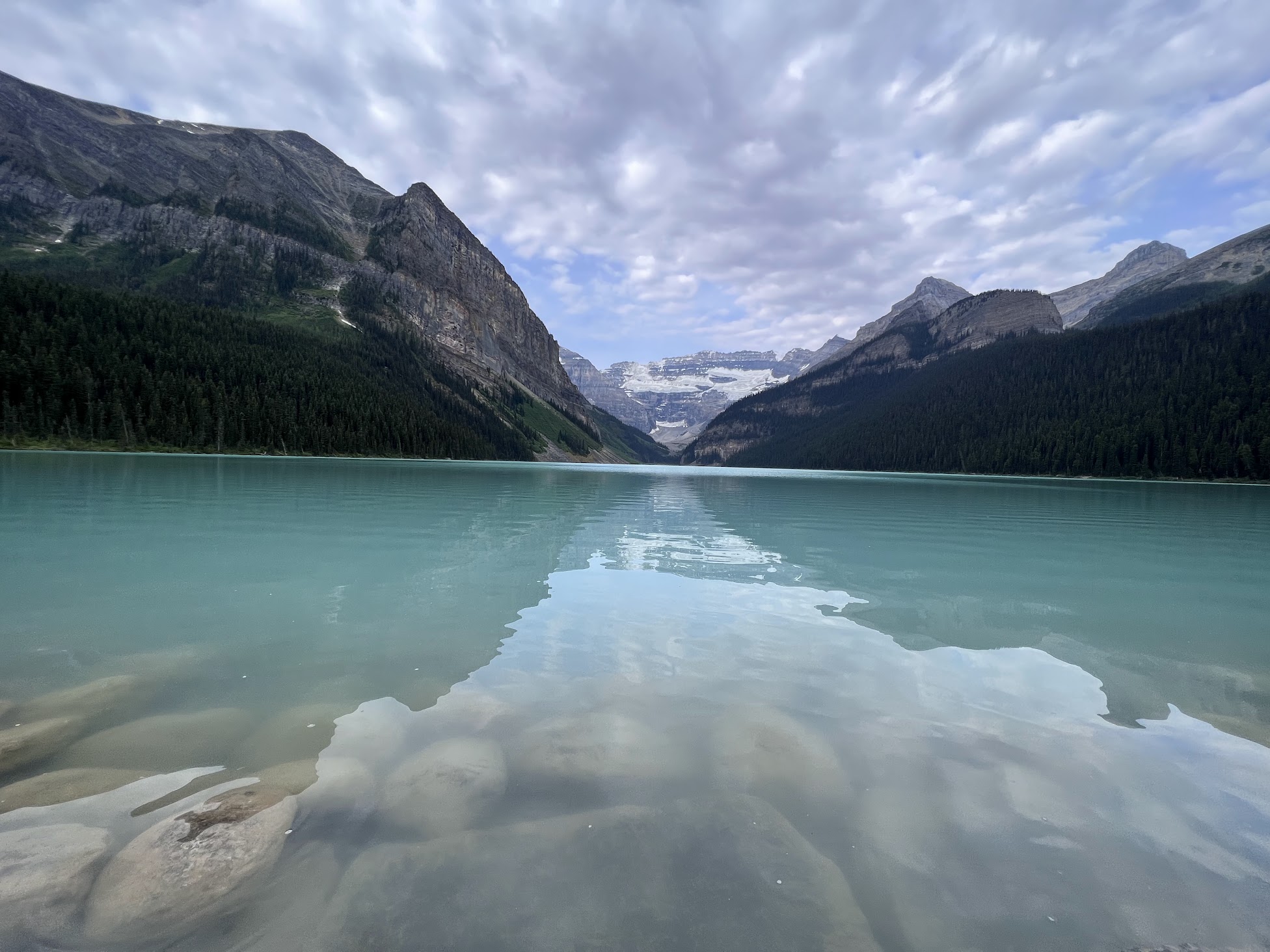
Anyway, so off we went expecting to see blue lakes. Emerald green waters, turquoise waters, and all the hues in between. Pictures do not prepare you for the surreality of it all, we knew that. We were hiking around the famous Lake Louise when the daughter piped up with her usual candor. “It looks pretty and all, but I don’t want to swim in it. It doesn’t feel right. Do you think it has some kind of algae, in it?”

lake_louise

I looked at her and then nodded. I understood that feeling. I had not been able to express quite that way yet, but there it was. It didn’t help that I was reading The Three Body Problem by Cixin Liu, Translated by Ken Liu, and somewhat agitated by the other worlds mentioned in the book. 

51pHYR3yHaL

But when we stopped to take breath a few meters on, I sucked in a deep breath. It was beautiful especially from our current vantage point. We were at least a thousand feet above and hiking around it in an elaborate trail that allowed us glimpses of the turquoise blue waters in between. So, what did make these waters this unnatural shade of blue? Why didn’t lakes in Iceland, Switzerland, Philippines, New Zealand, or the United States have the same color? 

Professor Google says it is because of the particular kinds of glacial silt that is deposited in the waters with glacial melt, and not algae. Up close, the waters looks transparent near the shores, and the canoes seem to enjoy the peace and quiet of it all. 

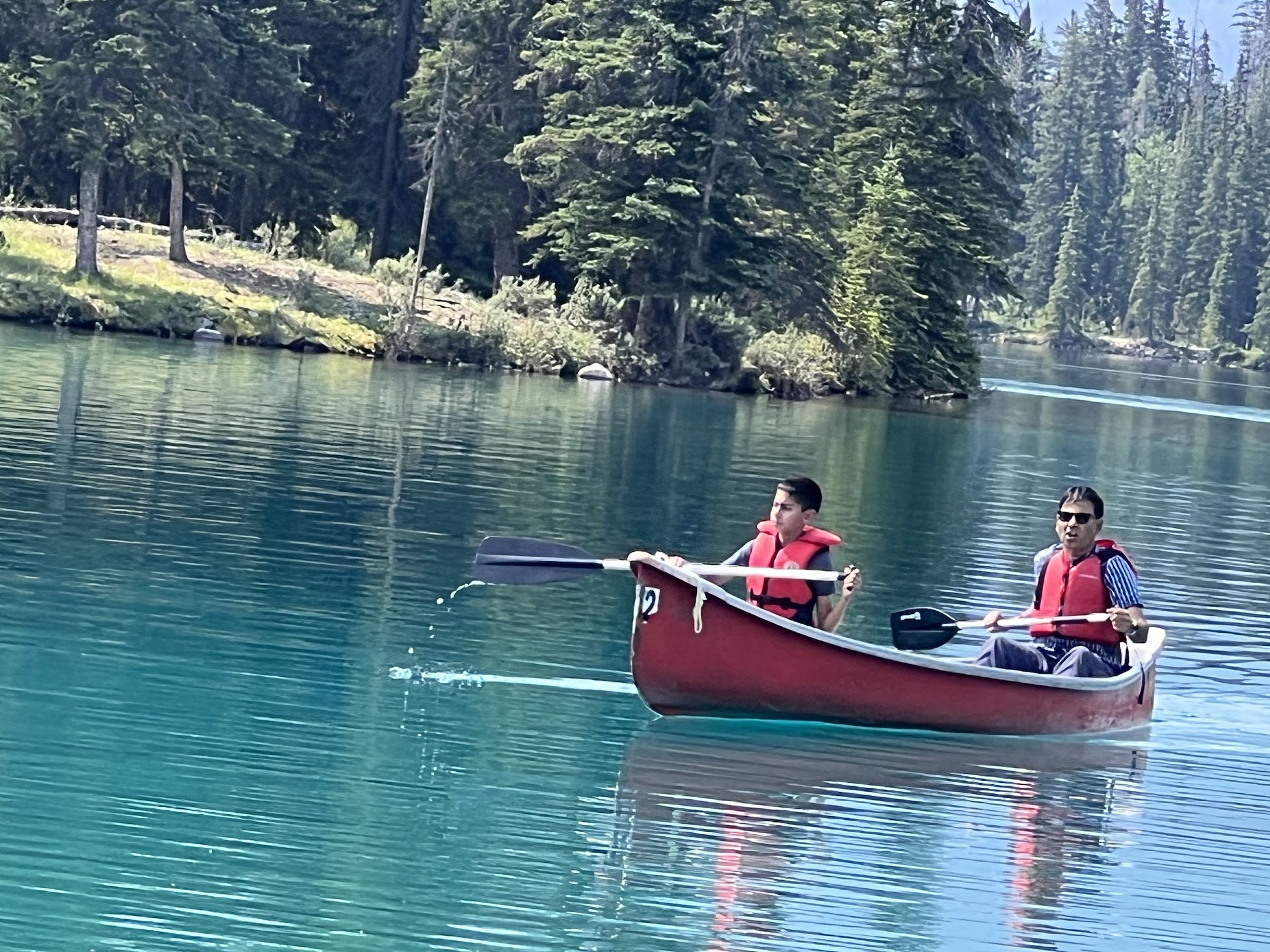
We canoed in ‘a lake that looks like more like an earthly lake’ as we delicately put it. But this lake too had spots of emerald green waters turquoise spots and the transparent blues. I took photos that I thought would wow the world. Of course, they looked like I shook my hands and poured tea into the lens instead.

IMG_6722

I was nervous about the canoeing. I was nervous about the hues of the waters. But as the daughter and I shared a canoe, I was somewhat heartened. She is calm, reliable and more capable than Yours Truly at steering canoes towards shores as she demonstrated to me that day. We stopped mid lake, peering into the depths below. The calm beautiful waters holding the promise of the winter snow in its depths.

IMG_6727

Earth’s eye that day assured me that to imagine yourself in a different world, if only a moment, is fascinating and necessary. We couldn’t really see the Loch Ness monster, or the myriad fishes in the beautiful waters even as sunlight pierced through to the bottom maybe a hundred feet deep. But I am sure these lakes were home to plenty of lifeforms – how could they not be?

Sometimes, humans are so caught up in our own trivialities in this universe, I wonder whether our fellow habitants are the same. Maybe. Maybe not. We would never know. 

Write an ode to my wife, my life

“So, will I be getting my romantic poem then?!” I teased the husband who was looking sheepish. I giggled at his obvious discomfort. He is the sort of fellow who relishes the sentiment behind  P G Wodehouse’s statement:

I once stayed at the residence of a newly-married pal of mine, and his bride had had carved in large letters over the fireplace in the drawing-room the legend: ‘Two Lovers Built This Nest’, and I can still recall the look of dumb anguish in the other half of the sketch’s eyes, every time he came in and saw it.

  • P G Wodehouse

We had been gurgling on about some rom-com movie, a rather touching spot of sentimentality that clinched the deal between the love-birds and all the rest of it. Which led to me to ask for my romantic poem. It is an old joke between us: we both know he is no poet, I am no queen, and so it goes. 

I needn’t have worried though. If ever the man is discomfited, it is but a fleeting sensation. For he leaps into problem solving mode almost instantly. A few minutes later, the cocky fellow strode into the room looking pleased with himself. 

“Check your WhatsApp messages!”, he said. 

I did, and burst out laughing. He had done it. He had sent me a horrendous poem full of lines from 1980’s Hallmark cards, all culled together.

“Oh my goodness! Did you search up the first “romantic poem for my wife” and send it? I asked. I was laughing now, and he disappeared again looking even more pleased, and a sentence thrown to the winds, “The poem doesn’t speak of your particular gifts you are right. One minute.”

Then. A few minutes of deep thinking could be heard – the brain whirring probably and he said: “Check now!” 

I must say it was much more than I expected. After seeing the previous attempt, I braced for a cheesy omelet. 

My love, my life, my wife,

You are a woman of many talents

You are funny and witty.

And your writing is wonderful

The “poem “ went on in this vein for 3 more paragraphs.“Really?! You wrote this? I didn’t quite slot you as a loquacious poet, but good job! “ I said. The husband puffed out his chest and looked proud of himself. Too proud in fact, and that gave me pause. I narrowed my eyes x-raying the man’s soul and saw all. The twitching of the smile that gave it away, the hearty thanks, and I said incredulous, “Oh my goodness! Did you use ChatGPT for these?”

He nodded looking so proud of himself that I clutched my sides laughing barely able to breathe.

“Pretty good right? I asked it to write a poem for a loving wife who is also a funny writer.”, he said.

I beamed at the problem solver. I suppose all poetically challenged lovers can now relax. They can get help. 

We had been talking about the ways in which this new technology can change things for us. Just as with every new piece of technology, there are pros and cons. I had been reading two books simultaneously :

  1. The Age of AI and Our Human Future: By Eric Schmidt, Henry Kissinger and Daniel Huttenlocher 
  2. Impromptu: Amplifying Our Humanity Through AI : By Reid Hoffman

Excerpt from Impromptu:

“Mintz immediately integrated the new tool into his decades-old teaching methods. Within months of ChatGPT becoming public, Mintz started requiring his seminar students to write their essays collaboratively with the new tool. As homework, they bring the ChatGPT prompts they tried and the responses they received for class discussion. They must turn in their final papers with a log of changes to the machine’s output.

As a great teacher, Mintz chose to use ChatGPT not as a source of answers and authority, nor as a replacement of his or his students’ work, but as a tool to help his students learn individually and together.”

ChatGPT: Threat or Menace?: By Prof Steven Mintz

Steven Mintz is professor of history at the University of Texas at Austin.

The book goes on to compare the use of calculators in Mathematics teaching a few decades ago:

“In 1970, the typical calculator was too pricey for wide- spread use in schools, but they hit a tipping point in the mid- 1970s. Many parents and teachers were alarmed at the influx of new tools; they worried that math skills would atrophy and students would simply cheat. 

By 1980, however, the National Council of Teachers of Mathematics recommended that “mathematics programs [should] take full advantage of calculators . . . at all grade levels.” Today, most math instructors consider calculators to be a critical part of math instruction, and many states mandate calculator use with certain tests. “

It is curious to see how human intellect is ever ready to thrive and adapt and hopefully stay abreast of these. There are now jobs being created for Prompters for those who can get the ChatGPT/ OpenAI platforms to coax the AI platform into  answering particular queries.

There are cautionary stances to be taken and our laws may not always evolve fast enough to keep abreast of technology. The buzz of AI is the most fascinating challenge thus far, and I am rooting for our species to master its use as humanely as is possible. Use it for the good of the world – climate, healthcare  (physical and mental), food production, education and so much more.

But now, I am going to savor the husband’s poem. After all, it did say:

Thank you for being you.
You make the world a better place.

Professor Mintz would’ve been proud of the poem 🙄

The Origin of Dreams

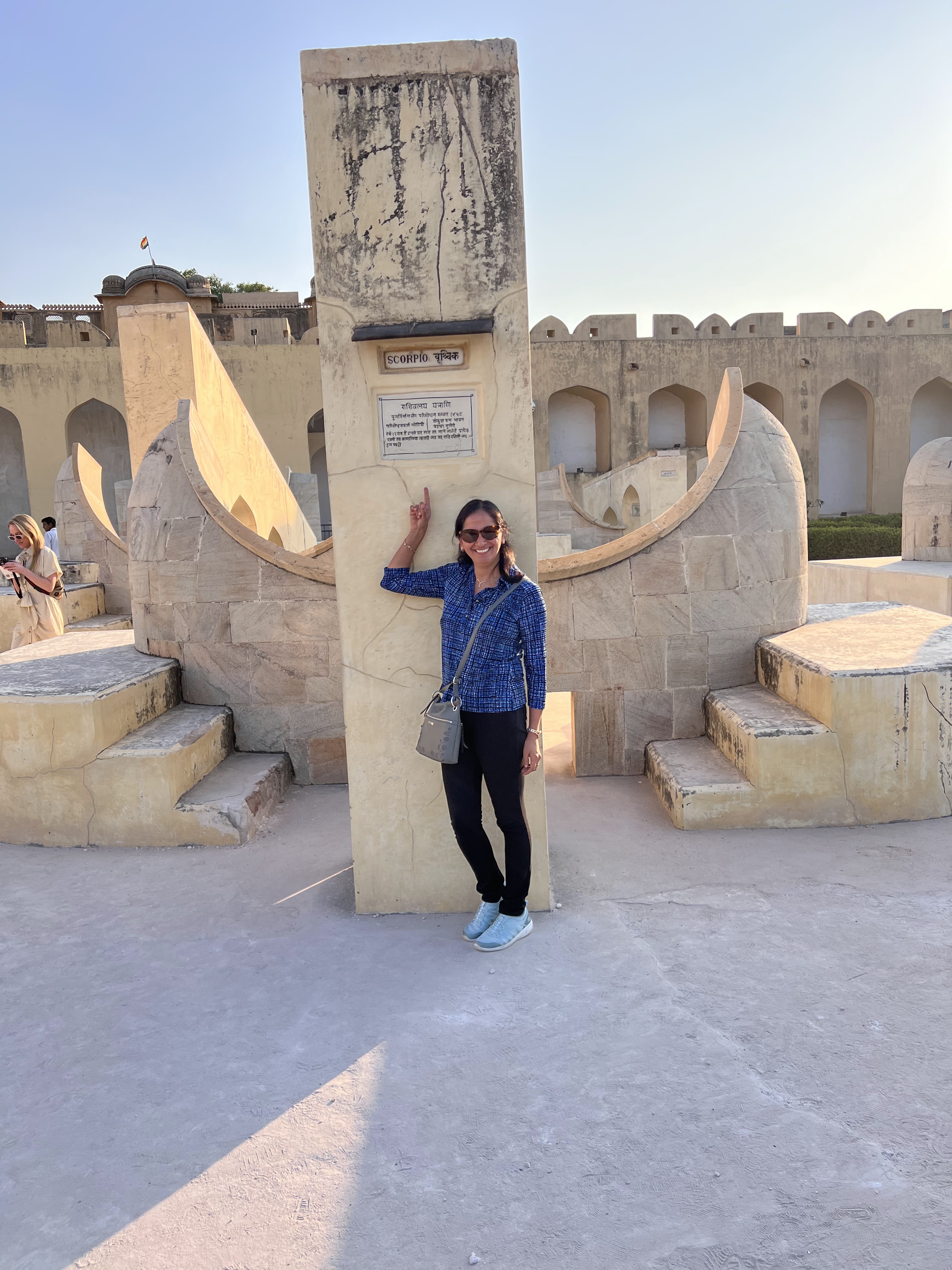
It was a mild day in Jaipur. This time of year means one can walk among the structures of the Jantar Mantar without being fried to a crisp. The guide was explaining the scientific relevance of the structures in front of us. He explained how the latitude and longitudes were determined by the astronomers of centuries ago. As we stood there calculating the angle of the sun and subtracting it from the Indian Standard Time and so on, I missed the son. This is a place that would have interested him enormously – his unswerving curiosity and awe about the cosmos and the nature of time notwithstanding, it was also a propitious time for such musings. 

Earlier that day, I had cheered along with him as we sat on opposite sides of the world and watching the Artemis 1 launch and take off to the moon. Every time the launch had been delayed, he had had a small pang of disappointment. But this time, his eyes shone: “Amma, even if you have a meeting, please just make sure that you watch it. It will be at …”, and he went ahead and calculated the local time for me. Accordingly, I sat in my room watching the launch and cheering with the fellow.

https://www.nasa.gov/press-release/nasa-to-share-artemis-i-update-with-orion-at-farthest-point-from-earth

Image credit: Bill Ingalls: Image Source: https://www.nasa.gov/exploration/systems/sls/artemis-i-launch-0.html

His eyes shone, triumphant as he caught the excitement of the launch with periodic updates from NASA. I told him that I was going to a place that he would really like later that day and he asked me to enjoy it on his behalf. An astronomical marvel from centuries ago. A place where astronomers had mapped the skies with accuracy and skill. 

As I stood there watching the different structures and listening to our guide as he explained how each worked, I also derived small pleasures in seeing that his own narratives often confused astrology and astronomy. (Humans have always been wracked by problems: If, along the way, they tried to understand the sources of their trials and tribulations as something beyond them, who could blame them? ) Nevertheless, it was humbling to see how the astronomers of centuries ago had managed to get their recordings and data accurate to such a high degree. 

That rocket launch of a few hours ago was a cumulative building of dreams and imagining worlds beyond what is known to us. Dreams that started with the ancient homosapiens wondrously mapping the skies, and millennia of human evolutionary interest in the heavens. 

Carl Sagan quote :

“Imagination will often carry us to worlds that never were. But without it we go nowhere.”

– Carl Sagan

How many such dreams are being hatched as we speak? I read a children’s book: Ara, The Dream Innovator – By Komal Singh, that tried to capture the importance of Dreams. It was business-oriented even for a children’s book. The startup language of funding and patents and all the rest of it somehow did not quite capture the magic of dreams, but it was a good book nevertheless. 

We do not know how many dreams are being hatched today that have the potential of being realized in the near or far future. So, I am all for going to places that nurture these fantastical sojourns into our dream consciousness.

To infinity and beyond!

Our quaint cosmic neighborhood!

Everywhere on social media and news platforms were images from the James Webb telescope magnifying in glorious detail sections of the universe billions of light years away. The universe has enlightened us all and reminded us of our humble place in it once again. In the midst of all this chaos, and enormous gas clouds is a tiny planet where our particular kind of life evolved capable of acquiring these images. 

If, along with these images, and the equally glorious full moon, one has not caught a whiff of shoshin, I urge you all to do so. I also have the resident astronomer of the house on summer vacation, so I am constantly being given statistics along with the images. 

It is fortune indeed to, purely by chance, be immersed in starlight myself even in the reading world.

The beautiful images in the children’s book: The Stuff of Stars – Illustrated by Ekua Holmes, Written by : Marion Dane Bauer 

The Stuff of Stars by Marion Dane Bauer Illustrated by Ekua Holmes

I just finished reading Bewilderment by Richard Powers last week. Bewilderment: the book and the feeling

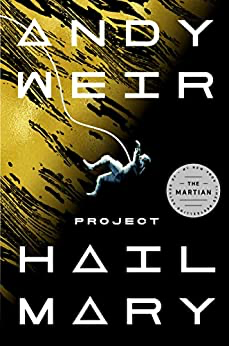
I am now reading Project Hail Mary by Andy Weir.

After a walk under the stars, our corner of the universe seems sanguine – the countryside of the cosmic arena. In our suburban areas, not too many stars are visible, and the gas clouds in the James Webb photographs seem surreal. The universe is a happening place – stars and galaxies being born every day, yet the rise of our faithful moon glowing rose-gold in the early evening makes for a satisfying adventure enough in the cosmos. 

“The laws that govern the light from a firefly in my backyard as I write these words tonight also govern the light emitted from an exploding star one billion light-years away. Place changes nothing. Nor does time. One set of fixed rules runs the game, in all times and places. That’s as big a truth as we Earthlings have discovered, or ever will, in our brief run.” 

Richard Powers, Bewilderment

With images such as these, we are perhaps closer than ever to finding another planet that is capable of harboring earth-like lifeforms. 

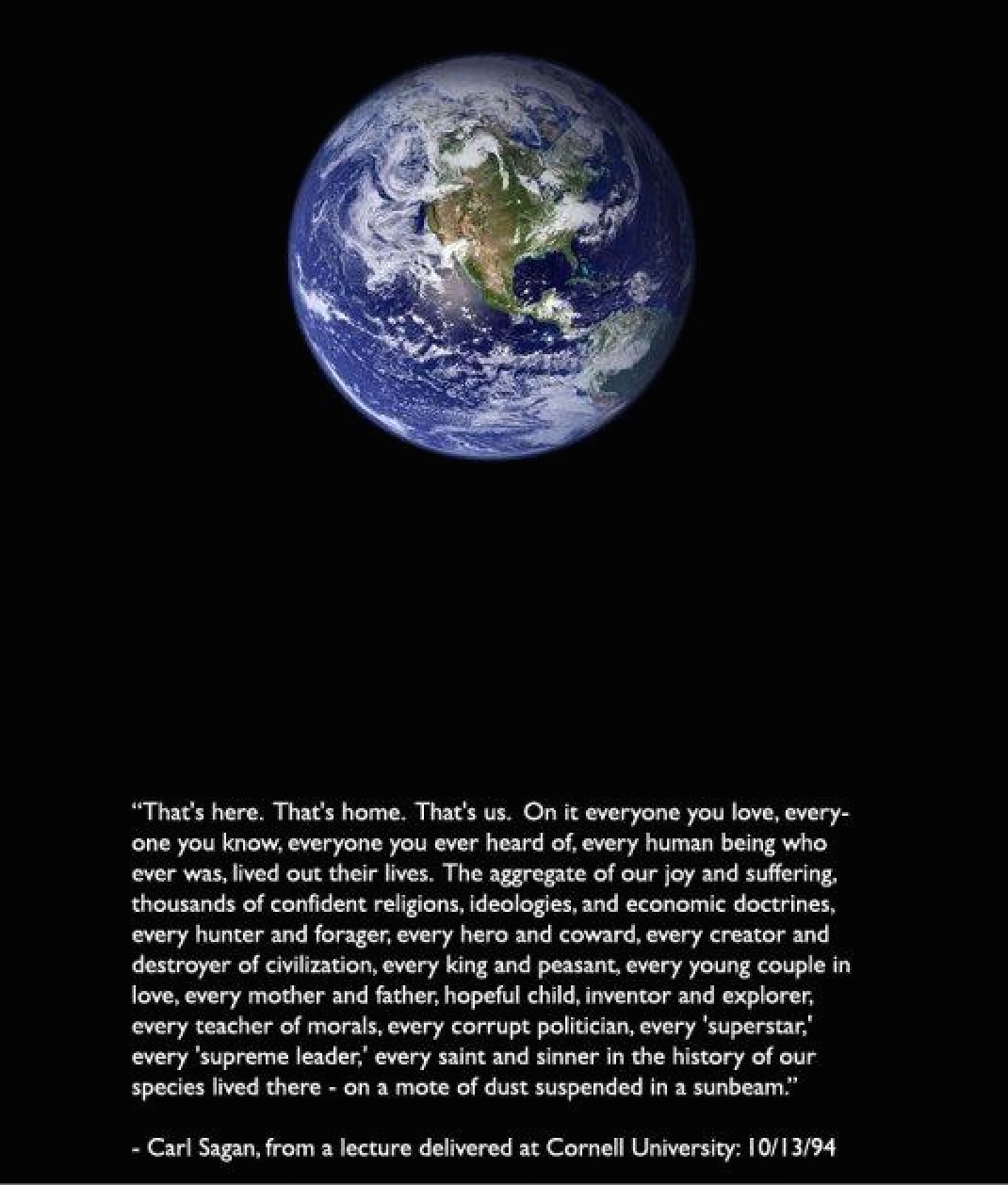
But till then, Carl Sagan’s words hold true:

The Happy Cluckers Are Named

I pinned the Volunteer badge proudly to my chest and walked into the son’s classroom. There, on the board, was a list. The teacher was busy adding to the list and I was flummoxed. There was no categorization. I mean this was not a grocery list, not an author list, not a mailing list, it didn’t look like ice cream flavors either. This list had no theme. 

A sample:

  • Caramel
  • King Cluck III
  • Nathan Drake
  • Westerpoolch
  • McFlurry
  • Lee

I must’ve looked quizzical, for the moment the teacher saw me, she said somewhat sheepishly. “Well, we are coming with a list of names for the chicks in Science class. Say what you will about my job, it is never dull!”

I laughed agreeing heartily. The son had told me about the chicks they were raising in Science class. I just hadn’t realized all the background work that went into raising them.

I have the greatest admiration for teachers as regular readers know: their job is the hardest (but also the most gratifying as the father likes to remind me. He was a teacher for 40 years and is still happy to teach when he can.)

Once the class had settled down, I set about reading a story I had written : Father’s Day in the Jungle, followed by an article published in The Hindu newspaper: Space Racers – Together the Fun Begins, and the saying on the Pale Blue Dot by Carl Sagan.

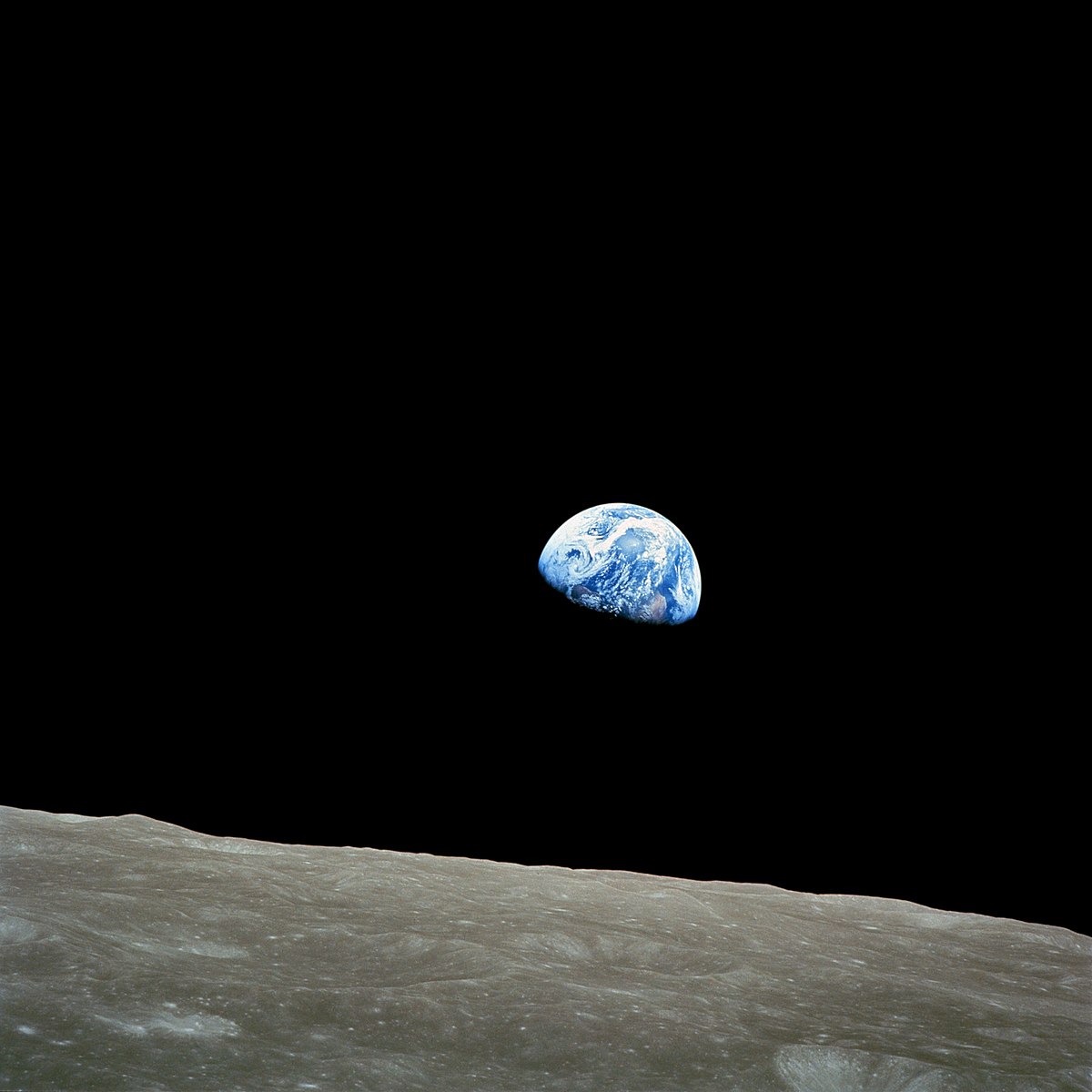
The picture of Earth Rising

The children were a marvelous audience as usual. They were curious, wanted to know about how we got the images of our planet, and how it came to be called the Pale Blue Dot. There is always a moment of awe as I imagine the Voyager II spacecraft turning around just before exiting the solar system to take that picture of Earth – the picture immortalized in Carl Sagan’s words as the Pale Blue Dot. I hope a little of that awe was captured by the children in class that day.  

Pale Blue Dot – Carl Sagan

The innocence, intelligence and joy in an elementary school classroom was more keenly acute this time so close on the heels of another meaningless gun shooting incident in America. 

I am always grateful to the children’s teachers who allow me to come and read to the children, for the experience is extremely satisfying, and the energy of the young children is like a tonic of sorts.

That evening, I asked the son whether the chicks had names yet, and he said happily. “Yeah! The voting was intense. But Caramel and Westerpoolch are happy cluck-ers ma!”

I was reminded of Miss Read’s sayings: Miss Read was a country school teacher who wrote prolific books about life in the English countryside with generous measures of common sense, nature, and gentle humor.

“Life went on. No matter what happened, life went on, inexorably, callously, it might seem, to those in grief. But somehow, in this continuity, there were the seeds of comfort.” 

Miss Read, Emily Davis

World Peace

The first part of this article was published in The Hindu titled Collective Effort dated 10th April 2022

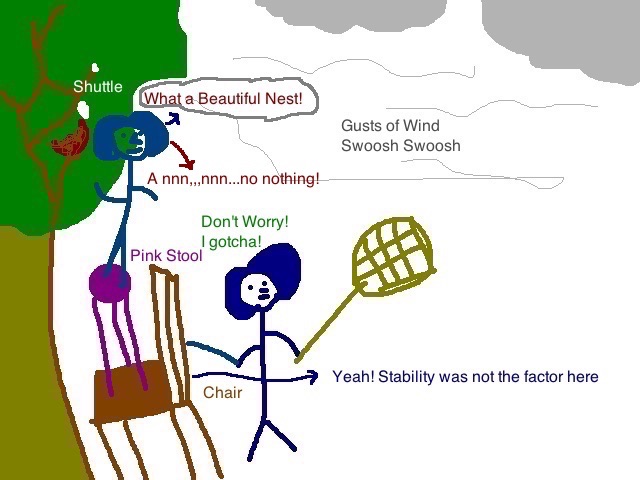
I am in India on a short trip. Most evenings, I take a short walk around the apartment complex the parents live in. The community is a middle class community with children playing outside every evening. Regular readers know how much I enjoy seeing children playing outside everyday. One day as I was walking past the play area, I stopped to see what the commotion was all about. Slippers were being thrown as high as little hands could reach, and all the little children were standing around giving instructions. It was then I noticed the two badminton rackets lodged up in the tree branches above (probably a dare since there were two rackets lodged firmly.)

The little band of racket-throwers were now trying to retrieve them from the trees, It is amusing to be a silent spectator to problem solving such as this. Several suggestions were being given by all gathered (Some enthusiastic, but clearly not grounded in laws of Physics. Others, theoretically brilliant but lacking the practical aspects such as the presence of a long 7 ft stick to dislodge the rackets). When it looked like there were close to dislodging the racket by themselves, I carried on, only to come back a few minutes later on my rounds to see that several attempts had yielded nothing. A general despondency had set in, and some gloomy faces stared at the unyielding tree with its branches so ridiculously high above. 

When it was obvious that the little folk could not dislodge the rackets, a small dip in their collective can-do attitude was apparent. Sensing this, the older children playing a little distance away, gathered to help. On my walk as a spectator, this was such a heart warming scene, for I could see the future of humanity secure in this simple act. When one of us suffers a setback, the others came to help willingly without even being asked. The older children had height on their side, and the tallest one lifted a younger child, who then dislodged the racket with a stick lying around. 

The cheers erupted all around. One might’ve assumed that a World Series match was just finished. But this jubilation was a different one altogether and play resumed.

Retrieving rackets from trees!

I wish children played outside on the streets more especially in the United States. I couldn’t help thinking that that motley bunch of children could have a future CEO reimagining the world, a diplomat helping out in times of humanitarian crises, scientists solving problems as deftly and quickly as humanity creates them, artists and writers who dare to dream and imagine a different world, etc. 

Which brings to this excellent book I was reading earlier, World Peace and Other 4th Grade Achievements. I always think highly of children’s perspectives and potential, so naturally I was attracted to this book. In the book, a fourth grade teacher, John Hunter designed a game to restore World Peace in a mythical world of his creation bearing enormous resemblance to our own. Climate change, wars, humanitarian crises, economic bankruptcies are all problems to be solved in this world.

World Peace and Other 4th-Grade Achievements by [John Hunter]

There are Prime Ministers of countries, nominated by the teacher. There is a World Bank, a weather goddess who controls things like freak climatic disasters, the stock market etc, a United Nations council all ably run by the children in the classroom. There is even a secret saboteur whose main job is to spread lies and sow discord between factions. So they learn to trust but verify, be wary but condone etc. 

He has a 3-D model depicting their world in which the oceans, the lands and the skies above us need governance and international cooperation to achieve World Peace. They are given 50 problems that must all be solved, and the net worth of the countries needs to be higher than when the game started for the game to be won.

He has perfected the game over several years in his classroom, and the results are indeed stunning in some cases as he writes in his book. In most years, the children did manage to solve World Peace in spite of the overwhelming odds stacked against them. Like in the little anecdote above, the children mostly hit upon a solution only after they are that close to giving up altogether. The failure, dejection all slowly yields to a new mode of thinking. One that is difficult to think of before, and this invariably leads the teams to collaborate and help each other better. (As J K Rowling says in her Harvard Commencement Speech – The Fringe Benefits of Failure and the Importance of Imagination)

TED Talk by John Hunter – 4th Grade Teacher

Truly, what we learn in Elementary School is priceless. The camaraderie accompanying solving problems truly makes the heart lighter. When in the right company, no problem is insurmountable. More importantly, there is hope for this world despite what we have done. 

To See The World

I remember the first excitement at seeing the bubble maps of population vs GDP for countries around the world, and how they changed across a span of a century. If one could have their mind blown, that chart was it. Then, a few years on, I saw the TED Talk by Hans Rosling in which he explained Large Families/Low GDP Vs Small Families/High GDP, and this time the wonder grew.

In the intervening years, the power of big data and visualization grew by leaps and bounds, and there never was a dearth of graphs, or data analysis. Causal analysis, correlations, search engine optimizations, ad targeting, and numerous other concepts entered the lingo of the normal person. As early as 2012, Target could predict when a woman was expecting a baby even before her family knew.

Daniel Kahneman & Amos Tversky changed our perceptions by introducing the world to a whole new world of Behavioral Economics.

The Undoing Project: A Friendship That Changed Our Minds by [Michael Lewis]

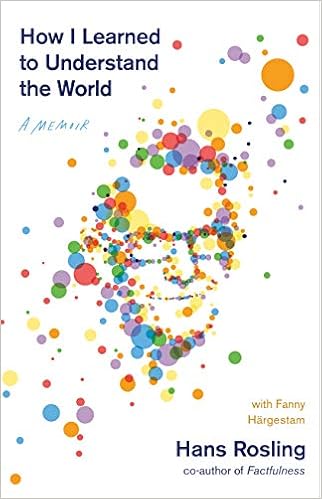
So, when I picked up the book, How I Learned to Understand the World, I thought I would find about more interesting statistics about the world, but I was in for a pleasant surprise.

In the book, How I Learned to Understand the World, written by Hans Rosling and his daughter-in-law, Anna Rosling, it is Dr Hans Rosling’s journey that is written. The book isn’t written in the style of can’t-put-it-down. Instead of a compelling narrative that is keeping one’s interest, it is the genuine interest in the human being who was instrumental in changing the way we think of global health and economies. His journey to help humankind starts off with being a doctor in a impoverished nation, but moves on to much more than that. This is an inspiring sketch of what is possible when we think outside the box. That varied interests and knowledge-seeking is never wasted: they truly do come together in myriad ways.

The book starts as most biographies do, with a character sketch of the good doctor’s parents, grandparents, and his modest upbringing in Uppsala in Sweden.

He goes on to study medicine, and then travels to lesser developed countries hoping to do good work. His perception of developing countries such as India undergoes a transformation as he studies and travels there. It is here that he gets an appreciation for public health. The Indian Government at the time was battling one of the largest public health initiatives of the time ( possibly polio vaccinations – I forget). It is a humbling experience for him. He realizes, for instance, that medical facilities were not as backward as he assumed, medical knowledge was quite on par, or better, where it was available. The true problems were scale, population and outreach. 

After his return to Uppsala in Sweden, he goes on to begin work as a doctor in Impala. Where is Impala? Nacala? The joy of studying a map for these places is half the joy.

Here, in the coastal region of Nacala, he settles into his work as a doctor with his wife and children. Faced with less than ideal facilities, low budgets, and even less trained people to work with, he slowly learns the areas in which he can make a difference. He learns the importance of cultural awareness, and his humility for people’s knowledge and way of living, helps him reach the people he is attempting to serve. Without this realization he might never have been able to understand the devastating Konzo (‘Konzo’ means tied leg referring to the paralytic symptoms) disease that was paralyzing children in rural areas.

His work in Nacala, and his researches around the paralytic disease, konzo, led him to a life in research after his medical practicing days. The cassava plant is a staple diet in these areas. The cassava root is treated to a long, and arduous process of preparation before being made fit for human consumption. For example, the cassava is dried in direct sunlight for more than 8 weeks, to remove bitterness coming from a cyanide like substance that causes partial paralysis in human-beings (The long process is usually sufficient to remove the amounts of cyanide, but during times of drought, the plant produces more of this chemical content). Dr Rosling was the person to identify this link between the food process and the paralysis in his patients, and it was because he made the effort to understand the way of life in these areas. In times of food crises, the cassava plants are the only source of nutrition, and the results are devastating for those affected: their disability spiraling them further into poverty.

His ability to reach dictators, elected officials, and private industry for the sake of public health is remarkable.

His book, Factfulness, is the next one on my list to be read. In this one, he outlines the state of the world in terms of actual numbers. Is our world as bad as we think it is, or are we progressing better than we give ourselves credit for? I am waiting to read this one.

Factfulness: Ten Reasons We're Wrong About the World--and Why Things Are Better Than You Think by [Hans Rosling, Anna Rosling Rönnlund, Ola Rosling]

Dear Democracy

“Gosh! Must you always be this dramatic?!” said the daughter rolling her eyes up at me, wrenching them away from the screen. 

I suppose ‘nail in the coffin of democracy’ was not exactly the poised and controlled reaction I was going for. 

“Well..”I fumbled for a moment, and then said with a steely determination that took me aback, “You know what? Yes I must! If I am not upset at a moment like this, I don’t have use of the emotion at all! This is democracy – and it is supposed to thrive!” I said taking a handful of emotions from Pandora’s box and letting them course through my system in righteous anger, and disappointment. 

Time and time again, we have been disappointed by politicians and humans seeking power. The one job that requires no specific training or education. #ButterBattleCourse

“Trust, a mighty god has gone, Restraint has gone from men,

and the Graces, my friend, have abandoned the earth.” 

Hesiod, the 6th-century BC Greek poet Theognis of Megara 

Another eye roll, another laugh stifled, and another poetic exclamation later, I was spent. 

The chaos at the Capitol building as the senate ratified the election results was appalling. It was not being called a coup on television. The sitting 45th President of the United States had incited violence to be unleashed on the Capitol Building, and I felt a sinking feeling. We all know that the greater the power, the higher the fall and all the rest of it. But truly, nothing prepares you for that gloating face defacing the Speaker’s office with not an ounce of remorse. Nothing prepares you for the moment that a mob crashes into the Capitol Building, and gets to the Speaker’s chair in the largest democracy in the world. 

But Pandora had one last emotion that she had in her box. Hope.

The senators filed back in later that night and completed their constitutional duty well past midnight. 

Hope is the only good god remaining among mankind;

the others have left and gone to Olympus.

Hesiod, the 6th-century BC Greek poet Theognis of Megara 

The next day, the daughter was showing us posts from her social network. 

“This video, see this one? Cries her heart out – thinks she is Katniss Everdeen from The Hunger Games, and says she has come all the way from Tennessee for the revolution. ”

“What revolution? Wait a minute! She took a flight from Tennessee to Washington D C for this during a pandemic?! “, I asked, “And she is upset she was pushed back from the Capitol building?”

“I mean, we all know the ones who were creating the ruckus aren’t the smartest tools in the box, but they outdid themselves, Amma. This one guy searched up Georgia, and planted the Georgia flag – I mean the country Georgia’s flag. Then, one Indian dude shows up there with an Indian flag! I don’t know whether they stopped to think about what they were doing.”

https://qz.com/1953366/decoding-the-pro-trump-insurrectionist-flags-and-banners/”

I shook my head and we fell to discussing the sad state of affairs because one narcissistic man could not bear to lose. 

Reference: The history of the peaceful transfer of power: History.com

  1. The year was 1797. The first President George Wshington willingly stepped down after 2 terms in office setting a precedent to the two terms in office, that was later ratified as the 22nd Amendment to the constitution in 1951.
  2. The year 1801 set another important precedent. John Adams after losing to Thomas Jefferson quietly left Washington in the dark hours of March 4th. He did not attend the inauguration, but he did set the hallmark for the peaceful transfer of power. 

History.com: There were several ways in which power was transferred. One of the best is the letter George W Bush left for Bill Clinton, and the tradition followed.

“How did it come down to this? Why is it so hard to lose? You played your game, move on!” I said.

“He must not have played rummy with his mom!” said the son, and we all burst out laughing. It’s true isn’t it? We win some games, we lose some games. Play teaches us so much: the joy of playing, the thrill of winning, the grace of losing, and the friendship that binds it all together.

I used to wonder how Hitler rose to power democratically and was able to commit such horrendous acts of genocide. Recent events have shown us all too clearly how this can happen. By removing bars of decorum and conduct, we have been shown that the country may not survive a younger, more ruthless strain of Trump’s brand of dictatorship. 

I quite agree with how Aristotle describes the nobility required of politicians: he opines that politicians should take an oath, almost as sacred as a Hippocratic oath, to remain fair and mete out justice. From the Nicomachean Ethics – By Aristotle. 

Oh! How dear Democracy is.

Weather Monsters

“Have you gotten your bags ready?” my friends’ voices piped over the phone. 

“Uh – not yet. Got a bag down from the loft – will get to it.” I said shuffling my feet as I said so.

“Well..what are you doing now?”

“Writing about the weather over the past week.” I said somewhat sheepishly, and a loud laughter emanated from the other side. 

We toodled off with the sentiment of “Well Nero fiddled, I write!” but I am not going to lie. I was rattled, and went off to pack the emergency kit. The wildfires were too close for comfort – the air has been thick with smoke.

Exactly a week ago:

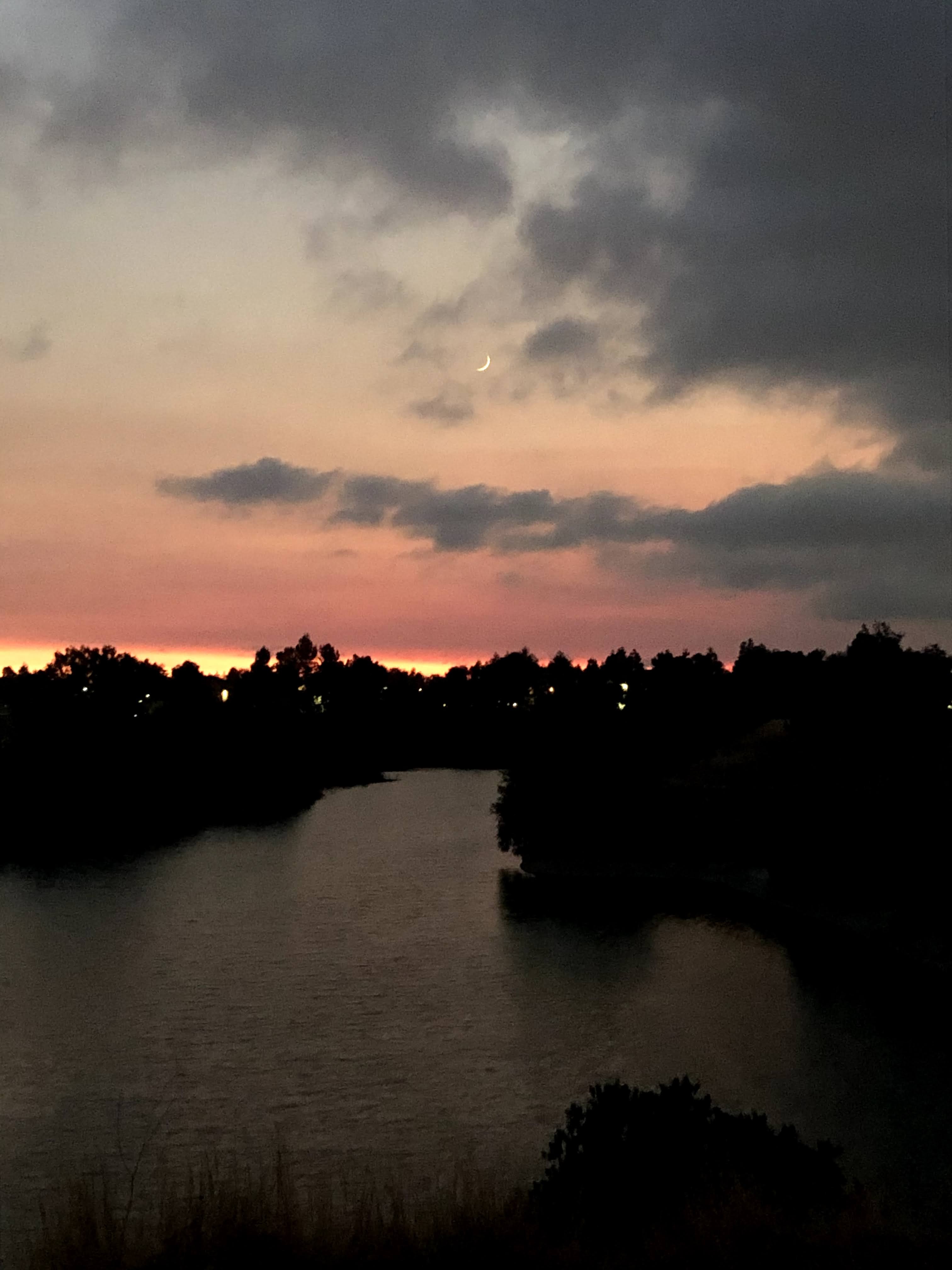
The days had been stifling in the heat wave that gripped the land. Oppressive waves rose from the shimmering hills nearby, and the eyes squinted for respite after the briefest strays outside. Some evenings had a splattering of clouds giving rise to splendid sunsets, and while I swooned my way through the evening walk, I yearned for a bit of rain, if nothing but to smell the parched sizzling earth cooling off a little bit. 

img_9485

I may have wished too soon.

For the very next day, I was looking at the most improbable of sights. I had set a whimsical alarm to rouse me at 5:30 a.m on that Sunday rearing for a hike before the sun started beating down on us. 

While I am always crooning about Nature and talking about it being the greatest soother of all time and all that, I often forget nature’s fury. I live in California where we pay a weather-tax. For the most part, the weather conditions are soothing, flowers bloom the year around, and though I yearn for more rains, it is a mellow nature that greets me most days. But that morning, I listened astounded as thunder rumbled overhead and the noise penetrated the double-paned windows, and then in the darkness the whole house stood illumined for a few seconds. I glanced unwittingly towards the sleeping children, and I stood awed.

We have easily gone more than two decades without thunder and lightning storms of this magnitude in this area. What was going on? 

I whispered to the husband – “Wow! Rain was not even in the weather forecast huh?” and stood mesmerized by the window wondering whether a walk was still on the cards if not a hike.

The husband looked at me and said, “Are you nuts?! Who goes out in this weather? Hiking at that. Nothing doing – if this is you wanting to watch the rain, pull up a chair and sit by the window!”, and he went right back to bed.

So, I did just that – I woke the son and showed him the lightning and the rain pelting down. It made for a magical morning, but I hadn’t completely realized the harm a storm of this magnitude can unleash on an already dry and parched Earth. In under 6 hours, there were more than 10,000 flashes of lightning starting over 300 fires that continue to rage across the Bay Area.

Time Lapse based off Satellite images of the Lightning strikes and subsequent fires in the area.

In just a few days we had experienced everything from heat waves to lightning and thunder storms – all in the midst of a pandemic no less. The air quality deteriorated significantly as the fires raged and fire fighters poured in from everywhere to contain the fires. 🔥 The sheer magnitude of the fires 🔥 they were dealing with had simple folk like me blanching, but these teams had strategy and they were working tirelessly. The tenacity for a job like that! 

In our skies, an angry sun shone through when it could through the smog.

img_9484

One week later:

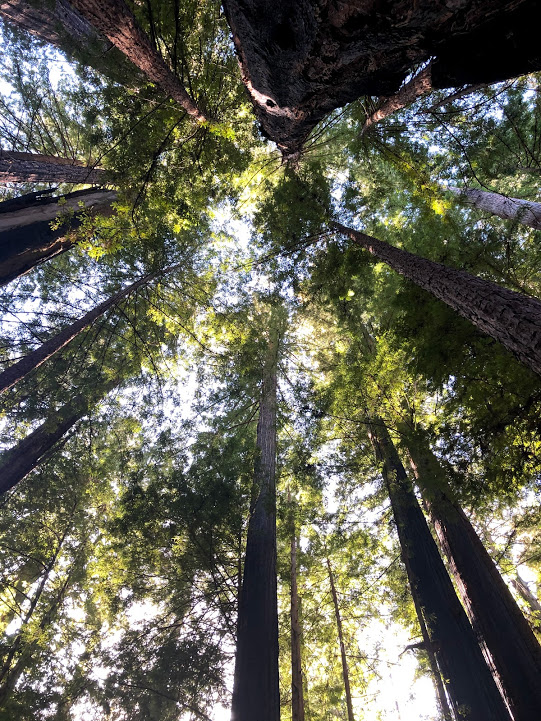
Wildfires continue to rage over thousands of acres of land. Beloved forests and mountains ranges that have provided solace and comfort to millions of people over the years have been lost to the fires. My heart caught at the news that Big Basin Redwoods were damaged badly. Though redwood trees are supposed to be extraordinarily resilient to fires  and would probably make it past these fires, I grieved. Every time I visited these forests, I have come back not just refreshed, but spiritually in a better place as have thousands of tree huggers over the years. A true space for forest bathing or shinrin yoku as the Japanese call it.

trees_komerabi

It has been a week since the lightning strikes. 1 week in which more than 60,000 acres of land have been burnt, with ominous statistics of 5% fire contained, fire alerts etc.

California Redwoods 

2020 seems to be determined to make its mark.