The Gingko’s Wisdom

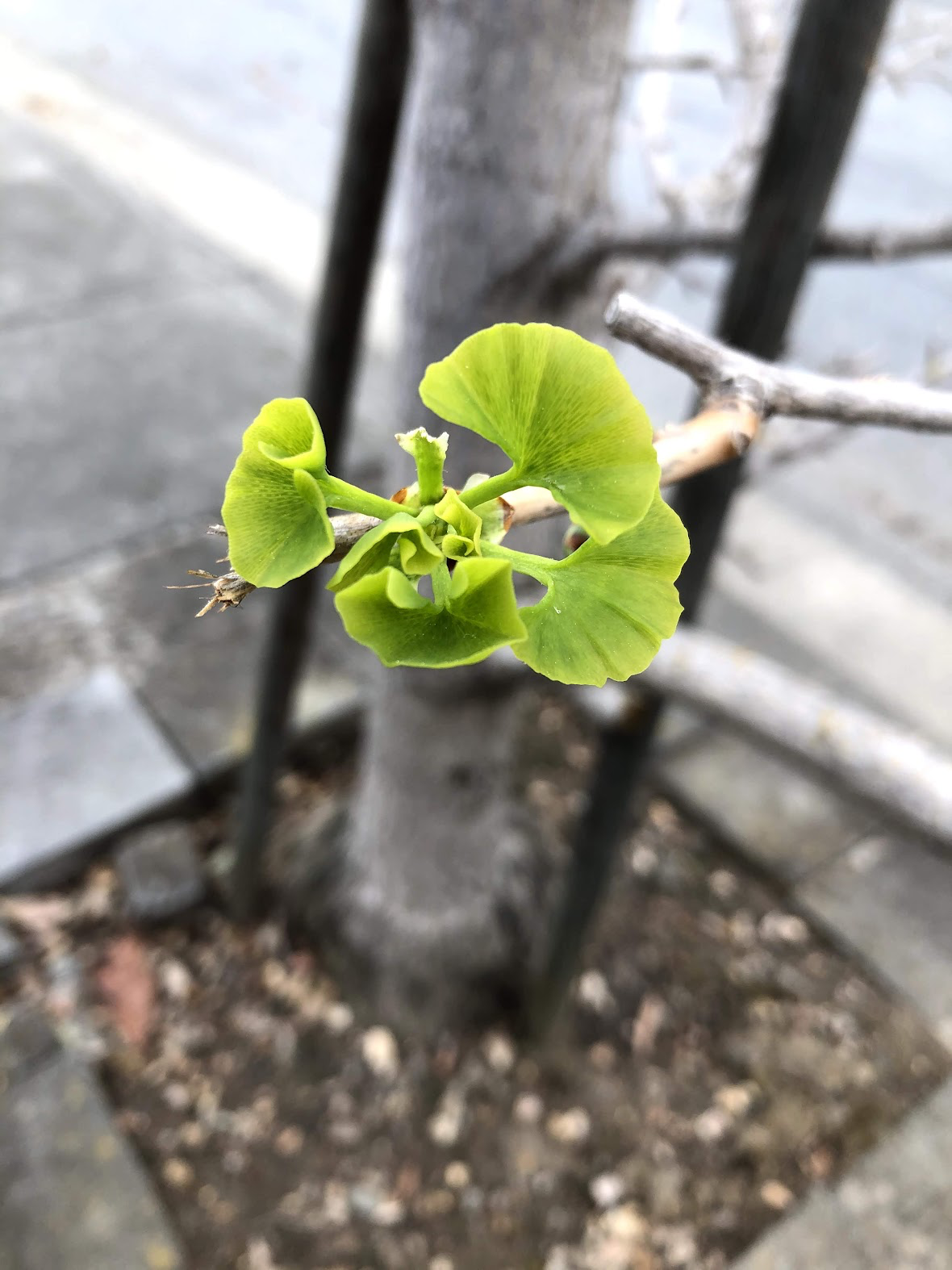
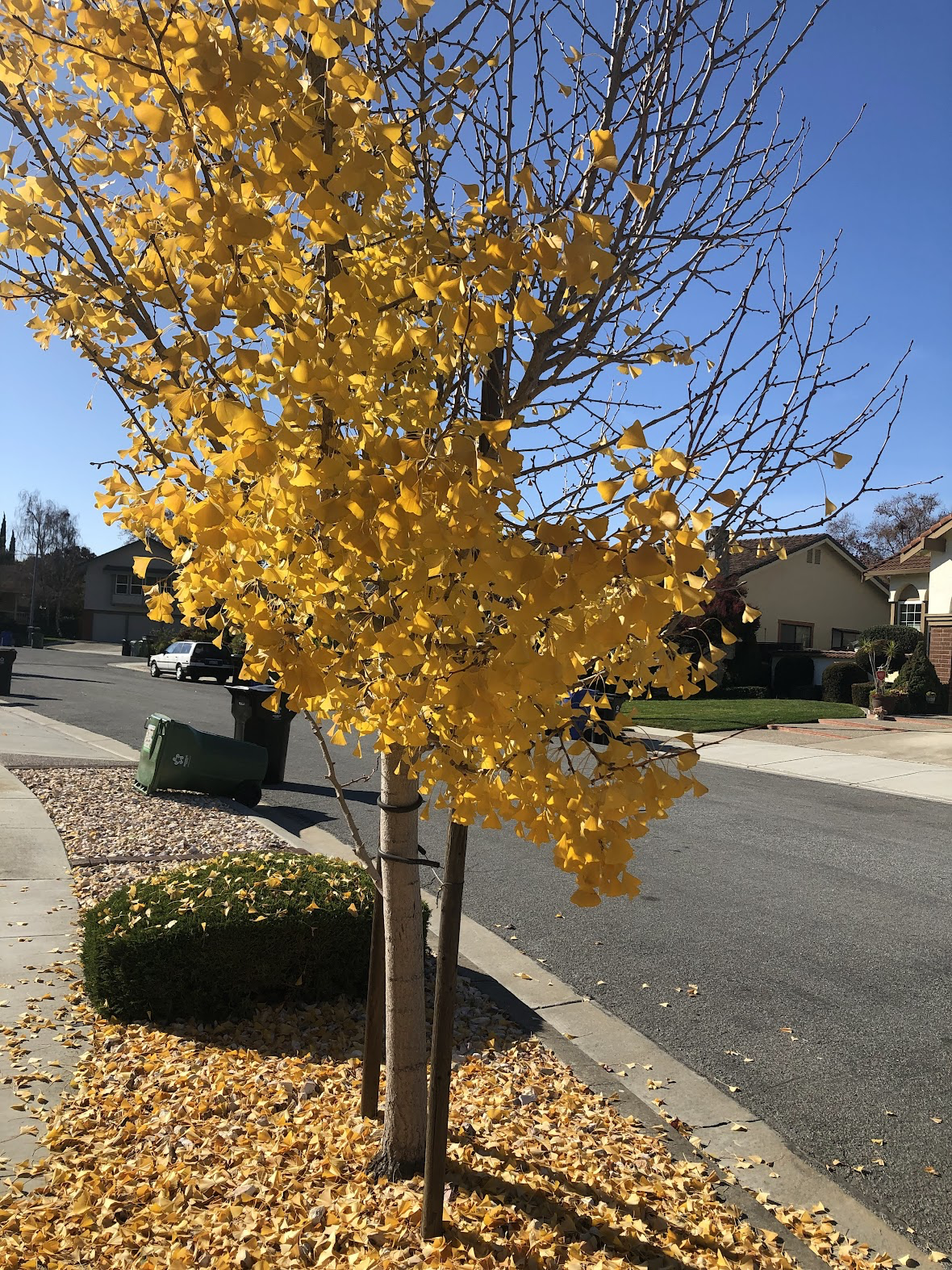
The gingko trees have all spoken to each other, and the lovely trees have shaken off their golden robes all at once. I passed the stark trees on my daily walk and stopped suddenly. I remember stopping to admire the fresh green gingko leaves as the year started out. 

One year. 

One paradoxical year.

One tumultuous year.

One <Please-fill-in-the-blanks> year.

Yet, the gingko trees went on as before. They grew leaves, they displayed them in their glorious green, and their resplendent golden yellows, till they went back to being stark stumps again. 

Another year. 

Another year of the unexpected?

Another year of surprises?

Another <Please-fill-in-the-blanks> year.

As I pulled the husband along on a cold, rainy walk, I told him that the same time last year when we stopped to consider the bare branches of the gingko tree, we had no idea what the year would bring. The same way that we don’t know what the year ahead would bring. I shuddered a little (I’d like to think it was the freezing winds of the storm). The young gingko nearby withstood the winds without a tremor.

“Well…”, I said, donning my philosophical face. “Whatever the new year brings, there is comfort in the fact that there is a constancy in nature. The gingko tree’s seasons.”

“Pesu (talk!)!” Said the husband and laughed looking at my sincere face. I joined him. It is so easy to say these things.  Why is it then so hard to practice?

Maybe we need the tree’s lessons to be more than philosophical. A little more neurological: Belonging with Trees.

Read also: The night of the Gingko : By Oliver Sacks in the New Yorker magazine.

Magical Novembers

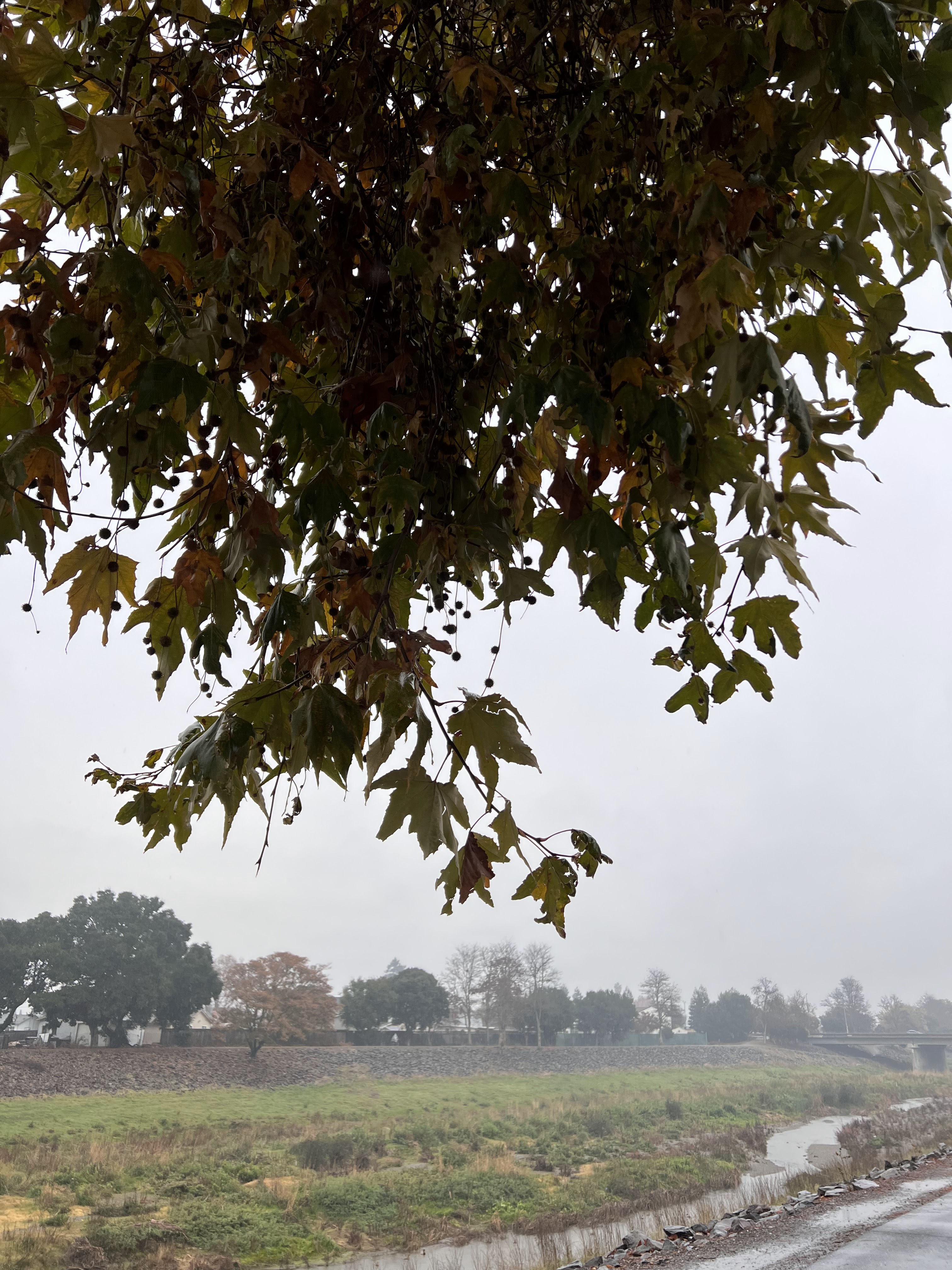
Novembers in Bay Area are magical. There is a promise of rain in the air, the fall colors are out and the dry sordid months of summer finally seem to be behind us. The trees burst forth in a sudden splash of color. Octobers are to Prince Edward Island in Canada as Novembers are to California. So, I have absolutely no problem in gushing like Anne of Green Gables : “I love a world with Novembers in them.” 

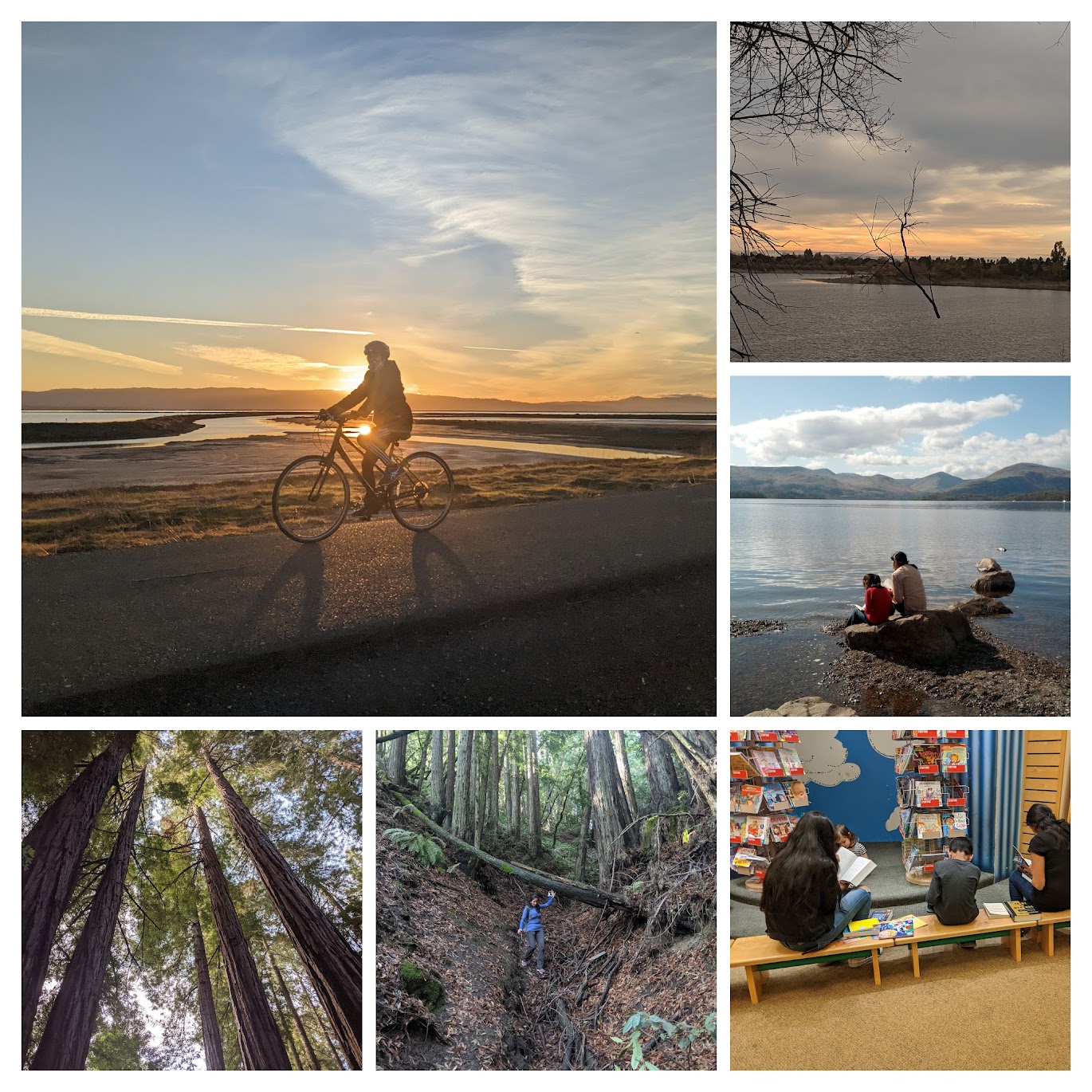
The son and I had were taking a short break after a bike ride. We stood there admiring the way the leaves seemed to be flipping as the wind went through them when an ornithologist found us. We politely made space for him on the park bench. After a few minutes, we went on to having conversation on nature based hobbies and such. 

He had with him one of those cameras and lenses that can zoom upto 714 times. The son & I exchanged glances. Could that pelican sitting on that small island in the lake be seen well with that lens then? Jack (the ornithologist cum photographer), told us indeed he could and he went on to take a few photographs to show us. We were more than suitably impressed, and he was gracious and generous in showing us how his lens worked.

I have always been in awe of those who were able to get fantastic photographs of the birds. I have several friends whose photographs have me yearning for their gift of composition. With landscapes, while I still admire the artistic compositions, with moving targets such as birds, I find the whole process fascinating. My attempts at hummingbird photography have proved to me that (a) hummingbirds are very fast – research says they can flap upto 50 times a minute and (b) my phone is usually unable to capture them flying. 

But my new phone and Jack’s attempts at the photographs were inspiration enough for me to go back to mooning about the lakesides and riverfronts looking for birds. I suppose these birding photographers do this all the time, but when I did, I felt like I had developed wings myself and fluttered away – whether as an angel or a devil did not matter.

I got my first picture of an Anna hummingbird (albeit one resting on a tree), but I got a picture nevertheless. I also captured on my phone,  a mockingbird, a siege of herons, a pod of pelicans and an assortment of wood ducks, grebes and coots.

The skies, in the meanwhile, look like nothing I’ve seen before( although my phone best to differ based on the number of pictures it classifies as ‘Similar pictures’). I would love to be a crepuscular artist knowing fully well that I could never aspire to the true artistry that is on display every day for us – especially during the rainy season. 

I suggest everyone take some time to enjoy the rains and the clean skies and earth afterward.

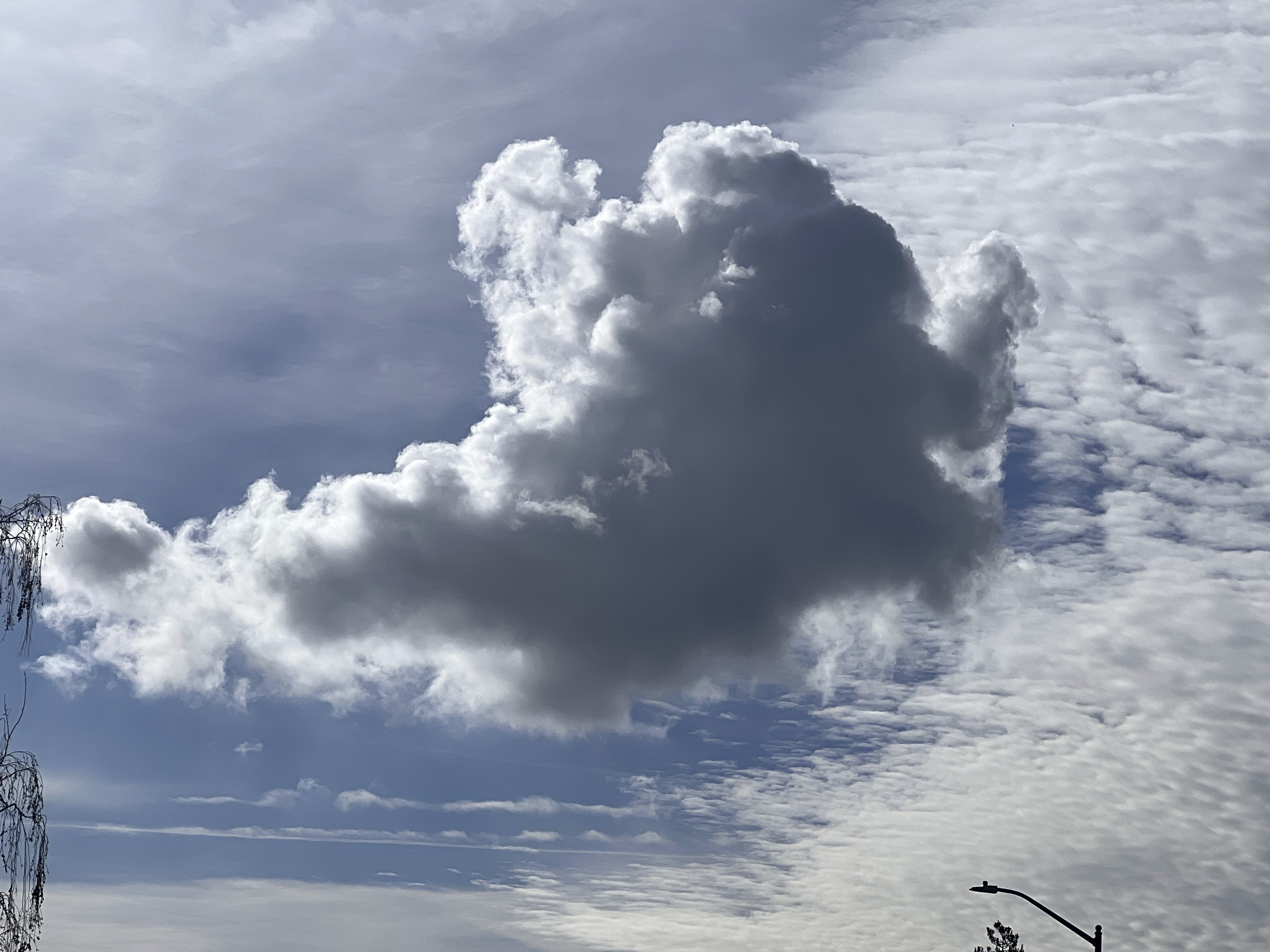
I sat in the car watching the rain pouring down and feeling the sense of life’s stresses washing away. Californian rains are whimsical: one minute they beat down, maybe even give in to a thumping hailstorm, but in the next few minutes, the clouds scud away as quickly as they gathered leaving a jaw-dropping sort of blue and white clouds behind them. It is magical. 

“Live in each season as it passes; breathe the air, drink the drink, taste the fruit, and resign yourself to the influence of the earth.”

Henry David Thoreau

The Magic of Just Being

The world of news was being rocked once again. The company I worked for had already endured hard times in the news and the general feeling was one of anxiety and exhaustion. 

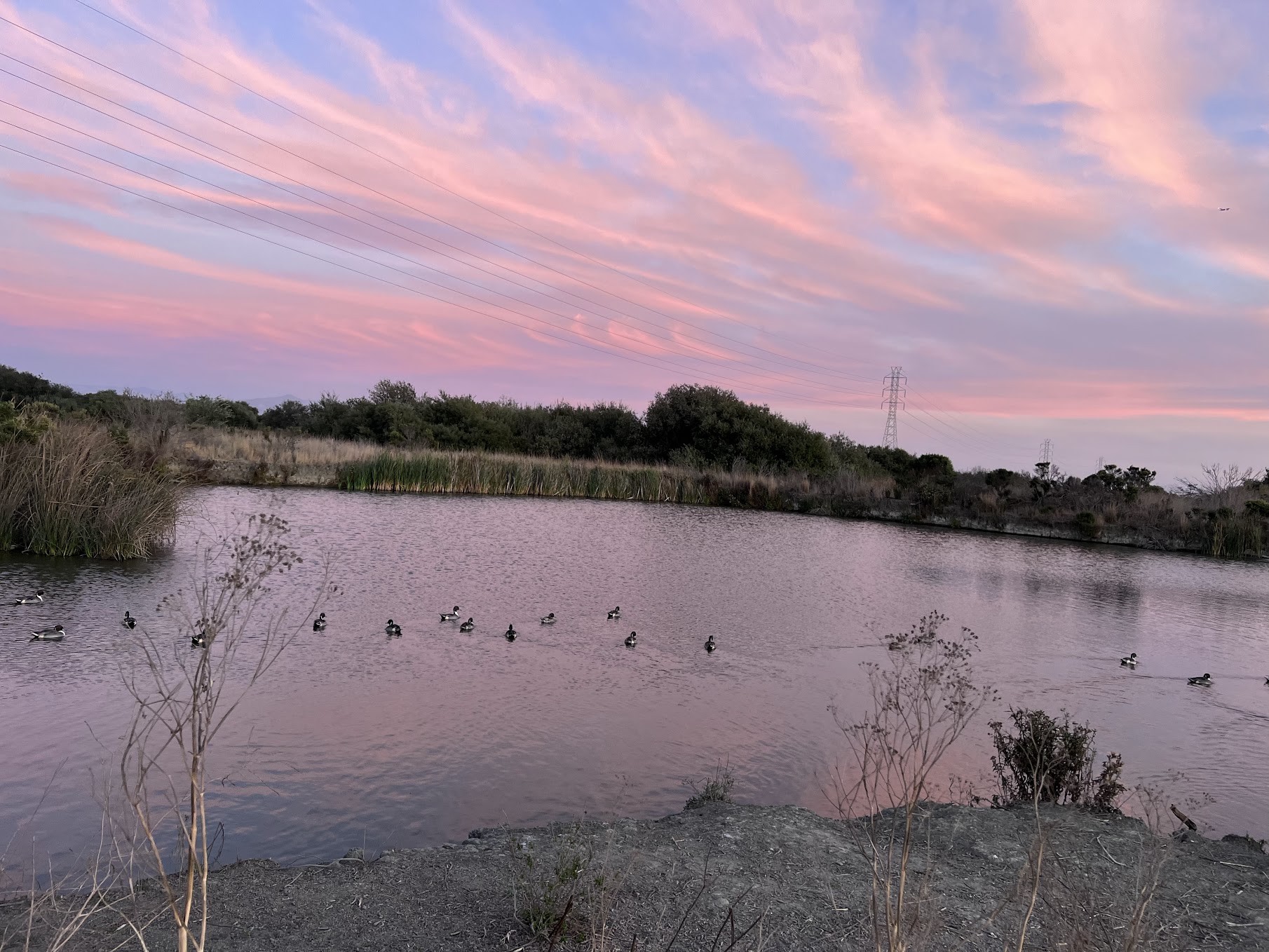
Over the week-end, I had come for a walk by a water body that the son & I lovingly christened Reflection Pond – for you could see the skies reflected in the waters, the world from a different perspective.

There were 2 deer peeping out from within the mist and a rustling nearby indicated the hares were getting ready for some morning exercise as well. 

There were a pair of pelicans who took insouciance to a different level. Yet, as they gracefully paddled on that lake, I thought of that little piece in the Fox, Mole, Horse and Boy. 

“How do they look so perfect together?” Asked the boy.

‘There is a lot of frantic paddling going on beneath’ said the horse.

The Fox, Mole, Horse and Boy

As I walked back, my attention went again to the digital town square that is the sign of the times we live in. I had one of those moments that Henry David Thoreau chastised us against, for it was obvious that I brought the village (or in this case, the town square) with me. 

When I realized what I was doing though, I shook myself out of this and firmly pushed these thoughts aside telling myself that  shall attend to them when the time was right. I looked up from the previous posture of a head bent with woe, and that is when I saw the pelicans take flight. 

There is something majestic about large birds taking flight. The little ones flit and twit with ease, while the larger ones seem to be much like our cargo aircraft. Huge, but still not half as unwieldy as our man-made designs during takeoff or landing.

By the time I fumbled for the phone for the pictures, the pelicans had flown leaving me with a sense of awe.

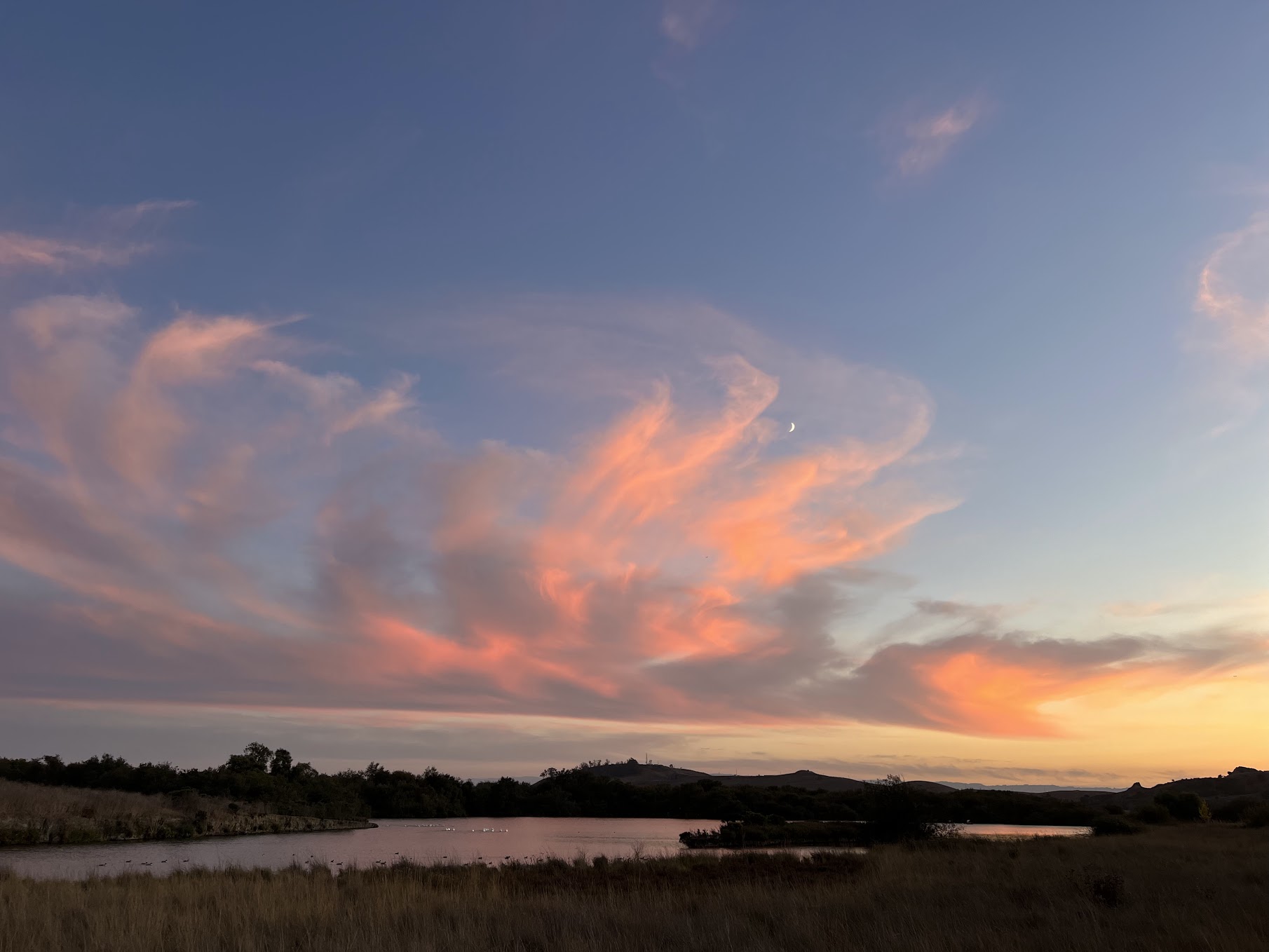
The clouds that paint a different picture for us every day had painted a lovely dragon or an enormous swan taking flight that day. The crescent moon in its waxing phase was shining amidst all this glory.

The pink hues against the light blue skies were enough to make the heart rejoice. As the pinks turned to orange and then grey, my spirits lifted slowly.

I had an idea for a lovely children’s book that has since morphed and evaporated like the clouds that day.

A few deep breaths made me realize that fresh air, beautiful clouds, a time of transformation are all things we take for granted, but when we do stop to think about them, they fill us with a sense of contentment.

Nature had worked its magic yet again: There is no better place to learn the lesson of Just Being.

I realize that I cannot quite capture the serenity of a walk such as this one. But I can jot down the gratitude for this magnificence so I may be able to dip into it at will.  

The Spider’s Vision

The son and I had embarked on a lovely bike ride. The autumnal equinox means that the sun sets earlier and earlier in the day.  It was still early enough in the evening and we biked along amicably talking of this and that. 

When we finally decided to take a short break by a lake, the son climbed a nearby tree, while I sat myself on a park bench. All was tranquil. The pelicans went about their ballet dance of coordinated fishing in the distance, the hawks and turkey vultures circled high above in the skies. Out in the distance, a dog ran on the shore chasing the birds and squirrels. Overhead, hundreds of ravens were flying and making their way home. 

It was in this world that I called out to the son and pointed out a visionary at work. We sat side-by-side in awe. For it was obvious, from conception to creation this would’ve daunted most competent engineers to undertake a project of this size alone, and here was this lone spider doing so : competently, peacefully and apparently with engagement.

In spider terms, it was the equivalent of building a bridge across a bay. From one tree to the next on the other side of the looming lagoon, a large suspension thread held the intricate web forming in the middle. How strong must the thread have been to sustain and hold the weight of the structure in the middle? Not to mention its prey.

When finally the spell was broken, the sun had set further and the spiders web was now bathed in a golden light. In those few moments of magic where nothing but weaving and creating was happening overhead, the earth around had changed its hue. From a bright blue sky, the pinks and oranges were thrown with abandon. Pretty soon, it would be getting ready to cloak itself in the inky blues of the night. 

The son and I got up – a sense of reverence and humility restored in our proud human spirits of achievement. Here was a lone spider, envisioning a humongous structure, creating a web of art and material integrity to withstand prey probably three times its own weight and going about it in a symmetric and beautiful light of the setting sun. What’s more? It was a design that was biodegradable and all the earth could be covered in this soft, silky web with nothing the worse.

Whether as materials for clothing, or structural integrity such as design of bridges, or the bio degradation of our products, a spider’s web is an inspiration for biomimicry based designs.

Biologically inspired materials could revolutionize materials science. People looking at spider silk and abalone shells are looking for new ways to make materials better, cheaper, and with less toxic byproducts. 

Janine Benyus, Biomimicry

Sometimes, a bike ride is all that is required for perspective to take its throne. 

What do the Seasons look like?

Out on a walk today – I thought it would be a good way to start the cooling down from what turned out to be a heat wave of the likes that set new records in temperatures. 

While on the walk, I stood befuddled below some trees from which the leaves were falling. There was no cool breeze, and the sun-baked earth looked heavily in need of rains. But the leaves were gently starting to drift earthwards. The dissonance was loud, and the stillness louder. Falling leaves, changing colors, should all signify cooler temperatures, a move towards cozy indoor expectations et al. 

When that thought flitted into my mind, I smiled. For the clarity with which the thought came, belied the fact that for half my life, I had never known the beauty of Fall. Yet, once the brain knows, it does, and how unexpectedly this expectation of seasons took root in me was baffling.

I do not remember when I started observing the seasons – for they are not as stark in California as in the East Coast.

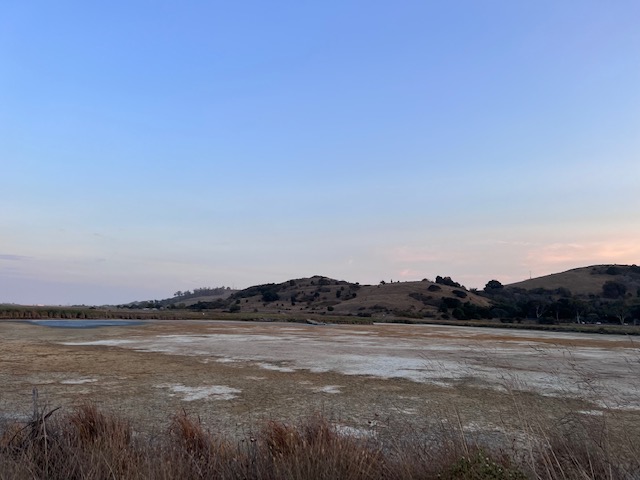
The next day on a bike ride, the son & I took a moment to recover. For the lakes we had seen brimming with water and teeming with fish and birds just a month ago, was now barren and dry. It has been one of the driest summers California has experienced, but even so, the shock of the dry lakes are hard to bear. What would the seasons be like on other planets?

While the rhythm of the seasons is hopefully predictable, I could not help looking for old pictures of the same ponds and lakes from a few weeks ago,

I stood there thinking of the deep comforting voice of Frank Sinatra

“Fly me to the Moon

I’d like to see Spring in Jupiter and Mars!”

Frank Sinatra

How marvelous it would be to get a glimpse into the different kinds of beauty in the universe? Are there other seasons in other planets? What is the music of each season?

The Woodpecker & The Tree

I am enormously grateful that I am moved by the beauty and strength of a tree. I have spent many (but not quite enough) tranquil moments watching and admiring trees. Trees provide an unassuming, grounding presence for restless spirits such as mine.

I remember one day not too long ago when spring had turned to summer, and I stopped short and quite abruptly in front of a gingko tree. The tree was now fully covered in green leaves – when did the bare winter transform to full grown summer? I don’t remember the quiet miracle of life marching on though I passed the tree almost everyday: The efficient leaves photosynthesizing and nourishing the tree.

I am reminded of William Blake’s quotes on trees:

“To some people a tree is something so incredibly beautiful that it brings tears to the eyes. To others, it is just a green thing that stands in the way.”

William Blake

How sagely they bear the scurrying squirrels, the boisterous monkeys, the birds who make their homes in them including birds like woodpeckers who must be a noisy presence, the army of insects, and so much more? Even in my most whimsical moments, I cannot envision an angry tree or even an annoyed one. A tree is always what it is: steady, useful, beautiful.

I was watching a woodpecker peck steadily at a tree branch one day.

Tok-tok-tok-tok-tok-tok-tok

Tok-tok-tok-tok-tok-tok-tok

I stood there taking in the beauty of the suns rays, the straight angle at which the woodpecker was perched on the tree (really – how was it holding on like that without ropes, and banging its head against the tree all day long?), the beautiful red of its feathers glinting against the rays of the sun, contrasting with the light green of the trees leaves.

Tok-tok-tok-tok-tok-tok-tok

Tok-tok-tok-tok-tok-tok-tok

I remember wondering why the tree didn’t just shudder a bit to shake the bird off. But it didn’t. The woodpecker for its part seemed to be so happy at yammering at the tree like that it shocked me. For such a small bird to absorb the waves created must be quite high even if it was self inflicted.

Musings like these are music to the soul. For I came back and the internet gave me plenty to read up on woodpeckers. Coming from the human world, I assumed a design structure such as shock absorbers for the woodpeckers to endure the yammering. But nature surprised me yet again. Biomimicry as a discipline continues to hold me in awe. Woodpeckers really do not have shock absorbers. Instead their skulls are designed to endure the impact much like a hammer takes the impact of a bang. Given their size, the impacts they make are just enough for them to absorb throughout the day. 

https://www.smithsonianmag.com/smart-news/woodpecker-skulls-dont-absorb-shock-like-previously-thought-180980426/

About 12 thousand times a day, woodpeckers drill their beaks into trees to search for food, make nests or communicate with other birds. 

Article linked from the Smithsonian Magazine

When pecks arrive through the day, I think of the tree, and the happy woodpecker. Even though all those who knock and peck at my attention are not exactly happy to do so, I assume they are happy like the woodpecker, and I try, poorly, to act the part of the sagacious, gracious tree and all is well.

Oh Lovely LadyBugs – What a Loveliness!

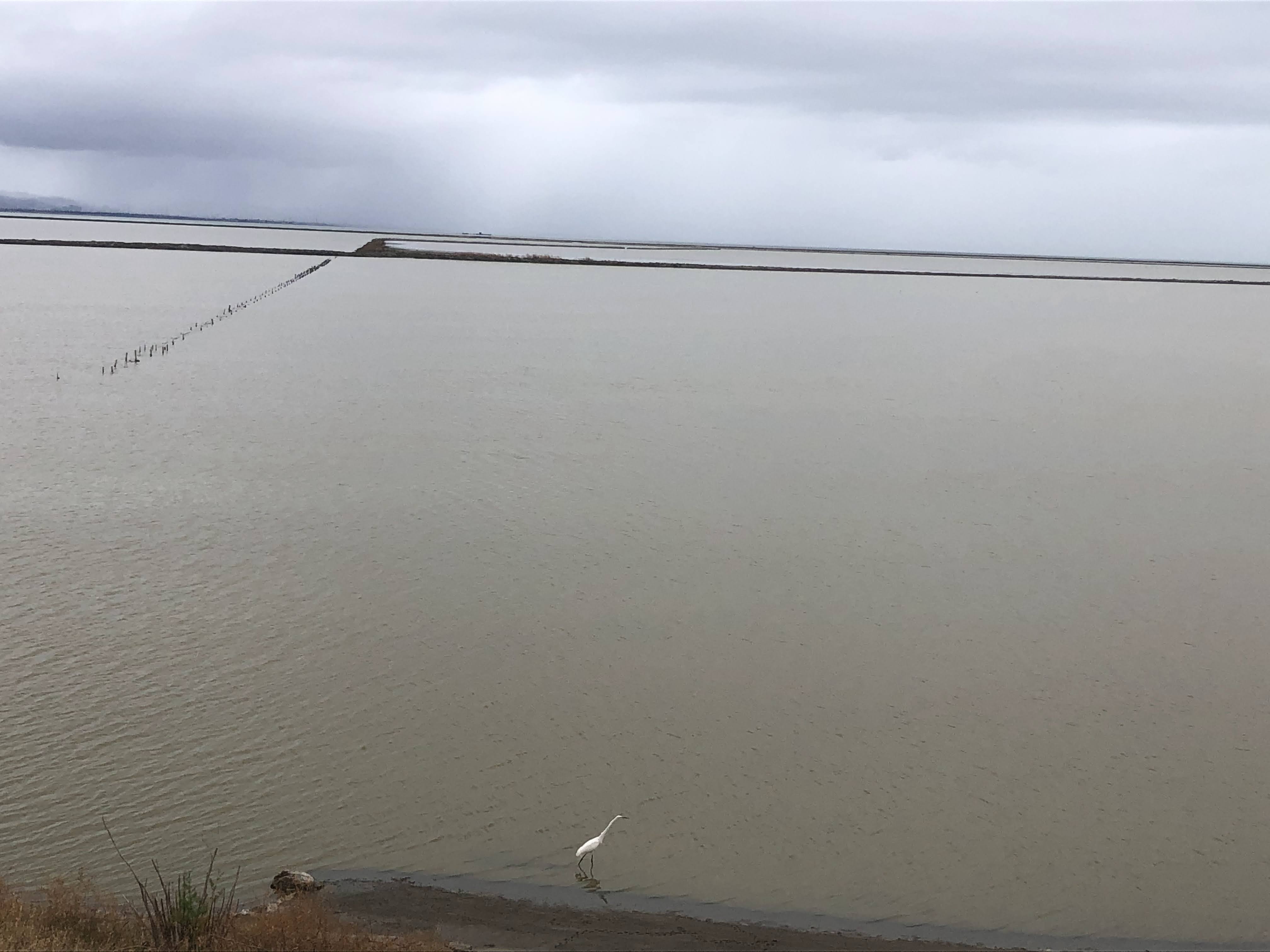
We were crouched on a beautiful trail overlooking the bay on the west, and the beautiful golden hills on the east. A flock of birds flew overhead, while an egret stood in the shallow waters below. 

We were a cacophonous group at times, gregarious at others, fast and slow either by choice or the lack of it. The cousin and family had come a-visiting and we were enjoying their company. The laughter, wisdom of the different ages, and the quirks of life that make for fun and interesting times were in plenty. We had already walked a good 5 miles, and were heading back home. 

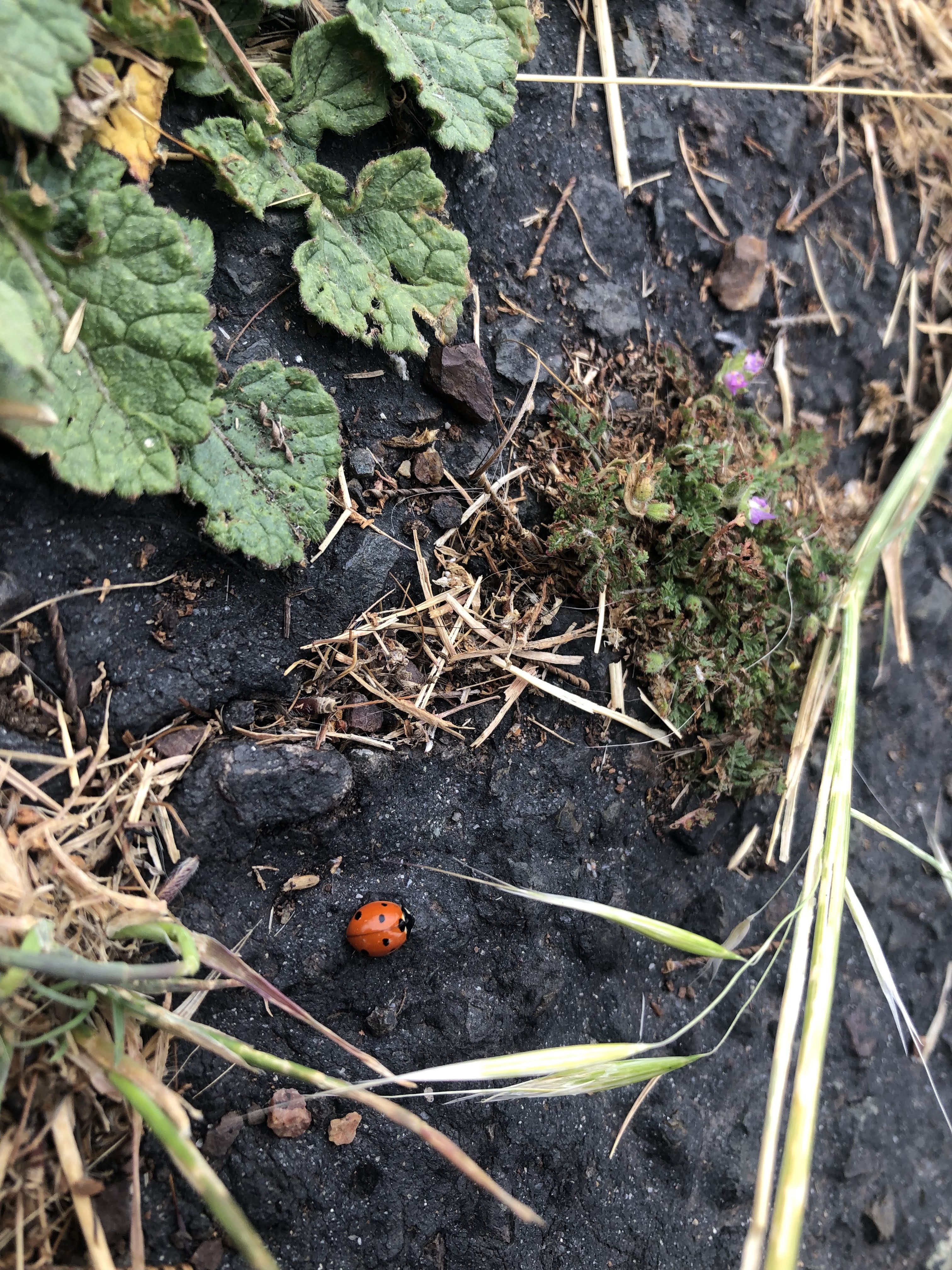
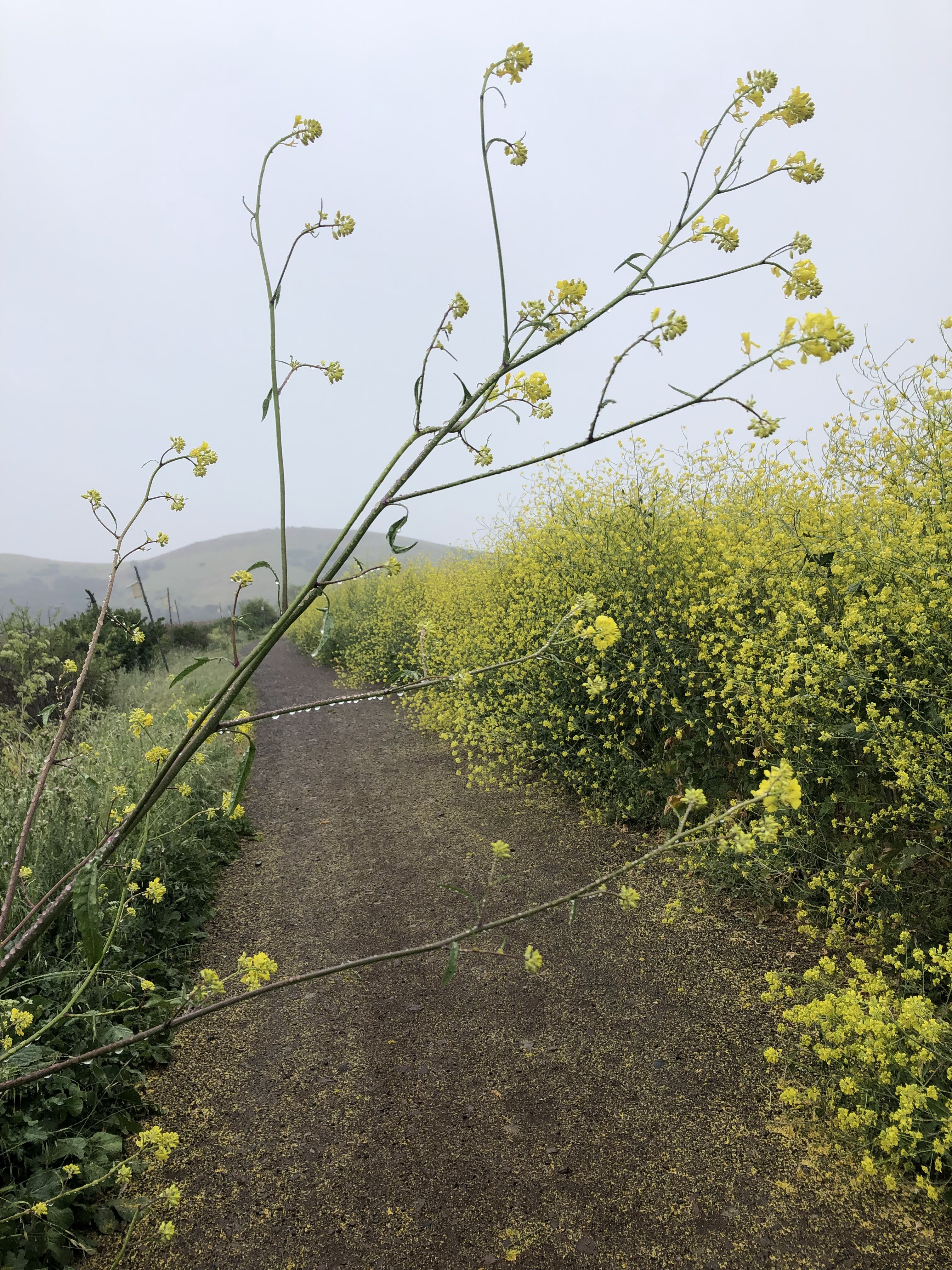
Suddenly, the son crouched. I knew at once that a small role-poly or lady bug must’ve stopped him in his tracks. I headed over to see, and just as I thought, it was a lady bug. A red beauty. We had seen an orange spotted one on a mustard bush a few minutes ago, and here was a red seven spotted one moving slowly. It had crawled up a cliff, and was justifiably slow moving. 

https://kids.nationalgeographic.com/animals/invertebrates/facts/ladybug

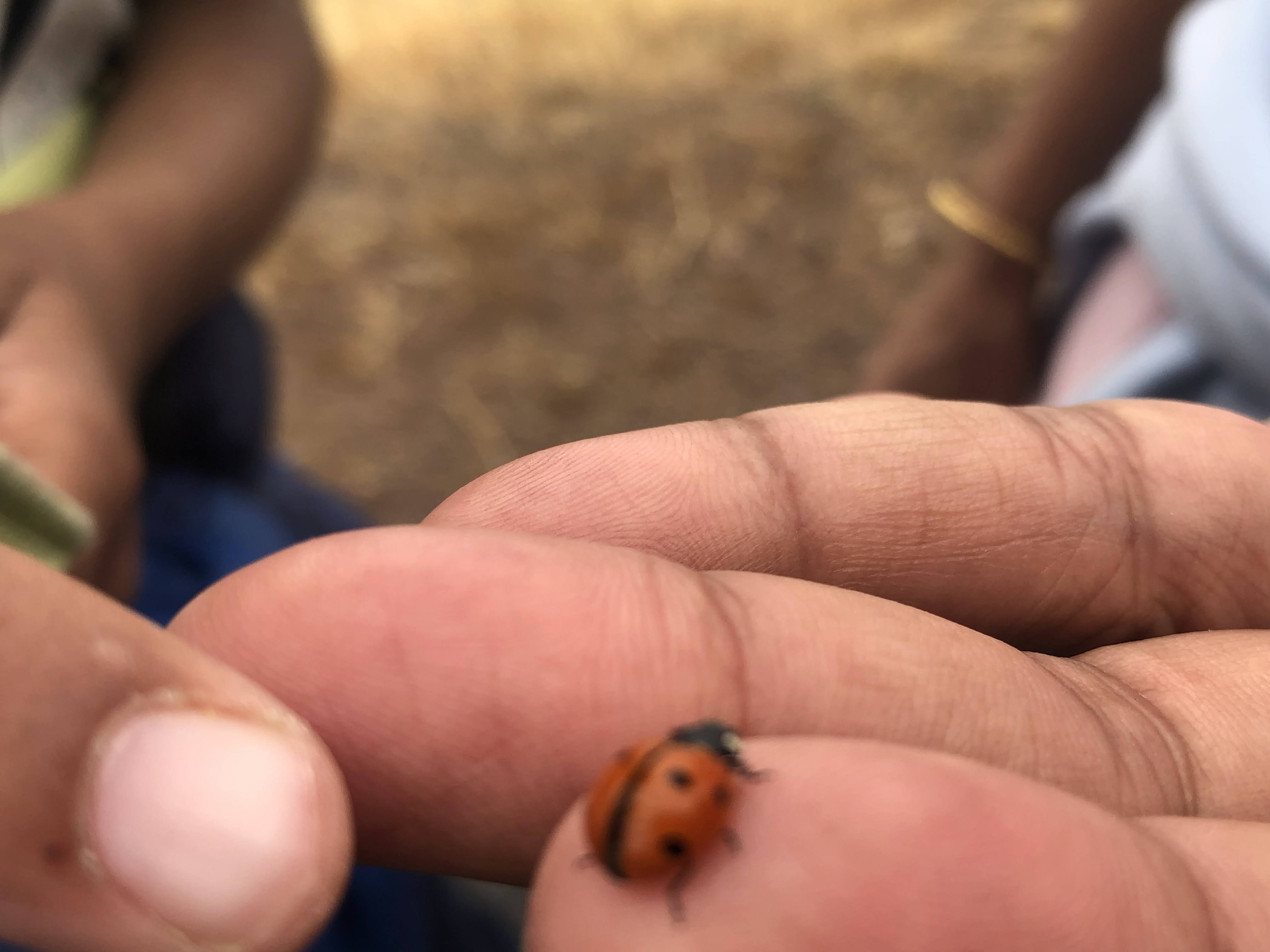
Our companions, braver souls than the son and I when it came to fauna, gave their hand nearby and the ladybug crawled on. Watching it maneuver the contours of the fingers and hands was a joy to watch. If they did have a fear of heights, it wasn’t apparent. What they did seem to have is a remarkable spatial orientation – when the degree of the hand tilted, it moved quickly towards stabler slopes. 

Slowly, however, we let the creature dawdle on by the bayside – away from pedestrian traffic. However, the image of the little creature is a striking one. Was it aware that it was on a beautiful trail overlooking a Bay of the Pacific Ocean? Real estate prices, climate change notwithstanding, the lady bug was a gentle reminder to live in the present. To be a part of life that fills this planet with beauty. To be a red thread in the rich tapestry of life.

Regular readers know my curiosity about the collective nouns for creatures:

Well, I was delighted to know that a cluster of ladybugs is called a loveliness.

The Speed of Living

I was galloping between meetings. Several things of importance in today’s world were being discussed. Time, accuracy, and speed were the over-arching themes. Service level agreements, acceptable latency, how many milliseconds for the information to flow, how many minutes to first respond by human agency, how quickly things can be fixed, how businesses following-the-sun model could ensure that every minute was accounted for and so much more. 

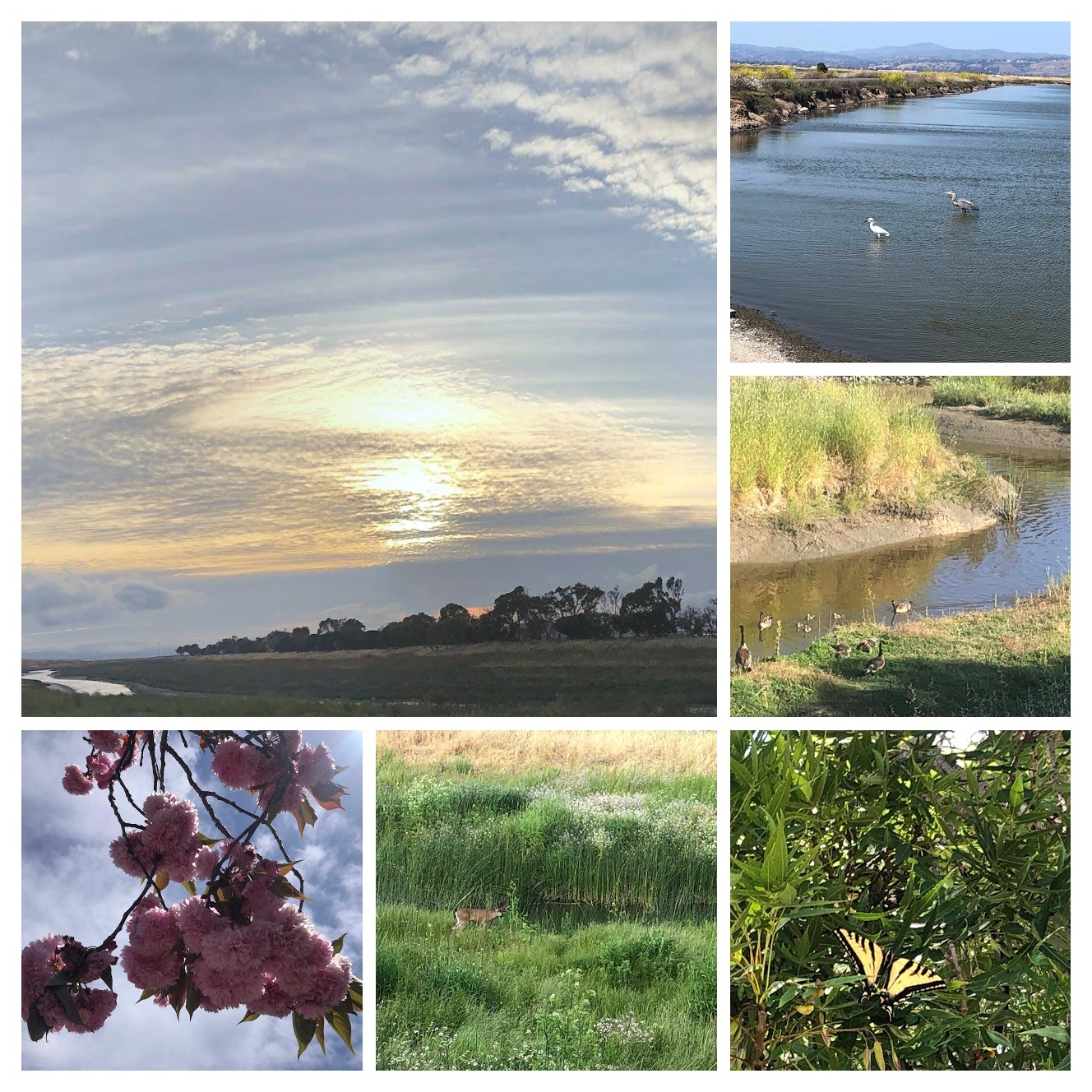
Unbidden, the image from a few mornings ago rose in my mind. I had found a pair of turtles by a riverbank. I stopped and smiled to myself. It was a reminder, and I took a deep breath. The breath reminded me how shallow our breathing normally is – for I felt a great gulp of air rush in. The little turtles had done their duty: unknowingly, unwittingly. The fascinating creatures were sunning themselves by the narrow stretch of water. Slowly, unhurriedly taking deep breaths and lying contentedly by the water’s edge. The waters gently lapped just a few centimeters away from their feet. It was hard to see whether their eyes were closed or not, but one could not deny their sense of bliss. The morning sun, the fresh waters. 

Ever since, I have been adding small doses to this set of images in the mind’s eye: 

  • The heron standing peacefully in the waters of the bay just a few feet from me. Waiting patiently – not fidgeting nor making anxious movements.
  • The geese tending to their newly hatched goslings with energy – a noisy, happy family. 
  • A mild breeze blowing through the tall grasses by the riverbank – reminding us of the forces of nature. 
  • The great white egrets taking flight and flapping their wings high above – the joy of embracing the winds apparent in their movements.

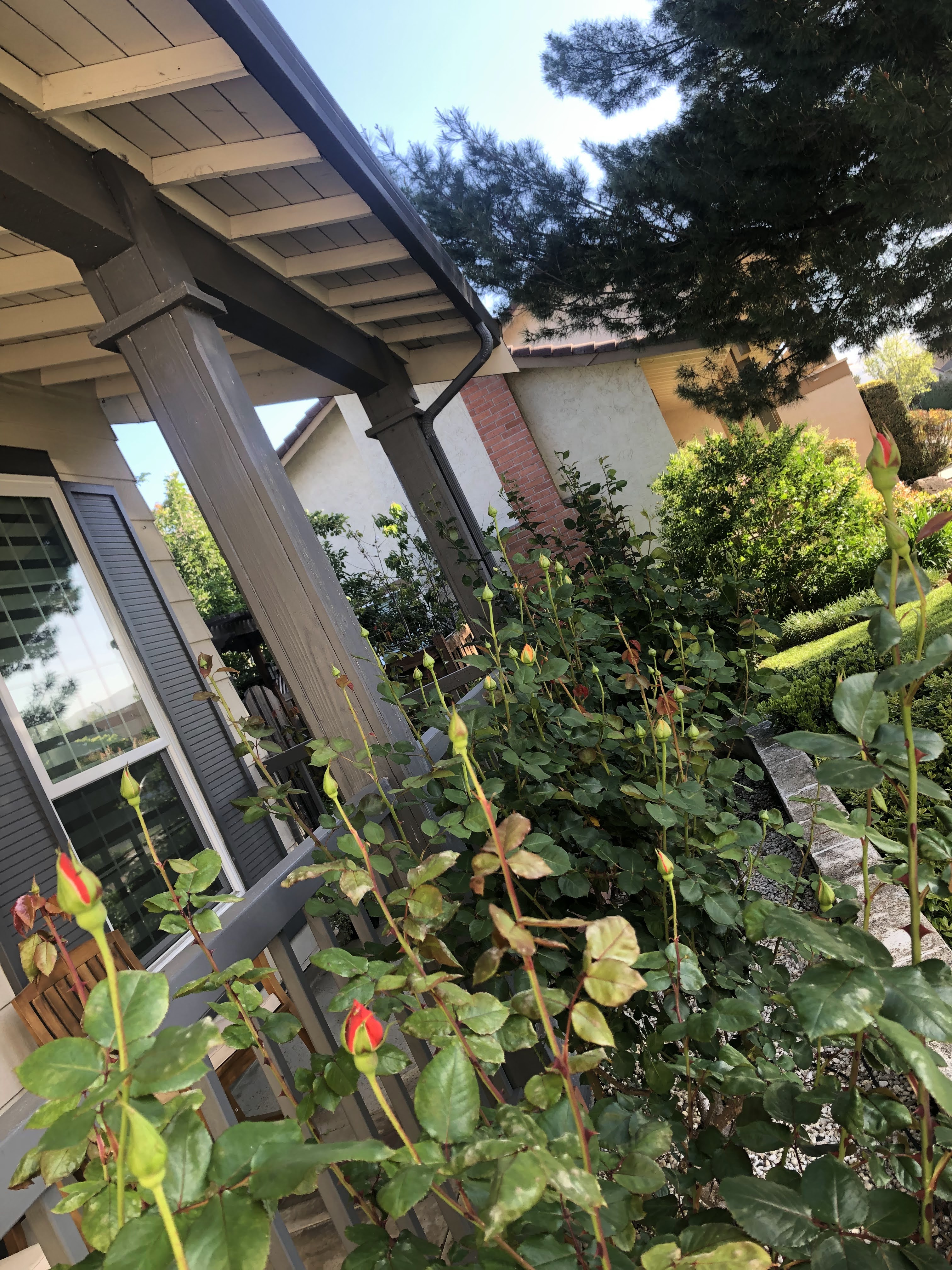
Another day,  I had opened the double-paned windows just a wee bit, so that the sweet noises of the chittering of squirrels and tweeting of birds could float into the room. I stopped every once in a while, and somehow the sounds of nature outside seemed to still the throng of speed. Network speeds did not make the birds’ trilling any faster. The bustling squirrels outside were bustling regardless of the chime of the clocks and the ticking of seconds. The rose bushes grew, burst into buds and bloomed into great big blossoms at its own pace. The sunlight, soil, and the plant doing its job in harmony, at a steady pace.

As Alan Lightman says in his book, In Praise of Wasting Time:

The pace of life has always been driven by the pace of business, and the pace of business has always been driven by the speed of communication.

But wouldn’t it be nice if the speed of business was defined by the business of living?

April

April is Poetry Month

April is also the month we celebrate Earth Day

April also happens to be the month the days are lengthening enough for us to moon about the countryside, and life is full of promise

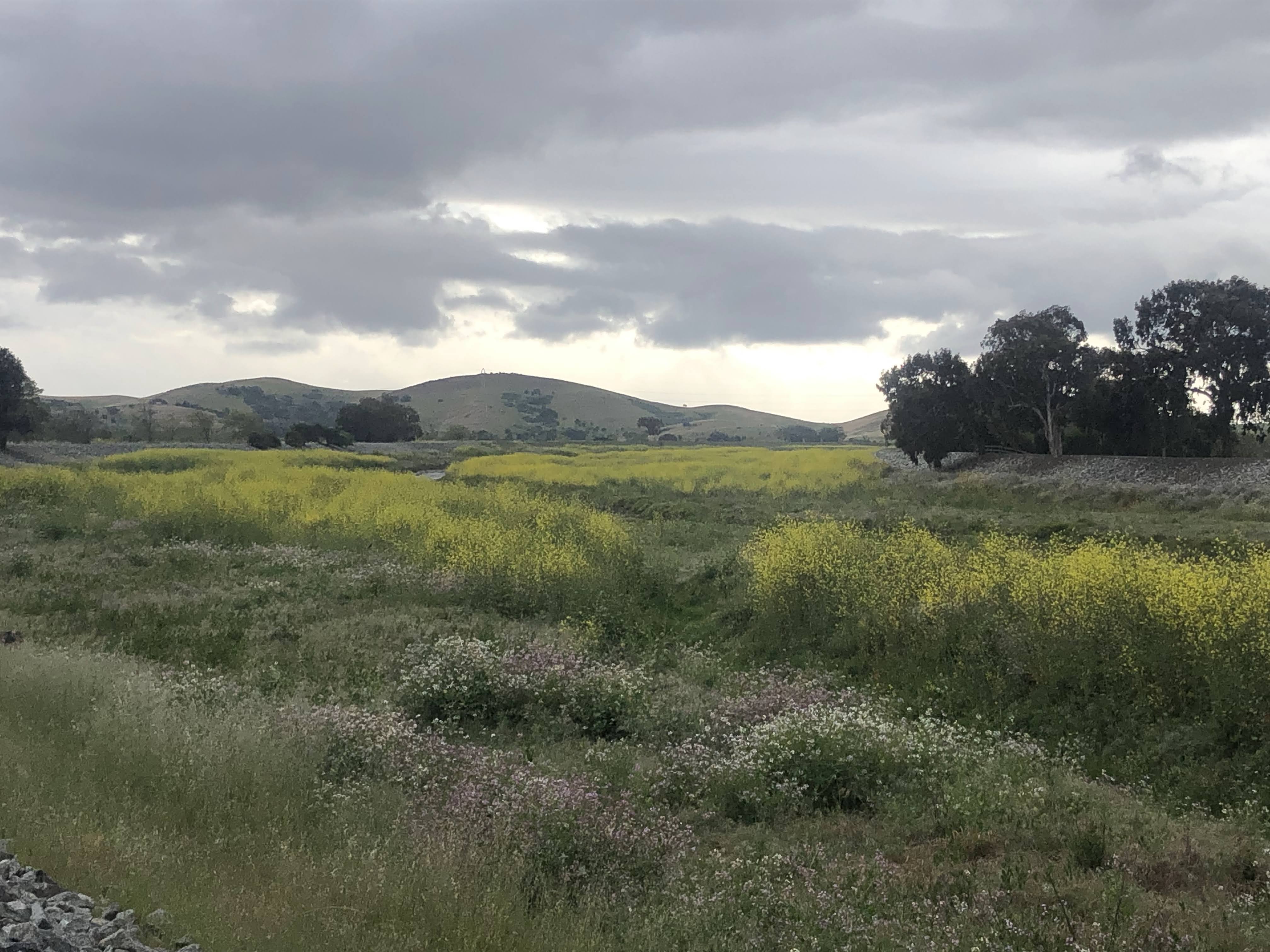
Nature sat up and decided to revel in glorious life, and the hills are bursting with greenery and wildflowers

The buds are waiting to burst into bloom

Trees have been working extra hard to sprout new leaves. My alarm gleefully extols rapturous spring, and despite the strong motivation to get in a few snoozes more, the allure of the outside world is hard to resist.

Imagine my complete delight when I stepped out on a walk today and saw the goslings had hatched just in time for Earth Day?

Could this be why Easter festivities involve egg searches?

I walked into the house soaked one morning after walking in the rain, and announced to the chagrin of all in the household, “Only fools would step out on a walk on a day like this, but it was totally worth it!”

Maybe that is why April also hosts April Fools Day.

Nevertheless, please do enjoy and revel in the joys of April while you can.

What’s our hurry?

“Oh! How I love the fiery glow of the sunset and how I missed our quiet garden“, I said leaping out of the car after my long dredge of a commute back into the office. It has been two years since Covid shut office spaces down, and I cannot say that I missed the crowds on the trains, the noise of the city, or the snarling traffic inching along at peak times.

“I am so happy to come back to this suburban paradise from the hustling, bustling city!” I said sighing happily and taking in deep gulps of fresh air. I flitted to the rose buds starting to form, flew to the jasmine bushes sending wafts of jasmine-ly scent into the evening air, and lovingly tousled the lavender bushes. I suppose butterflies when let loose in a meadow from a bottle do the same.

I looked up to see the daughter giving me that look: the one where she is wondering whether it is prudent to have my head checked for bumps.

I am such a country mouse my dear!” I said by way of making conversation.

“I wouldn’t want to be a cat in a world that you are a mouse, that is for sure!”, said she, never one to falter at smart quips. 

I straightened my shoulders haughtily and wanted to retort. Sharply. With sarcasm, speed and humor. 

Nothing came. 

I shook my head and tried to fetch some quip, anything. Nothing.

I stood there fumbling and stammering. Maybe the pace of the day had taken it all out. So, I finally laughed. 

It was while I was out sauntering on a mild spring morning a few days later that I remembered the study on the pace of life in the book, In Praise of Wasting Time – By Alan Lightman. 

In Praise of Wasting Time – By Alan Lightman

In the book, Alan Lightman writes of the study where people’s average walking speed was measured across a decade. The speed was measured in suburban places, cities and bustling city centers. Apparently, the walking speed had increased considerably. An average woman of today in San Francisco city walks faster than an average woman in the 20th century. Makes us pause and think doesn’t it? What are we hurrying towards?

Excerpt from the book:

A momentous study by the University of Hertfordshire in collaboration with the British Council found that the walking speed of pedestrians in 32 cities around the world increased by 10% just in the 10 year period from 1995 to 2005.

How did we arrive at this point in the history of the world?

First, there is business. The pace of life has always been driven by the pace of business, and the pace of business has always been driven by the speed of communication. In 1881, in a book titled American Nervousness: its Causes and Consequences, physician George Beard noted the increase of nervousness and stress in the public caused by the new communication technologies of the day: The railroad and the telegraph. Today, its the Internet. 

In Praise of Wasting Time – By Alan Lightman

It is no wonder that spending time in Nature is such a soother, acting almost like an analgesic. The pace of nature hardly varies. 

Like Lao Tzu says: 

Nature never hurries, yet accomplishes everything.

Lao Tzu
Bryce Canyon National Park