Embracing Effort Over Outcome

The older I get, the more I…. (That should be a web series right there!) 

The older I get, the more I seem to appreciate concerted effort rather than the outcome. For I have seen more people fail to succeed in the ways they wanted to, and yet grew in ways that success may not have taught them. But in time they became successful people.

That makes me sound like one of those management gurus who profess to fix your problems. But not quite. Where I am coming from is from an aging perspective.

The difference is, looking back at life, I have always liked the concept of human beings undertaking difficult things to achieve great things. Overcoming obstacles and all that. When younger, call it the arrogance of youth, or the fresh optimism of youth, there was a sense of setting your sights and then going about doing your best to achieve it. If you didn’t, you simply tried harder, or realized your limits and got your ego pegged down a bit. It all seemed straightforward enough.

Now, it doesn’t seem so easy. Anything requiring concerted effort seems harder.

So, what gives?

Maybe it is because there are more demands on our time and energy, and we have less t & e as we age. Before I try to create a formula for that messy statement, what I am trying to say is: Everything seems harder because of the tug and pull of prioritizing what one wants to do versus what one must. 

The demands of society, earning a living, generational demands –  many of us are caretakers for not just our generation, but the younger and older ones as well – they all take up time. Suddenly, the ability to carve time out for one’s pursuits takes on an almost selfish angle. (It isn’t). In fact, I’d argue that this time is necessary so that we may bring our better, happier selves to the harder tasks of life. 

In areas related to unconventional thinking or muscle patterns such as swimming, learning a new instrument or dancing, age seems to be a definite barrier. 

To those hard friends: Courage & Discipline

Therefore, it is with admiration that I cheer those of my friends and family who do set their sights and go for it with the promise and optimism of youth. Whether it is arangetrams or long cross-country bike rides or backpacking across mountains, or an educational degree. The achievement seems loftier because the discipline required seems higher, the distractions more, the tug and pull of daily life far more restive.

I saw this post on social media once (Paraphrasing as the original wording was more concise):  Anyone who has been a dancer will never make fun of someone trying to be one, a professional athlete will never make fun of someone joining the junior league. The judging only comes from someone who has never tried anything. 

And isn’t that true? I found myself nodding vigorously at that – how some folks manage to discern these truths, and then set them forth so lucidly is amazing.

Here’s to more of us having the courage and discipline to try new things, remain forward focused, and embracing the joys of discipline as we move towards our goals.

I did the easy thing here and asked Gemini for funny quotes on courage and discipline. Hope you get a laugh out of them too.

  • “The road to success is dotted with many tempting parking spaces.” – Will Rogers

  • “Courage is knowing it might hurt, and doing it anyway. Stupidity is the same. And that’s why life is hard.”

The Fragility of Trust & Vulnerability

Potential

I was regaling our little school reunion to one of my friends, and found myself thinking back fondly. My classmates who had arranged the whole affair did a fantastic job. They had booked the whole hotel for our reunion class, and we found ourselves in a position where we meandered in and out of the different hotel rooms, the banquet areas downstairs, and chatting in the hallways and lifts. 

 I was quite surprised how easily we fell into familiar patterns and opened up to each other after all these years. Life had not been kind to many of us at many points in time. The strength of character that builds over time was inspiring to see in many. 

When I asked my father, who was a teacher in the same school, what he thought of folks and where they landed up later in life, he said it was the potential of humankind that drew him to the profession. All the ways in which the children grew in their capabilities, took on responsibilities, navigated changing landscapes and relationships – all with what is given to us. 

In some sad cases, that potential remained unrealized. All the different ways in which we were tested was shared and received with compassion by the kind ones, and some (polite) scorn by the meaner ones. It truly was illuminating to watch the different ways in which we had grown older. 

Vulnerability builds Trust

“Did people really talk about their trials and tribulations and not just thump their chests about their triumphs? “, asked a friend of mine when I was telling her about it, and I laughed. 

I was surprised too, but then I realized that there is a shared space of trust built up during childhood that makes us both open and fragile with each other. Also if you have seen someone drool over their notebook in maths class, or get pulled up for not doing their homework, there is a good chance you tend to take their bragging and suffering with a forgiving air. If you’ve soothed each other through your fears and worries, wouldn’t you be more willing to share your life story with them?

Vulnerability seems to be an important component of trust, and as children, both were easily available, before society conditioned us out of it.

“Trust is a product of vulnerability that grows over time and requires work, attention, and full engagement.” – Brené Brown

That is probably why we were able to laugh at ourselves and embarrass ourselves with equanimity. Life felt suddenly very short and too quick when we looked back on it. There we were,  not children trying to daydream through a boring lesson anymore, but adults who had navigated life to the best of our abilities.

Where did all the time go?

I came back with a renewed sense of shoshin, and regaled the children with tales of our childhood. They rolled their eyes but also indulged me. It is good for them to realize that their parents were not born this way – adults taking care of medical appointments, paying bills, dealing with insurance matters etc. But that we were children who dawdled on their way to class, who were punished for not completing their homework on time, or being silly and laughing for no apparent reason and getting into trouble for it.

That life is over too soon is a rather better complaint to have than the opposite wouldn’t you agree ? That is what I wish for everyone. A chance to look back, smile, feel light , and still be able to smile thinking of tomorrow. 

Lessons from Nature: Embracing Our Unique Struggles

Burdened Biologies

I took the son to the pediatrician for a wellness check: Something that was simply not there in our childhood. You only went to the doctor if you had a problem, not to be assured that you didn’t, or find that you may have one. I quite like the strides in preventive medical care. 

The pediatrician asked the son his age, and prepped for his talk on teenage anxieties and stresses. He told him about how sometimes / oftentimes, one feels that whatever they do, it is never enough. They are never good enough. Society is always expecting more from you. This is not good enough, that person is better, their clothes are better, their smile is better and on and on.

I listened with rapt attention. Did this man have superpowers? The ability to time-travel, or apparate across cultures, places, geographies? Did he overhear what was being said in social circles? Or was this another thing that simply unifies the human experience the world over? Our burdened biologies.

Something about the way the doctor said it made me pause and listen. Was he aware that he wasn’t just talking to the teenager in the room, but to the parent as well? 

“Before you say anything – it isn’t anything specific to your son, it is something we like to educate all our teenagers about. These are things that add to toxic stress, and that can create other problems as well you know.” he said, kindly.

Hearing the pediatrician talk about these things with the teenage son made me feel – well, I don’t know how exactly it made me feel, for it was one of those moments when I felt the opposites war in the old fishbowl. For one, I was happy that they were making children aware of this. But on the other hand, I was also disappointed that this was something that was ever acknowledged as a problem in our childhood. No doctors, teachers gave voice to this feeling all these years, decades even. 

Atelophobia and Allodoxaphobia

There is a word for this:

Atelophobia. The fear of never being good enough.

Many of us went through our childhood (and adulthood in many cases) completely oblivious to this. 

There is a strange comfort in knowing that one is never alone in one’s struggles, isn’t there?

Those of us who grew up in India, were also given liberal doses of Allodoxaphobia.

Allodoxaphobia: fear of what other people think of you. 

Nature Shows the Way

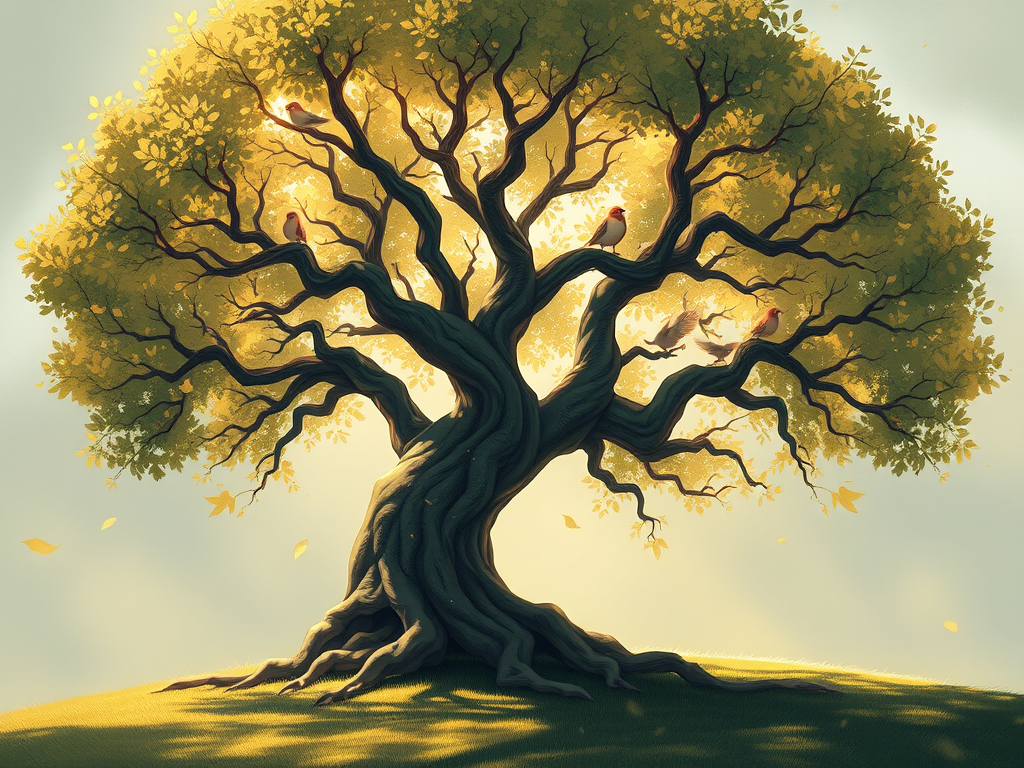
That evening, the son and I sat under one of our favorite trees – wizened, misshapen, and marvelous. We admired the tree: It’s every bulge was a statement, every misplaced twig a surge of hope, every lump in its trunk a bold curve, every branch a home for birds, every leaf a fine producer of food, every ray of sun that passes through it a filter to enhance its beauty.

Nature shows us with every tree and every flower that we are enough. As we are. No two trees are shaped the same way, but nobody questions their enormous usefulness to life. Every plant’s purpose is different, and somehow, together, they created the conditions for life to thrive on Earth.

Yet – in spite of all these simple lessons from nature, humanity cannot stop burdening our biologies with unnecessary stress. What can we say? 

Finding Calm Amidst the Chaos of Life

May seemed to me an especially fast merry-go-round. The spinning was fun, the laughter for all those involved loud, and the merriment infectious. But as June came around, I had the feeling of being dizzy without the fun bits. The world still seemed to be spinning, but the merry-go-round had stopped. Life had resumed. Normal life had resumed, I mean. 

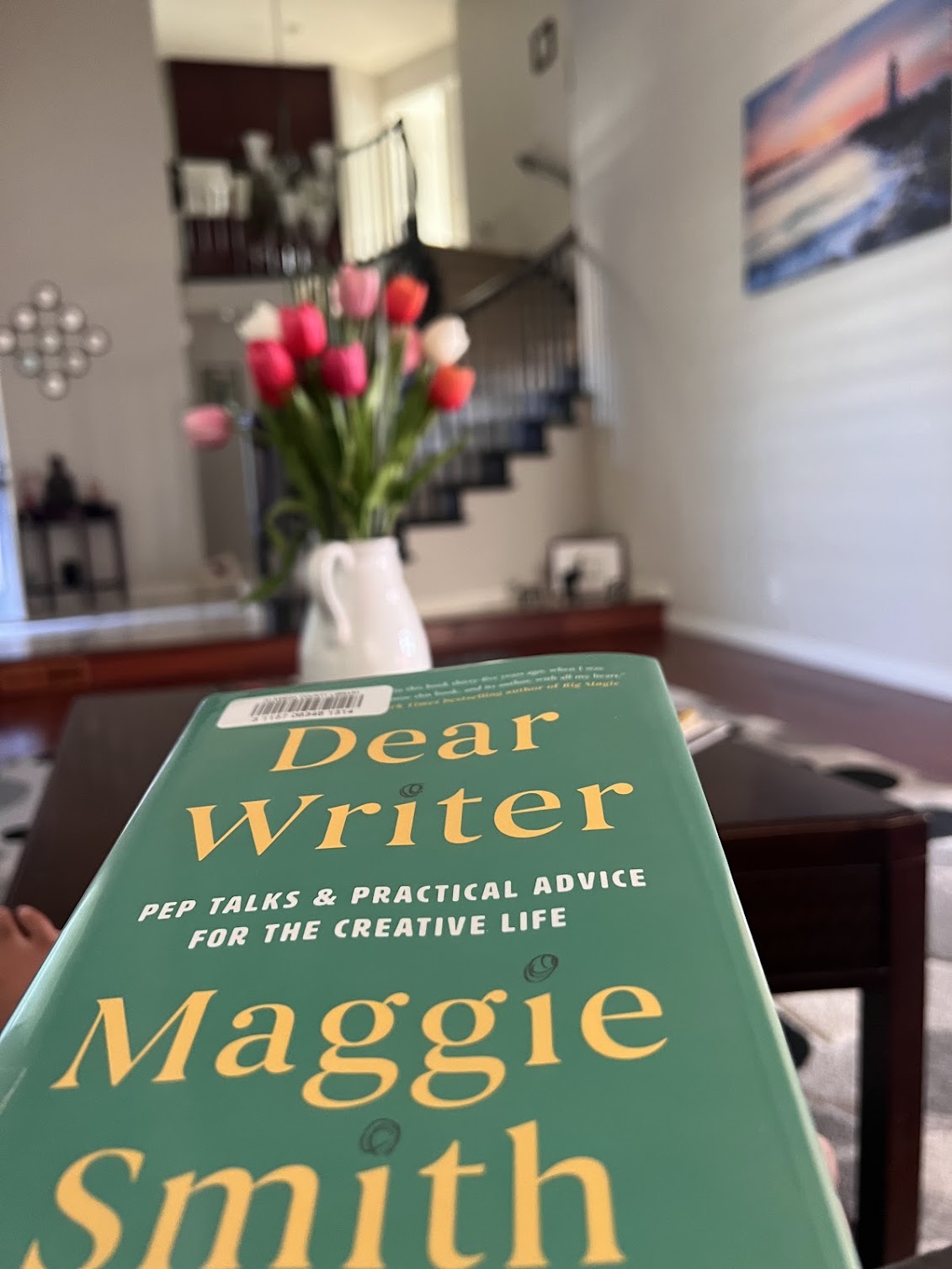
One rare afternoon, I sat trying to soak in the quiet of the evening, and felt strange. I usually relish these moments of solitude. I reached for my books, and found that the mind and body were racing far too much for quiet contemplation. Even though the book I had in my hand was a perfectly good one on Writing, exhorting me to pay attention to the following aspects of life (Attention, Wonder, Vision, Surprise, Play, Vulnerability,  Restlessness, Connection, Tenacity, Hope), I could not slow down enough to take it all in. 

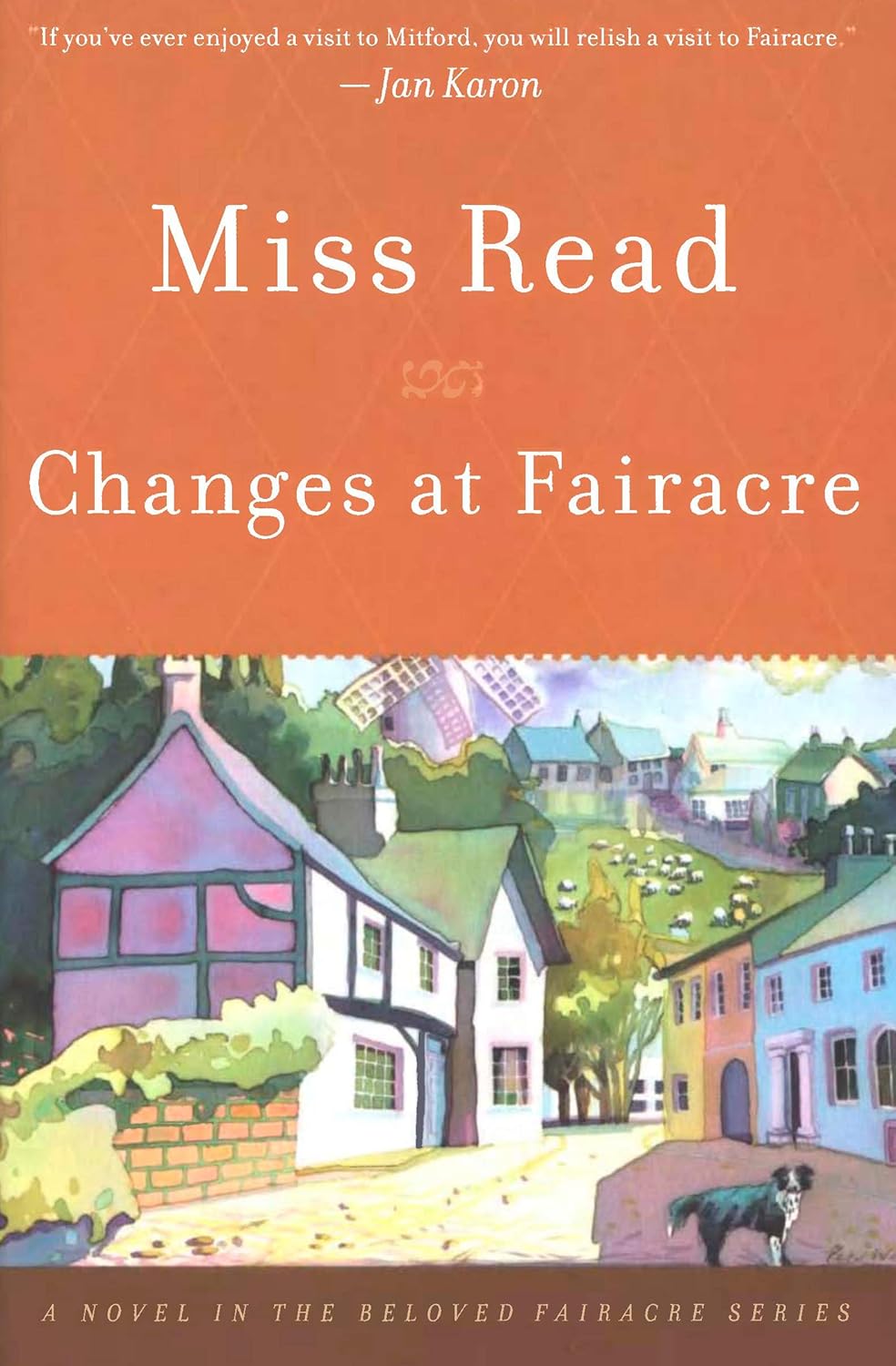
I gave in to the impulse of watching Instagram reels, and got a ridiculous song stuck in my head, I went into Facebook, and scrolled – joyless and felt more drained by the end of it. That is when I knew that what I needed to get back to a slower pace of activity was to reach for a tried-and-tested book: Changes in Fairacre – By Miss Read. I took a deep breath as I entered the village of Fairacre.

For some folks, music does the magic. The mother-in-law said she listened to Amaidhiyaana Nadhiyinilae Odum – a tamil song whose lyrics evokes the imagery of a smooth flowing river and all its associated imagery. I can see how that can be a calming influence on the senses. 

For Yours Truly, it was a Fairacre book, By Miss Read. The slow and endearing life a village school mistress leads, is therapeutic. Maybe it takes me back to the idyllic times of my own childhood – growing up in a small village community, where both my parents were school teachers. The imagery she evokes of the beautiful countryside makes you think of the maxim: 

Nature never hurries and yet accomplishes everything – Lao Tzu.

Nevertheless, that evening when my restless legs stepped out for a walk, I forced myself to slow down, to feel the breeze, to look at the rays of sunshine shining like little sparkling diamond strings through the evening air. The smell of sage and lavender crushed in my palms like a beautiful balm for the soul. 

It helped but it still took some time. For those of us who refuse to do the hard work of trying to still our senses and the world around us, the merry-go-round can keep going. That night I thought of Miss Read’s observations on modern children (her books were written a good 30 years ago, but it seems truer today than ever before) 

“What I do feel that the modern child lacks, when compared with the earlier generation, is concentration, and the sheer dogged grit to carry a long job through.”

Miss Read, Village Diary: A Novel

Truly chastened, I settled in with a mellow light throwing a comforting gleam on my bedside table, took a deep breath, and immersed myself as best as I could in village life. Sturdy, slow, and reassuring.

Understanding Neurodiversity: Books and Podcasts Guide

Helping Families Navigate Neurodiversity Disabilities

The latest episode on the podcast, Sitare Spotlight, aims at helping families navigate the many challenges and pitfalls when a child is diagnosed with a disorder on the neurodivergent spectrum.

Sujatha Ranganathan serves as a Board Chair on Family Resource Navigators(FRN) , a non-profit organization. FRN is a family to family agency serving families with special needs children in Alameda County. Family Resource Navigators works with families of children with cerebral palsy, autism spectrum and other disabilities.

For those of us wishing to understand more about the disabilities in the neurodivergent spectrum, here are a few resources that Sujatha recommends.   

Podcasts to support families with neurodivergent children:

  1. Turn Autism Around with Dr. Mary Barbera

Focuses on practical strategies for parents navigating early intervention, speech delays, and behavioral challenges.

2. Two Sides of the Spectrum

Hosted by an occupational therapist, this podcast challenges misconceptions and highlights neurodiverse perspectives.

3. Autism Parenting Secrets

A podcast designed for parents looking for actionable tips and advice on raising autistic children.

4. The Autism Helper Podcast

Hosted by a special education teacher, this podcast provides insights into behavior, communication, and educational strategies.

Books:

  1. NeuroTribes: The Legacy of Autism and the Future of Neurodiversity – Steve Silberman

A deep dive into the history of autism, neurodiversity, and how society can better support individuals with autism.

2. Uniquely Human: A Different Way of Seeing Autism – Barry M. Prizant, Ph.D.

A strengths-based approach to understanding and supporting individuals with autism.

3. Parenting a Child with Autism: A Modern Guide to Understand and Empower Your Unique Child – BCBA Karen Kabaki-Sisto

Practical strategies for parenting an autistic child with a focus on communication and daily life.

Please listen to the podcast when you get the chance. It was a wonderful conversation in which I learnt so much from Sujatha’s journey. The community FRN helps create for families with family members in the neurodivergent spectrum is truly inspiring.

The Meaning of a Good Life

We went to visit our old school haunt – the home of our school days, and some of the best memories. If there is a utopia, I’d like to think it is very much like that place. There was plenty of ‘real’ life there too – It was by no means devoid of pain or jealousies or strife or suffering, but life still felt full of promise. Like the universe was conspiring and preparing us for a fantastic future. Maybe it was the optimism of youth, maybe it was the collective talent of the folks around us, or just the marvelous eucalyptus scented air around us in a beautiful location in the Nilgiri Hills.

Of course, one cannot help feeling like you’ve let down the school quite a bit, but what can you do? Luckily, most of our teachers have retired, but I felt I could feel their encouraging presence at every science lab and every playground. 

A visit there at this stage in life though, revitalized me in ways I did not comprehend till I had the quiet and solitude to mull things over after coming back to the USA. “You can still do a great many small things to make things better for the world around you, couldn’t you?”, a small voice whispered in my ears. Maybe after all these decades of striving, that is what you come to realize. That, as Mother Teresa said, there is greatness in small acts:

“Not all of us can do great things, but we can do small things with great love.”. – Mother Teresa

I asked my father what he thought at the time – he was a teacher there. Did he think any of his students would go on to win the Nobel Prize, or the Booker Prize or become the Finance Minister or make it big in the field of Arts/Drama/Acting?

He said that the markings of greatness were visible in few children at such a young age. Mostly, it was the potential that excited the teachers. You ask the pater a question, and he can turn it into an impromptu speech within seconds. So, I wrapped up and set off on a walk while talking to him. Always the best thing to do. He said,

To rephrase Shakespeare:

Some people are born into greatness, some acquire greatness, and some have greatness thrust upon them.

In good schools with well to do parents (by that I mean parents who not only have the means but also the interest to invest in the success and achievements of their children), many children belong to the first category. Success is expected of them, and the tools are there for the taking. Barring any major life events or health issues, these children can build a life for themselves – that is not to say there isn’t struggle. For those very expectations of greatness can be a burden to overcome.

The second category of talent comes up despite their circumstances – the distance they go in life, the differential between where they started and where they end up is the yardstick for their success. Many children from modest means who go onto achieve success belong to this category.

The last and final category can come from either of the categories above – but these people are tested beyond what normal people endure. Their hurdles are frequent, gargantuan and any progress they make is a success in and of itself. Health issues, career issues or relationship issues (sometimes all three) test them. Many break under the stress and strain of it, but those who are thrust into greatness endure, secure in their understanding that small victories and sustained mindsets often tide them over better.

Many are the stories and epics written about these characters. But more importantly, we all know friends and family in this category. Even if it isn’t obvious, even if we aren’s writing songs about them, they are truly heroes of their stories. Being a stable parent in a tumultuous relationship, navigating health hurdles, being a steady breadwinner through times of economic upheavals, being a steady person when all around you have lost their minds – that is their greatness.

IF – By Rudyard Kipling

If you can keep your head when all about you   

    Are losing theirs and blaming it on you,   

If you can trust yourself when all men doubt you,

    But make allowance for their doubting too; 

Yours is the Earth and everything that’s in it,   

    And—which is more—you’ll be a Man, my son!

Or more along the lines of: You’ll be a Human-being, my child!

The evening was drawing cold, and I knew I had to cut my walk short, even as I mulled on the father’s answer. Making the best of things, and Never Give In were the things they taught apart from Languages, Mathematics, Arts, Sports, Sciences and History. For those it served well, it was heartening that it had, and for those that it hadn’t, well there was still hope that they would learn to do so. That, right there, was the philosophy of a teacher in one grand stroke.

The walk made me reflect on two of my favorite speeches:

On The Importance of Failure and Imagination – By J K Rowling

Harvard’s 80 year old Study on Happiness and Success (Harvard Study Article)

Greatness is something we are told to pursue, without properly knowing what it means, at a young age. For many, the pursuit of a living (and maybe fame or renown) occupies time and energy. But life is far more complicated and richer than that. It means good and close relationships with family and friends, good health, good wealth, good pursuits (intellectual, spiritual and physical), purposeful work, the ability to feel joy, and so much more.

Maybe this is why school reunions and such are planned at a certain stage in life. The environs can stimulate thoughts and spur us on towards growth and meaning.

The Oldest Trick in the Book

Flittable Flipperbits

It was one of those days when I felt speed and productivity were playing a cruel joke on me. It bonked me from chore to meeting to event to missed messages, and by the end of it all, I had a vague sense of all the things that didn’t feel quite right because the important had been muddled in with the unending stream of the banal.

In all the melee of rushing about the day, I realized that I had missed an important piece of communication, which, had I picked up at the right time might have saved me about two hours of turmoil, but there you are. 

Later that night, I felt foggy. Nebulous clouds, misty and mysterious as they seemed, I knew I needed to sit and stew for a bit for them to take shape. But then, of course I was too stimulated to do that – flittable flipperbits!  I marveled yet again at the highly energetic, always-on-top-of-things folks we meet in our daily lives. They sparkle with busyness, and seem to be happy about it too. I felt that strange longing to be like them just for a day perhaps! 

By the end of the day, the world seemed to laugh at me, and I had no choice but to join in. So, I did. 

The husband gave me a curious look and said, “Well – you just did get a day like that, and you seemed to have managed pretty well – you were busier than you wanted to be – a day filled with things to do, and jobs to get done, buzzing about. You seem to have missed out on some important things, but you took care of them. And you seem to be laughing at the end of it, so what’s wrong?”

I gave the poor fellow a look that I usually reserved for poorly cooked cabbages, said he wouldn’t understand, and swished off to bed. I felt like a cooked cabbage myself, how was that any good? 

Dreamy Strawberries

It was all made clear to me the next morning when I awoke from what seemed to be one of the strangest dreams that even I have had in a while. It involved marriage halls with catchy music, social situations that I fervently hope and pray I shall never find myself in, and feeling like I was run over by a truck that had strawberries in them with flowing taps of chocolate (but not dark chocolate – for some reason, this seemed like an important thing for the brain to remember the next day) 

So I decided to meditate today – the diagnosis was clear: this was an over-wrought brain. Nothing else. I shall meditate and all shall be well. By the time things pick up in a few hours, I shall have the world in control again, I said, and sat down to it. The oldest trick in the book really, but the most effective.

How did we muddle it all up?

I thought of all my wonderful yoga and meditation teachers, and invoked their calming voices. They floated up, and did their job, and I spent the next few minutes thinking about a conversation I had with my friend – who is a poetic soul brimming with love, and we had chuckled about it. How the world of remuneration is all inverted. The ones who really should be the best compensated are the ones who teach us to spend time with ourselves, taking what is available and trying to help us shape ourselves into something far more beautiful – our teachers, coaches, mentors, yoga, art and meditation teachers – and yet, the world has somehow played a cruel joke by compensating those who make the very algorithms and enable the lifestyles requiring these things to dance to the bank, and not the other way around.

I thought, I’d share this video though – for it says a lot of what I’d like to say – only a lot more cogently:

Rory Sutherland – Are We Now Too Impatient to Be Intelligent? | Nudgestock 2024

“Let’s let go of all stray thoughts – acknowledge them, but tell them, you’ll come to it.” said my meditation teacher’s voice in my brain – forgiving yet insistent, and I chuckled. How did she know where I had gone off to – even when I was only bringing her up as a figment of my imagination?

Meditation done, I felt like I could begin the dance of a new day with fresh energy, and rather looked forward to seeing how I would muddle it all up again. Somehow, that felt right.

Books that Challenge Perception

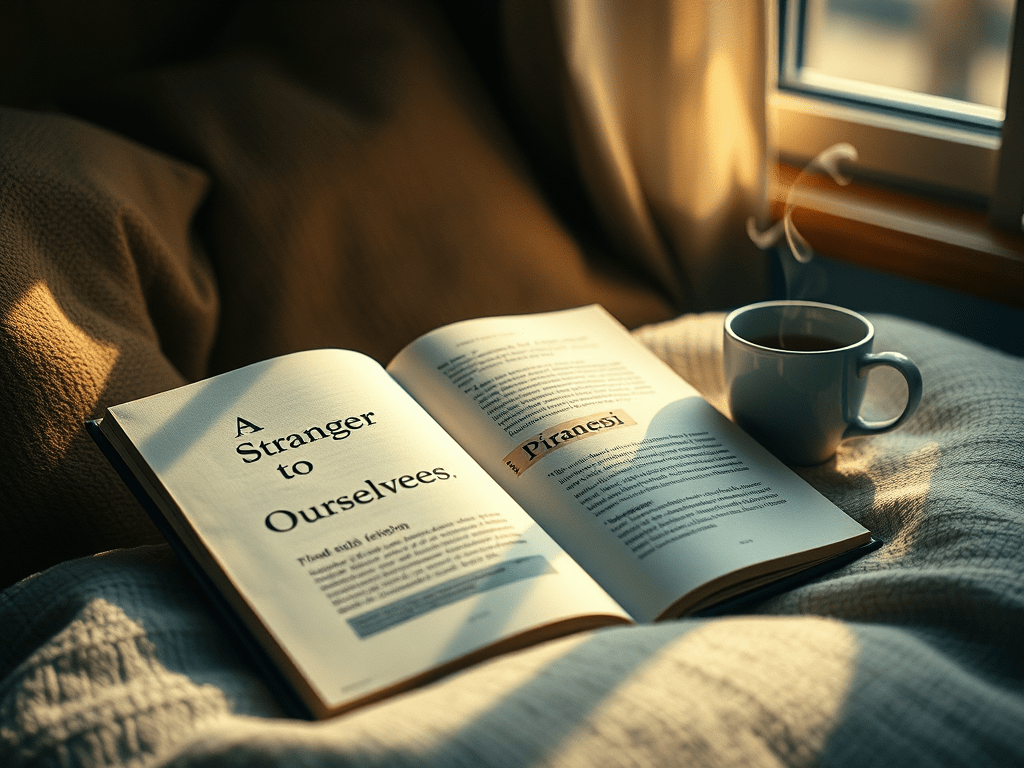
A Stranger to Ourselves  – Unsettled Minds and the Stories that Make Us – by Rachel Aviv. 

I opened the door and welcomed the girls in. I had clutched in my hands the book , A Stranger to Ourselves  – Unsettled Minds and the Stories that Make Us – by Rachel Aviv. 

The daughter and her friend had completely different greetings – but the tones were likable enough, and I smiled broadly.

“So, whatchu reading now?”

“Ooh! That sounds heavy Aunty!” 

I told them. 

This book outlines the lives of six different people across different cultures and timelines, and their struggle with mental health.

Given all of our advances in health, mental health still has a long way to go. The unseen frontiers of the power of our minds, the terrifying depths to which it can plumb us, the giddying heights to which it can make us soar, the ruts from which no tow truck could extricate us – they are all true.

We chatted about this-and-that and other book recommendations.

“Oh Aunty! You should totally read Piranesi!” said the daughter’s friend, her eyes widening when she realized that I’d taken her suggestion and read a teenage angst novel. “You like mythology – well, I don’t want to give too much away – but you’ll like it.”

Piranesi – By Suzanna Clark

Piranesi is a book that I found vague and disconcerting in the beginning. Then, a book I wondered about long after I’d finished reading it. What did it mean exactly? The premise is that a person is stuck in an alternate reality – a large palace-like place with corridors lined with statues, flooding basements where the ocean tides creep in, and large, open spaces in which to ponder life about. But that is it. There are no other creatures – save a visiting raven or two – and one other person called the ‘Other’.

How to make sense of a reality like that?

I read these two books together a few months earlier. I had them jotted down somewhere to be written about. Given the flurry of posts and things to write about, I thought I would leave these out.

But I found that I couldn’t.

For these books both lodged themselves for different reasons. 

Piranesi makes one think of all the palaces we construct in our minds – which ones are escapable from? Which ones serve as prisons?

Stranger to Ourselves makes one wonder about what a narrow path normalcy is. 

“I think, therefore I am.”

– Rene Descartes

The next time I saw the girls together, I asked them what they thought of the books, and we went on to have an inspired discussion on how our thoughts shape our reality and so on.

Books References:

  • Piranesi – Suzanne Clark &
  • Strangers to ourselves – Unsettled Minds and the Stories that make us – Rachel Aviv

The Power of our Emotions

Patience is a Virtue

“She can be hot-tempered!” my mother would say with a damning tone, which I thought was pretty rich coming from someone who had always been a bit of a live wire. 

“Patience is a virtue!” the father would say, and sing a terrible song in an even more terrible voice:

பொறுமை எனும் நகை அணிந்து

பெருமை கொள்ள வேண்டும் பெண்கள்

Meaning: Women should wear the jewels of patience, and feel pride in it.

And I would just lose it.

Again, coming from the pair that bickered their life through, it was a bit much.  

From a young age, I was led to believe that impatience, anger, and hot-headedness are vices. So, every time I felt this way, it bothered me – less over time, but bothered me nonetheless. While anger is better wielded when in control, there is a necessity for righteous anger, and even anger to defend oneself, or someone else. There is also a necessity to wield it as a protective shield – especially as a woman. So, why do we continue to tell women it isn’t okay to be angry? 

Is Patience a Virtue or a Vice?

Even as recent as last month, I was told that a friend of mine never lost her temper, in glowing terms. I had a cold, and was coughing and sputtering through a phone-call.  

“Did you try boiling the water using the kettle?” the mother said, not listening to what I was saying at all, but telling me what to do in a voice that did a thin job of veiling her true thoughts of my competence in the kitchen.

“No mother! I took three bricks, broke a branch, and tried scraping firestones together to light a fire on which to boil water.”

Hence the : patience is a virtue refrain. 👀I could try being endlessly patient like this friend, could I not?

f3b72f837d0e4d7981fcbb98a519021c_ComfyUI_10079_

As though that was her most redeeming quality. It wasn’t – she was loving, kind, generous, and funny. She was also judgmental and stubborn (her patience actually helped her win her way in the long run, so far from it being a virtue, I saw it as sometimes being problematic), but there it was. 

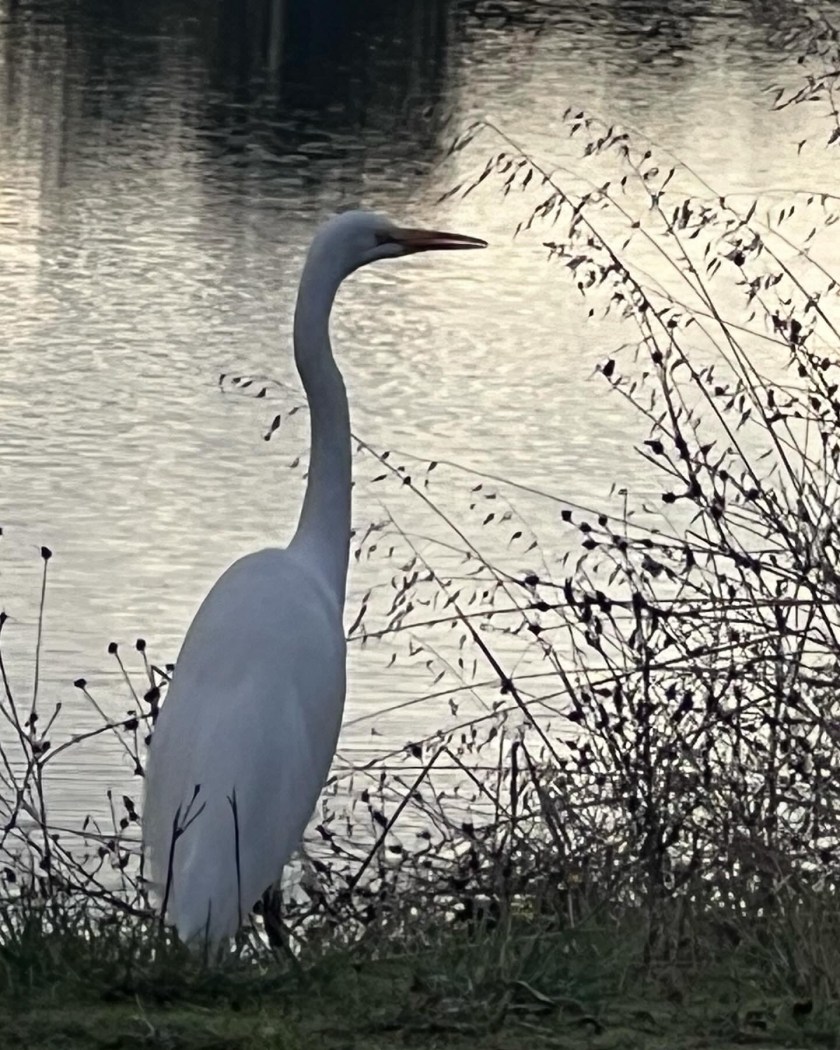
Cranes are endlessly patient, brutally so, in their quest for what they want, aren’t they? Ask the fish what they think of that.

cd3693d5-3eaa-4d3b-ab97-d7c865de8707

“Maybe, Buddha should have been a Bodhini and taught us the way”, I snapped and put the phone down. 

I did feel a twinge afterward – the poor lady was only trying to help, but really! She hadn’t even listened to what I was trying to say, which was somewhat time-critical. Too wound up to speak, and the timezones not contributing to the late hour, the crux of the communique had to be sent as a cryptic message on WhatsApp instead. This, of course,  resulted in tedious messages of varying hilarity, and interruptions. 

Sigh!

Anger from When Women Were Dragons – By Kelly Barnhill

women_dragons

A quote from When Women Were Dragons – By Kelly Barnhill swam to the forefront:

I am sorry. I said, I couldn't look at her face. “I .. I don’t get angry”. I shook my head. “I don’t usually get angry. But lately…”

Mrs Gyzinska gently cupped her hand against my cheek “Anger is a funny thing. And it does funny things to us if we keep it inside. I encourage you to consider a question. Who benefits, my dear, when you force yourself to not feel angry. Clearly not you.”

She glanced around the room. “Look at where you’re living. Think of what you’re being asked to do. You’re not angry? Hell. I’m angry on your behalf.”

I suppose, this is another of those things we need to stop telling our women. Instead stopping to think:

“Who benefits, my dear, when you force yourself to not feel angry?” – Kelly Barnhill, When Women Were Dragons

Just as much as we should stop telling our men to not cry, or feel vulnerable. 

Be A Man

Anger and vulnerability are human emotions capable of just as much as love and loyalty, so why do we deny ourselves the power of these emotions?

Happy Womens’ Day: May we allow ourselves to be angry for the right things in the right proportion at the right time, so that we may do the right thing!

Stimulus🧘🏼‍♀️ 🪷 Pause 🧘🏼‍♀️ 🪷Response

“Life in India is so fast and hectic, isn’t it? “ . We were discussing the fast and furious pace of India with friends. We were each reminiscing our respective trips to India – both made under difficult circumstances, and we were both glad to be back home in the United States.

I nodded fervently, and said wistfully, “Yes – at least during the time I was there, the concept of solitude was rarely acknowledged.”

“Solitude?” And we all laughed. It was true – the populace, and the ways of life make slowing down much harder than usual. It isn’t made any easier with the speed of communications and transportation in cities. The very essence of vibrance that is a huge advantage and a beauty to the civilization was also a disadvantage.

There are times when I have marveled at how the Indian way of life came up with practices such as meditation and yoga, but then I also realize that it was there that it could have developed, for it was required to build still pockets of serene moments into one’s life. in fact, the concepts are nothing short of brilliant. The pause between breaths is essential to be mindful of, when it may be all you can get in terms of mindfulness. The breath becomes the prana in very significant ways. The pause, when rarely taken, becomes harder to practice, and yet the pause becomes that tiny moment of choice in our agency of life.

There are so many aspects to the Philosophy of Being (I am amused it has such a strictly medical sounding name: Ontology)

Keeping ontological explanations aside, if The Nature of Being comes down to simple techniques of breath, fluidity and movement, it makes the simplicity behind it all brilliant.

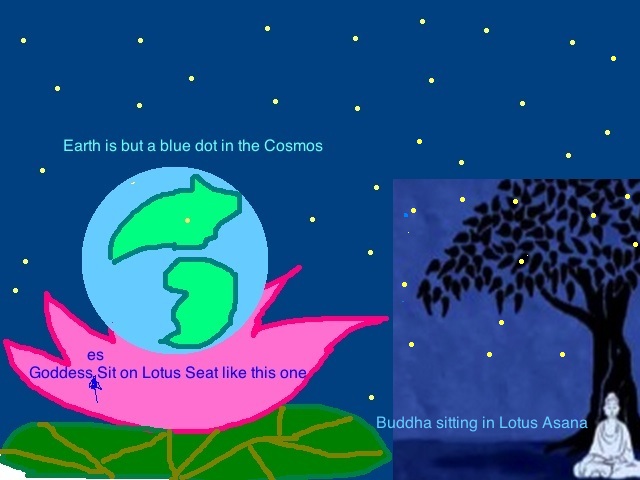
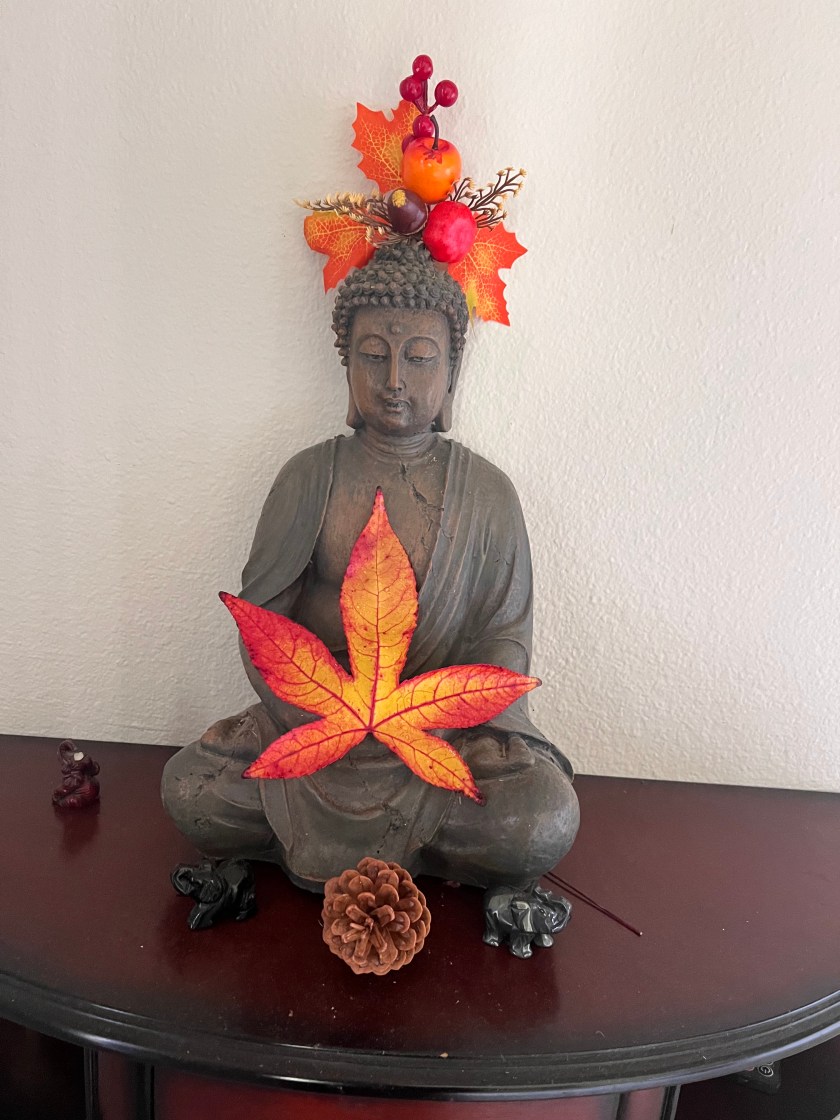
Buddha in Lotus?
Buddha in Lotus?

For many years I had thought of this quote, attributed to Victor Frankl in Man’s Search for Meaning:

“Between stimulus and response, there is a space. In that space lies our freedom and our power to choose our response. In our response lies our growth and our happiness.”

-Quote widely attributed to Viktor Frankl, Author of Man’s Search for Meaning, but not sure: Between Stimulus & Response

Back home, I savored the morning air, as I stepped out for a brisk walk embracing the nippy air. I felt like I could finally hear myself think, and I had a beautiful walk weighing and thinking of such topics as courage, resilience, choices, decision-making etc in the context of our work and personal lives. How one helps us evolve in another sphere, and how we are as human-beings are nothing more than the function of life’s ebbs and flows.

img_8958