The Monarchs of Butterflies

Heliotherms & Heliotropes

The sun was shining. The birds were chirping, the leaves were all showing off that they were as good as their east-coast-fall-color relatives. It was all marvelous. So off we went for a week-end walk. 

The husband tried his best to not roll his eyes as I stopped in several places to admire big, fluffy brown and black caterpillars on the trail. “All those butterflies!” I buzzed. “Such darling guardians of the sun, aren’t they?” 

“What now?”

“Butterflies are heliotherms – did you know that? They get their body heat from directly basking in the sun. And isn’t it such a beautiful word? Heliotherms! Heliotherms flitting to Heliotropes for nectar.”

“Are we going to watch them weave their cocoons or shall we head back?” said the husband. 

Monarchs of Caterpillars

I waved to folks in the neighborhood as we passed, the dogs wagged their tails, the cats gave us looks of live-and-let-live. It was all lovely. What I didn’t realize was that it was all about to get much lovelier. I stopped to chat with a friend.

“I am going to give you a gift – it is a milkweed plant!” she said. I couldn’t help smiling at that. 

“Well – I do love that gift!” I gushed,

“They are required for saving the monarch butterflies, you know?”, she said beaming, and getting that smile on her face that meant she was excited to show me something a biophile would appreciate. 

“Yes I remember reading about it a while ago when the numbers of monarch butterflies had dropped. They planted them all along the migration paths to revive their numbers.” 

Monarch Butterflies: Back from the Brink

“Want to see the caterpillars?” she asked me, giving me a look like Christmas had come early. 

“I just saw a few – big fat furry ones there!” I said pointing vaguely in the direction I’d come from. The husband had that look that said – “I’ve had quite enough of caterpillars for the day!”

 “Come and see these. These are the monarch butterfly’s caterpillars, and they are only found on the milkweed plant itself.”

Now, how could I resist? The husband squiggled away – wishing us a wonderful caterpillar viewing session.

I went into my friend’s garden and am I glad I did?! 

These caterpillars are striped beauties that make you want to sit and admire them all day. Light green, black and yellow, they were squirming and filling themselves on the milkweed plant. Their home looked beautiful in the November sun. Apparently, these caterpillars lived out their entire caterpillar-hood on the milkweed plants. 
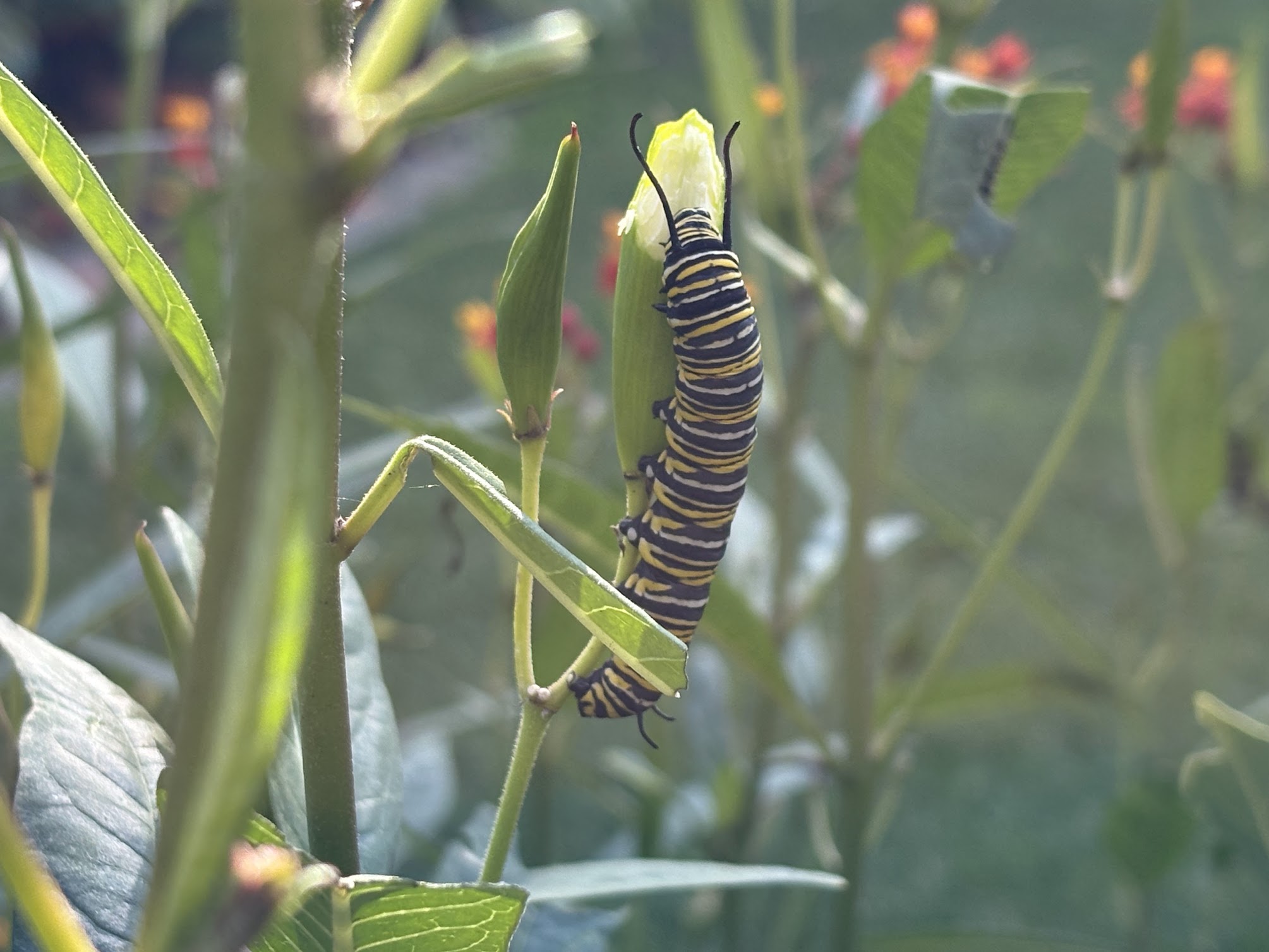
A few years ago, I had written an article on the Monarch butterflies – their numbers had been dwindling and the state of California had revived them by growing milkweed plants everywhere along their migration route. I thought it was for the nectar – now, I know it was for the caterpillars to nest and grow a cocoon in too. 

Lepidoperist

When they say transformative like a butterfly, how many ways can it hold meaning? For there are the ones that become butterflies from the woolly variety. I now remember how my children as elementary schoolers loved talking about the caterpillars, cocoons, and butterflies.  The thick brown and black caterpillars produce butterflies too, but the monarch butterflies only come from the green and black striped beauties on milkweed plants. These caterpillars are really the monarchs of butterflies.
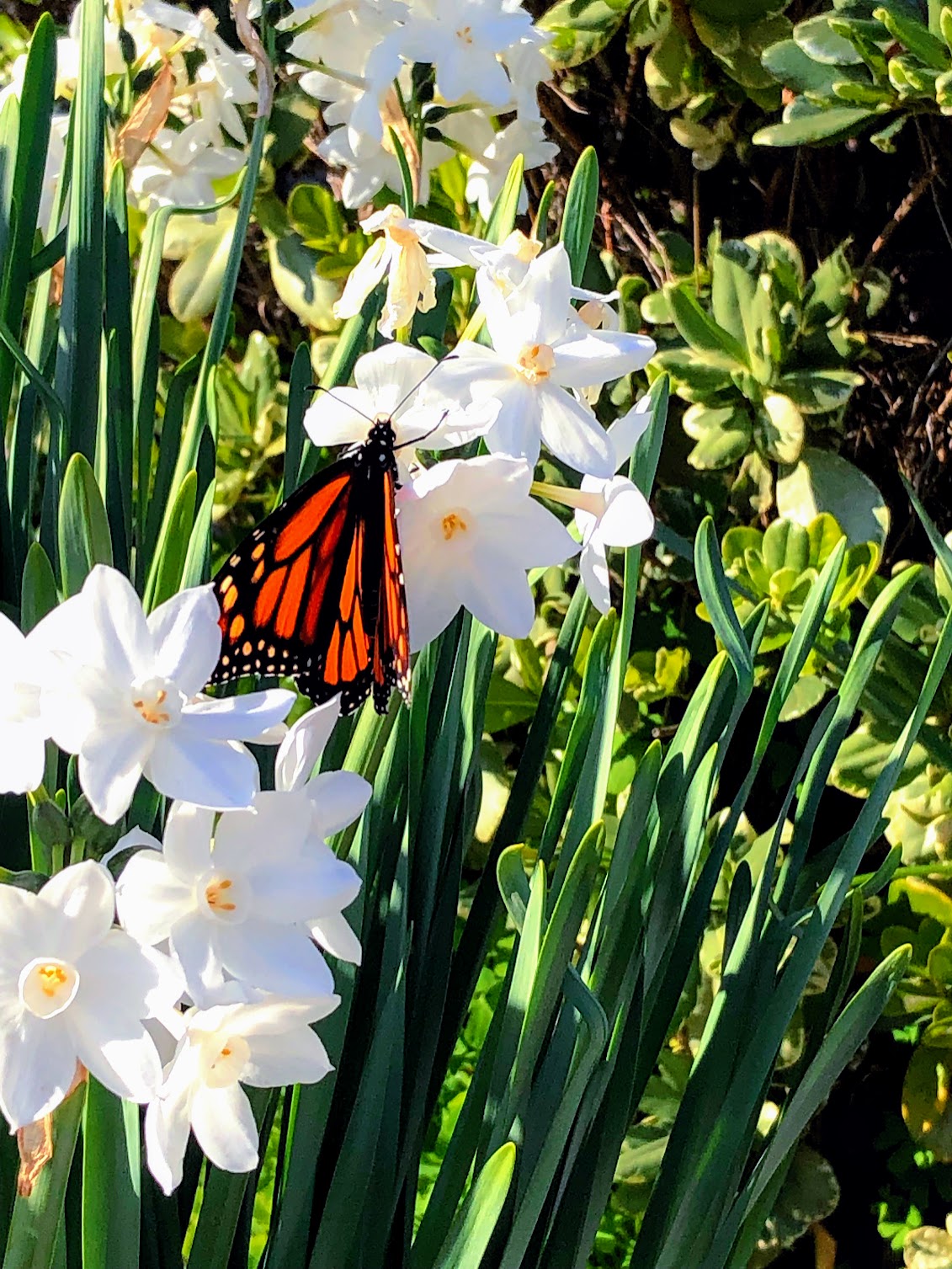
What fascinating things lepidopterists study. (One who studies butterflies and moths are called Lepidopterists)

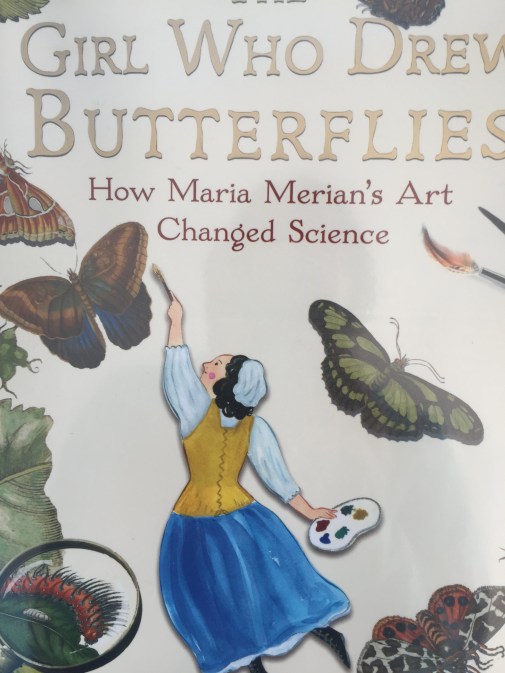
Books: The Girl Who Drew Butterflies: How Maria Merian’s Art Changed Science – Joyce Sidman

The Dance of the Butterflies

Magical March gave us the immense satisfaction of walking to school under magical rainbows,  leprechauns had wreaked havoc and left treasures, my mother got to see her father for the first time at the age of 73, we had a beautiful trip playing in the snow, the doting grandparents arrived and the children have been reveling in the social rainbow that enveloped them.

Out in the natural world, the hills are alive with the sound of moo-sic (cows grazing – get it, get it?), the cherry blossoms send sparks of joy piercing through the soul every time I look at them, and the butterflies have been dancing the dance of joy. Rain showers cleansed the Earth, and all nature around us seems to be smiling benevolently.


One beautiful evening, I stepped out on a walk with my little son. Elementary school children derive a certain pleasure in crouching and looking at ants, snails or ladybugs. This time, however, we crouched down to look at a furry, black caterpillar. After reading Eric Carle’s book, The Very Hungry Caterpillar, everyday for months at a time with each of the children, I did not think that I would be enamored sitting and observing caterpillars, but such is the infectious enthusiasm of youth. (The Wind in the Reefs – Working title of The Wind In The Willows)

I found myself excited and thrilled to crouch and watch the caterpillar make its short journey across the concrete path back into the sidewalk where the bushes grew. I still find it amazing that these creatures metamorphose into butterflies. Eggs->Caterpillar(larvae)->Chrysalis(Pupa)->Butterfly has to be the most magical thing in our daily existence next to rainbows.

Later that week, the crouch with the caterpillar made me reach longingly for the book, The Girl Who Drew Butterflies: How Maria Merian’s Art Changed Science – Joyce Sidman

IMG_8198.jpg

Maria Merian was a naturalist and illustrator in the seventeenth century.  Written by the children’s author and poet, Joyce Sidman, she says:

In many ways, Maria was an enigma. She rarely wrote about anything other than caterpillars…What we do know is that she had boundless energy, insatiable curiosity, and superhuman focus – traits that would have been difficult to live with, but ones that marked her as a true scientist at a time when the odds were stacked against her.

How does one find the passion and perseverance to stick to a field of study in spite of societal disapproval, familial duties and demanding businesses?  The book gives us a glimpse into seventeenth century life: The impossible clamps on Women, the dangerous possibility of any curiosity being mistaken for witchcraft, the difficult life of artists in general and so much more.

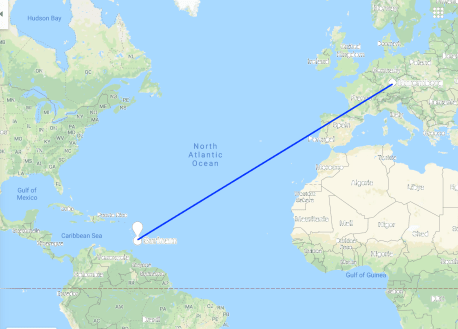
I have always admired those who have high energy levels and put it to good use. Maria Merian was one of those people. She was a brilliant artist, had business acumen and her curiosity about insects made her a pioneer in the field of etymology (A field that did not even have a name until several decades after her death). Her contributions to etymology were remarkable because she also managed to travel to Surinam near Barbados in those days with the sole purpose of studying animal life. Her paintings on Surinam and her books on caterpillars had great appeal in Europe, and Maria Merian went on to transform Art and Science forever.

Screen Shot 2018-03-29 at 5.12.14 PM.png

The book is full of beautiful diagrams, paintings, flowers and plants with little insects on them. It is a joy to thumb through even if it is just to look at the pictures.


Here is to more butterflies, rainbows and magic.