The Most Wonderful Week of the Year!

“This is my favorite week of the year!”, I crooned to the son, and sang, “The most wonderful week of the year!” all out of tune, complete with the wrong lyrics etc, and he gave me an exasperated look. The children can never understand how I can consistently get lyrics wrong. 

We were out walking after lunch. Our gait was leisurely which is to say mine was; he was leaping and prancing like a superhero taming a reindeer on magic mushrooms, while making sounds like a steam engine swooshing and whishing. 

“Why?” he stopped to ask.

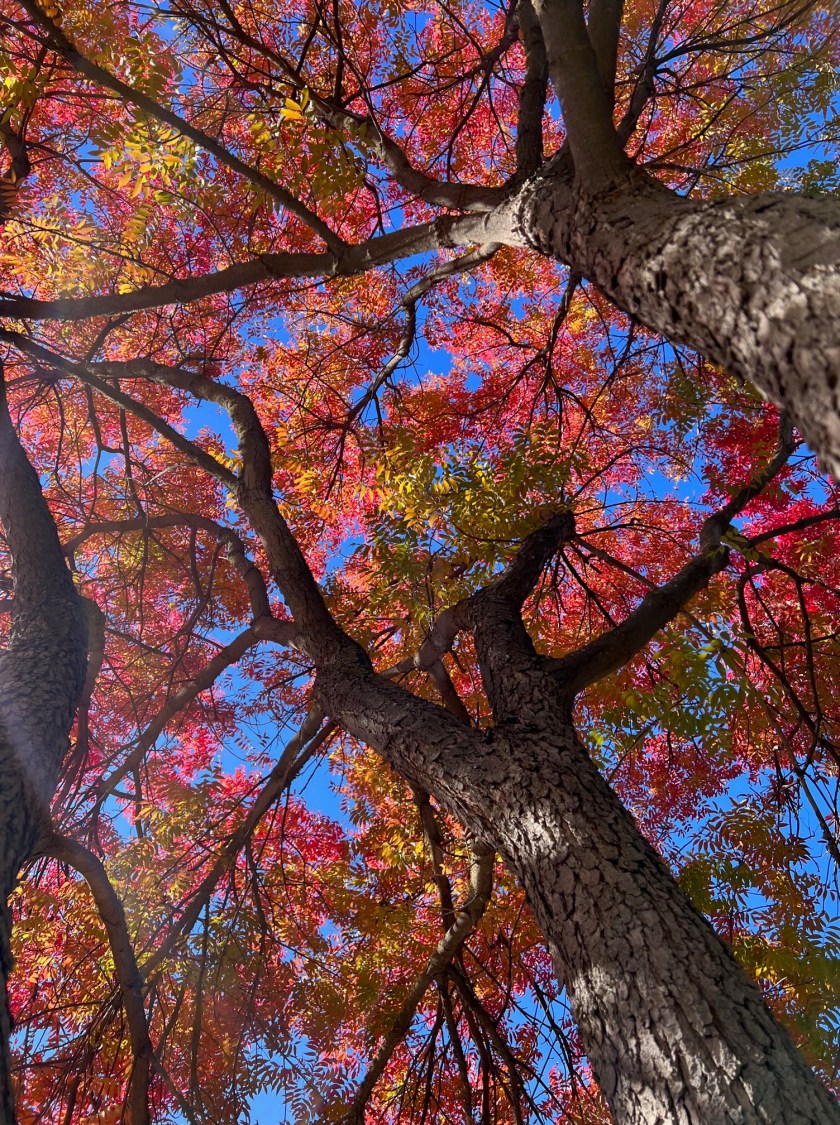
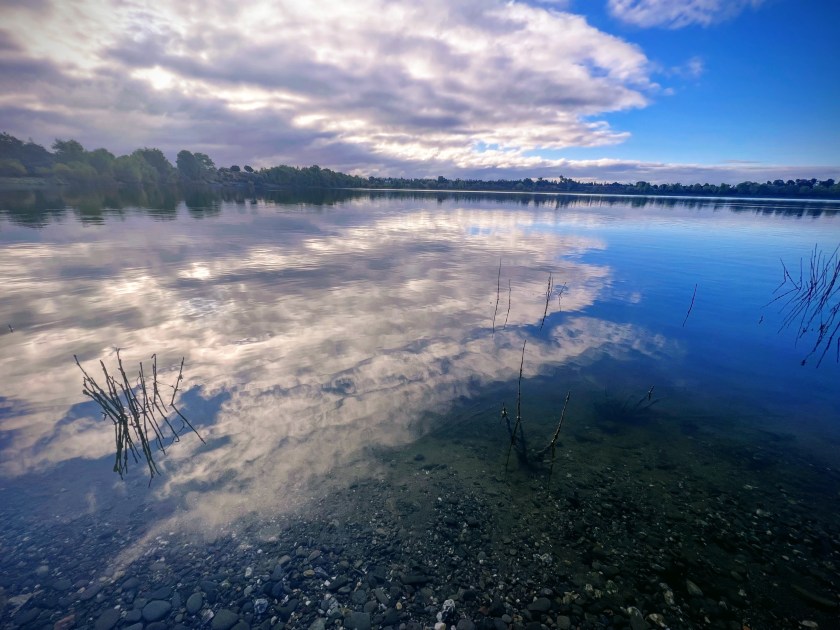
I gestured around us vaguely. The sun was shining, the white fluffy clouds were drifting, the earth was fresh after the rains the previous night, ducks were swimming, gulls were flying overhead, and the humans on the trail were pleasant and happy. We wished each other happy holidays and sniffed in the fresh air. What was not to like?

img_8362img_8243-effects

Last week was even better!

“Yeah – but why this week – last week was even better! We went to see…” he started, and I nodded. It had been a wonderful week – we had been traveling.  The memory of lights and stars shone alongside family, friends, nephews, nieces, and aunts. We ate glorious foods prepared with love by extended family, played marvelous games, and took delicious sips of tea. 

“Yes – last week was wonderful, but I mean – I like this week every year. The week between Christmas and New Years. The week when we all seem to be off together, waiting for the year to wind down and getting ready for the new year.”

“I prefer summer!” he said, and I gave him an amused look. 

“Summer vacations and school going children. We don’t get that sort of luxury do we? “ I asked him, and he laughed.

“No! I like this week, and am going to enjoy it. Maybe go and eat a snack, write a post, read a book, and do anything at all the mind fancies!” I said, and skipped a bit as we turned homewards.

The Feeling

There’s nostalgia, relief, expectation, hope, optimism, a sense of wrapping up, mingled with the feeling of opening in to the new year. There must be a word for that feeling. Do caterpillars feel that way in their cocoon? No – that is too powerful, after all our metamorphoses are not half as dramatic.

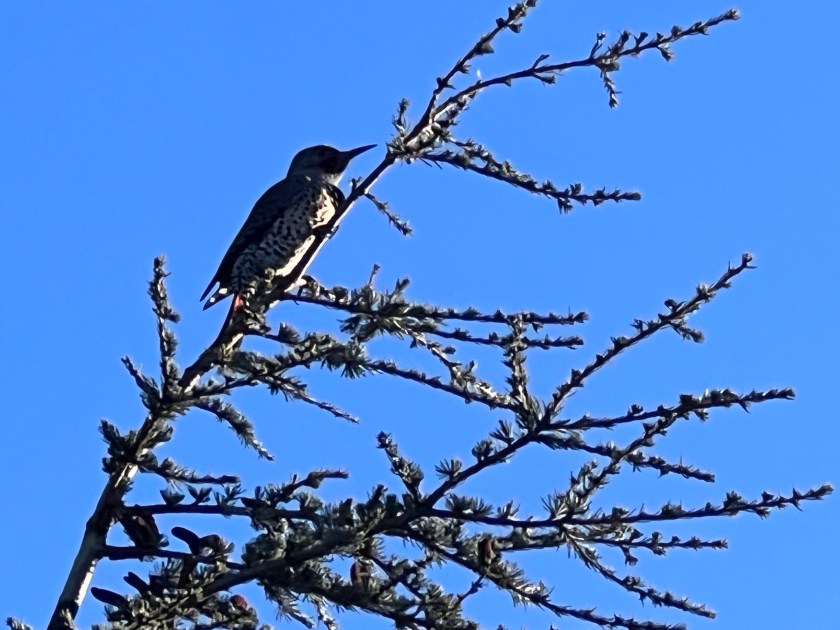
“So, what’s your post about?” he asked pulling me away from my thoughts, and we discussed caterpillars, wars, words, and other inconsequential things. The birds chirped outside, and the teapot gurgled inside. 

All was well. Happy New Year to all of you!
A Sleepy Jolly Christmas

I lounged in bed – it was a Sunday morning, and the approaching holidays made the whole world seem more warm even though the world outside was foggy, rainy, and cold. It was the perfect weather to be doing nothing. It was also the perfect day – no one should be expected to bustle about on Sundays, I said severely to no one. The whole house seemed to have been knackered – there was some movement elsewhere but we were all happy to be left alone.

I read a series of books one after the other, still lounging in bed, completely aware of what a luxury that was. Indian women of our generation are used to this voice: it chastises you every time you don’t get yourself up to toil for the rest of the people around you. I ignored this voice resolutely, and plodded on. Indians pride themselves so unnecessarily on rising early and all that lark, it makes me mad. I liked sleeping in on cold wintry week-ends. Always have, even when the neighboring temple started blaring its margazhi music at an ungodly hour, or the maids swooped in to sweep at times when one cannot expect to be fully conscious.

The past few days had been a lot of doing after all. 

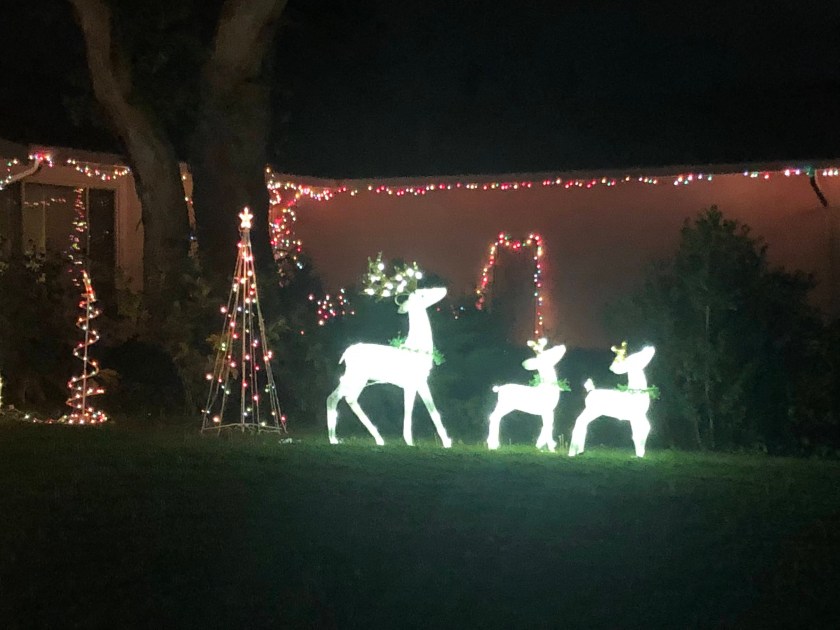
The Christmas tree and the decorations were finally up, and the husband and children had gone overboard with all the twinkling lights and the music during the decorating itself. The son and I sat by the twinkling lights of the christmas tree, and the little lights from the street outside well past midnight the previous night reading. It was a beautiful, silent night. 

img_8773

I remember sitting and reading well after the children went to bed. It felt nice – like I was sitting inside a christmas card. The only thing missing was a robin chirping. I smiled to myself thinking of this, and started up a silly song in my head. 

November’s gone nilly nilly, December’s here.

December’s here dilly, dilly, the year will be gone.

Where shall we start willy willy, what shall we do?

The next morning was a school day, and as such, did not afford the luxuries of the previous day. I stepped out for a short stroll before the day started, and the cloudy rainy day meant that the air was fresh, if nippy, the ground moist with the rains, and the whole Earth smelling fragrant and beautiful. 

As I was driving a few minutes later, the sun burst out from behind the clouds, and I scanned the skies feverishly for a rainbow. It must be somewhere – the conditions were just right after all. After a while of looking, when I’d almost given up, the little rainbow showed itself – not one of those fully formed ones, just a small-ish patch of it nestled amidst the clouds. But I had the luxury of seeing it from the bridge, and the bay below seemed to become prettier just by virtue of that. The birds flew past, and the clouds skittered, the world beautiful, and fresh once again.

The sun seemed to send the message that it was a day meant to be bustling about, and I didn’t mind that so much. It isn’t often that things turn out this way, and when it did, I was grateful to take advantage of them.

The Past, Present and Future of Jobs

“So, you work at a job that essentially takes away your own job?”, said the son.This is the kind of meta stuff that he finds exciting.

The Thanksgiving week-end was rife with conversations about the corporate drama that in yester years could be equated to the coups of thrones. Would the CEO go? Would the Board of Governors go? Would they both go? Who would be their replacement?

Last year the world popped their popcorns and watched the unfolding drama of an unraveling Twitter with Elon Musk and his hostile takeover of the company, now rechristened X, though the URL still points to twitter.com because the TFE team was probably let go.

This year, it seems much of the dramatic action came from OpenAI CEO, Sam Altman. In modern day Wall Street wars, CEOs, (or C-Staff) and the Boards of companies provide for much of the action. Will the market hold? Will the Sensex drop?

What happens to the interest rates?

One of our friends was explaining to the children about their own roles – technical roles in which they enable AI to be utilized intelligently. One was working on images, another on code frameworks itself. A niece who was majoring in biology told me how they were already being encouraged to use ChatGPT to generate code for them. They only needed to see the results of the datasets fed into the model.

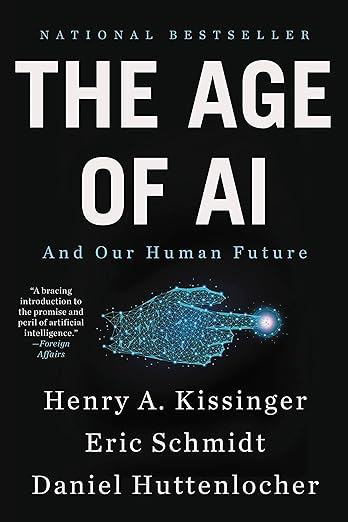
age_of_ai

Fascinating as it all was, I was left musing on the future of work. It seems a rather recurring theme of late. There are image generators to replace artists, code generators for software engineers, of course plenty of writing that can be replaced with intelligent prompting. So, why not the design and maintenance of these systems too?

I picked up the book from my recent library pile:

The Worst Children’s Job in History – Sir Tony Robinson

worst_jobs

The book was truly horrific and true. If anyone was wondering about the future of jobs and feeling glum, they could actually be grateful that the past nature of our jobs are well behind us.

Every job not only held misery, but a generous helping of walloping, not enough food, abysmal conditions, no thought for safety etc. Compared to those jobs, the present day conditions of occupying ourselves and our children seems fantastic. I only hope this trend continues for, our current nature of jobs is about to upended again.

It seems with the speed of technological challenges, the cycles with which our jobs are upended seems to be quicker and quicker.

A couple of generations ago, seamstresses, tailors, knitters, bat makers, ball makers, farmers, equipment handlers all saw their jobs upended by mechanization.

Then the next generation saw people’s fortunes needing more specialized skillsets such as coding, scientific knowledge etc.

Recently, call center jobs, desk phones, phones that were in the family room all went away, to be replaced by cell phones. Those of us who remember having to take a friend’s call in the living room with three uncles, five aunts, three cousins of varying age and maturity levels, two grandparents and a maid, will forever envy the children of today who quietly buzz out of vicinity taking their phone calls mysteriously with them. 

The next wave of AI seems to be disrupting industries that I’d hoped would not be. Creative industries that are already hard to make a living in: storytelling, image generation, writing, etc

Will our grandchildren read books about us in this era and feel sorry for us that we had to slave in front of our computers all day long to accomplish certain things, spend days getting tests done in medical labs to determine what was the matter with us?

What would the future of our jobs look like?

More importantly, in this quest for bettering the use of our time, do we hope to become at peace with who we are without being defined by what occupies our time? If so, maybe we should start equipping ourselves towards that, shouldn’t we?

Let me know your thoughts.

Books:

  • The Worst Children’s Jobs in History – Sir Tony Robinson
  • The Age of AI – Henry Kissinger

The moon in the willows

With the full moon approaching, the beautiful waxing gibbous moon was often visible – a pale disc, even as the sun is setting, and sending hues of oranges and pinks sky-over. It is a beautiful time of year. November fall colors are in full glory, the occasional rains make for good cloud cover, and the nip in the air makes for an energetic walk whether we start that way or not.

On one such evening, as I frisked about, I looked up at the sky. In one breath taking moment, there was the moon shining through the spilling branches of the willow trees. I took a picture, but of course, it captured nothing of that moment.

img_8560

A few steps on, I smiled as a small wren pipped in and out of the gingko trees. The gingkos are all cloaked in a golden yellow. All of them are waiting: waiting for an older gingko who has still not changed colors completely. In Oliver Sacks essays, he writes of the communication patterns between these beautiful trees who have lived to tell us tales from the time dinosaurs roamed the earth to now. 

Read also: The night of the Gingko : By Oliver Sacks in the New Yorker magazine.

img_8501

It must be marvelous dipping in and out of the fall colored foliage like that. Imagine living in a nest surrounded by the golden glow of a gingko tree, or the multicolored heaven of a maple tree. Oh! To be a shape sifter would be marvelous.

Back home, I nursed a cup of hot coffee as I peered into the sunshine outside. I shushed the daughter as she came over to see what had me quiet. There it was: a big fat brown rat, sunning itself. “Ugh! Go away! Go away!” the daughter said, but the rat did not think it necessary to budge. I tried opening the door loudly, and it moved towards the shadows of the trees  hesitantly. The daughter gave me a stern look, “What would you do if it ran inside Mother?” 

I admit I had not thought of that possibility. “In my experience with rats, they scamper away, not towards you. Unless, of course, you were a cat, and the rat was infected by toxoplasma gondii.”

I looked at her with what I call a winning smile. She ignored this, and went her way. I let the rat be, and went about composing a little poem in my head. What I mean to say was it was a marvelous day to be outside. Thanksgiving can come in various forms. It can come in the form of 

The moon in the willows

The bird in the gingkos, and

The rat in the shadows.

🍁Sauntering🍁,🍁Strolling🍁, 🍁Scrunchfesting 🍁

The son and I pranced into the house with our bouquet of fall leaves. We went for a walk to feel the nippy November air on our faces. While out there, we ran after leaves fluttering down in the winds, and indulged in the inevitable scrunch party. 

“No one saw us jump and scrunch in the leaves, Appa!” he said entering the house wind-blown and happy.

“Are you sure?” said the husband, accepting the beautiful bouquet of fall leaves from us, and giving it right back to me with a flourish.

“ I saw some neighbors scuttle inside looking dubious at the activity outside. You sure it wasn’t you two?” 

The son guffawed loudly at that. I scrunched up my face – but was too happy to care. Who could when you’ve just been able to look at views like this?

IMG_0506

Seems only yesterday we were ushering in 2023 and now we are already looking at the final curtain calls of the splendid trees before the closing of the year. As usual, if I throw my mind back the year felt differently at different points in time. Bleak, dreary, joyous, hectic ,the travails of aging with parental figures, friends, events, work, school, volunteer work and so much more.

There is a book called the Secrets of Infinity in my library – Edited by Anonio Lamua, it is a gorgeous book. It gets taken out and seen every now and then just for the sheer brilliance of the topics and the range of topics in them. But there is one thing the book doesn’t quite put the finger on: the feeling of infinity in the repeating seasons of the Earth, the different joys of each month. 

The Tibetan Infinity Knot and the Ouroboros come close in their symbolism – but one of more to do with our actions and therefore Karma and the other a destruction/creation paradigm. 

“So, how do the leaves turn color?”, I said with a flourish revealing the book Summer Green to Autumn Gold – By Mia Posada. The book’s illustrations managed to capture the natural beauties outside, and we settled in to read the book contentedly. 

We flipped the pages comparing the leaves we had in our precious bouquet to the ones in the book. The final reveal of the pigment colors gave us the different colors.

🍁Carotenids : the pigments for the orange and yellow colors

🍁Anthocyanins: the pigments that are responsible for the purples and reds. 

🍁Tannins: responsible for the brown color.

“Trees must be beings of infinity!” , I said sighing happily and the son rolled his eyes.

The Light of Being

The evenings have been drawing in earlier and earlier. As if the natural tilt of the axis weren’t enough, there was a time change thrown in. The result is that my evening walk is in the company of the glittering stars, and I am grateful for these little reminders of light – as far away as they may be. 

One evening I found myself thinking of this and that on my evening walk. The stars twinkled above, the leaves crunched below. Though I could not make out the colors just then, I could imagine them well enough in my mind’s eyes – bright reds, yellows, deep maroons. 

Californian Novembers are magical indeed. 

IMG_0506

Where our northern or eastern counterparts would already be bracing for the winters, our autumn cloaks are just getting started. Our gingkos have only just donned their beautiful cloaks of buttery mellow yellow, the maples and oaks, their swirling cloaks of ruby reds, and thick velvety ones of deep maroon. I wondered when the cold would start and looked up at the stars instinctively. 

Albus Dumbledore seemed to wink at me through the stars: 

“Happiness can be found, even in the darkest of times, if one only remembers to turn on the light.”

– Dumbledore in the Harry Potter and the Prisoner of Azkaban 

I swished on for a bit pondering.

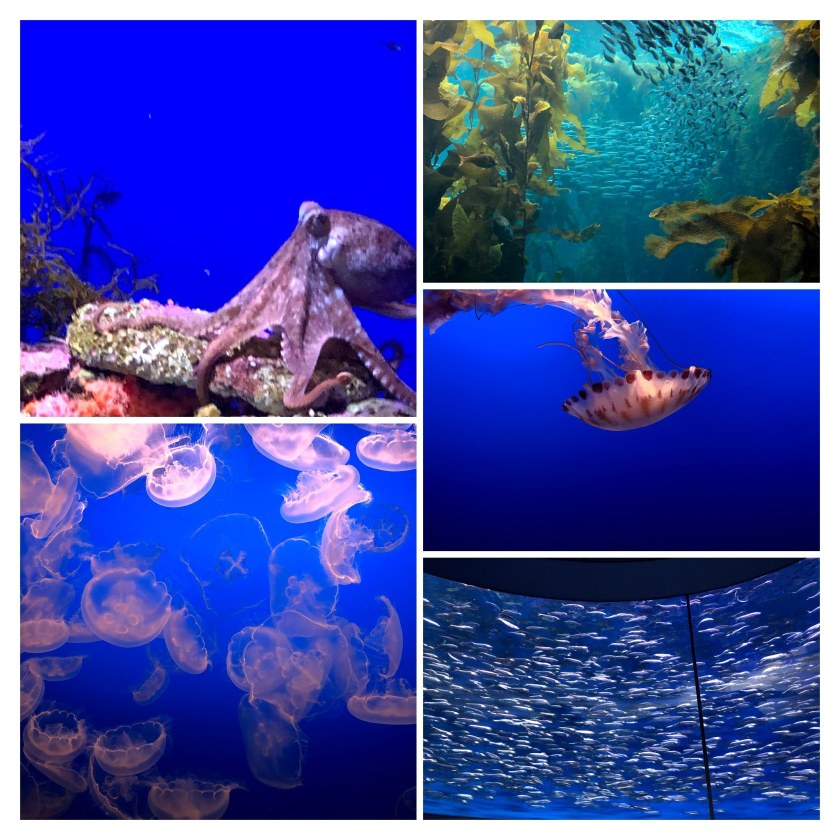
Deep in the epipelagic layers of the ocean, there are creatures who have taken this to heart. In the twilight zone, the only light they have is their own. How must that feel to them? The deepest darkest nooks and crannies of an unforgiving ocean made accessible only through their own bioluminescence. 

IMG_2457-COLLAGE

In one fell arc bypassing lands and atmospheres, the stars and the bioluminescent life in the oceans seem to share a Light of Being. 

What are our sources for finding the light in ourselves – the means of switching on the inner lights? Good friends, warm meals, bracing walks in nature, the finest ideas in literature, art and music. Hygge. A halo that reflects the warmth and light within, in the harshest of winters, and the coolest of springs? If only we could all cast our own little patronus.

img_4883

Books: 

👻🎃 I Am Hopeful Because 👻🎃

I sat on All Hallows Eve bathed in an orange glow, marking and judging entries for a literature contest. If ever there was a content pumpkin contest, there I was, readymade. It was quite an enjoyable task, and I sat quietly reading stories, poems and essays on the topic, “I Am Hopeful Because”. 

Throughout the evening, I waddled out of my desk to open the door and bellowed, “Who dared to ring the bell? Ho ho ho!”. I thought I was doing pretty well till the son asked me why Santa was ho-ho-ho-ing on Halloween. Oh well!

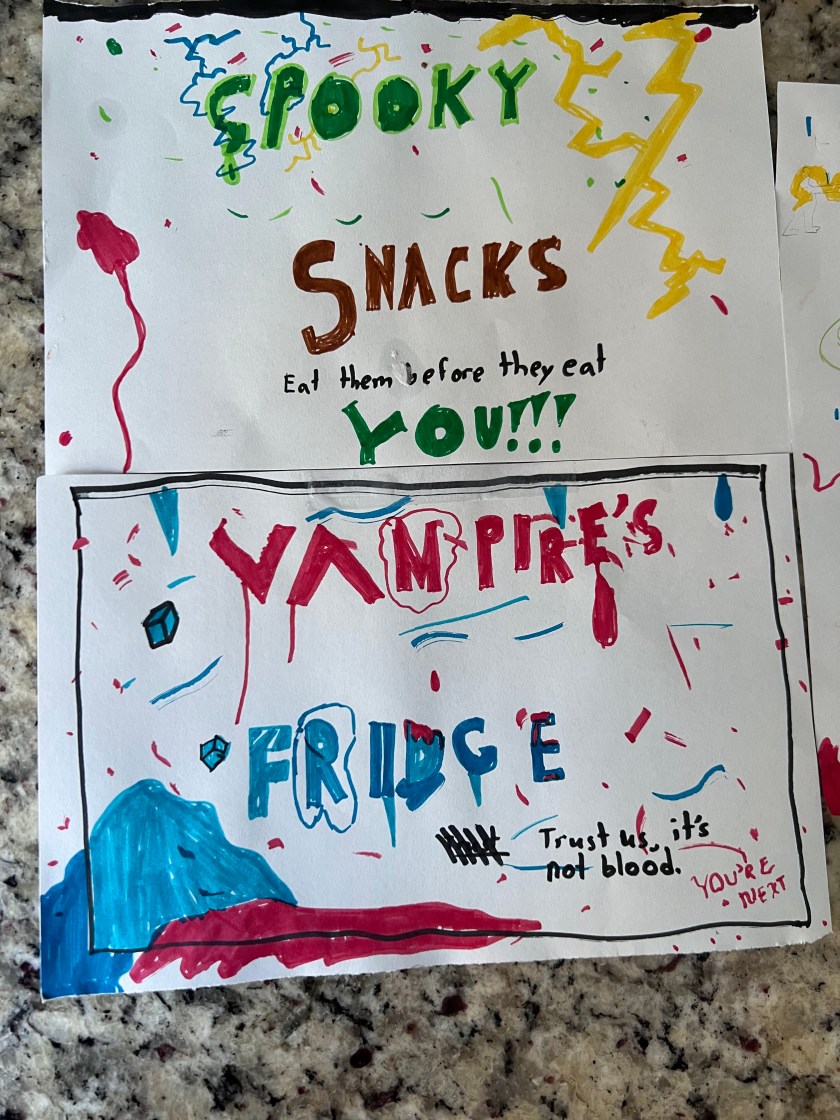
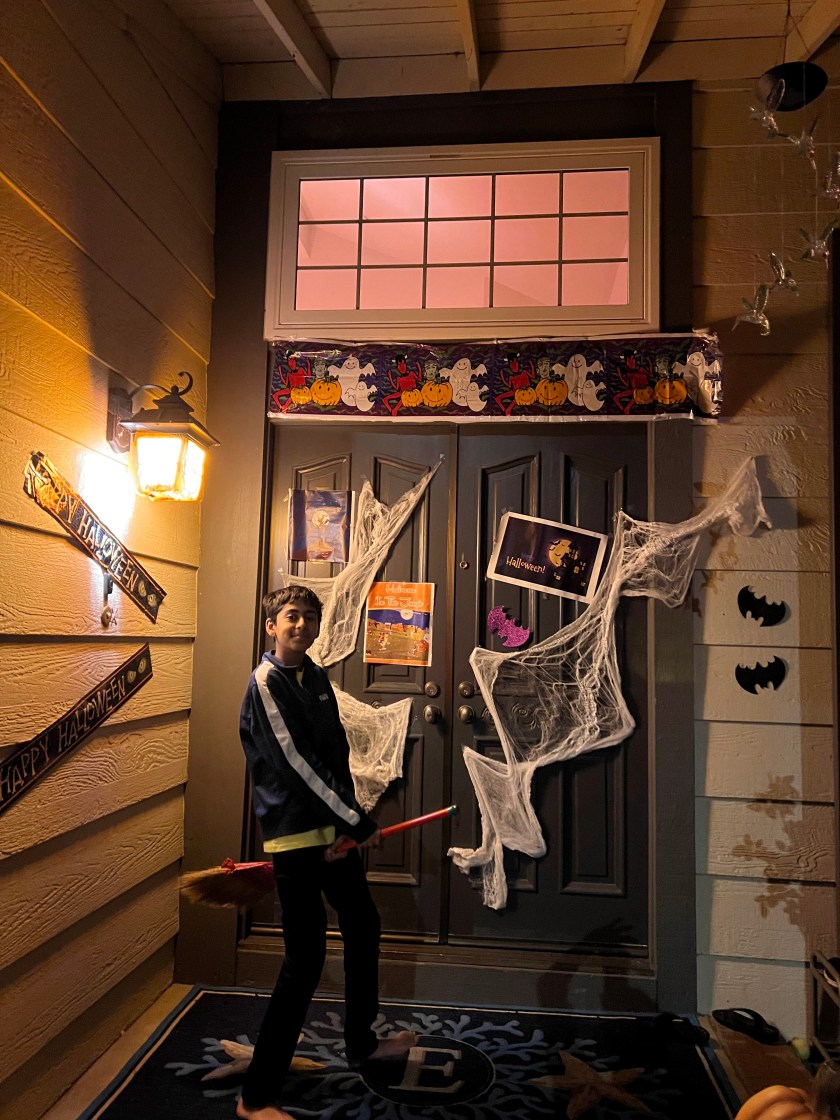
Halloween is one of my favorite American festivals.  The house was reasonably well decorated. Pretty soon, penguins, vampires, mermaids, peanut butter and jelly sandwiches all come knocking on the door despite the ominous sign by the door that read, “Knock if you dare!”.

img_8351

 The son and his friends had a roaring Candy Exchange Business going on the side I understood later. He came into the house looking flushed from the cold, and bursting with news. Apparently, he’d been able to auction a Kit-Kat for 2 Twix, a Ghirardelli white chocolate piece, and an M&M packet. He also had instituted a monopoly on all the Sour Patch Candy, and found himself bartering and trading like the fellows on the stock exchange. I smiled. 

“How was your evening?” he asked. It had been one of those rare Halloween evenings when I had stayed put inside the home instead of gallivanting with the revelers. I love the atmosphere of Halloween as regular readers know, but this time a minor biking accident had me sitting inside, while the Halloween revelers roamed the candy laden streets. They mapped best routes, best homes to hit for the best candies resulting in rounds of discussion. It was all marvelous.

img_8259

I did miss the magic of the halloween streets with moonlight filtering through the clouds, black cats slinking through the streets, raccoons wondering what all the fuss was about, and chattering children racing towards lit up porches for some Halloween candy. But it was also a surreal, beautiful evening. A reminder of the joys of winter evenings, of warmth drawing in as the evenings became colder. That first feeling of Hygge. 

I told him that I was hopeful because the evening was full of well-behaved children. The children all seemed to be so happy to receive a piece of candy, even though they all live in an economy and a community where far too much sugar is available for consumption. One or two of them even returned a couple of pieces of candy when they’d had a few more than they thought they wanted. 

The sweet honesty of these children in times when we are constantly reminded of our flaws and failures was refreshing, and the gentle interactions through the evening with adults and children alike, was very pleasant indeed.

halloween_ij

“We’re all mad here.”

– Lewis Carroll, Alice in Wonderland

Raindrops on Roses

The tasks of the day done, I plonked myself on the window ledge, hoping to catch a glimpse of the waning moon before heading to bed. The nights in a waning moon cycle seem to hold a twinge of disappointment – the moon rises later and later. It is like the beautiful moon  is teasing us to forget its luminous glow before it starts up again, gaining in hope and luminosity as the waxing cycle kicks off.

I peered out of the window into the dark driveway outside and let out a gasp. It had been raining, or drizzling, and I was completely unaware. Oh!

Earlier that evening, the son and I had gone out for a stroll, hopefully clutching our umbrellas, and peering at the clouds overhead, but nothing happened. By the time we headed back the clouds had started parting, and we didn’t think anymore of it.

But now, sitting on the wooden ledge, I felt a pang. I have mentioned californian summers before – bursting with wildflowers, brown hills, aside, they also tend to linger on. By the time October rolls around, there is a distinct shabbiness to the summer looks – the flowers have dried out or faded on their stems, the hills have gone from a golden hue to a dull brown. All in all, there is a yearning for cooler days. 

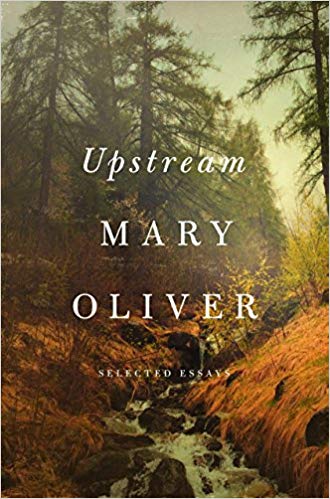
I sat and watched the quiet wet scene for a few minutes longer. It felt good to do nothing for a few moments after a long day of doing. Sometimes, I feel Mary Oliver’s three selves (The child, the doer and the dreamer) are constantly being overshadowed by the doer.

upstream

The child only peeks out occasionally, and when it does, it is always joyful, hopeful and wondrous. The promise of a new day, the beauty of a flower, the cool air after the rain and so on. The dreamer and the child self seem to get along quite well – one encouraging the other, teasing and prodding along the way. 

https://www.themarginalian.org/2016/10/12/mary-oliver-upstream-creativity-power-time/

This quiet contemplation at midnight was so refreshing, I had no desire to head to bed even though the adult self knew I must. The doer beckoned the next day.

The next morning as we stepped out into the fresh rain-covered morning, the son and I sniffed the cold air. We stopped to peer into a rose still wet from the rains of the previous day. A moment of peace nudged its way into the usually harried rush to school, and we looked up together smiling at the same time.

raindrops_on_roses

‘Tell me, what is it you plan to do with your one wild and precious life?’

  • Mary Oliver

Maps in Books

It was a lovely week-end afternoon. We lounged about – each in our own worlds, forgetting the pressures of the world and reading. Earlier that day, the children and I had piled into the car and headed out to the library. I was given reading lists to catch up on. 

“Been a while since you read your children’s books huh?” said the son, handing me a few he’d picked up from the children’s section. I accepted the lot with gratitude. “Yes! Spirit-savers they are!” I beamed and he seemed pleased with himself.

“You really need to get a good go on world building. Harry Potter is all very well, but you must read the Throne of Glass, amma.” said the daughter. I looked a bit skeptical, but the daughter assured me that I was going to immerse myself in this world and love it.

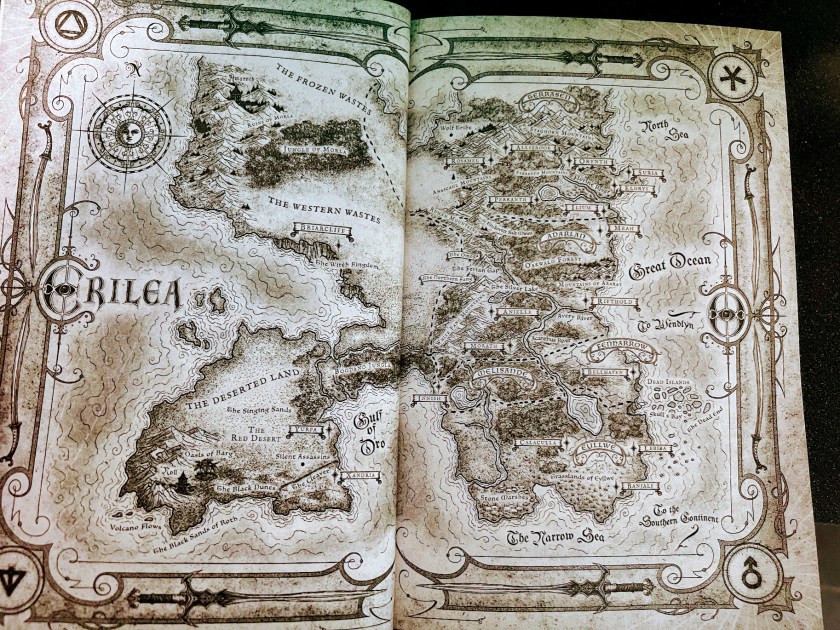
I gingerly opened the book like it was a cat with claws and would pounce when awoken from slumber. Teenagers (or at least the ones I interact with on a regular basis) really seem to like fantasy – most books I hear them gushing about are SF/ fantasy after all. The first page had a map of Eritrea, and I felt a small smile tug at my lips. She detected it, and quickly went in for the close, “Nice map isn’t it? Can you ever resist a book with a map? I know I can’t. Aww…look at this place – the mines, the capital, the desert. Hmm.”

“Over the course of the series, I feel like I’ve visited everywhere!” she said. I nodded absentmindedly. I did like books with maps. EarthSea, Lord of the Rings, Wizard of Oz, and so many more. Maybe it has to do with this fascination and awe for those with spatial skills. Maybe it has to do with the possibilities of imagining ourselves in another space altogether. Whatever it was, I opened the book, ready to enter teenage conversations again after the book was read. 

The daughter, I realized had ulterior motives for encouraging me thus. Apparently, she and a friend had had a bet that I wouldn’t finish reading the book – too ‘teenagy ‘ they’d thought. The daughter, of course, said nothing of this till I was well into the book . Celaena Sardothien had taught her well.

I had seen the books lining the shelves. Large tomes, and going up to 7 books. If I liked one, I did have a series ahead of me, and that was an intriguing thought. 

erilea

I did like the book. I loved the pluck of the women, the cluelessness of the crown prince, and the competence of his guard. Whether I would go on to read all 7 books, I don’t know, but the first book was a good one, I said to the daughter. 

She smiled and said she was not particularly fussed either way as she only wanted me to read the first one to win her bet. Oh well!

The Magic of Malgudi

Maybe it was the fact that we visited the home of R K Narayan after the opulence of the Mysore Palace, or the fact that while all of rural Karnataka seemed to have decided on Mysore Palace, nobody had thought of R K Narayan’s abode, but the author’s bungalow on a quiet residential street was like a little cocoon of quiet and peace. A lovely setting in which to imagine the most magical tales of small-town Malgudi.

It isn’t a humble abode – it is a beautiful house set in an upper middle class neighborhood. White and two-storeyed, it is a lovely home and while inside, I couldn’t help remembering his own notes on how he had acquired the piece of land on which it was built. 

rknarayan

Book: The Grandmother’s Tale – By R K Narayan.

Far away from the town center as it was then, the realtor had promised him that it would be the bustling center of town one day. He left his noisy abode in Vinayak Street, and moved to this one – with the railway tracks to one side, the lilting hills and the then empty lands stretching between the home and the Mysore Palace.

img_7457

With his characteristic wit, he wrote of his gardener, Annamalai, who helped maintain the land around his house. Annamalai, like most men of the soil, intuitively knew how to clean and maintain lands.

I stooped to look at the plants for a brief moment before entering the home and remembered Annamalai’s classification: “This is a poon-chedi” (flowering plant) and chuckled to myself. 

“If he liked a plant, he called it poon-chedi and allowed it to flourish. The ones he did not like, he called “poondu” (weed), and threw over the fence.”

  • R K Narayan –  The Grandmother’s Tale (Story: Annamalai)

Annamalai was no horticulturist but seems to have taken care of the great man’s lands well enough.

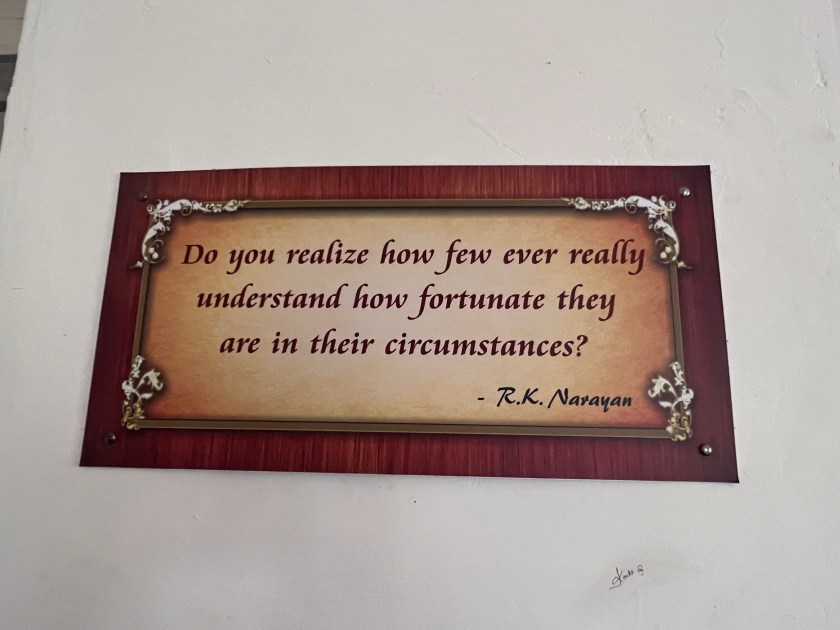
Inside the house, it was largely quiet and the lady who stood at the entrance was happy enough to receive us. She was diminutive, and oddly neither welcoming nor dismissive. She surveyed us as if mildly annoyed with herself for being interested in us. She sometimes followed us as we entered the household and read the quotes off the walls. When it was obvious that we were in awe, and really happy to be in the place where R K Narayan wrote his gentle tales of Malgudi, she turned into a hesitant hostess and urged us to explore the rest of the house too. “Go upstairs and see the bedrooms. That’s where he slept.” she said, and I had to resist chuckling. 

I wondered what the master literary giant would have to say about her. It would be an insightful description no doubt and one tinged with the gentility and charm that he saw humanity with. That much was certain. 

The thing is: going to this quiet house tucked away in a residential locality in Mysore was comforting, and I thanked the brother profusely for showing me this gentle giant’s house. 

“Do you realise how few ever really understand how fortunate they are in their circumstances?”

– R K Narayan

img_7473

Rasipuram Krishnaswami Iyer Narayanaswami, the author and Rasipuram Krishnaswami Iyer Laxman, the cartoonist together enthralled the world with the spontaneity, humor and joy of Indian life. 

img_7468

Also read: