The Mantra of Mass Misery

It was a beautiful weekend after a rushed week. On a whim, I decided on a walk by the bay. The waters of the bay with its myriad reflective powers, always helps to bring on the magic of expansive thinking. No two moments are the same here – the shimmering colours seldom fail to invoke that glimmering feeling of hope, the waves helping us think of the ebbs and flows of life. 

Meanwhile, out there, the world continued its dip further and further into its dystopian gloom, and I felt only something as powerful as nature itself would help. As I watched the birds titter and start their early morning songs, I mused on the callings of power. 

Promises, Promises

How ironical it was that every fascist dictator who came to power, rode on a promise of better times – often divisive slogans, and increased prosperity to certain segments, only to be followed by a regime running on a mantra of mass misery. 

After all, a prosperous populace is a demanding one. They want accountability, progress, intellectual discussions, better this and better that. They want to achieve prosperity, feel valued, etc – all the things abhorrent to total power. 

It isn’t even a month since the latest one assumed power and already society is reeling from the clutches of the many pronged tentacles of misery. It seems anything related to the finer and higher order thinking of humankind is not to be spared:  Art, education, humanitarian aid, medical aid, international peace. 

For once we get people worried about the daily grind, they would not have the power or splunk to protest, would they?  If they do, the next rule in their book states to create more and more distractions so that strife and misery are so widespread, no one is keeping track anymore. Keep moving their attention to the base of the pyramid.

It is astounding how so many fascists do not even bother to change that strategy, for it has worked every time throughout history. Every time the vulnerable and the gullible get taken in by promises of prosperity, till it comes back to bite them. Every time. 

“Voldemort himself created his worst enemy, just as tyrants everywhere do! Have you any idea how much tyrants fear the people they oppress? All of them realize that, one day, amongst their many victims, there is sure to be one who rises against them and strikes back!”

J.K. Rowling, Harry Potter and the Half-Blood Prince

While musing on the world’s spiral into fascism, my attention was brought back swiftly to the skies where a war was waging between a hawk and a couple of crows. Maybe the hawk had attempted to take a chick or attacked the crow’s nest, but the crows weren’t having it. If I hadn’t seen the savage anger and relentless driving away of the hawk by the crows, I might never have believed it.

Just like that, nature had shown the way out. Humans have spirit. We may not feel like we have much agency over what is happening now, but when things get out of hand, wouldn’t we, like the crows, rise against the hawks in our lives?

On Tyranny: Power and Compliance

On Tyranny

This book is a required reading for what’s coming.

on_tyranny

The book restricts itself to Twenty Lessons from the Twentieth Century, which is even better. For power hungry dictators have been there throughout human history, and the book may well turn out to be a treatise of its own, if not time-capped. Recent events are usefully analyzed from a technological and sociological view. After all, many of the fascists of the past century found themselves propped up through a democratic process, even if they refused to give up power democratically later on. 

One of the first topics in the book, On Tyranny – By Timothy Snyder Illustrated by Nora Krug caught my attention.

It talks about compliance without being asked to. 

“Do not obey in advance”

“A citizen who adapts in this way  is teaching power what it can do.”

  • On Tyranny – By Timothy Snyder

I found myself nodding along several times during the examples given from the Hitler regime, or sociological experiments conducted since, and was quite shocked to see it all play out again in recent times. 

For instance, the past week itself gave us examples of ‘Do not obey in advance’. It was in the flurry of news items about Meta – the mega social network bending over and showing what it is capable of doing for Donald Trump’s regime. The company removed the fact checking team, and essentially stopped DEI efforts.

Quote from article on removing the fact-checking intiative:

“Everyone is entitled to his own opinion, but not his own facts,” the late New York Sen. Daniel Patrick Moynihan memorably wrote four decades ago.

As far as DEI efforts go, to get to a point where a DEI team was necessary took many decades of work, mindset changes and progressive ideas. To remove it all in one stroke sets us back by at least two decades, does it not?

Now slowly think of all the programs and places in which progress has been painstakingly achieved through education, forward thinking initiatives etc, and the mind boggles on what lies ahead of us.

In the past few weeks, there were several discussions in which we wondered:

  • How do we know when a leader is likely to become a fascist ruler?
  • How do we know whether our systems designed to survive democracy will do so?
  • Which of the very institutions that help towards justice will be disbanded or at least thwarted in their efforts to do so?
  • And many more. 

The questions will answer themselves soon, shall they not?

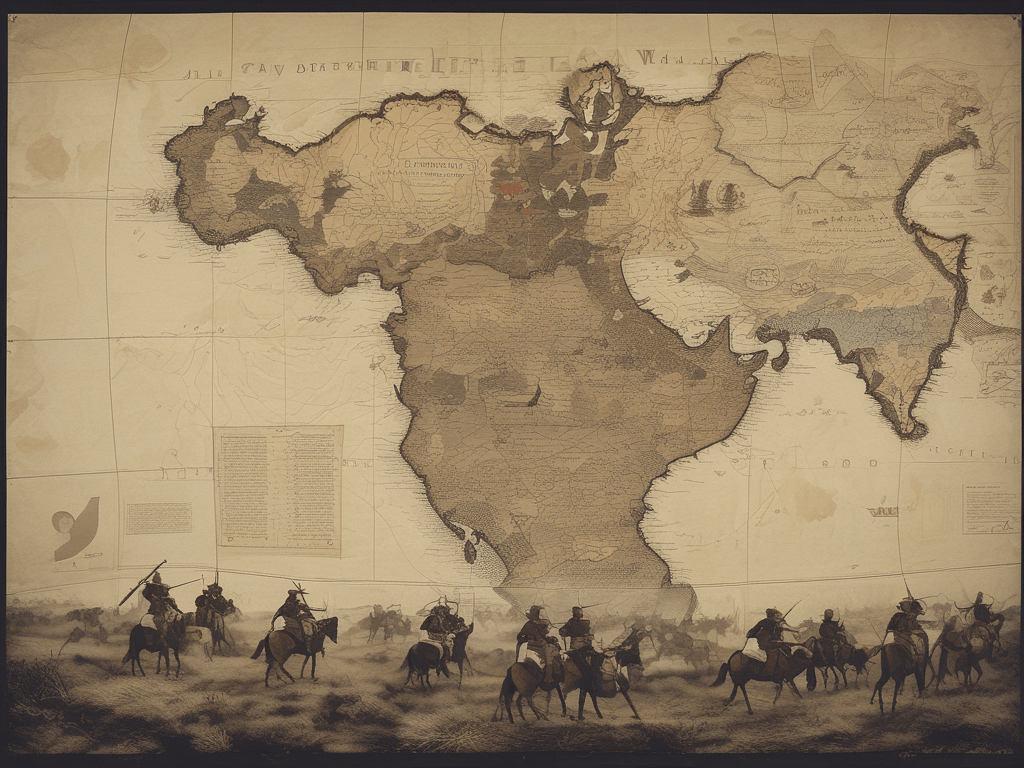
Maps of War: A Fascinating Insight into Historical Warfare

Maps of War

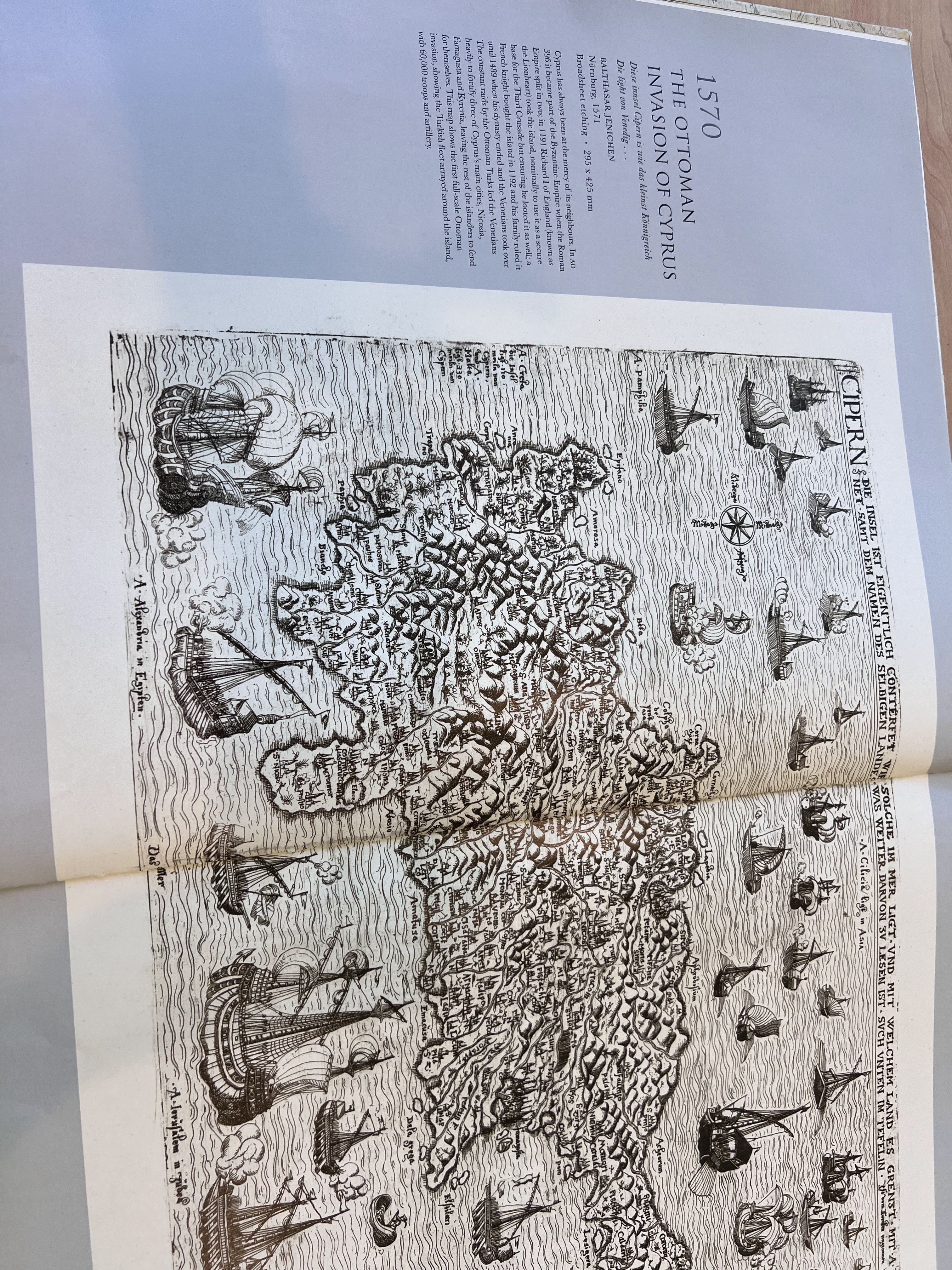
I picked up the huge tome titled Maps of War – Compiled by Ashley & Miles Baynton-Williams, and started browsing. The book had been the fascinating battleground to Avengers and superhero battles, not to mention the hours of entertainment and insight into the son’s latest hobbies of drawing maps of the world at various points in time.

img_1947

I saw the lure of the book. It had beautiful imagery, interesting ways to depict maps, and drove home the point that war was such an integral part of humanity’s history. This book only covered 130 wars between 1547 – 1902.

The foreword mentions why every conquering army was so keen to put out their own maps of war. That was their key to proclaim victory, garner public support and justify the wars. For every major map that made it to the book, imagine the thousands of skirmishes and conflicts that did not. The battles that were turning points in the wars, but were too minor to mention because it did not fit into the story being spun for the conquerors. It certainly was not a comprehensive look at all major wars during this period. 

“Lovely it is to witness great battle-plans of war, carried out across the plains, without your having any share in the danger.”  – Lucretius

 The maps of war are the larger picture of generals, and kings playing their games of strategy. 

img_1944

Impacts of War

What is not depicted is the culture, love, and familial struggles depicted as a map on a page. 

It is hard to imagine the individual lives of millions of lives lost. Yet, every single one of them were flawed human beings too. Some heroes in the eyes of their comrades; some troubled youth finding their way to vent their violence; some gentle souls caught up in another meaningless war; some hoping to gain power for themselves, some spying and hoping for the best outcome, some hoping their livelihood could be provided for if only they managed to make it back in one piece. Almost all of them terrified at the loss of peace in their individual lives, pining for the peace and love of their loved ones in faraway places while they hoped for probability to work in their favor every time they poked their heads out of the trenches, victims to random throes of arrows, or minefields. 

Well – The problem with society’s revolutions as Haruki Murakami mentions in his book, Novelist as a Vocation, is that in the world of war nothing makes sense as time goes on. Even if there is justification in the original act of going to war – remaining there is a whole different set of sacrifices. Yet, time and time again mankind goes in for that. Centuries of warfare and careers, egos, lives lost in the eternal quest for what? 

For in war, people never win. Maybe countries do, ideologies maybe. 

Though I wonder whether we’d have come up technological innovations such as we have if not for warfare: war has spurred technological innovations – fireworks, firearms, tanks, artillery, radar, sonar, cryptology, drones, nuclear power, chemical weapons, space travel. (We’d have come up with different ones if wars weren’t providing the impetus, for sure)

What is the Solution?

Is there a way to know how many wars started as peacekeeping missions and remained so? We may never know.  The son & I were discussing these very things one evening on our walk, when we fell to discussing another species that is just as war-mongering (maybe even more so) : Ants. 

Do we ever stop to think of territorial conquests of ants? Isn’t that how our own wars must appear in the scheme of the universe? 

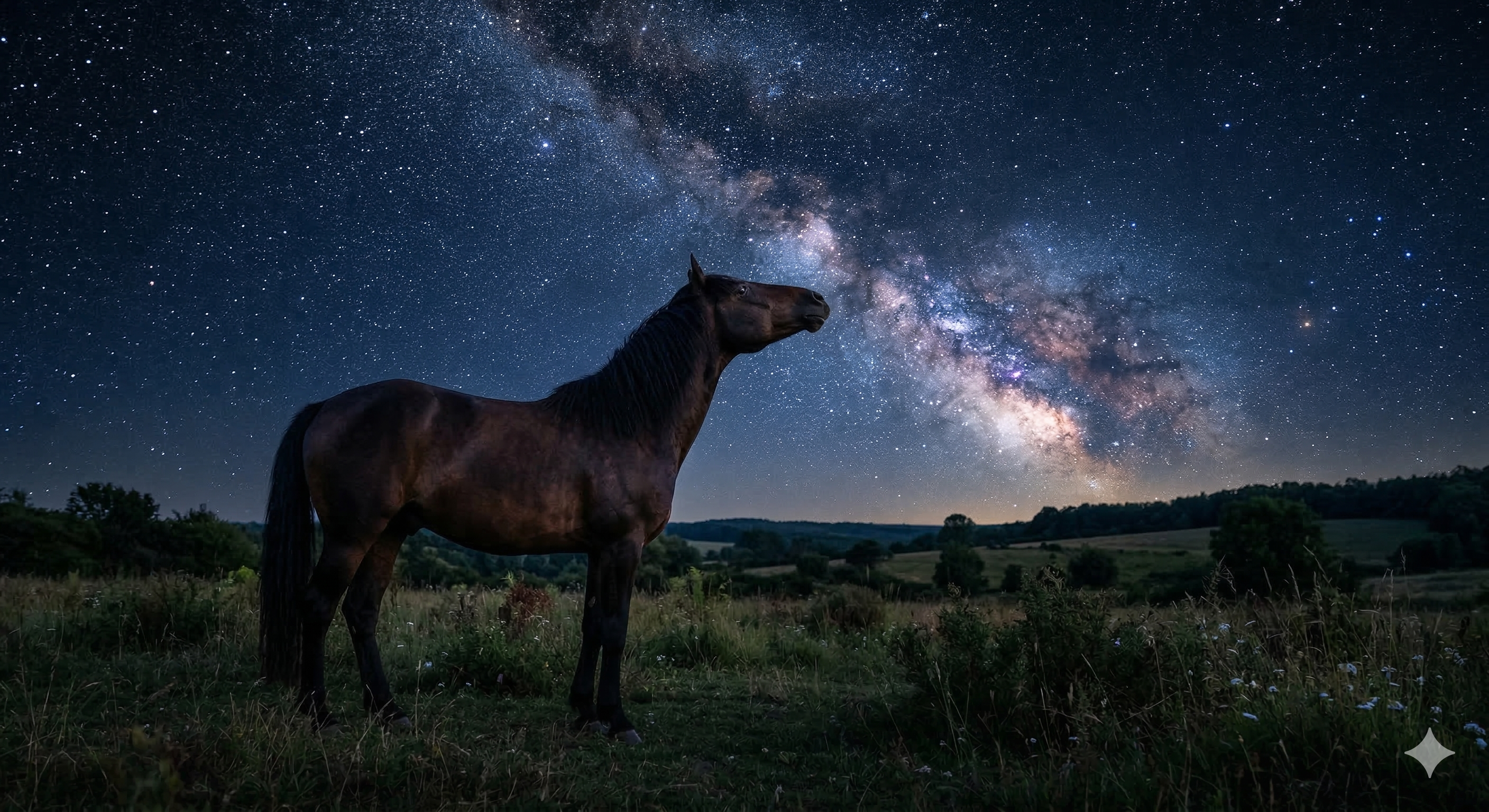
man_in_stars

The only saving grace I could think of was to be grateful that we probably do live in one of the peaceful eras of history (“Touch wood!”, I said, grabbing a passing tree trunk, which made the son laugh) . 

“Yes Mother! You grabbing tree trunks will stop World Wars!” I heard the children’s voice chuckle in my ears, and I laughed too. May not be a bad suggestion to the United Nations Security Council, would it?

Chance Encounters For a Magical Journey

🐕‍🦺🪷🦌🍀🐺❄️🐀🍁 The Deer Families 🐕‍🦺🪷🦌🍀🐺❄️🐀🍁

“Think we’ll see James and Lily today?”

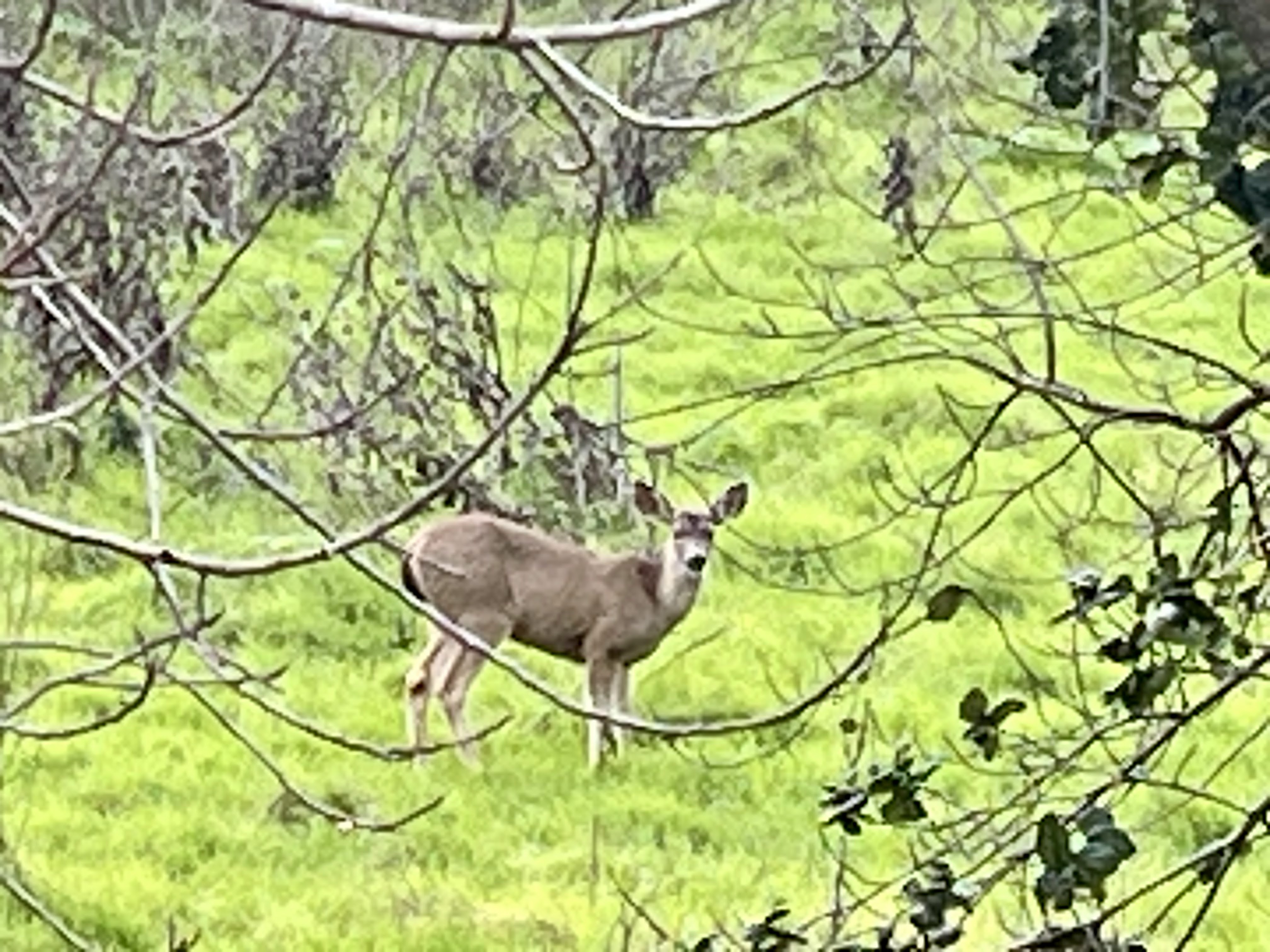
“I don’t know! Hopefully. It has been raining, so the poor things may have moved away, ” I said. We’ve christened the deer family near our homes. The mother and father are called Lily & James (I know!). Sometimes, there are several families – we call them all James & Lily. 

img_9619

We caught sight of them – much closer than they usually are, that evening, and exchanged a look so close up, it was … revealing, deep? (hard to pin down in one word). It isn’t often one gets the chance to exchange a deep searching look with a deer. It is a marvelous experience – and one we wouldn’t forget soon. Those brown eyes seem endless, and so full, it somehow fills up your being too. When poets write of moments feeling like eternity etc, I suppose this is what they meant. It could not have been more than a few seconds, and yet, the eyes spoke a language of eyes. 

Whenever writers talk about pools of emotion showing in the eyes, and the shapes of their ghosts flitting through their characters’ eyes and all of that, I am never sure what to think of it. Sure, it sounds brilliant and poetic, but can we really show all of that in one glance? Looking into the deer’s eyes was oddly satiating, and it was definitely more than words can try. 

Clearly the son was moved too, for he said, as soon as it left, “Do you want to talk to animals sometimes?”

I nodded. “That would be nice.”, I said

“What do you think they’d talk about?”

🐕‍🦺🪷🦌🍀🐺❄️🐀🍁 Understanding Animals 🐕‍🦺🪷🦌🍀🐺❄️🐀🍁

“I suppose it depends on the animals. Elephants have different concerns than pangolins. Bees, squirrels and ants – being more community animals may have similar concerns. But I think I’d like to know the range of emotions they have. Do squirrels have greed? Do ants have jealousy? Pelicans have been known to sacrifice themselves for their pod. “

Are there some emotions or behaviors that are completely unknown to man that our creatures possess? We know many animals feel love, despair etc. 

If a wolf is kicked out of its pack, it never howls again. 

– From the book, Sad Animal Facts – by Brooke Barker

“For instance, and we all know whales have complex legends in song format that they pass down. With all the skills of navigation, survival, and protecting required, I am sure they all have different topics.”

image-1

“I think I’d also like to see what kinds of things they keep in long term memory. I mean we know elephants have long-term memories, but what does that constitute? Just routes to water during times of drought or also towards betrayals etc. They must have some extraordinary lives and stories to tell then, isn’t it?”

He was nodding along. We talked about the size of their brains in proportion to their sizes. Brain ratio requires a separate post in itself, but there are so many fascinating things once you start looking into it.

For instance:

“An alligator’s brain weighs less than an oreo. “

– Quote from the book, Sad Animal Facts – By Brooke Barker

The alligator literally has the smallest brain to body ratio. Only 0.2 % of its body mass is the brain.

🐘 🐊 ⌘ Gajendra Moksha & Vishnu Sahasranamam 🐘 🐊 ⌘

This led to research on a few things about body to brain ratios, and curiously, the myth of the crocodile vs the elephant in Hindu mythology, Gajendra Moksha. It is curious how the myth pitted the lowest brain ratio animal against one of the wild animals with the highest ratios (the elephant). It is supposed to be a reminder to keep our egos in check. Gajendra finally relinquished his ego, and required the great god, Vishnu, to come in avatar form and save the elephant. 

Gajendra’s plea to Lord Vishnu is called the Gajendra Stuti and is the first stanza of the Vishnu Sahasranamam (the 1000 names of Vishnu) 

Please read: Post by Krishna2 on the Vishnu Sahasranamam  – this post helps us comprehend us the depths of Vishnu Sahasranamam

शुक्लांबरधरं विष्णुं शशि वर्णं चतुर्भुजं
प्रसन्न वदनं ध्यायेत् सर्व विघ्नोपशान्तये

śuklāṃbaradharaṃ viṣṇuṃ śaśi varṇaṃ caturbhujaṃ |
prasanna vadanaṃ dhyāyēt sarva vighnōpaśāntayē ||

We came home fascinated by all the different things we usually do not pay attention to – filled with wonder, and awe. Many of us have forgotten what it is like to have encounters with our fellow beings – sometimes, exchanging a glance with a deer is all it takes to take on this incredible journey. 

The multiplicity of forms! The hummingbird, the fox, the raven, the sparrow hawk, the otter, the dragonfly, the water lily! And on and on. It must be a great disappointment to God if we are not dazzled at least ten times a day.

Good Morning – By Mary Oliver, Book: Blue Horses

References: 

🐙The 🐙🐙Kraken 🐙🐙Sleepeth🐙

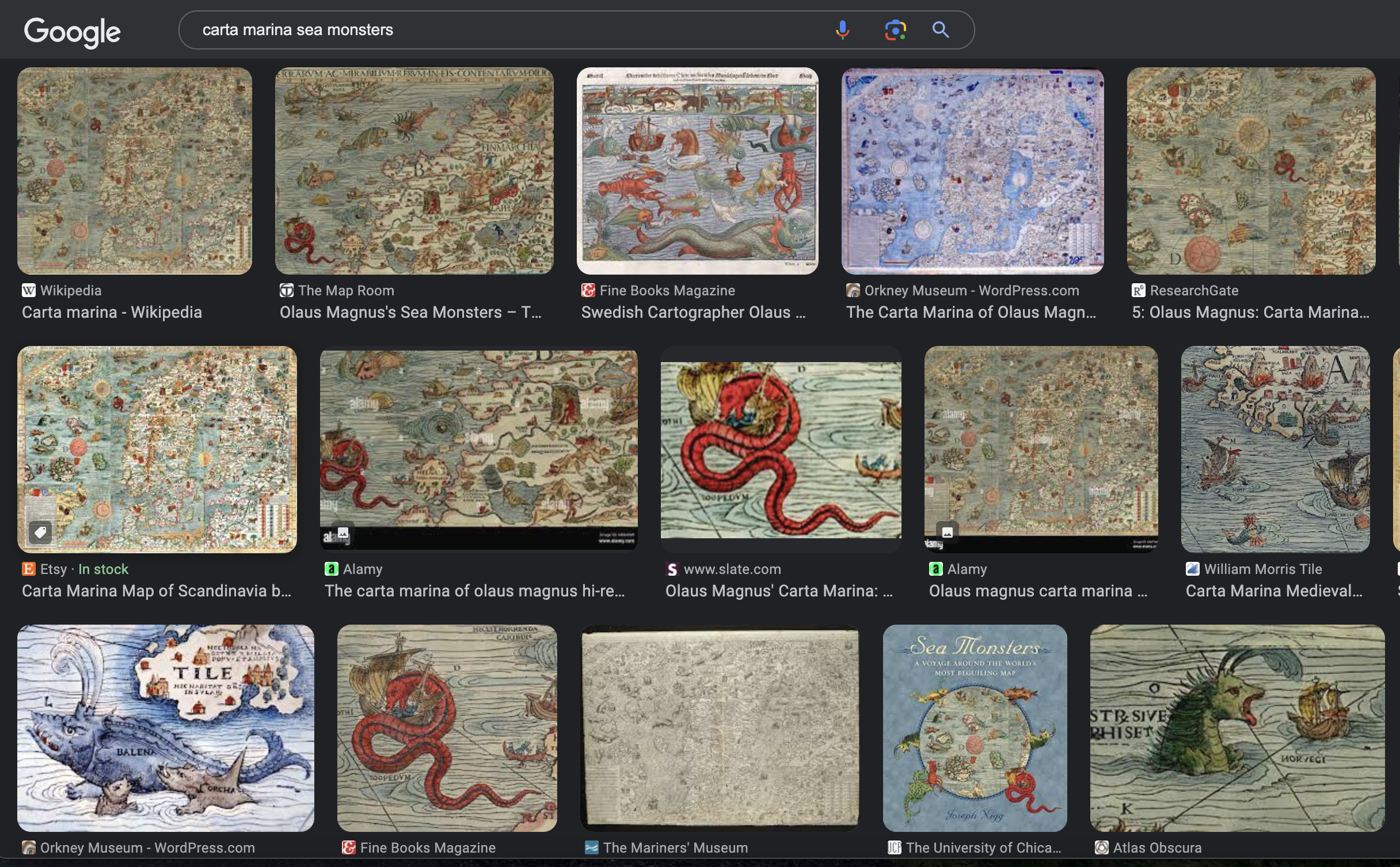
I don’t know how many of you have heard of the Carta Marina: I hadn’t and was agog after reading about it. It is a fascinating geological map showing the mythical monsters in the oceans and where they are to be found. 

Completed by Olaus Magnus in Italy in the mid sixteenth century, it attempts to outline all the monsters known at the time in the Nordic regions from various accounts. 

In the book, The Underworld – Journeys to the Depths of the Ocean – By Susan Casey, she writes about the Carta Marina:

“On land the action is orderly: tiny figures are farming, hunting, skiing, playing the violin, By contrast, the ocean is in chaos, awash in dangers and tragedies, livid with waves and currents flowing, swirling, pooling, seething. Aid the tumult, twenty-five monsters make their appearance.”

  • Susan Casey – The Underworld – Journeys to the Depths f the Ocean

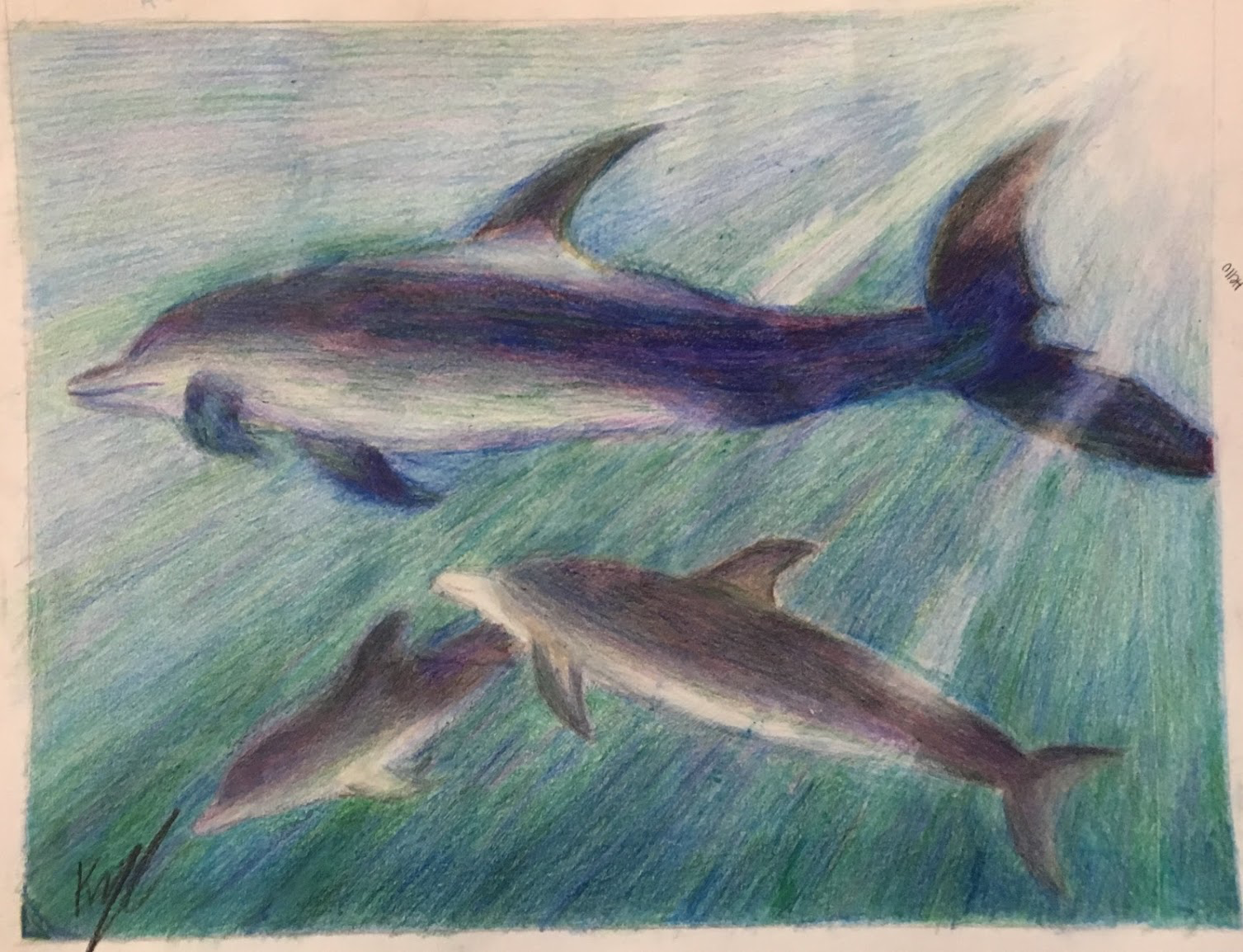
I may have mentioned several times in these archives that the daughter is a mermaid born to human parents. Which is to say the endless fascination with the oceans, and natant joys of reveling in the waters are things we all enjoy. 

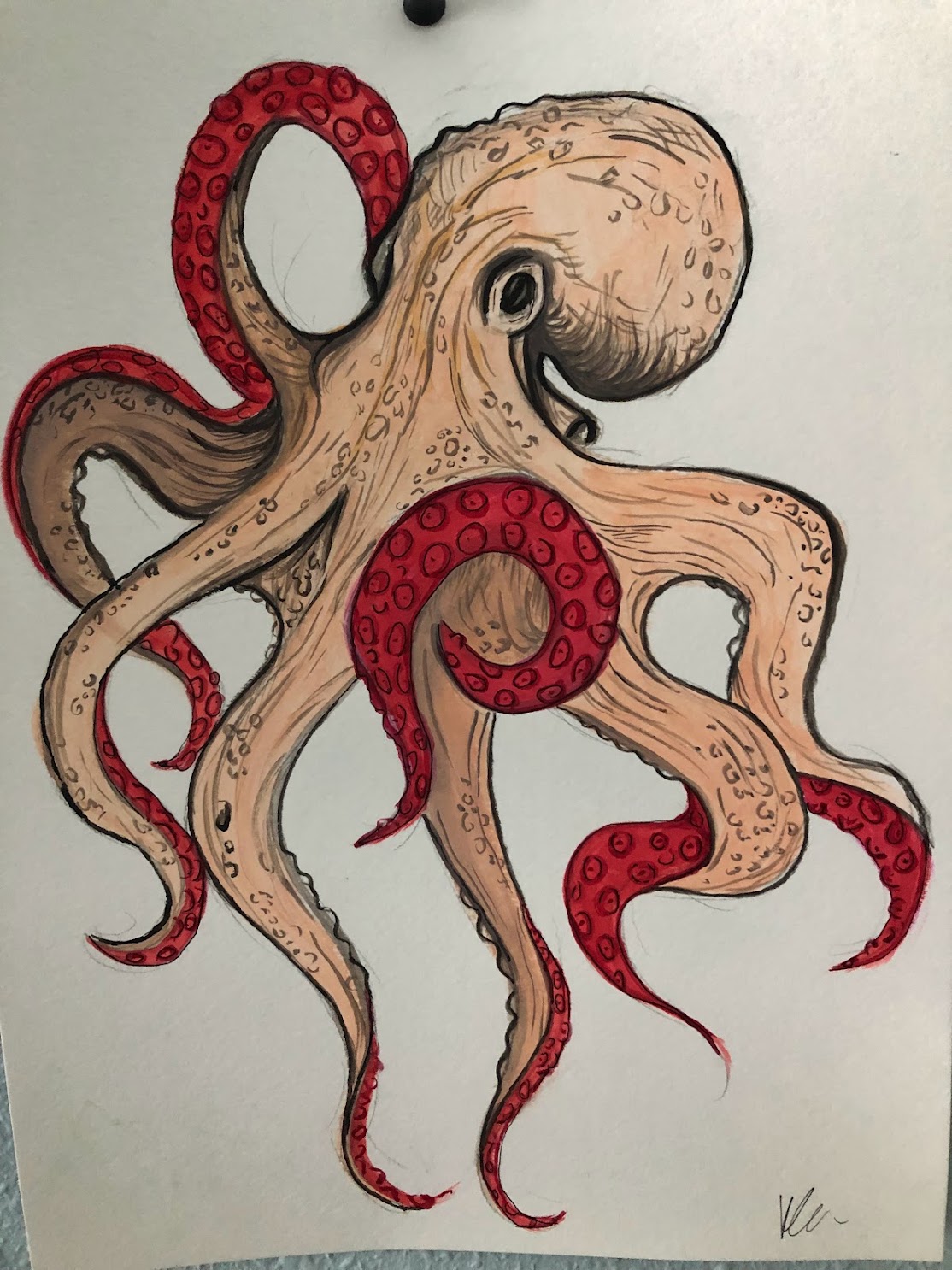
After reading about the Carta Marina, I went looking for the Kraken picture. When you browse through the daughter’s artwork, there are quite a few aquatic themed paintings. This one – it is Kraken – the mythical creature that is spoken of with awe among the nautical elite. I must admit I am endlessly fascinated with octopii, squid and I suppose the kraken  as well.

octopus

Dictionary.com summarizes this perfectly: https://www.dictionary.com/e/squid-vs-octopus/

In summary, if you see a sea creature with eight sucker-covered arms and a round shape, that’s an octopus. But if it’s got a long, thin, triangular shape and 10 limbs—eight arms and two tentacles—it’s a squid. If you see it swallowing a ship, it’s a kraken.

Sea-faring must have been a difficult vocation as most vocations in humankinds’ past seems to have been, but it also provided the richest tales of adventure and mystique to those whose fortunes or destinies never allowed them to leave the small square footage they’d been born and raised in. 

Screenshot 2023-11-13 at 6.48.32 PM

Even now, as we set out sights on interplanetary travels, I find the deep allure of the deeps as fascinating as ever.  Would we see into the eyes of a greenland shark that is rumoured to live on for 350 years or be pulled into the clutches of the mythical Kraken? Or be dumbfounded in the noises of the monster that rises out of the depths of the ocean in the FogHorn – By Ray BradBury (I believe the book is out of print – but I can never truly forget that feeling of deep awe and fear as the monster rears towards the lighthouse thinking it’s being called by a mate. I felt a strange sense of loneliness for the last monster standing the night I read it as a teenager)

As Sylvia Earle says, “Looking into the eyes of a wild dolphin – who is looking into mine-inspires me to learn everything I can about them and do everything I can to take care of them…You can’t care if you don’t know.”

I looked at the picture, and remembered the poem by Lord Tennyson

Below the thunders of the upper deep

Far, far beneath in the abysmal sea,

His ancient, dreamless, invaded sleep

The Kraken sleepeth

– Alfred, Lord Tennyson

References:

  • Life in the Ocean – the Story of Oceanographer Sylvia Earle – by Claira A Nivola
  • The Underworld – Journeys to the Depths of the Ocean – By Susan Casey
  • The Carta Marina – The map of monsters 16th Century – By Magnus
  • The FogHorn – by Ray Bradbury

The Role of Journalism in History

In his section on Opium in the book, This is Your Mind on Plants, the author Michael Pollan writes about how his first story that was to appear in the leading newspapers in the 1990s was redacted and cut after a legal review. (The entire essay is printed in the book that was published 20 years later). This essay seems to precede the opioid crises in America that was to surface just a decade later. But it was apparent that the undercurrent was already at play. The world just had no idea how it would pan out. 

This is your mind on plants – Michael Pollan

His sentence on journalism and its bearing on History resonated on so many levels, that I noted it down then and there. 

“There’s a parable here somewhere, about the difference between journalism and history. What might appear to be “the story” in the present moment may actually be a distraction from it, a shiny object preventing us from seeing the truth of what is really going on beneath the surface of our attention, what will most deeply affect people’s lives in time.”

Michael Pollan – Our Mind on Plants

Later in the book, when he is talking about caffeine, he mentions this piece of Asian history that emerged from the tea-drinking habit of the British. By the 1800’s tea drinking had become a normal routine of English life. Jane Austen refers to tea in her books published in the early 1880s. In the book, Alice in Wonderland, published in 1865, tea parties are galore. 

“Yes, that’s it! “, said the Hatter

with a sigh, “it’s always tea time.”

Lewis Carroll – Alice in Wonderland
Alice in Wonderland

Here is the excerpt of the section on the British East India Company’s tea trade with China.

Since the company had to pay for tea in Sterling, and China had little interest in English goods, England began running a ruinous trade deficit with China. The East India Company came up with two clever strategies to improve its balance and payments position: it turned to India, a country it controlled that had no history of large-scale tea production, and transformed it into a leading producer of tea – and opium. The tea was exported to England and the opium, over the strenuous objections of the Chinese government, was smuggled into China, in what would quickly become a ruinous and unconscionable flood.

By 1828, the opium trade represented 16% of the company’s revenues, and within 5 years, the East India company was sending more than 5 million pounds of Indian opium to China per year. This helped close the trade deficit but millions of Chinese became addicted. After the Chinese emperor ordered the seizure of all stores of opium in 1839, Britain declared war to keep the opium flowing. Owing to the Royal Navy’s vastly superior firepower, the British quickly prevailed, forcing open 5 “treaty ports” and taking possession of Hong King in a crushing blow to China’s sovereignty and economy,.

So here was another moral cost of caffeine: in order for the English mind to be sharpened with tea, the Chinese mind had to be clouded with opium.”

Michael Pollan – This is your mind on Plants

The adage ‘History is written by the victor’ does ring true in most cases. How many perspectives of every narrative are there? How does one classify a good side or a bad side? The perspective of time lends a helpful lens. For instance, when Madeleine Albright, the first woman senator met Vladimir Putin in the 1990’s, she was asked of her opinion of him. She recognized him as a despot in the making, and one who was preternaturally occupied with the idea of a United Sovereign States of Russia (USSR before it disintegrated into Russia + all the other smaller countries). I suppose this is an example of a seed taking root in one’s mind and growing and festering with time. The war on Ukraine is but a step in that direction.

More importantly though, what is current journalism missing for the larger picture today? Whether it is in the reporting of Covid, the Ukraine crisis, or the larger commodity of people’s attention spans. Our future generations would point to this day and age of our shrinking attention spans in an attempt to capture our attentions, and see the arc from some place that humanity had reached. Would it be a virtual reality universe designed to give us more options to escape from life, or will life itself change? Nobody knows. But in order to see how it pans out, we need our critical faculties about us. 

‘But I don’t want to go among mad people,’ said Alice.

‘Oh, you can’t help that,’ said the cat. ‘We’re all mad here.’

Lewis Carroll

Turmeric Magic

I felt a surge of amusement when I made cauliflower last time. The grocery lists needed love, and the results were showing.

“Yay Cauliflower!” yipped the young son, beaming like the early rising golden moon at this wonderful treat. Moments later, the moon face drifted under the clouds and his face looked disappointed as he looked at the pale muck of a curry that had been ladled onto this plate. “This isn’t Cauliflower curry! Isn’t it usually golden?” he said.

“Yeah ma – this one looks so pale. Like it needs some Vit D or something – should I take it for a walk in the sun?” said the daughter.  

I laughed at their reaction. Running a home can be tricky business in the best of times. My grocery lists are not things one writes home about even then (newspaper articles maybe but not to one’s mothers). In Covid times, I beam when we get by with everyone fed at reasonable times. Of course, this means I had to throw 2 tantrums since nicely asking did not seem to work. (I know!)

  1. Tantrum#1: 
    1. Venue:  work
    2. Subject: No meetings between 12:30 & 1:15! 
    3. Result: Sheesh kebabs reactions but people finding ways to accommodate this unreasonable ask
  2. Tantrum #2:
    1. Venue: home
    2. Subject: All people requiring daily sustenance will come to eat between 12:30 & 1:15!
    3. Result: Jeez-whats-with-her flavored eye rolls, followed by expressions as if indulging the local idiot 

Anyway, what happened was that we had run out of turmeric powder. As any decent south-indian cook will tell you, this simplest of spices is a must in almost everything that makes its way to a stove-top. It was only when one does not have the little sprinkling does one realize the joy and gaiety in the dishes thanks to it. It is like a drop of sunshine in the blobs of goo, and the children picked up on that. 

For the next few days, I quietly turned up more discolored dishes. The jokes became more raucous. Even the taste seemed altered. It is curious how tuned our sensory systems worked: taste seemed better if we liked how they looked, they even smelled more appetizing when they looked that scintillating yellow. Seeing that the world seemed a less vibrant place sans turmeric, the husband quietly made a special grocery run after the third day of discolored dishes. 

That day, I felt like a particularly gifted potion maker working her magic with the spices:

“…The beauty of the softly simmering cauldron with its shimmering fumes, the delicate power of liquids that creep through human veins, bewitching the mind, ensnaring the senses…” – Professor Severus Snape – Harry Potter and the Sorceror’s Stone.

I am glad to say that the folks seated around the table glowed from the rays of the yellow mellow sun at this meal.

“Wow! Everything is golden and sunny again!”

“Yep! Appa got turmeric at the grocery store!” I said, and the children cackled.

“Who’d have thought we would miss turmeric?” said the daughter. 

“Well Marco Polo certainly did!” I said. “The world was altered thanks to turmeric, pepper and ginger! So, I suppose it is okay to miss it.” I could see the little titbit had their interests piqued, and they listened in spite of themselves. 

The Travels of Marco Polo

“Many explorers started out in the medieval ages trying to find newer and better routes to the Indian subcontinent for spices. Marco Polo attempted an exploration that lasted almost 24 years . He made his way from Venice in Italy through the Mediterranean seas, past the harsh climates of the deserts in the middle east and the Himalayas in the north and north-east, as he went on past modern-day Tibet all the way to the Gobi Desert in China. His travels along the silk road were published in 1298 and are still sought after – The Travels of Marco Polo! “

“I did not write half of what I saw, for I knew I would not be believed”
― Marco Polo, on his deathbed

“So, you see – It is probable that this brave explorer in search of turmeric, pepper and other spices, altered world history and our grocery lists forever!” I said. 

The discussion then turned to European explorers setting out to find new routes to the Indian subcontinent, silk roads and trade routes. The history of the world, and how we have always been more interconnected on this planet than we realize, is fascinating.

The golden dishes took on an extra flavor with the story of the spices, and I sat back contented and grateful for a good meal in these times of the pandemic.

Historically Speaking …

I looked at the delectable pile of books by my side waiting to be read. The top of the pile was the beautifully annotated ‘Jane Austen’s History of England. –

Just the sort of history book that appeals to me. Written by Jane Austen when she was 16 years old, the book bears the hallmark of her humor.

Screen Shot 2017-07-06 at 1.26.31 PM

I sat smiling at some of the things written about Henry the 8th & Anne Boleyn.

The book certainly sounded like some of the answer papers of my youth.

I have always felt that History was one of those subjects that was calculated to freeze my brain. Good though my teachers in the subject were, bless them, they could not but help say that the Second Battle of Panipat was fought in 1556. Inside my brain, this simple fact would start a whistling train of thought:

1556. Hmm … funny number.

How to remember that number?

55 in the middle and 6-1 = 5. 

Why not 6551? Because that is in the future.

Very clever. But what about the number 6? Why 6 and not 7?

Maybe, History is the sixth period(?)

But only on Wednesdays.

If only it were 1596, 15*6=90  and then add 6

“Can anybody tell me what happened to Akbar after that battle?” These teachers have voices that have a way of cutting through the most interesting meanderings of the mind.

“What battle?”, I’d write on the side margin, and slip it across to my friend. There she would be, sitting by my side at the wooden desk with a vacant expression on her face biting her pencil. But at this urgent message, she’d stoutly pull herself together and write back, “The Battle of Panipuri, I think.”

Then the exams would roll along, and after days spent cramming the dates and emperors, I would come to the conclusion that all emperors who sought to reign should be made to stand in line in shorts and recite the dates of all those who aspired to power before them.  If they still want to reign, may their shorts fall while they lead the charge – that should teach them not to add to that horribly long list.

To make matters worse, the rumor mills during examination time worked overtime:

(a) The teachers likes diagrams, one person would say, stating emphatically that whatever you do, make sure you draw a diagram for it.

Feverishly, we would start drawing Africa maps, and label the Gold Coast, and the Sahara desert, throwing in the Kilimanjaro for luck. Never mind that the question was about Egypt.

(b) The more you write, the better will be your marks.

So, we would write double-spaced and add spice to the Spice Wars.

history

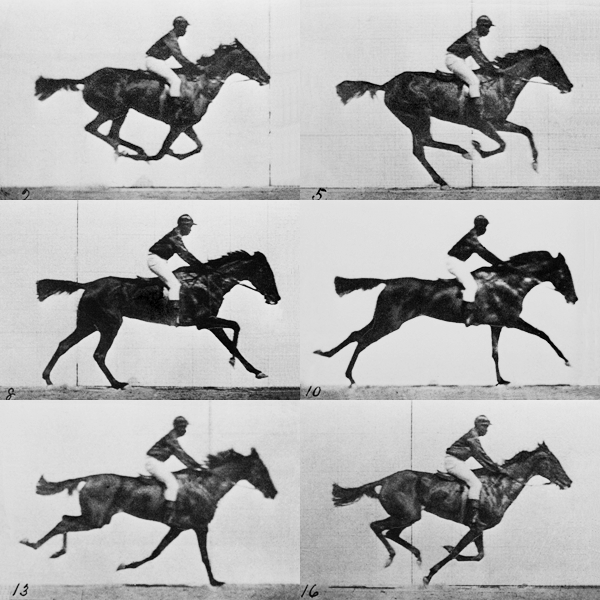
One time I remember writing about Alexander’s Horse. Our History teacher had on one occasion told us about the fine breeds of horses that emperors prided themselves on. My brain tick-tocked away with Alexander’s Horse, and I found to my amazement that the brave stallion was heroic beyond what History books knew. I imagined the horse pulling his great emperor across the blizzards of the mountains one day just by trusting its instinct. The marvelous animal found a stream of fresh flowing water for its emperor. I wrote about 16 sentences on the virtues of the horse, borrowing heavily from my recent reading of Black Beauty (also a black horse with a star on its forehead, duh!) I wrote of its aching muscles, its loyalty that was much admired, and how stable managers had a job that was olfactorily unsatisfactory maybe, but really quite a prestigious one, if it meant looking after the emperor’s horse. I also gave him a name, Macedonia, if I remember right – sealing my understanding of the reign once and for all. (Alexander’s Horse, Bucephalus, would have turned in his grave and asked ‘Is she talking about me? Neigh! ‘ )

He_ran_toward_the_horse_and_seized_the_bridle
By Walter Crane – The story of Greece : told to boys and girls

“15 more minutes.” the examiner said, and I looked to see that while the paper had a brilliant character sketch of the horse, it had very little about Alexander the Great.

I hastily started another paragraph on the the horse’s rider and finished up the paper. I came out into the brilliant sunshine from the exam hall when my friend said looking at me in admiration, “How much you wrote! I saw you taking two extra sheets! I am sure you are going to ace it!”

I shrugged off this undue praise guiltily, feeling a little sorry for the teacher who had to read such drivel.

It was years later that I read “I, Claudius”, the historical fiction book written by Robert Graves,  and came upon Incitatus, Caligula’s horse. Whether it was fiction or not I cannot say, but this was the horse that the Roman ruler, Caligula, sought to make a senator, and invited to State dinners.

http://www.history.com/news/ask-history/did-caligula-really-make-his-horse-a-consul

The truth is stranger than fiction, but it is because Fiction is obliged to stick to possibilities; Truth isn’t. Mark Twain

I smiled at these pleasant memories, and opened the book in my hand.


Jane Austen said,

Edward the 4th

This monarch was famous only for his Beauty & his Courage of which the Picture we have here given of him, & his undaunted behavior in marrying one Woman while he was engaged to another are sufficient proofs. His Wife was Elizabeth Woodville, a Widow who, poor Woman! was afterwards confined in a Convent by that Monster of Iniquity & Avarice Henry the 7th. One of Edward’s Mistresses was Jane Shore, who has had a play written about her, but it is a tragedy & therefore not worth reading. Having performed all these noble actions, his Majesty died, & was succeeded by his son.