August 12th, is World Elephant Day. Seeing elephants (even the cute AI generated pictures) makes me smile. The huge, gentle, loving, empathetic, loyal, family and community oriented animals have always captured the human spirit. It is the reason one of the most popular gods of Hinduism features an elephant-headed god. His birthday is celebrated with so much pomp and splendor, I am sure the elephants wonder what the fuss is all about on those days.
I am not sure if they’ve heard how much their stories resonate with human-beings – Water for Elephants or Rosy is my Relative for instance. Even my own modest attempt, Mother’s Day in the Jungle, was such a joy to write. Oby Elephant and his pals are all that we want our children to be.
Mother’s Day in the Jungle
It is no wonder that elephant related documentaries are always a hit. We want to see them succeed, we want to know that peaceful living can take us far.
The question is, are we happy to suppose that our grandchildren may never be able to see an elephant except in a picture book?
– – David Attenborough
Temporal Range of Elephants
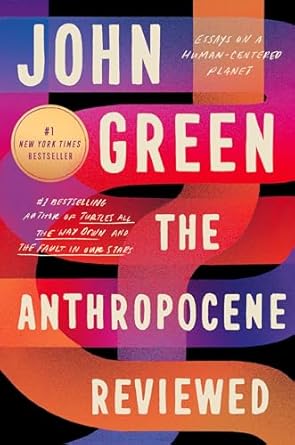
In the essay, Temporal Range, in the collection of essays by John Green, The Anthropocene, he talks about how long these majestic creatures have been a recognized species – 2.5 million years as opposed to humans who were only classified as such for the last 250,000 years. Yet in that short time, we have endangered almost every other notable species on the planet in small and big ways.
Dolphins have been here for 10-11 million years – with their songs of wisdom, playful natures, and community based raising of their pods. Dolphin grandmas are delightful, and critical in the raising of their young. The same way the matriarch of the elephant herd is instrumental in passing on skills to the younger generation of pachyderms. Humans have somehow managed to emulate and disregard this ancient piece of wisdom by denying women freedom and basic rights, but also making them critical to the caring of the family unit. Sigh.
When we talk about accumulated wisdom, most of the philosophy we have at our disposal caps out at 5000 years. But, elephants and dolphins? Please. They have figured out how to live out their lives cancer-free.
Unpacking 🐘🐘🐘, 🐬🐬🐬 & 🐦🦚🐧🕊️
A friend of mine shared this article, Face it! You’re a crazy person, on unpacking the life of someone’s job. As I read what it meant (trying to visualize every Tuesday afternoon for the next few years, the day-in-the-life-of series), I found myself thinking that I would love to unpack being an elephant in the wild, a dolphin in the oceans, or a bird in the gardens before deciding whether to remain a human-being.
Wouldn’t that be wonderful?
What are some things related to elephants you’d like to share? Anything.
I can’t help but think of one of my favorite authors, Gerald Durrell and how he describes the greek island, Corfu and its environs. The colors of the island, the vibrance of everything around them.
Hawaii is similar. It isn’t lost on me how very lucky we are to be able to visit the islands
I was trying to write about our recent vacation at Big Island, Hawaii. But I found myself strangely tied up for words. I could babble, I could close my eyes and let the images of the island rise up and shine out of every cell in the body. But I was having difficulty writing posts for them.
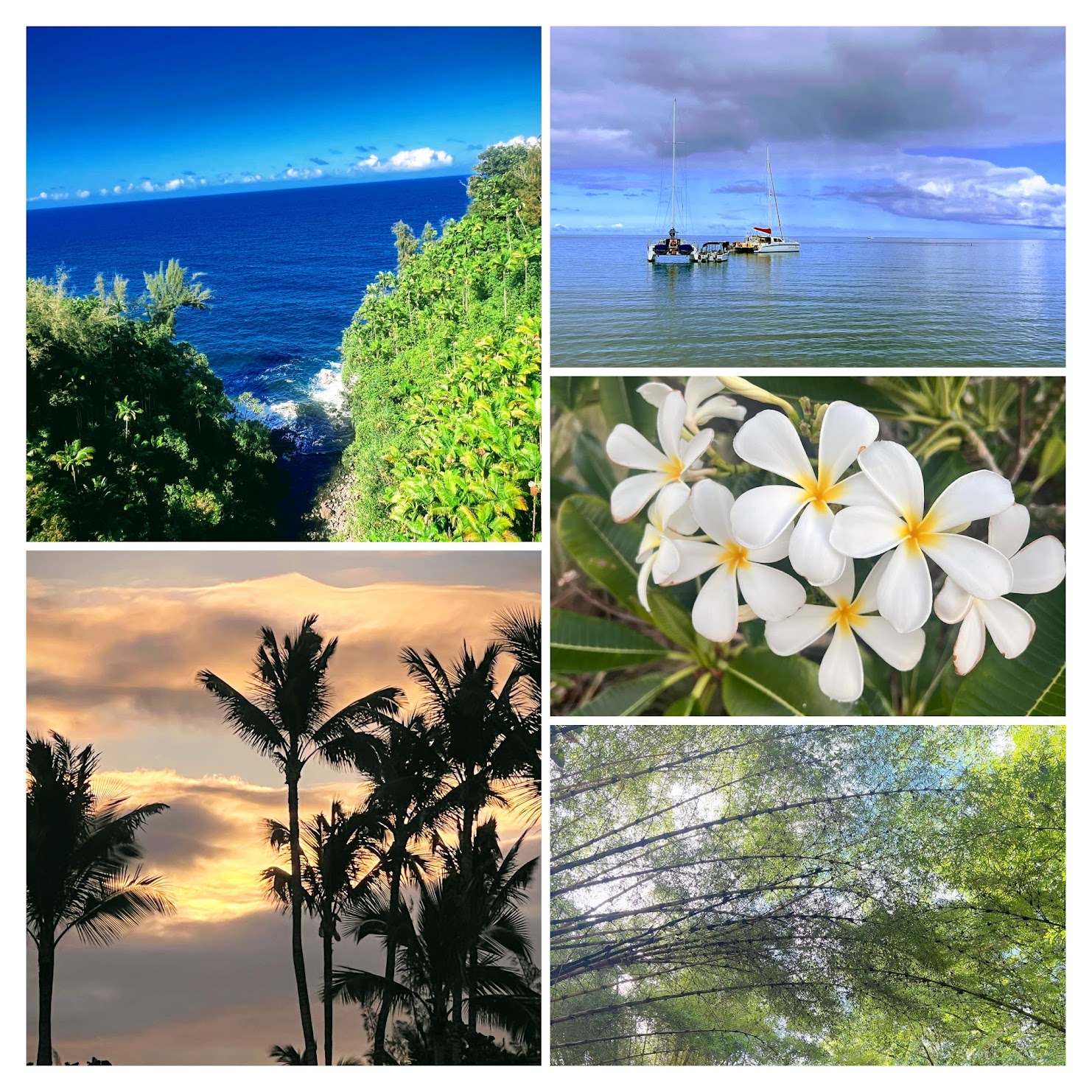
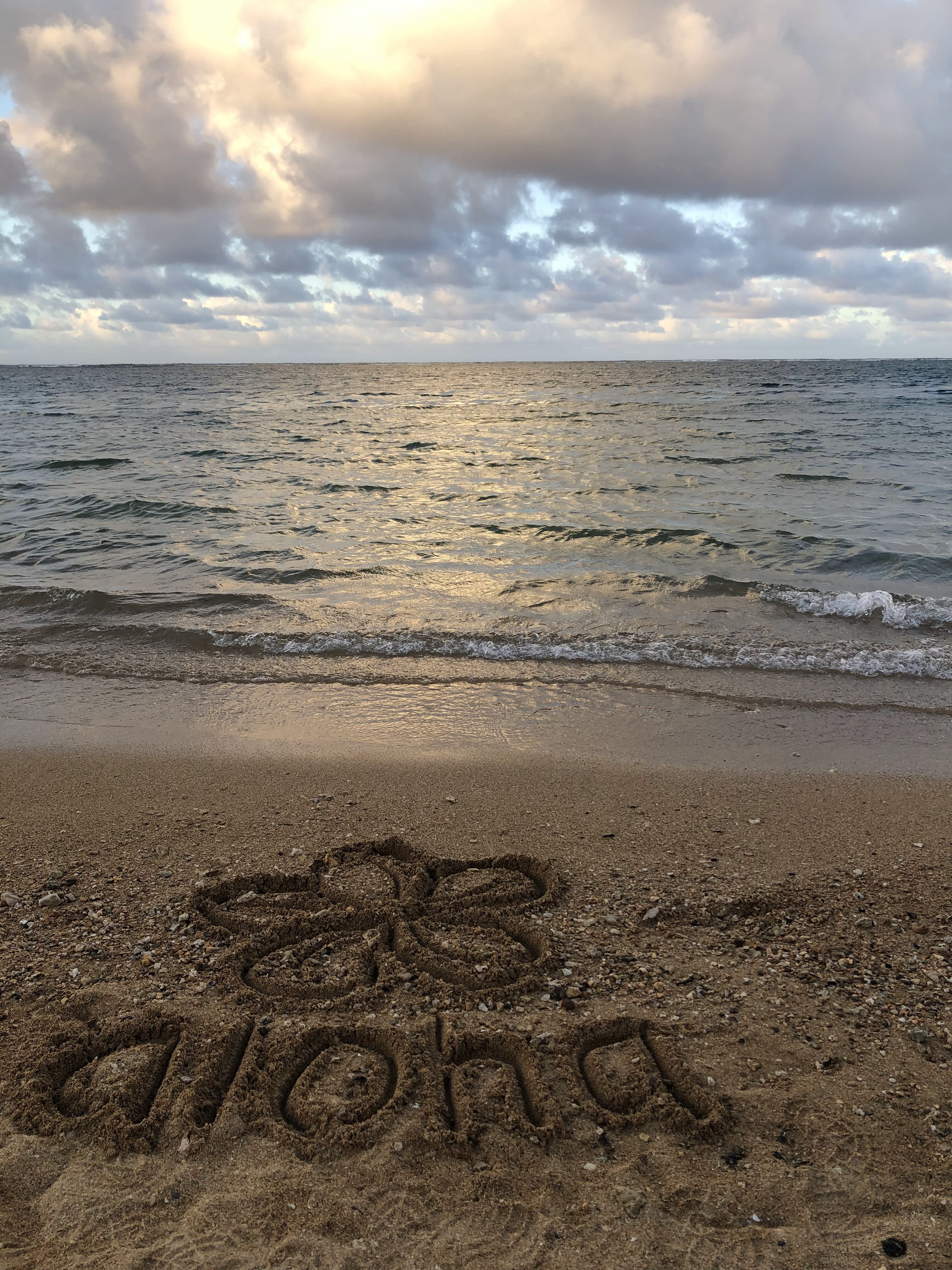
Hawaii is a sensation. A feeling that seeps into every pore, a light that illuminates every cell. It was the only possible explanation. How else could one feel surrounded by tropical flora, the full Milky Way galaxy overnight every night, the ocean and its abundance weighing down on you from every side?
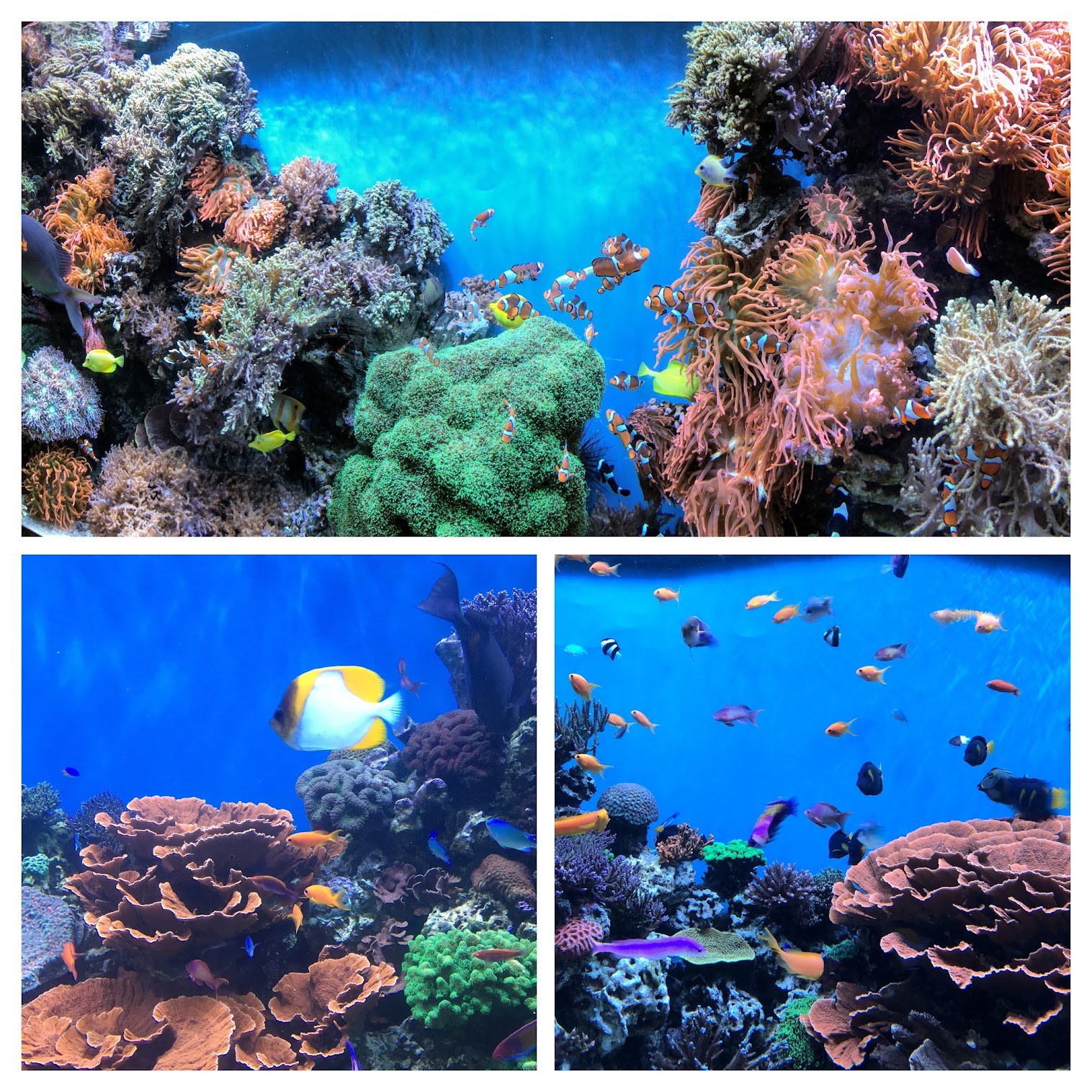
The colors, scents, warmth, waters, stars – many island destinations provide this feeling I am sure. But there was something special about the Hawaiian islands this time. It was an impromptu trip planned on the spur of the moment, each day unfolding as it came with not much thought or action plotted. Yet, every day seemed like a perfectly planned eternity that heavens boast of. We swam in the beaches, occasionally catching glimpses of colorful fish, or be gazing out at the changing landscapes on a drive and wonder how in one moment you felt like you were in the moors of Scotland with its brambles and heathen covered vegetation and the next in the misty mountains of Nilgiris with rain spattering your windshields; and the moment after gazing upon an ocean so blue and in so many blues that it surely could not be real, could it?
Every morning, I set off on my sunrise walk – quietly taking in the changing skies, soak in the light illuminating the island, and wonder about the stark difference to our work-a-day life and mornings.
Every night, I would set off on my good night walk gazing up at the skies illuminated beyond anything I remember – maybe it was the fact that we were on an island far away in the Pacific Ocean with nothing for miles around, or something else, but the skies felt fuller – darker. Nothing but the piercing light of the stars to behold.
“Gradually the magic of the island settled over us as gently and clingingly as pollen. Each day had a tranquillity, a timelessness, about it, so that you wished it would never end. But then the dark skin of night would peel off and there would be a fresh day waiting for us, glossy and colourful as a child’s transfer and with the same tinge of unreality.”
In what was a beautiful wind-whipped whirl one morning, the on-a-spring-break son and I went on a walk. Power & Internet were down, which meant we could both twirl off on our adventures while these things were being restored.
A few minutes in, we were confronted with a huge water pipe that gushed out in great spades. The county’s water department was already there looking into the problem, while we stood watching in awe as the water spooled off into the drain. Clean water.
“Hmm…everything decided to go nuts huh?!” the son said, as we stopped to marvel at the swift waters.
“Do you think we’ll have time to head back and bring back papers to make boats?” he asked, after a few seconds of awed water watching. I saw the determined faces of the county workers’ faces gleam with triumph – they had fixed the problem no doubt, which meant our time was short. Luckily, it was also garbage day, and the windy day had scattered a couple of pamphlets in the wind as the garbage truck tipped the contents over. So, off we went chasing after these pamphlets to make into paper boats.
If the maestros of productivity were to observe us that morning, there would be a lot of tutting, and note-taking on ways-to-improve, but we felt amazing.
Our boats, Mitillandimus Tittilandumas, and Mixter Baxter Junior fared the best. The remaining capsized before starting. For those interested, our boat christening was inspired by Gerald Durrell’s boat, Bootle Bumtrinket, in the book, My Family and Other Animals.
There does not seem to be a word to capture the sense of adventure, contentment and joy watching your paper boats take off on adventures, but we both highly recommend the experience.
What kind of life is it always to plan
and do, to promise and finish, to wish
for the near and the safe? Yes, by the
heavens, if I wanted a boat I would want
a boat I couldn’t steer.
~ Mary Oliver, Book: Blue Horses
Just as the last of our boats disappeared with the rivulets, the wind picked up, and we tried keeping ourselves upright as we continued on. It was no use. Within minutes, the winds were accompanied by plump raindrops, and we scuttled back home.
It had been a useful outing, and we came back refreshed and grateful that the rains started lashing down a few minutes after we reached. Back home, the power gods had restored electricity but not the internet. So, we settled ourselves down to a cup of tea and cocoa. We sipped in silence while the rain pattered all around us.
“Wonder what happened to our boats!” the son said finishing his hot cocoa, and we smiled together. They were not in safe harbor, and it was an exhilarating thought.
The husband smiled one of his crafty smiles and agreed, for he knew that I will be the one craving a European vacation first. He just had to sit by, observe, and make bets with the children on the timing.
So, it was that we boarded our flight to Athens. Athens, the weather app promised us ,would be warmer, but still cold. It was expected to be between 40F & 65F (a difference of almost 15 degrees).
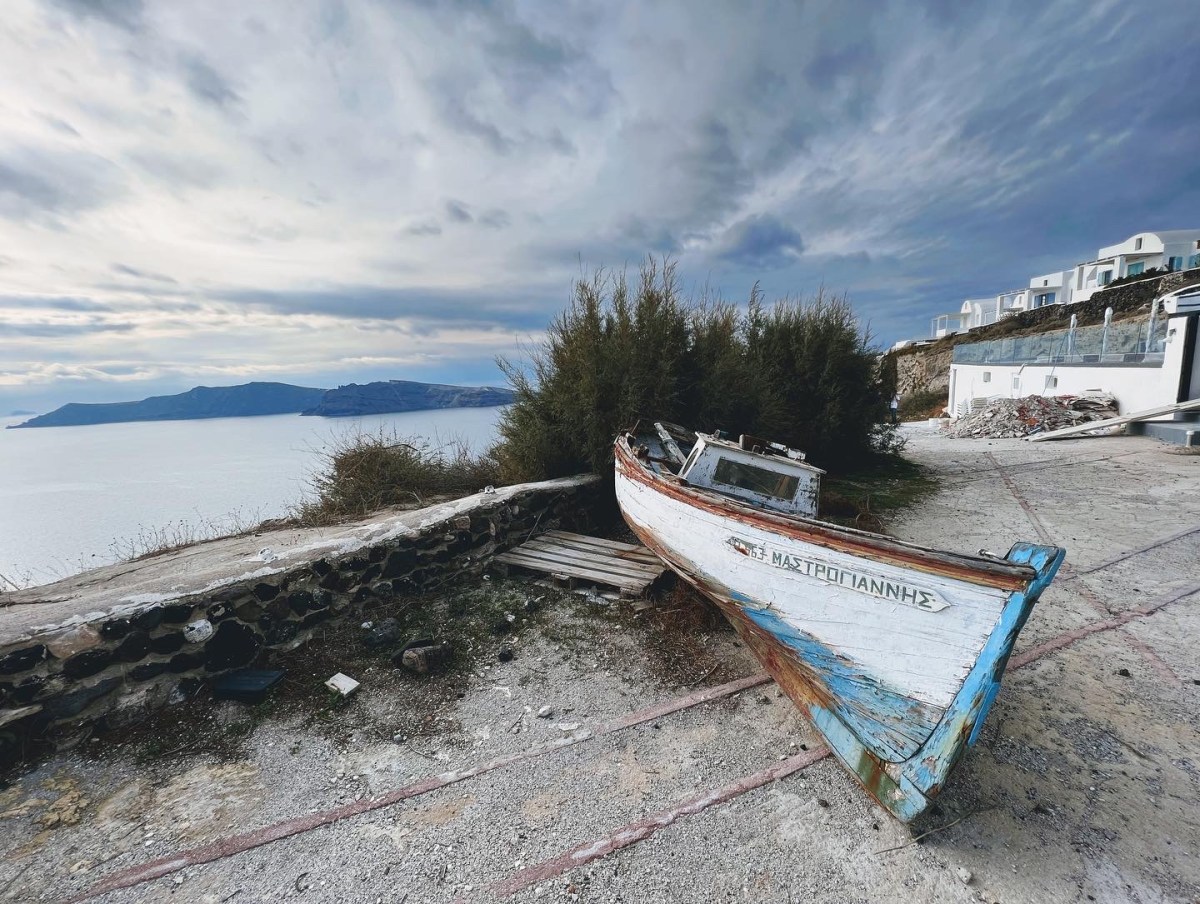
As you can see, we had no idea, which was marvelous, for we were thoroughly unprepared for what happened next. We fell in love! In love with the city of Athens, the country of Greece, and the Greeks themselves.
After the professional intellectualism of Paris, Athens was like walking into a theme park – here you can have philosophy, art, literature and all the little marvels of the mind, but only if you agree to lighten up, have fun, and stay curious. The gentle humor and warmth with which the Greeks speak to each other and to the tourists is to be seen to be believed. They are a fun-loving, smart, and kind people. It is no wonder that this small country tucked away in the Mediterranean Sea gave us so much of the foundations of Western philosophy and culture. If Democracy had not been chanced upon here, I doubt it would’ve survived or chanced upon at all. As it is, it has so many assaults on it, it is fragile enough that we protect it. Greece is like the Disneyland of Europe. It reminds you of life as it should be: ambitious and lofty in our goals, but reminding us at every turn with their jolly, vivacious myths, of our humanity, our sense of community, and the importance of humility.
I hung out of the window in the chill morning peering at the Acropolis. Those buildings were from the 5th century BC. Athens (the Greek call their beloved city, Athina after the goddess Athena) has been continuously populated over the past 6000 years. This showed up in little things such as drainage systems, rebuilding efforts and such (we found to our surprise that toilet paper cannot be flushed in Greece, and water bidets are not installed everywhere either).
It is hard to not get up in the morning and think that you are but a butterfly in the passage of time. On the mythological tour, Denai (our mythological tour guide) was informative and thoroughly impressed with the son’s knowledge of the Greek myths. I strutted along ( a proud parent) and learning so much of the mythologies that helped shape our way of the world, that I must say the cold forgot to bother me.
Who cannot be awed by the story of the Temple of Zeus being destroyed multiple times in history and the latest one by lightning? If that was not a sign from Zeus – the god of lightning himself, the Greeks did not know what was.
Or that wonderful story about how the city of Athens got its name. Apparently, it was such a popular place that even the Gods fought for the place. So Zeus tired of this bickering asked Poseidon & Athena to decide via a popular vote. Each had to give a gift to the populace and the people could decide.
Poseidon – the god of the oceans, gave them water, signifying naval power and thus prosperity as a port city. This gift appealed to the men of the land.
Athena – the goddess of wisdom and strategy, gave them the olive tree, signifying the change from hunter-gatherer mode to prosperity from the land. The women liked all the different uses from the olive tree (olives, light from the lamps lit using olive oil, the wood etc).
The citizens chose Athena’s gifts – for according to myth, women outnumbered men at the time of the vote and Athena won. This made Poseidon angry and to mollify him, the temple of Poseidon overlooks the city of Athens, while Athena’s temple overlooks the oceans. It was also why women were not allowed to vote from then on (again a myth, since it was never obvious that women had the vote in Greece. According to wikipedia – women gained the vote in Greece as late as 1952. But it was a crafty way to deny women their voting rights and have a story around it.
In the parliament square, the temple of Athena stood alongside that of Hephaestus, signifying that intellectual work was just as important as physical work. This was the place the philosophers gathered alongside the farmers to decide, debate and vote on the important matters of the day. Both types of people had to be in harmony for a prosperous society.
Thus it went in Greece. Wherever you went, there was a little story, involving the mighty gods, and their follies, all narrated by the populace with gentle humor.
And yet. While the myths are everywhere, there is a surprising and thoroughly lovable lack of reverence to these gods. They are gods – sure. But they have flaws – big ones. Much bigger than our own flaws since they are so much more popular and powerful.
I think it has to do with the complete dissociation of religion from the mythology.Indian mythology is just as broad, diverse and intricate – but since it is intertwined with Hinduism, good luck trying to be flippant about any aspect of it no matter how justified.
“Next time we come to Europe, we must stay longer in Greece, so we can go to the countryside and visit the little villages that dot Greece, maybe visit the island of Crete and Corfu.”, I said at the end of the glorious day in which we had eaten far too much delicious food, enjoyed far too many myths, and been far too enamored by the music and language of the greeks.
“Twenty-four hours!”, said the husband exchanging knowing winks with the children. They all guffawed.
“Amma – you said – No more Europe! Africa calls, and Australia sings and all that, 24 hours ago!”
What was there to say? That’s how people fall in love with a country. It is no wonder they have a word for it. Philhellenism – a love of Greek culture!
Almost as soon as one lands win the quaint island of Kauai, the unmistakable feeling of rural bliss welcomes you with the rooster crowing. As one fellow traveler put it, the roosters of Hawaii are like squirrels everywhere else. They are everywhere, and probably contribute to the seeding and flowering of the habitats near them in myriad ways.
They ducked and weaved through the airport traffic, just as surely as they waddled into the fragrant plumeria flowers flitting down from the trees above.
The roosters there sure have a comical element to them. Moana’s Hei-Hei could have been a real life characterization of any of these birds.
Hei-Hei of Moana Fame
The children sat inside the car cackling and laughing as I ran out into the parking lot ahead of me to shoo the birds away as the languid car trundled into its spot in the parking lots. Sound effects included: baaackk—buck-buck-buck….shoo-shoo-duck-duck-goose, nene-nene-nene with an inspiring arm flailing and running after the birds.
“Just one video of this ma! “ said the teenage daughter and niece to many enthusiastic nods from their little brother. I joined them in the laughter but refused to star in a video like this. One has one limits – even if it is to entertain our fellow human beings.
“I love birds too much and these birds seem to be so – I don’t know, bird-brained! Huh! Is that where the term comes from? Makes sense. These birds seem to think the roads belong to them and they sit there – pecking at whatever it is on the roads!” I said.
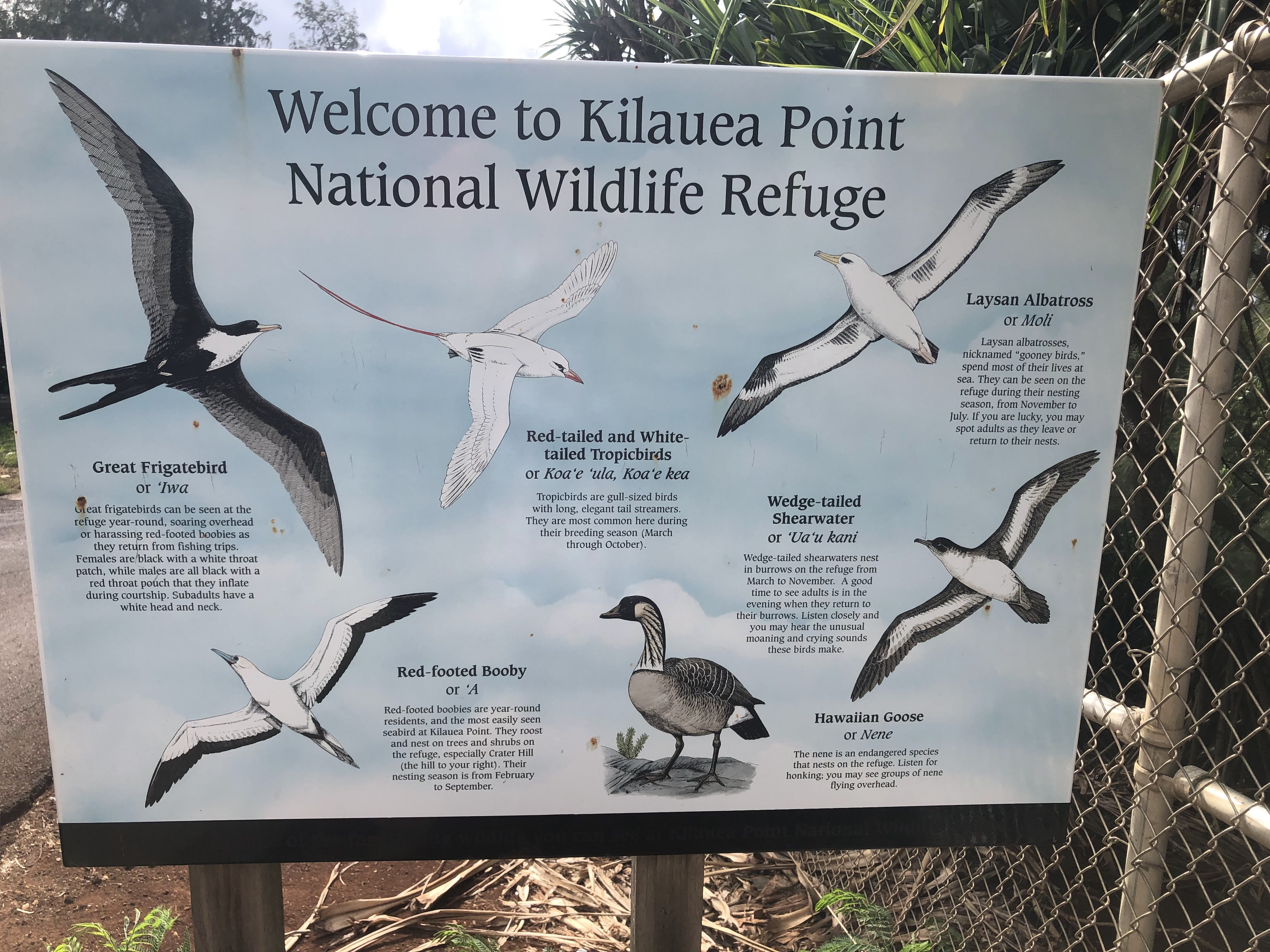
Just as engaging as the roosters are the red breasted cardinals, the nene (geese), cattle egrets, starlings, mockingbirds, plovers, sandpipers near the beaches , and the marvelously inspiring long-tailed tropicbirds.
Standing atop the viewpoints of the Waimea Canyon in Hawaii, the long tailed tropic birds gained our attention and admiration. Gracefully traversing the yawning canyon below them in swift smooth flights, these birds seem to fly in and out of rainbows 🌈 . If that isn’t magical I don’t know what is.
It is no wonder that Hawaiian folktales are so rich with their imagery of birds and ocean animals.
Every morning, as the sunlight crept in through the clouds, and ushered in another surreal day in the magical islands, The Hawaiian state birds, Nene as the geese there are called, did their bit and squawked their way into our consciousness as well.
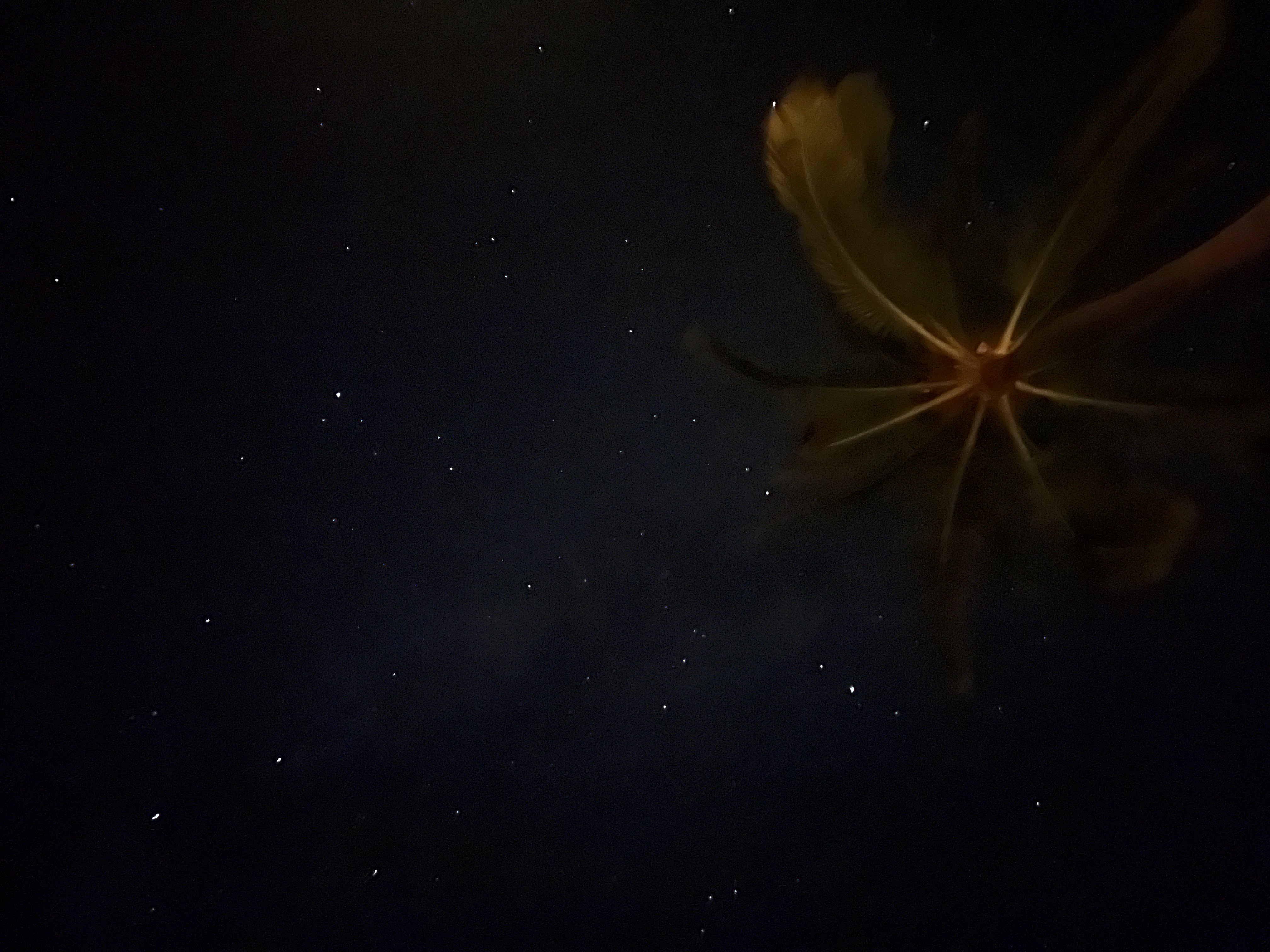
Some nights I would wander outside to stand under the stars when I’d notice groups of nene sleeping under the stars. ✨ Seeing them under the stars like that made me slightly envious I must admit.
Whether it was the beautiful darting and elusive ‘i’iwi (hummingbird -like creatures that are endangered) or the common roosters, starlings, egrets, cardinals, and nene, the birds (Manu) of Kauai have a divinity (a certain Akua) about them that make you want to soar in spirits with them.
One morning I caught the daughter sounding very much like me and chastising her little brother who was watching Marvel on the television. “You come to Kauai and watch these super-hero fellows again – no! Nuh-uh! Out!”
“But there is nothing now – just eating breakfast and watching TV!” came the wounded reply from the budding naturalist. But his sister was firm and switched off the television.
The fellow came into the kitchen, and I shushed him, for out on the verandah was a small, and elegantly regal-looking red-breasted cardinal. We watched the bird in awe for several minutes before our spell was broken, and we sighed contentedly and went about the day.
If naturalists go to heaven (about which there is considerable ecclesiastical doubt), I hope that I will be furnished with a troop of kakapo to amuse me in the evening instead of television.
We are back from a beautiful few days in Kauai, Hawaii.
There is something about the light and sights of an island paradise that always amaze me. Even the darkness seems to be scented by a different tint of light (could it be that the surrounding oceans make for darker skies and the magical stars spread their light more?)
As Gerald Durrell says about the island of Corfu in his writing:
“Gradually the magic of the island settled over us as gently and clingingly as pollen. Each day had a tranquillity, a timelessness, about it, so that you wished it would never end. But then the dark skin of night would peel off and there would be a fresh day waiting for us, glossy and colourful as a child’s transfer and with the same tinge of unreality.”
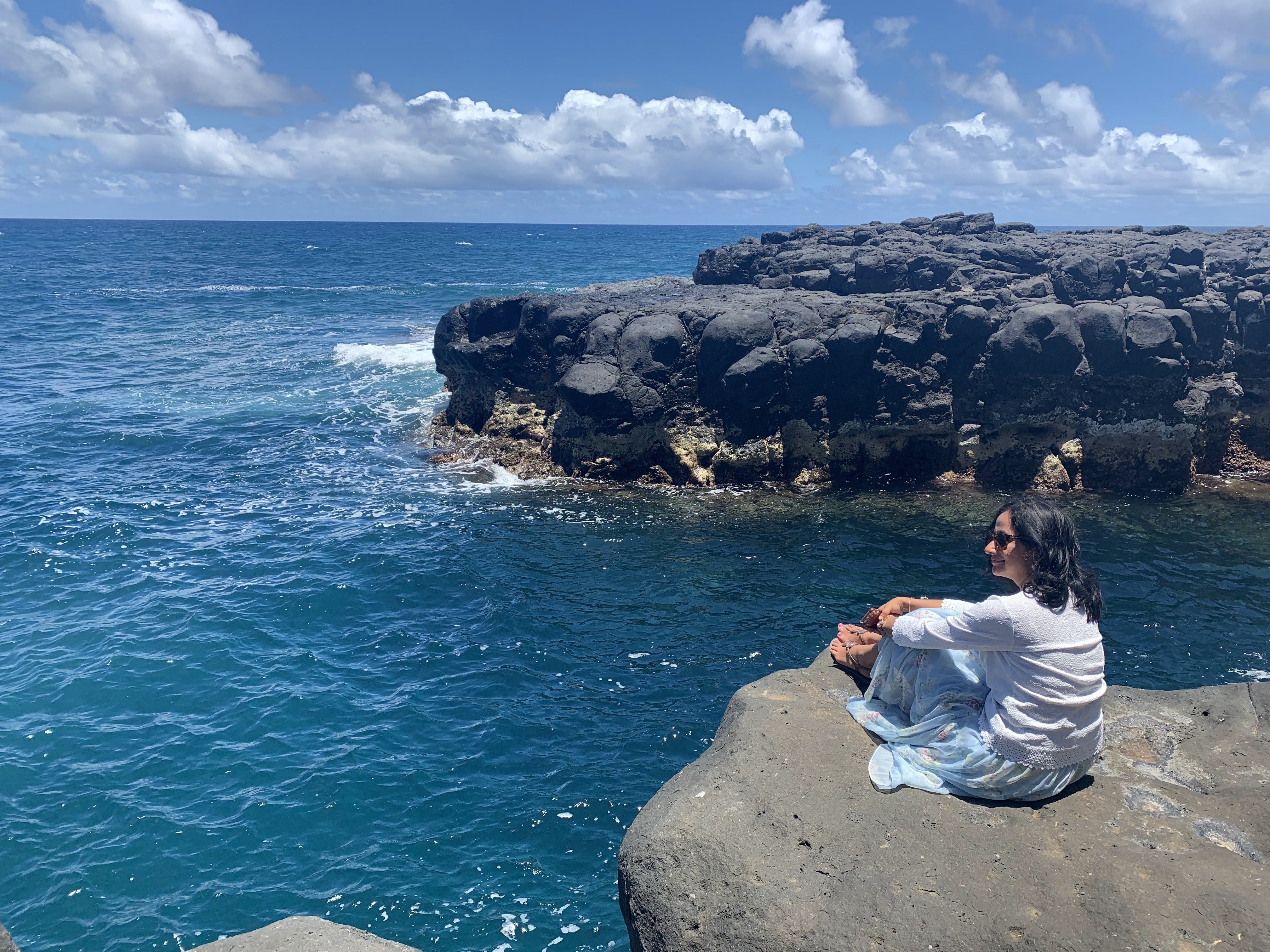
One morning, two days into our vacation in the Garden Island, Kauai, we decided to have a slower morning. We had been rushing and ticking sights off our list ever since we arrived. So, that morning, we lolled and strolled nearby. A tourist magnet like Hawaii doesn’t have too many hidden gems, but walking through the streets has gems enough. We strolled to a nearby lagoon or bay with some rough hidden spots. We sat on the rocks watching the waters slosh into the rocks below. There is something surprising every time we stop and still our senses.
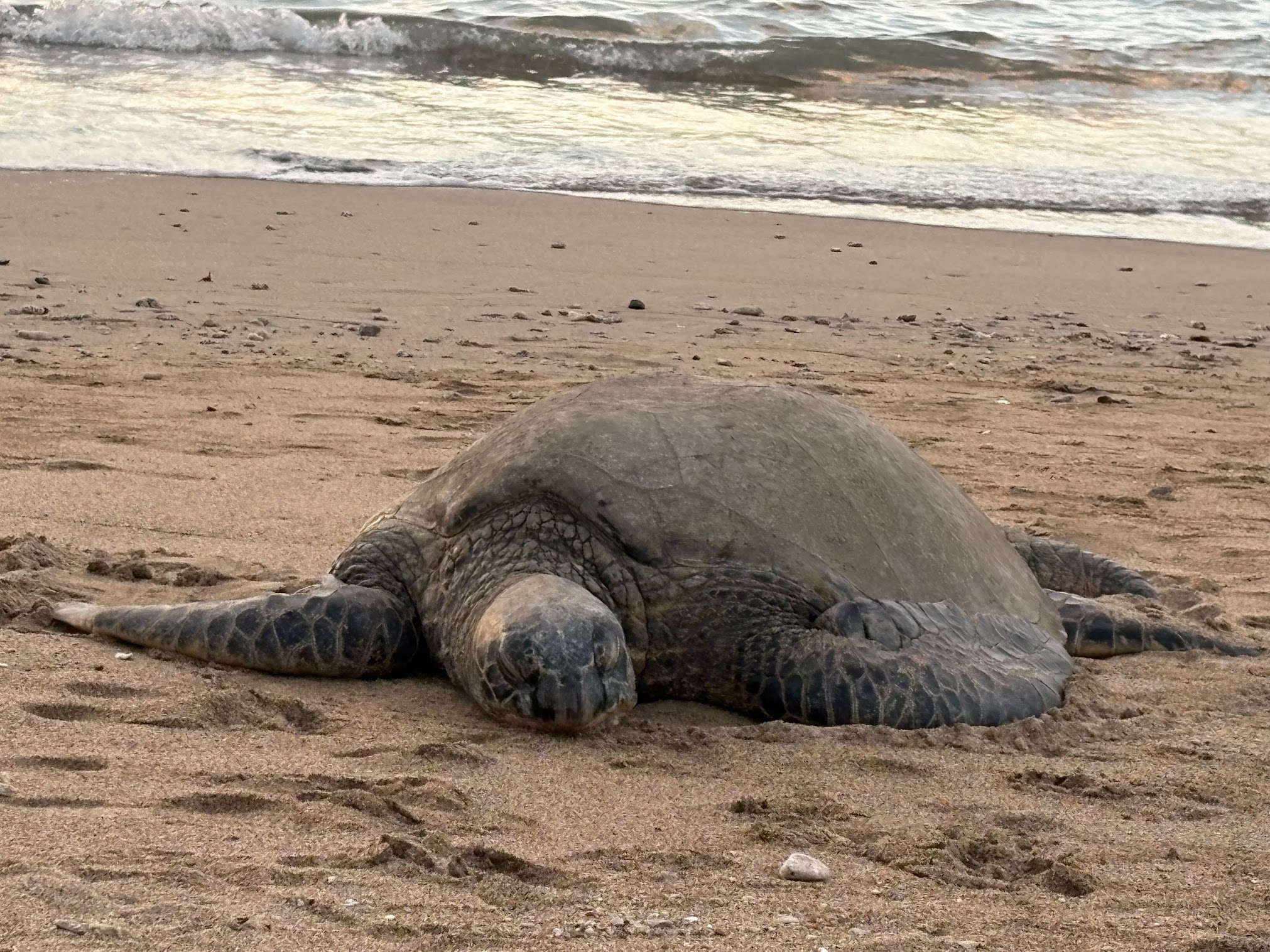
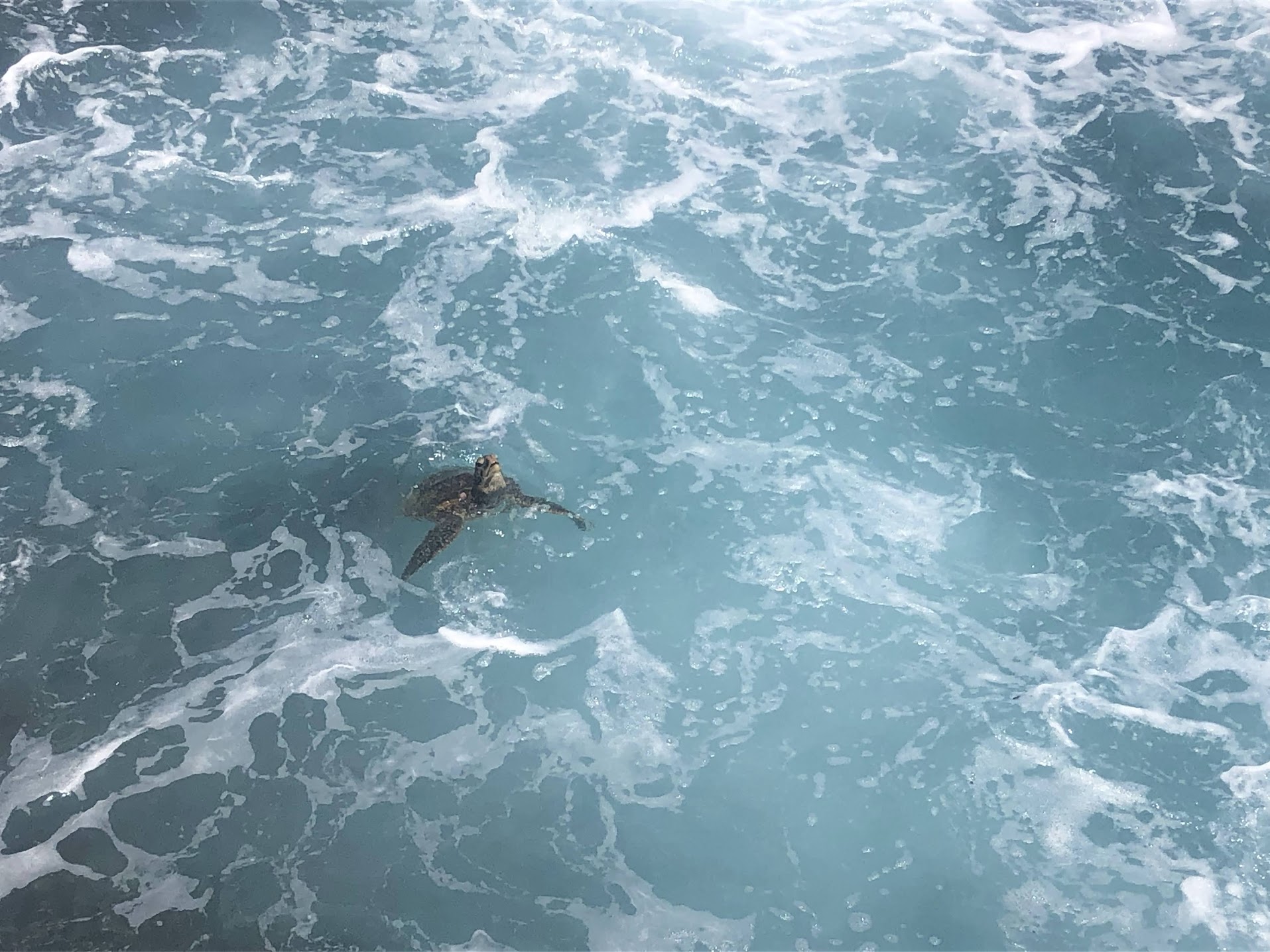
10 minutes into sitting on the rocks and watching the waters below was enough. We spotted 3 large turtles almost all at once. The children and I squealed at the turtles 🐢 swimming and sloshing in the rough waters below. To see a large sea turtle in the ocean is a gift few get, and even fewer appreciate. As for us, we were thrilled.
The delight and serendipity of a sight like lit the world around us. Even now, when I close my eyes, I can see the magnificence of the sea turtles coming up, looking around and ducking back in with the waves.
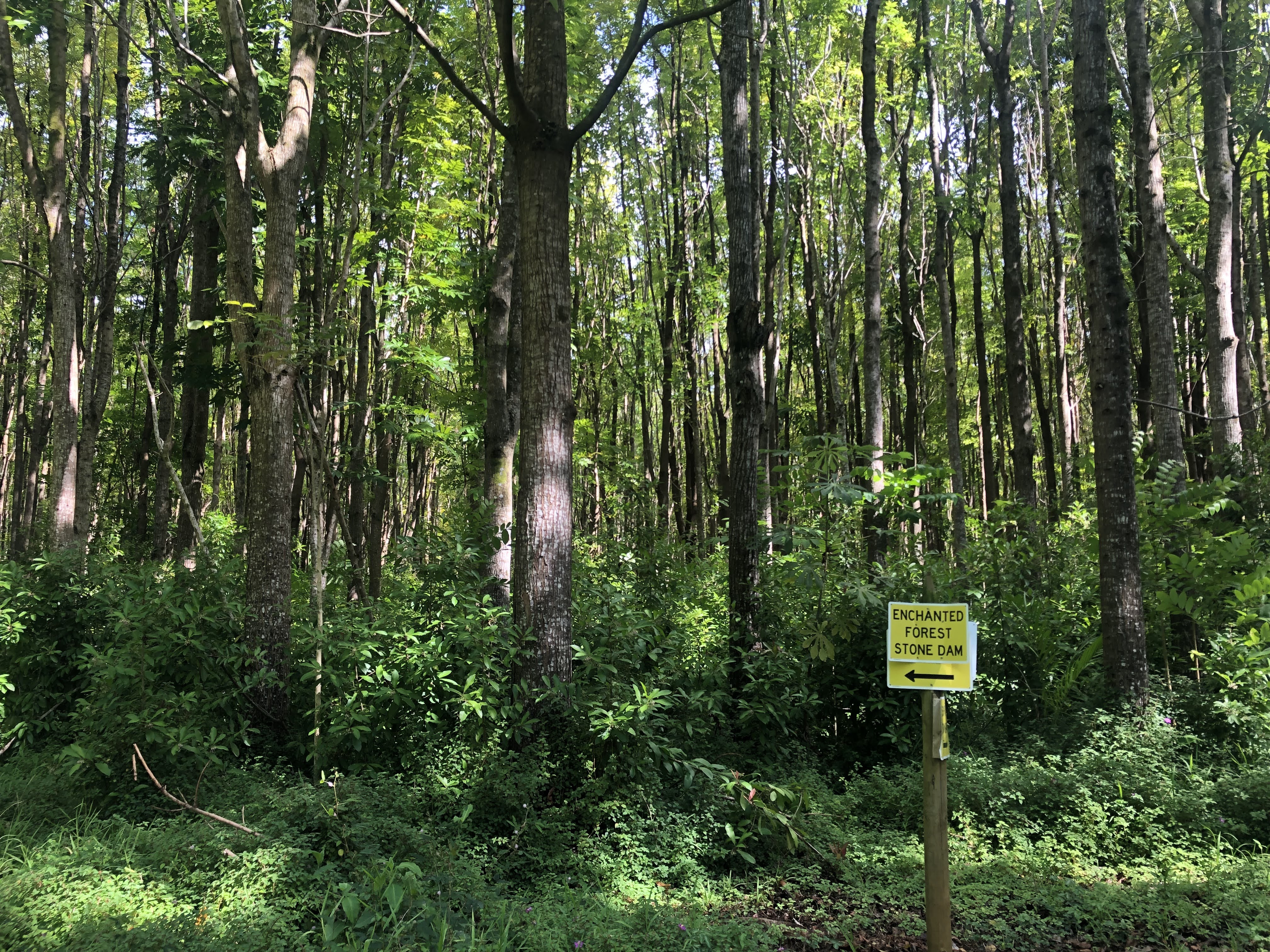
That afternoon, a helpful lady at the resort told us about a hike in a mahogany forest, and off we went. Through the forest, with the sun light filtering though the green canopy overhead, there was a diversion marked ‘Enchanted Forest’. How could one resist a path marked thus? Off we tread into the enchanted forest then, and enchanted it was. There were clumps of touch-me-nots every few feet, and the quiet of the forest only interspersed with the chittering of the exotic Hawaiian birds was magical.
That evening, as I closed my eyes for the night, the turtles came unbidden to wish me good night – sloshing and rolling in the tumultuous waters of the bay. I clutched the firm bed, made probably of mahogany wood, and couldn’t help feeling a sense of gratitude for the enchanted turtles and forests that bless our days on Earth.
The summer solstice was unusually hot this time of the year.
I was just back from the pool. The children looked at me approvingly as I hummed through the early evening light making dosas for dinner. “Amma is like one of those partying surfing hippos of Loango isn’t it?” said the children, and I beamed.
“Those hippos are so cool – riding the coastline, swimming so well – I want to be able to swim like them. I mean, I sputter and bumble in the pool. Imagine if I could swim like the happy hippos of Loango?” I sang and danced a little hippo jig.
The children exchanged glances and burst out laughing. “You know? Some moms would be offended if they are called the surfing hippos of Loango. “
“Well, I am honored.” said I truthfully. “Fascinating creatures hippos. Do y’all remember the hippo handbag I had? Drew admiring glances a few times that one.”
“Yeah – also pitiful ones ma. That one was falling apart – we know, actually the whole world knew, you liked the hippo handbag.” Said the older eye-roll and the younger eye roll in unison.
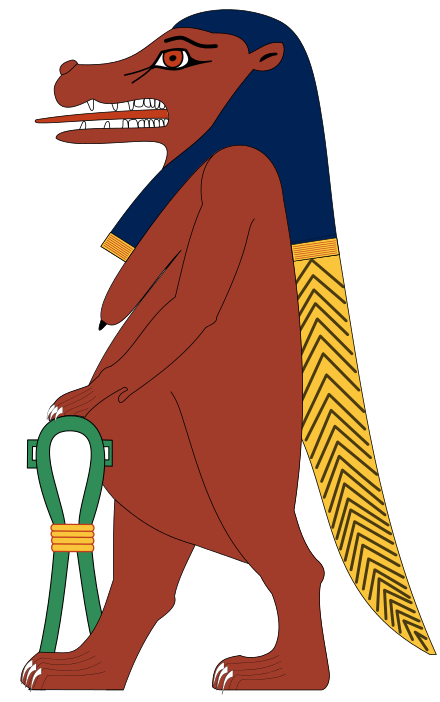
I laughed. “By the way, did you also know that Taweret – the greek goddess of childbirth was a hippo?” Said the mythology experts in the house, and I glanced up from my dosas with wonder and curiosity.
Taweret , a goddess depicted as a pregnant hippopotamus standing upright.
Mankind has for ages gleaned its inspirations from the animal world. All the more reason for us to protect the diversity of life and the planet that nurtures them all.
Ever since we saw the first episode on National Parks narrated by Barack Obama, we all fell in love with the surfing hippos of Loango, the flying sifakas of Madagascar, the camouflaging coolness of the sleepy sloths that have the potential to cure cancer and so much more.
Watching programs featuring the wild in the National Geographic or the National Parks series make me glad that I am alive in today’s day and age. The camera angles, the kind of cinematography, the explosion of knowledge and sharing, the entertainment options and standards, technology everything is instrumental in a wildlife show. Where previously, we had to rely on the mental imagery through words such as Gerald Durrell’s, now we have the ability to see the guanacos act of survival in the Patagonian landscapes right along side the sluggish sea lions on the Californian coast. If that isn’t lucky, I don’t what is.
I have tried capturing a butterfly with my phone several times, and I must confess this simple act is all it takes for me to gain a sense of awe with the captures of these wildlife photographers and documentary producers.
Not just any star, but an internationally loved one, with no scandals or gossip magazines thrusting their weight of circulation and readership behind them. Where do such stars exist? you ask thinking of all the gossip columns, and the entire magazine staff making their monthly rent (and amenities) writing and analyzing their lives.
Well, such a star could only be a much admired animated character, and therefore the joy is doubly special.
It was a hot day, and the earth was baking lightly when I announced my intention to go walking with my friends in Palo Alto. The smog from forest fires nearby was almost unbearable: birds drooped and took refuge in the trees, plants smacked their lips and dug deeper for some water.
“You’re nuts you know that? Who goes for a walk on a day like this?” , said the daughter.
I beamed in return, and said it mattered not one whit that it felt like a summer stroll on Venus, for I had very cool friends to walk with!
The daughter, being the daughter, giggled and patted my hair patronizingly.
The son, being the son, rattled off some statistics basically letting me know that Venus is far worse. But you, dear reader, I am sure you get the gist without knowing the exact megatons of carbon dioxide in Venus’ atmosphere. (For those of you still curious, please watch this video from Kurzgesagt : Terraforming Venus) This is a popular topic with the son and I have another post to write on a walk in which we discussed these seemingly impossible things.
I meander like a drying up river losing its senses along the way on a hot summer day. Where was I? Yes – meeting a celebrity. Anyway, there we were in Palo Alto – my c.friends and I, walking down a wooded path trying to shake off the oppressive heat, and being marvelously uplifted by the conversation.
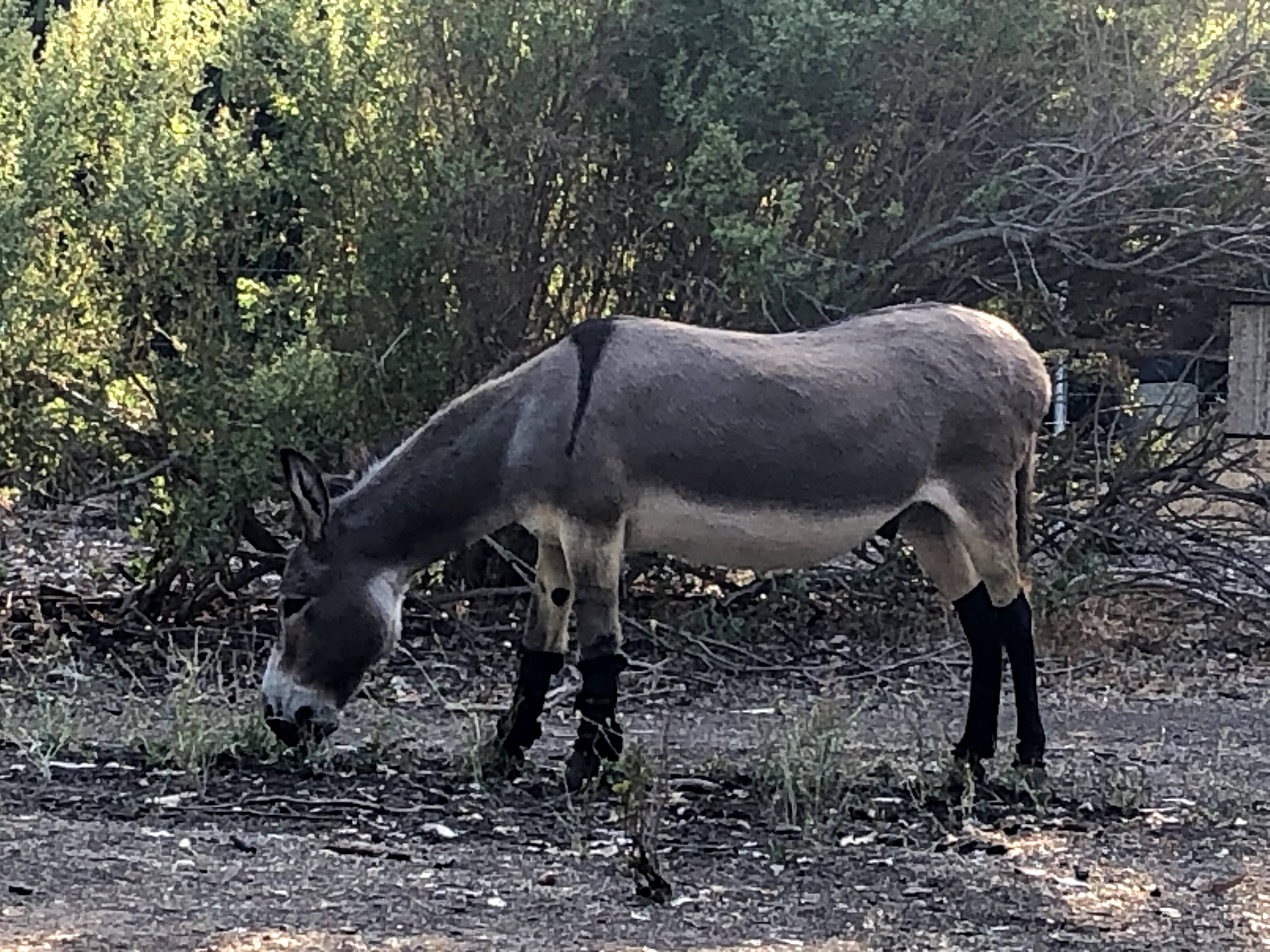
At journey’s end, we stood there humbled by the stars of the day. Our friend had taken us to Barron Park, where the local family had maintained donkeys, and they had become a local attraction.
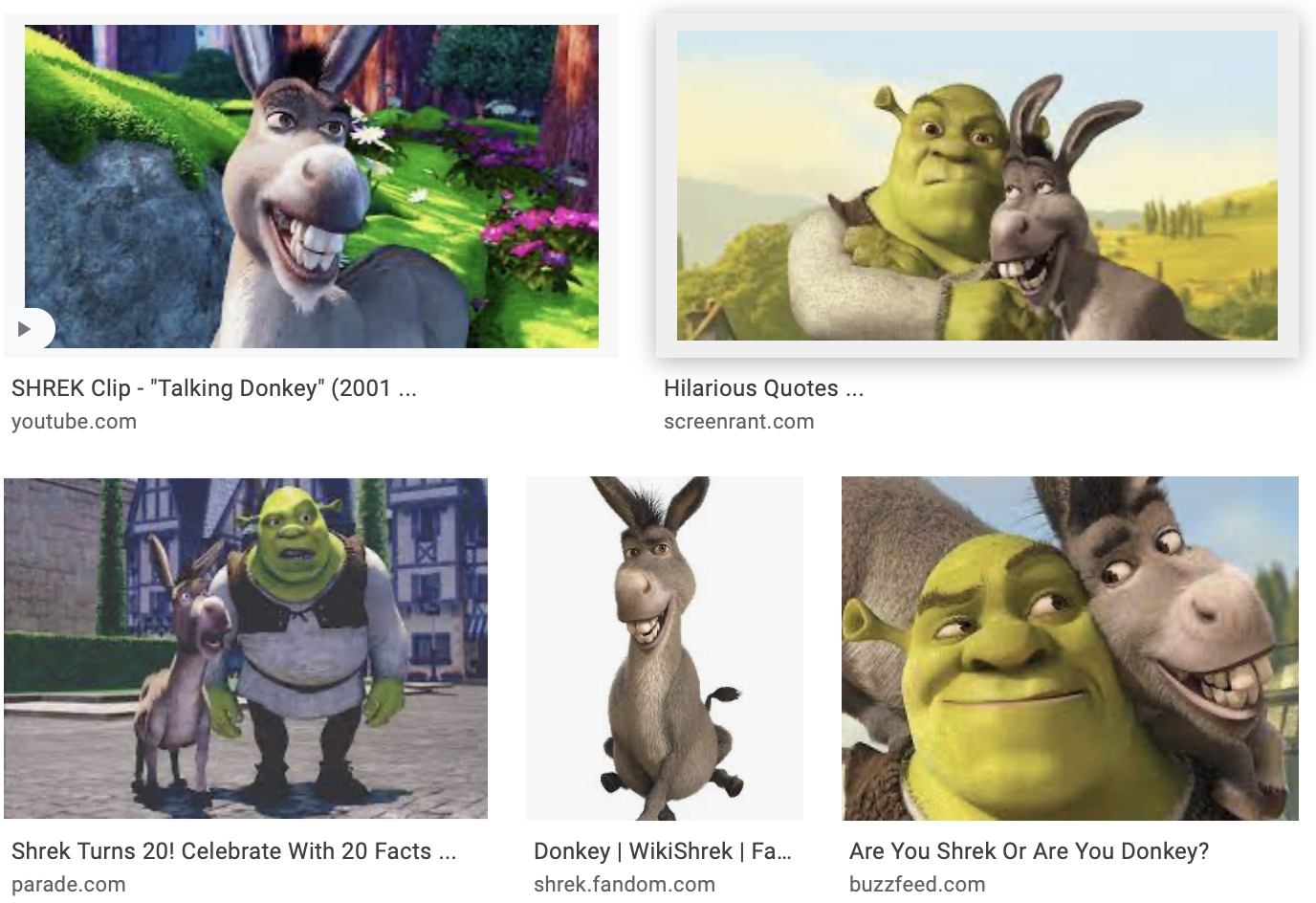
One of the donkeys in front of our eyes was the inspiration behind the donkey in Shrek – that gullible, loquacious, annoying donkey. These donkeys, Perry and Buddy, though were remarkably quiet, enjoying their pasture, and gazing serenely about their surroundings.
I headed back home with glee, and called out lovingly to the children, “Hey kuttikazhudhais. Guess who I saw today?” And out blurted the whole tale of the darling donkeys in Barron Park, and the daughter amidst her giggles said, “Oh! I thought when you called me kazhudhai, it was an insult, but it is a loving insult huh?”
I laughed. “Well, yes, I called out to Buddy and Perry, and they gave me the exact reaction that you give me. “
“What is that?”
“Acting as though they did not hear and kept on grazing happily in their little pasture.”
Her laugh would have made Donkey in Shrek proud.
I loved the donkeys of literature, the endearing “donkeys” in my life, and the gentle, sturdy, hardworking, peaceful animals that inspired the world starting from the days of Aesop, through the mangers of Nazareth, to Shrek’s donkey.
When R K Narayan said, writing is like a yoga, I suppose he didn’t quite envision the exact pose in which inspiration would strike. For me, it seems to be in the Shavasana(sleeping or corpse) pose. Take Saturday night for instance. I had mooned about the hills early in the am. Happy cows, and cheeky turkeys hobnobbed with nervous cows and pesky humans to great delight in the misty dews of the morning.
A morning out in nature is usually balm enough to get the old inspiration going. I spent the whole day with wisps of little sentences floating in and out of the brain. Sentences that would make amazing epiphanies, little witticisms that I yearn for when trying bite-size nuggets of wisdom, they all paid a visit.
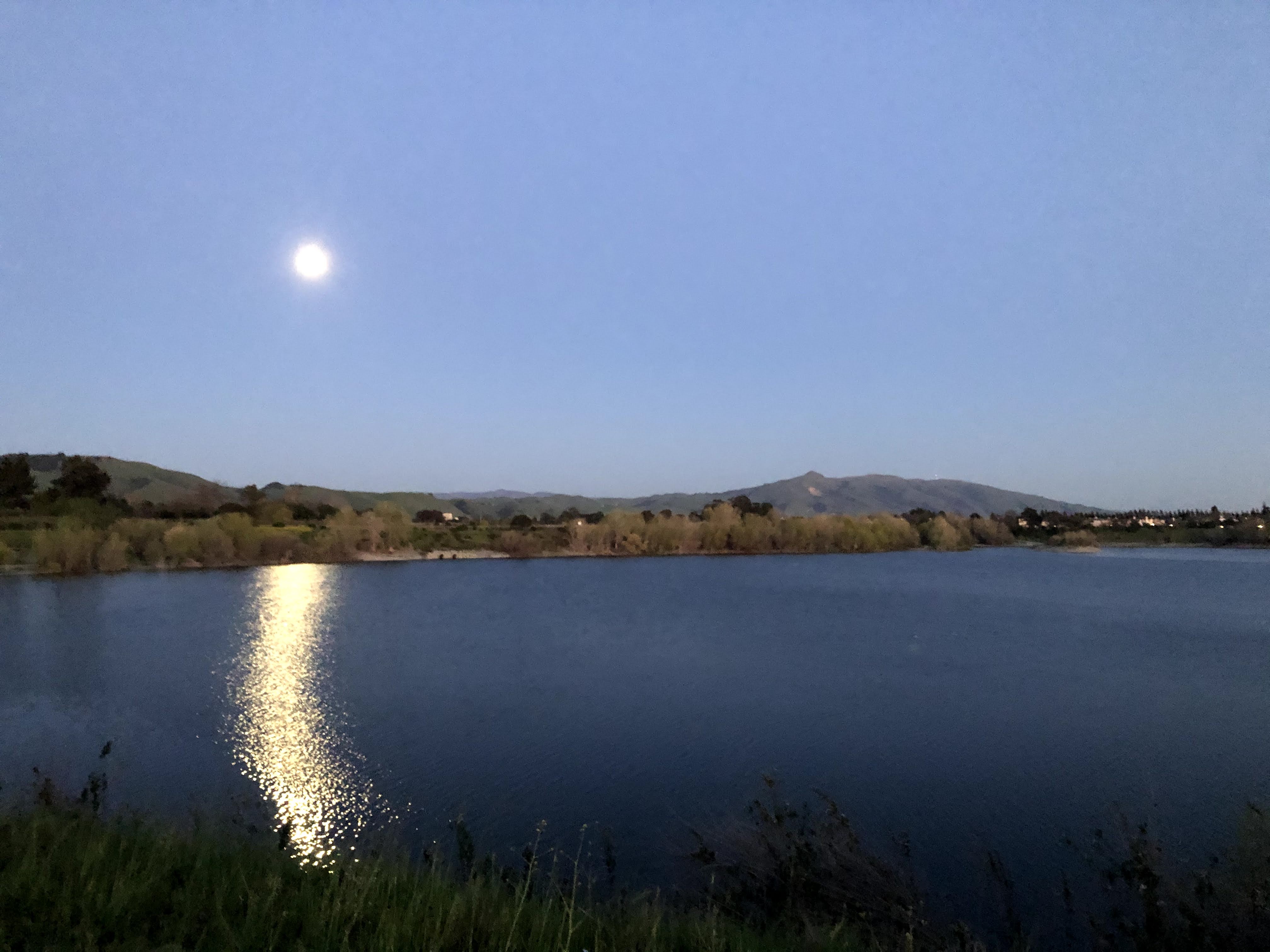
Throughout the day, inspiration seemed to come along just when I was slicing the onions, or grumbling about the crumbs with the old vacuum cleaner in hand. I had no access to put some of these words to paper. Then, early evening came, and I sat down to write, when the beautiful full moon rose – hanging like a large golden orb over the Earth. Poets swooned, artists swelled, and writers bloomed. I rushed in, opened my laptop, and had one of the dullest writing sessions possible.
I teased and pleaded – trying to gather the wisps into a cotton ball of candy, but nothing happened. I wrote the dullest set of sentences conceivable and decided to not fight the muse anymore, and headed to bed.
I opened , Over Seventy, by P G Wodehouse, (his autobiography) and there was a section written by P G Wodehouse on how he would hesitate to use snails as subjects.
“As a writer I have always rather kept off snails, feeling that they lacked sustained dramatic interest,. With a snail, nothing much ever happens, and of course, there is no sex angle. An informant I can rely says they are ‘sexless or at least ambivalent… Obviously, the snail-meets-snail, snail-loses-snail, snail-gets-snail formula will not help you and this discourages writers from the start.”
Over Seventy – P G Wodehouse – Essay on Bridges, Snails and Meteorites
Well, what do you think this innocuous paragraph did? It started the brain off on a most interesting snail trail. I harked back to the book, Birds, Beasts & Relatives, by Gerald Durrell, where he dedicates a good portion of his musings on myrtle forests to snails, and what an interesting love subject it proved to be.
He writes with such obvious rapture on the mating ritual of snails, that I wonder why entire sonnets aren’t dedicated to this marvelous endeavor. He had the good fortune of finding the slow blisters stirred into action after a freak thunderstorm got them going.
Sure enough, on a myrtle branch there were two fat, honey- and amber-coloured snails gliding smoothly towards each other, their horns waving provocatively.
… This freak storm had obviously awakened them and made them feel gay and romantic.
So, there they were, side by side attached to each other by the two little white cords. And there they sat like two curious sailing ships roped together. This was amazing enough, but stranger things were to follow. The cords gradually appeared to get shorter and shorter and drew the two snails together. They stayed rapturously side by side for some fifteen minutes and then, without so much as a nod or a thank you, they glided away in opposite directions, neither one displaying any signs of darts or ropes, or indeed any sign of enthusiasm at having culminated their love affair successfully.”
Birds, Beasts, and Relatives – By Gerald Durrell – Essay on Myrtle Forests
I closed the book, and an image from the early evening, with the skies pink in the setting sun arose. I had just watered the plants. The children and I had squealed at the moisture at the end of the hot day, and stood there enjoying the little rainbows created by the water sprays, when I spotted a snail clinging to the succulents, and making a slow but hard climb towards the lavender patch. The children gathered around to see the beautiful creature too. Was the snail’s sentience relishing the sunset skies too?
Sluggish thoughts indeed, but rather the best for a drift into sleep. Where old P.G.Wodehouse was stumped with the snail-as-dramatic-love-interest angle, old Gerald Durrell had spun a yarn with the very angle. I yawned one of those jaw-breaking ones, and resolved to write about snails instead. So, here we are.
Matt Sewell’s, book, Forgotten Beasts: Amazing creatures that once roamed the Earth is a highly captivating book of animals that once roamed the Earth. Beautifully illustrated, this book is a marvel. Every time, I marvel at how life managed to thrive, sustain, and regenerate in all its fantastic forms. As I thumbed through the pages, admiring the defense mechanisms of each animal, the unique ways in which they thrived and survived, an obvious question flickered through the brain : how many of our current organisms are having the same sort of trouble?
Starting with prehistoric animals, the book slowly walks through the animals through the ages, and finally arrives at the timeline in which human-beings appeared.
The next book was the obvious pair to Matt Sewell’s book of extinct animals. It is: 100 animals to see before they die – By Nick Garbutt & Mike Unwin.
Reading these two, along with Birds, Beasts & Relatives by Gerald Durrell, made for an interesting time in the old head. Gerald Durrell is a naturalist and his obvious enchantment with the fauna he finds around him, led to create the Durrell Foundation for Conservation of Animals.
We charged and weaved through traffic to make it to Back from the Brink. The documentary was playing in the Boston Science Museum for which the son & I were going. This was going to be our special afternoon, and we had made any number of snafus with the tickets, the cab to get there etc. But we were there at the right time, and the pair of us took a few deep breaths.
How often we find ourselves mired myopically into our own lives? It is at moments like these, that books, museums, and documentaries do their bit I suppose. We sat there, as the camera zoomed and picked us along for the ride. We were there to watch the exhilarating recovery of 3 animals who had made it off the endangered list.
In Back from the Brink, the documentary walks us through 3 different scenarios in which man-made decisions led to the near extinction of certain species, and how man-made efforts also brought them back from the brink of extinction.
The first one was about the foxes in Catalina Island, off the coast of California
The second one was on golden monkeys in China
The third were the red crabs in an island near Australia
Each species has a different story arc – the foxes in Catalina Island were the result of DDT spray affecting the eggs laid by the bald eagles near the island. This led to a mass dying / migration of bald eagles. Once the bald eagles were no longer there, the golden eagles swooped in, and for them, these tiny foxes were prey. How the team of naturalists figured this piece out, and how they went about trapping foxes, bald eagles, and golden eagles, and then nurtured and relocated them till they could thrive again, is a marvelous journey.
The golden monkeys were a simple case of stopping poaching, but a hard fight indeed to get the poachers to act as guardians in these snowy terrains.
The red crabs had an army to fight and thrive against. The yellow crazy ants who accidentally came off the ships years ago, had ran amuck, and the crabs were being inched out of their own homes. This one, had a unique solution too. The naturalists introduced another species(knowing fully well out how much havoc such an act could cause). After much deliberation, they did so. The yellow ant population came down, and the crabs could thrive again.
The Boston Science Museum is a marvelous place for the curious and the uninterested alike.