Exploring The Anthropocene: Life Between Cosmic Events

The Anthropocene by John Green

In the book, The Anthropocene by John Green, there is an essay in which he he mentions Mark Twain’s life being sandwiched between the two appearances of Halley’s Comet 76 years apart. He was born the year it was born, and he wrote famously the year before his death that he hoped to go out with it, and he did.

When I read that the first time, I felt sorry for him. He was born in 1835, and died the day after its perihelion in 1910. I hope he got to see the second occurrence. Imagine being alive for 2 appearances and not being able to see them both times. I suppose there is a poetic beauty to being born and dying between the spectacular cosmic events. But then, plenty of people did not see Halley’s comet even when it was visible in their lifetimes, so what’s the big deal?

Halley’s Comet

I remember being excited about Halley’s Comet in 1986. I was thrilled at being included in the viewing party – it was for my older sister’s classmates, and they had agreed to let her little sister tag along. 

I remember peering through the telescope. I cannot say with any conviction that I remember the comet itself. Some blurry recollection is all that remains. But the feeling of the evening remains. The excitement at being included in an elite group of senior students, the protective aura of having my older sister and her friends look out for me, and the cold temperatures of the night. That cup of Bournvita before bed was enough. 

Astrophilia

Nights and stars seem to have similar experiences ever since. The feeling more important than the viewing itself. For a star is a star. A celestial object – a celestial object – nothing more. Yet spectacular enough to be other-worldly. To tap into the possibilities of a vast universe. 

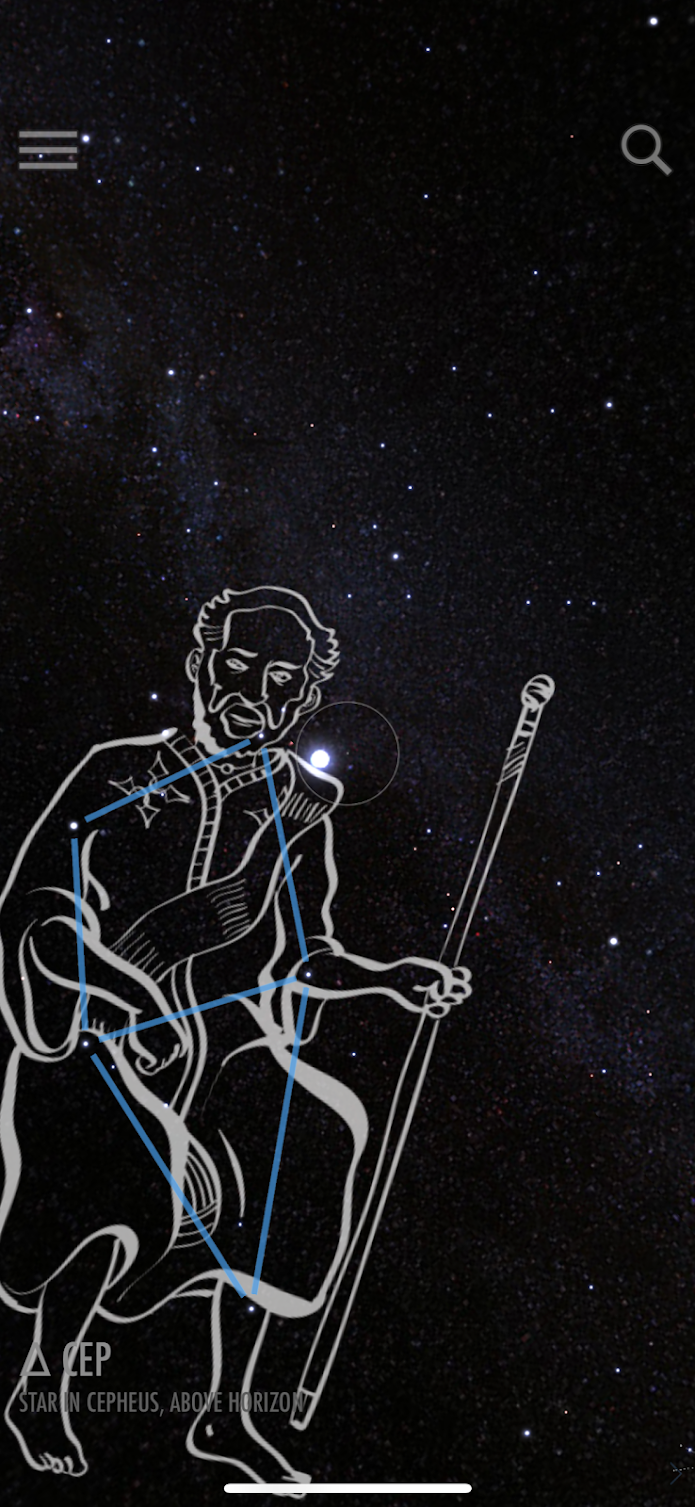
One night, we were out looking for a star system, Delta Cep in the Cepheus constellation, and I could not help wondering what their Delta-rise and Delta-set looked like on the planets in that star system. Did they have moons beaming the reflected lights of the stars to them? Were there any microscopic creatures willing its way into rudimentary life? Life seems to be so hardy and resilient and willing to thrive, it seems a little surprising that we have yet to discover traces of life elsewhere. 
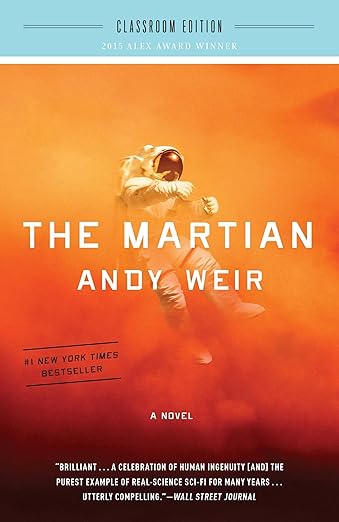
The Martian by Andy Weir

We were reading The Martian by Andy Weir for our book club, and thoughts of life elsewhere held all the more appeal. One only had to peer at the way weeds take root and crack through pavements, to see how resilient life can be. (It is another matter altogether that the plants I do try to grow on purpose seem to fizzle out on me, and routinely droop and call it a day, but that is a post for another day. ) 
In any case, it got us all thinking about all the things that enabled a planet full of sentient life, and how we sometimes forget to marvel at the sheer beauty of it. Wrapped up in our worries, anxieties, and livelihoods. 

The son is doing a science experiment in which they are experimenting to see how microbial colonies develop in  slice of bread under different conditions. In a fit of whimsy, he spoke and sang to the bread (gave it lectures on George Washington – his latest obsession, sang a Hamilton song) – to get the microbes on the slice, and has placed them in airtight containers in different conditions throughout the kitchen – in the dark, in perpetual light, and in freezing cold conditions. It will be interesting to see where life can thrive. 

That life had a starter kit is miracle enough, but the fact that it thrived enough to produce the kind of beings we find on this planet is astounding, and, yet, we forget it everyday. 

We are reminded periodically about the miracle of our lives through celestial objects, meteorites, the beauty of a full moon, the blooming of the kurinji flowers every 12 years, the cicadas coming to life every 17 years and so on. Still we forget. We forget to stop and marvel. We forget to stop and think.

The book of essays in The Anthropocene Reviewed by John Green is an interesting read. For it each is an essay about a different topic – short but through provoking. Covid-19, geese, Halley’s comet. Combined with the kind of scientific and regimented problem solving that a book like Martian makes you think about, the possibilities to keep oneself occupied is manifold – like the possibility of life itself.

Frog & Toad Would Be Proud!

The husband in a fit of enthusiasm started a vegetable patch. When the h starts a project, he goes at it with all the usual enthusiasm. Which is to say that he was coming home every other day with a different piece of equipment – a fascinating looking thing called a trellis, spades, a garden patch, large bags of compostable soil. 

As much as I moaned about the necessary and unnecessary things in our midst, I was impressed with the work the man was putting in. He had the look of a man with a mission toiling to accomplish his vision.

Within days, the man had created a veritable garden patch. Enthusiastic and proactive actions such as these lead to unexpected outcomes. Soon, the local library’s solarium seed packets made their way to the patch, visiting aunts and uncles, neighbors and friends who are far better at gardening than us, added their bit to the seeds, and gloriously, the vegetable garden grew.

For the next few mornings and evenings, I would take my tea over to see if the plants had grown. Feeling a bit like Frog & Toad, I walked up and down several times and poking the ground (Arnold Lobel writes of hilariously identifiable situations with Frog & Toad as his protagonists) In one story, Frog gives Toad some seeds to start a garden:

“Here are some flower seeds. Plant them in the ground. “ said Frog, “and soon you will have a garden.”

“How soon?”, said Toad.

“Quite soon.”, said Frog.

He planted the flower seeds.

“Now seeds”, said Toad, “start growing.”

Toad walked up and down a few times.

The seeds did not start to grow.

Arnold Lobel, Frog & Toad

I wondered whether a spot of singing would help and all that. (there is research that suggests that music helps the plants) 🌱 🪴

I must’ve discussed the possibility in earshot of the plants, for I felt the earth shudder and the underground networks that these plants seem to have buzzed with coming disaster, and the very next day, they started to grow and flourish in the patch. 

Once the shoots peeped into the ground above, two things happened. They benefitted from the hot Californian sun and the nurturing of the mother who is here a-visiting. She would fuss over the patch, spray tea leaves, crush dried vegetable droppings to the soil, and water the plants regularly twice a day when the plants were young.

The patch attracted butterflies and and the creepers looked for ways in which to latch onto the trees nearby and take root. 

The vegetable patch is a daily joy – we had the first cucumber from the creepers today, and I must say: the raita (cucumber + yogurt) was tastier than anything I have eaten before. The vision and initial spade work was the husband’s, the mother’s was the subsequent tendering and nurturing of the patch. 

I clapped the husband and mother on their backs in a congratulatory note. That cucumber was a marvel. Something that was produced by the hardworking plants on Planet Earth. 

“People don’t know to make a leaf, but they know how to destroy one.” 
― Hope Jahren, Lab Girl

Oh! How easily we go to the store and rip out one of those plastic bags and pay for the produce? It makes us appreciate all the agriculturists, farmers, and gardeners in our midst. 

“It takes a long time to turn into what you’re supposed to be.” 
― Hope Jahren, Lab Girl

Roving on Planets

Standing outside by the curbside of our home one night, my eyes were drawn to the beautifully illumined Sirius shining bright in the night sky. Sirius has been looking brighter than usual in the winter skies, and I have often stared at the blinking star wondering what was happening that far away in the Universe.  Every dot in the night sky suggesting a universe of possibilities. The space between dots showing the emptiness, the dots themselves, bright and important only because of the surrounding darkness

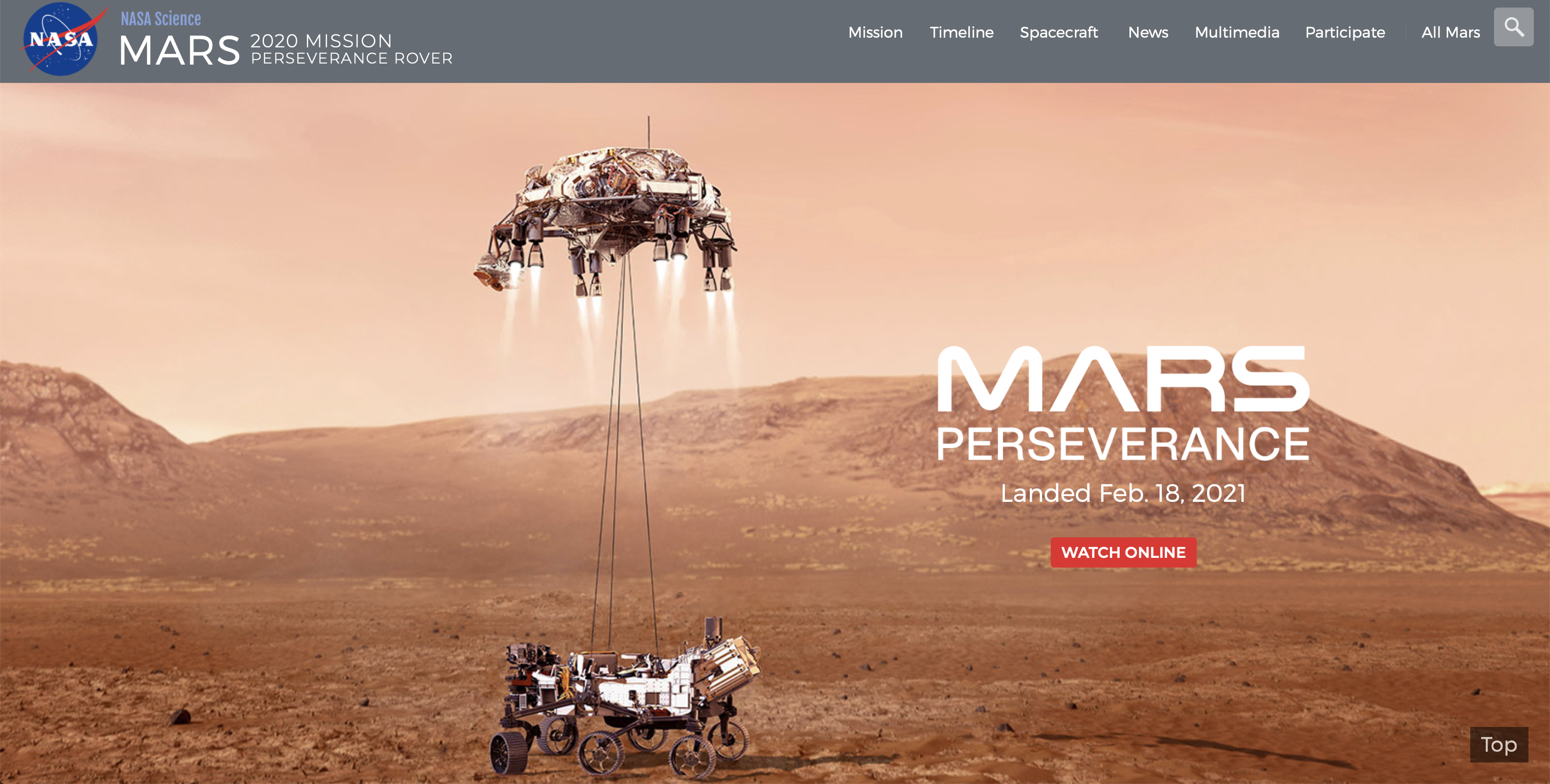
Almost subconsciously, my eyes moved over to the red spot Mars. For here, in our own solar neighborhood, we know that something is happening. Something of human interest, and intent. To think that on that distant reddish spot in the sky, 3 generations of rovers have spent the time taking photographs and trying to determine the existence of life on the planet, is surreal. Not to mention the fact that they have been able to transmit the pictures back to Earth for analysis. 

Screen Shot 2021-02-21 at 2.46.02 PM

The planet has long beckoned us with its allure. All those Science Fiction writers, who used the planet as the home for their fertile imagination, paved the way for these missions. 

Fiction on Mars isn’t new. In fact, the red planet invited writers as early as mid-1800’s to set their stories there. Long before knowing anything about the sounds on Mars, the temperatures, or the atmospheres; worlds were set in it. War of the Worlds had the strangest creatures that human imagination could think of (cephalopod like creatures), who could overpower humans. (This quest for dominance vs courteous co-existence is a pet peeve – why must we turn everything into a conquest? But then, do ants wonder the same about us?) 

martian-ray

Throughout the week, the little cosmologist in the house interspersed our Earthly life with Mars-ly anecdotes and clips. 

Do you know? If we want to live on Mars, we have to have high metal barrier suits. If you go out on an adventure without a suit, there is so much radiation that it could kill you. “ (He had read a novel set in Mars)

Wonder what happened to all water on Mars. The video said there really was water there.” (He has been watching the NASA  videos with interest)

One evening, we sat together huddled up, watching pictures stitched together from the 3 Mars rovers: Opportunity, Curiosity, Perseverance. Barren desert landscapes, not unlike those in the Sahara desert or the Arizonian deserts, are all the rovers could see. In some shots, the commentator says the NASA team stitched thousands of individual images together to gain a clearer view. In some pictures, a blue sky is visible  (the commentator says that NASA colored the skies blue, so as to be able to see the images better, and I thought about how pretty blue skies are and how blue is a very rare color in nature. )

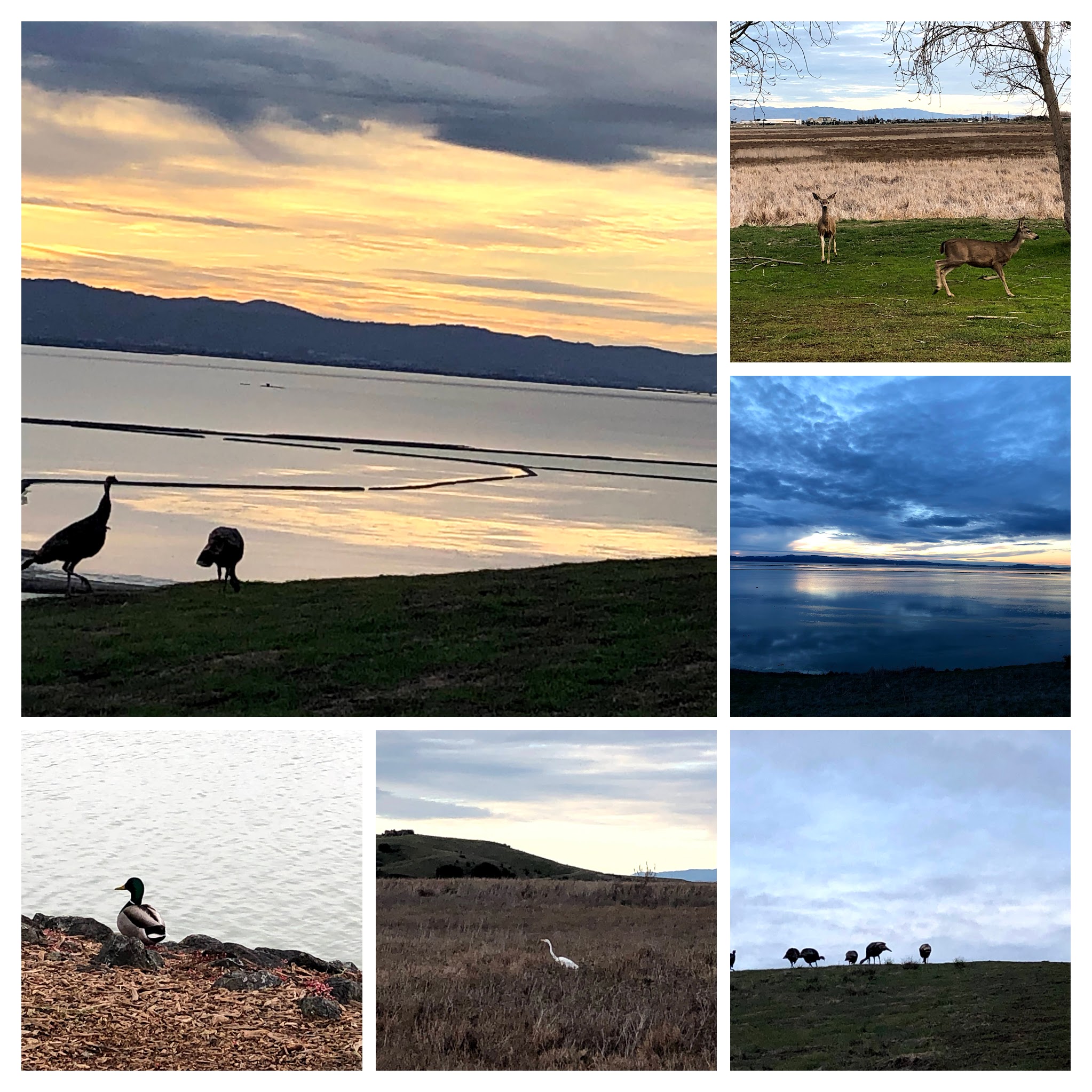
Curiosity and Perseverance will help us find answers. Till then, we have the opportunity to ponder and puzzle about these things. More than any of these curious wanderings, the one thing that the Martian landscape reinforces to me, is that our Earth is a beautiful planet – so vast in its diversity, and lifeforms. The Martian pictures make me want to go out and sigh and fall in love, look after, and cherish the one planet we can thrive on. To admire the miracle that is every tree, every lake, every cloud, every blade of grass, and every flower. 

summer-collage

Not to mention the great miracle of life in the form of marine creatures, land based creatures and those that are able to aerially survey our beautiful planet. 

img_1168-collage

If Martian 4K resolution images have taught me anything, it is to buckle down and look after the one planet we do have. If I am to be roving on planets, why not this beautiful one that has so much to offer?

“I walk in the world to love it.” – Mary Oliver

Are We To Become Lab Rats?

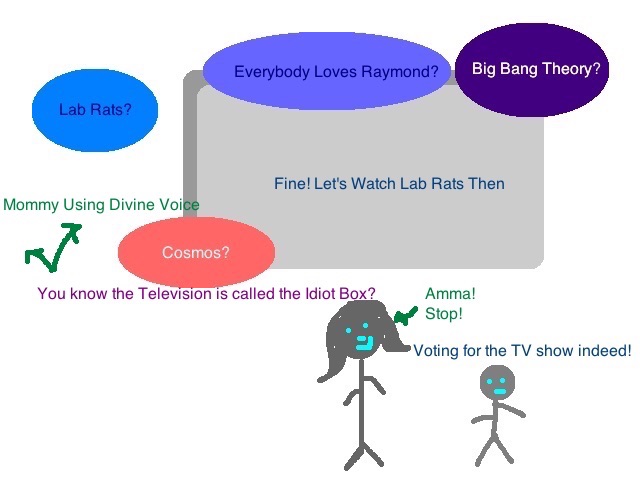
‘Let’s watch something together Amma.’ , said the children one Friday evening. It is officially our movie night. Watching something that suits all of us is a true test of Democracy (An Email From Mars) The littlest fellow is the easiest to appease, and also the fellow you want to most watch out for. He sits there like a sponge absorbing everything: tilting his head to one side, looking through the corner of his eyes, this child seems like the ideal companion. But, his inappropriate quips at opportune moments have chastened us and we no longer welcome him saying, “Oh – he is too little to know.” He knows!

So, the debate raged – which show can we watch that everyone will enjoy?

Everybody Loves Raymond, Cosmos, Big Bang Theory? How about Lab Rats? 

A resounding cheer went up for Lab Rats.

‘Isn’t that show for Teens?’

‘Well…yes but this little dobukins watches it all the time with me.’ said the daughter tousling her little brother’s hair lovingly.

‘Really?’, I said turning around towards the fellow with my hands on my hips.

‘Yes….but Lab Rats is fine….not teenagie stuff.’ he said chuckling merrily.

Like he knows what teenagie stuff is.  Maybe he does and should that worry me? The daughter now tells me things are inappropriate for us to watch. I wonder what rules she uses.

tv_show

Lab Rats is a show about a family where the children have Bionic superpowers – Bree the girl can run free, Adam the hulk can lift a truck, and Chase the fellow whose name sounds like he must run after Bree, instead is the one with superior intellect. They live with their non-bionic stepbrother, Leo.

Like most Television shows these days, they had aced the humor, characterization and it was an enjoyable show. All the same, it left a niggling after-taste in me.

This show captured human desires in a nutshell. We all want to be better. Better than the rest, better than we ever were, better, faster, stronger, smarter. Better to do what?  And where does this betterment stop? We know how any concept can be twisted by thwarted minds to suit themselves as was evident in the sad state of Eugenics.

I am reading Homo Deus: A Brief History of Tomorrow by Yuval Noah Harari, and the same vein popped up again.

The modern economy needs constant and indefinite growth in order to survive. An economy built on everlasting growth needs endless projects – just like the quests for immortality, bliss and divinity.

Screen Shot 2018-01-26 at 3.31.08 PM

Human kind, when we set ourselves on the path to development, most probably do so with good intentions. The problem is once we fix the problems, it seems we can use these very technologies to make things better for those who do not need it. Like  plastic surgery for instance:

Modern plastic surgery was born in the First World War, when Harold Gillies began treating facial injuries in the Aldershot military hospital. When the war was over, surgeons discovered that the same techniques could also turn perfectly healthy but ugly noses into more beautiful specimens. Nowadays, plastic surgeons make millions in private clinics whose explicit and sole aim is to upgrade the healthy and beautify the wealthy.

In Homo Deus, the author goes on to point out this trend in bionic legs, Viagra and memory treatments:

When you develop bionic legs that enable paraplegics to walk again, you can also use the same technology to upgrade healthy people. When you discover how to stop memory loss among older people, the same treatments might enhance the memory of the young. 

No clear line separates healing from upgrading. Medicine almost always begins by saving people from falling below the norm. but the same tools and know-how can then be used to surpass the norm. Viagra began life as a treatment for blood pressure problems. To the surprise and delight of Pfizer, it transpired that Viagra can also overcome impotence. It enabled millions of men to regain normal sexual abilities; but soon enough men who had no impotence problems in the first place began using the same pill to surpass the norm, and acquire sexual powers they never had before.

(Bolding my own)

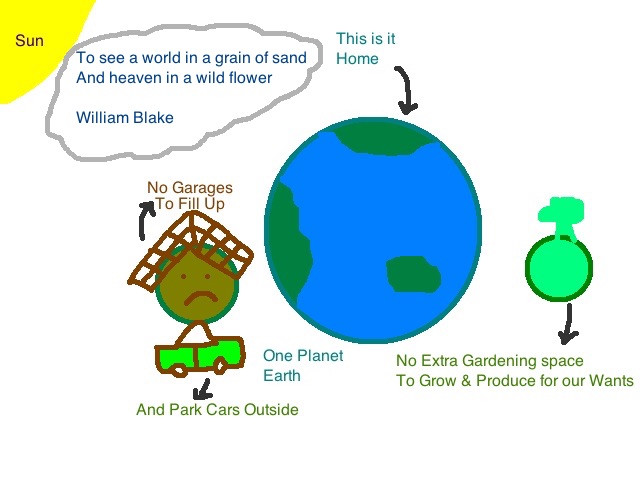
Growth is a wonderful thing. For the first time in the history of mankind, we are able to self regulate our belligerence, spend our resources towards ending disease and poverty, and feed our growing numbers. Science and Capitalism have enabled this wonderful state. But what next? This relentless growth has led to an inordinate strain on the one planet we have. Previously, we could look forward to discovering new lands, but now we have mapped every ounce of the Earth, and we know no Middle Earth or Earthsea is hidden anymore. We have tapped them all. Our only hope is to find a parking garage planet close by so we can continue to expand at the rate we are now.

no_garage

We need to change course for a sustainable future of our planet, and Capitalism with its growth needs seems to be ill-suited to call for such changes.

The recently deceased author, Ursula K Le Guin, said in a speech once:

“We live in capitalism,” said Le Guin, “Its power seems inescapable. So did the divine right of kings.”

I am sure our intense need to survive will push us towards self-regulation and conservation.

With immortality, bliss and divinity projects, are we not Gods capable of solving anything? But, we are also a species who can make the Butter Battle Book by Dr Seuss a sad reality.

Are we to become our own Lab Rats? What would our super-powers be? More importantly, will our shortcomings be even more apparent with our strengths magnified, or will our shortcomings be magnified too?