Feeling Blue?

Fascination with the color blue I realized on picking up the books, BLUE – In search of Nature’s Rarest Color – Kai Kupferschmidt, is not a nourish-n-cherish household trait, but a universal one, and what a lovely revelation that was. 

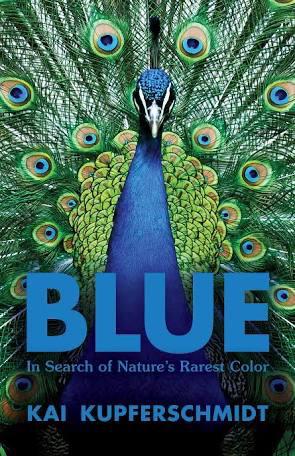
Blue – In Search of Nature’s Rarest Color – By Kai Kupferschmidt

There are blues that are particularly attractive in clothing. For instance there was a deep sea blue nickname M S Blue, for the famed singer, M S Subbulakshmi first stylishly wore saris win that rich blue to concerts. Then there was the copper sulphate blue, turquoise blue, peacock blue, sky blue and navy blue.

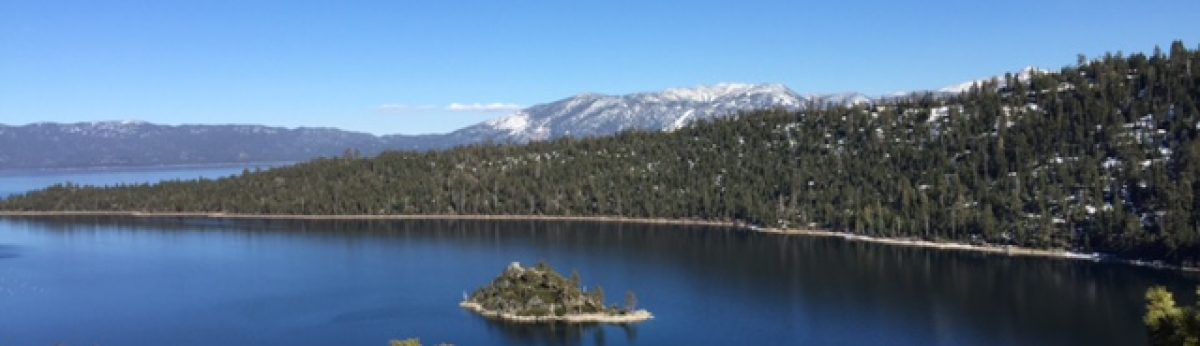
I understand the yearning to write about the color blue. Who hasn’t been uplifted by the blue waters of a lake or ocean, or the sight of the blue skies first thing in the morning? Blue seems to assure us that we are here. We Belong on Earth – on this Pale Blue Dot.

Nevertheless, the book has many interesting aspects to the color blue. Starting from ceramics to precious stones and textile colors, the color blue has always enamored artists and patrons alike.

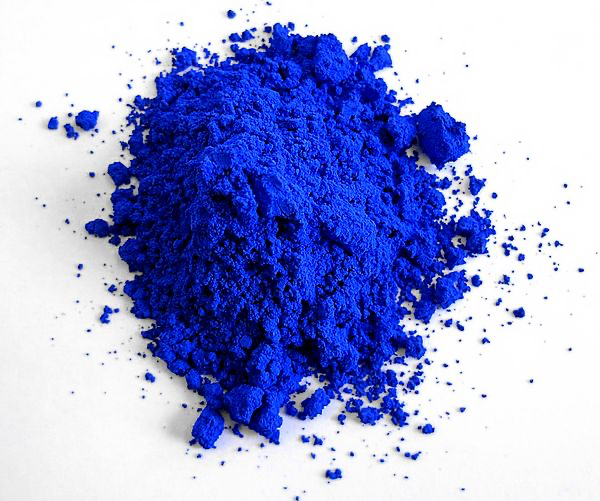
I found myself gleefully reading about the color, YinMn (pronounced yin-min) blue created by Dr Mas Subramanian that was later honored by having a color of its own created by Crayola the Crayon company.  Made from Yttrium, Indium and Manganese, the color created a blue wave in the world of colors.

The chemical formula of YInMn Blue is YIn1-xMnxO3.

You can read about its serendipitous discovery here: https://chemistry.oregonstate.edu/content/story-yinmn-blue

YinMn or Oregon Blue – Image from Wikipedia link : https://en.wikipedia.org/wiki/YInMn_Blue

As I sat watching the son in his swim class, I felt a forced sense of ease settle upon me when I opened the book to read. The swimming pool was tiled with light blue tiles, the white lighting overhead made it a calm enough locale even though there were about a hundred people in the pool area. Waters do have a calming influence if you let it. This summer, we have been swimming a little so we could appreciate the wonders of the underwater 🗺 world 🌎 in the Pacific Ocean. Closing my eyes, I can still visualize the vibrant school of fish and the large turtle in the blue waters. 

The Sea Turtle near Kauai, Hawaii

I always imagined the creatures of the ocean having an even higher frequency range of light perception than humans. So I envisioned them swimming and living in a brilliant world of coral reefs and kelp forests with the myriad shades of blue contributing to its beauty. Imagine my disappointment then that the book while explaining the cones that are present in our eyes to detect color indicate that whales, seals and many denizens of our blue seas cannot perceive the color blue and may well see the teeming coral reefs as grey on grey. 

Image from the book as given on the Amazon page

That made me feel blue – I am not going to deny that. (Though I must admit the color blue has never made me feel blue, so I wonder where the expression comes from.)

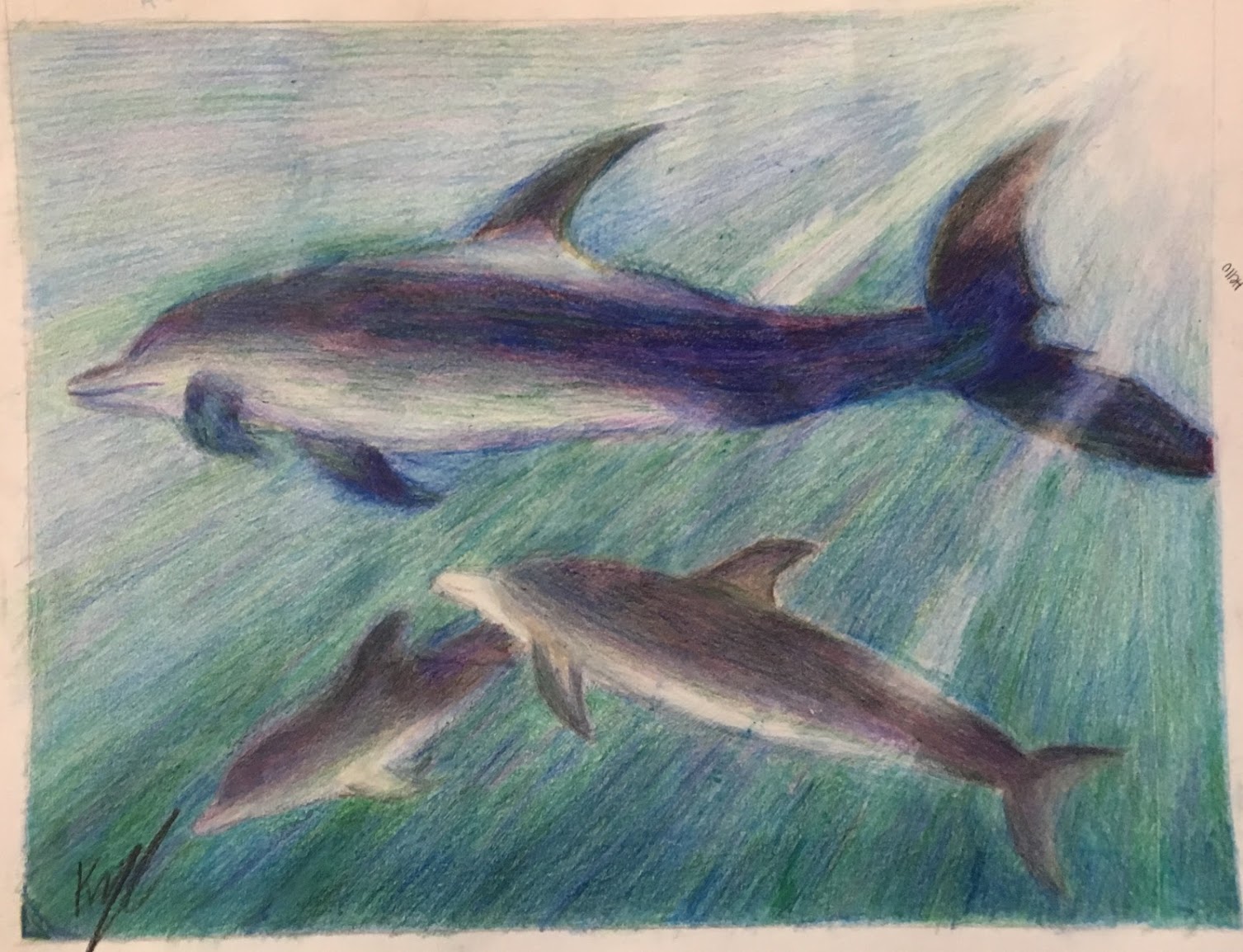
Art work by Daughter

This book has re-awakened a dream of two science-based books that I have been meaning to write for children.  One on colors and another on how different creatures perceive our world. 

When can I become a mermaid?

To explore the forests of kelp

Or a butterfly

Or a blue jay or a hummingbird

So I can see the gardens of life abound through their wondrous roving eyes.

The Peace Tree from Hiroshima

When I picked up the book, The Peace Tree from Hiroshima, I felt a familiar flutter of hope. The title promised a story about the best aspects of humankind. But little did I realize how moved I would be by the book. Published by Tuttle Publishing, which was set up to promote Asian stories in America post World War II, this is a heartwarming tale of a tree that became a symbol of peace between Japan & America.

The Peace Tree from Hiroshima

The Miyajima or pine tree was handpicked in about 1625 when Mr Yamaki’s great great … great grandfather, Mr Itaro, went hiking in the mountains of an island, Miyajama – nicknamed the Island of the Gods for its scenic splendors. Ever since the pine lived in the home of the family: carefully tended for and handed over as a legacy from father to son. 400 years later, when the nuclear bomb was dropped on Hiroshima, somehow this family and the bonsai tree survived.

From sample image on Amazon for The Peace Tree from Hiroshima

I had heard of Bonsai & Ikebana art, but did not truly understand what went into creating and preserving such magnificent specimens. When it comes to art forms with flowers and trees, the Chinese and Japanese have such a rich heritage. 

In what is the most moving gesture of humanity, on America’s 200th anniversary, Japan gifted America with 50 bonsai trees (one for each state). The bonsai trees were special ones including 3 from the Emperor’s collection. This 400 year old Miyajima tree from Hiroshima was also part of that gift and now lives in the Arboretum in Washington where it has been christened The Peace Tree. This tree that saw humankind go through industrial revolutions, technological advances unseen before, and the worst blemish in warfare is now a Peace Tree. I hope I can visit the Washington Arboretum one day and be in the presence of this little 3 ft tree with a powerful message of hope, resilience and forgiveness.

It truly became The Little Bonsai with a Big Story

This little bonsai’s story along with the Cranes of Hope, will hopefully be a reminder to us on the horrors of war.

I hope I can send these books along with the Butter Battle Book by Dr Seuss, to the current world leaders to remind them of how hard the world has worked towards maintaining world peace. A Course for World Leaders #ButterBattleCourse.

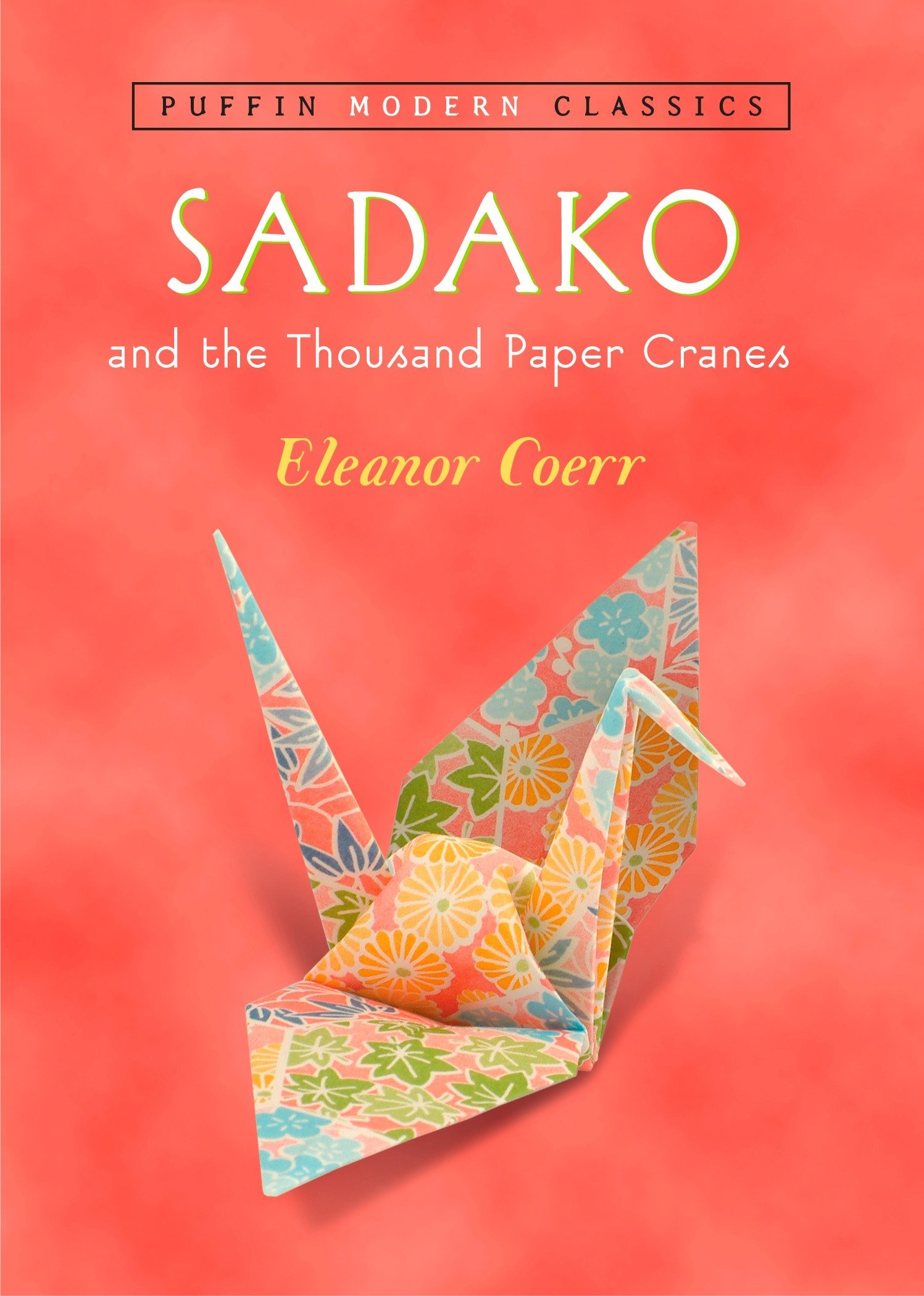
Sadako’s Thousand Paper Cranes

Towards the end of the book, the author writes a note indicating which parts of the story were fictionalized and which parts were true. They also include pictures of several bonsai trees including one that contains 11 trees in one arrangement, created by Bonsai artist, John Naka.  Apparently, one of the longest living bonsai, Fudo, lived over 900 years old. It was bought by the Brooklyn Botanical Garden, but unfortunately this one did not survive the new conditions and died. 

How could the miniature version of the magnificent large pine tree outside our house live as a bonsai tree for upwards of 400 years? Wonders never cease and artistry comes in so many forms.

The Comedic Snorkelers of Kauai

Previously, when we’ve dipped our senses into another world, it was while being firmly rooted in our own. Peeking into the aquariums and viewing areas so painstakingly built for us by the ecologists and marine scientists, I always sent a wave of gratitude to those who enabled these magical moments. 

Snorkeling for the first time in an ocean was mind boggling.

It was with excitement and trepidation that we stood there listening to the instructions from our guide. Contrary to most snorkelers in the region, we were not experienced swimmers. As we slipped our feet into the paddles, a gurgle of hilarity hiccuped its way up and the children & I exchanged glances and started laughing. We did look ridiculous.

Getting a peek into the world of the ocean has always been a dream. Reading essays such as the Enchanted World by Gerald Durrell made the desire stronger.

Any naturalist who is lucky enough to travel, at certain moments has experienced a feeling of overwhelming exultation at the beauty and complexity of life

But there is one experience, perhaps above all others, that a naturalist should try to have before he dies and that is the astonishing and humbling experience of exploring a tropical reef. You become a fish, hear and see and feel as much like one as a human being can; yet at the same time you are like a bird, hovering, swooping and gliding across the marine pastures and forests

Gerald Durrell – Golden Bats and Pink Pigeons

While it had been so easy to slip our flippers on and off on land, the moment we had gentle waves lapping against us, simple tasks became a comedic trial of incompetence. I was glad to see that experienced swimmers struggled just as much as we did with this task. I may have smirked, and if I did, who could blame me.

As we moved on looking into the waters and observing the fish, there were moments when the flippers propelled us forward, and moments when the lungs rebelled with the excessive sea water that we were drinking in with each breath.(It takes some time to find the right degree, adjust the valves etc).

Whether we were watching the fish, or they were watching us was a philosophical question for I felt the fish swim by in delight and make several loops and gags around us. Schools of them – probably curious, and laughing at our inefficiency with the waters.

The fish frolicked, the humans shuddered; the schools of fish glided and gurgled happily while we sputtered and choked; the fish changed direction seamlessly while we struggled. If we entertained our piscine friends, I am happy. 

Several minutes into our dip and frankly embarrassing foray into the ocean, our guide came gliding up like a fish himself and signaled us towards a large turtle (she-turtle he said), and we nodded. “It is illegal to touch a turtle these days, but you can see it from afar.”

We changed course (which is to say we all spat out some sea water, gulped some air and water, sputtered some more and set out in the approximate direction) flipping those comical looking flippers hard. And there, right in front of us was a large turtle with elegant fins swimming graciously in the waters. For those brief moments, we weren’t bumbling sea-water drinking sputterers lost in the ocean, but mesmerized and equally graceful spectators to one of the most elegant creatures on the planet.

This was magic. Days afterward, I can flash back in my mind to that clear image of the turtle with its large fins swimming on by us. A face structure that enables it to look like it is smiling and amused with life, the turtles smooth motion as it cut through the choppy waters of the Pacific Ocean was amazing.

How do bone structures, ligaments, tendons, and all the things that hold an organism together evolve by design to function thus? What marvelous creatures sentient beings are? Nerves, neurons, cells, tissue, blood, ligaments, flesh and bone- but all of this coming together to become thinking beings with intent.

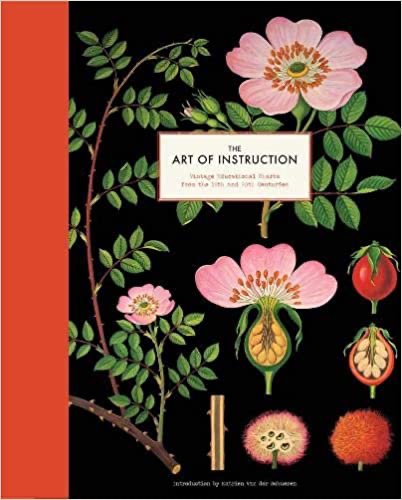
I obviously have been looking for pictures of all that satisfies this marine curiosity ever since. My curiosity was rewarded by this book :

The Art of Instruction – Vintage Educational Charts from the 19th and 20th centuries

The pages indicate the anatomy of many marvelous creatures. 

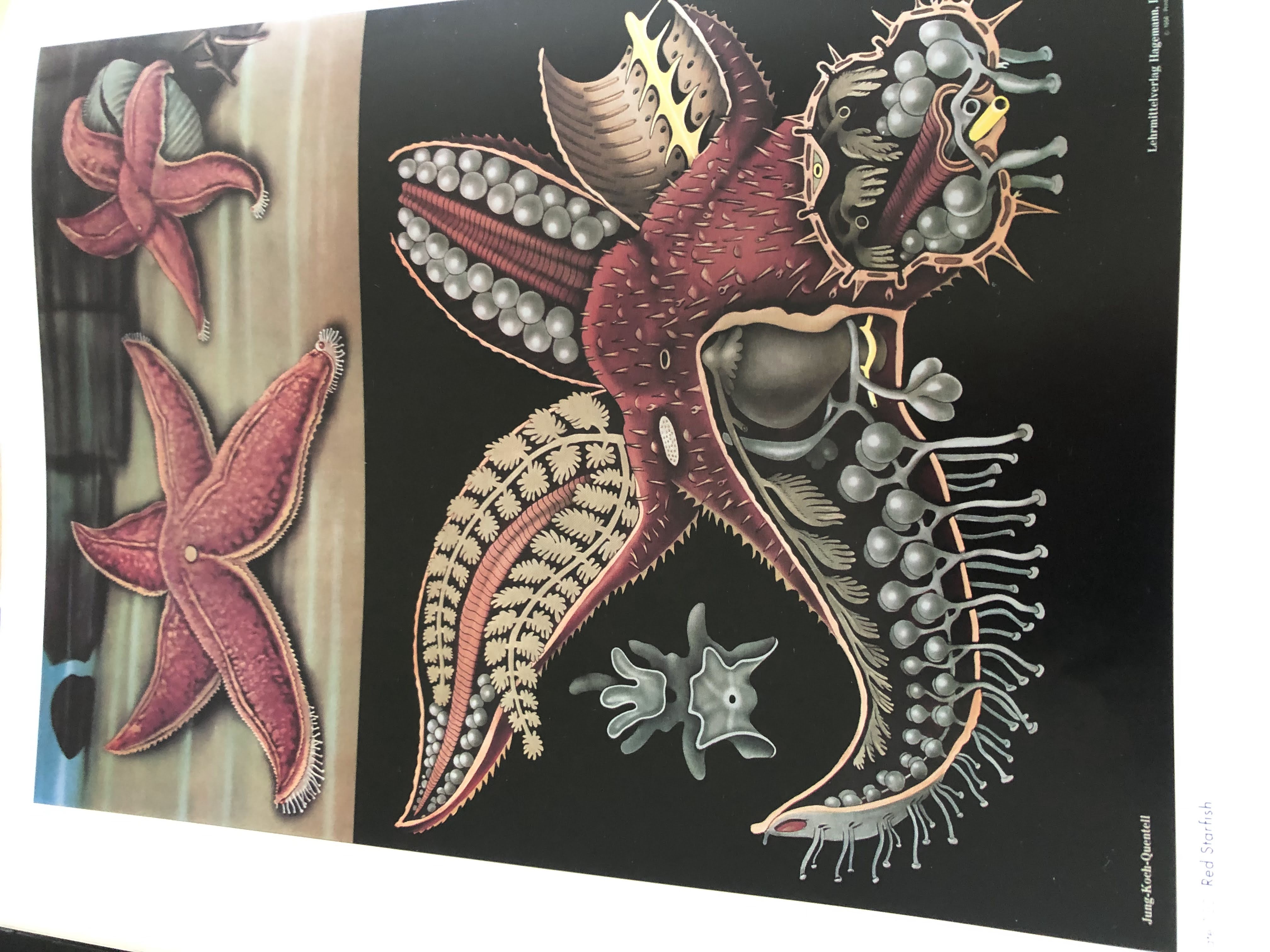
The Anatomy of a Sea Turtle isn’t in this book, but the pictures of jellyfish, cuttlefish, herring fish, starfish, whales and numerous other fascinating creatures makes it a marvelous book to peruse.

Starfish anatomy

For the Sea-turtle anatomy: This is  a useful link

Smithsonian Sea-turtles

What an enormous wonder it is to be a sentient, logical, and functioning being in this complex world? For that one marvelous dip into the world of the sea creatures, I am grateful beyond words can describe.

The Light of an Island

The week at Kauai in Hawaii was beautiful. During the days afterward, the little island images would flit in and out like waves on a beach. Sometimes the imagery so powerful that they would refresh and restore from afar. The turtles would swirl in the ocean waves, the turquoise waters would gently lap the golden sands, or splash against the rocky beaches, the birds would chirp merrily, and every now and then the school of fish or that large turtle- would flash up an image from the reefs below. 

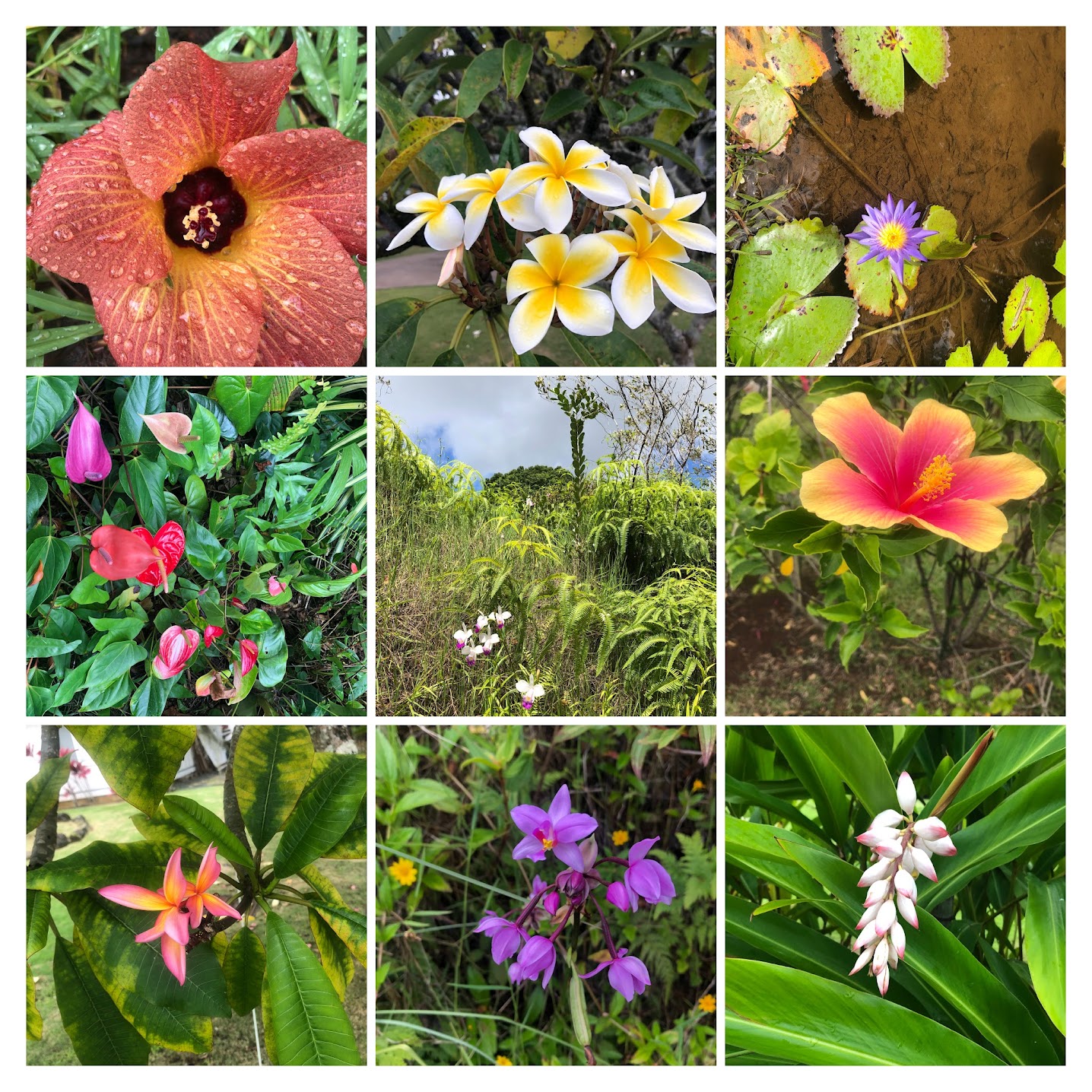
The flowers of the island, Leilani pua would gently sway in the ocean breeze, the sounds of the rains that were difficult to predict and never long to endure would patter into one’s consciousness.

The general light of the island would be suffused into the surroundings. 

As life settles into its usual routines, there is a rose-tinted tinge to the world that is slowly but steadily fading. I now have to recall the turtles, as opposed to them showing up unannounced. I cling on though. 

Looking back at the pictures from the vacation,  I realize that tropical  island vacations have a timbre and light that is wholly separate from the rest of the world. Who was that who said that No man was an island? Imagine a world where each of us is an island. 

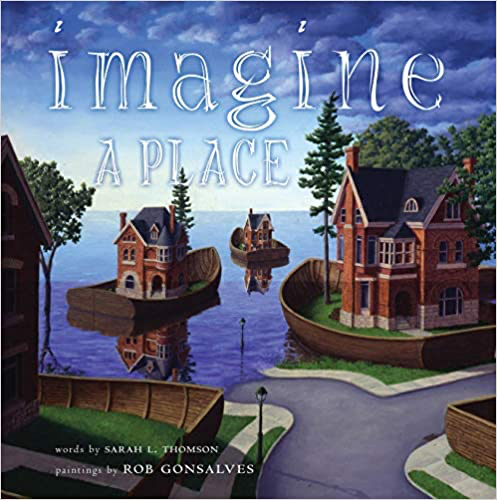
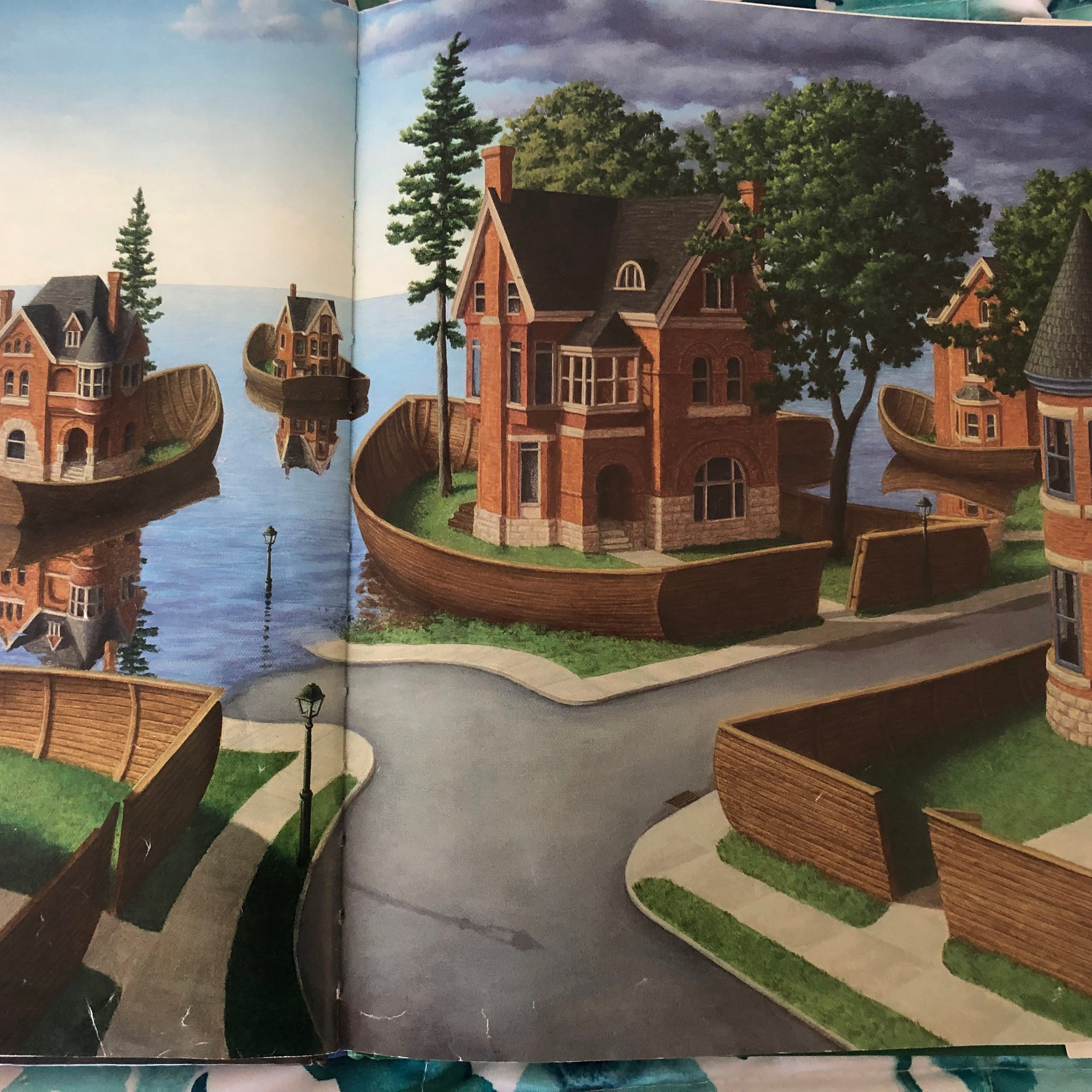
It reminds me of the picture in the book, Imagine a Place – By Rob Gonsalves whose paintings in surrealism are nothing short of brilliant. 

Imagine a place…

Where your ship holds

All you once knew

And the horizon offers

All you will ever need

(Words from the book, Imagine A Place – Words By Sarah L Thomson, Images by Rob Gonsalves) 
Imagine a Place – by Rob Gonsalves, words by Sarah Thomson

I stop to admire the roses, and compare and contrast their multi-layered rose-scented beauty with the elegant and highly simple-structured plumerias in the Hawaiian islands. 

How complicated and simple life can be – and how beauty to be found in both aspects of life. 

The island doesn’t leave you, and it seems to remind me of the importance of the solitude and refreshing nature of this little island in oneself, to be pulled up at will when life tugs you in every which way. 

The Height of the Sky & Depth of the Ocean

Sometimes you read a book and wonder what it would be like to live a day just as if we lived in the book. A magical do-nothing day, a day when your dreams come true, a day when you imagine being in a fantastical place, a day you drift into the seas with your paper boat, or just drift into the beautiful worlds of a book.

Then you go on with your life, but with a tinge of that imagination shining a beautiful light on everything around you. 

One day, with a glorious light of shoshin shining in you, there comes a day from a book that you admired. 

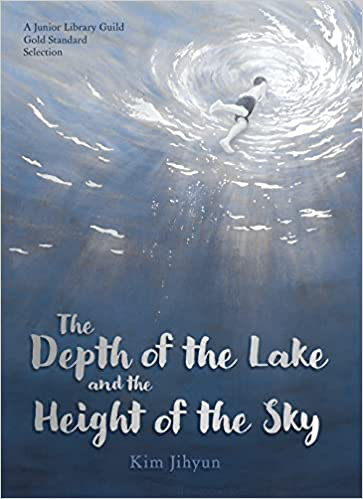
The Depth of the Lake and the Height of the Sky – by Kim Jihyun.  

In the book, a child leaves the environs of the city to go and live with his grandparents in the countryside. The lake and forest nearby look inviting and the child starts exploring on his own. 

Usually, when I take a color photograph of a luscious green forest or a beautiful waterbody, I prefer the picture in all its glory. Even if it does seem over-saturated at times. But in this book, the muted colors do nothing to diminish the relaxing feel of the book. 

Image from Height of the sky & Depth of a Lake – Kim Jihyun

The author says that she wrote the book after a week back from a relaxing sojourn with nature and the moment I came back from a vacation in Hawaii I picked up the book. In the book, it is the lake the boy dives into. We dipped into the ocean, and the height of the skies we explored with a helicopter ride. 

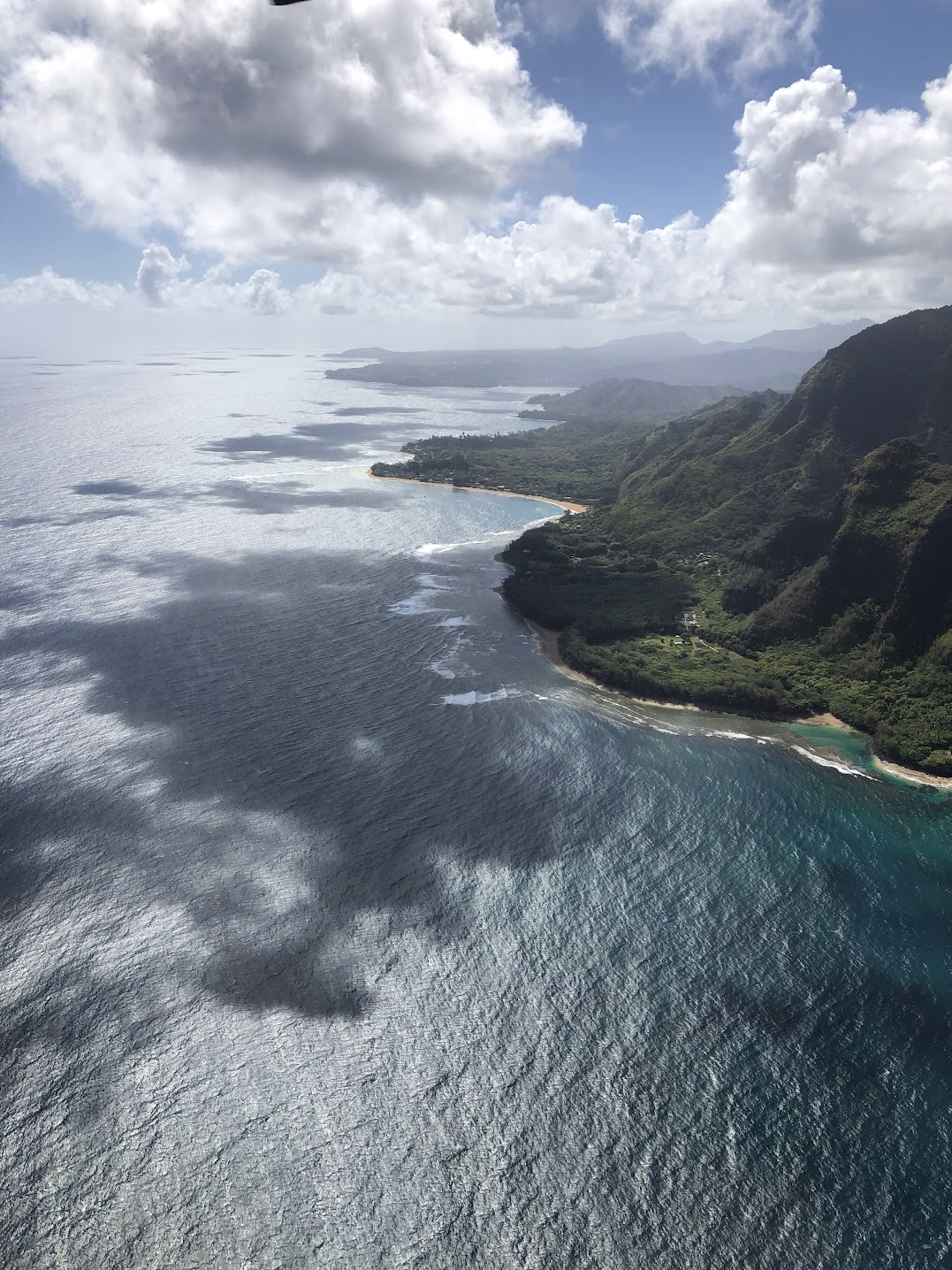
In one glorious day we soared to the skies and took in an aerial view of the beautiful island of Kauai – soaring over the cliffs of the Na Pali coast and diving into the rocky coral reefs for an afternoon of snorkeling.

Na Pali Coast – Kauai

Not all of us in our group were good swimmers. So, in order to experience the joys of the oceanic creatures, we learnt swimming everyday in the past month.

Was it worthwhile? Resounding yes! We swam in the sublime beaches of Hanalei Bay and during snorkeling were able to see schools of fish and a large sea turtle swim right by us, along with marvelous creatures such as parrotfish, sea cucumbers etc.

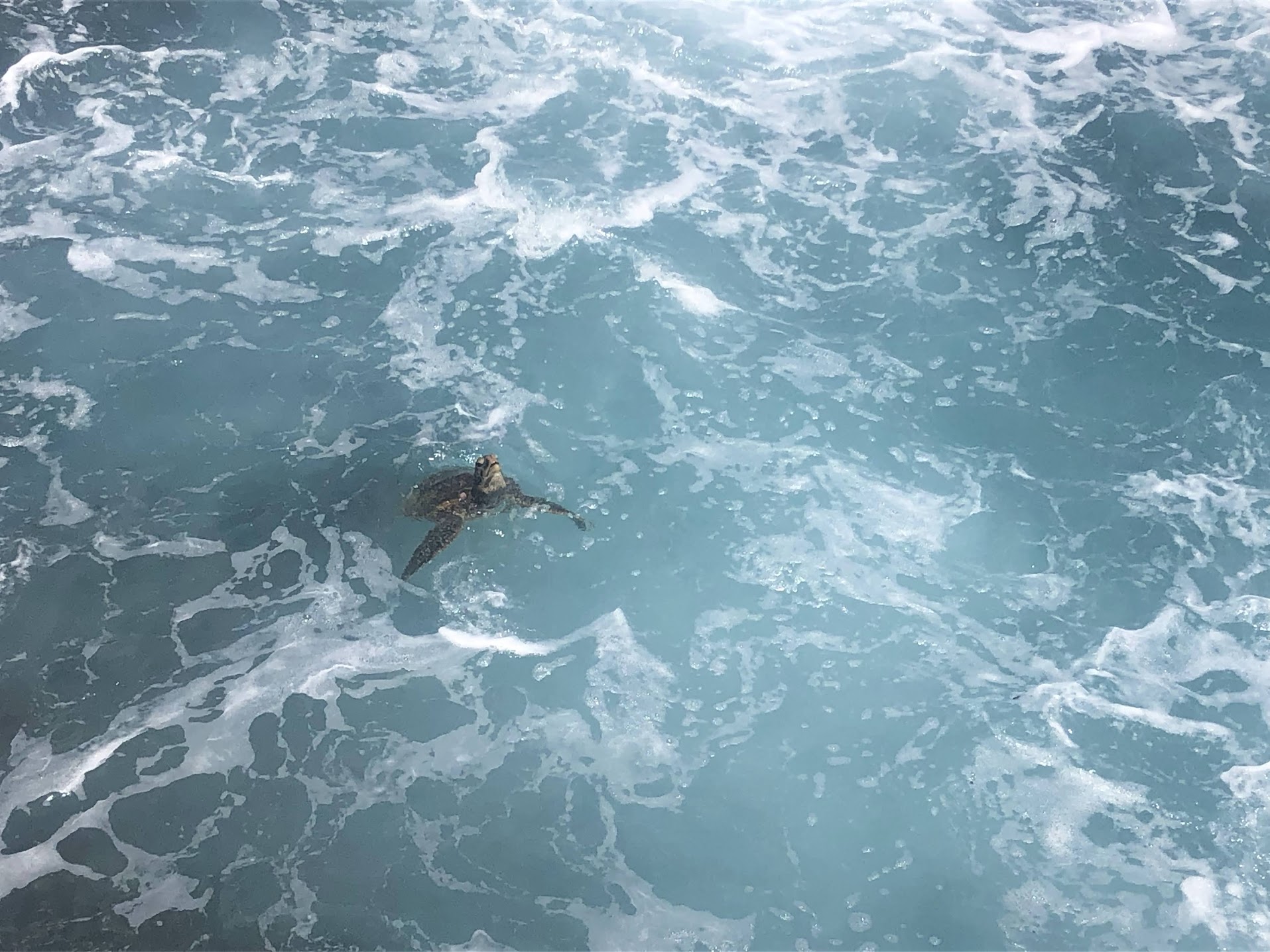
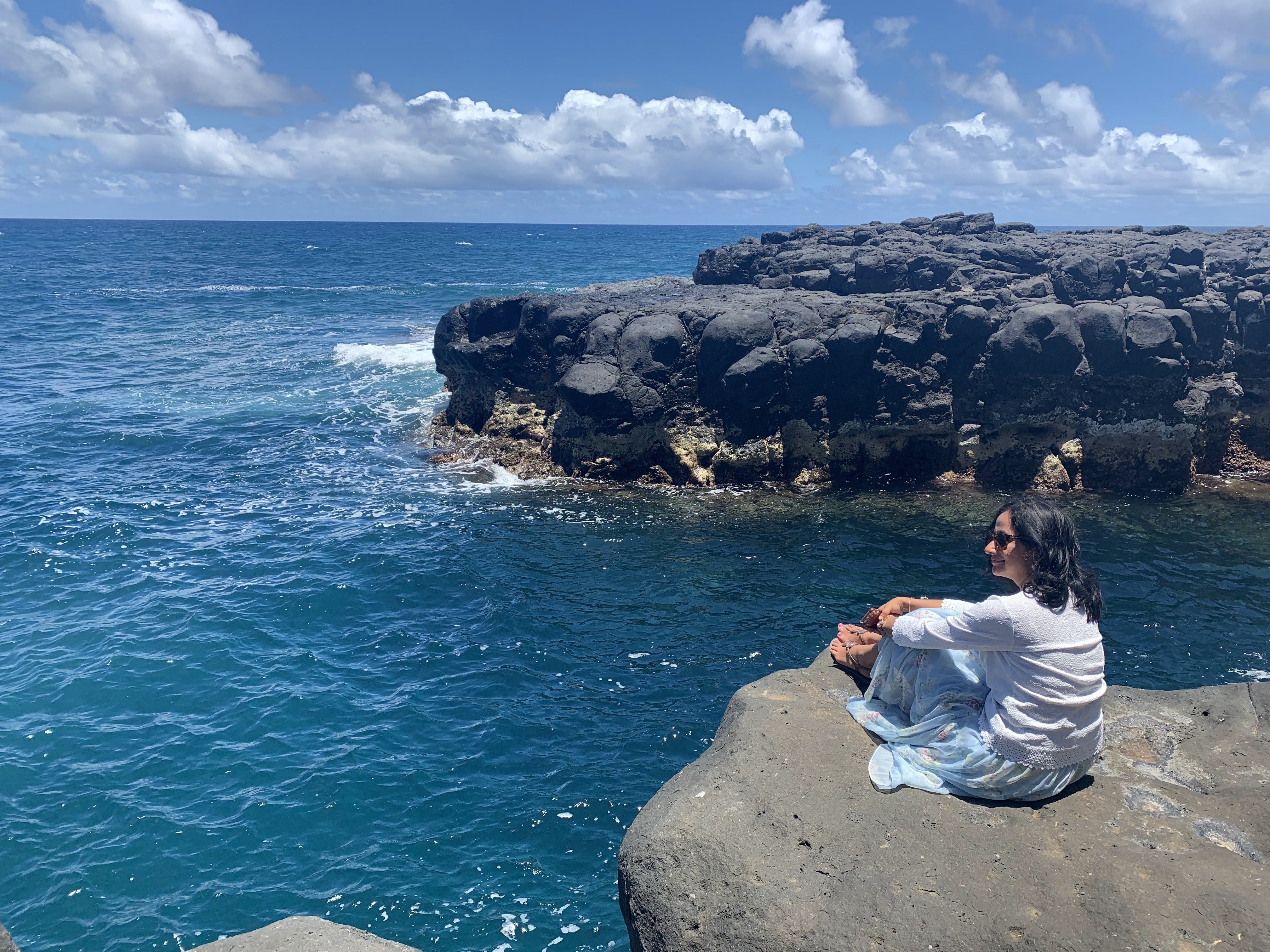
We could not take our phones while snorkeling, so this is a pic of a turtle while I sat on the rocks above.

The height of the sky and the depth of the oceans are both within us. 

🐓 🦆 🦢 Akua Manu 🐓 🦆🦢

Almost as soon as one lands win the quaint island of Kauai, the unmistakable feeling of rural bliss welcomes you with the rooster crowing. As one fellow traveler put it, the roosters of Hawaii are like squirrels everywhere else. They are everywhere, and probably contribute to the seeding and flowering of the habitats near them in myriad ways. 

They ducked and weaved through the airport traffic, just as surely as they waddled into the fragrant plumeria flowers flitting down from the trees above.

The roosters there sure have a comical element to them. Moana’s Hei-Hei could have been a real life characterization of any of these birds.

heart-moana.gif
Hei-Hei of Moana Fame

The children sat inside the car cackling and laughing as I ran out into the parking lot ahead of me to shoo the birds away as the languid car trundled into its spot in the parking lots. Sound effects included: baaackk—buck-buck-buck….shoo-shoo-duck-duck-goose, nene-nene-nene with an inspiring arm flailing and running after the birds. 

“Just one video of this ma! “ said the teenage daughter and niece to many enthusiastic nods from their little brother. I joined them in the laughter but refused to star in a video like this. One has one limits – even if it is to entertain our fellow human beings.

“I love birds too much and these birds seem to be so – I don’t know, bird-brained! Huh! Is that where the term comes from? Makes sense. These birds seem to think the roads belong to them and they sit there – pecking at whatever it is on the roads!” I said.

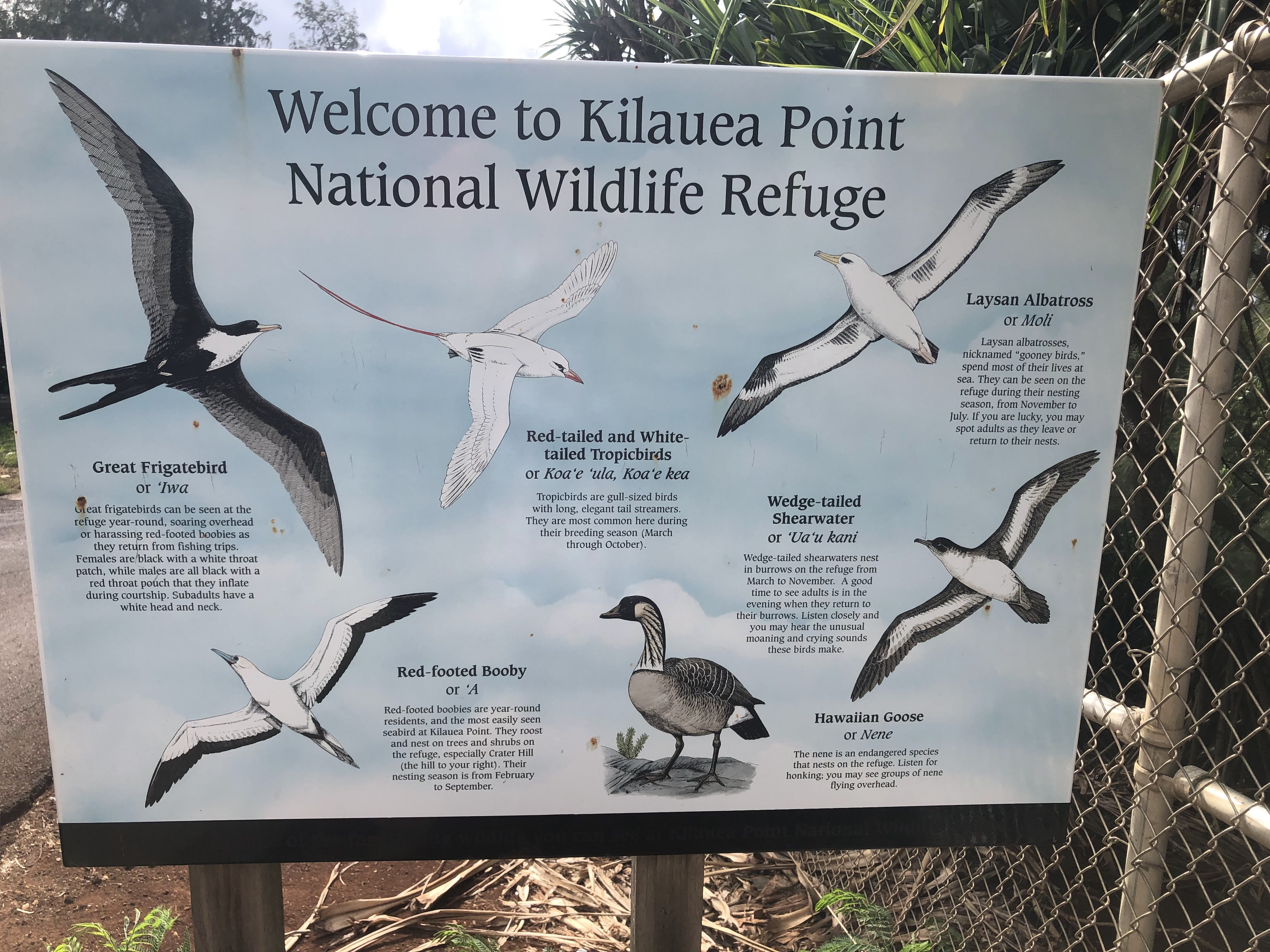
Just as engaging as the roosters are the red breasted cardinals, the nene (geese), cattle egrets, starlings, mockingbirds, plovers, sandpipers near the beaches , and the marvelously inspiring long-tailed tropicbirds. 

Standing atop the viewpoints of the Waimea Canyon in Hawaii, the long tailed tropic birds gained our attention and admiration. Gracefully traversing the yawning canyon below them in swift smooth flights, these birds seem to fly in and out of rainbows 🌈 . If that isn’t magical I don’t know what is. 

It is no wonder that Hawaiian folktales are so rich with their imagery of birds and ocean animals.  

Every morning, as the sunlight crept in through the clouds, and ushered in another surreal day in the magical islands, The Hawaiian state birds, Nene as the geese there are called, did  their bit and squawked their way into our consciousness as well. 

Some nights I would wander outside to stand under the stars when I’d notice groups of nene sleeping under the stars. ✨ Seeing them under the stars like that made me slightly envious I must admit.

Whether it was the beautiful darting and elusive ‘i’iwi (hummingbird -like creatures that are endangered) or the common roosters, starlings, egrets, cardinals, and nene, the birds (Manu) of Kauai have a divinity (a certain Akua) about them that make you want to soar in spirits with them. 

One morning I caught the daughter sounding very much like me and chastising her little brother who was watching Marvel on the television. “You come to Kauai and watch these super-hero fellows again – no! Nuh-uh! Out!”

“But there is nothing now – just eating breakfast and watching TV!” came the wounded reply from the budding naturalist. But his sister was firm and switched off the television.

The fellow came into the kitchen, and I shushed him, for out on the verandah was a small, and elegantly regal-looking red-breasted cardinal. We watched the bird in awe for several minutes before our spell was broken, and we sighed contentedly and went about the day.

https://en.wikipedia.org/wiki/List_of_birds_of_Hawaii

If naturalists go to heaven (about which there is considerable ecclesiastical doubt), I hope that I will be furnished with a troop of kakapo to amuse me in the evening instead of television.

Gerald Durell

Our quaint cosmic neighborhood!

Everywhere on social media and news platforms were images from the James Webb telescope magnifying in glorious detail sections of the universe billions of light years away. The universe has enlightened us all and reminded us of our humble place in it once again. In the midst of all this chaos, and enormous gas clouds is a tiny planet where our particular kind of life evolved capable of acquiring these images. 

If, along with these images, and the equally glorious full moon, one has not caught a whiff of shoshin, I urge you all to do so. I also have the resident astronomer of the house on summer vacation, so I am constantly being given statistics along with the images. 

It is fortune indeed to, purely by chance, be immersed in starlight myself even in the reading world.

The beautiful images in the children’s book: The Stuff of Stars – Illustrated by Ekua Holmes, Written by : Marion Dane Bauer 

The Stuff of Stars by Marion Dane Bauer Illustrated by Ekua Holmes

I just finished reading Bewilderment by Richard Powers last week. Bewilderment: the book and the feeling

I am now reading Project Hail Mary by Andy Weir.

After a walk under the stars, our corner of the universe seems sanguine – the countryside of the cosmic arena. In our suburban areas, not too many stars are visible, and the gas clouds in the James Webb photographs seem surreal. The universe is a happening place – stars and galaxies being born every day, yet the rise of our faithful moon glowing rose-gold in the early evening makes for a satisfying adventure enough in the cosmos. 

“The laws that govern the light from a firefly in my backyard as I write these words tonight also govern the light emitted from an exploding star one billion light-years away. Place changes nothing. Nor does time. One set of fixed rules runs the game, in all times and places. That’s as big a truth as we Earthlings have discovered, or ever will, in our brief run.” 

Richard Powers, Bewilderment

With images such as these, we are perhaps closer than ever to finding another planet that is capable of harboring earth-like lifeforms. 

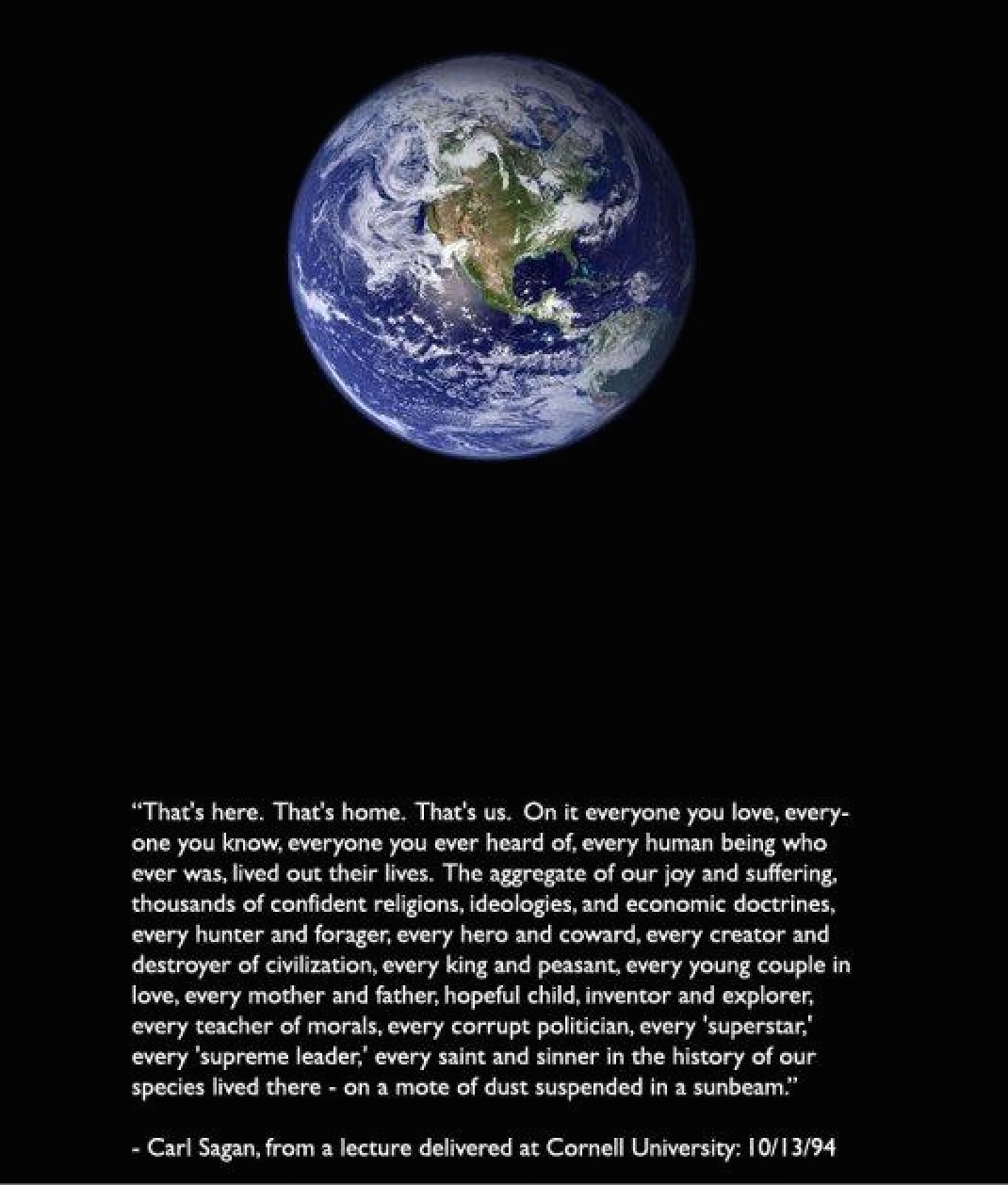
But till then, Carl Sagan’s words hold true:

Frog & Toad Would Be Proud!

The husband in a fit of enthusiasm started a vegetable patch. When the h starts a project, he goes at it with all the usual enthusiasm. Which is to say that he was coming home every other day with a different piece of equipment – a fascinating looking thing called a trellis, spades, a garden patch, large bags of compostable soil. 

As much as I moaned about the necessary and unnecessary things in our midst, I was impressed with the work the man was putting in. He had the look of a man with a mission toiling to accomplish his vision.

Within days, the man had created a veritable garden patch. Enthusiastic and proactive actions such as these lead to unexpected outcomes. Soon, the local library’s solarium seed packets made their way to the patch, visiting aunts and uncles, neighbors and friends who are far better at gardening than us, added their bit to the seeds, and gloriously, the vegetable garden grew.

For the next few mornings and evenings, I would take my tea over to see if the plants had grown. Feeling a bit like Frog & Toad, I walked up and down several times and poking the ground (Arnold Lobel writes of hilariously identifiable situations with Frog & Toad as his protagonists) In one story, Frog gives Toad some seeds to start a garden:

“Here are some flower seeds. Plant them in the ground. “ said Frog, “and soon you will have a garden.”

“How soon?”, said Toad.

“Quite soon.”, said Frog.

He planted the flower seeds.

“Now seeds”, said Toad, “start growing.”

Toad walked up and down a few times.

The seeds did not start to grow.

Arnold Lobel, Frog & Toad

I wondered whether a spot of singing would help and all that. (there is research that suggests that music helps the plants) 🌱 🪴

I must’ve discussed the possibility in earshot of the plants, for I felt the earth shudder and the underground networks that these plants seem to have buzzed with coming disaster, and the very next day, they started to grow and flourish in the patch. 

Once the shoots peeped into the ground above, two things happened. They benefitted from the hot Californian sun and the nurturing of the mother who is here a-visiting. She would fuss over the patch, spray tea leaves, crush dried vegetable droppings to the soil, and water the plants regularly twice a day when the plants were young.

The patch attracted butterflies and and the creepers looked for ways in which to latch onto the trees nearby and take root. 

The vegetable patch is a daily joy – we had the first cucumber from the creepers today, and I must say: the raita (cucumber + yogurt) was tastier than anything I have eaten before. The vision and initial spade work was the husband’s, the mother’s was the subsequent tendering and nurturing of the patch. 

I clapped the husband and mother on their backs in a congratulatory note. That cucumber was a marvel. Something that was produced by the hardworking plants on Planet Earth. 

“People don’t know to make a leaf, but they know how to destroy one.” 
― Hope Jahren, Lab Girl

Oh! How easily we go to the store and rip out one of those plastic bags and pay for the produce? It makes us appreciate all the agriculturists, farmers, and gardeners in our midst. 

“It takes a long time to turn into what you’re supposed to be.” 
― Hope Jahren, Lab Girl

Bewilderment – The book and the feeling

A friend of mine teased me lovingly and perfectly validly that every time she looks at the stars she thinks of me looking up and wondering about the various kinds of worlds out there, the vastness of it, the beauty and grandeur.  “You will become a star one day.” , she said, and we laughed. 

I would love to become like Oogway the Turtle master who, when the time came became one with the stars. That picturization is brilliant and so poignant. 

Oogway becoming one with the stars

It is true – after a long day, when most earthly duties of the day are done, I take myself off to ponder at the stars – the distant worlds and the beauty of sentience to appreciate the vastness of our presence in this universe. Truly, one of the biggest leaps of humankind is to have found our humble place in the cosmos – the worlds do not revolve around us, the gods were not thinking of us and our fates during the grand creation. We just are, and while here, we can make the best of it. 

Photo by Mohan Reddy Atalu on Pexels.com

The more we discover earth-like planets, the more we realize that our planet is probably the only home we have for at least 10 (possibly much higher) light years in every direction. It should be a moment of awakening then for us to look after our one home. 

Life on Earth

Space.com – Earth like planets

Obviously, I was thrilled to read the book Bewilderment by Richard Powers. He writes about a dedicated, loving father who is raising his neuro-divergent son as a single father. He is also an astrobiologist whose job it is to model the worlds found depending on their atmospheric possibilities and constitution to simulate the kinds of life possible. (Even on Earth, the extremophiles found in sulphur vents deep inside the ocean were a revelation. If that was possible, what else and how many kinds of life were possible? )  The unique nature of their relationship, the steadfast and somewhat refreshing outlook of the possibilities of life outside Earth make for a fabulous read. A dip into the stars and beyond while being earth-bound. 

Bewilderment – By Richard Powers

For those of you who wish to read the possibilities of worlds and the ability to dream past our current home and circumstances, I shall not spoil the end (but I wish it had not ended the way it did) .

Richard Powers is quickly becoming one of my favorite Science and nature based authors.

Snippet :

One night in mid-August, he asked for a planet before bed. I gave him the planet Chromat. It had nine moons and two suns, one small and red, the other large and blue. That made for three kinds of day of different lengths, four kinds of sunset and sunrise, scores of different eclipses, and countless flavors of disk and night,. Dust in the atmosphere turned the two kinds of sunlight into swirling watercolors. The languages of that world had as many as two hundred words for sadness and three hundred for joy, depending on the latitude and hemisphere.

He was thoughtful, at the story’s end. He lay back on his pillow, hands clasped behind his head, looking up at the idea of Chromat on his bedroom ceiling.

Bewilderment – Richard Powers

The book has rekindled the wonder of the universe, and the wondrous ponderings associated with them. How can one be bored by our narrow lives when the cosmos offers itself as a venue to ponder and more importantly, get a perspective on.

Birdwatching & Biomimicry

The bike ride was a long one on a hot summer’s day. The sun was rising steadily and though it hadn’t reached its blazing glory across the Californian coasts, it was promising in its ascent. Even within the first 5 miles, we could feel the temperatures rise enough for us to be grateful for the mild breezes continuing to fan the body as we pumped through the trail. 

A little while later, we stopped for a quick peek at the pelicans lazing in the waters nearby. As the hot day wore on, our spirits only grew. All around us were the spritely images of life – birds swooped and flew in the mild breeze. As we stopped to see the pelicans lazing about in a patch of freshwater, a fellow biker and nature enthusiast stopped to share the calm of the pelicans with us. He asked the son whether he’d seen them fishing together like ballerinas. The son flashed a smile at me – a fellow nature lover using the same words to describe the pelicans?

The man told us how to identify harriers, hawks and bald eagles, and we biked on looking for the regulars as well for the new species he had told us about.

Right enough, in just a few miles, we spotted a harrier taking rest on a rock before scouring the fields for prey. There is something joyous in being to able to identify a newly learnt about species even if the species has existed far longer than we may have.

Harrier resting

But the ones that truly mesmerized us were the avocets. The avocets are a joy to behold on a hot day. They fly to a reasonable height, take a second to stabilize and then swoop down into the water below for a quick dip and fly out again. The smoothness of the breaking of the surface tension between the mediums is so flawlessly done. Their sharp beaks assisting them and reminding me of the little tidbit I had read in the book, Biomimicry by Jane Benyus. 

TED Talks by Janine Benyus on Biomimicry

Apparently, sonic boom was a big problem for the fast trains in Japan. The sonic booms were felt as far as a few hundred meters away as the trains emerged from the tunnels, and obviously this was a genuine problem that risked the success of the entire operation.

One of the engineers on the team, on his vacation, sat by the waterside watching a kingfisher swoop into the water and swoop out again with a smoothness of movement that inspired the engineer. How come the little bird was able to transition between mediums as different as water and air so sleekly? That is when the design of the sharp beak stood out. Eons of evolution may have shaped the beak in that particular long shape for a reason. The engineer went on to shape the train’s beak, and solved the problem for the fastest train of the day. 

The more our world functions like the natural world, the more likely we are to endure on this home that is ours, but not ours alone.

Janine Benyus

As the son & I stood there on the bay watching the avocets dive in and out, I told him that the collective noun for these lovely birds is an orchestra, and he beamed, and approved of the name. Their trilling, swooping, and pirouetting were apt.

Watching the little avocets on a hot day was a lovely little reminder of the designs of nature and its many wondrous ways. Not every saunter into nature is bound to solve a problem wracking humankind, but they very well might.