🐲Imagine Dragons 🐉

There are sections of the book, Novelist as a Vocation by Haruki Murakami that I enjoyed. I did think he was self-deprecating, and unwilling to take a little credit for his successes as a writer though. While being published and being received favorably are a function of luck to a certain degree, there is the fact that a consistent writer has to keep themselves out there. They need to remain vulnerable and suffer acutely all the emotions that their characters do with a passion. It is a tough vocation, and not always a lucrative one.

“Writing novels is, to my way of thinking, basically a very uncool enterprise.”

Haruki Murakami, Novelist as a Vocation
Version 1.0.0

He goes on to tell the story he read as a child in which two men go to see and understand why Mt Fujiyama is revered thus, and what was special about it. The smarter of the two men apparently sized the mountain from various vantage points and decided he knew enough about it, and went on his way. Efficient, Fujiyama seen, and admired.

The other one, apparently, went on to climb the mountain by foot, agonizingly conquering the mountain. “Finally, he has understood it or perhaps grasped its essence at a less conscious level.”

Murakami equates the latter with a writer. In other words, the harder route. He calls the endeavor of novel writing as sometimes being thankless, other times laborious, and at times a strenuous job.

I think I agree with all of the above. Every good novel I read has me in awe. For it takes a different kind of empathy and a wholly different kind of perseverance to imagine a world, make sense of the characters, imagine what each of them will do, how they would react to a situation and so much more. 

So, when I finished reading When Women Were Dragons – By Kelly Barnhill, I took the story with me everywhere. I read the author’s note scribbled at the end. The vote of thanks piece. The credits when people leave the cinema theatre. I read this because of the enormous respect I have for a piece of creative work – fiction or non-fiction – and the universe that helped create the book that I had just enjoyed. 

I am sharing a bit of Kelly Barnhill’s note here:

“And, thank you to my wonderful family – … -who have to live with a person often hijacked by her own imagination, and wounded by the world. The work of storytelling requires a person to remain in a state of brutal vulnerability and punishing empathy. We feel everything. It tears us apart. We could not do this work without people in our lives to love us unceasingly, and to put us back together. “

Kelly Barnhill (Acknowledgement) When Women Were Dragons

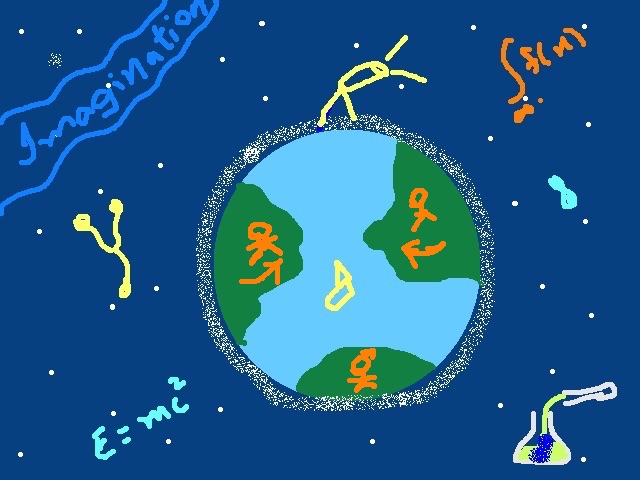
The depths and capacity for creative work continues to astound me – blessed is an intellect that can imagine, and blessed indeed is a culture that promotes growth through imagination.

🌿Loud Walks in Quiet Places🌿

Walks : Loud & Quiet

There are quiet walks and there are loud walks in quiet places. 

Henry David Thoreau called it, “Taking the village with you.” or something to that effect. What he meant, I think, was that we took the problems occupying our minds and held onto them tightly, and a trifle obstinately, thereby making it harder for nature to soothe and calm. Really! The human mind is a strange thing. Sometimes, nothing sticks, and other times, nothing slides. 

“I am alarmed when it happens that I have walked a mile into the woods bodily, without getting there in spirit.”
― Henry David Thoreau, Walking

These walks are trying at best. I found myself fiddling with poetry to try and distract the mind from the village, and the people in it. It was a feeble attempt, and one that requires far more concentration to be approved by Bard/Gemini maybe, but it’ll do. It would have to do.  

Poetry: Balm to the Soul

Was poetry not the balm to the soul?

The trees are trying

The waters are waving


The swans are soothing

The squirrels are scampering


The deer are divine

The eagles are evocative


The vultures are volatile

The pelicans are pure


Yet the spirit

Remains dispirited


Some days are trying

For your mind is wavering

Just as I had managed to get nature to work its magic, I was summoned back to reality by three loud gentlemen discussing the virtues of housing all their data in the cloud, and how that reduced their costs. I found myself calculating storage costs and estimating budgets. 

I looked resolutely at the clouds overhead and said loudly, “Nope – look at the real clouds!”. I may have startled a little wren foraging for food in the bushes nearby, and it took flight in an alarming manner after throwing me a reproachful glance. 

Oh well! 

Nature did do its work!

But, I found, on getting into the car, nature had done its work. It may have had to try harder and send a few more butterflies my way, but it did. I was much refreshed in mind and spirit, clearer in what I needed done.

I chuckled remembering Thoreau’s quote on Walking, and spending at least 4 hours a day in nature – a luxury most of us can seldom afford, but we can afford smaller bursts of it:

“I think that I cannot preserve my health and spirits, unless I spend four hours a day at least—and it is commonly more than that—sauntering through the woods and over the hills and fields, absolutely free from all worldly engagements.”

🐲When Women Were Dragons 🐉

Intriguing beginnings:

There are powerful beginnings and there are intriguing beginnings to stories. It has been a while since I saw a beginning as brilliant as the one in the book, When Women Were Dragons – By Kelly Barnhill

women_dragons

Dragoning

Dragoning is the term that seemed to be used when some women turned permanently into dragons and left their human life aside – taking off to wherever dragons live. For those left behind, the phenomenon is bizarre, frightening, traumatic, and quite often fatal. 

This is how the book starts:

“Greetings, Mother- I do not have much time. This change (this wondrous, wondrous change) is at the very moment upon me.

I married a man who was petulant, volatile, weak-willed, and morally vile. 

But there were no babies, were there? My husband’s beatings saw to that. Tooth and claw. The downtrodden becomes the bearer of a heavenly, righteous flame.

I shall not miss you Mother. Perhaps I won’t even remember you. Does a flower remember its life as a seed? Does a phoenix recall itself as it burns anew? You will not see me again. I shall be but a shadow streaking across the sky-fleeting, speeding, and utterly gone.

– From a letter written by Marya Tilman, a housewife from Lincoln Nebraska, and the earliest scientifically confirmed case of spontaneous dragoning within the United States prior to the Mass Dragoning of 1955-also known as the Day of Missing Mothers”

I am midway through the book, and the story soars with the dragons – fiery tempests in teacups and how the placid bore it within themselves.

The book’s narrative voice is brilliant. Seamlessly moving between dragoning as a phenomenon and when it was first observed, slowly moving onto research of dragoning and its funding removed, to the whole topic becoming a taboo.

Society isn’t really mysterious once you understand the original intent. Cruel maybe, but not as mysterious. For instance, in this world, drawing or mentioning dragons could get children in serious trouble. Those who had lost a mother or a sister or a friend to dragoning don’t ever want to hear anything to do with it. They ignore it so it may never happen again. The news forgets to mention it, and society plows on.

For those looking for dystopian fiction or just a jolt from our current state, When Women Became Dragons, is worth a read.

A disruption of ducks

There is a curious rhythm to the days after our India trip. The usual things still occupy our time – school, work, projects, commutes, the changing landscapes of nature, and all the rest of it. Maybe it is the throes of a winter season, or the fact that after the intense ceremonies of the beginning of the month, the quiet is disconcerting, but we felt on edge.

Like the hedgehog, we found ourselves peeking out of our hidey holes to see if life is normal, and finding that it is, were somewhat taken aback. Do you mean to say that we must plan to prune the roses? 

Oh well, all right. If you insist, I suppose.

One morning, the son and I finding ourselves at a loose end decided to take a bike ride to dissipate some of this energy. img_9439

“Amma! Look – I just saw a hedgehog peep out.”

“Oh nice! It is close to February, so it must be checking.”

“I didn’t see if it saw its shadow though – we were going too fast!” said the son.

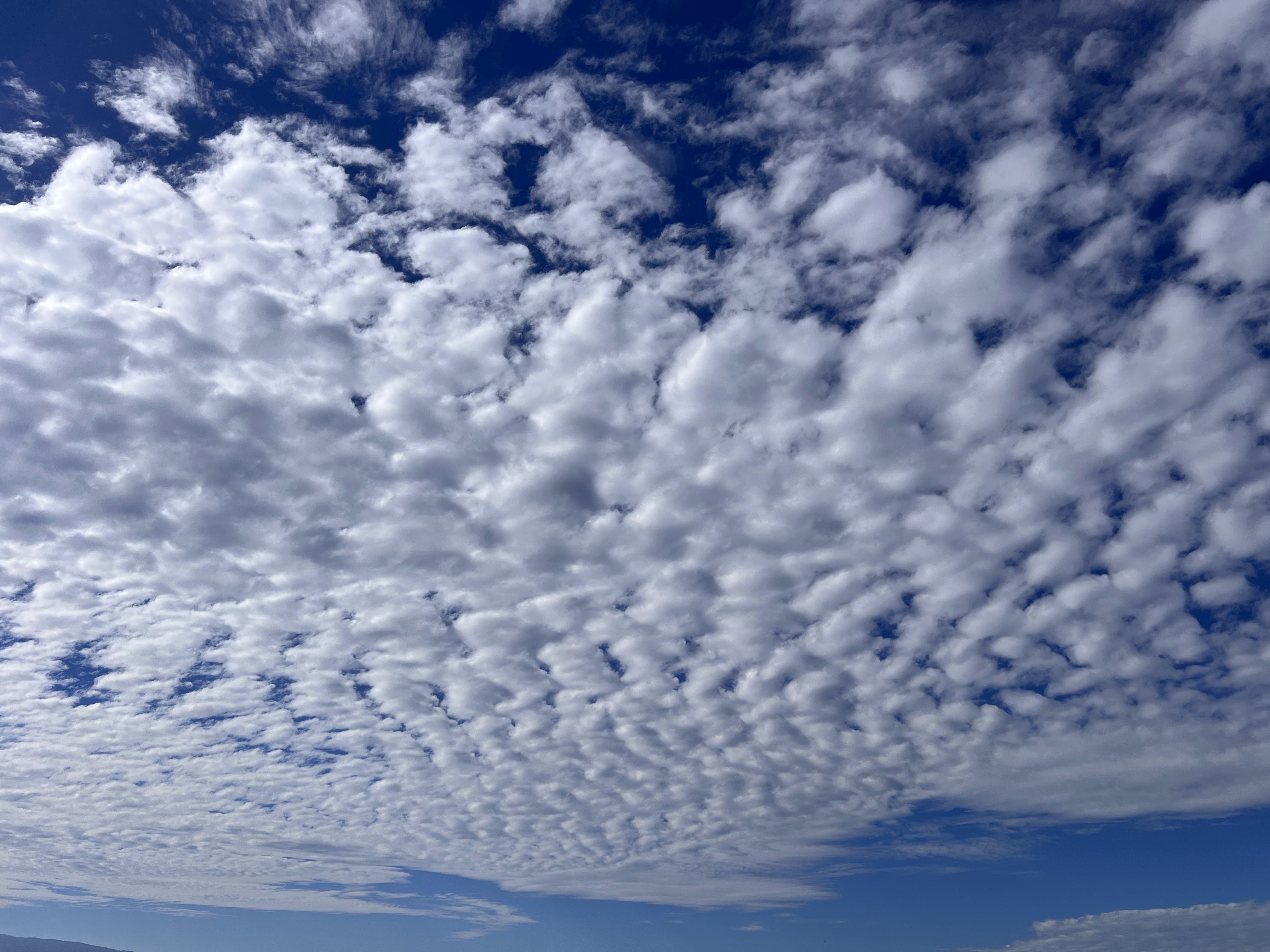
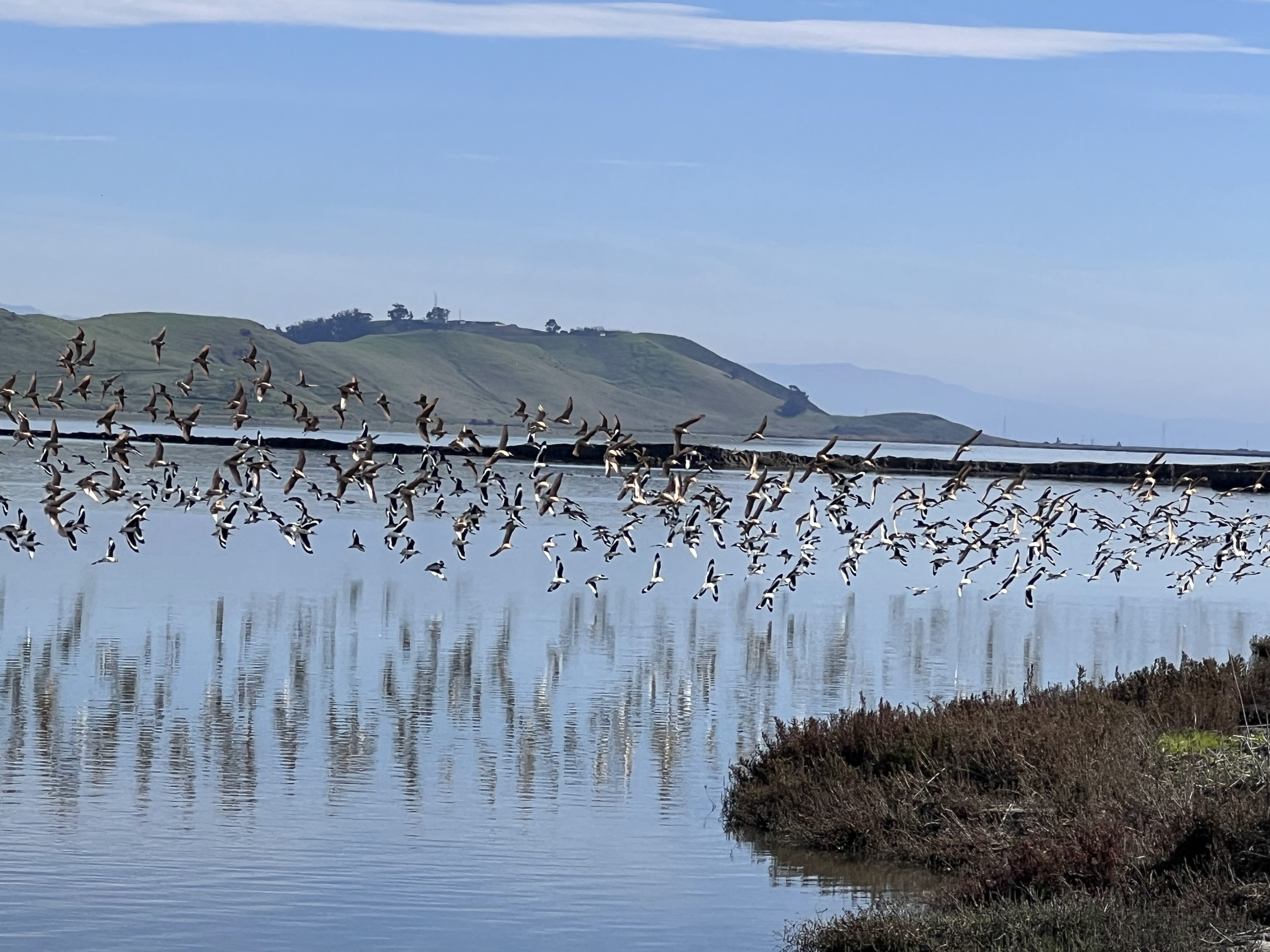
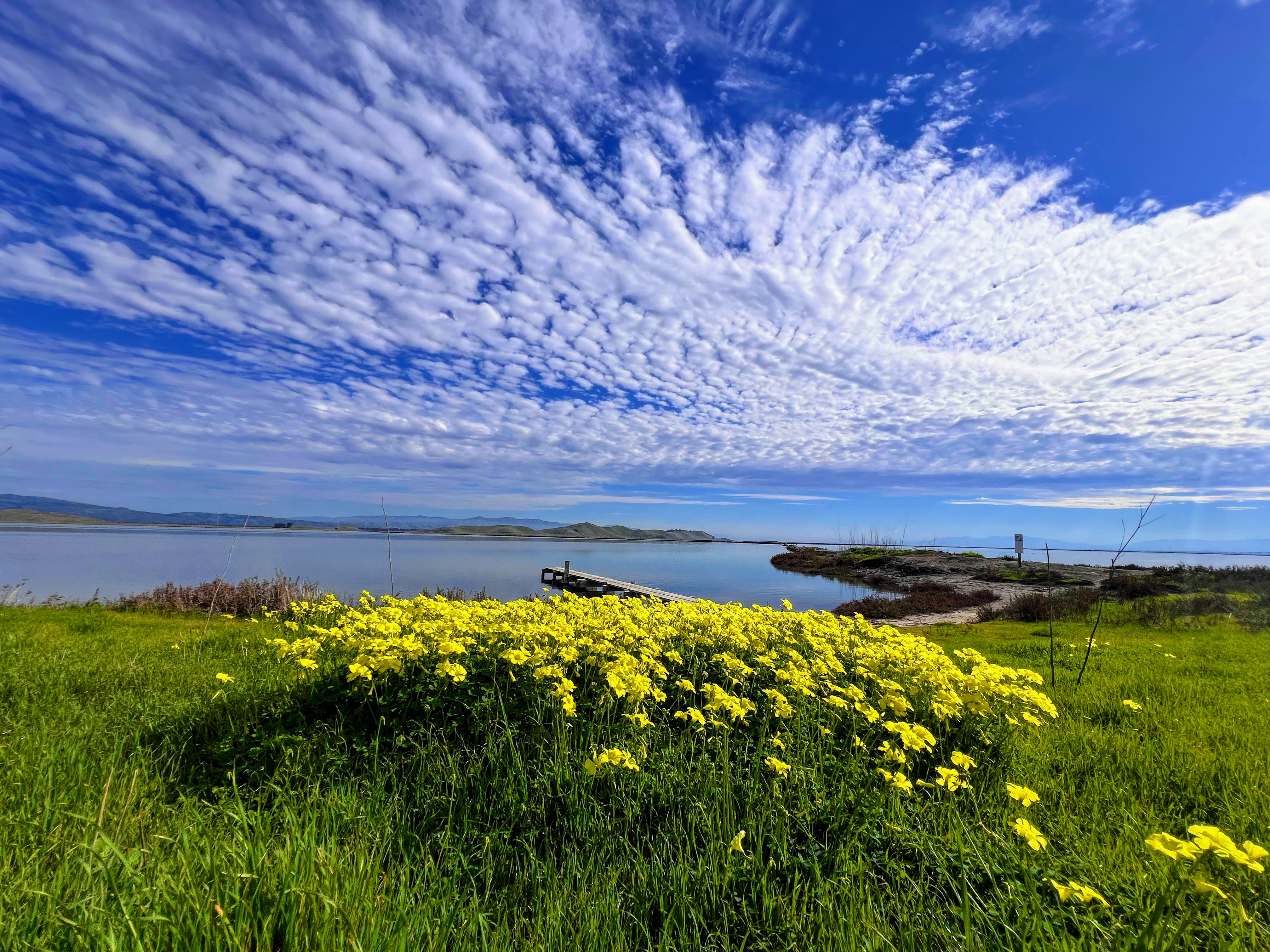
It was a lovely day – the feel of wind against our cheeks, the gentle cumulus clouds overhead, and the bay hosting a large variety of birds. We stood there taking in the beautiful sights when hundreds of birds took flight all at once, and then, as though nothing had happened, flocked back to their original place a few moments later. The son and I had a number of ideas as to what caused the disturbance, each more juvenile and silly than the next, but left us cackling all the same. 

No one could deny the beautiful shared experience of the disruption – the birds heaving in one smooth cacophony and the humans ashore fumbling quickly to capture the sudden movements and failing miserably. 

It reminded me of the book I was reading the previous day, On Duck Pond – By Jane Yolen Pictures by Bob Marstall.

on_duck_pond

As I walked by the old Duck Pond

Its stillness as the morning dawned

Was shattered by a raucous call:

A quack of ducks both large and small …
img_9453


An understanding quickly dawned:

We’d shared a shock, and now a bond

And I was feeling very fond,

Of everyone on old Duck Pond.

As always the day out in nature surrounded by the fabulous clouds, the sun’s rays, the beautiful lights of the ocean, the stories the son and I swapped on our ride, the birds, first signs of spring in the wildflowers by the bay, had weaved its magic, and we returned home refreshed in mind and spirits.

img_9442-effects

P.S: A group of ducks, as Jane Yolen mentions in her book, are known by a number of names:

A raft of ducks

A paddling of ducks

A badelynge of ducks

Also, bunch, grace, gang or team.

🐳 Whale Grandma or Toucan Grandma? 🦜

I showed the son a text message capturing a conversation between his cousin and his grandfather, Balu Thaatha. Balu Thaatha has the unique capacity to morph into a 5/10/20/60/80 year old depending on his audience’s mental acuities and potential for mischief making and taking.

“I found your Hero pen – therefore, I am a hero.”

“Thaatha! You are just a zero, not a hero!”

I felt for the old man.

“Serves Thaatha right!” said the son rolling his eyes. 

“Why?! Poor man is not a zero! Though without zero, civilization will be a zero.” I mused and the son laughed.

“True! True! I meant – serves him right to be at the receiving end of this. He thinks he is Dr Seuss amma. He told me the other day that if I eat jhangri, I will not be angry, as when you are hungry you get angry! What even is Jhangri?” said the fellow.

“Diabetes in squiggles!” I said and the pair of us guffawed. 

Later that day, we were going through the book, Grandude – by Paul McCartney. The Beatles star is quite obviously a fun and dedicated grand-father (grandude) and his book outlines the adventures he has with his grandchildren in their quest to find their grandmother, nan-dude.

We fell to discussing the son’s own wonderful grandfathers again: Raju Thaatha & Balu Thaatha. Both loving in their own ways, and exhibiting a pick-and-choose of characteristics between them: sincere, playful, caring, hearty, engaging, mischievous,  witty, booming, quiet, talkative, reserved, humourous, erudite, and so many more.

“You will be a wonderful grandma – like a pirate grandma or a nan-dude!”, the son assured me. 

I glowed – and said, “Really? Would I be a ninja grandma or a butterfly grandma?”

“Yes – and also a toucan grandma, and a whale grandma, and a tree grandma. You will be a fun grandma. Don’t worry – I have confidence in you. “ said the son. He was licking an ice cream with obvious relish, and no doubt the fact that he was allowed ice cream on a cold day by his indulgent mother colored his opinion of me. 

“Marvelous books, isn’t it? Really – I am glad there are books outlining the special grandparents-grandchildren bond. I wonder whether there are good songs, and dances showing that.”

“I am sure there are. Just need to look.” he said stoic as ever. 

We were discussing the books: 

Both books are such joys to thumb through. Light-hearted and joyous, they highlight the beautiful bonds between grandchildren and grandparents.

Stimulus🧘🏼‍♀️ 🪷 Pause 🧘🏼‍♀️ 🪷Response

“Life in India is so fast and hectic, isn’t it? “ . We were discussing the fast and furious pace of India with friends. We were each reminiscing our respective trips to India – both made under difficult circumstances, and we were both glad to be back home in the United States.

I nodded fervently, and said wistfully, “Yes – at least during the time I was there, the concept of solitude was rarely acknowledged.”

“Solitude?” And we all laughed. It was true – the populace, and the ways of life make slowing down much harder than usual. It isn’t made any easier with the speed of communications and transportation in cities. The very essence of vibrance that is a huge advantage and a beauty to the civilization was also a disadvantage.

There are times when I have marveled at how the Indian way of life came up with practices such as meditation and yoga, but then I also realize that it was there that it could have developed, for it was required to build still pockets of serene moments into one’s life. in fact, the concepts are nothing short of brilliant. The pause between breaths is essential to be mindful of, when it may be all you can get in terms of mindfulness. The breath becomes the prana in very significant ways. The pause, when rarely taken, becomes harder to practice, and yet the pause becomes that tiny moment of choice in our agency of life.

There are so many aspects to the Philosophy of Being (I am amused it has such a strictly medical sounding name: Ontology)

Keeping ontological explanations aside, if The Nature of Being comes down to simple techniques of breath, fluidity and movement, it makes the simplicity behind it all brilliant.

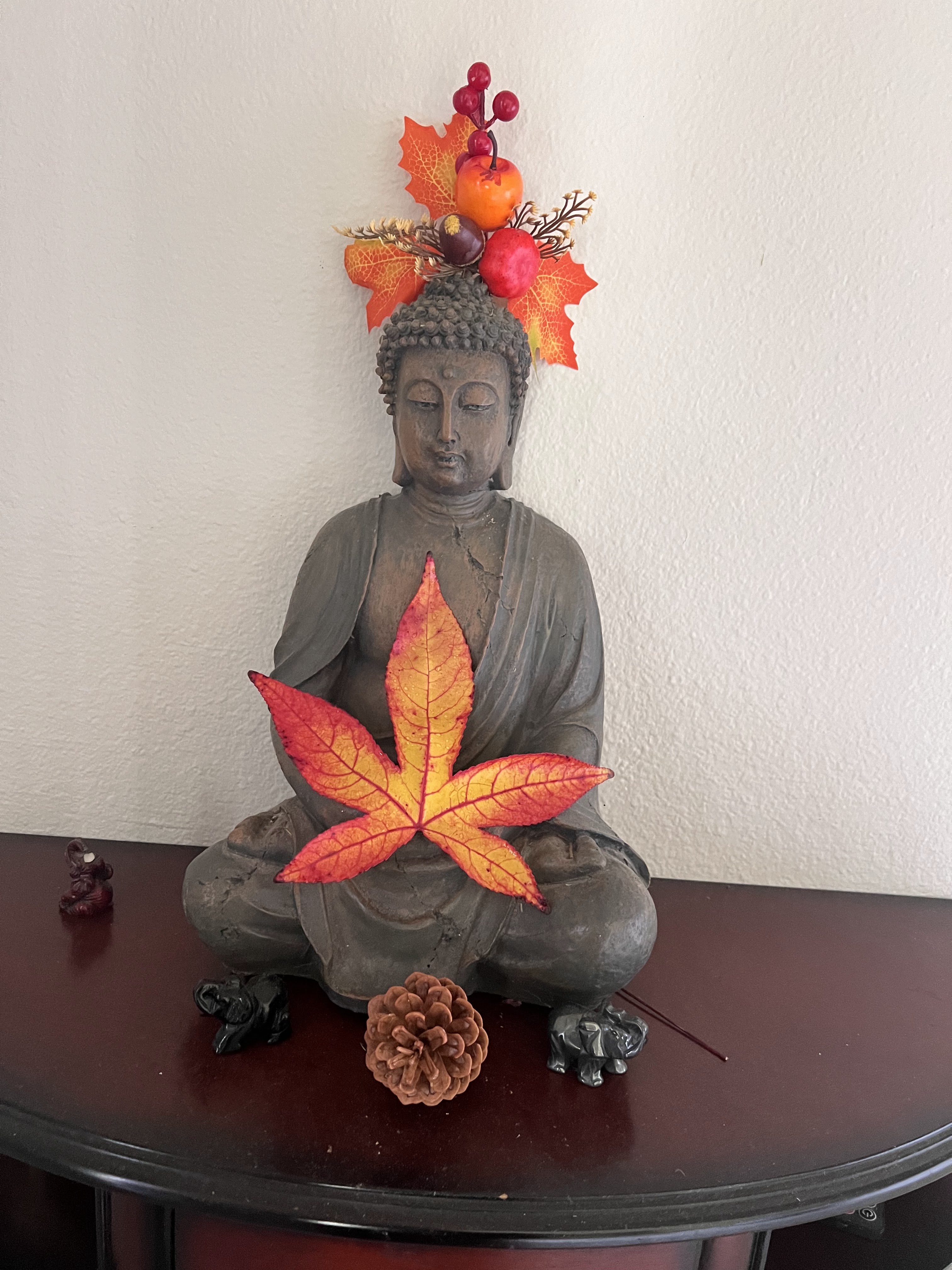
Buddha in Lotus?
Buddha in Lotus?

For many years I had thought of this quote, attributed to Victor Frankl in Man’s Search for Meaning:

“Between stimulus and response, there is a space. In that space lies our freedom and our power to choose our response. In our response lies our growth and our happiness.”

-Quote widely attributed to Viktor Frankl, Author of Man’s Search for Meaning, but not sure: Between Stimulus & Response

Back home, I savored the morning air, as I stepped out for a brisk walk embracing the nippy air. I felt like I could finally hear myself think, and I had a beautiful walk weighing and thinking of such topics as courage, resilience, choices, decision-making etc in the context of our work and personal lives. How one helps us evolve in another sphere, and how we are as human-beings are nothing more than the function of life’s ebbs and flows.

img_8958

2023 – I am stuck in a book, be back soon!

One of the favorite parts of the year are here. The Christmas lights are twinkling. There is magic in the air. I get to go back and revel in the books that have made it so. Some books evoke a feeling, and trying to capture that is a joy in itself.

Hindsight is our finest instrument for discerning the patterns of our lives. To look back on a year of reading, a year of writing, is to discover a secret map of the mind, revealing the landscape of living — after all, how we spend our thoughts is how we spend our lives.

Maria Popova – TheMarginalian

This year, I get the strange sense of being in a floating Universe. I seem to have whizzed past centuries reading things in the past, zoomed and ducked out of alternate worlds with all the science fiction and fantasy adventures, while being thoroughly grounded in making sense of today’s world with its AI, and its technological advances.

I get the familiar sense of time slipping through the sieve with extra large holes once again, but then, will it always be like this? I hope so, for in its speed lies its charm.

Here are some of the notable ones – I find the neat classifications all being thrown out – every year, I seem to have a different classification system and therein lies the charm. Nothing is immutable and all that.

the_world_playground

I also see that I have dozens of unfinished posts for some of these books that have never made it to the blog. Oh well! I need to take inspiration from Robert Louis Stevenson I suppose.

“I kept always two books in my pocket, one to read, one to write in.” ― Robert Louis Stevenson

Peek back into time:

The World Around Us:

“The reading of all good books is like conversation with the finest (people) of the past centuries.” ― René Descartes

    Non-Fiction:

    Beautiful & Informative:

    • Nanoscale – visualising an invisible world – Kenneth  S Deffeyes, Stephen E Deffeyes
    • Atlas of the Invisible – James Cheshire & Oliver Uberti
    • A celebration of Beatrix Potter : art and letters by more than 30 of today’s favorite children’s book illustrators
    • In the woods / David Elliott ; illustrated by Rob Dunlavey

    Alternate Worlds/ Science Fiction/Magic:

    Tech Tech:

    Inspirations:

    Books that ought to be classified as warm cups of tea 🙂

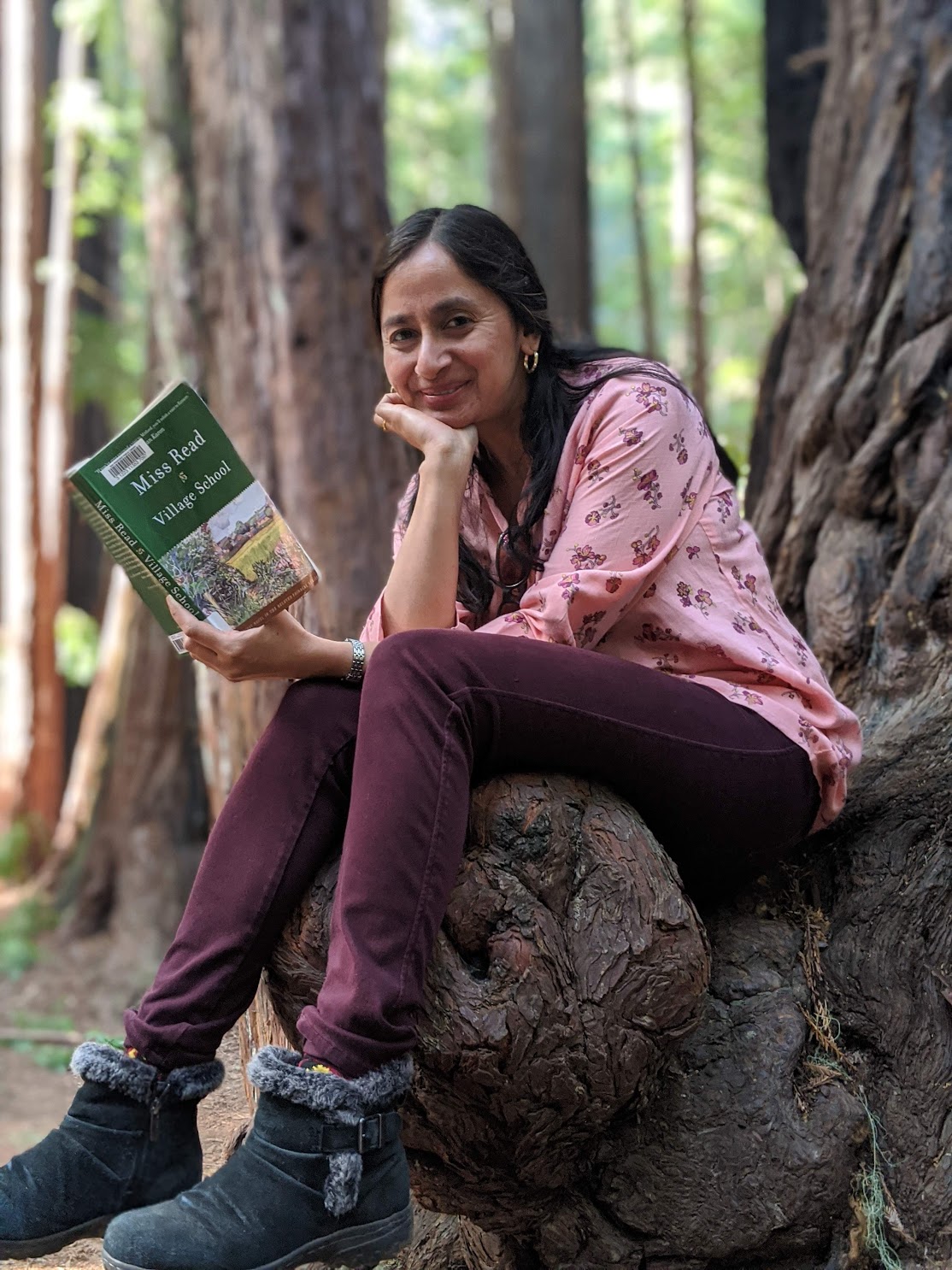
    • News from Thrush Green – Miss Read
    • The White Lady – by Jacqueline Winspear
    • Much Obliged Jeeves – P G Wodehouse
    • A Song of Comfortable Chairs – Alexander McCall Smith
    • What would Maisie Do? – Jacqueline Winspear

    “Some books are so familiar that reading them is like being home again.” ― Louisa May Alcott

      Children’s Books – my favorite category (just mentioning a few since I don’t keep note of all the titles)

      I hope 2024 continues to be as varied and inspirational in its moments of magic and learning for all of us! I shall put in a comment the complete list of books. I only put in a few in the post here.

      “The more that you read, the more things you will know. The more that you learn, the more places you’ll go.”

      Dr. Seuss 

      Happy Reading!

      reading_in_a_tree

      A Sleepy Jolly Christmas

      I lounged in bed – it was a Sunday morning, and the approaching holidays made the whole world seem more warm even though the world outside was foggy, rainy, and cold. It was the perfect weather to be doing nothing. It was also the perfect day – no one should be expected to bustle about on Sundays, I said severely to no one. The whole house seemed to have been knackered – there was some movement elsewhere but we were all happy to be left alone.

      I read a series of books one after the other, still lounging in bed, completely aware of what a luxury that was. Indian women of our generation are used to this voice: it chastises you every time you don’t get yourself up to toil for the rest of the people around you. I ignored this voice resolutely, and plodded on. Indians pride themselves so unnecessarily on rising early and all that lark, it makes me mad. I liked sleeping in on cold wintry week-ends. Always have, even when the neighboring temple started blaring its margazhi music at an ungodly hour, or the maids swooped in to sweep at times when one cannot expect to be fully conscious.

      The past few days had been a lot of doing after all. 

      The Christmas tree and the decorations were finally up, and the husband and children had gone overboard with all the twinkling lights and the music during the decorating itself. The son and I sat by the twinkling lights of the christmas tree, and the little lights from the street outside well past midnight the previous night reading. It was a beautiful, silent night. 

      img_8773

      I remember sitting and reading well after the children went to bed. It felt nice – like I was sitting inside a christmas card. The only thing missing was a robin chirping. I smiled to myself thinking of this, and started up a silly song in my head. 

      November’s gone nilly nilly, December’s here.

      December’s here dilly, dilly, the year will be gone.

      Where shall we start willy willy, what shall we do?

      The next morning was a school day, and as such, did not afford the luxuries of the previous day. I stepped out for a short stroll before the day started, and the cloudy rainy day meant that the air was fresh, if nippy, the ground moist with the rains, and the whole Earth smelling fragrant and beautiful. 

      As I was driving a few minutes later, the sun burst out from behind the clouds, and I scanned the skies feverishly for a rainbow. It must be somewhere – the conditions were just right after all. After a while of looking, when I’d almost given up, the little rainbow showed itself – not one of those fully formed ones, just a small-ish patch of it nestled amidst the clouds. But I had the luxury of seeing it from the bridge, and the bay below seemed to become prettier just by virtue of that. The birds flew past, and the clouds skittered, the world beautiful, and fresh once again.

      The sun seemed to send the message that it was a day meant to be bustling about, and I didn’t mind that so much. It isn’t often that things turn out this way, and when it did, I was grateful to take advantage of them.

      On Writing

      It is always fascinating to understand the process behind the craft. To everyone, the process is different, the resulting work is different, and maybe that is why everyone’s voice and stories are different. Though some things seem to be common enough: curiosity and observing people.

      Haruki Murakami in his musings, Novelist as a Vocation, writes about his mental chest of drawers – a place in which he places relevant and irrelevant information to be extracted when he is writing a novel. Some of the remaining ideas are used in his essays he says but the rest are there for the taking.

      The truth is that none of us can imagine the beautiful fierce power of our own imagination. Where will it take us, or what it can do for us if we wrestle with it long enough? Few of us get to find out and fewer get it out into the world. How are some authors able to create the Harry Potter universe, others write books that evoke such deep rooted emotions such as The Crane Husband? 

      I was fascinated to read that  the idea struck the author of Crane Husband, Kelly Barnhill, when she saw a crane land on a rooftop while she was driving through the countryside from somewhere to somewhere. What an evocative inspiration? 

      I remember thinking of the book, every time I spotted a crane by the riverbank. The raw sadness of the tale stayed with me for days afterward.

      cd3693d5-3eaa-4d3b-ab97-d7c865de8707

      Such inspirations are not unheard of. A few days ago I read a folk tale about the Crane Wife, in the book,

      Beneath the Moon, Tales, Myths, and Divine Stories From Around the World by Yoshitani, Yoshi

      All of us have  a mental chest of drawers and some of us rely on it more than others, but those memories shape and define us in ways we do not realize. 

      Murakami writes about his journey and how he stumbled upon the conviction that he wanted more than anything else to be a novelist at the age of 29. His journey was not one of writing obsessively throughout his childhood, but of simply deciding one day to become a writer.

      He writes about how his formative years were fairly trauma free apart from a stint in college where there seems to have been unrest among the student community. He writes:

      “I have never been comfortable in groups or in any kind of collective action with others, so I didn’t become a member of any student groups, but I did support the movement in a general sort of way.”

      But as time went on, he realized that:

      “Something criminally wrong had wormed its way into the movement. The positive power of imagination had been lost. I felt this strongly. As a result when the storm passed, we were left with the bitter taste of disappointment. Uplifting slogans and beautiful messages might stir the soul, but if they weren’t accompanied by moral power they amounted to no more than a litany of empty words,

      Words have power.

      Yet that power must be rooted in truth and justice. Words must never stand apart from these principles.”

      It was perhaps this realization that led him to lose faith in the movement and turn towards writing as a career when the epiphany hit him one day while watching a baseball game that he might be a novelist yet. 

      I am sure a conviction as deep as that would find its way into his writing and if there are specific examples or suggestions of books regarding these, please let me know.

      I remember a discussion in which it was mentioned that ‘You need war or love if you need a complete series.’

      While that is true, the pursuit of truth, peace, justice, the power of words all seem to be good enough inspirations too.

      Books:

      • Novelist as a Vocation – By Haruki Murakami
      • The Crane Husband – By Kelly Barnhill
      • Beneath the Moon – Fairy Tales, Myths and Divine Stories from Around the World – By Yoshi Yoshitani

      🐙The 🐙🐙Kraken 🐙🐙Sleepeth🐙

      I don’t know how many of you have heard of the Carta Marina: I hadn’t and was agog after reading about it. It is a fascinating geological map showing the mythical monsters in the oceans and where they are to be found. 

      Completed by Olaus Magnus in Italy in the mid sixteenth century, it attempts to outline all the monsters known at the time in the Nordic regions from various accounts. 

      In the book, The Underworld – Journeys to the Depths of the Ocean – By Susan Casey, she writes about the Carta Marina:

      “On land the action is orderly: tiny figures are farming, hunting, skiing, playing the violin, By contrast, the ocean is in chaos, awash in dangers and tragedies, livid with waves and currents flowing, swirling, pooling, seething. Aid the tumult, twenty-five monsters make their appearance.”

      • Susan Casey – The Underworld – Journeys to the Depths f the Ocean

      I may have mentioned several times in these archives that the daughter is a mermaid born to human parents. Which is to say the endless fascination with the oceans, and natant joys of reveling in the waters are things we all enjoy. 

      After reading about the Carta Marina, I went looking for the Kraken picture. When you browse through the daughter’s artwork, there are quite a few aquatic themed paintings. This one – it is Kraken – the mythical creature that is spoken of with awe among the nautical elite. I must admit I am endlessly fascinated with octopii, squid and I suppose the kraken  as well.

      octopus

      Dictionary.com summarizes this perfectly: https://www.dictionary.com/e/squid-vs-octopus/

      In summary, if you see a sea creature with eight sucker-covered arms and a round shape, that’s an octopus. But if it’s got a long, thin, triangular shape and 10 limbs—eight arms and two tentacles—it’s a squid. If you see it swallowing a ship, it’s a kraken.

      Sea-faring must have been a difficult vocation as most vocations in humankinds’ past seems to have been, but it also provided the richest tales of adventure and mystique to those whose fortunes or destinies never allowed them to leave the small square footage they’d been born and raised in. 

      Screenshot 2023-11-13 at 6.48.32 PM

      Even now, as we set out sights on interplanetary travels, I find the deep allure of the deeps as fascinating as ever.  Would we see into the eyes of a greenland shark that is rumoured to live on for 350 years or be pulled into the clutches of the mythical Kraken? Or be dumbfounded in the noises of the monster that rises out of the depths of the ocean in the FogHorn – By Ray BradBury (I believe the book is out of print – but I can never truly forget that feeling of deep awe and fear as the monster rears towards the lighthouse thinking it’s being called by a mate. I felt a strange sense of loneliness for the last monster standing the night I read it as a teenager)

      As Sylvia Earle says, “Looking into the eyes of a wild dolphin – who is looking into mine-inspires me to learn everything I can about them and do everything I can to take care of them…You can’t care if you don’t know.”

      I looked at the picture, and remembered the poem by Lord Tennyson

      Below the thunders of the upper deep

      Far, far beneath in the abysmal sea,

      His ancient, dreamless, invaded sleep

      The Kraken sleepeth

      – Alfred, Lord Tennyson

      References:

      • Life in the Ocean – the Story of Oceanographer Sylvia Earle – by Claira A Nivola
      • The Underworld – Journeys to the Depths of the Ocean – By Susan Casey
      • The Carta Marina – The map of monsters 16th Century – By Magnus
      • The FogHorn – by Ray Bradbury