A disruption of ducks

There is a curious rhythm to the days after our India trip. The usual things still occupy our time – school, work, projects, commutes, the changing landscapes of nature, and all the rest of it. Maybe it is the throes of a winter season, or the fact that after the intense ceremonies of the beginning of the month, the quiet is disconcerting, but we felt on edge.

Like the hedgehog, we found ourselves peeking out of our hidey holes to see if life is normal, and finding that it is, were somewhat taken aback. Do you mean to say that we must plan to prune the roses? 

Oh well, all right. If you insist, I suppose.

One morning, the son and I finding ourselves at a loose end decided to take a bike ride to dissipate some of this energy. img_9439

“Amma! Look – I just saw a hedgehog peep out.”

“Oh nice! It is close to February, so it must be checking.”

“I didn’t see if it saw its shadow though – we were going too fast!” said the son.

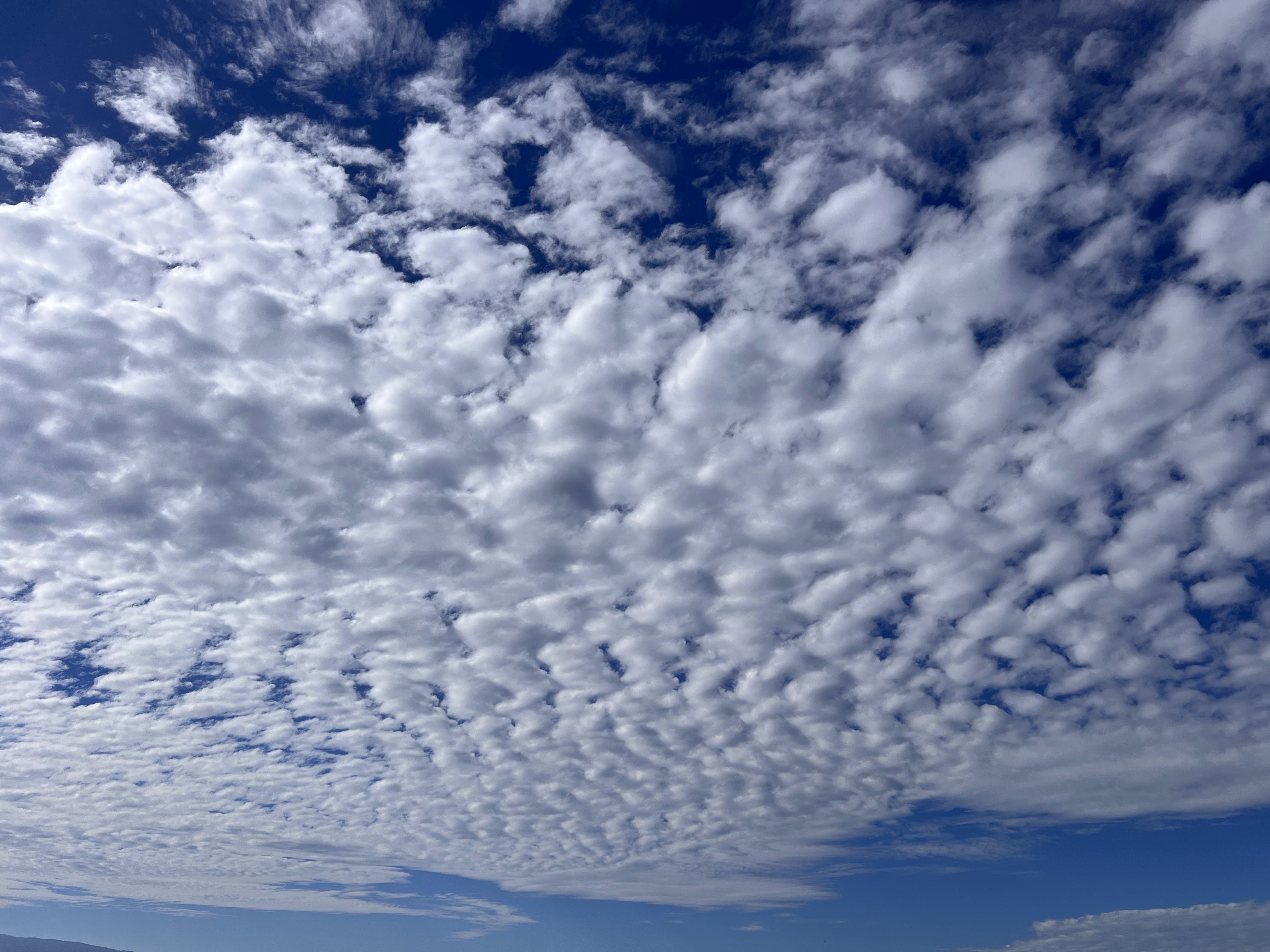
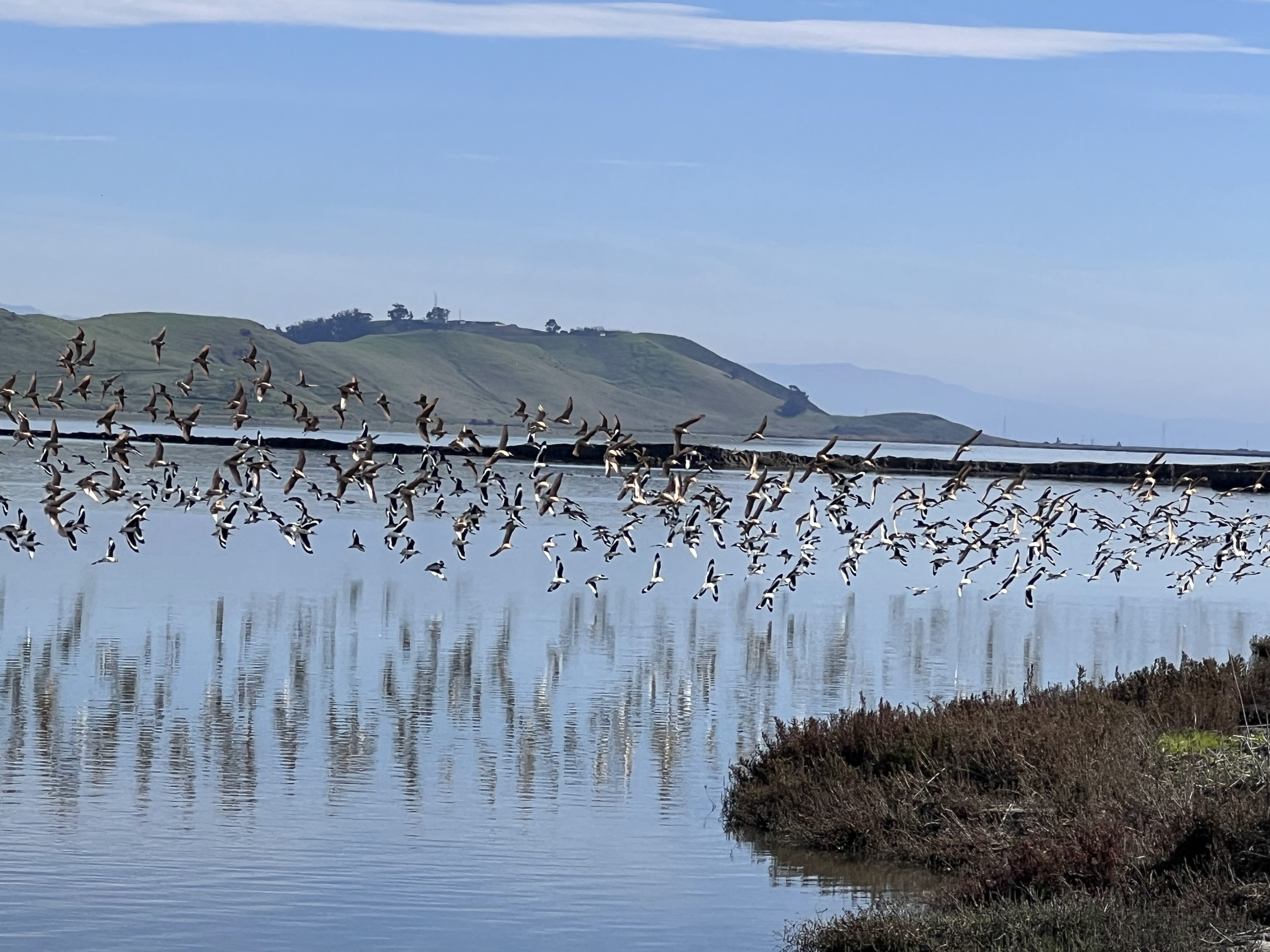
It was a lovely day – the feel of wind against our cheeks, the gentle cumulus clouds overhead, and the bay hosting a large variety of birds. We stood there taking in the beautiful sights when hundreds of birds took flight all at once, and then, as though nothing had happened, flocked back to their original place a few moments later. The son and I had a number of ideas as to what caused the disturbance, each more juvenile and silly than the next, but left us cackling all the same. 

No one could deny the beautiful shared experience of the disruption – the birds heaving in one smooth cacophony and the humans ashore fumbling quickly to capture the sudden movements and failing miserably. 

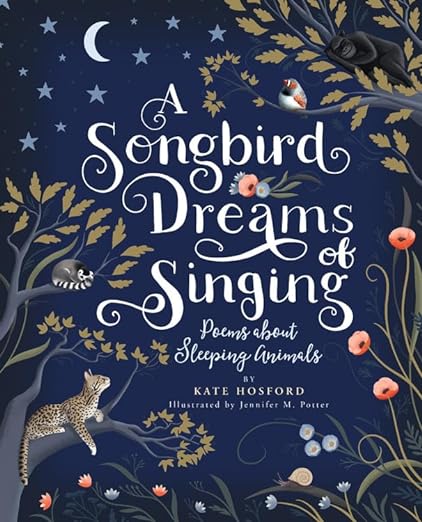
It reminded me of the book I was reading the previous day, On Duck Pond – By Jane Yolen Pictures by Bob Marstall.

on_duck_pond

As I walked by the old Duck Pond

Its stillness as the morning dawned

Was shattered by a raucous call:

A quack of ducks both large and small …
img_9453


An understanding quickly dawned:

We’d shared a shock, and now a bond

And I was feeling very fond,

Of everyone on old Duck Pond.

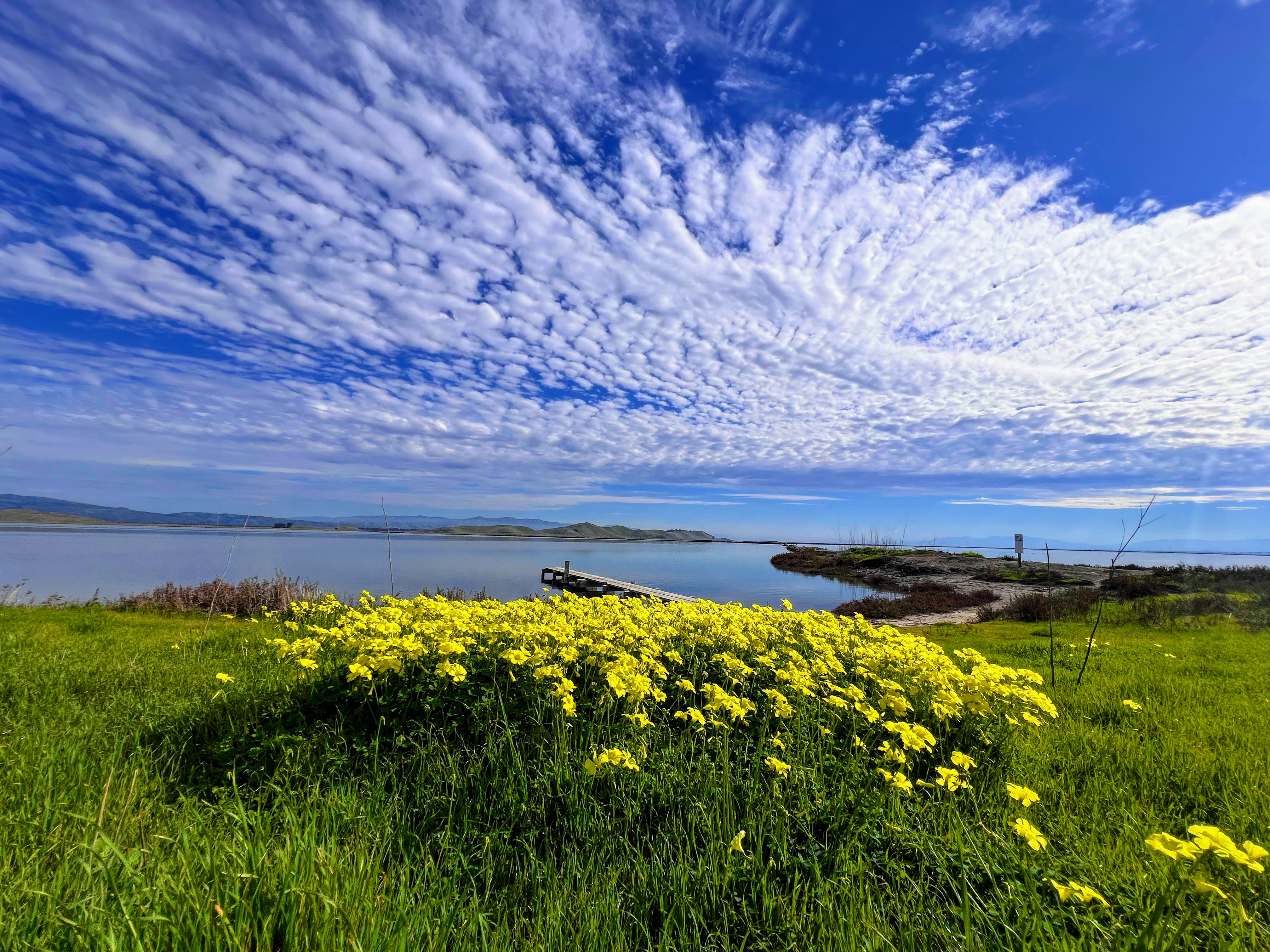
As always the day out in nature surrounded by the fabulous clouds, the sun’s rays, the beautiful lights of the ocean, the stories the son and I swapped on our ride, the birds, first signs of spring in the wildflowers by the bay, had weaved its magic, and we returned home refreshed in mind and spirits.

img_9442-effects

P.S: A group of ducks, as Jane Yolen mentions in her book, are known by a number of names:

A raft of ducks

A paddling of ducks

A badelynge of ducks

Also, bunch, grace, gang or team.

🕊️🍁 🦅 Hawkish Power? 🐦‍⬛🍁 🦅

As soon as I came home, the words rattled in me 

To capture the moments when joyous and noisy, turned to eerie and silent.

The terrifying sound of all the birds leaving at the same time

The fluttering of a thousand wings – away, away to safety.

The ecstatic beauty of standing under a tree 

With thousands of leaves fluttering gently down.

The ears pricking up with the joy of 

Listening to hundreds of little birds chittering above.

All gone with the arrival of one regal hawk

The birds all flew, while the hawk gawked.

Without the rustling of the birds

Even the leaves stopped falling.

Of what use was this power?

When there was no one to exert it on?

It was a show of power so instant, so terrifying and so alien to the beautiful wintry surroundings, that I shuddered in spite of myself.

My thoughts swirled with dictators and their absolute clawing for this kind of power. Do people in power not want a happy, joyous populace? I thought of the happy chittering and camaraderie of the birds from moments ago and stood under the tree not making any noise,  content to enjoy the sounds of life overhead. 

As I walked back home from this eerie setting, my mind wandered to all the fittings of power and its lure over mankind. It doesn’t look like it will abate. Countries continue to go to war, and though countries may win or lose, the people involved always only seem to lose – their trust, their security, their loved ones, their hopes, their peace.


Navigating by the Starlight

Navigating by the Starlight – Listen on Spotify

Rest, nature , books, music, such is my idea of happiness.

– Leo Tolstoy

I sat looking out at the lake, with a book on life in the Oceans by Sylvia Earle in my hand. I was not exactly reading. That in itself was worth musing about: with a book in a quiet spot, but not reading. Usually I can zone into a book within seconds. It is a source of being teased in the home. But that day, I found thoughts fleeting, the mind elsewhere: it’s this pace of life, I told myself sagely. Not much time for nourish-ing and cherish-ing. I chuckled at that (I know! )

I had been on a brisk walk at the campsite a few hours from where we lived. The drive up there was relaxing in itself.  The long, solitary drive gave me the space to make a few phone calls, listen to some music and an audiobook. It was perfect. This kind of solitude is rarely available and I was determined to enjoy it.  

Where was I? Yes – sitting and doing nothing but taking deep breaths and looking lazily out at the lake in front of me. 

img_7039

The Eye of the Earth quote playing on my mind. Looking across the lake, I saw a bush of greenery that reflected so beautifully in the lake as so resemble a human eye. Some boys were skipping stones lazily across the lake, and faint music was heard elsewhere. 

Later that night, the skies opened up. At first the faint light did not reveal the nightly glory – the cosmic dance that plays out every night. But by 11 p.m., there was no escaping the stage of the heavens. In our heavily populated urban areas we rarely see this skies like that:  The Milky Way in all its glory. There was the international space station circling the Earth, and thousands and thousands of stars, with familiar shapes of the constellations that our ancestors mapped over the ages.

At one point, I had to walk from point A to point B, and found that I had lost my way amidst a thicket of trees. I felt a strange sense of unease – How did birds migrate by the starlight? I looked up, enthralled, my breath stolen from me in a gasp of wonder, but also acutely aware navigating by the stars is tougher than it looks.

I read a while ago, that birds align with the electromagnetic patterns of Earth and then use that to orient and navigate against the stars. From the magical birds who sense the Earth’s magnetic field for their migration journeys to the fish who are able to navigate by the position of the stars from deep under the ocean, we each have our own unique way of living. Of Life.

In Dr Oliver Sack’s book, Musicophilia, he says:

“Every act of perception, is to some degree an act of creation, and every act of memory is to some degree an act of imagination.”

Oliver Sacks, Musicophilia: La musique, le cerveau et nous

https://www.nytimes.com/1958/10/17/archives/study-finds-birds-guided-by-stars-migrating-flocks-are-led-by.html 

All this may be fine. But how was I to get back? My electromagnetism wasn’t helping, and the stars seemed to be twinkling and having their little joke up high in the skies. It is then I caught glimmer of the starlight reflected in the lake down below, and like a thirsty wildebeest pushes towards the water, did the same, urging the body to orient itself with the lake and the paths around it like I had done earlier during the day.

One day, I shall have to take lessons from the birds and learn to navigate by the stars instead. “Stop using the GPS while driving first!” said a little voice of truth, and I chuckled. Yes – baby steps. Driving first, and then flying. 

⚡️💨⛈ Oh! To be a cloud! ⚡️💨⛈

Time spent in a beautiful meditation of clouds, is time well invested in one’s soul. I am convinced of it. 

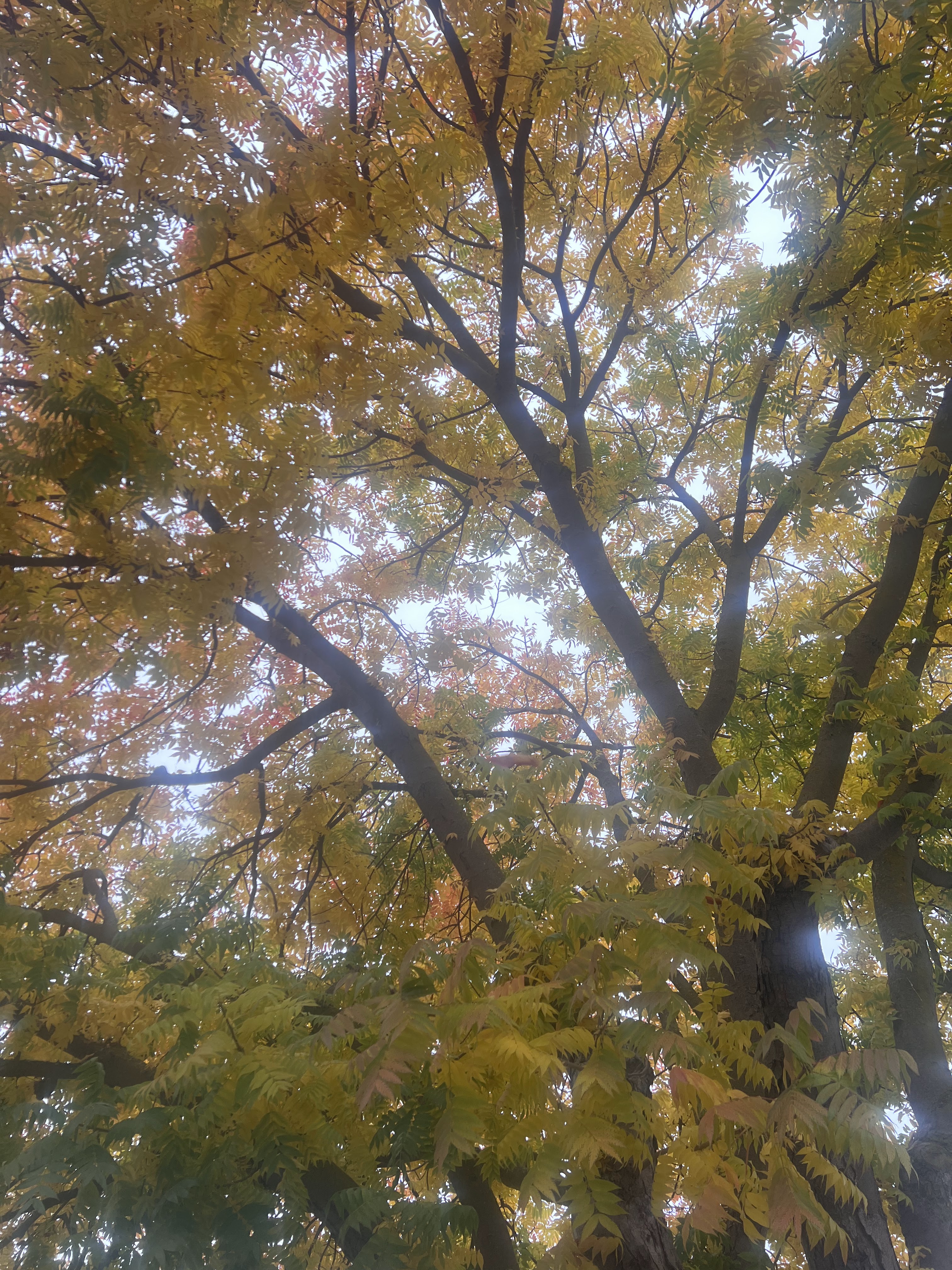
The past week had me sighing and exclaiming at nature’s shows. The multi-layered clouds rolled in, and treated the populace to extraordinary shows of the skies. 

At times, it would be the shades of gray against the white fluffy clouds as a backdrop. 

img_5011

At others, it would be the inevitable beauty of the setting sun’s rays as it used the clouds as a canvass for their light based shows.

img_5001

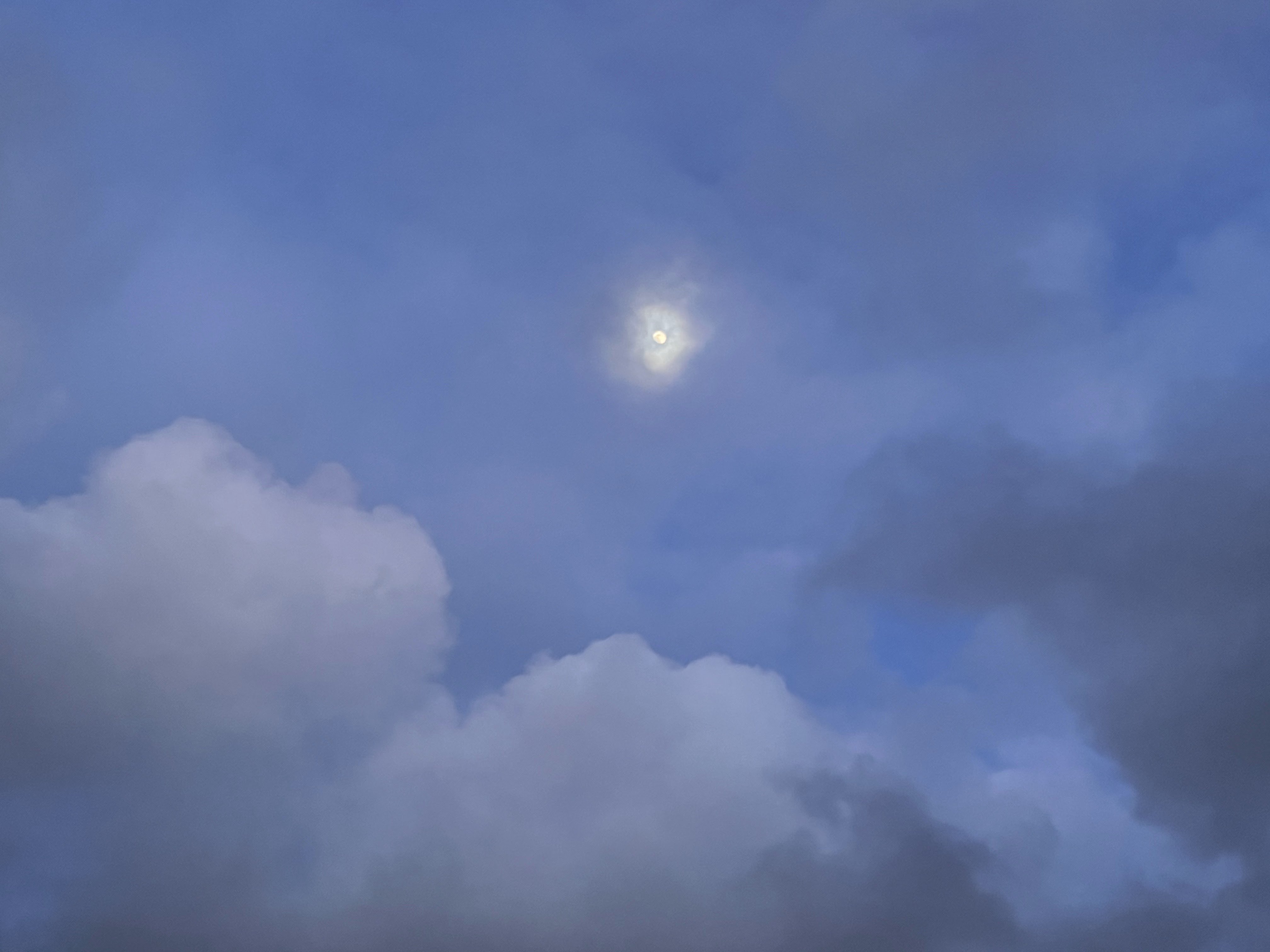
Sometimes, I would find myself after a late night meeting simply looking at the moon flit in and out of the marvelous multi-layered curtains in the sky, to the orchestra of the winds through the trees outside. 

img_5009

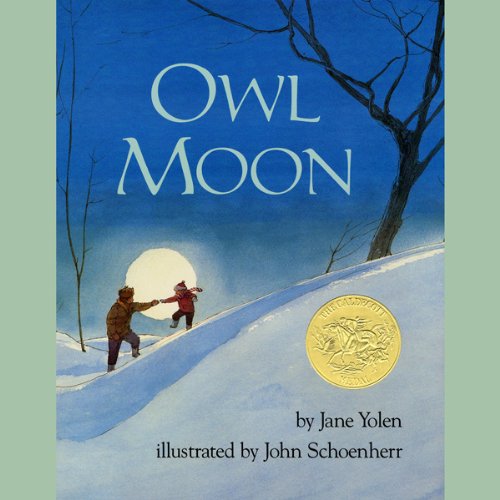
One such time, I found myself picking up two beautiful children’s books and flipping through them with contented sighs. If only one could bottle up these little moments, there wouldn’t be angst or turmoil in the world.

Owl Moon : By Jane Yolen

Owl Moon

The Boy and the Blue Moon: By Sara O’Leary, Illustrated by Ashley Crowley

Both books managed to capture the beauty of the moon’s rays so perfectly. 

I wonder whether the animals we share the planet with enjoy the cloudy days. They seem to be. One morning on a beautiful morning when thoughts of gratitude flitted in and out, much as light seem to be flitting through the scudding clouds overhead, I stopped in awe at the birds. This season, I noticed many more birds – maybe a bounteous winter made for a marvelous nesting season for the birds as well, who knows?

But the blackbirds, geese, herons, storks, pelicans, wood-ducks, grebes, hawks, turkey vultures, bald eagles, harriers, thrush, sparrows, robins, woodpeckers, avocets, yellowlegs, hummingbirds, and so many species that I can’t identify, have been flitting and filling the air with beautiful characteristic sounds.

img_5037-collage

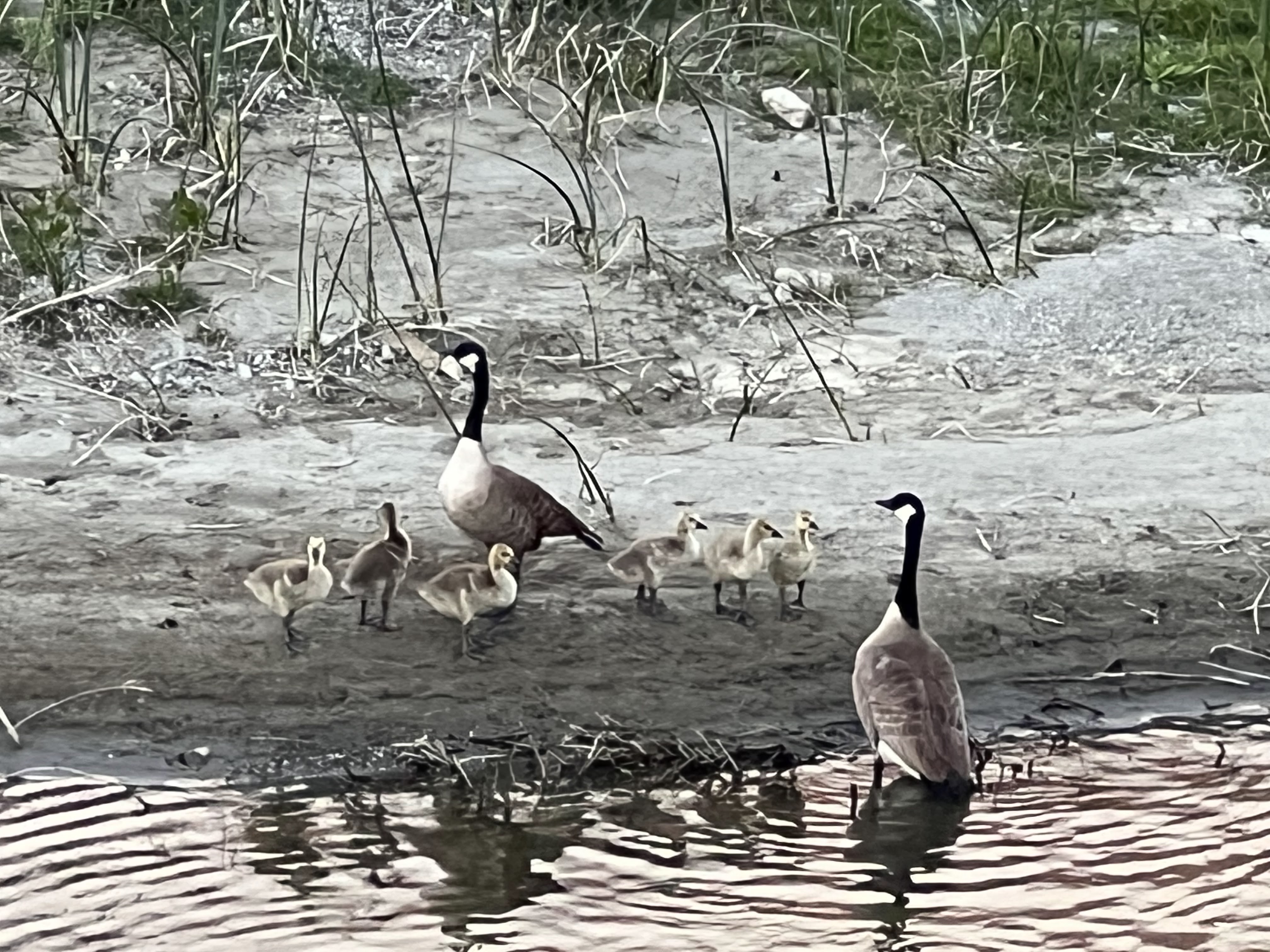
Life seems busy as the conscientious parents take care of their newly hatched young. 

img_5016

As I write this, a mild rain is falling outside – so gentle there is no discernible sound of the rain. The only sounds  are those of chirping birds like a soothing backdrop to the drama in the skies: The grays against the greens and the multicolored flowers a unique kind of meditation. 

#Nephophilia : a lover of clouds

“How sweet to be a cloud. Floating in the blue!”    

– A. A. Milne

Pluvial Pleasures

It had been one of those week-ends that started off with a weather report that issued a Hydrological warning.

The son & I exchanged looks. In the wake of a spelling bee at the son’s school, the word gave us no amount of pleasure. It must be exciting being a lexicologist.

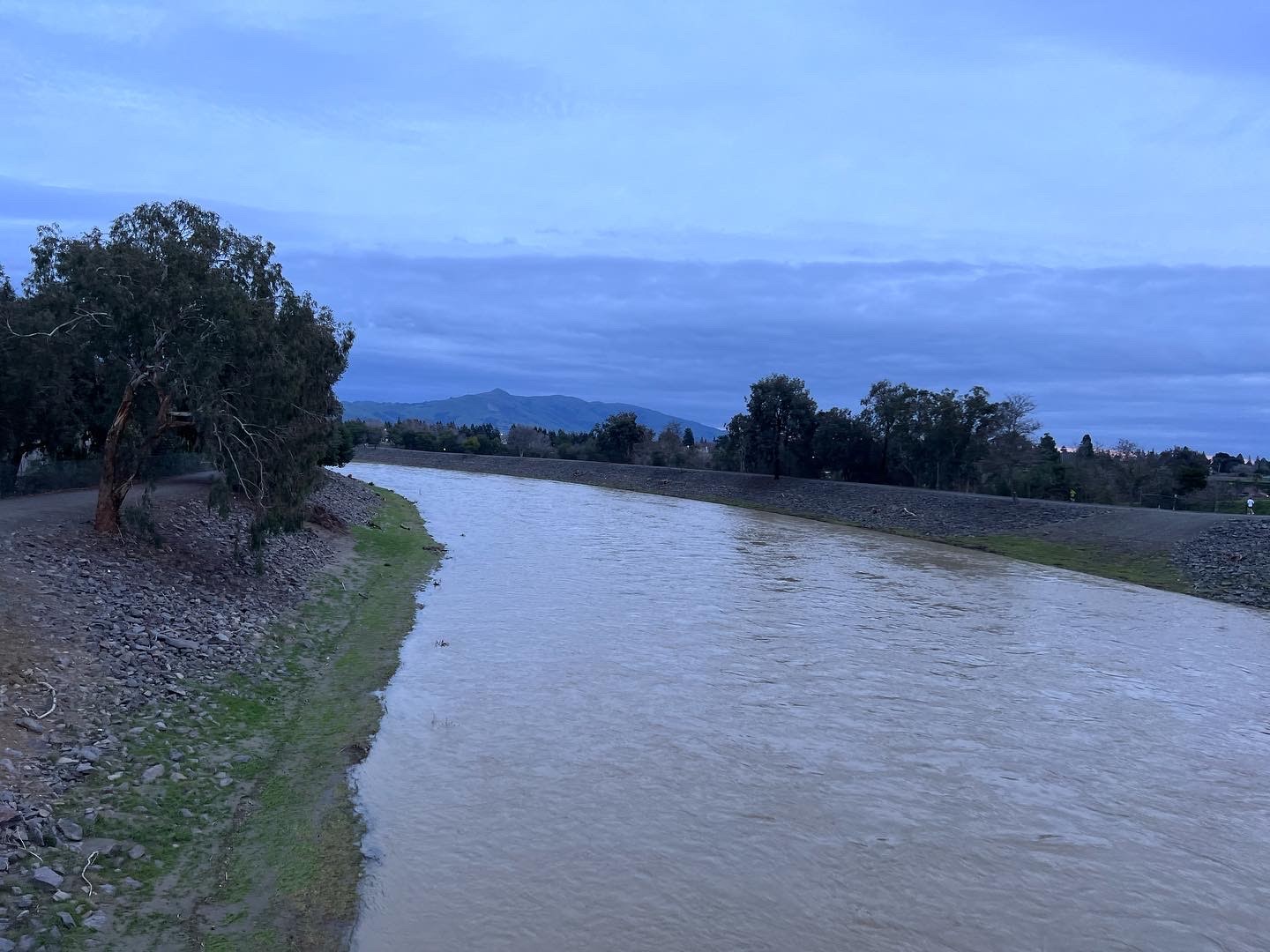
Water bodies could swell? A torrent of moisture could swoop in? What magical things could a hydrological warning bring in its wake? Atmospheric rivers? Our own stream-like river could swell into a proper river?

river

“Hmm – maybe we should check out the riverbed nearby. And for good measure, I think I also shall take a bike ride and check out the dried out lake beds from a few weeks ago”, I said. 

The children shook their heads. 

“This! This is why people call you a nature kook, amma!” , said the son.

The daughter took a stronger stance:“No going biking in the rain Mother!”

“If you are going biking, try to be back by 3 p.m. – that’s when the rains are supposed to start. So, don’t go off all over the place, and forget the time. Watch the clock and get back!”, said the husband. 

Now there was a man who knew a lost cause when he saw one.

Accordingly, off I went. I whistled as I biked along the sparkling Earth. The birds stopped their squabbling and looked to see how an asthmathic milk-cooker took to biking (in my mind, I was whistling ‘These are a few of my favorite things’ song), and I smiled back at them. Wasted of course. Hydrological warning or not, geese do not smile, the wrens are joyous but don’t care much about you, the pelicans are barely curious. The wood ducks – they stop enough to see where you are going.This musing got me thinking about one little curious bird that we had seen on an off-roading adventure with the brother. I’d like to name the little thing, Birdingger Coothwart.

He (the brother I mean, not the bird) had jaunted us off to a hilltop somewhere south of Bangalore, and the world was soaking in freshly squeezed north-east monsoons. 

Now, there was a hydrological warning if ever there was one. Lakes overflowed, rivers leaped, streams gurgled, rivulets flowed, and the rains lashed down.

This little bird, no bigger than a wren, with a bright green and beige plumage followed the car. We had first noticed it as it swooped joyously over the tree-tops while his x cylinder, 4 tyre all-wheel drive terrain vehicle with XD pumps or whatever-it-is the nephew tells me about slowly muddled its way down the steep muddy grade. 

“Going down is harder than going up see?” , said the brother, and we nodded. None of us could drive that thing down that hill anyway, so what was the point in knowing how fast it could go, and long as it went?

The little birdie, however, wanted to know. It dived alongside the car peeking to see what kind of animal it was, and how it rumbled along on the road. Was it because this little one, whose flight range was probably far from the bustling city of Bangalore did not get many combustion engine visitors or was it because it craved the company of its occupants? Seeing that rhinoceroses were scant in this part of India, and there were no elephants in the vicinity the car must’ve been one of the largest moving things it had seen. 

As one can imagine, I had taken a dozen useless photographs with little luck. Ornithologists and bird photographers have my immense respect – for I got a great many pictures of boughs, (zoomed in, not zoomed in), tree trunks, branches, and even bushes, but not one of the little bird. I am not even aware of the kind of bird it is. Usually, I rely on Google’s image recognition software to help me with bird names (Those ML/AI engineers have no idea how much joy their little model brings me). But even Google draws a blank if you don’t have a picture. Maybe wildlife photographers in Bannerghetta region could help me out. At one point, seeing how persistent I was, the brother stopped the car and tumbled out himself to try to get a picture, but the bird had had enough. It was one thing to see a great big animal rumbling along peacefully, quite another to see other animals come out from this one, and it flew off. However, we caught sight of the little thing just a few hundred meters later. I swear there was a laughter in its flight, and I would like to be a bird like Birdingger Coothwart one day: joyous, free-spirited, curious, and prudent within limits.

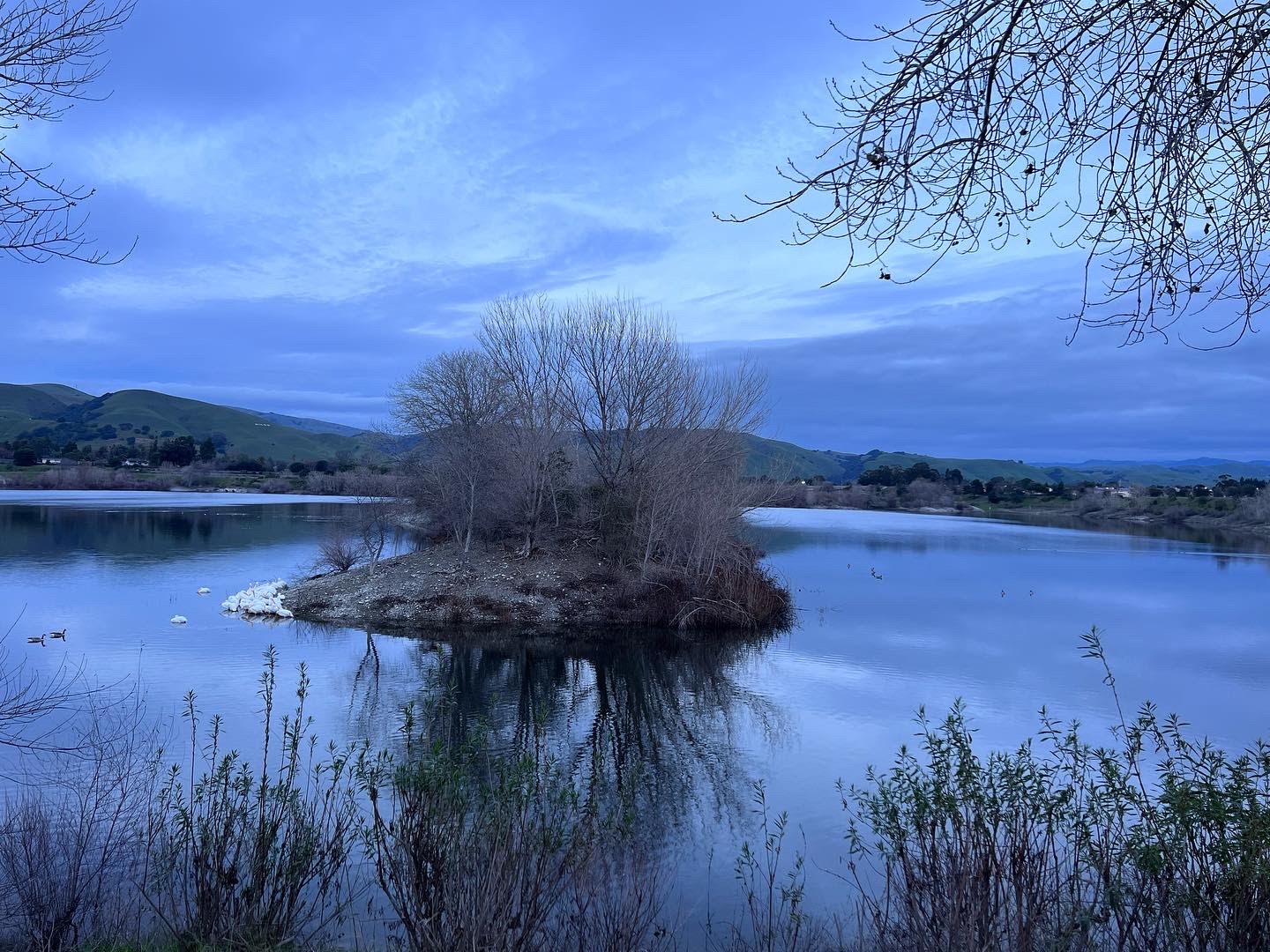
These beautiful musings bought me to the dried lake beds on the opposite side of the Earth, and I was happy to see that the rains had at least filled one of the lake beds. 
vintage_point

I cycled back home, keeping a sharp eye on the clock, and I must say, had I not stopped to take that brilliant photograph of that tree, I might’ve made it before the rains started. As it was, I made it to the neighborhood and the sharp, pelting droplets as they plopped all over me really made admire those who predict the weather. I mean they said 3 p.m. the rains would come and one could’ve set their clock by their predictions. 

Hmm. In one bike ride, I’d wanted to be a bird, a whistler, an ornithologist, a wildlife photographer, a botanist, and a climatologist (or whoever predicts the weather). A day’s work done, I piled into the house. Birdingger Coothwart may not have craved tea, but I did after those vigorous musings, and the fresh, cold air against my face. 

Tweet Talk

The cheery morning had us all chirping – much like the world around us. A beautiful, bright, sunny November morning around the time of Thanksgiving is always a special time. The glorious world around us transformed into multi-colored hues, and the auditory world rich with the orchestra of birds made our human companions on the trail more friendly as well. Every single one of them cheerily greeted one another on what a lovely morning it was. The world seemed to be in harmony.

Geese lifted out of their slumbering fields and flew squawking great big messages to one another as they splashed down into the lakes and rivers nearby. The blackbird murmurations overhead trilled and flew flashing their streaks of red in marvelous patterns overhead. The californian blue jays swooped among the marshes and the trees, their brilliant azure feathers twinkling and shining in the rays of the sun. The great blue herons and egrets stood waiting in their great cloaks of grey and white, relishing their solitude and just being part of the great lovely world around them. 

I read somewhere that people who were among many birds were generally less stressed in life, and I could readily imagine why. The joyous chirps, blending together in a great, harmonious orchestra along with the swift usage of wings to fly up and above, taking one’s spirits with you is enough to reduce the stress. 

I sniffed rapturously and we walked on. The ponds in the marshes seemed perfect for reflection, and the mind wandered. I took some pictures: not too many, and certainly not of great quality for posterity. There were talented photographers  for that. I have several friends whose photographs have that essence of transcending the current space and time and tranporting you to that very moment they captured. How they manage to catch the birds in flight is beyond me. I said as much to the son, who gave me an amused look at yet another blurry picture I took of a nesting heron in the marshes. 

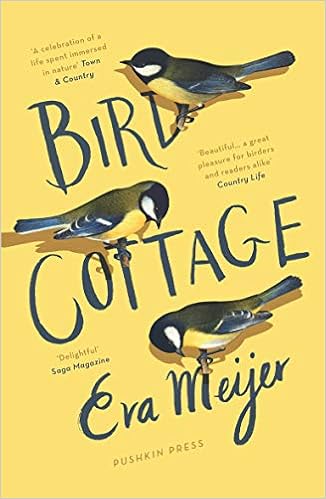
Seeing how enamored I am with our winged companions in this world, the daughter got me a book titled Bird Cottage – by Eva Meijer for my birthday. I look forward to reading it. I looked at the son as we walked on in companionable silence, and told him so.

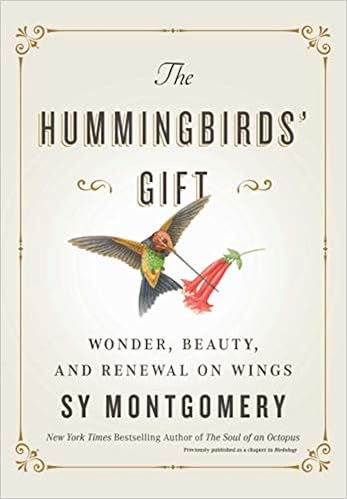
“Now, I am reading a book on hummingbirds.” 

“I am sure you are!” He said with a smile on the corner of his lips.

“Less sass young man. It is a fascinating book. “

“That’s what I meant. You would like to read a whole book on hummingbirds. What’s it about?” he said indulging me as he walked on.

I was proud of the fellow. He had been promised a short, zipping bike ride with the wind blowing against his face. Instead, here he was on a long walk. On the trudge back, he said, “I think I am going to go home and replace my legs with another pair. They hurt!”, and he laughed raucously at his own joke.

“It would be nice to fly on home, wouldn’t it? Become a hummingbird so we can fly swiftly and purposefully home every few minutes if you so wish!”

I told him about this person who lives in Marin County who takes on orphaned hummingbirds and nurses them back to life. “They need to be fed every 20 minutes all day every day till they are strong enough to be released into the wild.” I said.

“Wow. Why do they eat so much? They are so tiny!”

“Well! They are tiny and almost fully lungs – so you have to give them tiny portions every few minutes, so they can survive and thrive. A hummingbird mother is a very busy one. She has to fly in and out of the nest every few minutes feeding, and looking after her little ones, till they are strong enough. Just like most babies.” I said. He looked confused and awed. I addressed that look and said, “Even human babies need to be fed every couple of hours throughout the day for the first few months. You know that?”

He had a vague idea until then that babies were work, but he had no idea they needed to be fed every 2 hours.

He was quiet for a few moments digesting this piece of info. I swooped in, and gave him what the early days of human baby care looked like. I rounded it off saying, “Yep! You do all that, and what do they do? Sass you on walks, and roll their eyes when they are teens!” He laughed raucously frightening a goose nearby, and we spoke of this and that, the great web of life, and the fantastic nature of living.

Cacophony for Biophony, Socialization for ?

The day was cloudy and cold as I stepped out for a walk.  As I neared a spot where there are wide grasslands, I paused here and there to see two warblers, an American robin, a goldfinch, sparrows, and blue-colored scrub jays. It was as I was panting near what I thought was a red-breasted robin that it struck me, as to how much biophony has reduced in the areas of our habitat. I am no ornithologist. In fact, I am a bird who is seldom right about birds – for all you know I may have been watching two sparrows, a bunch of bullfinches, some doves and a bluejays. You see, birdwatching is a hobby that requires patience, and I start to hum before I am properly stationed with the binocs. That would hardly do to the elusive birds waiting for peace and quiet before emerging from the bushes and so on. No sir. You would not find me waiting with a pair of binoculars behind any tree for the life of me. That kind of joy requires patience and I know best of all, that I am as restless as a hummingbird. Despite this, I love watching birds when they are not shy enough to stray across my path. I love their peckings and their cooings and their general sense of industry.

Birds
Birds

I listened to the bird calls for a few minutes and thought about how much I miss the sounds of birds. The only sounds we hear often is the Angry Birds background music that is both irritating and jarring from some multi-media entertainment channel. We have truly substituted cacophony for biophony. What is biophony? A word I was interested to learn about as I listened to this recording of noises in a California forest over the past 10 years.

http://ww2.kqed.org/news/2014/10/16/listen-as-a-california-forest-grows-quiet-over-time/

It has happened so gradually that many are oblivious to the change, and now happily go on with their lives. Save for a pang now and again, we don’t set aside another thought to the missing birds in our life.

In other news, I read recently that children exposed to inordinate amounts of screen time are less tuned to reading people’s emotions and acting accordingly. Apparently, they miss subtle body language and facial clues, and blunder on to make things worse.

http://www.huffingtonpost.com/2014/09/08/how-screen-time-affects-kids_n_5765568.html

If we ever need to get a peek into what society will be like when that transformation happens completely, all one needs to do is seat themselves in front of any appalling soap opera on Indian Television. The maudlin entertainment pulled my attention when the parents or parents-in-law were here several times. There the heroine is:  impeccably groomed, dressed like she is going for a party, to receive her abusive husband or to confront angry relatives or something-that-will-ensure-she-cries-buckets-in-minutes. But there is something else here for us to observe. She babbles on completely ignoring the cues that are emanating from the person she is conversing with. There is nothing but brooding silence, or desperately angry vibes that are coming from the other person. Of course, no good can come from this, and pretty soon, everything thuds to a stop with an explosion of sorts. (The same thing could have happened with a man, but Indian TV prefers crying women.) The glycerine acts immediately and there are tears and dubious sentiments on culture and I gag (once again) in the confines of my home.

This saddens me. Is this not what society is headed for if we lose the ability to study the subtle hints that body language gives us? I truly can’t think of a bleaker future than one where we regress to live like folks in Tamil TV serials. If you had told me that we would have to adopt the babboon-way-of-life again, I would have been less sad, for we might have evolved into humans once again.

The problem is that, it will be a slow process, one in which one generation of parents finds a subtle change in their offspring and another change in the generation after that. We may, in the meanwhile, categorize these mystifying changes to a generation gap and only realize three generations later when a great grandparent talks about a time when he used a subtle cue to decipher a situation.

Just like we cannot bring the biophony back, what if we cannot bring one of our most useful social skills back?