Lessons from Nature: Embracing Our Unique Struggles

Burdened Biologies

I took the son to the pediatrician for a wellness check: Something that was simply not there in our childhood. You only went to the doctor if you had a problem, not to be assured that you didn’t, or find that you may have one. I quite like the strides in preventive medical care. 

The pediatrician asked the son his age, and prepped for his talk on teenage anxieties and stresses. He told him about how sometimes / oftentimes, one feels that whatever they do, it is never enough. They are never good enough. Society is always expecting more from you. This is not good enough, that person is better, their clothes are better, their smile is better and on and on.

I listened with rapt attention. Did this man have superpowers? The ability to time-travel, or apparate across cultures, places, geographies? Did he overhear what was being said in social circles? Or was this another thing that simply unifies the human experience the world over? Our burdened biologies.

Something about the way the doctor said it made me pause and listen. Was he aware that he wasn’t just talking to the teenager in the room, but to the parent as well? 

“Before you say anything – it isn’t anything specific to your son, it is something we like to educate all our teenagers about. These are things that add to toxic stress, and that can create other problems as well you know.” he said, kindly.

Hearing the pediatrician talk about these things with the teenage son made me feel – well, I don’t know how exactly it made me feel, for it was one of those moments when I felt the opposites war in the old fishbowl. For one, I was happy that they were making children aware of this. But on the other hand, I was also disappointed that this was something that was ever acknowledged as a problem in our childhood. No doctors, teachers gave voice to this feeling all these years, decades even. 

Atelophobia and Allodoxaphobia

There is a word for this:

Atelophobia. The fear of never being good enough.

Many of us went through our childhood (and adulthood in many cases) completely oblivious to this. 

There is a strange comfort in knowing that one is never alone in one’s struggles, isn’t there?

Those of us who grew up in India, were also given liberal doses of Allodoxaphobia.

Allodoxaphobia: fear of what other people think of you. 
Nature Shows the Way

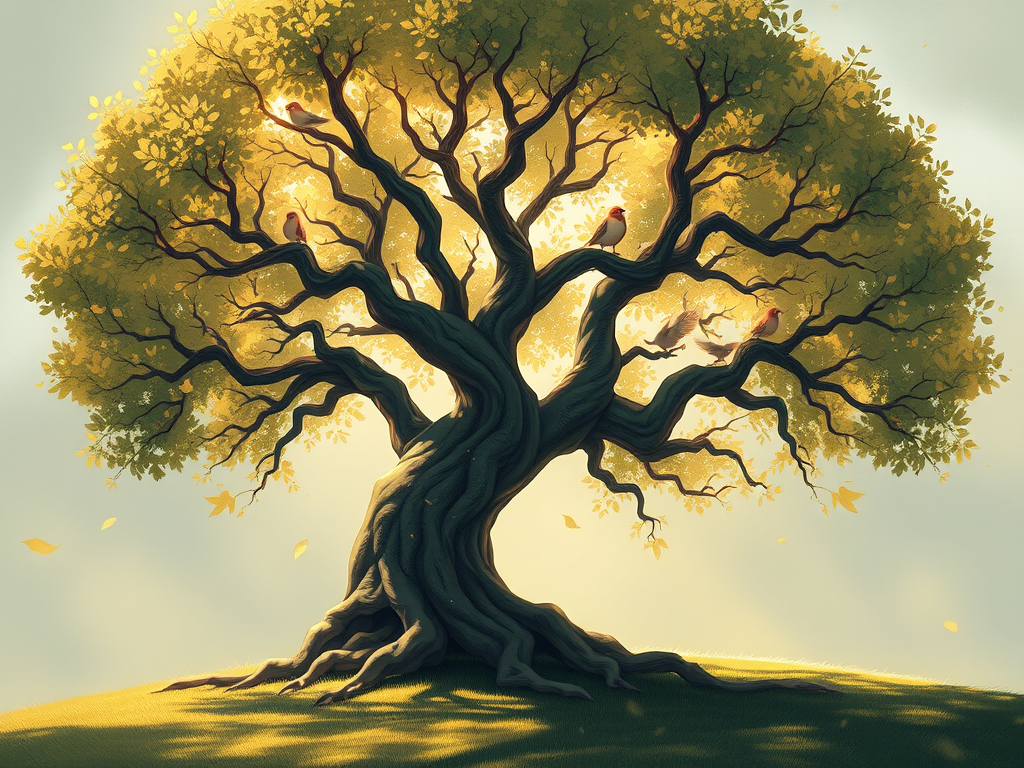
That evening, the son and I sat under one of our favorite trees – wizened, misshapen, and marvelous. We admired the tree: It’s every bulge was a statement, every misplaced twig a surge of hope, every lump in its trunk a bold curve, every branch a home for birds, every leaf a fine producer of food, every ray of sun that passes through it a filter to enhance its beauty.

Nature shows us with every tree and every flower that we are enough. As we are. No two trees are shaped the same way, but nobody questions their enormous usefulness to life. Every plant’s purpose is different, and somehow, together, they created the conditions for life to thrive on Earth.

Yet – in spite of all these simple lessons from nature, humanity cannot stop burdening our biologies with unnecessary stress. What can we say? 
The Poochandi: Fear, Eunoia, and Allodoxaphobia

The Poochandi

“Acchichoo – Poochaandi varum!” 

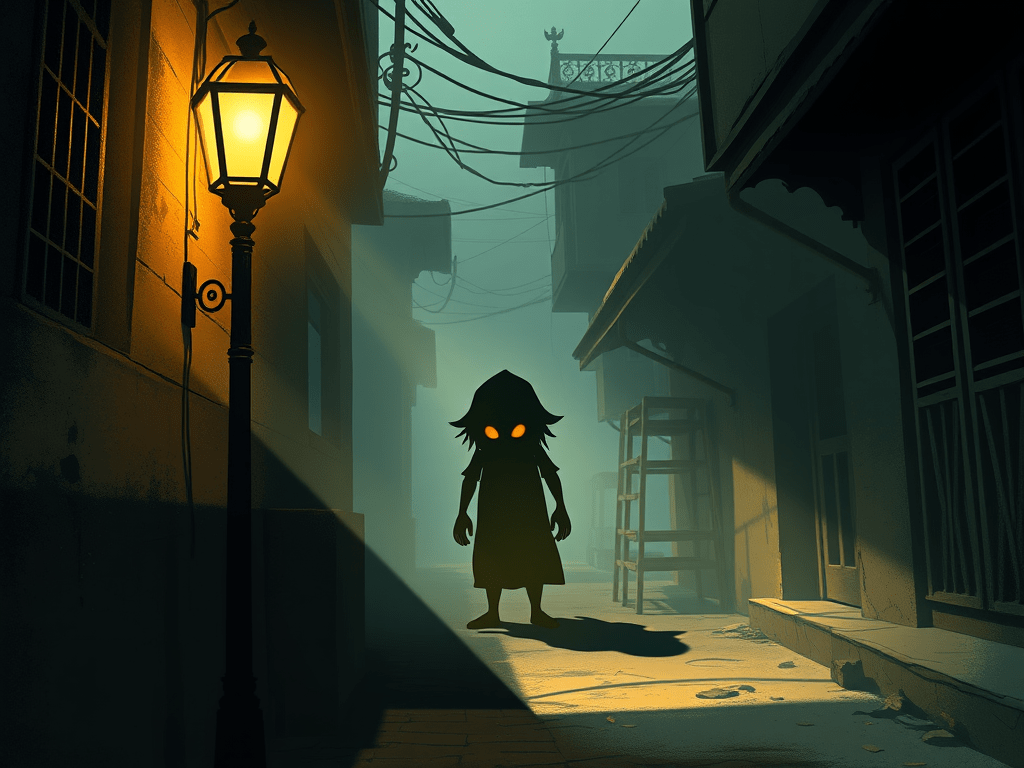
Many of us growing up must’ve heard of the famed poochandi. He is ominous and omnipresent. The poochandi is the South Indian version of the bogeyman

In one of R K Narayan’s stories in the Grandmother’s Tales or Malgudi Days, I forget which one, he writes about this vague poochandi. The poochandi is a ghost or nefarious persona, whose purpose in life seems to vary: Frighten children into swallowing the next morsel of rice, or getting the slightly older ones to come home soon, or the daughter-in-law of the house to light the lamps on time every time. 

I remember thinking that the poochandi seemed like a busy, if slightly jobless character.

As we grew older, the poochandi was replaced by ‘They’ as in Society. 

What would They say? 

🫠 You aren’t making a 5 course meal in between the 3 course meals that are each 4 hours apart? What would They say?

🫠You aren’t wearing a 9 yard saree so you can pour water droplets on a coconut? What would They say?

🫠You aren’t making murukkus as well as halwa for Diwali? What would They say?

They were all-knowing & all-judging. 

If you were perfect, They knew all the ways in which you were not. 

So imagine finding out that fear of what They would say actually has a word? 

Allodoxaphobia & Eunoia

Allodoxaphobia: fear of what other people think of you. 

I first read the word in the book, Build the life you want – by Oprah Winfrey, Arthur C Brooks

Allodoxaphobia can work in strange ways – sometimes, it can make us function in ways that enhance our positive qualities. Other times, it can burden us with a mindset that we neither grow out of, nor discard easily. 

They and the Poochandi worked full-time to keep you pliant.

In the face of this, what can we do to retain and maintain our eunoia?

Eunoia? You ask. I am glad you asked. You didn’t? Well, here I go anyway.

Eunoia – is a beautiful word that signifies a positive and kind disposition. The kind of personality that develops out of cultivating beautiful thinking or a well-balanced mind. 

The ability to choose without spurning, live without hurting (others or ourselves), etc are extraordinarily hard things to do. It is why philosophers set great store by it and acknowledged this to be a great thing.

Sometimes what They say, and what the poochandi threatens aligns with our inner sense of eunoia. But when they don’t align, how do we balance the cultivation of eunoia against what They will say?

Eunoia means doing the hard work of finding our morality, and sticking by it regardless of what They say, even if the Poochandi will find you for it. Eunoia means being personable and helpful without giving yourself over to Them and Their demands. 

Sometimes, just sometimes, I’d like to find the poochandi and work with them to change what They say. A Poochandi who will give you a nod or a pat on your back when you clip unkindness in the face. A Poochandi who will not turn a blind eye to cruelty,  and arrogance, say? 

Here is a two-part question to you?

  • What would you like your Poochandi to do?
  • How do you cultivate Eunoia?