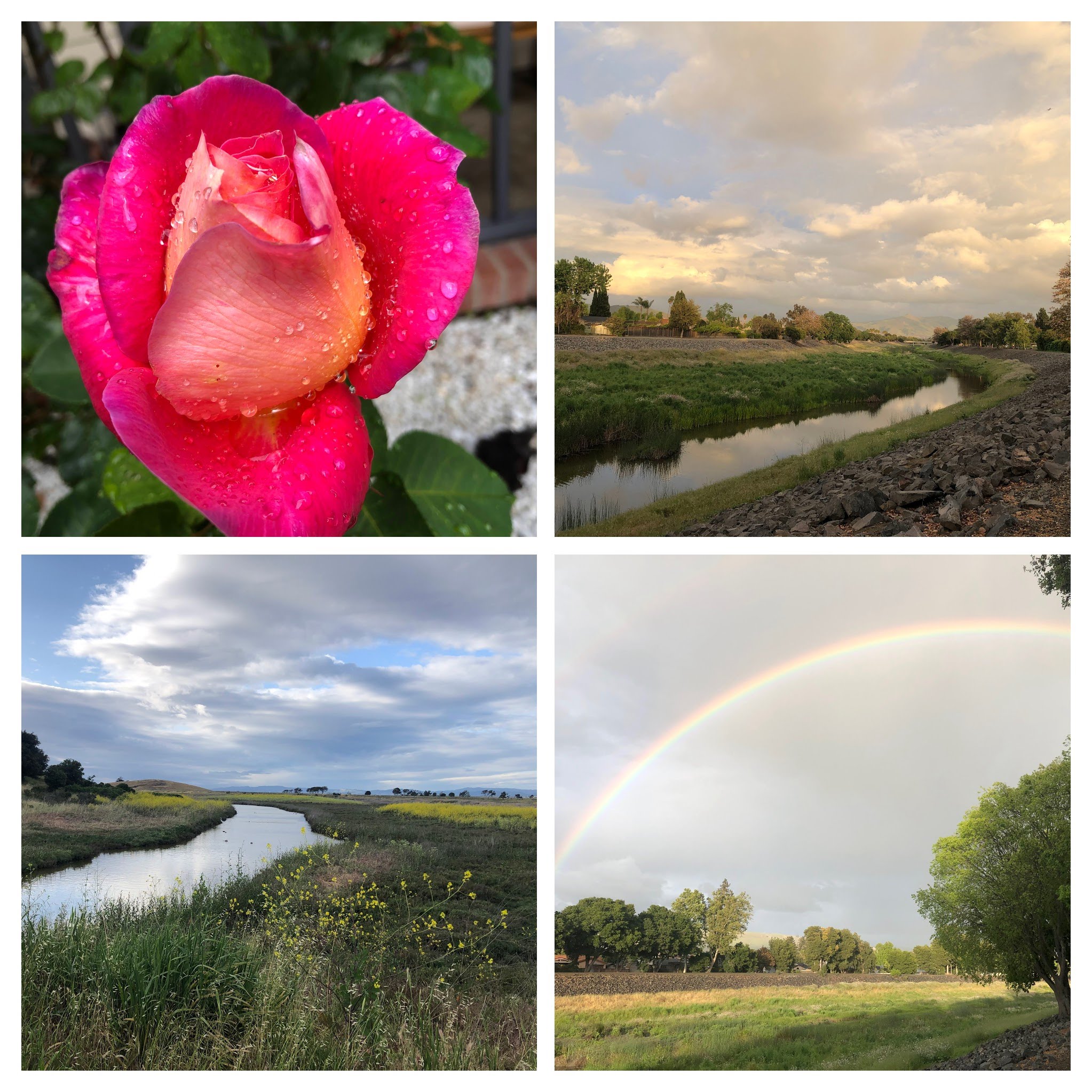
The Potent Combination

2022 started off with a sprig of the fantastical. The first book of the year was The Ickabog by J K Rowling. Regular readers know that I am a fan of her work for children (Harry Potter, Fantastic Beasts, The Ickabog etc, but not as much of her works for adults such as the Robert Galbraith ones or other adult books) .

The Ickabog by [J.K. Rowling]
The Ickabog – By J K Rowling

In any case, I was grateful for the first book of the year being one so classically told, and imagined. Her story is relevant to every dictatorship, and every place where power holds sway. One can see the influences of her work at the Amnesty International in the story. She shares some of these experiences in her graduation day speech at Harvard (Benefits of Failure & Importance of Imagination).

As the car made its ways past the hills wearing their green robes after the recent rains, I asked the occupants if they would be interested in a spot of Cornucopian story-telling. One nodded enthusiastically, the other reluctantly, and the third did not deign to indulge me with an answer. No special points for guessing the nod intensities with the personalities. But it is was nice to be able to read aloud to the folks in the car – enough to get them hooked anyway. Like I wrote in an earlier post, the best way to read out your favorite literature is in a locked vehicle.

The Ickabog is a fearful beast that Cornucopian children are frightened with. (The equivalent of the South Indian Poochandi). However, after an unfortunate accident – the cunning lords of King Fred convince him that the Ickabog is indeed real. They see it as a way of fear-mongering, and stifling transparency. As the improbable tale of the Ickabog was spread by the conniving Lords Spittleworth & Flapoon, the population was led astray into believing lies upon lies, and soon, very few had the capacity to unravel the web of lies, or had the motivation to do so. Their King Fred was a mild sort – cowardly, but also thoroughly lacking in critical thinking & administrative prowess. 

As we made our way around the Getty Museum, we trundled around the French Art and there, on display, were the artifacts probably obtained after the French Revolution, when a number of these things made it to the wider world markets. Reading up a little on King Louis XVI there, the daughter described the king. ‘Wasn’t much of a King – he wasn’t particularly harmful or anything…’ and went on to narrate what she had read about him and the times. To my mind, he sounded remarkably like King Fred in The Ickabog (If you’d like to read the first chapter). 

The old father & I have been watching the news for the past few days ( a bad habit that I need to snap out of), and it is disheartening to watch the same struggles for power continue in different settings. Tanks piling up in fits over Ukraine, power battles raging on in Afghanistan, Syria and the Middle East region. How many people involved on all sides to call the shots, plan the power grabs, use guile and flattery to achieve their aims?

Power, fame and flattery are a potent combination that can poison the best of minds. Mankind’s history should be good enough teachers, even if our stories and fables are not, but it isn’t. Every dictator in the history of the Earth was impaled upon swords dipped in this mixture, and yet, time marches on claiming its victims. 

What was it that Einstein said of a peaceful, purposeful life? 

A calm and modest life brings more happiness than the pursuit of success combined with constant restlessness.”

Albert Einstein


The Little Red Fox

I have written about the little red fox in the riverbed before. This little creature never ceases to fascinate me. Living amidst the geese, herons, grebes , ducks, deer and numerous cats, I am unable to determine where this creature came from. I have never seen another fox in the vicinity. His fox parents are missing, fox kin seem absent too. This fox is a mystery alright. Yet he is full of verve and sprightly leaps across the stream-like river, or takes a fast run without missing a step along its grassy banks. 

One day, when the rains had lashed down particularly hard, I stood there scouring the river to see where the little fox may have gone. I do not see him or her regularly, but when I do, it is always worth it. That day, as I walked up the levee to the raised river bank, I saw the little red fox sunning itself on a rock. Anthropomorphizing humans that we are, I craved to catch its mood as it lay there – was it satisfied, scheming, satiated? 

As if in answer, the fox raised its head, looked towards me and then nonchalantly curled up to sun bathe again. I am doing none of the things you think I am doing, I am thinking none of the thinks you think I am thinking. I am simply being.

Watching the fox

The little red fox is a crafty muse:

The little red fox is a crafty muse

She doesn’t appear when you need her

She grants a glimpse 

When she does, you better be prepared for poetry never announces its arrival:

It simply Is.

One day I saw the fox sprinting

Running faster than I had seen any living creature in recent times run

Not in fear, not in pursuit, 

For exercise maybe – it turned its head mid stride, and said with its eyes,

Just simply running.

Another day, I saw him lying on a rock

Sunning himself.

Was he brooding, contemplating or scheming?

As if in answer he raised his head and said

I am just being.

Foxes have fascinated mankind for ages. Fantastic Mr Fox – By Roald Dahl, 🦊 Fox and Eight – by George Saunders, so many animal tales on their ingenuity and resourcefulness, and yet they continue to enchant. The latest I read was a poem on a goodbye to a fox by Mary Oliver, that made me attempt this feeble one.

When Musings Are Amusing

It haș only been about a hundred years since humankind gained the knowledge that the atom is made up of protons, neutrons and electrons. In the intervening century, what all we have done with this knowledge – slowly building upon the cumulative knowledge of mankind? It is astounding, and I shivered a little – partly due to the cold, and partly due to awe.

It took humankind 200,000 years, or at least about six millennia of civilization to discover subatomic particles, and somehow in the intervening century since, the pace of technology and the possibilities of the future seem to have raced forward. Every generation has had to live with phenomenal changes. Barring huge setbacks, where would humanity be in another 100-200 years? 

The stars spun around in its merry dance around the universe ,while I had the same sensation in my head trying to make sense of the world we have built for ourselves. The simple observation on the atom’s makeup led us on a merry dance of our own – that of financial markets, world economies and much more.

The husband was explaining the concept of NFTs, VR worlds that is already beginning to manifest in the world.  Our great grandfathers would not have understood. We are not going to understand things of perceived importance in our grandchildren’s lives, forget great grandchildren’s. The mind boggled. 

It all started with my fretting about the Economics of the world getting increasingly complex – how did stock market indices, per capita incomes came to be built one upon the other? Currency fluctuations, led to the discussions on crypto currencies, and we went on to how people claimed ownership to stars. Apparently, one could pick a star and name it after yourself for a fee. ( Star registry )You essentially ‘owned’ the star from then on. The only problem was that there were multiple star registries, and so multiple people could pick the same star to ‘own’. Also, there is the real problem of the star not knowing it is ‘owned’ by a human on a faraway planet.

I looked up and laughed out loud – the stars seemed to understand and winked back.

I could not help thinking of the parody of The Little Prince by Antoine Saint de Exupery. In The Little Prince, the Prince visits different ‘planets’ each hosting one human being – a geographer, a banker, a king, a drunkard and so on. The banker never seems to spend any time enjoying the stars around him, but spends his time counting them all, as he claims that the moment he counts a star, he owns it. (Carl Sagan’s Quote on Astronomy being a humbling profession is completely lost on the poor, rich banker!)

It has been said that astronomy is a humbling and character-building experience

Carl Sagan, Physicist and Astronomer

Really, human beings are the most remarkable beings if you stop to think about it. We want to own the first digital signatures, the most coveted things on earth (Napoleon prided himself on his Aluminum vessels, and it was considered a luxury till someone found how to produce it enmasse: https://en.wikipedia.org/wiki/History_of_aluminium), the best paintings that cost millions, and so on. We want our egos fed and nourished all the time by a universe that largely does not seem to care whether we exist or not. 

But, simple things that mattered before the composition of the atom was discovered still remains important. We still value our loved ones, yearn for contentment and peace, and want to live on a bountiful planet that allows us to thrive.

There is no doubt about it: The musings of our importance on a cold, starlit night is highly amusing.

This Beautiful Earth

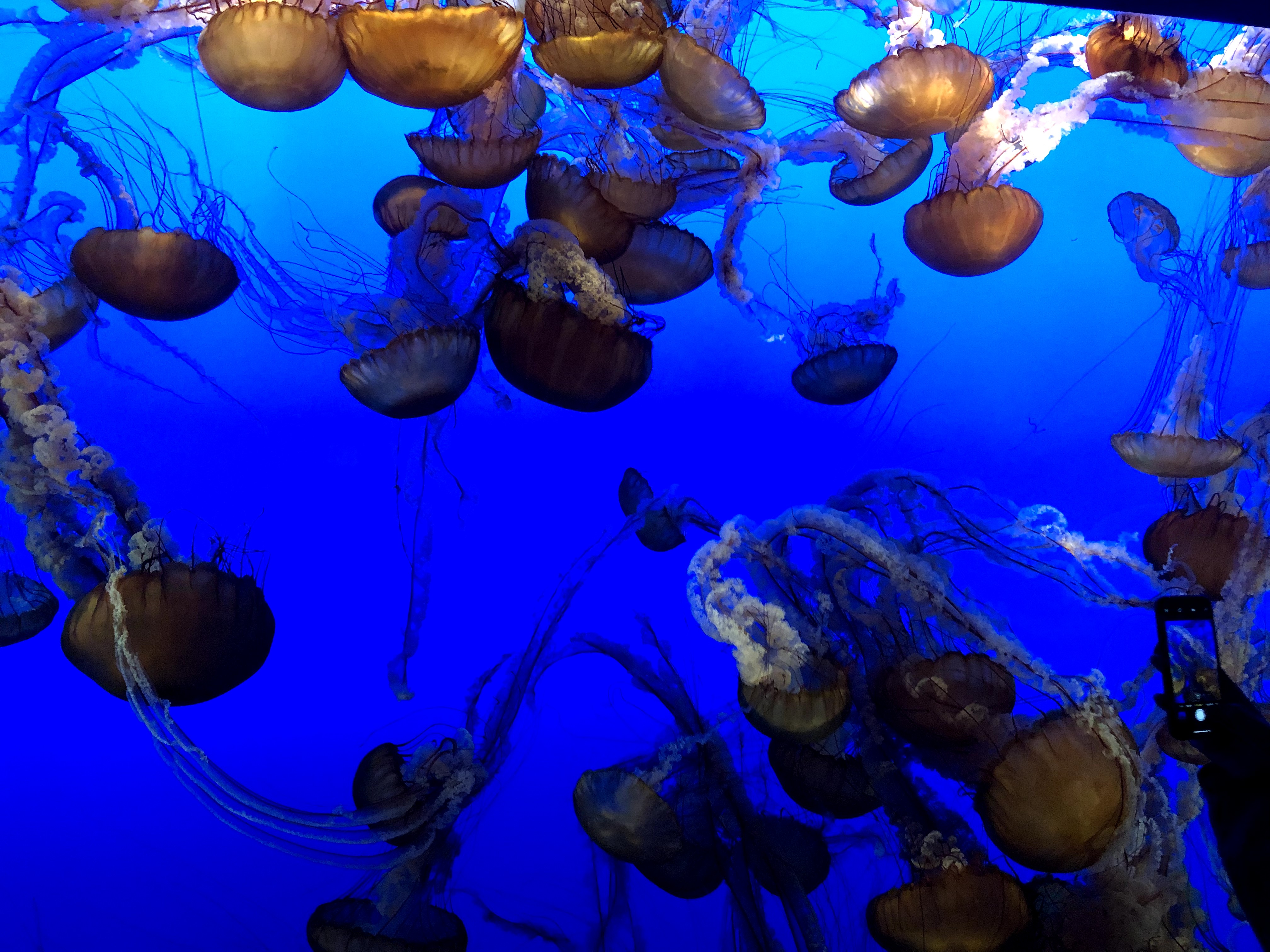
2022 started off with a marvelous opportunity to read poetry at the Coimbatore Festival of the Arts. The theme was to choose a poem that immortalizes a place you love just as T S Elliot immortalized London in his writings. I wracked my brain, and tried to find one place – but found myself dithering. I had a book of 150 poems open on my lap as we made our way to one of my favorite places on Earth – a peek under the ocean waters (Monterey Bay Aquarium).  But there was no poem on the oceans in the book. 

“How about this one? “, I asked and read out one sparkling piece after another.

The trick with poetry reading is to get the whole family shut inside a car, snag the front seat so the car’s audio controls are with you, and then to start reading poetry out aloud. It is a good strategy as long as one knows to gauge moods and cheese it at the right time. I had a thoughtful audience, an audience that gave me suggestions, and even recited some of their favorite ones for consideration. What more could one ask for?

The more I thought about it, the less I was able to zone in one place. Many places seem to hold something special – places we’d lived in, places we’d made memories in, and places we’d visited and fallen in love with. 

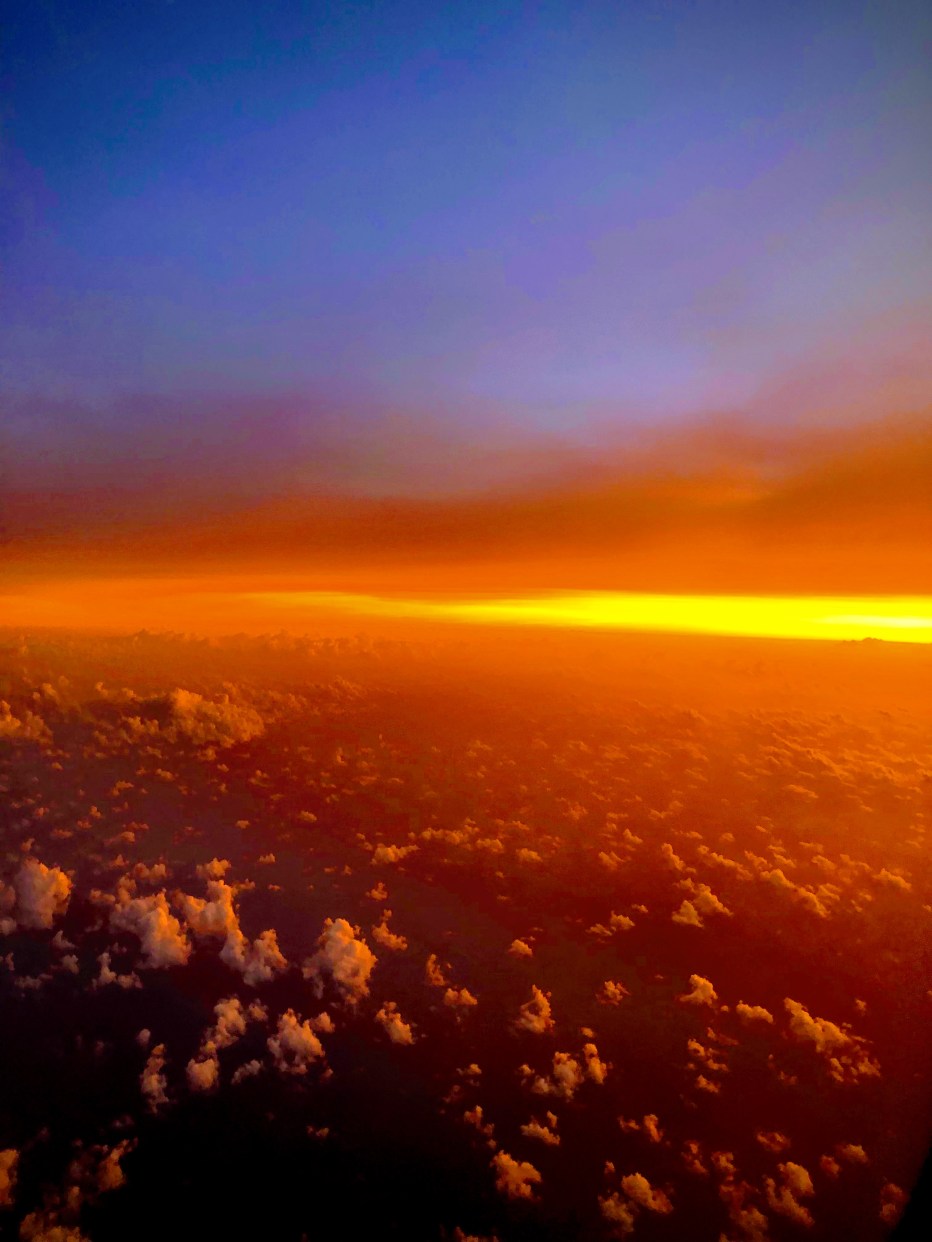
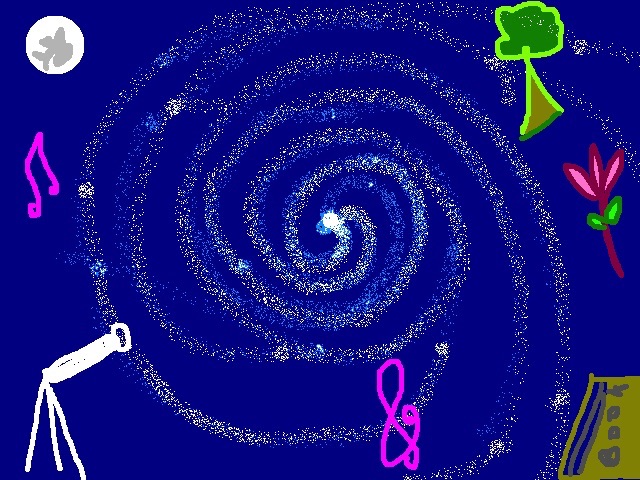
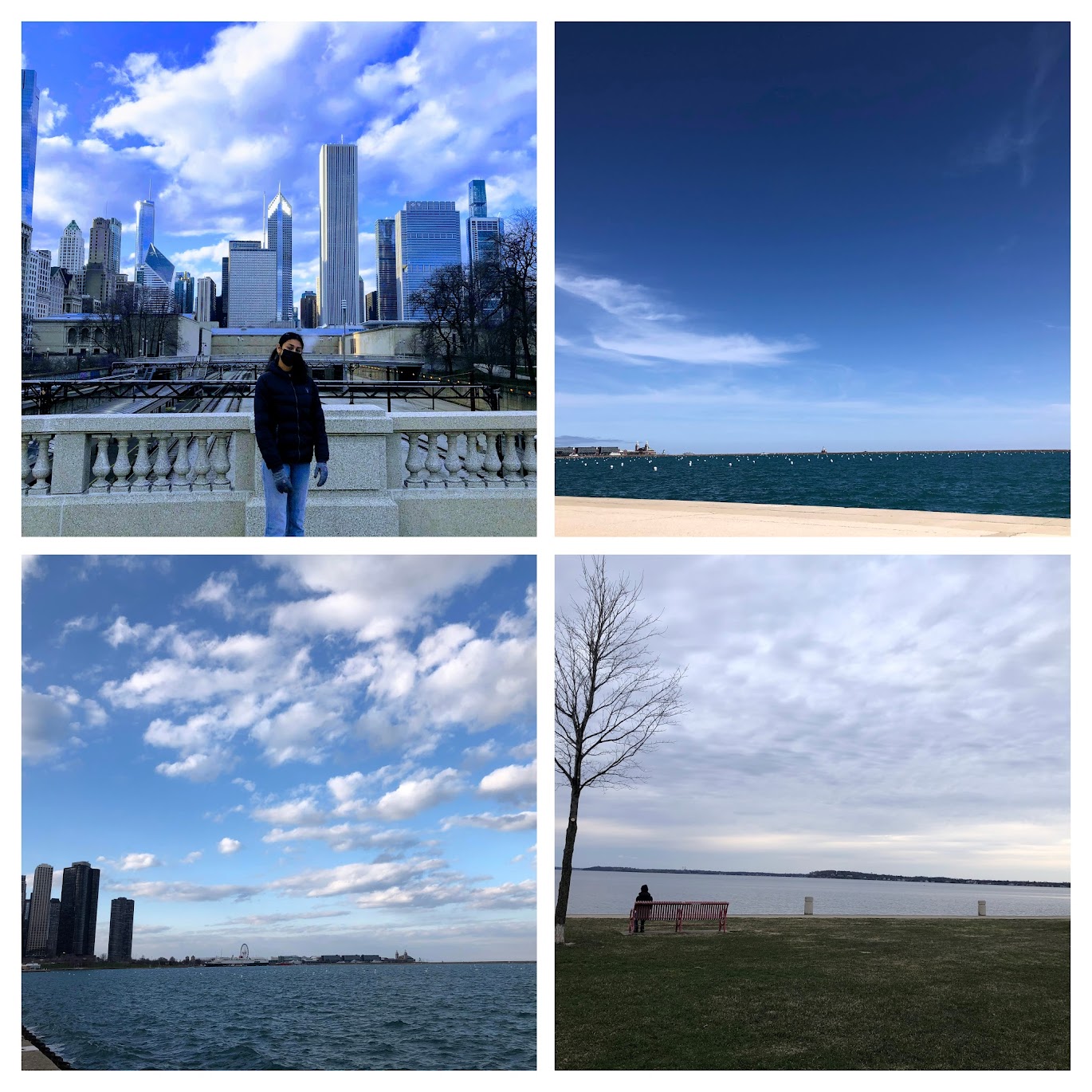
The more I tried to narrow down, the more I found myself drawn to the planet Earth. After all, I love almost every river I see, wish upon every stream and fountain – man-made or natural, love every tree, admire every flower as is wafts its scents through my senses, and adore the play of the evening light amidst the clouds. How could one place be selected? I did wonder about Mary Oliver’s poem on the unknown pond. The one in which she just refers to a nameless pond, since it could work for any pond, and I agreed with the sentiment. How many ponds have I since pondered over with that beautiful poem in mind. In fact, I have my own version of Walden’s pond, which is nothing close to Walden’s Pond that so inspired Thoreau in size or stature. But it is reachable from my home, and every time I glance upon its water, a new delight unfolds. Whether it is the pelicans, geese or ducks swimming there, or the play of the reeds movements upon its surface, every glimpse offers something lovely for the soul.

So finally, I settled on Planet Earth as my favorite. We Belong on Earth, is after all, a popular theme on the blog. Therefore, the poem chosen was A Grain of Sand – By Robert W Service

A GRAIN OF SAND

If starry space no limit knows 

And sun succeeds to sun, 

There is no reason to suppose 

Our earth the only one. 

by Robert W. Service

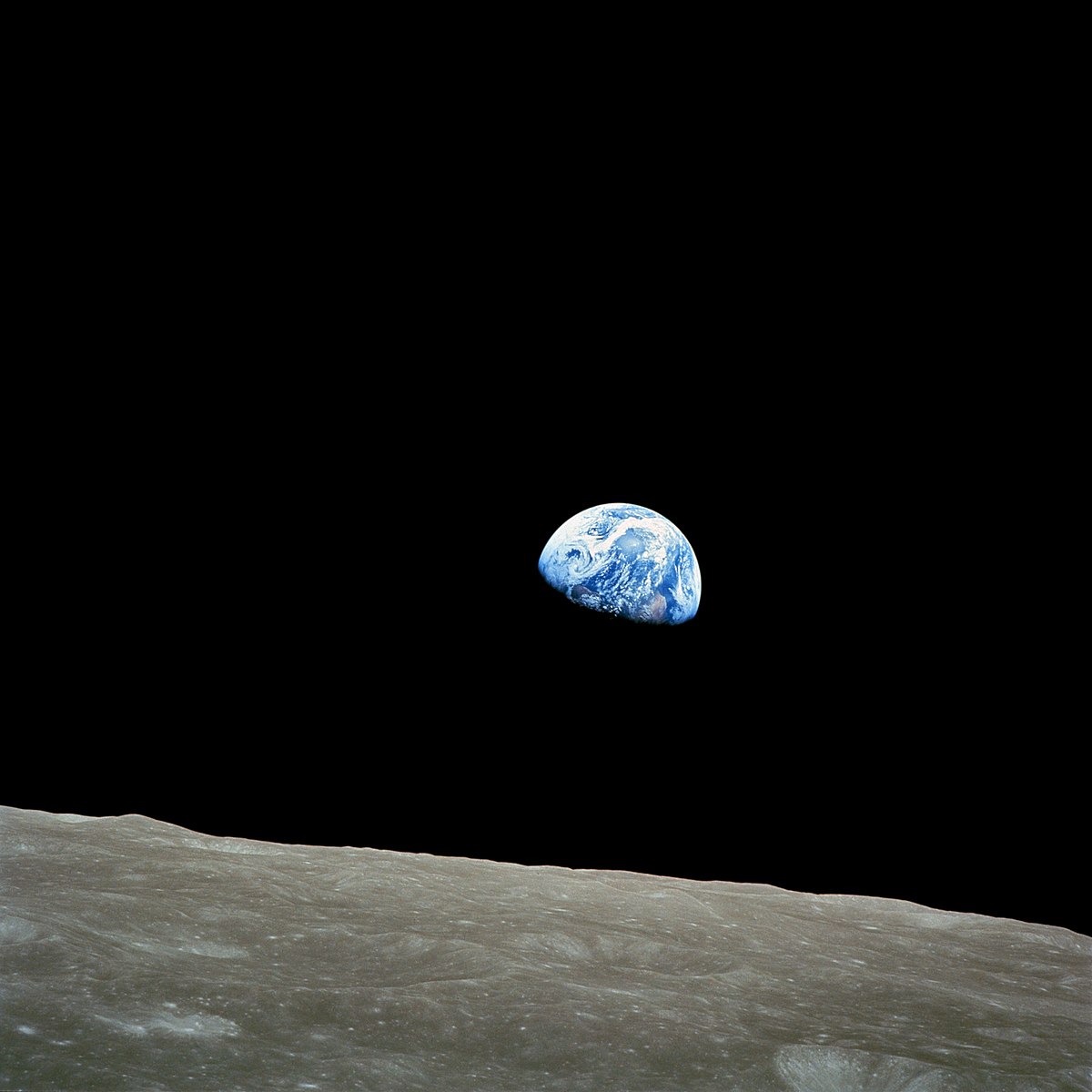
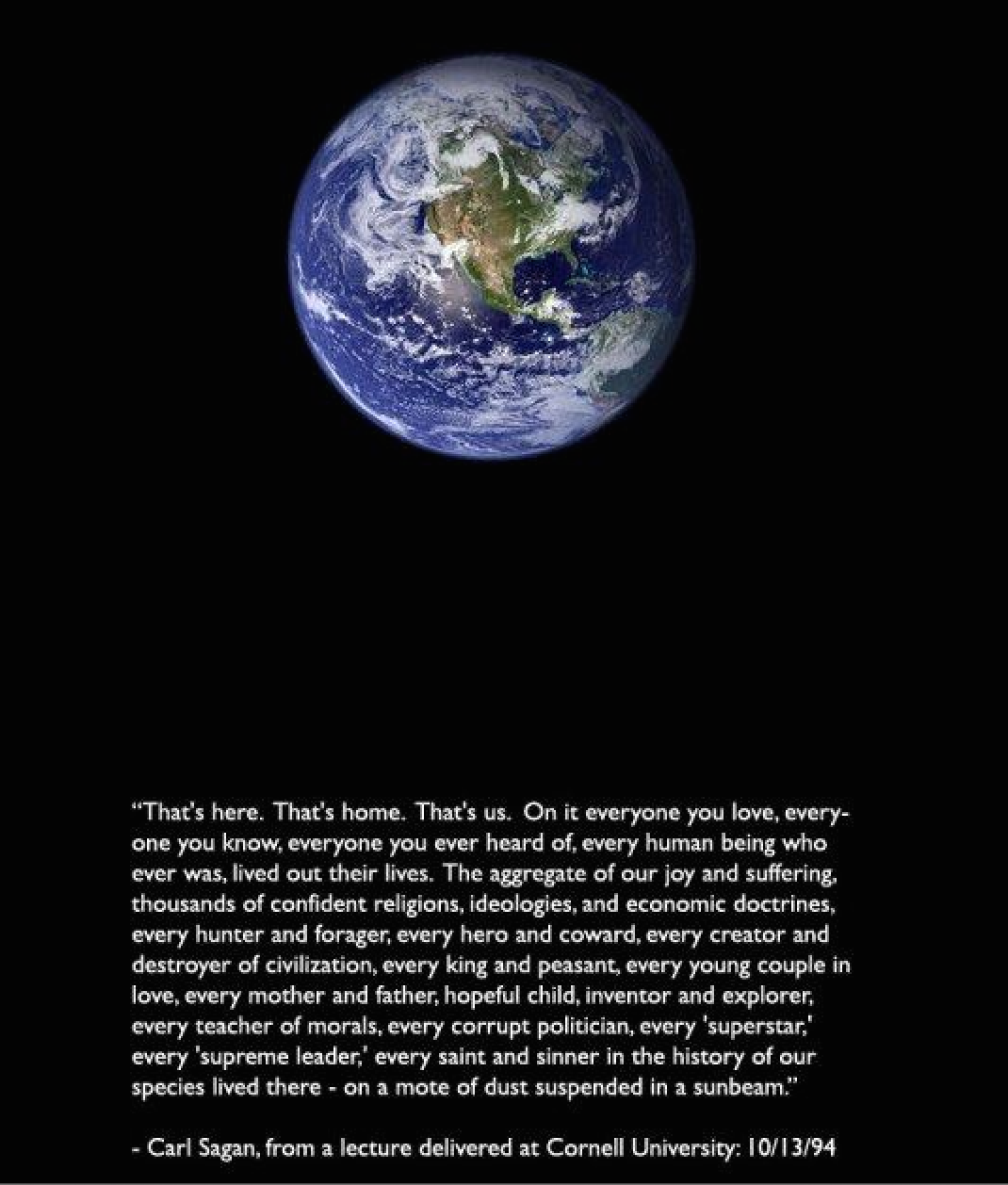
Followed by Carl Sagan’s ode to the Pale Blue Dot (written almost 45 years after A Grain of Sand – this ode is one for the ages) and then finally with by my own humble ode to our beautiful Earth.

As we walk upon this Earth, there is much to be grateful for, and much work to be done to fix our footprints on the sand.

In the Infinities of the Desert

Driving on deserted roads through the desert can be quite unnerving if you haven’t the right company. I remember thinking of those brave folks who ran marathons across the Sahara desert with nothing but a compass for company, and I must say I felt all the more grateful for the companionship that I did have in the bleak desert just then (Girls trips have a joy of their own!). There are times when one feels alright alone with a compass and the stars for company, but that day it felt just right to have your friends about you – squealing and laughing at the jokes and the non-jokes with equal joy.

We had been to Joshua Tree National Park during the day. The park literature spoke highly of Cholla Cactus Gardens, and I must say I was yearning to see them too. After the tall tree-like cacti of Sedona, Arizona, I was curious to see their west-side cousins. Would they be dwarfish like their tree brethren? The Joshua trees were nothing like trees, but were trees alright. What would the cacti be like?

The cacti, it turns out, were beautiful. They sort of creep up on you when you least expect it. There are miles and miles of desert, punctuated with outsized boulders on all sides. The boulders! Really – some of them were the size of buildings just sitting out there with the wind whooshing past them, and the sun beating down on them.

The Boulders!

Desolate, barren, comical. I suppose they would make marvelous spots to star-gaze in. (It is a desperate thing to yearn for the night skies on a bright, windy day, but the signs for star gazing were there everywhere. It sounded marvelous,. I have seen pictures of star trails in the Joshua Tree National Park area, and could only imagine the thousands of stars visible in the night sky from there. ) 

Skull Rock

The cactus gardens grew there in the middle of the desert, elegantly shimmering in the rays of the sun. Round a bend, when you’re least expecting it, the cactus gardens open up (not the same beautiful as William’s Wordsworth daffodils of course, but a different kind of beauty altogether). A beautiful array of life – glinting in the desert sun, reminding you of the resilience of life on this planet. There were beautiful in their own way. They reminded me of coral reefs – only in the desert and bathed in brown hues. 

We approached a happy couple coming our way to take a picture of us. They glowed in the setting sun, and beamed. They had apparently gotten engaged to each other a few minutes ago, and were bursting with happiness to share this with us: fellow human beings, who were there at the time. We wished them both happiness together. It was a beautiful feeling of strangers sharing their happiness and good wishes. We may never meet again, but that moment of their happiness was ours to remember. 

The cactus bore testimony to human paths forging a life together, the boulders : indifferent, but providing the backdrop for a proposal and an engagement, the Joshua trees branches of every shape delivering a message of love. 

In the infinities of the desert, there was a small pause: punctuations of happiness, and joy. 

Where the Wild Girls Are

Every once in while we get to step in to a world different than our own, and the only thing that reminds you of your earthly existence are your earthly companions. Would space travel be the same way? Would an exotic alien world be made habitable with our companions? I know not, maybe our future generations will find out.

Traveling to a place Where the Wild Things Are or to one of Dr Seuss’ landscapes is a unique opportunity. I have to admit I had not read the National Park Service’s description of the Joshua Trees on their site. They called it Dr Seuss’s trees. I felt the same. Dr Seuss lived not far from Joshua Tree National Park after all, and I am sure he took inspiration from these curious curvy alphabetic trees for his many books. (The one on alphabets, On Beyond Zebra. The Wum, Humpfm, Thnad that seem to go past the twenty six that we do know; or the trees that Horton the Elephant sits on while hatching his egg for instance.) 

The Joshua trees have a life lesson or two to impart. 

Each tree seems determined to leave an imprint on the planet. Like the illustrious bristlecone trees up further north, the Joshua trees seem to chart a unique path for themselves. Each tree resorted to a rule of no rules. I saw no two trees branch out similarly. Some took to elegant and simple forms, while others reveled in the complicated heiroglyphics to decode the essence of living.

They seem to have taken Mary Oliver’s poem to heart – every one of them.

Tell me, what is it you plan to do

with your one wild and precious life?

Mary Oliver, The Summer Day

How does one become a tree? Like this 

Or like this?

I know not. All I know is that life holds precious moments for those who attempt to become one, and the resulting camaraderie and joy of dancing and chatting in the deserts with one’s dear companions takes on a refreshing feeling that one can savor and smile at when Google Photos reminds you days afterward. 

Where the Wild Girls Are

If life is meant to be lived, live them like Joshua trees or Bristlecone trees  – hardy, beautiful, resilient, joyful and in the quiet companionship of your fellow souls journeying with you through this exotic world. 

My Dad is going to be a Duck!

The last day of October was a fine one, but I wasn’t yet feeling it. I took myself out to the front-yard with a book and cup of coffee to see what could be done about it. 

It was around the fifth sip that I heard a little voice pipe up, “My father is going to be a duck!”

I grinned. How marvelous to see adults transform into ducks?!

I laughed in spite of myself, and had a short, sweet conversation with the dinosaur wanna-be, born to a duck wanna-be. Life, that hitherto felt dull, suddenly seemed full of possibility. Oh Sweet Halloween!

The children had decorated the front yard and the door step sweetly enough, but I yearned to look at the passionate decorators and what all they had in store for us that evening. One house has pumpkins carved every few feet, another had cobwebs and ghosts flapping and wailing through the cold days. The evening saunter would reveal the true artists, and though I did not know it then, I was in for a real treat that evening.

Very soon, the human stomach beckoned, and I headed into the kitchen to whip up another meal. Really! Why could human beings not be camels or tardigrades?! Why must we be slaves to our stomachs, and have these enticing appetites every few hours? It is all most trying for someone who does not enjoy cooking every meal of every day very much. (Tardigrades can apparently go for 30 years without food!)

Why could we not be like pelicans? When hungry, we could start dipping and dancing for our food, and then idly pedal around in the bays, and lakes. Wouldn’t that be marvelous?

A few hours later, after the never ending jobs of cooking, eating, and cleaning were done, the husband & I set off on a bike ride. The afternoon was slightly windy, and the clouds had scattered beautifully across the skies. As we pedaled rhythmically, my high strung sensibilities started to calm somewhat, but I still felt unmoored.

We stopped to take a break and where usually, I raved about the beauty of the world around us, I sat mute. The husband glanced at me somewhat surprised. It took a few minutes for nature to work its magic. But it did. There was a man who had his dogs on a long leash with him, and they kept trying to go in for a swim in the lake. It made a lovely diversion to watch them splash into the water, and then out again, in again, and out again. The tiny sparkles in the water, with the fall colors of the flora around the lake, slowly but surely raised the spirits.

Dogs swimming in the distance

As we pedaled back, I thought idly how lucky the ducks were. They had no idea that it was Halloween, and I am sure none of them wanted to dress up as human beings, but we wanted a little bit of magic and wanted to dress as ducks. That is as it should be.

That evening, I was an artist on the streets with ducks, dinosaurs, aliens, princesses, ninjas and superheroes.

The family that dressed as a volcano, ash cloud and tornado had my respect.

The house that scared me was the one where I inadvertently stepped on something and a large Aragog-like spider sprang up from the lawns nearby. Sometimes, our imaginations do go too far, but how lovely it is to have it and exercise it on Halloween?!

“Where there is no imagination there is no horror.” Arthur Conan Doyle


Back from the Brink – 2

The first conscious thought that gray morning was that we would be amidst giants. The truest, wisest, most resilient of all. We had planned a hike in the coastal redwoods of California near Muir Woods for the husband’s birthday. As we entered Cathedral Grove (a better name I cannot think of, for spirituality shines through the branches of the tall old trees), I pointed to a sign that said , “Be seen not heard!”. 

“Yes….that is for you!” Said we all pointing to one another. 

“Quiet Coyote!” We agreed and off we went, quieter than our usual selves. There is a natural sanctity, a lasting feeling of peace, and a humbling of self in these groves. 

Many of the trees in Muir Woods are over half a millennia old. These trees had put down roots long before the Spanish conquistadors came to the United States, or the Gold Rush had started. California would not be the same after these events. Silicon Valley was centuries away, when these marvelous giants had started reaching up up and above towards the skies. But here, inside the redwood forests, none of that seems relevant. 

After several feet of hiking up, we were able to gasp for breath, inhaling the lovely scent of the woods, and conversation started up again. A few miles into the hike, there were fewer people, and the children opened up. Talk turned to Beautiful Earth, a popular classic in the nourish-n-cherish household. The son told us about the disappearing monarch butterflies. I remember visiting Butterfly Grove a few years ago. It was easy to mistake the butterflies for leaves. There were thousands of them plastered together on the branches, hanging everywhere, looking beautiful. Millions of them made the journey every year up and and down the coast, and they made a beautiful sight. Who doesn’t stop to admire a flitting butterfly? This year, less than 2000 monarch butterflies were counted. The species is dying. A world without butterflies sent a shiver down my spine.

What have we done to this planet if butterflies are no longer in our midst? 

The daughter piped in, “You know monarch butterflies are corner species – meaning they indicate the state of the ecosystem in general. For instance, if monarchs go away, then birds find out that painted ladies aren’t problematic either and soon we start losing species that look like them as well.” Apparently, the monarch butterflies are toxic to birds and they leave them alone. Seeing a little evolutionary wormhole there, other species like the painted lady butterflies evolved with the same color scheme, but they aren’t poisonous to birds. How long before birds figure this out?

“But how did this happen?” In the decade since we went to see the butterfly grove, how did 99% of the species manage to be destroyed

“Milkweed!” This ubiquitous plant that thrived along roadsides, freeways and everywhere is fast disappearing due to increased use of fertilizers. Toxic to other animals, the milkweed is apparently a major source of nectar for the monarch butterflies. Could we bring these butterflies back from the brink? It seemed like a miracle would be required.

A world without butterflies is not one I wish for our grandchildren. I shuddered in the grove, and sent a little prayer up towards the towering redwoods. What will these trees witness in another 500 years? They are already enduring more frequent wildfires, and though, redwoods generally hold up very well against wildfires, the frequency with which they have been occurring in the past few years is not comforting.  

Back home, my eyelids holding the short-term memory of the redwoods in them, I closed them, instantly transported to a world in their midst. Forest bathing. Those of us who still have the magic of trees in us are blessed indeed. Those of us who stop to see flitting butterflies need to pray that future generations have the magic of butterflies around them.

Wise Generous Trees

“Unless someone like you cares a whole awful lot,
Nothing is going to get better. It’s not.”

 Dr. Seuss, The Lorax

For the love of libraries – 2

The nourish-n-cherish household love for books and libraries is well known. On our recent trip to Boston for instance, we made an afternoon of the Boston Public Library and spent several evenings at the local bookstores. By the time, New York and Boston were done, we had bought between ourselves 10 large books that needed to be packed on a flight. Flights, as you know, would, if they could, weigh the sandwich you were eating to see if they priced tickets right (Boops: 3 layered sandwiches – $50 extra please. )

When we moved our nest a couple of months ago, the whole family squealed at the sight of a little yellow lending library in the neighborhood. There it sat on the lawn of one of our neighbors, and is a sight that always has me smiling. The generosity of the owners, the marvelous gift of books for everyone, not withstanding, I also see that they do a fine job of rotating children’s books, picture books, fiction and non-fiction books. It is an inevitable stop on a walk, if just to peek at the collections set forth for the week.

Obviously, then I was attracted to the book, Digging For Words – Jose Alberto Gutierrez and the Library He Built, Written by Angela Burke Kunkel Illustrated by Paola Escobar

Digging For Words – Jose Alberto Gutierrez and the Library He Built

In the city of Bogota, Colombia, live in two Joses. One is a little boy who dreams and waits patiently for Saturdays when he gets to visit a special place. The other, a garbage collector, who has over the course of 20 years of garbage collecting,  created a library of the books picked from garbage piles, to share with the rest of the city. His library opens on Saturdays.

The story by itself is a heart warming one based on the true life of Jose Alberto Gutierrez, However what makes a wonderful story completely captivating is the beautiful illustrations. The unexpected joy of seeing the Little Prince in the last page, leaves one with a fuzzy feeling after reading a tale of warmth, perseverance and possibilities of doing good in our world.

Jose Alberto Gutierrez, is known as the Lord of the Books (what a marvelous, marvelous title?)

Excerpt from the Author’s Note:

In addition to running his library, Gutierrez directs the foundation he established, La Fuerza de las Palabras (The Strength of Words) which provides reading material to schools, organizations, and libraries across Colombia.

Author’s Note from Digging For Words – Jose Alberto Gutierrez and the Library He Built

What are your favorite libraries and bookstores?

Factfulness

I am glad I read How to Understand the World by Hans Rosling, and then picked up Factfulness. I could more fully appreciate the journey and the person who became the man and found his purpose beyond being a doctor (in itself a marvelous profession). His young aspirations based on the world view in a developed country shifted and enhanced his life in so many ways. He knew when he was interacting with young doctors in Bangalore, India in the 1970’s that the society he had in mind was very different from the world. The world was changing, and yet our worldview had not

He was to see this trend in varying degrees across different countries, professions and even in erudite halls where world leaders came together, and should’ve known better such as the UN or the World Bank. 

It is still this way in varying degrees, although the internet and entertainment options have accelerated the understanding of different cultures in different ways. But Hans Rosling’s work along with his son and daughter-in-law, Ola Rosling & Anna Rosling Roddmund has helped the world understand the areas in which we are doing well as a species, and as a planet. This factfulness enables us to concentrate our powers of doing to the right causes and people.


Instead of Developed Vs Developing Countries, he instead splits societies into 4 levels on the development graph. (Source: Gapminder.org)

  • Level 1
  • Level 2
  • Level 3
  • Level 4

Perhaps the most telling graphs in gap minder are those showing how countries shifted from Level 1 towards Level 4 over 2-3 generations, and how this is what we can hope and work towards for those countries stuck in Level 1 and Level 2 today.  Please watch his bubble chart from the Late 1800’s to 2018 to see the world view progress and change.

Bubble Chart for Level 1- Level 4 countries over time

He writes, for instance, of a Sweden during his grandparents time – a view that closely resonates with Level 1 or early Level 2 countries of today.

  • Large families, patriarchal mindsets limiting progress, faulty drainage, lack of access to good hospitals and medicines etc.
  • Then, in his mother’s lifetime, she was able to get treated for tuberculosis in a hospital for free, have fewer children than her mother did, gain access to some automation such as a washing machine – thus freeing her up to take her children to the library, and spend more quality time with them.
  • In his own generation, he was able to get free healthcare, a state sponsored medical education, ability to raise his children in good schools, and so much more. 

The book talks about the most common ways in which our worldview are shaped, and how to work against each of these biases while understanding the world around us. But really, these tenets are useful for decision-making in general, not just for the world-view.

  • Negativity Instinct – we assume things are far worse than they really are, and this clouds our decision making process
  • Straight Line Instinct  – not all trends are linear even if they start out that way. Population growth for instance. It is estimated that by 2100, we would have leveled out around 11 billion – not a linear projection as predicted by doomsayers a few years ago. Largely due to education, family planning etc.
  • Fear Instinct – decisions made irrationally based on fear.
  • Size Instinct
  • Generalization Instinct
  • Destiny Instinct – Fighting against a predetermined fate helps us shape the decisions we’d like.
  • Single Perspective Instinct
  • Blame Instinct
  • Urgency Instinct – Anyone who has bought a car would know this one: Today, and today only deals – that we all know is

The book finishes with an excellent essay on Factfulness in practice. Progress is happening and it is heartening – 🌏

References:

  • How I Learned to Understand the World – Hans Rosling with Ola Rosling & Anna Rosling Rönnlund
  • Factfulness – Hans Rosling with Ola Rosling & Anna Rosling Rönnlund
  • Gapminder.org – Designed by Ola Rosling & Anna Rosling Rönnlund