The Covid Vaccine!

One blissful afternoon a few months ago, when the summer heat was beating down upon us, I was curled up on the couch overlooking the Umpqua river. The river was flowing gently in the valley below.  A deer and her fawn were grazing nearby, music was playing on the laptop, a book on the History of Medicine lay open in front of me, and every now and then, I read a piece out from the book to the family nestled nearby in various forms of ease. The unease surrounding Covid was there everywhere. (Grapes of Wrath).

History of Medicine is a somewhat misleading title for the book. Jane Goodall documented apes healing themselves by going to a cave miles away when they had stomach upsets, to find a herb to cure themselves.  So, I am pretty sure healing ourselves has an evolutionary angle.

We must’ve all seen the viral quote by anthropologist Margaret Mead, who supposedly said that the first evidence of civilization was a healed femur bone, since usually breaking this bone in the animal kingdom means death by starvation or predators. 

(I am not sure of the veracity of the quotation itself, but here it is)

In any case, I think the book addresses the last 200 years of practiced medicine.  

“What are you reading about now?”, was a frequent query as I made my way through the ailments listed in the book.

I told the children the hilarious tale of Jerome K Jerome, the author of Three Men in a Boat feeling off and searching up his ailments much like many of us first do with WebMD.

“I came to typhoid fever – read the symptoms – discovered that I had typhoid fever, must have had it for months without knowing it – wondered what else I had got; turned up St. Vitus’s Dance – found, as I expected, that I had that too, – began to get interested in my case, and determined to sift it to the bottom, and so started alphabetically – read up ague, and learnt that I was sickening for it, and that the acute stage would commence in about another fortnight. Bright’s disease, I was relieved to find, I had only in a modified form, and, so far as that was concerned, I might live for years. Cholera I had, with severe complications; and diphtheria I seemed to have been born with. I plodded conscientiously through the twenty-six letters, and the only malady I could conclude I had not got was housemaid’s knee.”

“I had walked into that reading-room a happy, healthy man. I crawled out a decrepit wreck.”

― Jerome K. Jerome, Three Men in a Boat

The history of medicine is a fascinating one. The book contained some black and white pictures too. There was a few pages dedicated to the sad tale of James Garfield’s assassination. Apparently, hand-washing was not a prevalent practice in 1881. Though the shooting itself was not immediately fatal to Garfield, infection set in to the wound in the days following the shooting essentially killing him. His shooter infamously said, “I didn’t kill the President! I only shot at him. The doctors took care of the rest.”

Given how often we wash our hands during these Covid-times, it seems like something elementary, but was such a problem even 100 years ago. 

“I am so glad that human understanding of the microbial world has come such a long way in the past century!” I said after reading this piece out to the children. “Just think of this, within days of the genetic sequence of the coronavirus being shared, scientists had finalized the sequence of the antibody required to combat the virus. mRNA-1273

The author wrote about the time his mentor told him to document the symptoms of polio for posterity: this, at a time when the polio vaccine was not yet available. To quizzical glances, he apparently said with confidence that Polio will be cured within a few years. This was the sort of conviction and hope that is at once admirable and remarkable about the human race.

News of the corona virus vaccine is a welcome one indeed, and a true testament to Science. The first vaccines were distributed to 50 states in USA from Pfizer’s facility in Michigan today.

3D_medical_animation_coronavirus_structure

What is mRNA, and how do they work? Link from CDC

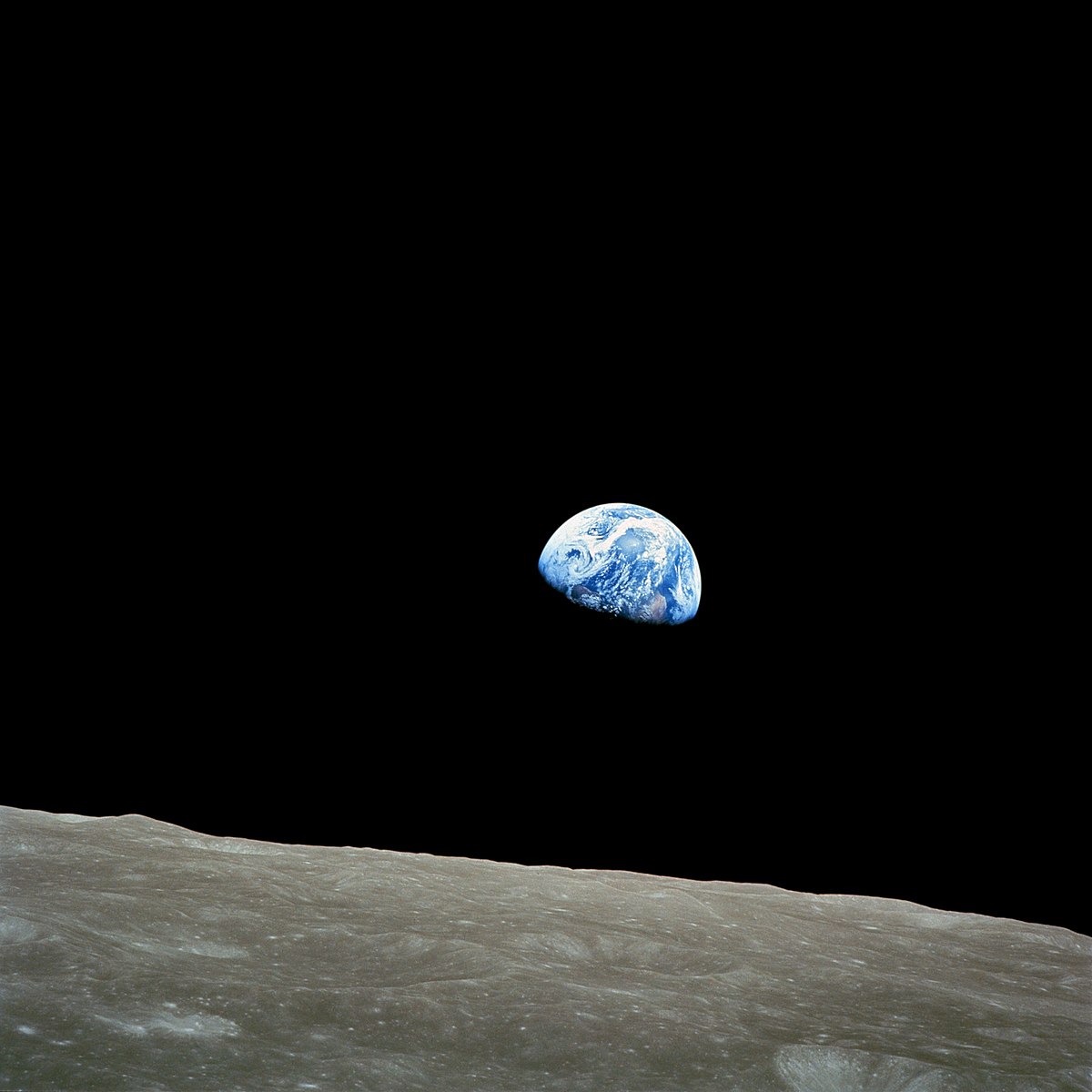
Like Bill Gates said in his 2015 TED talk, it isn’t missiles that we need to fear (since we now are invested in peace, knowing how we can annihilate ourselves many times over), but epidemics such as the Spanish flu. The coronavirus really did take the world by surprise, and showed us how we are all more interconnected than we realize – we are just a small pale blue dot floating in the cosmos – united in our destinies and apparently as weak as our vilest virus.  

Good Morning Bilbo-Style

Why I was unable to sleep early last night, and got up like an excited cat this morning is beyond me. Usually, I sleep like a sloth that had an extra helping of eucalyptus for dessert: just leap into bed at the end of the day, read for a bit, and pop off. That extra helping of eucalyptus probably contributes to the birds having to tweet very loudly to rouse the sleeper from sweet slumber (The birds have since taken to partnering with poetic alarms).

Poetic alarms and the secret to blooming like a flower.

I can’t say I leapt out of bed, that would be too much, but I did get up smiling. The promise of holiday cheer is definitely a factor.  I smiled sleepily to myself with the lovely realization that child-like enthusiasm only takes the promise of fun to be up and about. 

Also, it has to be a good thing if the first thing I thought of was Gandalf and his good-morning sequence with old Bilbo Baggins. There has to be a word for that sort of magic. 

“Good Morning!” said Bilbo, and he meant it. The sun was shining, and the grass was very green. But Gandalf looked at him from under long bushy eyebrows that stuck out further than the brim of his shady hat.

“What do you mean?” he said. “Do you wish me a good morning, or mean that it is a good morning whether I want it or not; or that you feel good this morning; or that it is a morning to be good on?”

“All of them at once,” said Bilbo. “And a very fine morning for a pipe of tobacco out of doors, into the bargain.

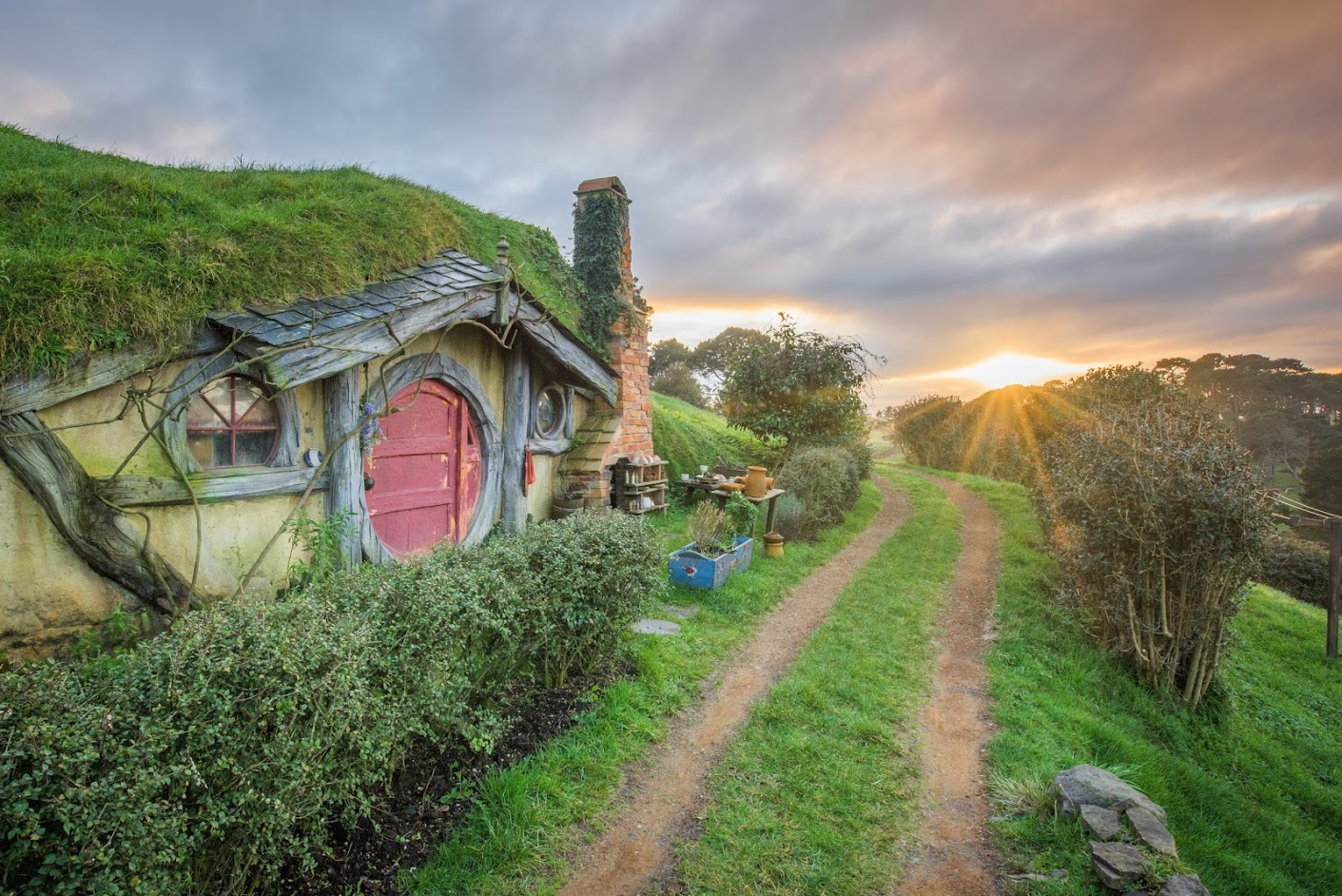
hobbiton

I stepped out for a little garden stroll Shire-style, thinking and noticing the fine things nature had to offer that beautiful morning. I nodded appreciatively at  the brave show the snow peas were making again. Not for the first time did I admire these hardy low maintenance plants that give out so much joy. I have planted ferns, potatoes and lord knows what else, but they elude me. The fruit trees in my little strip of garden all require some expert care seeing that they bear no fruit. The occasional gardener who comes along to help has little to offer by way of advice, and I feel for the sorry trees in my care. 

I read books that said we have the knowledge of natural things in our very being, and nobody has yet planted a sapling wrong and all that sort of thing. Yet the plants in my care don’t seem to know that. Maybe I should read out some of these books to them. Like Frog & Toad reading to their little seeds to make them grow fast.

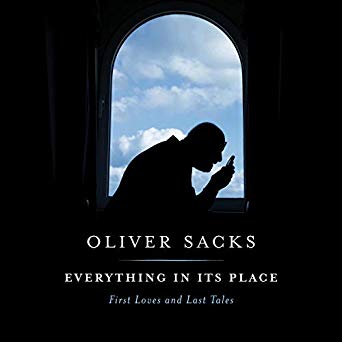
Everything in its Place – By Oliver Sacks

everything_place

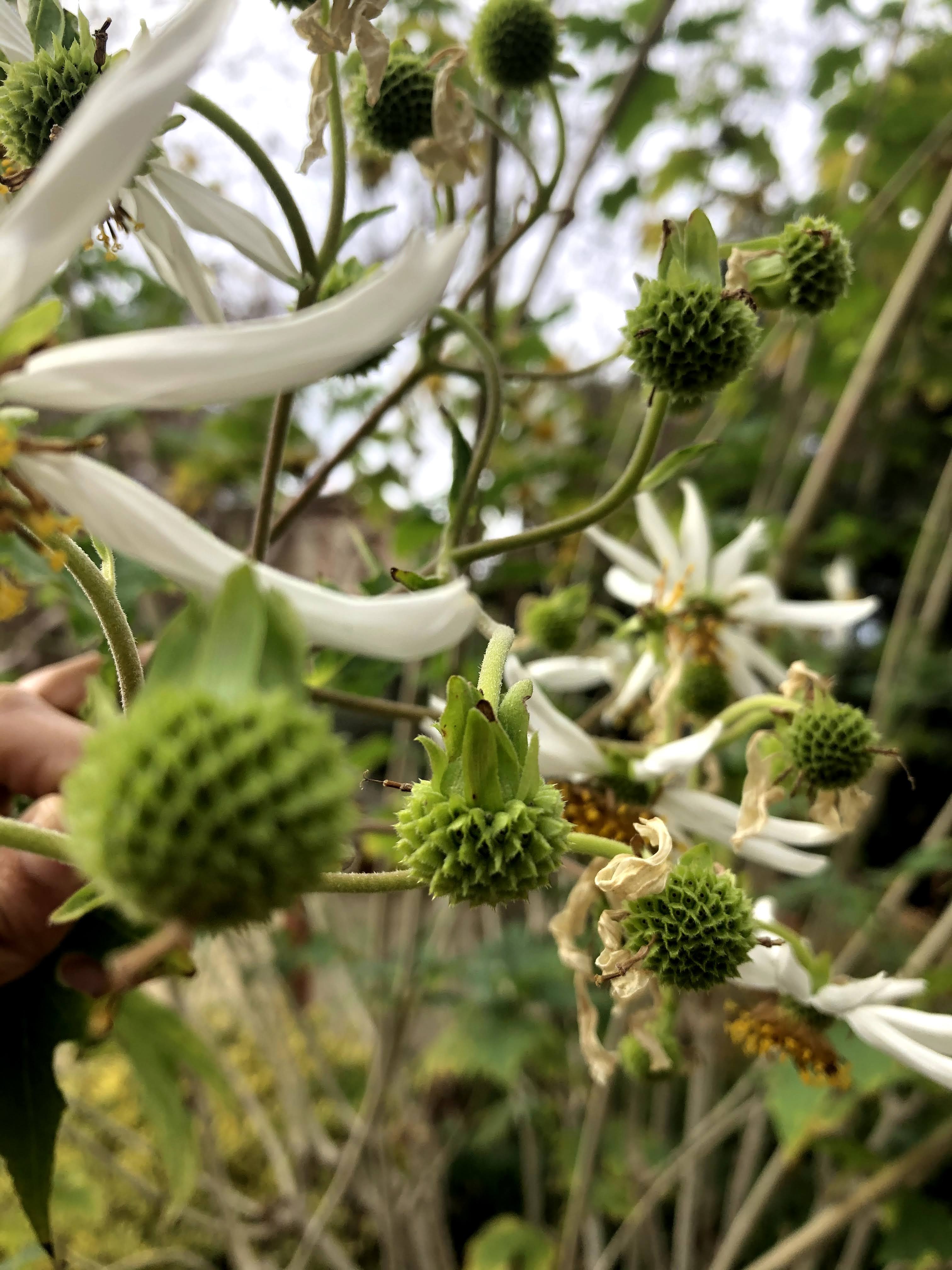
I noticed the perfect structure of the budding chyrsanthemums, the beautiful symmetry of pinecones, and wondered why we humans have moved away from the beautiful aesthetics that nature has created for us. It is time we embraced Biomimicry in our design patterns.

img_0606

This modern tendency to create monstrous piles of rubble and call them buildings is tedious. Modern plumbing and electric lighting aside, what was the problem with medieval castles? And a little variety of structure?

I was trying to get a good picture of these beautiful little things when I noticed a neighbor who had come walking their dog give me a quizzical look as if to say “Do I not have better things to do?”

I felt this was the perfect time for the final “Good Morning!” Bilbo-style.

“Good morning!” he said at last. “We don’t want any adventures here, thank you! You might try over The Hill or across The Water.” By this he meant that the conversation was at an end.

“What a lot of things you do use Good morning for!” said Gandalf. “Now you mean that you want to get rid of me, and that it won’t be good till I move off.”

― J.R.R. Tolkien, The Hobbit, or There and Back Again

References:

  • The Hobbit – By J R R Tolkien
  • Everything in its place – By Oliver Sacks
  • Frog & Toad – By Arnold Lobel
  • Biomimicry – By Janine Benyus

Eudaimonia – Human Flourishing

Somewhere in the forest of my rough notes nestled this little piece. I had evidently written it with a view to tying the pursuit of happiness to the happiness of pursuit and all that. 

A couple of the son’s friends had come over and without wasting a moment, they started a vigorous game of I-honestly-don’t-know-what. I could hear loud giggling by the couch as they jumped from the sofa to somewhere else and back on. After an hour of this, I asked them the point of the game. They exchanged quizzical shrugs. 

* Was there a point in the jumping game? 

* Was there a point in jumping? 

* Was there a point in a sofa or the cushions below? 

I laughed at their loss of words, and let them go back to their game. They were kind enough to ask if I wanted to join. Detecting a distinct take-pity-on-me vibe from the frazzled, frayed sofa, I gallantly told the children to proceed without me. They looked relieved and continued happily.

I looked at their flushed faces and saw that the point of the whole thing was that they were happy. Happiness as a concept has the philosophers stumped. Philosophers who deal with heavy themes such as meaning of life and so on, spend a considerable amount of time pondering the meaning of happiness, the importance of the pursuit of it all, among other things. 

I am listening to a lecture series on the Meaning of Life.  Professor Drone (lookup the name later) talks about pursuit of happiness among other things when he is explaining Aristotelian Ethics. Honor, Wealth, Excellence are all worthy pursuits in our lives, but it can all be towards something else: Happiness. Underlying our quest for Honor, W & E is a desire to be happy, he says. 

Unfortunately, as we grow, the little drops of sunshine that so easily caused mirth and joy tend to fade.

But as I read the little note above, I also felt a little pang – for it showed me what the children were missing now. The camaraderie of classroom replaced with the tiny tiles of an online meeting, the wholehearted enjoyment of jumping replaced by online games.  I had spent the whole day in one meeting after another. Meeting fatigued days such as this one tended to blend into one another, especially when the daylight faded out so quickly that only darkness remained, with a cold wind to keep one company. Wondering what my son was upto, I rose – my joints creaking like the wooden floor below to see if he needed company. 

Just as I was feeling dangerously sentimental about social distancing, its long term effects on the young minds, and all that sort of thing, I heard peals of laughter and the familiar sounds of jumping up and down. There was a FaceTime call in session, and the little fellows were re-enacting a scene from an online game they were playing together. The brawlers, as they called themselves, were making themselves real-life Brawl Stars. The video call was propped up on the globe in the middle of the table, and the swinging adventurers flew in and out of view of the camera. Judging by the sounds of it, the children had adapted with their customary cheer. 

the_world_playground

“The measure of intelligence is the ability to change.” Albert Einstein

“Hi ma! Want to join us? We are just ummm just umm brawling!”  

I looked at the little fellows’ pals squealing and leaping off the sofas in their screens, and I declined the kind offer much to their relief.  I headed into the kitchen with a smile on my lips, a tune in my heart, and hope in my being.

Eudaimonia, also spelled eudaemonia, in Aristotelian ethics, is the condition of human flourishing or of living well. Ask Professor Drone to play with children and learn a lesson or two. Happiness lectures indeed!

A Medley of Hope

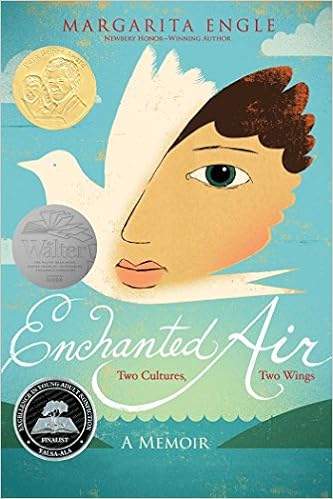
When I started reading to the children in my son’s elementary school classroom, I was a little worried. I could see the little tiles in the zoom classroom when I explained the theme I had planned out for that morning. I had planned Poetry and paired a fiction book by Dr Seuss with a non-fiction memoir by Margarita Engle.

My brain was doing a quick ‘Maybe’ check in the background: Maybe this was too much for them. Maybe I should have gone with a simpler theme. Maybe I should keep it simple and just switch to a sweet little book that everyone would feel comfortable and cosy with. I could’ve switched, but then I remembered the words of wisdom by E.B.White

Never write down to children – E.B. White 

Anyone who writes down to children is simply wasting his time. You have to write up, not down. Children are demanding. They are the most attentive, curious, eager, observant, sensitive, quick, and generally congenial readers on earth. They accept, almost without question, anything you present them with, as long as it is presented honestly, fearlessly, and clearly. I handed them, against the advice of experts, a mouse-boy, and they accepted it without a quiver. In Charlotte’s Web, I gave them a literate spider, and they took that.

More sound advice I have never heard in my life, for the children settled into the themes even if it was a little heavy going before the Thanksgiving holidays for them. 

I had chosen a book by Dr Seuss, The Butter Battle Book. The book is a brilliant satire of nuclear weapons during the cold war. Dr Seuss’ brilliance was in full display. The book is about Yooks and Zooks: The Yooks eat their bread with the butter side up, while the Zooks eat their bread with the butter side down. This leads to escalating differences and a long curvy wall is built between the two lands.

butter_battle

Soon, both sides start fighting by using weapons of increasing grandeur and magnitude starting from the Tough Tufted Prickly Snickle Berry Snitch to the Eight Nozzled Elephant Toted Boom Blitz. The book finishes with the Yooks and Zooks sitting on either side of a wall threatening to drop the Bitsy Big-Boy Boomeroo, signifying the nuclear threat.

We discussed the long years of Cold War and how it was a true lesson in diplomacy that the two countries managed to keep from blowing us all up together. From there, we moved on to  the Bay of Pigs invasion, and then switched to the memoir, Enchanted Air, by Margarita Engle.

The author’s maternal side hails from Cuba, while her paternal side fled from the Ukraine – then a part of the USSR.

Dancing Plants of Cuba

In California, all the trees and shrubs

standstill, but on the island, coconut palms

and angel’s trumpet flowers,

love to move around,

dancing.

..

Maybe I will be a scientist someday

studying the dancing plants of Cuba

Her father’s family escaped from Ukraine, from a communist regime, not knowing whether those left behind survived or not. Her mother immigrated from Cuba.

Two countries

Two families

Two sets of words.

Her paternal grandparents’ recollections are therefore muted, brief and vague. How starkly, concisely, she sums up the human condition for survival? When she asks her Ukrainian-Jewish-American grandma about her childhood, she gets nothing more than ice-skating on a frozen pond.

Her maternal grandmother, on the other hand, regales her with richly detailed family stories, of many island ancestors, living their lives out on tropical farms.

In the poem, Kinship, she sums it up:

Apparently, the length 

of a grown-up’s

growing up story

is determined

by the difference

between immigration 

and escape.

In the poem October 1962, she writes about the standstill known as the Bay of Pigs Invasion.

Grim news

Chilling news

Terrifying

Horrifying

Deadly.

US spy planes have photographed

Soviet Russian nuclear weapons

In Cuba.

Hate talk.

War talk.

Sorrow.

Rage.

The children looked sober and serious at the quiet tone of the poem. You could have heard a pin drop in the room. When asked for their opinions, they shared prescient observations, and looked stricken. I moved on quickly to the poem, Hope, that is the last poem in the book.

Hope

An almost war 

can’t last forever.

Someday, surely, I’ll be free

To return to the island of all childhood 

dreams.

Magical travel, back and forth.

It will happen.

When?

“By Jan 2015, independently announced by both countries, Cuba & USA restored  relations . ” I said to the class.

There was a palpable air of relief in the room. The children cheered while their proud teacher beamed at them. The questions that followed left no doubt in my mind about how well the children had perceived the stories. The more I heard them discussing how important it was to patch up between human-beings, the more I felt comfortable in future diplomacy. 

If only children could help counsel us, we would be far wiser.

Science as an Art

I caught sight of an artist one day, sitting in the garden and painting the profusion of life around her.  I stood there drinking the contentment of the scene in. Here was beauty, poetry, art and the science behind it all in one grand stroke. How marvelous it is to stop and observe someone paying attention to the world around them?

I remembered the piece in a book recommended to me by a writer friend, Lab Girl, by Hope Jahren. The book is an example to show how each one of our stories is different in its own way. This memoir is written by a dedicated scientist, and covers among other things a rare friendship, her bipolar disorder, and her journey of a life with trees. 

In the book, Dr Jahren writes about the science and its demands on its lovers. Her writing is lyrical, and when she writes of her research and her little moments of leap, it is nothing short of poetic. For instance, she writes of studying the structure of the seeds of  hackberry trees. It is the kind of research that is, as she says, ‘curiosity-driven research’.  Dr Hope Jahren is a paleobotanist, and she goes on to say that her research is the kind of work that “will never result in a marketable product, a useful machine, a prescribable pill, a formidable weapon, or any direct material gain – or if it does indirectly lead to one of those things, this would be figured out at some much later date by someone who is not me. “ 

I have always admired the tenacity and perseverance of endeavors such as these. In the world of instant gratification, working on fields where the gratification may not arrive in your lifetime is nothing short of phenomenal. It is the work of an artist: working on something solely for their interest, because they have the aptitude to understand life around them, and to persevere in the face of odds.

In the book, she captures some moments along the path of a scientist’s life that are magical. For instance, she writes of the time she was studying the structural makeup of the seeds of hackberry trees, and she unmistakably finds traces of Opal in the seeds:

“It was opal and this was something I could draw a circle around and testify to as being true. While looking at the graph, I thought about how I now knew something for certain that only an hour ago had been an absolute unknown, and I slowly began to appreciate how my life had just changed.

I was the only person in an infinite exploding universe who knew that this powder was made of opal. In a wide, wide world full of unimaginable numbers of people, I was – in addition to being small and insufficient—special. I was not only a quirky bundle of genes, but I was also unique existentially because of the tiny detail that I knew about Creation,…Until I phoned someone, the concrete knowledge that opal was the mineral that fortified each seed on each hackberry tree was mine alone.”

How could one not smile at this? How beautifully she marvels at understanding the ecstasy of life. Walking along a forest path, I’ve often wondered how, that of the millions of seeds dropped in there, a few decide to take the leap and sprout into sapling, clawing their way up towards the light, while digging deep and finding their roots. It turns out there may be no definitive answer to that. If you were a seed, what are the parameters you would use to sprout your wings and decide where to put down your roots, knowing fully well that from then on, movement is out of the question?

There is more to the miracle of our ecosystems than we can imagine. The ones who study this profundity – astrophysicists, anthropologists, scientists, ecologists, geologists – and then, go on to share their journey with us is marvelous. #Shoshin.

Who was it who said that – when you read a book you live a thousand lives, but if you don’t read, you only live once, yours?! 

“A reader lives a thousand lives before he dies. The man who never reads lives only one.” – George R R Martin in A Dance with Dragons

What would we do without the internet to give the answer right away?!

Complement with:

How to Master the Ancient Art of Walking Meditation in Modern Life: A Field Guide from the Pioneering Buddhist Teacher Sylvia Boorstein

Autumn 🍂 🍁 🍃 of Hope

T’was the week-end of gifts. I had no idea how much I yearned for the promise of hope, till I felt the nimble feeling in my heart again.

I stepped out into the autumn 🍂🍁🍃 day with the children after a bout of dancing in the kitchen. The day was beautiful. Overnight, the Earth seemed less harsher, with the summer heat replaced by a nippy feel in the air, and a blue, blue sky with wispy clouds lilting away their day. I bent every now and then picking up a autumnal bouquet of sorts. Yellow, maroon, red, greenish-yellow, yellowish brown, greenish-red, and everything in between. 

“Don’t you feel like dancing 💃  though?” I asked the daughter, and she said firmly. “No! Not out here.”

“Oh – its okay!” Said her little brother coming to my defense. “Everyone knows she is a bit of a nature kook, it should be alright!”, and I laughed. My reputation was intact with the children.

The gingko trees were waving their golden green flags in the air – proudly proclaiming the daily joy of living to those who would stop and take a moment to take it all in. I stood there thinking, that the day is a wonderful one indeed if we have within us the power to pause and wondersavor the simple act of Shoshin, and marvel at the sheer audacity of life. Every night reminds us of the cosmic wonder that is our life. It affords us a peek into the darkness in which we float, the bleakness of it all, if there were no light. Yet, there is light, and more importantly, there is life!

“Remember the gingko tree my dears?!” 

img_0002

“Yes! We do – we missed it last year, but if all the leaves don’t fall at one shot, you’re in for a rough time!” Said the daughter, her voice ripe with indulgence.

I stuck my nose down the yellow lilliums on the path, came up with a nose of powdered pollen, and promptly wanted to sneeze. 

The children gave me pitying looks and the daughter said, “Look at you! Like a little dog sniffing at flowers and raising that long beak of yours into the air!”

I had no idea dogs had beaks, but setting that aside, I said, “Behaving like a puppy?! What greater accolade could a mother get? I am a very happy puppy 🐶 indeed!”  As soon as we came home, read out to the family in one rapturous gasp a poem written by Mary Oliver in the book, Dog Songs:

dog_song

Luke

I had a dog
who loved flowers.
Briskly she went
through the fields,

yet paused
for the honeysuckle
or the rose,
her dark head

and her wet nose
touching
the face
of every one

with its petals
of silk
with its fragrance
rising

into the air
where the bees,
their bodies
heavy with pollen

hovered—
and easily
she adored
every blossom

not in the serious
careful way
that we choose
this blossom or that blossom—

the way we praise or don’t praise—
the way we love
or don’t love—
but the way

we long to be—
that happy
in the heaven of earth—
that wild, that loving.

Shortly afterward, I headed out on another walk. This time, because the day promised rain, and as the first droplets pattered down, I listened to the music of the heavens. How parched our dear Earth was, how bereft our souls without hope?

On the way back from another gorgeous walk, a rainbow 🌈 peeked out. Hesitantly at first, and then with pride, with conviction, the universe’s assurance of not just light, but light with wavelengths between 380 and 700 nanometers on the visible light spectrum.

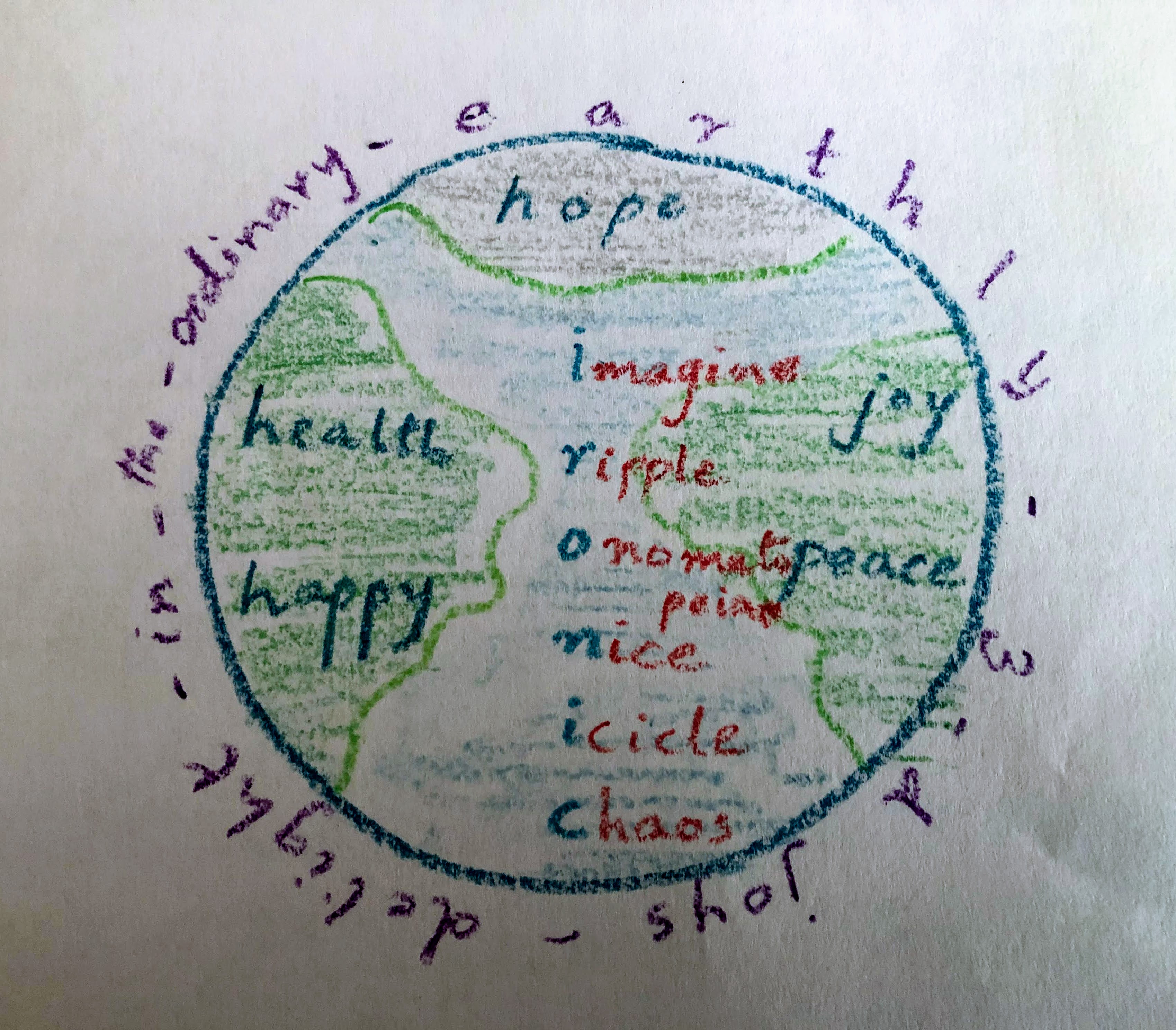
That is Hope. Hope is Joy. Joy is Peace. Peace is Love.

img_0031

Eye of the Pumpkin

“What?! Dancing in the kitchen?!”, said the son smiling his dignified smile of indulgence. “I haven’t seen you this happy for a long, long time!”
 
 
“Yes! I am dancing 💃 young man! You dance 💃 in the kitchen when you have a dignified President! You dance 💃 when a woman’s ambition is finally rewarded. You dance 💃 in the kitchen, you dance 💃 in the streets, you dance 💃 in the woods, you just dance 💃!” I said kicking my feet up in the air.
 
 
The men smiled at each other exchanging significant glances.
 
 
“We are going to throw the drishti pumpkin 🎃 out! Oooh yeah! ”
 
 
“What?!”
 
 
“Well!” I said, catching my breath after the dance💃 routine and proceeded to talk about pumpkins, evil eyes and the evil eyes of the pumpkin.
 
 
It isn’t uncommon to see a pumpkin out on the street: During Halloween, 🎃👻, in the United States, but anytime on the streets in India.
 
 
I remember being shocked the first time I saw a pumpkin being flung out on the streets as a young girl. I was less than a decade old, and had wrestled my little brother, and then out-debated him in a secret language to get to the window seat as we travelled from the Nilgiris to my grandmother’s village near Trichy. The entire 8 hour journey is a picturesque one. As the bus winds its way down the Nilgiris, and then slowly descends into the plains, the air gets warmer and warmer, and the scenery changes from misty hillsides to lush green plains with the final stretch of road between Karur & Trichy by the river Cauvery. For several hours, the trees on either side of the road tip their branches together and whisper little messages to each other across the road as the buses, trucks, jeeps, cars, motorcycles and cycles rustle by underneath trying to get a wisp of the whispers above. The river flows on murmuring at places, serenely flowing along at others, but always providing a pleasing backdrop to life in these South Indian plains. The little villages along the way, could be Malgudi, and just peeking out is enough to provide a R K Narayan-ish story.
TH10_Nilgiris-COLLAGE
 
I was daydreaming in the bus looking out and imagining a myriad things when I saw a sizable pumpkin lying squashed outside a house. Coming from a family that frowned upon wasting food of any form, I wondered what they would say about this great waste of a large pumpkin?
 
 
It turns out, that certain pumpkins are meant to be thrown out. That particular pumpkin, I was surprised to learn, was there to ward off the evil eye, and needed to be thrown out. The ‘evil eye’ or drishti is one of those things of folklore in India. There are many rules, laws, workarounds and theories at work here – it is dubious, but entertaining nevertheless:


  • When something bad happens, it may be a good thing, for it offsets the evil eye.
  • When something good happens, then one must remember to throw out a pumpkin to ward off the evil eye. (#Prevention better than #1?!)
  • When nothing happens, you squash a lemon or a smaller pumpkin to ward off the evil eye that slowly accumulates – like dental plaque I suppose.
  • When lots of things happen at once, and one cannot figure out whether it is good or bad, you trash a pumpkin just in case.


Now, many times in the past few years, I have referenced the pumpkin used to ward off the evil eye. If the United States has spent so much time being the world leader, championing climate change, leading scientific research and helping democracy thrive in different parts of the world, it must’ve accumulated oodles of drishti mustn’t it? When the 45th President, Donald Trump won in 2016, I cried. I cried not because I am particularly close to any policies or any such thing. But because such a great country would elect a boorish bumpkin like Donald Trump: a man hellbent on thwarting democracy.


This must be our drishti, I thought. Well, how does one know that? Refer to rule #1.
 
“The gods grow jealous of too much contentment anywhere, and they show their displeasure all of a sudden.”
― R.K. Narayan, Malgudi Days
 
 
Today, it is time to throw the drishti pumpkins, carved with those evil eyes, out.
 
 
Today, it is time to dance 💃 like no one is watching for the whole world is watching us reclaim our dignity.
 
halloween_ij_fm_page
Continue reading “Eye of the Pumpkin”

Once in a Blue Orange Moon

Halloween is one of my favorite times of year. In sunny California it is the time fall weather finally starts to settle in. I pick out pumpkins to set by the door. Most years, my carving takes a back seat, and I settle for painting or sticking outsize eyes and a mouth on it instead.

But we decorate the house – bats and owls stickers fly around avoiding the fake spider webs. Hasty orange construction paper is stuck around the outside light, and all things orange are ready to be displayed for one whole evening.

I remember a few years ago on an evening walk after a vigorous trick-or-treating, I felt a thrill and stood there mesmerized for a moment as an owl flew against the moonlight. I know Zen and Buddhist teachers tell us to enjoy the significance of every moment. I am not sure about every moment but a few moments do  lodge themselves in a magical spot. The owl flying across the moon was one such. I remember standing there bathed in the magic of it all. The owl of course is a visceral being, and was after its prey – nothing more nothing less. Halloween was an affair that was of no consequence to it. 

The blue moon will shine its benign light on us on Halloween. The trick-or-treaters will be thin on the ground, of course, because of the ongoing Coronavirus pandemic, and I should think bats will not be getting that warm a reception with humanity this year! 

The son got himself a costume that has a mask with an air filter on it keeping with the grim theme the world is cloaked in. “Hint!” I said holding up my hand in a V with two fingers on either side to those who tried to guess what it was on the video camera. The son shook his head disappointed and said, “Your hint is from Star Trek! My costume is from Star Wars!” Ahh well.

The son wore his Halloween costume to class today. This would have to be the poor substitute for the marvelous parade they usually get to attend on Halloween, but he dressed up with gusto . I was excited to see his classmates dressed up too: their tiny passport sized icons on the screen showing me the heads of princesses and pirates would have to do.  Their teacher was kind enough to let me read my book, Halloween in the Jungle, to them. Reading the books to the children is by far one of the best experiences I have had. Their reception to the story, their thoughtful questions thereafter, and their wholehearted enjoyment of the simple story is more than enough for me. Why? Oh why do we lose that marvelous feeling of youth as we grow older?

halloween_ij_fm

Tango Tiger, Janny Rat, Boy Elephant, Biso Bison, Spotty Rat and all their delightful pals are heading into their 7th year celebrating Halloween in the Jungle. The Halloween in the Jungle book has since given me immense joy. 

But this time, I feel a special bond to the little tykes as they revel in the clearing by Luda Lake, eating pumpkin pies, drinking orange and persimmon juice, and dancing to the lovely sounds of the musical orchestra with Nighty Nightingale, Owl, Bat and Frog. You see this time, just like the illustrations show, there will be a marvelous full moon night to light up Halloween. 

halloween_ij_fm_page

Blue moons are not as rare as we think, for they come around every 2-3 years. But apparently, this is the first time since World War II that a full moon visible from everywhere in the US coincided with Halloween. I am not one to set much store by signs, but if after the 1944 Halloween full moon, we were able to set the world to rights, surely a Halloween full moon and a blue moon at that should work miracles.

Happy Halloween!

The Fabled Life of Aesop

When we think of literary bodies of work that have endured over Millenia, we think of epics such as the Mahabharatha, Ramayana, Iliad and Odyssey, or the Bible. But there are so many endearing little tales that have endured just as long, and have passed down morals, lessons and fun along the way.  I am referring to stories such as Aesop’s Fables & Panchatantra tales.

The library had a wonderful picture book on The Fabled Life of Aesop: the book was not just a collection of his most fables, but the life of the slave we think was Aesop. 


Written by Ian Lendler, and illustrated by Caldecott winner, Pamela Zagarenski, it is a book with marvelous reading material, and highly imaginative pictures.

2500 years ago, a baby boy named Aesop was born to slave parents in Greece. Aesop, as a child born to slaves, was taken from his parents and sent to work in the hot grape fields of Samos. As a slave, Aesop learnt to speak carefully. One of his friends who talked about their master’s smelly feet was taken away and was never seen or heard of again. So, the slaves learnt to speak in code.

 “Did you hear about the lion? He stepped on a thorn and his paw got infected.”

“Oh!” said Aesop. “So that’s why his paw smells!”

Aesop learned to speak in code.

I could not help remembering this snippet from a poem by Margarita Engle in the book, Enchanted Air :

Tyrants always

try to control communication.

They always

fail.

The human spirit is not meant to be caged, and tyranny somehow tries to do just that every time. 

Aesop’s talent in spinning stories with morals using the animals around him was soon noticed by his master Xanthus, and he was tasked with more challenging tasks in helping his master’s life. One time when his master had a falling out with his friend, Aesop was called to mediate. Aesop was but a young boy and he was scared. If either his master or his friend felt offended, they had the power to put him to death. So, he came up with a story about the lion and a boar who fought over who should drink first at the watering hole. It was only when they noticed vultures circling overhead that they realized it was better to share the water rather than have the vultures eat the loser.

The master, Xanthus, and his friend, Jadon, were so impressed with Aesop, they sought an amicable resolution. As a peace offering, Aesop was sold to Jadon who continued to seek Aesop’s help in his business and personal affairs.

Aesop’s stories helped his masters live their lives with honesty, humility, and kindness. His stories warned against greed and deceit. 

Many of them taught another hidden lesson as well. It was something no master would pick up, but every slave or powerless person would understand. “

img_9889

Eventually, Aesop was set free, and his stories have been handed down from generation to generation helping millions of us glean the wisdom and morality handed down by these endearing tales.

img_9890
Freedom

I have often wondered about what it means to be human. Is it opposable thumbs, or imagination, or tool use, or brain to body ratio, or empathy? Maybe the complex combination of all these things, and the collective will to make things better in spite of all our failures is what sets us apart.

We have heard of scalded cats staying away from milk. Maybe our power is in ensuring that we do not  make the same mistake again and again,but learn from it.  

The world around us always has lessons for us: Octopii, whales, monkeys, dogs, crows, geese, herons, squirrels, rabbits, trees, and to that I am grateful.


Imaginating on unbirthdays

There’s a little something that we have been treasuring in our home. It isn’t so much a secret as a quirk really. But it is something that our hearts have grown fond over, an idea that we share with close friends with a stab of joy, pride and a laugh that acknowledges the un-normal-ness of it all. But by doing so, we have invited you into our little circle of joy and keeping our spirits up. 

So, why do I share this now, here on the blog. My answer to it is, “I feel it will help us all cope in these times of uncertainty. ” Practiced over small doses, it can be comfortable or not depending on how much you have used this part of your personality before. But it is possible. I know it. For on the sternest of days, when life seems to be boxed into a little screen, and the slings and arrows of fortune come by taking straight swings at us, and the mind struggles for an outlet, this tiny act of will works its way into a part of the brain that senses wonder and magic. It seeps in.

I will need to take you back into our world for a bit. So, please come on over.

I was trying not to fall asleep one afternoon.  The leaves were rustling outside in the soft afternoon breeze, our stomachs were full with a week-end meal, and I had retired for a space to read a book. I had only just managed to let the book slide out of my hands as a wave of sleep crashed over me, when I heard  sounds of battle from within the home.

Bwoooshhh! Swoosh…aahh…guhgh, brwooosh!

This sizzling sound effect was followed by dull thumps, and a moan. A moan not of defeat, but of acknowledging a hard task that needs to be  done. If ever a moan was cloaked in determination and strategy, this was it.

“What are you doing?” I hollered. 

“Just imaginating!”, the reply came from the young son, and the samurai, dragon, ninja, or jedi warrior went about his business of setting his world to rights. Sometimes, electrons and quarks swoop in to change the nature of the opponent.

I smiled sleepily trying to figure out the latest battle he was fighting.

The dragons were slowly gaining ground and judging from the throaty cries, and the swift roll-ups being performed by the other side, lightsabers were running out of energy and quickly needed recharging, if anything were to be done about the dragon menace. They were taking over the mountainsides , gaining speed and traction even worse than the  wildfires that raged in the area just a few days ago. Weather monsters are only one kind of monster.

Imaginating

In our home, the act of pure imagination has been given a verb-form all on its own. Imaginating, we call it, and go about our business of imagination without batting an eyelid. 

When the son came up with the word as a toddler, I was amused. Here is a word that documents insist on underlining in squiggly red as unrecognized, and yet, this word feels right. It feels like a word that belongs. 

Imaginating evokes the act of imagination sure, but it is an imagination with power and force. Imaginating in the face of tyranny, imaginating in the throes of uncertainty, and imaginating in the relentless negativity of news cycles, seems to be just the panacea to set our world to rights. It is an act of our will, and to quote L M Montgomery from Anne of Green Gables,

“Because when you are imagining, you might as well imagine something worthwhile.” 

Lucy Maud Montgomery, Anne of Green Gables

Our song could be:
We shall imaginate.
When tyranny comes my way, I shall imaginate.
When hopelessness clouds my day, I shall imaginate,
Just like the tree that imaginates itself to be a bird. I shall imaginate!
 

Lewis Carroll, a man known for inventing words, would love to hear the word from the son, were he alive. So, here is the secret of imaginating and I am sure it is a necessary one in a world in which we are all mad.( To quote the Cheshire Cat in Alice by way of explaining Wonderland to her, “We are all mad here.”)

So why not have fun imaginating with it, and reserve them for special occasions such as our unbirthdays. (Lewis Carroll’s word for every special day that isn’t a birthday, which means we all get to have 364 of them every year).

IMG_8187

P.S: The story has been put to rights by the hero of the imaginating sequence. That afternoon, it was pirates he was fighting off, and not dragons. So, they weren’t gaining ground, but they were gaining water.  What else did I think those squishes and swooshes were? It was obviously the sounds of water splashing against the stern of the ships as he bravely fought off them pirates. Moreover, he wasn’t on an intergalactic space adventure to use his lightsaber, he was simply using his dark matter sword. Duh!