Maps of War
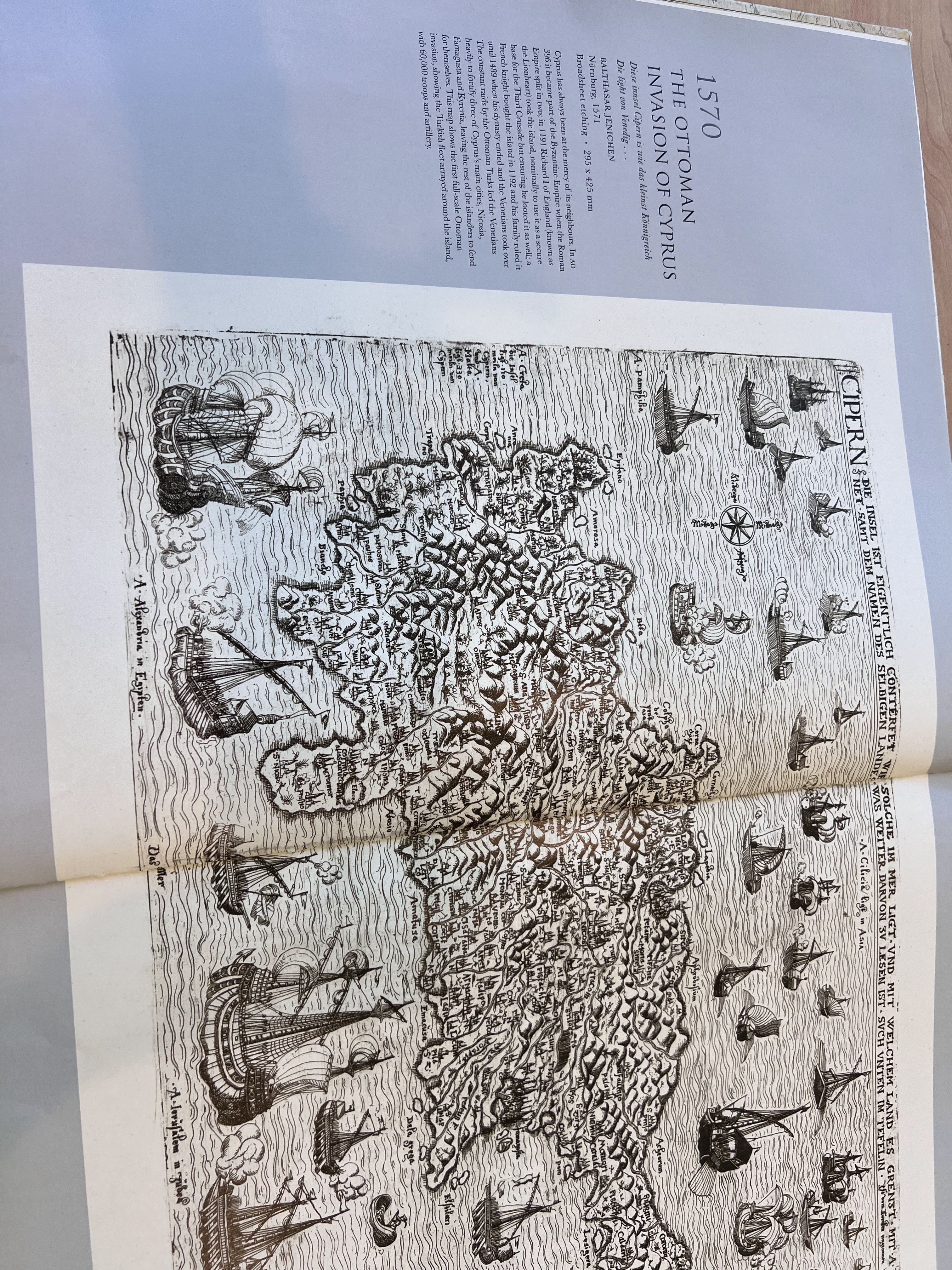
I picked up the huge tome titled Maps of War – Compiled by Ashley & Miles Baynton-Williams, and started browsing. The book had been the fascinating battleground to Avengers and superhero battles, not to mention the hours of entertainment and insight into the son’s latest hobbies of drawing maps of the world at various points in time.

I saw the lure of the book. It had beautiful imagery, interesting ways to depict maps, and drove home the point that war was such an integral part of humanity’s history. This book only covered 130 wars between 1547 – 1902.
The foreword mentions why every conquering army was so keen to put out their own maps of war. That was their key to proclaim victory, garner public support and justify the wars. For every major map that made it to the book, imagine the thousands of skirmishes and conflicts that did not. The battles that were turning points in the wars, but were too minor to mention because it did not fit into the story being spun for the conquerors. It certainly was not a comprehensive look at all major wars during this period.
“Lovely it is to witness great battle-plans of war, carried out across the plains, without your having any share in the danger.” – Lucretius
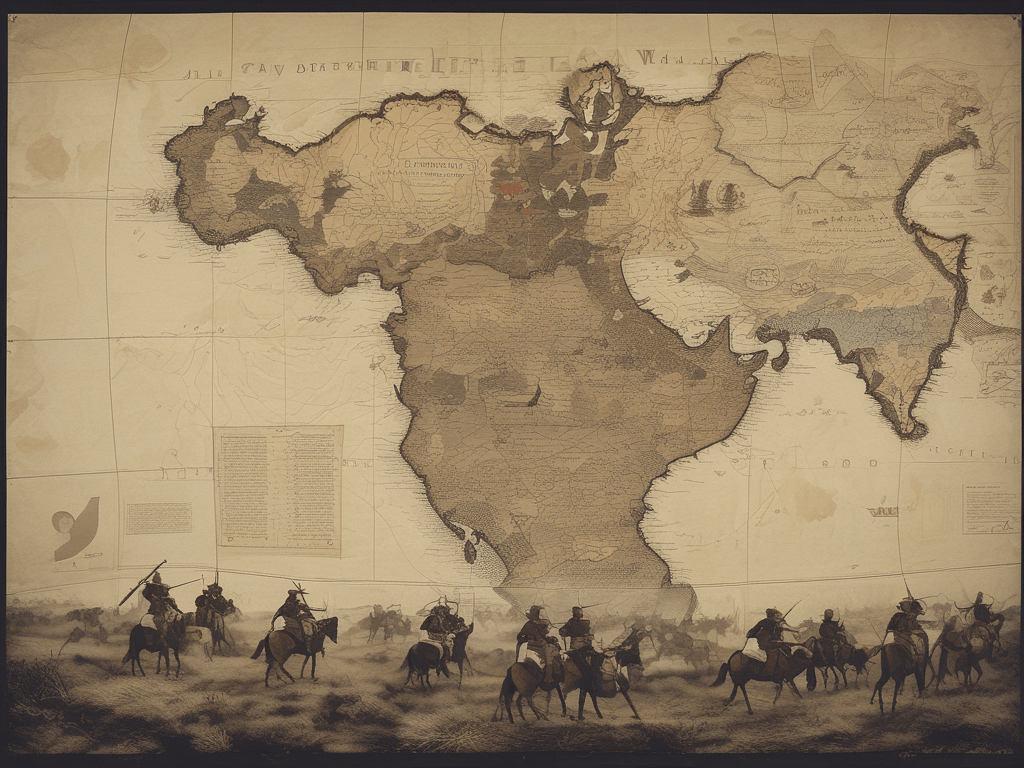
The maps of war are the larger picture of generals, and kings playing their games of strategy.
Impacts of War
What is not depicted is the culture, love, and familial struggles depicted as a map on a page.
It is hard to imagine the individual lives of millions of lives lost. Yet, every single one of them were flawed human beings too. Some heroes in the eyes of their comrades; some troubled youth finding their way to vent their violence; some gentle souls caught up in another meaningless war; some hoping to gain power for themselves, some spying and hoping for the best outcome, some hoping their livelihood could be provided for if only they managed to make it back in one piece. Almost all of them terrified at the loss of peace in their individual lives, pining for the peace and love of their loved ones in faraway places while they hoped for probability to work in their favor every time they poked their heads out of the trenches, victims to random throes of arrows, or minefields.
Well – The problem with society’s revolutions as Haruki Murakami mentions in his book, Novelist as a Vocation, is that in the world of war nothing makes sense as time goes on. Even if there is justification in the original act of going to war – remaining there is a whole different set of sacrifices. Yet, time and time again mankind goes in for that. Centuries of warfare and careers, egos, lives lost in the eternal quest for what?
For in war, people never win. Maybe countries do, ideologies maybe.
Though I wonder whether we’d have come up technological innovations such as we have if not for warfare: war has spurred technological innovations – fireworks, firearms, tanks, artillery, radar, sonar, cryptology, drones, nuclear power, chemical weapons, space travel. (We’d have come up with different ones if wars weren’t providing the impetus, for sure)
What is the Solution?
Is there a way to know how many wars started as peacekeeping missions and remained so? We may never know. The son & I were discussing these very things one evening on our walk, when we fell to discussing another species that is just as war-mongering (maybe even more so) : Ants.
Do we ever stop to think of territorial conquests of ants? Isn’t that how our own wars must appear in the scheme of the universe?

The only saving grace I could think of was to be grateful that we probably do live in one of the peaceful eras of history (“Touch wood!”, I said, grabbing a passing tree trunk, which made the son laugh) .
“Yes Mother! You grabbing tree trunks will stop World Wars!” I heard the children’s voice chuckle in my ears, and I laughed too. May not be a bad suggestion to the United Nations Security Council, would it?
 Nourish-n-Cherish