Talking about the Weather

I have no idea what people mean when they say talking about the weather is mundane. The disdain of, “Just talking about the weather!”, “I mean why not talk about the weather to kill time?” 

Apparently, Oscar Wilde said: “conversation about the weather is the last refuge of the unimaginative.”

It isn’t. It is marvelous. 

No two days are exactly the same, see? 

In any case, I would much rather talk about the sunsets and moonrises, fluffy happy cirrus clouds and stormy heavy cumulonimbus clouds, than about any other foul thing wracking humanity. 

In the Spring, I have counted 136 different kinds of weather inside of 24 hours.

– Mark Twain

It’s been a curious winter for those of us spoilt by our usually mild Californian winters. This winter saw us receive unusually large amounts of rain, our mountains are swollen with snowcaps, and our rivers are welling up and rushing into our oceans, the winds, when they came, ripped treetops, and crashed onto roads & homes and showed us how powerful nature is. One house on my regular commute route had a 100 ft tree crashed straight through – I can only hope the inhabitants weren’t present in the house when the tree fell, for it would most certainly have caused injury or worse.

Having grown up in the mountains where extreme weathers were not unheard of, and blackouts a way of life, I would’ve thought recent weather events would not have surprised me so much. But I suppose it still did. My heart leaped as a huge tree branch crashed right behind my car as I drove home through a particularly windy day. I think I held my heart in in my mouth to keep it from leaping out and flying off with the gale for a full 5 minutes. 

The quickly changing weather has us all philosophising too. More than we usually do.

Do the weather related moods signify something as drastic as the impermanence of our existence? Or is it just that – vagaries of nature to be borne, witnessed and experienced? Could it signify our emotions flitting in and out of our systems, lapping like little waves against our psyche, shaping, reshaping and muddling our coastlines ever so subtly, the cumulative effect of what we allow to feel weighing in?  Like weather patterns, we could change. After all, like one of our favorite songs often reminds us: Behind the clouds, the sun is shining. We can only appreciate a good day when we have days in which stepping outside is hard. 

For those of us spoilt by the consistency of the sun and the brilliance of our days and the glows of our sunsets and sunrises, this is a time for philosophy. Unabashed but lovely philosophizing. 

IMG_3920-COLLAGE

I quite agree with this quote that I found attributed to John Ruskin:

Sunshine is delicious, rain is refreshing, wind braces us up, snow is exhilarating; there is really no such thing as bad weather, only different kinds of good weather.

John Ruskin

Hovering 🚁 & Pondering 💭

The world as I see it, can be wondrous at times, and full of traffic jams at others. One such glorious day when the clouds were scudding and meandering in turns with the weight of moisture, I sat gloomily in the car, wanting more than ever to join the clouds above. The signals had all been acting up and I waited as cars patiently stopped and proceeded at a pace that is entirely unsuited for modern life. There were at least ‘n’ slack messages, ‘m’ voicemails and the gods-knew how many emails that had come up in that time for all the inhabitants in their little cars during this time. I mused, and let out a satisfied laugh that this is life. It is meant to have ponderous moments of quiet. 

I have often wondered about the ways in which we choose to traverse physical spaces and ensure our presence. In the magical world of Harry Potter, people apparate and disapparate, materialize with floo powder out of chimneys, fly on broom sticks, charm motorcycles and cars to fly, send messages via owls, patronus charms and so much more. The world of science fiction loves wormholes and time tesseracts. Any solutions that don’t come up with the limitations of the speed of light, against the physical ache of distances to traverse. 

img_6283

While we we may be faster that we ever were before, the human imagination is still active and thriving to do more. The stars and galaxies await, do they not? The next thrilling step in our glorious adventures forward?  

In our world, I looked around, what problems would arise if we were all to lift off into the air. The same as it would be on the roads for sure, if thousands of cars took to the air at the same time. Not to mention the hovering charms required to keep them hovering in mid-air traffic signals. A little dragonfly is capable of such magnificence! Feats as hovering that we find ourselves thinking about obsessively. 

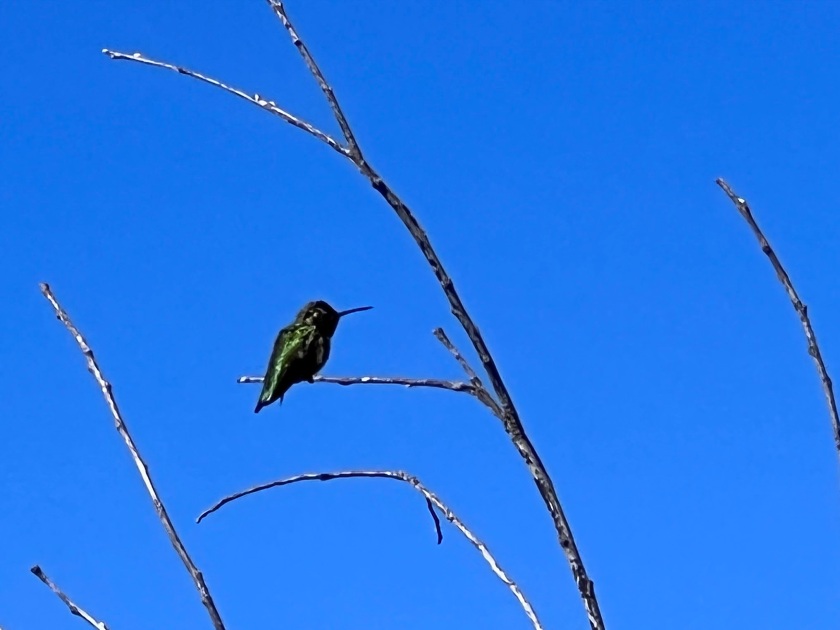
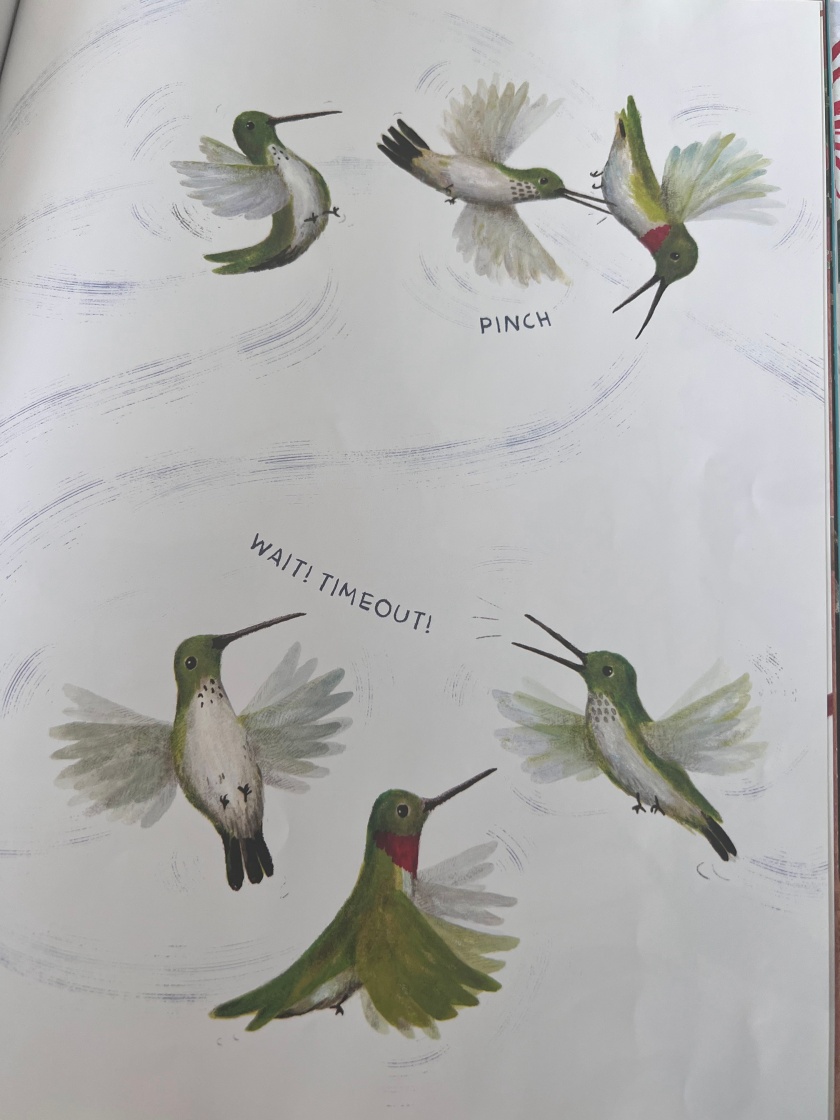
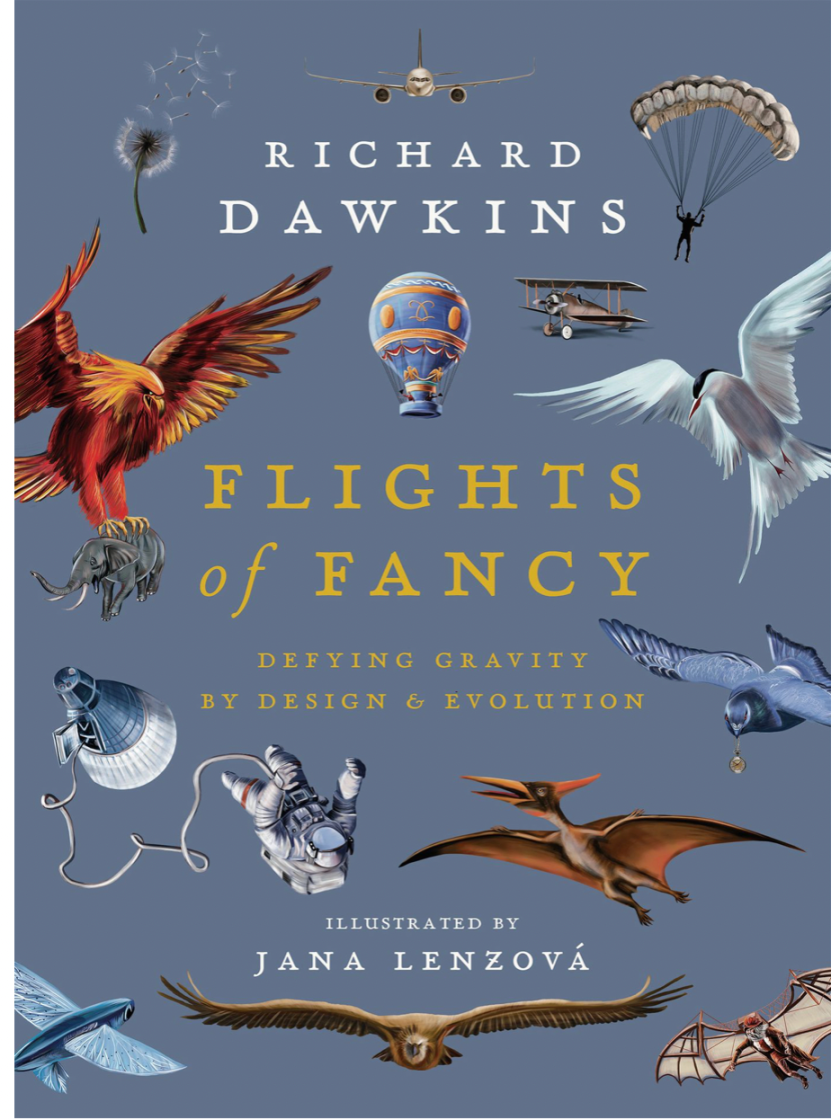
The idle mind harked back to the section on how birds evolved for hovering in the Flights of Fancy book by Richard Dawkins. Size being against them, they still managed a variety of ways in which to achieve it – whether it was in the way their wings spread out to absorb the thrust from the winds, or reverse flapping to counter the surge of propulsion, it was obviously one of the evolutionary hacks that spurred life on earth (birds as nectar seekers and life spreaders).

Screen Shot 2023-02-24 at 11.41.25 AM

“Forward propulsion by wings is achieved by a kind of rowing through the air. Hummingbirds go to the extreme of a rapidly buzzing (humming), sculling movement, in which the wing is turned almost upside down during the upstroke. The wing works almost as efficiently on the upstroke as the downstroke, and it enables hummingbirds to hover like a helicopter and fly backwards, sideways and even occasionally upside down. Hovering was an important evolutionary discovery for birds. Previously, insects had a monopoly in nectar because they could perch on flowers. Birds were too heavy until they finally invented hovering.”

A couple of days later, as we went walking around the green hills with the waxing moon on one side, the setting sun on the other, lupines, golden poppies and cranes glowing in this unique combination of light and moisture in the air, I found a hawk hovering. I stood mesmerized by all things light and wonderful. The shadows cast by the hovering bird, the winds changing speed, and the birds’s intuitive adjustment to its environmental influxes. 

4BDFCF33-6917-43FA-A2B2-298A413D4C7C

‘Imagination will often carry us to worlds that never were, but without it we go nowhere.’ – Carl Sagan 

A low rumbling in the distance indicated a flight coming into land at a nearby airport, and the spell was broken. I did not want to apparate out- I wanted to amble back towards reality.

The Infinite in Us

This week-end was extremely well suited for cozy pursuits. 

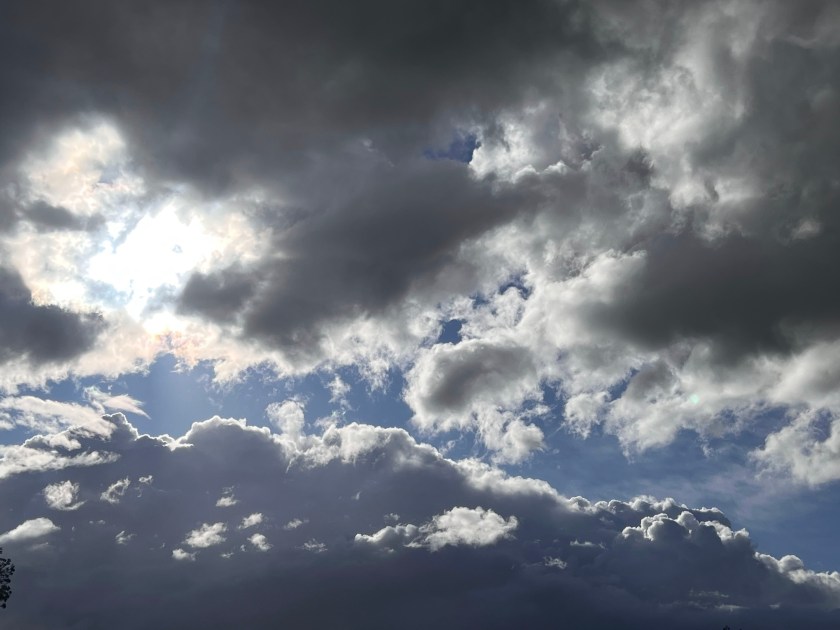
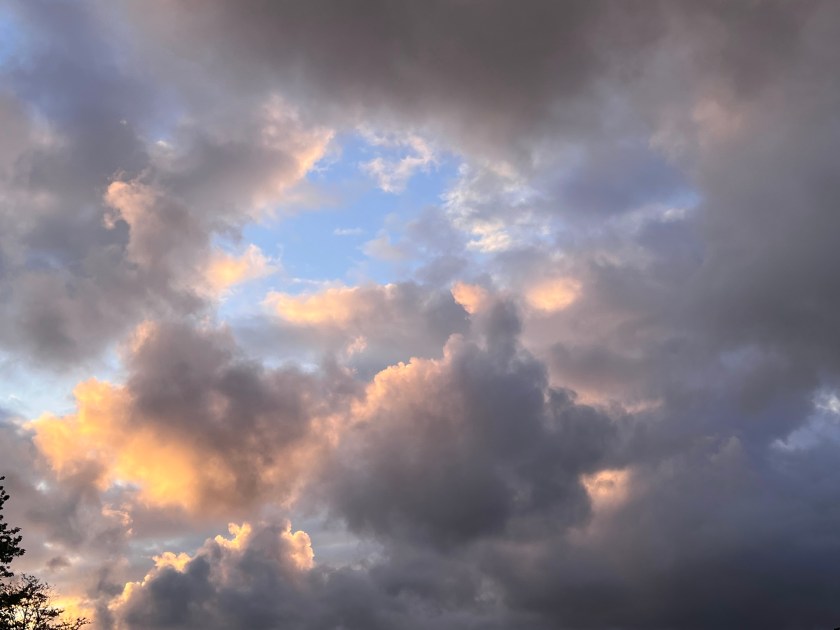
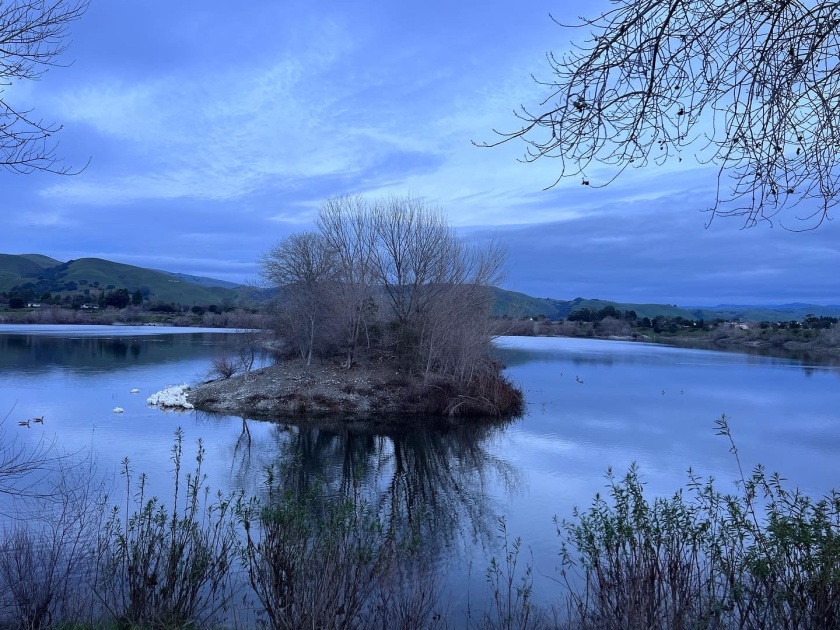
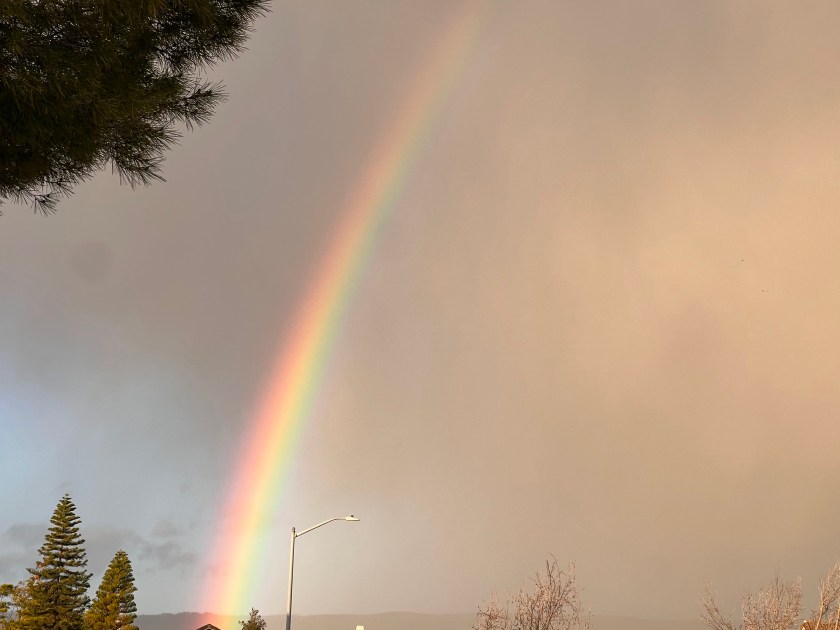
Rain slashed down, our surrounding hills sported snow caps and we proudly reveled in the rare beauty of green hills, snow capped peaks, gushing rivers, brimming lakes, rains that sometimes lashed down, other times, lulled and drizzled. In fact, one afternoon, we saw the sun light illuminate the clouds in so many different ways: there weren’t words to describe the crepuscular wonders anymore. The infinite ways in which watery sun and waxing moon can dazzle white, gray and thunderous clouds, is entertaining enough. 

vintage_pointimg_3557

But as evening crept in, we found ourselves wondering whether a cozy family movie night might do the trick instead. 

So, we settled down on both week-end nights to watch two movies that we knew would fascinate the son:

The man who knew infinity – a movie about Ramanujan Srinivasan, the mathematics prodigy. Thomas Hardy , a mathematician at Cambridge who helped Ramanujan publish his works. Ramanujan eventually was elected as a Fellow of the Royal Society. The movie, while it had its good moments also felt oddly fragmented in parts. 

The Man Who Knew Infinity (film).jpg

The life of Ramanujan for a person of Indian origin is fairly well known. The poor man who lost his health and vigor to tuberculosis and died at the age of 32 leaving a younger wife behind is tragic.

It is also unnerving to see how hard belonging is. Our immigrant experience is so vastly different from the one Ramanujan braved a century ago. Yet, some of the questions remain: Do we belong to a geography? A culture? Or with like-minded human-beings?

Human kind’s need for social connections is a fascinating aspect (introverts, extroverts, families, friends, colleagues, the importance of whimsy, the energy of youth, and the wisdom of those wiser – every aspect seems to play a part in the worlds we construct around us)

None of this seems easy, and in that struggle lies the beauty of messy human lives.

🚀 Hidden Figures – the movie depicting the lives of 3 African American women who worked at NASA and were stalwarts in their respective fields. 

The official poster for the film Hidden Figures, 2016.jpg

As we sat watching the movies, there were places where we stopped to thank the stars that things seem to have improved for the better. Progress is never easy and the ones who braved the struggles placed in their path with resilience, hard work and good humor, are truly inspirational. The movie was also a good reminder of the human spirit and its capacity for the impossible. With computers having far less than the computing powers in our cell-phones, humankind was able to leave Earth’s atmosphere, orbit the planet, land on the moon and launch space vehicles to explore the solar system. 

The movies were good reminders of a philosophy that is often not given as much importance as other aspects of philosophy: the pursuit of happiness via the pursuit of knowledge is tough, but endlessly rewarding. The truths we come to understand, the worlds we get to unravel are all gifts that keep on giving. 

⚡️💨⛈ Gusts & Gales⚡️💨⛈

“You should write about gusts and gales! Do you like the title?” The son asked as he tried comically to keep from being veered off the garden path by the winds. He had wanted to go for a short walk to experience the winds. I told him I’d heard tales of roof tiles sliding off, and the power lines being down nearby. He looked impressed. Winds such as this , he told me, were characterized at category 2. 

“Well – in that case hold on to my hands if the winds got any stronger!” I said and he nodded solemnly.

Once out, his solemnity gave way to a wild happiness, and he whooped with the winds. “Maybe I could fly, I could run faster!”

“Or open your mouth and fill yourself with the air and start floating!” I said and he guffawed at that.

It turned out to be a marvelous walk. The trees seem to be dancing and swaying. It was mesmerizing and terrifying at the same time. When a large tree trunk is swaying with every single pine needle on it doing the same, or every single leaf wildly doing the same, it is an image that never truly leaves you. Birds veering off their path, seeking shelter in the shaking boughs of cypress trees, deer huddled under the bare branches of the oaks and other evergreens, waters in the rivers and lakes rippling with every gust of wind. Every single natural entity caught up in its movements however subtle. 

This must be a dance of the cosmos. 

Many bare branches lay broken at our feet as we stepped gingerly around the wind debris. Luckily, mankind’s sturdy homes seem to be holding up, the electric poles stood. When finally we gained the sanctity of our home, we both released our breaths: we’d been holding it in without realizing, and made for the kitchen. If ever anything demanded tea and hot cocoa this was it. 

We sipped our hot beverages in companionable silence for a few moments before reveling in the joys and trials of the windy day.

“I really liked seeing that tree shiver though. Like this!”, said the son and shook himself in a massive wave from top to bottom. His hot cocoa lurched alarmingly in his hands and I caught the cup. “Good one!” He said, and set the cup down before going on to recount how it must be to strap something to yourself and fly in these winds. We sat down to thumb through the excellent images in the Flights of Fancy by Richard Dawkins, Illustrated by Jana Lenzova.

Screen Shot 2023-02-24 at 11.41.25 AM

I wanted to fly too, and said so sheepishly. I realized it had been sometime before I had indulged in this sort of whimsy and chided myself for it. One must not work to tap into whimsy – it should be there rippling under the surface ready to tap into and draw magic from at a moment’s notice. Like children. Like they teach us to.

At night, things got even more exciting for the weather explorers. The rains had started pelting down, there was lightning and thunder, and the temperatures plummeted even further. I peeked out at the bleak scenes outside, and for some reason thought that this would be our daily life if we lived on Jupiter, and shuddered a bit at that. A bit of blue and white skies should sort out that weird feeling. (Reference:Why is our sky not green? Book: Pale Blue Dot by Carl Sagan)

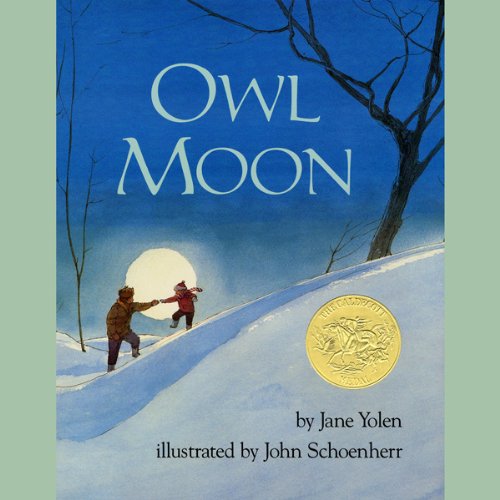
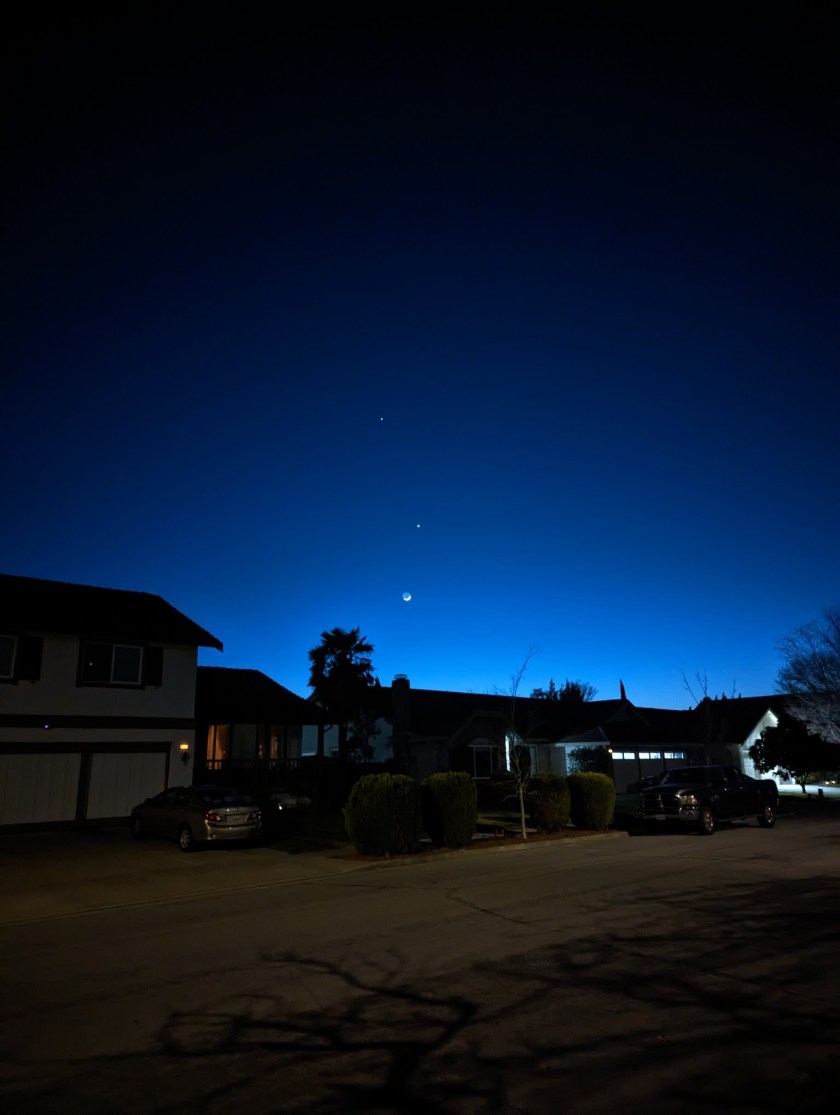
I thought of the beautiful image from the previous day before the thunderous clouds rolled in. Earth held to its orbit, the planets to theirs, and the faintly visible moon to its steadfast path around the Earth. In that small image lies our constancy.

image000000

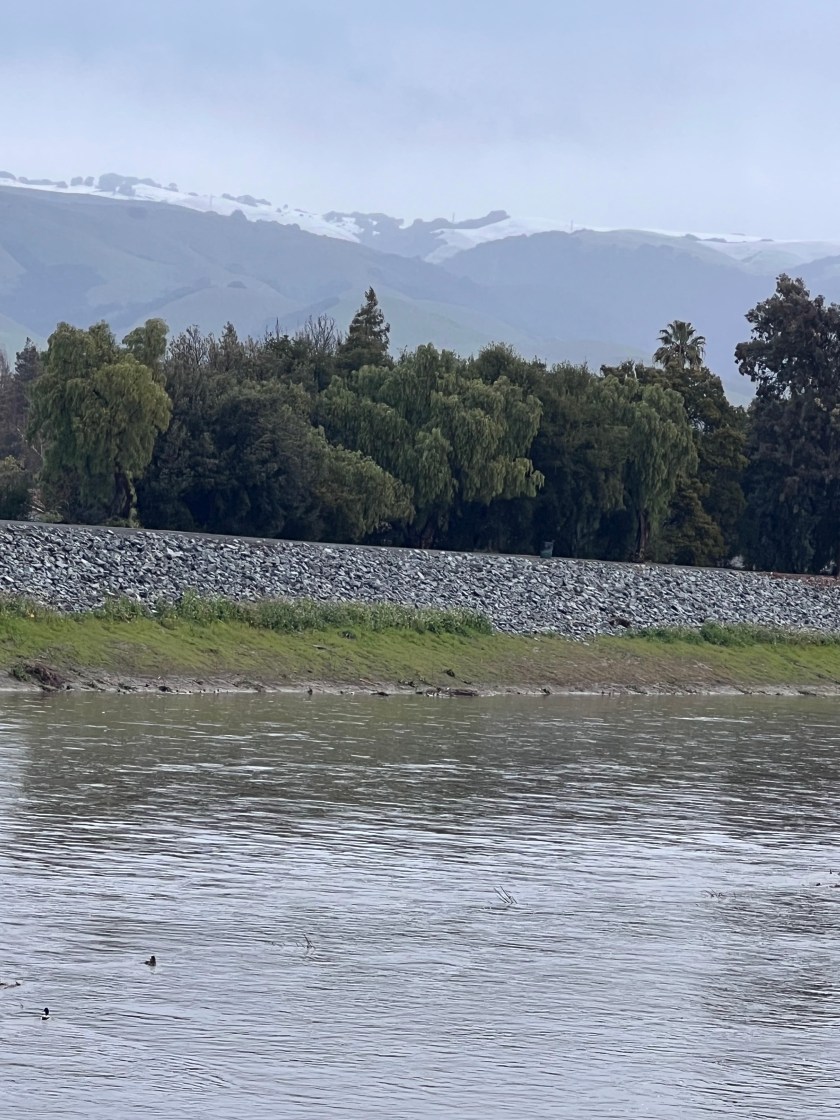
Uncharacteristic snow seem to have dusted the hills near where we live overnight and our version of winter wonderland was marvelous to behold.

img_3677

2022 Reading

It is that time of year when we

  1. cannot believe another year has gone by and
  2. simultaneously ponder on what a long year it was.

The quixotic nature of time – once again making a fool of us all.

It is also the time I look back fondly on the books that lit up my inner world, and take a moment or two to jot down all the notable titles, read other people’s lists, and make jolly to-read lists for the coming year, and so much more.

I thought I was scatter-brained, had a lot going on, and therefore, my reading took a hit. But it seemed to be the other way round. Reading, once again seemed to have worked its magic in helping me through 2022.

Non-Fiction

There were quite a few books in this genre. Only mentioning the ones that stood out in my mind for various reasons. (Not because of the content alone, but also time of year when it seemed to have been relevant, how much I managed to absorb of new ideas etc)

Fiction

  • The Alice Network – Kate Quinn (this one is a fictional account of real life events of female spies who used to smuggle messages across borders at considerable peril to themselves.) The daughter told me that Audrey Hepburn’s (Of Roman Holiday fame) was  also well known for her efforts during this period when she held underground ballet concerts and so on to help people during the miserable times of the Second World War, and many times risked being caught and hoping to get off easily because of her diminutive stature and size.
  • Women of Troy – Pat Barker
  • A Blizzard of Polar Bears – Alice Henderson (A good racing thriller for airport reading) 
  • Akimbo and the Elephant – Alexander McCall Smith 
  • The Blue Book of Nebo – Manon Steffan Ros (What happens after a nuclear war – I am sure many of us have pondered what the aftermath of an apolcalypse would be like. This book that does just that.)
  • Young Mozart – William Augel (hilarious! )
  • Plus my standard dose of R K Narayan, Miss Read & P G Wodehouse  whose wise and irreverent view of the world, I find refreshing and a regular tonic to life. 

Science Fiction:

  • Project Hail Mary – Andy Weir
  • Daughter of the Deep – Rick Riordan
  • Bewilderment – Richard Powers (This is one of the best books I’ve read – highly recommended. Stays with you for a long time)

Special Children’s Books:

Poetry:

How can there be no magic in the list?

Please share your reads with me. Would love to get started on my reading list for 2023.

The Gingko’s Wisdom

The gingko trees have all spoken to each other, and the lovely trees have shaken off their golden robes all at once. I passed the stark trees on my daily walk and stopped suddenly. I remember stopping to admire the fresh green gingko leaves as the year started out. 

One year. 

One paradoxical year.

One tumultuous year.

One <Please-fill-in-the-blanks> year.

Yet, the gingko trees went on as before. They grew leaves, they displayed them in their glorious green, and their resplendent golden yellows, till they went back to being stark stumps again. 

Another year. 

Another year of the unexpected?

Another year of surprises?

Another <Please-fill-in-the-blanks> year.

As I pulled the husband along on a cold, rainy walk, I told him that the same time last year when we stopped to consider the bare branches of the gingko tree, we had no idea what the year would bring. The same way that we don’t know what the year ahead would bring. I shuddered a little (I’d like to think it was the freezing winds of the storm). The young gingko nearby withstood the winds without a tremor.

“Well…”, I said, donning my philosophical face. “Whatever the new year brings, there is comfort in the fact that there is a constancy in nature. The gingko tree’s seasons.”

“Pesu (talk!)!” Said the husband and laughed looking at my sincere face. I joined him. It is so easy to say these things.  Why is it then so hard to practice?

Maybe we need the tree’s lessons to be more than philosophical. A little more neurological: Belonging with Trees.

Read also: The night of the Gingko : By Oliver Sacks in the New Yorker magazine.

The Origin of Dreams

It was a mild day in Jaipur. This time of year means one can walk among the structures of the Jantar Mantar without being fried to a crisp. The guide was explaining the scientific relevance of the structures in front of us. He explained how the latitude and longitudes were determined by the astronomers of centuries ago. As we stood there calculating the angle of the sun and subtracting it from the Indian Standard Time and so on, I missed the son. This is a place that would have interested him enormously – his unswerving curiosity and awe about the cosmos and the nature of time notwithstanding, it was also a propitious time for such musings. 

Earlier that day, I had cheered along with him as we sat on opposite sides of the world and watching the Artemis 1 launch and take off to the moon. Every time the launch had been delayed, he had had a small pang of disappointment. But this time, his eyes shone: “Amma, even if you have a meeting, please just make sure that you watch it. It will be at …”, and he went ahead and calculated the local time for me. Accordingly, I sat in my room watching the launch and cheering with the fellow.

https://www.nasa.gov/press-release/nasa-to-share-artemis-i-update-with-orion-at-farthest-point-from-earth

Image credit: Bill Ingalls: Image Source: https://www.nasa.gov/exploration/systems/sls/artemis-i-launch-0.html

His eyes shone, triumphant as he caught the excitement of the launch with periodic updates from NASA. I told him that I was going to a place that he would really like later that day and he asked me to enjoy it on his behalf. An astronomical marvel from centuries ago. A place where astronomers had mapped the skies with accuracy and skill. 

As I stood there watching the different structures and listening to our guide as he explained how each worked, I also derived small pleasures in seeing that his own narratives often confused astrology and astronomy. (Humans have always been wracked by problems: If, along the way, they tried to understand the sources of their trials and tribulations as something beyond them, who could blame them? ) Nevertheless, it was humbling to see how the astronomers of centuries ago had managed to get their recordings and data accurate to such a high degree. 

That rocket launch of a few hours ago was a cumulative building of dreams and imagining worlds beyond what is known to us. Dreams that started with the ancient homosapiens wondrously mapping the skies, and millennia of human evolutionary interest in the heavens. 

Carl Sagan quote :

“Imagination will often carry us to worlds that never were. But without it we go nowhere.”

– Carl Sagan

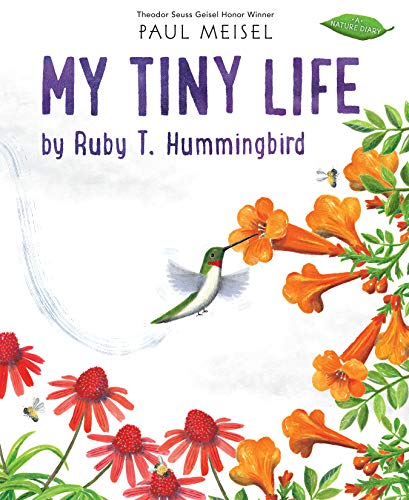
How many such dreams are being hatched as we speak? I read a children’s book: Ara, The Dream Innovator – By Komal Singh, that tried to capture the importance of Dreams. It was business-oriented even for a children’s book. The startup language of funding and patents and all the rest of it somehow did not quite capture the magic of dreams, but it was a good book nevertheless. 

We do not know how many dreams are being hatched today that have the potential of being realized in the near or far future. So, I am all for going to places that nurture these fantastical sojourns into our dream consciousness.

To infinity and beyond!

The Spider’s Vision

The son and I had embarked on a lovely bike ride. The autumnal equinox means that the sun sets earlier and earlier in the day.  It was still early enough in the evening and we biked along amicably talking of this and that. 

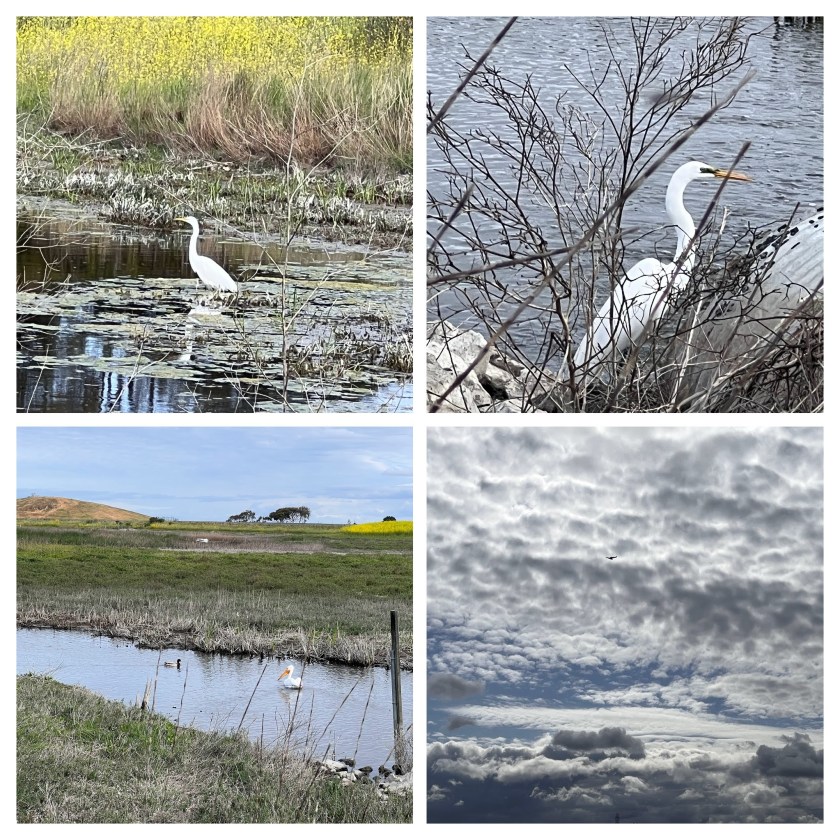
When we finally decided to take a short break by a lake, the son climbed a nearby tree, while I sat myself on a park bench. All was tranquil. The pelicans went about their ballet dance of coordinated fishing in the distance, the hawks and turkey vultures circled high above in the skies. Out in the distance, a dog ran on the shore chasing the birds and squirrels. Overhead, hundreds of ravens were flying and making their way home. 

It was in this world that I called out to the son and pointed out a visionary at work. We sat side-by-side in awe. For it was obvious, from conception to creation this would’ve daunted most competent engineers to undertake a project of this size alone, and here was this lone spider doing so : competently, peacefully and apparently with engagement.

In spider terms, it was the equivalent of building a bridge across a bay. From one tree to the next on the other side of the looming lagoon, a large suspension thread held the intricate web forming in the middle. How strong must the thread have been to sustain and hold the weight of the structure in the middle? Not to mention its prey.

When finally the spell was broken, the sun had set further and the spiders web was now bathed in a golden light. In those few moments of magic where nothing but weaving and creating was happening overhead, the earth around had changed its hue. From a bright blue sky, the pinks and oranges were thrown with abandon. Pretty soon, it would be getting ready to cloak itself in the inky blues of the night. 

The son and I got up – a sense of reverence and humility restored in our proud human spirits of achievement. Here was a lone spider, envisioning a humongous structure, creating a web of art and material integrity to withstand prey probably three times its own weight and going about it in a symmetric and beautiful light of the setting sun. What’s more? It was a design that was biodegradable and all the earth could be covered in this soft, silky web with nothing the worse.

Whether as materials for clothing, or structural integrity such as design of bridges, or the bio degradation of our products, a spider’s web is an inspiration for biomimicry based designs.

Biologically inspired materials could revolutionize materials science. People looking at spider silk and abalone shells are looking for new ways to make materials better, cheaper, and with less toxic byproducts. 

Janine Benyus, Biomimicry

Sometimes, a bike ride is all that is required for perspective to take its throne. 

Poetry

“How was your morning Amma?” said the son looking solicitous. He has taken to asking me this question every now and then knowing that I have been missing the companionship of the past few months. (The daughter went to college, the parents left for home, the niece left for her college, and what was a swirling whirlwind of wonderful social interactions suddenly quietened down to a buzz. I do enjoy solitude, but the suddenness of it took me by surprise )

That week-end morning, I answered with zest.

“Good kanna. I listened to galaxies, and then went rock climbing to solve a few problems. Then, I closed my eyes and went to some wild, wild places to hobnob with some wild, wild things. “

“Right!”, he said rolling his eyes just like his teenaged sister taught him. “So you read a couple of children’s books!” 

“Yep! Which ones did you like best?”

I looked at the cosmophile and gave him my truthful answer.

“Listening to the Stars – the life and story of Jocelyn Bell Burner who was credited with discovering the first 3 neutron  stars, but denied the Nobel Prize for the discovery. They gave it to her male colleagues instead.Ugh!”

“Yes..I read that book too. It was awesome! I wish she won the Nobel Prize too.”

We then shared a moment or two about the unfairness of it all. Then to lighten things up, I said, “But I also realized that the fragile tendrils of love tethering us to Earthly existence are very strong!”

“Ugh! Cheesy! Which book is that?”

“Forgotten poems of Pablo Neruda.” I said grinning.

He chuckled as he walked away. “Poems by Pablo Neruda!”

“You can’t just be an astronaut – you also have to have poetry in your heart so you can share it with the cosmos my man! Remember how folks would’ve liked that from Neil Armstrong & Buzz Aldrin?”

“And music too. Remember you might to have to interpret whale song for other lifeforms! Our life as a kaleidoscope!” I said with a grand gesture of the world with my hands.

“Yes..yes! Well – good to hear you all chirpy. Have fun ma!”

A Question of Time

The past week has been an interesting one in many ways. Emotions aside, what this meant in practical terms was that the nourish-n-cherish household ran on a clock. 

The map says it takes 45 minutes at peak traffic, but surprise of surprises, it took 62 minutes, neatly shaving off the buffer we had baked in for grabbing a snack. 

At 10:45, we would have to be there at Y parking garage so that we could get to X building at 11:00.

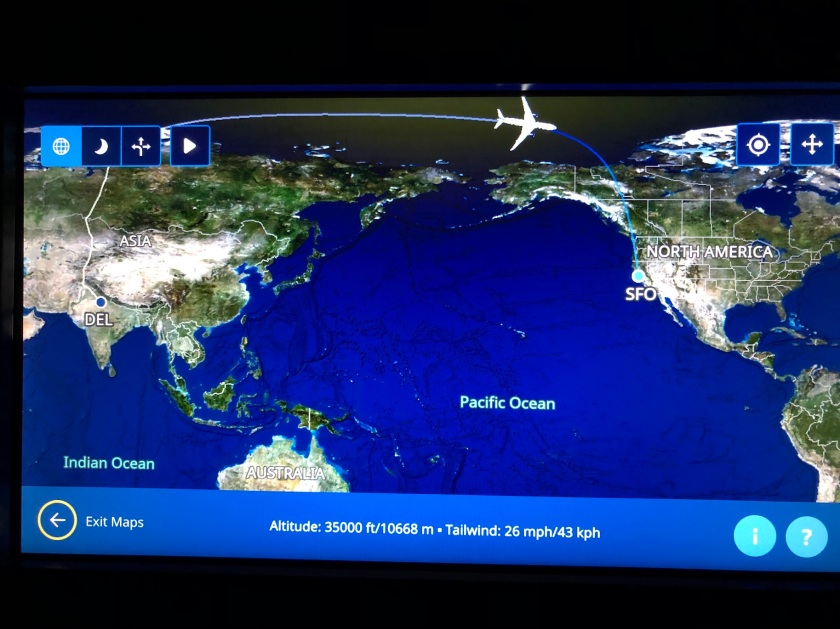
At 4:45, the flight leaves from Airport Here. That means, the time at Airport There would be x-12.5, but there is x+7.5 stop-over in between.

By pure chance during this time of frenzy, I had with me a slim book, Longitude – The True Story of a Lone Genius Who Solved the Greatest Scientific Problem of His Time by Dave Sobel.

It made for an interesting read on how we managed to get time down to a science. Dava Sobel creates an excellent narrative around the problem of Time and Maritime navigation.

“Time is to clock as mind is to brain. The clock or watch somehow contains the time. And yet time refuses to be bottled up like a genie stuffed in a lamp. Whether it flows as sand or turns on wheels within wheels, time escapes irretrievably, while we watch. Even when the bulbs of the hourglass shatter, when darkness withholds the shadow from the sundial, when the mainspring winds down so far that the clock hands hold still as death, time itself keeps on.”

Longitude by Dave Sobel 

While many astronomers tried to solve the mystery of keeping time using the astronomical events in the sky such as mapping Jupiter’s moons and their eclipses etc, one man, John Harrison set about solving the problem mechanically with a superior clock design. Clocks of the fifteenth and sixteenth century lost time because their pendulums lost their swing with the swaying of the ships, the internal mechanics rusted with the moisture at sea, and numerous other problems.

Reading about Time and how difficult it must have been to measure, has always fascinated the son & myself.

I suppose Time has become such a cornerstone of our existence that it makes for a refreshing read to hark back to the times when time was an indicator and not as much of a martinet as it is in our over-scheduled lives today.

I was reading Mrs Pringle of Fairacre by Miss Read – every time when life demands a slowing down and it is physically hard to do so, a dip into the lovely village green of Thrush Green or Fairacre does the trick. In the Fairacre books, Mrs  Pringle is the competent school cleaner who is also a bit of a virago. Her scatter-brained niece Minnie Pringle is often featured – incompetent and maddening as she is, she helps(or hinders) Miss Read out now and then. In this snippet, Miss Read learns that Minnie Pringle, a mother of 3 and stepmother to 5 young children, never really learnt to look at the clock and read the time.

Mrs Pringle of Fairacre: About Minnie Pringle 

I had not really taken in the fact that she could not tell the time

‘Well, I never sort of mastered the clock”, she said vaguely, implying that were a great many other things which she had mastered in her time.

‘But how do you manage?’ I enquired, genuinely interested.

“I looks out for the Caxley’, she replied. ‘It gets to the church about the hour.’ (The Caxley is the local bus)

‘But not every hour.” I pointed out.

‘Yes…but there is also the church bell.’

‘It still seems rather hit and miss,’ I said.

Mrs Pringle – By Miss Read

When I read the above snippet, I threw my head back and laughed. Almost subconsciously, I glanced at the various apps on my smartphone to remind me about the day : there were calendars synced with my meeting schedules, alarms to remind me of certain events and classes for the children, timers to help the rice cooker turn itself off, the world clock app to let me know when it is okay to call my friends in the different corners of the globe. 

Maybe John Harrison (The man who came up with the design of a clock that could hold time during maritime vagaries such as storms and tidal waves without rusting or losing momentum in the sixteenth century) did not quite anticipate the extent to which the world would adhere to Time, but it is refreshing to think of a few people who are not ruled by the ticking of the clock.

Maybe we should have Do-Nothing Days in which neither the phones, nor the passing of time intrude. It will be a refreshing change for sure.

Note: The obsession with Time is called Chronomania and those who live in perpetual fear of time ticking, time passing have Chronophobia.