Donkey Days

It isn’t everyday that one gets to meet the inspiration behind a star. 

Not just any star, but an internationally loved one, with no scandals or gossip magazines thrusting their weight of circulation and readership behind them. Where do such stars exist? you ask thinking of all the gossip columns, and the entire magazine staff making their monthly rent (and amenities) writing and analyzing their lives.

Well, such a star could only be a much admired animated character, and therefore the joy is doubly special.

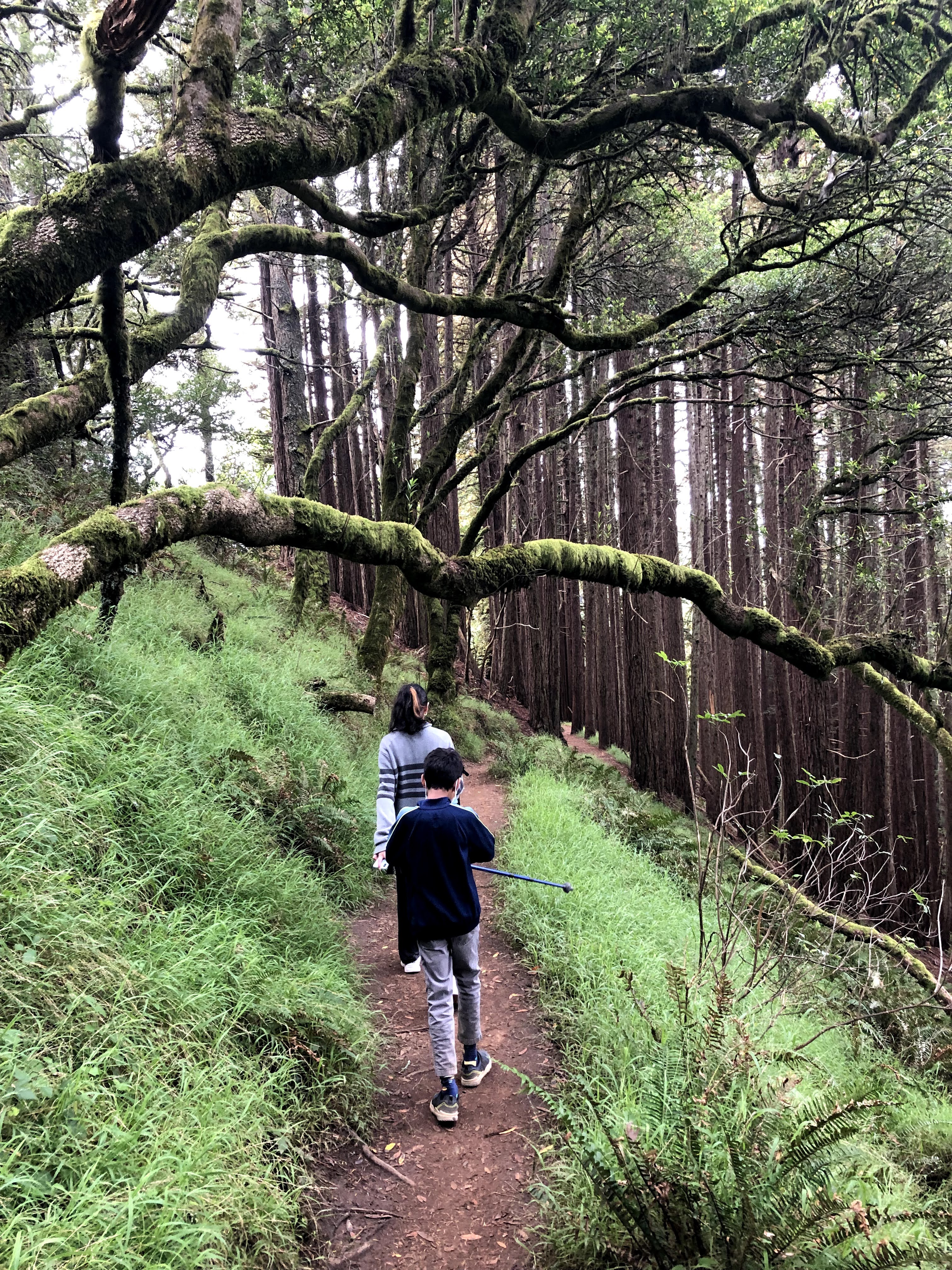
It was a hot day, and the earth was baking lightly when I announced my intention to go walking with my friends in Palo Alto. The smog from forest fires nearby was almost unbearable: birds drooped and took refuge in the trees, plants smacked their lips and dug deeper for some water.  

“You’re nuts you know that? Who goes for a walk on a day like this?” , said the daughter.

I beamed in return, and said it mattered not one whit that it felt like a summer stroll on Venus, for I had very cool friends to walk with!

The daughter, being the daughter, giggled and patted my hair patronizingly.

The son, being the son, rattled off some statistics basically letting me know that Venus is far worse. But you, dear reader, I am sure you get the gist without knowing the exact megatons of carbon dioxide in Venus’ atmosphere. (For those of you still curious, please watch this video from Kurzgesagt : Terraforming Venus) This is a popular topic with the son and I have another post to write on a walk in which we discussed these seemingly impossible things. 

I meander like a drying up river losing its senses along the way on a hot summer day. Where was I? Yes – meeting a celebrity. Anyway, there we were in Palo Alto – my c.friends and I, walking down a wooded path trying to shake off the oppressive heat, and being marvelously uplifted by the conversation. 

At journey’s end, we stood there humbled by the stars of the day. Our friend had taken us to Barron Park, where the local family had maintained donkeys, and they had become a local attraction.

One of the donkeys in front of our eyes was the inspiration behind the donkey in Shrek – that gullible, loquacious, annoying donkey. These donkeys, Perry and Buddy, though were remarkably quiet, enjoying their pasture, and gazing serenely about their surroundings. 

Perry – The inspiration behind Shrek’s Donkey

Standing there and looking on these sturdy marvelous gentle animals made me think of all the loving donkeys in literature. The ones who appeared in Panchatantra stories, the fables of Aesop, Sally who is Gerald Durrell’s pet donkey, the beautiful days of life with sultan the donkey, and of course the loving term I use to sometimes refer to the children, “Kazhudhai”(meaning baby donkey in Tamil).

I headed back home with glee, and called out lovingly to the children, “Hey kutti kazhudhais. Guess who I saw today?” And out blurted the whole tale of the darling donkeys in Barron Park, and the daughter amidst her giggles said, “Oh! I thought when you called me kazhudhai, it was an insult, but it is a loving insult huh?”

I laughed. “Well, yes, I called out to Buddy and Perry, and they gave me the exact reaction that you give me. “

“What is that?”

“Acting as though they did not hear and kept on grazing happily in their little pasture.”

Her laugh would have made Donkey in Shrek proud.

I loved the donkeys of literature, the endearing “donkeys” in my life, and the gentle, sturdy, hardworking, peaceful animals that inspired the world starting from the days of Aesop, through the mangers of Nazareth, to Shrek’s donkey

Snail Tales

When R K Narayan said, writing is like a yoga, I suppose he didn’t quite envision the exact pose in which inspiration would strike. For me, it seems to be in the Shavasana(sleeping or corpse) pose. Take Saturday night for instance. I had mooned about the hills early in the am. Happy  cows, and cheeky turkeys hobnobbed with nervous cows and pesky humans to great delight in the misty dews of the morning. 

A morning out in nature is usually balm enough to get the old inspiration going. I spent the whole day with wisps of little sentences floating in and out of the brain. Sentences that would make amazing epiphanies, little witticisms that I yearn for when trying bite-size nuggets of wisdom, they all paid a visit.

Throughout the day, inspiration seemed to come along just when I was slicing the onions, or grumbling about the crumbs with the old vacuum cleaner in hand. I had no access to put some of these words to paper. Then, early evening came, and I sat down to write, when the beautiful full moon rose – hanging like a large golden orb over the Earth. Poets swooned, artists swelled, and writers bloomed. I rushed in, opened my laptop, and had one of the dullest writing sessions possible. 

I teased and pleaded – trying to gather the wisps into a cotton ball of candy, but nothing happened. I wrote the dullest set of sentences conceivable and decided to not fight the muse anymore, and headed to bed. 

I opened , Over Seventy, by P G Wodehouse, (his autobiography) and there was a section written by P G Wodehouse on how he would hesitate to use snails as subjects.

“As a writer I have always rather kept off snails, feeling that they lacked sustained dramatic interest,. With a snail, nothing much ever happens, and of course, there is no sex angle. An informant I can rely says they are ‘sexless or at least ambivalent… Obviously, the snail-meets-snail, snail-loses-snail, snail-gets-snail formula will not help you and this discourages writers from the start.”

Over Seventy – P G Wodehouse – Essay on Bridges, Snails and Meteorites

Well, what do you think this innocuous paragraph did? It started the brain off on a most interesting snail trail. I harked back to the book, Birds, Beasts & Relatives, by Gerald Durrell, where he dedicates a good portion of his musings on myrtle forests to snails, and what an interesting love subject it proved to be.

He writes with such obvious rapture on the mating ritual of snails, that I wonder why entire sonnets aren’t dedicated to this marvelous endeavor. He had the good fortune of finding the slow blisters stirred into action after a freak thunderstorm got them going. 

Sure enough, on a myrtle branch there were two fat, honey- and amber-coloured snails gliding smoothly towards each other, their horns waving provocatively.

… This freak storm had obviously awakened them and made them feel gay and romantic. 

So, there they were, side by side attached to each other by the two little white cords. And there they sat like two curious sailing ships roped together. This was amazing enough, but stranger things were to follow. The cords gradually appeared to get shorter and shorter and drew the two snails together. They stayed rapturously side by side for some fifteen minutes and then, without so much as a nod or a thank you, they glided away in opposite directions, neither one displaying any signs of darts or ropes, or indeed any sign of enthusiasm at having culminated their love affair successfully.”

Birds, Beasts, and Relatives – By Gerald Durrell – Essay on Myrtle Forests

I closed the book, and an image from the early evening, with the skies pink in the setting sun arose. I had just watered the plants. The children and I had squealed at the moisture at the end of the hot day, and stood there enjoying the little rainbows created by the water sprays, when I spotted a snail clinging to the succulents, and making a slow but hard climb towards the lavender patch. The children gathered around to see the beautiful creature too. Was the snail’s sentience relishing the sunset skies too?

Sluggish thoughts indeed, but rather the best for a drift into sleep. Where old P.G.Wodehouse was stumped with the snail-as-dramatic-love-interest angle, old Gerald Durrell had spun a yarn with the very angle. I yawned one of those jaw-breaking ones, and resolved to write about snails instead. So, here we are.

School Days

It was the first day of school – back to school in-person after a year and a half of remote learning for the Elementary school goer in the home.

There we stood – the husband and I- masked, behind a line holding a throng of anxious parents at bay. The children were coming out to the school environs after such a prolonged time in front of their screens. The nervous energy, chatter and activity, muted through masks as it was, was enough to uplift the senses. 

As Miss Read says in her chronicles of life as a school teacher in a village school: The first day of school has a life and energy all its own. Even if the preceding days have been somewhat dreary, she says, the first day manages to be bright and sunny. We live in California, so our summers are not dreary. If anything, they are all too glorious with the sun beating down on us, wildflowers hanging fully on every bush and tree. Even so, the energy and bright first day of school was marvelous.

It was only as we standing there with the others that I realized how much I missed this particular experience. I used to enjoy those precious little moments in the morning looking at the children enjoying their play. (Read: Recess as the basis of culture)

The arrival of the pandemic was like an unexpected blizzard that enveloped the whole Earth in its swirl. While the swirl continues, lessening at times, picking up pace at other times, there are times when post-vaccination, we can hope to remember our normal. 

Great Red Spot - Wikipedia
Great Red Spot on Jupiter

I stood there taking in the morning energy from all the young scholars gathered in each other’s physical presence after a year and a half, and smiled to myself. The mask has its advantages. I could observe the teary young parents of kindergarteners as they embarked on this great adventure, the weary parents of the older children who were happy enough to see their children out in their school, interacting with other children again. 

I glanced at the son who’d finally found his classmates and was amused by what met my eyes. One fella had learnt how to tie his shoelaces a different way, and he stooped and showed the admiring knot of his friends not once but three times, while they watched patiently, a light shining in their eyes at this new learning. 

I couldn’t help smiling.

A few minutes later, I noticed another young fellow, good samaritan that he was, double out of line, and race towards the field, and throw a football that was slowly rolling away from them to the center of the field. He came running back and nicked back into line just as their teacher came out to summon them in, and he was met with huge roars of appreciation for his citizenship. 

Who said education only happens in the classroom?

As I walked slowly back to the car hearing the receding chatter of the young and the studious, I hoped that they would have a normal-enough year. The vaccination isn’t here yet for younger children, and we would have to keep an eye on things as they proceed. Look out for each other, help keep one another safe, and navigate this together.

Enjoy the present has taken on a new meaning in Pandemic times. Senior Sunrise

The Nature of Light

“Uggghhhhh – guess what time I have to get up in the morning tomorrow?” , said the daughter as she piled into the house. School has started, and that means the poor teenager has had to get snippy while the time was still in the ‘AM’ . No more lounging around in those horribly comfortable looking baggy pants till well past noon, or late night giggling with her friends late into the night. Transitions are always tough, and I chuckled at the troubled face. 

“Stop laughing!”

“It’s okay – the first week is always hard. It is Friday, and you will be better off next week!”

“No…really! Guess what time they are asking me to come tomorrow. I told them I am not going at that unearthly hour!”

I raised my eyebrows. 

“Senior Sunrise if you please.”

“Oh that is lovely! But you must go. Of course you must – it is beautiful with all the marvelous colors, and think of company after the pandemic. I will get up, and wake you with a smile on my face.” I said.

She gave me a withering look. “Of all the people to wake people up early in the morning, and that too with a bright smile, you take the biscuit. “

I did not care too much for that flaunting hair toss, but I can take the rough with the smooth I suppose. 

Later that day the son and I took out our bikes and headed off into the sunset. The cumulus clouds overhead were marvelous early in the evening, and we knew the sunset on a day like this will be beautiful. But, like nature usually does, we weren’t quite prepared for the kind of marvelous it had in store for us.

I learnt a few beautiful words the other day from a post on Facebook: Nephophile ( A lover of clouds) & Opacarophile ( A lover of sunsets)

Light has always fascinated mankind. Photons, wave-particle duality all aside, it is the one thing that illuminates our existence. The wavelengths that we can see is enough to make our experience magical. The differences in the world as perceived by other creatures is even more marvelous to behold. 

We drooled and drank in the sunset as long as we could, and headed back home to see a beautiful crescent moon rising among the plethora of clouds. An orange hued moon, multi-hued clouds and the setting sun against the beautiful waters were more than enough.

I came home that evening and opened the children’s book, Every Color of Light – By Hiroshi Oshada Illustrated by: Ryoji Arai

Beautifully illustrated, each page is a joy. The subtle colors of a rainy day, an earth enhanced in its beauty by the light of the feeble sun through the clouds, and the lovely light of the sun setting before the stars start shining down on the benign page are all therapeutic.

I returned to the fray with the daughter, and reiterated the magic of Senior Sunrise, with the silver lining: she could see and talk to her friends again. An eye-roll later, she accepted.

Off she went the next day at 5:45 a.m. to catch the sunrise. She came home, and said, “Actually, I am kind of glad you made me go. Nobody really watched the sunrise – it was pinkish and just got brighter I suppose, but it was kind of beautiful and it was fun hanging out with everyone. I think I am remembering how to talk to people in the 3-d world again.”

It isn’t often that I get this kind of acknowledgment and if I gloated and herded the family to catch another glorious sunset, what of it?

Factfulness

I am glad I read How to Understand the World by Hans Rosling, and then picked up Factfulness. I could more fully appreciate the journey and the person who became the man and found his purpose beyond being a doctor (in itself a marvelous profession). His young aspirations based on the world view in a developed country shifted and enhanced his life in so many ways. He knew when he was interacting with young doctors in Bangalore, India in the 1970’s that the society he had in mind was very different from the world. The world was changing, and yet our worldview had not

He was to see this trend in varying degrees across different countries, professions and even in erudite halls where world leaders came together, and should’ve known better such as the UN or the World Bank. 

It is still this way in varying degrees, although the internet and entertainment options have accelerated the understanding of different cultures in different ways. But Hans Rosling’s work along with his son and daughter-in-law, Ola Rosling & Anna Rosling Roddmund has helped the world understand the areas in which we are doing well as a species, and as a planet. This factfulness enables us to concentrate our powers of doing to the right causes and people.


Instead of Developed Vs Developing Countries, he instead splits societies into 4 levels on the development graph. (Source: Gapminder.org)

  • Level 1
  • Level 2
  • Level 3
  • Level 4

Perhaps the most telling graphs in gap minder are those showing how countries shifted from Level 1 towards Level 4 over 2-3 generations, and how this is what we can hope and work towards for those countries stuck in Level 1 and Level 2 today.  Please watch his bubble chart from the Late 1800’s to 2018 to see the world view progress and change.

Bubble Chart for Level 1- Level 4 countries over time

He writes, for instance, of a Sweden during his grandparents time – a view that closely resonates with Level 1 or early Level 2 countries of today.

  • Large families, patriarchal mindsets limiting progress, faulty drainage, lack of access to good hospitals and medicines etc.
  • Then, in his mother’s lifetime, she was able to get treated for tuberculosis in a hospital for free, have fewer children than her mother did, gain access to some automation such as a washing machine – thus freeing her up to take her children to the library, and spend more quality time with them.
  • In his own generation, he was able to get free healthcare, a state sponsored medical education, ability to raise his children in good schools, and so much more. 

The book talks about the most common ways in which our worldview are shaped, and how to work against each of these biases while understanding the world around us. But really, these tenets are useful for decision-making in general, not just for the world-view.

  • Negativity Instinct – we assume things are far worse than they really are, and this clouds our decision making process
  • Straight Line Instinct  – not all trends are linear even if they start out that way. Population growth for instance. It is estimated that by 2100, we would have leveled out around 11 billion – not a linear projection as predicted by doomsayers a few years ago. Largely due to education, family planning etc.
  • Fear Instinct – decisions made irrationally based on fear.
  • Size Instinct
  • Generalization Instinct
  • Destiny Instinct – Fighting against a predetermined fate helps us shape the decisions we’d like.
  • Single Perspective Instinct
  • Blame Instinct
  • Urgency Instinct – Anyone who has bought a car would know this one: Today, and today only deals – that we all know is

The book finishes with an excellent essay on Factfulness in practice. Progress is happening and it is heartening – 🌏

References:

  • How I Learned to Understand the World – Hans Rosling with Ola Rosling & Anna Rosling Rönnlund
  • Factfulness – Hans Rosling with Ola Rosling & Anna Rosling Rönnlund
  • Gapminder.org – Designed by Ola Rosling & Anna Rosling Rönnlund

The Statues of Liberty

I have had the luxury of traveling and reading the past few days. I read and watched the following in one glorious spurt:

I preferred the books and movies with animals & the magic of our thriving universe in them over the ones with just humans in this lot though.

  • Forgotten Beasts  – by Matt Sewell 
  • 100 animals to see before they die
  • Ice Walker – A Polar Bear’s Journey through Fragile Arctic – James Raffan
  • Birds, Beasts & Relatives – by Gerald Durrell
  • The One & Only Ivan – by Katherine Applegate
  • The Seven Husbands of Evelyn Hugo – By Taylor Jenkins Reid
  • Back from the Brink – Documentary at the Boston Science Museum
  • Moons: Worlds of Mystery – Documentary at the Boston Science Museum
  • Kung Fu Panda – 2 – Dreamworks Animated Movie

Granted that the 7 Hs of Evelyn H was a fast read. The narrative style pulled us along with just a hint of intrigue keeping us going till the very end. The story itself appeals because it is a story of someone trapped in the endless trap of fame and glory, and the constant insecurity of ratings and popularity. It is, though, a reminder of the things valued by plenty of humankind, and the reminder of love in a tumultuous world. The interest in another’s life, is a never-ending case of human interest, and the story does justice to that indeed. There are several well-written lines in there on human nature. I must say I have never been enamored by the Kardashian-type of celebrity life shows, so my review is somewhat lukewarm for this one.

The heart-lifting tale of The One & Only Ivan was up next – the gorilla who saves his little elephant friend Ruby, after making a promise to an older elephant friend, Stella. Based on a true story, this is the kind of story that tugs at heart strings. Katherine Applegate’s writing is a class apart. I have been a fan ever since I read The Tale of Despereaux. 

I wonder, sometimes with a tinge of envy I admit, about how animals, birds, and marine creatures live without the trappings of economics and finances, and social influences and so on. They navigate by the cosmos as much as we do – In Ice Walker, the author, James Raffan follows the life of a polar bear, Nanu, as she grows, hunts, mates, and raises her young in the polar ice caps. How surely she knows the changing seasons, and the direction in which to lead her cubs for food and sustenance, is beautifully written and portrayed. The bright stars that we peek at, is so much more for these creatures. How far we have come as humans, and how much more left to go? Nanu is killed by humans, and her surviving cub is forlorn. 

On the way to view the Statue of Liberty, we stopped and watched plenty of statues of liberty along the way. Boston Public Gardens hosts the marvelously made statue of Make Way for the Ducklings by Robert McCluskey. 

New York’s Central Park hosts many statues : Alice in Wonderland & Hans Christiaan Andersen with a swan are marvelous reminders of life and the marvelous influences of imagination. I wonder how many people worried about the economics and finances of the economies, their lives, and their jobs stopped to take deep breaths and believe in magic once again as they make their way past these statues of liberty.

It seems only fitting to finish this marvelous post on the different things that sustain human minds and lives with a Seussism or two.

And Always Remember

And will you succeed?

Yes! You will, indeed!

(98  and 3/4 percent guaranteed) 

KID, YOU’LL MOVE MOUNTAINS 

Oh the Places You’ll Go – Dr Seuss

Or this one?

Expand Your Horizon

The more that you read, 

The more things you will know,

The more that you learn,

The more places you’ll go

– I Can Read With My Eyes Shut – Dr Seuss

Back from the Brink

Matt Sewell’s, book, Forgotten Beasts: Amazing creatures that once roamed the Earth is a highly captivating book of animals that once roamed the Earth. Beautifully illustrated, this book is a marvel. Every time, I marvel at how life managed to thrive, sustain, and regenerate in all its fantastic forms. As I thumbed through the pages, admiring the defense mechanisms of each animal, the unique ways in which they thrived and survived, an obvious question flickered through the brain : how many of our current organisms are having the same sort of trouble?

Starting with prehistoric animals, the book slowly walks through the animals through the ages, and finally arrives at the timeline in which human-beings appeared. 

The next book was the obvious pair to Matt Sewell’s book of extinct animals. It is: 100 animals to see before they die – By Nick Garbutt & Mike Unwin. 

Reading these two, along with Birds, Beasts & Relatives by Gerald Durrell, made for an interesting time in the old head. Gerald Durrell is a naturalist and his obvious enchantment with the fauna he finds around him, led to create the Durrell Foundation for Conservation of Animals.

Birds, Beasts and Relatives (The Corfu Trilogy Book 2) by [Gerald Durrell]


So, it was a surprise indeed to be able to watch the excellent documentary, Back to the Brink at the Boston Science Museum. 

We charged and weaved through traffic to make it to Back from the Brink. The documentary was playing in the Boston Science Museum for which the son & I were going. This was going to be our special afternoon, and we had made any number of snafus with the tickets, the cab to get there etc. But we were there at the right time, and the pair of us took a few deep breaths. 

How often we find ourselves mired myopically into our own lives? It is at moments like these, that books, museums, and documentaries do their bit I suppose. We sat there, as the camera zoomed and picked us along for the ride. We were there to watch the exhilarating recovery of 3 animals who had made it off the endangered list. 

As I sat there watching nature’s survival unfold before us on the high ceilinged dome, I remember thinking of Gerald Durrell’s book, Mockery Bird, and the sense of awe when I learned that Charles Darwin predicted a particular kind of species- a long proboscis, he said, should be there, given that there were flowers with a long tubular structure. A decade later, they did find the hawkmoth capable of pollinating the star orchids. How thrilling is must be, to be able to figure out things like that?

In Back from the Brink, the documentary walks us through 3 different scenarios in which man-made decisions led to the near extinction of certain species, and how man-made efforts also brought them back from the brink of extinction. 

  • The first one was about the foxes in Catalina Island, off the coast of California
  • The second one was on golden monkeys in China
  • The third were the red crabs in an island near Australia 

Each species has a different story arc – the foxes in Catalina Island were the result of DDT spray affecting the eggs laid by the bald eagles near the island. This led to a mass dying / migration of bald eagles. Once the bald eagles were no longer there, the golden eagles swooped in, and for them, these tiny foxes were prey. How the team of naturalists figured this piece out, and how they went about trapping foxes, bald eagles, and golden eagles, and then nurtured and relocated them till they could thrive again, is a marvelous journey.

The golden monkeys were a simple case of stopping poaching, but a hard fight indeed to get the poachers to act as guardians in these snowy terrains. 

The red crabs had an army to fight and thrive against. The yellow crazy ants who accidentally came off the ships years ago, had ran amuck, and the crabs were being inched out of their own homes. This one, had a unique solution too. The naturalists introduced another species(knowing fully well out how much havoc such an act could cause). After much deliberation, they did so. The yellow ant population came down, and the crabs could thrive again. 

The Boston Science Museum is a marvelous place for the curious and the uninterested alike. 

Is This Bohemian Chic?

We have been gallivanting across Boston and New York the past few days. 

I remember reading a children’s book a long time ago about the country mouse who came to visit his cousin who lived in the town. Not surprisingly, I commiserated with the little country mouse who was dazzled and sprazzled by the city. 

I felt the same way when I first visited Bombay, now known as Mumbai, as a little girl. From the hills of Nilgiris, where bus drivers stopped so we could safely straggle across while learning to ride the bicycle, and train drivers stopped for the mother running to the station, to Bombay, where no one, it seemed, stopped for anyone or anything else, was a long journey – 2 days and 2 nights by train to be precise. I clutched my father’s hand, the whole time in Bombay, and never let go, especially on the electric trains. Maybe, some of those calluses on his old hand, are from that trip. 

I have the same feeling in New York. The city sprawls in all directions. The people, the subway, the sights, the movements feel too fast for a country mouse. There is so much to do – the energy exhilarating and enervating at the same time. 

I said as much to the children, and they gave me pitying looks. “What you need is some Bohemian Chic!”, said the daughter diagnosing me with a severe expression on her face.

I had no idea what that meant, but told her we would do our best to find Bohemian Chic.

We had great fun running in one direction, only to find the little GPS dot turning slowly away from where we were supposed to go, and then charged back again. “Is this Bohemian Chic?” I asked.

One time, we stood looking diffident and muddled when a pair of flamboyantly dressed gentlemen stopped and asked us directions to get to some square. We told them we were new to the city too, and agreed that it was best to ask someone else. A good twenty minutes later, we had boarded the train in the wrong direction, gotten down at the next station and came back riding the train in the correct direction, and found the gentlemen boarding the train too. I swear they tipped their bohemian hats and winked!

I splashed into bed after 2 hectic days in New York City, and felt spent. I had no idea how much we had walked. We had spent so many hours and days in the city, soaking in sights and the sounds of traffic, that I yearned to see the moon rise over the hills, the ducks squawk and geese fly. I had no idea how much these things refreshed me. 

Subconsciously, I think, I had selected for my reading during this time of city-living, the book:

Birds, Beasts & Relatives by Gerald Durrell.

Birds, Beasts and Relatives (The Corfu Trilogy Book 2) by [Gerald Durrell]

A sequel to My Family & Other Animals, it is the second set of autobiographical tales by naturalist Gerald Durrell set in the beautiful sun-lit island of Corfu near Greece. After the hurried, panting days of New York, I bathed in the refreshing days of Corfu and the young author’s adventures ranging from rearing sea-horses and hedgehogs, to bear-dancing, and donkey-riding. It was all that was necessary. 

“Coming from the calm, slow, sunlit days of Corfu, our arrival in London, late in the evening, was a shattering experience. So many people were at the station that we did not know, all hurrying grey-faced and worried.”

Gerald Durrell – Birds, Beasts & Relatives

I remember feeling a similar kind of gratitude to Peter Matthiessen’s Snow Leopard on a similar long urban trip to the crowded cities of South Asia.

Today, we decided to walk around Brooklyn and not much more. The day was sweltering: the children wanted a bookstore-day, and we ducked into a couple of them with gratitude. After a cool few hours, we staggered out with books, and very pleased expressions on our faces. 

Do you have any books by Gerald Durrell? I asked the lady at the counter, and she looked it up, and said, “I have My Family & Other Animals!”. I have the book, have bought it several times to gift it to others, but I still felt a strange sense of calm at this. 

Is this Bohemian Chic? If so, I like it!

Moons : Worlds of Mystery

“Aah…..see…see the moon!” I said. The moon had risen alongside our flight wing on the way to Boston, and the son and I were enamored by it. We usually are. The daughter ensconced on a different row from us on the flight gave me a carefully controlled eye-roll. Love for her mother tussled against the desire to show that the crazy moon lady was her mother, and she went in for a I-may-know-her-vaguely-as-an-acquaintance stance. I beamed and smiled as only a mother could. Luckily, the mask hid the genuine full-moon nature of the smile for the time-being.

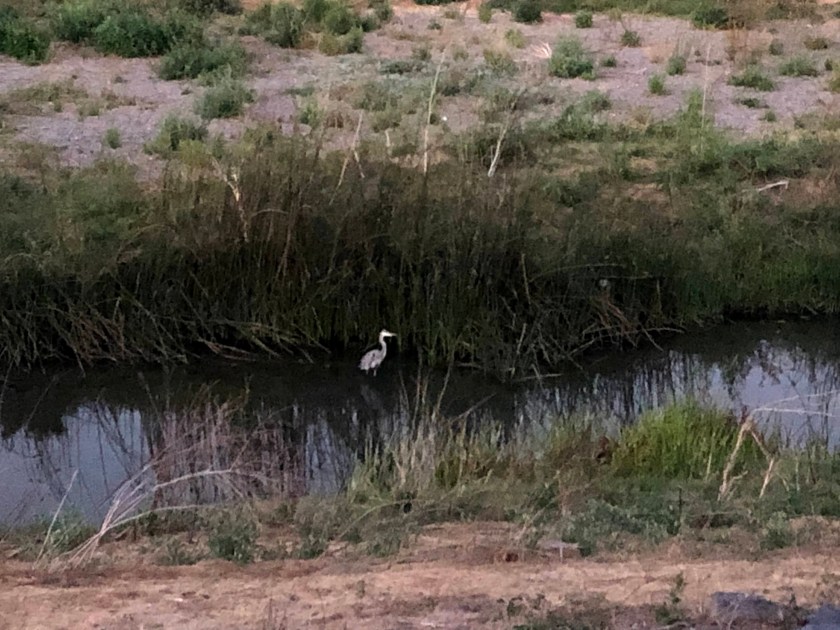
The moon has long fascinated all creatures I think. I take long walks by the river and lake in our hometown during the waxing moon season, and wonder about how the beautiful creatures of the land perceive it. The deer, coyotes, water-rats, pelicans, fish, manta-rays, octopi, geese, ravens and hawks. Do they notice and set their little rituals by it, or is it something human-beings rave over?

It wasn’t till the pandemic that I noticed the timing of the moon rising and setting. The waxing season giving us unexpectedly delightful glances of our lovely sole cosmic neighbor, while the waning cycle going for days without seeing our delightful companion. No wonder, songs have been written about, the magic of moon-drops milked by fantastical thinkers, and lovers for centuries gazing and strolling in the moonlight.

The next day, I was pointing to the pale gibbous moon that was visible between the towering buildings of Boston downtown. 

“Ma! Would you stop it with the moon? The moon comes everyday, and is the same!” Said the teenaged daughter, who despite (or may be because of) my nature-kookiness remains cautiously apathetic to it. Could have been Toni Morrison’s best pal the way she ignores the phenomenon. 

“How many ways can you describe the sky and the moon?” —Toni Morrison

The son, like me, though, raves and pulsates with the cosmos – the moon, stars and planets excite him to no end. The next day, the husband had a surprise in store for him. We had planned a day at the Boston Science Museum, but the crowning glory came with the planetarium show focusing on the Moons of the Solar System – Moons – Worlds of Mystery

The show was spectacular. Starting with our very own Moon, it goes on to explore the moons of Jupiter, Saturn, Mars and Pluto. How every planets close cosmic neighbors were formed to the exciting possibility that some of them could harbor life in its watery oceans, and icy surfaces, it was a show that appealed to his every being. If ever a being was made of stars, there he was! When the camera plunged into Enceladus and Titan, he quavered, and the seat shook.

The pair of us headed out after the show, subconsciously scanning the skies for the near full-moon over the Bostonian skies, while the daughter conceded the magic of the moon and its strange pull on us. If it was a tonic to us, then so be it.

Books:

  • The Girl Who Drank the Moon – By Kelly Barnhill
  • The Edge of the Sea – by Rachel Carson
  • Cosmos – shows by Neil DeGrasse Tyson & Carl Sagan

Am I Duck?

The lakes shimmered in the early evening light, the rivers glistened in the beautiful spirit of Kawaakari (River glistening in the setting rays of the sun, or the moonlight) and I was trying to get the children to come on a marvelous trail for a bike ride. But the children would have none of that. They wanted ice-cream and no physical exertion.

“Aww…come on kids! It’ll be fun – we can do that!” I said in my sing-song child-like voice.  

“Amma! Stop that! You are doing that thing again where you think you are imitating us as kids, but actually you sound like Donald Duck!”

“Well in this case, y’all are like Scrooges, so …eh!” I said. Clever repartees when they do come need to be crystallized in sea-salt, dipped in coats of honey, and preserved in the Museum of Family Quips (The blog) I received an eye-roll for this one, but still.

“Okay…since you kids are not indulging me I am off on my walk. Maybe I’ll talk to the ducks, they might be more receptive…” I mumbled.

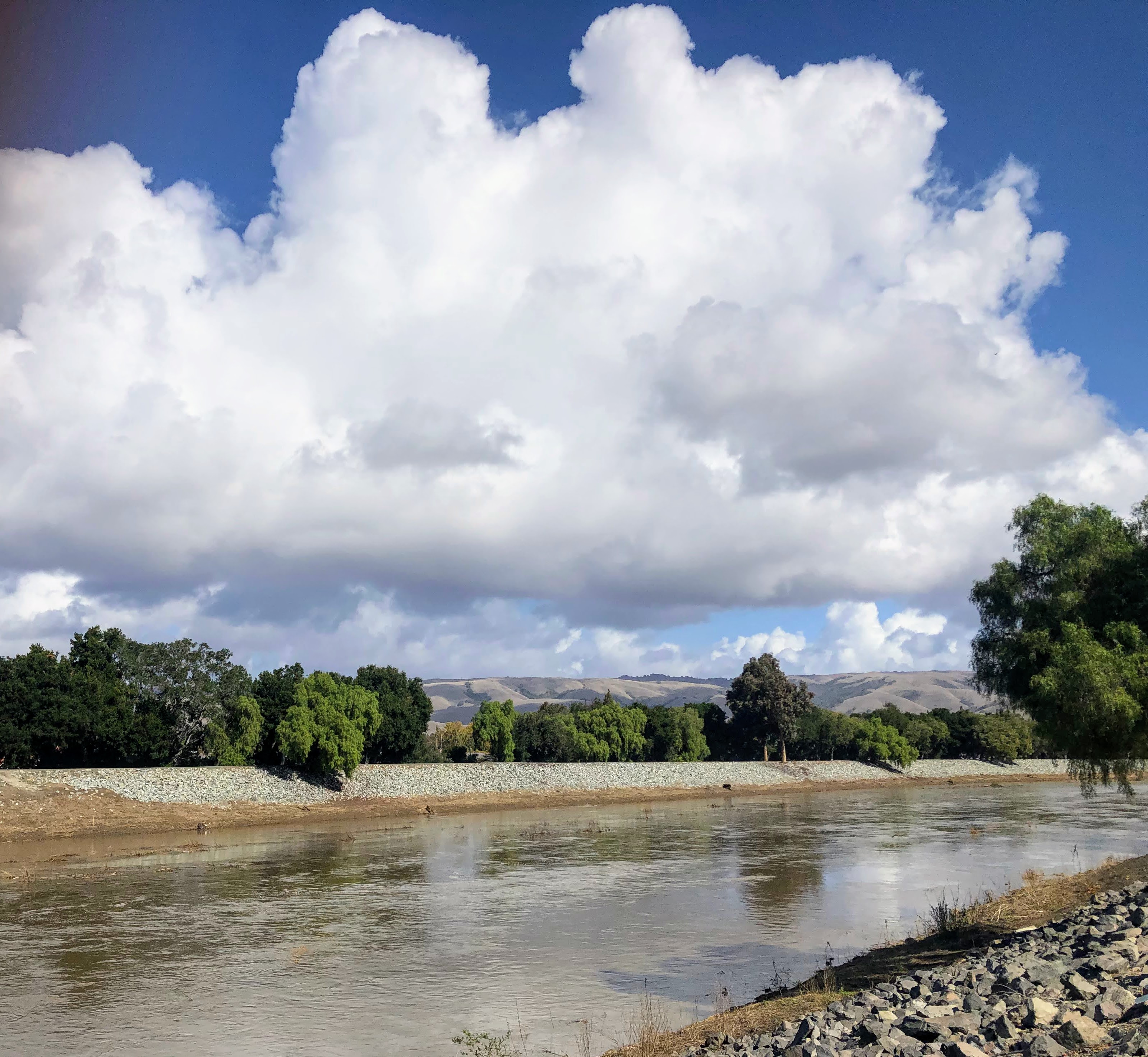
Off I went, swinging my hands and marching purposefully towards the trail by the river. There is something in the evening air that makes the world around us come alive. The crows were flying home, bluebirds swooped and swallows tittered, cats prowled, and I saw a large water rat slink into the river bed. The river was more like a stream just then, but this scene was life was welcome.

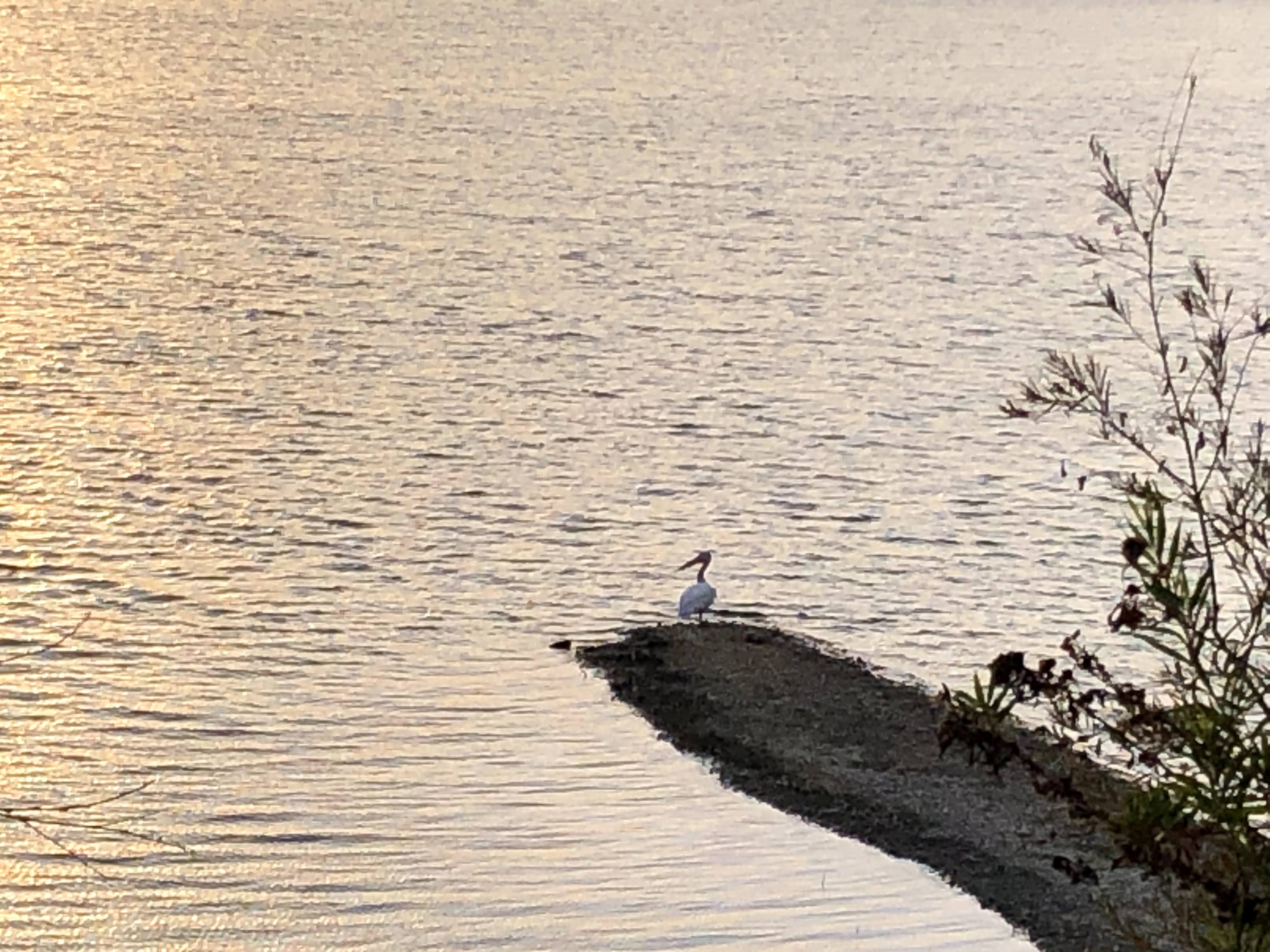
After some time, when clouds were flitting here and there, wondering how to place themselves just-so for the sunset, I sat myself down on a rock, watching a flock of ducks 🦆 (what are the flocks of ducks called? A chime of wrens, pod of pelicans? It turns out they are called a raft or paddling of ducks). The scene was a calm one. I was taking in the peaceful scene, feeling a sense of hope and a prayer bubble up inside.

 If I really wanted to pray I’ll tell you what I’d do. I’d go out into a great big field all alone or into the deep, deep, woods, and I’d look up into the sky–up–up–up–into that lovely blue sky that looks as if there was no end to its blueness. And then I’d just feel a prayer. 

Anne of Green Gables

I closed my eyes to send a vague prayer of sorts into the Universe. A prayer of hope, joy, unity, elevation, and what-not. I opened my eyes slowly and the whole paddling of ducks rose together in one coordinated flight. The grace, beauty and their obvious comfort with one another made let out a yelp of joy and I clapped at the scene.

I live in a suburban area, and am not always alone. I hadn’t noticed the family ambling along in the distance. They were closer to me now, and they gave me puzzled looks. I looked sheepish, but the joy of the ducks taking flight must’ve lit up my face, and they gave me cautious looks. I looked harmless enough, and was obviously caught up in the rapture of nature. Their children smiled, and joined me in clapping and cheering for the ducks. 

The ducks did not quite see the joy they had sparked off when they flew as one. If we are all happy together, do we exude the same joy to fellow bings? I wish we do.

I headed back and narrated this to the family.

“This! This is exactly why I said I wouldn’t go! People assume that we are like her when she does stuff like this!” Said the teenager to her father.

“Well – I am duck. Duck! Not cuckoo! Get it? Get it?” 

The moans of feeble laughter was worth that, and I quacked happily upstairs.