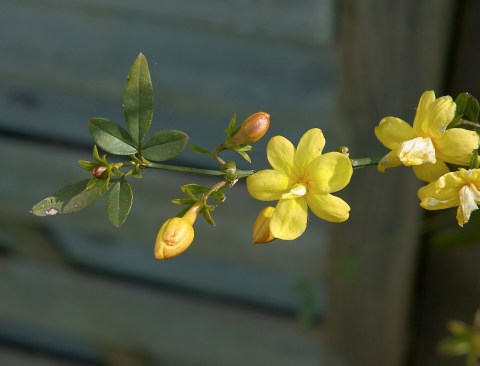
I gabbled on about the beautiful Kurinji flower over a distinctly sub-par dinner one night. Sometimes the rhythms of cooking are too frequent. “Do we really need to eat every few hours?!” I said drowning out the sound of “You haven’t cooked in 3 days!”
The children listened – one with ardent curiosity bursting with questions and the other cloaked in teenage blasé that belies the true interest behind the flowers. ( “Cool!” – only a little wag of the ear indicating possible interest).
“Can you believe the Kurinji blooms without alarms and clocks to set store by? Every 12 years like clockwork!”


The questions that followed were better than the answers:
- Do all of them bloom at the exact same time?
- What about plants that grew later, won’t they all flower at different times?
My answers are not answers that would have pleased Charles Darwin perhaps, but if he wanted to answer right, he should’ve been there, not let me field them is my stout reply to this.
Interesting aside:
The River of Consciousness by Oliver Sacks starts off with an essay on Darwin and the Meaning of Flowers.
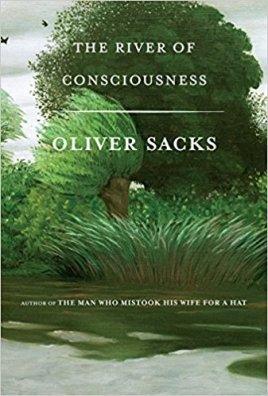
I could see why Darwin liked his flowers so much. This was long after his magnum opus, The Origin of Species, was completed. He actually spent the last decades of his life pottering about his green house, setting the children in his life to chart the course of the bees, studying orchids and their flowering patterns etc, and was therefore immensely better prepared than yours truly.
His joy was evident in his letters:
“You cannot conceive how the Orchids have delighted me .. What wonderful structures! … Happy man, he [who] has actually see rows of bees flying around Catasetum, with the pollinia sticking to their backs! .. I never was more interested in any subject in all my life than in this of Orchids.”
He went on to write the book with the fascinating title: On the Various Contrivances by Which British and Foreign Orchids Are Fertilized by Insects
Meanwhile, the kurinji flower was still blooming in the home: the river of questions on What Is Time flowed on:
What is Time when you are a flower?
What is Time when you are a squirrel?
The husband had a bemused and half-exasperated expression on his face, as he heard me talk about alarms, time and biological clocks. He watched me squirm and the urge to tut came to me. I knew what was going on in that optimistic mind of his. He hopes I will have the sense of a Kurinji flower someday.
I feel bad for the old boy.
The thing is, I set beautiful poetic alarms, replete with soothing ringtones to go with it, place them on his side of the bed, and then proceed to sleep like a blessed bear in the winter.
If we need to get up at 6 a.m., I set the alarm for 5:30 a.m. thereby allowing me to snooze a few times, and then go back to dozing the doze of the blessed. It is marvelous to get that snooze time, and some of my best snoozes are at this time. This vague time of day between wakeful consciousness and blissful unconsciousness.
If everything in the universe follows a pattern, how do we determine what ours is, without the aid of all our poetic alarms? There is a beauty to seeing the natural things around us, for they soothe us in ways quite unknown to our hectic way of life.
I was reading Village Diary by Miss Read for the n-th time (like a flower knows when to bloom, I know when it is time for a Miss Read re-read), and I admired yet again the simple way in which she had set a truth about humanity in her beautiful language.
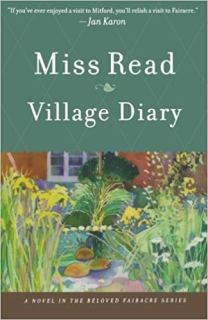
Quote:
As I ironed, I amused myself by watching a starling at the edge of the garden bed. He was busy detaching the petals from an anemone…
This short scene, I thought as I pressed handkerchiefs, is typical of the richness that surrounds the country dweller and which contributes to his well-being. As he works, he sees about him other ways of life being pursued at their tempo – not only animal life, but that of crops and trees, of flowers and insects – all set within the greater cycle of the four seasons. It has a therapeutic value, this awareness of myriad forms and varied pace of other lives.
So, maybe that is the secret to blooming like a flower. Set our patterns to the natural rhythms of the world around us rather than to the dictates of productive days.
“Hmm … when would you naturally feel like doing stuff? Like cooking! Just asking!” said the teen rolling those eyes of hers. The loud guffaws that accompanied this were appreciation enough for a chef.
I think I will take after that Kurinji flower after all.
Books:
- River of Consciousness – by Oliver Sacks
- Village Diary – by Miss Read
- Origin of Species – Darwin
- On the Various Contrivances by Which British and Foreign Orchids Are Fertilized by Insects – Charles Darwin
 Nourish-n-Cherish