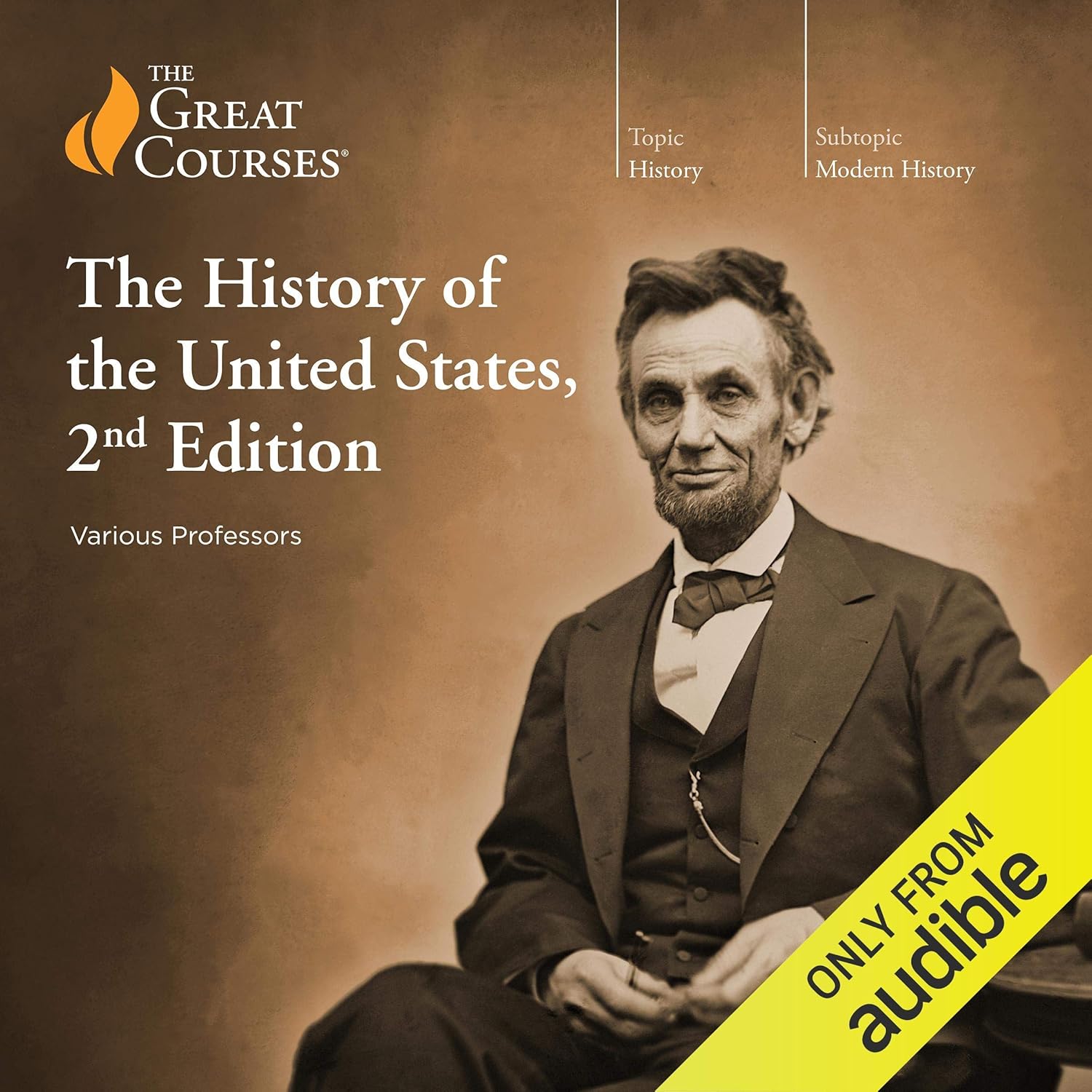
The History of the United States
I just finished listening to a Great Courses Lecture Series on American History. I loved the chapters where the American History audiobook lectures cross-referenced the historical narrative with developments in Art History. After all, art is a reflection of life, and life is an inspiration for art.
I am sure there are books and reams of material dealing with all of which I am about to write about. If you know of any good books or podcasts along these lines, please drop me a comment.
Romanticism (Early 1800’s)
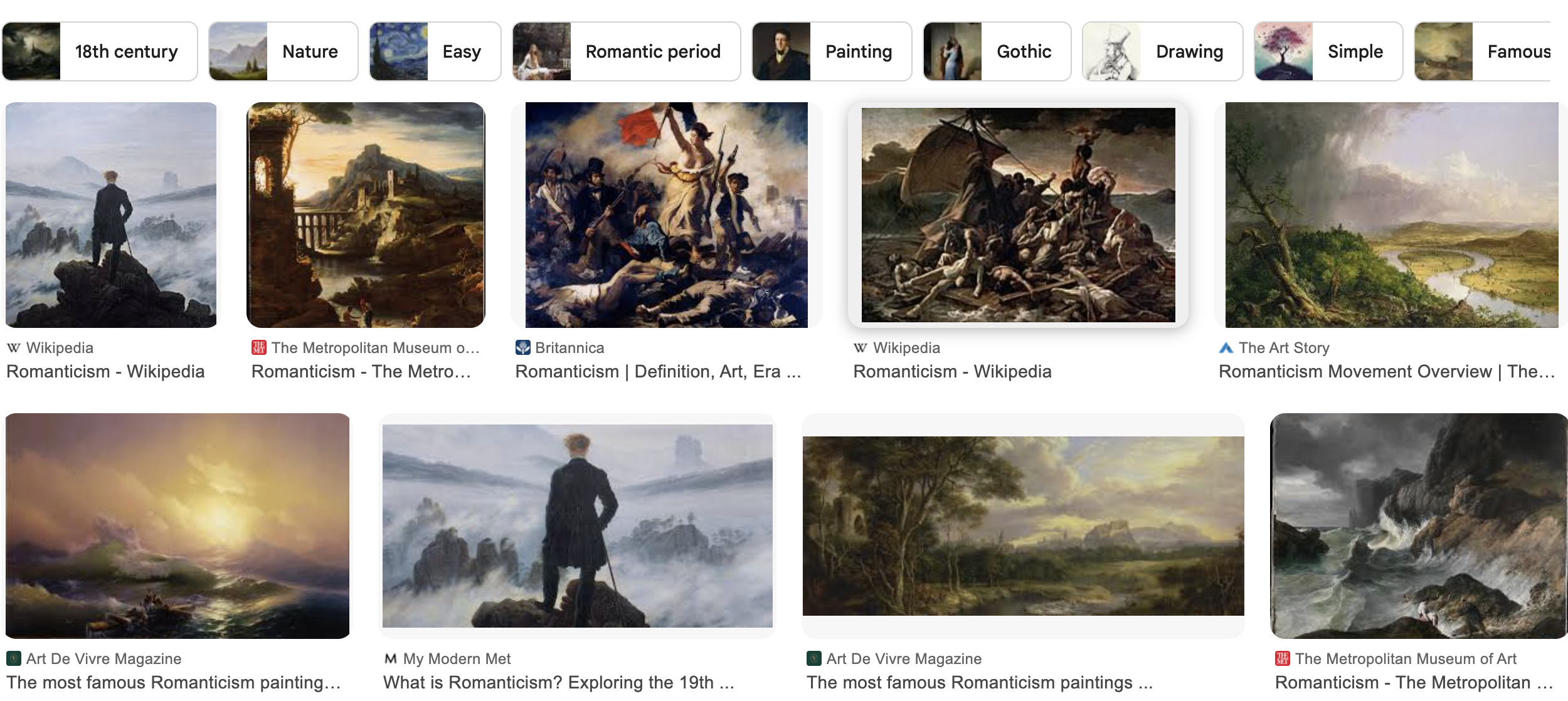
Romanticism in the early 1800’s from authors and poets like Walt Whitman and Ralph Waldo Emerson made their way into the American psyche with their hopeful and nature-oriented philosophy. The call for nature as a spiritual healer, a gentle reminder that life on Earth is bountiful even if sometimes hard. This was the time America was settling into itself as a fledgling nation – idealistic, ambitious, and prosperous.
The themes of art and literature spanned mystic nature, emotion, imagination, individuality, and inspiration.
American Renaissance (Late 1800’s – Post Civil War)
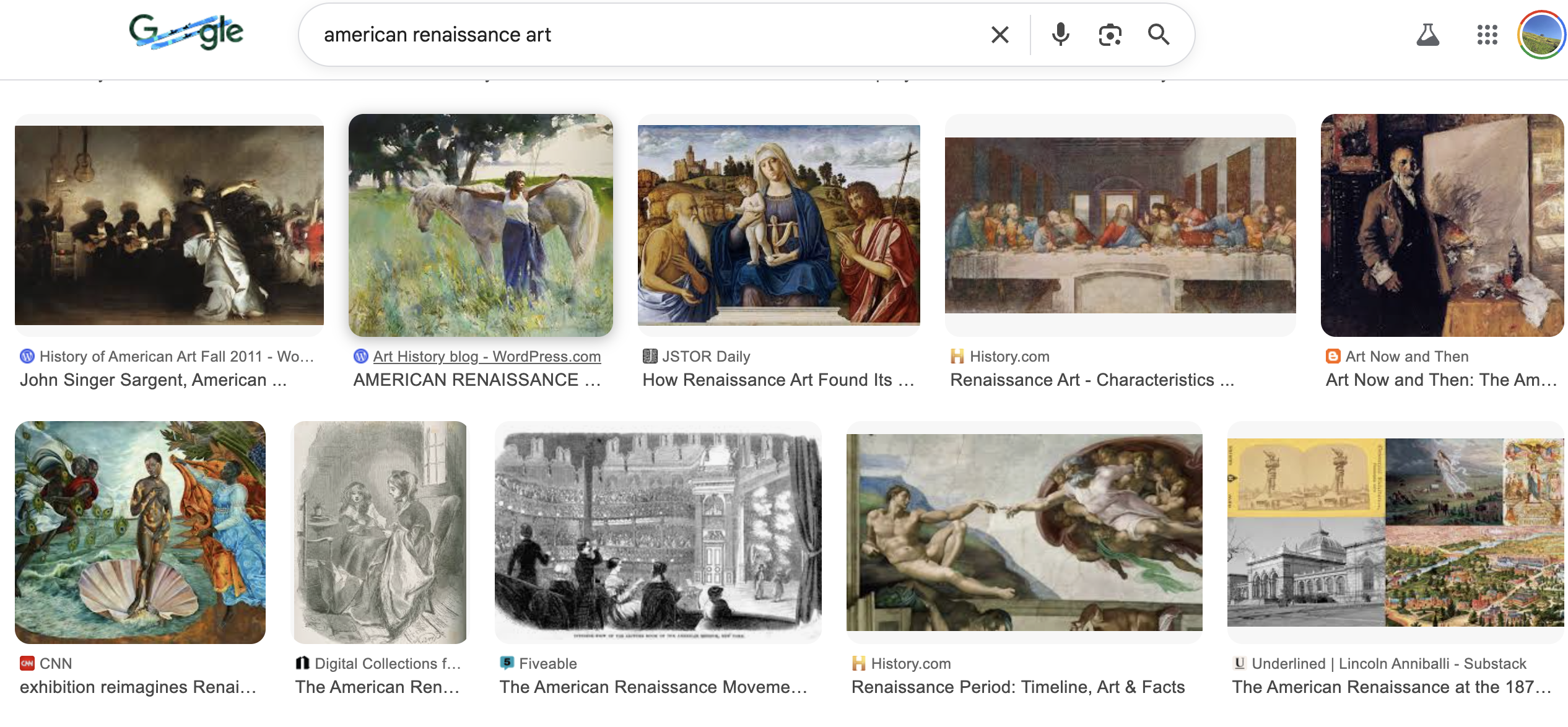
Then, in the mid-1800’s – after the Civil War and many losses on both sides, art and literature turned towards the American Renaissance. Nature was not the benign soother of souls anymore. It was the vast, terrifying force that could destroy. The darkness within. The ghost of reality underlying the dreams of the bright and hopeful. The likes of Edgar Allan Poe.
I thought to myself on a walk one day that maybe this was the growth that was necessary like the human teenage psyche needing to grow, deepen and mature. Knowing, becoming aware of the darkness, so we may shape our morality with knowledge. The post civil war was the Reconstruction Era. It was also a time of intense growth with populations migrating towards cities, industrialization replacing agricultural jobs etc.
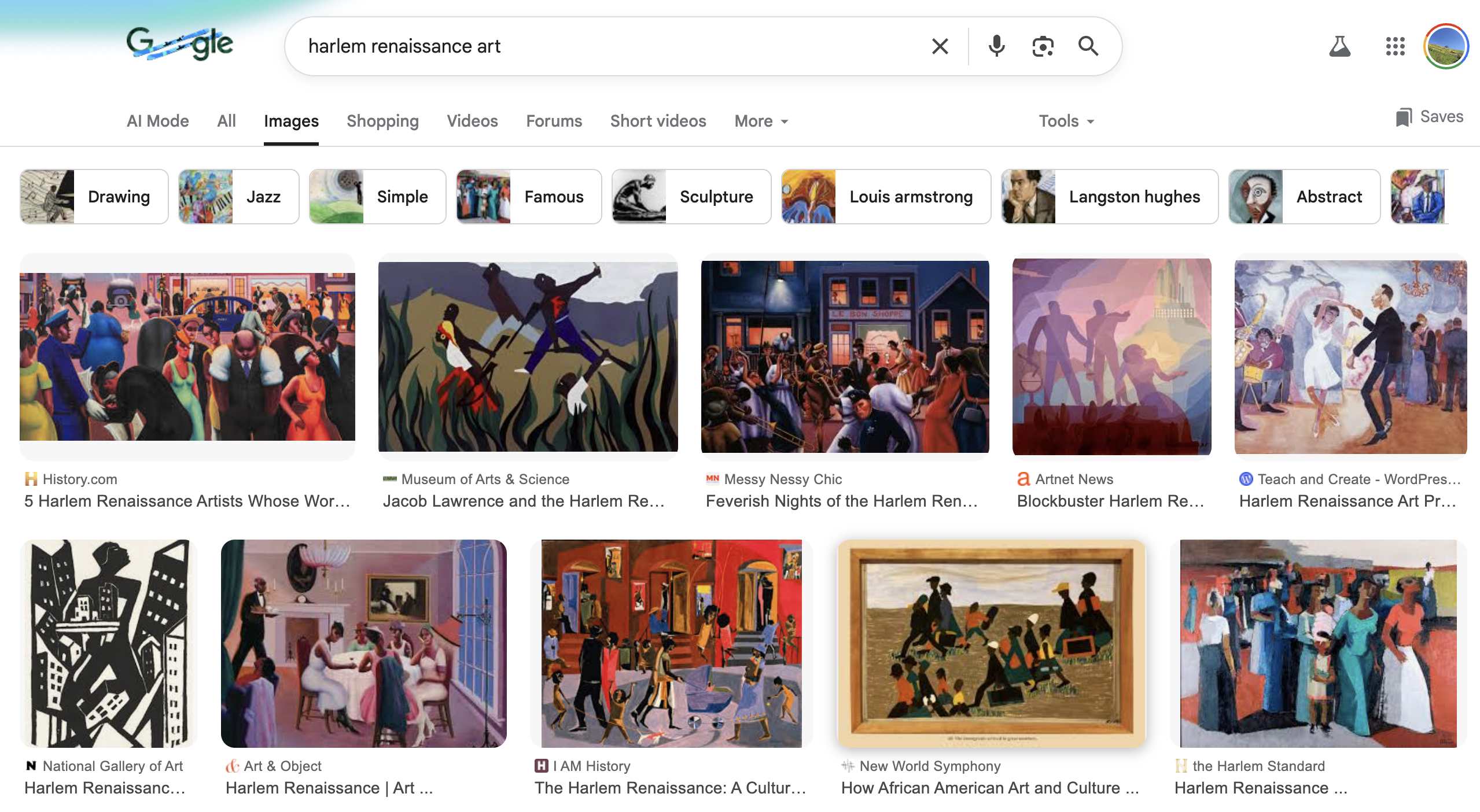
Harlem Renaissance (~1920’s)
This period was followed by the Harlem Renaissance in Art where the reality shaped by experiences of people took hold. Art and literature tried to take what was life and reclaim our meaning and dignity through our shared and lived realities. Great Gatsby by Scott Fitzgerald served as a cornerstone for what greed could like, while Harlem authors like Zora Neal Hurston gave us glimpses into the lives of Black communities in the rural South.
The early 1920’s also gave rise to the Jazz Age and changes from the classical art forms from the past.
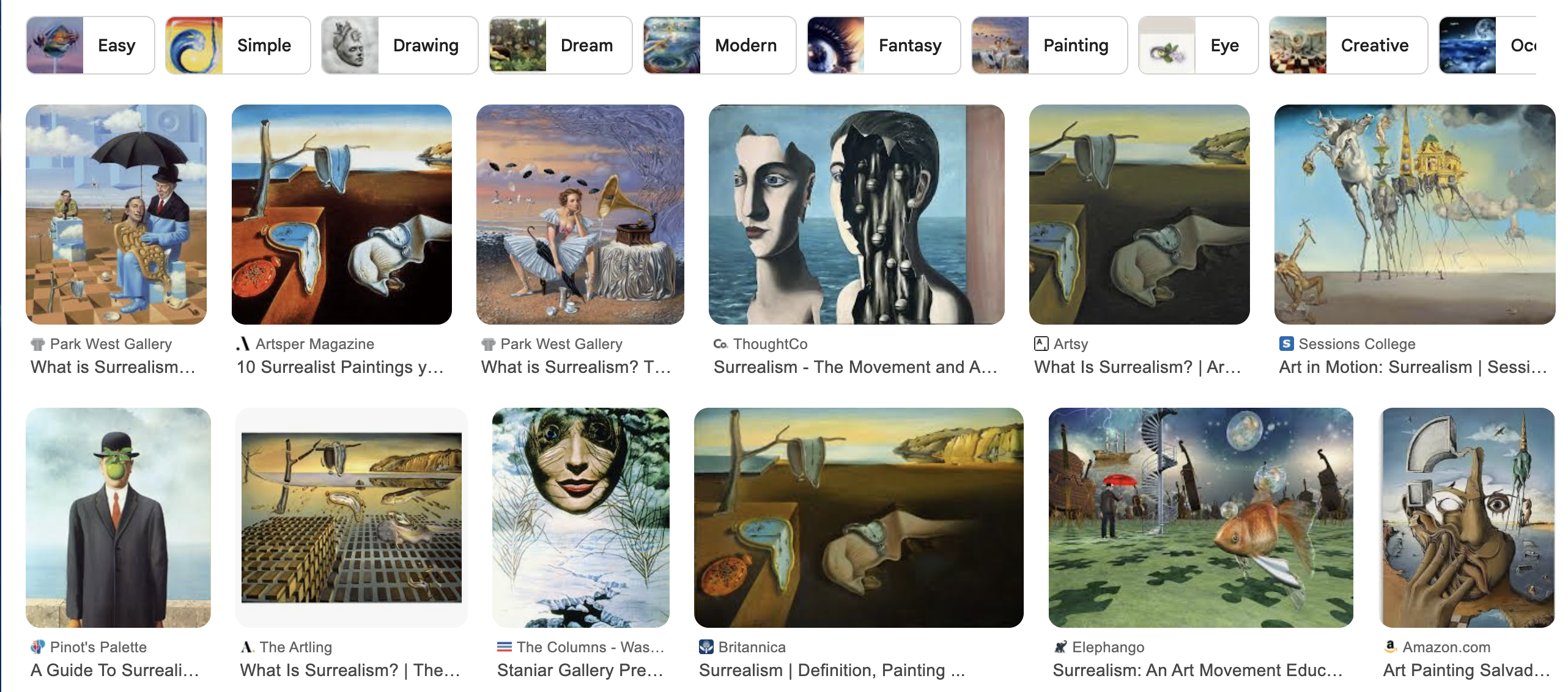
Surrealism (Post WW II – 1950’s)
After the intense periods of the two World Wars with a depression sandwiched in between, the populace seemed to be in need for some hope, and an escaping-reality kind of theme developed. Artists like Salvador Dali & Frido Kahlo dipped into the realm of dreams inspired by Sigmund Freud’s psychoanalysis. They gave to the public a taste of what it was like to bypass reason, and exist in a world of possibilities.
I thought it was one of those ways in which art could inspire life to be forward looking. After all, dreaming up what can be is just as crucial as depicting what-is, isn’t it?
The Journeys of Art & Humans
In some small way, it was like the progression of humans itself. We start off innocent, hopeful, trusting, and then become wary, cynical. From these experiences, is shaped a reality that is a sum of our experiences; and it either takes a determined person to evolve into the next version of themselves, or to fester in a pale imitation of what-was.
It is fascinating that Art itself can provide answers to our anthropological progression, isn’t it?
Please let me know what you think: Is the evolution of art as essential as evolution of life itself?
Once again, any pointers to books/podcasts/articles along these lines would be much appreciated.
Coming up soon: Art in the digital age – how do you think it will be classified and transformed?
 Nourish-n-Cherish