I was reading frantically the other night. I wanted to finish the book before the New Year. Earth’s History – 4.5 billion years in 8 short chapters by Andrew Knoll. I had galloped my way to the last chapter: Human Earth, when the eyelids lodged a formal protest, and refused to stay open.
![A Brief History of Earth: Four Billion Years in Eight Chapters by [Andrew H. Knoll]](https://m.media-amazon.com/images/I/513HRWZscVL.jpg)
So, I did the next best thing. First thing in the morning, I came downstairs reading. There wasn’t much chance of reading in the mornings with the general comings and goings of life in the nourish-n-cherish household. But I live in hope. I sipped my coffee for all of three sips reading about Human Earth when I detected a faint fracas among the humans in the household. Cautious pricking of the ears is no use in the house. The father-in-law is steadily losing his hearing, and the mother-in-law was yelling at him for something and wanted him to know it. All the fathers-in-law in the street heard it, and so did I.
I tried to read on, but before I knew it, I was called upon to act as referee. If one can shy away and gallop back to bed while sitting in the chair, that was me. Past performance seems to mean nothing. I mean if I were a batsman who has shown time and again that I didn’t know how to bat, would benign fortune keep giving me batting opportunities? Why then was I being called to referee a fight between them yet again? I had been given scathing reviews in the refereeing-department by both sides on every occasion in the past few weeks.
You see? Diplomacy doesn’t help. I find myself agreeing with both their points of view, much to their disgust, and annoy them both equally. Neither feels supported once I agree with the other, and I am given up as a bad job. They do seem to be united in this assessment of me, and I take that as a small victory in the peacekeeping operations. But beyond that, there is nothing I can claim to help with.
This was another day in the life of humans, and it seemed everyone was intent on huffing and puffing and blowing the house down.
Though, I am not directly involved in all of this (thank goodness!), I tried to look mildly interested. It turned out to be nothing (quite literally nothing as is mostly the case) I clutched the coffee cup and sipped like the gods downing ambrosia, till the well of coffee ran dry.
After some time, I declared I needed some fresh air and took myself off on a walk.
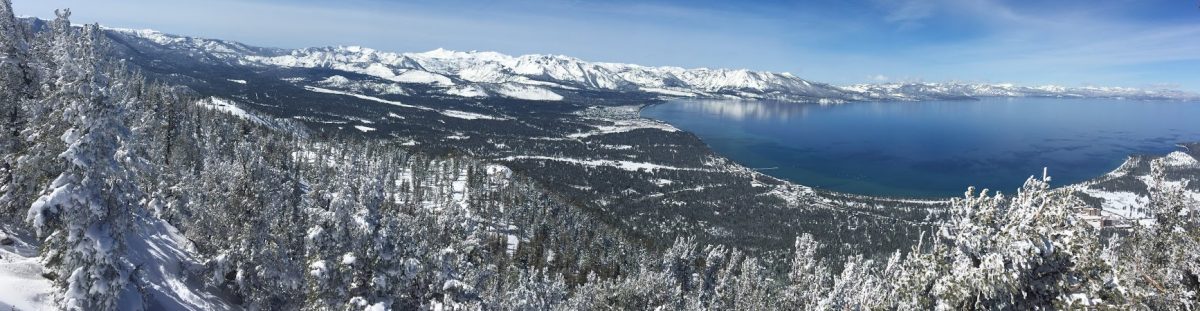
As I walked on beautiful Earth on that cold winter’s day, I felt a fresh appreciation for the planet. The book talks of Earth’s geological clues that helped us resurrect the planet’s early history. Theories as to when the planet was really formed, half lives determining the age of species and their evolution etc. Beautiful timelines explaining the australopithicus and when homo sapiens came aboard.

Illustration from A Brief History of Earth by Andrew Knoll
In 8 chapters, it explains many things that we know in different contexts, and ties them up to Earth’s history. Oxygen Earth, Biological Earth, Geological Earth, and finishes with the chapter on The Human Earth – which is to say our influence on the planet. The most recent impacts of the last two centuries, accelerating climate change, and so much more.
As I sat there on a rock, looking at the river waters flowing, and the ducks and geese gliding on the waters, eating when they wished, I cast the mind back to The History of the Earth. In 4.5 billion years, so much has happened. One can only make educated guesstimates of the lives of all the creatures that preceded us.
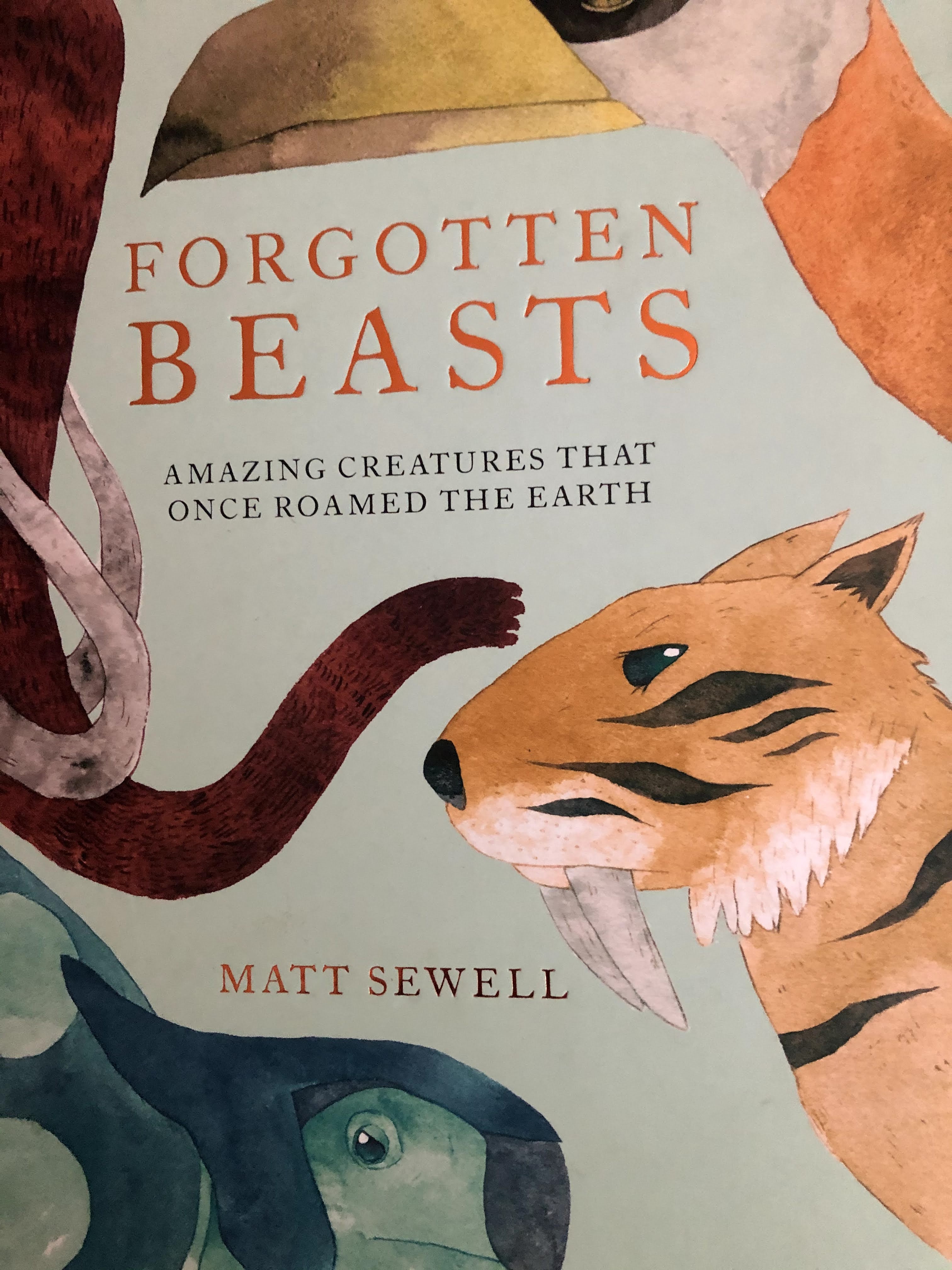
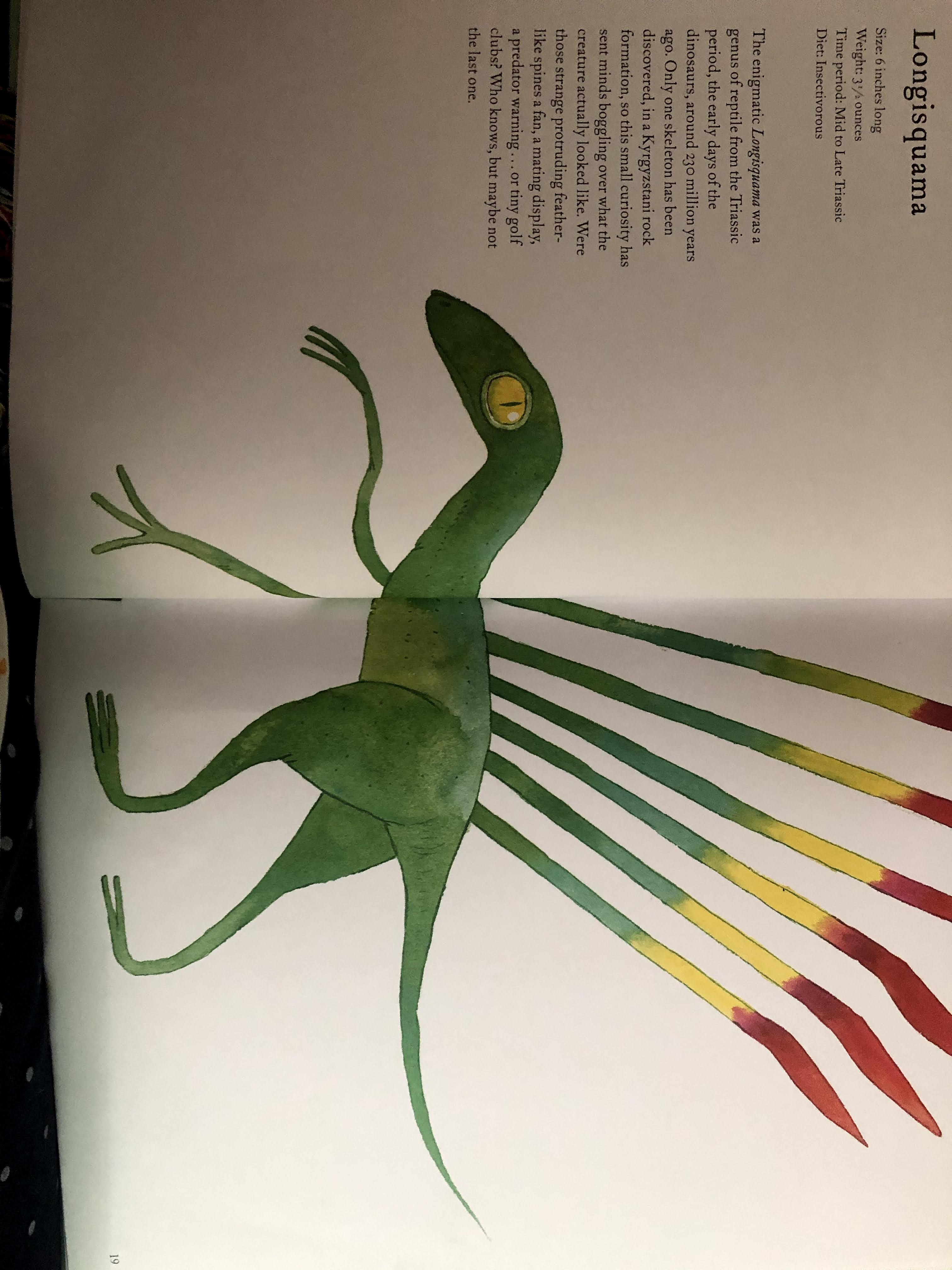
In the book, Forgotten Beasts by Matt Sewell, he uses his imagination and creativity based on the fossilized shapes of the bones found and tries to give us an image to work with. How were their eating habits, their social constructs? We don’t know.
In the book, Life in the Garden, by Penelope Lively, she makes interesting observations based on tree rings, to figure out the years in which the trees had to endure drought, and the years they had an abundance of rain.
But the human life? Short as it is on the timeline of some trees, it is minuscule on the timeline of the Earth.
Would future generations of neonids or whatever-name-they-give-themselves try to look back at 2020 and 2021 as Covid years? Would they reconstruct the social dilemmas, and habits of homosapiens? We seem to be leaving an outsize impact on the planet now, but how will it manifest hundreds of years from now?
I walked into the home, and found the parents-in-law diligently cutting the fruit of the banana tree. An arduous task, requiring immense patience, and concentration. The father-in-law was peeling the layers of the banana flower and extracting the seed within. The mother-in-law took these, and rubbed it against her palm to expose the edible pieces of the vegetable.

I watched them amused – working harmoniously, their morning spat forgotten, united in the making of the banana flower dish (vazhapoo paruppu usili) that would’ve stumped any species on Earth thus far.

![Birds, Beasts and Relatives (The Corfu Trilogy Book 2) by [Gerald Durrell]](https://m.media-amazon.com/images/I/516ga0ry8DL.jpg)
 Nourish-n-Cherish