
Finding Calm Amidst the Chaos of Life

May seemed to me an especially fast merry-go-round. The spinning was fun, the laughter for all those involved loud, and the merriment infectious. But as June came around, I had the feeling of being dizzy without the fun bits. The world still seemed to be spinning, but the merry-go-round had stopped. Life had resumed. Normal life had resumed, I mean. 

One rare afternoon, I sat trying to soak in the quiet of the evening, and felt strange. I usually relish these moments of solitude. I reached for my books, and found that the mind and body were racing far too much for quiet contemplation. Even though the book I had in my hand was a perfectly good one on Writing, exhorting me to pay attention to the following aspects of life (Attention, Wonder, Vision, Surprise, Play, Vulnerability,  Restlessness, Connection, Tenacity, Hope), I could not slow down enough to take it all in. 
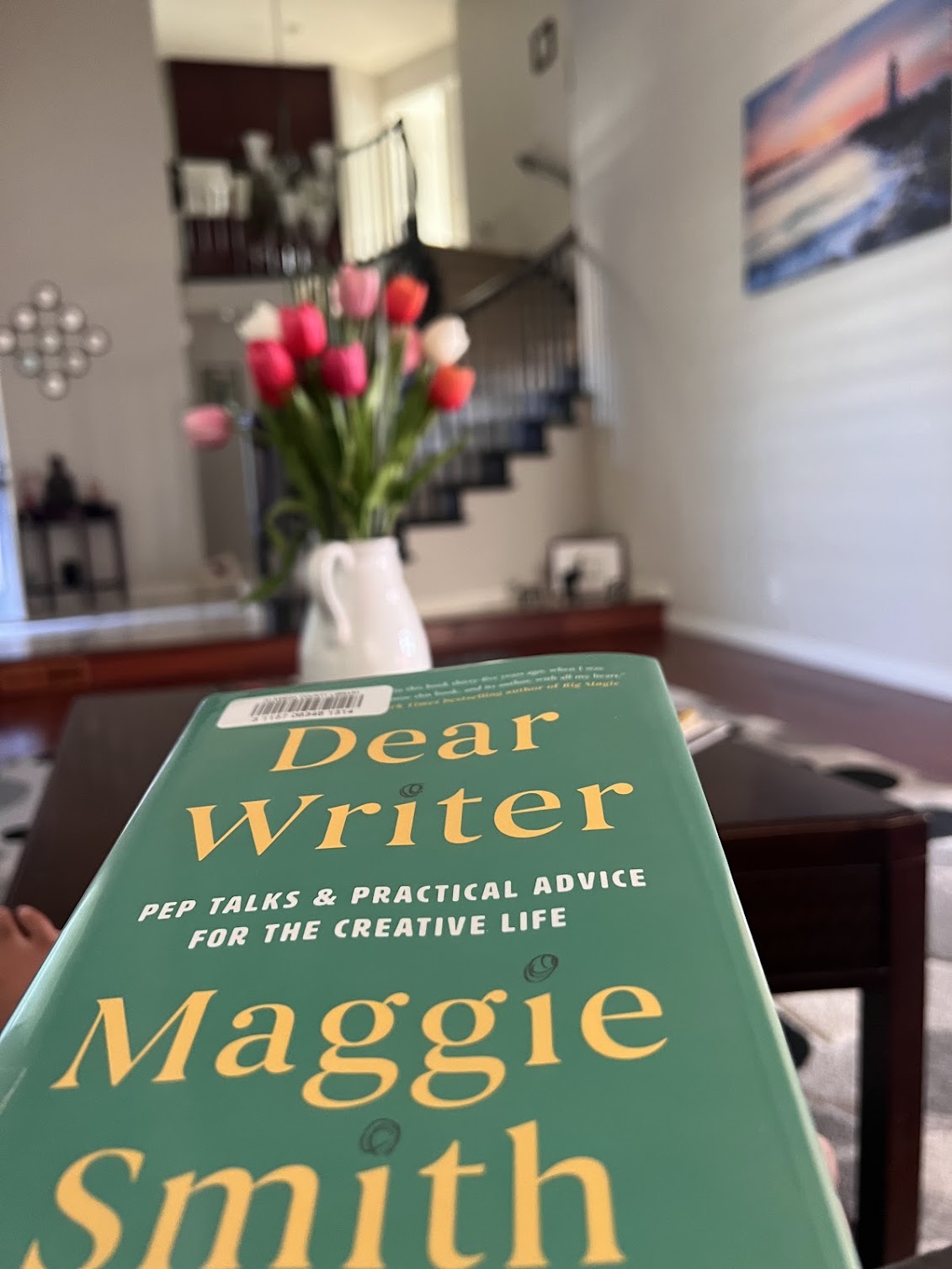
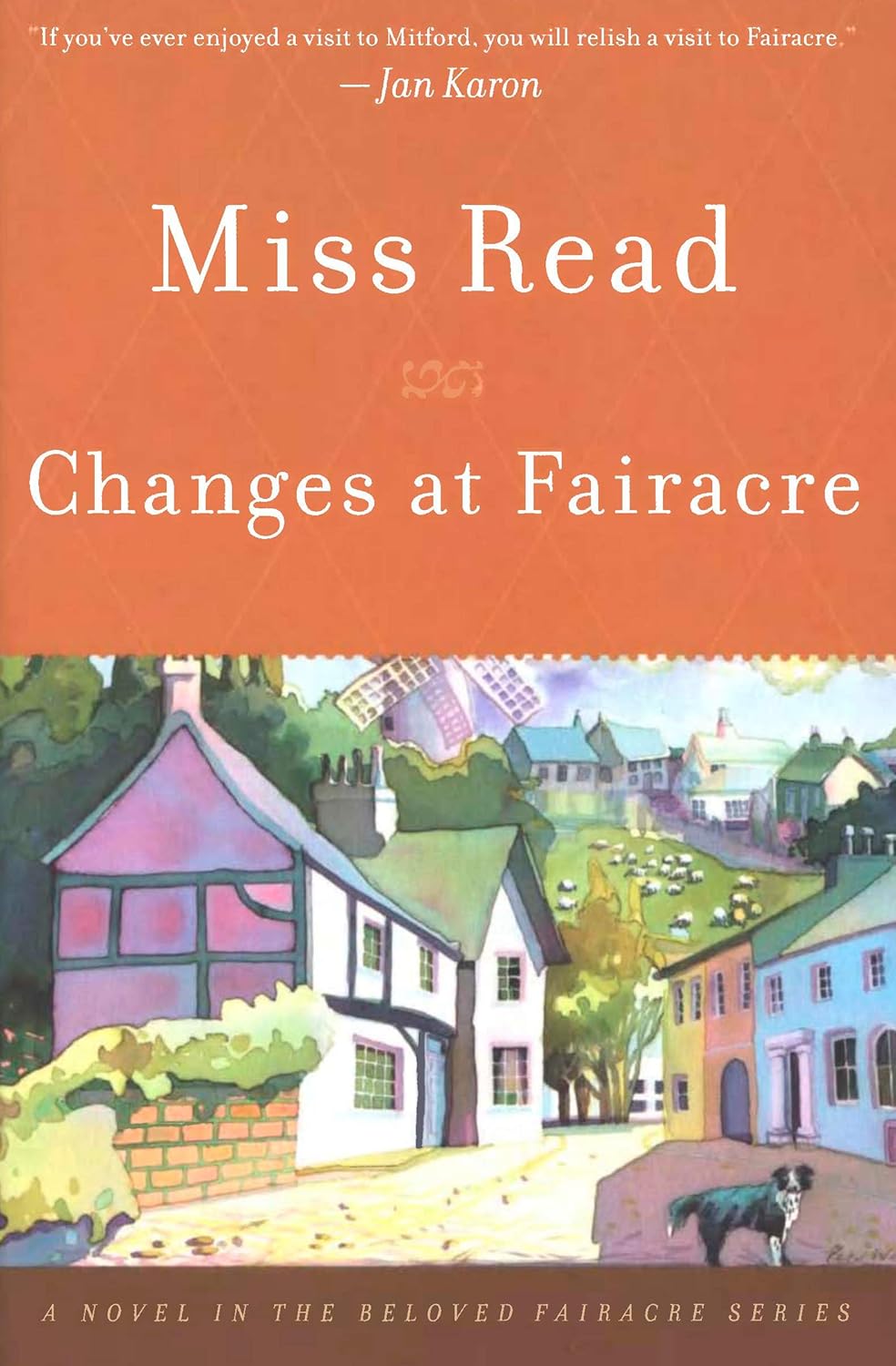
I gave in to the impulse of watching Instagram reels, and got a ridiculous song stuck in my head, I went into Facebook, and scrolled – joyless and felt more drained by the end of it. That is when I knew that what I needed to get back to a slower pace of activity was to reach for a tried-and-tested book: Changes in Fairacre – By Miss Read. I took a deep breath as I entered the village of Fairacre.

For some folks, music does the magic. The mother-in-law said she listened to Amaidhiyaana Nadhiyinilae Odum – a tamil song whose lyrics evokes the imagery of a smooth flowing river and all its associated imagery. I can see how that can be a calming influence on the senses. 

For Yours Truly, it was a Fairacre book, By Miss Read. The slow and endearing life a village school mistress leads, is therapeutic. Maybe it takes me back to the idyllic times of my own childhood – growing up in a small village community, where both my parents were school teachers. The imagery she evokes of the beautiful countryside makes you think of the maxim: 

Nature never hurries and yet accomplishes everything – Lao Tzu.
Nevertheless, that evening when my restless legs stepped out for a walk, I forced myself to slow down, to feel the breeze, to look at the rays of sunshine shining like little sparkling diamond strings through the evening air. The smell of sage and lavender crushed in my palms like a beautiful balm for the soul. 

It helped but it still took some time. For those of us who refuse to do the hard work of trying to still our senses and the world around us, the merry-go-round can keep going. That night I thought of Miss Read’s observations on modern children (her books were written a good 30 years ago, but it seems truer today than ever before) 

“What I do feel that the modern child lacks, when compared with the earlier generation, is concentration, and the sheer dogged grit to carry a long job through.”

Miss Read, Village Diary: A Novel

Truly chastened, I settled in with a mellow light throwing a comforting gleam on my bedside table, took a deep breath, and immersed myself as best as I could in village life. Sturdy, slow, and reassuring.
A Question of Time

The past week has been an interesting one in many ways. Emotions aside, what this meant in practical terms was that the nourish-n-cherish household ran on a clock. 

The map says it takes 45 minutes at peak traffic, but surprise of surprises, it took 62 minutes, neatly shaving off the buffer we had baked in for grabbing a snack. 

At 10:45, we would have to be there at Y parking garage so that we could get to X building at 11:00.

At 4:45, the flight leaves from Airport Here. That means, the time at Airport There would be x-12.5, but there is x+7.5 stop-over in between.

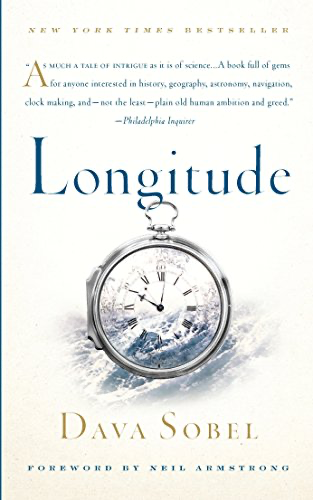
By pure chance during this time of frenzy, I had with me a slim book, Longitude – The True Story of a Lone Genius Who Solved the Greatest Scientific Problem of His Time by Dave Sobel.

It made for an interesting read on how we managed to get time down to a science. Dava Sobel creates an excellent narrative around the problem of Time and Maritime navigation.

“Time is to clock as mind is to brain. The clock or watch somehow contains the time. And yet time refuses to be bottled up like a genie stuffed in a lamp. Whether it flows as sand or turns on wheels within wheels, time escapes irretrievably, while we watch. Even when the bulbs of the hourglass shatter, when darkness withholds the shadow from the sundial, when the mainspring winds down so far that the clock hands hold still as death, time itself keeps on.”

Longitude by Dave Sobel 

While many astronomers tried to solve the mystery of keeping time using the astronomical events in the sky such as mapping Jupiter’s moons and their eclipses etc, one man, John Harrison set about solving the problem mechanically with a superior clock design. Clocks of the fifteenth and sixteenth century lost time because their pendulums lost their swing with the swaying of the ships, the internal mechanics rusted with the moisture at sea, and numerous other problems.

Reading about Time and how difficult it must have been to measure, has always fascinated the son & myself.

I suppose Time has become such a cornerstone of our existence that it makes for a refreshing read to hark back to the times when time was an indicator and not as much of a martinet as it is in our over-scheduled lives today.

I was reading Mrs Pringle of Fairacre by Miss Read – every time when life demands a slowing down and it is physically hard to do so, a dip into the lovely village green of Thrush Green or Fairacre does the trick. In the Fairacre books, Mrs  Pringle is the competent school cleaner who is also a bit of a virago. Her scatter-brained niece Minnie Pringle is often featured – incompetent and maddening as she is, she helps(or hinders) Miss Read out now and then. In this snippet, Miss Read learns that Minnie Pringle, a mother of 3 and stepmother to 5 young children, never really learnt to look at the clock and read the time.

Mrs Pringle of Fairacre: About Minnie Pringle 

I had not really taken in the fact that she could not tell the time

‘Well, I never sort of mastered the clock”, she said vaguely, implying that were a great many other things which she had mastered in her time.

‘But how do you manage?’ I enquired, genuinely interested.

“I looks out for the Caxley’, she replied. ‘It gets to the church about the hour.’ (The Caxley is the local bus)

‘But not every hour.” I pointed out.

‘Yes…but there is also the church bell.’

‘It still seems rather hit and miss,’ I said.

Mrs Pringle – By Miss Read

When I read the above snippet, I threw my head back and laughed. Almost subconsciously, I glanced at the various apps on my smartphone to remind me about the day : there were calendars synced with my meeting schedules, alarms to remind me of certain events and classes for the children, timers to help the rice cooker turn itself off, the world clock app to let me know when it is okay to call my friends in the different corners of the globe. 

Maybe John Harrison (The man who came up with the design of a clock that could hold time during maritime vagaries such as storms and tidal waves without rusting or losing momentum in the sixteenth century) did not quite anticipate the extent to which the world would adhere to Time, but it is refreshing to think of a few people who are not ruled by the ticking of the clock.

Maybe we should have Do-Nothing Days in which neither the phones, nor the passing of time intrude. It will be a refreshing change for sure.

Note: The obsession with Time is called Chronomania and those who live in perpetual fear of time ticking, time passing have Chronophobia.