Literary Inspirations from Nature

Amazonian Strength

It was a somewhat tumultuous setting to wake up to. I had just crossed the Amazon river on a bike. Did you know pedaling through water looks easier than it feels? Especially, when the waters are flowing west-east, and you’re biking north-south. 

But still, it was beautiful to bike across a wide, deep river. Water is so soothing, isn’t it? Feels like floating – only every now and then, your ankles get wet. I think I rather enjoyed the ride after a full 3 days of council meetings with the Queen. Have you been to any of these? Turns out, they aren’t as fun and impressive as they seem. But that is corporate err… royal life for you I suppose. The nitty-gritty – the treaties, the documents and the hundred disagreements that arise between 35 council members is truly draining. While I was happy to say my good-byes and head across the river, I wasn’t quite ready for what lay for me on the other side.  

Scene cut. 

Retake River-biking scene.

The aerial view of my biking across the Amazon river is cool. Was Wonder Woman an Amazonian woman? 

Cut. Cut. Cut.

“You’ll be late – time to get up!”

I moaned into my pillow displaying the kind of weakness for sleep that Amazonian strong women most certainly did not according to the myths. I got out of the bed though as a good citizen must.  

Still, I felt a little unsettled – aerial surveys, biking across rivers, social council meetings and strange amazonian men pointing me to a different boat (That was the last part of the dream – not important) – can do that. I decided a short walk around the neighborhood was all the time I had before my day started. 

The Heron on the Roof

So I legged it. Trying to listen to the grounding sound of chirping birds, and taking in huge gulps of the fresh morning air. Did I tell you how bright it was for a February morning? Well, it was.

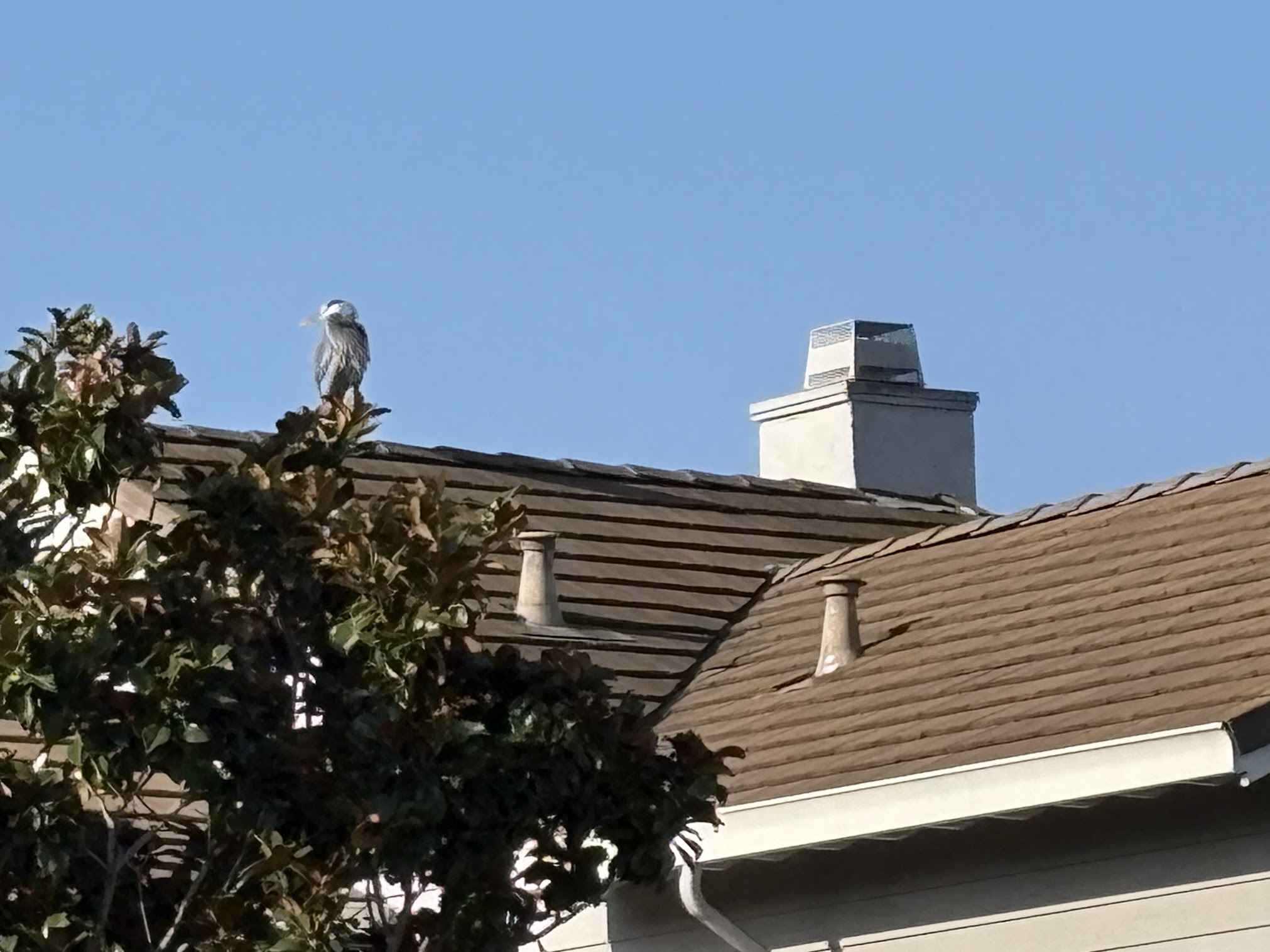
Anyway, I was tripping along, when I saw the strangest sight. A blue heron: perched on a rooftop in the middle of our housing community. I love watching herons and cranes as regular readers of my blog know. Watching them seems to settle a certain restlessness in my soul. 

Watching the grey heron on a grey house’s rooftop after a tumultuous morning, I felt a new respect for the bird that lives this reality with ease and calm. Aerial surveys – wasn’t that what it was doing just then? Wading through the river waters? They love it and they excel at it. Watching the waters sanguinely from near the shore – again, their specialty.
Literary Inspirations

As I watched the heron, an unrelated nugget of information rose – it has been a while since I had read Kelly Barnhill’s book, The Crane Husband. In an interview, she went on to say that the story had come to her one day  after seeing a crane sit still on a rooftop. 

We see plenty of birds perched anywhere and everywhere all the time. But there is something incongruous about a heron or a crane perched on a rooftop (not in the middle of some fields) , but in a suburban locality, that stirs the imagination. At that moment, I could understand the author’s inspiration for the book.
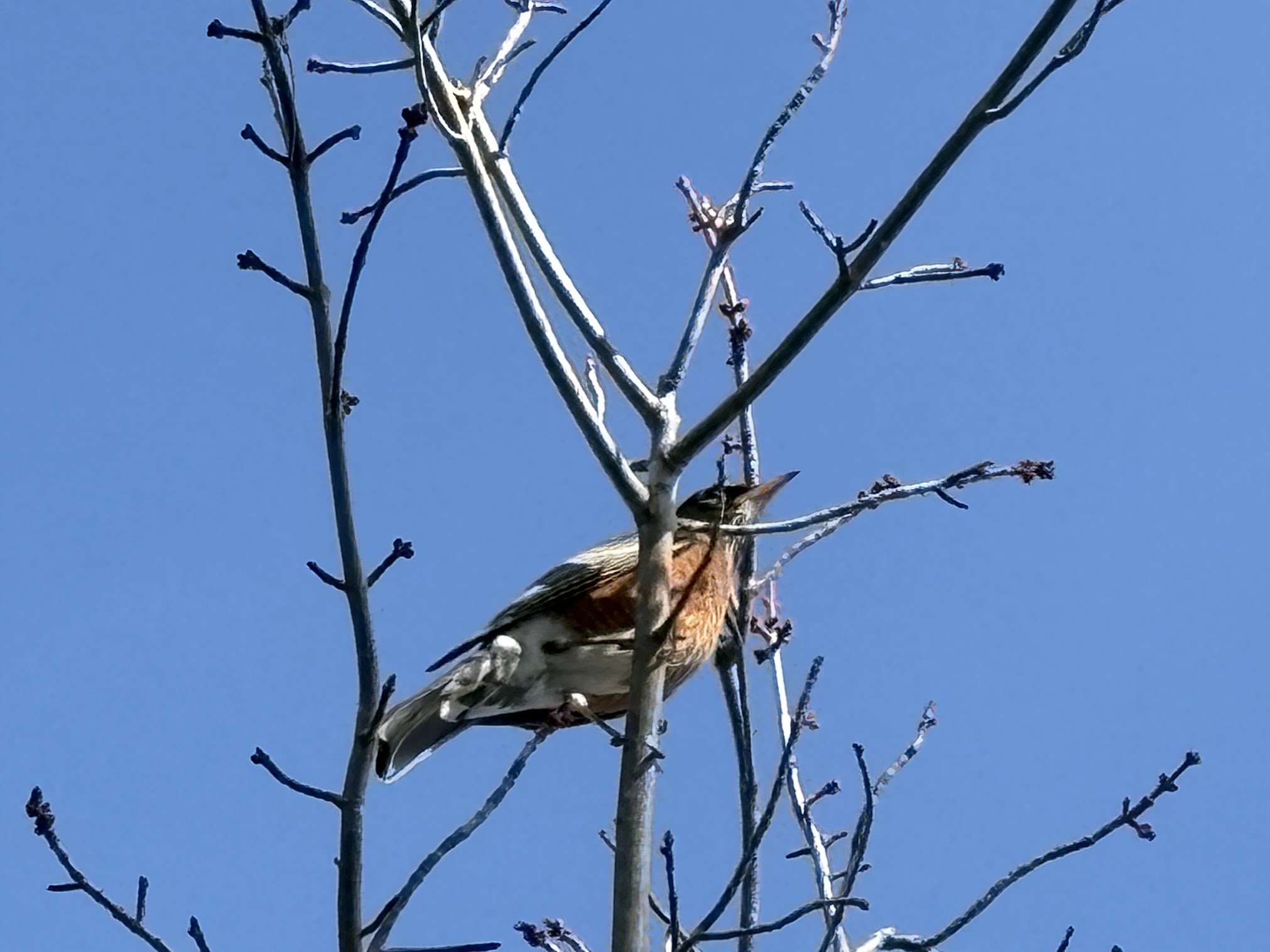
I stopped to take in the beautiful ringing sounds of a winter robin on a bare tree, and headed back feeling far more settled than when I set out. The heron had done it again. Patience, stillness, sun-bathing, rivers – all in a day’s game after all.
On Writing

It is always fascinating to understand the process behind the craft. To everyone, the process is different, the resulting work is different, and maybe that is why everyone’s voice and stories are different. Though some things seem to be common enough: curiosity and observing people.

Haruki Murakami in his musings, Novelist as a Vocation, writes about his mental chest of drawers – a place in which he places relevant and irrelevant information to be extracted when he is writing a novel. Some of the remaining ideas are used in his essays he says but the rest are there for the taking.

The truth is that none of us can imagine the beautiful fierce power of our own imagination. Where will it take us, or what it can do for us if we wrestle with it long enough? Few of us get to find out and fewer get it out into the world. How are some authors able to create the Harry Potter universe, others write books that evoke such deep rooted emotions such as The Crane Husband? 

I was fascinated to read that  the idea struck the author of Crane Husband, Kelly Barnhill, when she saw a crane land on a rooftop while she was driving through the countryside from somewhere to somewhere. What an evocative inspiration? 

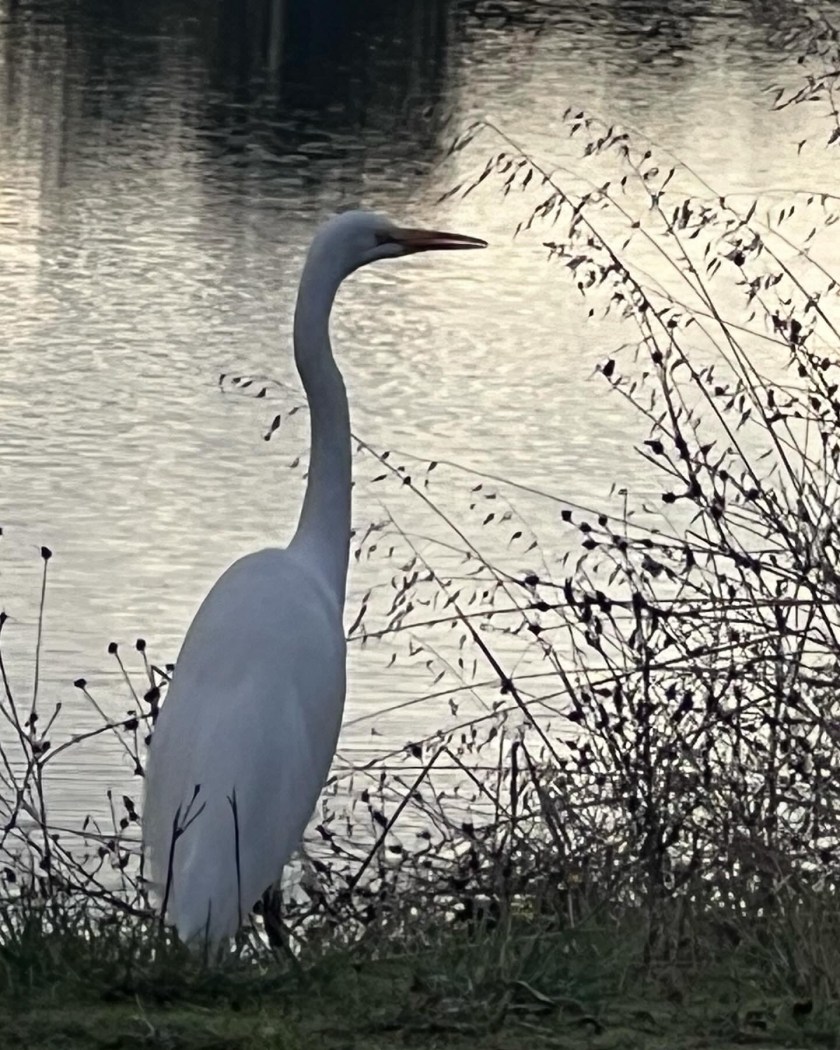
I remember thinking of the book, every time I spotted a crane by the riverbank. The raw sadness of the tale stayed with me for days afterward.

cd3693d5-3eaa-4d3b-ab97-d7c865de8707

Such inspirations are not unheard of. A few days ago I read a folk tale about the Crane Wife, in the book,

Beneath the Moon, Tales, Myths, and Divine Stories From Around the World by Yoshitani, Yoshi

All of us have  a mental chest of drawers and some of us rely on it more than others, but those memories shape and define us in ways we do not realize. 

Murakami writes about his journey and how he stumbled upon the conviction that he wanted more than anything else to be a novelist at the age of 29. His journey was not one of writing obsessively throughout his childhood, but of simply deciding one day to become a writer.

He writes about how his formative years were fairly trauma free apart from a stint in college where there seems to have been unrest among the student community. He writes:

“I have never been comfortable in groups or in any kind of collective action with others, so I didn’t become a member of any student groups, but I did support the movement in a general sort of way.”

But as time went on, he realized that:

“Something criminally wrong had wormed its way into the movement. The positive power of imagination had been lost. I felt this strongly. As a result when the storm passed, we were left with the bitter taste of disappointment. Uplifting slogans and beautiful messages might stir the soul, but if they weren’t accompanied by moral power they amounted to no more than a litany of empty words,

Words have power.

Yet that power must be rooted in truth and justice. Words must never stand apart from these principles.”

It was perhaps this realization that led him to lose faith in the movement and turn towards writing as a career when the epiphany hit him one day while watching a baseball game that he might be a novelist yet. 

I am sure a conviction as deep as that would find its way into his writing and if there are specific examples or suggestions of books regarding these, please let me know.

I remember a discussion in which it was mentioned that ‘You need war or love if you need a complete series.’

While that is true, the pursuit of truth, peace, justice, the power of words all seem to be good enough inspirations too.

Books:

  • Novelist as a Vocation – By Haruki Murakami
  • The Crane Husband – By Kelly Barnhill
  • Beneath the Moon – Fairy Tales, Myths and Divine Stories from Around the World – By Yoshi Yoshitani