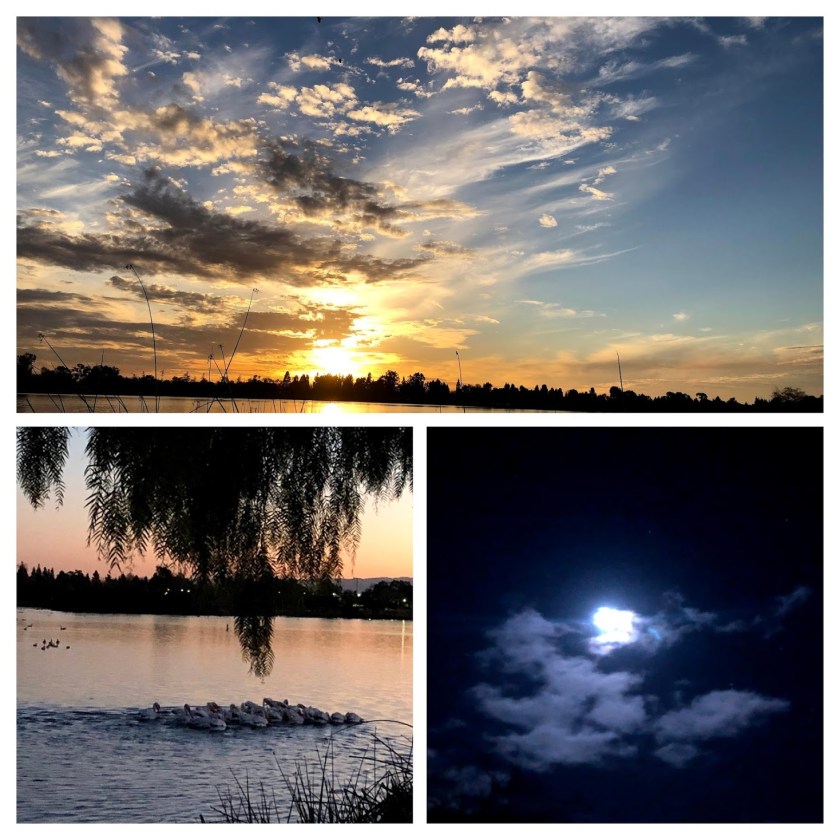
Clouds & Rain

Rain Rain Go Away

Come Again An-other Day

The son was plucking away at the notes on the keyboard. I recognized the nursery rhyme and said, Let’s sing it as :

“Rain Rain Come Again

We have had none To-day”

He gave me a quizzical look, and started laughing. “Is this your words have meaning thing-y?”

“Well…yes! I mean everyday the forecast starts out as 100% rain, and then by the time the day rolls over, it is down 80% and then 40%, and then a tiny squirt like the clouds are having unitary tract issues. “ I said. 

Once their guffaws subsided, I sang along 

“Rain Rain Come Ag-ain 

We have had none To-day”.

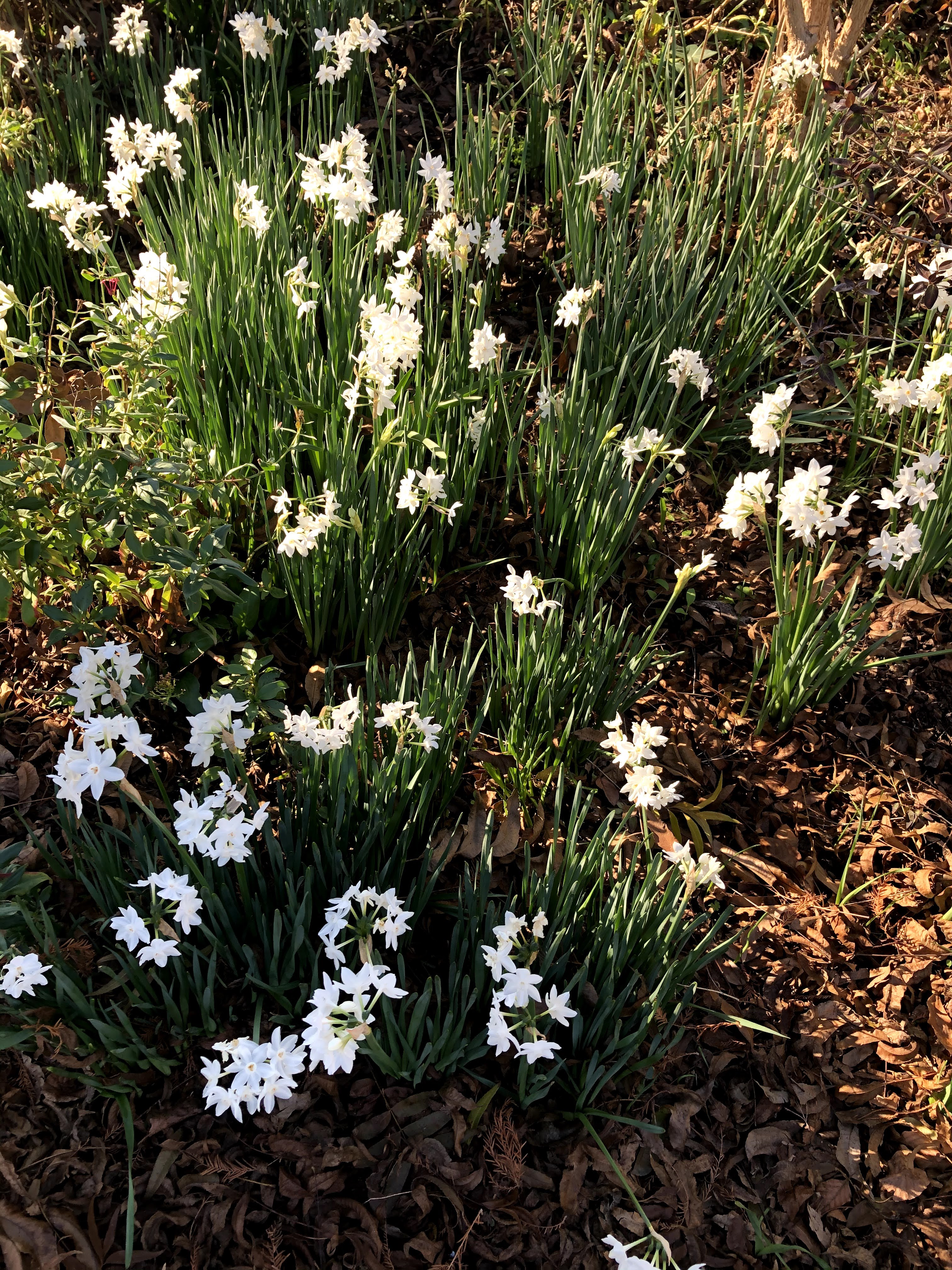
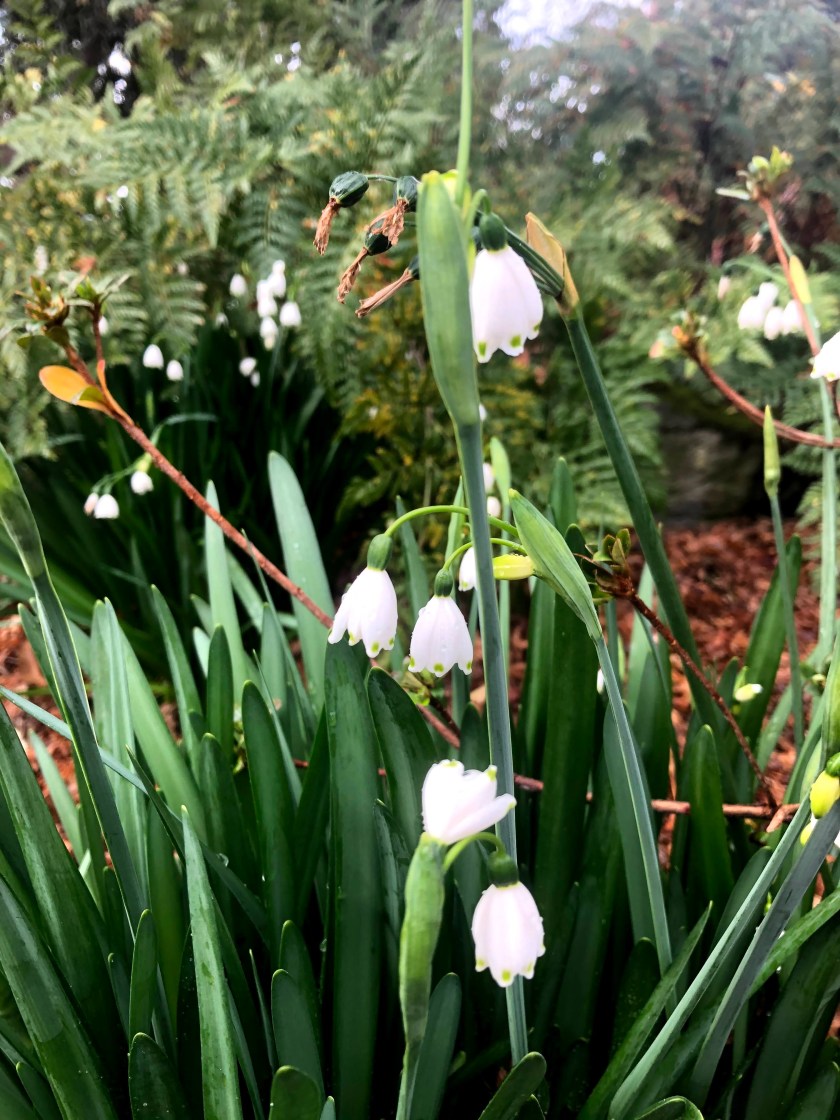
I pondered about the garden-beds knowing that they should be bursting forth with clovers right about now, and the daughter would tell me not go about removing them, as they are so pretty. I mock-sigh, but enjoy this exchange every year all the same. I love the clovers too. The three-headed beauties remind me of the resilience of life, and the sweet and sour nature of life itself. When all the world is waiting for a spring, the snowdrops and clovers are the only ones brave enough to poke their head out and take into that leap of life.
img_1162

I am so glad to say that the first proper rains of the season descended on us this week. The sounds of the rain provided a beautiful back-drop as we went about our days. At nights, I relished the sounds of the gentle pattering rain, and the smooth whishing of the trees in the backyard. 

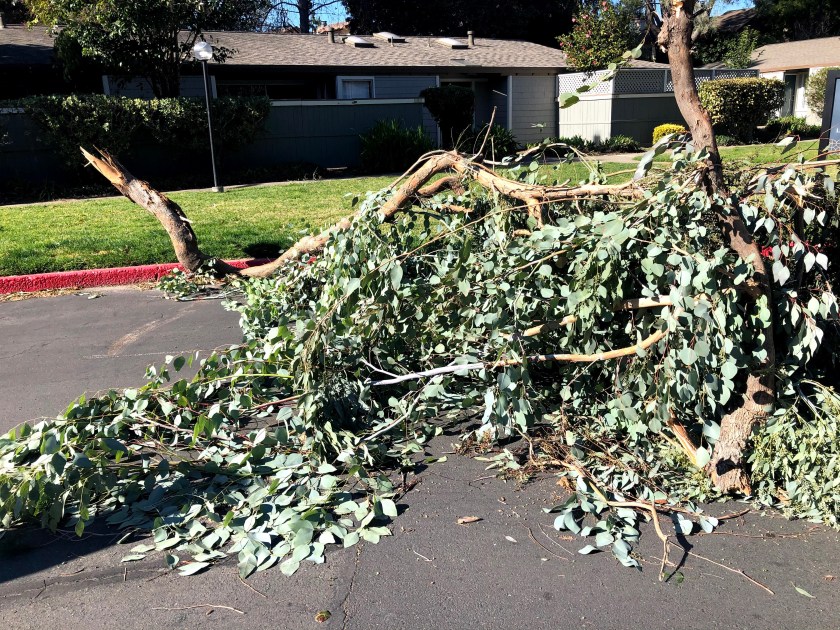
How beautiful gentle-ness is and how different from the gale-force winds that had ripped branches off a few days earlier? 
img_1149

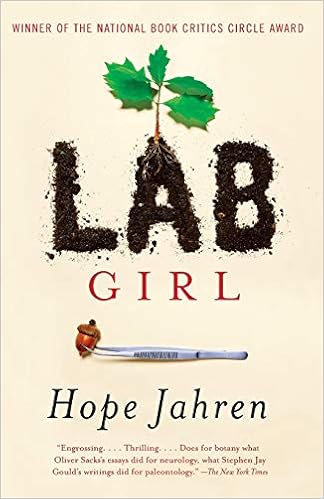
I took a proper walk relishing the solitude of the fresh Earth two days after the heavy rains yesterday. Clouds were everywhere and there is nothing at all that nudges the philosopher awake like clouds and the smells of clean Earth. Thousands of seeds seem to have taken the leap of faith with the waters that descended over them in the past week, and the hills were green with possibilities. The poignancy of the writing in the book, Lab Girl, By Hope Jahren, nudged me. I stood there, admiring the fresh shoots, and relishing what she wrote:

“Each beginning is the end of a waiting. We are each given exactly one chance to be. Each of us is both impossible and inevitable. Every replete tree was first a seed that waited.” – Hope Jahren, Lab Girl

The possibilities of beginning and waiting play out endlessly in our lives. Sometimes, it is with the need for action, the time to spurt forth. At others, it is in the waiting. The time for things to play out so we can gain clarity. For those of us who favor action, the waiting of the seed is an important lesson. At others, the spurting of life itself is the nudge to take the leap of faith.

I came back with that look of contentment that the family recognized: there was no denying it, I had photographs to show them, and though I recognized the medium could hardly capture the magnificence of Being There, I still reveled in showing them pictures of all the wonders I had seen. 

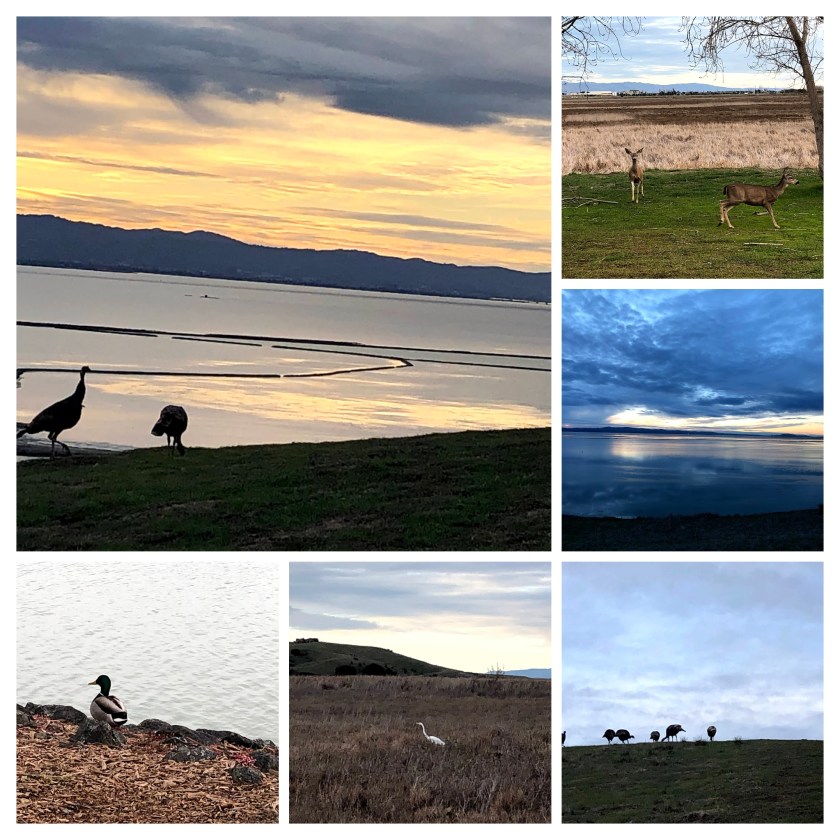
Sometimes, nature astounds me with variety: In one day out with nature I saw hawks, wildcats, squirrels, turkeys, deer, herons, grebes, fresh shoots of all sort of flora and fauna, not to mention the play of the light through the clouds at sunset. A friend of mine feels that animals cross our paths to send us a message. I think the menagerie I encountered was trying to send me the message that life is beautiful, if we take the time to live it fully, creatively and wholly.
img_1168-collage

Some of the books in January had already set the message :

  • A Walk in the Woods – Bill Bryson
  • The River Bank and other stories from the Wind in the Willows – Graham Greene
  • Friends at Thrush Green – Miss Read
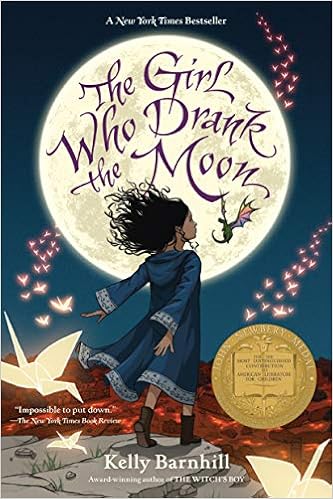
  • The Girl Who Drank the Moon – By Kelly Barnhill
  • The Water Princess – Susan Verde (Childhood experience of Georgie Badiel)
  • Emily Writes – Emily Dickinson and her Poetic Beginnings – Jane Yolen, Christine Davanier

That evening, the son plucked at the notes for Clouds on his keyboard, and the clouds flitted above:

See the Clouds, in the sky

Wonder how they, Fly so high!

The Girl Who Drank The Moon

I was dawdling one evening. Quite uncharacteristically I might add. For the evening walks I go on are brisk and filled with purpose: I focus on getting the day’s stresses out of my head and to appreciate the larger world around us. I arrive after these walks, therefore, a trifle breathless maybe, but mostly refreshed in mind and spirit. 

“Are you tired?”, asked a solicitous neighbor. 

I smiled and said truthfully that I had been very tired when I set out on the walk, and after briskly taking in the sights, was now rejuvenating myself in the magic of the moonlight. “Moon-Bathing!” I called it, and she gave me an indulgent smile knowing my leaning towards nature.

Sometimes, all it takes is a peek of the waxing moon, or the brilliant hues of the setting sun, or the clouds in the skies painting a thousand pictures for us, or a hummingbird flying in the light of dusk, or geese flying overhead with the light of the moon on their wings never failing to remind me of the beautiful song in The Sound of Music : These are a few of my favorite things.

All good things are wild and free. – Thoreau

IMG_1157-COLLAGE

Other times, it is inordinately hard. I find it very hard to leave the village behind as Thoreau says. 

“I am alarmed when it happens that I have walked a mile into the woods bodily, without getting there in spirit.”  – Henry David Thoreau

I feel the Earth works doubly hard at these times. Always granting a little something extra by the end of it all to make up for the time lost in thought and worry. The wintry evenings of the past few days have been working hard at setting my mind at ease and helping the stresses of the day take flight into the unknown tendrils of the night. Lost in space, till I can grab newer positive strands from the cosmos and replace them consciously.

That evening that I was dawdling, had been one of these evenings. The light of the full moon shone through the clear dark skies, and I felt the strength of its benign light seep into my very being. The wintry skies have the magic of starlight, but the days when the moon is also at play, the nights feel vibrant with possibilities and magic.

img_1175

Maybe I was feeling poetic because of all the beautiful poetry in the book I had just finished reading. For those of you wanting a strong dose of magic, I strongly recommend The Girl Who Drank The Moon by Kelly Barnhill.  

“The heart is built of starlight 

And time.

A pinprick of longing lost in the dark.

An unbroken chord linking the Infinite to the Infinite.

My heart wishes upon your heart and the wish is granted.

Meanwhile the world spins.

Meanwhile the universe expands.

Meanwhile the mystery of love reveals itself,

again and again, in the mystery of you.

I have gone.

I will return.

Glerk” 

Kelly Barnhill, The Girl Who Drank the Moon

It maybe because of the waxing and waning of the moon, and the fact that we have only one moon, the sheer delight of catching a glimpse of its benign light in the evening skies is magic enough. The son, as regular readers knows, is a cosmologist and a curious wonderer at heart. One night, when he was a toddler, he asked me, “Imagine how it must be to take a walk on Jupiter, and you look up and see 64 moons in the sky.

Note: Jupiter has 79 known moons, and more are being discovered.

I suppose the magic of that sort of walk must be exemplified, but for now, I am grateful for a peaceful Earthly existence, with the ability to gaze and gain peace with the one moon we do have.

A Celebration Of … 🌏

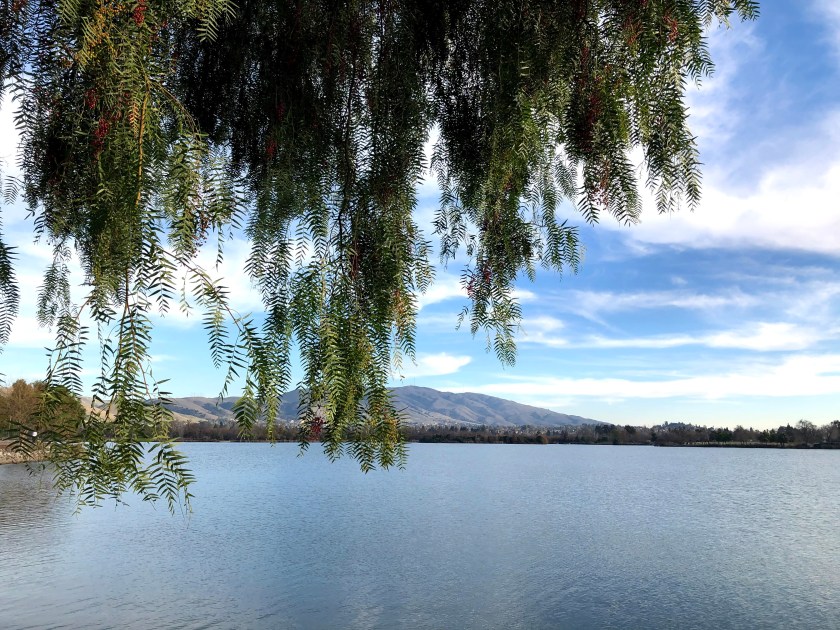
The afternoon was a mild, sunny one. Quite unusual for wintry January. The grass has turned green enough, the birds were chirping, and every now and then, the son and I stopped to admire a willow tree. How different each tree looks, and yet how soothing they all are together?  One doesn’t need a leap of the fanciful to liken the willows to beautiful damsels letting their hair down to dip ever so slightly into the waters below. What is remarkable is these damsels don’t seem to mind us watching. 

img_1119

I do not remember the first willow tree I saw, although I am sure I would have admired it long before knowing its name.  These are times I feel remiss. 

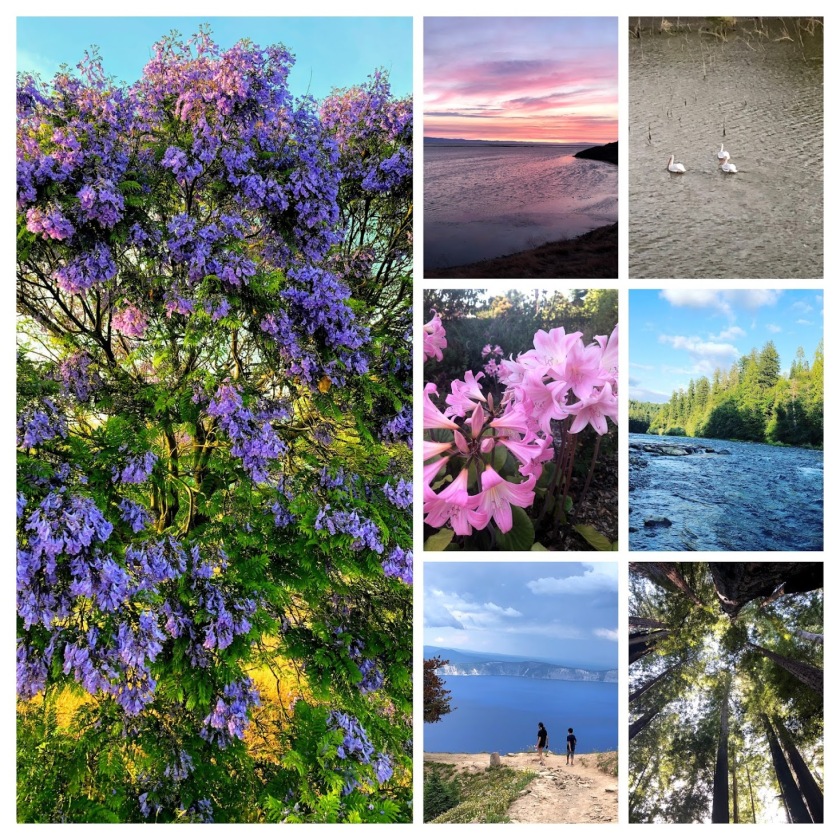
Why do we not make a celebration

of smelling the first sprig of lavender

and falling in love with the scent of it? 

Why do we not celebrate the perfect clovers,

the first feel of moss against a damp earth 

the taste of the first wild berry, 

the first sniff of eucalyptus after a fresh rain, 

the first time we touched a petal, 

the first time we sat and watched a butterfly, 

the first time we heard the name of someone who would go on to become kindred spirits 

and brighten our lives forever more?

While at this, why not also celebrate 

the times, we can watch a tree upside down,

The moon rise, or the sun set?

The times we spot the shape of a fluffy dog in the clouds,

the times we are mesmerized by a rainbow,

the times we can watch the world flit by with nary a worry?

summer-collage

Anyway, where was I before I went off on my little celebration-of-life poetic trail? Yes yes. It all comes back now: I cannot quite resist the charm of a willow tree. It’s true. There is a generosity to its form. The tree just seems to give itself. The long tresses weigh down as they reach into the waters below.  When you walk along a river, you can be fairly certain that if there is one willow by the banks, nature would have given us a few more beautiful ones just further downstream. It was while reading Lab Girl, by Hope Jahren that I learnt many of these willow trees are identical genetically. Apparently, all it takes is for a branch to break off by a riverside, float down the banks, a little joyful eddy to push it near the banks, and voila: it can take root. An identical, genetically mapped tree, though it looks different on the outside – the trunks bulge differently, the branches fan out differently, but essentially the same. Hope Jahren’s lyrical writing is as beautiful as the willows themselves. 

“It is easy to become besotted with a willow. The Rapunzel of the plant world, this tree appears as a graceful princess bowed down by her lush tresses, waiting on the riverbank for someone just like you to come along and keep her company.” 

We walked on for some time on this beautiful day, before I plonked myself on the grass. I tugged the little fellow’s arm to sit on the grass next to me. After the initial reluctance of getting his clothes dirty, this suburban child gave in to the pleasures almost completely.  There we were, lying down on the grass, the willow trees drooped into the waters nearby while winter’s afternoon sun gently glowed upon us, and the clouds drifted above.

I told him about the willow trees and how most of the ones we saw may have originated from the same one. He looked awed. 

“Science has taught me that everything is more complicated than we first assume, and that being able to derive happiness from discovery is a recipe for a beautiful life. It has also convinced me that carefully writing everything down is the only real defense we have against forgetting something important that once was and is no more,” 

Hope Jahren, Lab Girl

Will he remember the first time he learnt that willow trees reproduce with just a branch flowing downstream? I hope he does, but if not, here it is written down: It was a golden day in early winter on a walk with his loving mother: when all the world was green and filled with possibility.

Rajma on Titan or Mars

“Yeah! Rajma!” The little fellow slurped in mock exaggeration throwing his hands up into the air. I smiled. I wondered yet again how genetics seems to work in odd ways. My brother as a child had the same expression or at least sentiment every time rajma was made. How could my children who are growing up on the opposite side of the earth from my rajma-loving brother have the same expressions of delight and exaggerated lip-smacking responses to this simple dish?

I can hear my brother mimicking Tamil movie comedians and saying,  “அனுபவிக்கனும் ஆராய கூடாது”. Loosely translated, this means, it is better to not analyze these things too much, but just enjoy them.

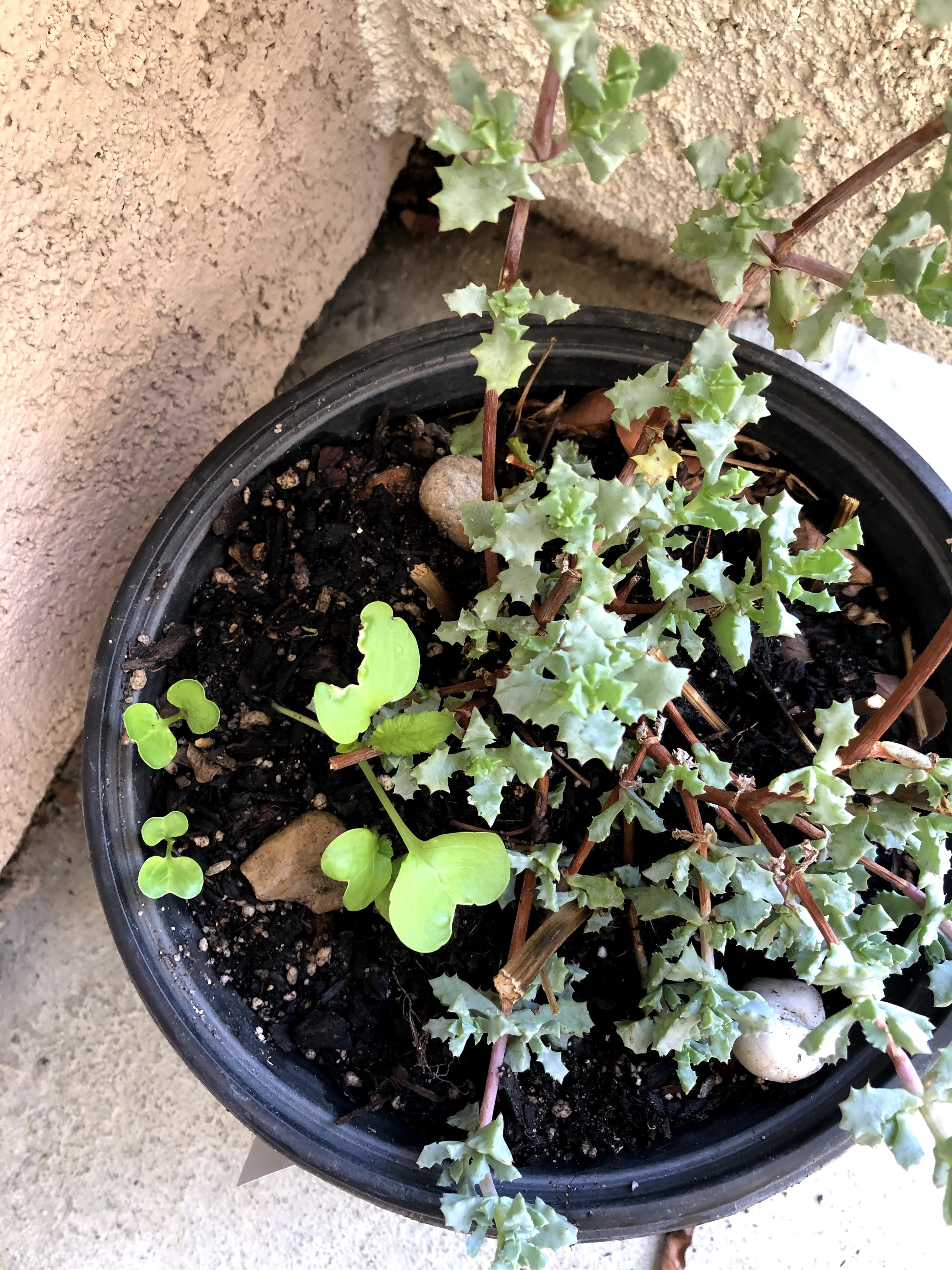
I turned the little red kidney beans over in my hands, and in a moment of impulse planted a few of them into the soil in a little pot where the winter colds had stripped the plants bare. 

Screen Shot 2021-01-15 at 1.58.03 PM

I started the year reading The Pale Blue Dot by Carl Sagan. Much of Carl Sagan’s writing celebrates the accident of life on this beautiful planet, and how incredibly lucky we are to be blessed with sentience to try and make sense of it all.

Pale Blue Dot: A Vision of the Human Future in Space by [Carl Sagan, Ann Druyan]

A sentiment that I agree with wholeheartedly. It is one of the reasons I love Thanksgiving and Pongal or Makara Sankranthi. The fact that we actually set aside our myriad problems to take a moment to express gratitude to the cosmos and this planet for nurturing life is special enough, but this year it feels extra special and even necessary. The planet has united human destiny with a virus, reminded us of the pettiness of grandiose ambition, and helped us appreciate the delights of the ordinary. No small feat. 

In the book, Carl Sagan talks at length about what all can revealed about a celestial object by a mere photograph. Our own pale blue dot – the picture of Earth he says can actually reveal existence of life on this planet. The combination of gases in the atmosphere, not to mention the presence of methane in the atmosphere. However, in the very next chapter, he examines the methane in Titan ( one of the moons of Saturn), and quickly debunks existence of life there as yet because of the temperatures and the concentration of the gas. However, he still holds out on its potential :  the moon has the conditions necessary for the accident of life to happen at some point in the future. 

Screen Shot 2021-01-15 at 1.55.15 PM

As he painstakingly examines one world after another, there is so much to marvel at, and also appreciate the only home known to our particular kind of life. There is nothing as yet discovered that can harbor our particular chemical compositions, our requirements for this particular combination of atmosphere, water and foliage. 

For all the marvels we surround ourselves with I still think the joy of seeing things sprout from a seed into a plant has to be the most wondrous of all. Every time I walk in a forest or a meadow, I wonder how many seedlings lie around us, waiting to take that leap into their chance of life. 

img_1112

I walk around my little strip of a garden that has been kindly putting up with my well-intentioned, but often laughable, attempts at horticulture. I stand marveling at the tulip bulbs shooting up through the soil. This year’s rains have been woefully low, and I hope it changes for I know what it portends for a fire season later in the year. 

A few days ago, I went to water the potted plants and I cannot tell you the joy of seeing little kidney bean plants sprouting up. To think of all that wondrous work happening quietly in the soil while we spend our days with our concerns of our human imprints on this one tiny planet of ours is truly humbling. This is the real work isn’t it? 

img_1113

“So can we really eat the rajma beans now?” Asked the son, his eyes gleaming with excitement. I found, I didn’t know the answer. How does one transform legumes to rajma beans that little fellows in kitchens go on to associate with warmth and love? 

I fumbled and told the little fellow honestly that I didn’t know, but that we’d find out together. We will spend a pleasurable evening looking through the process of legumes to kidney beans. Whether Mars or Titan ever gets to growing rajma beans, we do not know, but I did promise him a dish of rajma from our very own plants. I think my brother would give his approving nod half an earth away. 

How the Library (Not the Prince) Saved Rapunzel

When the Covid lockdowns started, many folks went on a buying spree (we all know the toilet paper jokes). Ever the dutiful one, off I went too. I was feeling rather pleased with myself when I got an extra bag of rice, and headed onto the library (to get books to tide us over during the lockdown).  When the husband called to ask where I’d gone, I sheepishly said that I was at the library just in case we were unable to get books during lockdown. I could hear a sound like a paper bag bursting – his version of a cross between a snort, and the urge to laugh. I bragged about the extra bag of rice, and I could see his face wondering why he had to be landed with someone, who in P G Wodehouse’s language, ‘must’ve been bumped on the head as a baby’. 

Well, I must say that when we staggered home with books for the children and self, I felt better. The local library has been one of my favorite spots to visit of course, but over the Covid period, I felt like Rapunzel in the book: How the Library Saved Rapunzel (Not the Prince). The library allowed us to schedule an appointment and arrange to pickup books on hold. What was more, they were kind enough to include a few picture books of their choice if you requested them to do so. I am eternally grateful to have access to libraries.

I felt almost an irresistible urge to increase my Science based reading this year (maybe this is a tiny rebellion for the disturbing anti-Science strain emerging with the 45th POTUS office). Starting the year off by re-reading Carl Sagan’s Cosmos set the stage for the year ahead. The following books gave me no end of pleasure and learning over the year. (My Science writing class for children)

trees_komerabi

2020 was the 50th anniversary of Earth Day

  • Unbowed – Wangari Maathai (in progress)
  • On Looking  – Alexandra  Horowitz
  • Losing  Earth  A Recent History – Nathaniel Rich
  • This is the Earth – Diane Z Shore & Jessica Alexander, Paintings by Wendell Minor

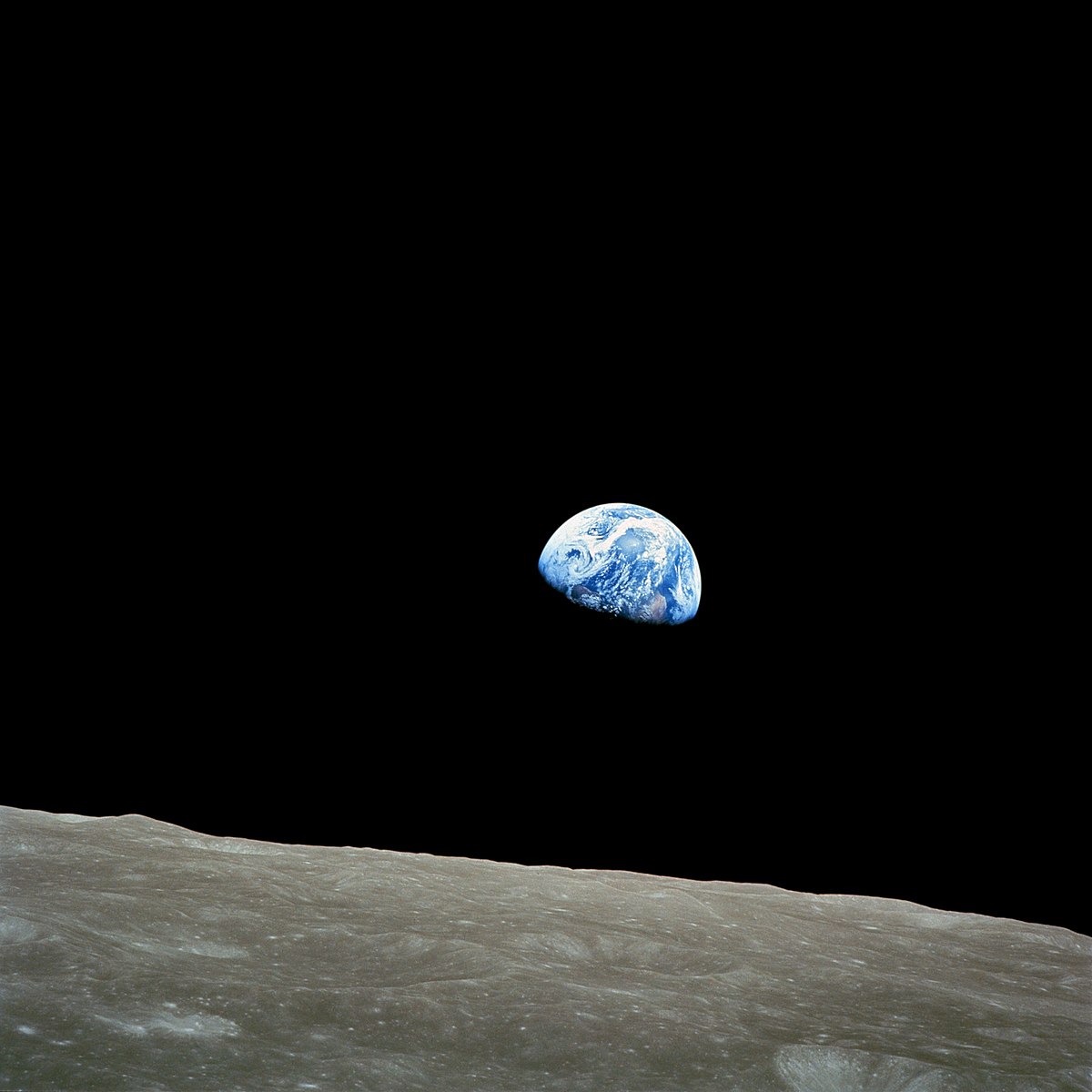
Bill Anders said: “We came all this way to explore the moon, and the most important thing is that we discovered the Earth.”

What a lovely statement that is, and together with his Earth Rising image, contributed to the concerns around Planet Earth that led to founding of Earth Day in 1970.

1200px-NASA-Apollo8-Dec24-Earthrise

It was also a wonderful year to take in poetry. Mary Oliver & Margarita Engle were always welcome in a year when poets alone seemed to know the right turn of phrase for the bizarre. Dr Seuss & Jackl Prelutsky always know to turn one’s frown into a smile. 

  • Blue Iris – Mary Oliver
  • Enchanted Air – By Margarita Engle
  • Dog Songs – Mary Oliver
  • Owls and other fantasies – Mary Oliver (Yes! no!)
  • Be Glad your nose is in your face – Jack Prelutsky
  • Dr Seuss books (always worth reads and re-reads). I found a few gems that truly tickled the mind and got out some belly laughs.
    • Horton hears a Who
    • Horton Hatches an Egg
    • Sleep book
    • Oh the Thinks you can Think
    • How Lucky You Are
    • Thidwick the Big Hearted Moose

summer-collage

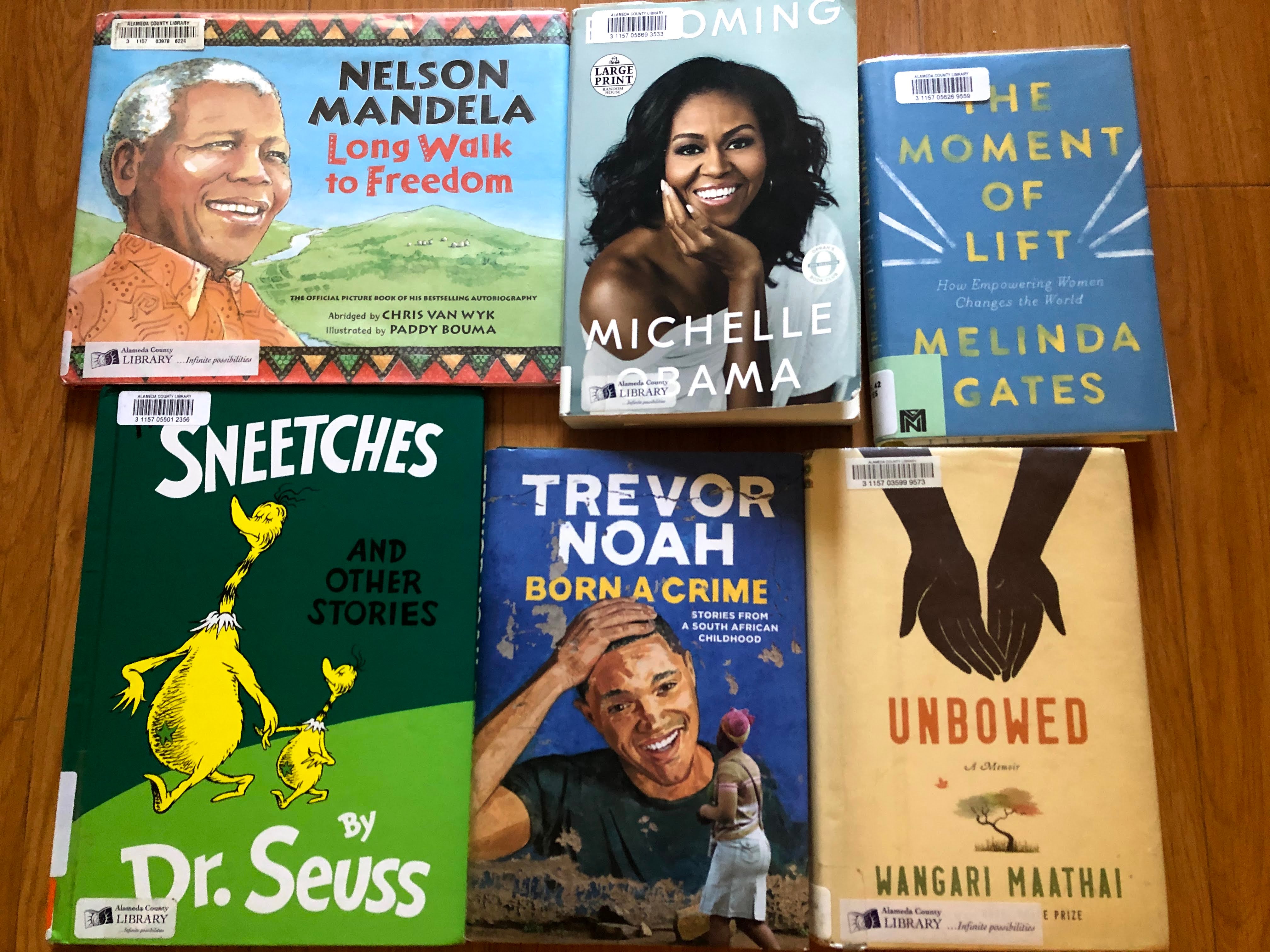
With the Black Lives Matter movement, the year was ripe for educating oneself on the inequities of society and civil disobedience. The local library, news media, and friends all helped with an excellent array of reading material. Notable among the works read then were:

  • Becoming – By Michelle Obama
  • Black Panther – by Ta Nehisi Coates
  • Sneetches and other stories – Dr Seuss
  • A Long Walk to Freedom – Nelson Mandela‘s children’s book version
  • My Many Colored Days – Dr Seuss

img_8883

With uplifting books and humour, life can be truly marvelous. My all-time favorites kept me company, and I am eternally grateful to their influence of course but a few others were added to the list this year.

The world isn’t such a good place either, and reading books such as these helps to remind us about the many problems that still beset society

The lure of power, and how we are seeing it all play out in real life

  • The Fate of Fausto – Oliver Jeffers
  • Louis I – The King of Sheep – Oliver Tallec
  • Yertle the Turtle and other Stories – Dr Seuss
  • Harry Potter and the Order of the Phoenix (pieces relating to the Minister of Magic refusing to acknowledge Voldemort’s return so he could stay in power)

Of course the true magic of life is never complete without children’s books. There are so many of them in this genre, that I did not even note half of them. But a few of them lit up my life

  • My Grandma is a Ninja – By Todd Tarpley, Illustrated by Danny Chatzikonstantinou (When I become a grandma – though it is a few decades off, that is how I wish to be 🙂 )
  • Gondra’s Treasure – By Linda Sue Park
  • Enchanted Wood – by Enid Blyton (old Saucepan Man, Silky and Moonface with the lands above the enchanted tree – though it doesn’t hold the same level of magic it did as a child, it still has its charm)
  • The Red Pyramid – By Rick Riordan (this was the son’s recommendation, and thoroughly enjoyable it turned out to be romping down the Egyptian myths!)
  • The Quiet Book – by Deborah Underwood
  • A Fun Day with Lewis Carroll – Kathleen Krull & Julia Sarda
  • Peter Rabbit’s Tales – Beatrix Potter
  • Why is my Hair Curly – By Lakshmi Iyer
  • A History of Magic – Based on Harry Potter Universe
  • Tintin Comics (a fair few)
  • Calvin & Hobbes
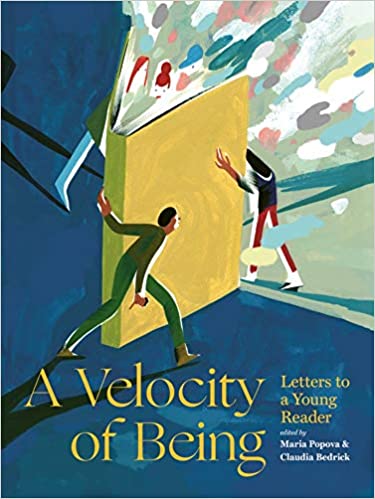
  • The Velocity of Being – Maria Popova & Claudia Bedrick

velocity_being

On that magical high note, here is wishing everyone a healthy, happy new year in 2021. Things are already turning around, and looking hopeful. Keep reading, and sharing 🙂

img_0851

What’s your 2021 WotY (Word of the Year) Choice?

2020 escapes adjectives and mere words cannot quite capture the irony of the year. Ironically, last year when we selecting a word for the year in the nourish-n-cherish household, the teenager vehemently voted for the word, ‘Ironic’ (after I shot down ‘Sarcastic’ as an entry of course). I had been inspired by a colleague who regularly answered ‘How are you?” with the word “Terrific!” (In meetings through the year).

One time, I asked him whether he always said that, since it was a shot of positivity in the middle of the humdrum, and he said that it was a family tradition for them. Their family sat together and decided on a word to use through the upcoming year to answer the question ‘How are you?’. The logophile in me sat up and took notice. I got the gleam that the children have identified, and scram when they detect it. It is what gets them into walking miles in the wilderness, or fun read-a-thons.

Where was I? Yes – the word thing. When I came home with this heart warming suggestion, I expected in my naïveté, to be taken up on the word-building, and lists filling up with words such as : Fantastic, Fun, Awesome, or even a word that is only used in our home, Imaginate. But of course that is not what happened.

The words put forth by the teenager were not going to be my words of the year by any stretch. So, given chaotic, neurotic (Really! This child expects me to answer ‘How are you?’ with ‘Neurotic’!) , dystopian, terrible, quixotic, and another few like this, we decided on Ironic. Luckily, we did not use this word to answer every ‘How do you do?” question during the year. Last night when I mentioned the word-of-the-year-greeting-exercise again, the children said, “Come to think of it, our word choice was not bad huh?! Ironic how that worked out! Get it? Get it?”

It was my turn to moan, but also think. Maybe there is something to the whole thought->actions->universe themes that we hear about all the time.

“Watch your thoughts, they become your words; watch your words, they become your actions; watch your actions, they become your habits; watch your habits, they become your character; watch your character, it becomes your destiny.” – Lao Tzu

img_0851

It was a year in which ‘Ironic’ could be used with ease. Ironic how people react to pandemics, ironic how markets and stock market indices react to global pandemics, ironic how we are able to find pockets of quiet in the hectic world thanks to the very pandemic that is causing so much pain and suffering. Ironic how we determine leadership responses or lack thereof in our electoral choices, ironic that the very science naysayers will be benefited by a vaccine developed within a year of the genome mapping thanks to Science. Ironic how humans the social beings reacted to social distancing, and ironic too, how the themes of nationalism, chauvinism, racism, sexism were all rendered meaningless by a virus (too tiny to be rendered in colors by electron microscopes, but large enough to unite us all in the act of being human). If you are human, you are susceptible to the virus. 

  • 2020 word of the year turned out to be (no surprise here): Pandemic. 

Quote from BBC article:

This year has seen so many seismic events that Oxford Dictionaries has expanded its word of the year to encompass several "Words of an Unprecedented Year".

Its words are chosen to reflect 2020's "ethos, mood, or preoccupations".

They include bushfires, Covid-19, WFH, lockdown, circuit-breaker, support bubbles, keyworkers, furlough, Black Lives Matter and moonshot.

Use of the word pandemic has increased by more than 57,000% this year.

"It's both unprecedented and a little ironic - in a year that left us speechless, 2020 has been filled with new words unlike any other."
  • 2019 was the inclusive gender neutral pronoun, They
  • 2018 went for Justice
  • 2017 for Feminism
  • 2016 was Surreal (truly!)

I wonder what 2021 holds in store for us. 

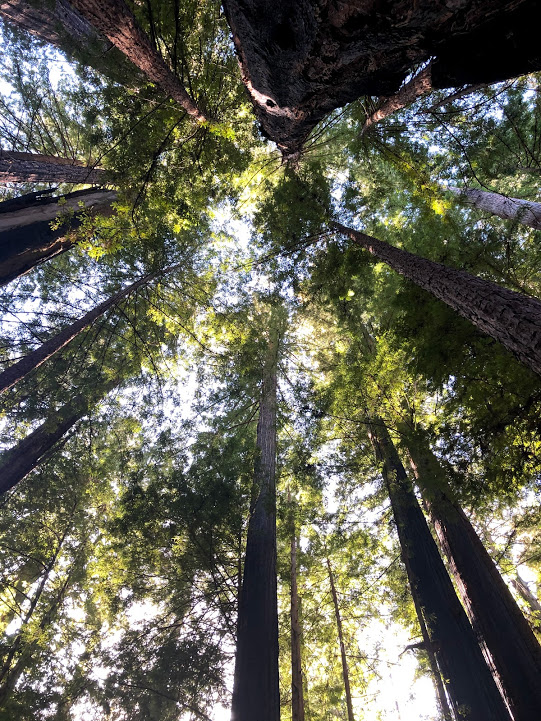
2020 also embodied a lot of good words such as Shinrin Yoku (forest bathing) Komerabi (the beautiful word denoting sun rays piercing through the leaves).

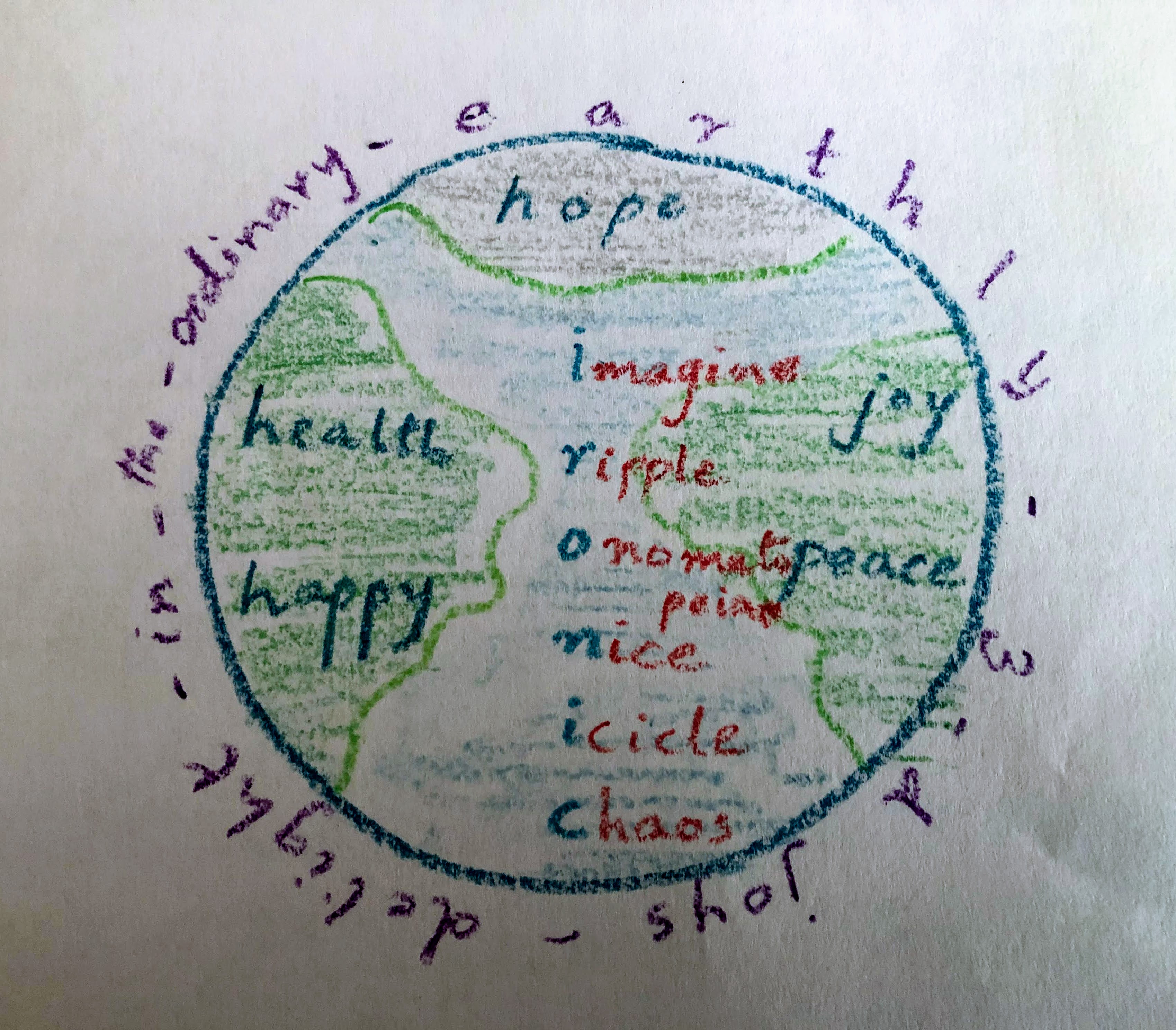
I’d like to hear some of the words you can think of for the coming year. I am thinking of ones that made the children say ‘Meh!”. Whatever else 2020 taught us, it is that we can make it through together if we can retain our sense of humor (the floods of WhatsApp forwards come to mind), and to delight in the ordinary. So I pump for the more humdrum ones: Life, Hope, Joy, Peace, Happiness.

What about you? I wonder what frabjous words Dr Seuss or Lewis Carroll would pick.

2-d Meditations in our 3-d world

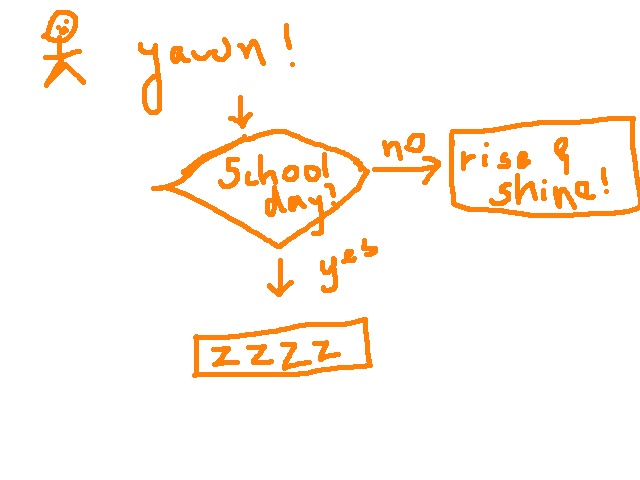
T’was a week-end that I was looking forward to. Which meant I looked forward to sleeping in. The son, however, has an internal alarm that seems to work contrary to social expectations.

yawn

Anyway, the point is, the son came up bright and shining. I lifted my tub from the covers and moaned from under the covers at his exuberant greeting. Hmmm….Hmmm…..AAAyyynnsnjsjfhsjfh!

He bustled into the room carrying a suspicious looking questionnaire. Just as I thought, the blasted thing turned out to be a Physics quiz that started with the question:

“What holds the quarks together in the nucleus of an atom?”

Luckily I knew the answer to that one (gluons), but it went downhill from there.

By the time we had arrived at the last question, my weak force was battling with the gravitational forces holding me down on the bed, and I sprang out in one gravity defying leap showing a strong force I did not think I was capable of, and hustled the little fellow and the husband out on a hike. If I was going to survive any more Physics quizzes on quarks, I needed to get my spark. 

The discussion on his favorite topics led us to the fascinating topics of dimensionality, and I told him about a particularly fetching piece on Flatland geometry in the book, How The Universe Got Its Spots – By Janna Levin.

Flatland is a fascinating piece of work written by Edwin Abbott Abbott in 1884. He imagines a two-dimensional world in which all occupants are lines, flat shapes or circles, and also examines a social construct with this premise.  (People with more number of sides occupy a higher social position, with priests being circles. In Victorian times, women had no ways and means to careers, and therefore were represented as lines in that universe.)

https://www.youtube.com/watch?v=-wv0vxVRGMY (Carl Sagan explains flatland)

https://en.wikipedia.org/wiki/Flatland

That day on the hike, we went up and down the hills in the beautiful three dimensional world we live in, discussing what it would be like in Flatland.

In our everyday lives, rarely do we stop to think of flatland fantasies, and when we do, it is all the more magical. I mean how would a sunset look in Flatland? What would a sunset look like if we were in 4 dimensional worlds? Is our entire existence just us passing through this 3 dimensional world?

The gluon quiz master was, in the meanwhile, practicing his martial arts as he spurred himself through the hills, chipping in here and there, while listening fascinated to the Flatland theories. “Umm…Wonder whether that happened to Ant-man when he went into the quantum world.”

Wandering along by the waterside, watching the wind rippling the waters, and rustling the leaves in the trees nearby, it was beautiful indeed to occupy oneself with thoughts of how a wind would be in Flatland: maybe it would be like an earthquake to 3-dimensional creatures such as us. Maybe our cosmic upheavals are the breezes of the 4th and 5th dimensions. Who knows?

“Imagine, if you were an orange, trying to pass through the two-dimensional world.”

You could only see a dot as it touches the surface, and then a circle as it passes through flatland, a circle that gets bigger and bigger, and then recedes in size. Smaller and smaller till it becomes a point again and then disappears altogether.

Just as an orange cannot ‘get up’ from the 2-d world,   we cannot flit in and out of our 3-d worlds. But imagine if we could. If we could give ourselves the gift of perspective (that is another perspective –nature and our vast cosmos give us a fair sense of perspective already, if only we care to look and reflect of course)

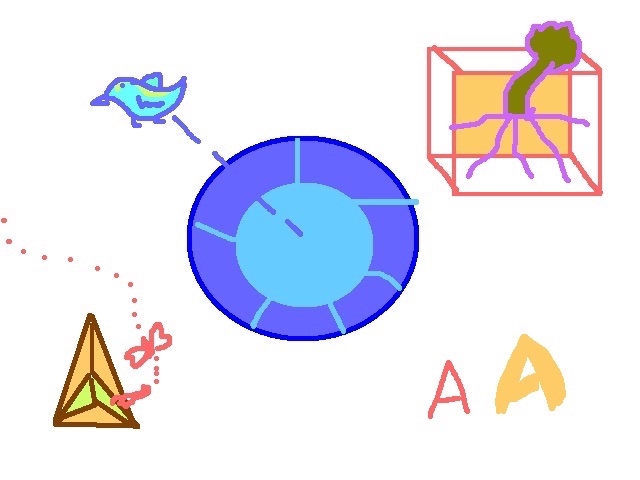
Flatland

I am sure scientists who are spending their entire careers contemplating questions such as these are far more qualified to answer, but the very act of thinking seems to be a marvelously magical act. We admired our fellow creatures on our 3-dimensional walk in the hills: The geese, pelicans, seagulls and hawks.

Does a laugh in Flatland cause ripples? Do our laughs cause the butterflies to flit?

“Here is a joke for you”, I said on  the topic of laughs in inter-dimensional space. “What do you call a seagull that flies over a bay?”

“A Bagel – get it?” (a colleague’s joke!)

The joke was met with moans and laughs alike.

By that same extension, are all our lives just us passing through this 3-dimensional world? Where does Kung Fu Panda meet  interdimensional Physics and the Tao of Being?

I shrugged my 3-d shoulders. How quickly the contemplation of the physical world morphs into the philosophy of being? How easily our thoughts can become magical?  

The Covid Vaccine!

One blissful afternoon a few months ago, when the summer heat was beating down upon us, I was curled up on the couch overlooking the Umpqua river. The river was flowing gently in the valley below.  A deer and her fawn were grazing nearby, music was playing on the laptop, a book on the History of Medicine lay open in front of me, and every now and then, I read a piece out from the book to the family nestled nearby in various forms of ease. The unease surrounding Covid was there everywhere. (Grapes of Wrath).

History of Medicine is a somewhat misleading title for the book. Jane Goodall documented apes healing themselves by going to a cave miles away when they had stomach upsets, to find a herb to cure themselves.  So, I am pretty sure healing ourselves has an evolutionary angle.

We must’ve all seen the viral quote by anthropologist Margaret Mead, who supposedly said that the first evidence of civilization was a healed femur bone, since usually breaking this bone in the animal kingdom means death by starvation or predators. 

(I am not sure of the veracity of the quotation itself, but here it is)

In any case, I think the book addresses the last 200 years of practiced medicine.  

“What are you reading about now?”, was a frequent query as I made my way through the ailments listed in the book.

I told the children the hilarious tale of Jerome K Jerome, the author of Three Men in a Boat feeling off and searching up his ailments much like many of us first do with WebMD.

“I came to typhoid fever – read the symptoms – discovered that I had typhoid fever, must have had it for months without knowing it – wondered what else I had got; turned up St. Vitus’s Dance – found, as I expected, that I had that too, – began to get interested in my case, and determined to sift it to the bottom, and so started alphabetically – read up ague, and learnt that I was sickening for it, and that the acute stage would commence in about another fortnight. Bright’s disease, I was relieved to find, I had only in a modified form, and, so far as that was concerned, I might live for years. Cholera I had, with severe complications; and diphtheria I seemed to have been born with. I plodded conscientiously through the twenty-six letters, and the only malady I could conclude I had not got was housemaid’s knee.”

“I had walked into that reading-room a happy, healthy man. I crawled out a decrepit wreck.”

― Jerome K. Jerome, Three Men in a Boat

The history of medicine is a fascinating one. The book contained some black and white pictures too. There was a few pages dedicated to the sad tale of James Garfield’s assassination. Apparently, hand-washing was not a prevalent practice in 1881. Though the shooting itself was not immediately fatal to Garfield, infection set in to the wound in the days following the shooting essentially killing him. His shooter infamously said, “I didn’t kill the President! I only shot at him. The doctors took care of the rest.”

Given how often we wash our hands during these Covid-times, it seems like something elementary, but was such a problem even 100 years ago. 

“I am so glad that human understanding of the microbial world has come such a long way in the past century!” I said after reading this piece out to the children. “Just think of this, within days of the genetic sequence of the coronavirus being shared, scientists had finalized the sequence of the antibody required to combat the virus. mRNA-1273

The author wrote about the time his mentor told him to document the symptoms of polio for posterity: this, at a time when the polio vaccine was not yet available. To quizzical glances, he apparently said with confidence that Polio will be cured within a few years. This was the sort of conviction and hope that is at once admirable and remarkable about the human race.

News of the corona virus vaccine is a welcome one indeed, and a true testament to Science. The first vaccines were distributed to 50 states in USA from Pfizer’s facility in Michigan today.

3D_medical_animation_coronavirus_structure

What is mRNA, and how do they work? Link from CDC

Like Bill Gates said in his 2015 TED talk, it isn’t missiles that we need to fear (since we now are invested in peace, knowing how we can annihilate ourselves many times over), but epidemics such as the Spanish flu. The coronavirus really did take the world by surprise, and showed us how we are all more interconnected than we realize – we are just a small pale blue dot floating in the cosmos – united in our destinies and apparently as weak as our vilest virus.  

Good Morning Bilbo-Style

Why I was unable to sleep early last night, and got up like an excited cat this morning is beyond me. Usually, I sleep like a sloth that had an extra helping of eucalyptus for dessert: just leap into bed at the end of the day, read for a bit, and pop off. That extra helping of eucalyptus probably contributes to the birds having to tweet very loudly to rouse the sleeper from sweet slumber (The birds have since taken to partnering with poetic alarms).

Poetic alarms and the secret to blooming like a flower.

I can’t say I leapt out of bed, that would be too much, but I did get up smiling. The promise of holiday cheer is definitely a factor.  I smiled sleepily to myself with the lovely realization that child-like enthusiasm only takes the promise of fun to be up and about. 

Also, it has to be a good thing if the first thing I thought of was Gandalf and his good-morning sequence with old Bilbo Baggins. There has to be a word for that sort of magic. 

“Good Morning!” said Bilbo, and he meant it. The sun was shining, and the grass was very green. But Gandalf looked at him from under long bushy eyebrows that stuck out further than the brim of his shady hat.

“What do you mean?” he said. “Do you wish me a good morning, or mean that it is a good morning whether I want it or not; or that you feel good this morning; or that it is a morning to be good on?”

“All of them at once,” said Bilbo. “And a very fine morning for a pipe of tobacco out of doors, into the bargain.

hobbiton

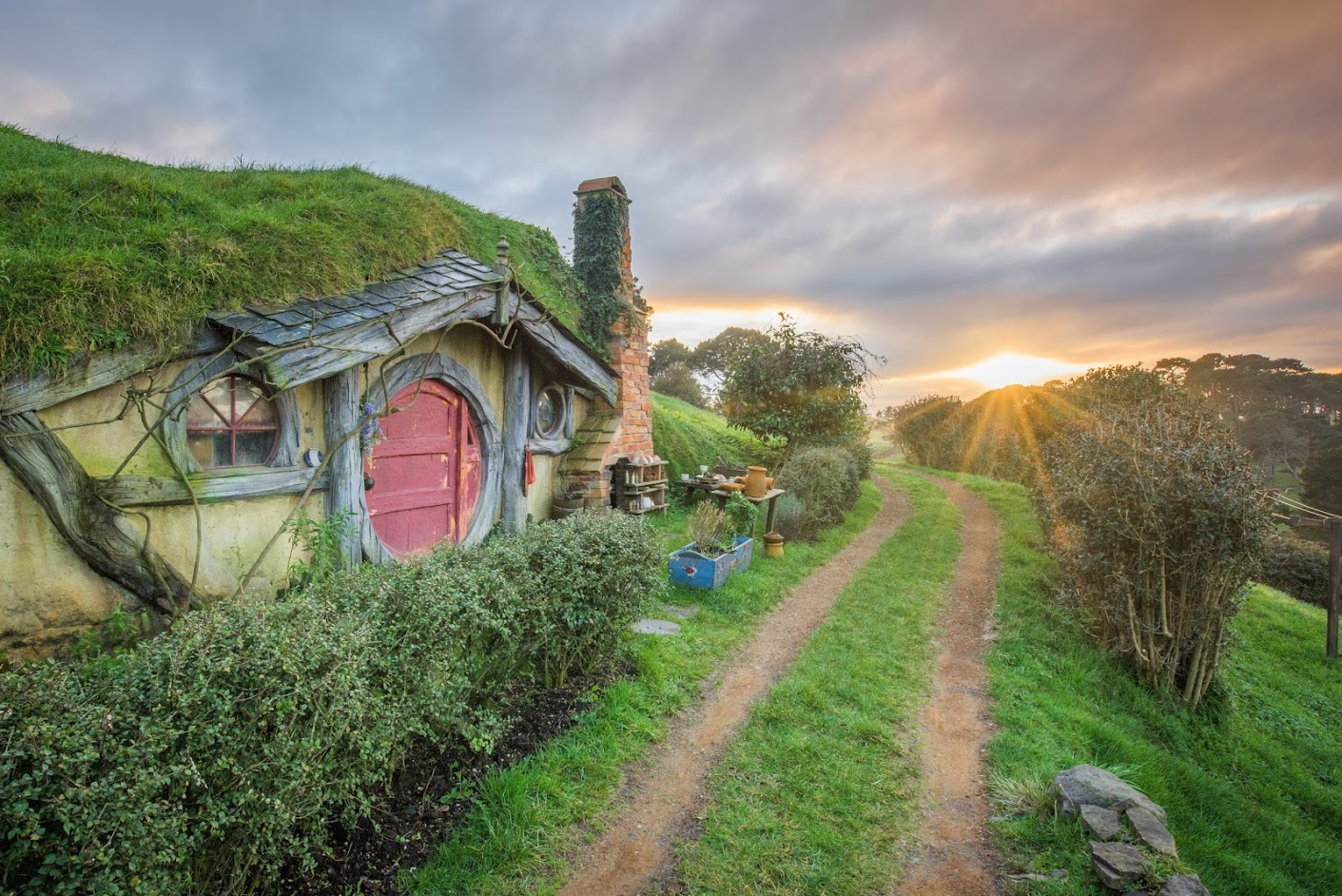
I stepped out for a little garden stroll Shire-style, thinking and noticing the fine things nature had to offer that beautiful morning. I nodded appreciatively at  the brave show the snow peas were making again. Not for the first time did I admire these hardy low maintenance plants that give out so much joy. I have planted ferns, potatoes and lord knows what else, but they elude me. The fruit trees in my little strip of garden all require some expert care seeing that they bear no fruit. The occasional gardener who comes along to help has little to offer by way of advice, and I feel for the sorry trees in my care. 

I read books that said we have the knowledge of natural things in our very being, and nobody has yet planted a sapling wrong and all that sort of thing. Yet the plants in my care don’t seem to know that. Maybe I should read out some of these books to them. Like Frog & Toad reading to their little seeds to make them grow fast.

Everything in its Place – By Oliver Sacks

everything_place

I noticed the perfect structure of the budding chyrsanthemums, the beautiful symmetry of pinecones, and wondered why we humans have moved away from the beautiful aesthetics that nature has created for us. It is time we embraced Biomimicry in our design patterns.

img_0606

This modern tendency to create monstrous piles of rubble and call them buildings is tedious. Modern plumbing and electric lighting aside, what was the problem with medieval castles? And a little variety of structure?

I was trying to get a good picture of these beautiful little things when I noticed a neighbor who had come walking their dog give me a quizzical look as if to say “Do I not have better things to do?”

I felt this was the perfect time for the final “Good Morning!” Bilbo-style.

“Good morning!” he said at last. “We don’t want any adventures here, thank you! You might try over The Hill or across The Water.” By this he meant that the conversation was at an end.

“What a lot of things you do use Good morning for!” said Gandalf. “Now you mean that you want to get rid of me, and that it won’t be good till I move off.”

― J.R.R. Tolkien, The Hobbit, or There and Back Again

References:

  • The Hobbit – By J R R Tolkien
  • Everything in its place – By Oliver Sacks
  • Frog & Toad – By Arnold Lobel
  • Biomimicry – By Janine Benyus

Science as an Art

I caught sight of an artist one day, sitting in the garden and painting the profusion of life around her.  I stood there drinking the contentment of the scene in. Here was beauty, poetry, art and the science behind it all in one grand stroke. How marvelous it is to stop and observe someone paying attention to the world around them?

I remembered the piece in a book recommended to me by a writer friend, Lab Girl, by Hope Jahren. The book is an example to show how each one of our stories is different in its own way. This memoir is written by a dedicated scientist, and covers among other things a rare friendship, her bipolar disorder, and her journey of a life with trees. 

In the book, Dr Jahren writes about the science and its demands on its lovers. Her writing is lyrical, and when she writes of her research and her little moments of leap, it is nothing short of poetic. For instance, she writes of studying the structure of the seeds of  hackberry trees. It is the kind of research that is, as she says, ‘curiosity-driven research’.  Dr Hope Jahren is a paleobotanist, and she goes on to say that her research is the kind of work that “will never result in a marketable product, a useful machine, a prescribable pill, a formidable weapon, or any direct material gain – or if it does indirectly lead to one of those things, this would be figured out at some much later date by someone who is not me. “ 

I have always admired the tenacity and perseverance of endeavors such as these. In the world of instant gratification, working on fields where the gratification may not arrive in your lifetime is nothing short of phenomenal. It is the work of an artist: working on something solely for their interest, because they have the aptitude to understand life around them, and to persevere in the face of odds.

In the book, she captures some moments along the path of a scientist’s life that are magical. For instance, she writes of the time she was studying the structural makeup of the seeds of hackberry trees, and she unmistakably finds traces of Opal in the seeds:

“It was opal and this was something I could draw a circle around and testify to as being true. While looking at the graph, I thought about how I now knew something for certain that only an hour ago had been an absolute unknown, and I slowly began to appreciate how my life had just changed.

I was the only person in an infinite exploding universe who knew that this powder was made of opal. In a wide, wide world full of unimaginable numbers of people, I was – in addition to being small and insufficient—special. I was not only a quirky bundle of genes, but I was also unique existentially because of the tiny detail that I knew about Creation,…Until I phoned someone, the concrete knowledge that opal was the mineral that fortified each seed on each hackberry tree was mine alone.”

How could one not smile at this? How beautifully she marvels at understanding the ecstasy of life. Walking along a forest path, I’ve often wondered how, that of the millions of seeds dropped in there, a few decide to take the leap and sprout into sapling, clawing their way up towards the light, while digging deep and finding their roots. It turns out there may be no definitive answer to that. If you were a seed, what are the parameters you would use to sprout your wings and decide where to put down your roots, knowing fully well that from then on, movement is out of the question?

There is more to the miracle of our ecosystems than we can imagine. The ones who study this profundity – astrophysicists, anthropologists, scientists, ecologists, geologists – and then, go on to share their journey with us is marvelous. #Shoshin.

Who was it who said that – when you read a book you live a thousand lives, but if you don’t read, you only live once, yours?! 

“A reader lives a thousand lives before he dies. The man who never reads lives only one.” – George R R Martin in A Dance with Dragons

What would we do without the internet to give the answer right away?!

Complement with:

How to Master the Ancient Art of Walking Meditation in Modern Life: A Field Guide from the Pioneering Buddhist Teacher Sylvia Boorstein