Moons : Worlds of Mystery

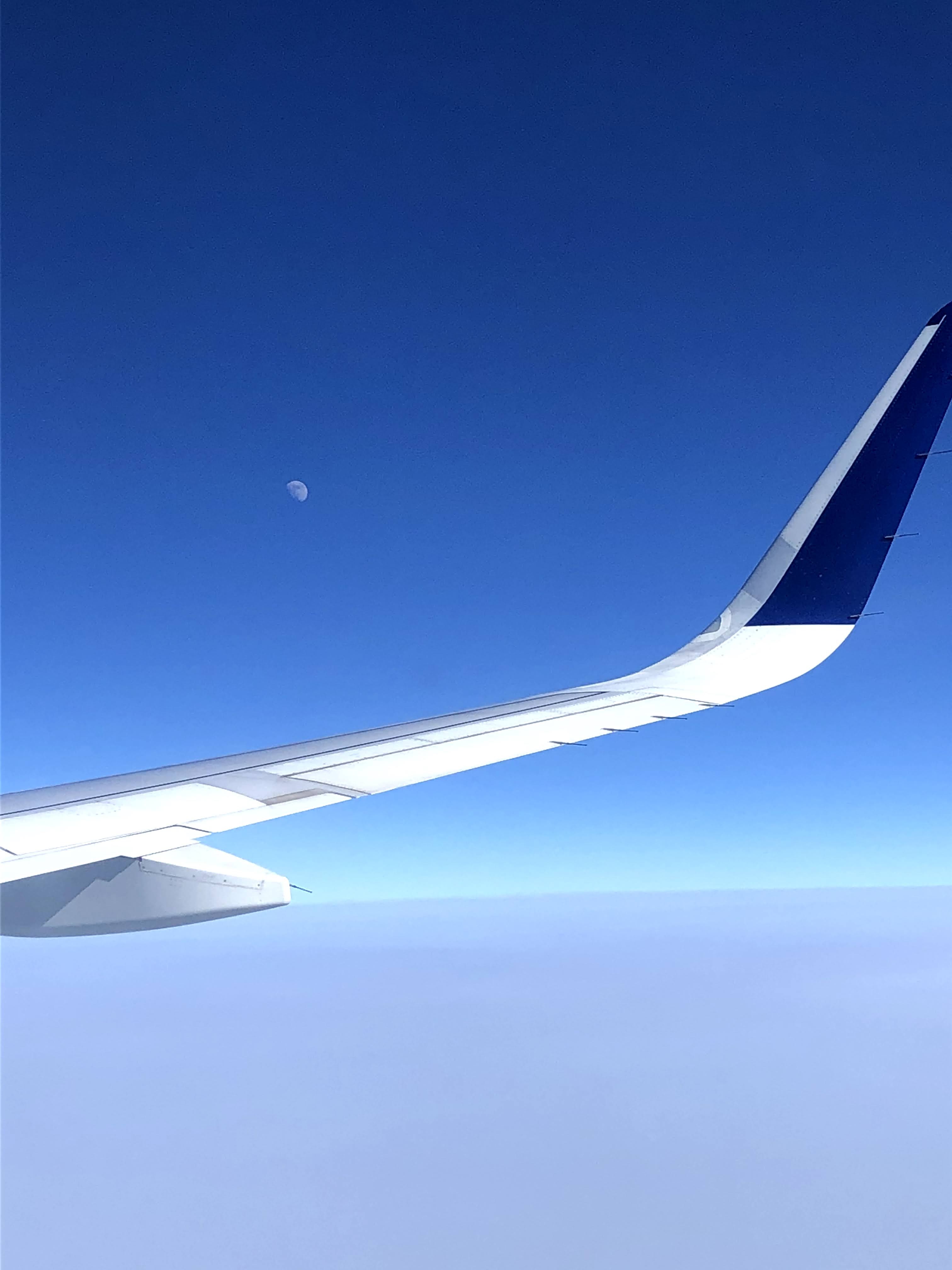
“Aah…..see…see the moon!” I said. The moon had risen alongside our flight wing on the way to Boston, and the son and I were enamored by it. We usually are. The daughter ensconced on a different row from us on the flight gave me a carefully controlled eye-roll. Love for her mother tussled against the desire to show that the crazy moon lady was her mother, and she went in for a I-may-know-her-vaguely-as-an-acquaintance stance. I beamed and smiled as only a mother could. Luckily, the mask hid the genuine full-moon nature of the smile for the time-being.

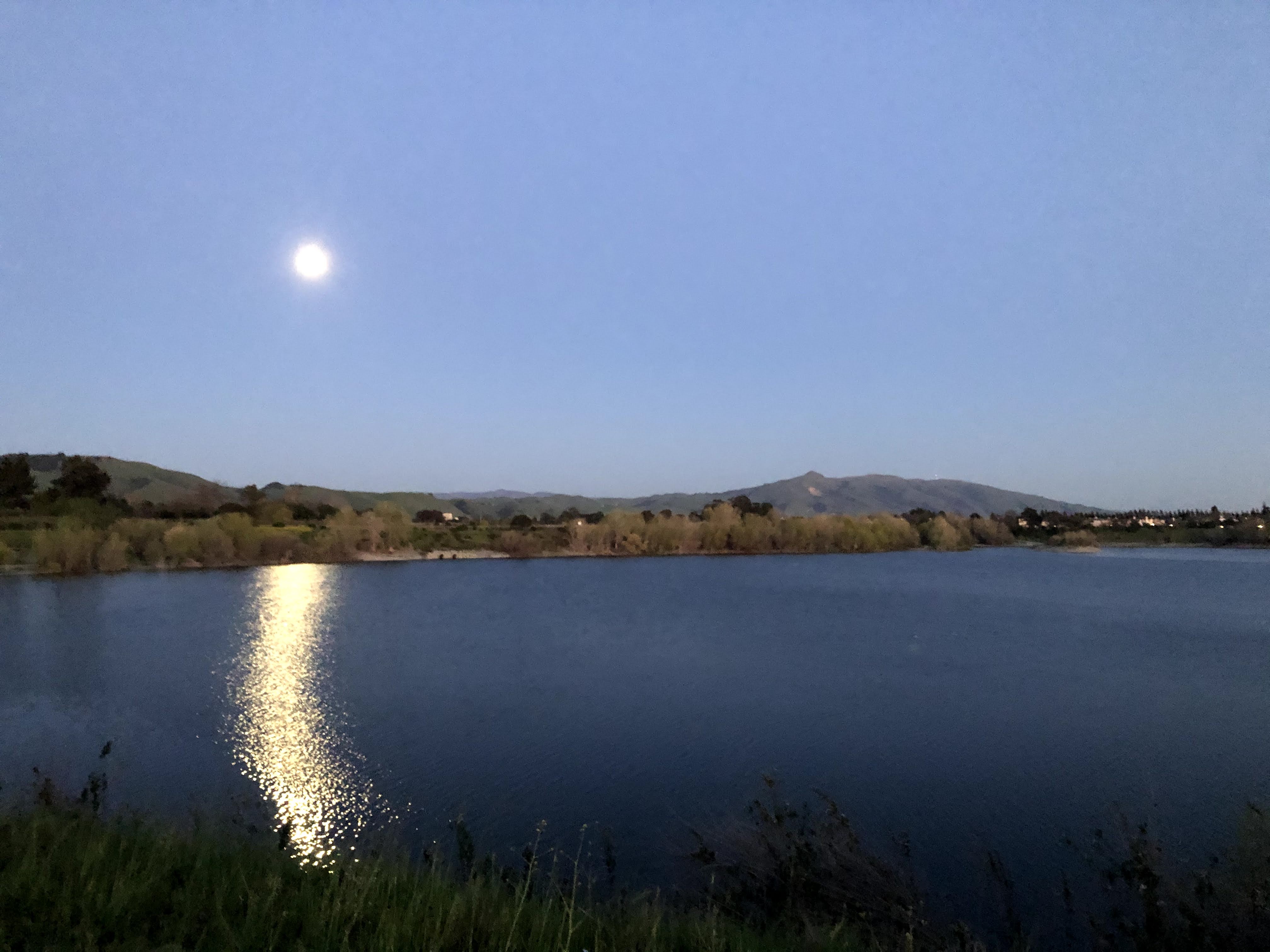
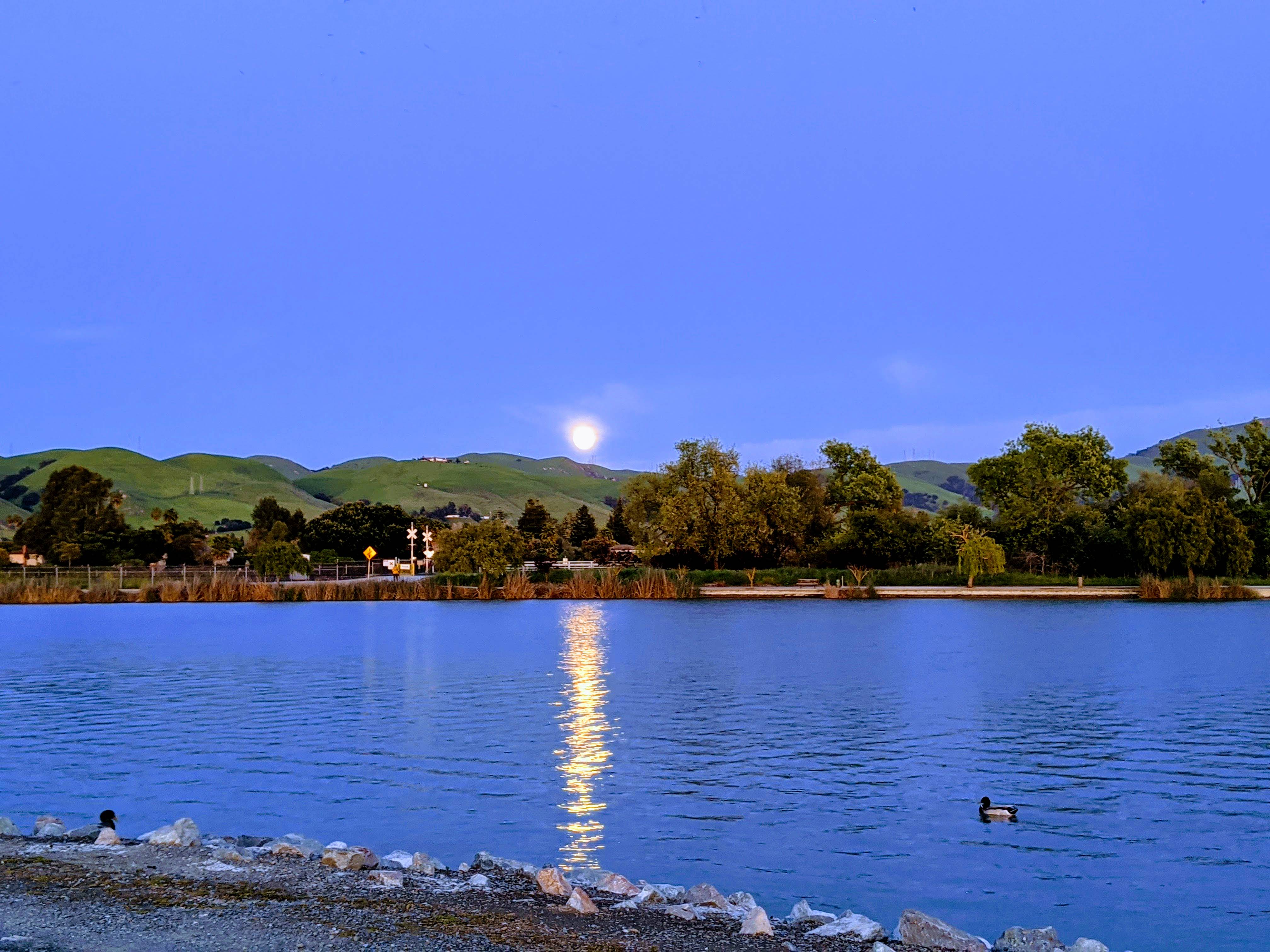
The moon has long fascinated all creatures I think. I take long walks by the river and lake in our hometown during the waxing moon season, and wonder about how the beautiful creatures of the land perceive it. The deer, coyotes, water-rats, pelicans, fish, manta-rays, octopi, geese, ravens and hawks. Do they notice and set their little rituals by it, or is it something human-beings rave over?

It wasn’t till the pandemic that I noticed the timing of the moon rising and setting. The waxing season giving us unexpectedly delightful glances of our lovely sole cosmic neighbor, while the waning cycle going for days without seeing our delightful companion. No wonder, songs have been written about, the magic of moon-drops milked by fantastical thinkers, and lovers for centuries gazing and strolling in the moonlight.

The next day, I was pointing to the pale gibbous moon that was visible between the towering buildings of Boston downtown. 

“Ma! Would you stop it with the moon? The moon comes everyday, and is the same!” Said the teenaged daughter, who despite (or may be because of) my nature-kookiness remains cautiously apathetic to it. Could have been Toni Morrison’s best pal the way she ignores the phenomenon. 

“How many ways can you describe the sky and the moon?” —Toni Morrison

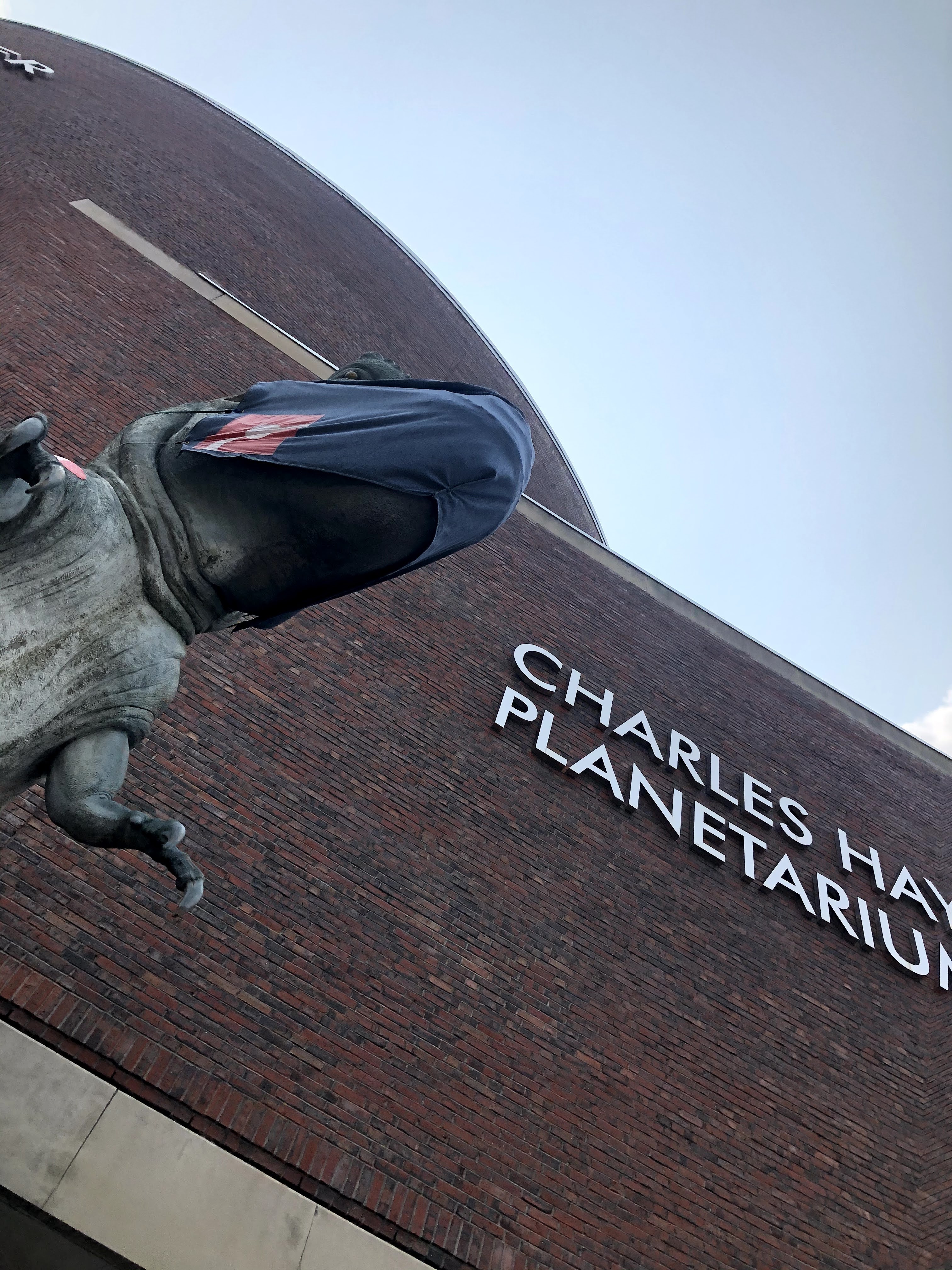
The son, like me, though, raves and pulsates with the cosmos – the moon, stars and planets excite him to no end. The next day, the husband had a surprise in store for him. We had planned a day at the Boston Science Museum, but the crowning glory came with the planetarium show focusing on the Moons of the Solar System – Moons – Worlds of Mystery

The show was spectacular. Starting with our very own Moon, it goes on to explore the moons of Jupiter, Saturn, Mars and Pluto. How every planets close cosmic neighbors were formed to the exciting possibility that some of them could harbor life in its watery oceans, and icy surfaces, it was a show that appealed to his every being. If ever a being was made of stars, there he was! When the camera plunged into Enceladus and Titan, he quavered, and the seat shook.

The pair of us headed out after the show, subconsciously scanning the skies for the near full-moon over the Bostonian skies, while the daughter conceded the magic of the moon and its strange pull on us. If it was a tonic to us, then so be it.

Books:

  • The Girl Who Drank the Moon – By Kelly Barnhill
  • The Edge of the Sea – by Rachel Carson
  • Cosmos – shows by Neil DeGrasse Tyson & Carl Sagan

Am I Duck?

The lakes shimmered in the early evening light, the rivers glistened in the beautiful spirit of Kawaakari (River glistening in the setting rays of the sun, or the moonlight) and I was trying to get the children to come on a marvelous trail for a bike ride. But the children would have none of that. They wanted ice-cream and no physical exertion.

“Aww…come on kids! It’ll be fun – we can do that!” I said in my sing-song child-like voice.  

“Amma! Stop that! You are doing that thing again where you think you are imitating us as kids, but actually you sound like Donald Duck!”

“Well in this case, y’all are like Scrooges, so …eh!” I said. Clever repartees when they do come need to be crystallized in sea-salt, dipped in coats of honey, and preserved in the Museum of Family Quips (The blog) I received an eye-roll for this one, but still.

“Okay…since you kids are not indulging me I am off on my walk. Maybe I’ll talk to the ducks, they might be more receptive…” I mumbled.

Off I went, swinging my hands and marching purposefully towards the trail by the river. There is something in the evening air that makes the world around us come alive. The crows were flying home, bluebirds swooped and swallows tittered, cats prowled, and I saw a large water rat slink into the river bed. The river was more like a stream just then, but this scene was life was welcome.

After some time, when clouds were flitting here and there, wondering how to place themselves just-so for the sunset, I sat myself down on a rock, watching a flock of ducks 🦆 (what are the flocks of ducks called? A chime of wrens, pod of pelicans? It turns out they are called a raft or paddling of ducks). The scene was a calm one. I was taking in the peaceful scene, feeling a sense of hope and a prayer bubble up inside.

 If I really wanted to pray I’ll tell you what I’d do. I’d go out into a great big field all alone or into the deep, deep, woods, and I’d look up into the sky–up–up–up–into that lovely blue sky that looks as if there was no end to its blueness. And then I’d just feel a prayer. 

Anne of Green Gables

I closed my eyes to send a vague prayer of sorts into the Universe. A prayer of hope, joy, unity, elevation, and what-not. I opened my eyes slowly and the whole paddling of ducks rose together in one coordinated flight. The grace, beauty and their obvious comfort with one another made let out a yelp of joy and I clapped at the scene.

I live in a suburban area, and am not always alone. I hadn’t noticed the family ambling along in the distance. They were closer to me now, and they gave me puzzled looks. I looked sheepish, but the joy of the ducks taking flight must’ve lit up my face, and they gave me cautious looks. I looked harmless enough, and was obviously caught up in the rapture of nature. Their children smiled, and joined me in clapping and cheering for the ducks. 

The ducks did not quite see the joy they had sparked off when they flew as one. If we are all happy together, do we exude the same joy to fellow bings? I wish we do.

I headed back and narrated this to the family.

“This! This is exactly why I said I wouldn’t go! People assume that we are like her when she does stuff like this!” Said the teenager to her father.

“Well – I am duck. Duck! Not cuckoo! Get it? Get it?” 

The moans of feeble laughter was worth that, and I quacked happily upstairs.

To See The World

I remember the first excitement at seeing the bubble maps of population vs GDP for countries around the world, and how they changed across a span of a century. If one could have their mind blown, that chart was it. Then, a few years on, I saw the TED Talk by Hans Rosling in which he explained Large Families/Low GDP Vs Small Families/High GDP, and this time the wonder grew.

In the intervening years, the power of big data and visualization grew by leaps and bounds, and there never was a dearth of graphs, or data analysis. Causal analysis, correlations, search engine optimizations, ad targeting, and numerous other concepts entered the lingo of the normal person. As early as 2012, Target could predict when a woman was expecting a baby even before her family knew.

Daniel Kahneman & Amos Tversky changed our perceptions by introducing the world to a whole new world of Behavioral Economics.

The Undoing Project: A Friendship That Changed Our Minds by [Michael Lewis]

So, when I picked up the book, How I Learned to Understand the World, I thought I would find about more interesting statistics about the world, but I was in for a pleasant surprise.

In the book, How I Learned to Understand the World, written by Hans Rosling and his daughter-in-law, Anna Rosling, it is Dr Hans Rosling’s journey that is written. The book isn’t written in the style of can’t-put-it-down. Instead of a compelling narrative that is keeping one’s interest, it is the genuine interest in the human being who was instrumental in changing the way we think of global health and economies. His journey to help humankind starts off with being a doctor in a impoverished nation, but moves on to much more than that. This is an inspiring sketch of what is possible when we think outside the box. That varied interests and knowledge-seeking is never wasted: they truly do come together in myriad ways.

The book starts as most biographies do, with a character sketch of the good doctor’s parents, grandparents, and his modest upbringing in Uppsala in Sweden.

He goes on to study medicine, and then travels to lesser developed countries hoping to do good work. His perception of developing countries such as India undergoes a transformation as he studies and travels there. It is here that he gets an appreciation for public health. The Indian Government at the time was battling one of the largest public health initiatives of the time ( possibly polio vaccinations – I forget). It is a humbling experience for him. He realizes, for instance, that medical facilities were not as backward as he assumed, medical knowledge was quite on par, or better, where it was available. The true problems were scale, population and outreach. 

After his return to Uppsala in Sweden, he goes on to begin work as a doctor in Impala. Where is Impala? Nacala? The joy of studying a map for these places is half the joy.

Here, in the coastal region of Nacala, he settles into his work as a doctor with his wife and children. Faced with less than ideal facilities, low budgets, and even less trained people to work with, he slowly learns the areas in which he can make a difference. He learns the importance of cultural awareness, and his humility for people’s knowledge and way of living, helps him reach the people he is attempting to serve. Without this realization he might never have been able to understand the devastating Konzo (‘Konzo’ means tied leg referring to the paralytic symptoms) disease that was paralyzing children in rural areas.

His work in Nacala, and his researches around the paralytic disease, konzo, led him to a life in research after his medical practicing days. The cassava plant is a staple diet in these areas. The cassava root is treated to a long, and arduous process of preparation before being made fit for human consumption. For example, the cassava is dried in direct sunlight for more than 8 weeks, to remove bitterness coming from a cyanide like substance that causes partial paralysis in human-beings (The long process is usually sufficient to remove the amounts of cyanide, but during times of drought, the plant produces more of this chemical content). Dr Rosling was the person to identify this link between the food process and the paralysis in his patients, and it was because he made the effort to understand the way of life in these areas. In times of food crises, the cassava plants are the only source of nutrition, and the results are devastating for those affected: their disability spiraling them further into poverty.

His ability to reach dictators, elected officials, and private industry for the sake of public health is remarkable.

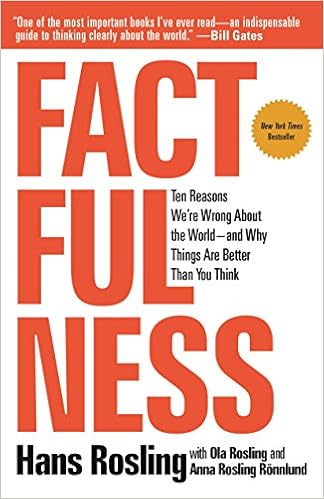
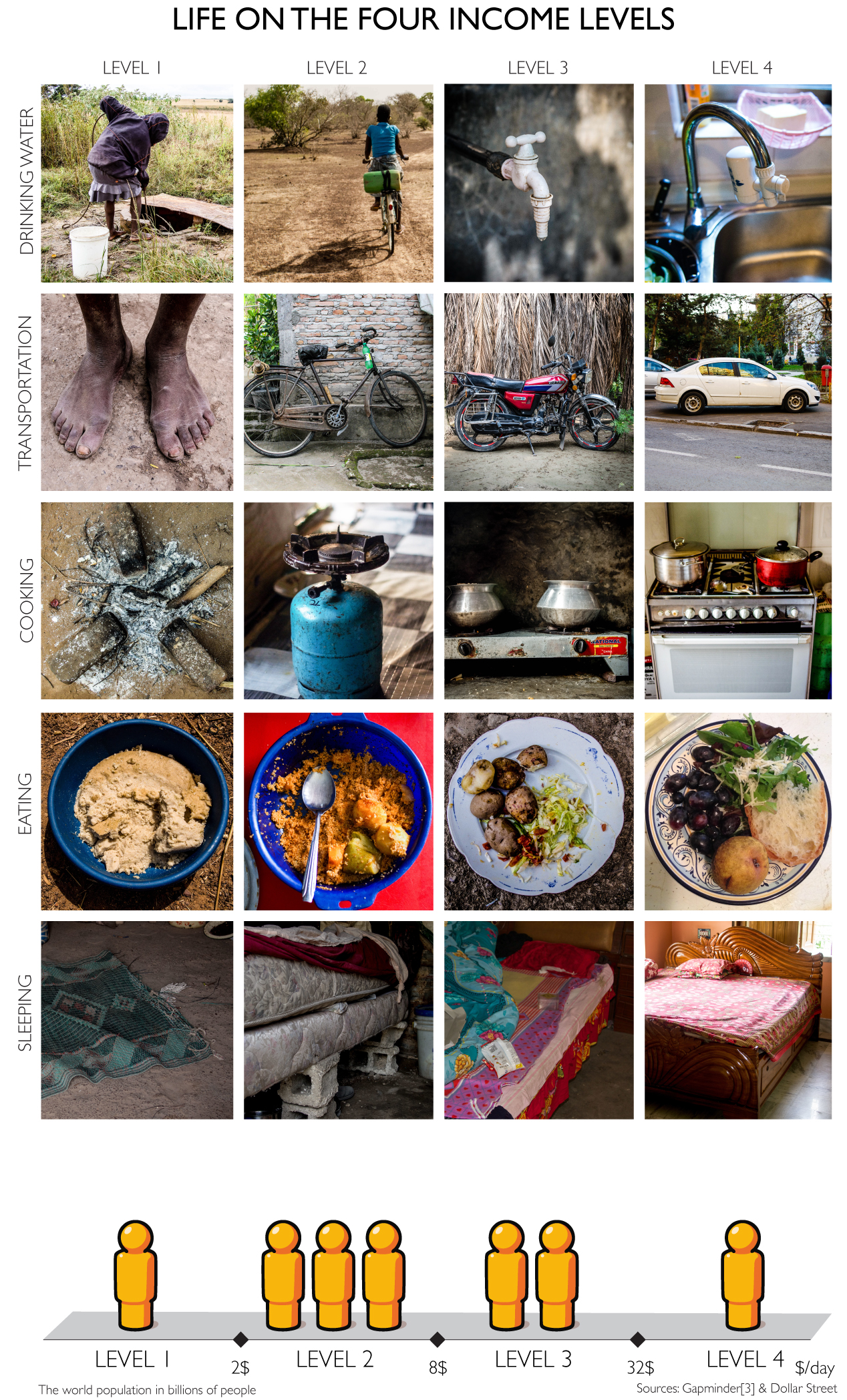
His book, Factfulness, is the next one on my list to be read. In this one, he outlines the state of the world in terms of actual numbers. Is our world as bad as we think it is, or are we progressing better than we give ourselves credit for? I am waiting to read this one.

Factfulness: Ten Reasons We're Wrong About the World--and Why Things Are Better Than You Think by [Hans Rosling, Anna Rosling Rönnlund, Ola Rosling]

A Dip into another Dimension

The July 4th long week-end is always a special one. It comes panting along after the first half of the year has whizzed past in a blur of life. The northern hemisphere goes on as it always has with winter transforming into glorious spring that gradually melts into summer haze.

School finishes with a flurry for the children and their long, luxurious summer holidays are there to stay, while those of who belong to the sterner corporate world have no such long, idle, ideal, vacations to look forward to. But the infectious joy of doing nothing is catching, and by the time this long week-end rolls around in the summer, there is an itch for the magical that is too strong to ignore.

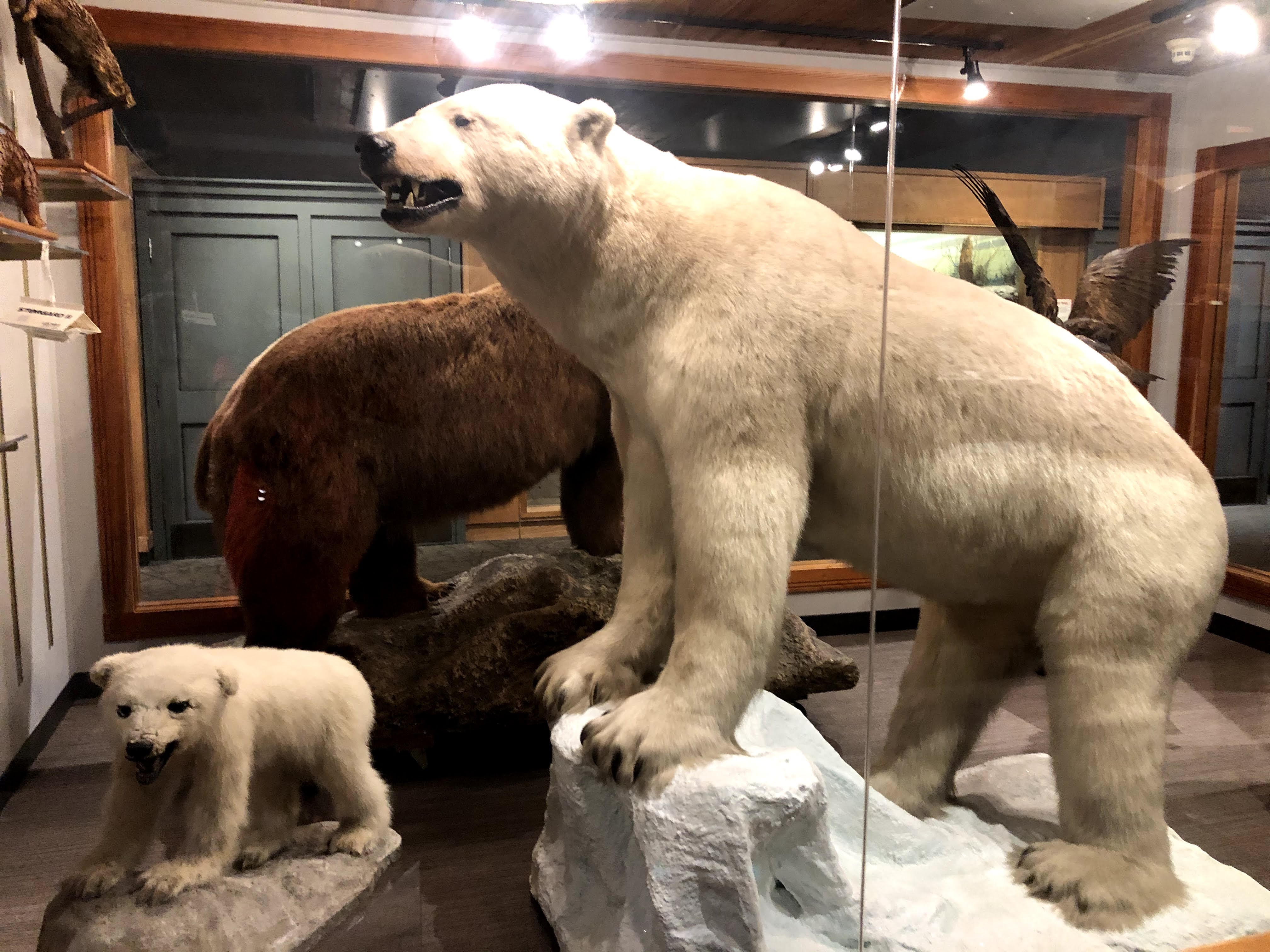
So, we gave in. Going in to the long week-end, I took a long resolute sigh to not work over the weekend, and what was more, I kept my word. I only worried about the deadlines, and the nagging problems  a few times. For instance, I firmly pushed away worries about work when I was trying to be an otter, when I was gazing marvelously at the anchovies swimming beautifully in the forests of kelp, and while taking a long deep sigh at the deer grazing by a pod of pelicans in a lake nearby. 

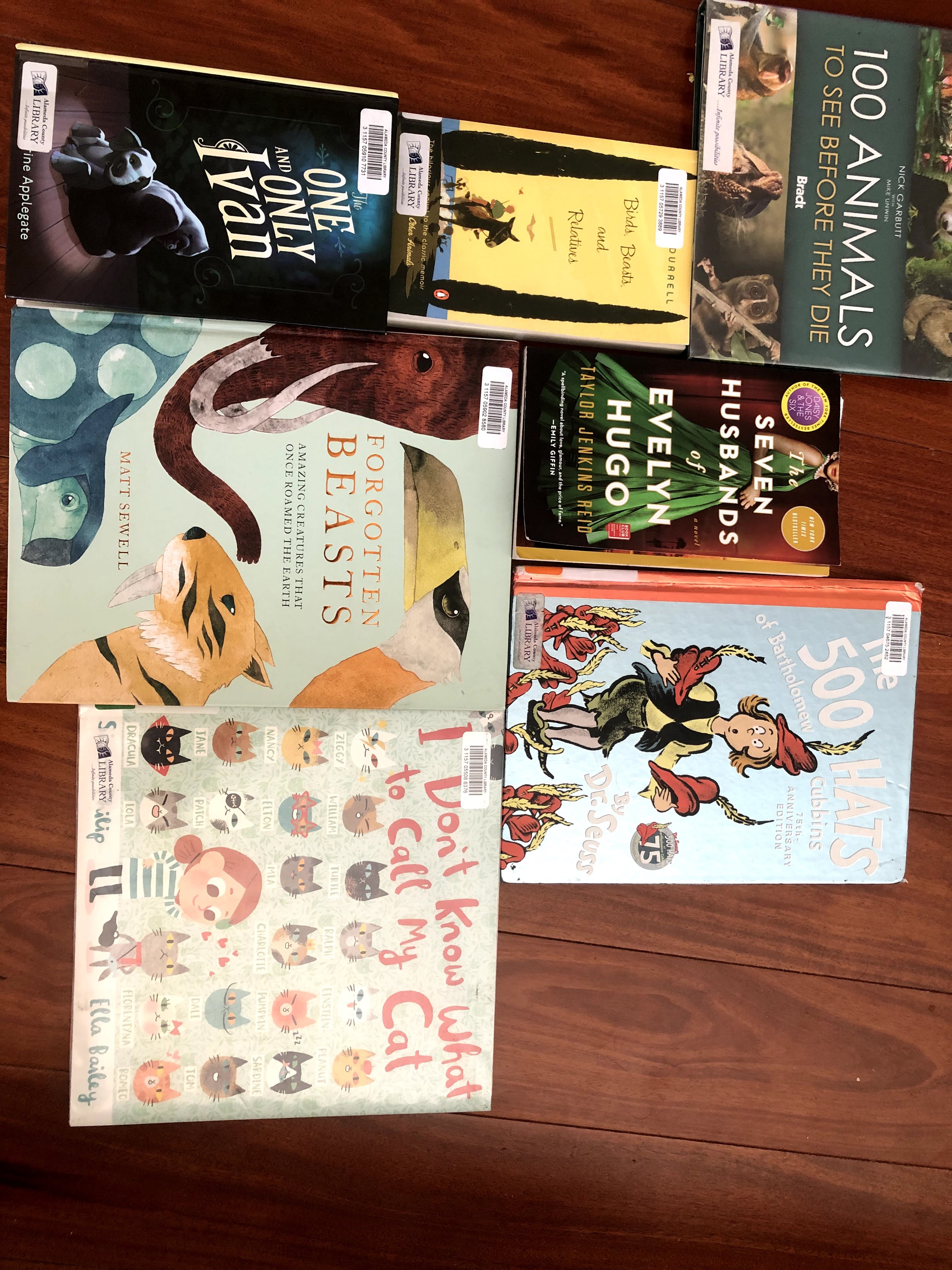
We started the week-end to a marvelous romp to the library in which I picked out books like a hungry child at the candy store. I sat that evening looking contented and happy after a long-ish bath and read one children’s book after another. I admired Maya Lin’s Vietnam War Memorial, I sat up and had a couple of mind-blowing life’s lessons from Seussisms by Dr Seuss, while admiring the grit and tenacity of Helen Keller and her marvelous life with her teacher, Anne Sullivan. 

Helen Keller’s writings about absorbing the life around her was truly fascinating.

The next day, we set off to peek into another dimension altogether. It has been almost 2 years since we visited the Monterey Bay Aquarium thanks to the pandemic. But this week-end, in our resolve to make it magical, we went over there. You do have to get an appointment slot now, but once inside, all of the old magic stirs in your heart, and you feel lost without fins and scales.

I remember harking back to the book, Flatland by Edwin Abbott. Technically, watching the sea creatures in an aquarium setting does not constitute traveling to another dimension, but it feels like it. Every time. The tentacles of the octopus, the slow mesmerizing motion of the jellyfish, the all-encompassing tales of the ocean whisper and roar with every peek.

One instant, I remember looking at the manta-rays and the hammer-head sharks scattering the schools of fish as they lazed around their huge tank, and wondering where the turtles were, when a large one swept past me. Turtles aren’t particularly fast, but the wonder and excitement of seeing one swimming that close is enough to get your adventurous heart all a-swishing. 

Reading the assorted jumble of books this week-end, combined with the therapeutic effect of a peek into oceanic life, constitutes a dip into another dimension in my book, and I wish it with all my heart for all of you.

For as Helen Keller says:

The best and most beautiful things in the world cannot be seen or even touched – they must be felt with the heart.

Helen Keller

Books:

Cerulean Chatter

“Ta-da-da! Let’s go!” I said dramatically closing the laptop and toppling the relaxed summer vacationers from their comfortable positions on the couch.

“Ouch! Must you really be this dramatic?”, said the son, who is fast learning to use the tone of a teenager in these matters.

I said with my hands firmly upon my hips , “YES! I have a long week-end approaching and I intend to enjoy it. Come on now!” 

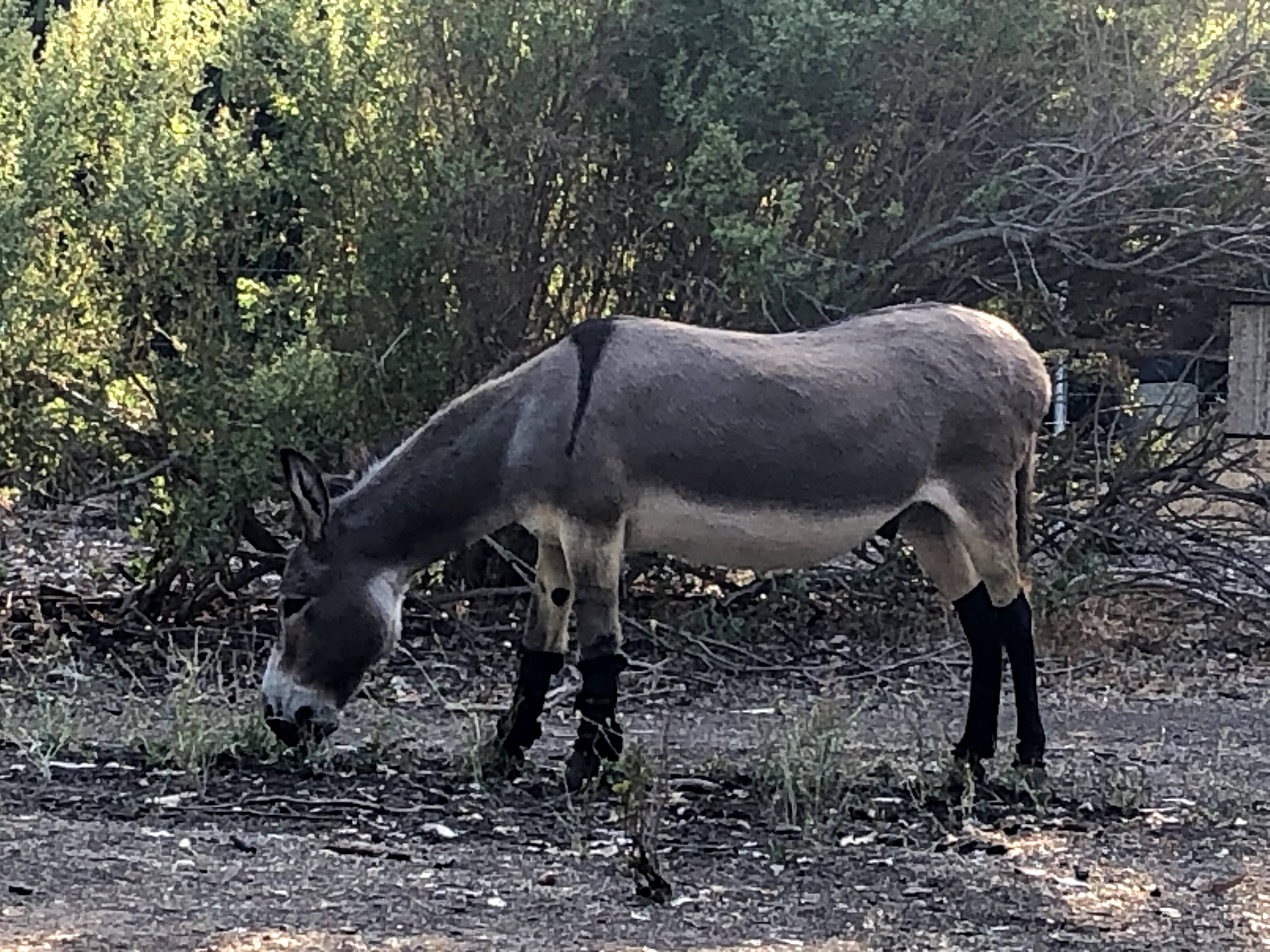
A low moan like a donkey stuck with its foot in a can was heard, and I turned towards the distressing noise. It was the daughter. I was surprised at this. “I thought you have been pandering on about that Cerulean princess book all week! Don’t you want to go to the library?”

“I told you! It isn’t available in the library yet.”

I ran an amused look over her appearance. She looked like an indoor plant with no desire to be planted outdoors. The child’s loose clothing, lazy groans, and the fact that she had made lunch for the family seeing how busy I was that morning melted my heart, and I said, “Fine! Either you come to the library with us, or you read Persepolis. Your choice.”

She willingly picked the latter, and I wondered why I had not resorted to this technique before. I have been begging her to read the book for at least a year now, and have been met with vague shrugs and the you-don’t-know-teen-taste mantra. It was very perplexing. I knew she would enjoy the book. The comic strips had humor, striking visuals, and a highly engaging take on the history of Iran. I knew her women’s rights part of the brain would itch and she would want to find out more.

Persepolis – By Marjane Satrapi

So, off the son & I went. We were celebrating freedom and these long summer evenings seemed just the way to go about it. We grazed along the aisles, less leisurely than we’d have liked, but very glad to be there all the same. I found that book on the Cerulean skies or whatever it is the daughter was looking for, and was wondering how to show her my smugness at finding it in the library when a text chime interrupted us. 

I finished it finally!

“Sooo…..what did you think of it? Interesting that it took you less than an hour!”

Something tells me you look smug right now. It was very good.”

I grinned in spite of myself. If I looked smug – what of it? Life doesn’t often give us the chance to feel that way.

That evening on a walk, we talked of this and that before we meandered back to Persepolis

“Ever wondered why the book was called Persepolis?” said the husband. She shrugged, and we gave her the little secret: Iran was known as Persia. The Persian empire, a grand old civilization etc.

She stopped in her tracks, and said, “Oh! That makes so much sense now. I mean not just for this book, but a ton of other stuff just clicks now. I always wondered about references to Persian this and Persian that in songs and stuff.”

I pressed into action. 

“What is it with teenagers not accepting our life’s wisdom huh? If you had read Persepolis before, you could’ve been armed with this superior knowledge – just saying. You know? We were perfectly angelic children, who listened to everything our parents said!” I said.

She chuckled and said, “You do realize paati and thaatha (grandma and grandpa) are just a WhatsApp message away and are always willing to dish the dirt on you right?”

I laughed and changed tracks. “By the way. Please be ready to eat your hat once again. I found the Cerulean Princess book in the library.”

She turned and giggled. I saw the book you picked out. It isn’t the one I was looking for. The one you got is the fourth and last installment in a series. I cannot read that just because you saw Cerulean in the title!”

Huh! How many new fiction books in the teen section would have the word Cerulean in them?

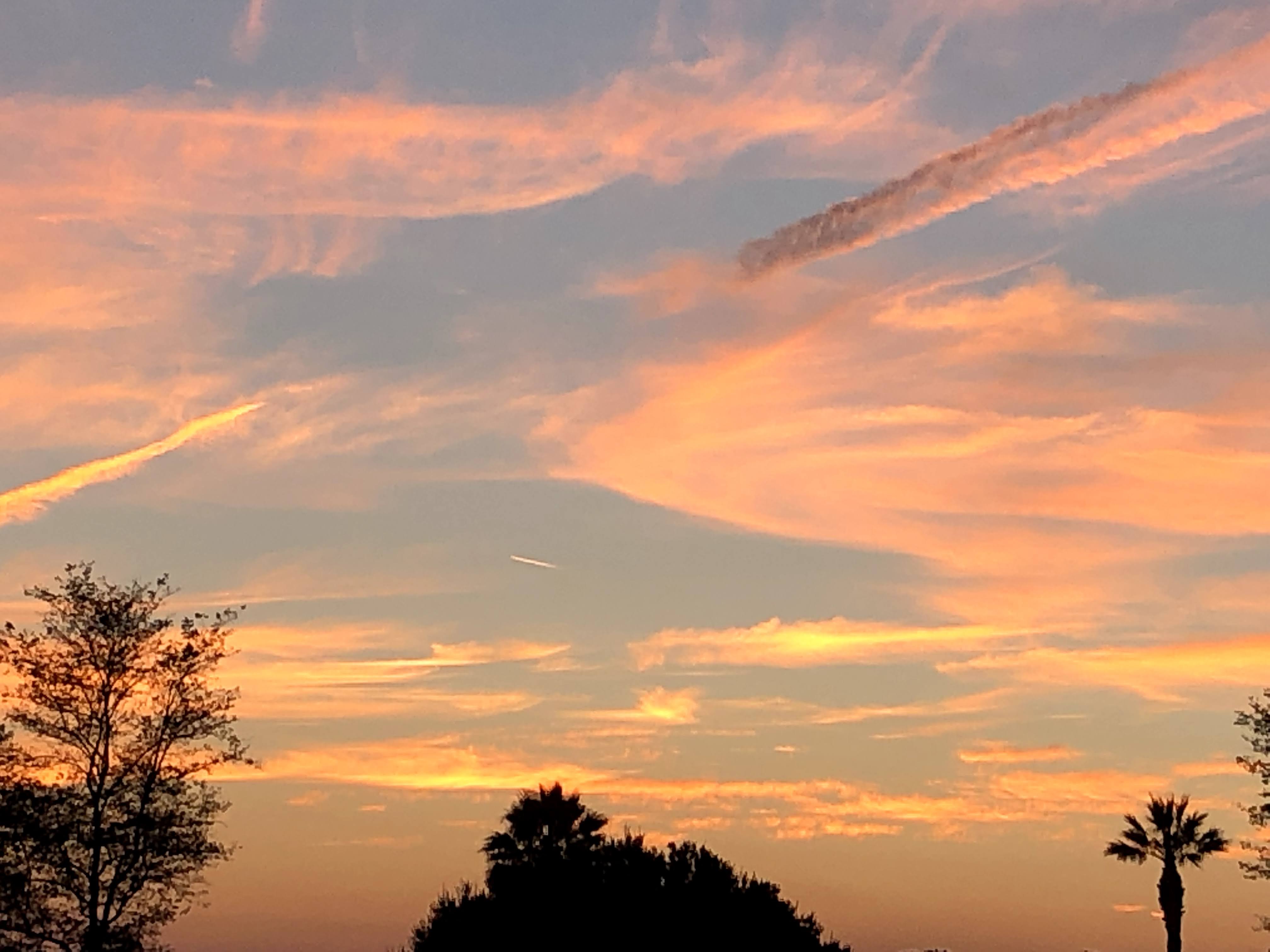
The sky above was looking beautiful. The sun would set soon ushering in a whole plethora of colors. “Never mind then. The sky looks beautiful, and we can resume our chatter under the cerulean skies!”, I said and laughed.

Musical Musings

The busyness of living had taken over the days, and I felt a little soulful pondering and meandering was in order. I listened to an uplifting album of Anoushka Shankar as I went about the chores in the home after a long week of deadlines, and never-ending demands on my time physically and emotionally.

The children gave me indulgent looks, and nodded approvingly. They had been telling me to get my head out into the clouds for some time now.

I peeked out the window and saw a breeze flutter though the pine tree outside, and resisted no more. I picked up the beautiful children’s book, A Violin for Elva by Mary Lyn Ray, Illustrated by Tricia Tusa.

Fresh from reading Musicophilia – Tales of Music and the Brain by Oliver Sacks, I found myself analyzing the music in our lives. In Musicophilia, Oliver Sacks writes about musicians who don’t read music, but get to listen to the music in their heads as they read the sheets. I imagined the neurons in their brains reacting like those little piano keys – bobbing up and down.

Who remembers Tom & Jerry Piano Concerto? Here it is for those of you requiring a refresher.

The music teachers at our school had been blessed by the muses themselves. I remember many a morning assembly being mesmerized by our piano teacher’s musical notes wafting from her swift hands flying across the piano. The band master and the Indian music teachers were just as talented and gifted. 

How could one man teach the saxophone and the bugle, just as marvelously as the drums?

How could one person teach the harmonium, sitar and the tabla? 

I have always wanted to learn to play a musical instrument. It is probably why I never tire of seeing Anoushka Shankar’s hand leap up and down the sitar producing marvelous music. The harp player must be harnessing a power of the gods, and no wonder the goddess of learning in Hindu mythology holds the Veena.

I sat by the rose bushes reading. A gentle breeze accompanied the birdsong outside. I watched mesmerized as the breeze rippled through the luscious pines generating green soothing waves. Well, I may not know how to play a musical instrument, but I am lucky indeed to be able to enjoy the music.

I opened the book, A Violin for Elva, and was soon so happy with the choice of book. The book talks of Elva listening to music wherever she went. She imagines herself playing the violin, and asks her parents for one, but she doesn’t get one. She goes about imagining her toothbrush, tennis racket and anything else to be her violin. The whimsical illustrations are a joy to behold.

Life passes her by, and in her working years, the faint whiff of her love of music is there, but she is too busy in the busyness of living. 

Finally, after her years of working, she gets herself a violin to teach herself, but finds it very hard. She then goes for music lessons and when she gives her first concert, the sense of accomplishment, the much-delayed gratification she receives is amazing. It is also a reminder to those of us waiting to do what we love that though it is never too late to take up what we love. It is also pointless to let life pass us by. 

“How we spend our days is, of course, how we spend our lives.” 

Annie Dillard

Elva’s story reminded me of Mary Oliver’s essay on the three distinct selves within each of us:

  • The Child Self
  • The Social Self &
  • The Eternal Self.

Though in the essay, Mary Oliver, refers to the Eternal Self as the artistic self, I like to interpret it as the Creative self. 

  • The Child Self is in us always, it never really leaves us. 
  • The second self is the social self. This is the do-er, the list maker, the planner, the executer. 
  • Then, there is the third self: the creative self, the dreamer, the wanderer. This is the self that needs nurturing.

The essay ended on this note:

“The most regretful people on Earth are those who felt their own creative power restive and uprising, and gave to it neither time nor power.”

Mary Oliver

It was a chastening thought to enjoy those things that sustain us, and in doing so make our lives meaningful and joyful.

What would you like to nurture?

The New Nest

The chirping of the birds in the morning is a welcome sound. I hadn’t really stopped to think about it much till the pandemic year came about. The sudden quieting of the traffic, the necessary stalling of our maddening rush all contributed to this I suppose.

I found myself taking my little cups of refreshing coffee and tea out into the backyard whenever I could so I could enjoy the sips while getting in a spot of fresh air, and a look at the trees. The birds chirping has been a nice gift. I suppose they always chirped.

As we re-evaluated our nest of many years, we found another charming gift. The birds chirp quite noisily in our new nest. These days, sub consciously, I look forward to taking my cup of tea or coffee out into the backyard and admiring the little welcome sights of life around me. The swooping blue jays, the amazingly quick humming birds, the butterflies, little swallows, black birds, and wrens all make for a marvelous orchestra of sorts.

Every time I open the doors in the morning, there is a fluttering sound. I was amused till I found that a dear little swallow has made its nest in our rafters by the front door. The poor creature seems agitated every time the door opens. I wish I could’ve told the little one to build the nest on the other side of the rafters so that she may have a little privacy and not be worried every time the door opened. But she did not check with me before painstakingly building her best nest for her little ones. Little birds don’t need property managers approving their spots before building their homes.

I feel a strange sense of kinship with this little bird. She must’ve been looking for a suitable spot for her little nest around the same time we were. And we both seem to have found the same spot to identify as home. If that isn’t special, what is?

Apart from the little bird, I have other new neighbors as well. For instance, every day a cat comes a-visiting and looks at me with seeking eyes. I did not quite understand the context – for she came every morning, evening and night. Sometimes, she approached me and stood a little distance away preening herself as if to say, “What’s taking you so long?” I was baffled – was I supposed to do something? Then, one day, I met my new human neighbors, and they enlightened me. Apparently, the previous owners had a cat that was this little beauty’s best friend. So, while we may have arranged for mortgages and property statements to be transferred, the cat was miffed. She needed her friend, and where was she?

The little dog in the mornings is another unexpected source of joy. He comes, and is so genuinely excited to greet us in the mornings, that it is a joy even though I am not much of a pet person. This little puppy was the first to welcome us into the community and thinks it is his job to get a belly rub and has me smiling at the memory all morning. 

Well, considering how much I love Gerald Durrell’s writing, I am sure he would approve of this domestic menagerie.

“I believe that all children should be surrounded by books and animals.” 
― Gerald Durrell

I wonder when the birds will hatch. Our nest is already noisy – it will be a joy to see the little nest in the rafters noisy too.

Moving Tales – Home-Home to Home

The past few months have been extraordinary. We have been reevaluating our nest. The home in which the son was born, the one in which the daughter grew up, the trees and squirrels that had become a constant feature of my life, was all going to change, and we did not know how to deal with it.

This home was the start and end of every journey, short or long. Every time we turned into the community from the road, we sang a silly song that we used to sing in our school days. The father sang it once when we entered the old home, and it felt just right. 

The son puckered his face up and said miserably. “The new house may be home, but this one will always be home-home for me.” I agreed with the fellow, and we sat down discussing all the things that we had enjoyed in our home-home. The californian blue jays that mistook our stained glass paper on our high windows for flowers and knocked on them every year, the squirrels who did not set store by such things as property ownership and such, (Those trees were theirs no matter what the banks and property tax managers say) , the courtyard that was always lively with friends and neighbors who had become extended family over the years, the children who had grown into lovely young adults in the decade and a half that we lived there, our neighbor’s envy when they found we always parked both our cars inside the garage and not on the street outside due to limited parking spots, the mailmen. Most importantly, the sense of belonging that only a true home could make you feel.

Change is never easy, but a change after 14 years? I shuddered every time I peeked into a closet. I have no problems believing the universe is expanding all the time. Our home, which was positively huge when we first moved in, was a little cluttered with books, and papers, true, but over time had expanded in its capacity as well. Every closet seemed to have an infinite extensibility charm placed on them. 

How else could one drawer measuring about 6 X 12 X 6 inch hold the following?

  • Glitter Pens – 62 – just for fun, I tested them out, and grew bored about the 19th pen as they were all dry. That’s how writers live – life on the edge you know?
  • Notepads – dozens of them half-filled.They had an assortment of stories, outlines, sketches, doodlings by the daughter, half hearted poems, world-building fun, grocery lists, to-do lists and notes from meetings. 
  • Half broken crayons – was there really a crayon war in the world of closets? I smiled in spite of the overwhelming urge to continue cleaning. Those who have not yet read the charming children’s book, The Day the Crayons Quit by Drew Daywalt, and illustrated by Oliver Jeffers – please do. A sunset always has a certain whimsy attached to it afterward. #TheDayTheCrayonsQuit 
  • Bills dating from 2007
  • Push pins that poked when you ran your hand over the contents
  • Spectacles – the father-in-law’s, mine, the father’s, the daughter’s and a couple of ski glasses that wouldn’t fit a puppy. Maybe from that ski trip 7 years ago when the son was a toddler?
  • Hairpins, rubber bands, bracelets, bindis, ‘mood’ rings (these were a craze when the daughter was in her unicorn, mermaid phase. Apparently, they changed colours detecting your moods. It was now black and refused to change colors. I wonder what mood that reflected) 
  • A fine sprinkling of dust, mixed with sparkles( they did look magical shimmering there tantalizingly at the bottom of the drawer as if to say – there is a portal in here somewhere)

I sat wondering how we had muddled along for this long. Everytime someone in the family wanted something and hollered for it, I would be able to pick things out and just hand it to them. I marveled at the brain anew. How had I managed to find my way through this chaos? I had no idea, but the old brain nudged me to move on. I had dozens of drawers to go before I slept. This was no time to be musing on the inner workings of brains and neurons and neurotransmitters, and all the complex mechanisms that we are set up with, sitting up and using all these biomarvels to figure out closet contents.

There is a poem in here somewhere waiting to be fleshed out. Each drawer a galaxy? An expanding universe in a multiverse. 

I wizened up around the third drawer. I simply opened a drawer, picked out what I needed, and emptied the rest of the contents into trash bags. If something valuable was gone, well…we’ll know soon enough.

The Mystery of Human Potential

The Undoing Project, By Michael Lewis, started off with a baseball team’s challenges in picking the next star. I might’ve appreciated this chapter more had I known baseball ⚾️ I suppose. As things rest, I know it is a lot of activity, running, a bat with a ball and two teams. However, I appreciated the gist of it i.e the ability to spot human potential. Now, that, I can identify with. 

The Undoing Project: A Friendship That Changed Our Minds by [Michael Lewis]

As the book moves on to introduce us to Danny Kahneman and how as a single psychologist in the Israeli Army, he was tasked with the humongous task of trying to identify army recruits and figure out which positions they would be best suited for. Which ones would make good tank operators, which ones are better suited to quick guerilla warfare, which ones will fare better as aerial surveyors etc. 

The fact that this was not only attempted and done, but still stands in its rudimentary form is amazing. 

Unlocking and identifying human potential is one of the toughest problems in the world. There are indicators, yes, but no sure way of knowing who has the ability to self-motivate and stay in the game. As a technology leader, it is often a baffling experience for me. People who fared exceedingly well in well-thought out structured interviews come onboard and don’t sparkle in their roles at all. Some others who were doubtful in the screening process, come through as diligent, hard workers, willing to put in their all to learn and be happy about it. 

Recruiting sites, AI/ML models all have only limited success in the true test of human capabilities. The fact that there is a lot happening that just cannot be captured is a well-known fact. The field of psychology and mathematical models using statistics to better understand human mystique is fascinating. 

I am only halfway through the book, but the collaboration of the great minds of Daniel Kahneman and Amos Tversky is already a pleasure to read. 

Psychology – as is termed by Academia as a bin for all things unsorted is a great place to be. The combination of mathematical intuition with the brains functions, and how to design experiments for these are fascinating by themselves.

How come some of us are optimists, others pessimists and so many of us in all the areas of gray between these two extremes?

How come we make large decisions without as much agonizing as the smaller ones?

How come some of us embrace humor?

I am only about halfway through – I am fascinated, but not enamored by the book.

The Moon Periodically Enchants Us

It was only fitting that the full lunar eclipse of Wednesday was best visible from the little cosmologist’s room window.

I walked into the son’s room to wish him good night. There he was, lying down on his tummy in his pajamas, his face cupped in both his hands staring at the periodic table poster and glancing at the moonlight shining outside. 

He looked up at me, and said, “Isn’t it amazing how many elements there are? I think I can sing the periodic table song till the second row.” And then, of course, he proceeded to sing it. We talked about the elements and how they found each one. 

The periodic table game is an enchanting one. Which letters don’t have an element? Are there many more elements in the universe that we didn’t yet know about. I mean they found Lawrencium etc pretty recently didn’t they? 

Reminded me of the book, Uncle Tungsten by Oliver Sacks in which he talks of his obsession with the periodic table. 

“The periodic table was incredibly beautiful, the most beautiful thing I had ever seen. I could never adequately analyze what I meant here by beauty – simplicity? coherence? rhythm? inevitability? Or perhaps it was the symmetry, the comprehensiveness of every element firmly locked into its place, with no gaps, no exceptions, everything implying everything else.” 

Oliver Sacks, Uncle Tungsten, Memories of a Chemical Boyhood
Uncle Tungsten: Memories of a Chemical Boyhood by [Oliver  Sacks]

We sat there wondering whether our beautiful moon itself has other elements, or essentially those of the Earth. Fascinating questions to engage the mind on a beautiful full moon night. 

I knew he would be equally thrilled about an adventure in space that was to take place early the next morning, and told him about it. A full lunar eclipse my boy! Can you imagine that?

“…We ourselves were made of the very same elements as composed the sun and stars, that some of my atoms might once have been in a distant star. But it frightened me too, made me feel that my atoms were only on loan and might fly apart at any time, fly away like the fine talcum powder I saw in the bathroom.” 

Oliver Sacks, Uncle Tungsten

Almost immediately, he said, “Okay Google! Set an alarm for 4 a.m.”

The next morning, I snoozed my alarm titled ‘Moon Magic’ at 4 a.m., and was wondering whether to pull myself out of bed, when I heard the son bustling about. He tugged us all downstairs and we stood there in the courtyard in front of our home gazing at the beautiful red moon – a giant golden orb that huge low in the sky had morphed into a silver ball of luminescence and was now a red rock suspended in mid-air. If this wasn’t magic, I don’t know what is.

The husband went into the home after a few moments – we were slightly cold, but stood mesmerized by the slow show being put up for us by the cosmos. The husband called in a few seconds, and said to the son, “By the way, the best view is from your room!” We raced up to his room, and gazed outside the window. True enough. It was the best view. Snuggled up in his warm comforter, sipping hot cocoa, I left the fellow to gaze and dream on as the silvery moon emerged from earth’s shadow. 

The eternal magic of light combining with the structural elements of the earth and moon make for a magical night indeed.