Dr Seuss’s Horse Museum – Illustrated By Andrew Joyner
This book was published posthumously and was completed by Andrew Joyner. It was based on the loose sketches and plan he already had for the book.
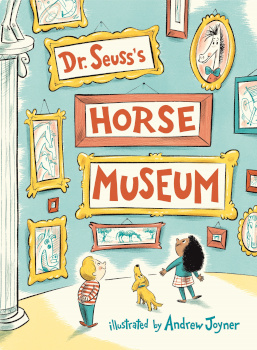
It is a gallop through Art History. For someone who is fascinated by art, and doesn’t necessarily have the knowledge to go with it, the book was particularly insightful. It isn’t Dr Seuss in its style – there are no hilarious horses challenging butterflies to a flying contest, or trying to grow a tree through their nose, while flowers sprout out of its ears. It is more a book by Andrew Joyner based on the preliminary notes made by Dr Seuss.
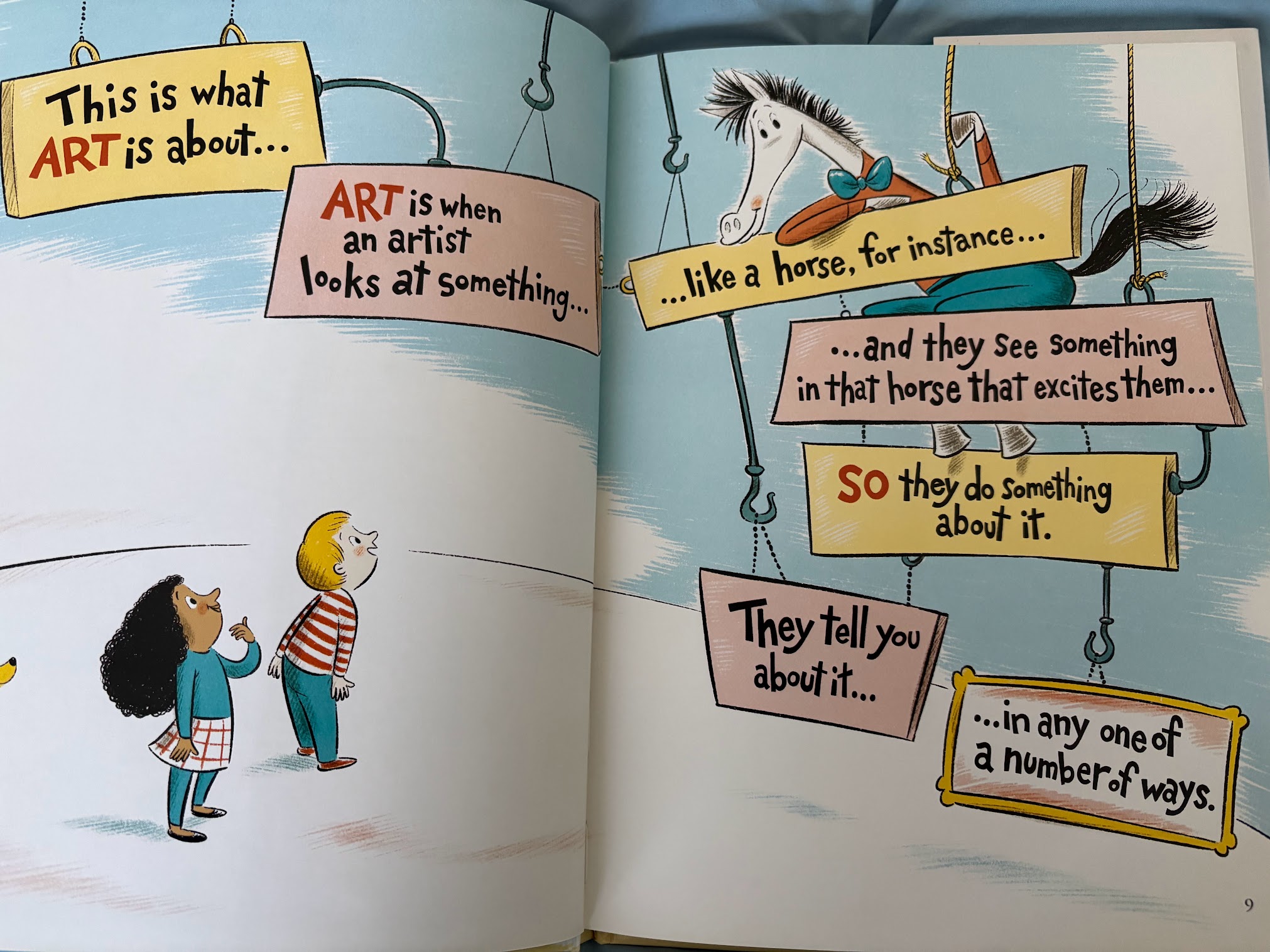
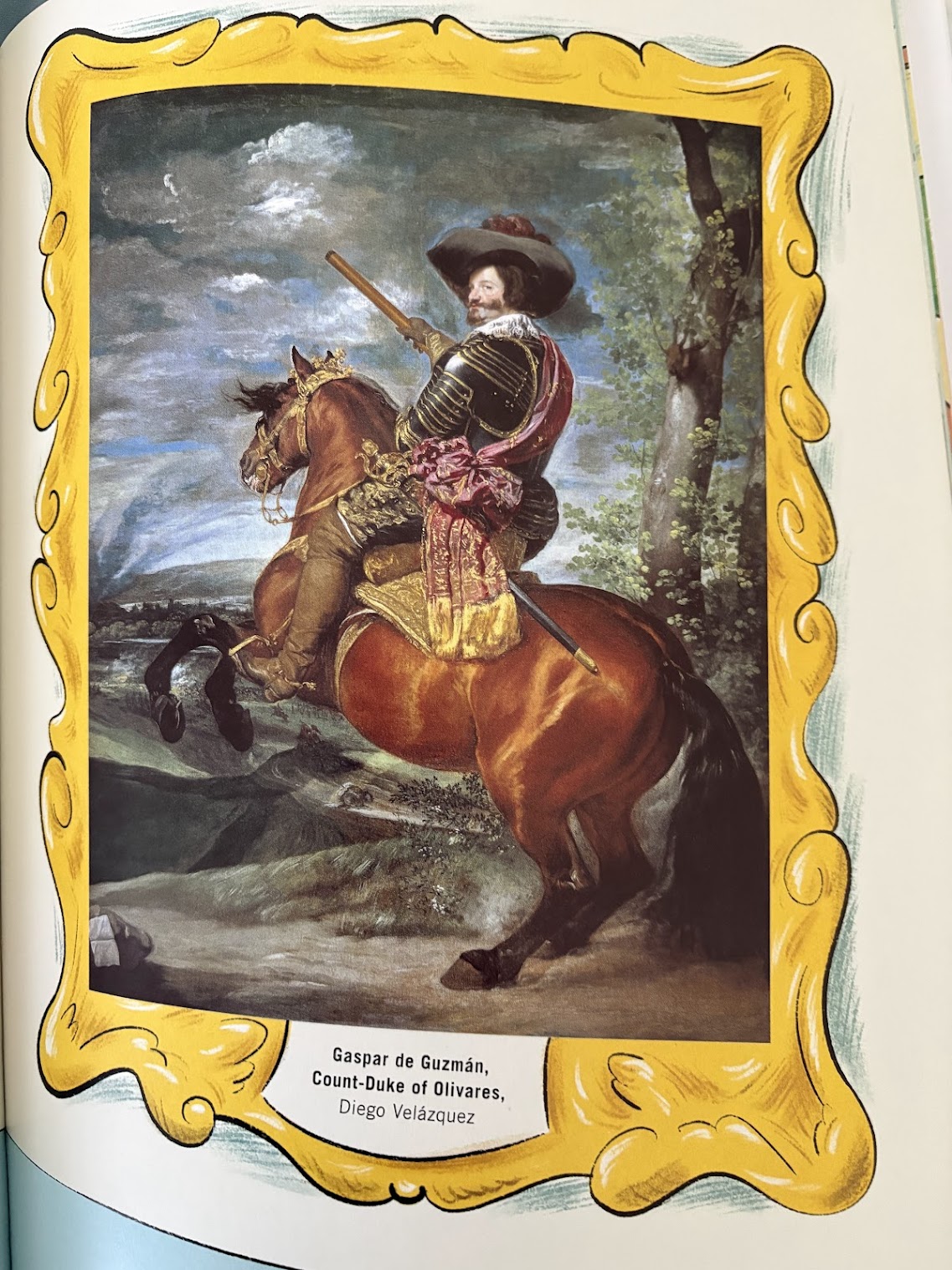
The book has references to many real pictures of horses by artists over the ages – impressionist, cubist, Japanese, Chinese, realism, surrealism etc.
This got me thinking about a post that has been rattling about in my head for a while now with no clear structure. I have written various versions of it – each more insufferable than the previous one, but I hope I can try to wrest some form of understanding using the horses structure that Andrew Joyner curated from Dr Seuss’s horse notes.
Art History & Cultural Significances
Art History has always been hand-in-hand with the cultural significances of the time. For instance, Renaissance artists were drawn towards accuracy in anatomy which coincided with an uptick in scientific thinking.
Surrealism rose after the horrors of the World Wars I & II – people needed to believe in something fantastical after the horrifying realities of the world around them. Example: Lord of the Rings was written post world war by J R R Tolkien who was himself devastated by the effects of the First World War in which he fought.
https://nourishncherish.org/2026/02/17/exploring-americas-artistic-evolution-through-history/
In the spirit of trying to see the evolution of art in the digital age, I tried to see how the horse would evolve:
Horse picture – Industrial Photography Era:
Black & white using reels – Dr Oliver Sacks had written about this in his book, Everything in its place. Picture animated based on the pictures taken by Edward Muybridge.
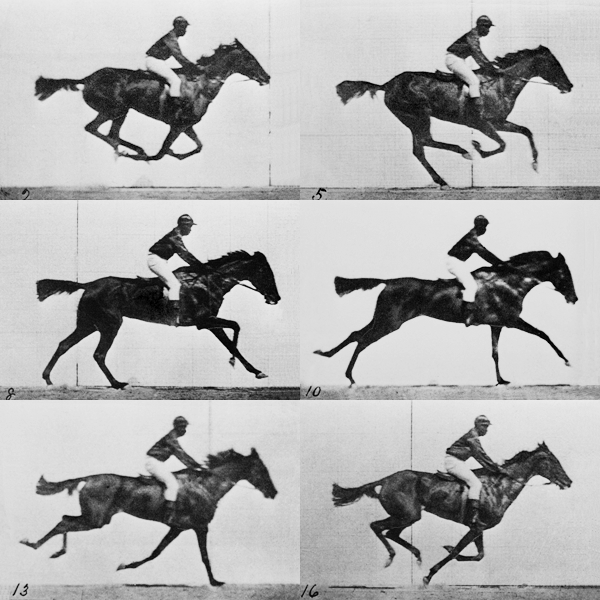
English: Animated sequence of a race horse galloping. Photos taken by Eadweard Muybridge (died 1904), first published in 1887 at Philadelphia (Animal Locomotion).
Muybridge used 24 cameras along a track where the shutter would be tripped by the horses themselves as they galloped past to capture the movements of the horse as they raced.
This era coincided with the Industrial Revolution – the efficiencies that changed the fundamental way in which things were done.
Horse picture using iPhone – Digital Media Era
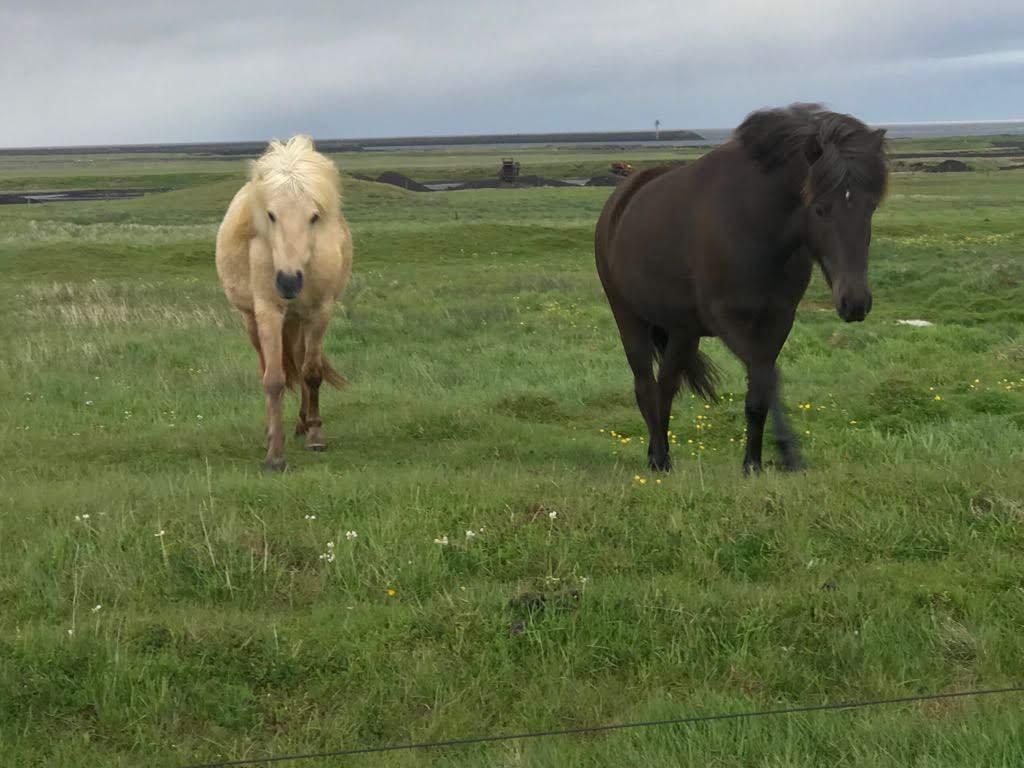
Horse videos, Horse shorts, Horse animations
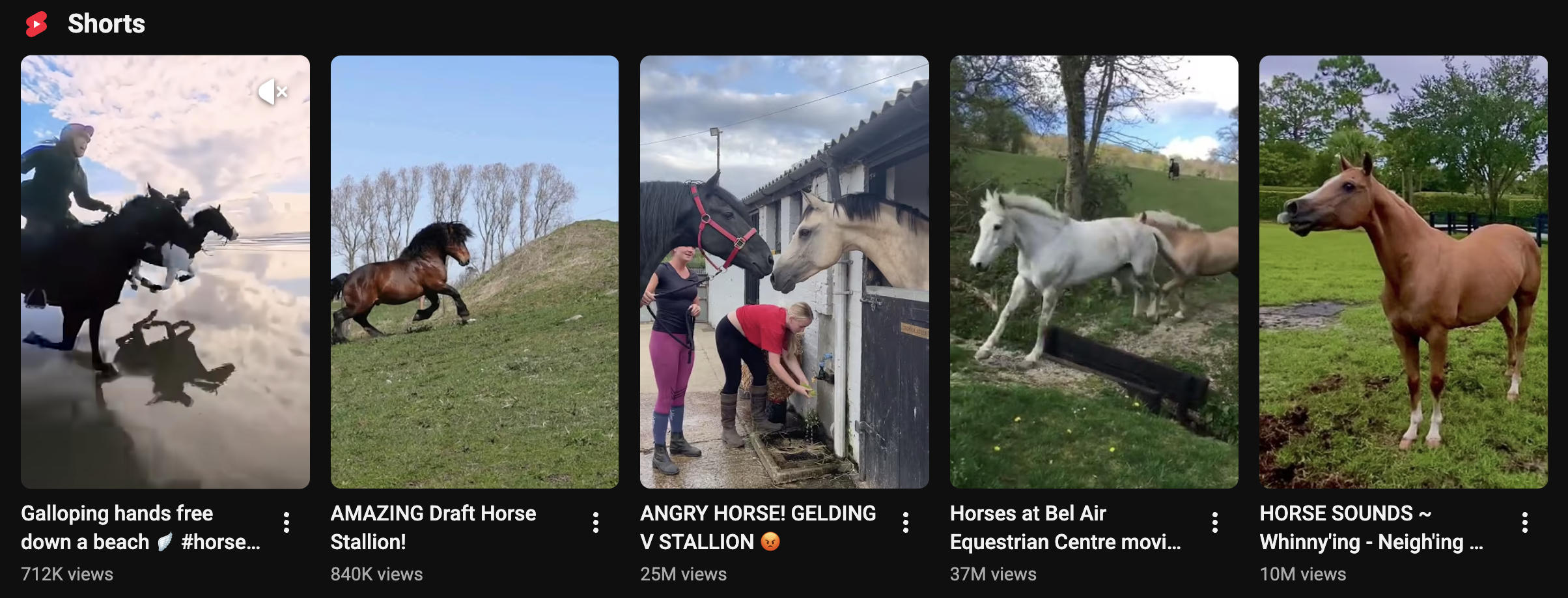
This era coincided with the Internet and the Social Media era. I am not sure they can be combined this way – I feel the internet gave rise to social media in such a forceful manner, that they probably deserve separate art eras. I marked them as digital era for the purposes of this post.
AI horse : Neo -Surrealism era
As the next stage in this evolution is AI generated images and videos.
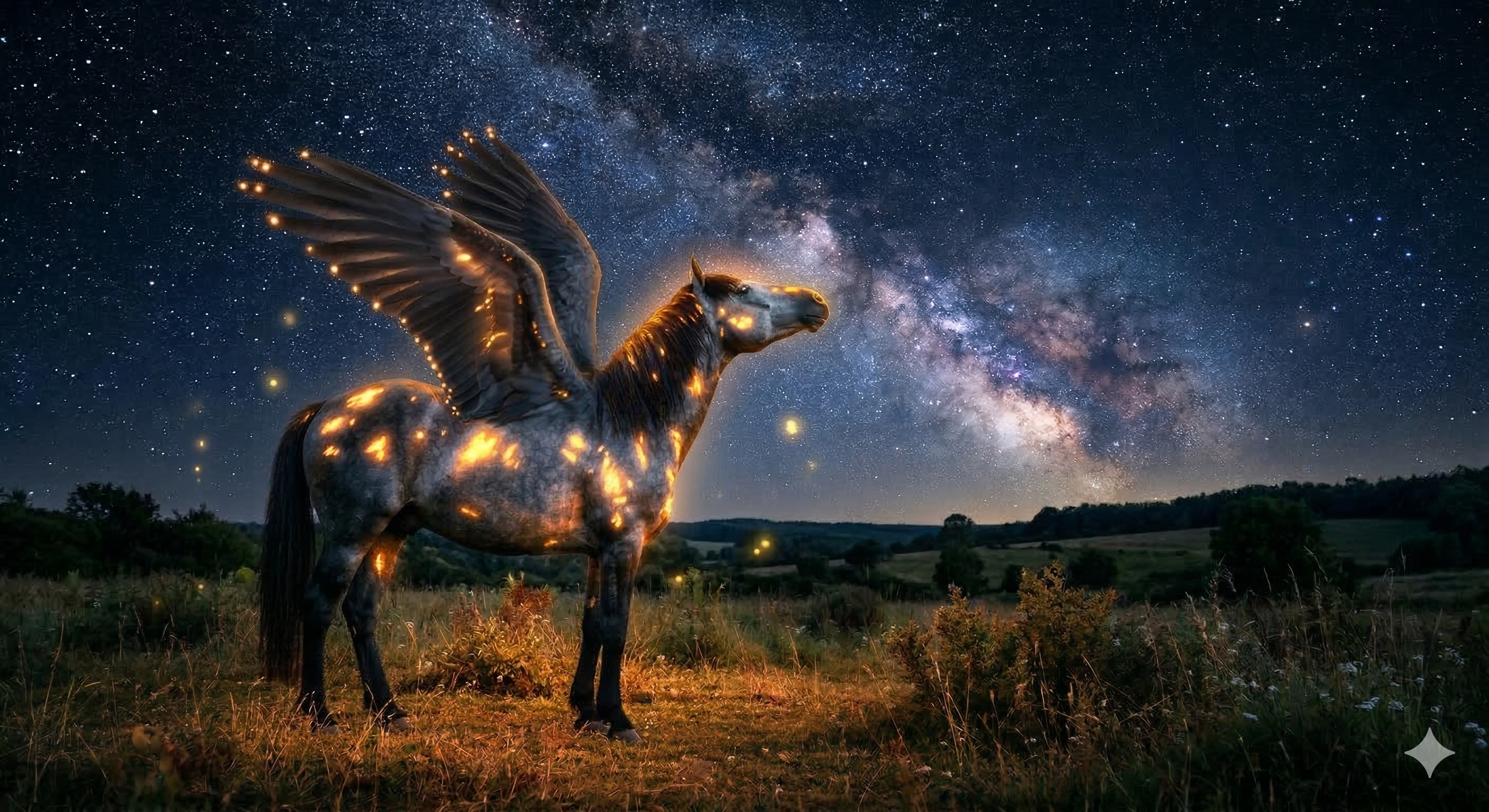
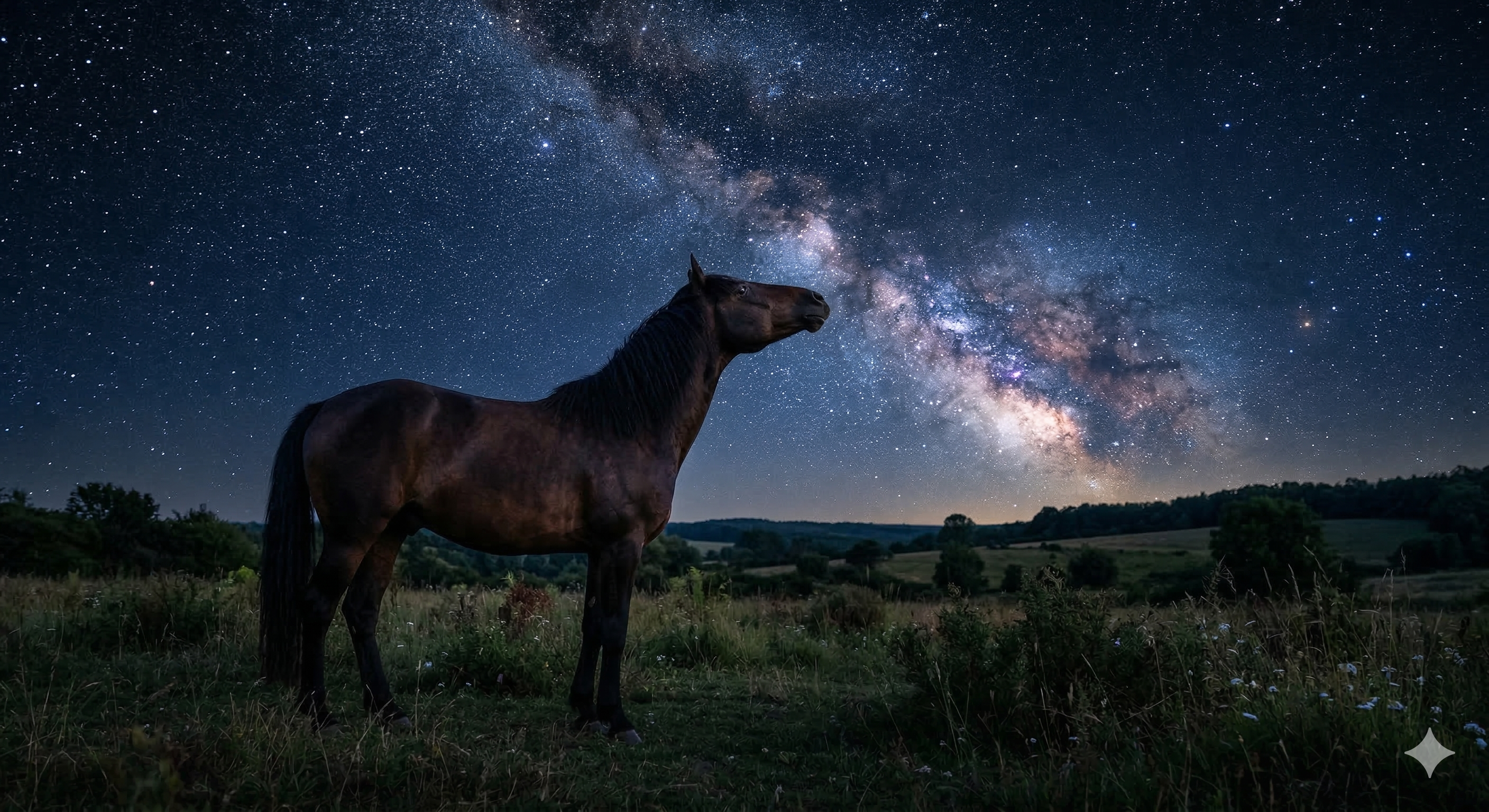
Could this be the neo-surrealism era? The need for our fantasies mingled with the need for speed of creation.
What do you think?
I am not sure if each of these stages in art have a name yet. But I am sure future art historians will come up with names for each era and how it denotes an era in technology or world history.
What do you think the names of each era would be?

 Nourish-n-Cherish