Inspirations for Writing

Talented Inspirations

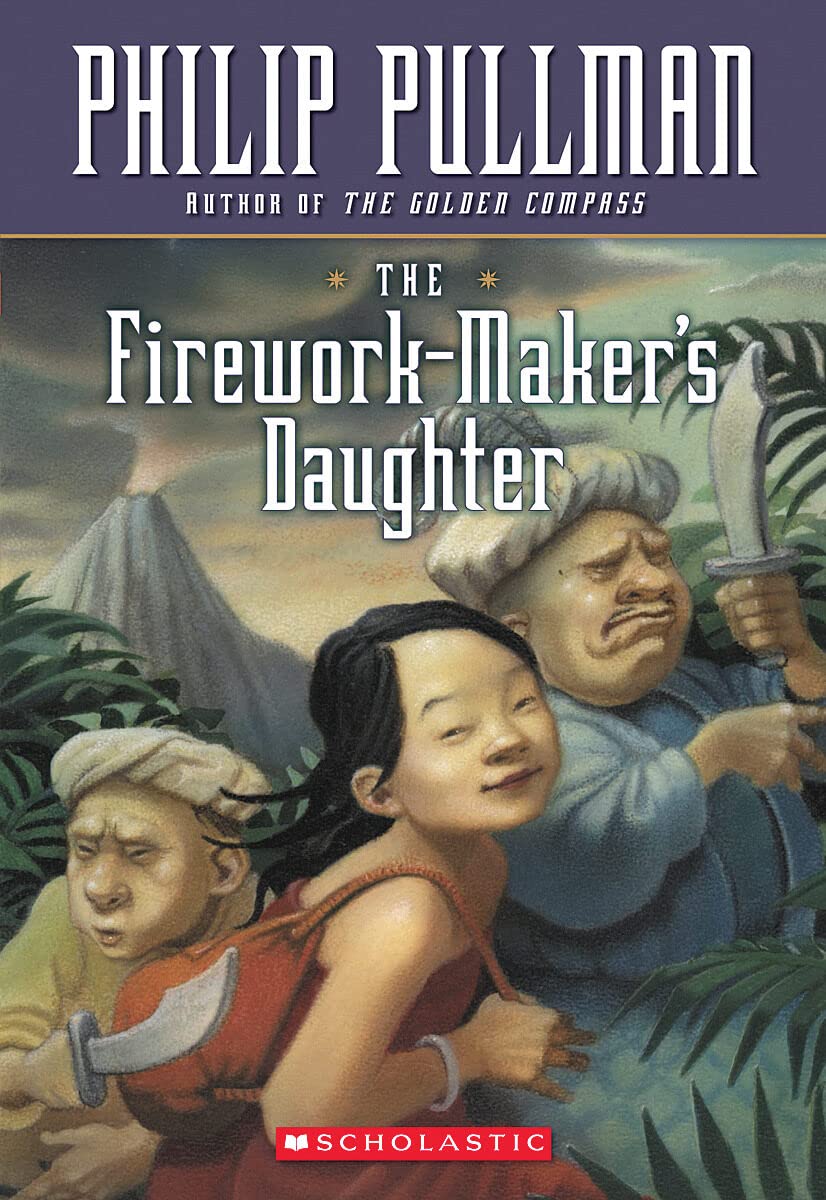
I recently read The Firework Maker’s Daughter by Philip Pullman

I’ve always wondered about the series of books that are titled thus: Galileo’s Daughter, The Clockmaker’s Daughter. The appeal of the daughters of men with interesting careers is an interesting premise. For so many years, women were denied the opportunity to consider interesting careers.

Like Elinor Dashwood (of Sense & Sensibility fame) says of women and careers:

“You talk of feeling idle and useless. Imagine how that is compounded when one has no hope and no choice of any occupation whatsoever”.

  • Jane Austen, Sense & Sensibility

If ever I am grateful for anything, it is that women’s talents are now nurtured and recognized. After all, talent does not distinguish between the crude lines drawn out by humanity – it does not care about race, caste, creed, sex, religion.

Fascinated as I was by the book, The Firework Maker’s Daughter,  I loved the colorful cast of characters, and  what is required from them to succeed in their profession. It also got me interested in the writing style of Philip Pullman – his was witty, whimsical, and oh-so-light.

Pullman on Writing (Source: Wikipedia)

I have stolen ideas from every book I’ve ever read. My principle for researching a novel is ‘Read like a butterfly, write like a bee,’ and if this story contains any honey, it is because of the quality of the nectar I have found in the work of better writers.” 

  • Philip Pullman

A better imagery for writing I could not think of. If one thinks about it, life itself presents all the inspirations we want. Even when is in the midst of the Thanksgiving week-end, and may be busier with spending time with family, friends, trips etc, the inspirations are all around us. 

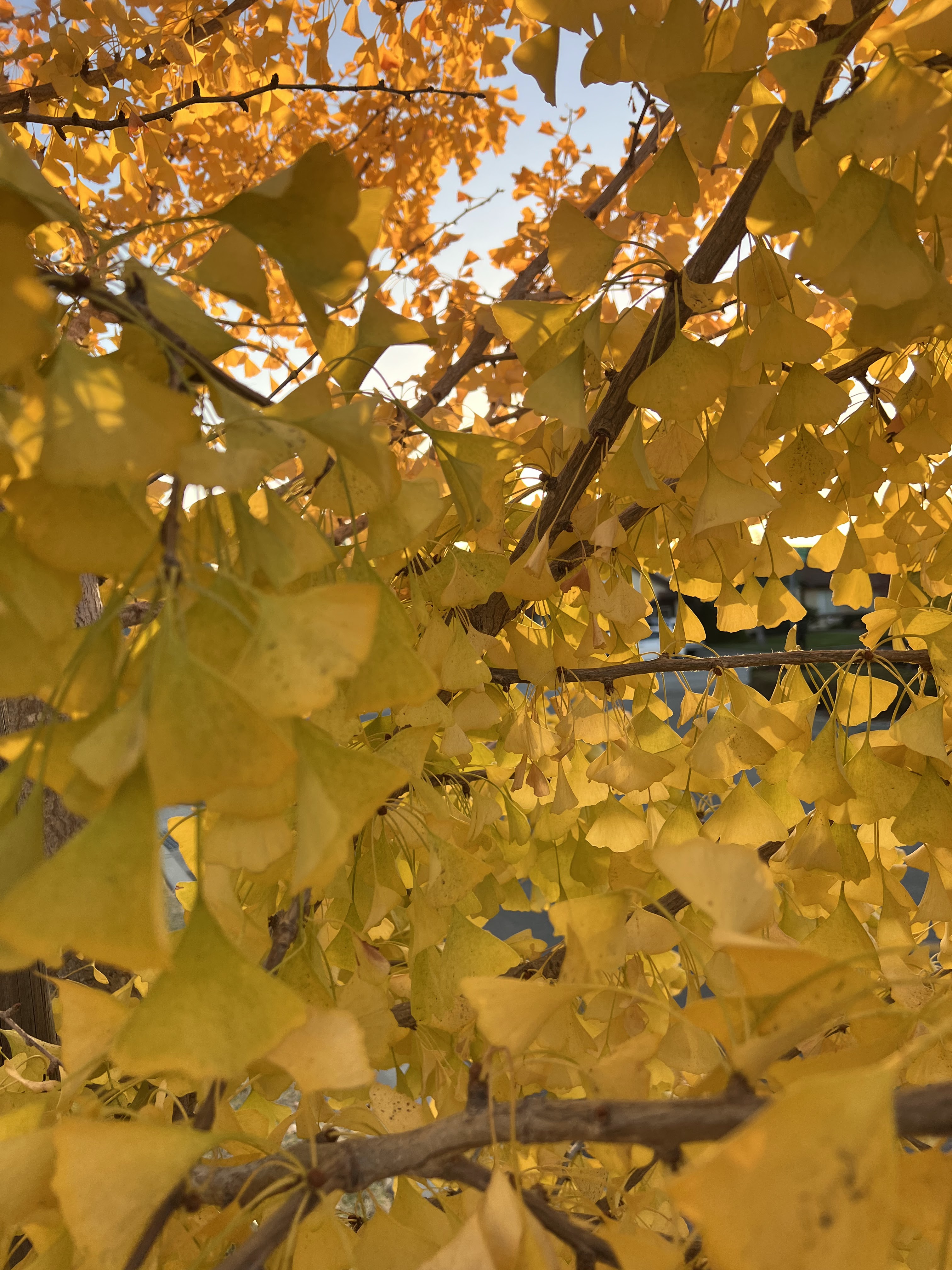
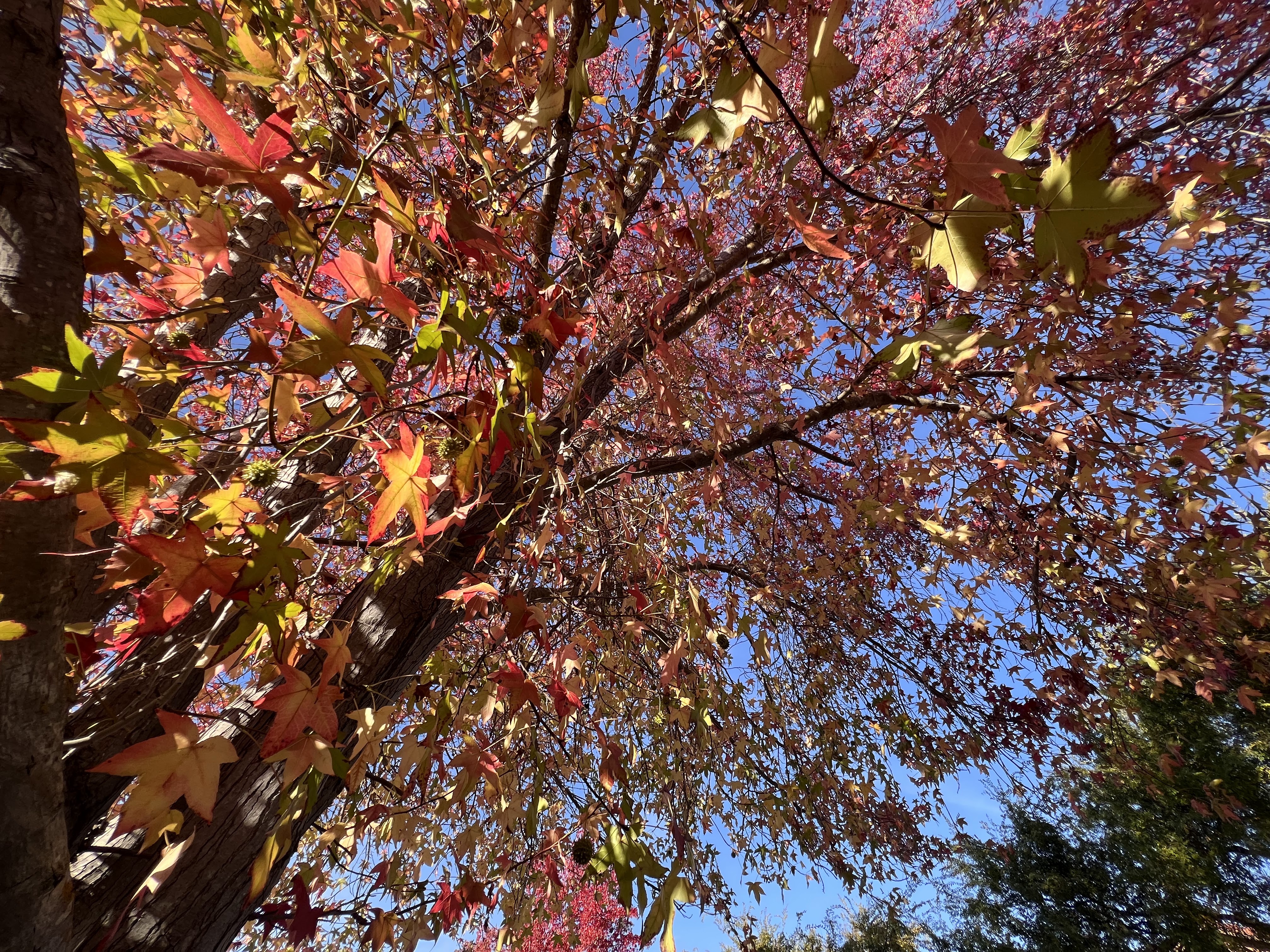
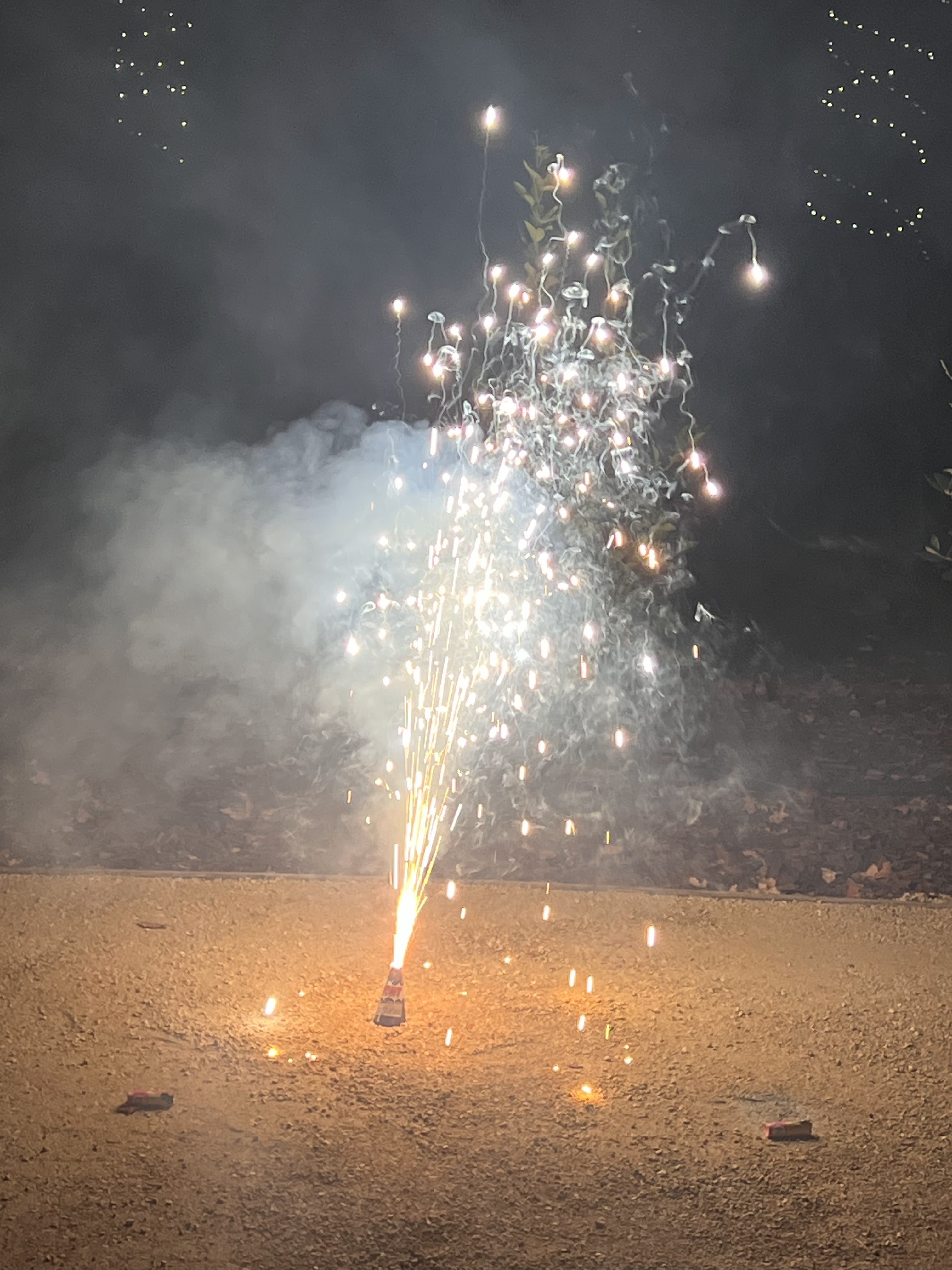
If you are looking for that November spark, look at sparkling fireworks of Diwali, the colorful trees of the fall foliage around us, the many friends and family one meets during November’s Diwali & Thanksgiving  seasons to gain your sense of well-being, gratitude and inspirations!

Manathakkali Keerai

Poetic Greens

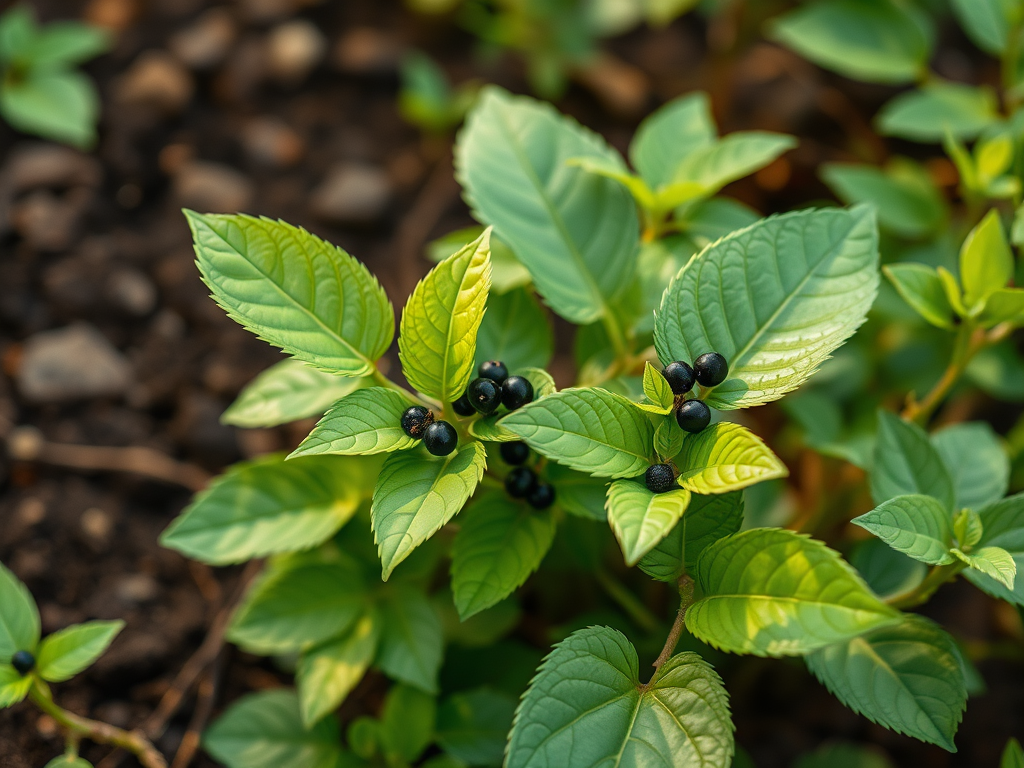
Manathakkali Keerai has a beautiful name in English – they are called Sun Berry or Wonder Berry or Black Night Shade greens.

What poetic names for such an unassuming plant?

It was a variety of greens that both my mother and father-in-law seemed to adore, and I was slightly taken aback to see the way they were thriving in our little vegetable patch to be honest. It was nice enough to pick the little black berries and pop them in, but the greens? I had no idea what to do with them. The mother donned her expression of helping the local village fool and said, “Make keerai out of it!” and so there we were – harvesting. 

Do we take the stems? 

Just the leaves? 

Cook the green berries or just the blackened ones?

Cut them or strangle them from their stems?

The husband, clearly out of his depth, had taken to advising me on harvesting techniques.

“Dude! We’re both doing this for the first time ever as far as I am aware. And you know even less about this than I seem to know, so why exactly are you giving me directions?” I said, frowning. 

“Yes! But do you really mean to say that women don’t like being told what to do?” he said. At least he looked abashed.

I laughed at that and we both went ahead with butchering the plants we were supposed to be harvesting.

Cooking the Greens

We managed to get a few leaves for the dish, and I made them. “So, what do you think? These are extremely healthy!” I said pointing to the cooked greens – I had to admit that they looked a little disappointing. 

The children both winced.

“Hmm…They look healthy.” 

“See? Already looking green!” I said and they both glared at me a little. “Remember those mouth ulcers you were telling me about? Well – these are supposed to be the very best cure for that.” I said. 

“Yes mother – thank you! But I had the mouth ulcers months ago!” the son said.

“Well – it takes a while to grow, doesn’t it?” I said weakly and encouraged them to eat up like good children. 

After they took their first mouthfuls, it was priceless. The daughter said, “Hmm…it’s a bit bitter, but does it have to be so stringy?!”

I gave an uneasy laugh. Were they stringy? They looked, well, green.

The son had a dubious look, and prodded it a bit, he put some in, and then gagged. Spectacularly. And went running to the sink. 

I could have tried the strict got-to-eat-up routine, but it is difficult when the dish looked that questionable. So, I tasted it too, and oh lord! What kelpie crying in the kitchen could eat that?! It was … well…as the children kindly put it, “Not exactly disgusting, but close!”

Maybe I hadn’t made it quite right. Oh well. 

Weather Warnings

I peered out into the window wishing and hoping, and skipping, and sighing for the past week for one of the scariest storms of California to materialize. Really! The media when bored can really get going. The storm may be wreaking havoc in the mountains up in the mountains of Northern California, but here in the Bay Area, there was no need to send people scuttling in with flash flood warnings, gale-like wind warnings, or any warnings at all for that matter. 

It turned out to be a beautiful set of days – a bit wind-blown, but not too cold. I set out on walks with gusto hoping to brave the gusts of winds. There were no gusts or gales. Just winds. All perfectly normal.

img_3851

Atmospheric rivers indeed – I watched the sad trickle of water in the stream that masqueraded as a river next to our home, and sighed a bit. 

Even as I write this piece, I understand the true luxury of walking-weather in late November. It was amazing to see how the birds took flight and staggered a little as they got used to the thrusts of the wind. I must say watching pelicans change flight in windy weather is a marvel. Geese – so perfectly blase and arrogant in their daily demeanors, looked a little comical as they squawked to each other and determined direction for their little flocks. 

One day, I took refuge in a copse of trees and listened to the winds howling just around them. Trees provide such marvelous wind barriers, and I felt a strange sense of being protected in the little clearing amidst them. 

I took my cup of coffee out at mid-day, and found the first few fat droplets of water descend. They sprinkled about a bit, and then decided that it wasn’t worth the effort. 

It was just another November Day – with a promise of rains, winds : heavy and gusty.

P.S: The rains have just started: I sat cradling my cup of tea: hesitant at first and then a little more insistent. Time to start dancing in the rain!

November’s Purpose

The world seemed to be buzzing with purpose, and I set out thinking about lofty human ‘angsty-things’ as the children called it too. What was our purpose – is there such a thing? Did ducks, hawks, deer, dogs pander after silly existential questions? We would never know!

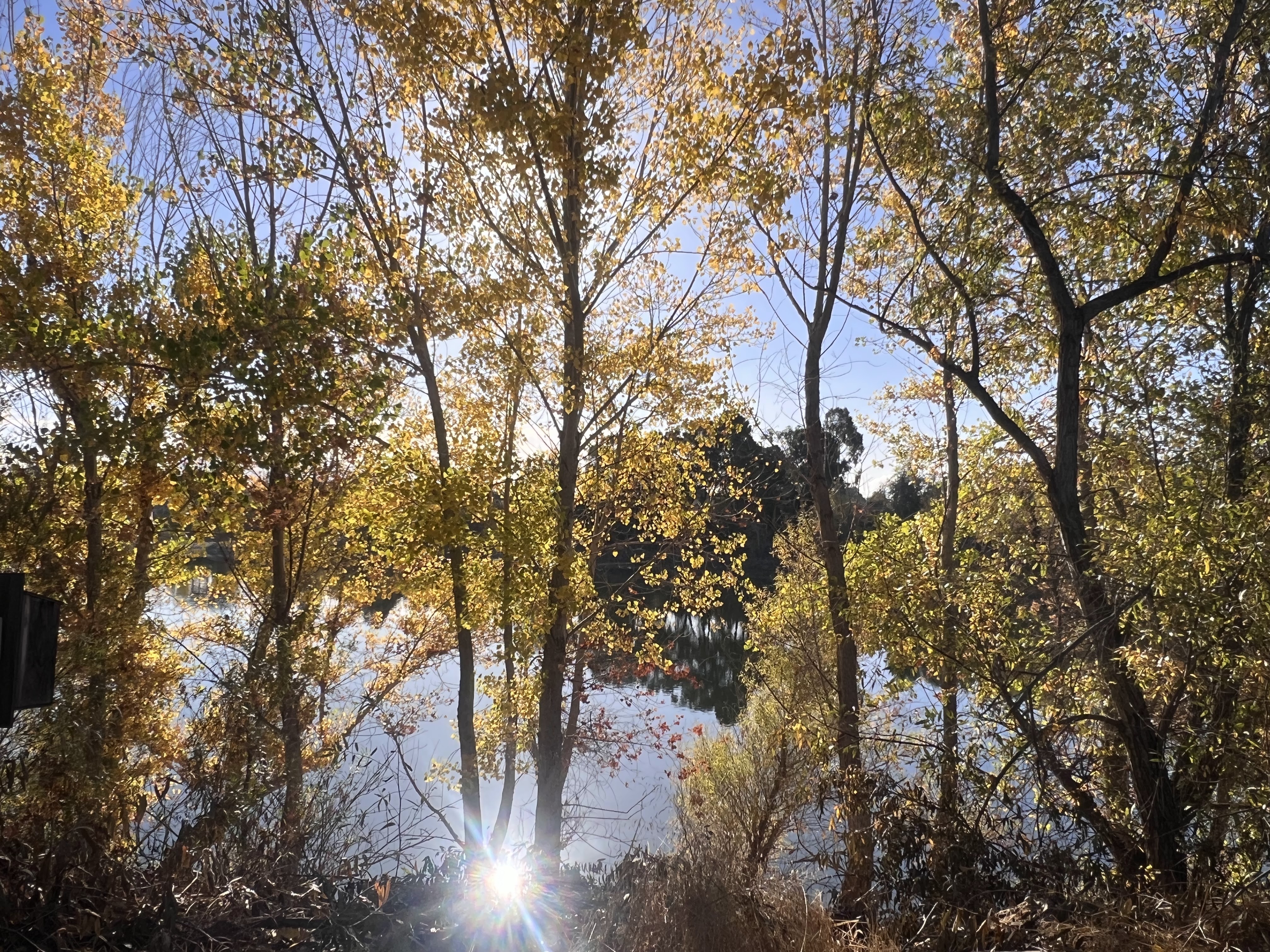
It was a beautiful November day – one of those days that poets and artists can spend all their lives dreaming about. It truly was a delight to step out into the sparkling cold air, raise your head to take in the glorious panorama of the skies above through the glorious reds and yellows of the maple, beech, sycamore and willow trees.

As long as autumn lasts, I shall not have hands, canvas and colours enough to paint the beautiful things I see

– Vincent Van Gogh

The yellow leaves were looking golden in the sun’s rays, and the reds were nothing short of royal. We took a dozen pictures but knew there was nothing to be done but to sit and soak into the world around us. So we did.

img_3815

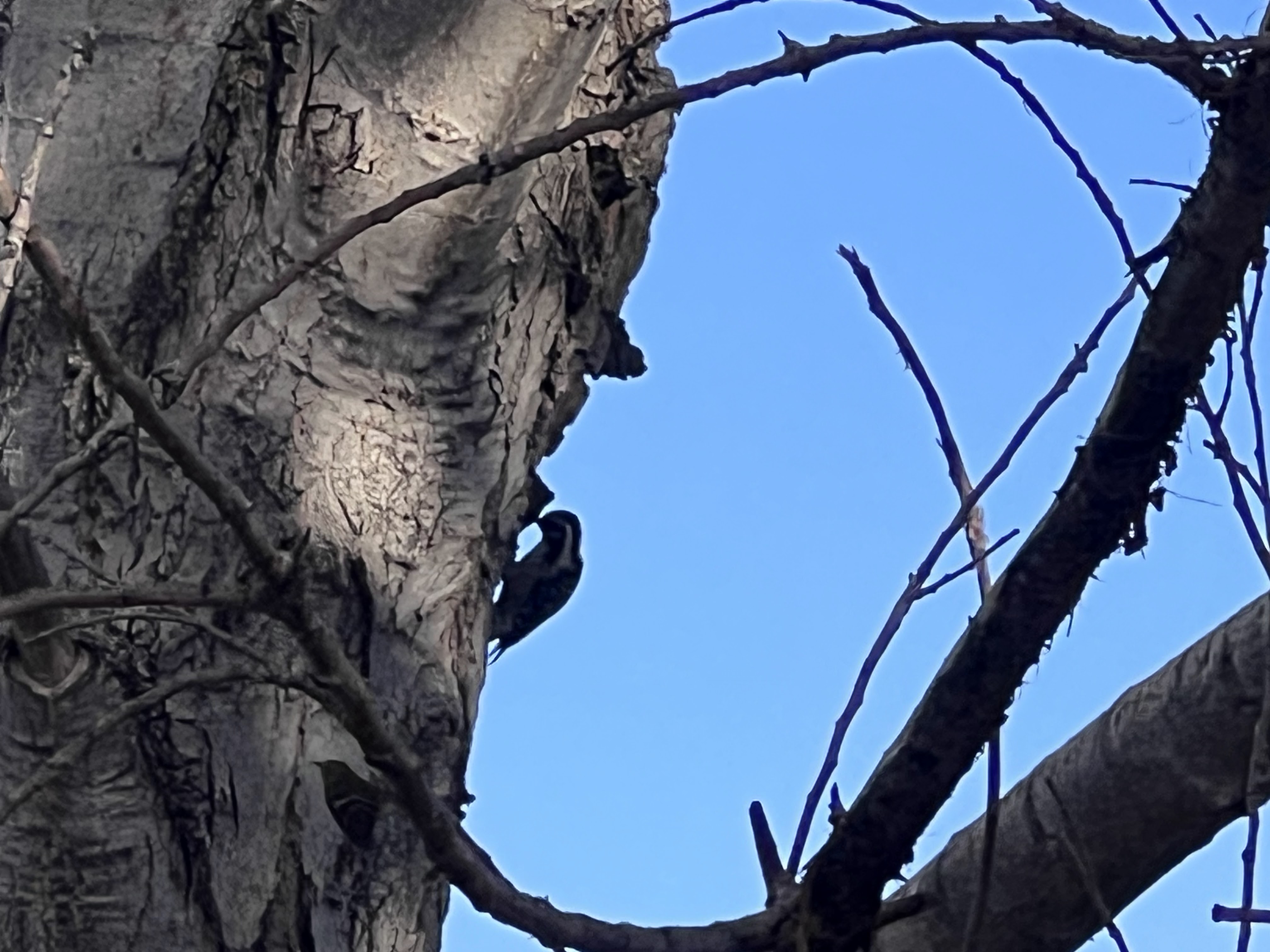
I set about closing my eyes to try and capture the day in my memory under a particularly fetching set of trees – it was after some time that I found myself called back by a bird. It wasn’t the shrill call of the california blue jay or the titter of the wrens, or the frenzied call of hummingbirds. Curious, I opened my eyes to see which bird it was. Imagine my surprise when I saw it was a woodpecker. It swooped low by me and flew to an adjacent clump of trees, and I followed as silently as I could. Though I realize that for birds and animals I must sound like a stampeding rhino. 

There – up above the smooth branches of some beech trees were a whole family of woodpeckers. They weren’t hammering their heads as they were known to do. The baby woodpecker’s downy feathers were still growing, and the sight made my heart still – more effective than any form of meditation I have ever attempted. 

img_3809

It was like an invitation to witness the simple pleasures of nature on a glorious day. I don’t know how long I stood watching the woodpeckers, but the head’s questions of purpose and meaning seemed rather meaningless just then, for the simple beauty of being alive on a beautiful day like this and being able to bear witness to the passing seasons with a heart full of gratitude felt like purpose enough.

Peeking out after the rains

Novembers in the Bay Area are beautiful. It is the time when the world around us turns colorful – assures us that the seasons are turning. The fall colors, never as resplendent as in the East Coast, are inviting, and the son & I spent more minutes walking gleefully into crunchy leaves in the past few days than was necessary. We also gazed upwards into maple trees – the greens, yellows, reds and maroons like a beautiful artist’s palette in the world around us. 

Regardless of how we started out, we’d come back smiling widely and happy to be out in the world. The days drawing in closer also means that we had to really try to catch all of this in a narrow window before the skies draw the screens on them. That sense of urgency adds to the thrill. 

“She had always loved that time of year. The November evenings had a sweet taste of expectation, peace and silence.

And she loved most of all the quiet of her house when the rain fell softly outside.”

– Louisa May Alcott’s, Little Women.

The squirrels, deer, water rats – they all seem to be more at ease with the time-change than we are. Probably because they don’t peer at the clocks before heading out for a walk. They rise with the sun, and rest with the dark. There is a profound kind of philosophical simplicity there.

img_3794img_3793

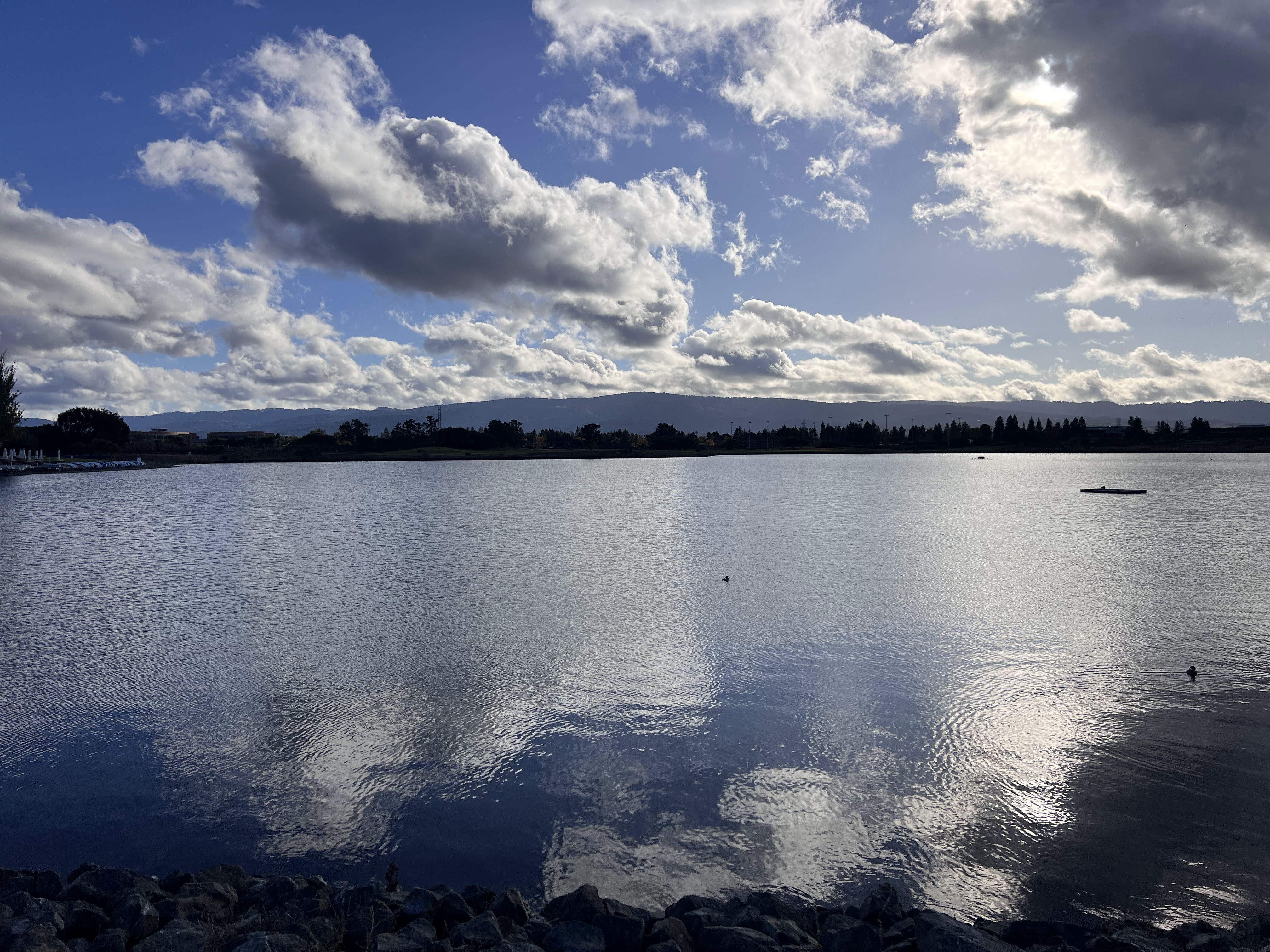
Yesterday was Veteran’s Day and a holiday for schools. So, we decided to make a song-and-dance of it, and headed out for a walk after lunch. The rains had lashed down all morning – the first rains in November in the Bay Area always make me feel warm and special. By afternoon, the clouds were scuttling away, leaving a delicious moist, clean Earth behind. We walked around a lakeside – watching the pelicans, sanderlings, geese and ducks catch the sunshine after the rains too. 

There is a strange solidarity amongst creatures in that simple act. Peeking out after the rains.

img_3797

Multi-Generational Family Sagas

Multi-Generational Family Sagas

I read two family sagas this year spanning multiple generations, and several decades each. 

Both were highly acclaimed books, and written well. However, both of them suffered from meandering plots, and unnecessary diversions. Making them swollen at least by a few hundred pages. 

“It was a bit like listening to my father tell a story about some character in his village. He’d tell me all about this character, his relatives, his relative’s friends, and the marriages that made the whole thing impossible to untangle, and so much more. By the time he finished the story, you’d be wondering what the point of it was.” I said to my friends after finishing The Covenant of Water. 

I understand too how that can be a daunting task. The mother had seven siblings, the father nine. Their parents, I am not even sure, for I might have switched off in between.

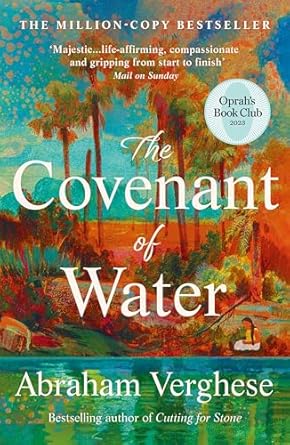
The Covenant of Water – By Abraham Verghese

The writing is beautiful – lyrical, and his characters have endearing qualities to them – resilience, love, grace, flaws. Abraham Verghese is also a doctor by profession, and therefore the details of all the medical terms made for a depth even if the average reader does not need as much information (ex: how a particular surgery was being performed, or how the stent would have served better from a particular perspective) 

Set in Kerala, South India, the book spans the family of Big Ammachi (the matriarch of the family) between  1900 and 1977.
covenant_of_water

It would also have been nice to know a little bit more about the living conditions and life in that time period. For instance, there is a character, Uplift Master, who derives his purpose from getting the village around Perambil (the ancestral village in which the whole saga takes place) developed and to march into the twentieth century in style. Knowing the problems Uplift Master faced in terms of discrimination by the British Raj, or bribery would have been useful. 

Casteism is touched upon, the perils of life as a leper is well depicted. 

The plot itself could have been condensed. That apart, it is a good book.

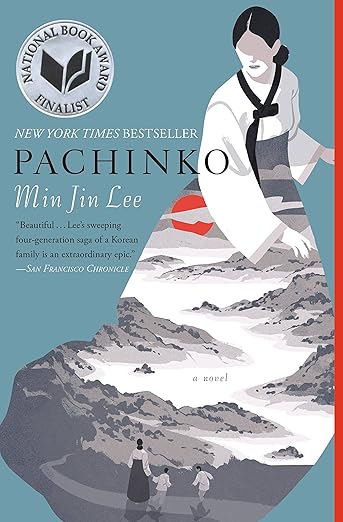
Pachinko: Min Jin Lee

Pachinko is set in a similar time period in Japan(1910-1989). It outlines the generational problems existing between Koreans and Japanese. 

The story also spans multiple generations and revolves around the life of Sunja – a poor Korean who moves to the city with her husband, Baek Isak, and child from a previous tormented relationship.
pachinko

Reading about the effects of racism, poverty and war is never easy. Writing about them keeping the humanity of the characters intact is even harder. Min Jin Lee manages to do that with ease. It would have been nice to see how things were changing as the century progressed, but we do not see too much of it. 

The Tides of Humanity

The tides of humanity are apparent even if there are literally oceans separating the stories.

  • The Covenant of Water is set in Kerala, South India(1900-1977).
  • Pachinko is set in Japan(1910-1989)

They both deal with matriarchal characters (Big Ammachi alias Mariamma & Sunja) who do their very best by their kith and kin in difficult times. Providing love, trust, and hard work as tenets to a good life.

I think this line from Noa (Sunja’s firstborn) in Pachinko,  outlines the angst of humanity pretty well: 

Noa didn’t care about being Korean with anyone. He wanted to be, to be just himself, whatever that meant; he wanted to forget himself sometimes. She could not see his humanity, and Noa realized that this was what he wanted most of all; to be seen as human.

– Min Jin Lee, Pachinko

There is plenty to be learnt in life as a human, wherever one lives.

In the Covenant of Water, Philipose (Big Ammachi’s son) says it best:

“Ammachi, when I come to the end of a book and I look up, just four days have passed. But in that time I’ve lived through three generations and learned more about the world and about myself than I do during a year in school. Ahab, Queequeg, Ophelia, and other characters die on the page so that we might live better lives.”

Abraham Verghese, The Covenant of Water

Exploring Deepavali Through The Firework Maker’s Daughter

I glanced around me – it was Deepavali, and all of us children, parents, and grandparents at the  party, looked delighted. Who wouldn’t be? Many of us were clutching sparklers, and watching the tiny stars produced by them in awe. The beautiful fountain pot spouted its joy towards the world a few feet away, and the oohs-and-aaahs were enough to melt hearts. Deepavali fireworks, especially in the US, are not exactly spectacular, but it is joyful all the same. 

img_3753

Watching fireworks has always been magical. The little sparks ignite something else altogether in our spirits.  Watching everyone around me, I could well imagine the children of ancient China watching in wonder as the first gunpowder produced magical effects. Or the hobbits as they all watched Gandalf’s spectacular fireworks in Hobbiton. Every time we go to DisneyLand, waiting for the fireworks in the cold, with thousands of people, it is magical. 

I was so glad to have an equally delightful book  to read that week-end, The Firework Maker’s Daughter – By Philip Pullman.

The Firework Maker’s Daughter – By Philip Pullman

A delightful tale of adventure, replete with a plucky heroine (Lila), a hero (Chulak) with gumption, and a talking elephant (Hamlet, who is in love with the elephant at the zoo, named Frangipani). 

In the Firework Maker’s Daughter, the firework maker, Lalchand’s daughter, Lila, wants more than anything to become a fireworks maker. At a young age, Lila invented Tumbling Demons & Shimmering Coins.

“My father won’t tell me the final secret of fireworks-making, “ said Lila. “I’ve learned all there is to know about flyaway powder and thunder grains, and scorpion oil and spark repellant, and glimmer juice and salts-of-shadow, but there’s something else I need to know, and he won’t tell me.” 

firework_makers_daughter

But of course, the poor girl is not allowed to become a firework maker, for her father intends to get her married off. So, with the help of the white, talking elephant, Hamlet and his keeper, Chulak, she takes off to find the secrets of firework making all the same.

It is a whimsical book, and the descriptions of the fireworks in the end makes for a marvelous read.

If only the joys of learning to do these things (like making fireworks), were still available to us, instead of being locked behind factory doors, how wonderful it would be.  As I remembered all the different types of fireworks – the ones that burst into a thousand patterns in the sky, the ones that take their time like a rocket lift-off, the spinning chakras, the little pops of bursting noises, the ‘Lakshmi bombs’ ( the loud bombs), and the serial-wallahs,(the strings of explosive that went off for minutes at a time) – the imagination took off with the fireworks too.  How could it not? How inventive these firework makers must be.

I sat down willing to write about the marvelous joys of fireworks, but came up wanting. How can you capture the soaring of the heart in words? How can show  feel a definite lifting of the spirits when only you can feel it?